

Chapters:

Need help with your trip?
Our support team is available 24/7. Request a callback or call us directly at (833) 619-0908
Many Tauranga itineraries start with the same two anchors, Mount Maunganui and the CBD, then leave the harbor crossings, timing, and dinner hours to chance. Travelers often miss how much the city changes once the beach strip quiets and the center becomes the easier place to move through.
That approach can waste time, since the Mount and Tauranga central sit on opposite sides of the harbor, evening buses thin out, and some cafés stop taking orders early. The result is extra backtracking, more dependence on cabs, and less time for the historic sites that sit away from the main waterfront.
This guide sets out a tighter five-day pattern, with stays, sights, meals, and transport lined up in a way that matches the city’s geography. It keeps the beach, the CBD, and the inland heritage stops in a sequence that makes each day easier to read.
Useful things to know
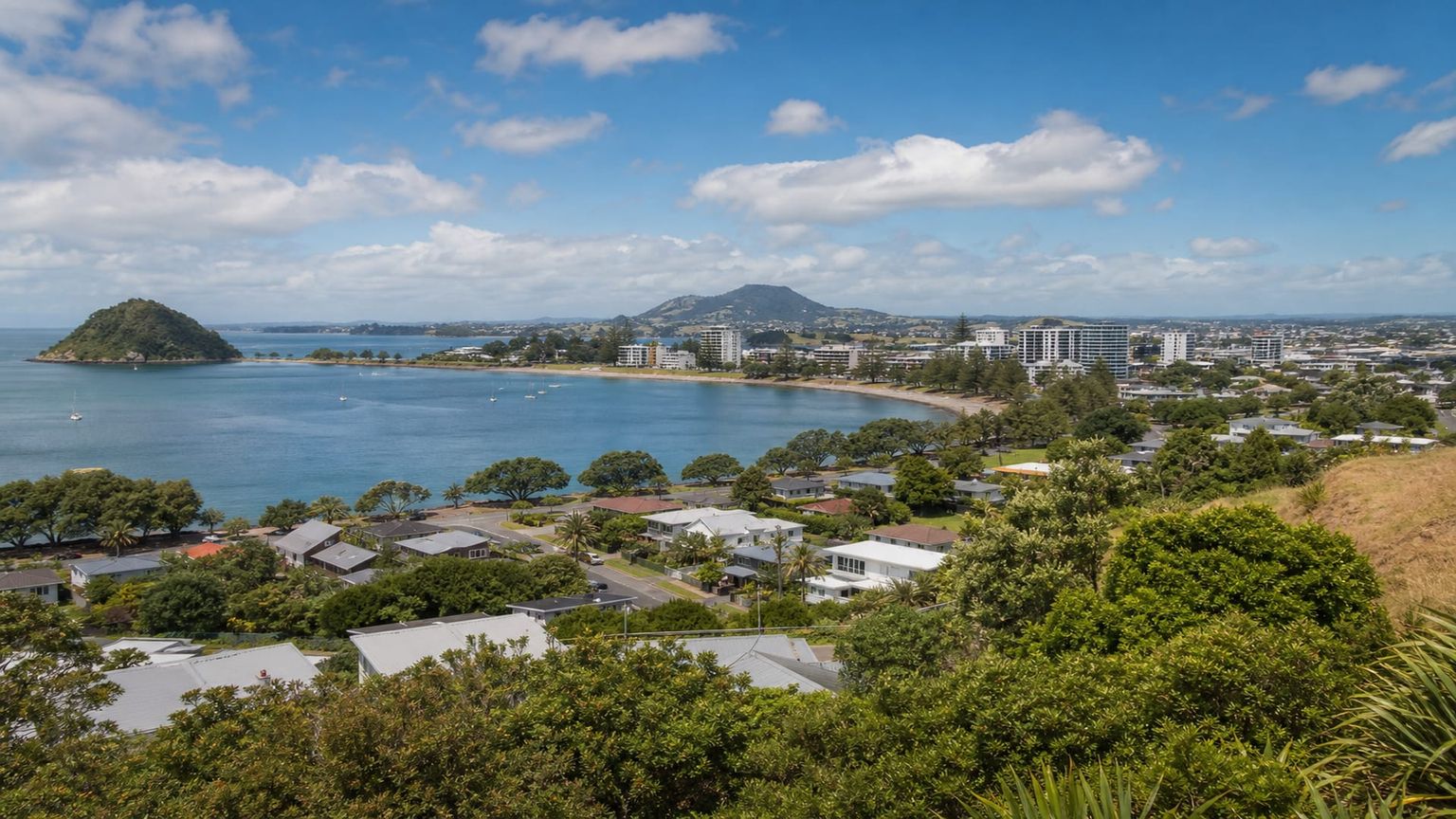

Main language(s): English

Currency: The local currency is the New Zealand dollar (NZD, $).

Cash and cards: Cards and contactless are widely accepted; carry about NZ$20 to NZ$50 in cash for small purchases or tips.

Tipping: Tipping is optional, but you can round up or leave about 10% for good table service.

Traditional food: Mussel chowder, whitebait fritters, hangi, pavlova

Water and coffee costs: Water about NZ$3 ($2), bar espresso about NZ$5 ($3.50).

Taxis and ride apps: Uber and Ola operate here; confirm pickup zones at Tauranga Airport if you are meeting a driver.

Plug and voltage: Type I socket, 230V

Dining and shop opening hours: Breakfast is about 07:00-09:00, lunch 12:00-14:00, and dinner 17:30-21:00. Many cafés close by midafternoon, and kitchens often stop taking orders by 20:30.

Emergency number: Dial 111 for police, fire, or ambulance.
Where to stay in Tauranga
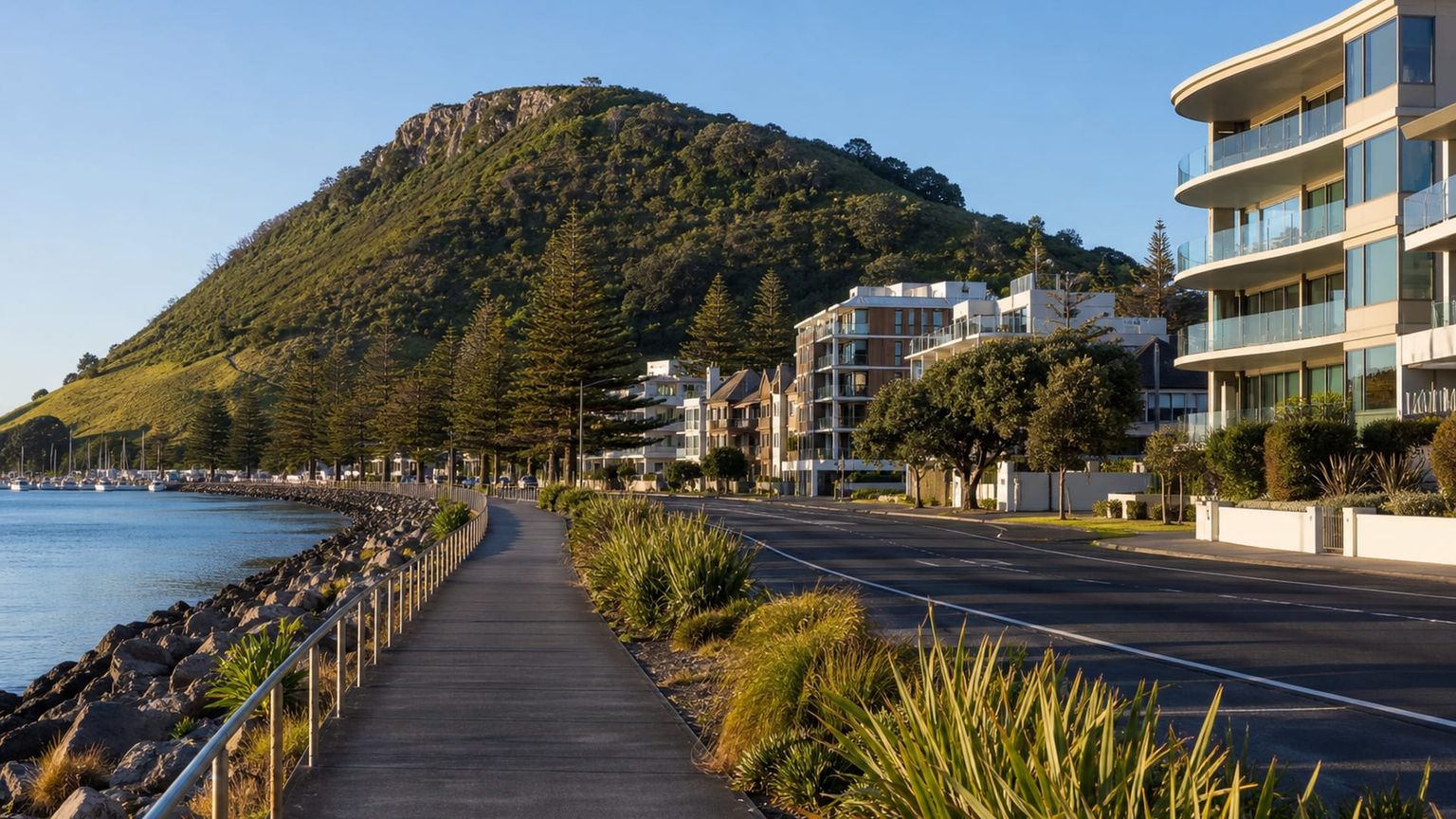
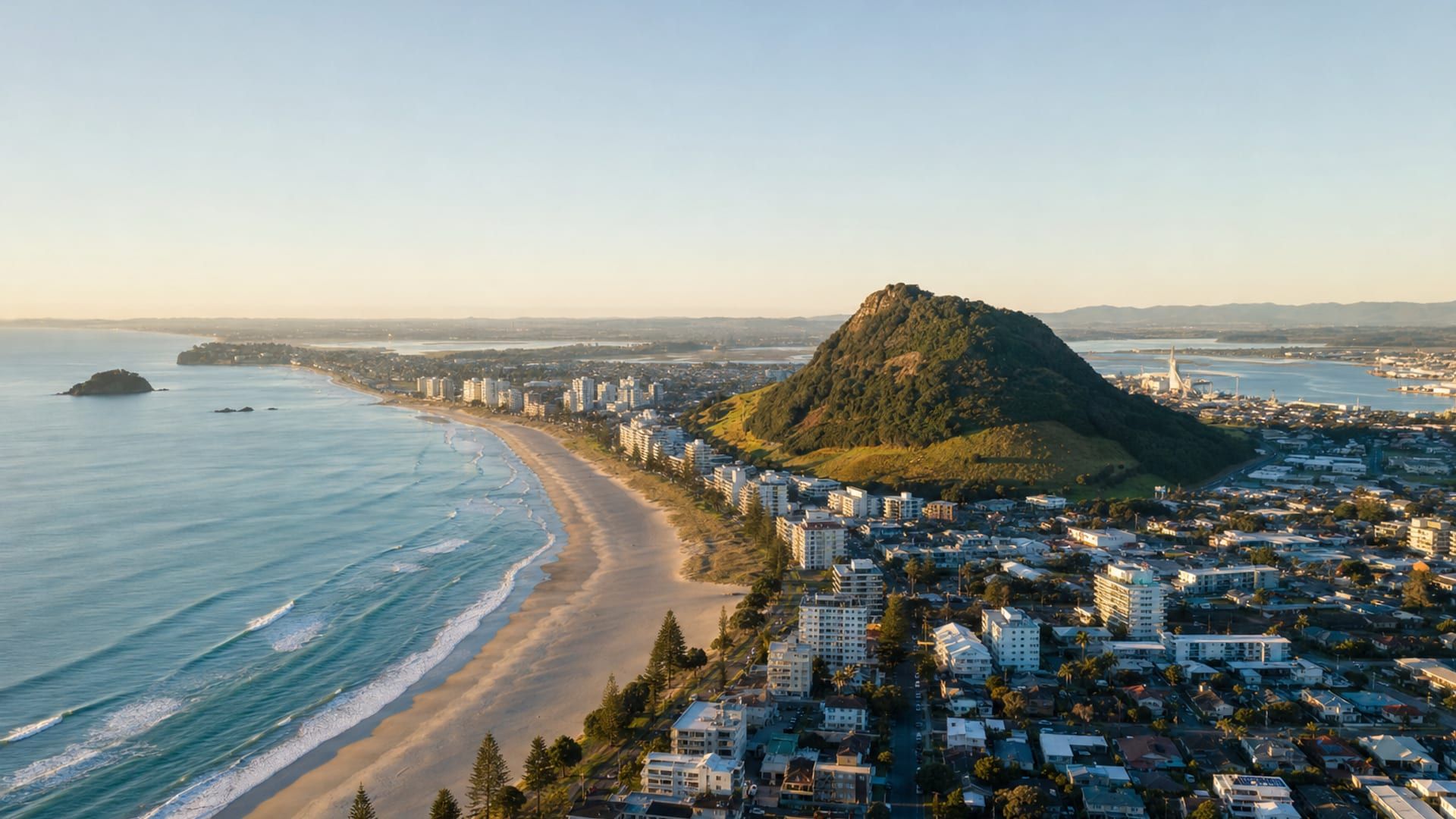
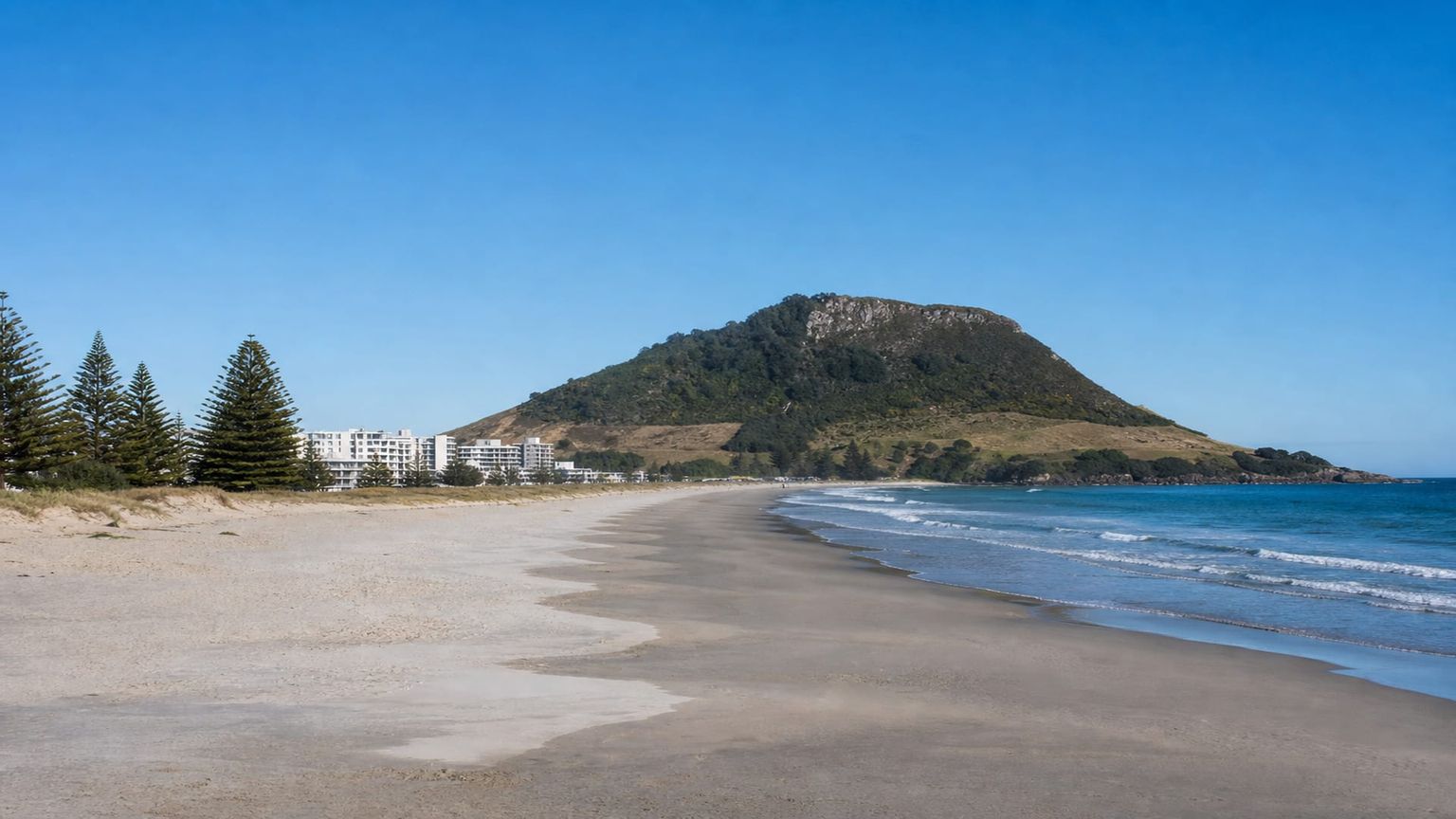
The main beach district sits across the harbor from central Tauranga, with surf breaks, a long boardwalk, and a dense strip of cafes and shops near the base of Mauao. It suits visitors who want the coast close at hand without leaving the metro area.
Best for: Beach time, surfing, walks up Mauao, and travelers who want restaurants nearby
What to expect: Expect steady foot traffic by the beach, a busy main strip, and a livelier atmosphere in summer and on weekends.
Hotel prices: Usually about NZ$180 to NZ$320 (~$110 to ~$195) per night for well-rated stays
Distance to major sights: About 15 to 20 minutes by car to Tauranga city center, and 5 to 15 minutes on foot to Mauao and the main beach
Quietness: Loudest near the main strip and beach on summer evenings, quieter on side streets and after dark away from the waterfront
Main trade-off: You pay more for proximity to the beach and accept heavier traffic, parking pressure, and higher weekend crowding.
Good to know: If you plan early swims or sunset walks, choose a place within easy walking distance of the beach, since parking can be limited near the waterfront.
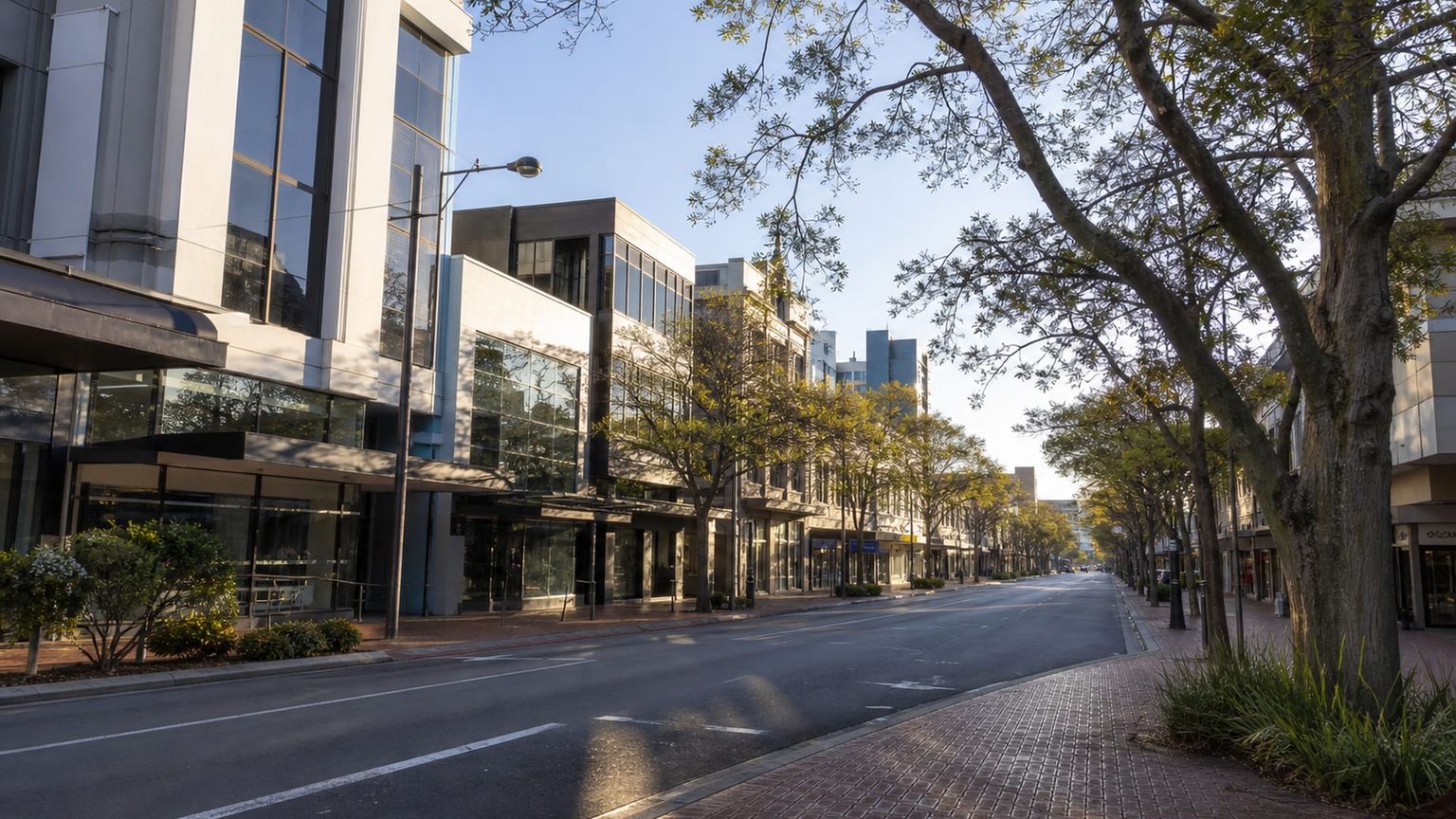
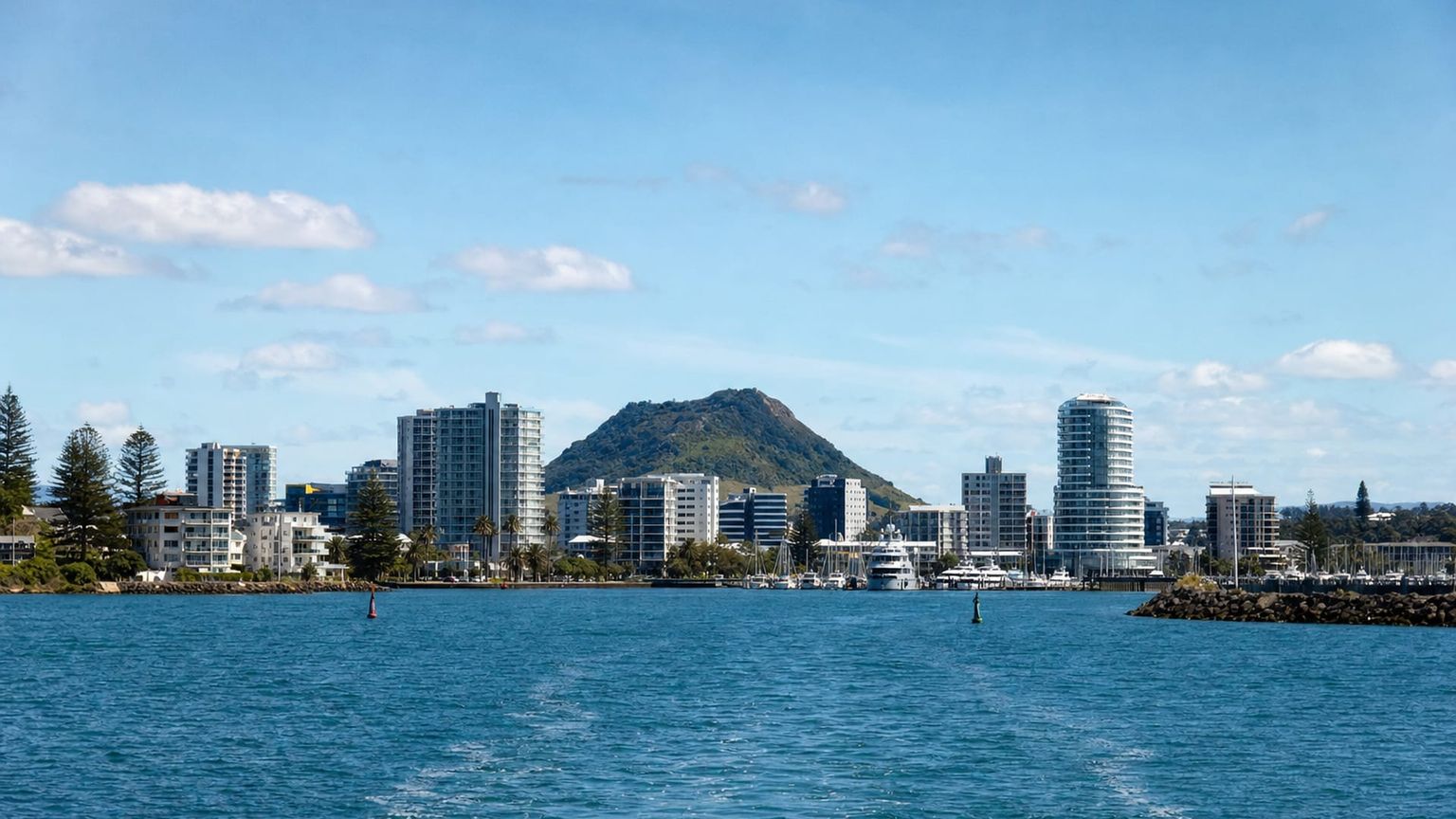
The CBD clusters the city’s offices, shops, dining, and waterfront access on the inner harbor. It works well for visitors who want transport links, a central address, and easy access to daytime errands and meals.
Best for: Business trips, ferry access, dining, and travelers who prefer an urban base
What to expect: Expect weekday office activity, lunch-hour movement, and a quieter scene after shops close, with more life near the waterfront than on back streets.
Hotel prices: Usually about NZ$160 to NZ$280 (~$95 to ~$170) per night for well-rated stays
Distance to major sights: On foot to the waterfront in about 5 to 10 minutes, and about 15 to 20 minutes by car to Mount Maunganui
Quietness: Busy in the day, especially on weekdays, then relatively calm in the evening once office workers leave
Main trade-off: You gain central access, but the area sits farther from the main beach and has fewer late-night options than Mount Maunganui.
Good to know: Evening dining choices thin out after office hours, so check opening times if you plan to eat late.
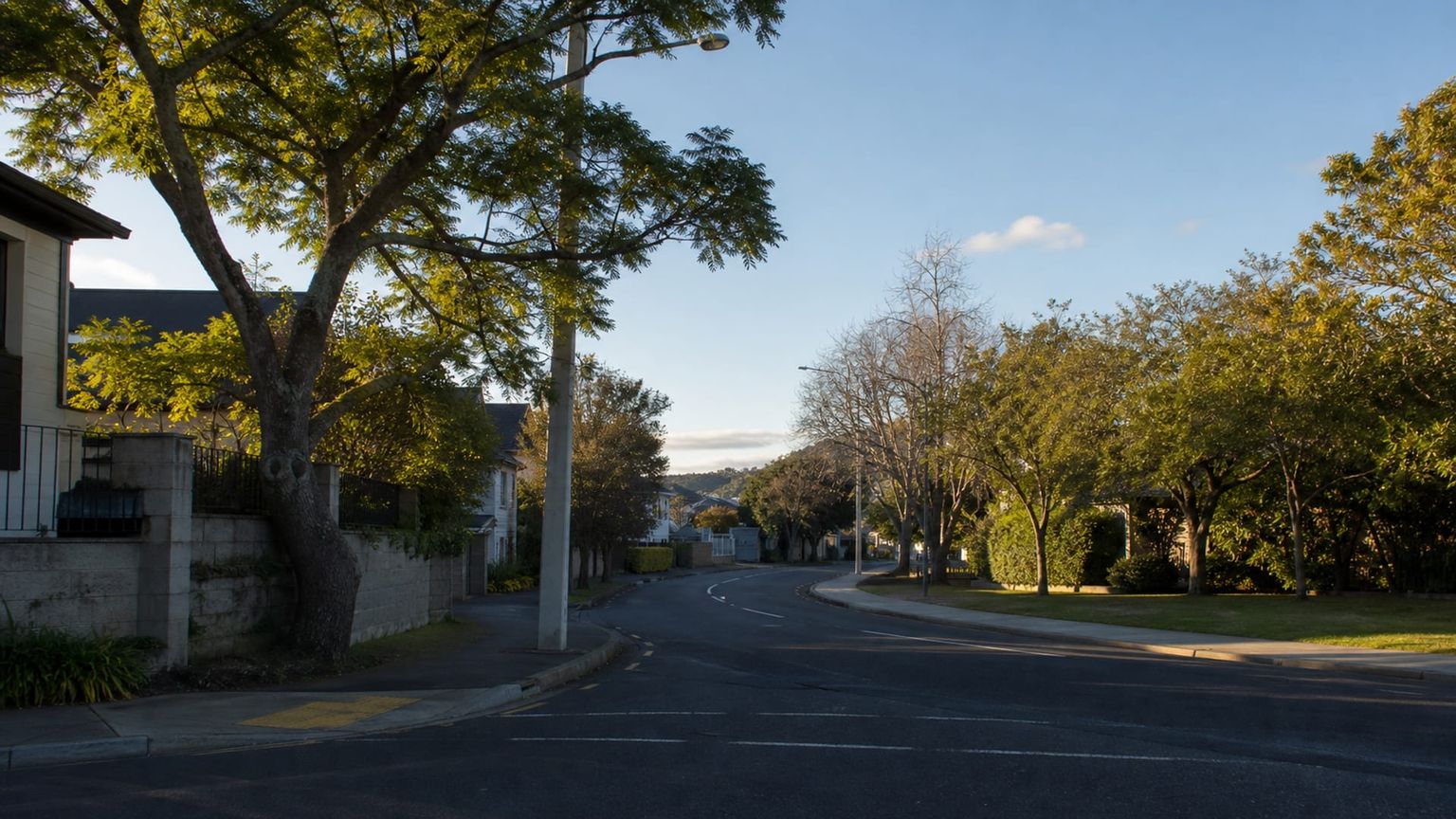
Bethlehem is a suburban area west of the center, with shopping centers, newer housing, and easy road access to the rest of Tauranga. It suits travelers who want a quieter inland base and do not need to stay beside the harbor or beach.
Best for: Families, longer stays, and travelers with a car
What to expect: Expect residential streets, mall traffic, and far fewer evening crowds than in the beach districts.
Hotel prices: Usually about NZ$150 to NZ$260 (~$90 to ~$155) per night for well-rated stays
Distance to major sights: About 10 to 15 minutes by car to Tauranga city center and about 20 to 25 minutes by car to Mount Maunganui
Quietness: Calm at night, with more daytime activity around shopping areas and school runs
Main trade-off: You trade beach access and walkability for easier parking and a quieter setting.
Good to know: Without a car, you will spend more time on buses or taxis, because most leisure spots sit outside the immediate neighborhood.
Travelers usually avoid staying in Mount Maunganui if they want easy access to Tauranga CBD, because it sits across the harbor and evening travel depends on driving or bus schedules. Bethlehem and Matua are less convenient for most visitors, with fewer visitor amenities and longer trips to the main waterfront, museum, and central shopping streets; Welcome Bay is also far from the city center and popular sights.
Hotel deals
How to get around Tauranga efficiently
Tauranga does not have rail, so the city works best with walking, Bayhopper buses, taxis, and ride-hailing for the cross-harbor links.

Metro
for longer distances
Tauranga does not have a metro or suburban rail network, so local trips rely on buses, taxis, and walking for short distances.

Bus and tram
for convenience
Bayhopper buses cover Tauranga and nearby areas, with the main city routes linking the CBD, Mount Maunganui, Papamoa, and Bayfair; fares are about $1.50 to $5.00 NZD ($0.90 to $3.00 USD), and a day pass is about $7.50 NZD ($4.50 USD). Most services run every 20 to 60 minutes, with higher frequency on core corridors in the daytime.

Taxi
for convenience or late hours
Licensed taxis in Tauranga use metered fares rather than fixed citywide set fares, and a typical airport trip to central Tauranga costs about $25 to $40 NZD ($15 to $24 USD), while shorter inner-city rides are often about $12 to $20 NZD ($7 to $12 USD). You can phone ahead, book through an app or taxi company, and most cabs accept cards, though a surcharge may apply.
*Prices are based on rates updated as of June 2026 and may change at the time of travel.
Walk for the beach, use buses for the CBD and Mount corridor, and choose taxis or Uber when you need to cut across town on a tighter schedule.
Iconic landmarks
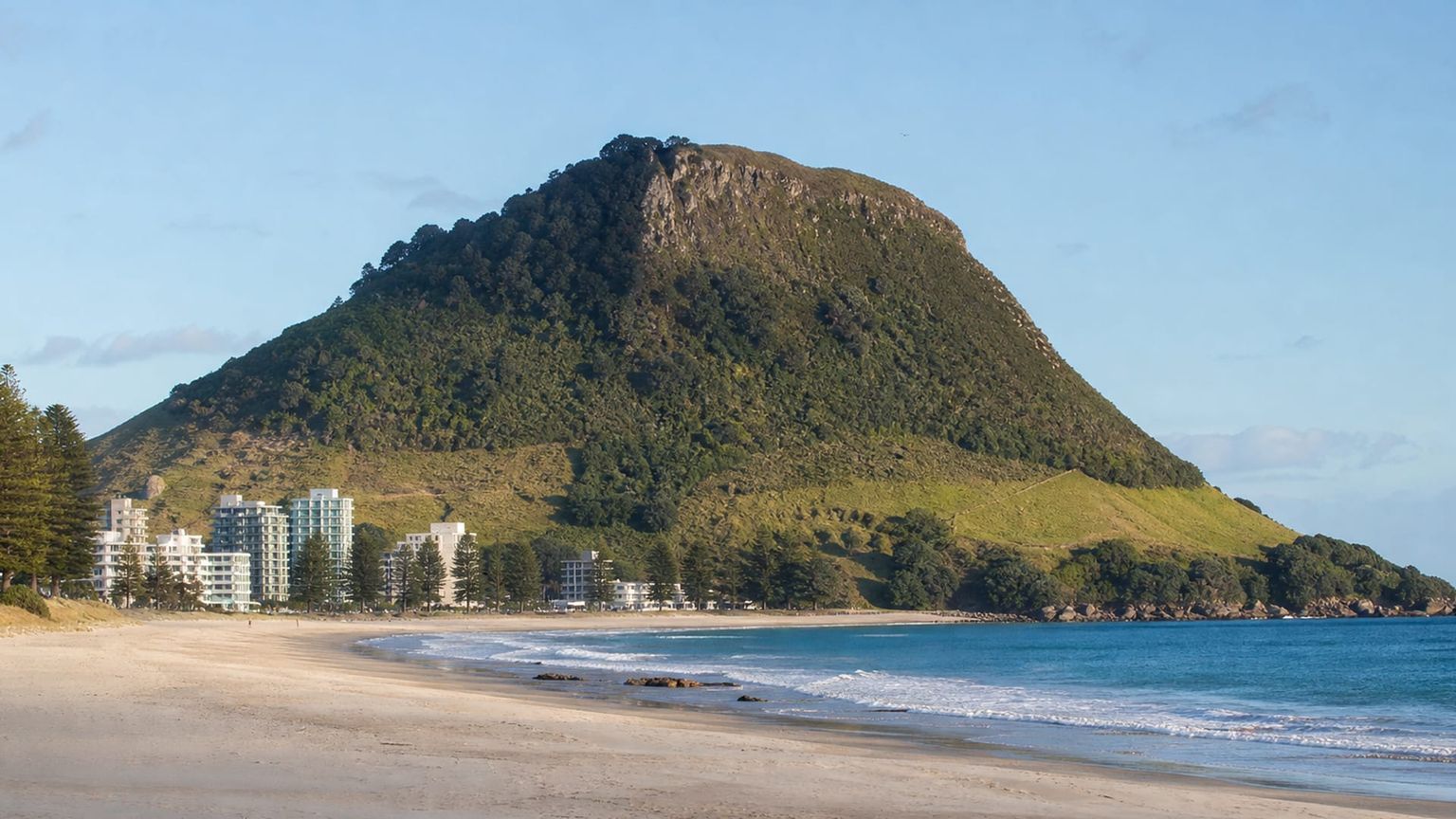
Mount Maunganui Main Beach and Mauao
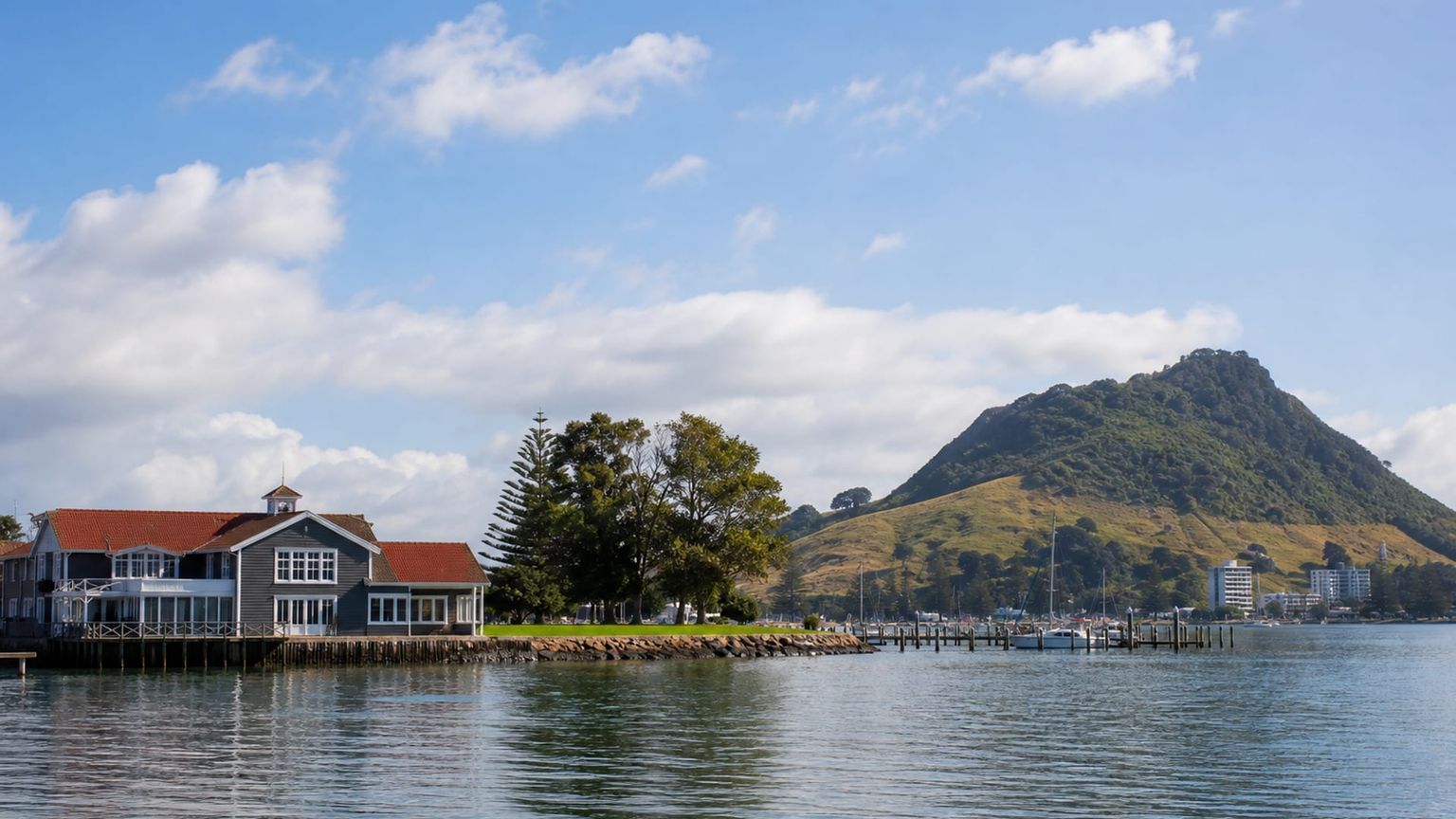
Walk the beach at the foot of Mauao, Tauranga’s volcanic cone, then climb the summit track for harbor views and a clear look across Pilot Bay, the surf, and the Port of Tauranga. The loop is one of the city’s signature short hikes.
Time needed: About 2 to 3 hours
Entry: Free to access; the summit and base tracks are open daily, and no timed entry applies. Parking near the beach can fill quickly on warm weekends and school holidays. Visit the official site for details.
Tip: Start early for cooler footing and quieter tracks, then stay for sunset over the harbor.
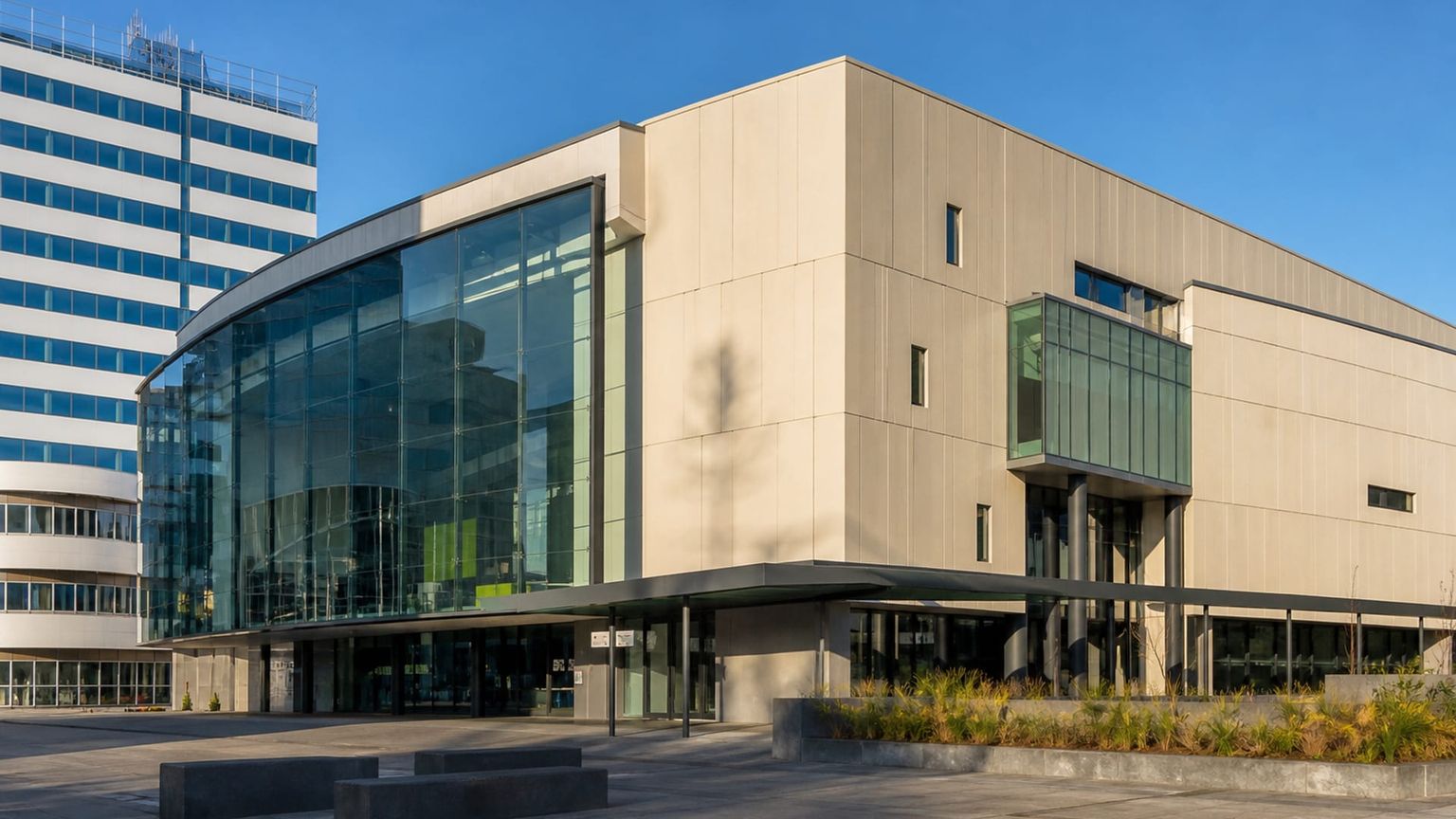
Tauranga Art Gallery
Set in the city center, Tauranga Art Gallery presents contemporary exhibitions, local artists, and touring shows in a compact modern space. Its changing program gives a clear snapshot of the Bay of Plenty’s current arts scene.
Time needed: About 1 to 2 hours
Entry: General admission is free, with special events or selected programs priced separately. Check the current exhibition calendar before you go. Visit the official site for details.
Tip: Pair it with a weekday lunch stop nearby, when the galleries and streets are quieter.
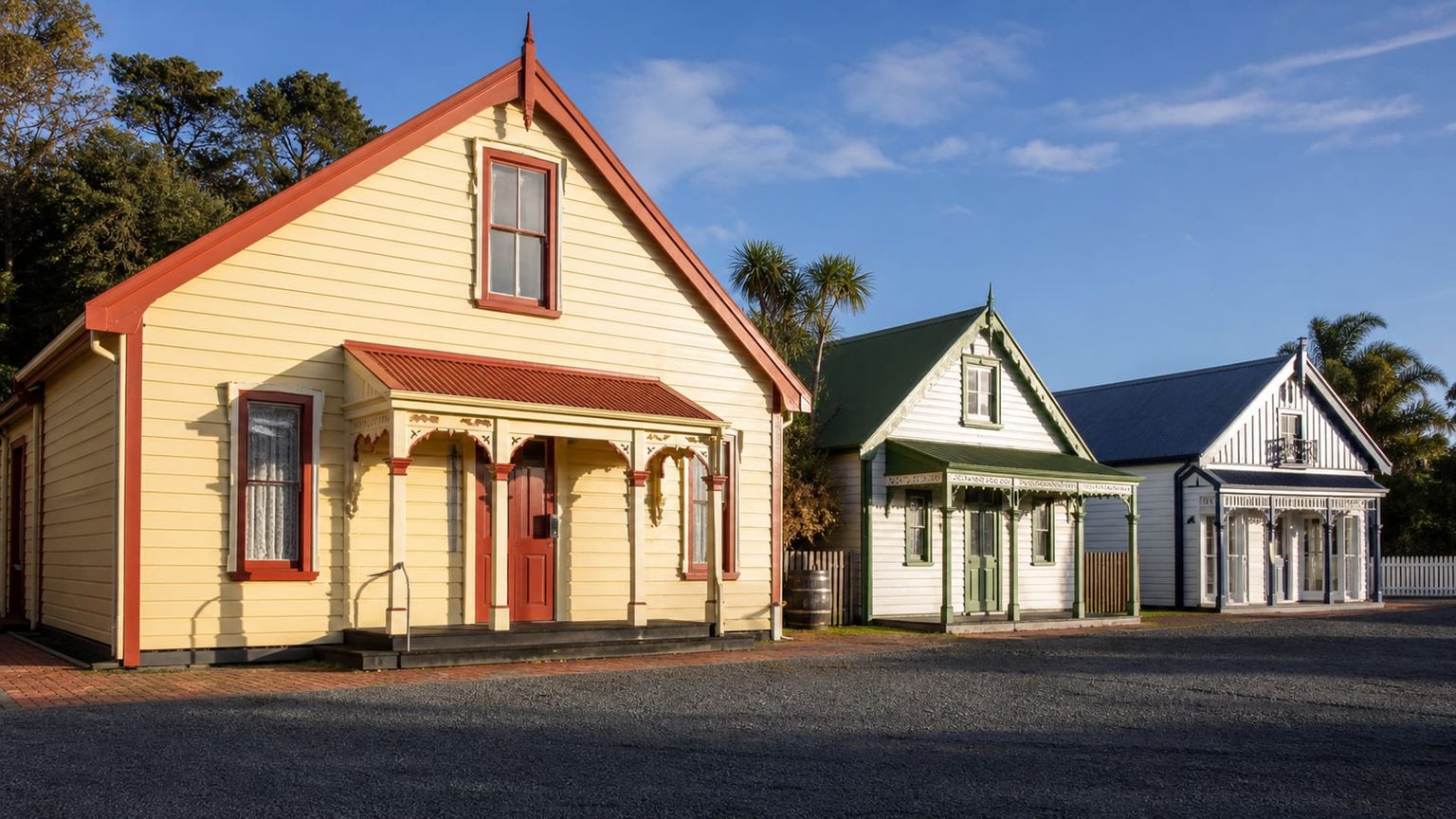
Historic Village, Tauranga
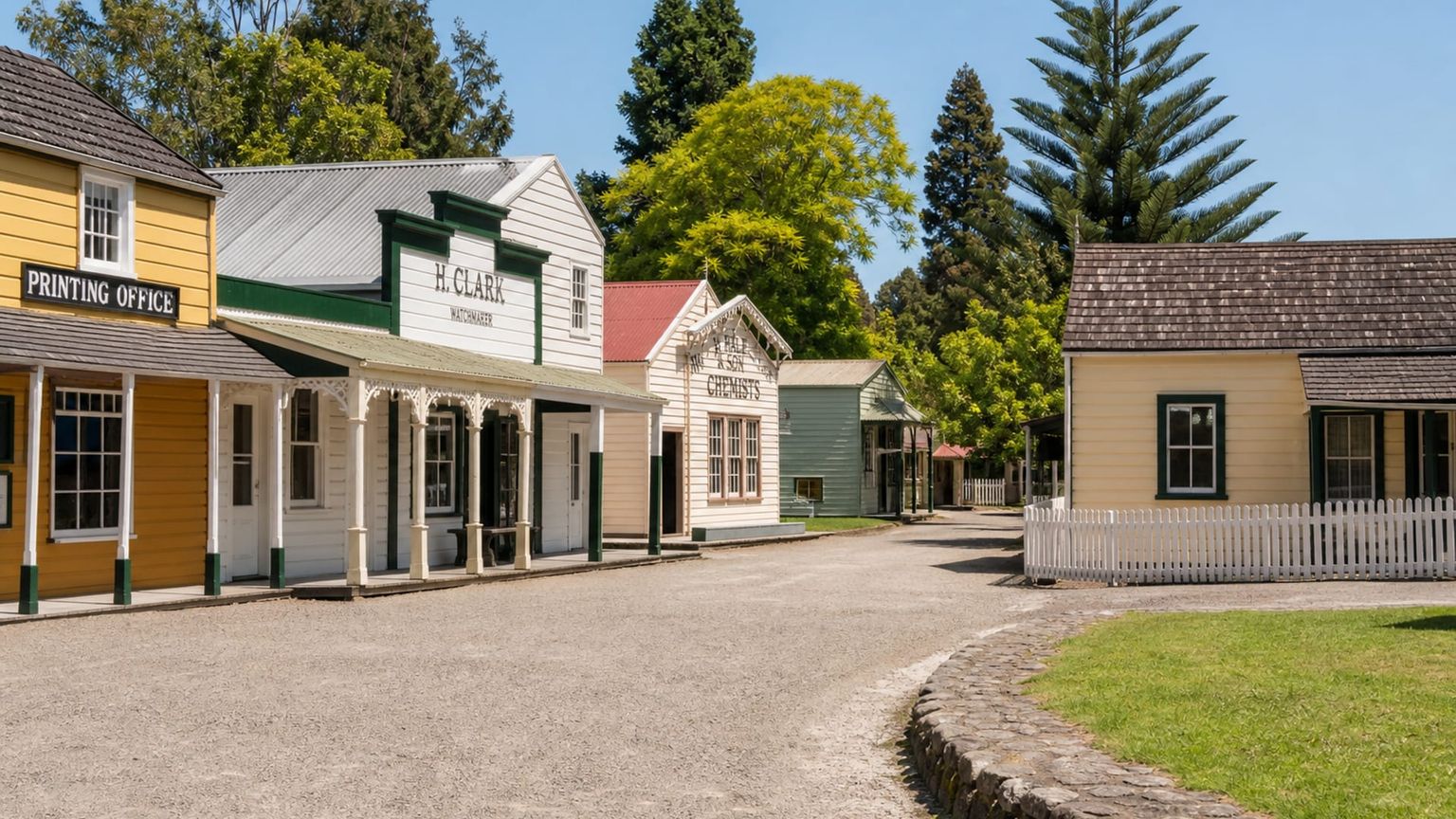
Historic Village brings together restored heritage buildings, small museums, craft shops, and a chapel on a landscaped site east of the center. It offers a compact look at Tauranga’s colonial-era architecture and local collections.
Time needed: About 2 to 3 hours
Entry: Entry is free to wander the grounds, while some museums, events, and specialty shops charge separately. Opening hours vary by venue. Visit the official site for details.
Tip: Visit in the morning, when the village lanes are quieter and the shops have just opened.
Overlooked sites worth visiting

The Elms Historic House and Garden
This 19th-century estate pairs a restored villa with formal gardens, orchard beds, and shaded paths. The compact grounds suit a slow visit, and the house gives a clear look at Tauranga’s early settler history.
Time needed: About 1 to 2 hours
Entry: Adult admission is about $13 to $15 ($15 to $17 NZD), with reduced rates for children and family passes available. Guided house visits run at set times, and garden-only visits may be cheaper on selected days; check current opening hours before you go. Visit the official site for details.
Tip: Go in the morning for softer light in the garden.

Monmouth Redoubt
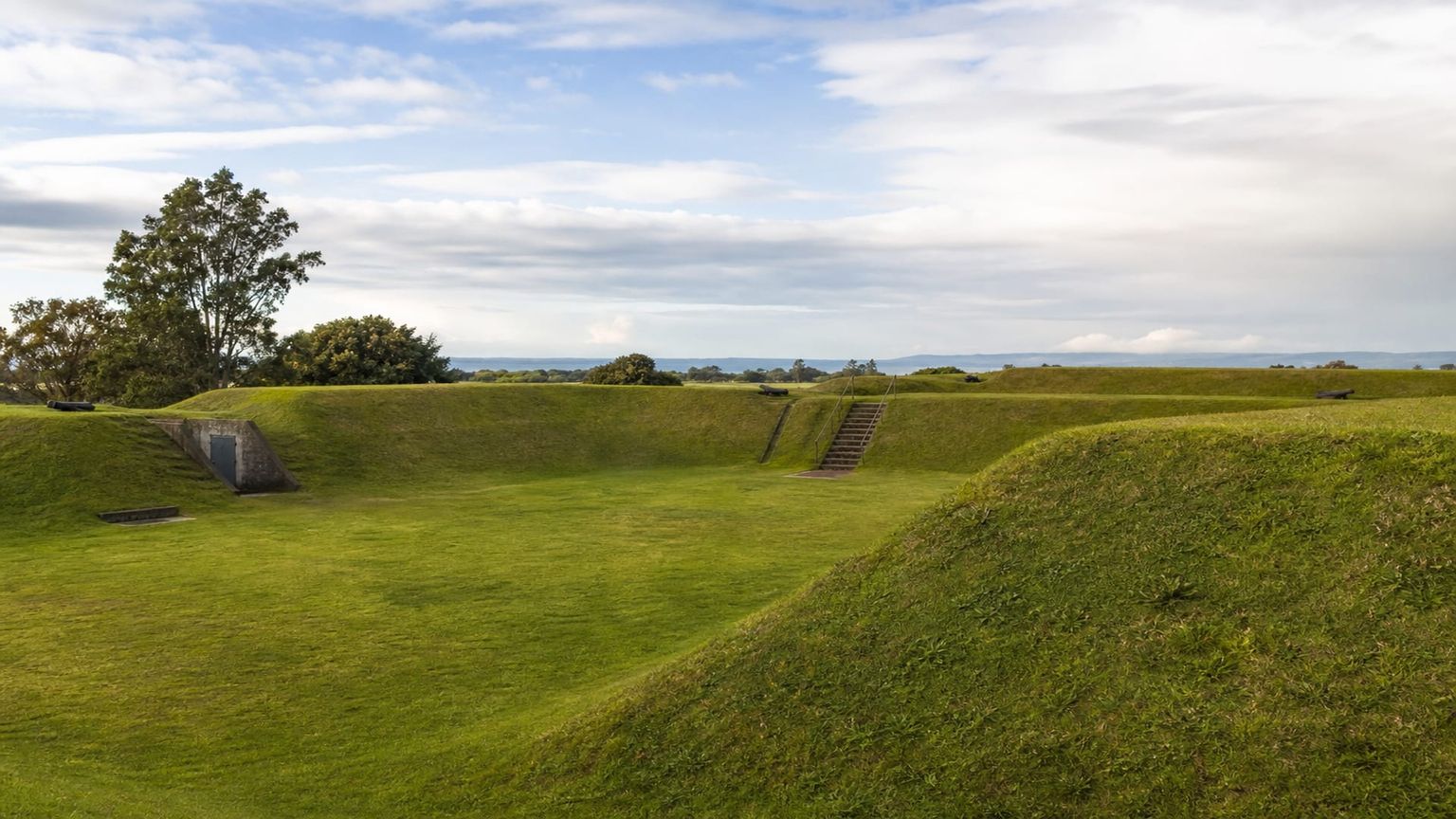
This small waterfront reserve holds the earthworks and cannon positions of Tauranga’s 1864 fortification. It is a brief stop, but the harbor views and interpretive panels make the site easy to read on foot.
Time needed: 30 to 45 minutes
Entry: Free to access; it is an open public reserve with no admission fee. You can visit during daylight hours, and the site has paths, signage, and harbor-edge viewpoints without a ticketed entry point.
Tip: Visit near sunset for the clearest harbor views.
Traditional food
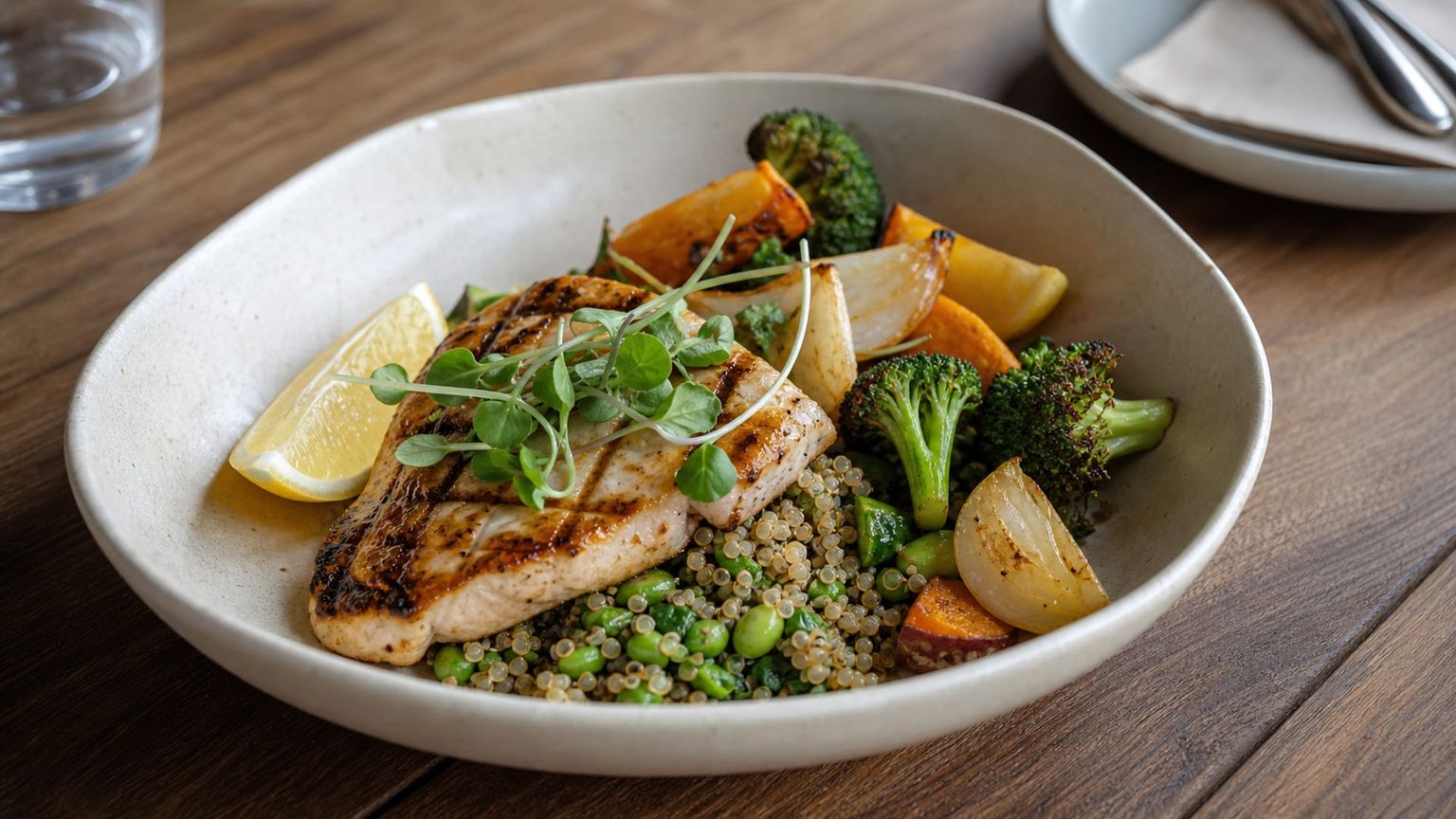
Tauranga’s tables lean on seafood, bakery lunches, and relaxed café cooking, with mussel chowder and whitebait fritters sitting beside hangi and pavlova on many menus. The dining scene runs early, so timing matters as much as the menu.
Mussel chowder
This creamy coastal soup suits a Tauranga lunch, especially near the harbor or after a beach walk. Bobby’s Fresh Fish Market and their attached eatery in Mount Maunganui is a strong place to look for a fresh version.
Whitebait fritters
These light fritters are a classic New Zealand seafood plate, best when the fish is in season and the batter stays delicate. Dine on the waterfront at Fisherman’s Wharf, where seafood has long been a core part of the menu.
Hangi
Earth-cooked meat and vegetables give you the most traditional item on this list, with smoke, steam, and soft textures in every serving. The Elms or a local event may introduce you to it, but for a restaurant meal, Clarence Bistro in Tauranga central is a good contemporary stop when a hangi special appears.
Pavlova
This meringue dessert with cream and fruit closes a Tauranga meal on a lighter note, often after seafood or café fare. Picnicka in Tauranga central is a polished place to look for a seasonal dessert take.
Best time to visit Tauranga
Tauranga is warmest and busiest in summer, while winter stays milder and calmer, so the best season depends on whether you want beach time or easier movement through town.
Best for: Best for swimming, Mauao walks, and long evenings on the Mount strip
What you get: About 68 to 79°F (20 to 26°C), with the heaviest crowds at the beach and parking areas
Trade-offs: Warm weather brings fuller beaches and slower parking near the waterfront
Best for: Best for balanced weather, clear harbor views, and less crowded sightseeing
What you get: About 57 to 72°F (14 to 22°C), with moderate visitor numbers and easier table access
Trade-offs: Sea temperature drops, so swimming becomes less appealing
Best for: Best for museum time, café stops, and quieter central streets
What you get: About 46 to 61°F (8 to 16°C), with lighter crowds and brisk mornings
Trade-offs: Shorter days limit beach time and summit visits can feel windy
Best for: Best for garden visits, harbor walks, and a gradual return to outdoor dining
What you get: About 53 to 68°F (12 to 20°C), with shoulder-season crowds and changing conditions
Trade-offs: Weather can shift quickly, so some days need a backup plan
A realistic 5-day plan in Tauranga
A five-day Tauranga stay works best when you split the coast, the center, and the heritage stops instead of trying to stitch them together at random. The route below keeps the first day light, then builds toward Mauao, historic sites, and a final slow pass through the CBD.
Fly into Tauranga (TRG), then take a taxi, rideshare, or prebooked shuttle to Mount Maunganui or Tauranga central in about 10 to 20 minutes, usually for roughly NZ$25 to NZ$45 (~$15 to ~$27). If you want beach access, base yourself near Mount Maunganui Main Beach; if you prefer a CBD address, Tauranga central keeps you close to the waterfront and dinner options. Keep the first evening simple, with water, a short harbor walk if you still have daylight, and an early meal on the Mount Maunganui strip or near The Strand in the center.
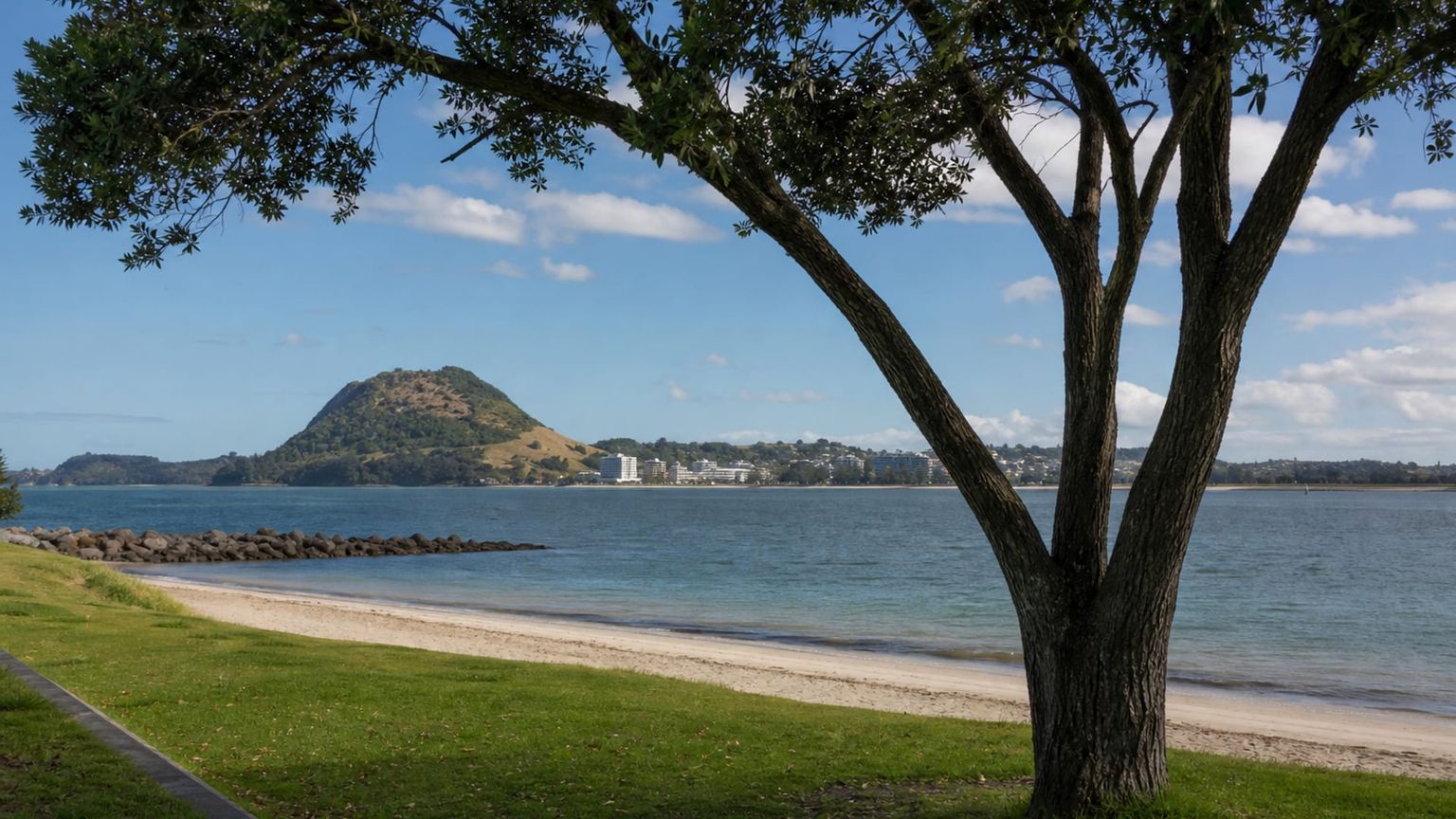
Start with Mount Maunganui Main Beach and the Mauao summit loop, which takes about 2 to 3 hours and sits 5 to 15 minutes on foot from most Mount Maunganui stays. Go early for cooler footing, then spend a while on Pilot Bay before lunch on the main strip. In the afternoon, move by taxi or bus to Tauranga central, about 15 to 20 minutes from the Mount, and visit Tauranga Art Gallery for 1 to 2 hours before dinner along the waterfront.
Begin in the morning at The Elms Historic House and Garden, where you can spend about 1 to 2 hours among the villa, orchard beds, and shaded paths. From there, it is roughly a 10-minute drive or a 20-minute bus ride to Historic Village, Tauranga, which rewards a 2 to 3 hour visit for its restored buildings, craft shops, and small museums. End the day with a short drive, about 10 minutes, back toward Tauranga central for a waterfront meal or an early night near your hotel.
Take a late-morning walk through Monmouth Redoubt first, because the reserve sits close enough to the center for an easy 30 to 45 minute stop and gives clear harbor views. Then return to Tauranga Art Gallery, about 5 to 10 minutes away on foot from much of the CBD, if you want a second look at the current exhibitions or a calmer midday pause. By late afternoon, cross to Mount Maunganui, roughly 15 to 20 minutes by car, and finish at the base of Mauao as the light drops across the harbor and surf.
One last morning in Tauranga works well for a slower circuit of the center, starting with a café stop in Tauranga central and a final pass through the waterfront streets. If you want one more cultural stop before departure, return to Historic Village, Tauranga, then spend the remaining time browsing shops in The Strand and nearby CBD blocks. From there, allow about 10 to 20 minutes to reach Tauranga (TRG) for your flight, or slightly longer if you are leaving from Mount Maunganui after lunch.
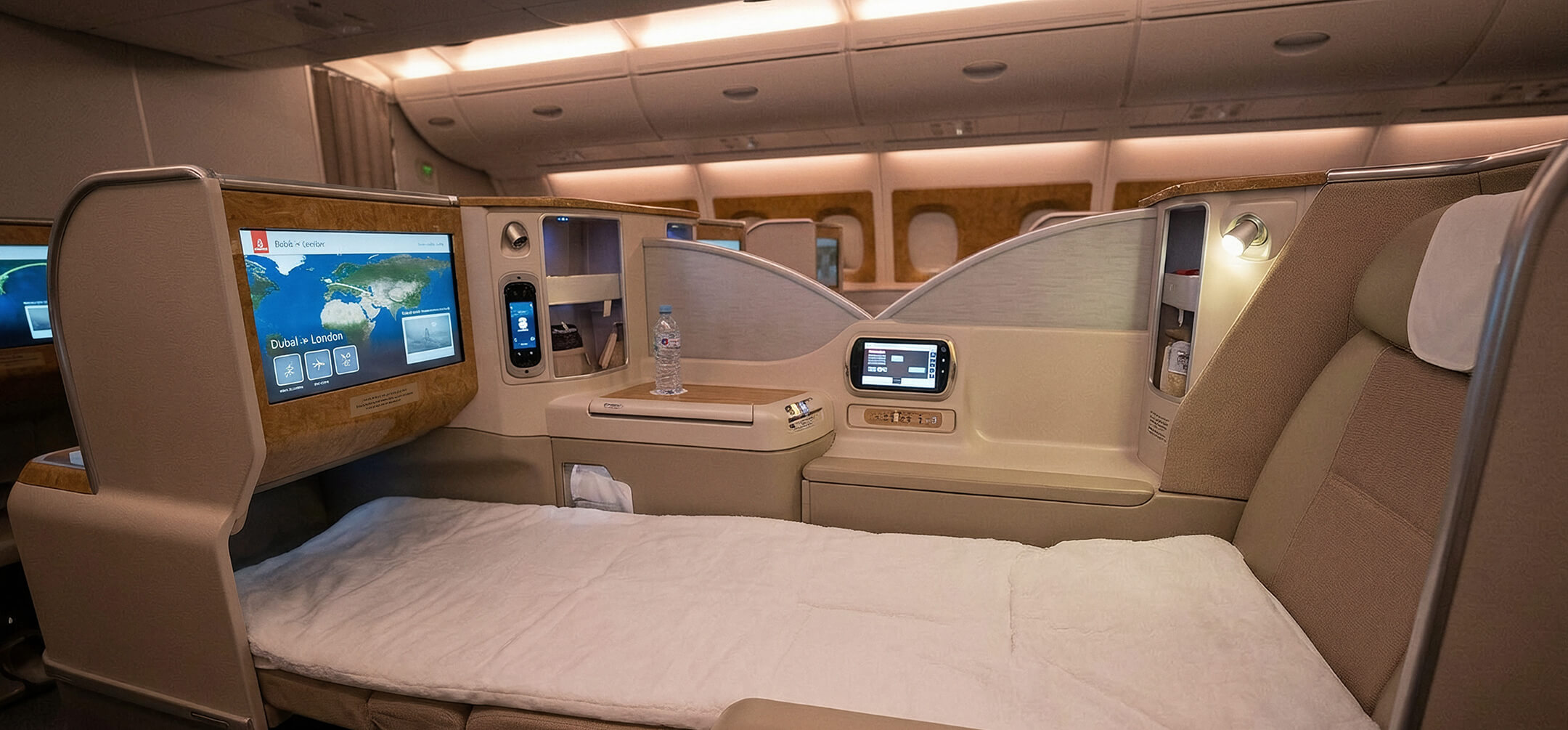
Business-class flights from the US to Tauranga
Flights to Tauranga usually connect through larger Pacific hubs, so the best option depends on whether you are starting on the East Coast or the West Coast. The examples below show how the trip tends to price and route in each case.
From New York, Air New Zealand, Qantas Airways, Singapore Airlines, Emirates, and Qatar Airways commonly appear on itineraries that connect through Sydney (SYD), Auckland (AKL), Doha (DOH), or Dubai (DXB). Without a nonstop option, round trips usually price from $7,500 to $12,500, and if you do not mind a layover, those routings can trim the fare to about $5,500 to $9,000.
Los Angeles travelers usually see Air New Zealand, Qantas Airways, Fiji Airways, Singapore Airlines, and Qatar Airways on one-stop itineraries via Auckland (AKL), Sydney (SYD), Nadi (NAN), Doha (DOH), or Singapore (SIN). Round trips in the higher cabin usually fall between $7,000 and $11,500, with some one-stop options coming in a bit lower.
Tauranga feels different when you slow down
A deliberate Tauranga trip keeps the Mount Maunganui mornings separate from the Tauranga central evenings, then adds The Elms, Historic Village, and Monmouth Redoubt when the day is cooler and the streets are quieter. That sequence also matches the city’s transport pattern, where short bus hops and taxis matter more than long cross-town detours. If you want a trip shaped around Mauao, The Strand, and the harbor edge, AranGrant experts can help you line up the right stay and route