

Chapters:

Need help with your trip?
Our support team is available 24/7. Request a callback or call us directly at (833) 619-0908
Tampa itineraries often start and end at the airport hotel, with a quick meal, one downtown waterfront stop, and little time left for Ybor City or Hyde Park.
That pattern works for an overnight stay, but it can miss how spread out the city is, especially once parking, event traffic, and midday closures enter the picture.
This guide gives Tampa a clearer sequence, pairing the Riverwalk, Ybor City, Busch Gardens, and a slower final day so each neighborhood has room to matter.
Useful things to know

Main language(s): English

Currency: The local currency is the US dollar (USD, $).

Cash and cards: Cards and contactless are widely accepted; carry about $20 to $40 in cash for tips, small purchases, or cash-only spots.

Tipping: Tip 15-20% at sit-down restaurants; round up for taxis and small checks.

Traditional food: Cuban sandwich, deviled crab, grouper sandwich, key lime pie

Water and coffee costs: Water about $2 to $4, bar espresso about $3 to $6.

Taxis and ride apps: Uber and Lyft operate here; check pickup zones at Tampa International Airport (TPA).

Plug and voltage: Type A/B socket, 120V

Dining and shop opening hours: Breakfast is about 07:00-10:00, lunch 11:30-14:00, and dinner 17:00-21:00. Many restaurants close between lunch and dinner.

Emergency number: Call 911 for police, fire, or medical emergencies.
Where to stay in Tampa
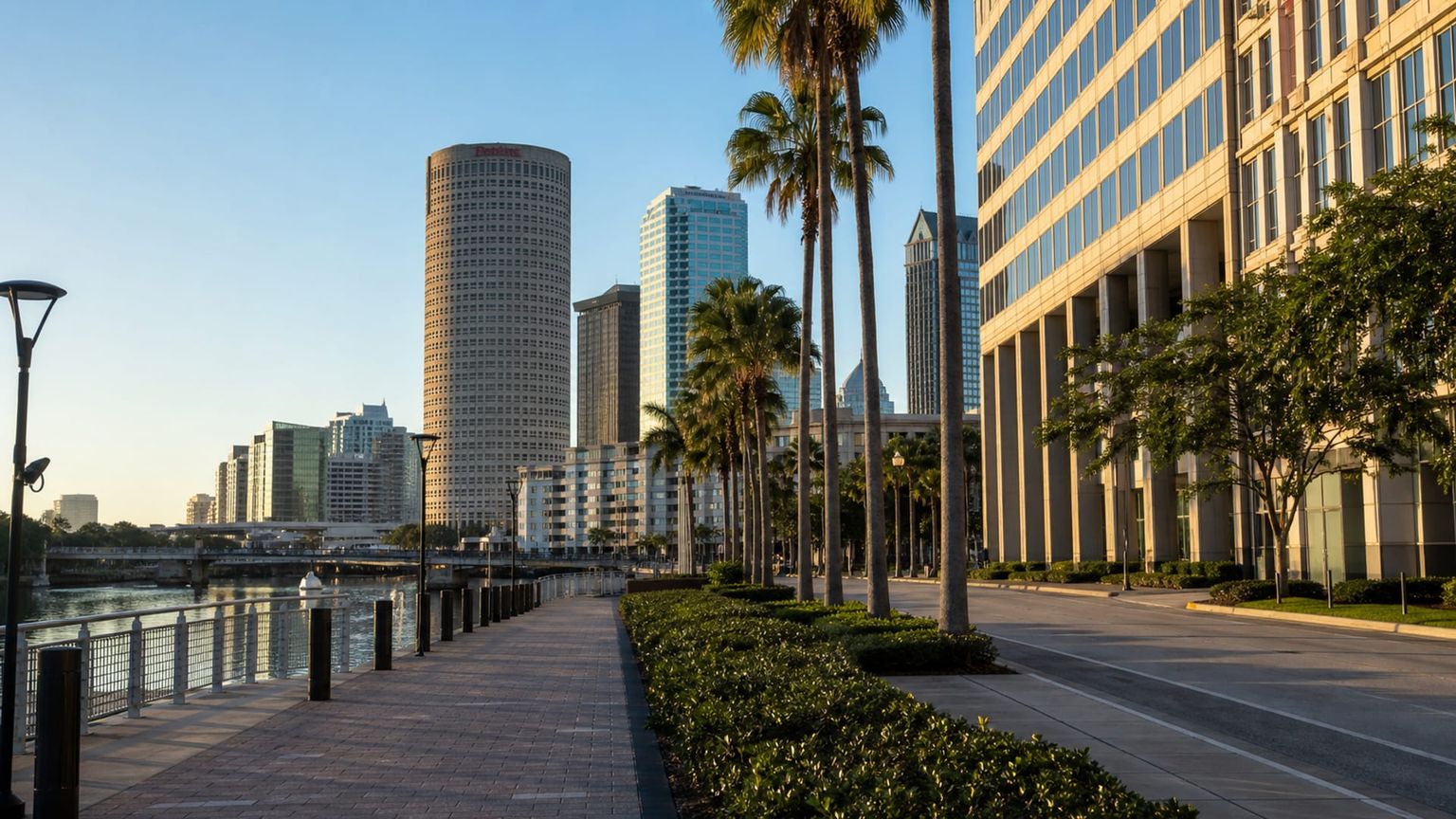
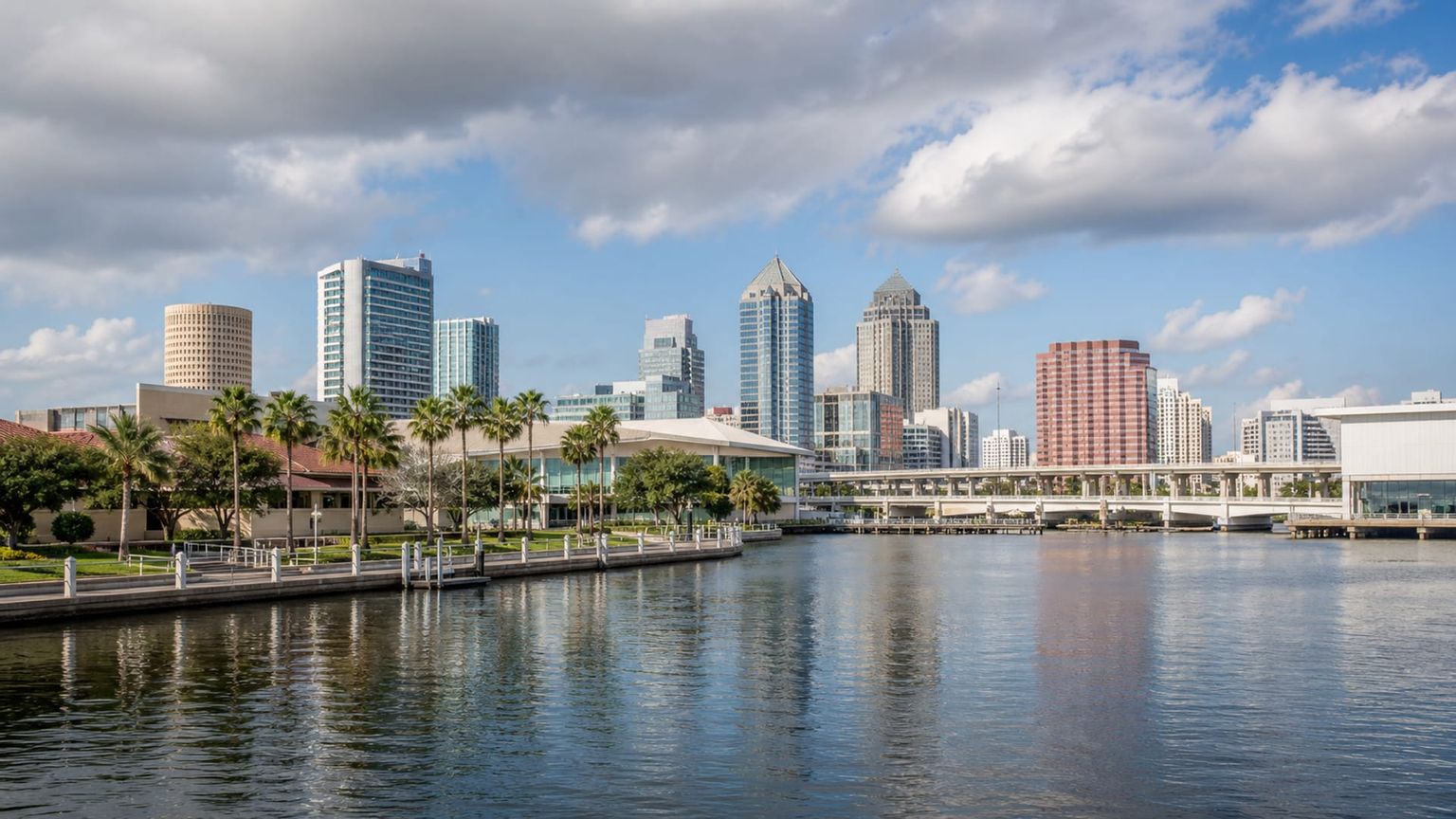
Tampa’s central business district places you near the riverwalk, museums, and major event venues. It suits visitors who want the city’s main sights close by and do not mind weekday office hours or game-day crowds.
Best for: Sightseeing, waterfront walks, and access to major events
What to expect: High-rise blocks, steady daytime foot traffic, and busier evenings near the arena and Riverwalk
Hotel prices: Usually about $180 to $320 per night for well-rated stays
Distance to major sights: 10 to 15 minutes on foot to the Tampa Riverwalk; about 10 minutes by transit to Florida Aquarium
Quietness: Quieter on weekday mornings, louder in the evening near bars and event venues
Main trade-off: Hotel rates can rise quickly on weekends and during games, and dining choices narrow after office hours outside the main entertainment strip
Good to know: If you want to walk to the waterfront, check whether your stay includes parking, since driving and valet costs can add up quickly
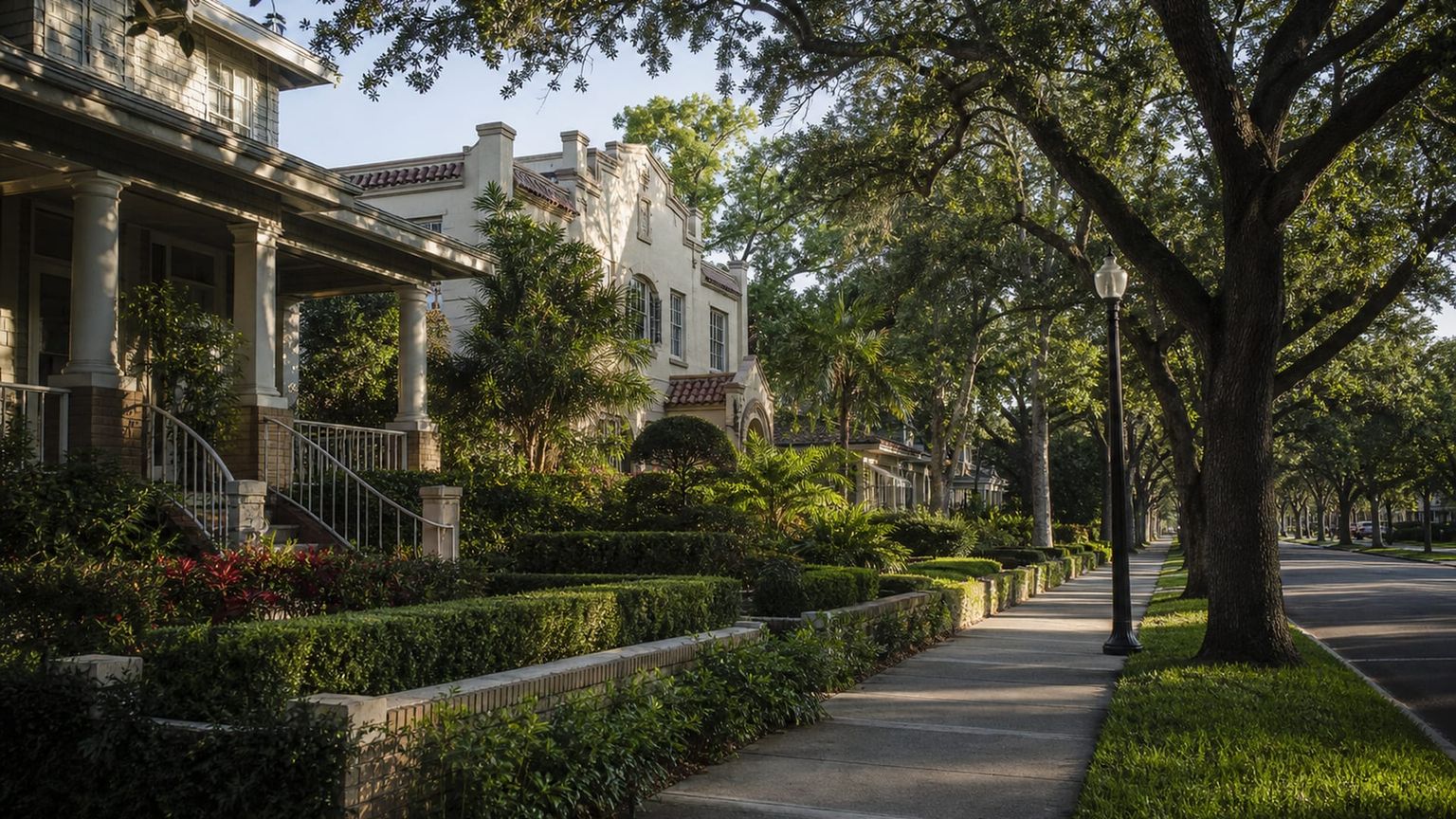
Hyde Park is a historic residential district south of downtown, centered on boutiques, cafes, and tree-lined streets. It matters for travelers who want a neighborhood base with easy access to both downtown and the South Tampa dining scene.
Best for: Dining, shopping, and travelers who prefer a residential base near downtown
What to expect: Sidewalk cafes, neighborhood traffic, and a local crowd that grows around Hyde Park Village in the evening
Hotel prices: Usually about $190 to $340 per night for well-rated stays
Distance to major sights: About 10 minutes by car to downtown Tampa; about 15 minutes by car to Tampa Riverwalk
Quietness: Calm during the day, with more activity and parking pressure around dinner time
Main trade-off: You will usually pay more for smaller inns and boutique stays, and most late-night options sit farther north in downtown
Good to know: Rideshares are often the easiest late-night option, since parking near the busiest dining blocks can be limited
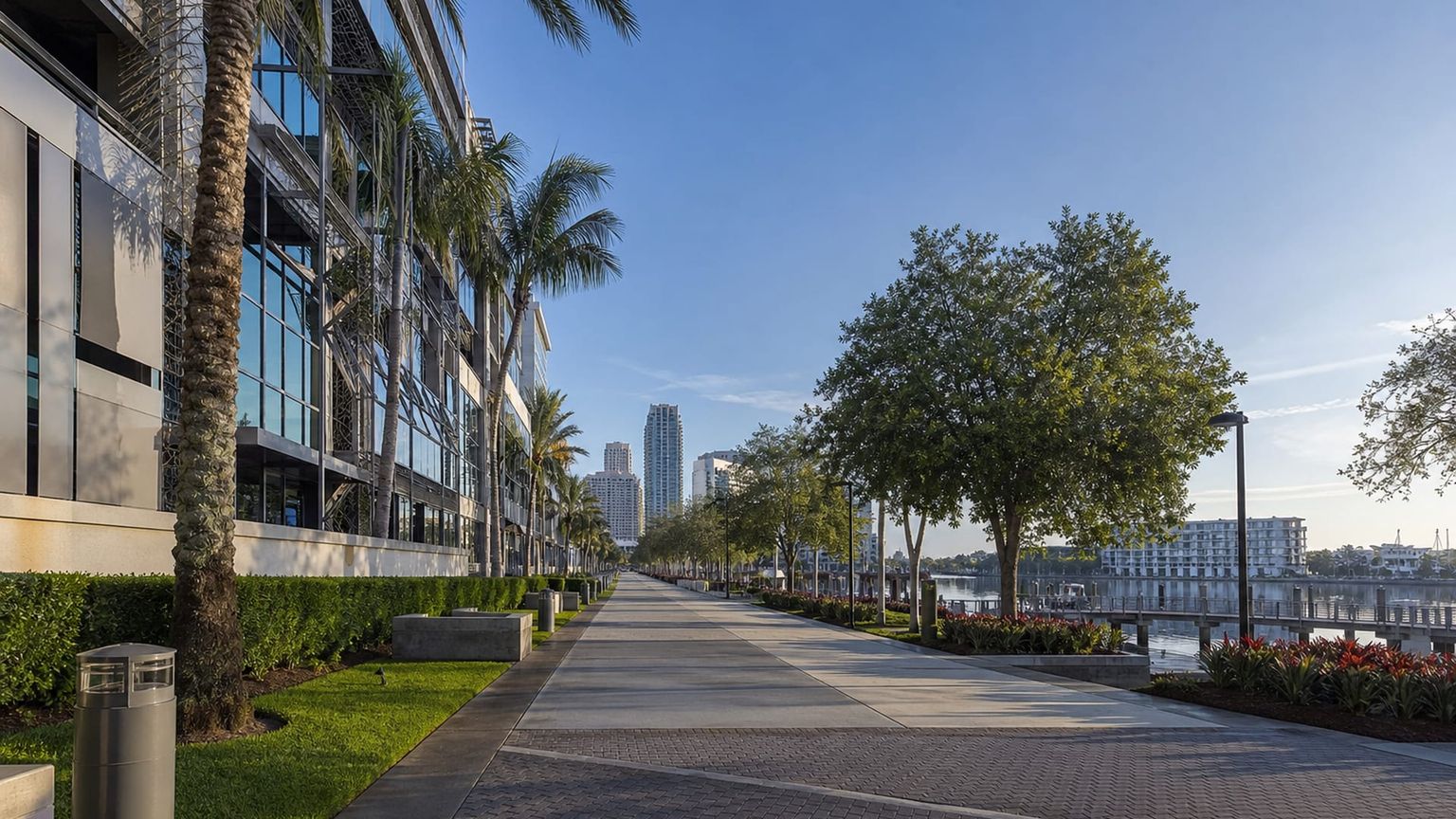
Channelside sits next to downtown’s waterfront and clusters around apartments, hotels, and entertainment venues. It is important for travelers who want quick access to the cruise port, the aquarium, and the nightlife corridor near the arena.
Best for: Cruise departures, aquarium visits, and nightlife near the arena
What to expect: Modern towers, tourist traffic, and lively evenings on event nights
Hotel prices: Usually about $200 to $360 per night for well-rated stays
Distance to major sights: 5 to 10 minutes on foot to the Florida Aquarium; about 10 minutes by car to the cruise terminal
Quietness: Busy most evenings, especially when concerts, hockey games, or cruises bring in crowds
Main trade-off: This is one of the priciest parts of Tampa, and the concentration of bars can make sleep lighter on weekends
Good to know: If you are catching a cruise, plan extra time for port traffic because pickups and curb space can slow down departures
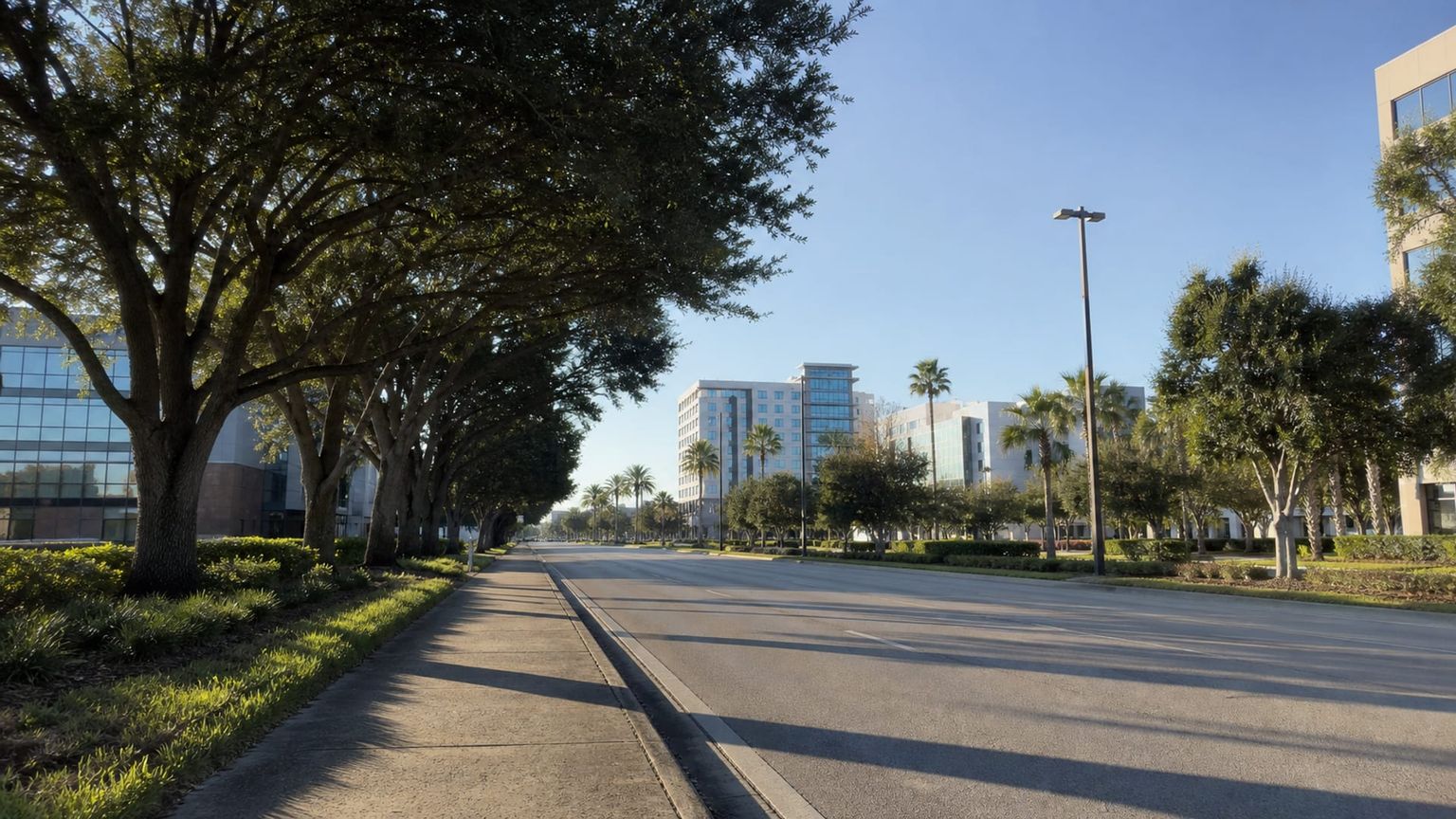
Westshore is Tampa’s main business and airport district, with large hotels, malls, and easy highway access. It suits travelers who prioritize short airport transfers and do not need to stay in a walkable sightseeing core.
Best for: Airport access, business trips, and travelers with a car
What to expect: Office towers, shopping centers, chain restaurants, and light pedestrian activity outside mall areas
Hotel prices: Usually about $150 to $280 per night for well-rated stays
Distance to major sights: About 10 minutes by car to Tampa (TPA); about 15 minutes by car to downtown Tampa
Quietness: Quieter after office hours, with brief traffic spikes near malls and hotel entrances
Main trade-off: You will commute for the Riverwalk and most historic districts, and the area can feel spread out without a car
Good to know: Choose this area if you have an early flight, since it is one of the easiest places in Tampa for a short airport transfer
Travelers usually avoid staying in Brandon, Riverview, and far eastern Hillsborough County, because they sit well outside Tampa’s main visitor areas and add a long drive to Downtown, Ybor City, and the Riverwalk. Parts of North Tampa near USF and New Tampa can also be less convenient for short stays, since they are farther from the waterfront, central dining, and most tourist-oriented hotels.
Hotel deals
How to get around Tampa efficiently
With no metro in Tampa, most visitors move between downtown, Ybor City, and Westshore by HART bus, the TECO Line Streetcar, taxi, or rideshare.

Metro
for longer distances
Tampa has no metro or subway, so visitors usually rely on the TECO Line Streetcar for short trips in the Channel District, Ybor City, and downtown. It runs every 15 to 30 minutes, and a one-way ride costs $2.50 ($2.50), with day passes and transfers available through HART.

Bus and tram
for convenience
HART buses cover Tampa broadly, with the most useful corridors linking downtown, Westshore, Tampa International Airport area, Ybor City, and the University of South Florida. A single ride costs $2.00 ($2.00), valid for about 3 hours with a transfer, and higher-priced day and weekly passes suit longer stays; expect frequent service on main routes, less so late at night and on weekends.

Taxi
for convenience or late hours
Licensed taxis at Tampa International Airport use metered fares rather than flat set rates, and rides to downtown Tampa usually run about $25 to $35, while Westshore and nearby hotel areas often cost about $12 to $20, before tip. You can queue at official taxi stands, and most cabs accept credit cards, though it is wise to confirm card payment before departure.
*Prices are based on rates updated as of June 2026 and may change at the time of travel.
The streetcar suits short hops in the core, buses cover broader corridors, and taxis or rideshares make the most sense for airport transfers and late dinners.
Iconic landmarks
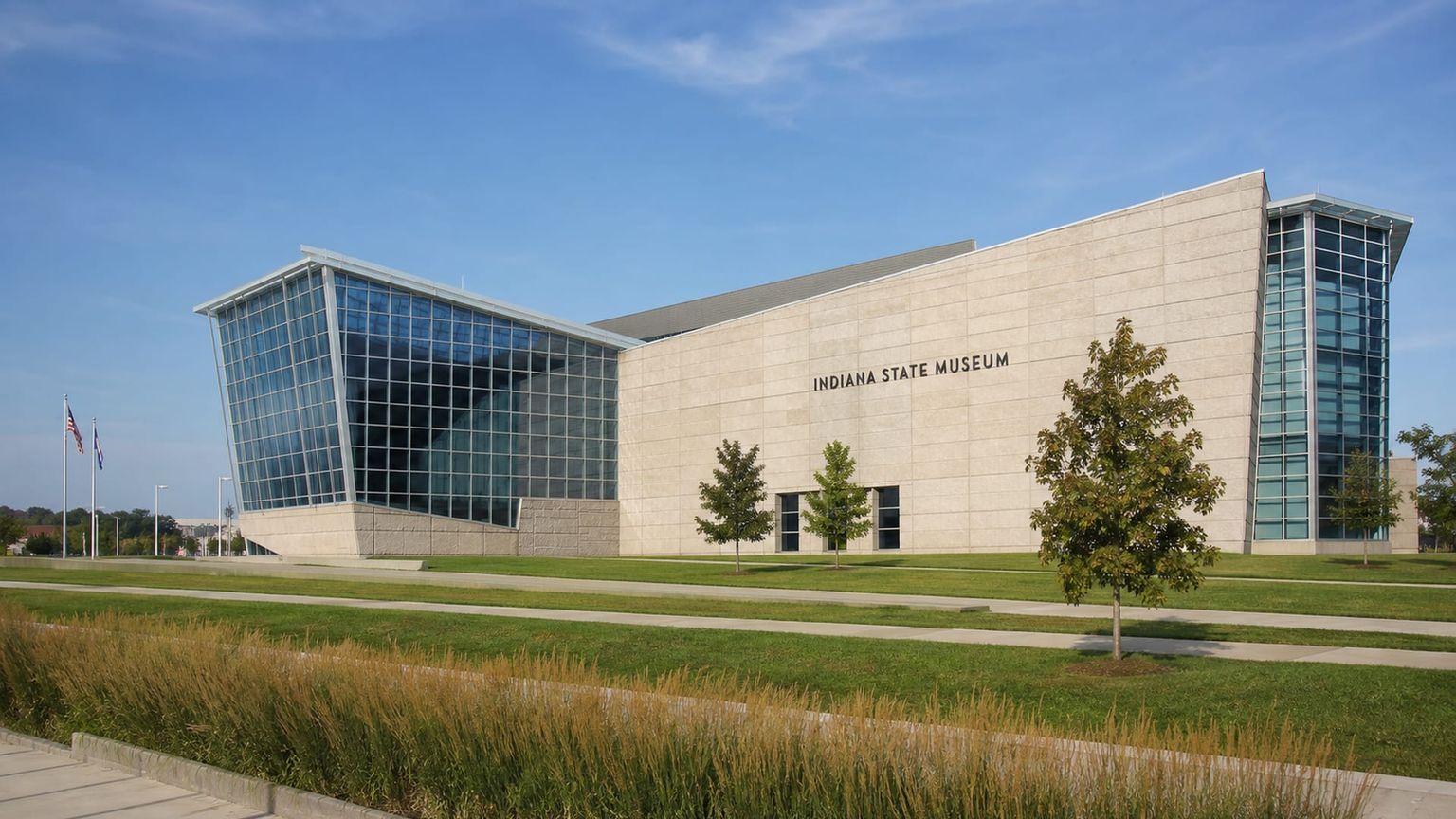
Busch Gardens Tampa Bay
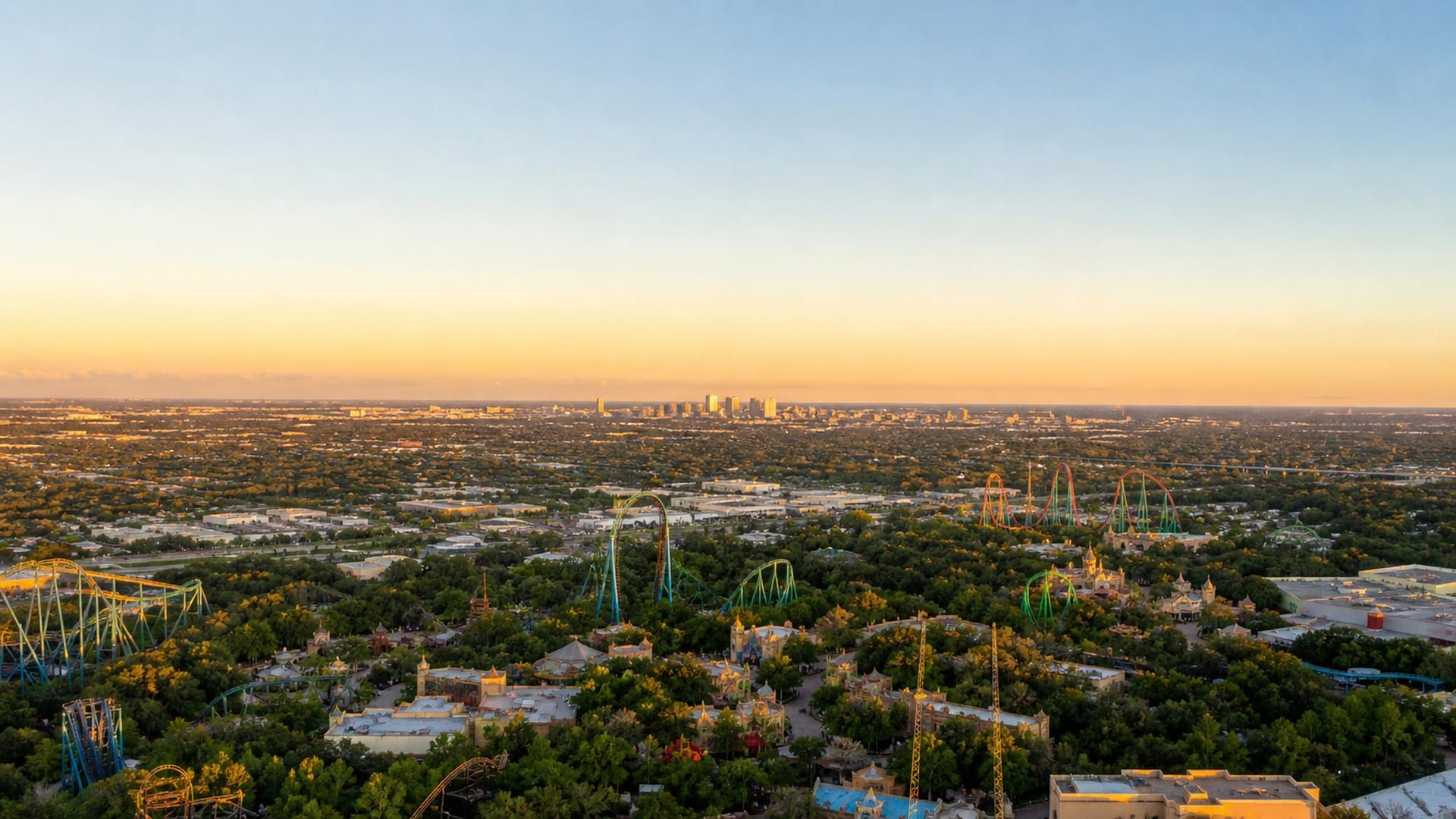
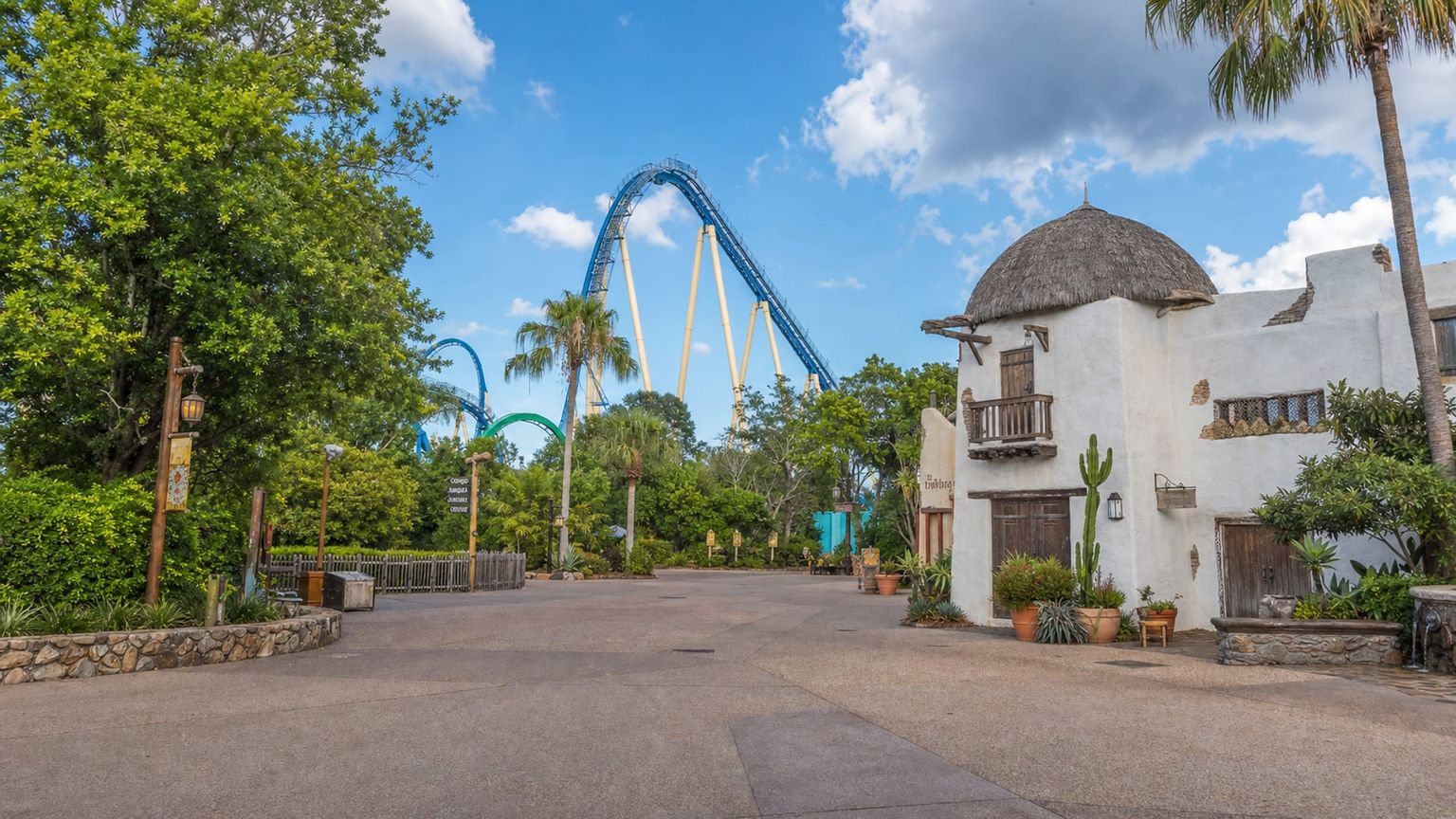
This 335-acre theme park pairs high-thrill coasters with one of the largest zoos in North America. Explore Serengeti Plain, then plan time for rides such as Iron Gwazi and Cheetah Hunt.
Time needed: About 6 to 8 hours
Entry: Admission typically costs about $124.99 to $149.99, with prices varying by date, ticket type, and seasonal offers. Visit the official site for details.
Tip: Arrive at opening for shorter coaster waits and cooler animal-viewing hours.
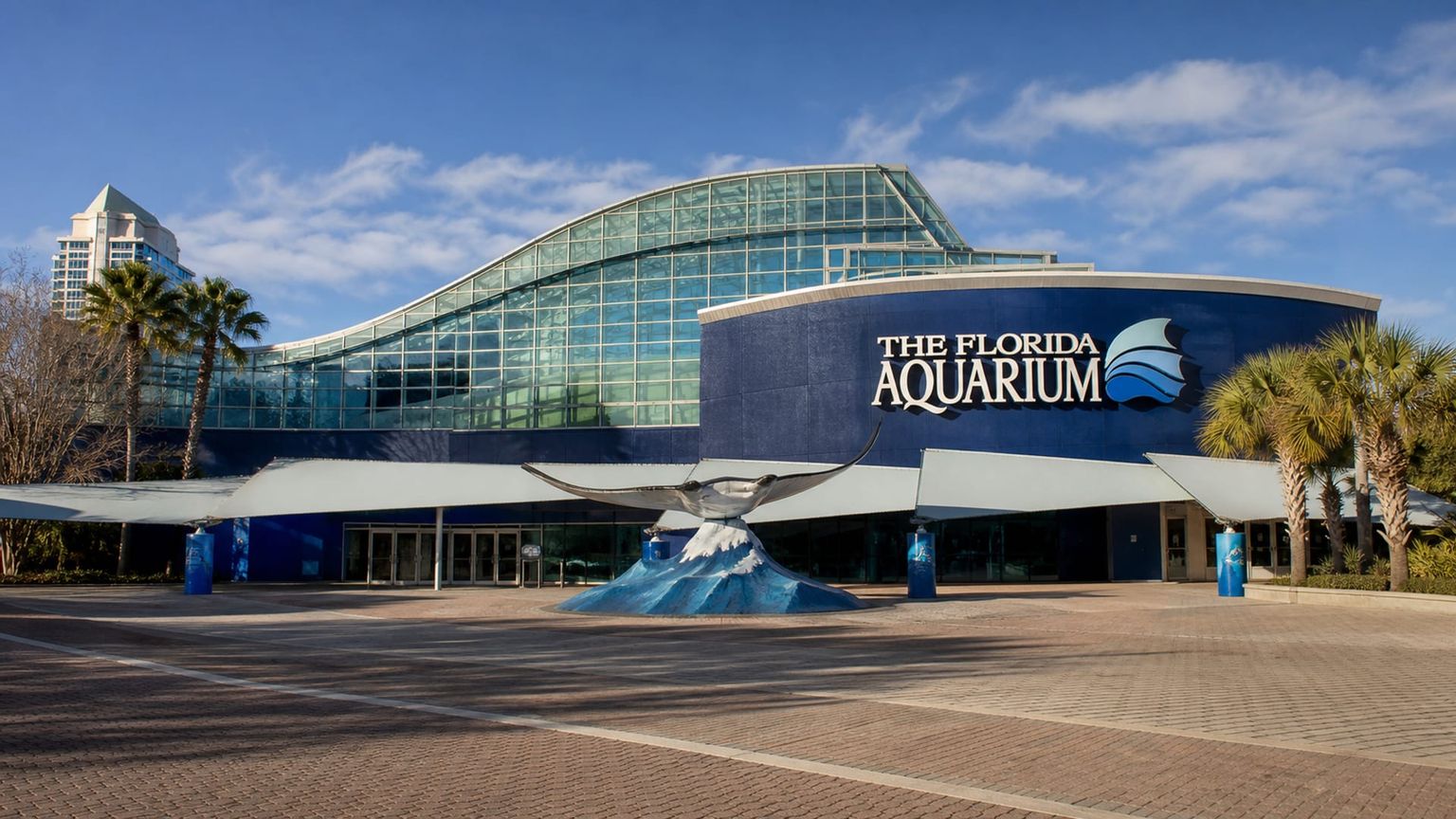
The Florida Aquarium
This downtown aquarium centers on Florida marine life, from sea turtles and stingrays to a large coral reef exhibit. The Wetlands Trail and outdoor decks add close views of local habitats.
Time needed: About 2 to 3 hours
Entry: Admission typically costs about $36.95 to $44.95 for adults, with lower rates for children and seniors. Visit the official site for details.
Tip: Go early in the day for quieter galleries and easier parking nearby.
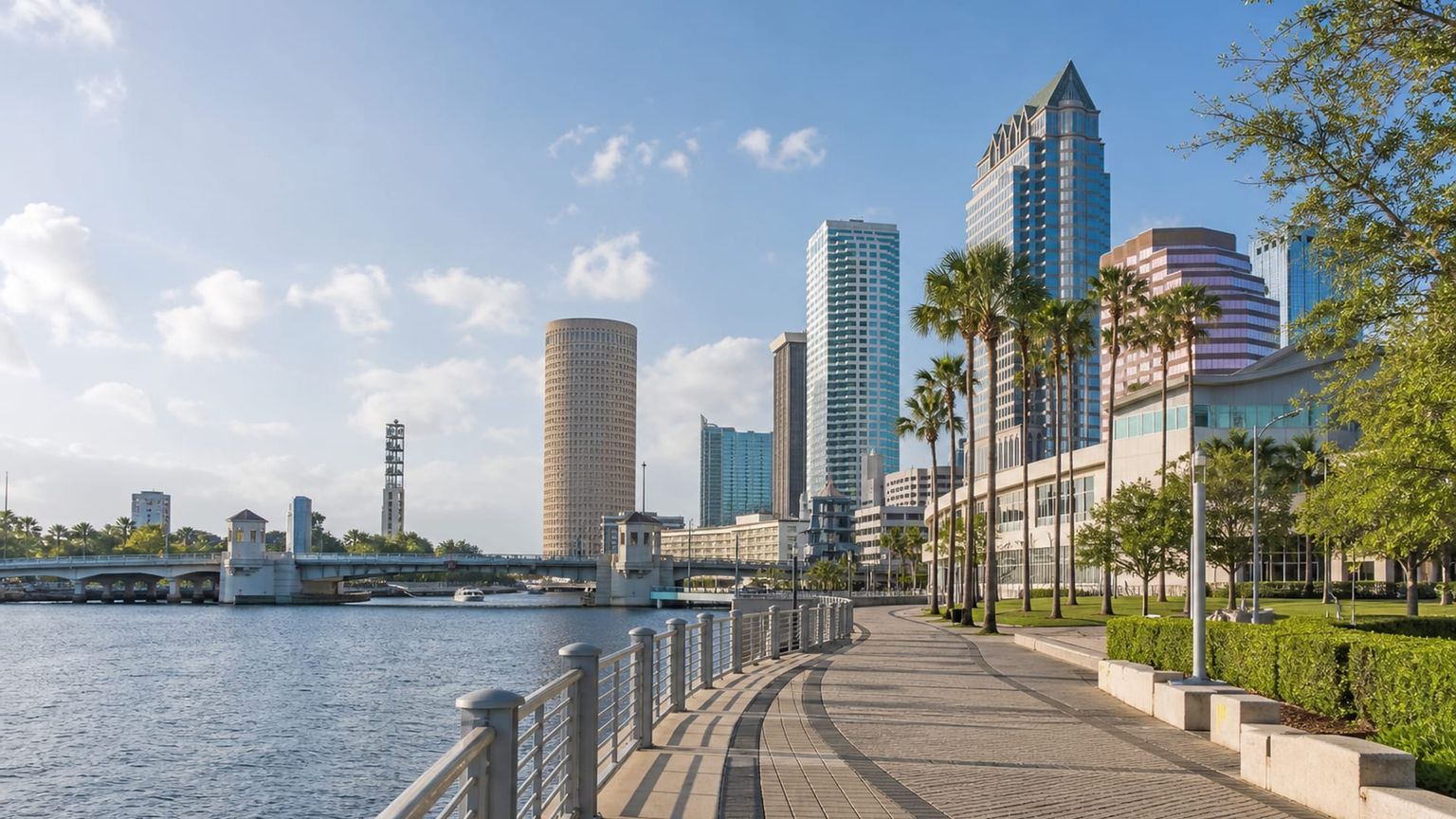
Tampa Riverwalk
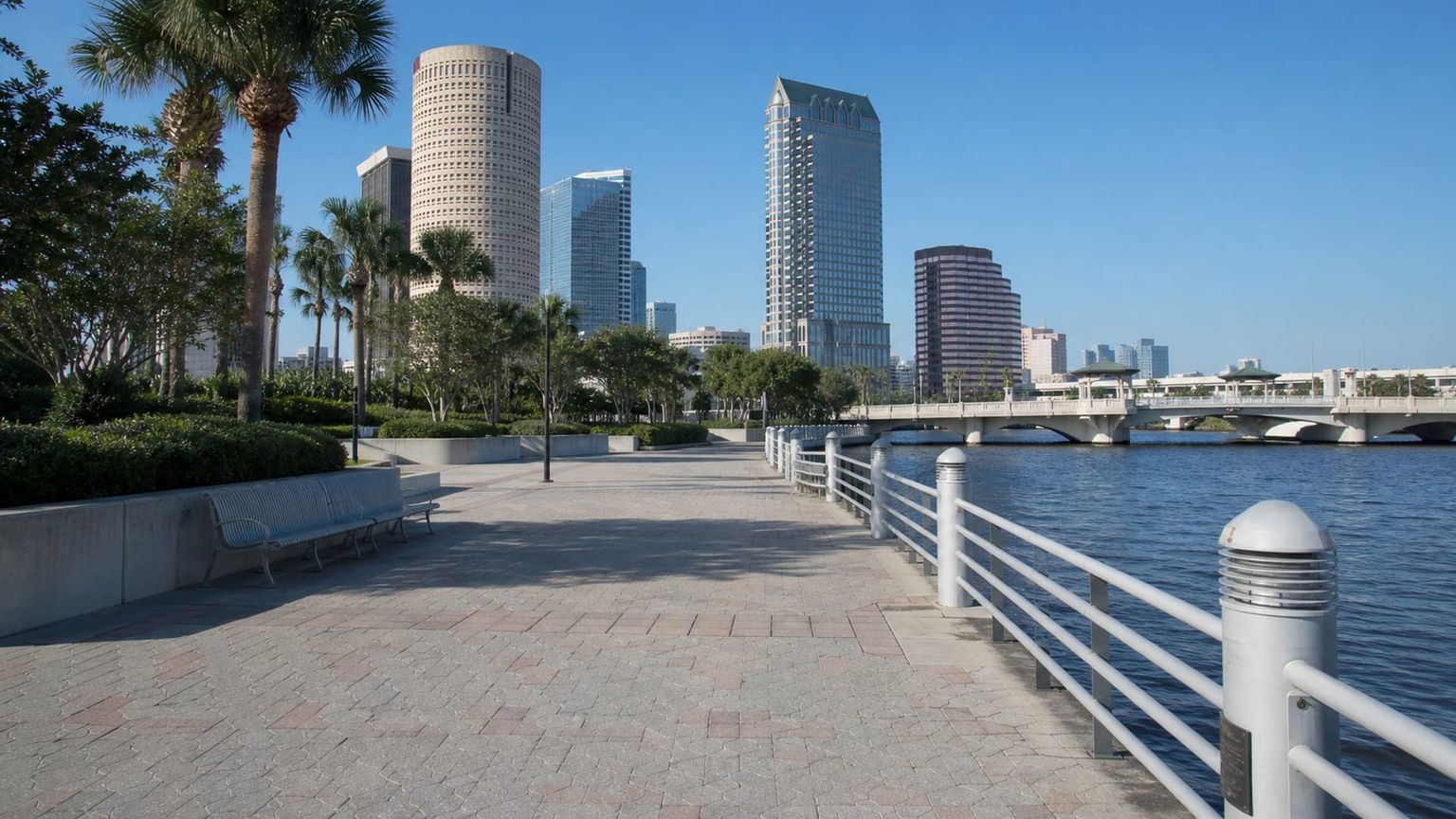
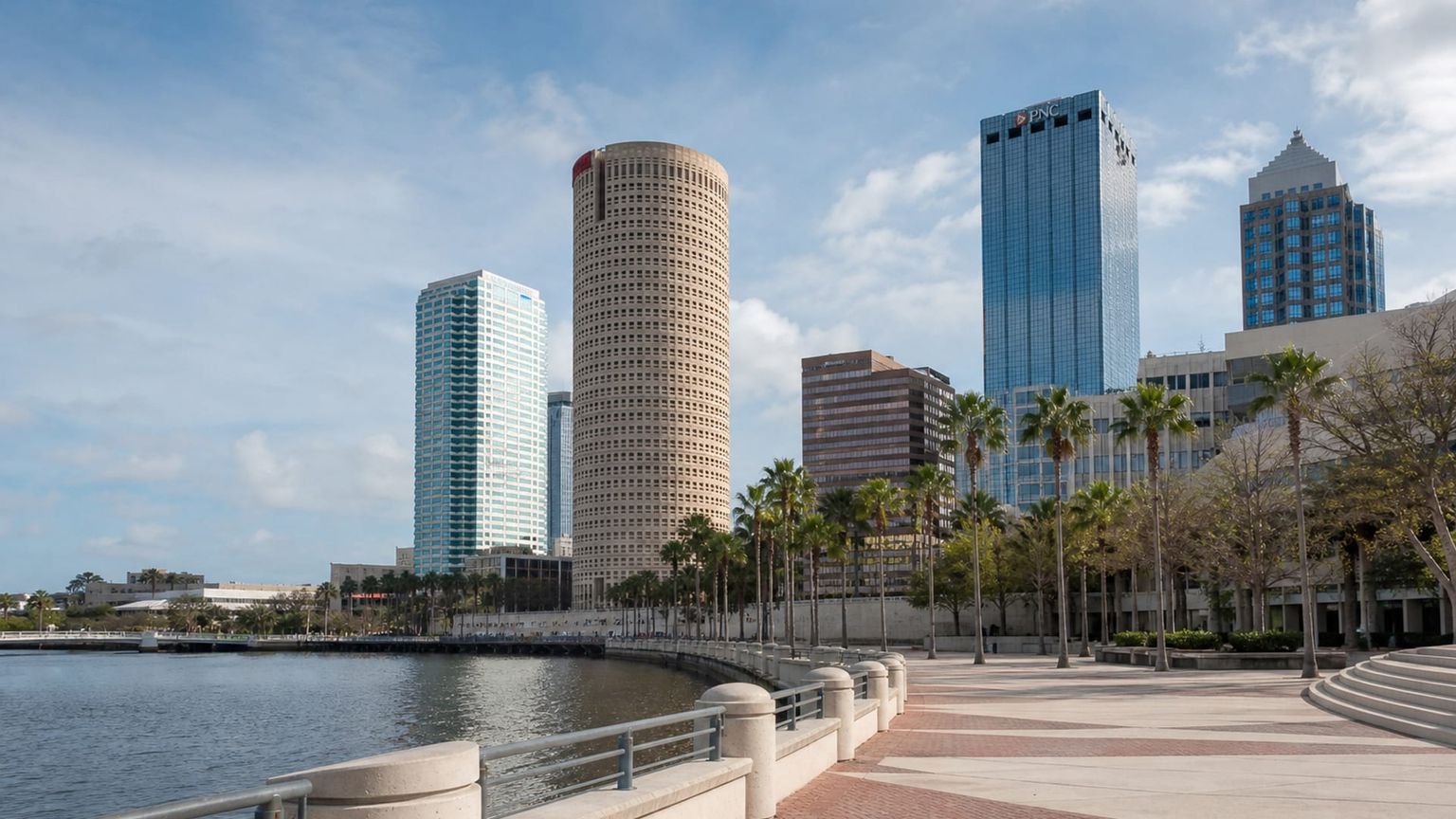
This 2.6-mile waterfront path links downtown parks, museums, and views across the Hillsborough River and Tampa Bay. You can walk, rent a bike, or stop at Curtis Hixon Park and Water Works Park.
Time needed: About 1 to 3 hours
Entry: Free to access; optional costs may apply for nearby museums, bike rentals, or boat tours along the route.
Tip: Late afternoon gives the best light on the water and cooler walking conditions.
Overlooked sites worth visiting

Tampa Riverwalk
This 2.6-mile waterfront path links downtown parks, public art, and views of Tampa Bay. Walk it at sunset for cooler temperatures, then pause at Curtis Hixon Waterfront Park or Water Works Park.
Time needed: About 1 to 2 hours
Entry: Free to access; no ticket is needed for the Riverwalk itself. Some linked museums, parkside events, or river cruises along the route charge separate admission, but the walkway and most public viewpoints stay open at no cost.
Tip: Start near Curtis Hixon Park for shade and river views.

Ybor City State Museum
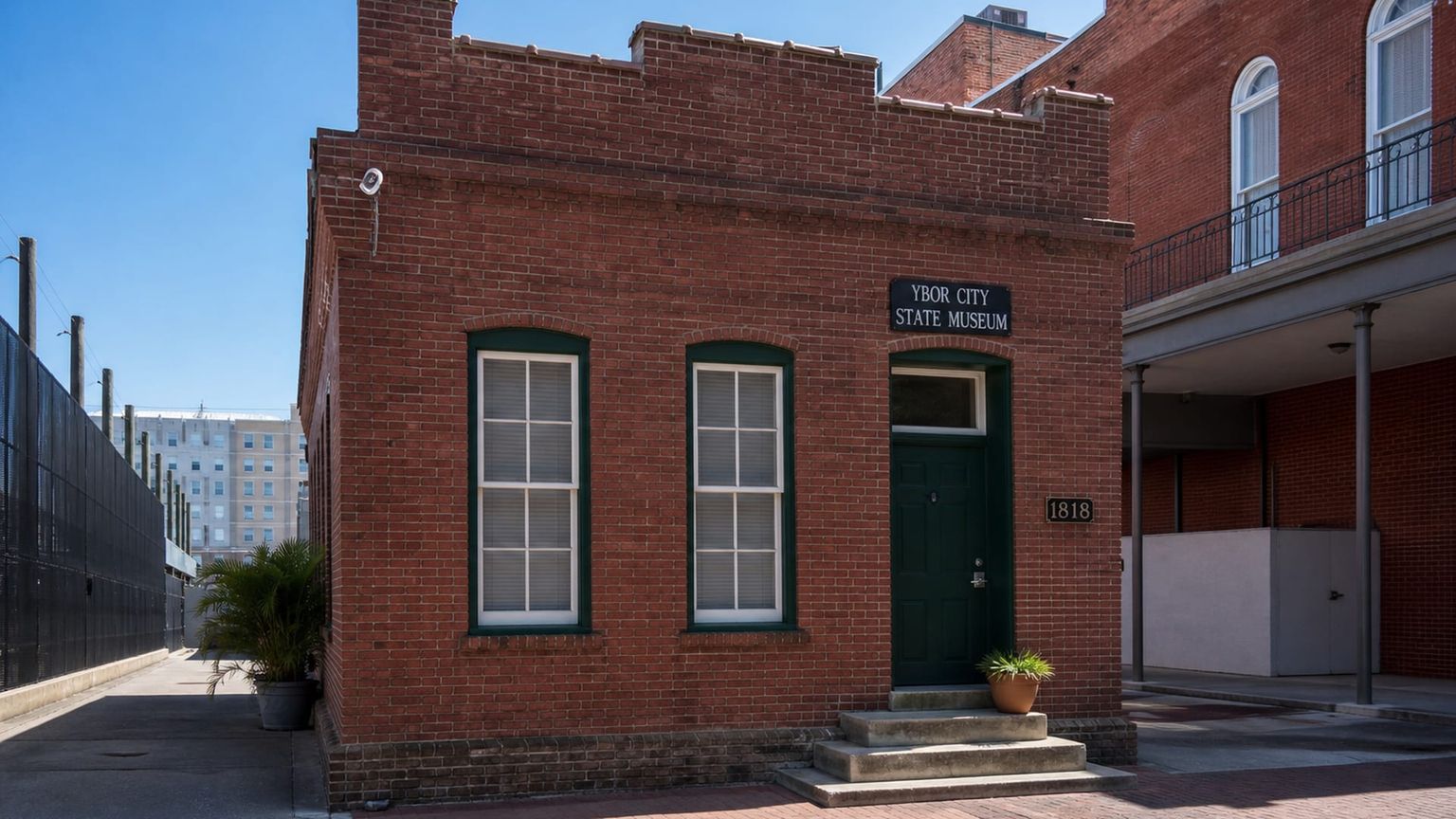
Set inside the 1886 Ferlita Bakery, this compact museum explains Ybor City’s cigar history with photos, artifacts, and a recreated cigar worker apartment. The brick building and tiny garden add a quiet stop to 7th Avenue.
Time needed: About 45 minutes to 1 hour
Entry: Adult admission is $4 ($4), with reduced rates for children, seniors, and students. The ticket covers the museum exhibit galleries and the on-site garden, and the state park setting keeps the visit compact and easy to fit between meals or a walk through Ybor City’s historic blocks. Visit the official site for details.
Tip: Go early, before 11:00 am, for fewer crowds and cooler streets.
Traditional food
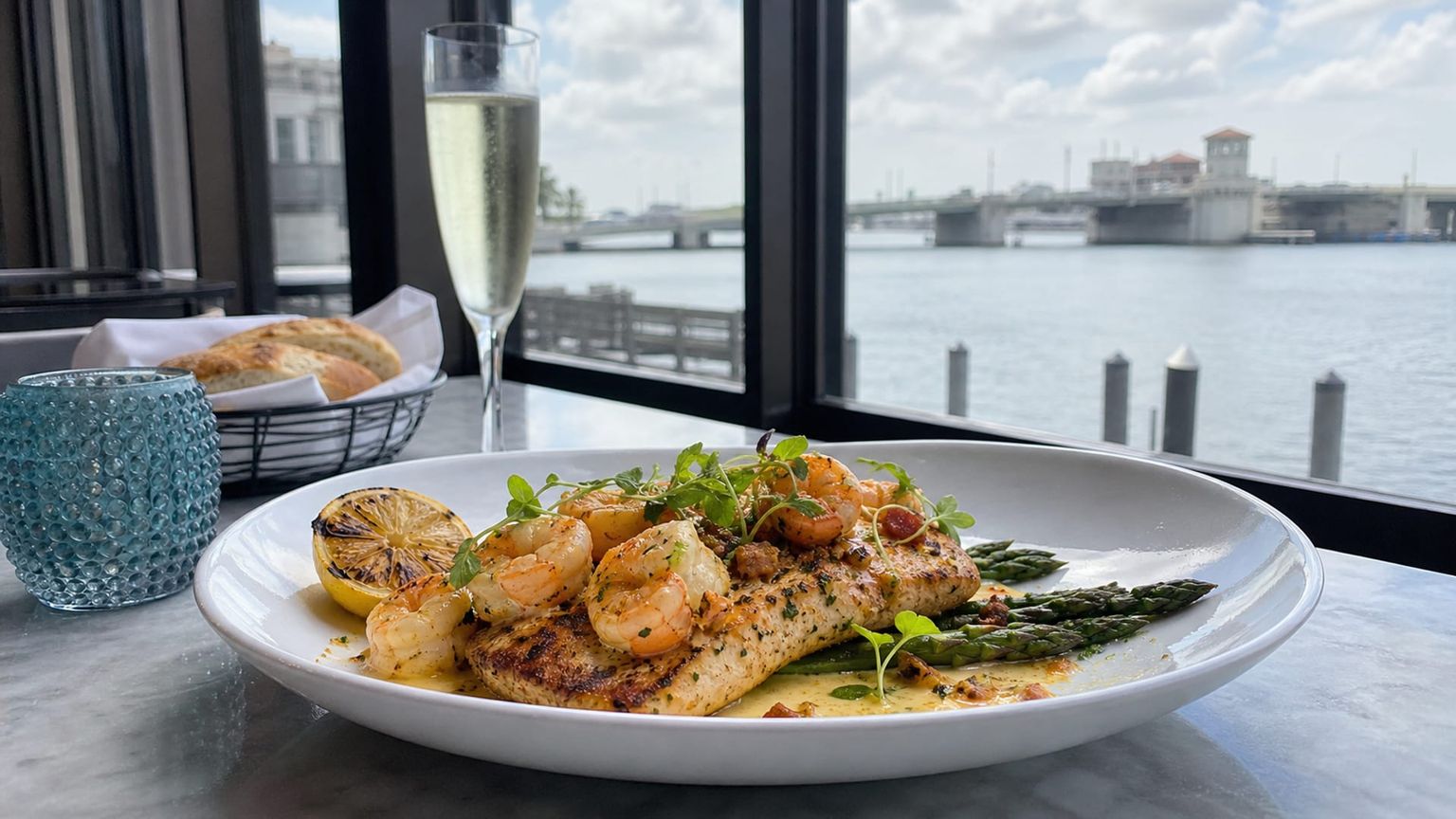
Tampa’s table leans Cuban, Gulf seafood, and Old Florida sweets, with pressed sandwiches, deviled crab, grouper, and key lime pie anchored by casual lunch counters and family-run dining rooms.
Cuban sandwich
Tampa’s version layers roast pork, ham, salami, Swiss, pickles, and mustard on Cuban bread. Columbia Restaurant in Ybor City is the classic place to order it.
Deviled crab
This spiced crab croquette reflects Tampa’s cigar-worker history and still works well as a lunch or snack item. La Segunda Central Bakery serves a well-known version in Tampa.
Grouper sandwich
Fresh grouper, usually fried or blackened, turns up across Tampa Bay menus, often on a sturdy roll with tart sauce. Cappy’s Pizzeria serves a dependable local take in the metro area.
Key lime pie
Bright, tart filling and a graham cracker crust make this the city’s most familiar dessert finish. Columbia Restaurant is again a canonical stop for a slice after dinner.
Best time to visit Tampa
Tampa’s best months bring warm water, lighter humidity, and easier walking, while summer adds heat, afternoon storms, and higher indoor time between museum stops and evening meals.
Best for: Best for comfortable sightseeing and dinner patios
What you get: About 52-74°F (11-23°C), with lighter crowds than spring break and pleasant walking conditions
Trade-offs: Occasional cool spells can make early mornings feel brisk
Best for: Best for Riverwalk walks, outdoor dining, and festival season
What you get: About 62-88°F (17-31°C), with lively crowds in March and April and faster hotel pickup on weekends
Trade-offs: By late spring, heat and humidity start rising quickly
Best for: Best for lower daytime pressure at some museums and indoor attractions
What you get: About 76-91°F (24-33°C), with fewer visitors midweek but frequent afternoon storms
Trade-offs: Humidity and rain can interrupt long outdoor stretches
Best for: Best for balanced temperatures and easier neighborhood exploring
What you get: About 66-88°F (19-31°C), with moderate crowds and clearer evenings as hurricane season eases
Trade-offs: Early fall can still bring heat and storm watch days
A realistic 5-day plan in Tampa
The five-day plan starts near the airport, moves into downtown for the Riverwalk and aquarium, then shifts to Ybor City, Busch Gardens, and finally Hyde Park for a slower finish before departure.
Land at Tampa (TPA), then take a rideshare or taxi to Westshore, which is usually about 10 minutes away and costs roughly $15 to $25 before tip, depending on traffic and pickup demand. If you arrive earlier in the afternoon, Westshore works well for a short first stop near the hotel, then a low-key dinner at International Plaza or one of the nearby chain restaurants, followed by water and an early night.
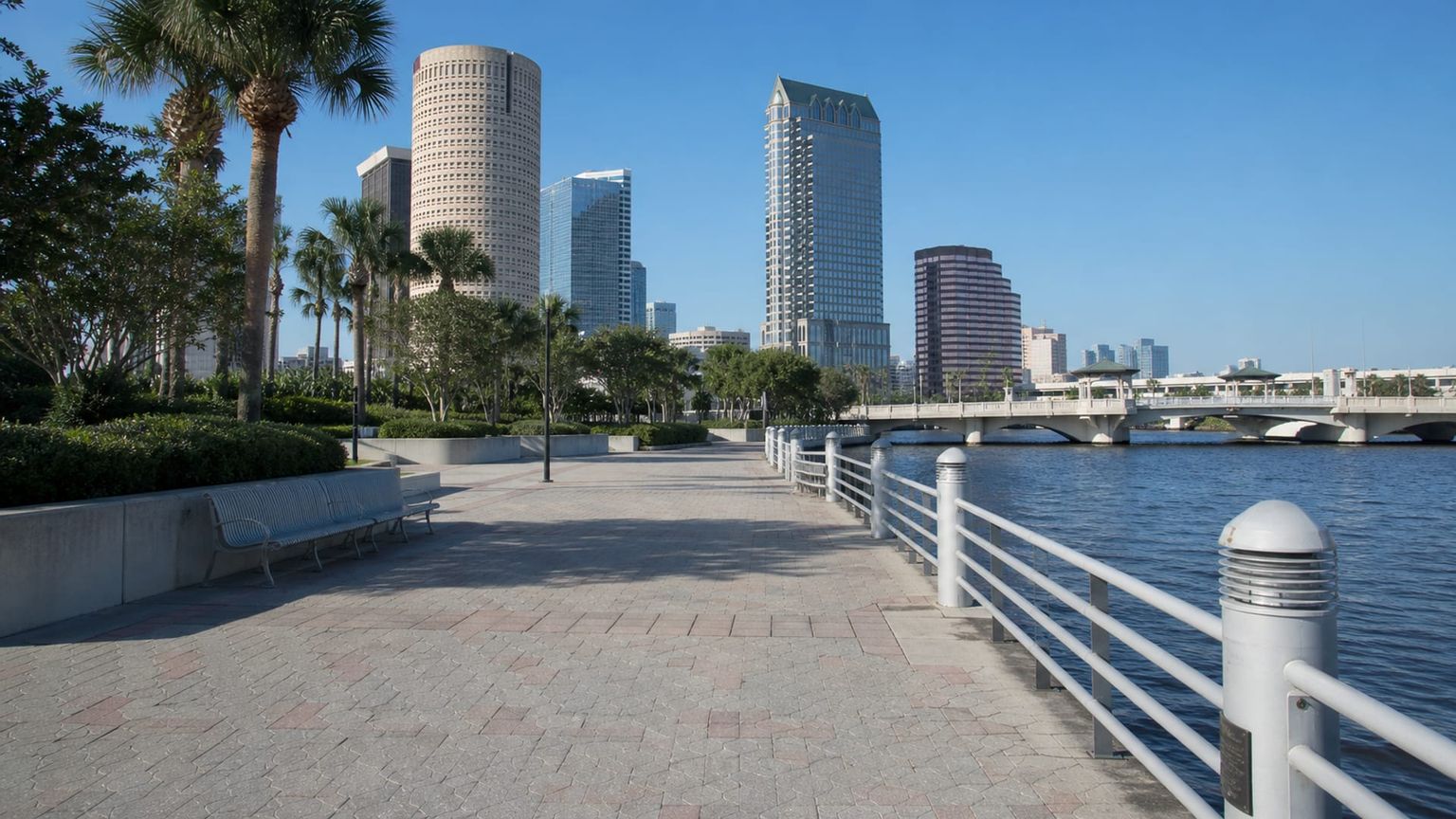
Start on the Tampa Riverwalk in downtown Tampa, since it gives you an easy way to orient yourself, and most central hotels are about 10 to 15 minutes away on foot. Walk north toward Curtis Hixon Waterfront Park, then continue to the Florida Aquarium, which takes about 10 minutes by transit from downtown if you prefer not to walk the full stretch. After the aquarium, stay downtown for an early dinner near the waterfront, then return to the Riverwalk after dark for skyline views.
Begin in Ybor City before the streets fill up, then spend about 45 minutes to 1 hour at the Ybor City State Museum, where the brick building and small garden add a compact historical stop. From there, walk along 7th Avenue to nearby cafes and storefronts, then head back toward downtown, which is about 10 to 15 minutes away by car or rideshare, for an evening drink or dinner near the Riverwalk.
Set aside most of the day for Busch Gardens Tampa Bay, because the park usually takes about 6 to 8 hours and rewards an early arrival with shorter coaster waits and cooler animal-viewing hours. From downtown Tampa, plan on roughly 20 to 25 minutes by car, then divide your time between Serengeti Plain, Iron Gwazi, and Cheetah Hunt before you head back to the hotel. If you still have energy afterward, keep dinner simple in Channelside or downtown, where late tables are easier to find than in smaller neighborhoods.
Hyde Park gives the last day a gentler pace, with tree-lined streets, boutiques, and cafes about 10 minutes by car from downtown Tampa. Stop into a cafe near Hyde Park Village, browse the shops for an hour or two, then finish with one final museum visit downtown if your flight leaves later in the day, or head straight to the airport from the neighborhood, since Tampa (TPA) is usually about 10 minutes away from Westshore and a bit longer from Hyde Park. The area works well for a relaxed lunch before departure, especially if you want to stay close to the airport without spending the whole day in transit.
Business-class flights from the US to Tampa
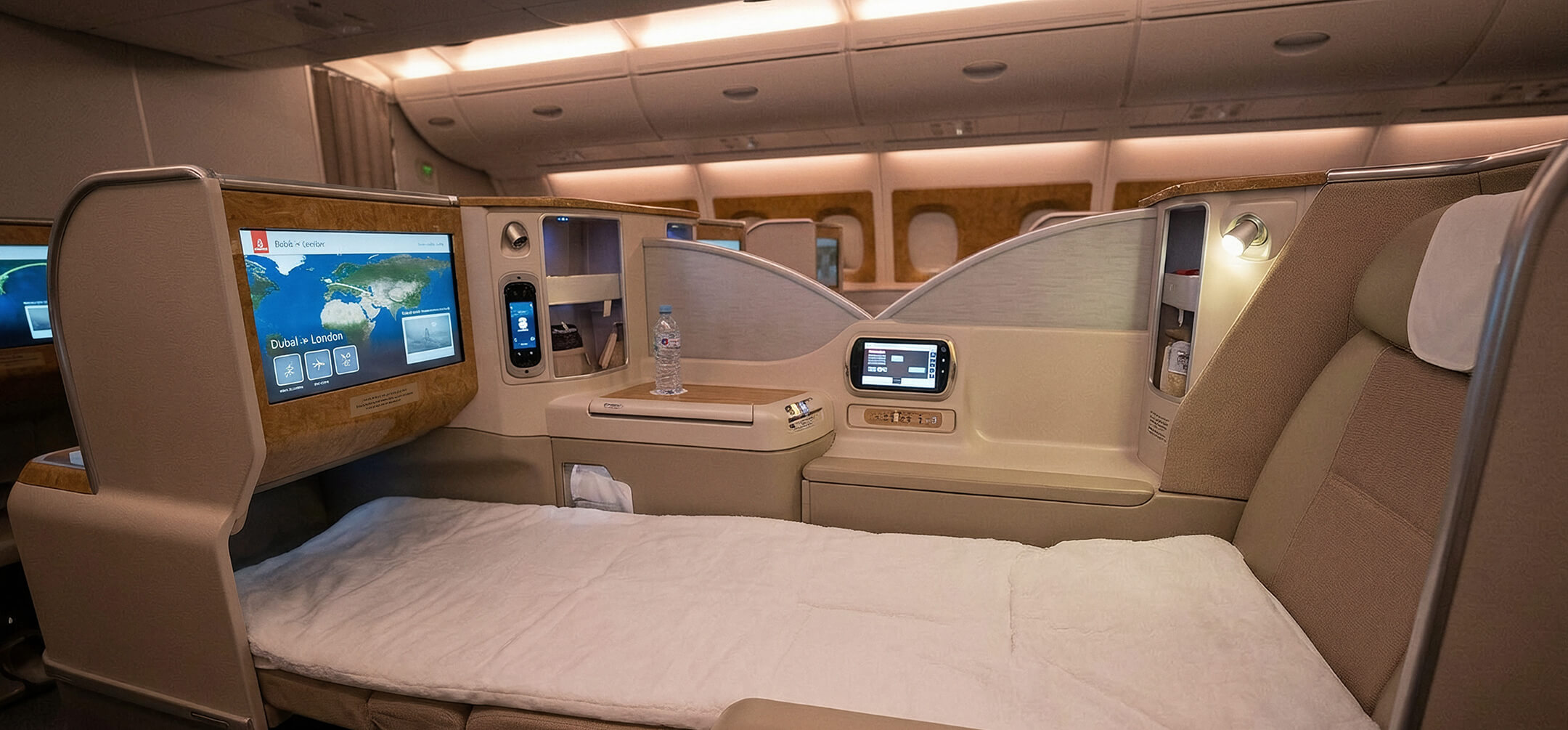
Business-class fares to Tampa vary most by origin, with East Coast flights often staying shorter and West Coast itineraries usually needing a connection. The examples below show the main nonstop and one-stop patterns travelers see most often.
From New York, Delta Air Lines, JetBlue, Southwest Airlines, American Airlines, and United Airlines all compete on the nonstop market, and the trip takes about 3 to 3.5 hours. Round-trip fares usually run from $450 to $900, while one-stop options often connect via ATL, CLT, DFW, IAH, or ORD.
Los Angeles travelers usually see longer trips, about 4.5 to 5.5 hours when a nonstop is available, though common routings via DFW, PHX, DEN, ORD, or ATL can bring the fare down. Expect round-trip pricing from $550 to $1,050, with American Airlines, Delta Air Lines, Southwest Airlines, United Airlines, and Alaska Airlines on the market.
Tampa feels different when you slow down
A good Tampa trip gives each area a defined job, Westshore for arrival, downtown for the Riverwalk and aquarium, Ybor City for cigar history, Busch Gardens for a full-day outing, and Hyde Park for a calmer last meal before the airport. That kind of plan keeps transit simple and time in the right neighborhoods longer. If you want help matching flights, hotels, and timing, speak with the AranGrant experts for a Tampa itinerary built around your schedule