

Chapters:

Need help with your trip?
Our support team is available 24/7. Request a callback or call us directly at (833) 619-0908
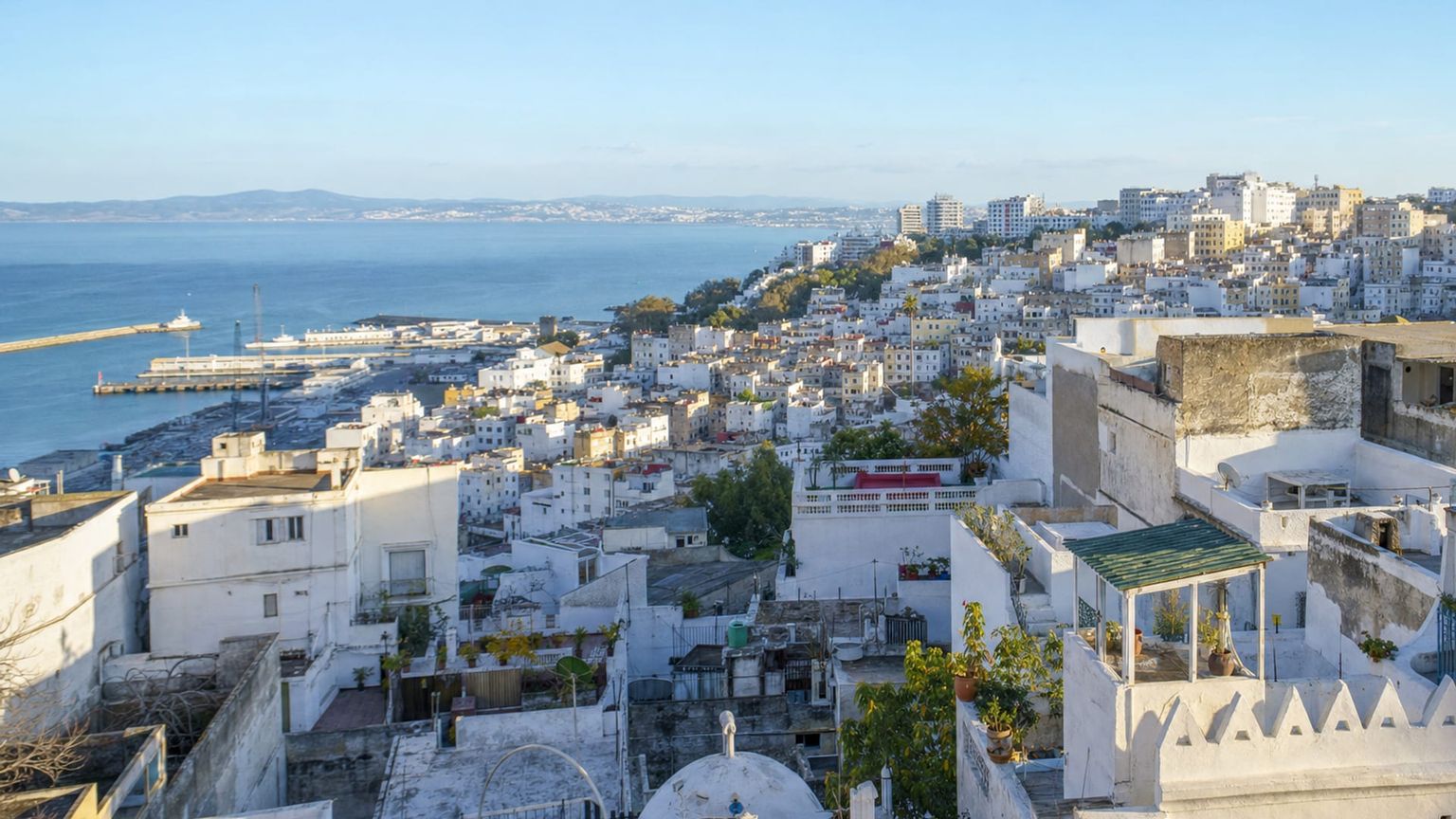
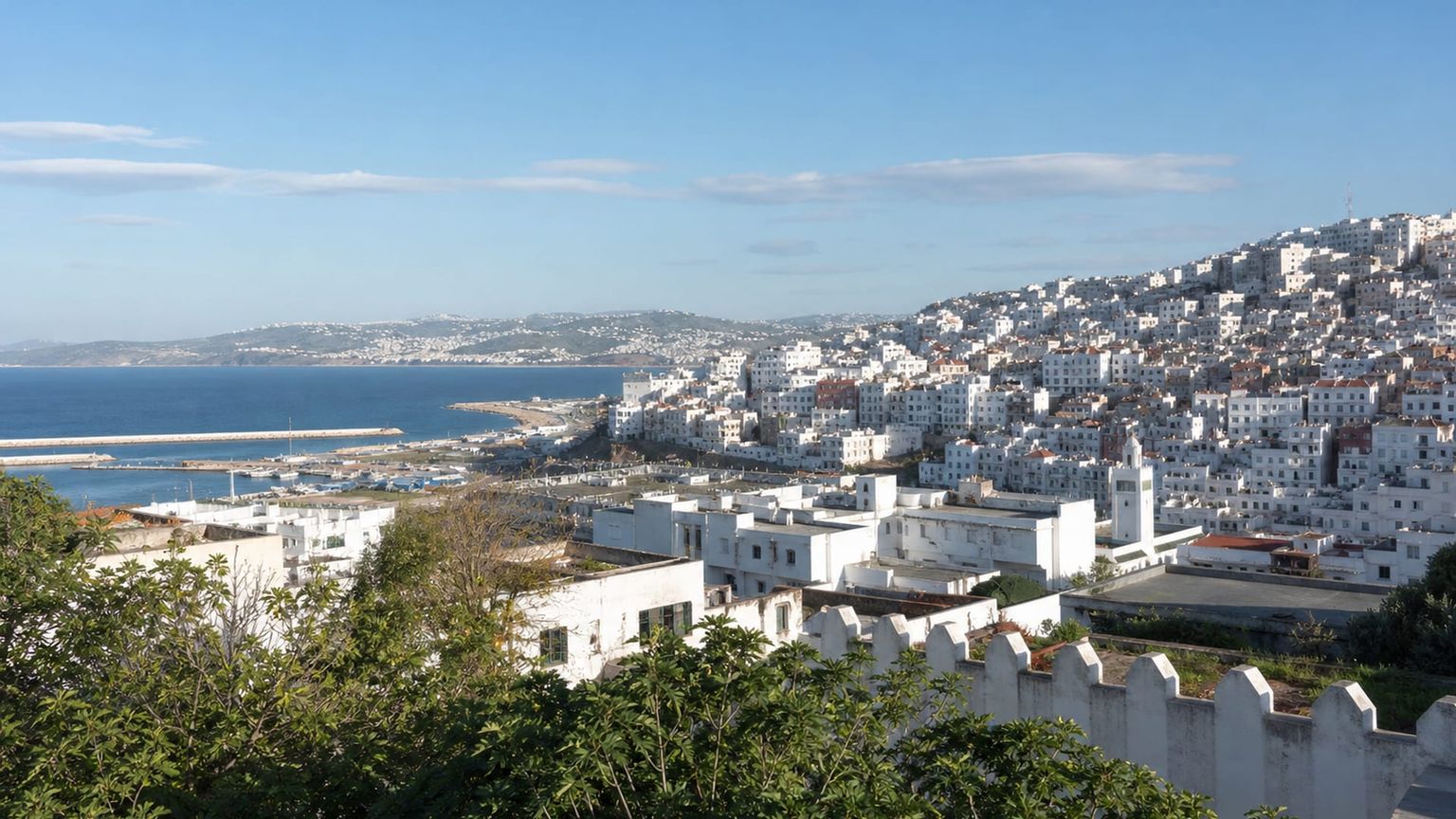
Tangier faces Spain across the Strait of Gibraltar, and on clear days the Spanish coast is visible from the city’s terraces. That position has drawn traders, diplomats, and artists for centuries. Henri Matisse painted here in 1912, and the American writer Paul Bowles made Tangier his home for 52 years.
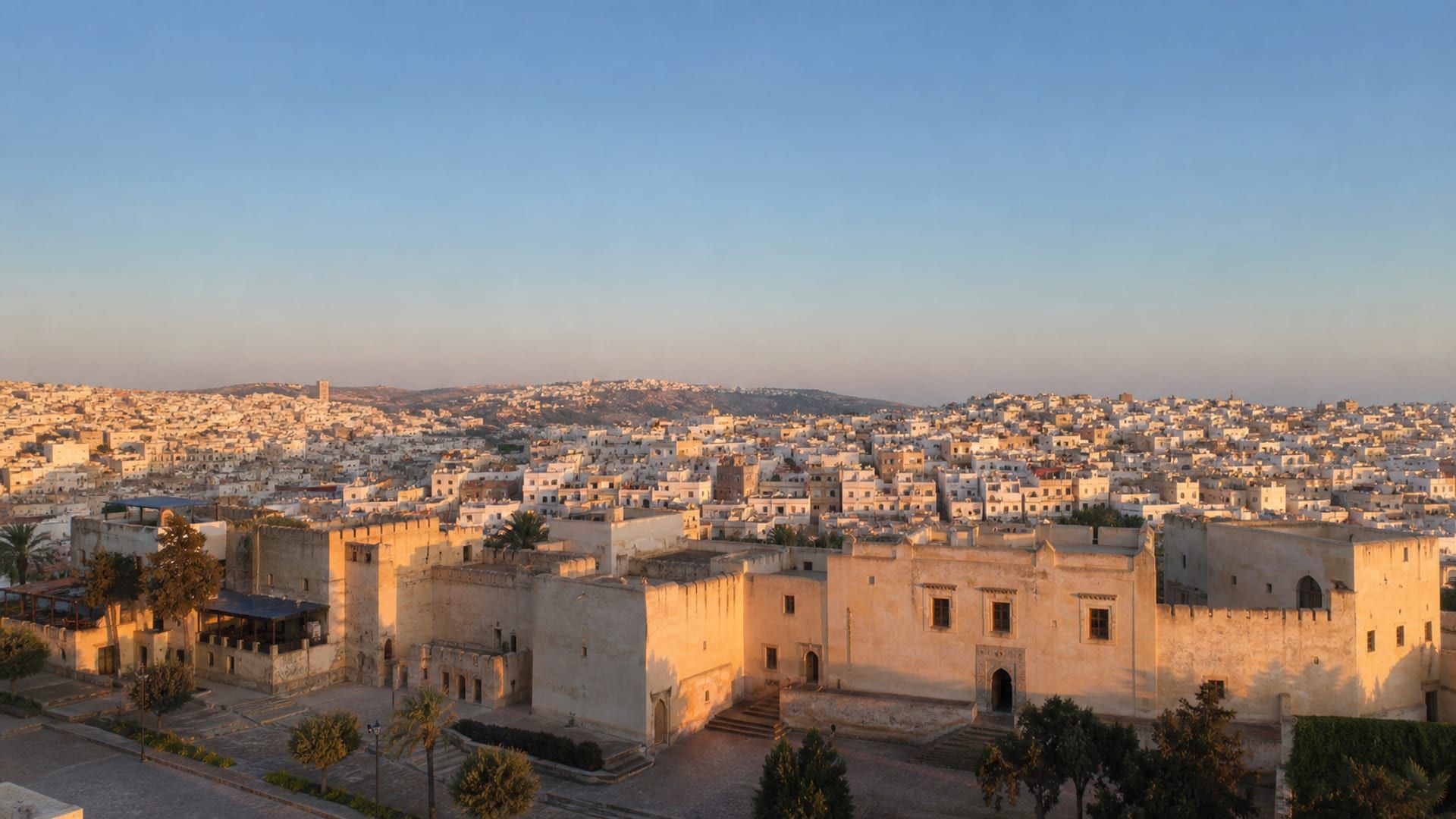
The whitewashed medina climbs from the port to the Kasbah at its highest point. Beyond the medina walls, the newer city stretches along wide boulevards lined with cafés and colonial-era buildings. To the west, a coastal road leads 7.5 miles (12 km) to Cap Spartel, the headland where the Atlantic meets the Mediterranean.
Five days give you time for all three sides of Tangier: the old city, the modern center, and the coast.
Useful things to know

Main language(s): Arabic
Marhaban (mar-ha-ban) – Hello
Min fadlak (min fad-lak) – Please
Shukran (shook-ran) – Thank you
Hal tatahallal al-inglesiya? (hal ta-ta-hal-lal al-in-gli-si-ya) – Do you speak English?
Kam tha? (kam tha?) – How much does it cost?

Currency: Moroccan dirham (MAD, د.م.)

Cash and cards: Hotels, upscale restaurants, and larger shops accept cards, but keep MAD 300 to MAD 500 ($32 to $54) in cash for taxis, cafés, and medina stalls.

Tipping: Leave 10% at sit-down restaurants unless the bill already includes a service charge, and round up taxi fares.

Traditional food: Tagine, couscous, pastilla, and harira are the classic Moroccan dishes you will find on menus across Tangier.

Water and coffee costs: A bottle of water costs MAD 3 to MAD 5 ($0.30 to $0.55), and a cappuccino at a café costs MAD 15 to MAD 22 ($1.60 to $2.40).

Taxis and ride apps: Small city taxis, called petits taxis, use the meter for rides within Tangier, and the Uber and inDrive apps both operate in the city.

Plug and voltage: Type C/E socket, 220V

Dining and shop opening hours: Hotels serve breakfast from 7:00 am to 10:00 am; restaurants serve lunch from 1:00 pm to 3:00 pm and dinner from 8:00 pm to 11:00 pm. Many restaurants close between lunch and dinner.

Emergency number: 112 for police, ambulance, or fire rescue
Where to stay in Tangier
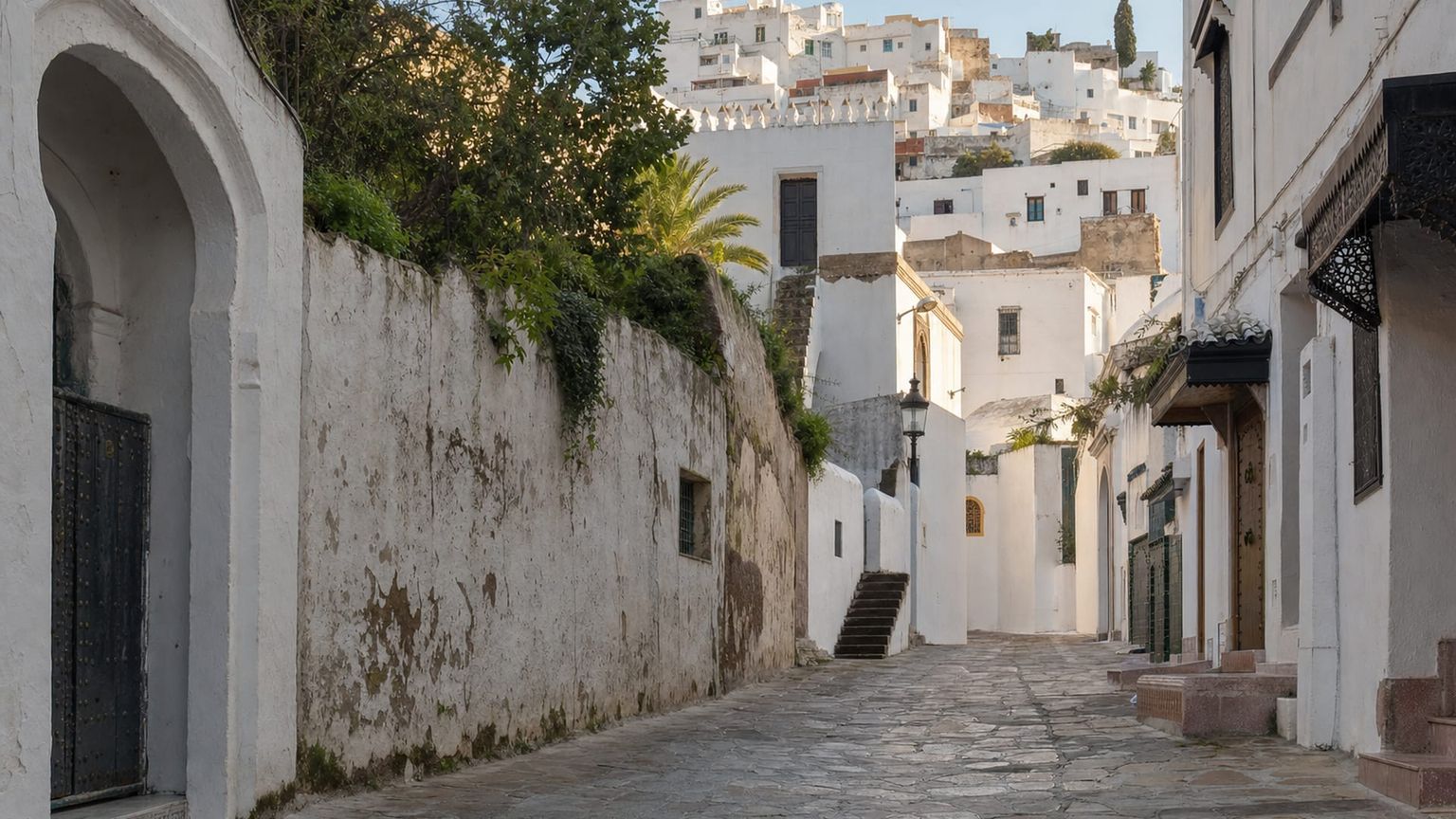
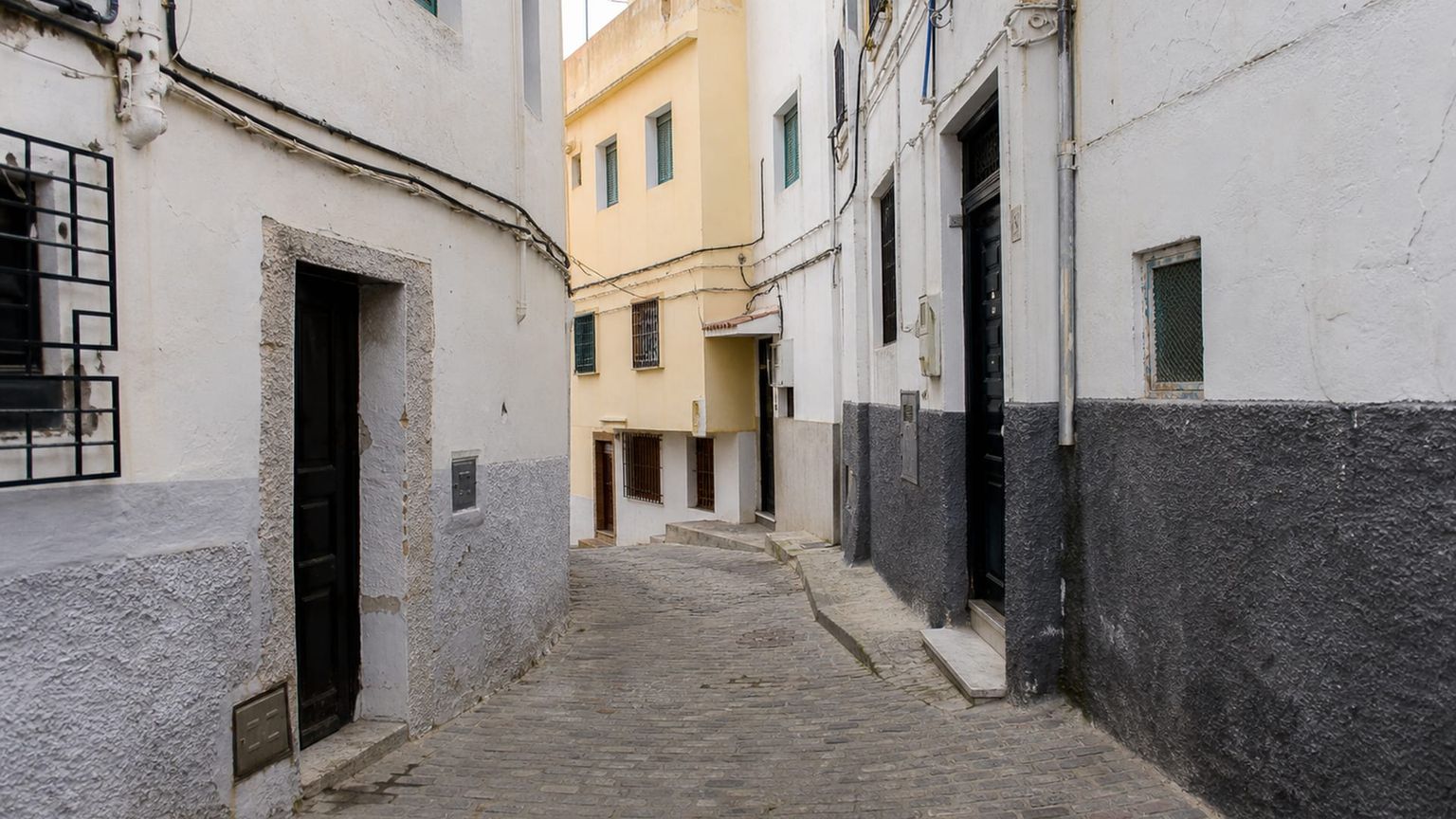
Tangier’s old walled quarter holds the city’s most historic streets, with whitewashed houses, the Kasbah, and small museums such as the American Legation nearby. It suits travelers who want to reach the main sights on foot and spend evenings near cafés, galleries, and traditional shops.
Best for: Historic sightseeing, short walks, and travelers who want to stay close to the main old-town landmarks
What to expect: Narrow, stepped streets, steady daytime foot traffic, and the most atmospheric street life in Tangier
Hotel prices: Well-rated hotels in this area charge MAD 950 to MAD 1,900 ($100 to $205) per night, mostly in restored riads.
Distance to major sights: 5 to 15 minutes on foot to the Kasbah Museum and Grand Socco, and 10 to 15 minutes on foot to the beach and Corniche
Quietness: Foot traffic fills the streets during the day, but the medina grows calmer after dinner, apart from occasional noise near cafés.
Main trade-off: Rooms are often smaller, cars cannot access most streets, and you may need to carry your luggage from the nearest drop-off point.
Good to know: If your riad is deep inside the medina, ask the staff to send a porter to meet your taxi at the nearest drop-off point.
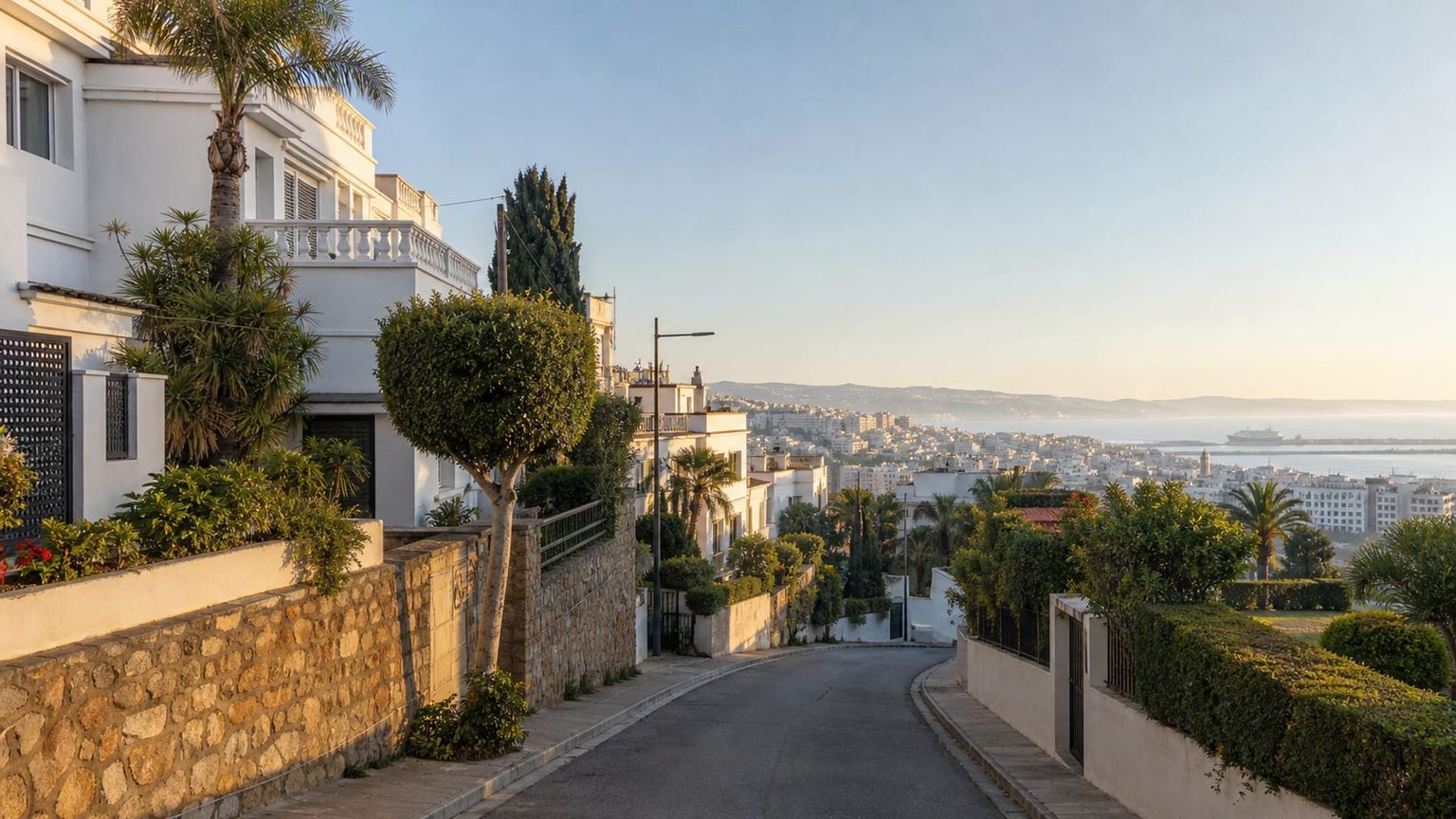
Marshan stretches west of the Kasbah along a clifftop plateau above the Strait of Gibraltar, with villas, consulates, and gardens from the International Zone era. Café Hafa and the Phoenician Tombs are steps away, and the medina is a short walk east, making it a quieter alternative to the old town.
Best for: Travelers who want quiet residential streets, sea views, and walking access to the Kasbah
What to expect: Leafy streets, villas behind garden walls, and far fewer crowds than in the medina
Hotel prices: Well-rated hotels in this area are mostly guesthouses and apartments, with rates from MAD 700 to MAD 1,400 ($75 to $150) per night.
Distance to major sights: 5 to 10 minutes on foot to the Kasbah and a 25-minute walk to the Corniche
Quietness: The area is calm day and night, and most noise comes from traffic on the main avenues.
Main trade-off: Dining choices are limited beyond Café Hafa, so for most dinners you will walk or take a taxi to the medina or city center.
Good to know: Some properties face steep streets, so ask about the route to the nearest taxi stop if you travel with heavy luggage.
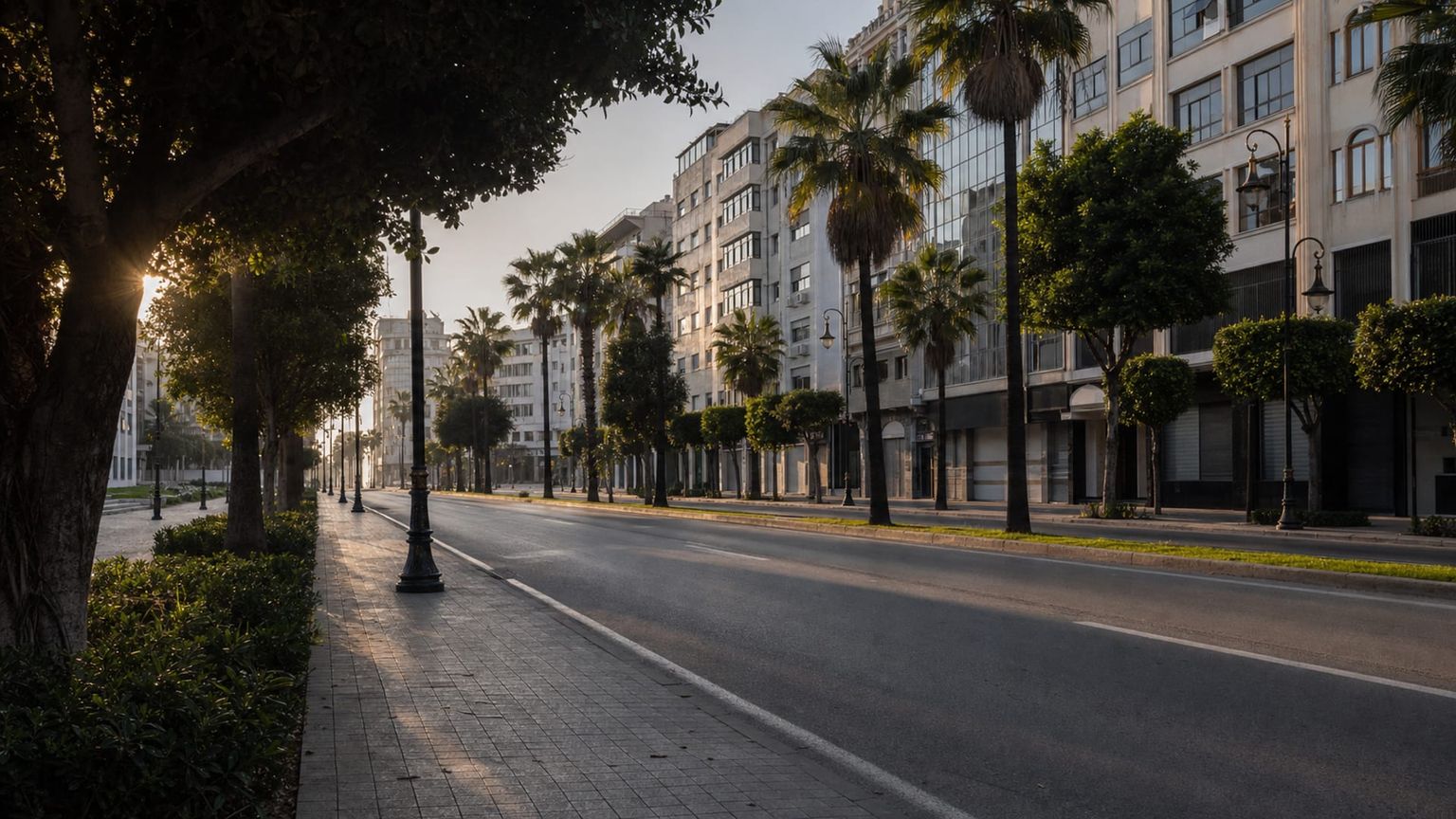
Boulevard Mohammed V and its northern stretch, Boulevard Pasteur, form the commercial heart of Tangier’s newer city, lined with hotels, banks, cafés, and shops. Hotels here offer modern rooms and easy taxi access, and the area lies between the medina, the waterfront, and Tanger Ville station.
Best for: Business trips, train travel, and travelers who prefer modern hotels with full services
What to expect: Busy sidewalks, steady car traffic, and the widest choice of shops and cafés outside the medina
Hotel prices: Well-rated hotels in this area, including international chains, cost MAD 1,000 to MAD 2,000 ($107 to $215) per night.
Distance to major sights: 10 to 15 minutes on foot from Place de France to Grand Socco, and 25 to 30 minutes on foot to Tanger Ville station
Quietness: Traffic and shoppers keep the boulevards loud by day, and the noise drops once shops close in the evening.
Main trade-off: The boulevards feel more commercial than historic, and the old-town atmosphere begins only at Grand Socco.
Good to know: Taxis can pull up at the hotel door, and most hotels here have elevators, unlike many medina riads, which helps travelers with heavy luggage.
Malabata lines the eastern end of the Bay of Tangier, where Avenue Mohammed VI continues past the city center toward the Malabata headland. Large hotels, apartment blocks, and a casino face a long sandy beach here, and the waterfront feels calmer and more resort-like than the busy center.
Best for: Beachfront hotels with pools, sea views from the room, and travelers who plan to get around by taxi
What to expect: Wide avenues, large resort-style hotels, and more cars than pedestrians
Hotel prices: Well-rated hotels in this area, most with pools or spas, charge MAD 1,050 to MAD 2,000 ($115 to $215) per night.
Distance to major sights: 10 to 15 minutes by taxi to the medina and 5 minutes by taxi to Tanger Ville station
Quietness: Evenings here are calmer than in the city center, although hotel bars and the casino keep some spots busy late.
Main trade-off: You give up walkability for newer, larger rooms, and most dinners and sightseeing stops require a taxi.
Good to know: Choose this area only if you are comfortable budgeting for rides, because the beach strip is too far from the medina for easy walking.
Avoid booking in Mghogha, an industrial zone on the city’s outskirts, or in the residential district of Beni Makada. Both are far from the medina and the waterfront, with few hotels and limited evening dining.
Hotel deals
Getting around Tangier
Tangier has no metro or tram, so visitors get around by blue petit taxis, ride-hailing apps, grand taxis, Alsa buses, and on foot in the medina.

Bus
for low-cost trips
Alsa operates Tangier’s city buses, and a single ride costs MAD 4 ($0.45), paid in cash on board. Buses link residential districts with the center and Tanger Ville station, but they fill up fast and have limited English signage.

Petit taxi and ride apps
for city trips and late hours
Blue petit taxis use the meter within city limits, and most daytime rides cost MAD 10 to MAD 35 ($1 to $4). Fares rise by 50% from 8:00 pm or 9:00 pm. Uber and inDrive also operate in Tangier and show the fare before pickup, which helps late at night.

Grand taxi
for the airport and the coast
Larger grand taxis cover trips beyond city limits at fixed fares. From Ibn Battouta Airport (TNG), the official fare to the city center is MAD 100 ($11) by day and MAD 150 ($16) at night, and a ride from the center to the Hercules Caves takes 20 minutes.
*Prices are based on rates updated as of October 2026 and may change at the time of travel.
Walk within the medina, use a petit taxi or Uber between neighborhoods, take a grand taxi to the airport and coast, and ride the bus for daytime trips.
Iconic places in Tangier
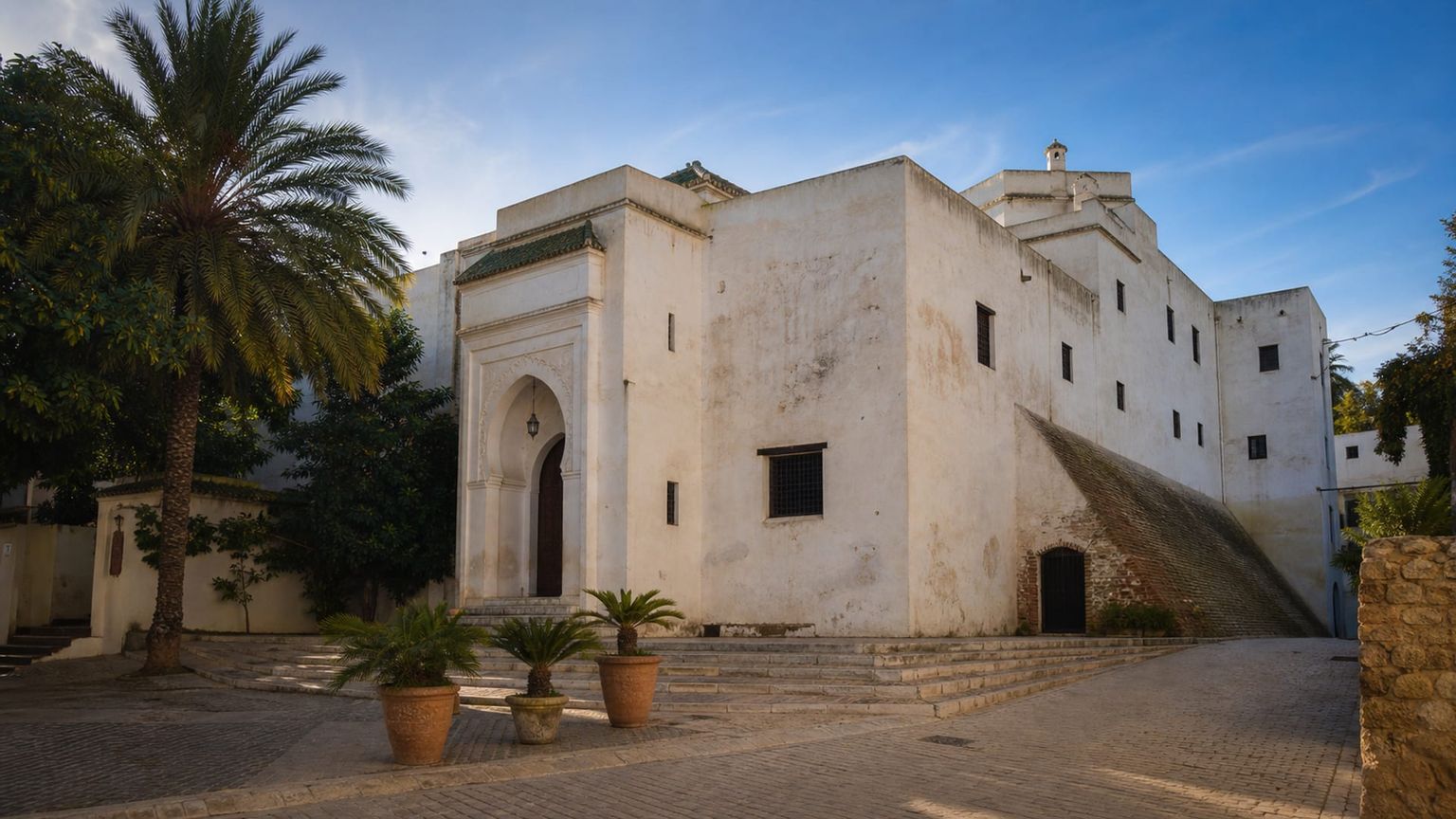
Kasbah Museum
The Kasbah Museum of Mediterranean Cultures occupies Dar el Makhzen, the former sultan’s palace at the top of the medina. Its rooms display a Roman mosaic from Volubilis, ceramics, and carved wood, and the palace garden and courtyards look out over the old city.
Time needed: About 1 to 2 hours
Entry: Adults pay MAD 30 ($3.20), and the museum closes on Tuesdays. Visit the official site for details.
Tip: Arrive at the 10 am opening to see the courtyards before tour groups fill them.
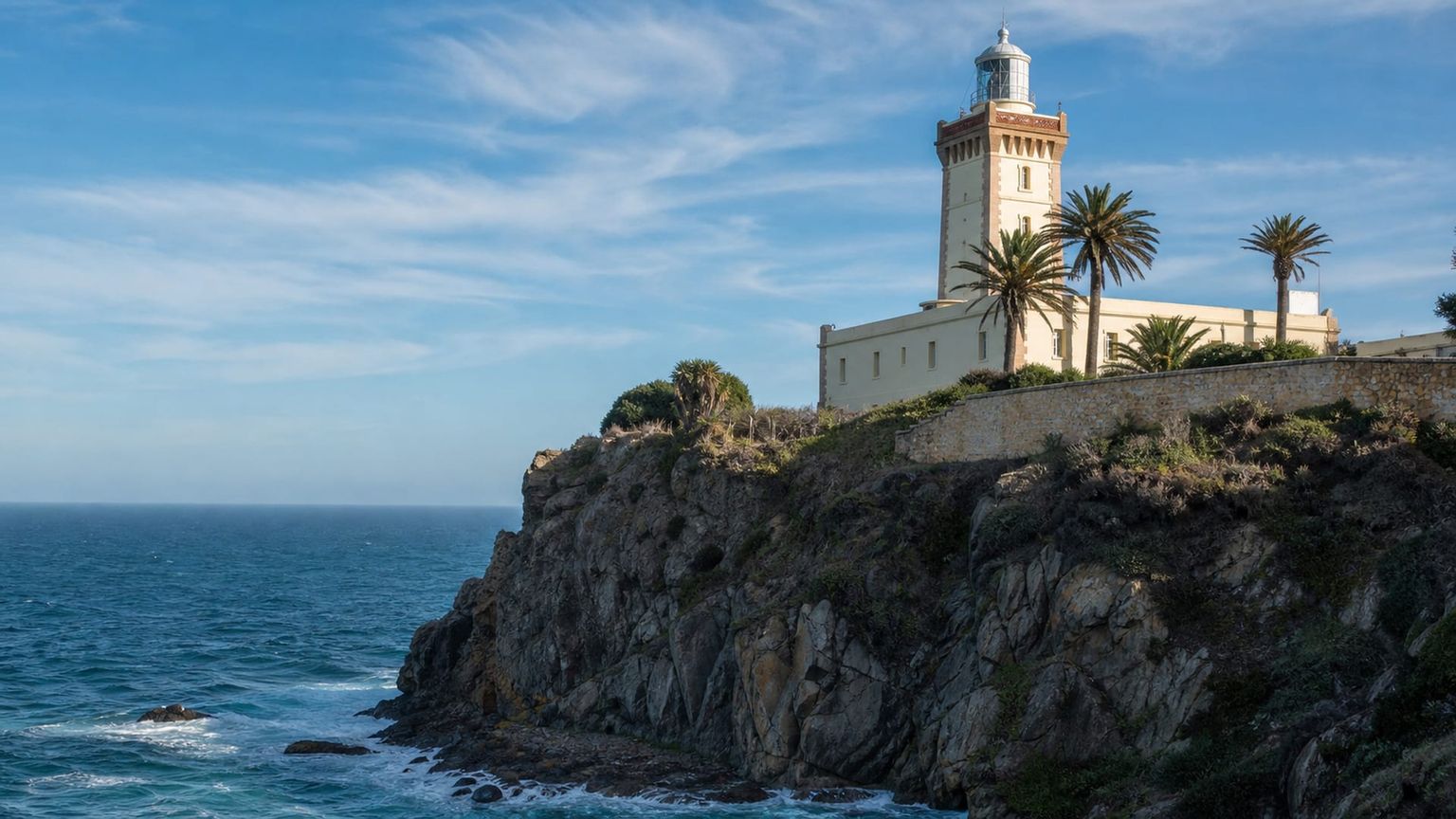
Cap Spartel
Cap Spartel marks the northwestern tip of Africa, where the Atlantic meets the Mediterranean, 7.5 miles (12 km) west of Tangier. Its lighthouse, in operation since 1864, now houses a small museum on Morocco’s maritime history.
Time needed: About 45 minutes to 1 hour
Entry: The viewpoint is free, and adults pay MAD 50 ($5.50) to enter the lighthouse grounds and museum.
Tip: Come in the late afternoon and stay for sunset over the Atlantic.
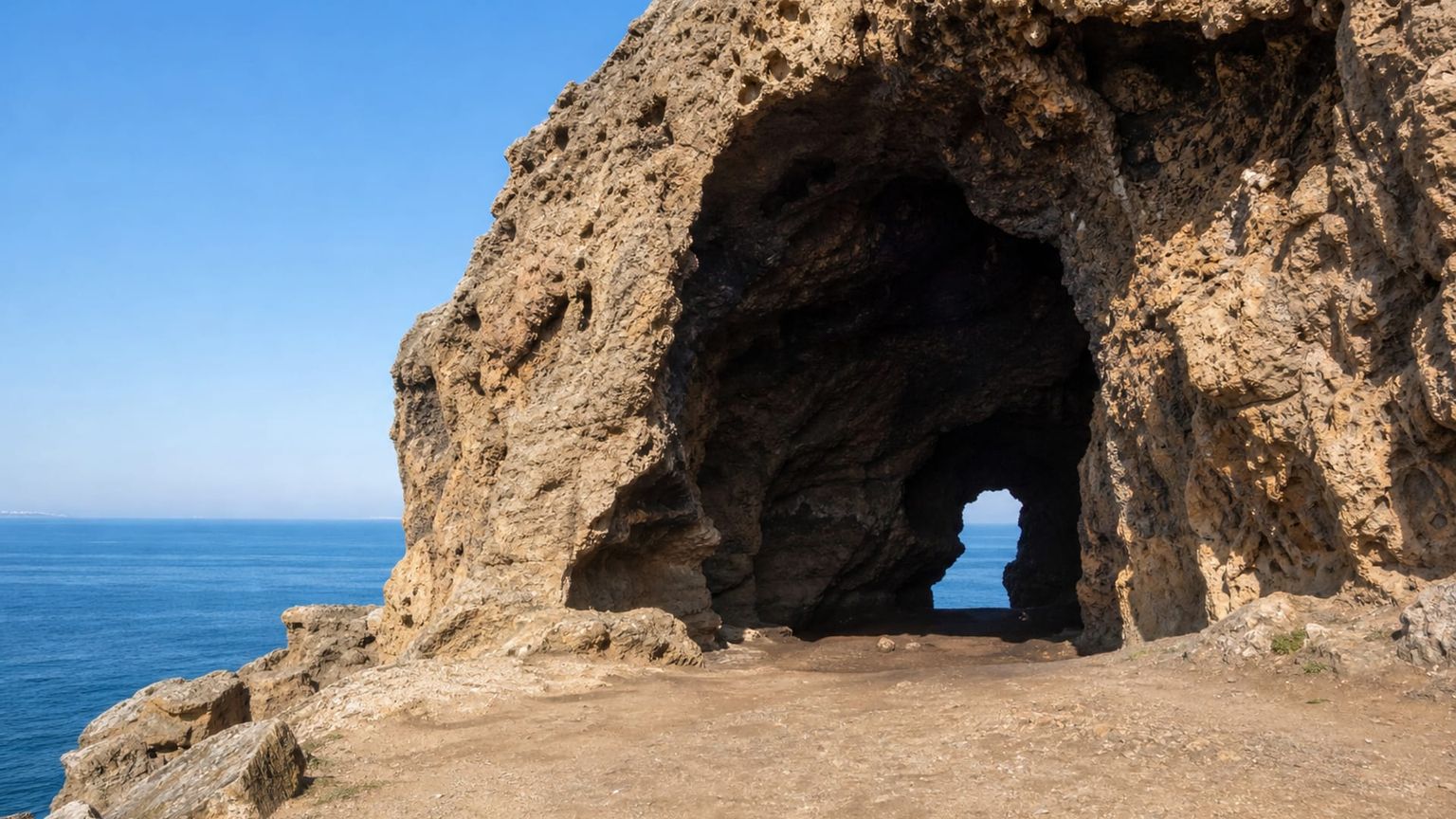
Hercules Caves
The Hercules Caves lie 8.7 miles (14 km) west of Tangier, partly natural and partly carved by people who cut millstones from the walls. Their sea-facing opening, shaped like a map of Africa, frames the Atlantic surf.
Time needed: About 45 minutes to 1 hour
Entry: Foreign adults pay MAD 80 ($8.60), and children aged 7 to 13 pay MAD 40 ($4.30), in cash at the gate.
Tip: AArrive when the gates open at 9:00 am, before the line for photos at the cave mouth builds.
Overlooked places in Tangier

Tangier American Legation Museum
Sultan Moulay Suliman gave this medina building to the US in 1821, and today it is the only US National Historic Landmark abroad. Its rooms hold Moroccan art, maps, and a wing devoted to Paul Bowles.
Time needed: About 1 to 2 hours
Entry: Non-resident adults pay MAD 50 ($5.40) in cash, and no booking is needed. Visit the official site for details.
Tip: Visit on a weekday, since the museum closes at 3:00 pm on weekends.

Villa Perdicaris
This villa belonged to Ion Perdicaris, a wealthy expatriate whom the bandit Raisuli kidnapped here in 1904. President Theodore Roosevelt sent seven warships to Tangier, and the villa is now a museum.
Time needed: 1 to 2 hours, including a walk in the park
Entry: Access to the park is free; access to the villa costs MAD 70 ($7.50). The villa closes on Tuesdays. Visit the official site for details.
Tip: Stop here on the way to Cap Spartel, since the park lies west of Tangier on the road.
What to eat in Tangier
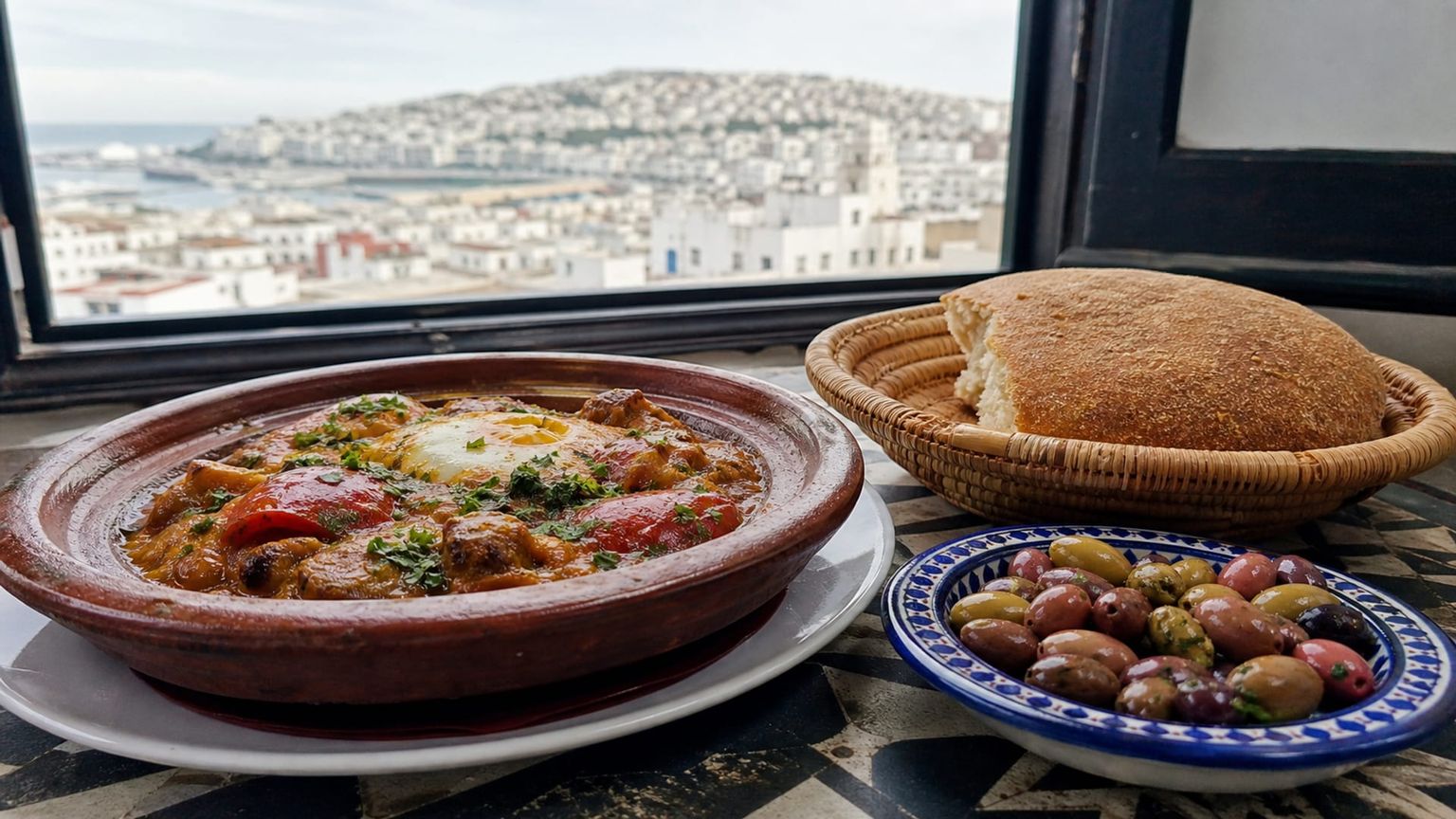
Tangier’s kitchens draw on Rif mountain herbs, fresh Atlantic and Mediterranean seafood, and centuries of Andalusian influence, so a single menu might list fish tagine beside harira and pastilla.
Tagine
A tagine is a stew of meat, fish, or vegetables that simmers for hours in a conical clay pot of the same name. Le Saveur du Poisson, near the Grand Socco, serves a seafood tagine as part of its fixed fish menu.
Couscous
Moroccan families traditionally eat couscous, steamed semolina with vegetables and lamb, beef, or chicken, every Friday. Restaurant Kebdani in the medina draws locals and visitors alike for its Friday couscous.
Pastilla
Pastilla wraps spiced chicken, almonds, and egg in thin warqa pastry, and cooks finish it with cinnamon and powdered sugar for a sweet-savory contrast. El Morocco Club in the Kasbah serves a chicken pastilla with saffron onions.
Harira
Harira is a tomato soup with lentils, chickpeas, fresh herbs, and spices, and Moroccans traditionally eat it to break the fast during Ramadan. Le Bistrot du Petit Socco in the medina serves it with Moroccan salad and mint tea.
Best time to visit
Tangier has a mild Mediterranean climate, with dry, sunny summers and most of its rain falling between October and April.
Best for: Medina walks, Kasbah museums, and day trips to Cap Spartel in mild weather
What you get: Temperatures range from 50°F to 75°F (10°C to 24°C), with longer, sunnier days and noticeably fewer crowds than in July and August.
Trade-offs: March and April still bring rainy spells, so pack a light rain jacket.
Best for: Beach days, long dry evenings, and late dinners on waterfront terraces
What you get: Temperatures range from 63°F to 85°F (17°C to 30°C), with almost no rain, steady sea breezes, and the busiest hotel season of the year.
Trade-offs: Hotels fill quickly in July and August, and the midday sun makes long walks tiring.
Best for: Beach days in September and comfortable medina walks after the summer crowds
What you get: Temperatures range from 54°F to 81°F (12°C to 27°C), with dry, sunny weeks through September and much heavier rain from October onward.
Trade-offs: November ranks among the wettest months, so plan coastal trips for September or October.
Best for: Quiet museum visits, calm medina walks, and unhurried meals in riad restaurants
What you get: Temperatures range from 46°F to 64°F (8°C to 18°C), with fewer than 10 hours of daylight in December.
Trade-offs: Wind and rain make long outdoor days less appealing.
A 5-day plan in Tangier
Five days give Tangier room to unfold at an easy pace: a day in the Kasbah and medina, a day on the Atlantic coast, a day in the modern city, and two lighter days for arrival and departure. This plan groups nearby sights to keep taxi rides short.
Take a grand taxi from Tangier Ibn Battouta Airport (TNG) to your hotel. If you booked a riad, ask the staff to meet your taxi at the nearest drop-off point and carry your bags through the medina. After check-in, stroll to the Grand Socco, the large square at the edge of the old town, and end the evening with an easy dinner close to your hotel.
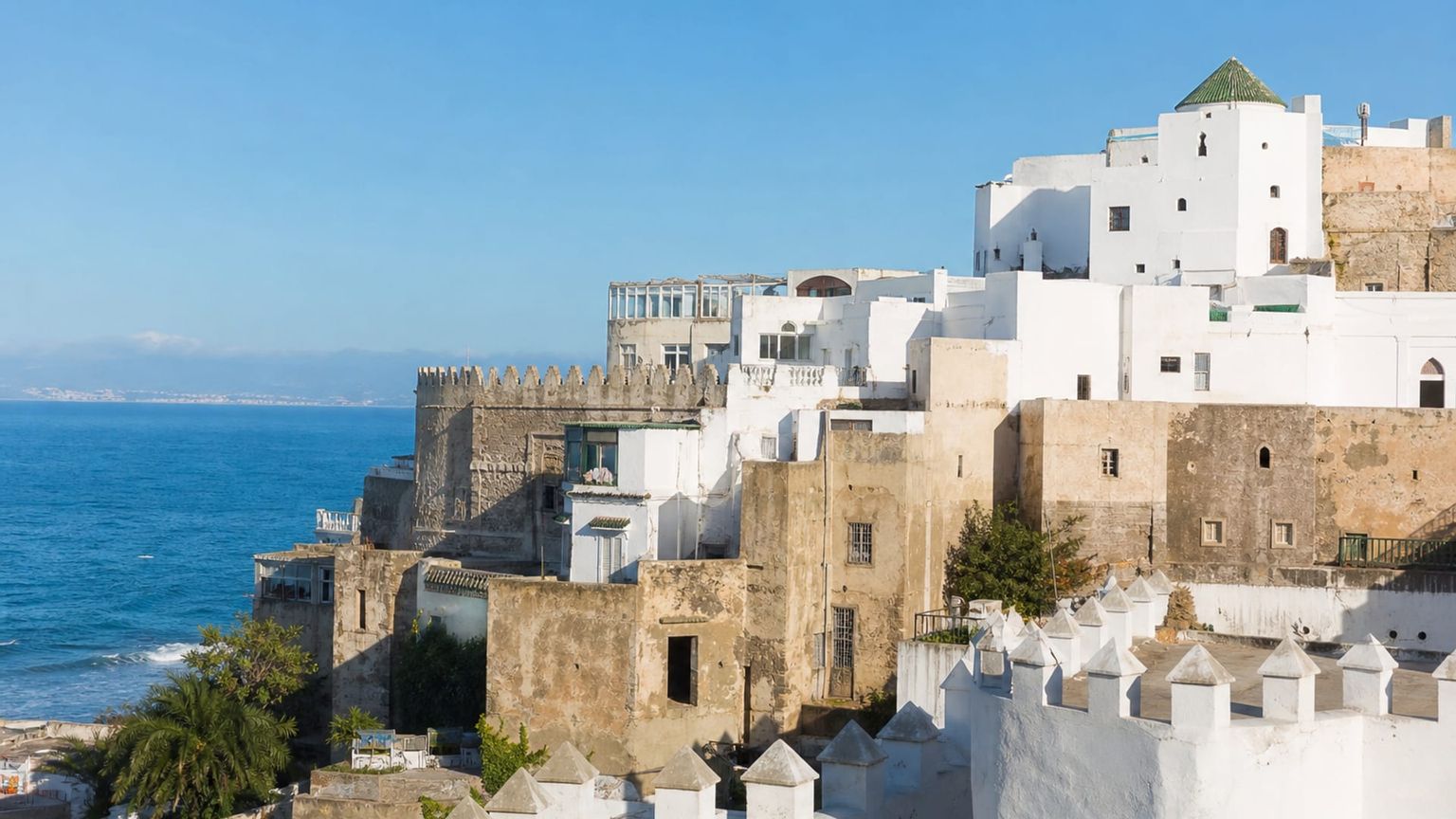
Start at the top of the medina in the Kasbah Museum, where a Roman mosaic from Volubilis and the former sultan’s garden take a morning to explore. Then follow the streets downhill to the Tangier American Legation to see Moroccan art and the Paul Bowles wing. Pause for mint tea at a café on the Petit Socco, and in the evening, climb back up to El Morocco Club for chicken pastilla with saffron onions.
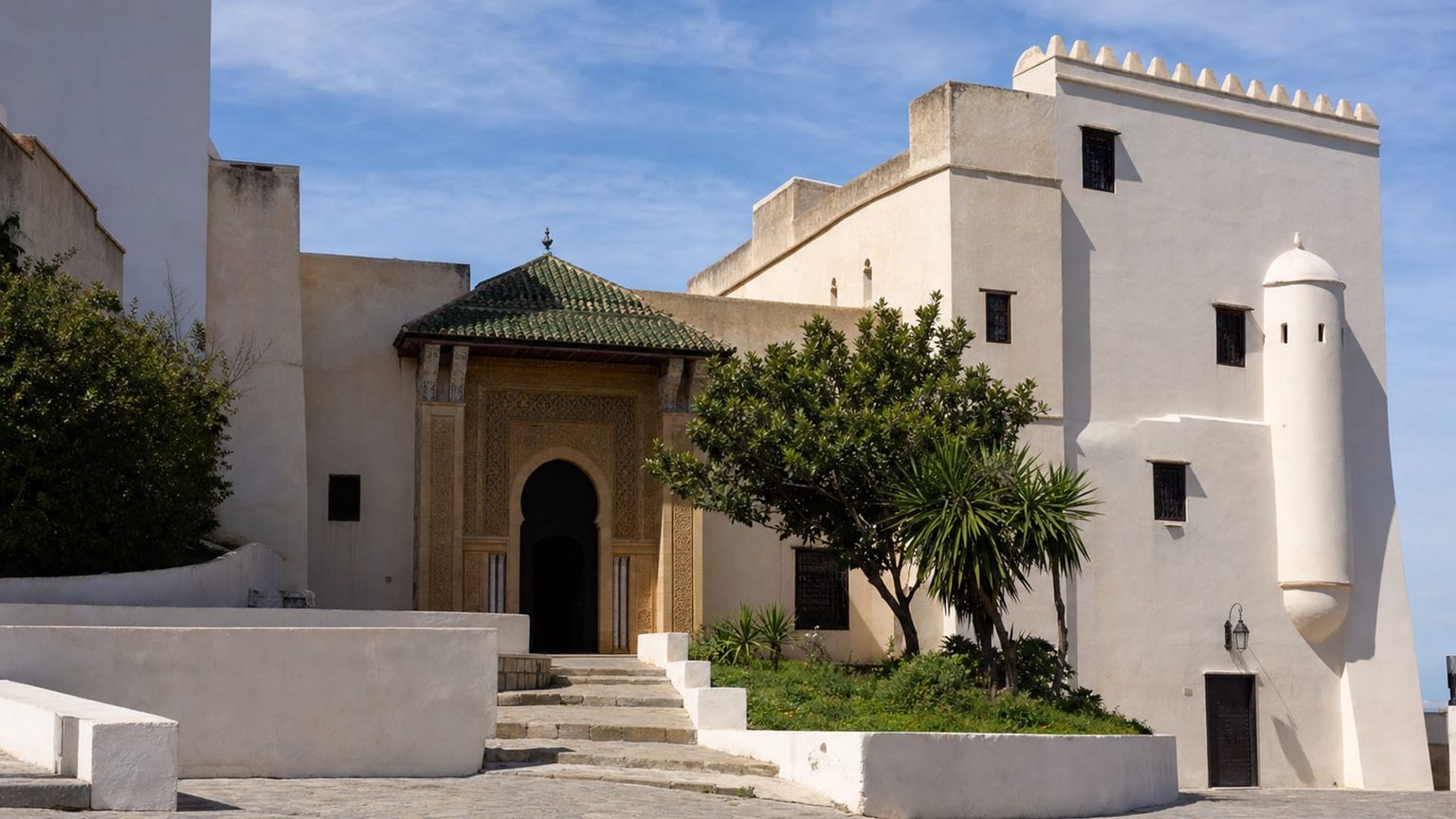
Head west of the city to Perdicaris Park, walk its forest paths, and tour the villa where the bandit Raisuli kidnapped Ion Perdicaris in 1904. Continue to the Hercules Caves, where legend says Hercules rested before his eleventh labor, and look out at the Atlantic through the Africa-shaped opening. Have a seafood lunch near Robinson Beach, then drive 3 miles (5 km) north to Cap Spartel, visit the 1864 lighthouse, and stay on the headland for sunset.
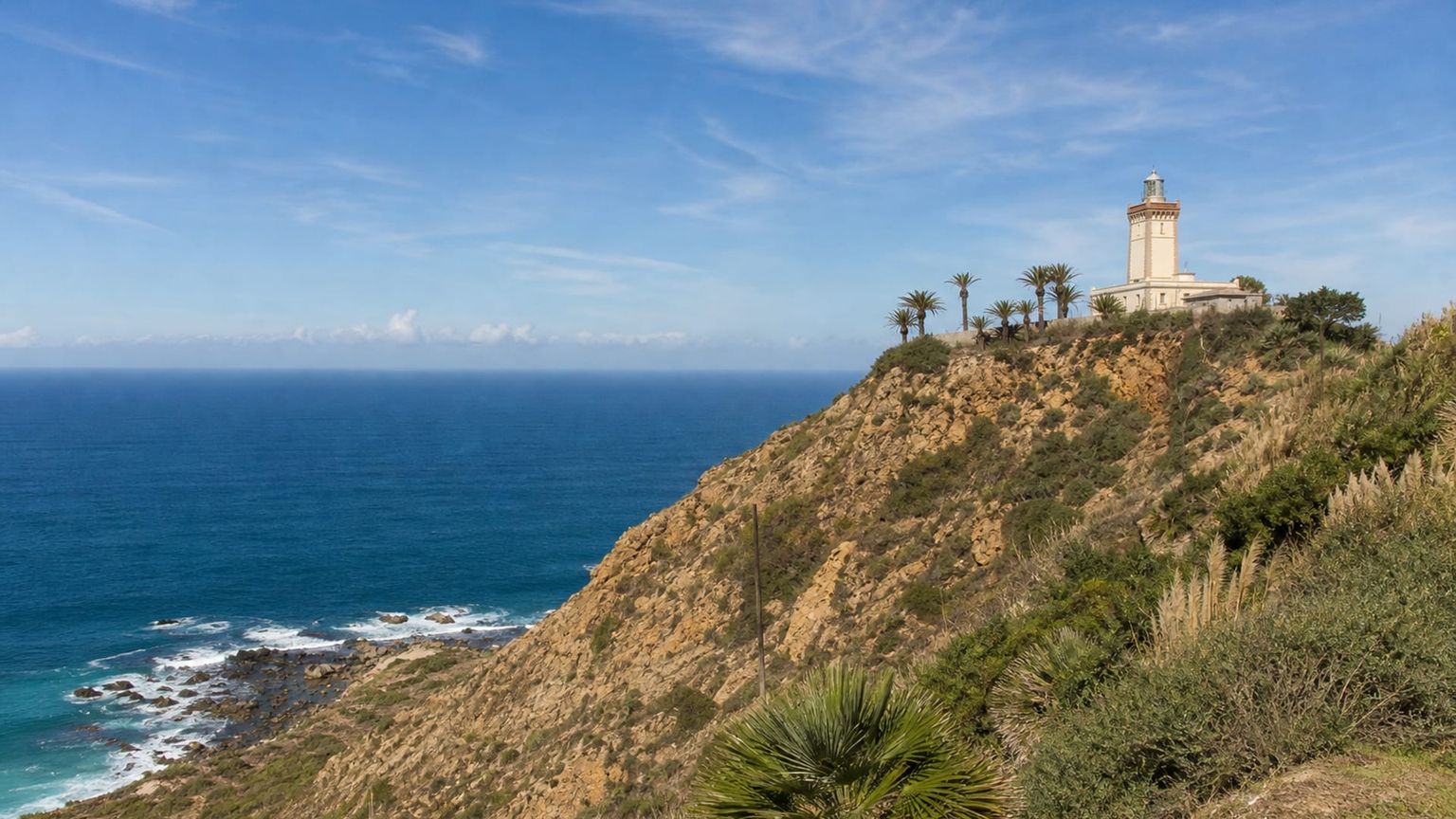
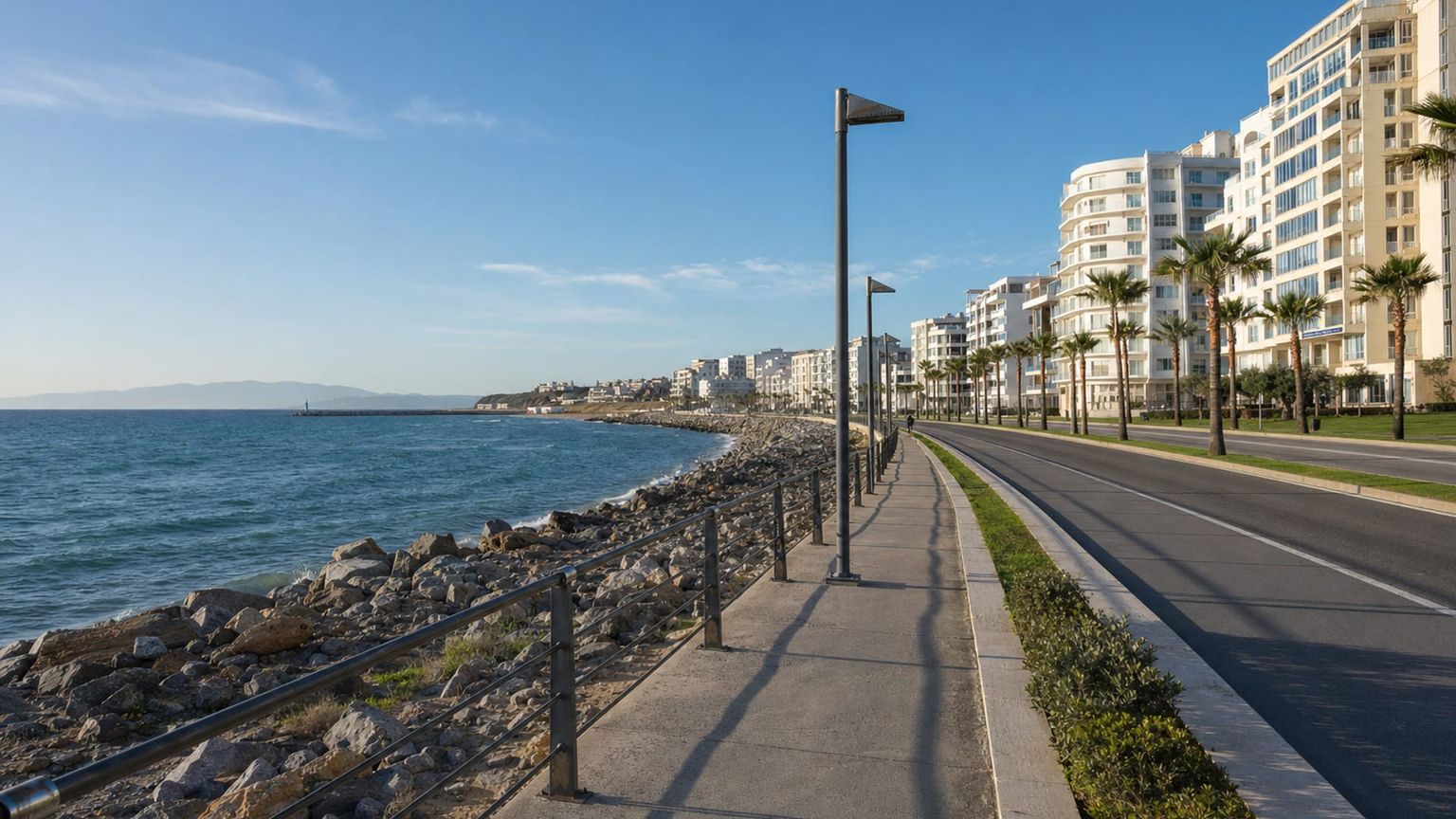
Begin on Boulevard Pasteur, the main avenue of the newer city, and walk to the Grand Hotel Villa de France, where Henri Matisse stayed and painted in 1912. For lunch, head to Le Saveur du Poisson for its multi-course seafood meal. In the afternoon, take a petit taxi to the Corniche, follow the promenade along the bay toward Malabata, and finish with a drink on a seafront hotel terrace.
Spend the last morning in Marshan at Café Hafa, where terraces have looked across the Strait of Gibraltar since 1921, and order mint tea while scanning the horizon for the Spanish coast. Walk to the nearby Phoenician Tombs, which ancient builders carved into the rock above the sea, then return to your hotel for a final lunch before the taxi ride to Ibn Battouta Airport (TNG).
Business-class flights from the US to Tangier
No airline flies nonstop from the US to Tangier (TNG), so business-class trips include a stop in Casablanca (CMN) or in a European hub such as Madrid (MAD) or Paris (CDG).
New York (JFK) to Tangier (TNG)
Royal Air Maroc operates 7-hour nonstop flights from New York (JFK) to Casablanca (CMN) using a Boeing 787 with lie-flat business seats, then continues to Tangier (TNG) with a 1-hour domestic flight. Iberia via Madrid (MAD) and Air France via Paris (CDG) offer one-stop alternatives, with total travel times of 11 to 14 hours. Round-trip business fares start at $4,500.
Los Angeles (LAX) to Tangier (TNG)
Reaching Tangier (TNG) from Los Angeles (LAX) takes one or two connections, and most routes pass through Madrid (MAD) on Iberia. Iberia’s one-stop flights connect there directly, while United or American Airlines add a first stop in Chicago (ORD) or Dallas (DFW), for a total of 17 to 21 hours. Royal Air Maroc also flies one-stop via Casablanca (CMN) on some days. Round-trip business fares start at $4,800.
Tangier is best taken one neighborhood at a time
Tangier is easiest to enjoy one area at a time. Give the Kasbah and medina a full day, save the Atlantic coast for an afternoon that ends at Cap Spartel, and leave Marshan and the Corniche for slower hours between meals. When each day centers on one part of the city, you spend less time in taxis and more time in the places themselves. Once your dates are set, AranGrant travel experts can help you book business-class flights to Tangier and a hotel in the neighborhood that suits your plans.