

Chapters:

Need help with your trip?
Our support team is available 24/7. Request a callback or call us directly at (833) 619-0908
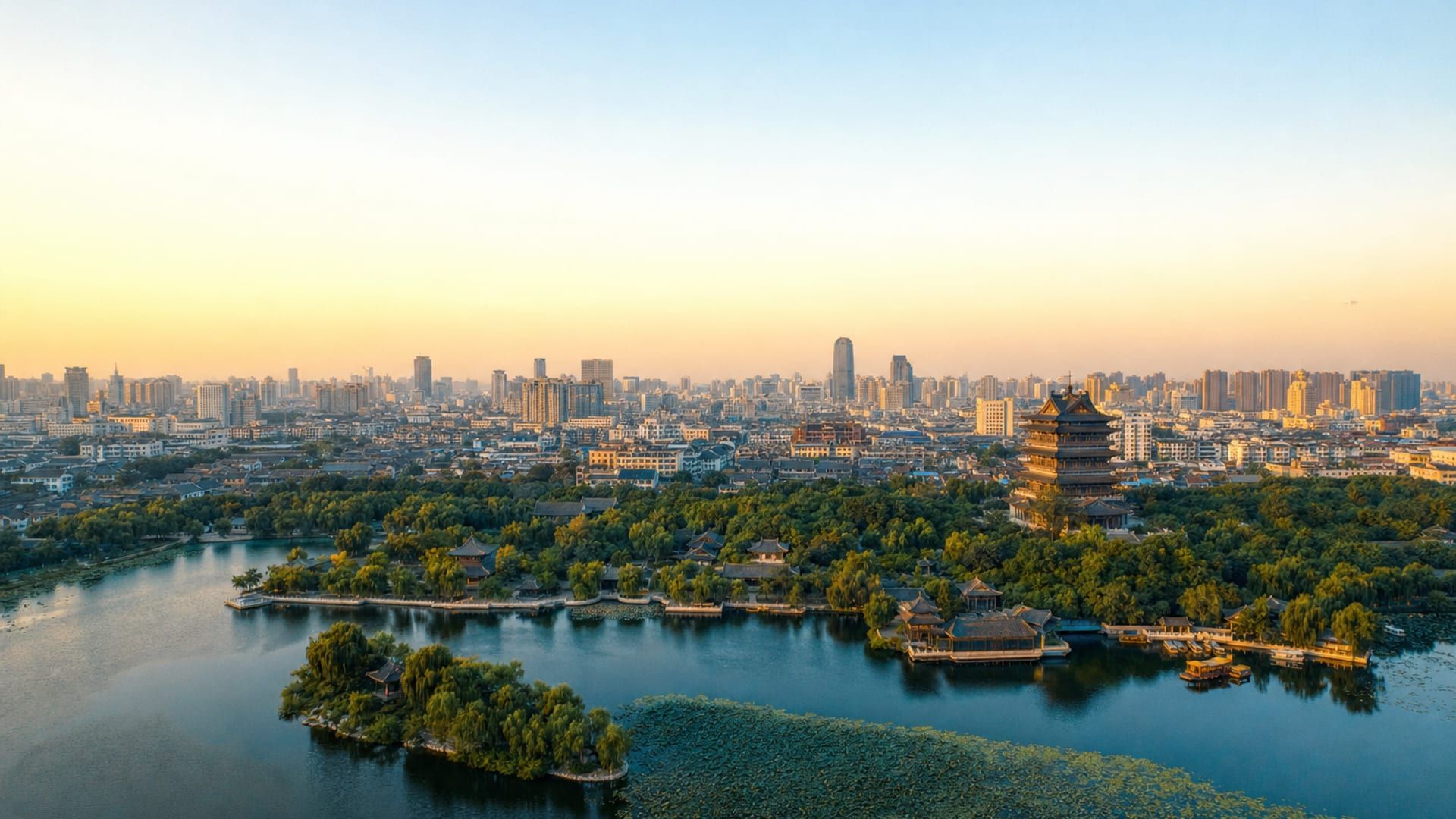
Jinan trips often start with the same loop, hotel in the center, a quick stop at Baotu Spring, then Daming Lake, then dinner near Quancheng Square. What many visitors miss is how much time that center already absorbs, from taxis, queues, and crowded promenades to the uphill effort of Thousand Buddha Mountain.
That pattern can leave the city feeling smaller than it is, with backtracking between sights and late meals after long rides. In peak hours, a few extra kilometers can reshape the day, especially if your base sits outside the core or your return trip crosses busier roads.
This guide lays out Jinan in a more deliberate order, with central stays, measured transfers, and day plans that match each site to the right time of day. The result gives the springs, lake, hill, and food scene room to work on their own terms.
Useful things to know

Main language(s): Mandarin Chinese
Nǐ hǎo (nee how) – Hello / good morning
Qǐng (ching) – Please
Xièxie (shyeah-shyeah) – Thank you
Nǐ huì shuō Yīngyǔ ma? (nee hway shwaw ying-yoo ma) – Do you speak English?
Duōshǎo qián? (dwaw-shaow chyen) – How much does it cost?

Currency: The local currency is the Chinese yuan (CNY, ¥).

Cash and cards: Cards and contactless are widely accepted; carry about ¥200 to ¥500 ($28 to $70) in cash for small shops and taxis.

Tipping: Tipping is not customary; round up small bills only for exceptional service.

Traditional food: Sweet and sour yellow river carp, Dezhou braised chicken, Jinan roasted sweet potato, Baotu Spring tofu

Water and coffee costs: Water about ¥3 to ¥6 ($0.50 to $0.85), bar espresso about ¥20 to ¥35 ($3 to $5).

Taxis and ride apps: DiDi operates here; keep your destination in Chinese for easier pickup.

Plug and voltage: Type A/C socket, 220V

Dining and shop opening hours: Breakfast is about 07:00-09:00, lunch 11:30-13:30, and dinner 18:00-20:30. Some restaurants close midafternoon.

Emergency number: Call 110 for police, 120 for ambulance, 119 for fire.
Where to stay in Jinan
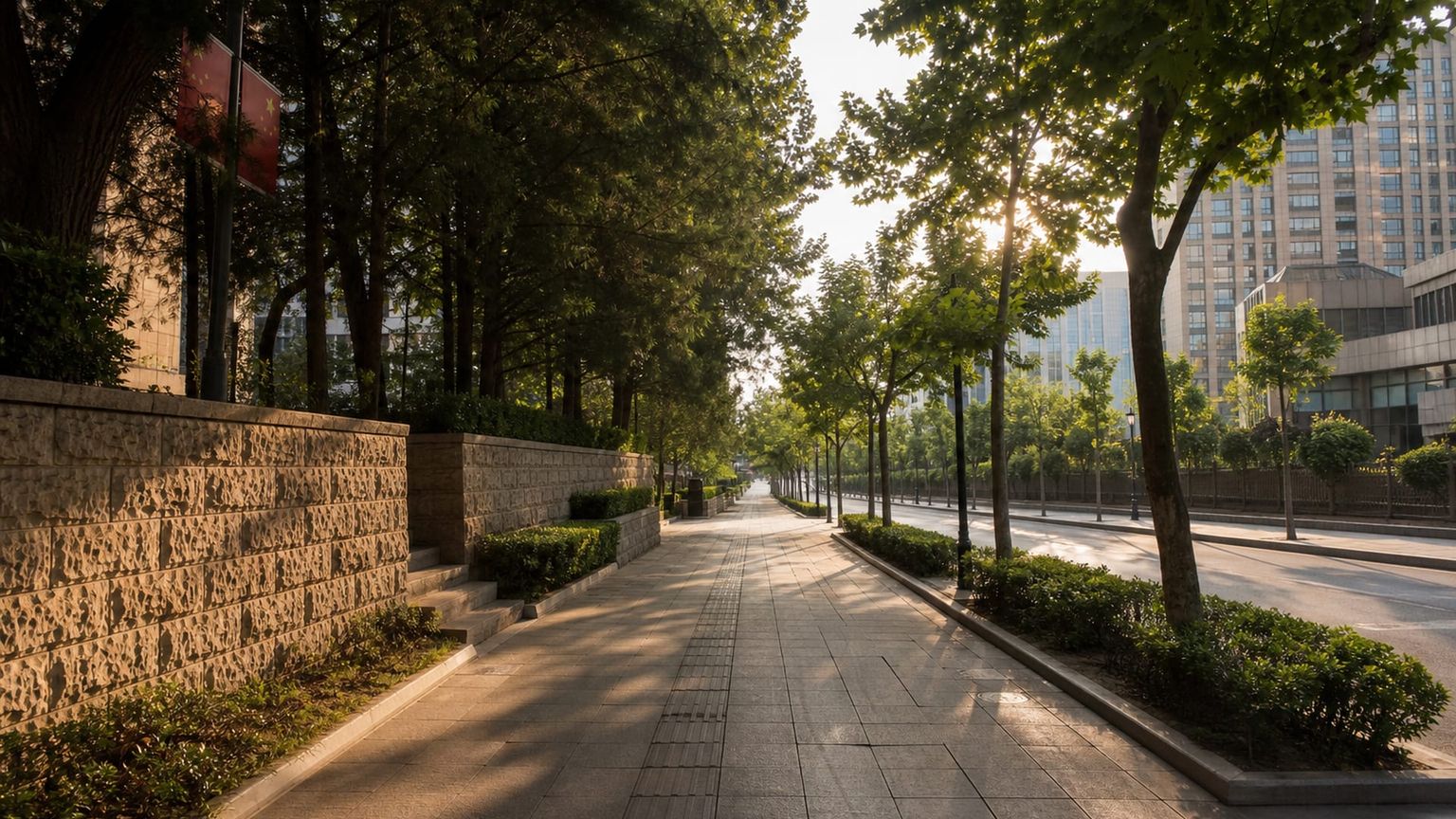
Jinan’s main east-side core mixes office towers, department stores, and large hotels around the city’s commercial spine. It gives you fast access to shopping, dining, and several practical transit links without leaving the urban center.
Best for: Business trips, shopping, and travelers who want central transit access
What to expect: Busy arterial roads, mall frontage, and steady pedestrian traffic through the day, with more car traffic than lingering street life at night.
Hotel prices: Usually about 350元 to 700元 (~$49 to ~$98) per night for well-rated stays
Distance to major sights: About 15 minutes by taxi to Baotu Spring Park, roughly 25 minutes to Daming Lake
Quietness: Daytime is active and traffic-heavy; evenings get quieter once office crowds leave, though hotel blocks can still see movement.
Main trade-off: You gain transit access and hotel choice, but the area feels more commercial than scenic and dinner options skew toward mall dining.
Good to know: Late-night wandering is limited, so plan most meals and evening outings before returning to the hotel.
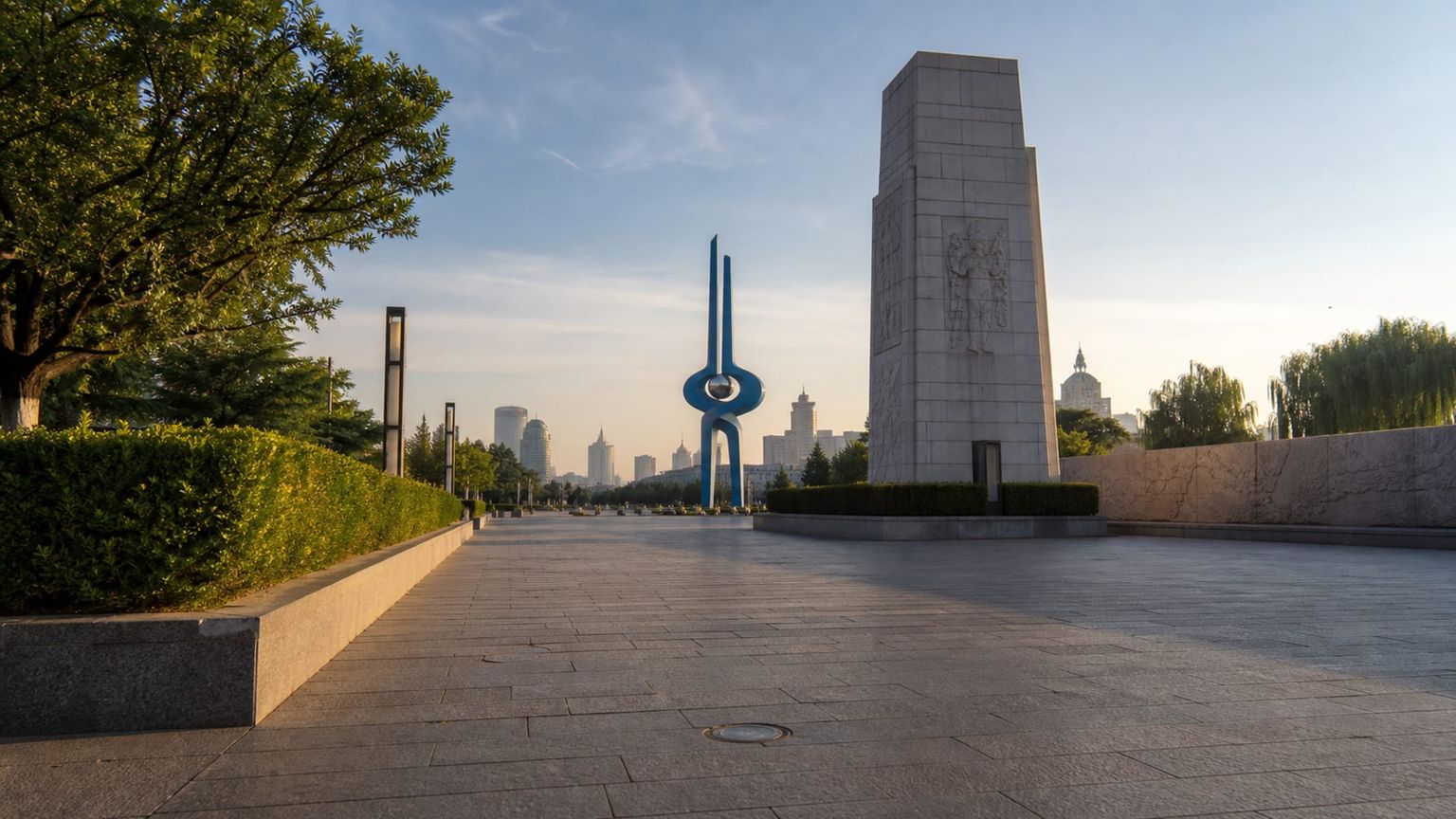
This central district sits beside Jinan’s best-known urban landmarks, including major squares, lakefront paths, and museums. It works well as a base if you want short transfers to the city’s signature sightseeing area.
Best for: First-time visits, landmark access, and short stays centered on sightseeing
What to expect: Heavy daytime foot traffic, tour groups, and a lot of visitor movement near the main squares and parks.
Hotel prices: Usually about 400元 to 900元 (~$56 to ~$126) per night for well-rated stays
Distance to major sights: About 10 minutes on foot to Daming Lake, roughly 15 minutes on foot to Baotu Spring Park
Quietness: Lively most of the day and early evening, then noticeably calmer after the sightseeing crowds thin out.
Main trade-off: Hotels here cost more than farther-out districts, and the busiest blocks can feel crowded during peak travel periods.
Good to know: If you are sensitive to noise, request a room facing away from the main square and the busier park streets.
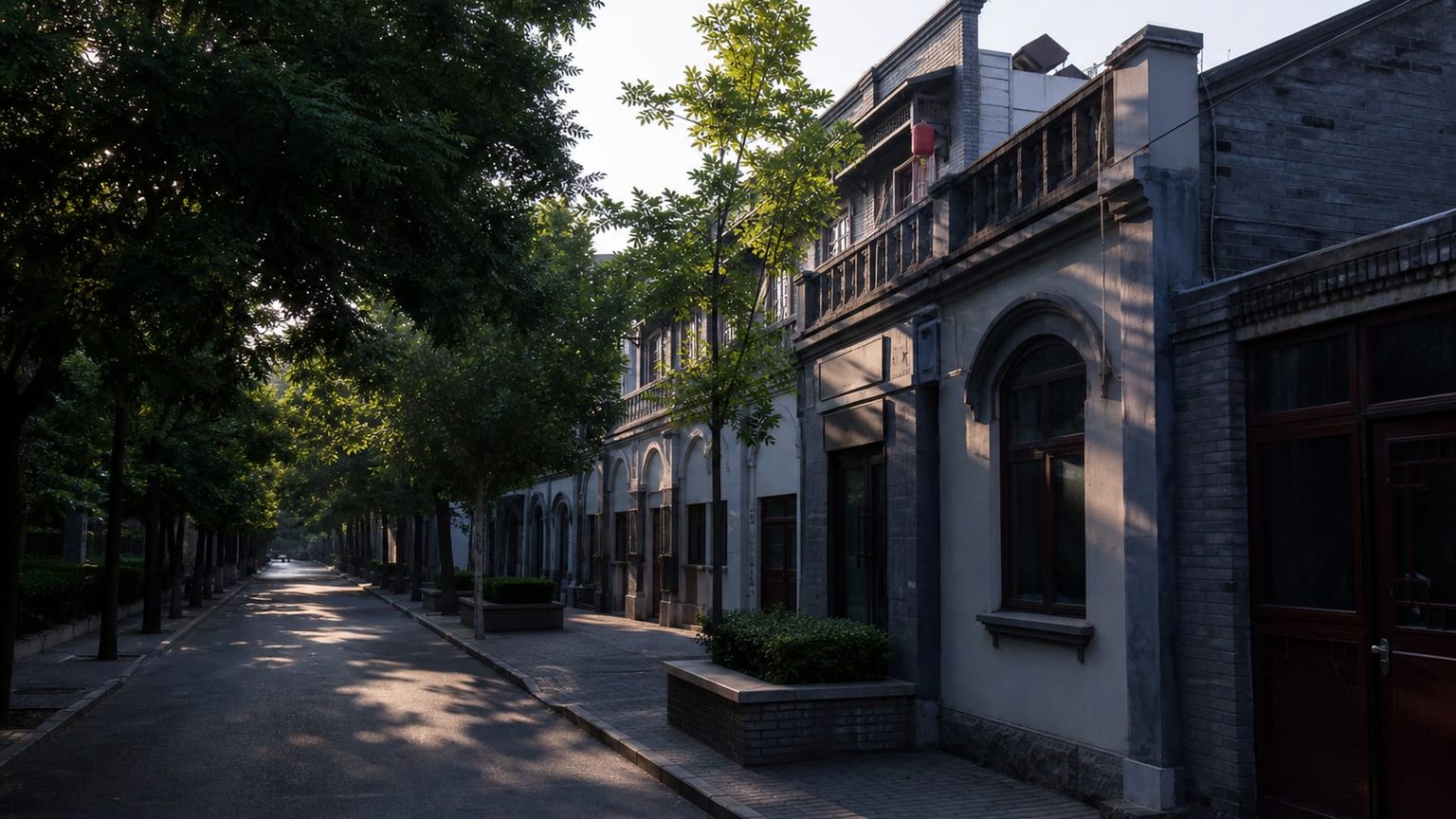
The eastern side of Huaiyin offers a more local residential base with neighborhood shopping streets, apartment hotels, and easier parking than the historic core. It suits travelers who want lower-key surroundings while staying inside the city.
Best for: Longer stays, drivers, and travelers who prefer a residential setting
What to expect: Local apartment blocks, smaller restaurants, and moderate street activity rather than tourist crowds.
Hotel prices: Usually about 220元 to 500元 (~$31 to ~$70) per night for well-rated stays
Distance to major sights: About 25 to 35 minutes by taxi to Baotu Spring Park, roughly 30 to 40 minutes to Daming Lake
Quietness: Generally quieter than the central districts in both daytime and evening, with modest neighborhood activity after dark.
Main trade-off: You save on room rates, but you will spend more time in taxis or metro rides for the main sights.
Good to know: Check the nearest metro stop before booking, since some blocks are far easier by car than on foot.
Travelers usually avoid staying in Tianqiao District’s outer neighborhoods, which sit far from Quancheng Square, Daming Lake, and other central sights, with fewer hotel choices near the main visitor areas. Parts of the high-tech zone in eastern Jinan are also less convenient for a short city stay, since evening taxis back from the core sights take longer and the area has fewer restaurants and tourist-oriented amenities than the center.
Hotel deals
How to get around Jinan efficiently
Jinan’s airport sits outside the center, so the city works best when you combine taxis, shuttle buses, and walking around the core sights.

Metro
for longer distances
Jinan has no metro serving the airport area at TNA, so travelers usually rely on city buses, taxis, or rail connections from the main city. If you continue by rail, the nearest major lines are used from central Jinan rather than the airport itself, and trips into the core districts typically take about 45 to 70 minutes by road.

Bus and tram
for convenience
Airport shuttle buses link Jinan Yaoqiang Airport (TNA) with central Jinan, including major rail and hotel areas, and they usually take about 50 to 80 minutes depending on traffic. Fares are typically about $3 to $6 (about CNY 20 to 40), with tickets valid for the single ride, and local city buses cost less but require more time and a transfer plan.

Taxi
for convenience or late hours
Licensed taxis at Jinan Yaoqiang Airport (TNA) use the meter rather than set fares, with airport pickups commonly costing about $15 to $30 (about CNY 100 to 220) to central Jinan, depending on distance, traffic, and tolls. You can queue at the official taxi rank, pay in cash or with mobile apps if the driver accepts them, and late-night trips or long-distance rides push the fare higher.
*Prices are based on rates updated as of June 2026 and may change at the time of travel.
Use taxis for the airport and cross-town hops, the shuttle bus for cheaper airport transfers, and walking for Baotu Spring Park, Daming Lake, and the streets around Quancheng Square.
Iconic landmarks

Daming Lake
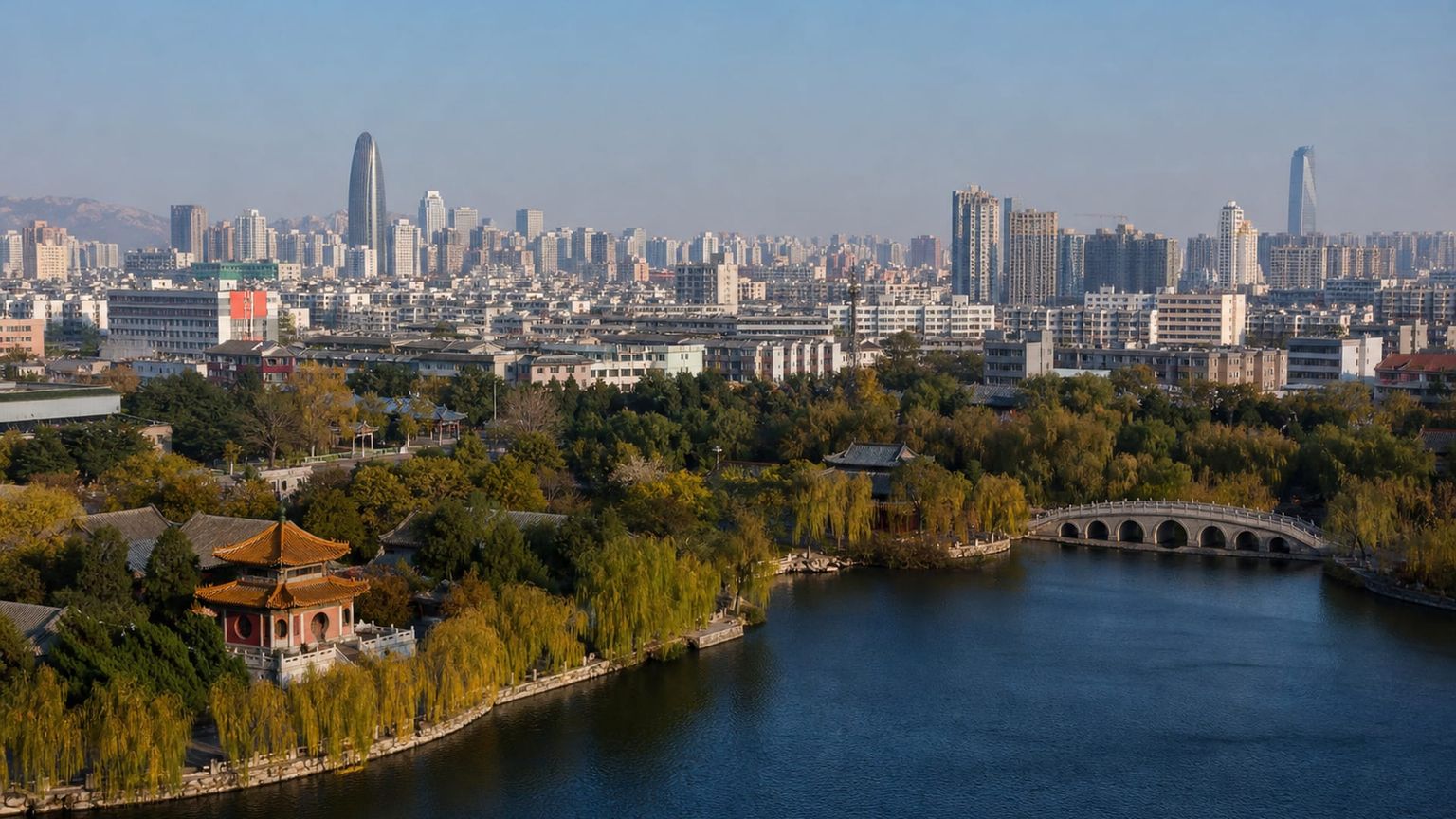
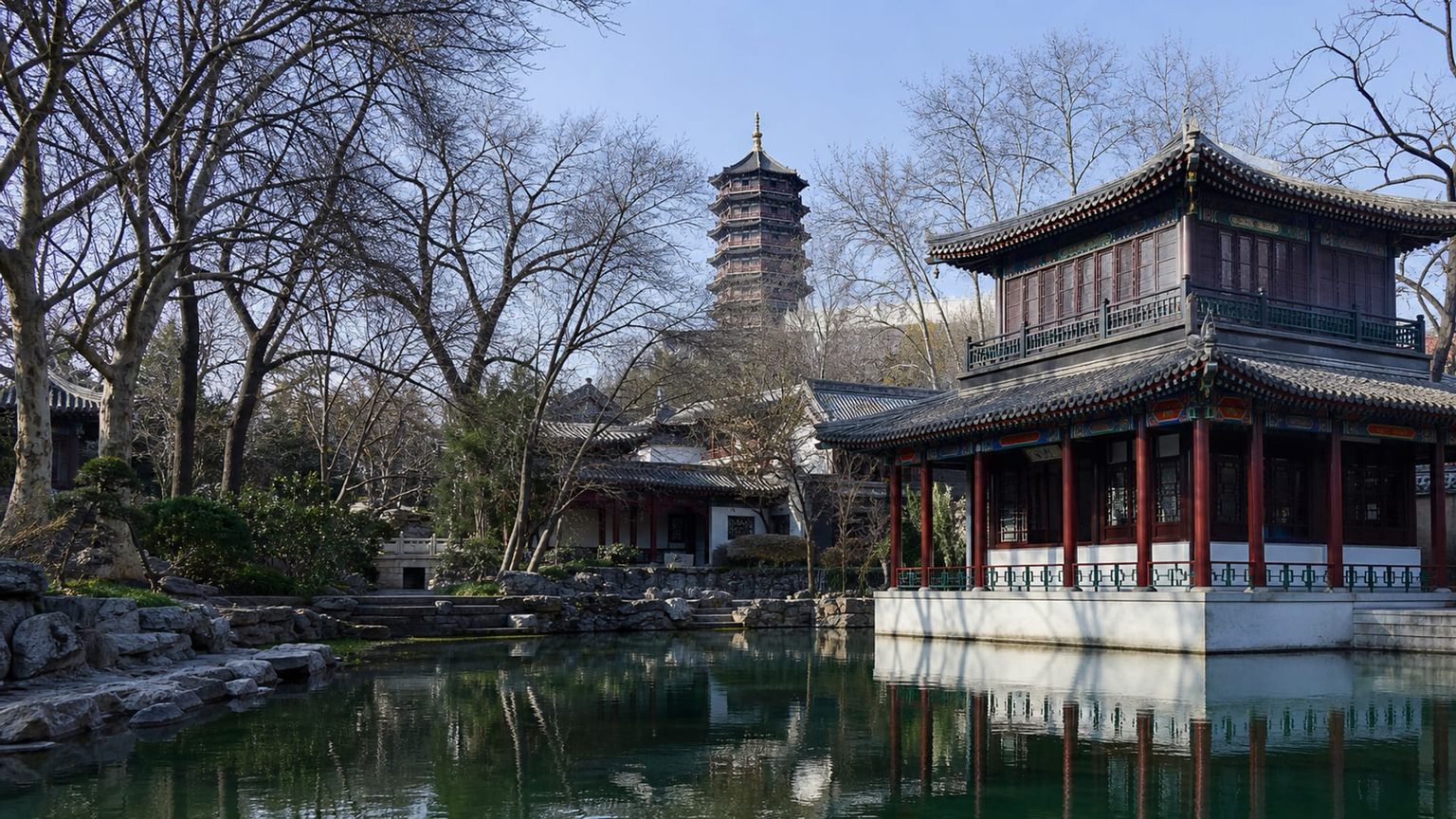
Jinan’s signature lake sits beside pavilions, willow-lined paths, and island views, with boat rides in warm months and clear sightlines to downtown landmarks. It suits a slow half day, especially when lotus blooms open in summer.
Time needed: About 2 to 3 hours
Entry: Free to access; boat rides and some lakeside attractions charge separately, usually about $2 to $10 ($14 to ¥70) depending on the route.
Tip: Go early for softer light and fewer crowds along the main promenade.
Baotu Spring Park
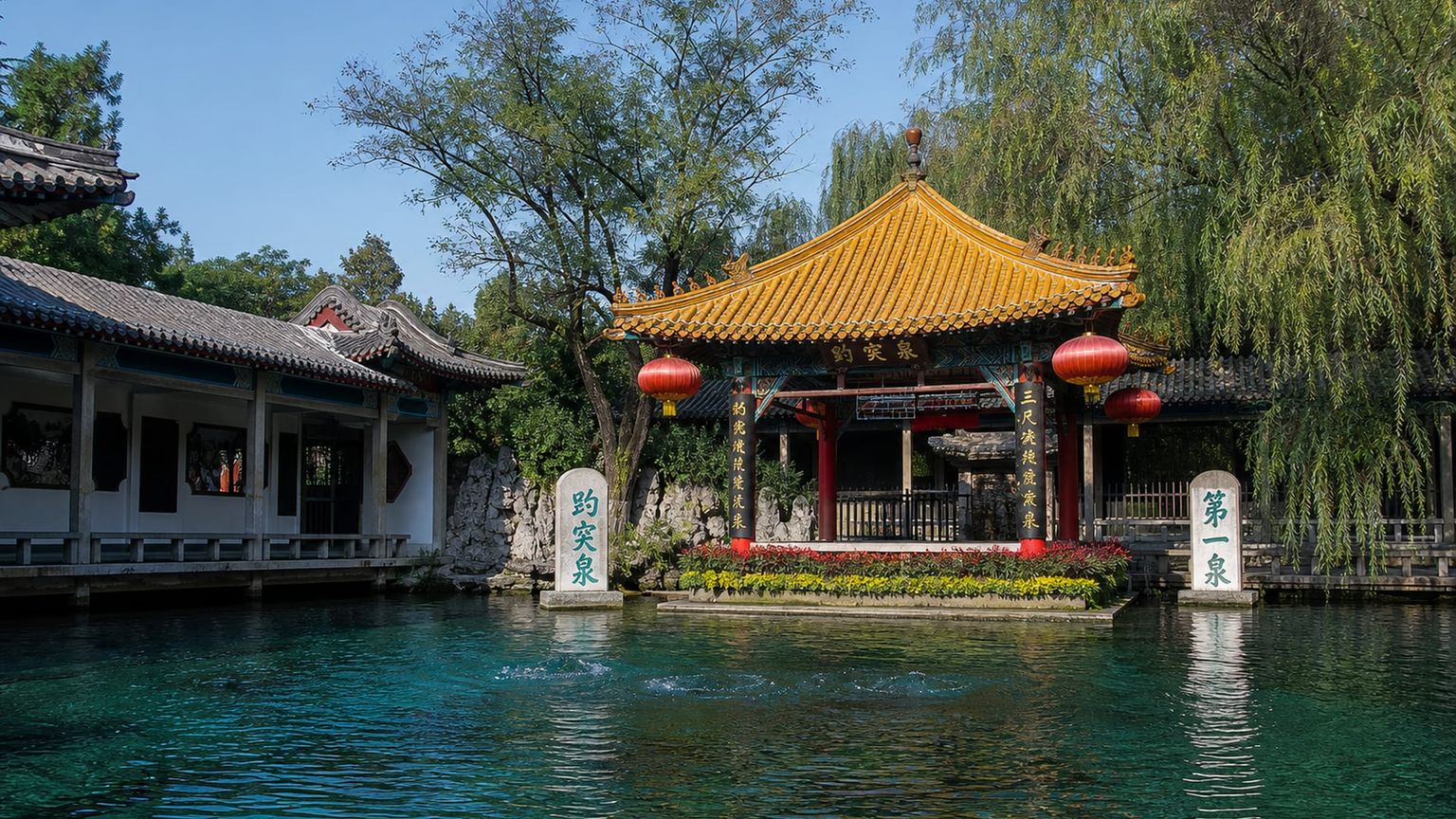
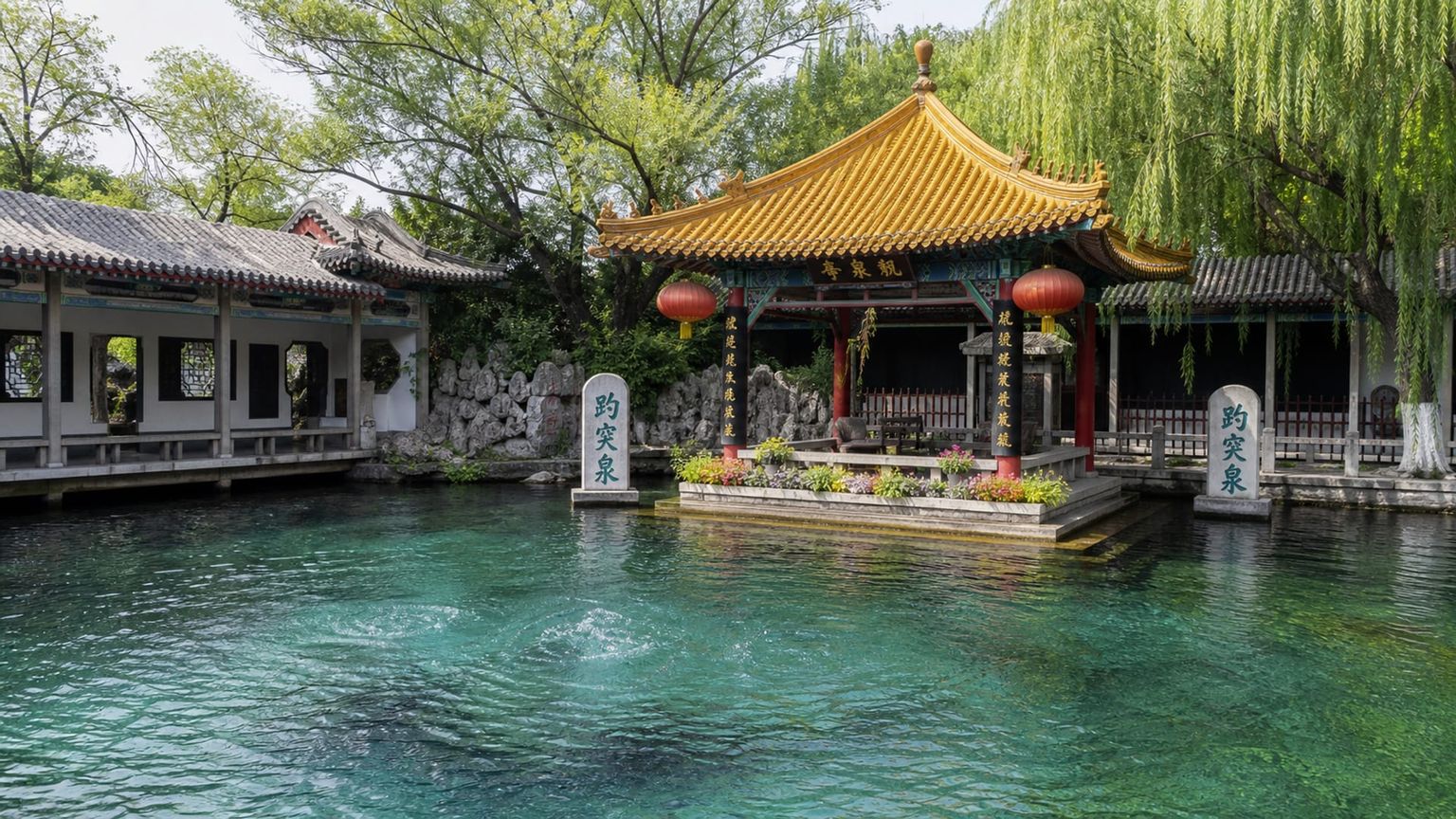
This compact park centers on Baotu Spring, one of Jinan’s celebrated artesian springs, with clear water, stone pavilions, and classic garden layouts. The spring’s flow and central setting make it one of the city’s most direct historical stops.
Time needed: About 1 to 2 hours
Entry: Tickets cost about $8 to $11 ($58 to ¥80) in peak periods, with lower prices at some off-peak times and separate fees for extras. Visit the official site for details.
Tip: Visit in the morning, when the spring water is clearest and the paths are quieter.
Thousand Buddha Mountain
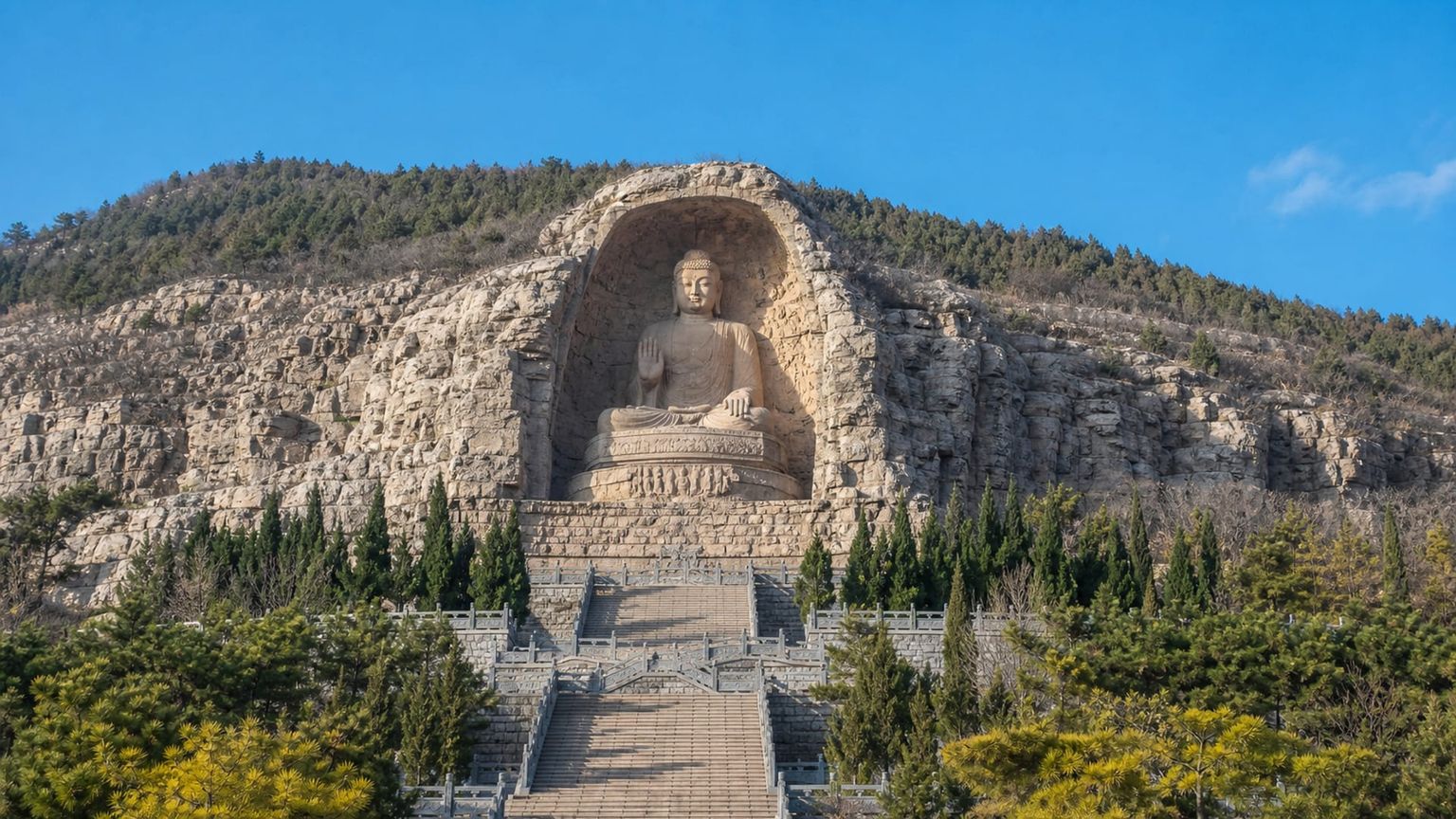
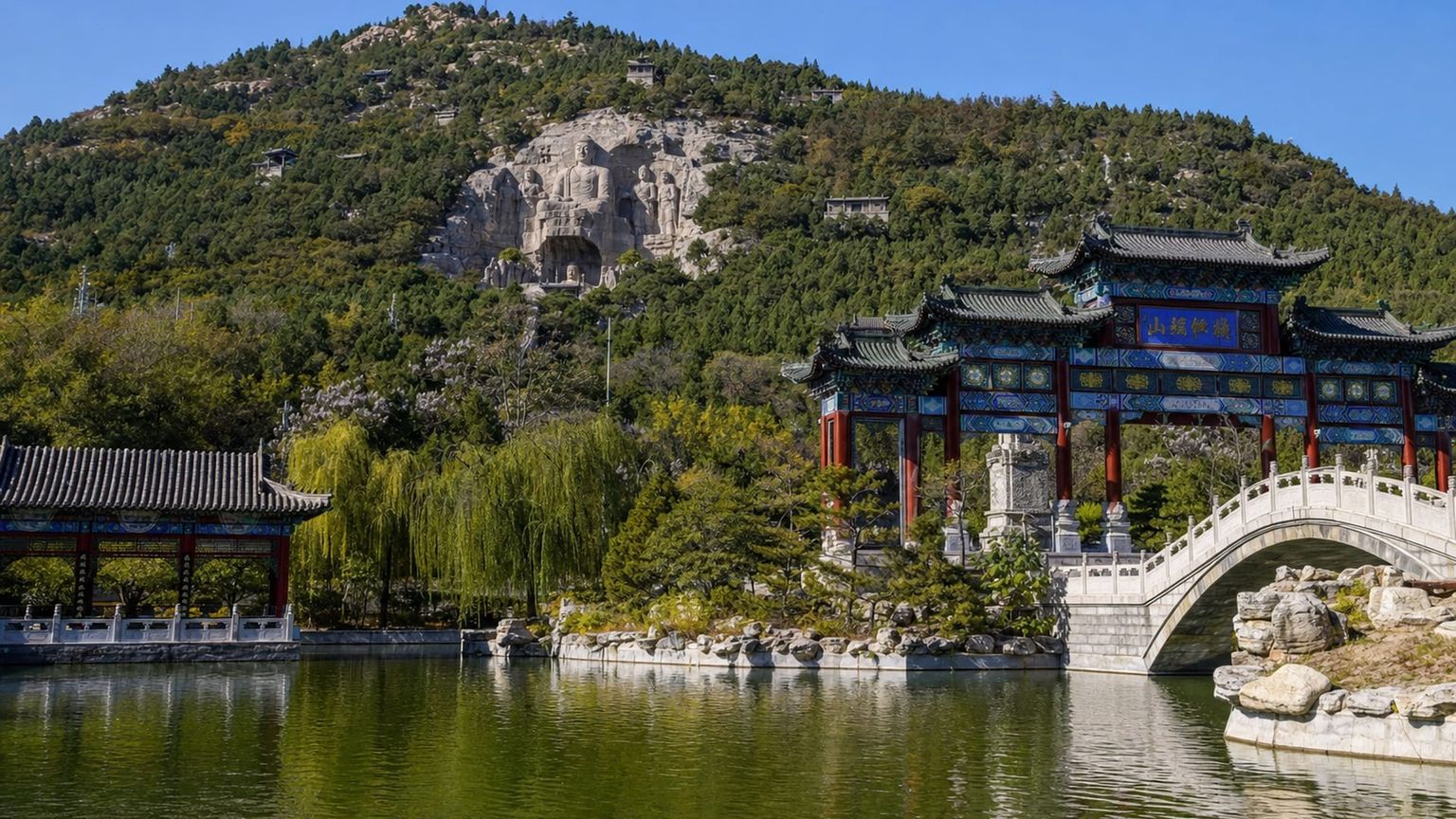
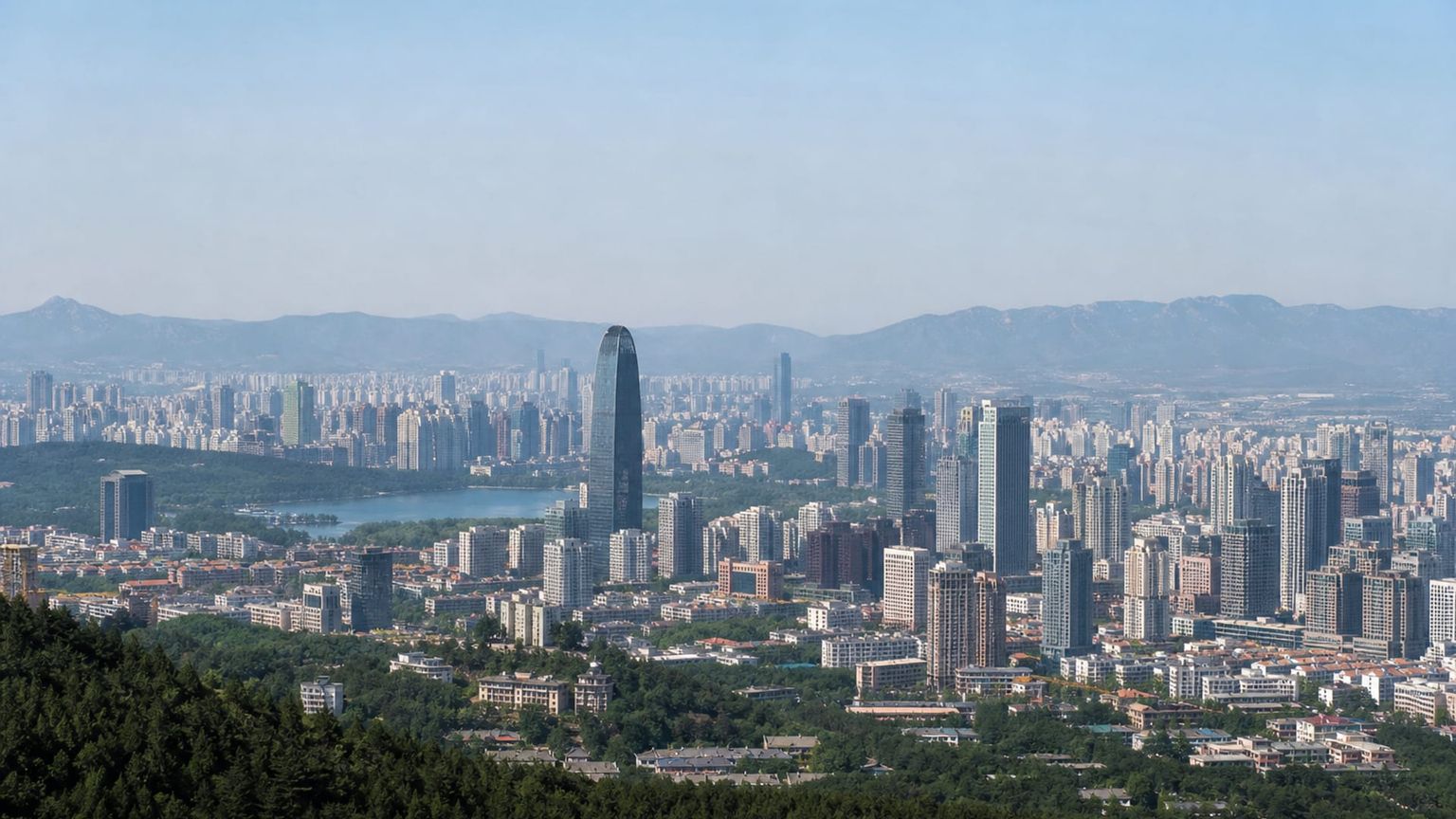
South of the center, Thousand Buddha Mountain combines wooded slopes, cave carvings, temple courtyards, and citywide lookout points. The climb is modest by hill standards, but the upper terraces reward you with broad views over Jinan.
Time needed: About 2 to 4 hours
Entry: Tickets cost about $5 to $8 ($36 to ¥58), with extra charges for cable cars, shuttle transport, and some temple areas.
Tip: Start in the morning to avoid heat on the uphill paths and exposed viewpoints.
Overlooked sites worth visiting

Daming Lake
Jinan’s signature lake park, with willow-lined paths, pavilions, and boat views that spread visitors across several shorelines. Come early or late for softer light and fewer tour groups.
Time needed: About 1 to 2 hours
Entry: Free to access for the park grounds; boat rides and some seasonal attractions cost extra, usually about $5 to $12 ($5 to $12), depending on route and vessel type.
Tip: Visit at sunrise for the calmest water and lightest foot traffic.

Shungeng International Convention and Exhibition Center Art Museum
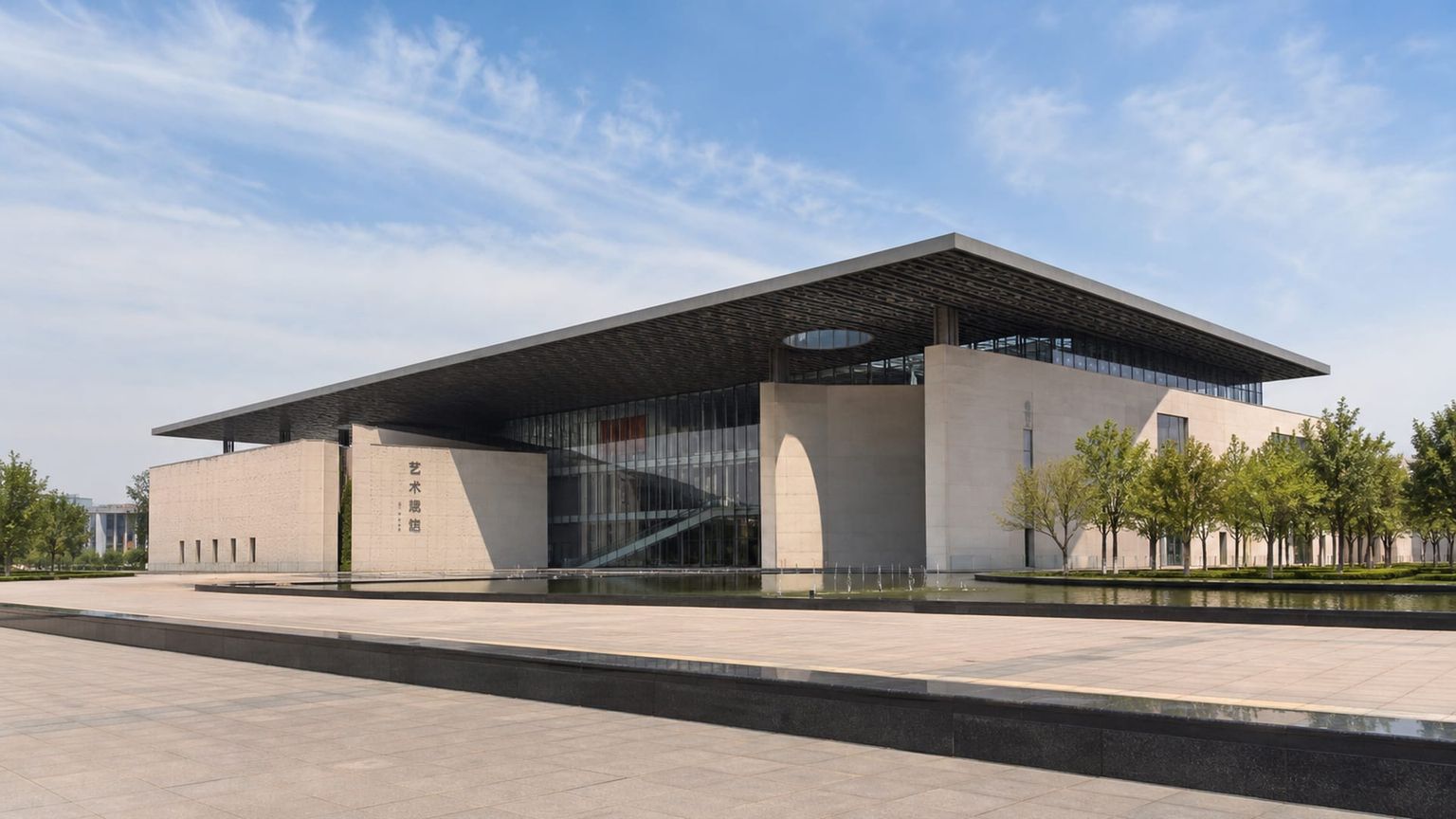
A compact contemporary art venue in western Jinan, with rotating exhibitions, a small footprint, and easy pairing with nearby cafes. The setting suits a short cultural stop.
Time needed: About 1 hour
Entry: Admission usually costs about $3 to $8 ($3 to $8), with some rotating exhibitions priced separately or offered free on selected days; check current notices at the entrance before you go.
Tip: Check the current exhibition schedule before crossing town.
Traditional food
Jinan cooking leans on freshwater fish, braised poultry, wheat noodles, and simple roasting, with salty-sweet seasoning and clear broths. Meals often arrive in the city’s dining windows rather than late-night marathons.
Sweet and sour yellow river carp
A classic Jinan river dish with crisp skin and a tangy glaze that balances richness and acidity. Jinan Fandian serves a well-known version in the city center.
Dezhou braised chicken
This famous Shandong chicken is slow-braised until the meat turns tender and deeply seasoned. Jingdezhen Restaurant in Jinan is a dependable place to try it in a traditional setting.
Jinan roasted sweet potato
Street-side roasting brings out a soft center and caramelized edges, a simple snack that suits cool weather. Many travelers try it near Quancheng Square, but a canonical sit-down stop is Jinan Fandian.
Baotu Spring tofu
Soft tofu prepared with clean seasoning that highlights the spring-water reputation of the city. It fits the local table well at Jinan Fandian, where regional dishes anchor the menu.
Best time to visit Jinan
Jinan shifts from bright spring walking weather to humid summers and crisp winters, so the best season depends on whether you want lake views, hill climbs, or quieter streets.
Best for: Best for Baotu Spring Park, Daming Lake, and mild walks through the center
What you get: About 45 to 77°F (7 to 25°C), with moderate crowds and comfortable daytime sightseeing
Trade-offs: Spring weekends can still draw local visitors to the main parks
Best for: Best for boat rides, long lakeside evenings, and shaded stops
What you get: About 73 to 91°F (23 to 33°C), with heavier crowds and humid afternoons
Trade-offs: Heat and humidity make midday hill visits less appealing
Best for: Best for Thousand Buddha Mountain and clear city views
What you get: About 43 to 79°F (6 to 26°C), with manageable crowds and good walking conditions
Trade-offs: A few cooler mornings can make early starts feel sharp
Best for: Best for quieter hotels, shorter museum visits, and brisk lake walks
What you get: About 18 to 41°F (-8 to 5°C), with lighter crowds and dry air
Trade-offs: Cold wind can limit time outdoors near the water
A realistic 5-day plan in Jinan
Five days gives Jinan enough space for its core sequence without turning the trip into a race. The plan below places the central sights first, then adds a hill day, a cultural detour, and an easy exit through Daming Lake and Quancheng Square.
Land at Jinan (TNA), then take a taxi into Quancheng Square or the Lixia District center, which usually takes about 35 to 50 minutes and costs roughly $9 to $15 (¥65 to ¥110), depending on traffic and where your hotel sits. Check in, drink some water, and keep dinner close, either in a mall restaurant in the Lixia District center or on the quieter hotel side of Quancheng Square, so you can settle in without a long night ride.
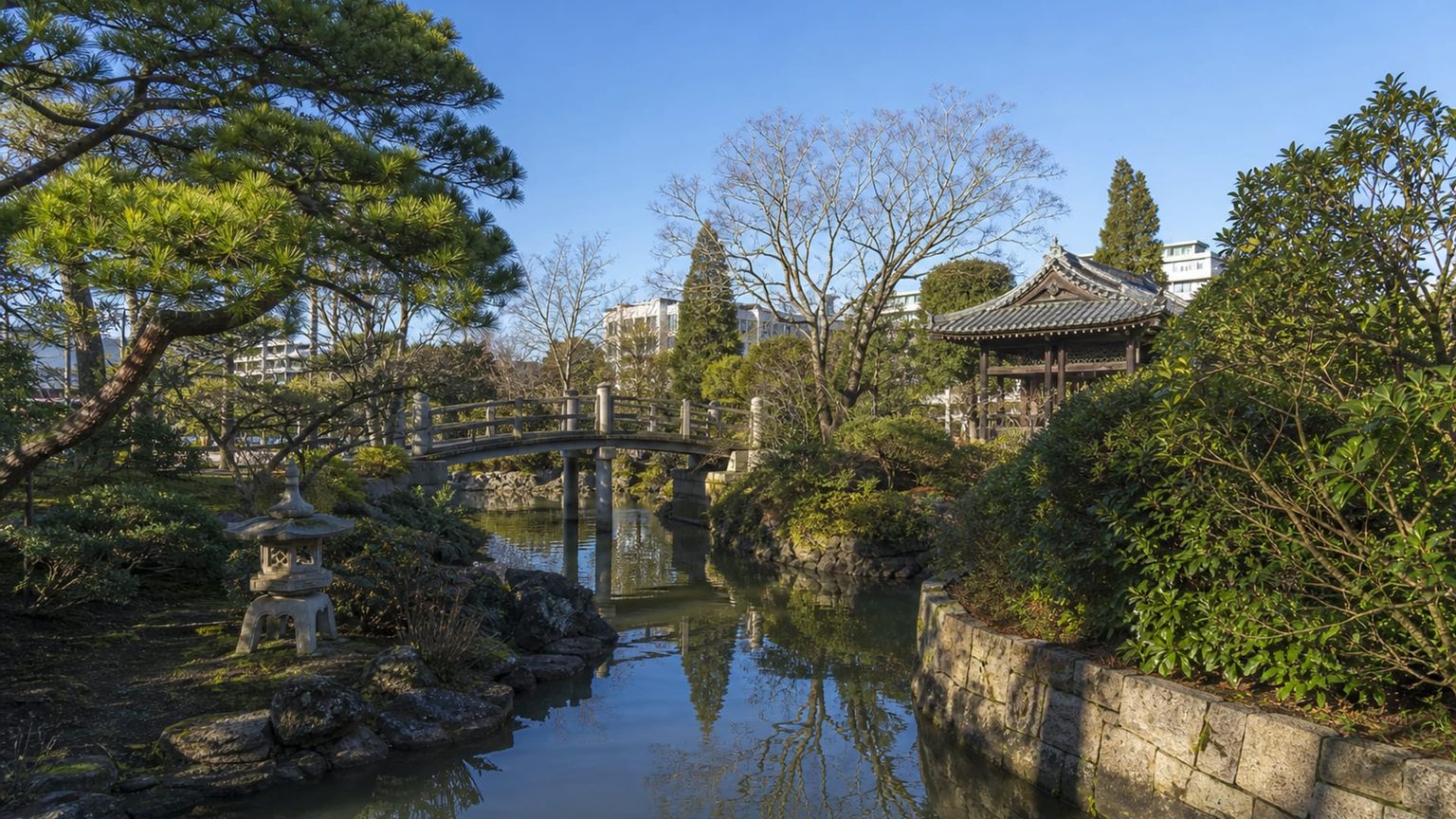
Start early at Baotu Spring Park, about 10 minutes on foot from Quancheng Square and roughly 15 minutes by taxi from the Lixia District center, then continue to Daming Lake, which sits about 10 minutes away on foot from Quancheng Square. Spend 1 to 2 hours at the spring park, then 2 to 3 hours at the lake, with a boat ride if the weather is clear, and finish with an easy lakeside lunch before heading back toward your hotel.
Thousand Buddha Mountain sets the tone for the day, and it works best as a morning outing because the uphill paths get warmer later on. Reach it by taxi from Quancheng Square in about 20 to 25 minutes, spend 2 to 4 hours on the slopes and viewpoints, then return to the center for an unhurried dinner near your hotel in Quancheng Square or the Lixia District center.
For a quieter cultural day, head west to the Shungeng International Convention and Exhibition Center Art Museum, then pair it with a low-key afternoon back near the center. The museum visit takes about 1 hour, the taxi ride from Quancheng Square is roughly 25 to 35 minutes, and after that you can return to Daming Lake for a second walk or a short cafe stop near the lakefront.
A final morning at Daming Lake gives you an easy farewell walk, especially if you arrive early and stay close to the willow-lined paths. Afterward, move back to the Lixia District center for shopping and a last lunch, then finish with a cafe break near Quancheng Square before heading to Jinan (TNA) for your flight.
Business-class flights from the US to Jinan
Long-haul flights to Jinan usually connect through major hubs, and the route you choose often matters more than the city pair itself. From New York and Los Angeles, the best options are the ones that keep the total trip time within a sensible range.
From New York, China Eastern Airlines, Air China, Korean Air, Turkish Airlines, and Qatar Airways all appear on the route list, with total journey times usually about 15 to 17 hours nonstop or 19 to 28 hours via Beijing (PEK), Shanghai (PVG), Istanbul (IST), or Doha (DOH). Round-trip fares from New York to Jinan usually start at $4,800 and can reach $8,500; if you do not mind a layover, common routings via Beijing (PEK), Shanghai (PVG), or Doha (DOH) take 19 to 28 hours and often reduce the cost.
From Los Angeles, China Eastern Airlines, Air China, Korean Air, Cathay Pacific, and Qatar Airways serve the city, and total travel time typically runs about 16 to 19 hours nonstop or 18 to 29 hours with a connection through Incheon (ICN), Beijing (PEK), Shanghai (PVG), Hong Kong (HKG), or Doha (DOH). From Los Angeles, round-trip fares usually run $4,500 to $7,900.
Jinan feels different when you slow down
A deliberate Jinan trip keeps the center in view, with Quancheng Square or the Lixia District center as a base, mornings at Baotu Spring Park, slow laps around Daming Lake, and an early start for Thousand Buddha Mountain before the heat builds. Taxis handle the longer crossings, while walking fills the gaps between the water, trees, and museum stops. For a trip shaped this closely to the city, speak with the AranGrant experts and build your dates around the season that suits the springs best







