

Chapters:

Need help with your trip?
Our support team is available 24/7. Request a callback or call us directly at (833) 619-0908
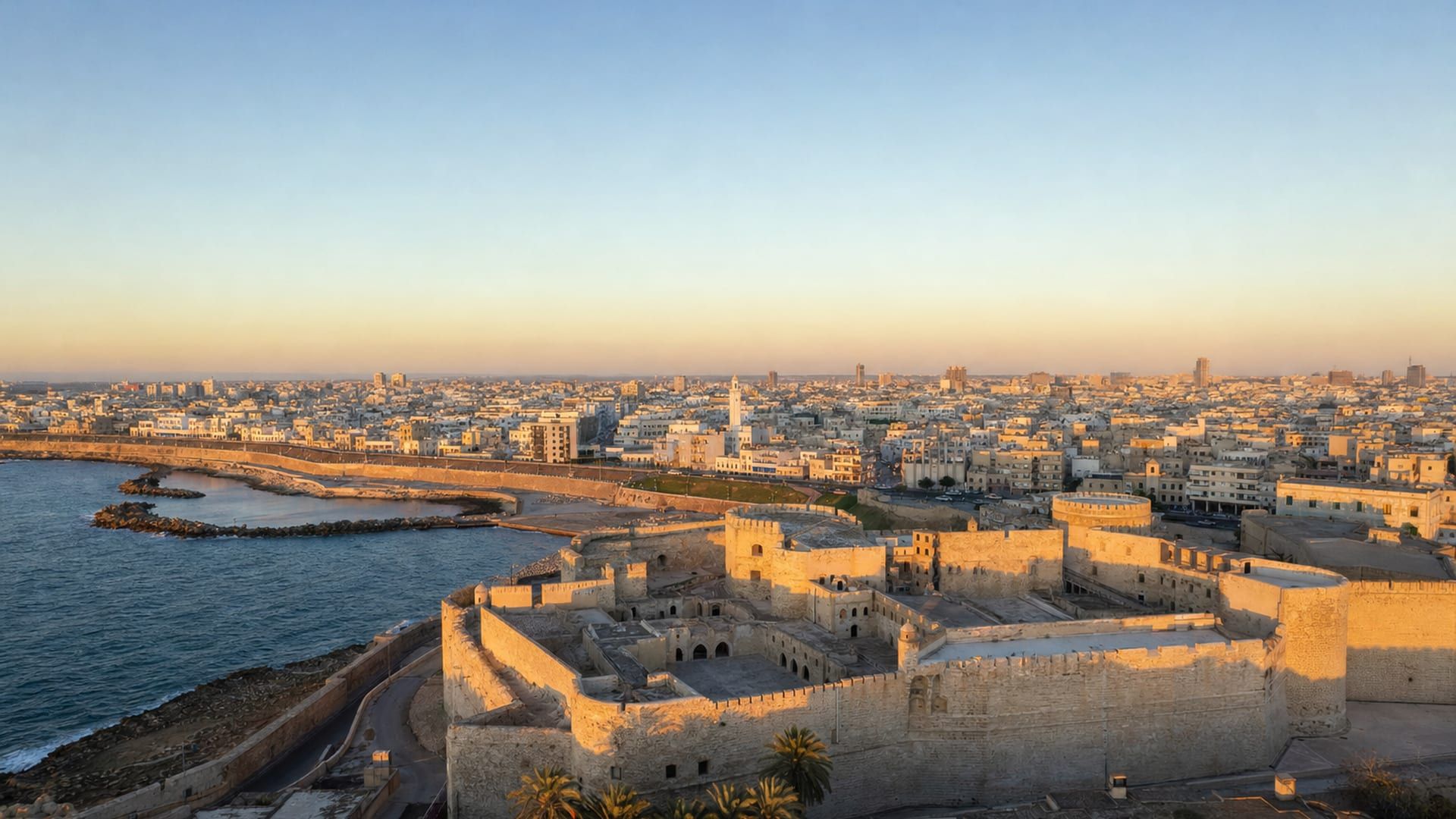
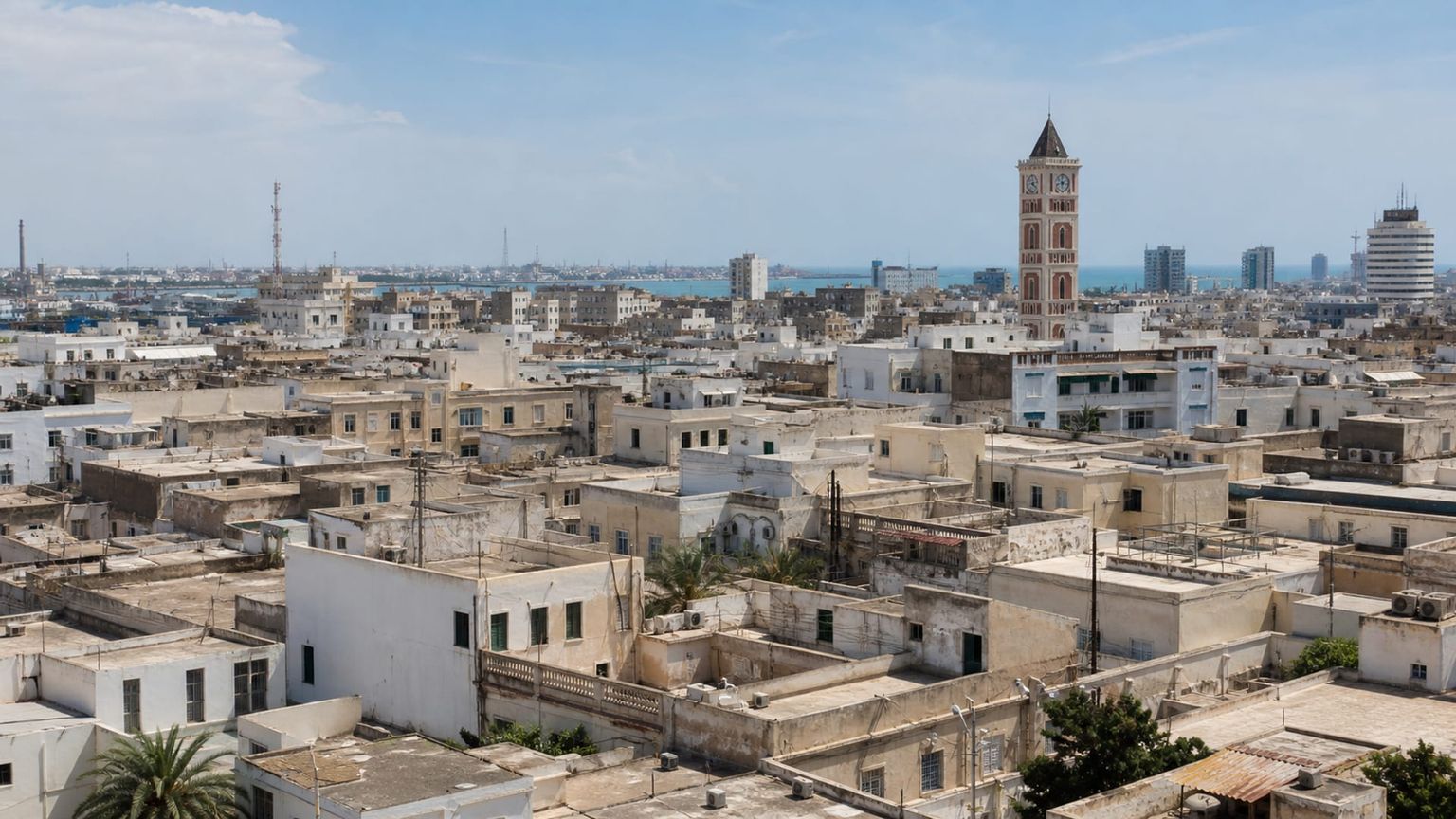
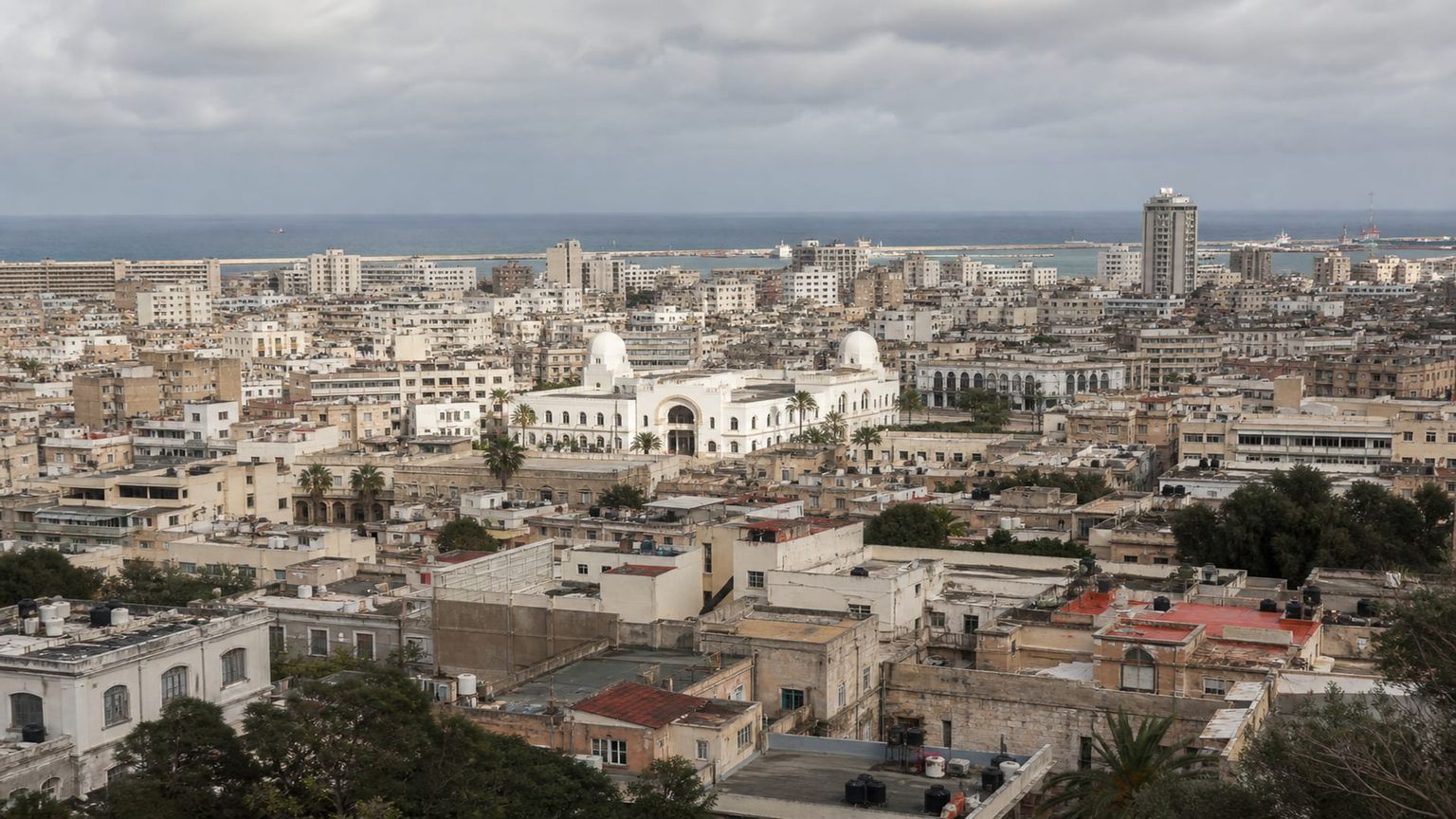
Tripoli trips often begin with a taxi from Tripoli (TIP), a hotel near the center, and one hurried loop through Martyrs’ Square, the Red Castle, and Gurgi Mosque. What many visitors miss is how quickly the city opens up once you leave that first circuit.
Distances are short on paper, yet traffic, prayer hours, and the split between the waterfront and the old city can stretch even simple plans. If you try to stack too much into one afternoon, you spend more time crossing town than looking closely at the sites.
This guide breaks the visit into clear neighborhoods, workable transfer times, and a five-day sequence that leaves room for the Red Castle, the medina, and the Corniche without turning the trip into a race.
Useful things to know

Main language(s): Arabic
marhaban (mar-ha-ban) – hello
min fadlak (min fad-lak) – please
shukran (shook-ran) – thank you
hal tatakallam al-ingliziyya? (hal ta-ta-ka-llam al-in-gli-zi-ya) – Do you speak English?
kam ath-thaman? (kam ath-tha-man) – How much does it cost?

Currency: The local currency is the Libyan dinar (LYD, ل.د).

Cash and cards: Cards and contactless are limited, so carry about LYD 200 to 300 in cash ($40 to $60).

Tipping: Round up small bills; leave about 5-10% in nicer restaurants if you want.

Traditional food: Shorba, bazeen, couscous, asida

Water and coffee costs: Water ~LYD 2 ($0.40), bar espresso ~LYD 8 to 12 ($1.60 to $2.40).

Taxis and ride apps: Ride apps are limited here, so plan on hotel cars or street taxis.

Plug and voltage: Type C/F socket, 230V

Dining and shop opening hours: Breakfast is roughly 7:00-10:00 am, lunch 1:00-3:00 pm, and dinner 8:00-11:00 pm. Many places close during Friday prayer and reopen later.

Emergency number: 191 for police, 193 for ambulance, 192 for fire.
Where to stay in Tripoli
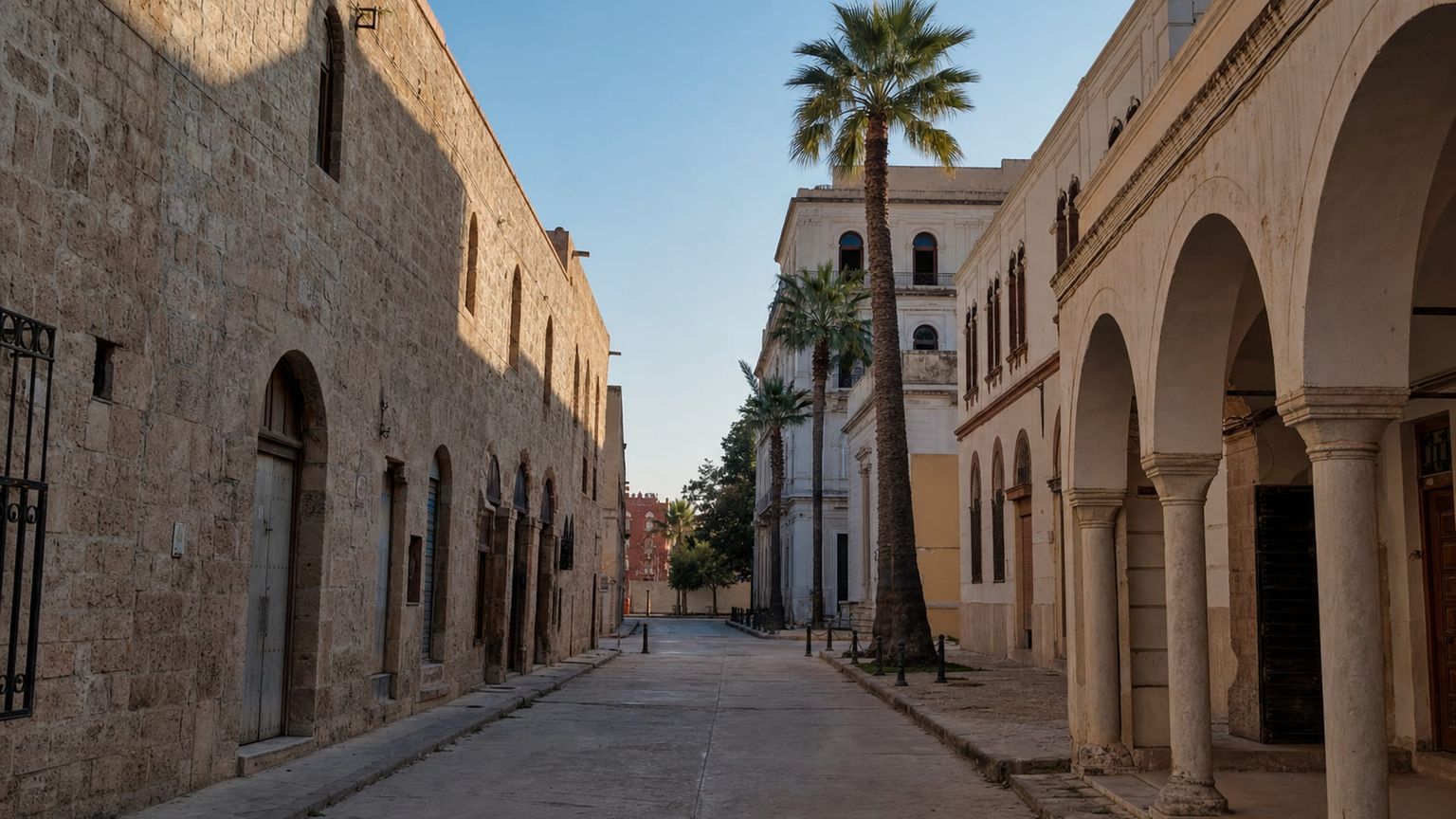
Tripoli’s core puts you near Martyrs’ Square, the harbor edge, banks, and government offices, with the city’s busiest streets within a short walk. It suits travelers who want daytime movement, easy taxis, and the clearest read on the capital’s urban life.
Best for: Sightseeing, quick taxi access, and travelers who want to stay close to public-facing landmarks
What to expect: Busy sidewalks, constant vehicle movement, and the most active street life in the city.
Hotel prices: Usually about $70 to $180 per night for well-rated stays
Distance to major sights: 5 to 15 minutes on foot to Martyrs’ Square and the old harbor area
Quietness: Lively through the day and early evening, then quieter after office hours.
Main trade-off: You get the most central position, but traffic, honking, and older building stock can make rooms less restful.
Good to know: Ask about parking before booking, because curb space fills quickly and street access can be tight.
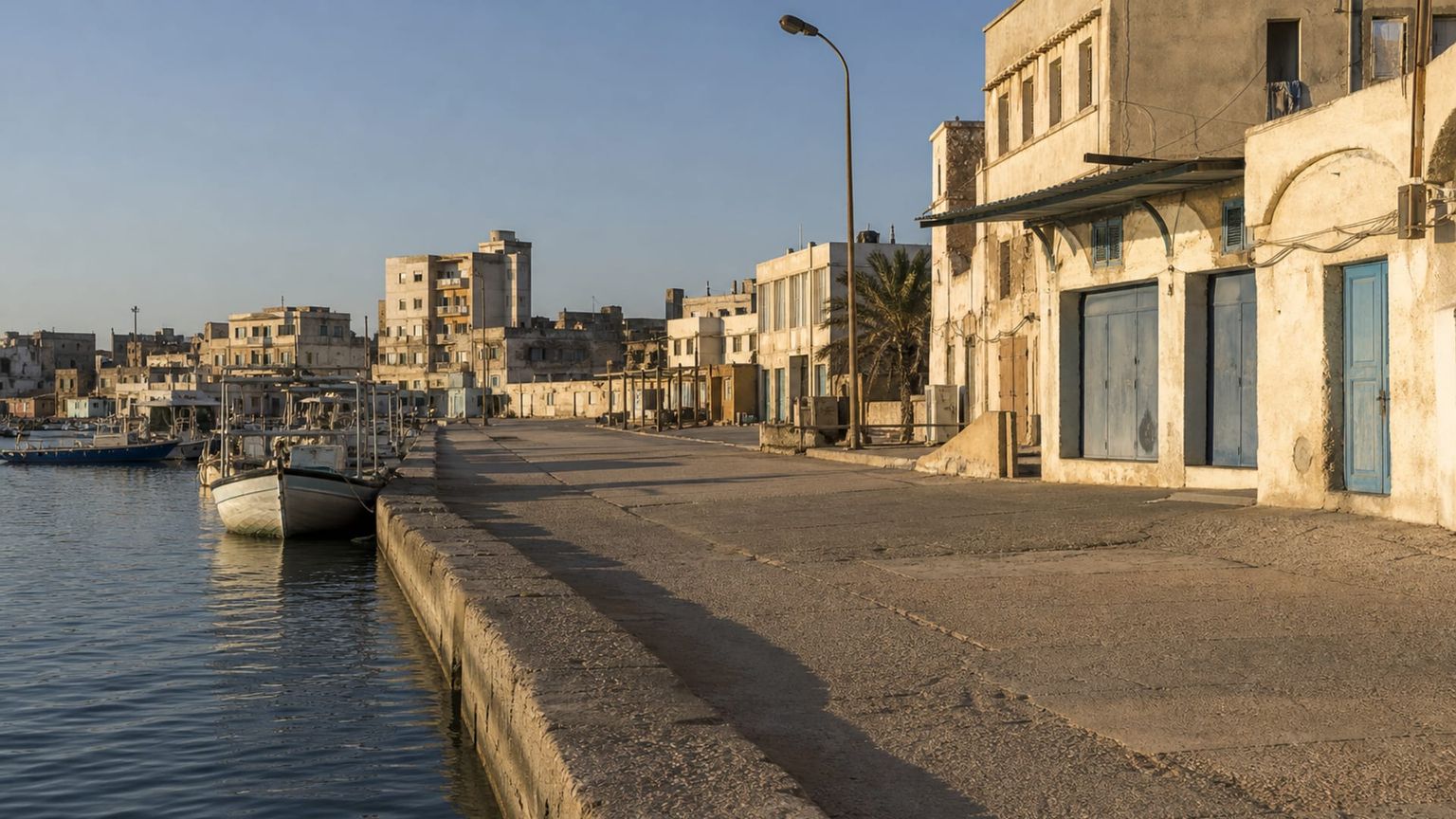
Al Mina sits along Tripoli’s harbor side, where fishing boats, cafes, and port activity give the district a working waterfront character. It matters if you want a sea-adjacent base with direct access to the Corniche and easy reach of the old city by taxi.
Best for: Harbor walks, waterfront cafes, and travelers who prefer a district with sea views
What to expect: Port traffic, waterfront movement, and a steady stream of locals out for coffee or a walk.
Hotel prices: Usually about $60 to $150 per night for well-rated stays
Distance to major sights: 10 to 20 minutes by taxi to the old city and about 15 minutes on foot to the Corniche
Quietness: Busier in the day and early evening, with quieter streets late at night away from the waterfront.
Main trade-off: Rooms near the harbor can face traffic or port activity, so the best sea outlooks often cost more.
Good to know: Late-night dining options thin out here, so plan evening meals before returning to the hotel.
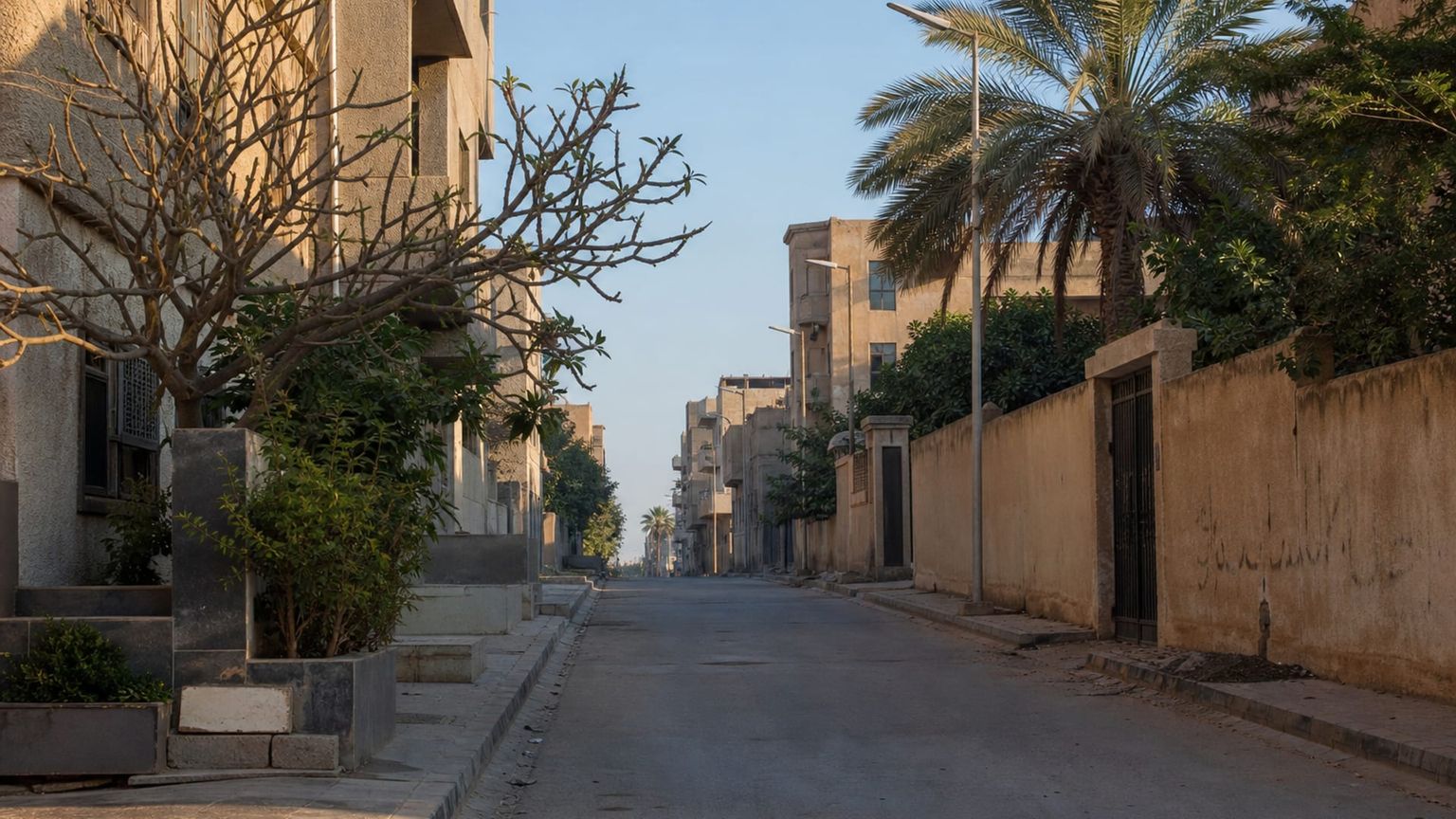
Abu Salim is a large residential district south of the center, with everyday shops, local traffic, and a more lived-in feel than the waterfront or historic core. It can work for longer stays or for visitors who want a local base and do not mind using taxis for most outings.
Best for: Longer stays, lower-key local routines, and travelers who do not mind using taxis
What to expect: Residential streets, neighborhood commerce, and fewer tourists than in central Tripoli.
Hotel prices: Usually about $40 to $100 per night for well-rated stays
Distance to major sights: 20 to 35 minutes by taxi to Martyrs’ Square and the old city
Quietness: Generally quieter than central Tripoli in the evening, though main roads stay active.
Main trade-off: You save money, but you will spend more time and money getting to the historic center and waterfront.
Good to know: Choose this area only if your itinerary is taxi-based, since walking to the main sights is not realistic.
Travelers usually avoid staying in Gargaresh, because it sits west of the center, adds time to reach the main Ottoman-era and coastal sights, and has fewer visitor-facing amenities than the core districts. Hay al-Andalus, Ben Ashour, and parts of the southern suburbs are also less convenient, since they are farther from Tripoli’s main attractions and can make evening travel to restaurants and the waterfront less practical.
Hotel deals
How to get around Tripoli efficiently
Tripoli has no metro, so most visitors move between the center, Al Mina, and the old city by taxi, with buses filling in shorter city rides when you know the route.

Metro
for longer distances
Tripoli has no metro, so there is no subway network to use from TIP; for longer cross-city trips, visitors usually rely on taxis or buses instead.

Bus and tram
for convenience
Buses cover Tripoli itself and key approaches from the airport corridor, with fares usually about $0.20 to $0.60 (roughly 1 to 3 LYD) paid in cash on board. Expect limited route information in English, variable waits, and fuller crowds at commuter hours, so ask locally for the correct minibus to central Tripoli before boarding.

Taxi
for convenience or late hours
Licensed taxis usually quote fares in advance rather than using meters, and a ride from TIP into central Tripoli often costs about $8 to $20 (roughly 40 to 100 LYD), depending on time of day and exact drop-off. Hail them from the airport rank or through a hotel, confirm the price before departure, and carry cash because card payment is uncommon.
*Prices are based on rates updated as of June 2026 and may change at the time of travel.
Walk in the center and medina, use taxis for cross-town hops or late evenings, and choose buses only for short local trips when you already know where they stop.
Iconic landmarks
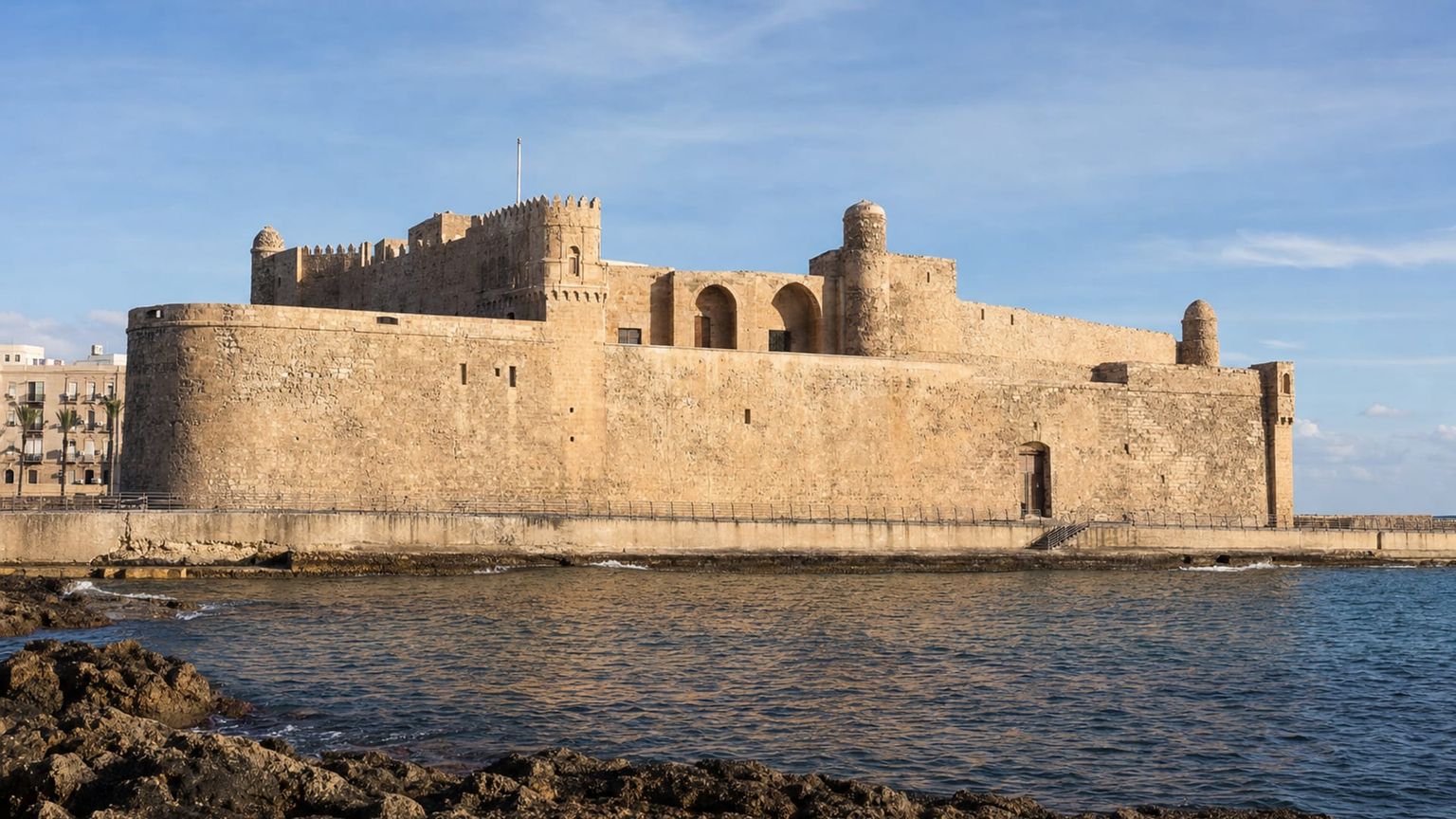
Red Castle Museum
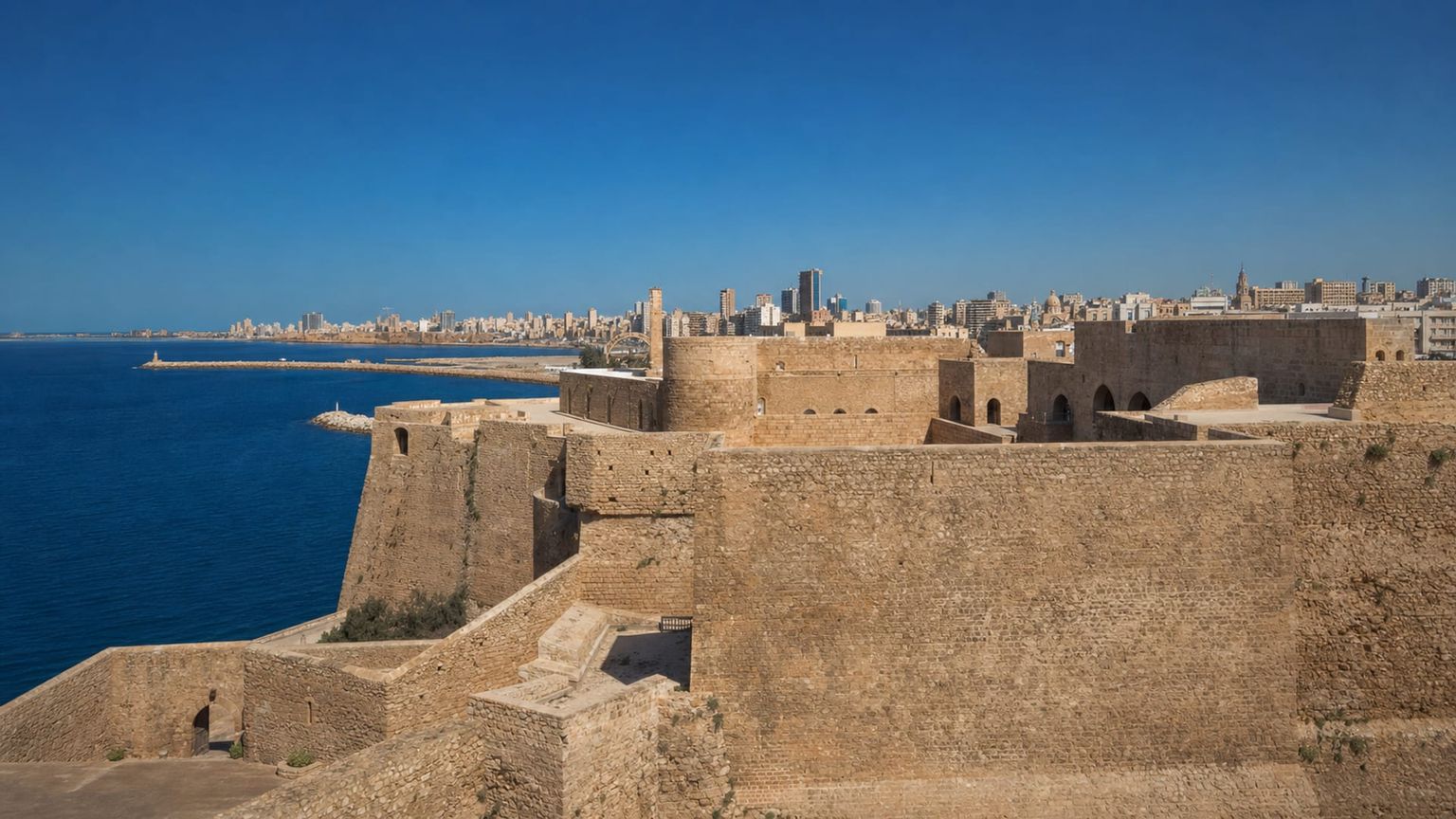
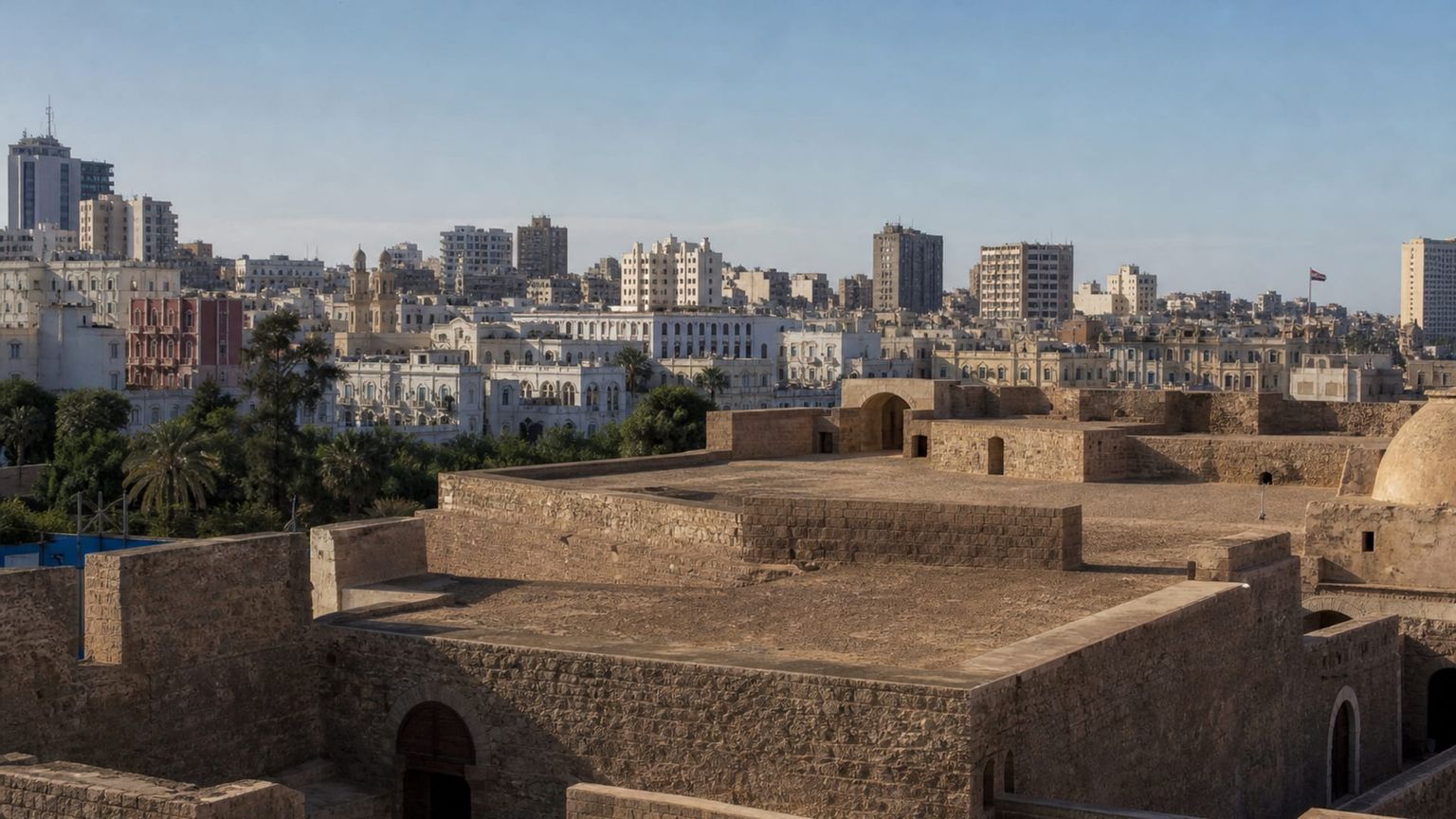
Tripoli’s Red Castle anchors the old harbor with layered Ottoman, Italian, and Libyan history inside its fortress walls. Galleries cover archaeology, ethnography, and local art, while the courtyards and ramparts give clear views over the medina and the waterfront.
Time needed: About 2 to 3 hours
Entry: Entry typically costs about $5 to $10 (about 25 to 50 LYD), with rates varying by gallery access and local conditions.
Tip: Go early for cooler courtyards and softer light on the fortress walls and harbor.
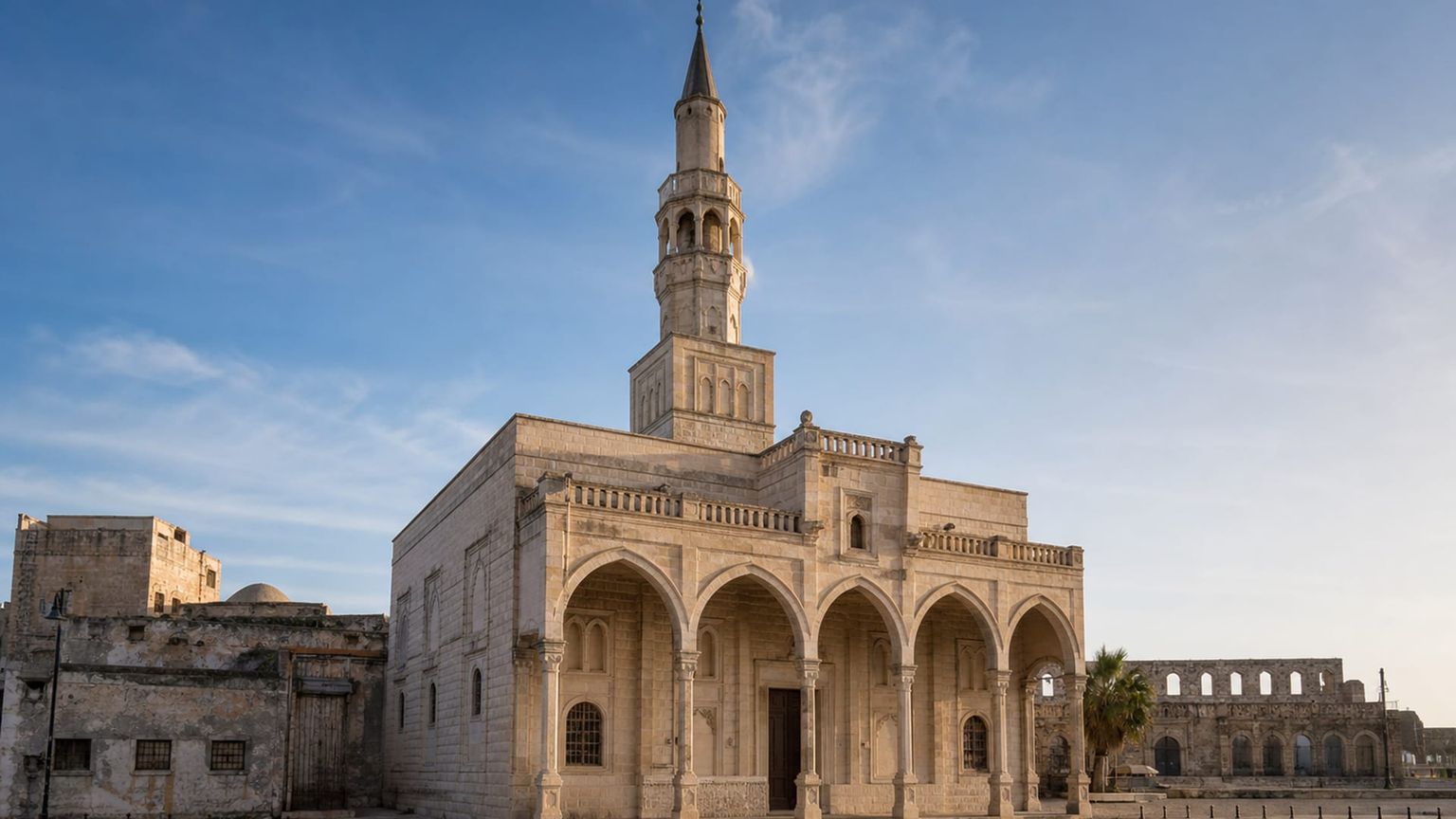
Gurgi Mosque
Built in 1834, Gurgi Mosque is one of Tripoli’s finest Ottoman-era monuments, known for carved marble, painted wood, and a tall minaret above the medina. It offers a close look at the city’s religious architecture and craft traditions.
Time needed: About 1 hour
Entry: Entry typically costs about $3 to $6 (about 15 to 30 LYD), with modest local fees that can vary by access conditions.
Tip: Visit outside prayer times so you can see the interior without disrupting worship.
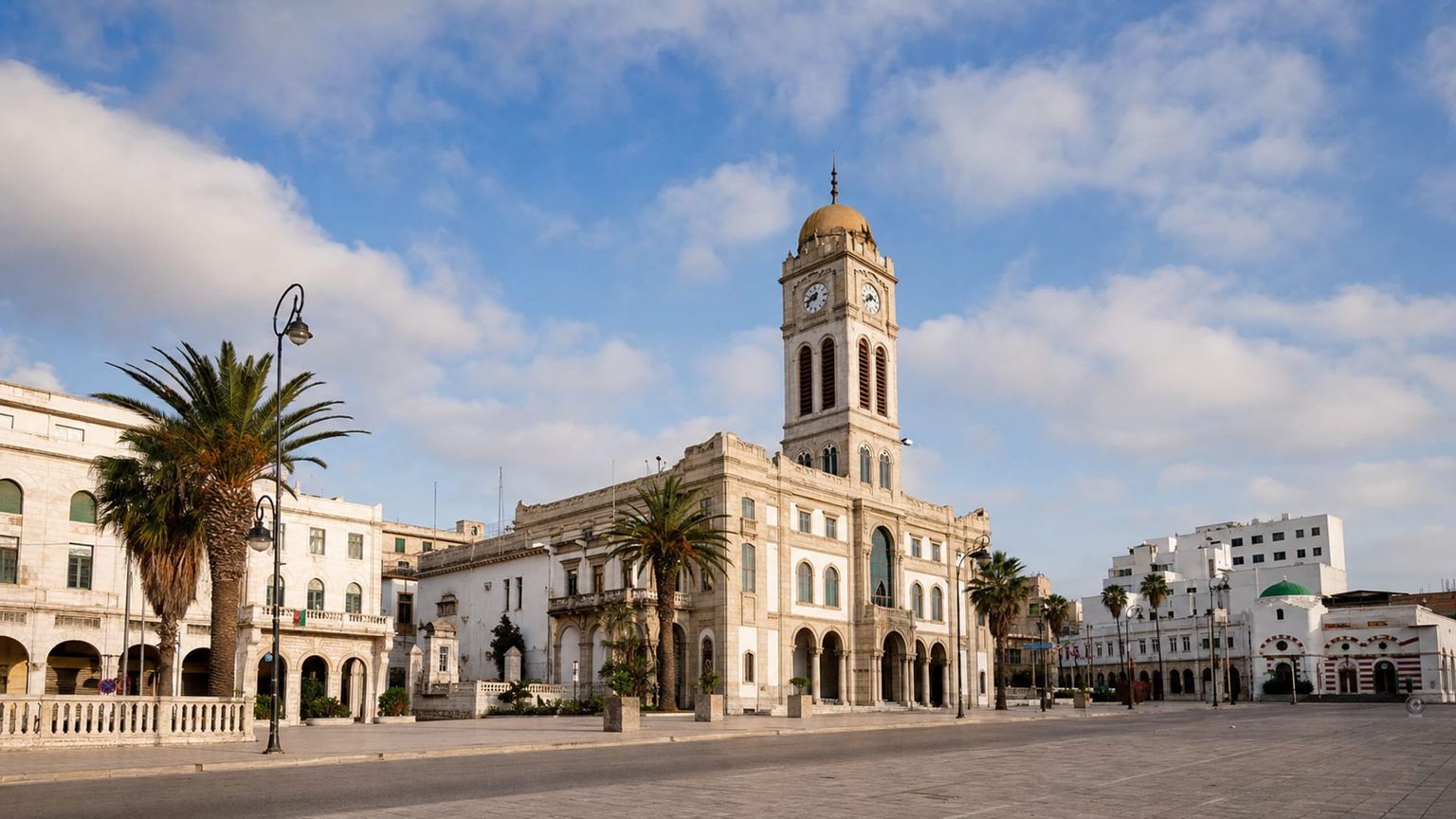
Martyrs' Square
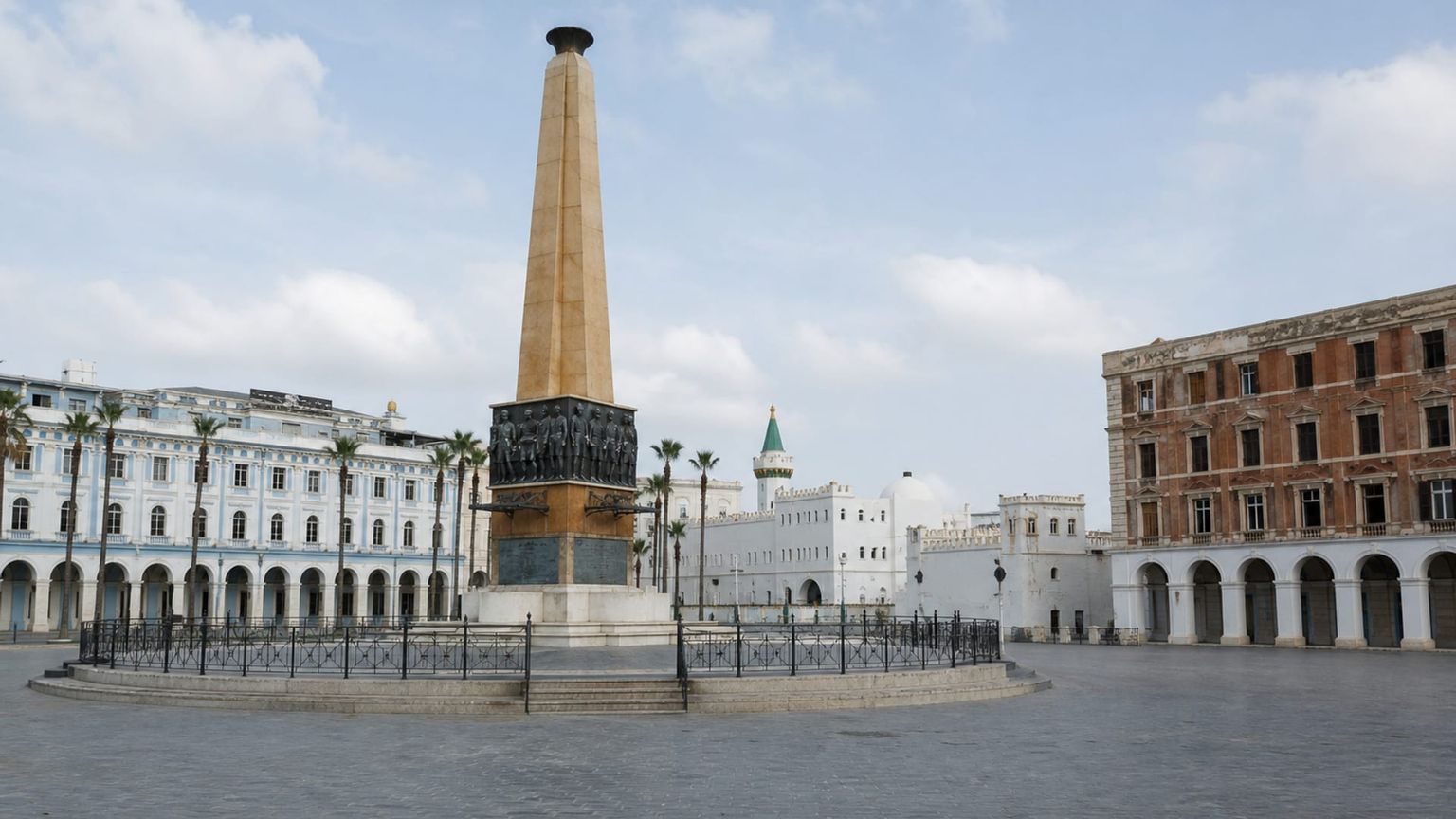
Martyrs’ Square is Tripoli’s central public space, framed by civic buildings and long arcs of traffic that mark the edge of the old city. It is the main place to read the capital’s modern political history and watch daily movement through downtown.
Time needed: About 45 minutes to 1 hour
Entry: Free to access
Tip: Come near sunset, when the square is busiest and the facades catch warm light.
Overlooked sites worth visiting

Gurgi Mosque
This Ottoman-era mosque in central Tripoli draws attention for its carved marble portal and slender minaret. Its compact courtyard and stone details make it a worthwhile stop between nearby old-city lanes.
Time needed: About 30 to 45 minutes
Entry: Free to enter; visitors should dress modestly and remove shoes before entering the prayer hall. Access may be limited during prayer times, and some areas depend on local guidance, so plan for a short visit and check current opening conditions on arrival.
Tip: Visit outside prayer times for easier access.

Tripoli Red Castle Museum
The Red Castle crowns the harbor edge with stone walls, sea views, and layered exhibits on Tripoli’s history. The site combines museum rooms, ramparts, and quieter corners that reward a slow circuit.
Time needed: About 1 to 2 hours
Entry: Admission is typically about $2 to $5 (about 10 to 25 LYD) for the museum and castle grounds, though fees can vary with exhibitions and local administration. Bring cash, expect on-site ticketing, and allow extra time if you want both the galleries and the outer terraces.
Tip: Go in late afternoon for softer light on the walls.
Traditional food
Tripoli’s cooking leans on shorba, bazeen, couscous, and asida, with cumin, tomato, lamb, and slow-cooked sauces showing up often. Meals run late, and restaurants usually pause for Friday prayer before reopening.
Bazeen
A staple Libyan dish of barley dough served with meat sauce, vegetables, and boiled eggs, best eaten where the kitchen makes it fresh for lunch. In Tripoli, Al Asayl Restaurant is a strong choice for a classic version.
Couscous
Tripoli’s couscous usually comes with lamb or chicken, vegetables, and a tomato-rich sauce that suits a long midday meal. Dar Al Sikka is a reliable canonical stop for a local-style plate.
Shorba
This light but aromatic soup often opens the meal, with tomatoes, herbs, and tender meat or lentils depending on the kitchen. At Al Saraya, it makes a good first course before a larger main.
Asida
A thick semolina dessert or breakfast dish served with honey, date syrup, or ghee, depending on the house style. In Tripoli, Al Khayyam is the canonical place to try it in a setting that locals already use for traditional meals.
Best time to visit Tripoli
Tripoli is best in the shoulder seasons, when the heat eases enough for old-city walks and waterfront time, while summer pushes you toward early starts and winter brings milder daytime sightseeing.
Best for: Old-city walks, museum visits, and Corniche time before summer heat arrives
What you get: About 68 to 86°F (20 to 30°C), with moderate visitor flow and manageable daylight exploring
Trade-offs: Late spring can warm quickly by midday
Best for: Early-morning sightseeing and longer evenings near the waterfront
What you get: About 79 to 97°F (26 to 36°C), with lighter daytime crowding but stronger heat
Trade-offs: Midday walking becomes tiring fast
Best for: Balanced days for the medina, museums, and harbor views
What you get: About 72 to 88°F (22 to 31°C), with comfortable movement and steady local activity
Trade-offs: Some days still run warm in September
Best for: City walks, cafés, and flexible sightseeing without summer heat
What you get: About 54 to 68°F (12 to 20°C), with lighter crowds and shorter, cooler days
Trade-offs: Evenings feel cool, so outdoor time ends earlier
A realistic 5-day plan in Tripoli
Tripoli works best when you divide it by pace and place, not by trying to cover the whole city in one sweep. The plan below starts with arrival and settles into the center, the old city, and Al Mina before ending with an easy departure day.
Land at Tripoli (TIP) and take a taxi into the center, which usually takes about 20 to 30 minutes depending on traffic and costs roughly $8 to $15. If you want the easiest first night, stay near Tripoli city center or Al Mina, then settle in with water, a short walk for sea air along the Corniche if you are in the harbor area, and an early dinner near your hotel so you are not crossing town after dark.
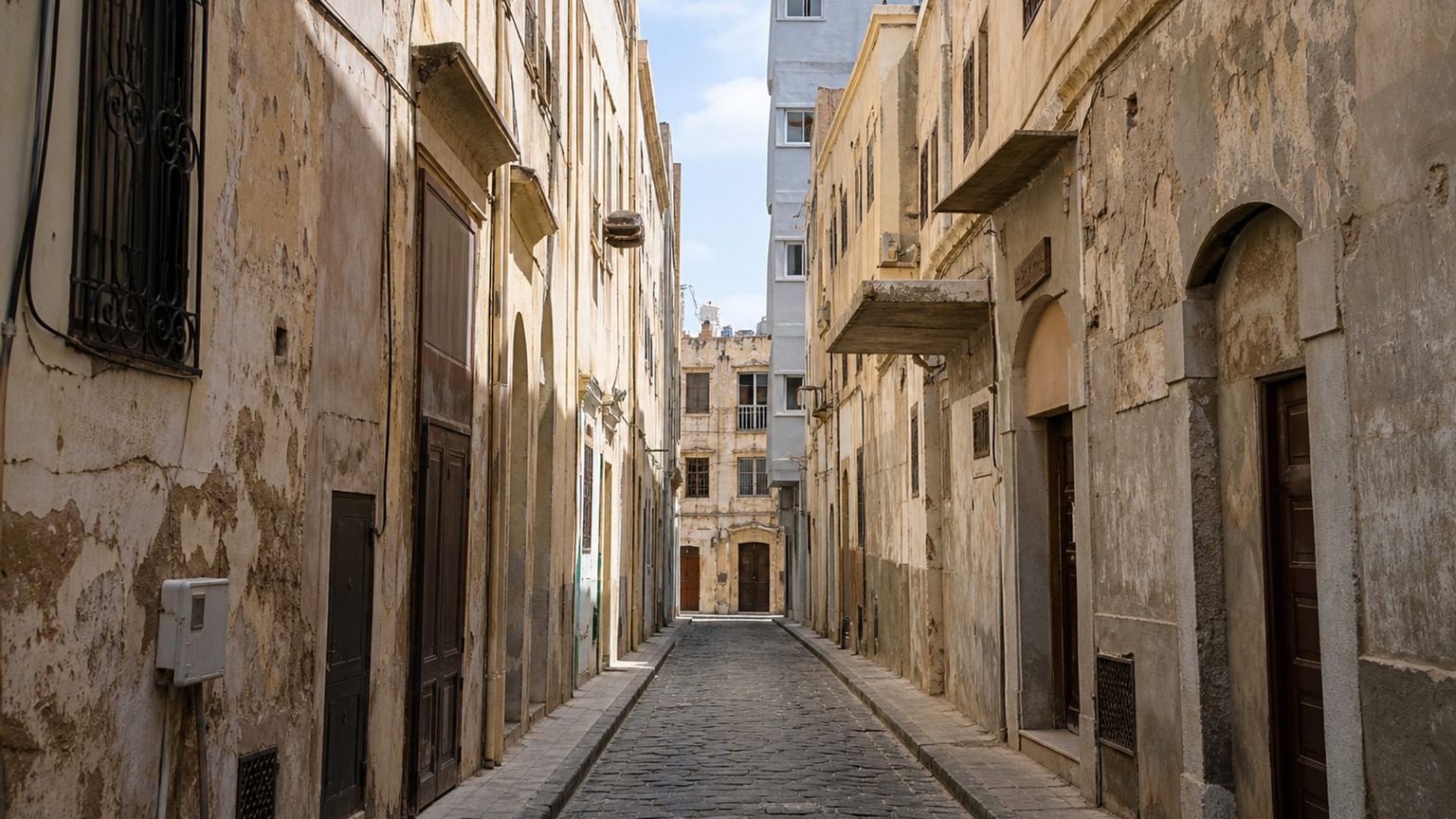
Start at Martyrs’ Square, then walk about 10 to 15 minutes into the old city for Gurgi Mosque before continuing to the Red Castle Museum, which is about a 5 to 10 minute walk away. Allow about 45 minutes at Martyrs’ Square, 30 to 45 minutes at Gurgi Mosque, and 1 to 2 hours at the castle if you want both the galleries and the outer terraces. Late in the afternoon, return toward the square for a coffee stop or head back to Al Mina by taxi, roughly 10 minutes, for a waterfront meal.
Begin with the Red Castle Museum in the cooler morning hours, then spend time tracing the medina lanes nearby, where the castle walls, harbor edge, and old-city streets sit within a short walk of one another. From there, continue to Gurgi Mosque, about 5 to 10 minutes on foot from the castle area, and plan your visit outside prayer times so you can see the marble portal and carved details without rushing. If you are staying in Tripoli city center, you can finish the day with an easy walk back through downtown streets or a short taxi ride from the medina.
A harbor-first morning works well in Al Mina, where the Corniche is about a 15 minute walk from much of the district and gives you a clear look at the waterfront before the day heats up. After coffee by the sea, take a taxi into the old city, roughly 10 to 20 minutes, and return to Martyrs’ Square for a slower look at the civic buildings and traffic that frame the edge of downtown. End with a short stroll back through the center, or stay in Al Mina for dinner if you want to avoid another cross-town ride after sunset.
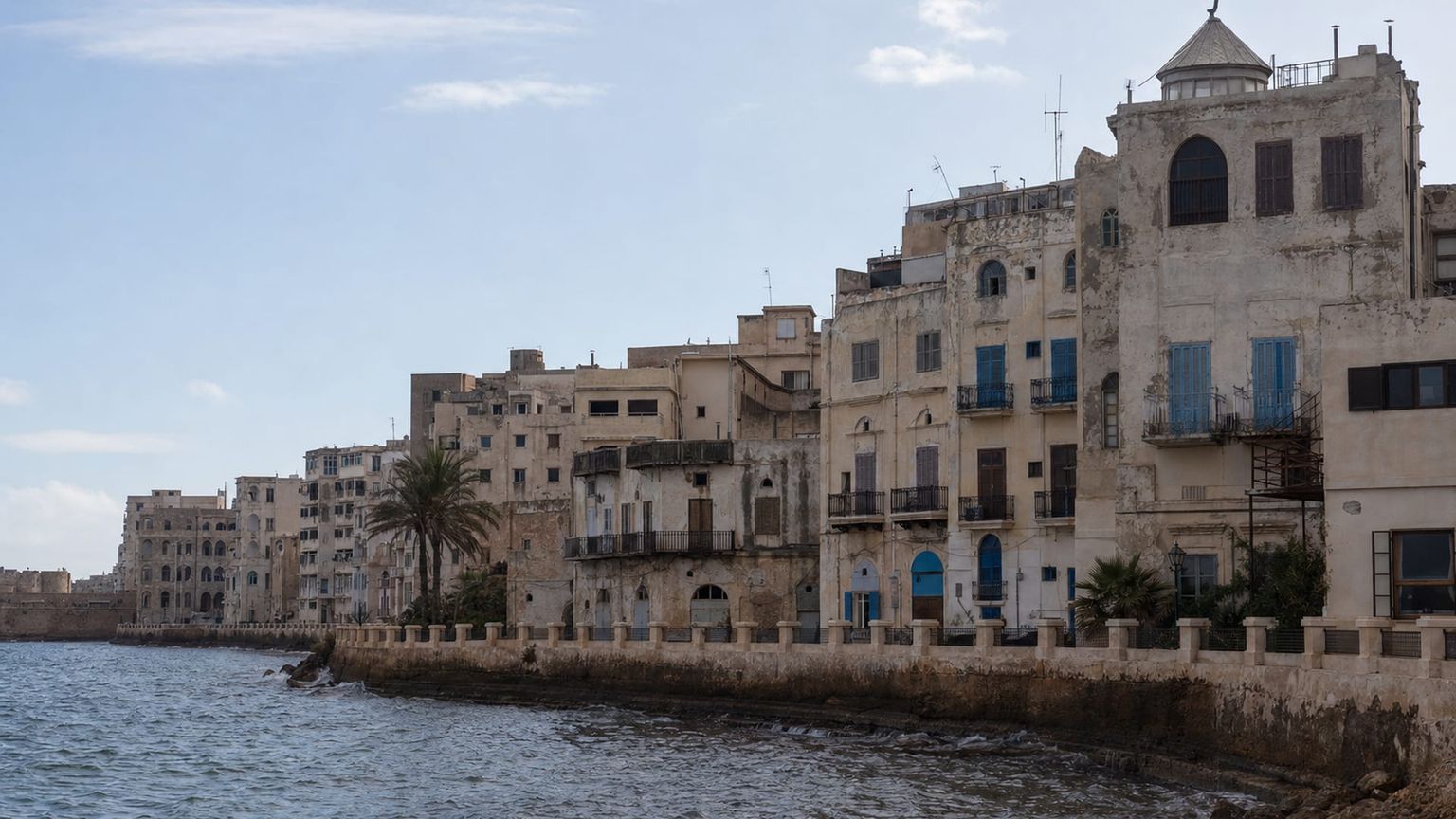
For your last day, pair one final museum stop at the Tripoli Red Castle Museum with a low-key afternoon in a neighborhood that matches your departure plans, then keep the rest of the schedule easy. If you want to buy a few last items, Tripoli city center gives you the best access to downtown shops and taxi stands, while Al Mina adds a final café break near the water before you pack. Leave enough time to return to your hotel, collect bags, and reach Tripoli (TIP) without a rushed transfer.
Business-class flights from the US to Tripoli
Long-haul trips into Tripoli usually route through one or more Gulf or European hubs, so the useful comparison is not just price, but how many hours you want between departure and arrival. The two examples below show how that tradeoff looks from the East Coast and the West Coast.
From New York (JFK), ITA Airways, Turkish Airlines, Qatar Airways, Emirates, Air France, and Lufthansa are the main names to check. Round-trip fares from New York (JFK) usually start at about $2,800, and one-stop itineraries can cut that to roughly $2,000 to $2,600, with common hubs in Rome (FCO), Istanbul (IST), Doha (DOH), Dubai (DXB), Paris (CDG), and Frankfurt (FRA).
From Los Angeles (LAX), Turkish Airlines, Qatar Airways, Emirates, Lufthansa, Air France, and ITA Airways are the carriers most often worth comparing. Fares typically begin at about $3,000 round-trip from Los Angeles (LAX), with peak-date pricing often reaching $4,500 or more, and the usual connection points include Istanbul (IST), Doha (DOH), Dubai (DXB), Frankfurt (FRA), Paris (CDG), and Rome (FCO).
Tripoli feels different when you slow down
A well-paced Tripoli trip links Martyrs’ Square, the Red Castle, Gurgi Mosque, and Al Mina in a way that respects traffic, prayer hours, and the heat. That means staying near the center or the harbor, using taxis for cross-town moves, and leaving the last day light enough for a final museum stop or café break before Tripoli (TIP). If you want help shaping the details, AranGrant experts can turn that route into a cleaner plan