

Chapters:

Need help with your trip?
Our support team is available 24/7. Request a callback or call us directly at (833) 619-0908
Tehran itineraries often start with one museum, one palace, and a long ride between them, while the city’s quieter advantages, like district choice, meal timing, and the north-south split, get left out.
That can turn short days into long transfers, because traffic, Friday closures, and the distance between central and northern neighborhoods shape how much you can see without wasting time.
This guide sequences Tehran by area and timing, so each day fits the city’s layout instead of fighting it.
Useful things to know
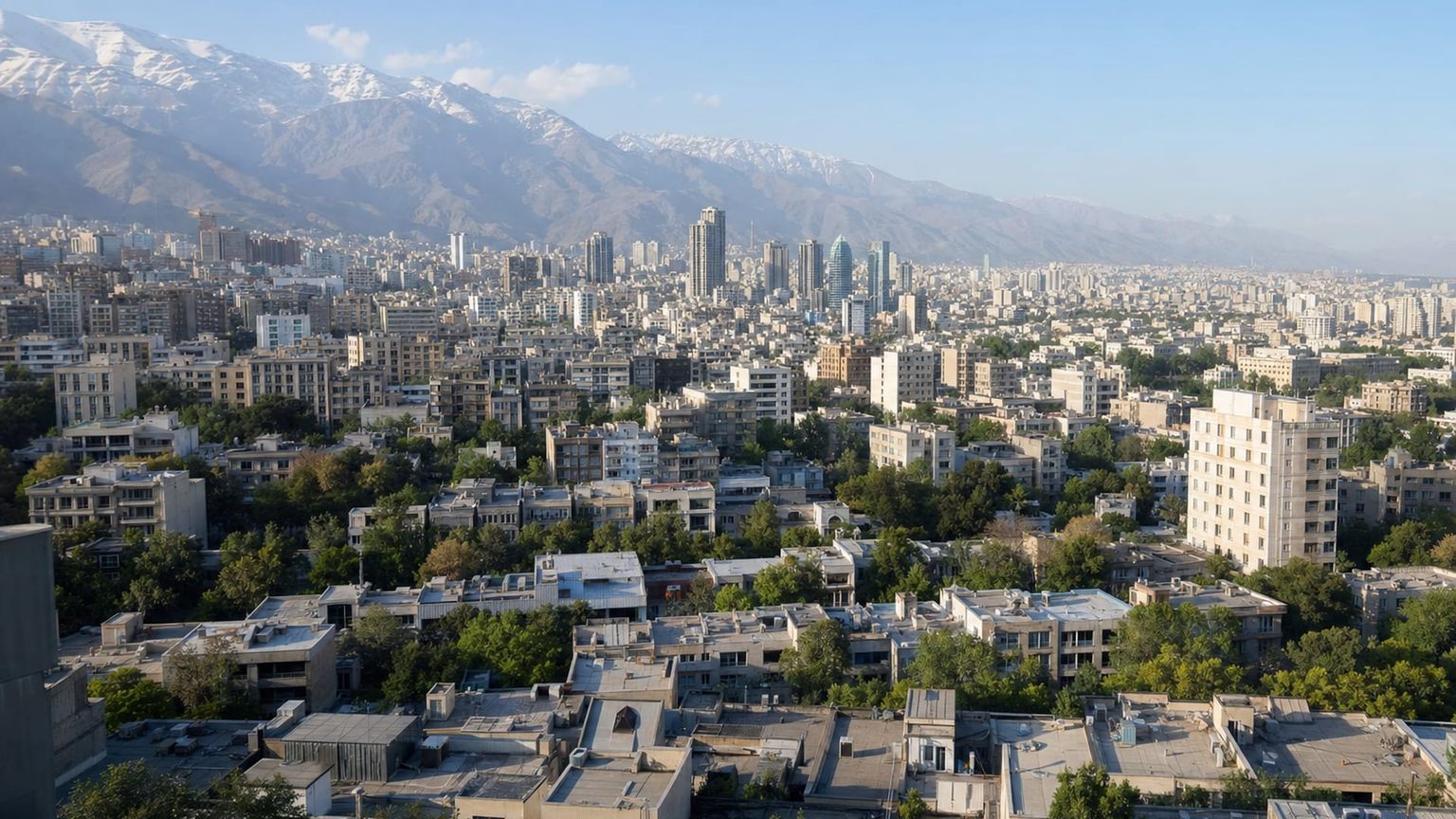

Main language(s): Persian
salam (sah-lahm) – hello
lotfan (loht-fahn) – please
mamnun (mahm-noon) – thank you
aya shoma engelisi harf mizanid? (ah-yah shoh-mah en-jeh-lee-see harf mee-zah-need) – Do you speak English?
qimat chandeh? (kee-maht chahn-deh) – How much does it cost?

Currency: The local currency is the Iranian rial (IRR, ﷼).

Cash and cards: Cards and contactless are not widely accepted, so carry about $50 to $100 in cash.

Tipping: Tipping is not expected; round up a taxi fare or leave about 5% at nicer restaurants.

Traditional food: Tahchin, kebab koobideh, fesenjan, ghormeh sabzi

Water and coffee costs: Water ~500,000 rials ($1), bar espresso ~1,000,000 rials ($2).

Taxis and ride apps: Snapp and Tapsi operate here; app payments may need cash on arrival.

Plug and voltage: Type C/F socket, 220V

Dining and shop opening hours: Breakfast runs about 7:00-9:30 am, lunch 1:00-3:00 pm, and dinner 8:00-10:30 pm. Many restaurants close during parts of Friday and some also close for the lunch break.

Emergency number: 112 for police, fire, and ambulance.
Where to stay in Tehran
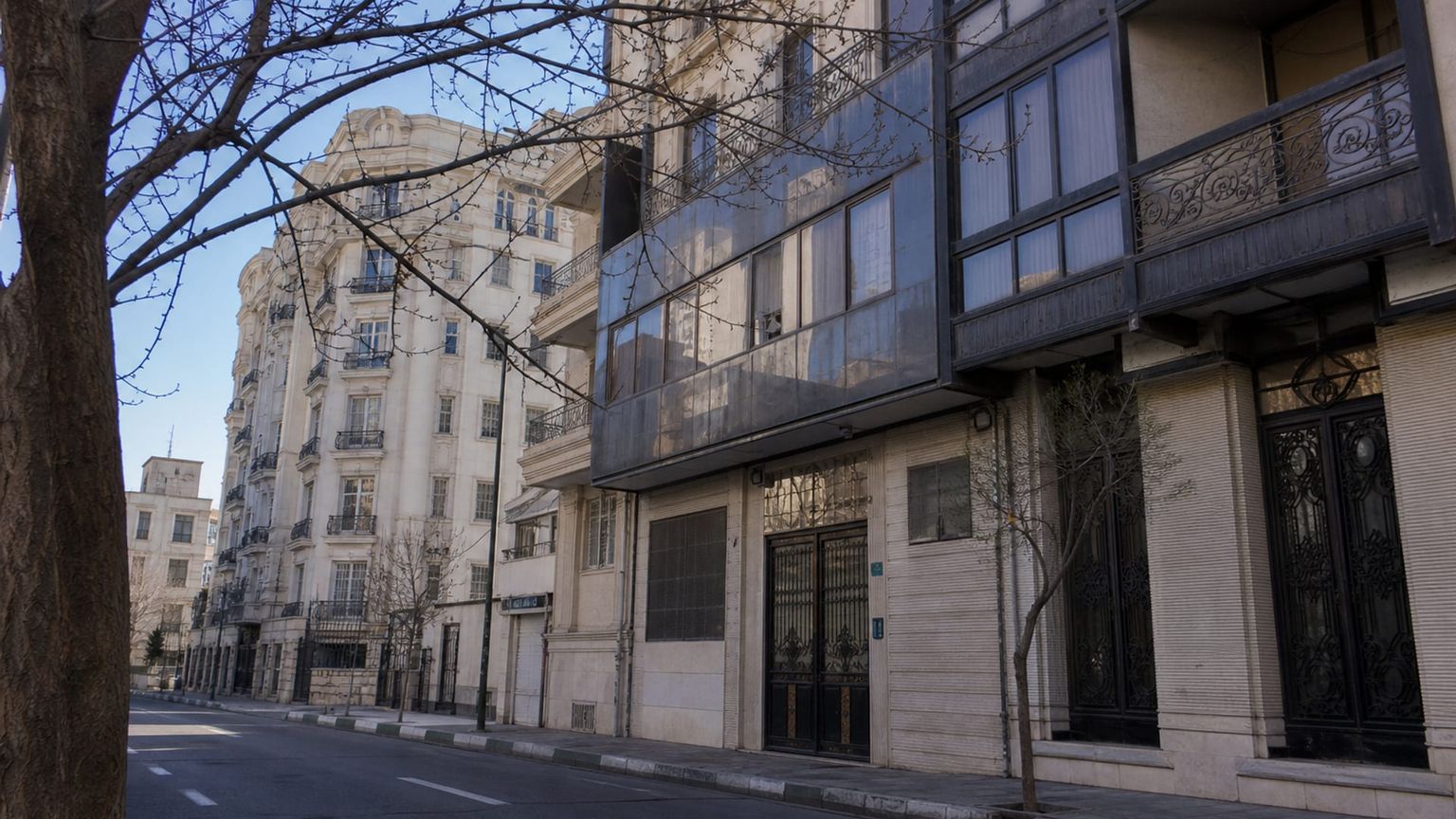
Tehran’s central northwestern corridor pairs the long Vali Asr avenue with Vanak’s commercial blocks and access to large hotels, offices, and restaurants. It works well for moving across the city, with metro, bus, and taxi links that reach most major sights efficiently.
Best for: Museum visits, business travel, and travelers who want central access to several parts of Tehran
What to expect: Busy avenues, constant traffic, and active sidewalks near malls, cafes, and offices.
Hotel prices: Usually about $70 to $180 per night for well-rated stays
Distance to major sights: About 20 minutes by car to the National Museum of Iran, about 25 minutes to Golestan Palace
Quietness: Daytime is very busy and traffic-heavy, while evenings are calmer on side streets but still active around restaurants.
Main trade-off: You will hear traffic and spend more for the better-located hotels, especially near the main avenue.
Good to know: Choose a room away from the avenue if you are sensitive to traffic noise, because front-facing rooms can be loud late into the evening.
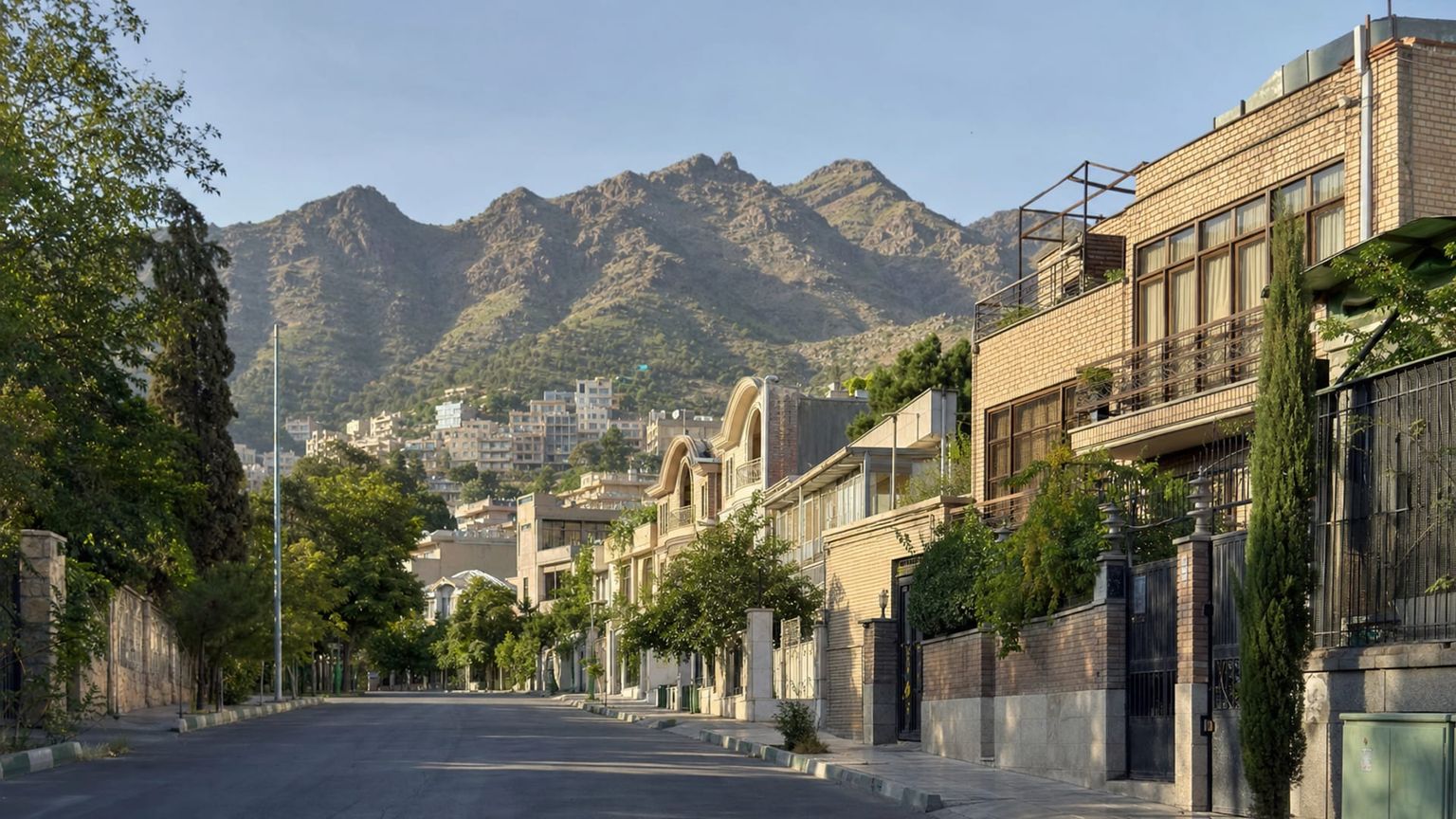
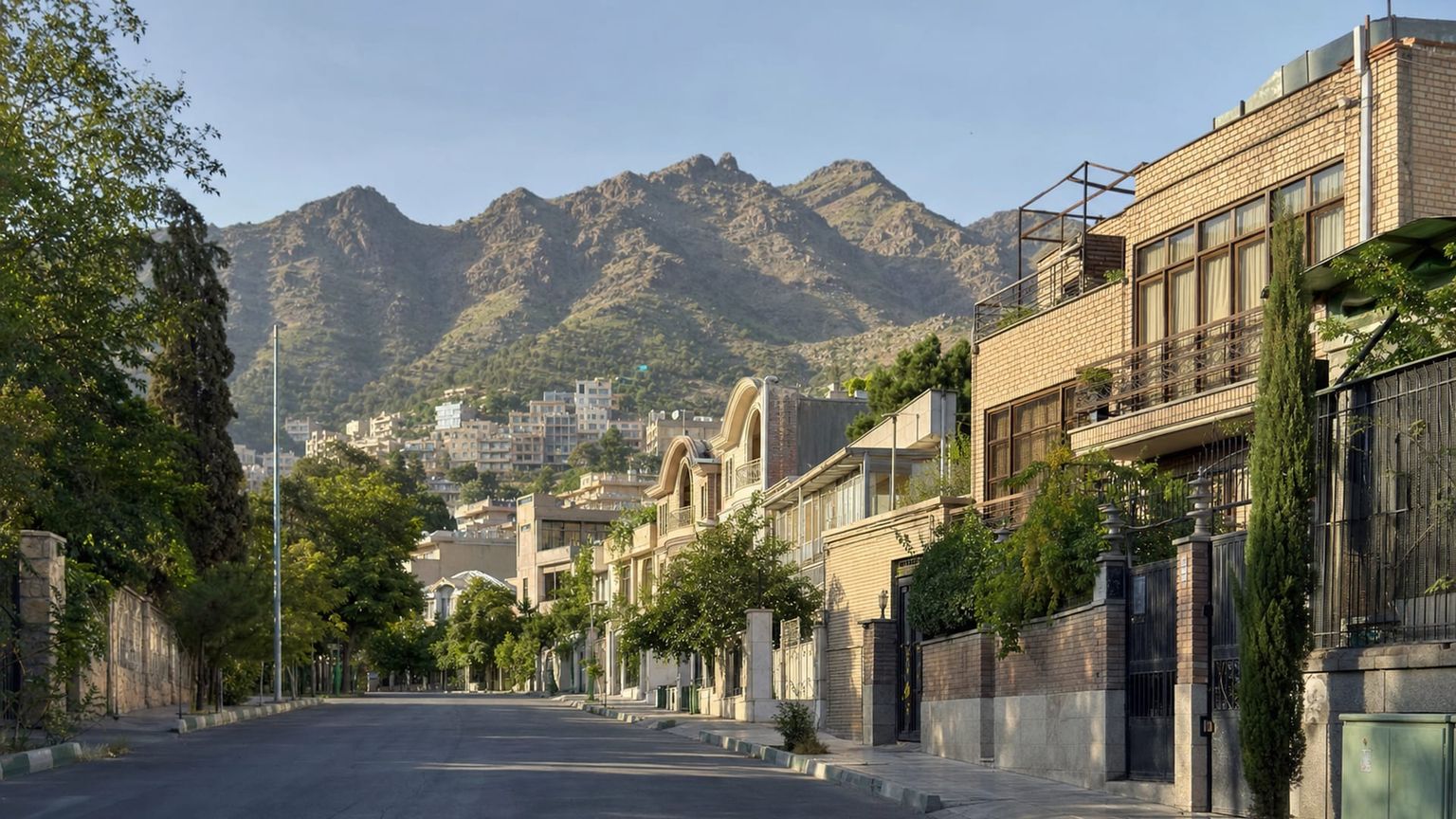
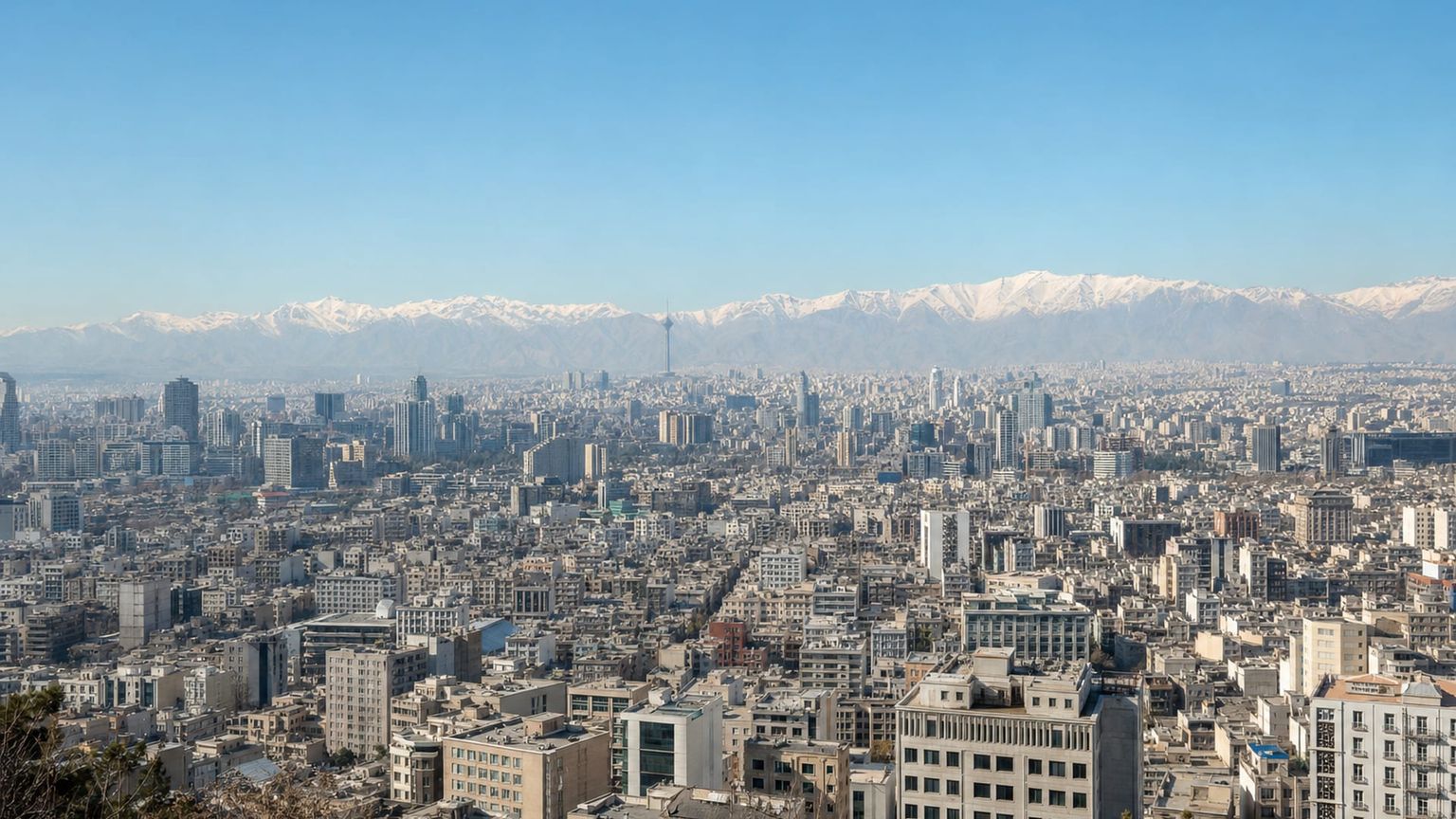
Tajrish sits at the northern edge of Tehran, near the foothills and close to the historic bazaar, while Shemiran spreads into nearby residential districts with larger homes and cooler air. This area matters for travelers who want a more upscale base with access to mountain outings and northern Tehran.
Best for: Scenic stays, northern Tehran access, and travelers planning mountain time or shopping in the north
What to expect: Tree-lined streets, local shoppers, and a steadier neighborhood pace than the city center.
Hotel prices: Usually about $90 to $220 per night for well-rated stays
Distance to major sights: About 20 minutes by car to Sa’dabad Complex, about 35 minutes by car to the National Museum of Iran
Quietness: Days are lively around the bazaar and main streets, while evenings are quieter on residential roads.
Main trade-off: You gain a cooler, greener setting, but central museums and southern landmarks take longer to reach.
Good to know: If you plan several central-south museum visits, budget extra time for cross-town traffic because the commute can stretch well beyond the map distance.
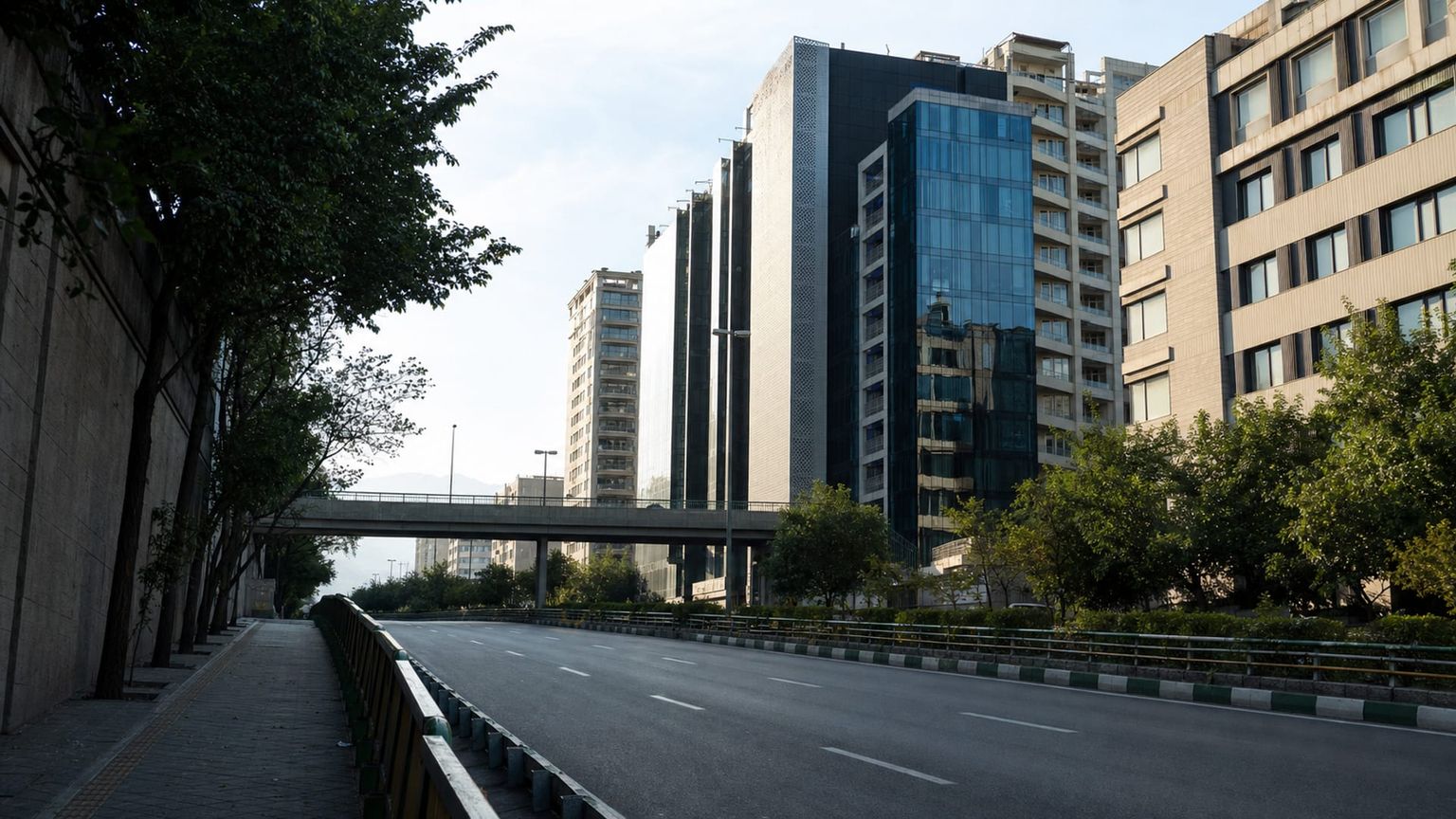
Mirdamad and nearby Vanak form a modern business district in north-central Tehran with large apartment hotels, corporate towers, and broad roads. It matters because it places you between the northern and central parts of the city, which can reduce time spent crossing Tehran.
Best for: Business trips, short stays, and travelers who want access to both north and central Tehran
What to expect: Heavy weekday traffic, office towers, and busy cafes with a noticeable lunch-hour rush.
Hotel prices: Usually about $80 to $200 per night for well-rated stays
Distance to major sights: About 25 minutes by car to Golestan Palace, about 20 minutes by car to the Tehran Museum of Contemporary Art
Quietness: Weekdays are loud during business hours, while late evenings and Fridays are noticeably calmer.
Main trade-off: Hotels here can cost more than in outer districts, and the area is built for cars, not relaxed strolling.
Good to know: If you rely on ride-hailing, this district works well, but walking between sights is limited because major roads and long blocks break up the area.
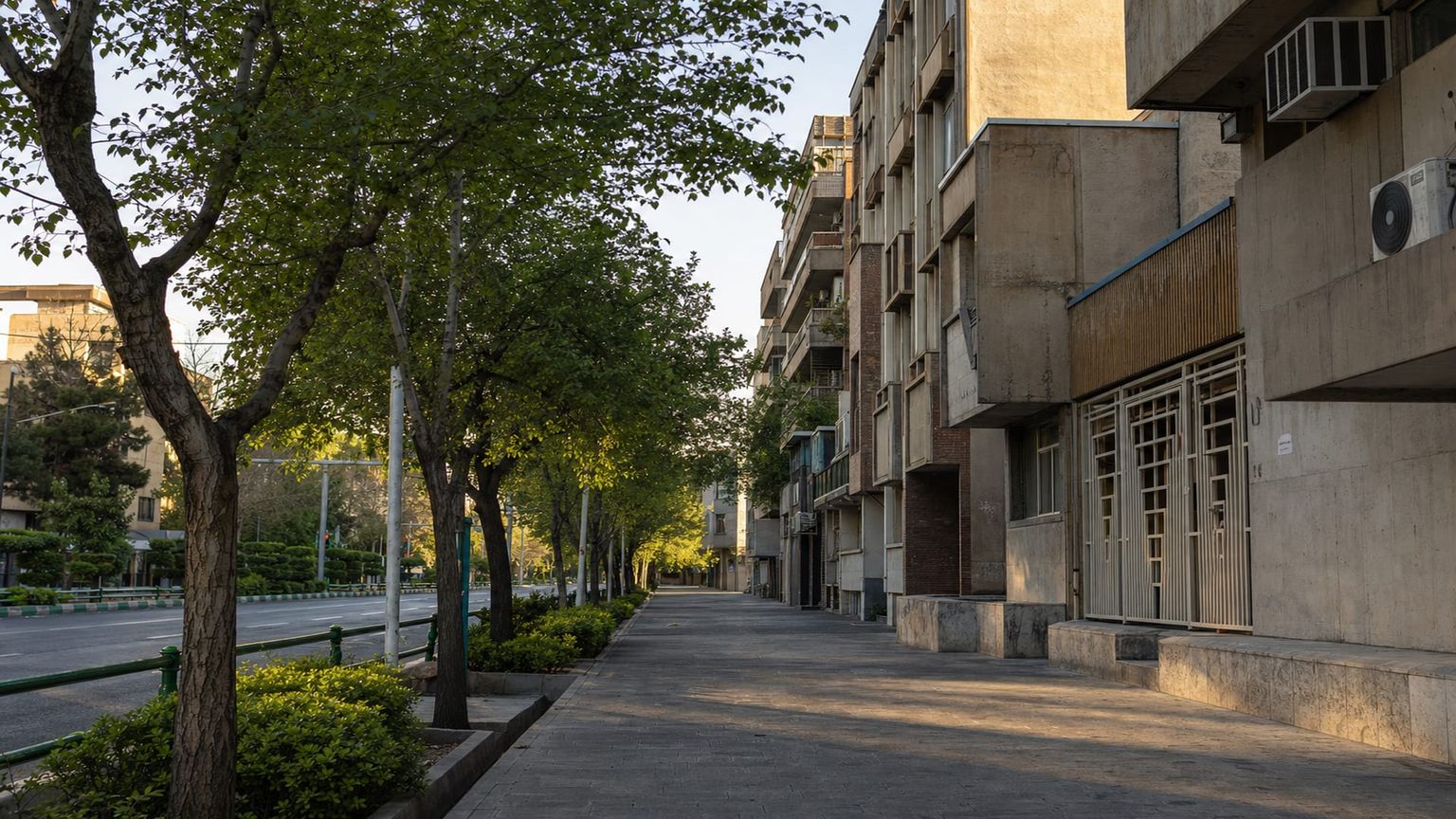
Enghelab sits near Tehran University and several cultural institutions, giving the area a student-heavy character and direct access to bookstores, cafes, and metro stations. It matters for travelers who want to stay close to museums, the old city, and an energetic central district.
Best for: Budget-minded travelers, museum days, and visitors who want a central, youthful base
What to expect: Student crowds, busy sidewalks, bookstores, and a constant flow of taxis and buses.
Hotel prices: Usually about $45 to $110 per night for well-rated stays
Distance to major sights: About 10 minutes by transit to the National Museum of Iran, about 15 minutes by transit to Golestan Palace
Quietness: Daytime is crowded and energetic, while evenings thin out after classes and office hours.
Main trade-off: Rooms are often cheaper here, but traffic and street noise are stronger than in the northern districts.
Good to know: Metro access is a real advantage here, so choose this area if you plan to move around without depending on taxis all day.
Travelers usually avoid staying in western Tehran’s Azadi, Ekbatan, and Chitgar areas, because they sit far from the main museum and bazaar districts and leave you dependent on long cross-city trips. The southern districts near Shahr-e Rey are also less convenient for most visitors, with fewer hotel choices close to major sights and longer evening taxi rides back from central Tehran.
Hotel deals
How to get around Tehran efficiently
Tehran’s metro, bus network, ride-hailing apps, and taxis each solve a different part of the city’s size, with rail doing the heavy lifting for central trips and cars filling the gaps.

Metro
for longer distances
Tehran’s Metro links Mehrabad Airport, the city center, and major interchanges, with trains typically every 5 to 10 minutes and single rides costing about $0.10 to $0.20 (roughly 0.006 to 0.012 euros); Airport Terminal 1 and 2 on Line 4 and Terminal 4 and 6 on the airport branch give you the closest rail access to THR, then you usually transfer for central districts, with trips to central Tehran taking about 30 to 45 minutes once you connect.

Bus and tram
for convenience
Airport buses serve Mehrabad and several central corridors, but the network is less legible than the metro, so check the stop name and final destination before boarding; fares are usually about $0.10 to $0.25 (roughly 6,000 to 15,000 rials), paid with a transit card or cash where accepted, and many riders use them for short hops to nearby districts rather than cross-city travel.

Taxi
for convenience or late hours
Licensed taxis use fixed or negotiated fares on many airport and street trips rather than a strict meter, and a ride from THR to central Tehran usually costs about $4 to $10, with late-night or heavy-traffic trips sometimes higher; use official airport taxis, hotel desks, or ride-hailing apps such as Snapp or Tapsi, pay in cash or through the app, and expect the airport to city-center trip to take about 30 to 60 minutes depending on traffic.
*Prices are based on rates updated as of June 2026 and may change at the time of travel.
Use the metro for central corridors and museum days, taxis or Snapp and Tapsi for cross-town hops, and buses for short local trips when you already know your stop.
Iconic landmarks
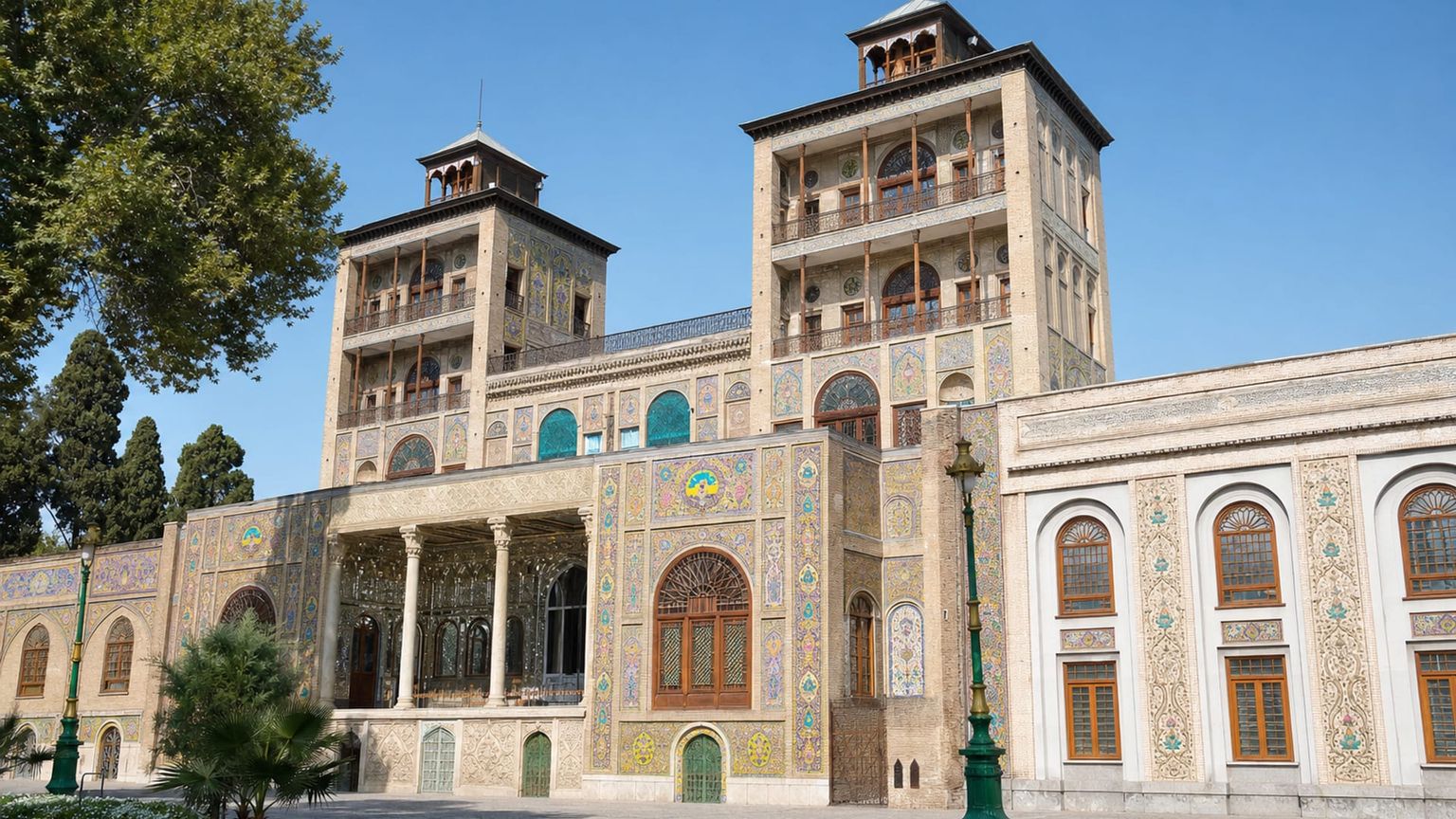
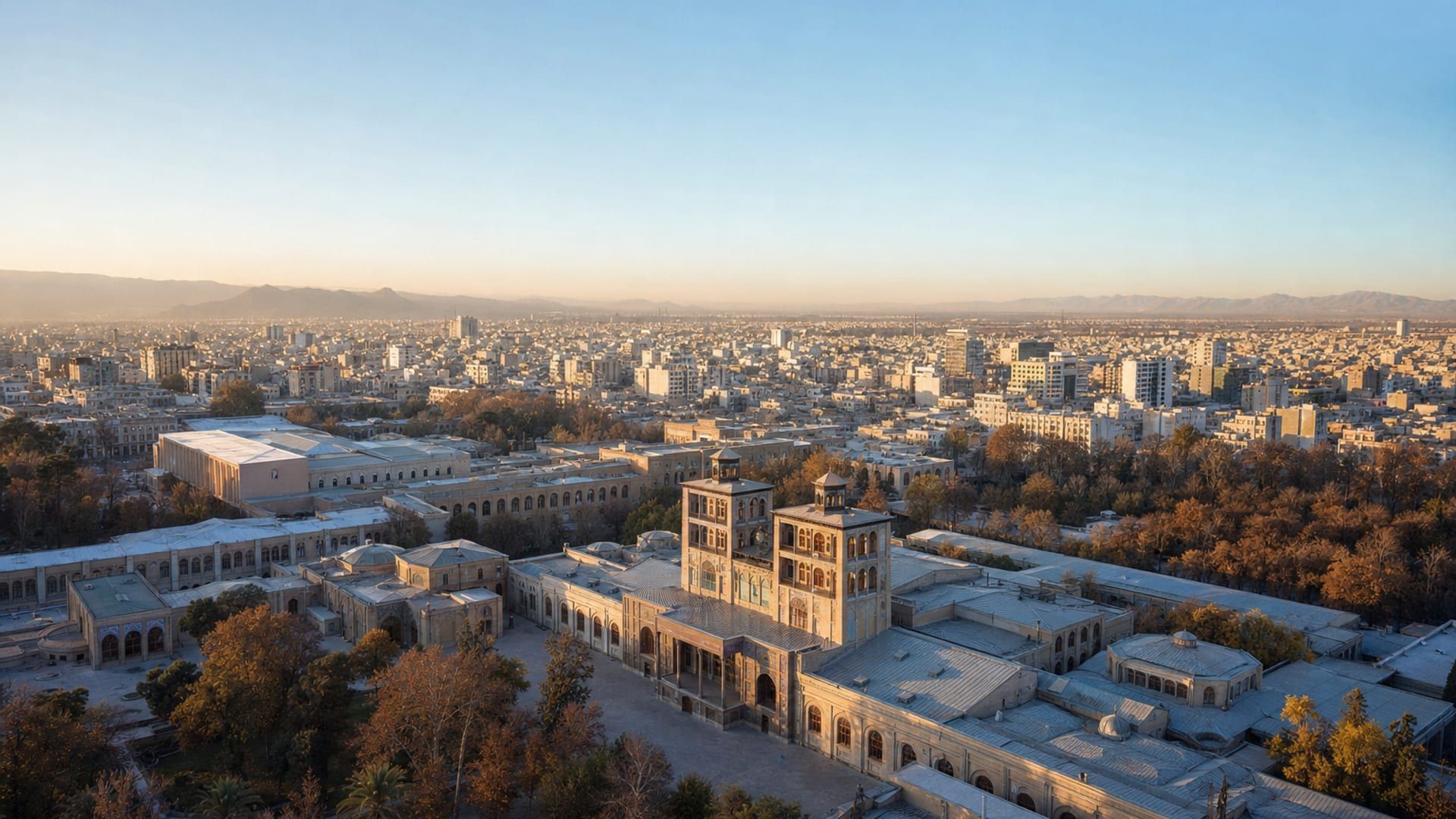
Golestan Palace
Qajar-era royal complex in central Tehran, with mirrored halls, tiled courtyards, and the Marble Throne Hall. Its museum rooms display ceramics, textiles, and court objects that trace 19th-century royal life.
Time needed: About 2 to 3 hours
Entry: Standard admission costs about $4 to $8 (about 2,000,000 to 4,000,000 rials), with separate tickets for some galleries and halls. Visit the official site for details.
Tip: Go early on weekdays, then spend extra time in the mirror hall and courtyard gardens.
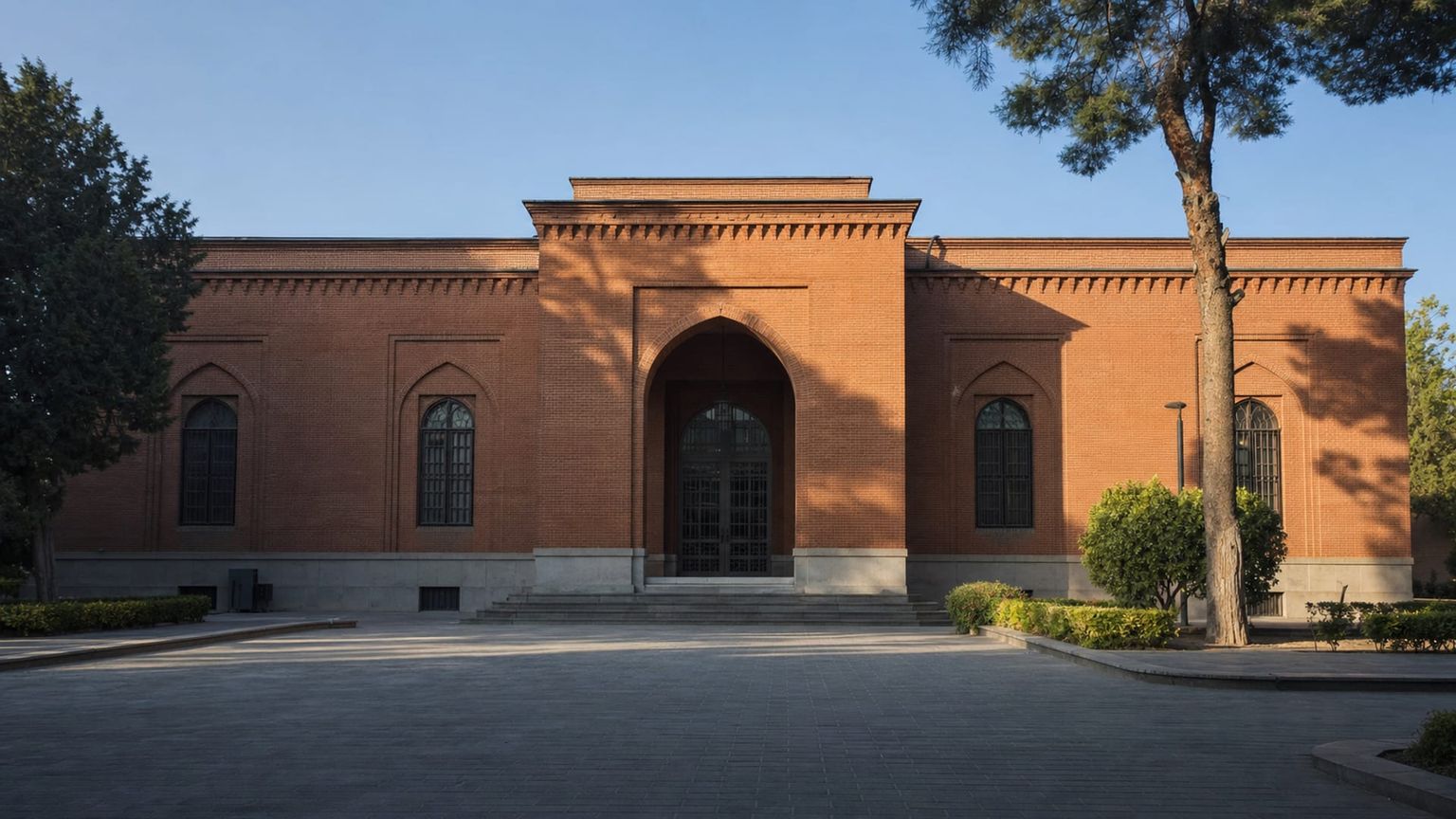
National Museum of Iran
Tehran’s key archaeological museum covers Iran from prehistoric finds to the Islamic period. Its stone reliefs, pottery, and carved objects give a clear timeline before you continue to nearby historic sites.
Time needed: About 1 to 2 hours
Entry: Standard admission costs about $3 to $6 (about 1,500,000 to 3,000,000 rials), with possible separate charges for special exhibitions. Visit the official site for details.
Tip: Start in the earliest galleries, then leave time for the Islamic-era rooms upstairs.
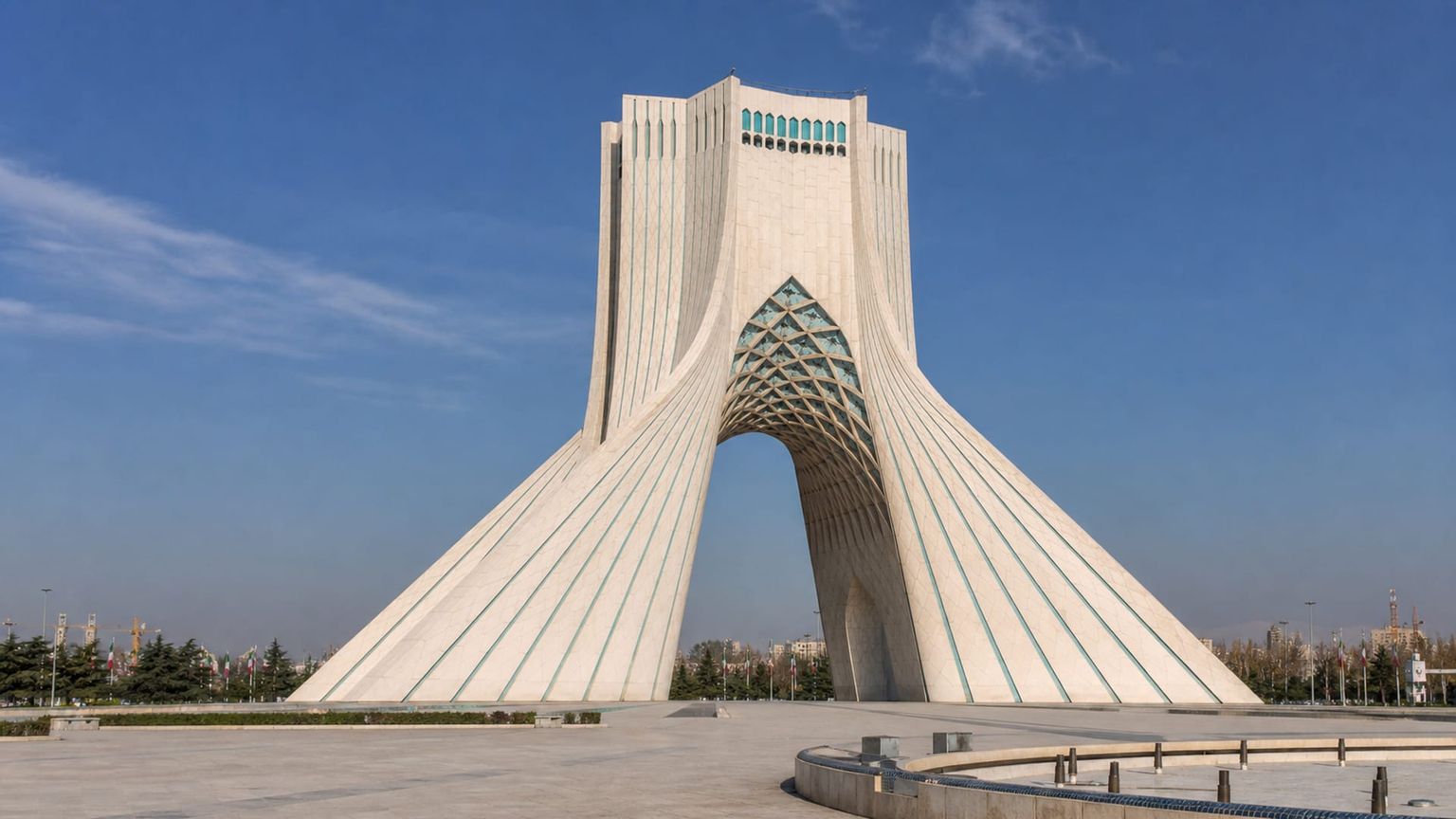
Azadi Tower
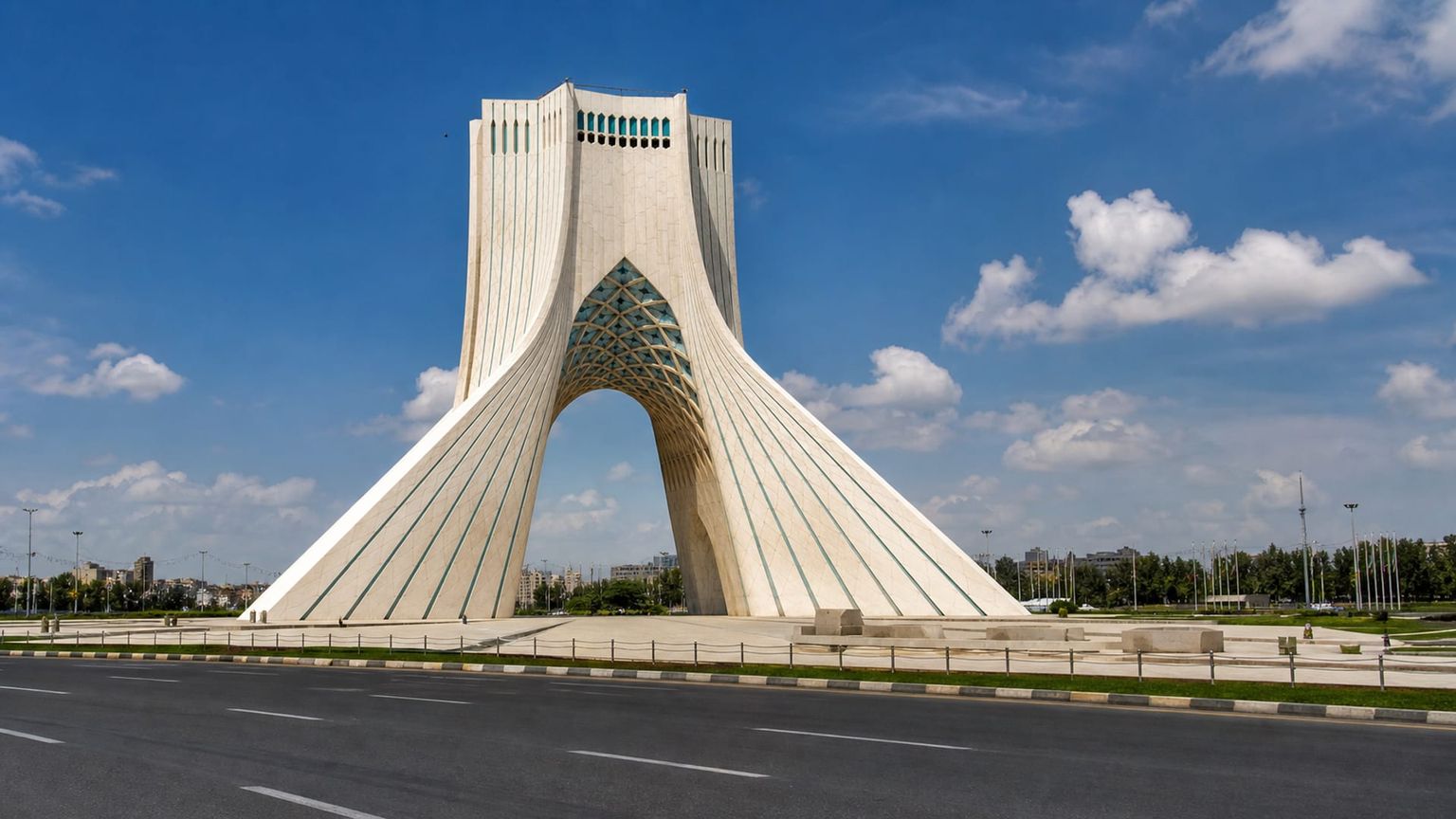
This white marble tower west of the center marks one of Tehran’s best-known modern landmarks. The base museum and surrounding plaza offer city views, and the tower’s geometry is most striking in late afternoon light.
Time needed: About 1 hour
Entry: Entry costs about $2 to $5 (about 1,000,000 to 2,500,000 rials), with some areas or temporary displays priced separately. Visit the official site for details.
Tip: Visit near sunset, when the marble picks up warmer light and the plaza is less harsh.
Overlooked sites worth visiting

Darband
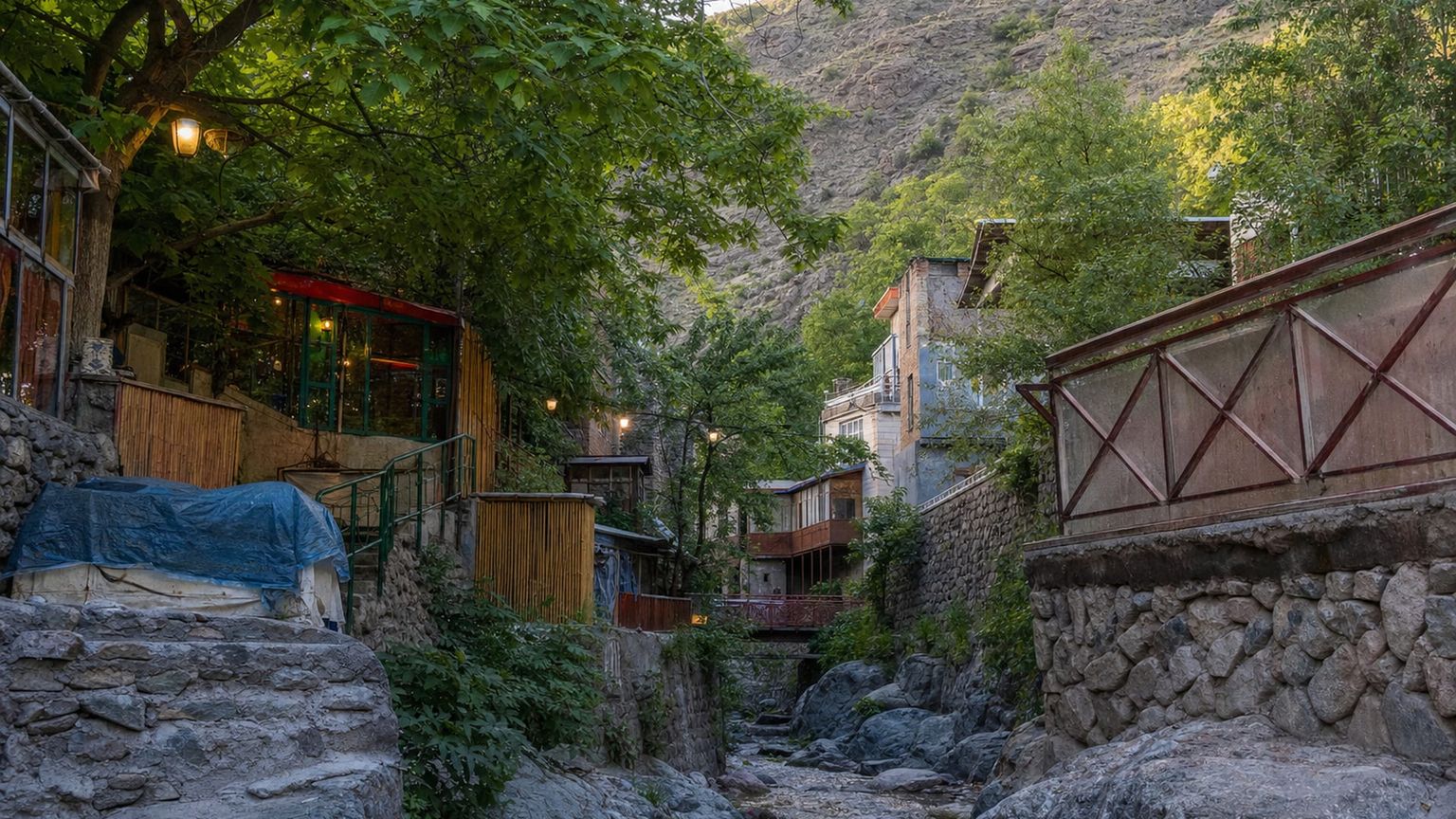
A northern Tehran village district with stone alleys, tea houses, and mountain air at the city edge. Walk the stream path in the evening, when locals fill the terraces and the slopes catch late light.
Time needed: About 2 to 3 hours
Entry: Free to access. You can walk the lanes, streamside path, and terrace area without a ticket; spend only on tea, snacks, or a meal if you choose one of the many cafés and kebab spots along the route.
Tip: Visit before sunset for cooler air and better light.

National Museum of Iran
Tehran’s main archaeology museum pairs compact galleries with well-labeled artifacts from prehistory through the Islamic era. It gives a clear, concentrated look at Iran’s long history without a long visit.
Time needed: About 1 to 2 hours
Entry: Standard admission is about $3 to $5 (about 150,000 to 250,000 rials), with lower rates for Iranian citizens and students. Check the ticket desk for current pricing, as museum fees can change seasonally. Visit the official site for details.
Tip: Go early on a weekday for quieter galleries.
Traditional food
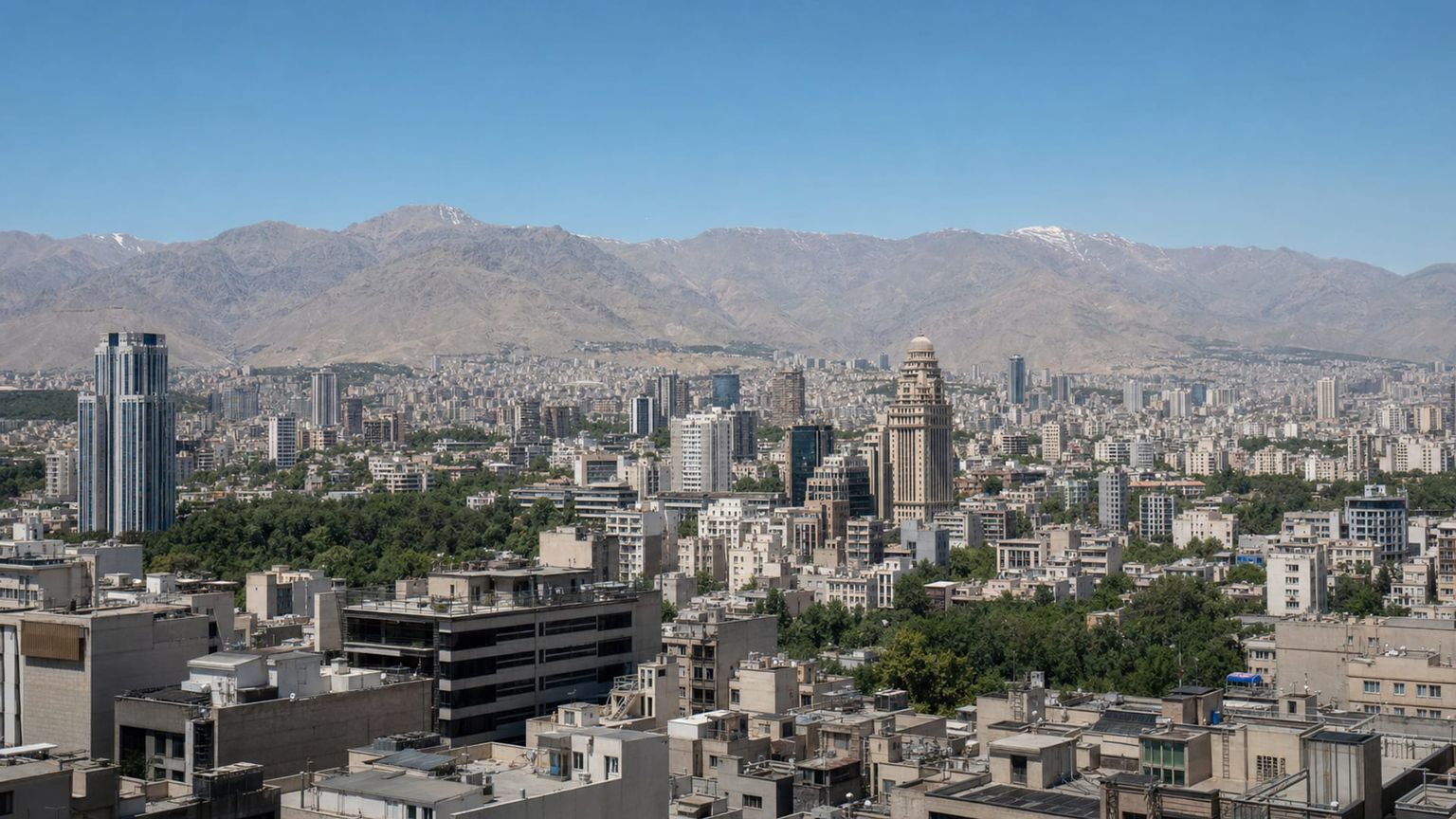
Tehran’s table leans on rice, herbs, sour fruit, saffron, and slow-cooked stews, with kebabs and tahchin anchoring many meals. Lunch and dinner often arrive in a clear daily window, so timing matters as much as the dish.
Tahchin
This baked saffron rice and yogurt dish arrives with a crisp golden crust and a rich interior, often layered with chicken or eggplant. In Tehran, Madam Restaurant serves one of the city’s better-known versions.
Kebab koobideh
Minced lamb or beef, seasoned and grilled on skewers, makes one of Tehran’s most familiar meals. Nayeb has long been a canonical stop for this dish, especially when you want a classic sit-down version.
Fesenjan
This walnut and pomegranate stew brings a deep, sweet-sour profile, usually with chicken or duck. Shandiz Jami is a strong Tehran reference for a traditional bowl with a polished dining room.
Ghormeh sabzi
A herb stew with dried lime, beans, and usually lamb, ghormeh sabzi is one of Iran’s defining home-style dishes. Moslem Restaurant is a dependable Tehran name for a hearty, classic plate.
Best time to visit Tehran
Tehran changes more by heat, haze, and traffic than by dramatic weather swings, so the best season often depends on whether you want clear mountain air, easier walking, or quieter museum days.
Best for: Best for mild temperatures and northern outings
What you get: About 50 to 75°F (10 to 24°C), with comfortable city days and moderate crowds before late-spring heat builds
Trade-offs: Popular sights can still get busy on weekends and holidays
Best for: Best for mountain time and later dinners in the north
What you get: About 75 to 95°F (24 to 35°C), with lighter museum crowds but heavier midday heat in the center
Trade-offs: Afternoon heat and traffic can make cross-town movement tiring
Best for: Best for balanced sightseeing and clearer air
What you get: About 55 to 80°F (13 to 27°C), with comfortable walking weather and a steady visitor flow
Trade-offs: Some days bring haze, and evenings cool quickly
Best for: Best for lower hotel demand and museum-focused days
What you get: About 35 to 55°F (2 to 13°C), with lighter crowds and cold mornings, especially in the north
Trade-offs: Shorter daylight and occasional snow can slow northern plans
A realistic 5-day plan in Tehran
This five-day plan follows Tehran’s geography, starting near the central museum core, then moving west, north, and back toward the center before departure. It keeps long cross-city rides to a minimum and leaves room for meal timing and traffic.
Land at Tehran (THR), then take a taxi or prebooked car into Enghelab and the university district, where the ride usually takes about 35 to 60 minutes depending on traffic and costs roughly $10 to $25. If you arrive during the evening peak, plan on the longer end of that range. Check in near Enghelab for metro access, then keep dinner simple with soup, grilled chicken, or kebab at a nearby cafe, and drink plenty of water after the flight.
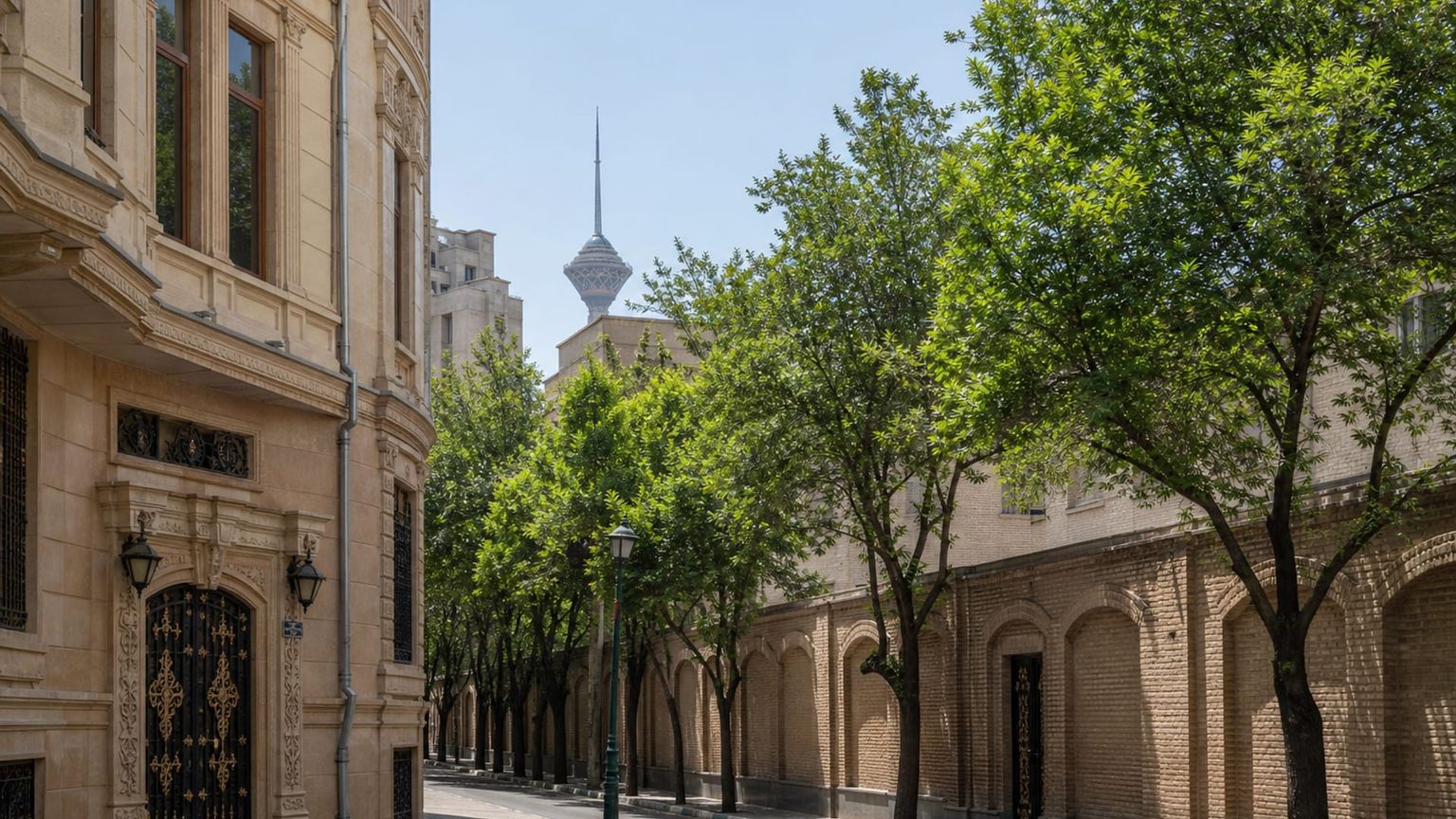
Start at the National Museum of Iran in the morning, where the galleries sit about 15 minutes by transit from Enghelab and about 20 minutes by car from Vali Asr and Vanak. Spend 1 to 2 hours with the prehistoric and Islamic-era collections, then continue to Golestan Palace, about 10 to 15 minutes away by taxi or roughly 20 minutes by transit. Go early on weekdays, and leave time for the mirror hall, the Marble Throne Hall, and the courtyard gardens before heading back for an early dinner near your hotel.
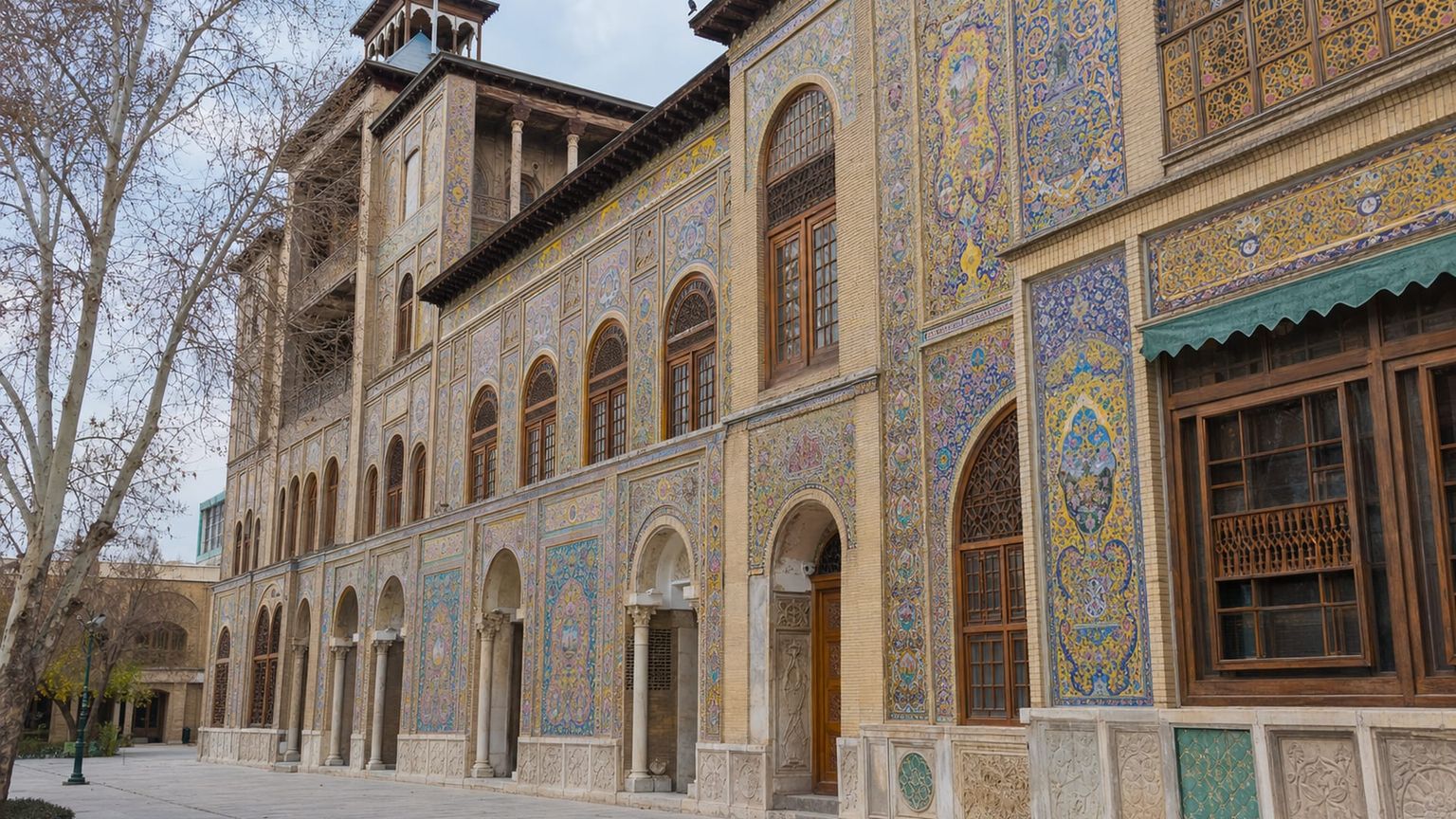
Begin with Azadi Tower in west Tehran, about 30 to 45 minutes by car from central hotels in Vali Asr and Vanak, with a little more time during heavy traffic. After about an hour at the tower and plaza, head north to Darband, usually a 35 to 50 minute drive from the center, then walk the streamside path, stop for tea, and stay for an early mountain dinner before returning to the city. The change from the broad plaza to the narrow lanes gives this day a clear contrast in scale and setting.
Tajrish works well for a northern day, so start there with the bazaar and nearby streets, then continue deeper into Shemiran for a slower neighborhood lunch. From central Tehran, expect about 30 to 45 minutes by car to reach Tajrish, and once you are in the area you can move short distances on foot or by short taxi rides. If you want a longer outing, add Darband in the late afternoon from Tajrish, which keeps the day in one part of the city and limits cross-town backtracking.
For the final morning, return to the National Museum of Iran if you want one last museum stop, then move to Vali Asr and Vanak for shopping or a coffee break before departure. The museum sits about 15 to 25 minutes from most central-north hotels, and Vali Asr gives you easy access to malls, bookstores, and cafes without a long transfer. Finish with a slow lunch in Mirdamad and Vanak or a final espresso near your hotel, then head to Tehran (THR) with time for traffic on the way to the airport.
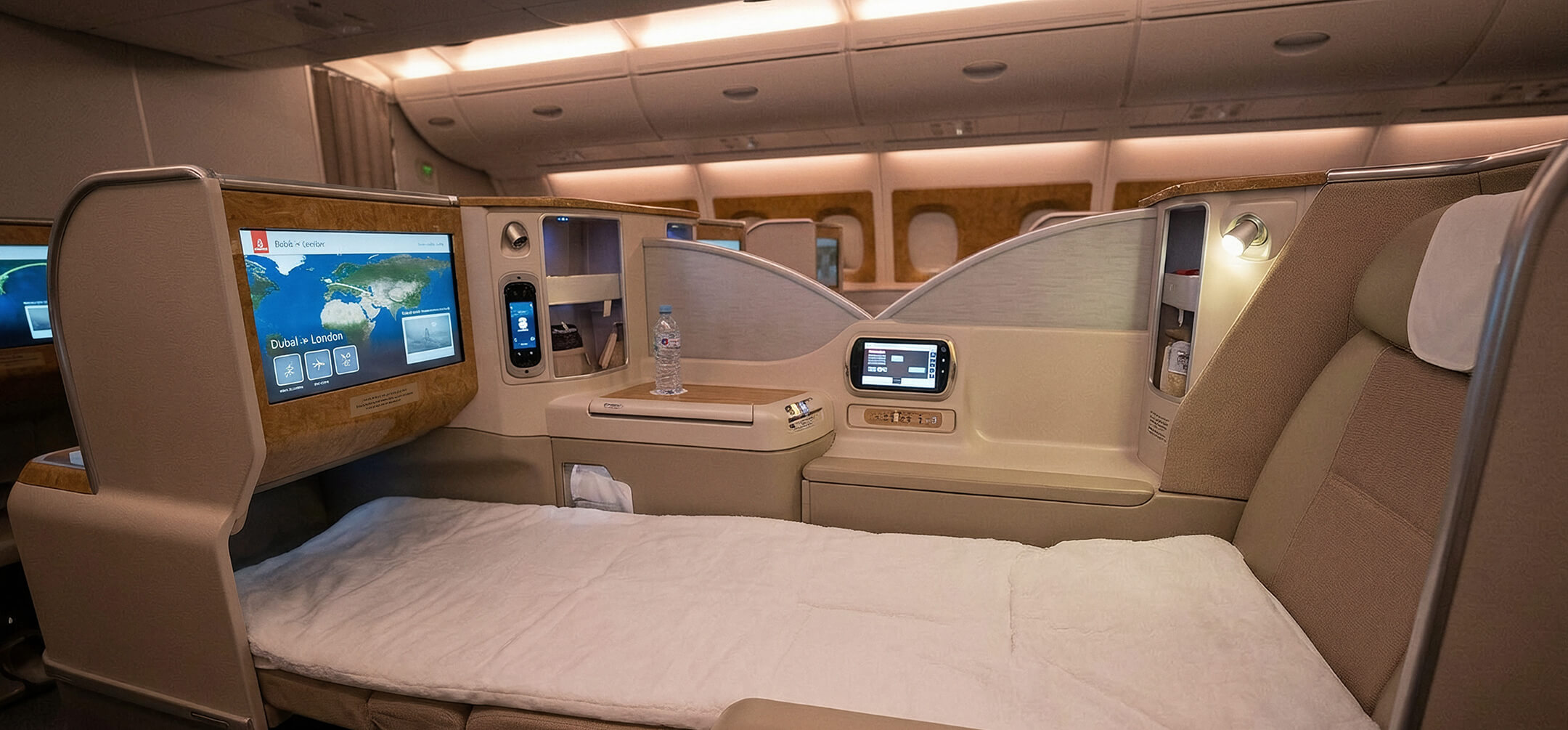
Business-class flights from the US to Tehran
Flights to Tehran often route through major hubs, so the useful comparison is usually duration, stop count, and fare rather than nonstop access. The two examples below show how East Coast and West Coast departures typically line up.
From New York, Qatar Airways, Turkish Airlines, Emirates, Lufthansa, and Air France commonly appear on itineraries to Tehran, and round-trip fares usually start at $3,200 and can reach $6,500. Typical connections run through Doha (DOH), Istanbul (IST), Dubai (DXB), Frankfurt (FRA), or Paris (CDG), with total travel time often landing in the 13 to 19 hour range.
Los Angeles travelers usually see Qatar Airways, Emirates, Turkish Airlines, Lufthansa, and Air France on these trips, and round-trip fares in this market generally run $3,400 to $6,800. Expect 16 to 22 hours of travel with a connection, most often through Doha (DOH), Dubai (DXB), Istanbul (IST), Frankfurt (FRA), or Paris (CDG).
Tehran feels different when you slow down
A well-paced Tehran trip uses the city the way locals move through it, with one day in Enghelab for the National Museum, another in central Tehran for Golestan Palace, and a northern stretch for Tajrish or Darband when the air cools. Metro rides, taxis, and ride-hailing apps do the job if you match them to each district. If you want help shaping that route, talk with the AranGrant experts and build it around the neighborhood that fits your time in Tehran