

Chapters:

Need help with your trip?
Our support team is available 24/7. Request a callback or call us directly at (833) 619-0908
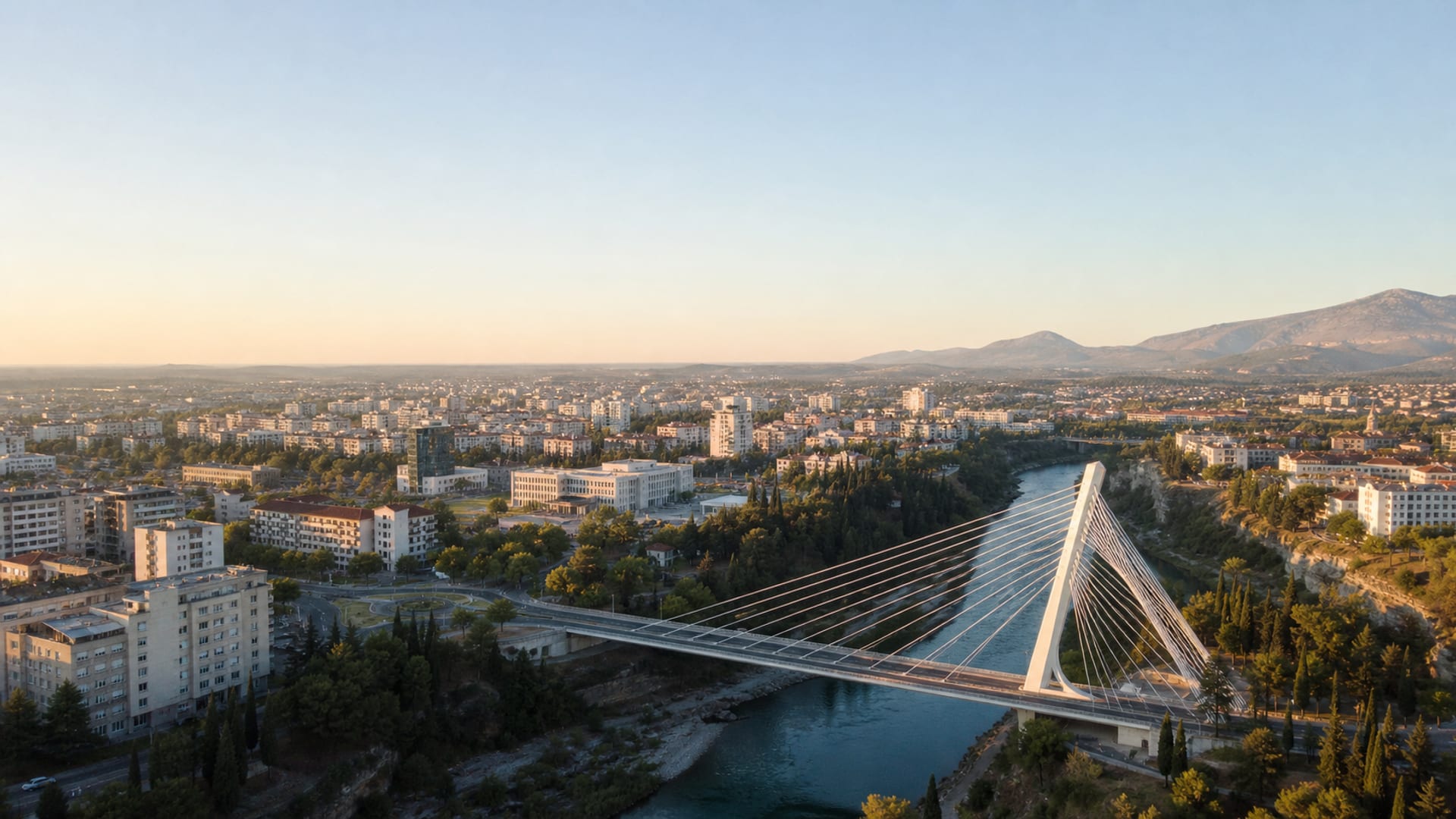
Podgorica is a small capital, but its main sights are spread across very different parts of the city. Stara Varoš preserves Ottoman-era streets and the Clock Tower, while the newer center is filled with cafés, broad avenues, and government buildings. The Morača and Ribnica rivers cut through the city, and Gorica Hill gives you an easy break from the urban center. Just outside Podgorica, the ruins of Doclea show how far back the area’s history goes. The city itself does not demand a packed schedule, which is part of its appeal.
With five days, you can divide your time between the historic quarter, museums, riverside walks, local restaurants, and a few nearby places without rushing from one stop to the next.
Useful things to know

Main language(s): Montenegrin
Zdravo (ZDRAH-voh) – Hello
Molim (MOH-leem) – Please
Hvala (HVAH-lah) – Thank you
Govorite li engleski? (goh-VOH-ree-teh lee ENG-lehs-kee?) – Do you speak English?
Koliko košta? (KOH-lee-koh KOH-shtah?) – How much does it cost?

Currency: Euro (EUR, €)

Cash and cards: Cards are accepted in most hotels, restaurants, bars, and shops. Keep some cash for taxis, bakeries, markets, and smaller cafés.

Tipping: Tipping is optional. Round up in cafés and taxis, or leave 5%–10% in restaurants when the service is good.

Traditional food: Njeguški pršut, kačamak, cicvara, and jagnjetina ispod sača are among Montenegro’s best-known traditional foods.

Water and coffee costs: Small bottled water costs €1.90 ($2.20) in restaurants; espresso usually costs €1.40–€1.60 ($1.60–$1.85).

Taxis and ride apps: TeslaGoApp is available in Podgorica; Halo, PG, City, Red, and other local taxi companies also take phone bookings.

Plug and voltage: Type C and F plugs, 230V, 50Hz

Dining and shop opening hours: Restaurant hours vary, with many staying open into late evening. Most retail shops close Sundays by law, with exceptions for bakeries, pharmacies, markets, and gas stations.

Emergency number: Dial 112 for police, fire, ambulance, and other emergencies.
Where to stay in Podgorica
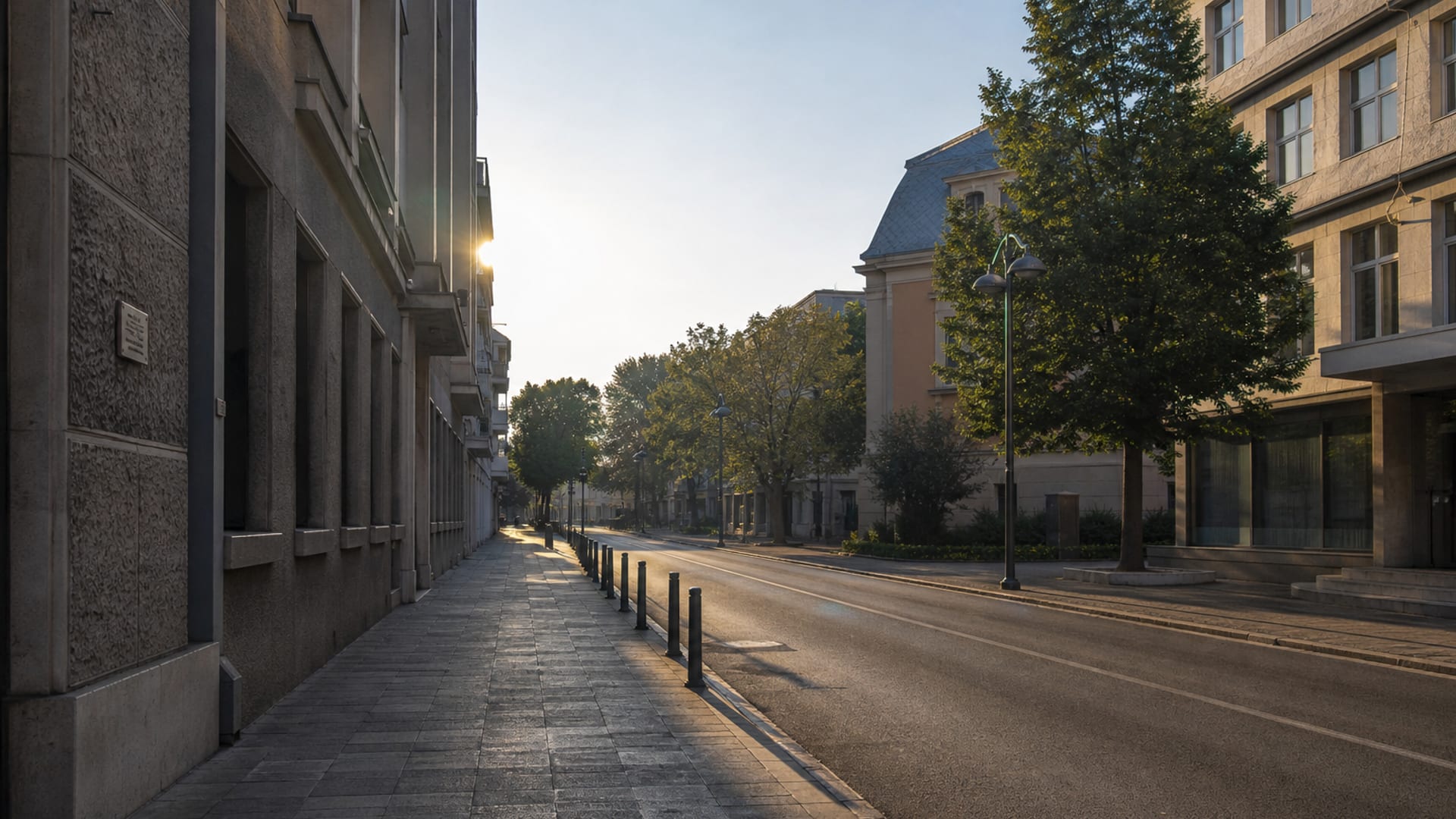
Around Independence Square and the pedestrian streets, the city center is Podgorica’s most urban part, with cafés, shops, government buildings, parks, and museums close together. The Morača and Ribnica are both within walking distance, and evenings stay lively around the main squares.
Best for: First-time stays, dining, and walking access to central sights
What to expect: Busy by day with office traffic, cafe tables, and steady foot movement; evenings stay active near restaurants but quiet on smaller side streets.
Hotel prices: Usually about €70 to €140 (~$77 to ~$154) per night for well-rated stays
Distance to major sights: 5 to 15 minutes on foot to Trg Nezavisnosti and the city center; about 10 minutes by transit to the Millennium Bridge
Quietness: Lively in the afternoon, then calmer on residential side streets after about 10:00 pm
Main trade-off: The most convenient addresses can sit on busier streets, where parking is tighter and late-evening noise carries farther.
Good to know: Check parking arrangements before arrival if you plan to rent a car.
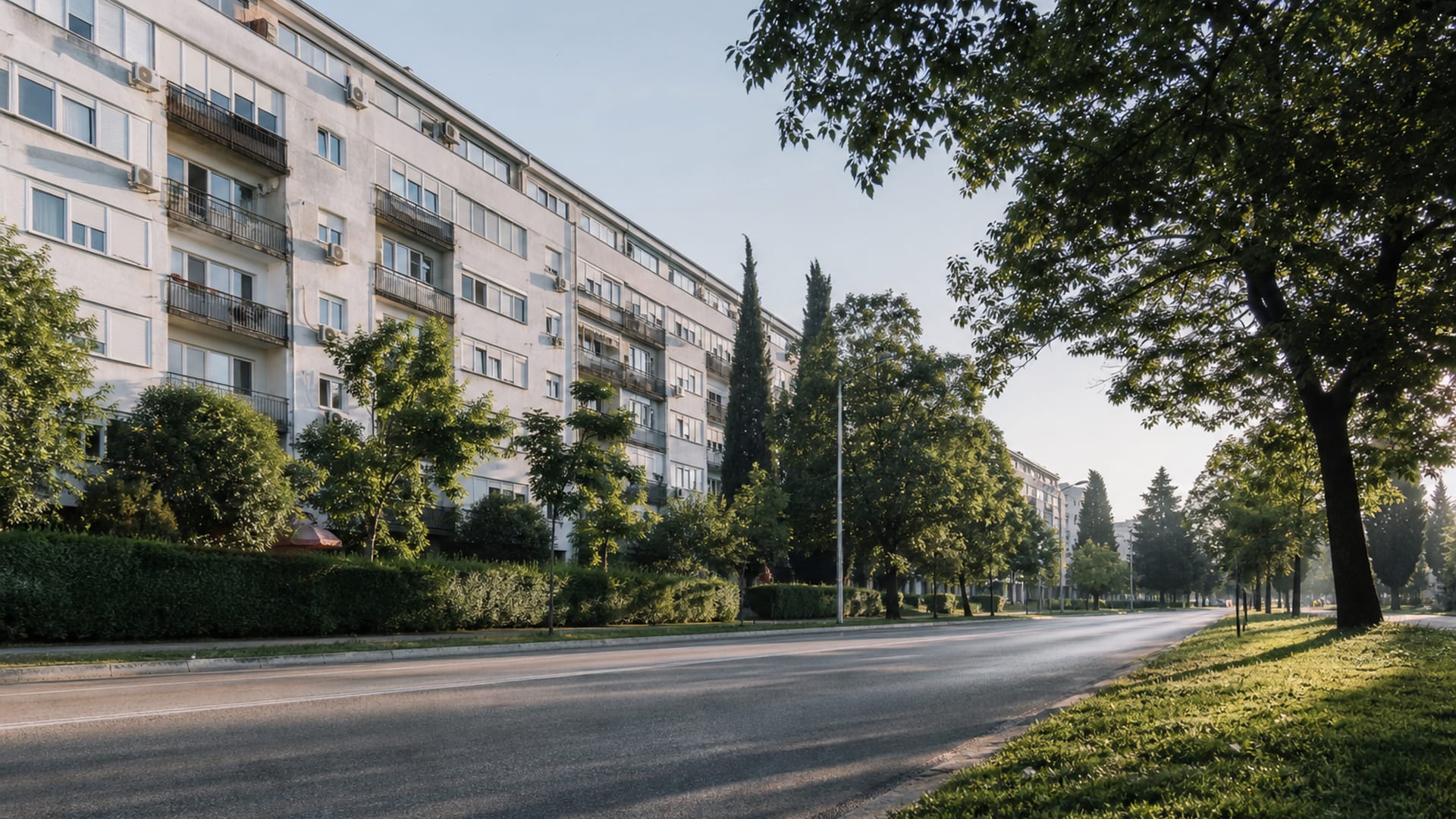
Preko Morače lies west of the Morača River, directly across from the center. Broad boulevards, apartment blocks, cafés, offices, and local shops shape the area, while several bridges keep downtown easy to reach. It feels more residential than the center without placing you far from the main sights.
Best for: Business trips, apartment-style stays, and travelers who want parking access
What to expect: Broad avenues, office traffic, and local foot traffic around shops and cafes, with a more residential feel once you leave the main roads.
Hotel prices: Usually about €60 to €120 (~$66 to ~$132) per night for well-rated stays
Distance to major sights: 10 to 20 minutes on foot to the city center; about 5 minutes by transit to the Millennium Bridge
Quietness: Moderately busy during the day, then noticeably quieter at night away from the main boulevards
Main trade-off: You gain easier access by car, but the walk to the old center takes longer than in the core.
Good to know: A hotel near a Morača crossing makes walking into the center considerably easier.
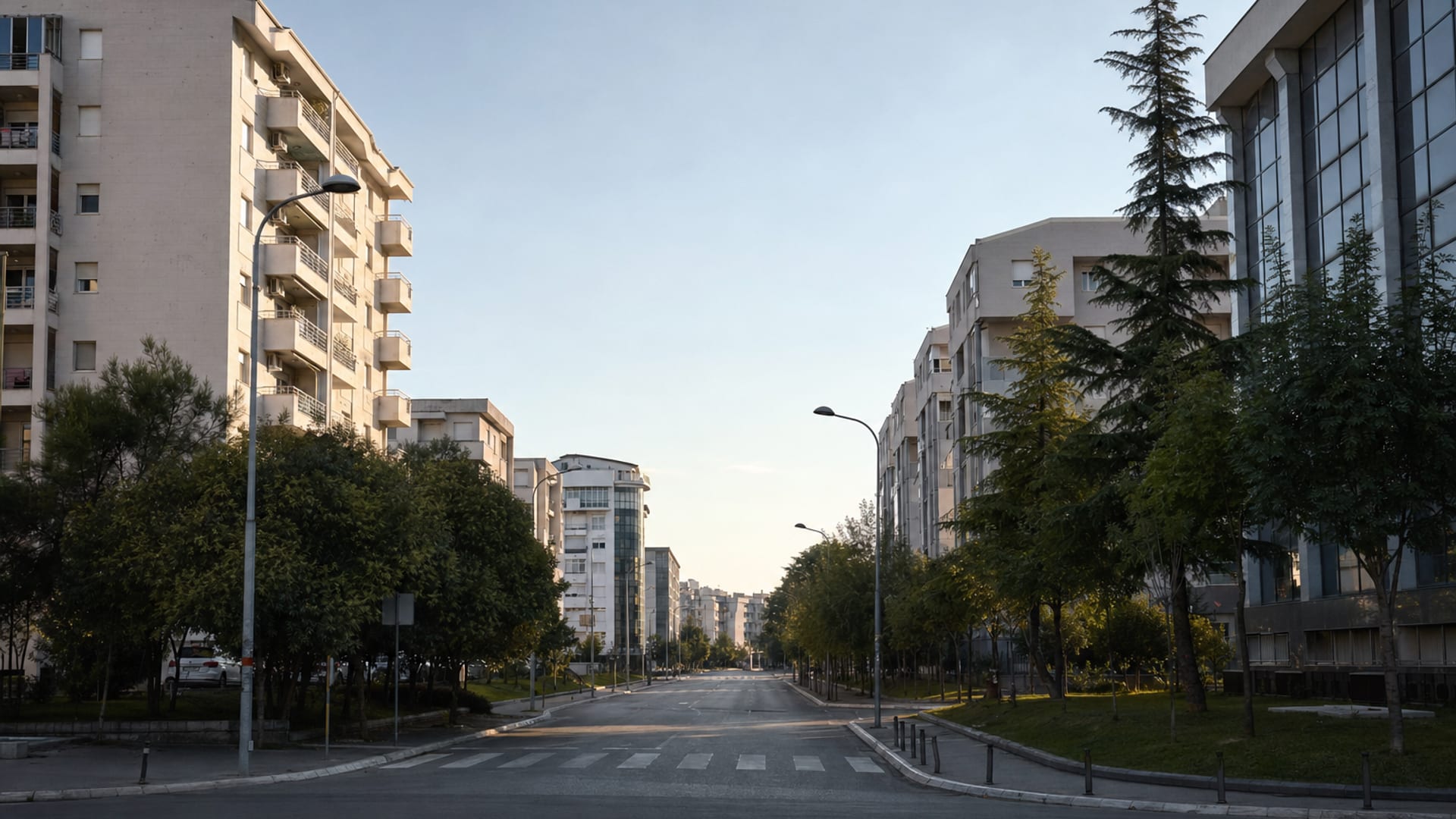
Southwest of the center, City Kvart is a newer part of Podgorica built around modern apartment blocks, restaurants, cafés, offices, and shopping centers. Wide streets and newer buildings give it a different look from the historic districts, while the airport road is easier to reach from here.
Best for: Road travelers, short business stays, and airport-linked overnights
What to expect: More traffic than atmosphere, with broad roads, larger hotel blocks, and fewer places to linger outside the main commercial strips.
Hotel prices: Usually about €55 to €110 (~$61 to ~$121) per night for well-rated stays
Distance to major sights: 15 to 25 minutes on foot to Trg Nezavisnosti; about 10 minutes by transit to the city center
Quietness: Busy in daylight from traffic and business activity, then quieter after office hours except near major roads
Main trade-off: The area is convenient for getting in and out of town, but you will usually need transit or taxis for most evening plans.
Good to know: This is one of the easier areas to park in if you plan to drive beyond Podgorica.
Stara Varoš spreads south of the Ribnica River and contains Podgorica’s clearest Ottoman-era streetscape. The Clock Tower, mosques, stone houses, narrow lanes, and small neighborhood cafés give the area a visibly older character, while the city center is only a short walk across the river.
Best for: History-focused stays, photography, and travelers who want an older neighborhood feel
What to expect: Smaller streets, local cafes, and modest pedestrian traffic, with a quieter pace than the commercial center nearby.
Hotel prices: Usually about €50 to €95 (~$55 to ~$104) per night for well-rated stays
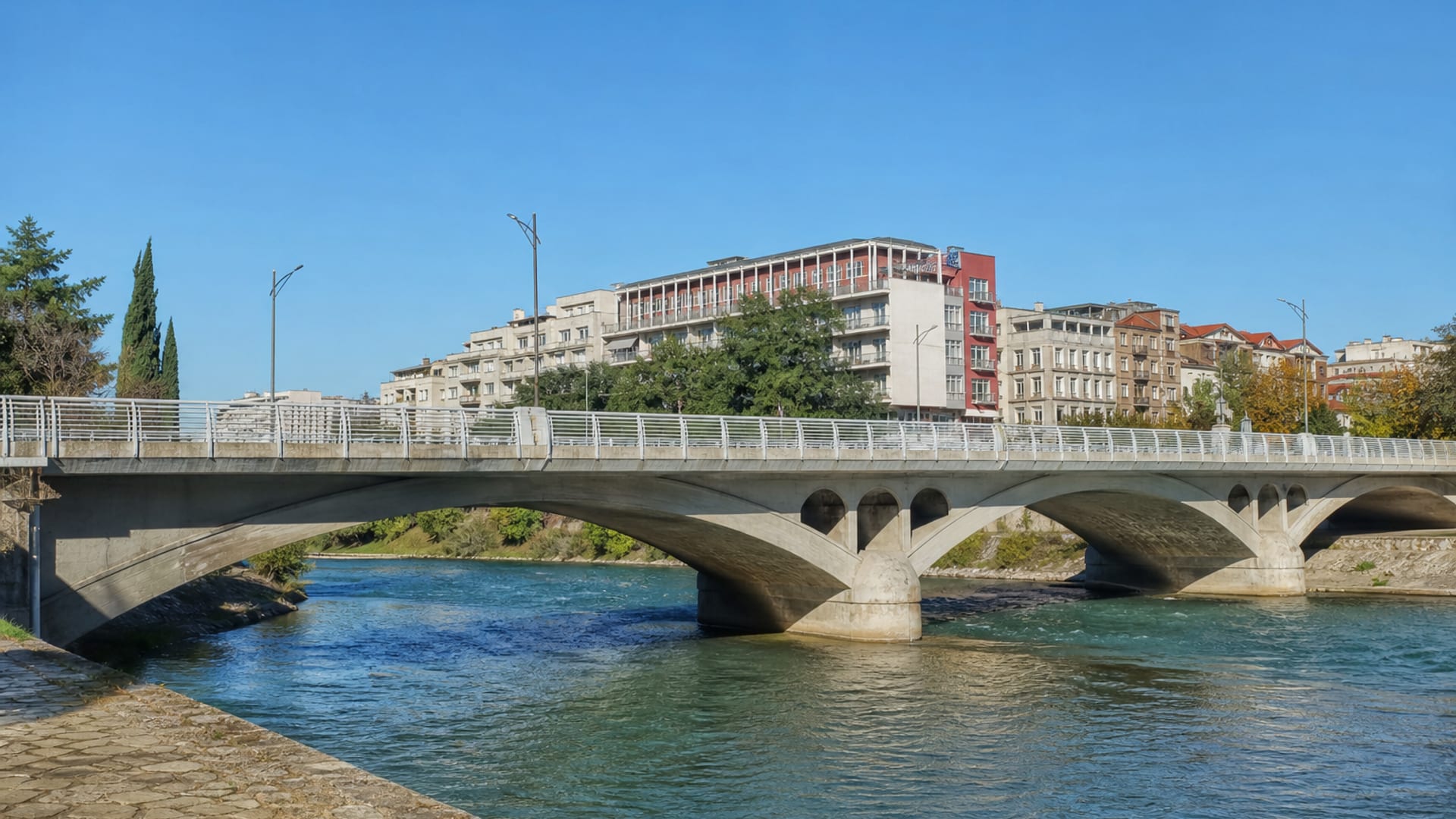
Distance to major sights: 5 to 15 minutes on foot to the city center; about 10 minutes by transit to the Old Ribnica River Bridge
Quietness: Calm in the morning and evening, with brief daytime movement around mosques and neighborhood cafes
Main trade-off: Accommodation choices are fewer than in the center, so the best rooms can book early and facilities may be more modest.
Good to know: Check vehicle access before arrival, since some older streets are narrow.
If you want to spend most evenings on foot, avoid staying too far south along the airport road or deep in outer residential districts. City Kvart, Preko Morače, and the center give you better access to restaurants, cafés, and the main sights.
Hotel deals
How to get around Podgorica efficiently
Podgorica is easy to cover by bus or taxi. A rental car becomes useful when your plans include rides to the airport or places beyond the city.

City bus
for inexpensive daytime trips
City buses cover the center and outer neighborhoods. A single ticket costs €0.90 ($1.05) and lasts 90 minutes; a day ticket is €3 ($3.50). Buy single or day tickets from the driver, and use ePodgorica or Klik Bus to check routes and live arrivals.

Taxi
for direct trips and late hours
Licensed taxis use meters. City tariffs allow a €0.50–€1 ($0.60–$1.15) start and €0.50–€1 per km ($0.60–$1.15 per 0.62 miles), so short rides are inexpensive. Book through TeslaGoApp or call Halo, PG, City, or Red Taxi; at TGD, the airport lists Zeta Taxi and Vuk BG Taxi.

Rental cars
for day trips beyond Podgorica
Renting a car is convenient if you want to visit Lake Skadar, explore the wine country, or take longer day trips. Hertz currently lists compact cars from €41 ($48) per day at TGD. You can book one online; Sixt, Europcar, Enterprise, and other rental agencies also have airport desks.
*Prices are based on rates updated as of June 2026 and may change at the time of travel.
Use city buses for inexpensive daytime trips, taxis for direct or late rides, and a rental car when you plan to explore beyond Podgorica on day trips.
Iconic landmarks
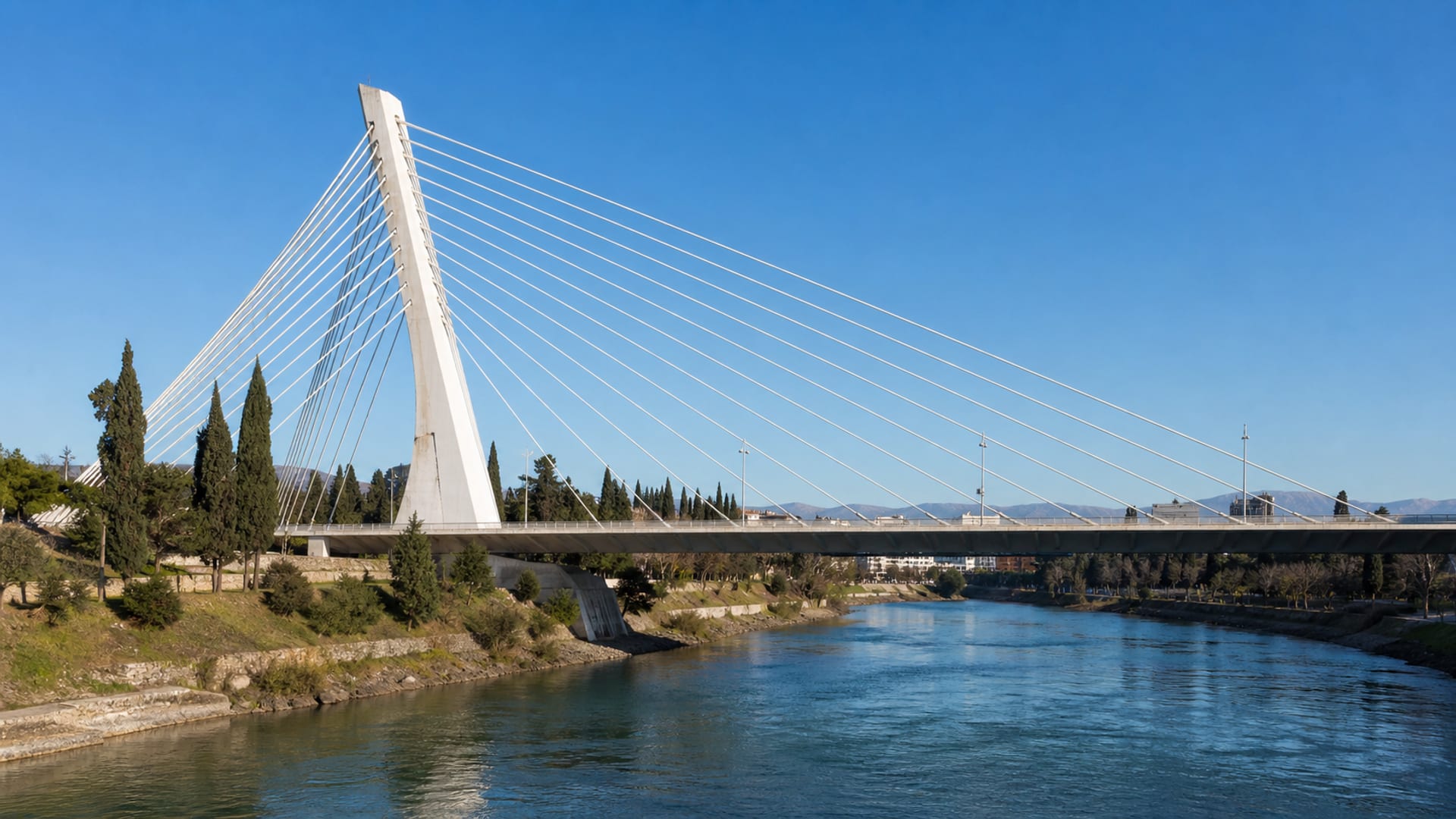
Millennium Bridge
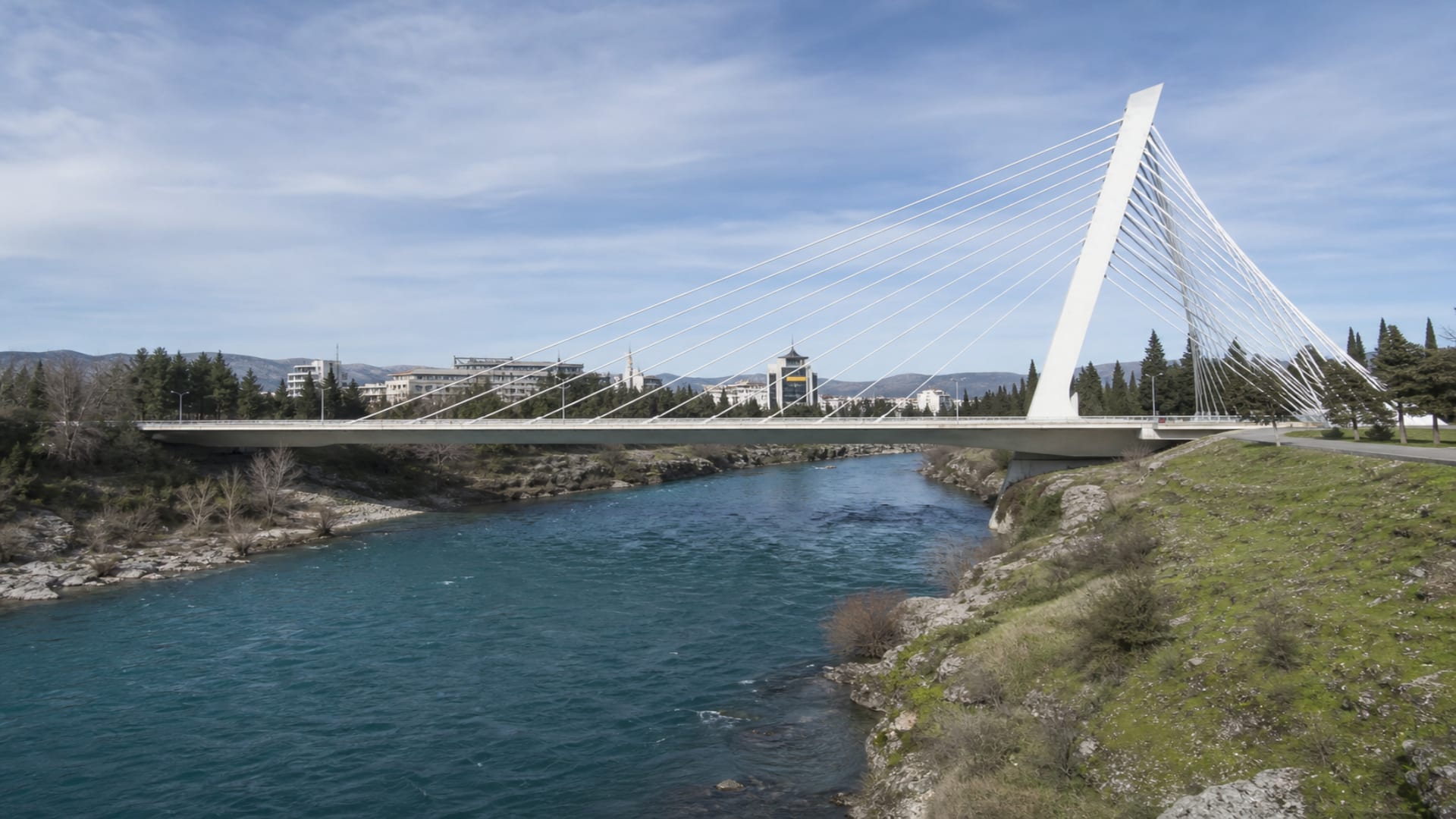
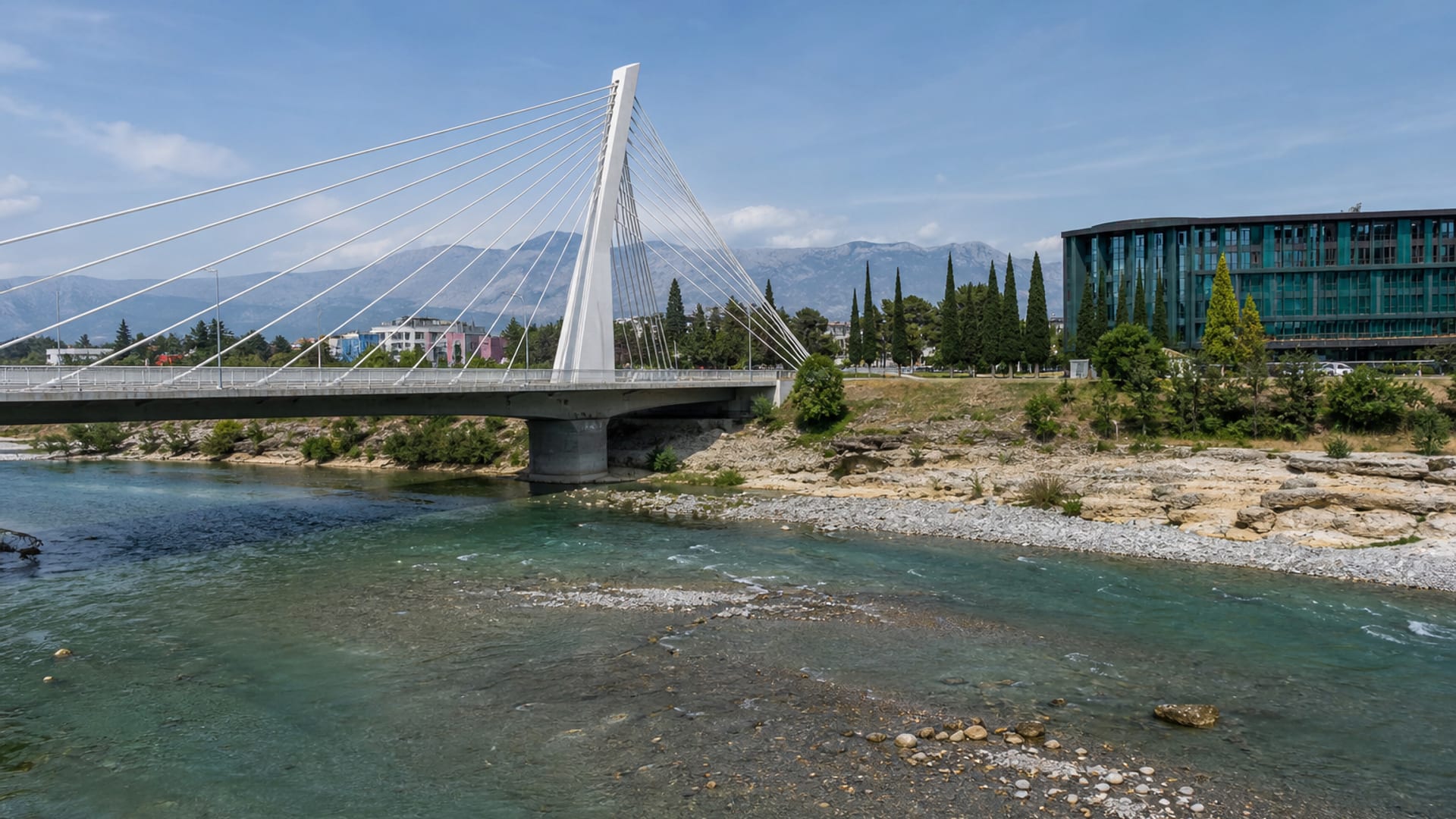
The Millennium Bridge crosses the Morača River with a 187-foot (57-meter) white pylon and cables, becoming one of Podgorica’s most recognizable modern silhouettes. Opened in 2005, it links the city center with Preko Morače and gives clear views along the river from both pedestrian sides.
Time needed: 20–30 minutes
Entry: Free. Visit the official site for details.
Tip: Cross from the center toward Preko Morače for the clearest view back along the river.
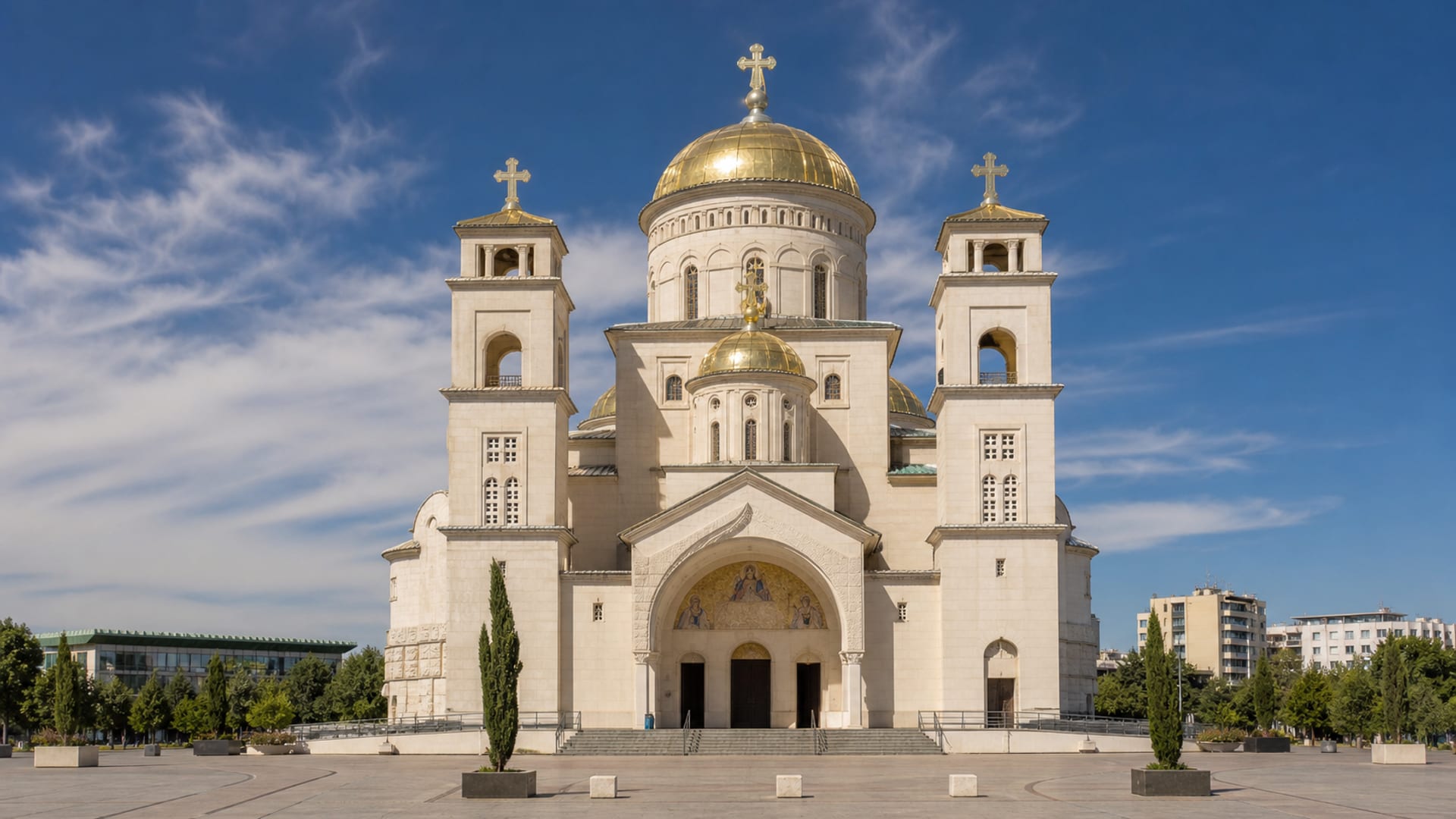
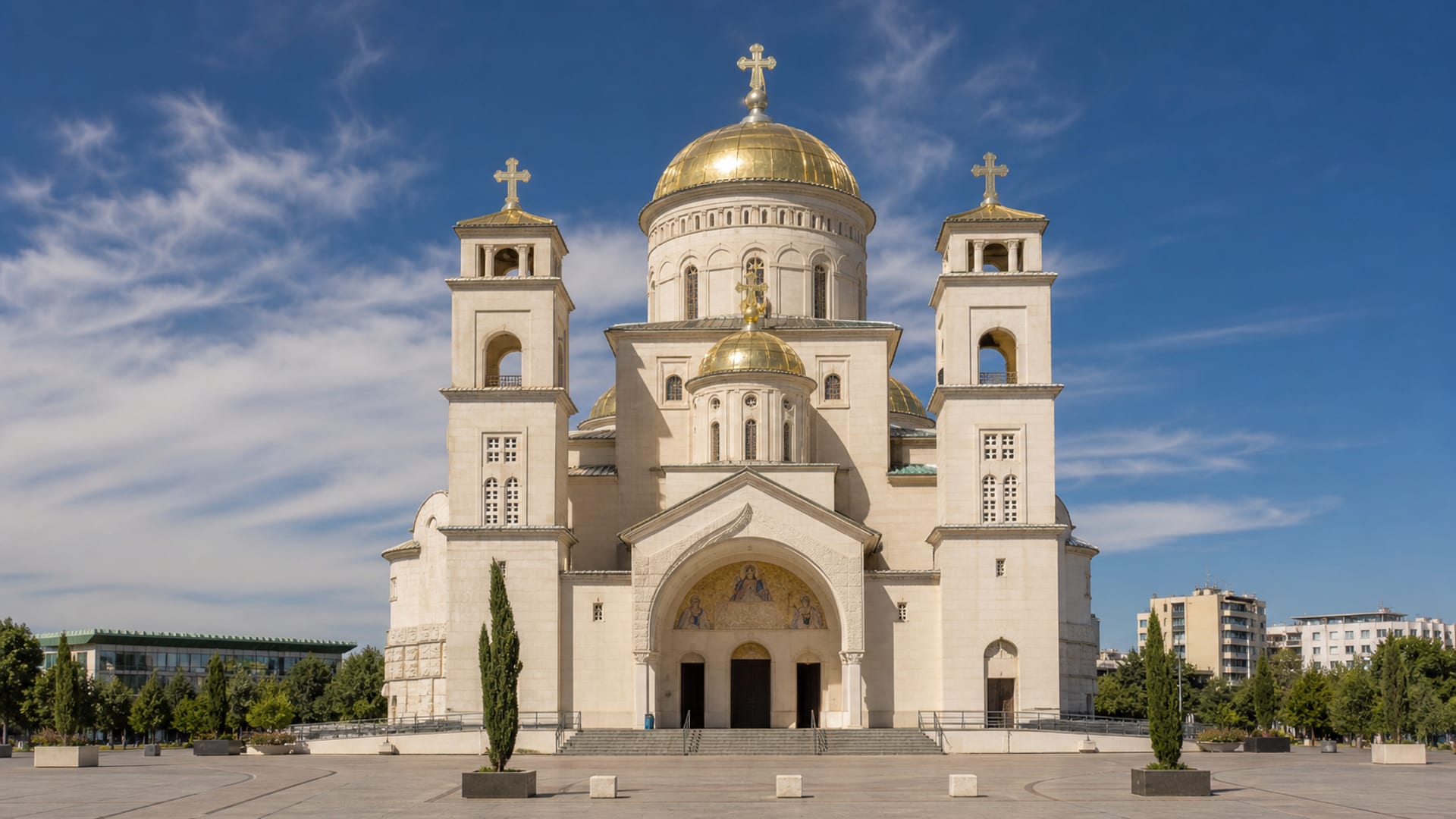
Cathedral of the Resurrection of Christ
The Cathedral of the Resurrection of Christ is one of Podgorica’s most imposing buildings, with two stone towers, 17 bells, gilded details, and walls covered in Orthodox frescoes. Construction began in 1993 and lasted 20 years, giving the city a major religious landmark from the modern era.
Time needed: 45–60 minutes
Entry: Free. Visit the official site for details.
Tip: Visit outside service times so you can see the frescoes without disturbing worshippers.
Clock Tower
The Clock Tower marks the heart of Stara Varoš and is one of the clearest reminders of Ottoman Podgorica. Built in the 18th century by Hadži Mehmed-paša Osmanagić, the stone tower rises above Bećir-beg Osmanagić Square, surrounded by narrow lanes, mosques, cafés, and older houses.
Time needed: 30–45 minutes
Entry: Exterior and square are free; no ticket required. Visit the official site for details.
Tip: Pair it with a walk through Stara Varoš and the nearby Ribnica riverfront.
Overlooked sites worth visiting

Sastavci and Stone Bridge
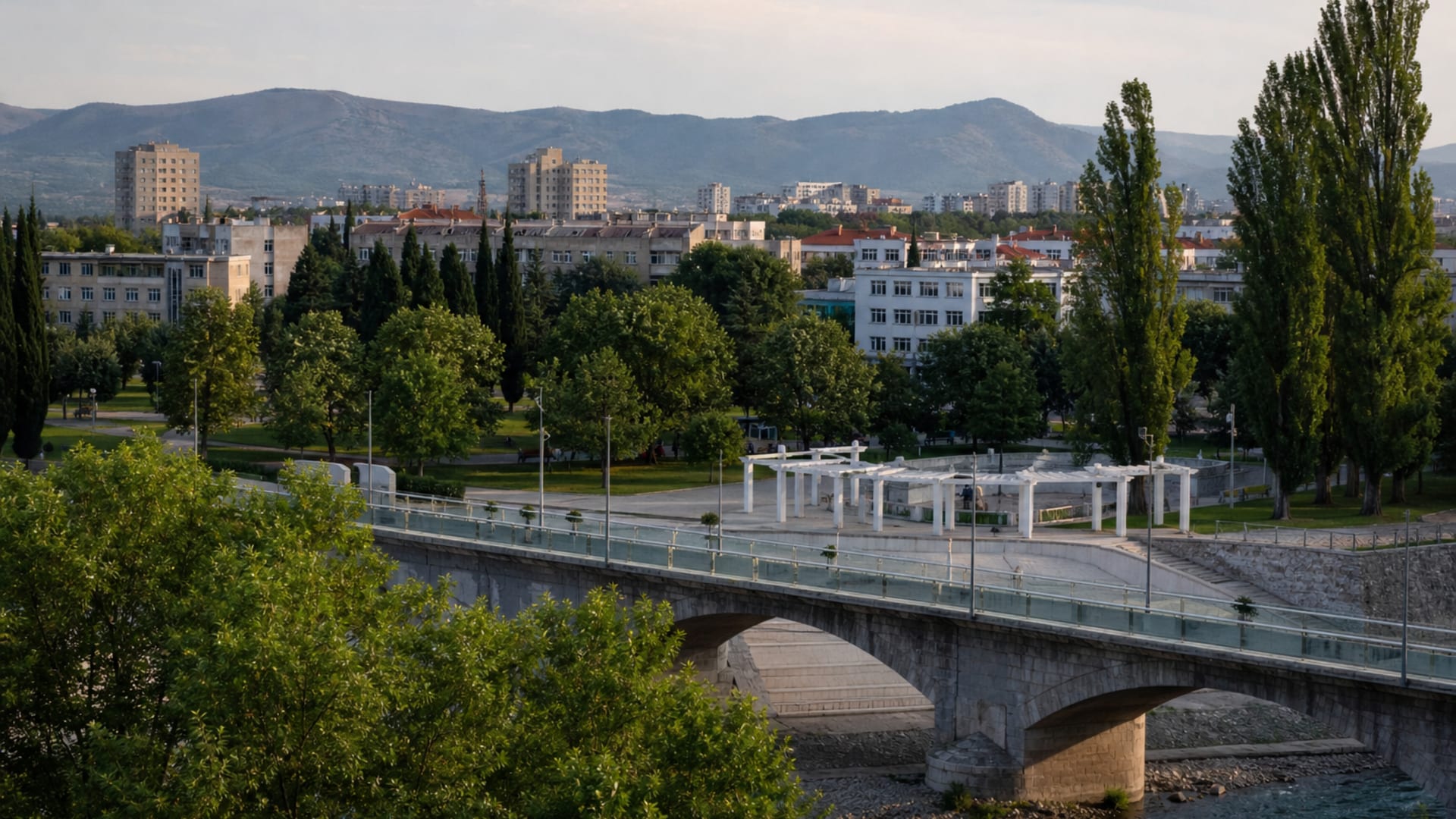
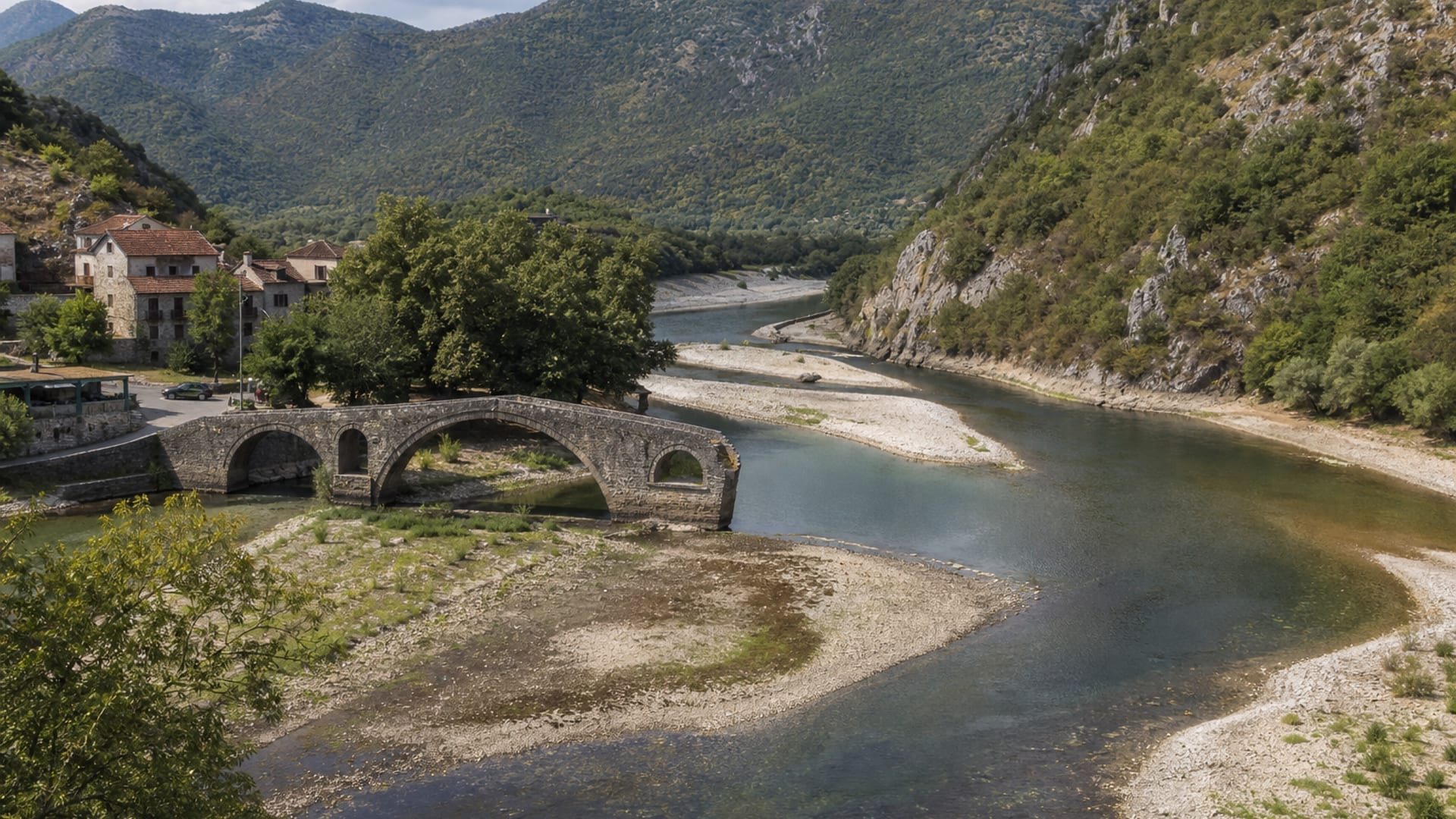
At the meeting point of the Ribnica and Morača rivers, Sastavci combines an old single-arch stone bridge with rocky riverbanks and one of the city’s quieter central walks.
Time needed: 30–45 minutes
Entry: Admission is free. Visit the official site for details.
Tip: Go near sunset, when the riverbanks and stone bridge catch softer light.

Petrović Palace
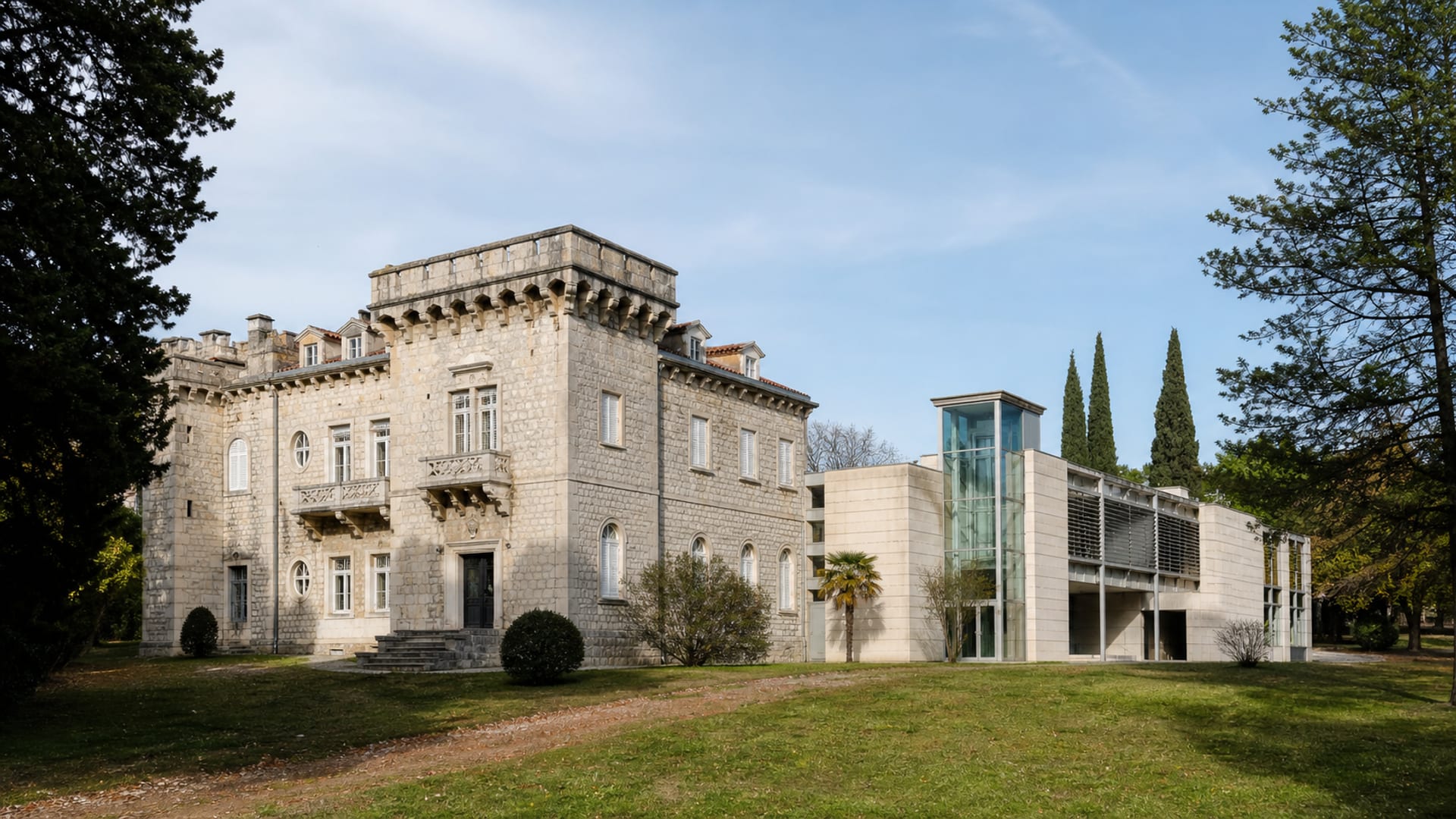
Petrović Palace was built in 1891 for Prince Mirko and now houses contemporary-art exhibitions inside Kruševac Park, alongside the former royal complex and botanical garden.
Time needed: 60–90 minutes
Entry: A ticket costs €5 ($5.80); entry on the first Wednesday of the month is free. Visit the official site for details.
Tip: Check the current exhibition before visiting, since the displays change regularly.
Traditional food
Podgorica’s food brings together mountain dishes, cured meats, cornmeal, dairy, and slow-roasted meat, with many traditional recipes still easy to find in local restaurants.
Njeguški pršut
Njeguški pršut is dry-cured pork, traditionally smoked and served thinly sliced with cheese, olives, or bread. Tekstura lists Njeguši prosciutto on its current menu, both on its own and as part of a larger local platter.
Kačamak
Kačamak is a dense, filling dish made with flour or cornmeal, potatoes, cheese, and kajmak, often served hot with sour milk. At Salaš 23, you can order a version made with flour, potatoes, kajmak, and cheese.
Cicvara
Cicvara is made by cooking cheese, cream, and flour into a thick, rich mixture usually served warm. Restoran Niagara, just outside central Podgorica, is known for traditional Montenegrin cooking and serves cicvara among its local specialties.
Jagnjetina ispod sača
Jagnjetina ispod sača is lamb slow-cooked with potatoes beneath a metal lid covered in hot coals, which keeps the meat tender and deeply roasted. Stara Kuća serves it as one of its traditional Montenegrin specialties.
Best time to visit Podgorica
Spring and fall are the most pleasant seasons for walking Podgorica; summer brings intense heat and winter is cooler, wetter, and quieter.
Best for: Long walks, riverside cafés, parks, and day trips before the summer heat
What you get: Days warm from roughly 60°F (16°C) in March to 77°F (25°C) in May, while rainfall eases and outdoor time becomes more comfortable.
Trade-offs: March and April can still bring frequent rain, especially on longer walking days.
Best for: Early sightseeing, long evenings, riverside stops, and outdoor dining in town
What you get: June is already hot, while July and August often reach 92°F–93°F (33°C–34°C); evenings become the most comfortable time to stay outside.
Trade-offs: Midday heat can be intense, so long walks are better shifted to morning or evening.
Best for: City walks, wine-country trips, outdoor cafés, and cooler sightseeing days
What you get: September stays warm near 81°F (27°C), October cools quickly, and November brings the year’s heaviest rainfall and shorter daylight.
Trade-offs: Rain becomes much more frequent by November, which can interrupt outdoor plans.
Best for: Museums, cafés, local restaurants, and shorter walks between central sights
What you get: Winter days are cool, with highs around 51°F–54°F (11°C–12°C); rain is common, while snow in the city itself is rare.
Trade-offs: Short daylight and wet weather make longer outdoor itineraries less appealing.
A realistic 5-day plan in Podgorica
Five days in Podgorica leave enough room for the historic quarter, museums, river walks, and nearby ruins without forcing them into one afternoon.
After landing at Podgorica Airport (TGD), arrange a taxi from the arrivals area and head into the city, 7.5 miles (12 km) away. After you check in, keep the first afternoon simple. Independence Square and the nearby pedestrian streets are easy places to get your bearings, stop for coffee, and find dinner without crossing the city. If you still have energy, walk toward the Ribnica before returning to the hotel for an early night.
Give the second day to two of Podgorica’s strongest cultural stops. The Cathedral of the Resurrection of Christ deserves time for its fresco-covered interior, and Petrović Palace offers a very different setting in Kruševac Park, where the former royal residence now hosts contemporary art exhibitions. Lunch fits easily between the two, and the park gives you somewhere to slow down before dinner in Preko Morače or the center.
Use the third day to follow Podgorica’s history from the Roman period to the Ottoman era. Doclea lies only 2.5 miles (4 km) from the center, with the remains of streets, basilicas, and public buildings spread across an open archaeological site. Back in town, spend the afternoon in Stara Varoš around the Clock Tower, mosques, and narrow lanes, then stay in the neighborhood for coffee or a traditional dinner instead of heading straight back downtown.
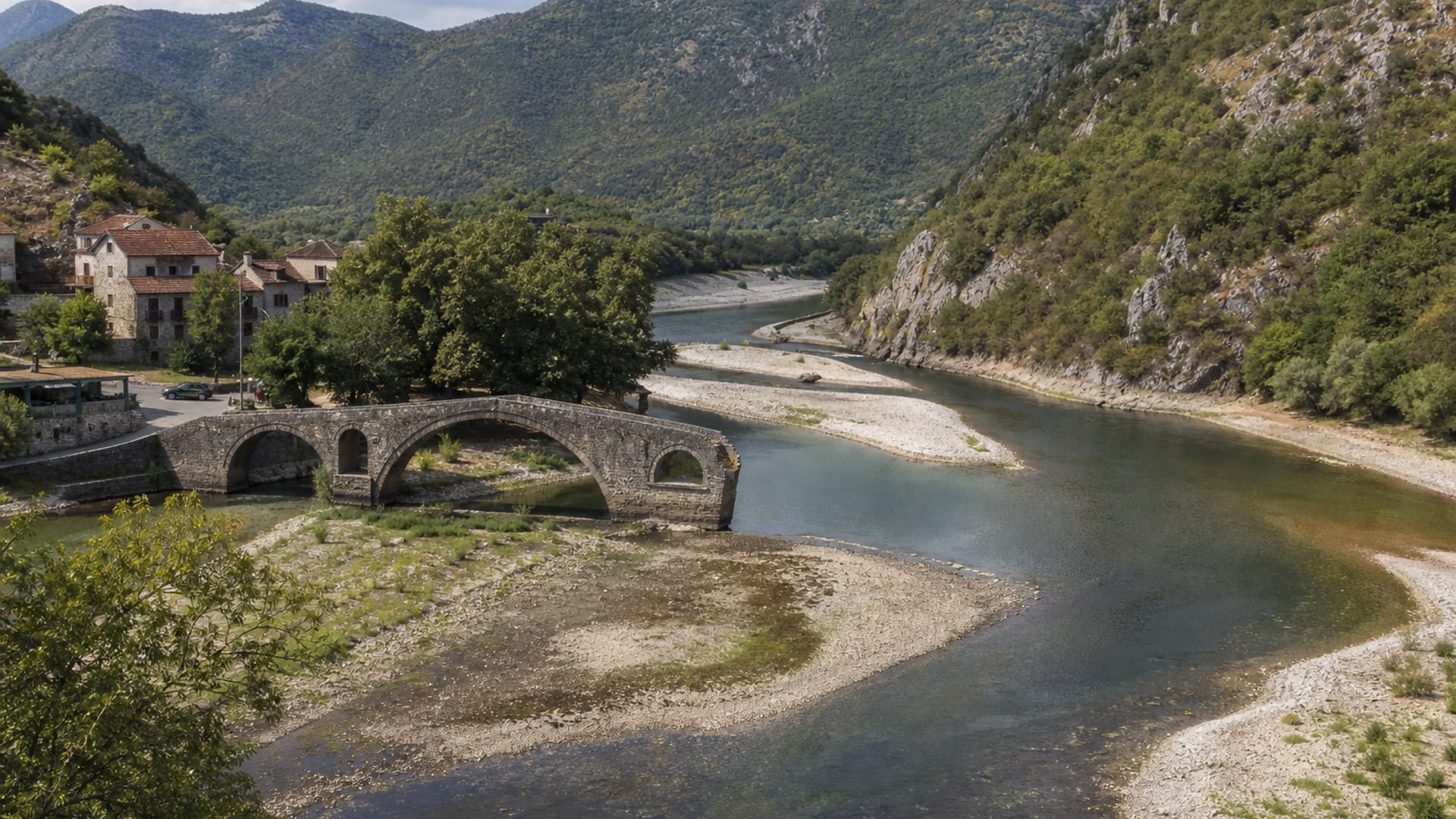
Keep the fourth day mostly on foot through central Podgorica. Independence Square and Ulica Slobode lead naturally toward the Ribnica, where Sastavci and the old Stone Bridge sit at the meeting point with the Morača. Continue along the river toward Millennium Bridge, then cross into Preko Morače for lunch or coffee. The distances are short enough that you can stop whenever a café, park, or river view catches your attention.
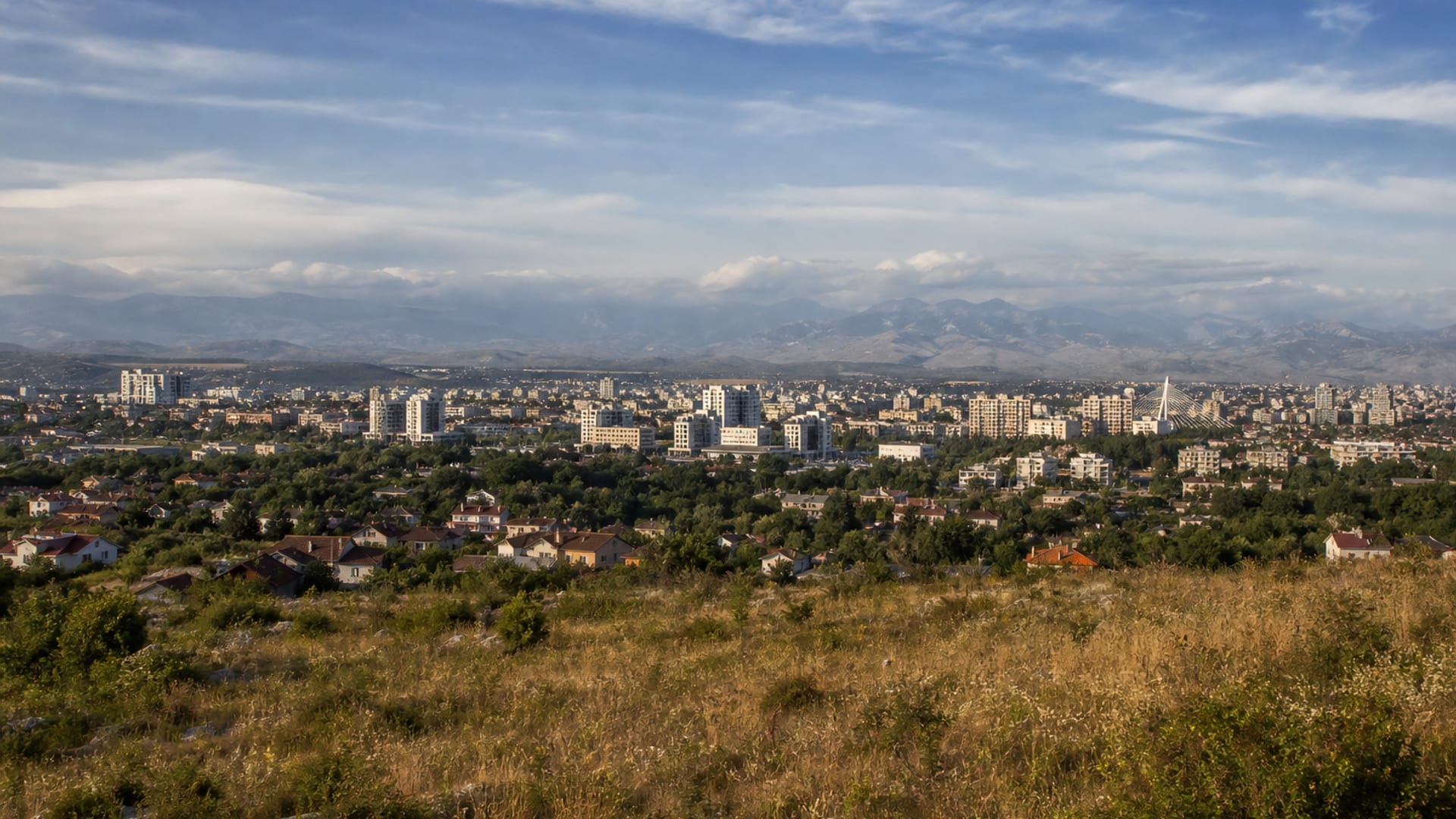
Leave the final morning for Gorica Hill, just north of the center. The paths climb through pine trees to viewpoints over the Morača and Millennium Bridge, while the Church of St. George at the foot of the hill adds one last historic stop before departure. An hour or two is enough for both, leaving time to return to the hotel, collect your bags, and arrange a taxi back to Podgorica Airport without rushing.
Business-class flights from the US to Podgorica
From both New York and Los Angeles, you can reach Podgorica with one stop in a major European hub such as Belgrade, Vienna, Warsaw, or Istanbul.
New York (JFK) to Podgorica (TGD)
Air Serbia offers connecting business-class flights from JFK to Podgorica with a layover in Belgrade (BEG). Austrian Airlines, LOT Polish Airlines, and Turkish Airlines provide alternative options through Vienna (VIE), Warsaw (WAW), and Istanbul (IST). The shortest trips take 10–11 hours; long layovers can stretch the journey to 15–18 hours. Round-trip business-class tickets usually range from $2,900 to $4,100, depending on the airline, layover, and travel dates.
Los Angeles (LAX) to Podgorica (TGD)
From LAX, Austrian Airlines offers connecting business-class flights with a stop in Vienna (VIE), while LOT flies through Warsaw (WAW) and Turkish Airlines via Istanbul (IST). The quickest journeys take roughly 14 hours, but total travel time can reach 17–20 hours when the layover is longer. Round-trip business-class tickets generally range from $3,750 to $5,500, with the final price depending largely on the airline and travel dates.
Turkish Airlines, Lufthansa, Austrian Airlines, Swiss International Air Lines, and Air France all show up often on trips from Los Angeles, and round-trip fares usually land between $2,700 and $5,600. Common layovers through Istanbul, Frankfurt, Munich, Vienna, Paris, or Zurich can trim the fare noticeably, with total journey times of about 14 to 19 hours.
Podgorica is easier to appreciate when the days stay varied
Podgorica does not need a packed itinerary. The city is more enjoyable when you separate its historic quarter, modern center, river walks, and nearby ruins instead of trying to cover everything at once. A clear plan also leaves room for cafés, parks, and slower meals without losing time to unnecessary backtracking. Once your dates are set, AranGrant can help you compare business-class flights to Podgorica and hotels that fit your budget and preferred part of the city.







