

Chapters:

Need help with your trip?
Our support team is available 24/7. Request a callback or call us directly at (833) 619-0908
Chengdu trips often begin with a temple, a snack stop, and a plan to fit in one more sight before dinner. The part many visitors miss is how much time the city can take once you add airport transfers, cross-town taxi rides, and long meal breaks.
That adds up fast in a city where the airport sits well outside the center and major sights spread across Jinjiang, Qingyang, and western Chengdu. If you stack too many stops into one day, you spend more time in traffic than in courtyards, tea houses, or museums.
This guide keeps the pace clear and local, with a day-by-day route that groups nearby sights, leaves room for meals, and uses the metro, taxis, and walking where each makes sense.
Useful things to know

Main language(s): Mandarin Chinese
你好 (nǐ hǎo) – Hello
请 (qǐng) – Please
谢谢 (xièxie) – Thank you
你会说英语吗? (nǐ huì shuō yīngyǔ ma?) – Do you speak English?
多少钱? (duōshao qián?) – How much does it cost?

Currency: The local currency is the Chinese yuan (CNY, ¥).

Cash and cards: Cards and contactless are widely accepted; keep about ¥100 to ¥200 ($14 to $28) in cash for small vendors.

Tipping: Tipping is uncommon; round up small bills or leave a little in higher-end restaurants if you want.

Traditional food: Mapo tofu, Chengdu hot pot, dan dan noodles, Zhong dumplings

Water and coffee costs: Water about ¥3 to ¥5 ($0.40 to $0.70), bar espresso about ¥20 to ¥35 ($2.75 to $4.80).

Taxis and ride apps: DiDi works here, and local apps are also common; confirm the pickup point before you request.

Plug and voltage: Type A/C/I socket, 220V

Dining and shop opening hours: Breakfast is about 07:00-09:00, lunch 12:00-13:30, and dinner 18:00-20:30. Some restaurants close between lunch and dinner.

Emergency number: 110 police, 119 fire and ambulance.
Where to stay in Chengdu
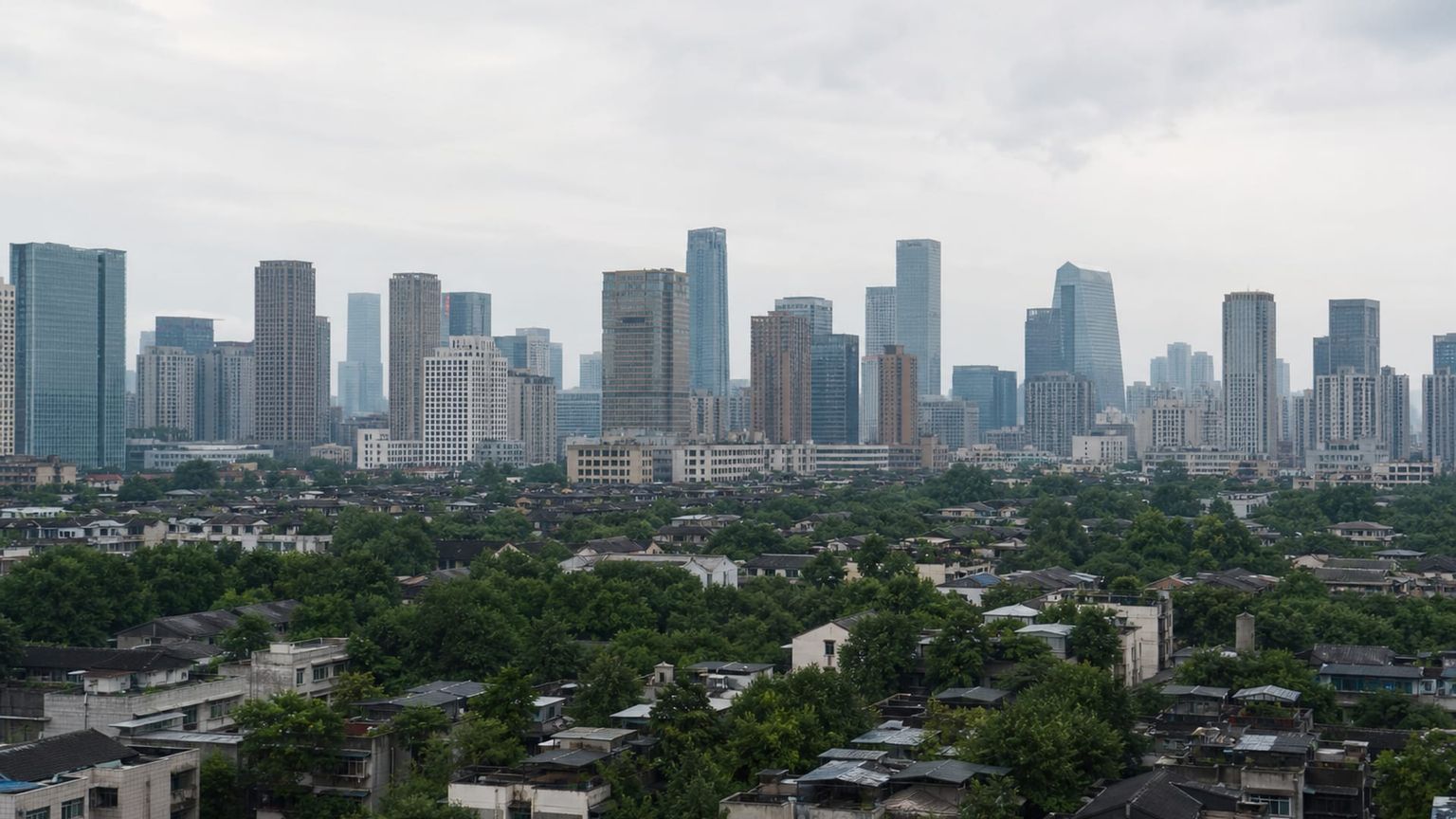
Chengdu’s central riverside core, Jinjiang puts major hotels, shopping streets, and office towers close to the city’s main sights. It works well if you want easy access to Tianfu Square, Chunxi Road, and evening dining without leaving the center.
Best for: First-time visits, shopping, dining, and easy access to the city center
What to expect: Busy sidewalks, frequent traffic, and a steady flow of shoppers, office workers, and diners from morning into late evening.
Hotel prices: Usually about $90 to $220 per night for well-rated stays
Distance to major sights: 10 to 20 minutes by taxi to Tianfu Square, about 15 to 25 minutes by taxi to Chunxi Road
Quietness: Quietest in the morning, then livelier through the afternoon and evening, with some late-night traffic on main roads.
Main trade-off: You pay more for central addresses, and the busiest blocks can feel noisy late at night.
Good to know: If you plan to use taxis often, staying near a metro station cuts time in traffic and makes cross-city trips easier.
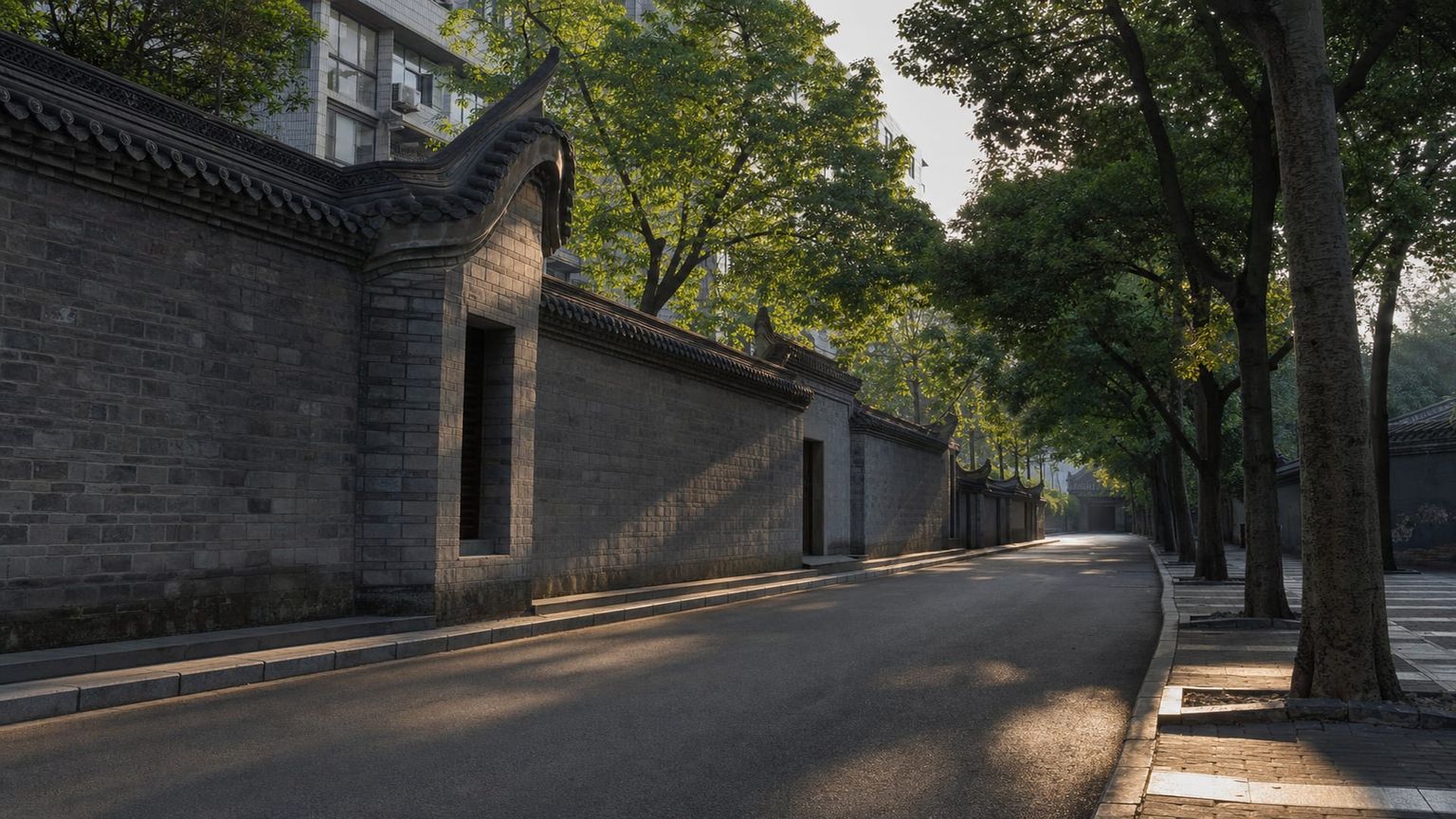
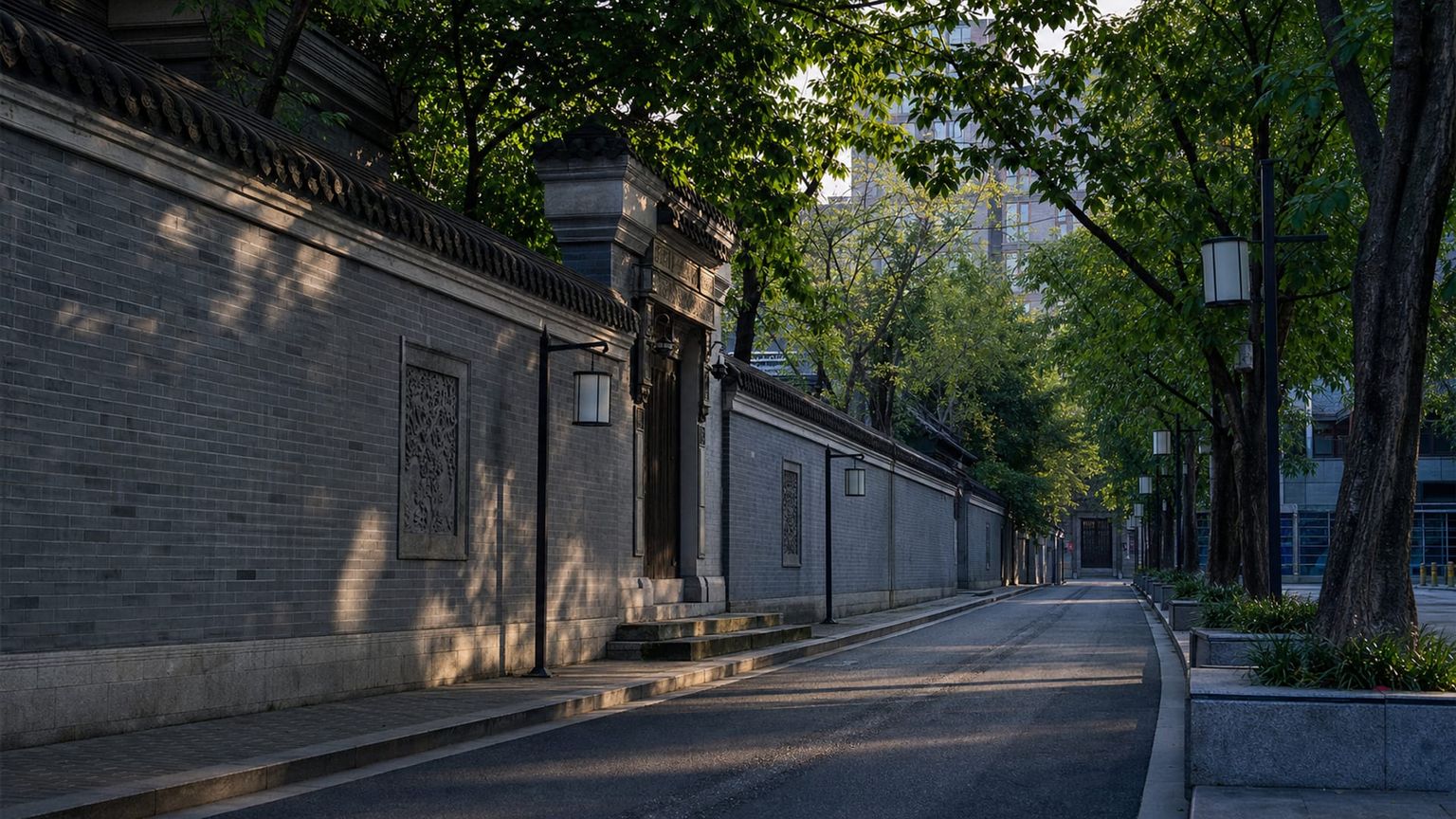
Qingyang covers much of Chengdu’s historic and civic center, including access to wide boulevards, parks, and several major museums. It suits travelers who want a central base with quick reaches to the Wuhou Shrine area and other core sights.
Best for: Sightseeing, museums, and travelers who want a central but less retail-heavy base
What to expect: Daytime brings office traffic and visitors to major attractions, while evenings are calmer except near popular dining streets.
Hotel prices: Usually about $80 to $190 per night for well-rated stays
Distance to major sights: 15 to 25 minutes by taxi to Wuhou Shrine, about 20 to 30 minutes by taxi to Tianfu Square
Quietness: Moderate during the day, quieter at night once restaurant traffic thins out.
Main trade-off: Some top sights sit a little farther apart, so you may still rely on taxis rather than walking between them.
Good to know: Choose a hotel with a nearby metro stop if you want to avoid relying on taxis during rush hour.
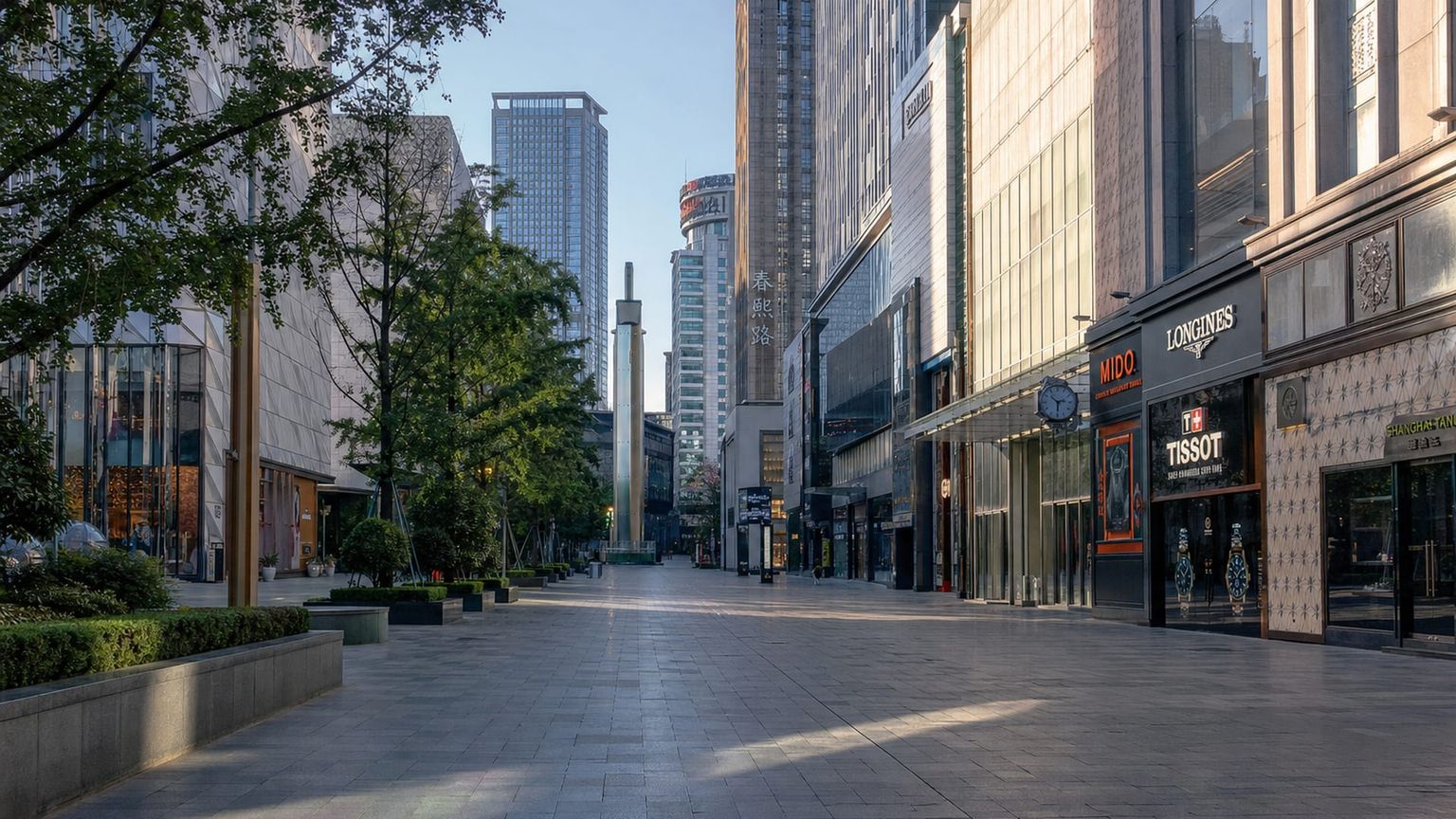
Chunxi Road is Chengdu’s best-known retail and dining district, packed with malls, flagship stores, snack streets, and late-opening restaurants. It makes sense if you want to step out of the hotel into one of the city’s busiest nighttime areas.
Best for: Nightlife, shopping, food-focused stays, and travelers who want a lively central base
What to expect: Heavy foot traffic, bright storefronts, and a constant stream of shoppers and restaurant queues, especially after dark.
Hotel prices: Usually about $100 to $240 per night for well-rated stays
Distance to major sights: About 10 minutes by taxi to Tianfu Square, roughly 15 minutes by taxi to People’s Park
Quietness: Loud and active from afternoon until late, then somewhat calmer after the main shopping rush ends.
Main trade-off: The area is among the most expensive in the city, and some hotel rooms face noise from traffic or nightlife.
Good to know: If you care about sleep, ask for a high-floor room away from the street before you book.

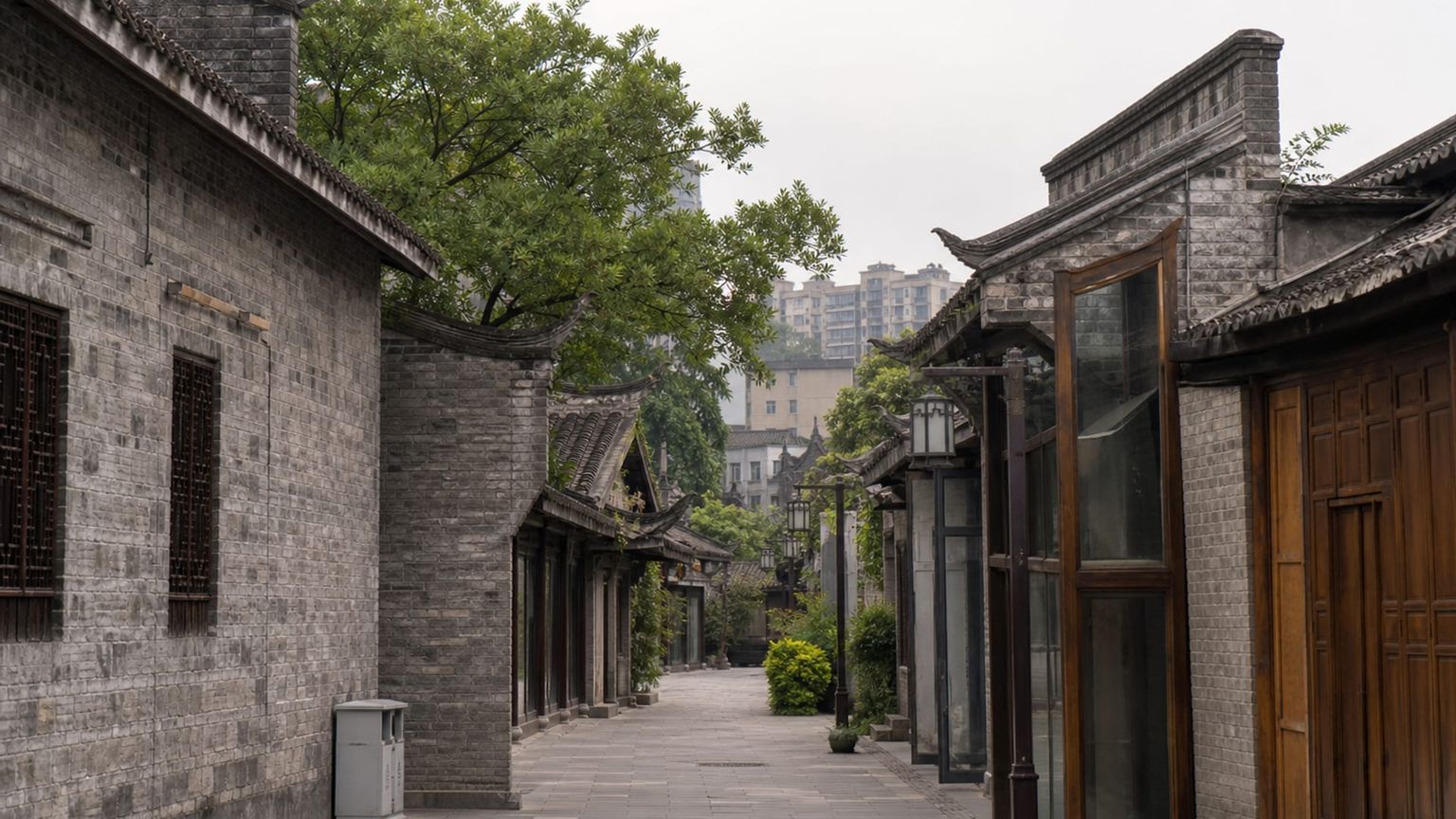
The Wenshu Monastery area centers on one of Chengdu’s best-known Buddhist complexes, with teahouses, guesthouses, and older neighborhood streets nearby. It works well for visitors who want a slower base within reach of the city center.
Best for: Temple visits, slower-paced stays, and travelers who prefer a quieter neighborhood feel
What to expect: Low-rise streets, temple visitors, tea houses, and a gentler pace than the main shopping districts, especially in the evening.
Hotel prices: Usually about $60 to $150 per night for well-rated stays
Distance to major sights: About 10 to 15 minutes by taxi to Tianfu Square, roughly 15 minutes on foot to Wenshu Monastery
Quietness: Milder in the day with visitor traffic near the temple, then noticeably quieter after dinner.
Main trade-off: You get a calmer setting, but fewer large hotels and less direct access to Chengdu’s main shopping streets.
Good to know: Dinner choices thin out later at night, so plan your evening meal before returning to the hotel.
Travelers usually avoid staying in Chengdu’s outer Longquanyi and Xinjin districts, because they sit far from the main sights in Jinjiang, Qingyang, and Wuhou, and evening rides back can take a long time. Tianfu New Area is also less convenient for a short visit, since many hotels there sit well south of the city center with fewer visitor-oriented amenities, and Pi County can be a poor base if you plan to spend most of your time near People’s Park, Kuanzhai Alley, and Wenshu Monastery.
Hotel deals
How to get around Chengdu efficiently
Chengdu’s metro reaches the main visitor districts, while taxis bridge the longer gaps between temples, museums, and the airport.

Metro
for longer distances
Chengdu has a large metro network, and the fastest airport link for TFU is the intercity rail connection from Chengdu East or the airport area, with most urban metro trips costing about $0.30 to $1.10 (¥2 to ¥8) and tickets valid for the single journey taken that day. Trains on the regular metro are frequent, signs are bilingual, and Line 18 gives a direct rail option toward the city center, while transfers make it easy to reach major districts such as Tianfu New Area and Chunxi Road.

Bus and tram
for convenience
City buses cover most neighborhoods, and fares are usually about $0.20 to $0.40 (¥1 to ¥3) on standard routes, with many services using contactless payment or exact change. TFU airport buses link the terminal with major downtown stops and late-night departures, and ride times can be about 60 to 90 minutes depending on traffic; tram lines are limited, so most visitors rely on buses for surface travel beyond the metro grid.

Taxi
for convenience or late hours
Licensed taxis in Chengdu use metered fares, not set fares, and a daytime airport ride from TFU to central Chengdu often costs about $20 to $35 (¥140 to ¥250), with higher totals late at night or in heavy traffic. Drivers queue at official taxi ranks, and you can usually pay by cash, WeChat Pay, Alipay, or a card linked to a local payment app; confirm that the meter starts, then expect about 30 to 60 minutes to central districts when roads are clear.
*Prices are based on rates updated as of June 2026 and may change at the time of travel.
Use the metro for central trips, taxis for cross-city hops and airport transfers, and buses when you want the lowest-cost backup for neighborhood travel.
Iconic landmarks
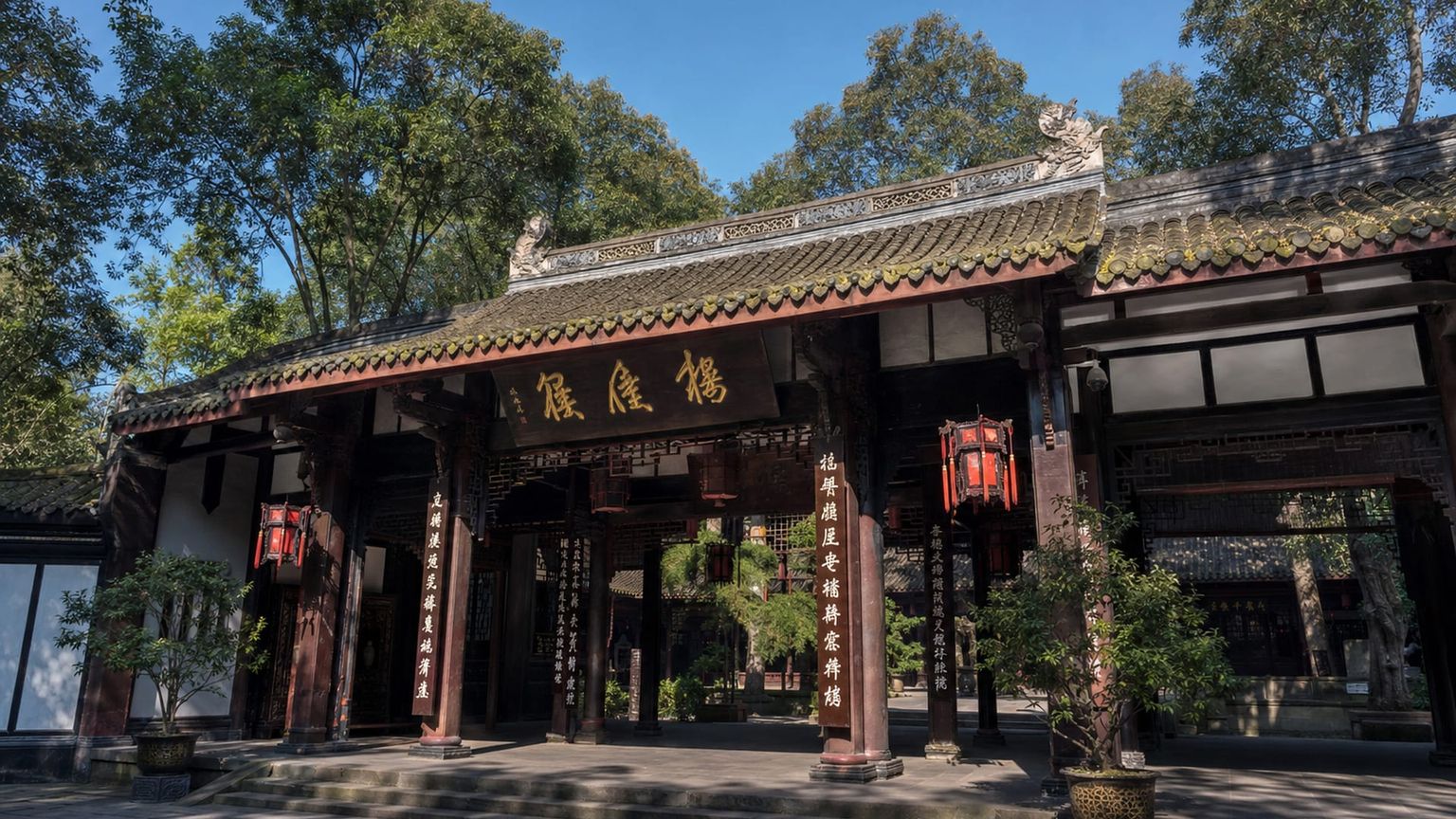
Wuhou Shrine
This temple complex honors Zhuge Liang and Liu Bei, with a main hall, side courtyards, and Ming- and Qing-era architecture. It sits beside a larger park, so you can pair imperial history with a quiet walk in central Chengdu.
Time needed: About 2 to 3 hours
Entry: Standard admission costs $10 to $12 (about ¥72 to ¥86), with reduced tickets for eligible students and seniors. Visit the official site for details.
Tip: Go early on a weekday, before tour groups fill the main halls and courtyards.
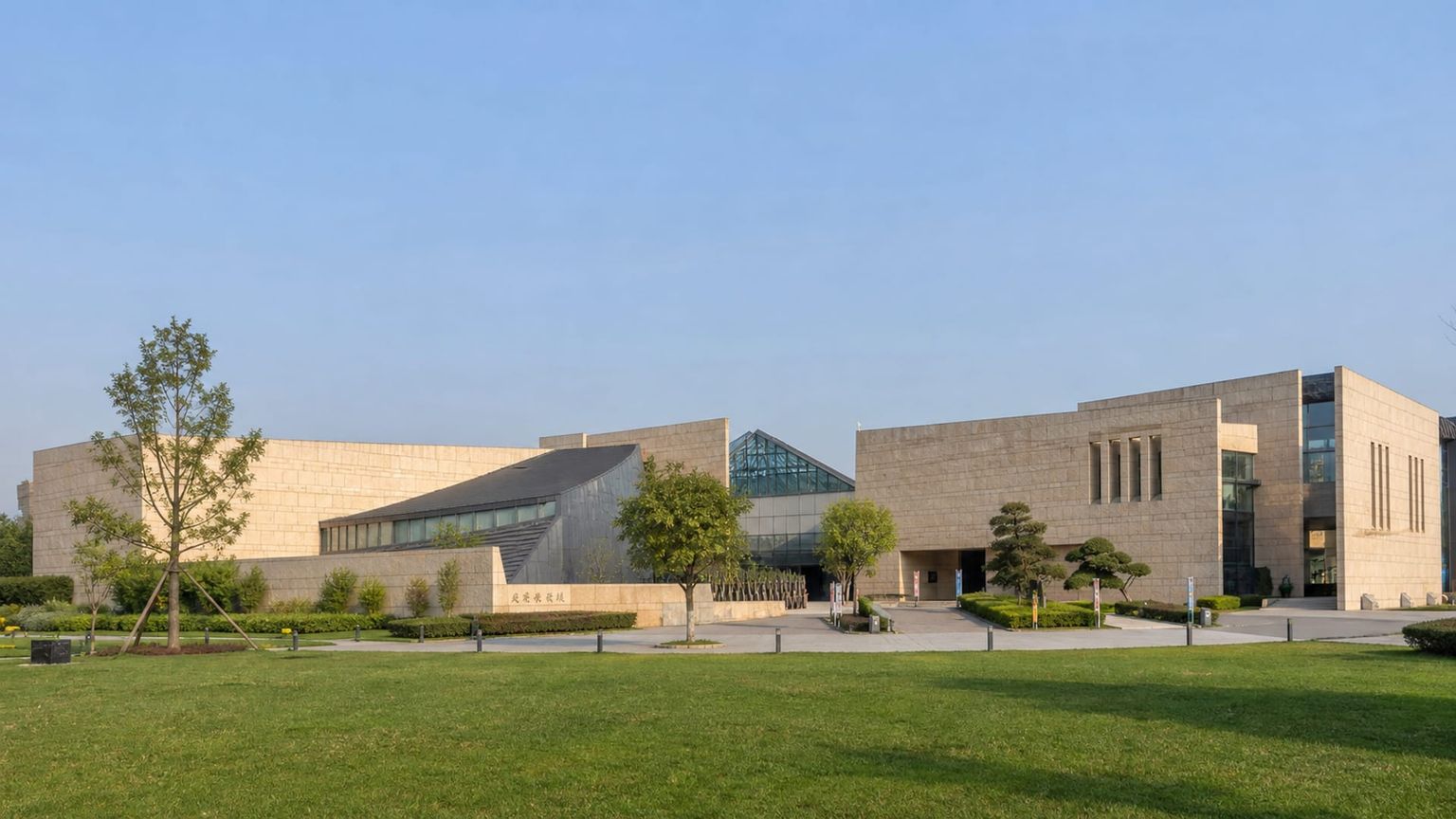
Jinsha Site Museum
Built over a major archaeological find, this museum displays gold masks, jade objects, ivories, and the preserved site itself. Its galleries explain the ancient Shu kingdom and the ruins uncovered in western Chengdu.
Time needed: About 2 to 3 hours
Entry: Standard admission costs $10 to $14 (about ¥72 to ¥100), with separate fees for special exhibitions when offered. Visit the official site for details.
Tip: Visit in the morning, then save time for the outdoor ruins and sculpture garden.
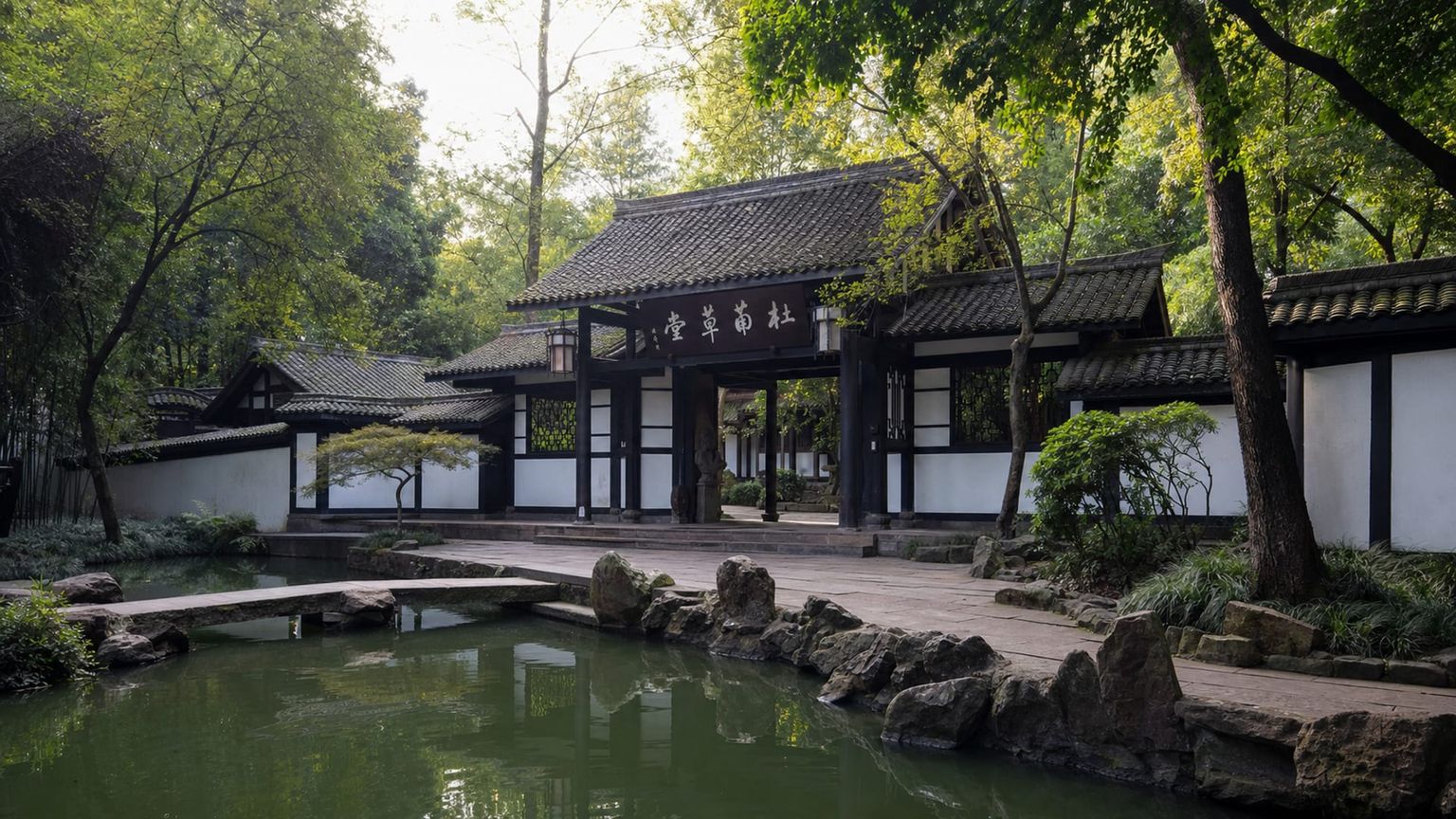
Du Fu Thatched Cottage
This park-museum preserves the memory of Tang poet Du Fu with rebuilt thatched halls, bamboo paths, ponds, and stone tablets. The site gives a clear look at how Chengdu honors literature and classical garden design.
Time needed: About 1.5 to 2.5 hours
Entry: Standard admission costs $7 to $10 (about ¥50 to ¥72), with lower rates for children, students, and seniors where eligible. Visit the official site for details.
Tip: Arrive before noon, when the bamboo paths and ponds have the best light.
Overlooked sites worth visiting

Du Fu Thatched Cottage
This riverside memorial park in western Chengdu preserves the poet Du Fu’s reconstructed cottage, bamboo groves, and small pavilions. The site suits a slower visit, with shaded paths and clear historical labels.
Time needed: About 1.5 to 2 hours
Entry: Admission costs $6 to $8 (¥40 to ¥55) for adults, with discounts for students and seniors. Audio guides and seasonal exhibition tickets cost extra at on-site counters, and the grounds usually open daily from morning to early evening. Visit the official site for details.
Tip: Go early for quieter paths and softer light.

Wenshu Monastery
Chengdu’s largest active Buddhist temple complex combines incense halls, carved beams, and a compact tea garden. It offers a concentrated look at local religious life without requiring a long visit.
Time needed: About 1 to 1.5 hours
Entry: Entry is free to access, and the main halls are open to visitors during posted daytime hours. Tea house orders, incense, and any temporary special exhibitions are paid separately on site; costs vary by vendor and season.
Tip: Visit before noon to avoid the busiest incense crowds.
Traditional food
Chengdu cooking leans on chili oil, Sichuan pepper, fermented bean paste, and a wide spread of noodles, dumplings, and braised dishes. Meals often stretch over hot pot, small plates, and tea, with mapo tofu setting the tone.
Mapo tofu
Silken tofu, minced meat, doubanjiang, and Sichuan pepper give mapo tofu its numbing heat and deep savory finish. Chen Mapo Tofu in Chengdu is the classic place to try it.
Chengdu hot pot
A shared pot of spiced broth, vegetables, meats, and tofu turns dinner into a long, social meal. Shu Jiu Xiang Hot Pot in Chengdu is a well-known stop for this style.
Dan dan noodles
These noodles come with minced pork, chili oil, sesame paste, and preserved vegetables, so each bite brings heat and savoriness. Chen Mapo Tofu also serves a respected version in Chengdu.
Zhong dumplings
Zhong dumplings are delicate pork dumplings dressed in a sweet-savory chili sauce, with a lighter texture than many travelers expect. Zhong Shui Jiao in Chengdu is the best-known reference point for them.
Best time to visit Chengdu
Chengdu changes more by humidity, rain, and winter dampness than by extreme temperature swings, so the best months depend on whether you prefer clear walking weather or softer shoulder-season crowds.
Best for: Flowering parks, temple walks, and long outdoor meals
What you get: About 50°F to 77°F (10°C to 25°C), with moderate crowds and a good balance of clear days and light rain
Trade-offs: Rain can interrupt outdoor plans
Best for: Evening food streets and indoor museums
What you get: About 73°F to 91°F (23°C to 33°C), with the heaviest crowds and frequent humidity
Trade-offs: Heat and rain make daytime sightseeing tiring
Best for: Comfortable sightseeing and the most dependable walking weather
What you get: About 54°F to 79°F (12°C to 26°C), with strong visitor demand and clearer skies
Trade-offs: Popular hotels can book early
Best for: Temple visits, tea houses, and quieter museum time
What you get: About 39°F to 54°F (4°C to 12°C), with lighter crowds and damp, gray days
Trade-offs: Cold rain can make the city feel slower
A realistic 5-day plan in Chengdu
The five days below keep Chengdu in manageable sections. You start with the airport arrival, then move through the temple core, the western museum belt, and a shopping day that leaves room for one last slow morning before departure.
Land at Chengdu Tianfu International Airport (TFU) and take a taxi to Jinjiang District, which usually takes about 50 to 70 minutes and costs roughly $18 to $28 (about ¥130 to ¥200), depending on traffic and the exact hotel address. If you arrive near Chengdu Shuangliu International Airport, the taxi ride to the center is shorter, but TFU is the airport for this trip, so plan for the longer transfer and a later check-in than you might expect. Stay near a metro station in Jinjiang or Chunxi Road so your first evening stays simple, then keep dinner close to the hotel with a bowl of mapo tofu, dumplings, or a mild Sichuan set meal. Drink plenty of water, avoid a full sightseeing schedule, and turn in early after a short walk along the nearby riverside streets if you still have energy.
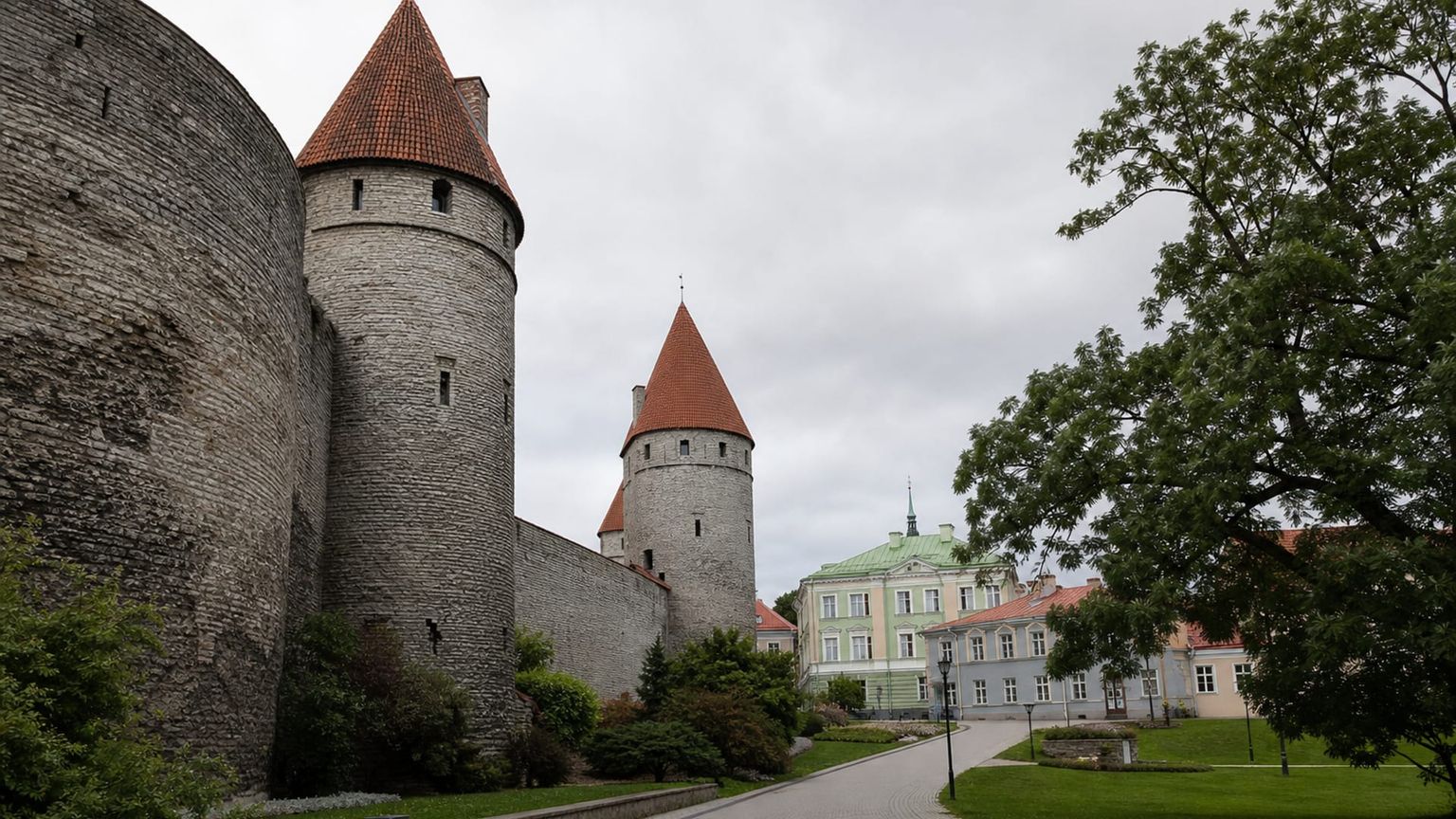
Start with Wenshu Monastery before the incense crowds build, then walk about 10 to 15 minutes to the surrounding Wenshu Monastery area tea houses for a slow midmorning break. From there, take a taxi about 15 to 25 minutes to Wuhou Shrine, where you can spend about 2 to 3 hours among the halls, courtyards, and shaded grounds. Finish with an early dinner in Jinjiang District or near Chunxi Road, about 10 to 15 minutes away by taxi from the shrine, so you are not crossing the city after dark.
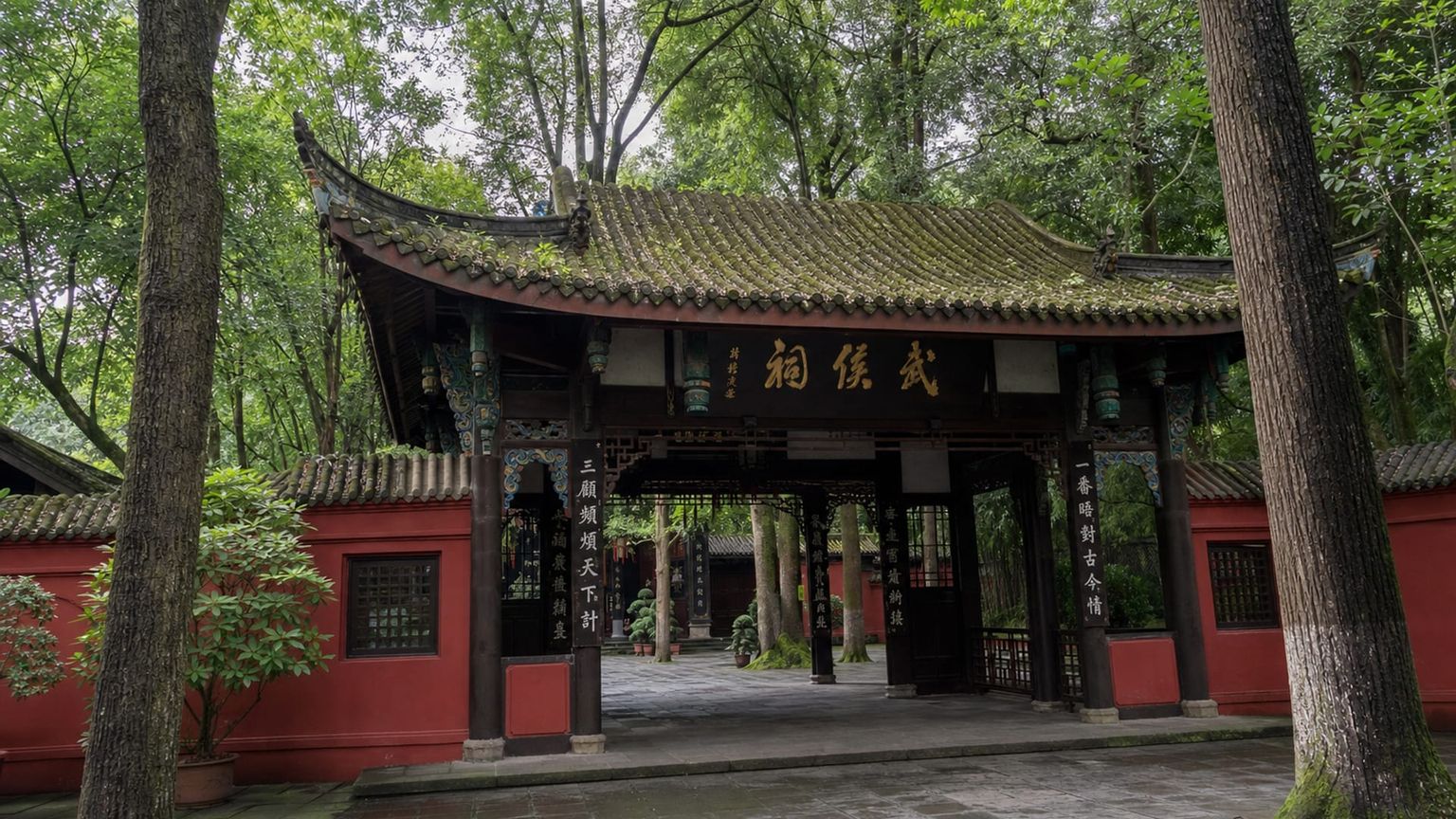
Jinsha Site Museum works best first, so reach it in the morning and spend about 2 to 3 hours on the galleries, the ruins, and the sculpture garden. From Jinsha, a taxi to Du Fu Thatched Cottage takes about 15 to 20 minutes, and the bamboo paths and ponds make a good change of pace for another 1.5 to 2.5 hours. End the day back in Qingyang District or near the museum corridor for dinner, then keep the evening short because these western sights sit a little apart from Chengdu’s busiest nightlife blocks.
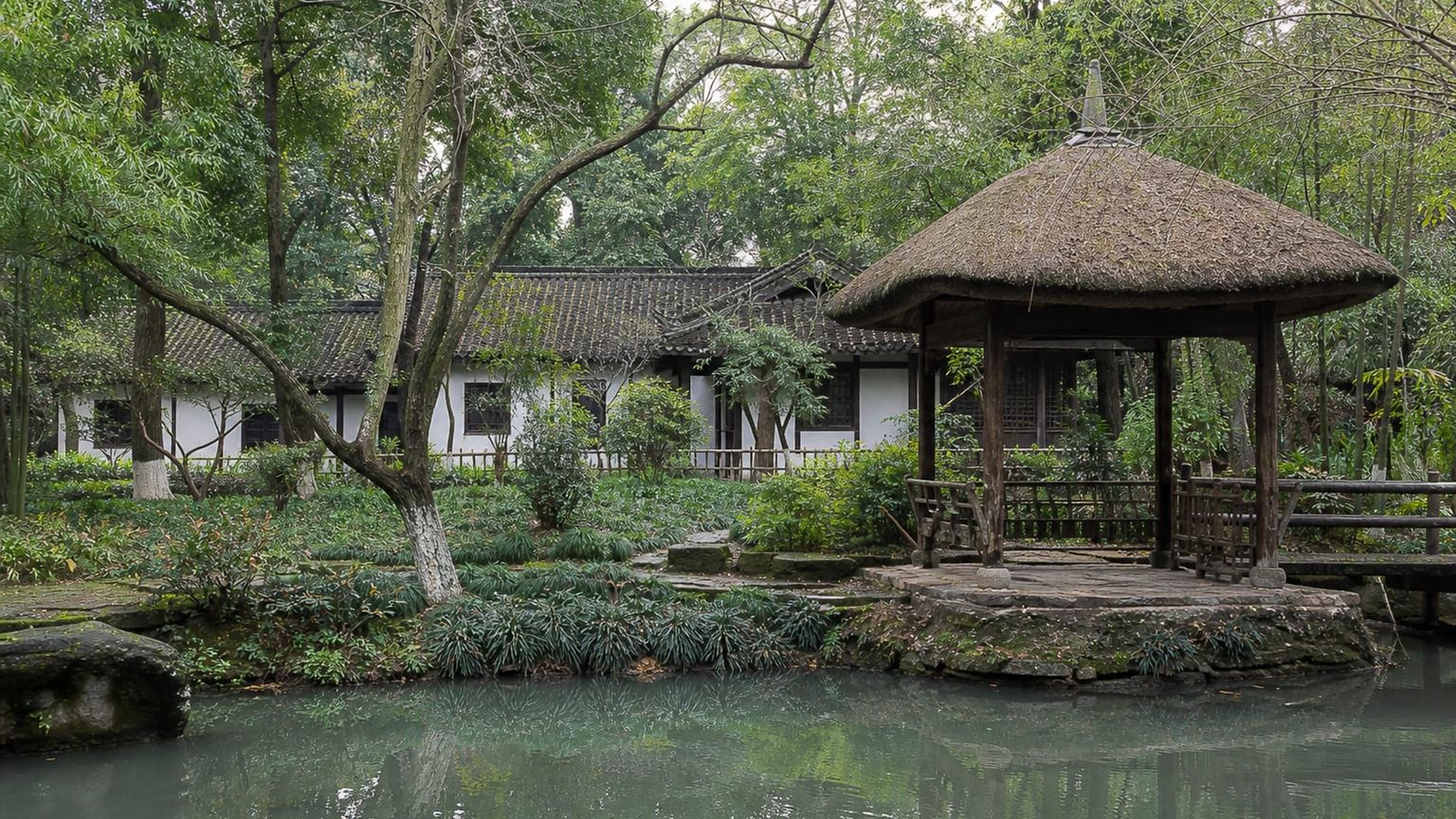
Begin with Du Fu Thatched Cottage if you want a second, slower look, or return to the site only if you skipped it on day 3, then move on to a relaxed lunch in Qingyang District. After that, head east to Chunxi Road, which usually takes about 20 to 30 minutes by taxi, and spend the afternoon browsing malls, snack streets, and flagship stores. If you want one last cultural stop, pair the shopping with Wenshu Monastery, about 15 minutes away by taxi, so the day mixes retail and temple grounds without rushing between them.
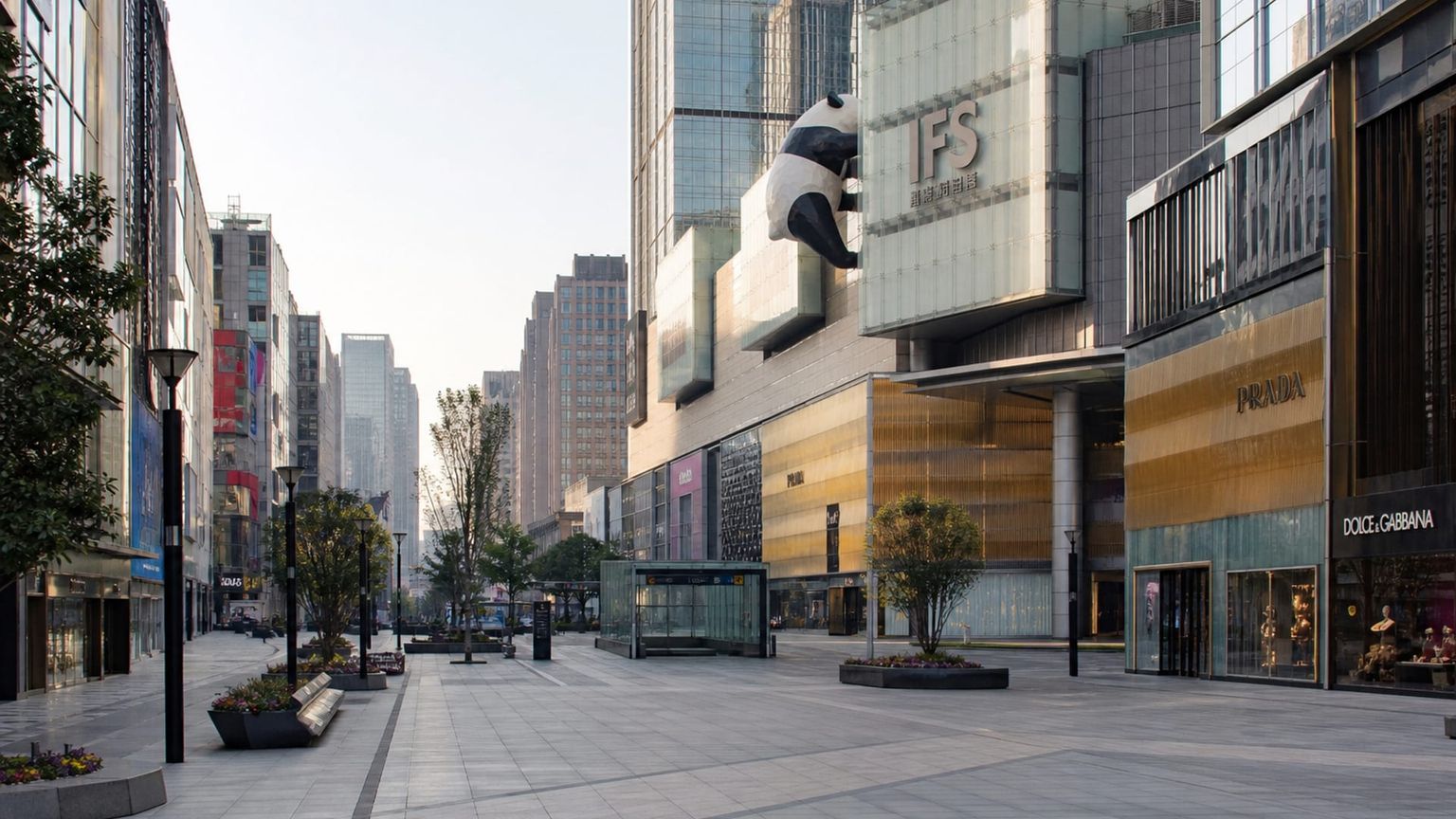
For a final Chengdu day, start with a late breakfast near Wenshu Monastery, then take a short taxi ride to one last museum visit at Jinsha Site Museum if you want to revisit the archaeology, or skip straight to a slower final circuit in Chunxi Road. Browse for tea, snacks, and souvenirs in Chunxi Road, then settle into a café in Jinjiang District for an unhurried last coffee or jasmine tea before your airport transfer. Allow about 50 to 70 minutes by taxi from the center to Chengdu Tianfu International Airport (TFU), and leave enough margin for evening traffic and security lines.
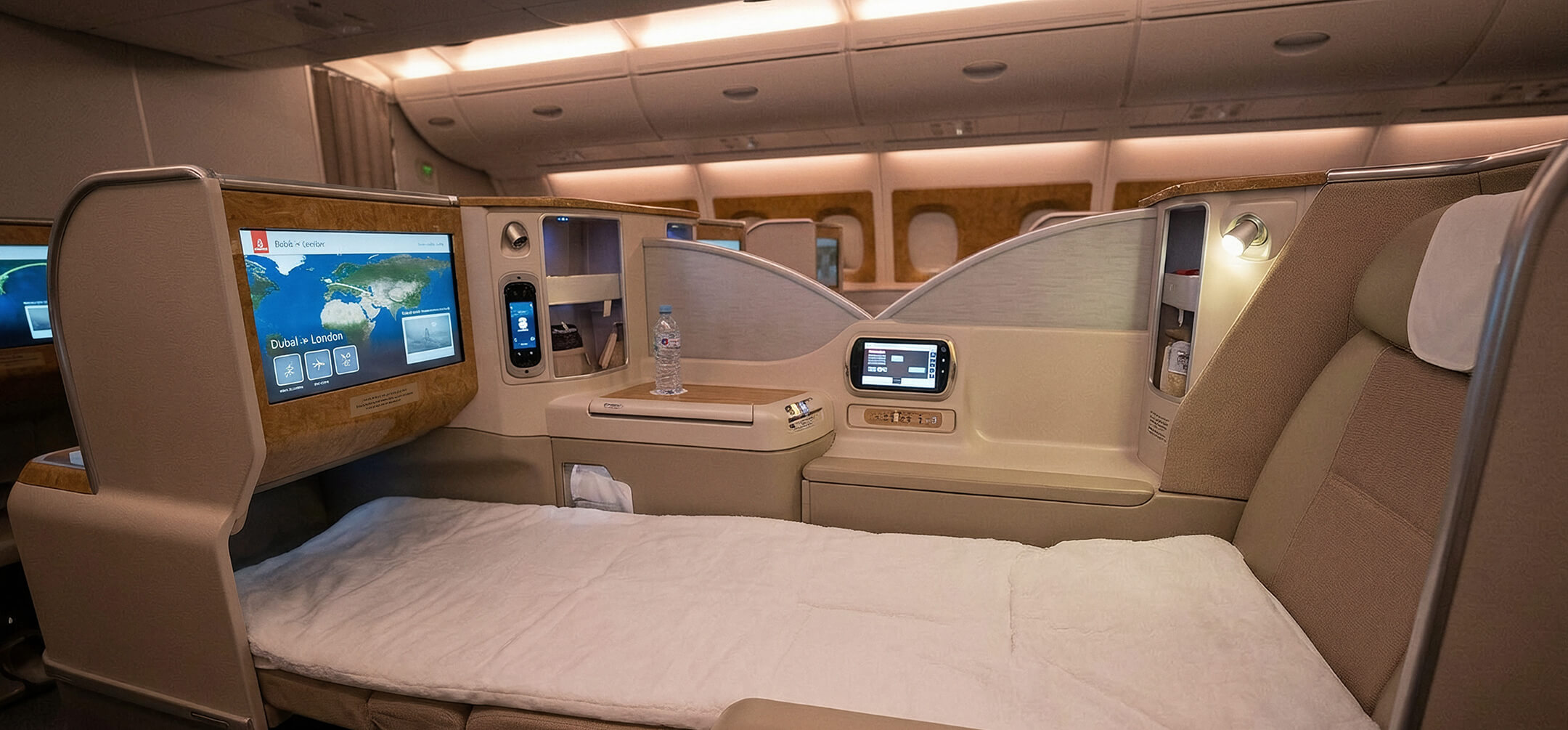
Business-class flights from the US to Chengdu
From both coasts, Chengdu usually means one-stop long-haul planning rather than a simple nonstop. The useful comparison is not just the fare, but which layover city trims the trip without turning the journey into a second itinerary.
Air Canada, Air China, Cathay Pacific, China Eastern Airlines, EVA Air, and Korean Air all serve the New York area on routes that do not list a nonstop option here, so expect a connection rather than a direct hop. Common layovers run through PEK, PVG, ICN, HKG, TPE, or YYZ, and the layover window often stretches about 19 to 29 hours. From there, round-trip fares usually start at $4,200 and reach $6,800; if you do not mind a layover, common routings via PEK, ICN, or HKG can cut fares to about $3,200 to $5,000.
Los Angeles has a wider airline mix, with Air China, China Eastern Airlines, EVA Air, Cathay Pacific, Korean Air, and Asiana Airlines all appearing on the route. One-stop itineraries via TPE, ICN, HKG, PEK, PVG, or NRT often land in the $3,000 to $4,800 range, and the layover window usually runs about 16 to 24 hours. Round-trip fares usually start at $4,000 and reach $6,500, so the transfer city can make a noticeable difference in both cost and total travel time.
Chengdu feels different when you slow down
A deliberate Chengdu trip works best when you treat the city as a set of linked neighborhoods, not a list of distant stops. Jinjiang handles your first and last nights, Wenshu Monastery sets a slower tone, and the western museum corridor pairs well with a taxi rather than a long walk. If you want help shaping the timing, the AranGrant experts can match your hotel base, flight route, and day plan to Chengdu’s pace