

Chapters:

Need help with your trip?
Our support team is available 24/7. Request a callback or call us directly at (833) 619-0908
Nuku’alofa trips often begin and end with the same loop, airport to hotel, market to palace, then a quick meal before the ferry or flight home. What many visitors miss is how much time they lose to scattered errands and cross-town backtracking.
The center is compact, but not every sight sits on the same block, and taxis are common enough that small detours add up. Heat, Sunday closures, and early evening quiet can also shorten an unplanned day.
This guide sets out a tighter order, with walking, taxis, and day trips arranged to match the city’s actual distances and opening hours.
Useful things to know
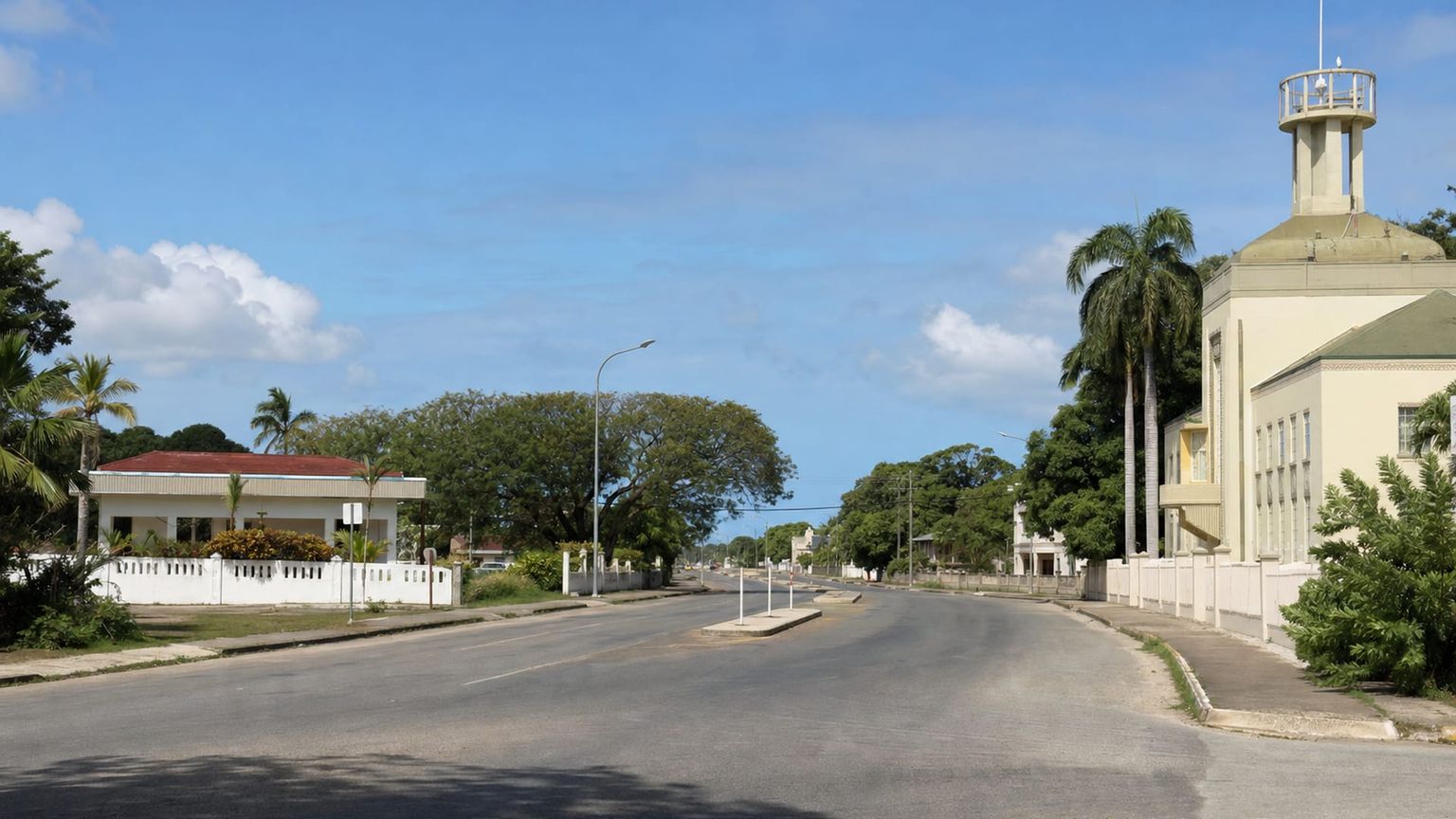

Main language(s): Tongan
Mālō e lelei (mah-LOH eh leh-LEH-ee) – Hello / good morning
Fakamolemole (fah-kah-moh-leh-MOH-leh) – Please
Mālō 'aupito (mah-LOH ow-PEE-toh) – Thank you
Te ke lea faka-Pilitānia? (teh keh leh-ah fah-kah-pee-lee-TAH-nee-ah) – Do you speak English?
'E fiha eni? (eh FEE-hah EH-nee) – How much does it cost?

Currency: The local currency is the Tongan paʻanga (TOP, T$).

Cash and cards: Cards and contactless are accepted in many hotels and larger shops; carry about $40 to $80 in paʻanga for taxis and small purchases.

Tipping: Tipping is not expected; round up small bills or leave a little extra for good service.

Traditional food: Lu sipi, ota ika, faikakai topai, ʻotai

Water and coffee costs: Water about T$3 ($1.25), bar espresso about T$6 ($2.50).

Taxis and ride apps: No major ride-hailing apps are widely used; use hotel taxis or local cabs.

Plug and voltage: Type I socket, 240V

Dining and shop opening hours: Breakfast is about 07:00-09:00, lunch 12:00-14:00, and dinner 18:00-20:00. Many places close on Sunday, especially outside tourist areas.

Emergency number: 999 for police, fire, and ambulance.
Where to stay in Nukalofa
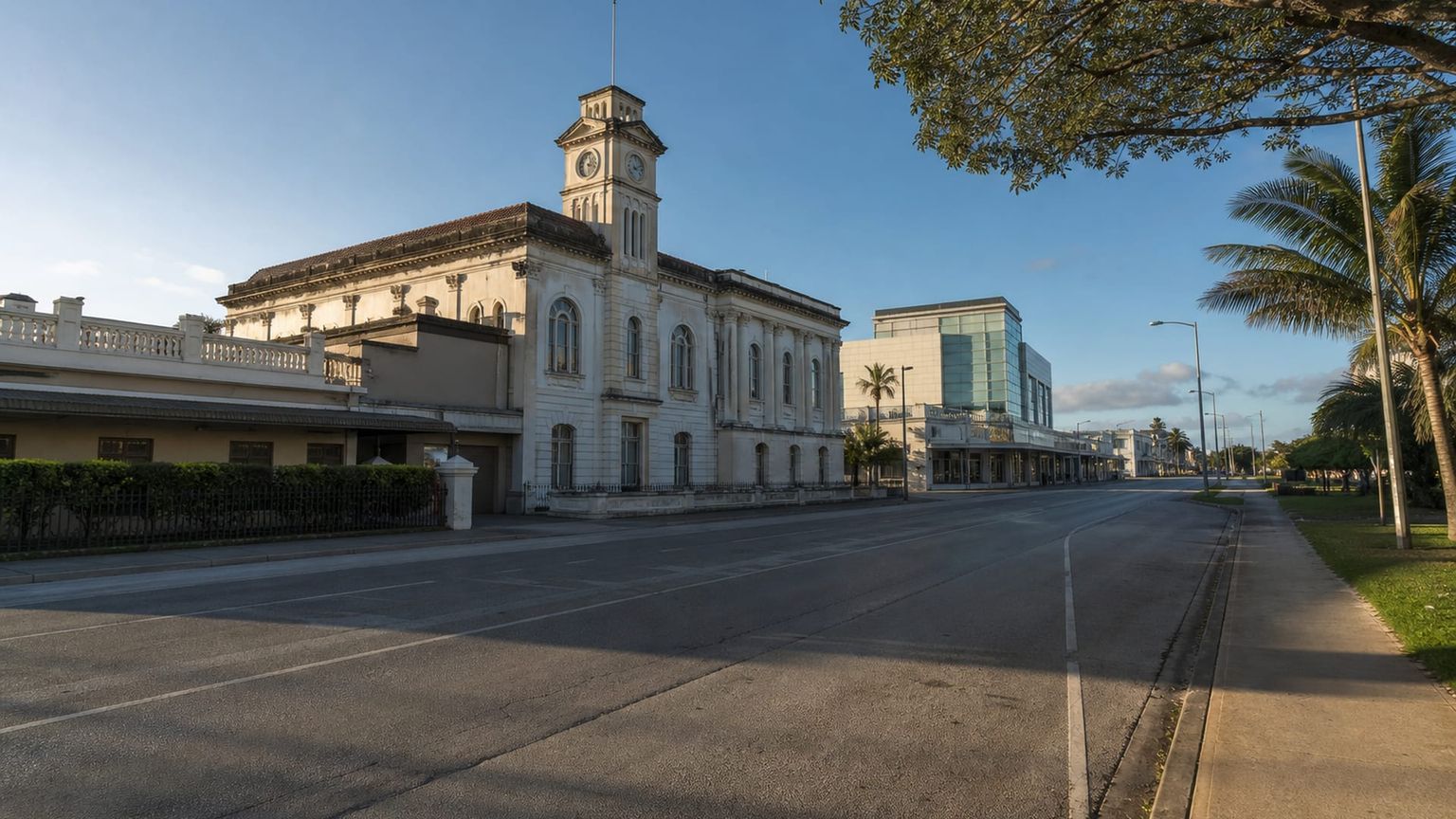
The capital’s core wraps the waterfront, the market, government offices, and the main church district. It suits travelers who want the shortest walks to daily essentials, ferries, and the city’s busiest dining strip.
Best for: First-time visits, market browsing, and staying close to ferries and downtown dining
What to expect: Expect the most street activity in town, with shops, offices, and market traffic concentrated through the day and early evening.
Hotel prices: Usually about T$120 to T$220 (~$50 to ~$92) per night for well-rated stays
Distance to major sights: 5 to 10 minutes on foot to Talamahu Market, about 10 to 15 minutes on foot to the Royal Palace
Quietness: Busy by day, quieter after business hours, though traffic and evening activity can continue near main roads.
Main trade-off: Central lodging can cost more than outer districts, and some blocks sit close to traffic and commercial noise.
Good to know: If you want to walk to the market, port, and restaurants without arranging transport, this is the most convenient base.
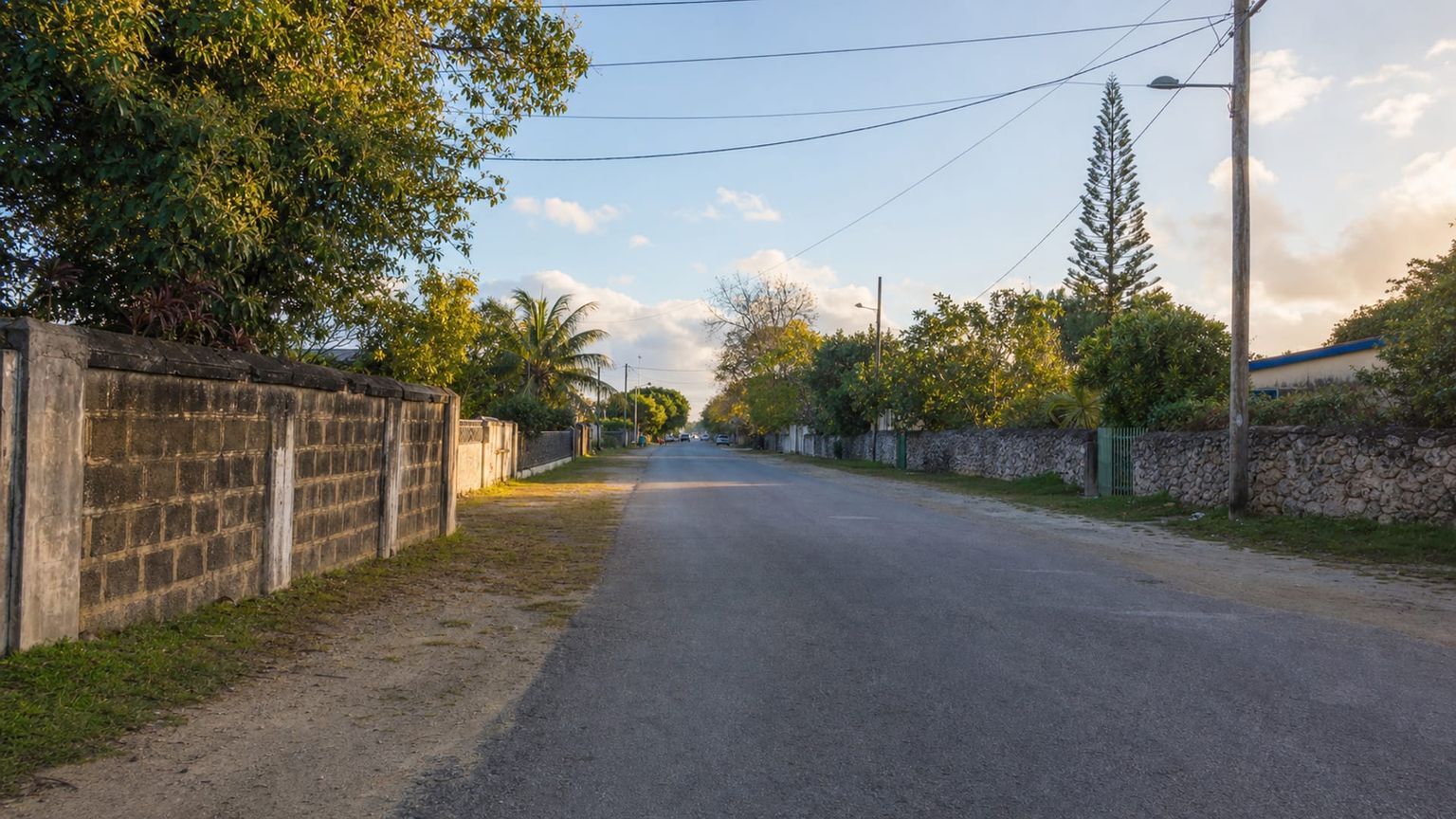
Kolofo’ou sits just east of the central district and includes several residential streets, schools, and churches near the main road into town. It gives you a local base with fast access to the core without staying in the busiest block-by-block center.
Best for: Travelers who want a residential base near the center and easier access by car or taxi
What to expect: Expect low-rise homes, church activity, and light neighborhood traffic, with far less street life than the market area.
Hotel prices: Usually about T$100 to T$180 (~$42 to ~$75) per night for well-rated stays
Distance to major sights: About 5 to 10 minutes by taxi to Talamahu Market, roughly 15 minutes on foot to the waterfront edge of downtown
Quietness: Quiet in the day aside from local traffic, and generally calmer in the evening once church and school activity ends.
Main trade-off: You will likely need taxis or a car for most meals and errands, since choice in lodging and dining is thinner than in the center.
Good to know: Check transport plans before booking, because walking back from the market or waterfront can be long in heat and rain.
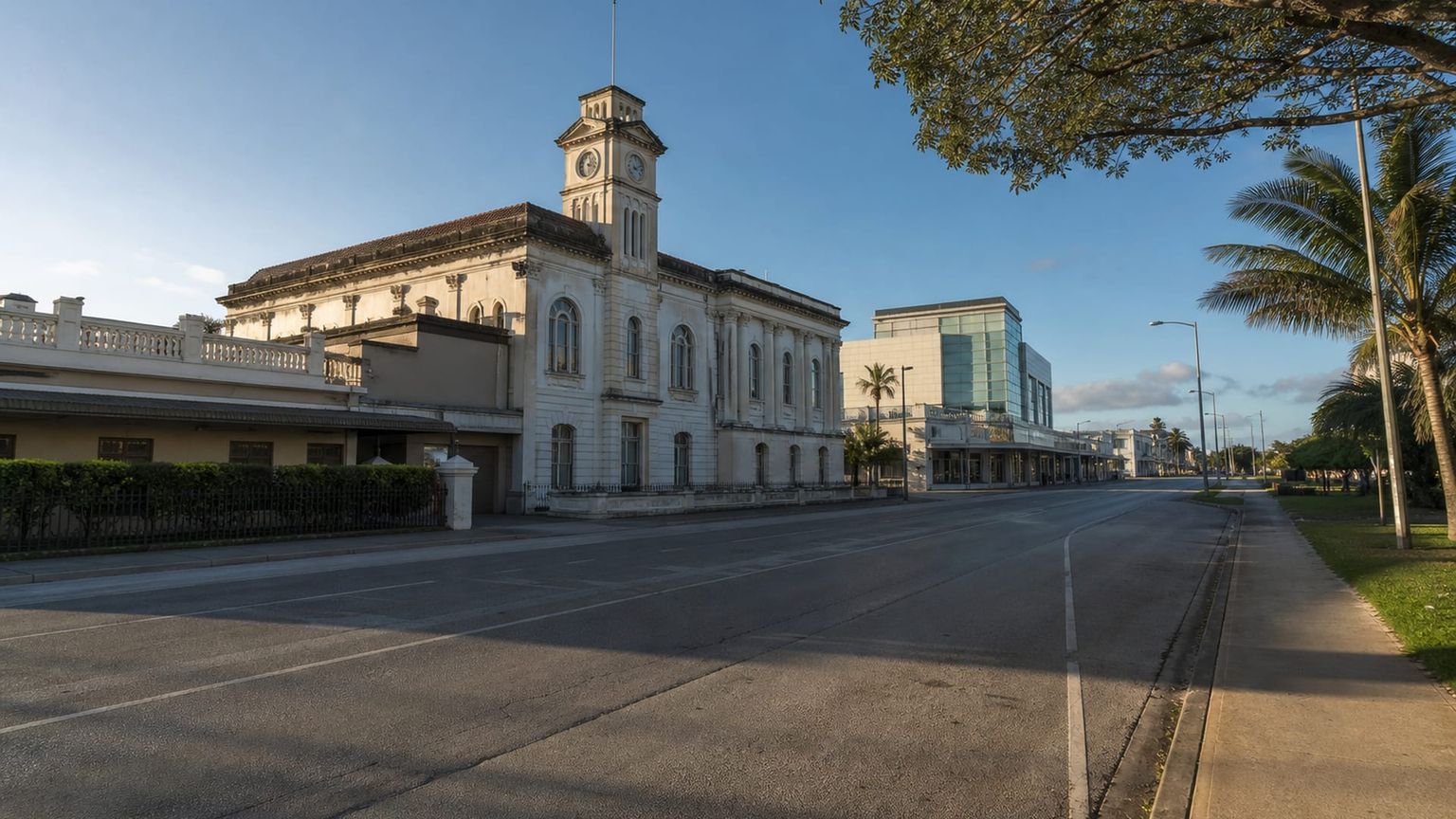
Tofoa lies inland southwest of the center, with broad roads, homes, small shops, and a more suburban feel. It works for visitors who prefer a wider choice of guesthouses and do not need to be beside the market every day.
Best for: Longer stays, rental cars, and travelers who prefer a suburban base over downtown density
What to expect: Expect a quiet residential setting, occasional local traffic, and fewer visitors than in the center or near the waterfront.
Hotel prices: Usually about T$90 to T$170 (~$38 to ~$71) per night for well-rated stays
Distance to major sights: About 10 to 15 minutes by taxi to Talamahu Market, roughly 20 minutes by taxi to the Royal Palace
Quietness: Quiet through most of the day, with only modest evening movement along the main roads.
Main trade-off: The lower room rates can come with longer taxi rides, and you will spend more time reaching dinner spots and sights.
Good to know: Choose this area only if you are comfortable planning rides, since evening transport options can be thinner than in the center.
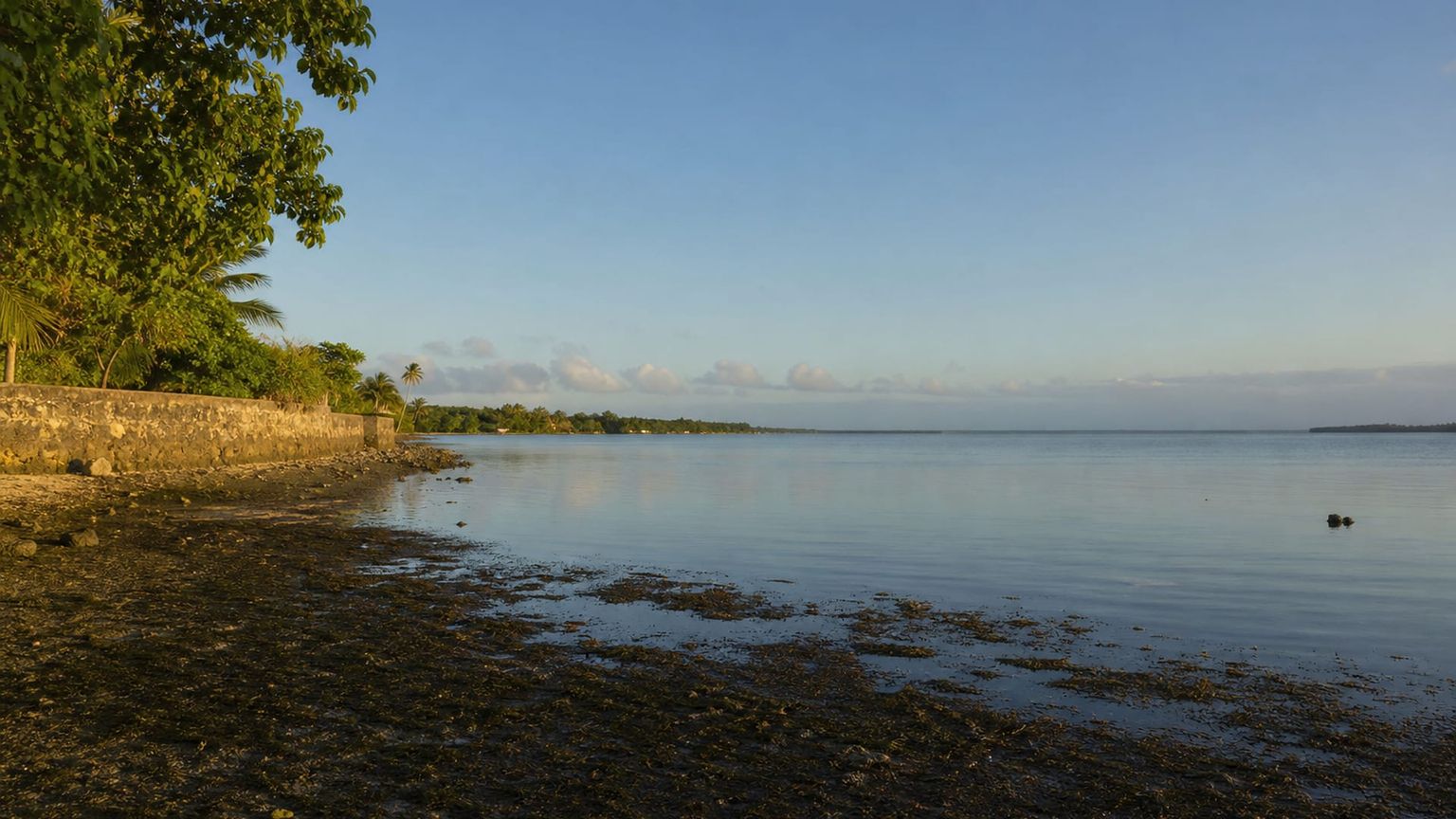
The lagoon side of Nukalofa offers a lower-density setting near the water, with open views, local housing, and access toward the western edge of town. It suits travelers who want space and do not mind being away from the main commercial strip.
Best for: Quiet stays, waterfront access, and travelers who do not need to be in the main commercial strip
What to expect: Expect a sparse streetscape, little foot traffic, and a more spread-out layout than central Nukalofa.
Hotel prices: Usually about T$100 to T$190 (~$42 to ~$79) per night for well-rated stays
Distance to major sights: About 10 to 20 minutes by taxi to the Royal Palace, roughly 15 minutes by taxi to Talamahu Market
Quietness: Very quiet by day and usually even calmer at night, with few late openings nearby.
Main trade-off: You trade immediate access to restaurants and shops for more time spent moving between the lagoon edge and the downtown core.
Good to know: Bring a plan for meals and evening transport, because the area is pleasant but thin on walkable late-night options.
Travelers usually avoid staying in Nuku’alofa’s outer village areas such as Sia’atoutai, Kolomotu’a, and Poutaha, since they sit well away from the waterfront, Talamahu Market, and the main cluster of guesthouses and restaurants. The western edge near the airport road is also less convenient for evening dining and taxis, with fewer visitor amenities and longer trips into town.
Hotel deals
How to get around Nukalofa efficiently
Nuku’alofa has no metro or tram network, so short taxi rides, simple buses, and walking do most of the work between the market, the waterfront, and the outlying sights.

Metro
for longer distances
Nukalofa has no metro or suburban rail network, so visitors rely on roads, buses, and taxis for trips from Tonga (TBU) into the city center. Allow about 15 to 25 minutes by car from the airport area, depending on traffic and your exact destination.

Bus and tram
for convenience
No tram network serves Nukalofa, and local buses run on simple point-to-point routes rather than a numbered city grid. Fares are usually about $0.90 to $2 ($2 to $5) for shorter rides, paid in cash, with service clustered on main corridors during the day and reduced after early evening.

Taxi
for convenience or late hours
Licensed taxis use set fares on many common trips rather than meters, including airport transfers, which typically cost about $10 to $20 ($24 to $48) into central Nukalofa. For longer cross-town rides, expect roughly $5 to $15 ($12 to $36), confirm the price before departure, and carry cash because card payment is uncommon.
*Prices are based on rates updated as of June 2026 and may change at the time of travel.
Walk in the center, use taxis for airport and cross-town trips, and take buses when you want the cheapest daytime ride along the main corridors.
Iconic landmarks
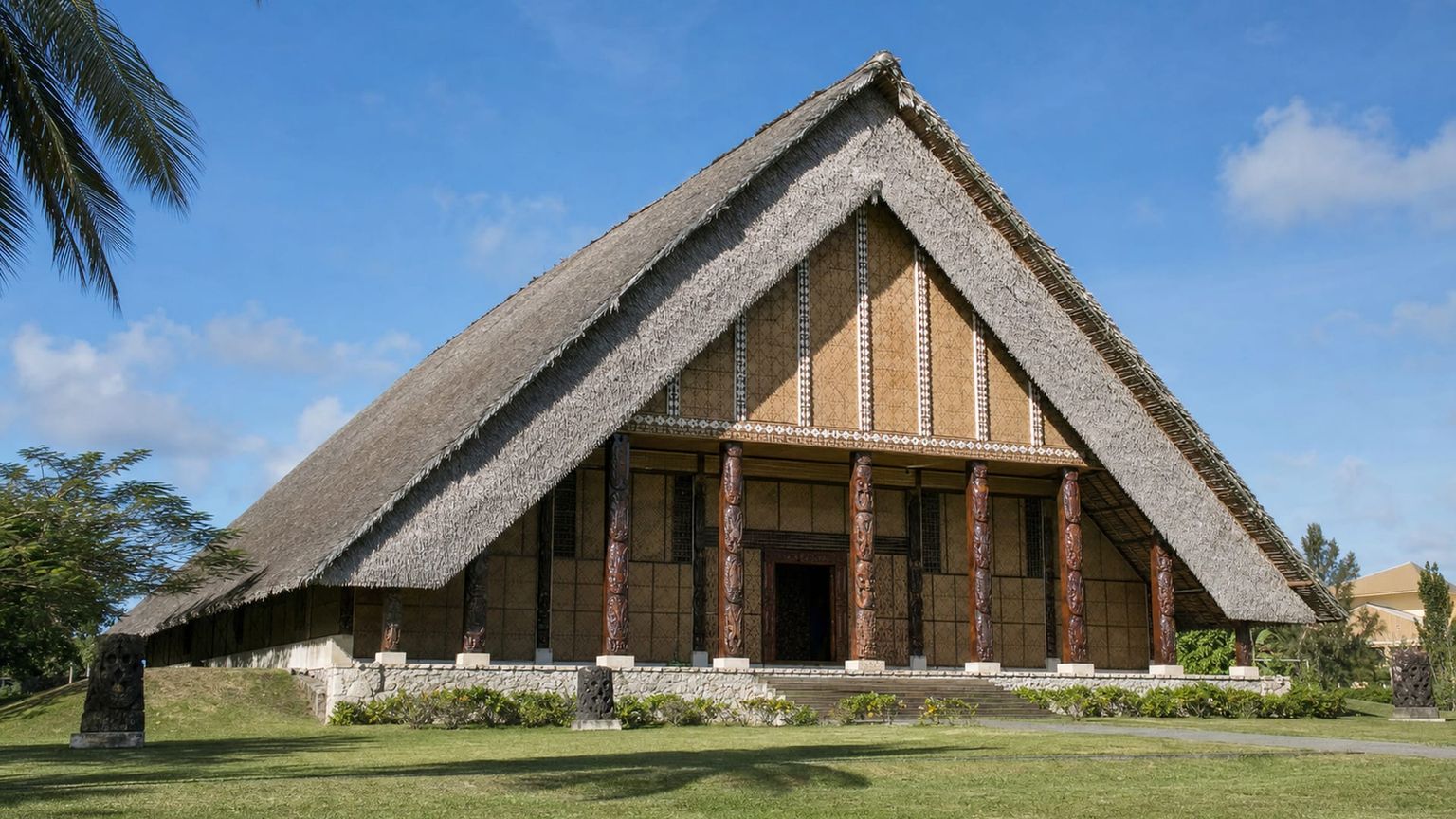
Tongan National Cultural Centre
This central cultural complex presents Tongan dance, craft, and courtly tradition in one place, with exhibits that explain kava ceremony, tapa cloth, and royal ceremony. It gives first-time visitors a clear introduction to Tongan identity.
Time needed: About 1 to 2 hours
Entry: Admission is about $5 to $10 (about T$12 to T$24) depending on the program and guided activities offered on the day.
Tip: Go in the morning, when group visits are smaller and the exhibits are easier to study.
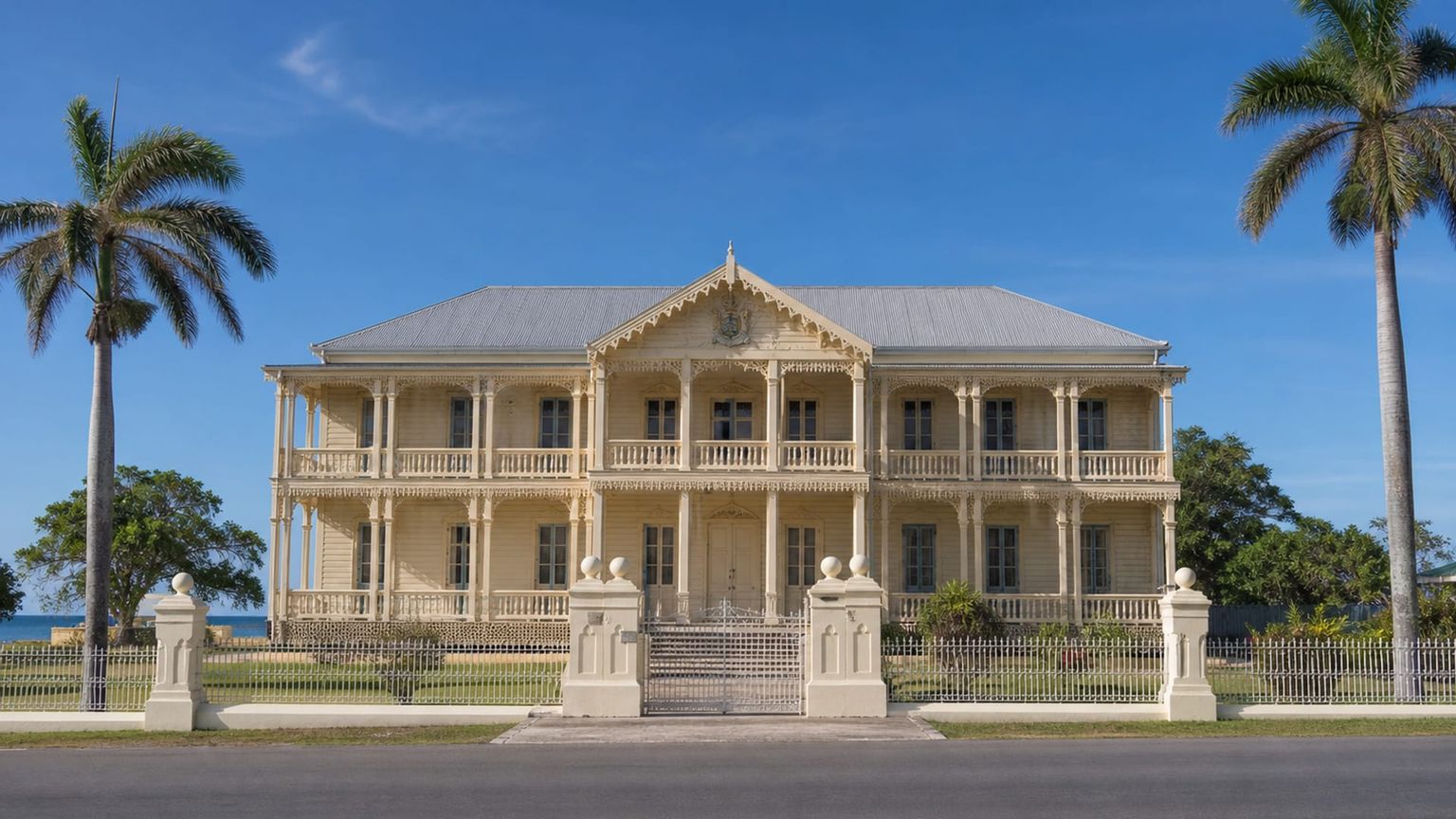
Royal Palace of Tonga
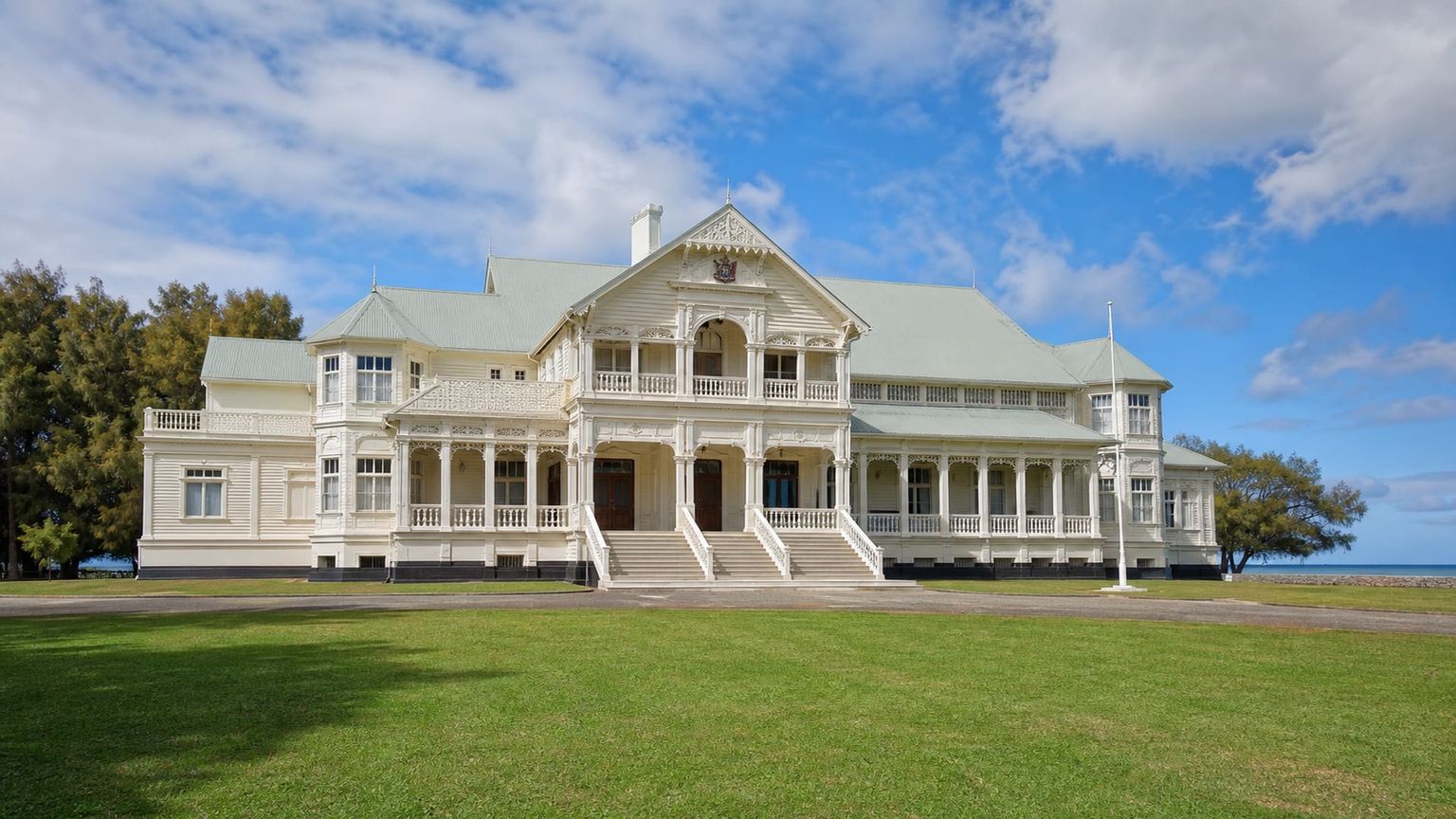
The white Victorian palace near the waterfront serves as the monarch’s official residence and a landmark of colonial-era Nuku’alofa. Visitors come for the exterior, the grounds, and views across the city center.
Time needed: About 30 to 45 minutes
Entry: Free to view from outside; public access to the grounds is limited and may change for state events or maintenance work.
Tip: Visit in late afternoon for softer light on the facade and cooler walking conditions nearby.
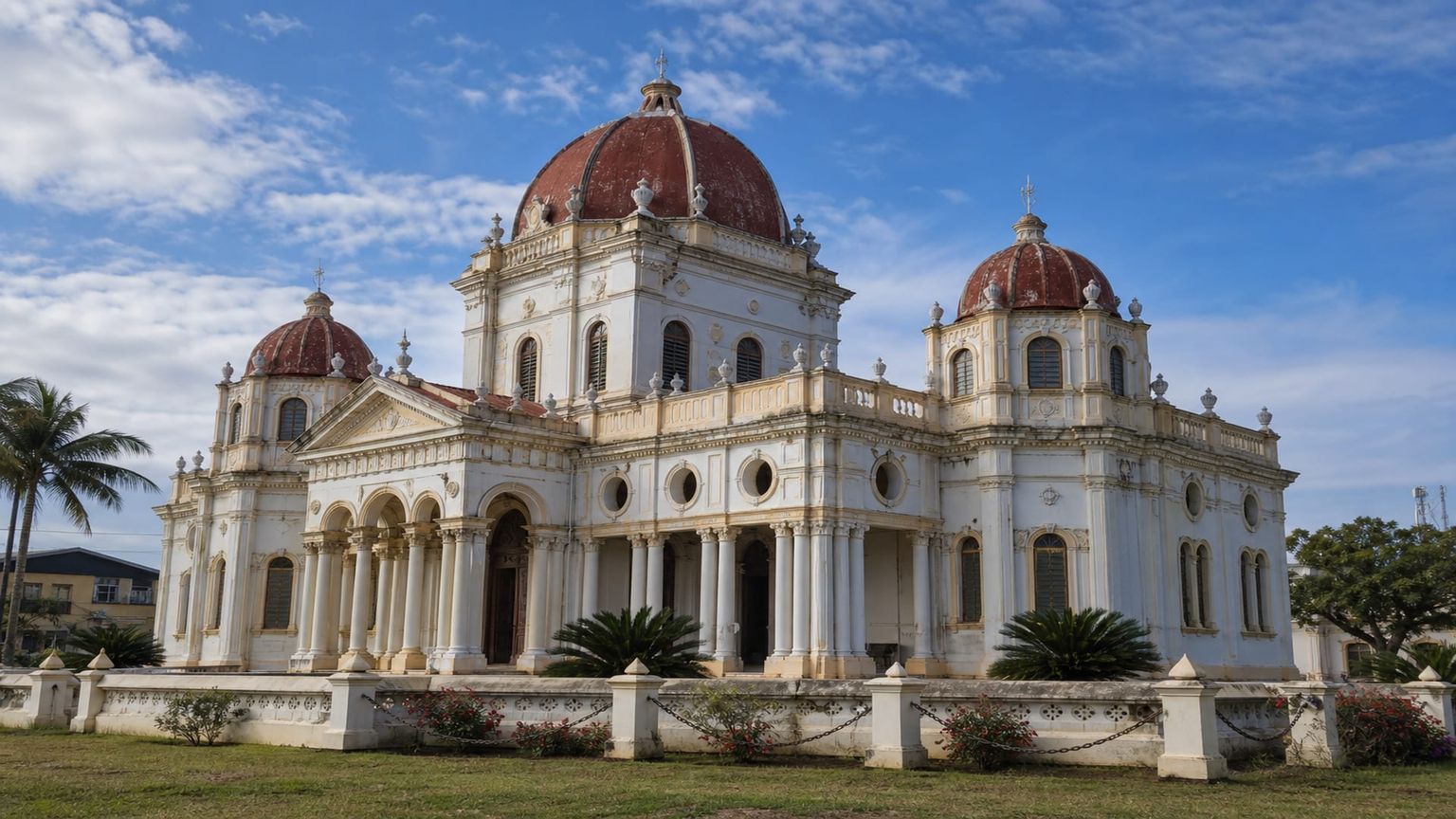
Royal Tombs of Tonga
The Royal Tombs at Mala’ekula hold the burial place of Tonga’s kings and queens, making this one of the country’s most important national sites. The formal grounds sit close to the center and pair well with a palace stop.
Time needed: About 20 to 30 minutes
Entry: Free to access from the public perimeter; interior access is restricted and may be closed during ceremonies or private observances.
Tip: Keep your visit brief and quiet, and avoid the grounds during funerals or official memorial events.
Overlooked sites worth visiting

St. Mary’s Cathedral, Nukuʻalofa
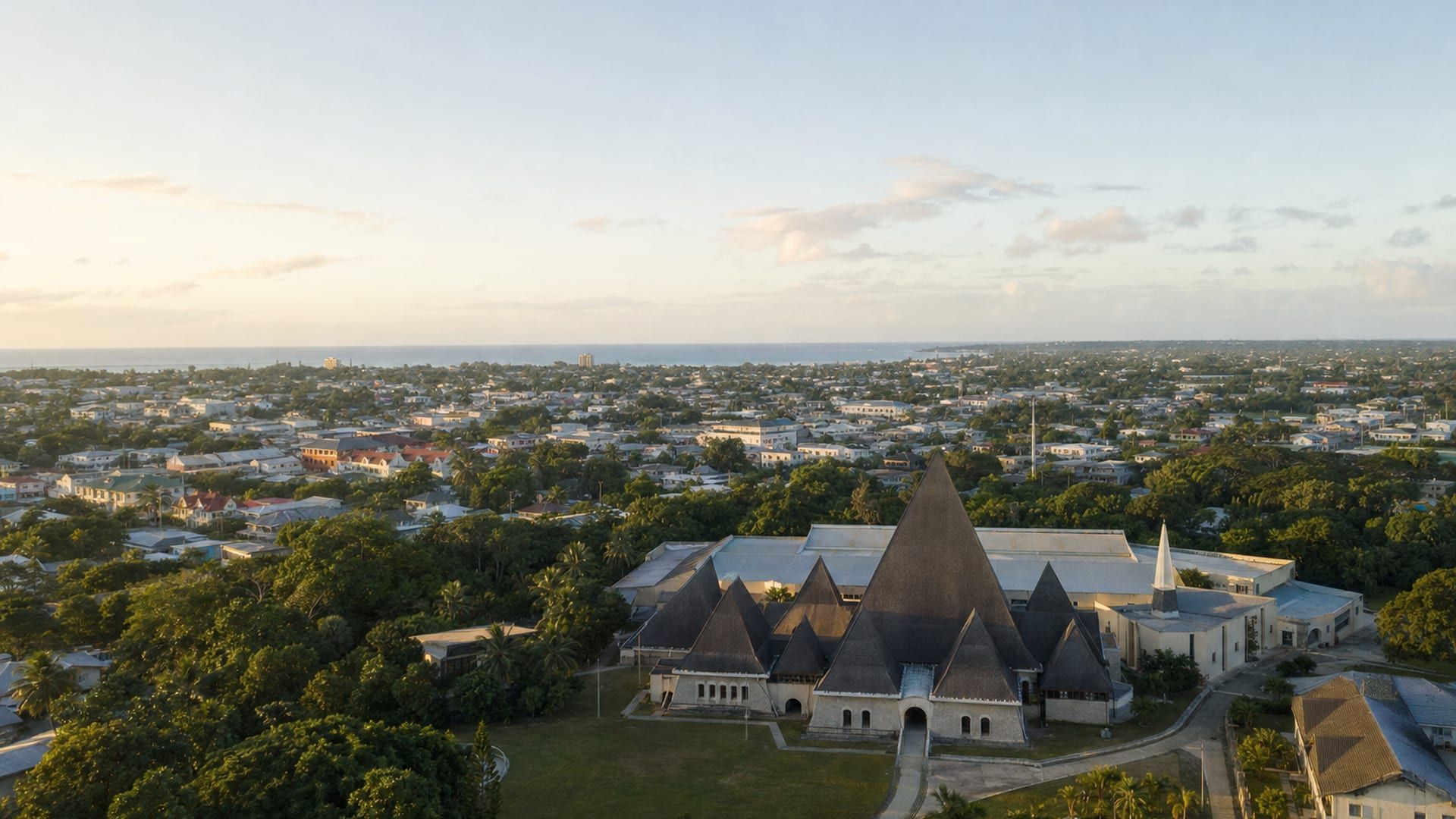
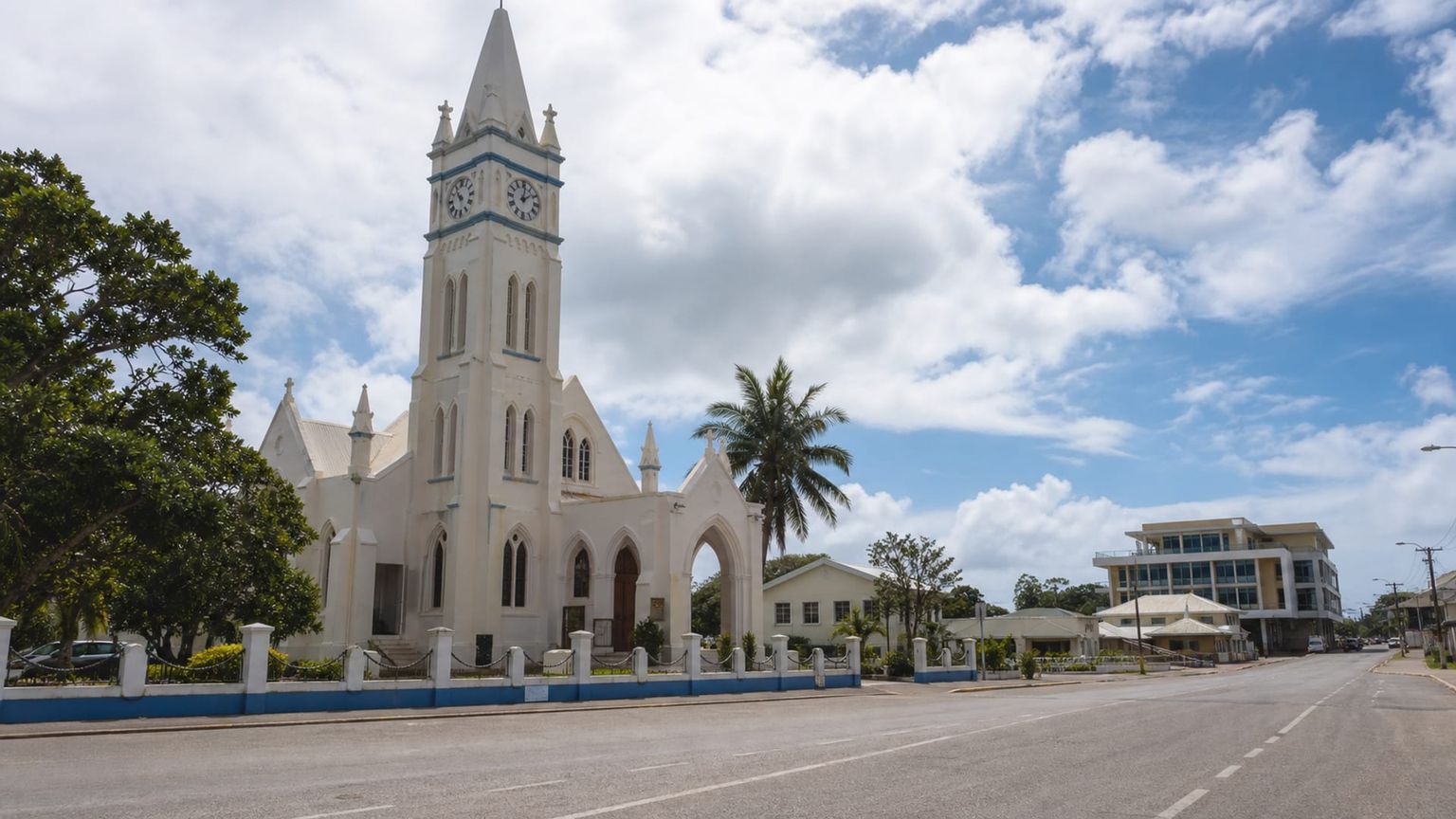
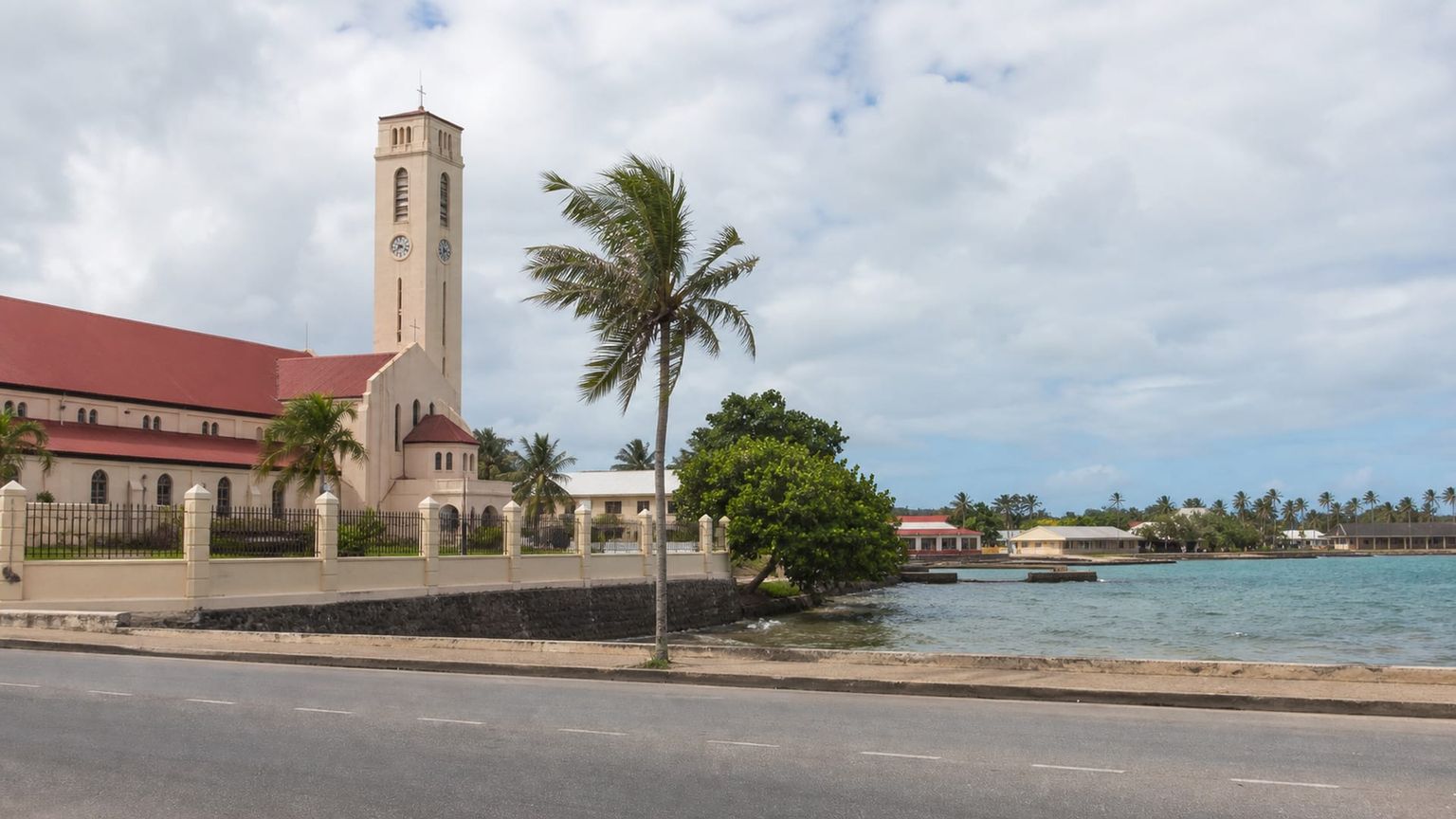
A compact Gothic-style church at the edge of central Nukuʻalofa, known for its carved wood interior and quiet weekday access. The surrounding grounds make an easy stop between the market and waterfront.
Time needed: About 30 to 45 minutes
Entry: Free to enter. Donations are welcome, and the cathedral is usually visited on foot without a ticketed program. Check ahead for weddings, funerals, or holiday services that can limit access to the interior.
Tip: Go on a weekday morning for fewer interruptions.

Haʻamonga ʻa Maui Trilithon
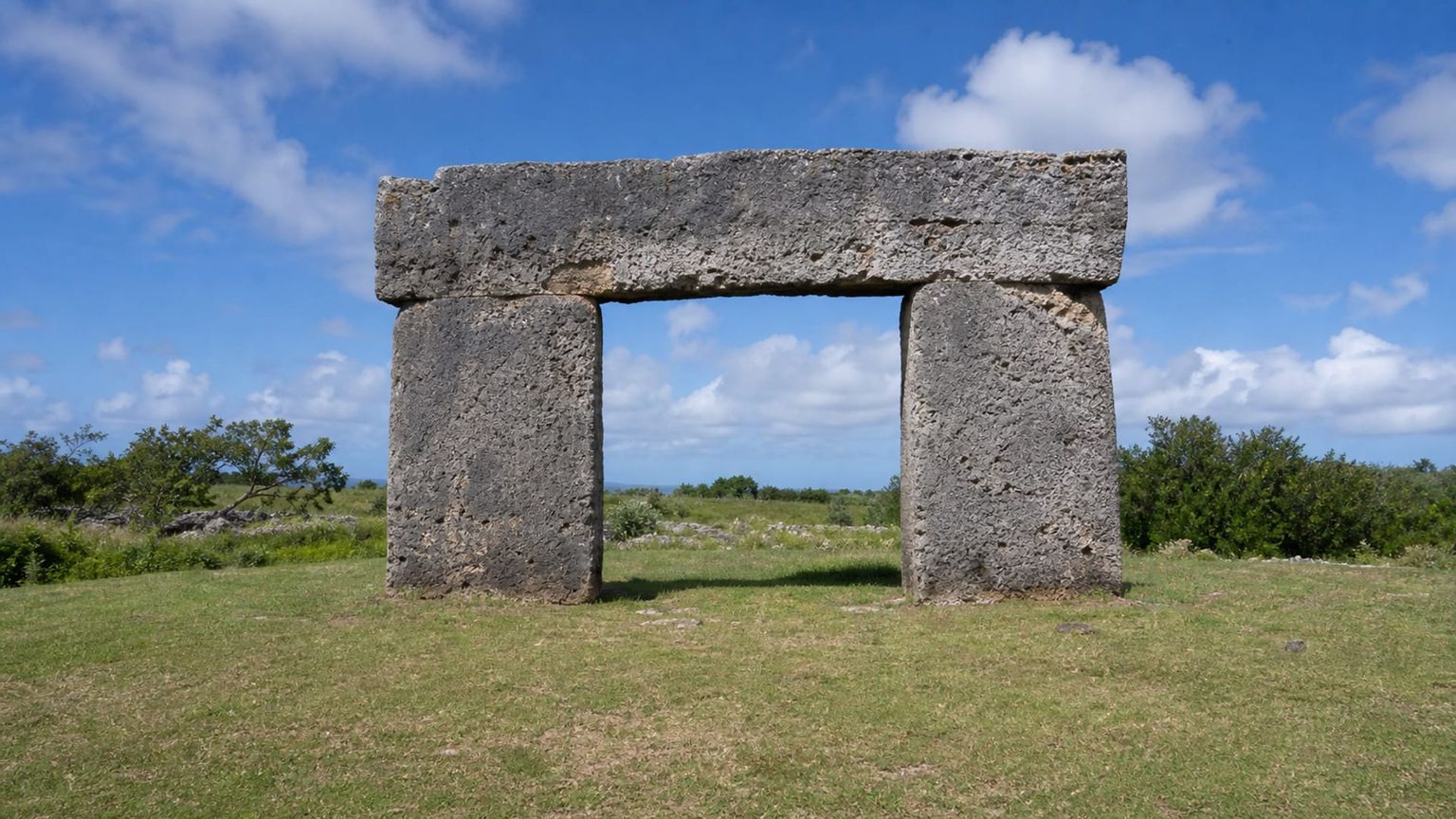
This stone trilithon on Tongatapu sits in a rural setting about 30 km east of Nukuʻalofa, with open views and space to walk the site slowly. The monument is one of Tonga’s best-known archaeological stops.
Time needed: About 45 minutes to 1 hour
Entry: Entry is typically free or donation-based at the roadside site, with no formal ticket desk. If a local caretaker is present, a small cash donation is customary, and any paid guide fee is agreed on site before a visit.
Tip: Visit late afternoon for softer light on the stones.
Traditional food
Nuku’alofa food leans on seafood, taro, coconut, and roasted root crops, with lu sipi, ota ika, faikakai topai, and ʻotai showing the balance between savory stews, fresh fish, and sweet coconut desserts.
Lu sipi
Taro leaves wrapped around lamb or mutton with coconut milk, baked until rich and tender. Tonga may have many versions, but Little Italy Restaurant in Nuku’alofa is a good canonical stop for a local plate.
Ota ika
Fresh fish cured in lime and coconut milk, usually with onion and a clean, bright finish. Friends Cafe in Nuku’alofa serves a version that fits the dish’s light, coastal style.
Faikakai topai
Soft dumplings in sweet coconut syrup, often served warm as a dessert or snack. Tali’eva Restaurant in Nuku’alofa is a fitting place to try the dish after a heavier meal.
ʻOtai
A chilled fruit drink mixed with coconut milk, usually made with watermelon, pineapple, or mango. The Hidden Pearl Restaurant and Cafe in Nuku’alofa is a sensible place to order one with lunch.
Best time to visit Nukalofa
Nuku’alofa stays warm year-round, but the drier months make sightseeing and lagoon-side day trips easier, while the wetter season brings heavier showers and a quieter pace.
Best for: Warm water, long daylight, and easy beach or lagoon time
What you get: Temperatures sit about 79-88°F (26-31°C), with lighter visitor numbers but more humidity and rain
Trade-offs: Afternoon showers and tropical systems can interrupt outdoor plans
Best for: Balanced weather for central sightseeing and day trips
What you get: Temperatures average about 77-85°F (25-29°C), with fewer downpours and moderate crowds
Trade-offs: Some rain still arrives, especially early in the season
Best for: The driest stretch for walking the center and visiting Tongatapu sites
What you get: Temperatures stay about 72-81°F (22-27°C), with the busiest travel period and clearer skies
Trade-offs: Popular dates can book early, and rates may rise
Best for: Good conditions for market visits and relaxed touring before the wet season
What you get: Temperatures run about 75-84°F (24-29°C), with fewer crowds than midwinter and more heat by late spring
Trade-offs: Late spring brings rising humidity and occasional showers
A realistic 5-day plan in Nukalofa
The five-day plan keeps the center on foot, folds the royal sites into one cluster, and reserves the longer Tongatapu outing for the middle of the stay. That ordering keeps taxi use limited and leaves the last day open for shopping and departure.
Fly into Nuku’alofa via Tonga International Airport (TBU), then take a taxi into Nuku’alofa central, about 25 to 30 minutes and roughly T$35 to T$50 (~$15 to ~$21) depending on traffic and the exact drop-off. If you are staying near Talamahu Market or the waterfront, you can settle in quickly, drink plenty of water after the flight, and walk out for an easy dinner in the central dining strip without planning a long trip. If you arrive early enough, a short stroll past the Royal Palace grounds gives you a first look at the city before a quiet night.
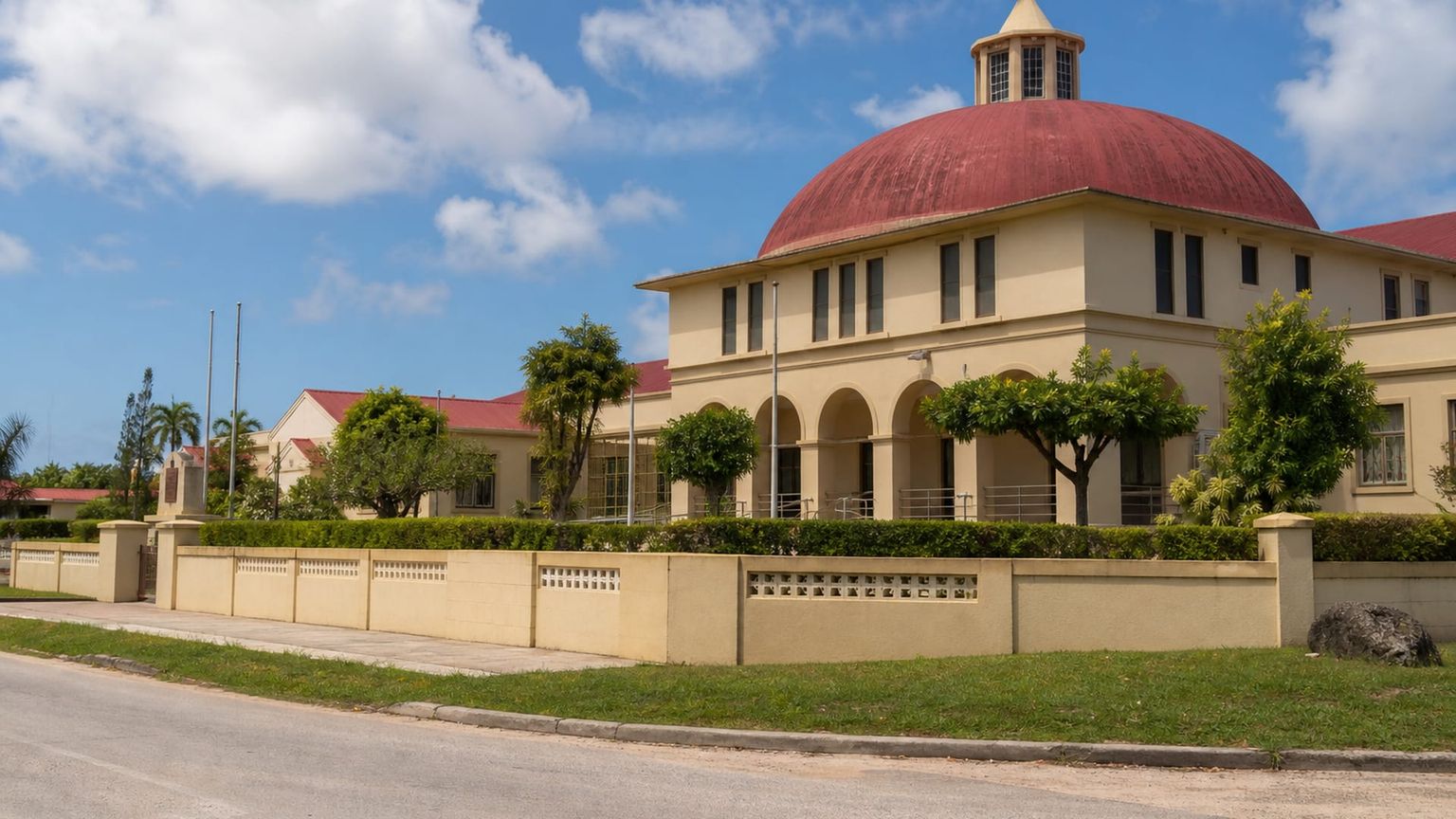
Start in Nuku’alofa central with the Tongan National Cultural Centre, where about 1 to 2 hours gives you time for dance, craft, and ceremony exhibits, then walk about 10 to 15 minutes to the Royal Tombs of Tonga for a brief, respectful stop at Mala’ekula. From there, it is an easy 5 to 10 minute walk to St. Mary’s Cathedral, Nukuʻalofa, for carved wood interiors and a quieter finish before lunch near the market or waterfront. In the afternoon, circle back toward the Royal Palace of Tonga, roughly 10 minutes away on foot from the cathedral area, and end with a slower look at the palace exterior and the surrounding central streets.
A morning run out to the Haʻamonga ʻa Maui Trilithon brings the trip beyond town, with the site about 30 km east of Nuku’alofa and roughly a 40 to 50 minute drive each way by taxi or hired car. Plan about 45 minutes to 1 hour on site, then head back to the capital for an unhurried late lunch and some time at Talamahu Market, where you can browse produce, woven goods, and everyday staples in the busiest part of town. Finish with a walk through Nuku’alofa central, about 10 minutes from the market to the waterfront edge, so you can see the city as the day cools.
Begin with an early visit to the Royal Palace of Tonga, then continue on foot to the Royal Tombs of Tonga, a route that takes about 10 to 15 minutes through the center and keeps both landmarks in one focused morning. After that, walk roughly 10 minutes to St. Mary’s Cathedral, Nukuʻalofa, and give yourself time for the interior before moving on to a relaxed lunch near downtown. In the afternoon, return to the Tongan National Cultural Centre for a second look at the exhibits or any live program you missed, since the center sits close enough to the core that a taxi ride is only about 5 to 10 minutes from most central hotels.
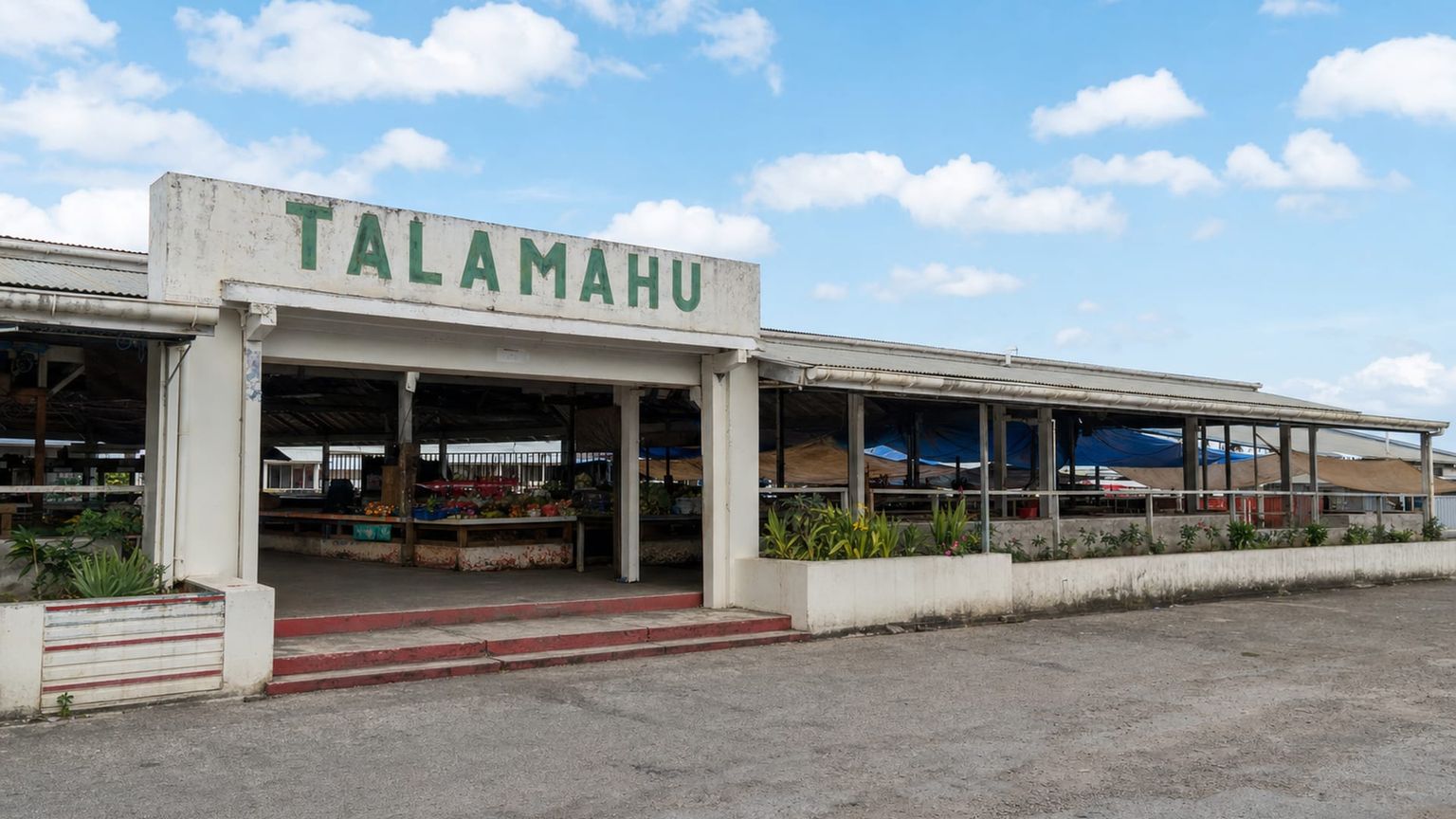
For a final day, stay near Nuku’alofa central and keep movement short, since the market, churches, and waterfront all sit close together and make easy last stops before departure. Stop by Talamahu Market for gifts and snacks, then spend a final hour in the downtown area over coffee in Kolofo’ou or a light meal near the central waterfront before heading back to Tonga International Airport (TBU). Allow about 25 to 30 minutes for the taxi ride to the airport, and leave enough time to check out without rushing.
Business-class flights from the US to Nukalofa
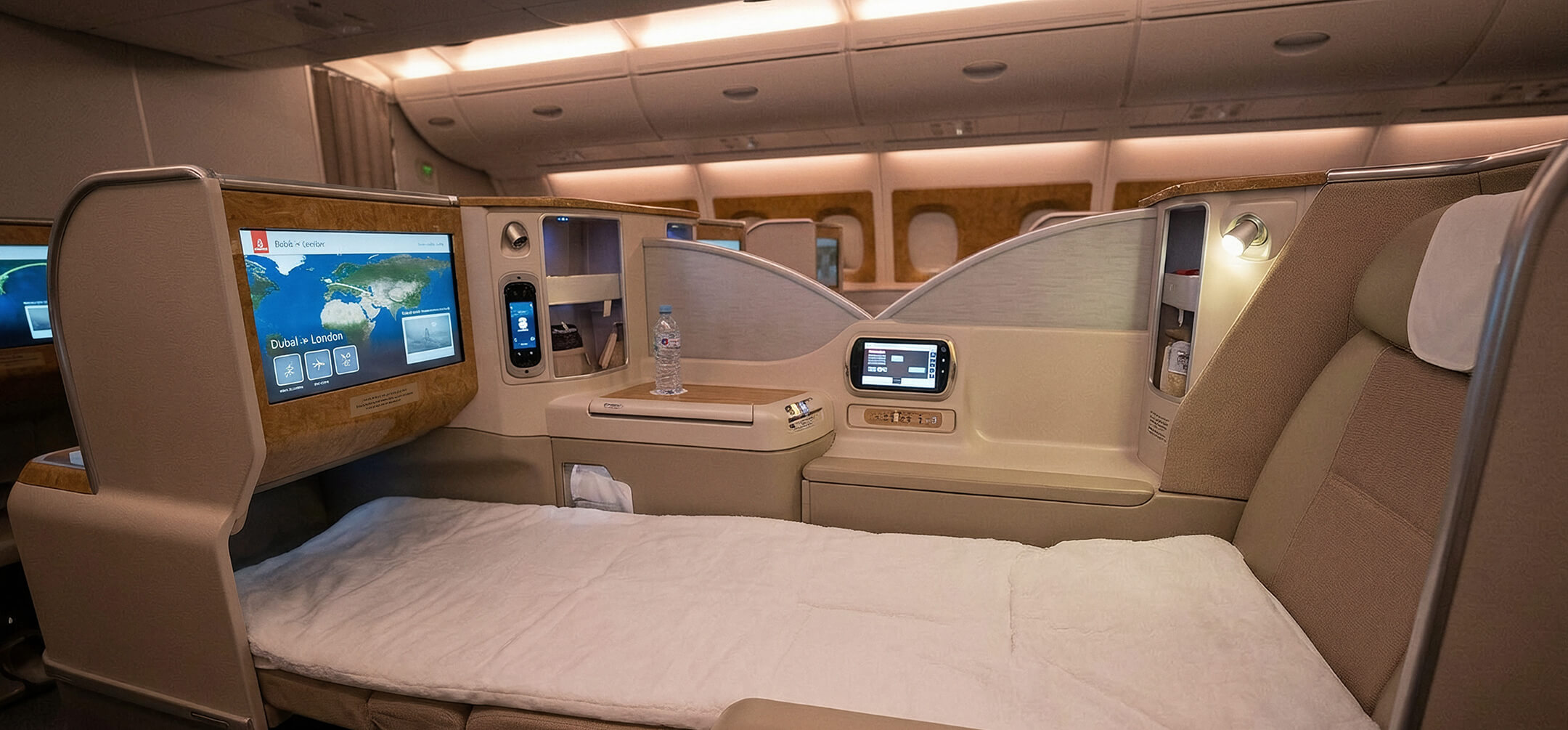
Reaching Nuku’alofa usually means a one-stop itinerary, and the best options shift by whether you depart from New York or Los Angeles. Fares and layover hubs vary, so it pays to compare the full route rather than the final leg alone.
From New York, Air New Zealand, Fiji Airways, Qantas, and United Airlines commonly appear on itineraries that connect through Auckland, Nadi, Sydney, or Los Angeles. Round-trip fares usually start at $4,200 and can reach $7,800; if you do not mind a layover, those hubs often bring the price down.
Los Angeles travelers usually see Air New Zealand, Fiji Airways, Qantas, and United Airlines on one-stop trips via Auckland, Nadi, or Sydney. Round-trip fares generally run from $3,600 to $6,900, and no scheduled nonstop operates to Nuku’alofa.
Nukalofa feels different when you slow down
A deliberate stay in Nuku’alofa keeps the center close at hand, then uses taxis only when the map opens out toward Haʻamonga ʻa Maui Trilithon or the airport road. It gives you time for Talamahu Market, the Royal Palace, St. Mary’s Cathedral, and a meal that matches the day, not the clock. If you want help shaping those choices into one trip, AranGrant experts can refine the route for your dates and pace