

Chapters:

Need help with your trip?
Our support team is available 24/7. Request a callback or call us directly at (833) 619-0908
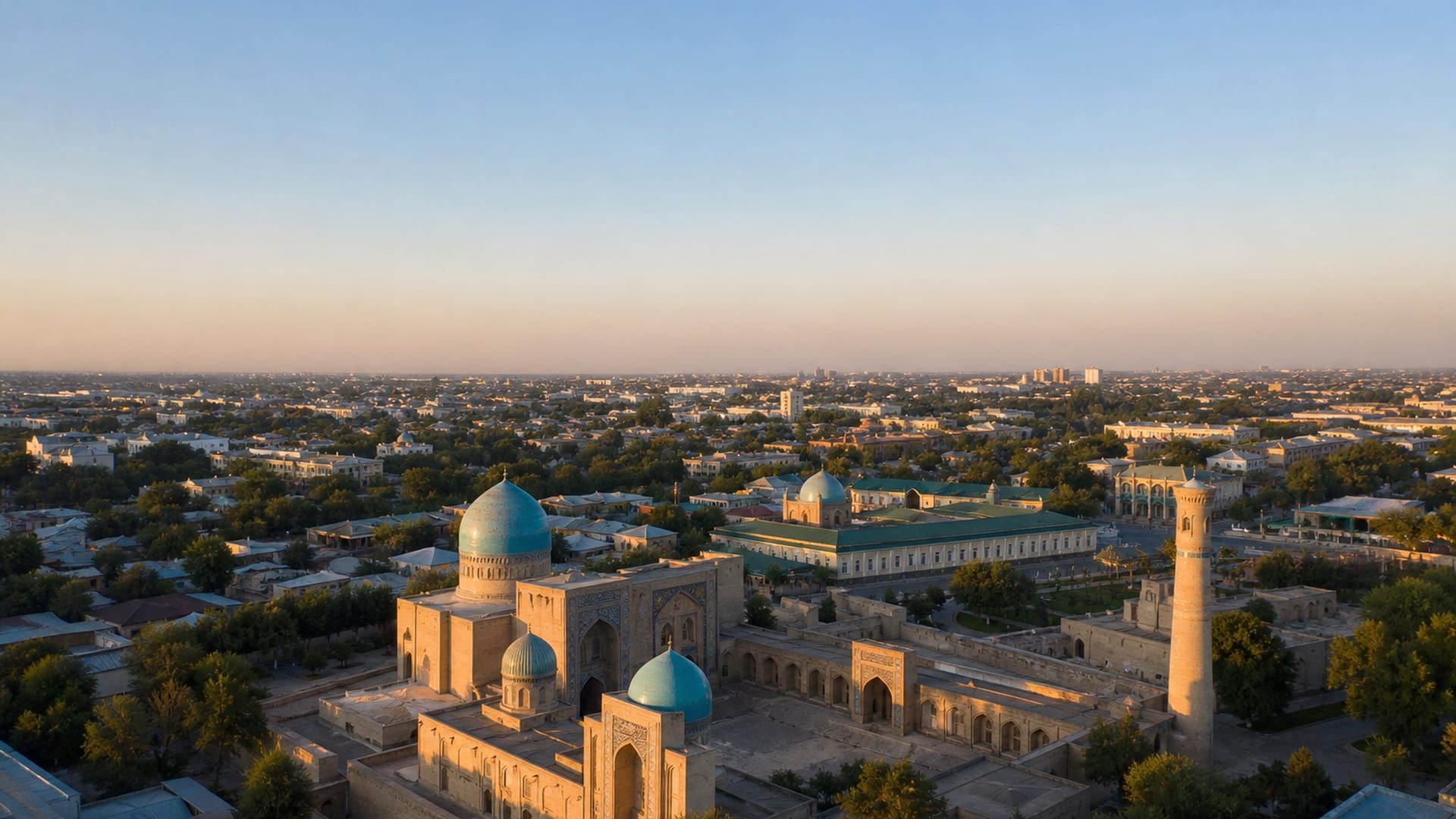
Tashkent often gets compressed into a quick stop between larger Silk Road names, yet that approach misses the city’s strongest contrasts, from the old lanes near Chorsu to the formal avenues around Amir Timur Square.
Covering those districts takes time, and the city’s broad layout can make rushed plans waste hours in taxis or leave travelers seeing only one side of town. A tight schedule also misses how the metro, markets, and museums fit together.
This guide follows a slower, more useful order, with neighborhoods, transit, food, and day trips arranged so each stop builds on the last.
Useful things to know

Main language(s): Uzbek
Salom (sah-LOM) – Hello / good morning
Iltimos (il-tee-MOS) – Please
Rahmat (rah-MAHT) – Thank you
Siz inglizcha gapirasizmi? (sees een-GLEEZ-cha gah-pee-rah-SEEZ-mee) – Do you speak English?
Bu qancha turadi? (boo KAN-cha too-RAH-dee) – How much does it cost?

Currency: The local currency is the Uzbek som (UZS, so’m).

Cash and cards: Cards and contactless are widely accepted in Tashkent, but keep about 200,000 to 300,000 UZS ($16 to $24) in cash.

Tipping: Round up taxi fares and leave about 5-10% at restaurants if service is good.

Traditional food: plov, lagman, shashlik, samsa

Water and coffee costs: Water ~10,000 UZS ($0.80), bar espresso ~25,000 UZS ($2).

Taxis and ride apps: Yandex Go and Bolt operate here; confirm the plate before getting in.

Plug and voltage: Type C/F socket, 220V

Dining and shop opening hours: Breakfast runs about 7:00-9:00 am, lunch 12:00-2:00 pm, and dinner 6:00-9:00 pm. Many places close midafternoon.

Emergency number: 112 for police, fire, and ambulance.
Where to stay in Tashkent
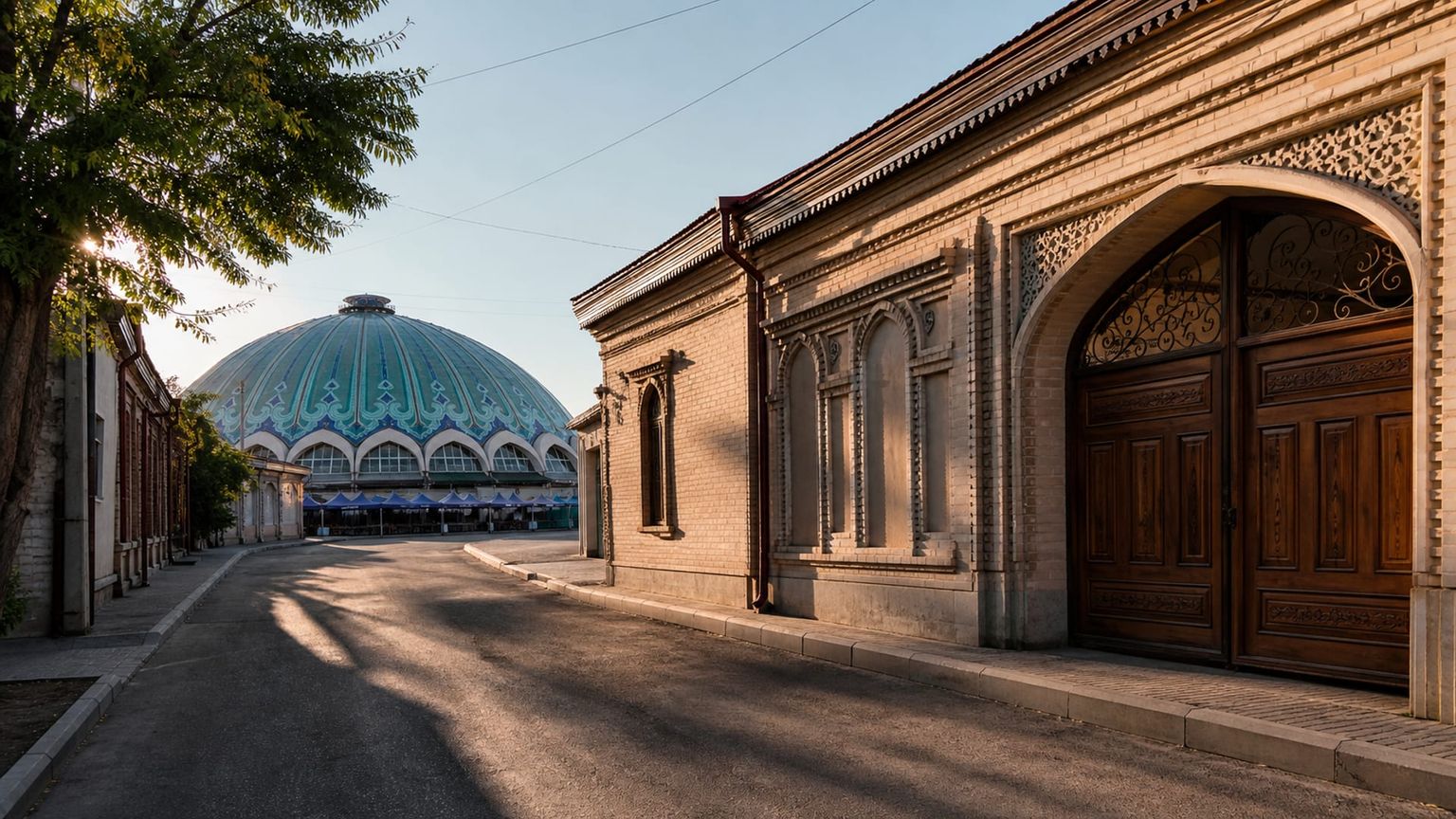
Historic lanes near Chorsu Bazaar, Kukeldash Madrasah, and the city’s oldest mosques give you Tashkent’s most traditional street pattern. Stay here for easy access to bazaars, small eateries, and some of the clearest links to the old city.
Best for: Market browsing, historic sights, and travelers who want the old city close by
What to expect: Expect busy market streets by day, vendors spilling onto sidewalks, and a more local, lived-in atmosphere than the newer districts.
Hotel prices: Usually about $35 to $90 per night for well-rated stays
Distance to major sights: 5 to 15 minutes on foot to Chorsu Bazaar and Kukeldash Madrasah, about 20 minutes by taxi to Independence Square
Quietness: Daytime is lively and crowded, while evenings settle down quickly once the bazaar activity fades.
Main trade-off: You gain atmosphere and short walks to major sights, but room choices can be older and the loudest streets stay active late into the afternoon.
Good to know: If your hotel faces a main market road, ask for an interior room so early-morning deliveries do not wake you up.
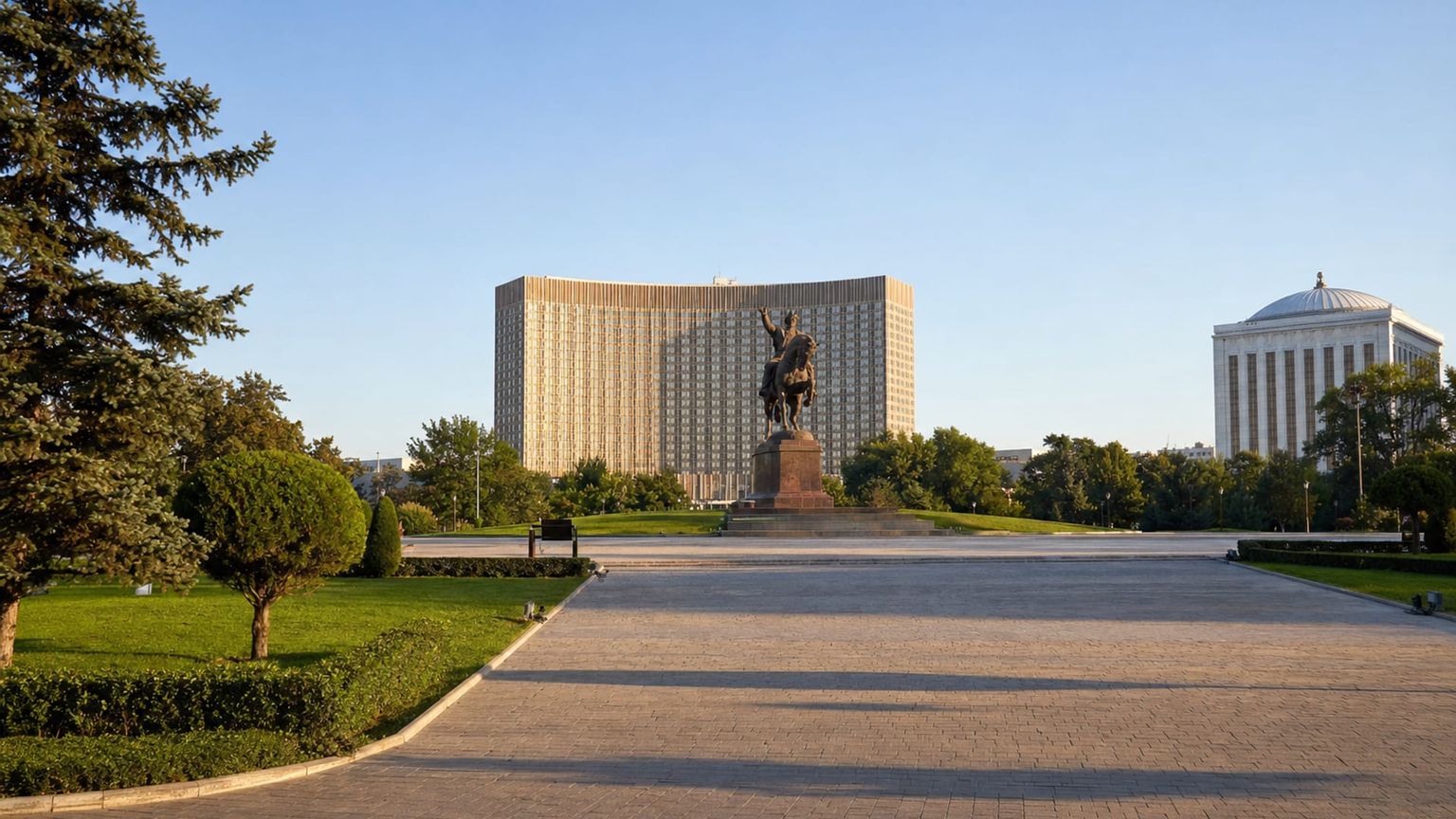
The central district around Amir Timur Square, Broadway, and the main government avenues puts you close to Tashkent’s most formal landmarks. It suits visitors who want easy taxi access, bigger hotels, and simple connections across the city.
Best for: First-time visits, business stays, and travelers who want quick access to the main sights
What to expect: Expect wide boulevards, more foot traffic near the square and Broadway, and the city’s most international hotel zone.
Hotel prices: Usually about $60 to $160 per night for well-rated stays
Distance to major sights: 10 to 20 minutes on foot to Amir Timur Square and 15 to 25 minutes by taxi to the Chorsu area
Quietness: Days are active with traffic and pedestrians, while evenings are calmer once office hours end and restaurant traffic thins.
Main trade-off: This is convenient, but the best-located hotels cost more and streets can feel busy during weekday commuting hours.
Good to know: If you plan to move around by taxi, this area cuts cross-city rides more than a bazaar district does.
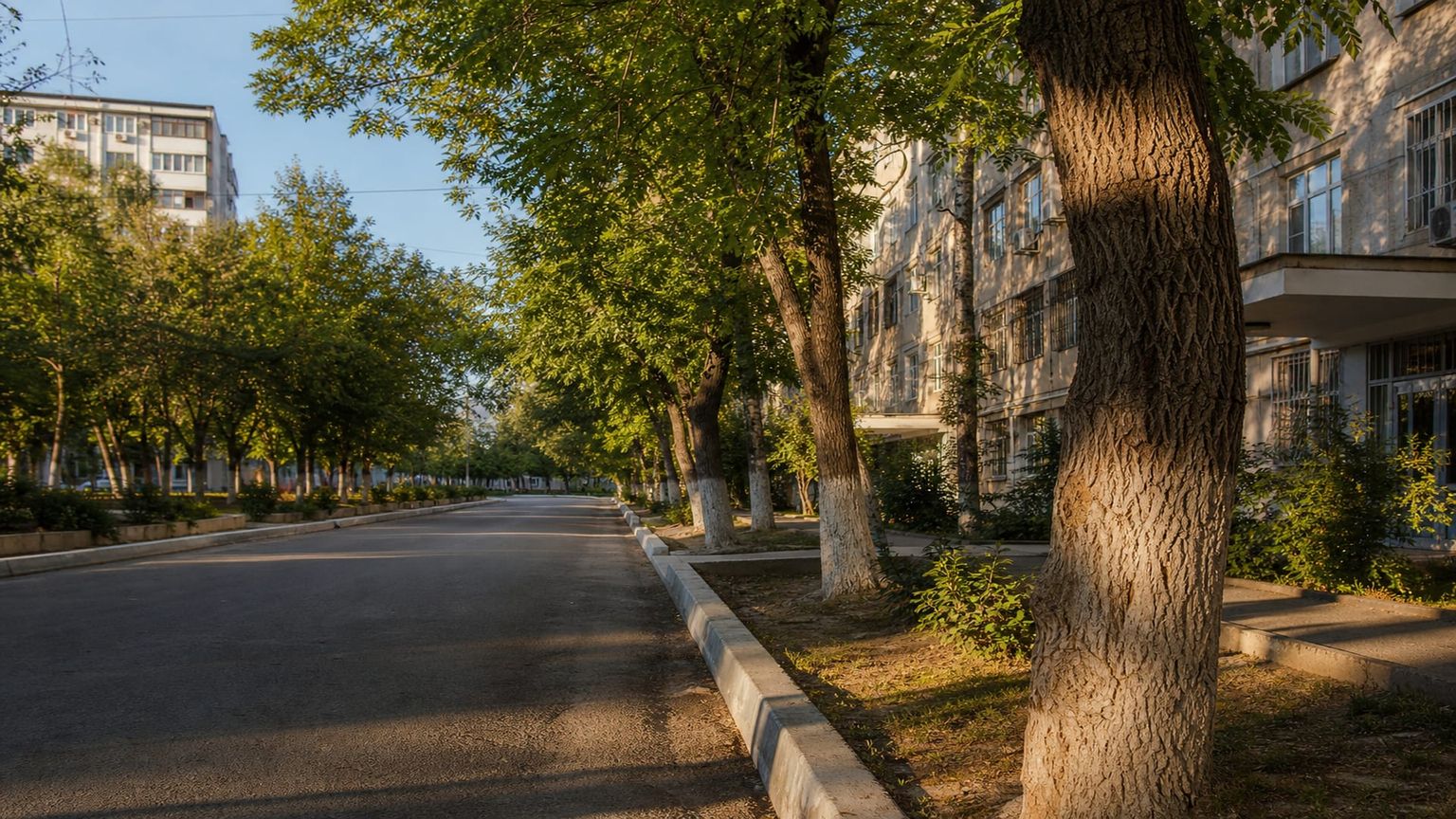
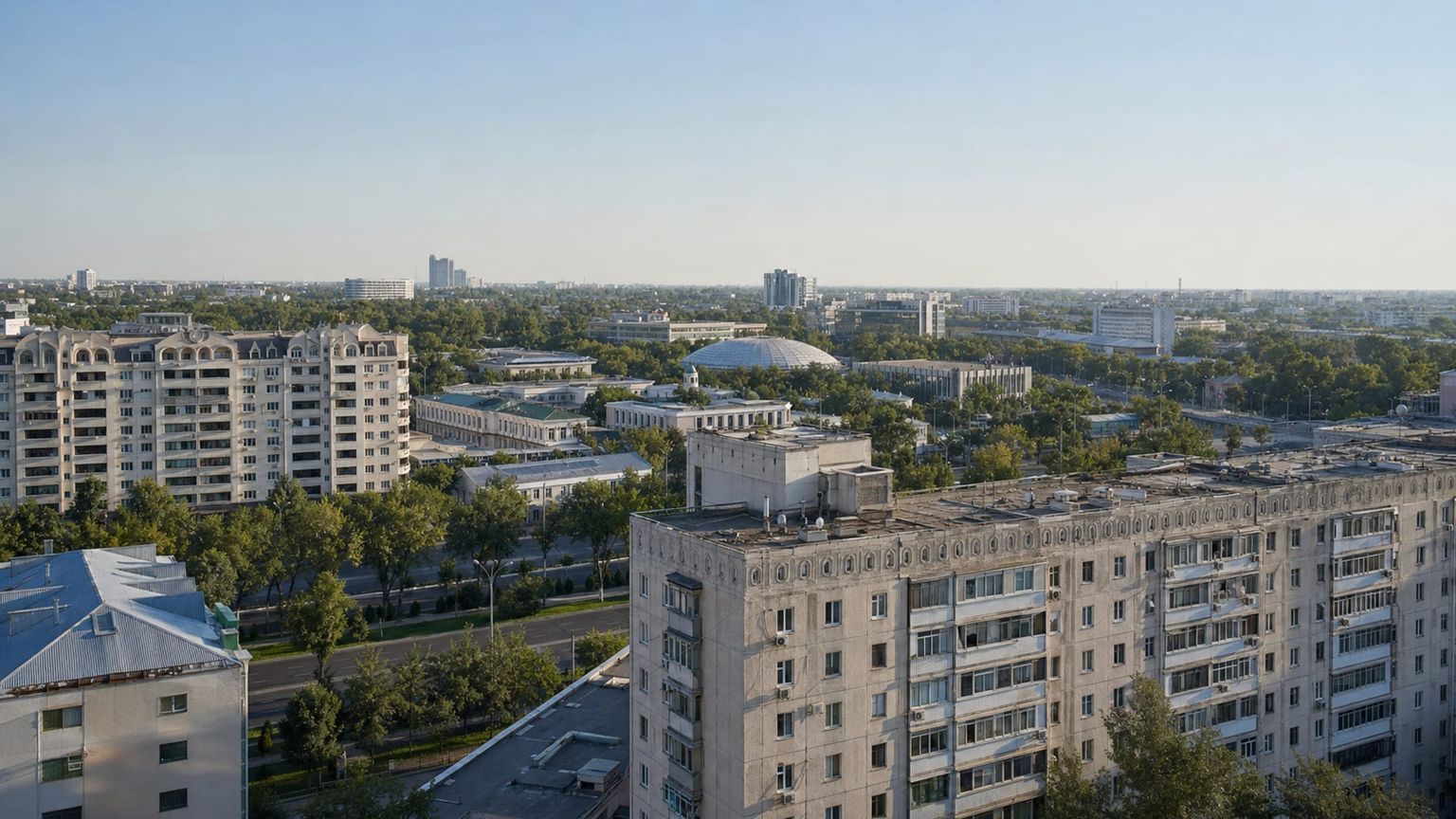
Yunusabad is a broad northern district with apartment blocks, shopping centers, and newer hotel stock set away from the oldest core. It works well if you want more space, easier parking, and a base that is often quieter than the center.
Best for: Longer stays, family trips, and travelers who want modern hotels with parking
What to expect: Expect wider roads, residential blocks, and less sidewalk activity than in the central or old-city districts.
Hotel prices: Usually about $40 to $110 per night for well-rated stays
Distance to major sights: 20 to 30 minutes by taxi to Amir Timur Square, about 25 minutes to Chorsu Bazaar
Quietness: Days are busy near shopping streets, while evenings are noticeably calmer in the residential sections.
Main trade-off: You usually get more room for the price, but you will rely on taxis for most sightseeing and nightlife.
Good to know: If you have early departures or a rental car, the parking and road access can be easier here than downtown.
Travelers usually avoid far-flung districts like Sergeli and Bektemir for a first stay, because they sit well south and southeast of the main sights, with fewer visitor amenities and longer evening trips back from the center. Parts of the airport corridor near Tashkent (TAS) are also less convenient for sightseeing, since they are oriented to transit rather than walking access to Chorsu Bazaar, the metro, and central museums.
Hotel deals
How to get around Tashkent efficiently
Tashkent’s three-line metro, app-based taxis, and dense central bus network make it easy to move between the old city, Amir Timur Square, and Yunusabad without relying on one mode alone.

Metro
for longer distances
Tashkent has a three-line metro, with stations that cover the center, the main rail stations, and several residential districts. A single ride costs about $0.10 to $0.25 and tickets are valid for one trip only; trains usually run from about 5:00 am to 11:30 pm. For visitors, it works well for trips between Chorsu, the old city, Amir Temur Square, and the two main stations, with waits often about 5 to 10 minutes.

Bus and tram
for convenience
Bus and tram travel in Tashkent comes through the city bus network, since tram lines are no longer part of regular service. Fares are usually about $0.10 to $0.25 per ride, paid in cash or by card on many routes, and a single fare covers one journey only. Routes are dense in the center and reach outer neighborhoods, but traffic can make trips take about 25 to 60 minutes for cross-city rides.

Taxi
for convenience or late hours
Tashkent taxis usually use app-based fixed pricing, while street-hailed cars may quote a price before departure rather than use a meter. Typical city rides cost about $2 to $6, and the airport to center often runs about $6 to $12 depending on time of day and demand. Most drivers accept cash in Uzbek som, and ride-hailing apps are the easiest way to lock in the fare before you leave.
*Prices are based on rates updated as of June 2026 and may change at the time of travel.
Use the metro for central hops, taxis for cross-city transfers, and buses when you want a cheap option and do not mind slower traffic.
Iconic landmarks
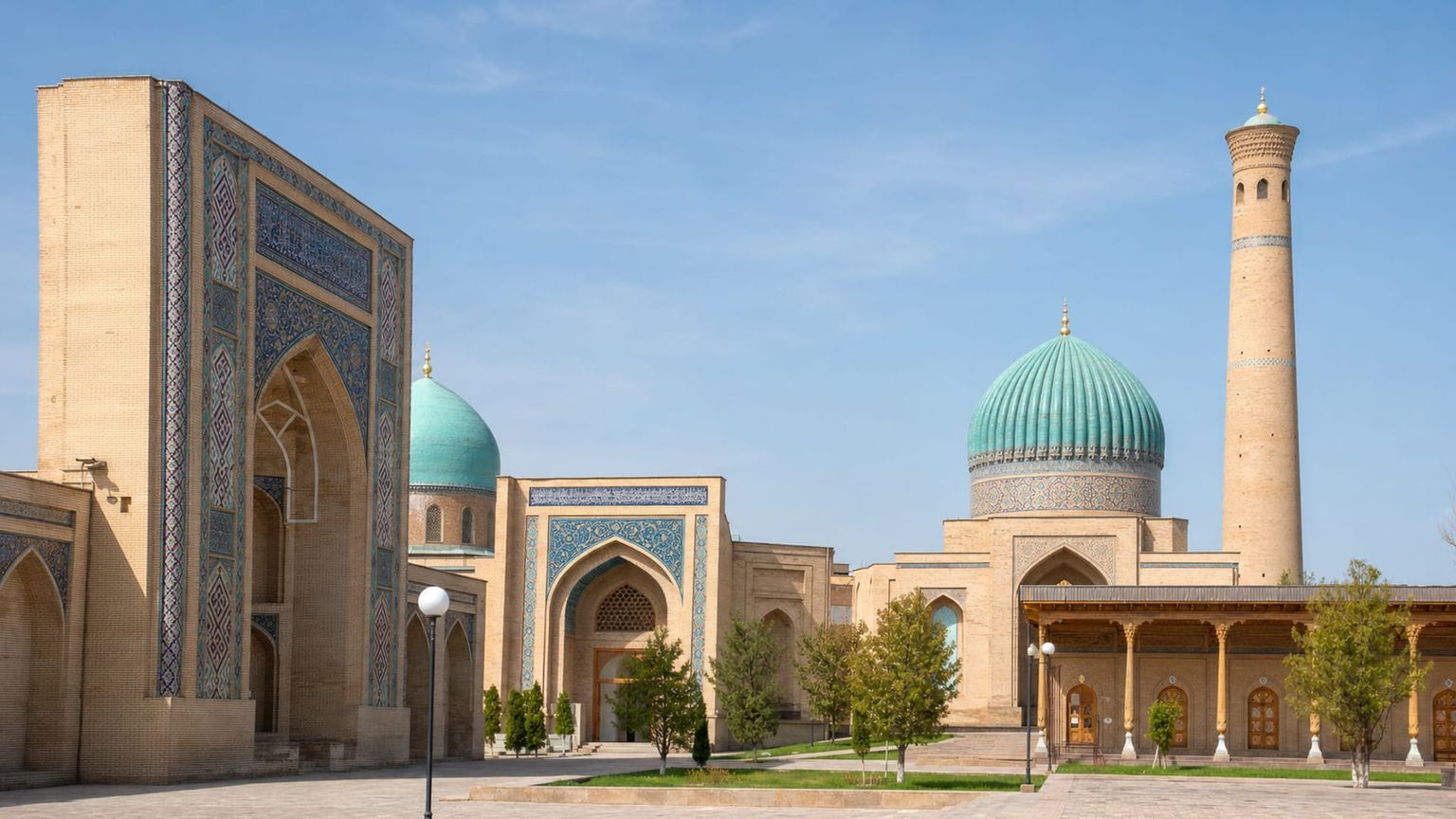
Khast Imam Complex
This Old City ensemble gathers the Hazrat Imam Mosque, Barak-Khan Madrasah, and the Muyi Muborak Library, where one of the world’s oldest Qurans is displayed. It anchors Tashkent’s historic core and is easy to pair with nearby Chorsu.
Time needed: About 1 to 2 hours
Entry: Free to access; some museum rooms or special displays may charge about $1 to $3 (approximately 12,000 to 38,000 som).
Tip: Visit in the morning for cooler courtyards and fewer tour groups, then walk to Chorsu.
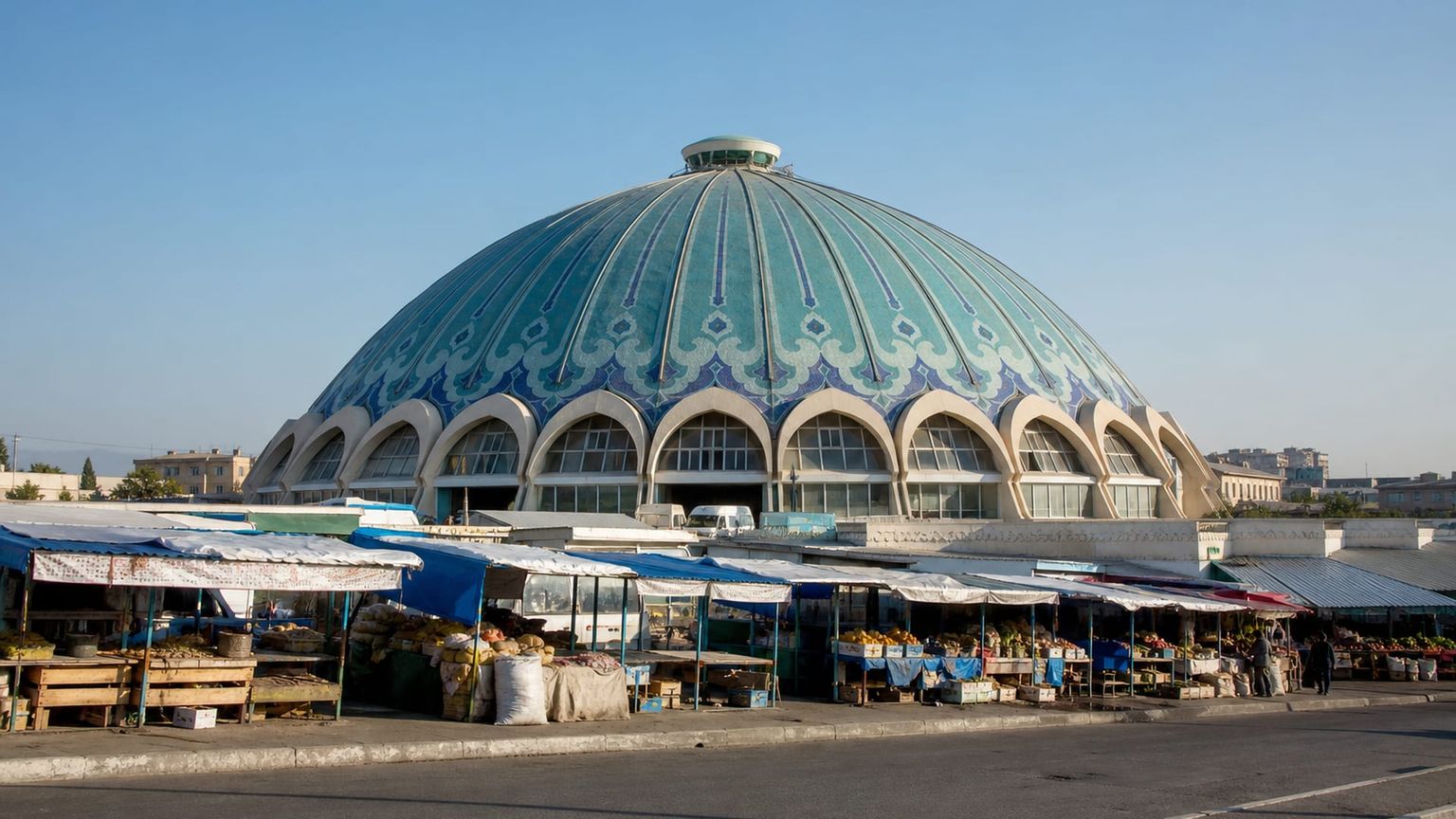
Chorsu Bazaar
Set beneath a turquoise dome, Chorsu Bazaar is Tashkent’s busiest market for bread, spices, dried fruit, and daily shopping. The building itself is a landmark, and the surrounding stalls give a direct look at city life in the old center.
Time needed: About 1 to 2 hours
Entry: Free to enter; prices vary by stall, and small purchases usually cost about $1 to $10 (approximately 12,000 to 125,000 som).
Tip: Go before midday for the best produce selection and easier movement through the aisles.
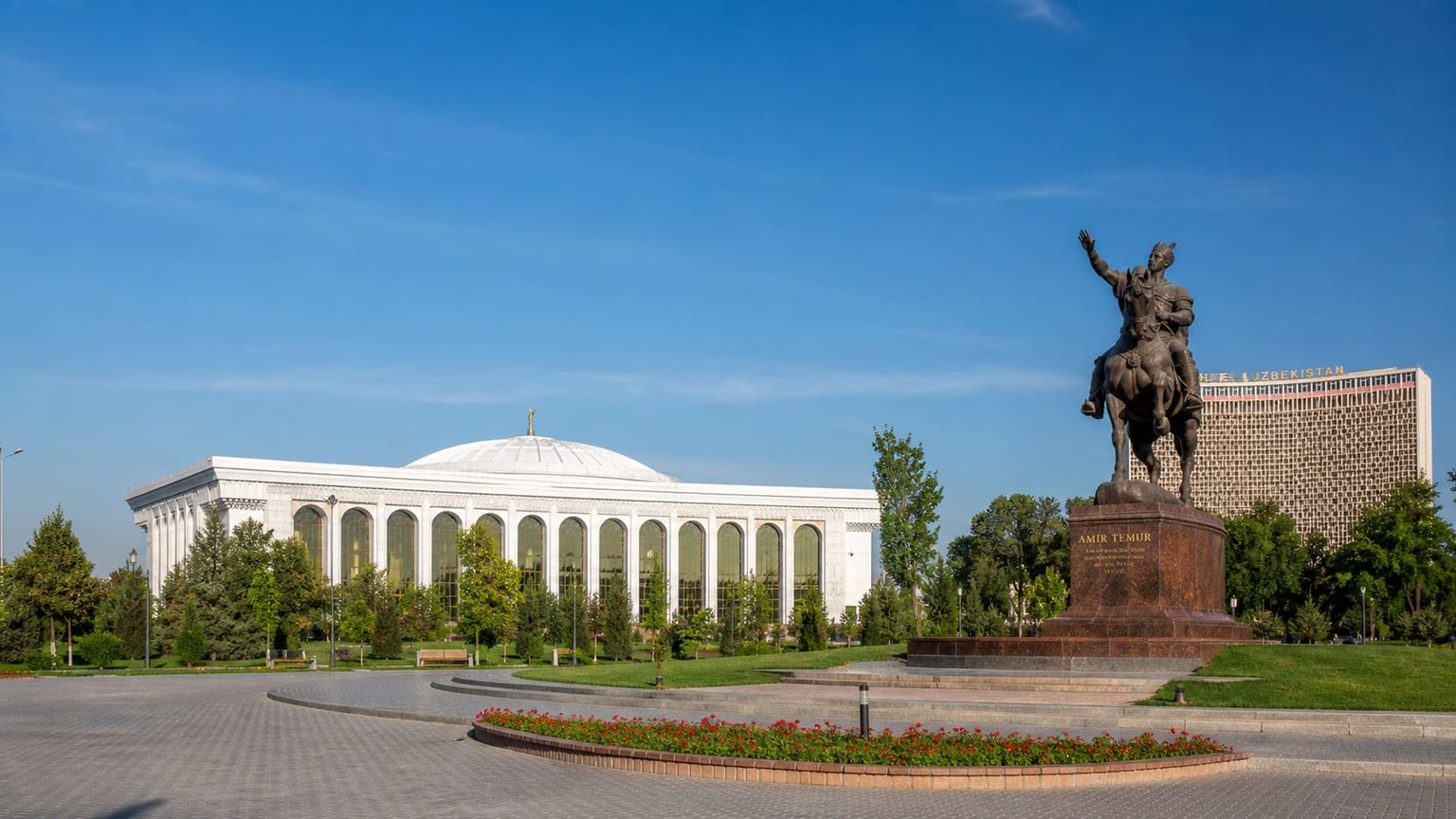
Amir Timur Square and Museum
Amir Timur Square marks the center of modern Tashkent, with the equestrian statue of Timur, tree-lined walks, and the nearby museum dedicated to his era. It gives a clear contrast to the Old City and sits within a compact central district.
Time needed: About 1 to 2 hours
Entry: Square: free to access; museum tickets cost about $2 to $4 (approximately 25,000 to 50,000 som) per adult. Visit the official site for details.
Tip: Visit late afternoon for softer light on the statue and an easy walk to nearby museums.
Overlooked sites worth visiting

Navoi Opera and Ballet Theatre Museum
This compact museum inside the theater traces the company’s stage history with costumes, posters, and archival photos. It suits a short cultural stop before or after a performance, with displays set in the building’s formal interiors.
Time needed: About 45 minutes
Entry: Museum access typically costs $2 to $5 (about 25,000 to 63,000 UZS), depending on exhibition access and whether you visit with a performance ticket; check the box office for the current price and opening hours before you go.
Tip: Pair it with an evening performance for a fuller visit.

Botanical Garden of the Academy of Sciences of Uzbekistan
This large garden east of the center has long walking paths, mature trees, and shaded benches that reward a slow visit. It is a quiet break from the city, with more than 4,500 plant species spread across a broad parkland site.
Time needed: About 2 hours
Entry: Entry usually costs about $1 to $3 (roughly 12,500 to 38,000 UZS) for adults, with lower rates for children and students; expect a separate charge for special greenhouses or event access if they are open during your visit.
Tip: Go in the early morning for cooler paths and softer light.
Traditional food
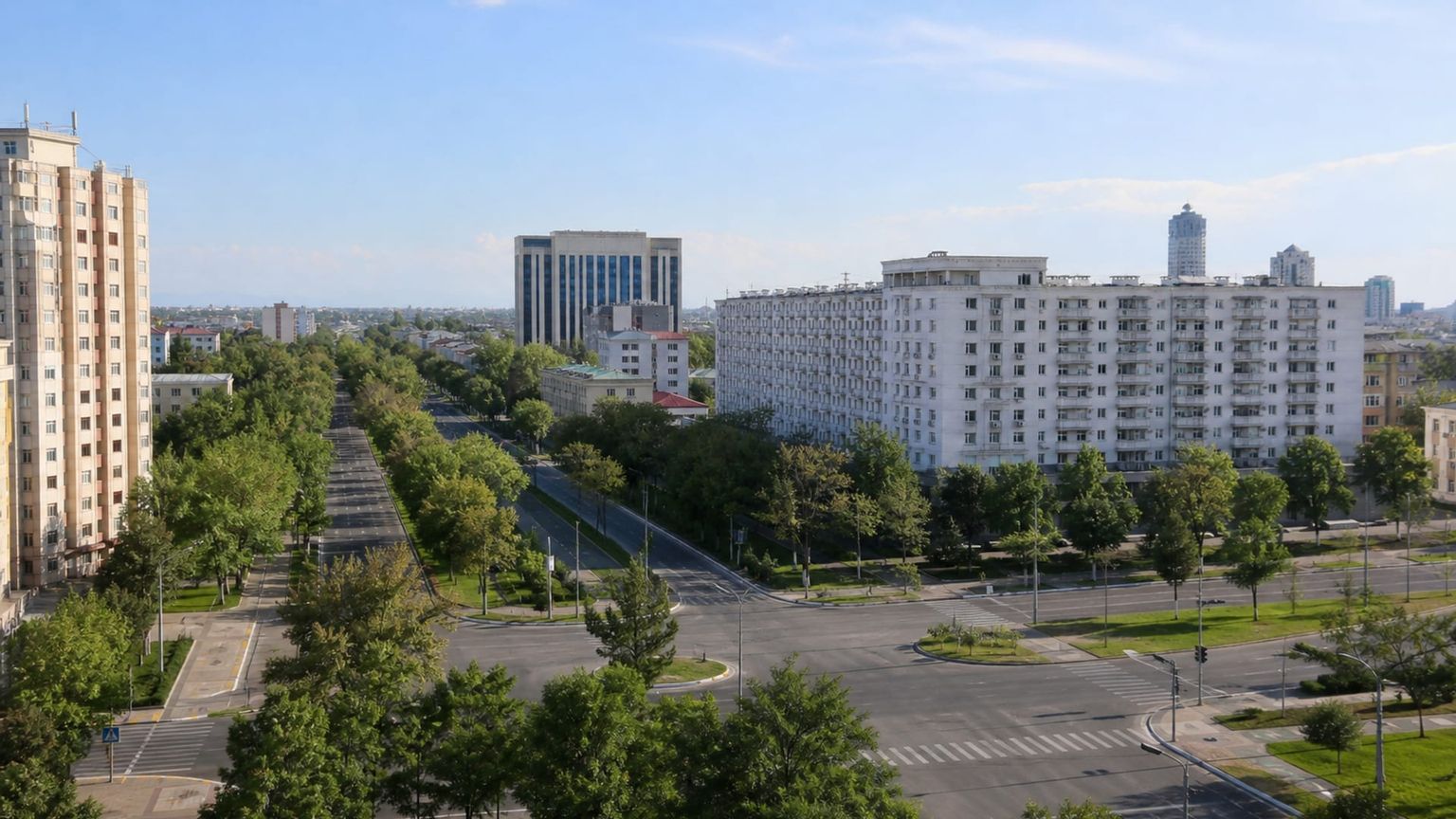
Tashkent cooking leans on plov, lagman, shashlik, and samsa, with rice, lamb, noodles, and dough carrying cumin, onion, and slow-cooked fat through simple neighborhood meals and market lunches.
Plov
Tashkent’s signature rice dish blends lamb, carrots, onions, and spices into a filling one-plate meal. Karavan is a strong place to order it in the city, with a menu that suits a first introduction to Uzbek cooking.
Lagman
This hand-pulled noodle bowl arrives in a broth or light sauce with vegetables and meat, making it a good change of pace from rice-heavy meals. Afsona is a well-known Tashkent restaurant for a polished version.
Shashlik
Charcoal-grilled skewers of lamb or beef anchor many evening meals, usually served with onions, bread, and tea. Caravan serves a widely recommended version in a setting that works well for a sit-down dinner.
Samsa
These baked pastries are filled with meat, onion, or pumpkin and make a good snack between sightseeing stops. Besh Qozon is a classic Tashkent address for samsa alongside other Uzbek staples.
Best time to visit Tashkent
Tashkent shifts from hot, bright summers to colder, clearer winters, so the best months depend on whether you want market walks, garden time, or easier sightseeing between neighborhoods.
Best for: Courtyards, bazaar visits, and outdoor walks
What you get: About 46 to 79°F (8 to 26°C), with comfortable days and rising visitor numbers in late spring
Trade-offs: Rain can interrupt outdoor plans in some weeks
Best for: Long evenings and indoor museum stops
What you get: About 68 to 97°F (20 to 36°C), with the busiest heat and more people shifting plans indoors
Trade-offs: Midday heat makes long walks tiring
Best for: Food trips and city walks in mild weather
What you get: About 45 to 83°F (7 to 28°C), with clear air and moderate crowds outside major holidays
Trade-offs: Temperatures can drop quickly by late November
Best for: Lower-key sightseeing and market browsing
What you get: About 25 to 45°F (-4 to 7°C), with lighter crowds and short days
Trade-offs: Cold mornings and occasional snow can slow movement
A realistic 5-day plan in Tashkent
Five days in Tashkent gives you room for both the old city and the newer center without turning the trip into a checklist. The sequence below keeps the early days compact and leaves the final day open for a last stop before you head to the airport.
Landing at Tashkent International Airport (TAS), take a taxi into the city, which usually takes about 20 to 35 minutes and costs roughly $4 to $8, depending on traffic and the pickup point. For an easy first night, base yourself near Amir Timur Square if you want a central hotel, or in Chorsu and Old Tashkent if you prefer to sleep closer to the bazaar and historic lanes. Stay near your room after check-in, drink plenty of water, and keep dinner simple with plov or shashlik at a nearby restaurant in your neighborhood so you are not crossing the city late in the evening.
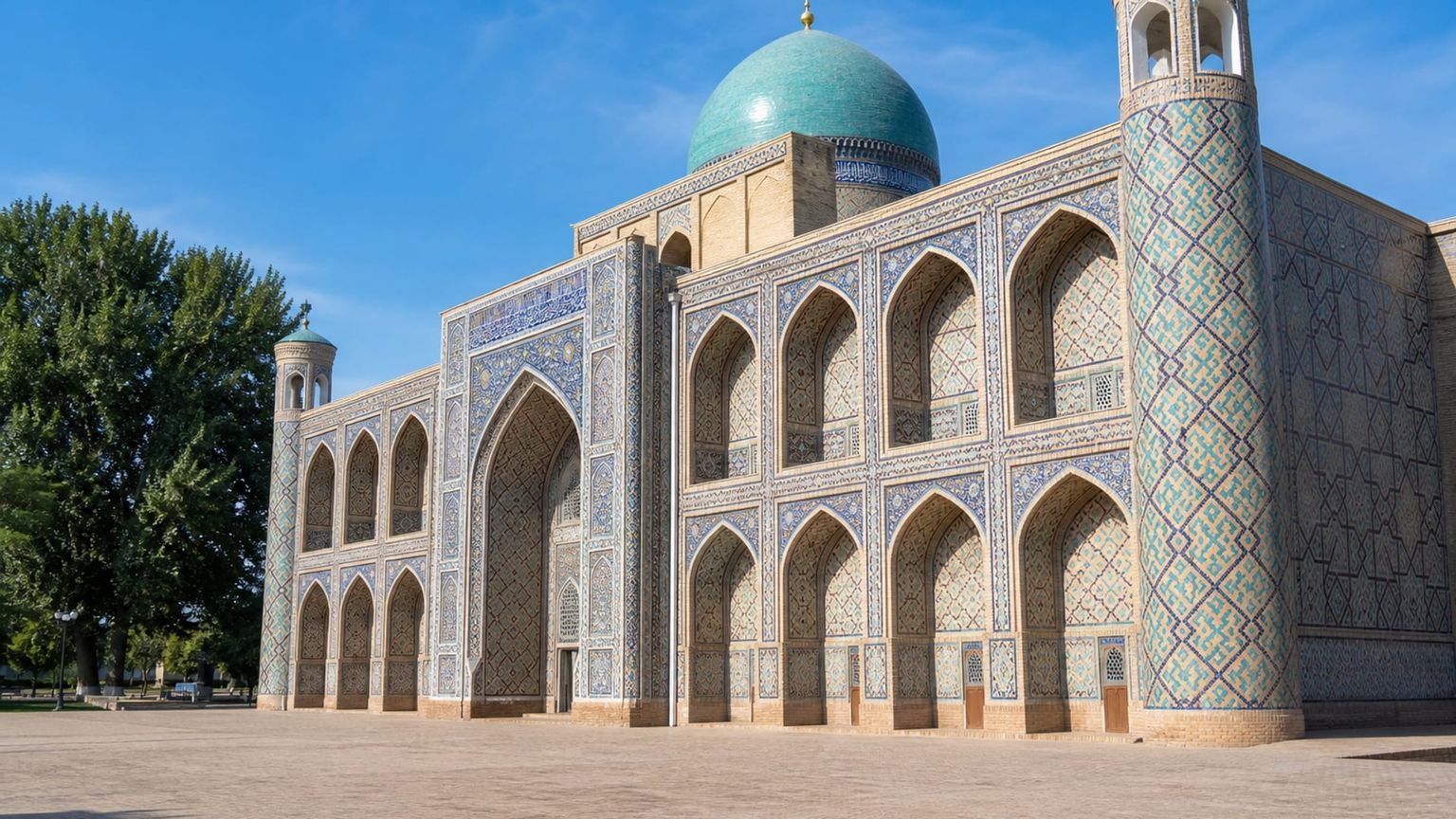
Start in the Old City with Khast Imam Complex in the morning, then walk about 10 to 15 minutes to Chorsu Bazaar for bread, dried fruit, and spice stalls before lunch. From Chorsu, it is about 10 minutes by taxi to the Navoi Opera and Ballet Theatre Museum, where you can spend about 45 minutes on costumes and archival displays before heading back toward the center. End the day in Chorsu and Old Tashkent for a low-key dinner nearby, which keeps your transfers short and gives you time to settle into the area’s older streets.
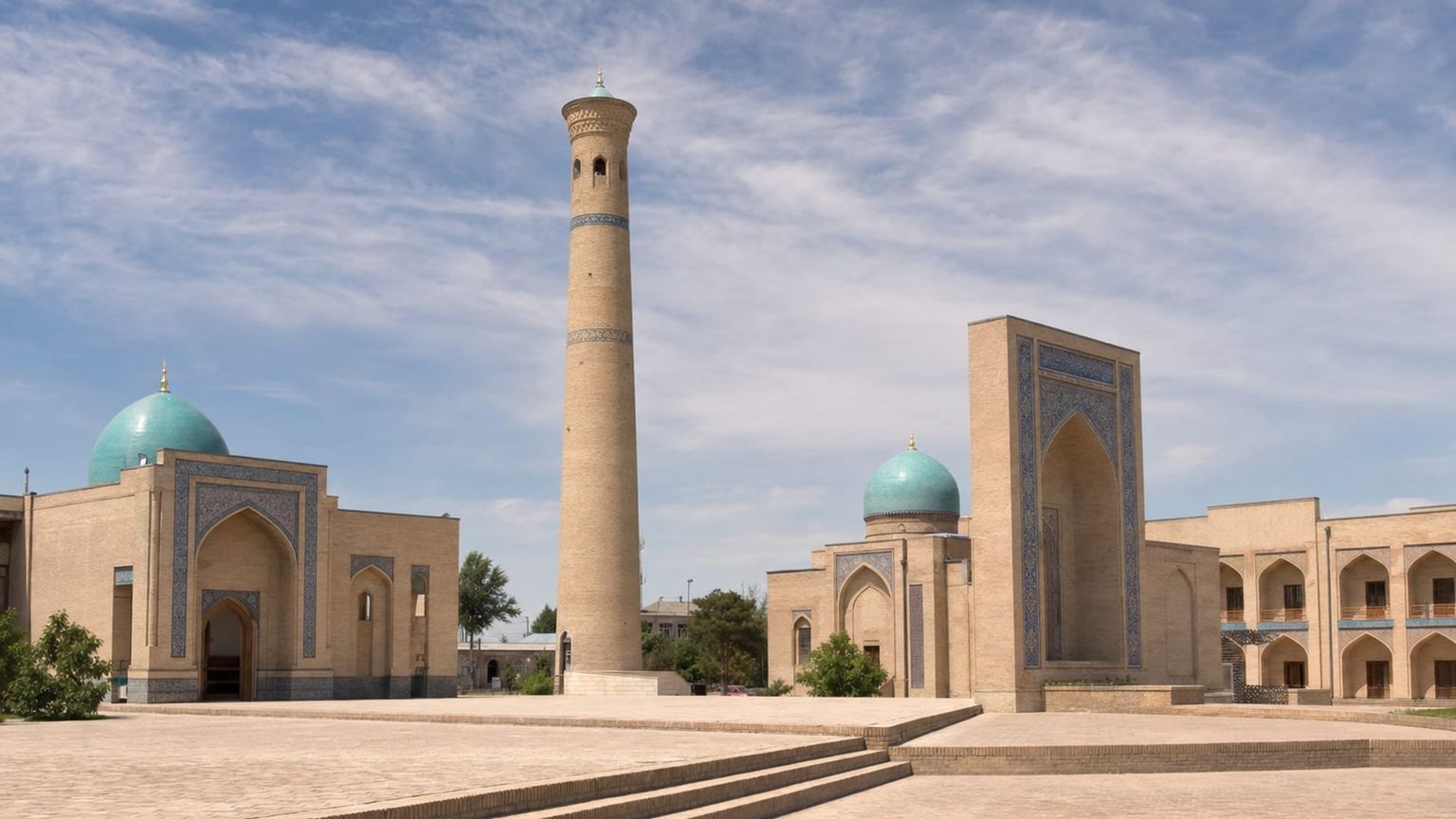
A central Tashkent day works well around Amir Timur Square and Museum, which is easy to pair with the broad avenues nearby. Begin with the square and museum, then walk about 15 minutes through the government district and Broadway area for a view of the city’s formal center; the route is simple, and taxis are easy to find if you want to skip any stretch. In the late afternoon, return to Amir Timur Square for better light on the statue, then have dinner in the city center, where larger restaurants stay busy into the evening.
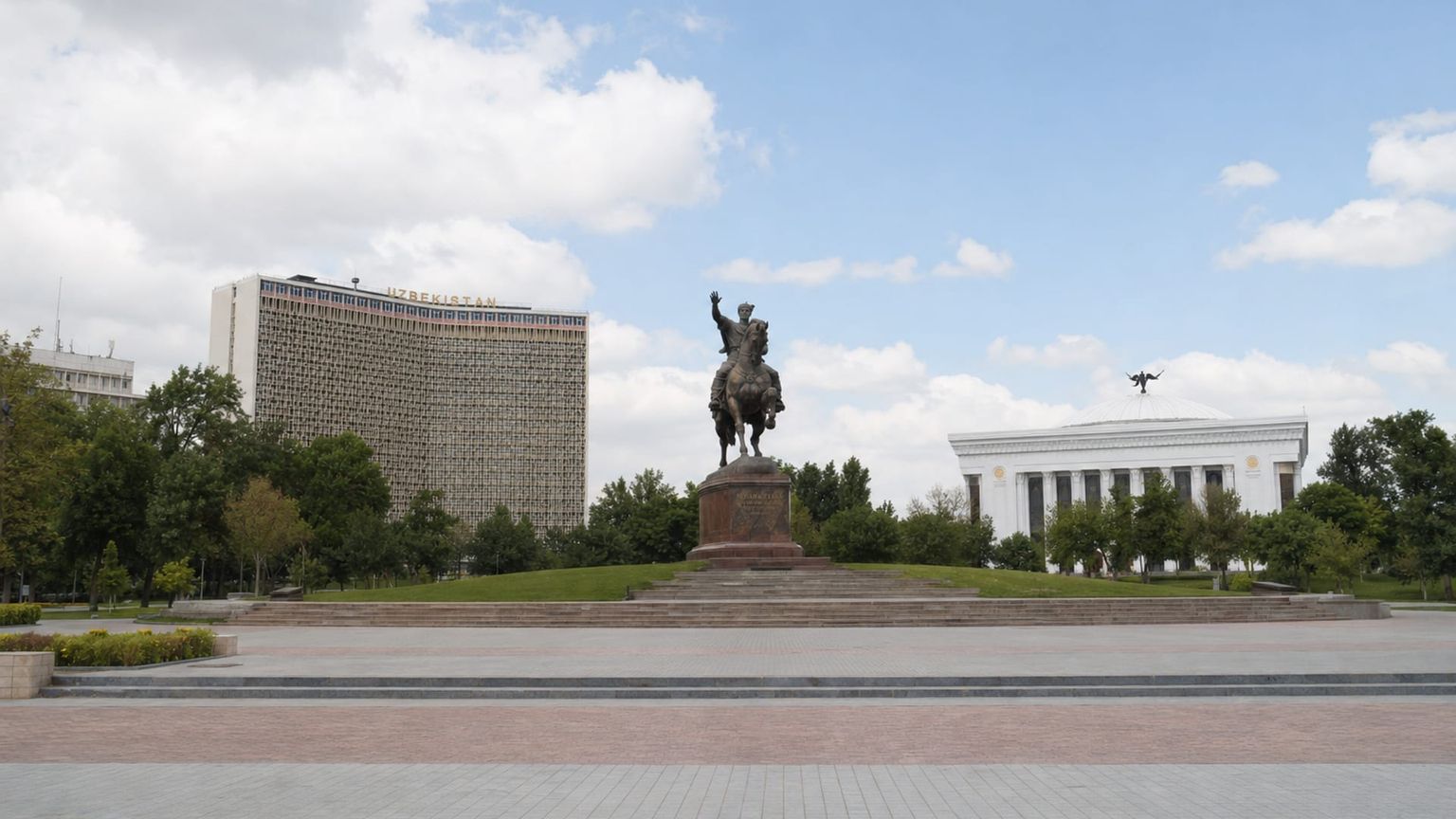
For a greener change of pace, head east to the Botanical Garden of the Academy of Sciences of Uzbekistan, a trip that takes about 25 to 40 minutes by taxi from the center. Plan roughly two hours for the garden, then return to the city and stop at the Navoi Opera and Ballet Theatre Museum if you missed it earlier, or pair the garden with a relaxed lunch in the center before coming back. This day fits best if you stay in Yunusabad or the city center, since both areas make the cross-city ride easier than staying deep in the old quarter.
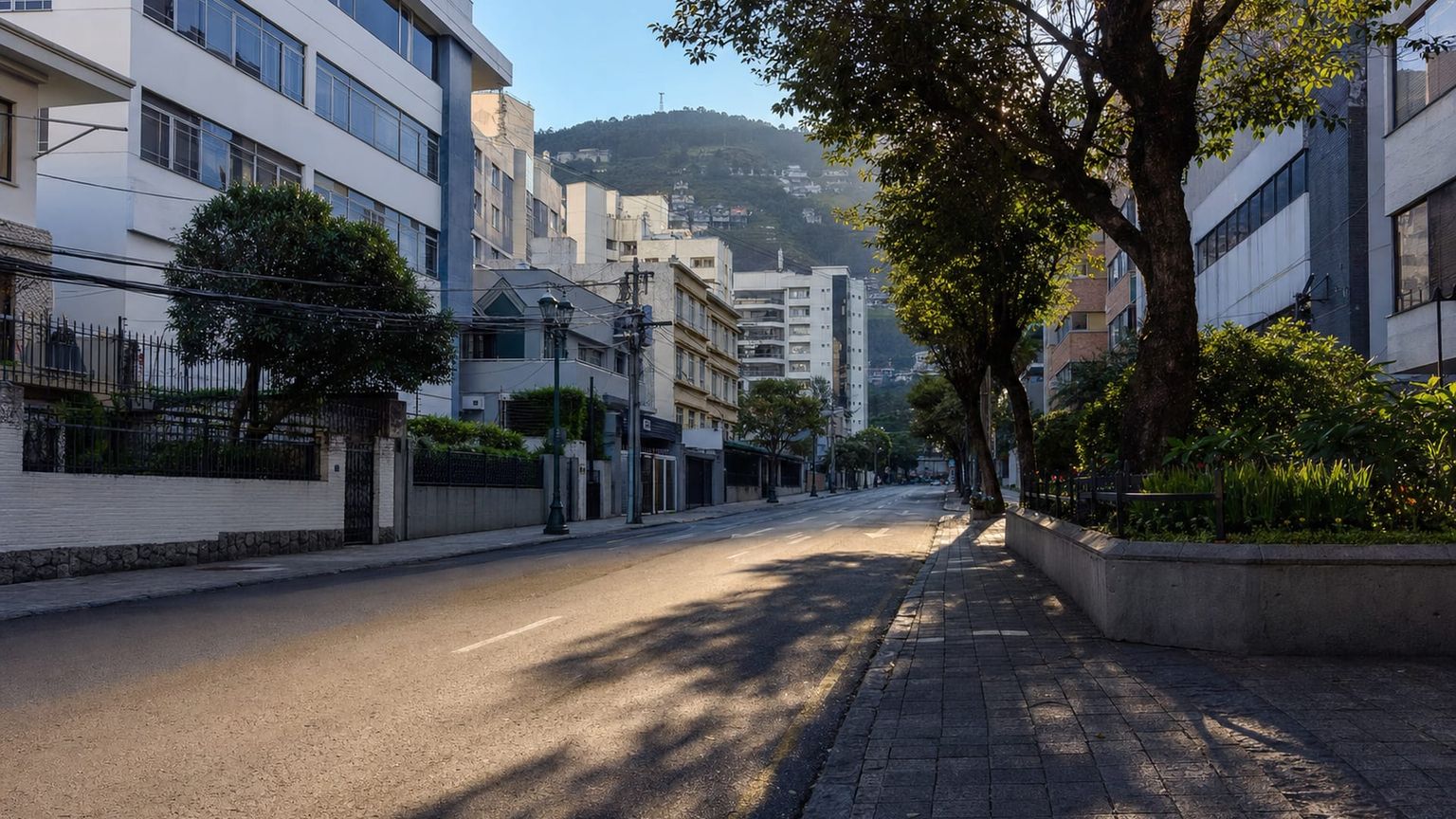
Before you head to Tashkent International Airport (TAS), fit in one last stop that keeps the day low-pressure but still useful: a return visit to Chorsu Bazaar for packaged snacks and dried fruit, or a final walk through Amir Timur Square if you are staying in the center. If your flight leaves later in the day, a café stop in Yunusabad works well for a quiet coffee and a break from the busier core, especially if you want a place with easier taxi pickup. Keep your bags close and your timing loose enough for traffic, since cross-town rides can take longer in late afternoon.
Business-class flights from the US to Tashkent
From both coasts of the United States, Tashkent usually means a long-haul trip with one-stop options doing most of the work. The route patterns differ enough that it helps to look at each origin separately.
From New York, Uzbekistan Airways, Qatar Airways, Turkish Airlines, Emirates, and Etihad Airways all appear on the route list, with nonstop flights taking about 13 to 14 hours when available. Many itineraries still connect through DOH, IST, DXB, AUH, or FRA, and those one-stop trips usually take about 16 to 23 hours. Round-trip fares for business-class seats from New York to Tashkent usually start at about $3,800 and can climb to $7,500.
From Los Angeles, Qatar Airways, Turkish Airlines, Emirates, Etihad Airways, and Korean Air are the main names to watch. Nonstop travel takes about 14 to 15 hours, while one-stop itineraries through DOH, IST, DXB, AUH, or ICN usually stretch to about 17 to 24 hours. Round-trip business fares from Los Angeles usually run $3,900 to $8,200.
Tashkent feels different when you slow down
A good Tashkent trip ties Chorsu Bazaar, Khast Imam Complex, Amir Timur Square, and the Botanical Garden into one clear map, then uses the metro and short taxi rides to connect them without hurry. That balance leaves room for a proper meal, a quiet museum stop, and a last stroll through the center before departure. If you want a version shaped to your dates and flight times, AranGrant experts can help you build it







