

Chapters:

Need help with your trip?
Our support team is available 24/7. Request a callback or call us directly at (833) 619-0908
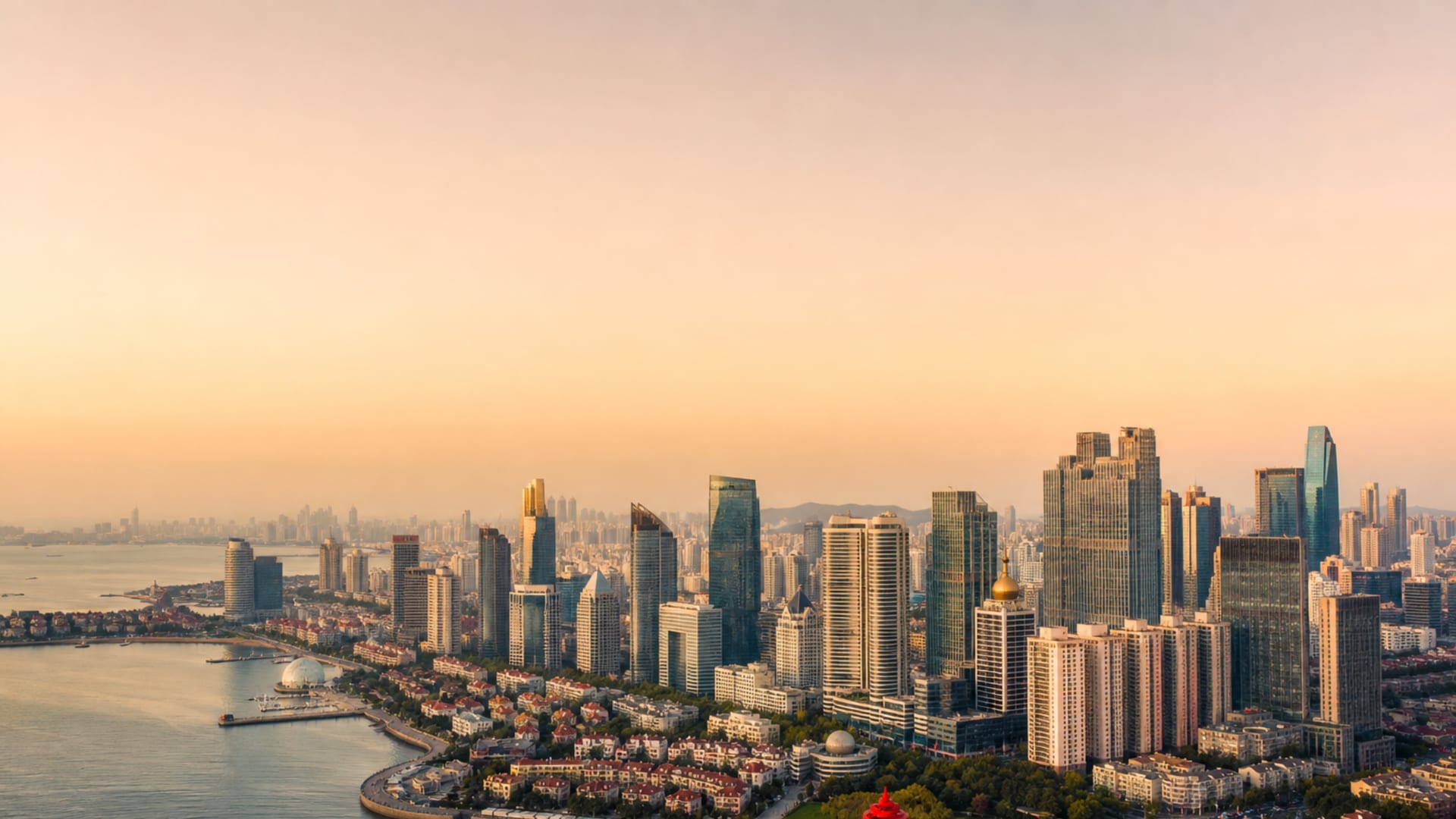
Qingdao stretches along the Yellow Sea, with beaches, historic German-era streets, modern business districts, and long waterfront avenues spread across a wide coastal arc. That scale gives the city variety, but it also makes location and timing important when you plan each day.
Zhanqiao Pier, Badaguan, and May Fourth Square belong to different parts of the waterfront, and moving between them can take longer than the map suggests once traffic and crowds build. A better plan groups nearby sights, meals, and coastal walks together. This guide covers where to stay, how to get around, what to eat, and how to shape five days without unnecessary backtracking.
Useful things to know

Main language(s): Mandarin Chinese
Nǐ hǎo (nee how) – Hello
Qǐng (cheeng) – Please
Xiè xie (shyeh shyeh) – Thank you
Nǐ huì shuō Yīngyǔ ma? (nee hway shwoh ying-yoo ma) – Do you speak English?
Duōshao qián? (dwor-shaow chyen) – How much does it cost?

Currency: Chinese yuan (CNY, ¥)

Cash and cards: Alipay and WeChat Pay are the easiest payment options. Foreign cards can link to both. Cash is also accepted.

Tipping: Tipping is not customary in China. Hotels, restaurants, taxis, and everyday services generally do not expect it.

Traditional food: Spanish mackerel dumplings, spicy stir-fried clams, seafood noodle soup, sea cucumber dishes, and Tsingtao Beer are closely tied to Qingdao

Water and coffee costs: Bottled water usually costs CNY 2–CNY 5 ($0.30–$0.75), while coffee in cafés is often CNY 20–CNY 35 ($3–$5.25).

Taxis and ride apps: DiDi works in Qingdao and accepts foreign phone numbers and international cards. You can also book rides through Alipay or WeChat.

Plug and voltage: China uses 220V power with Type A, C, and I plugs. US travelers should carry an adapter and check device voltage.

Dining and shop opening hours: Lunch usually starts at 11:30 am, and dinner starts at 5:30 pm. Shopping malls are open until 9 pm or 10 pm.

Emergency number: Call 110 for police, 119 for fire, and 120 for ambulance or medical emergencies.
Where to stay in Qingdao
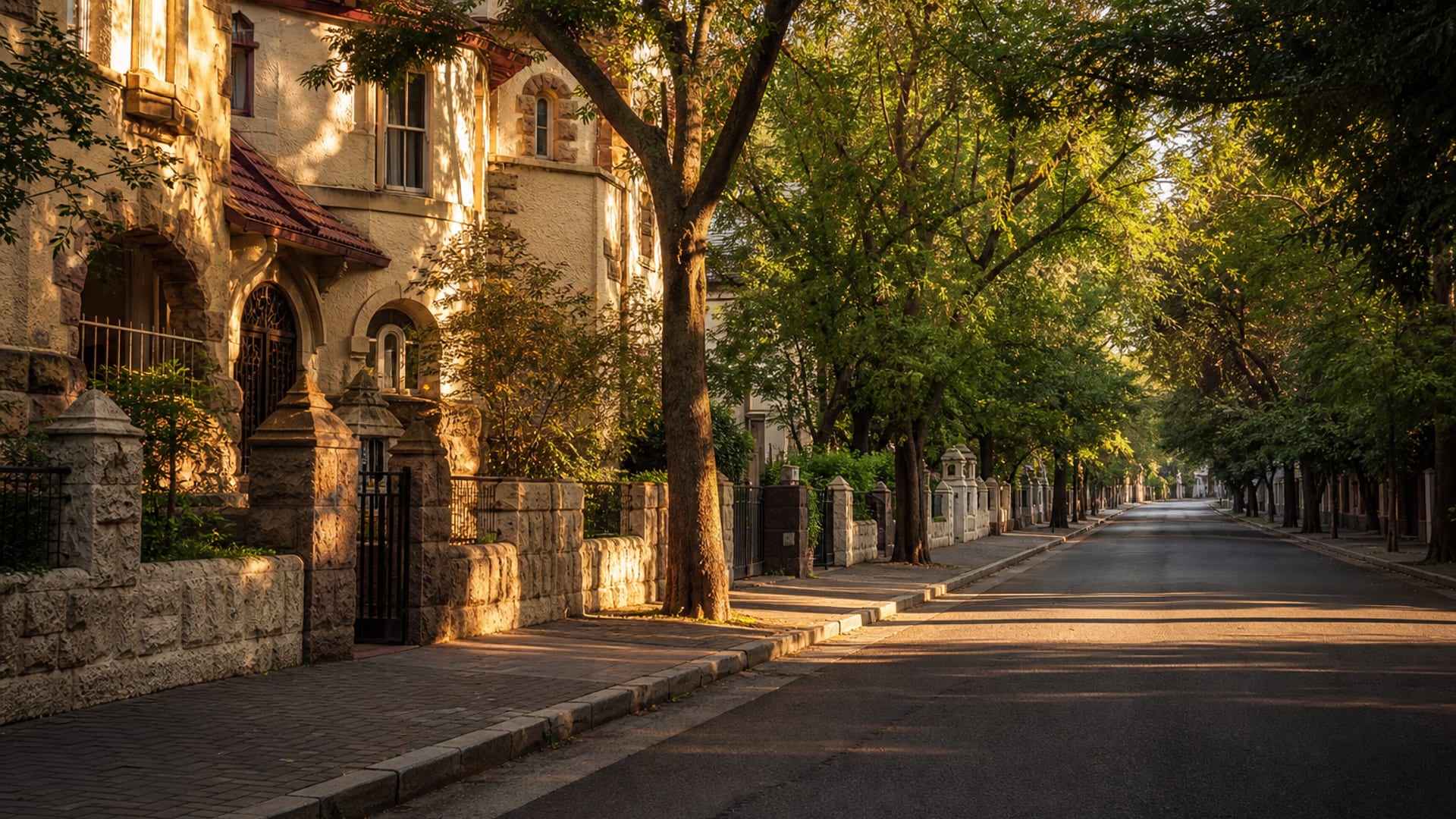
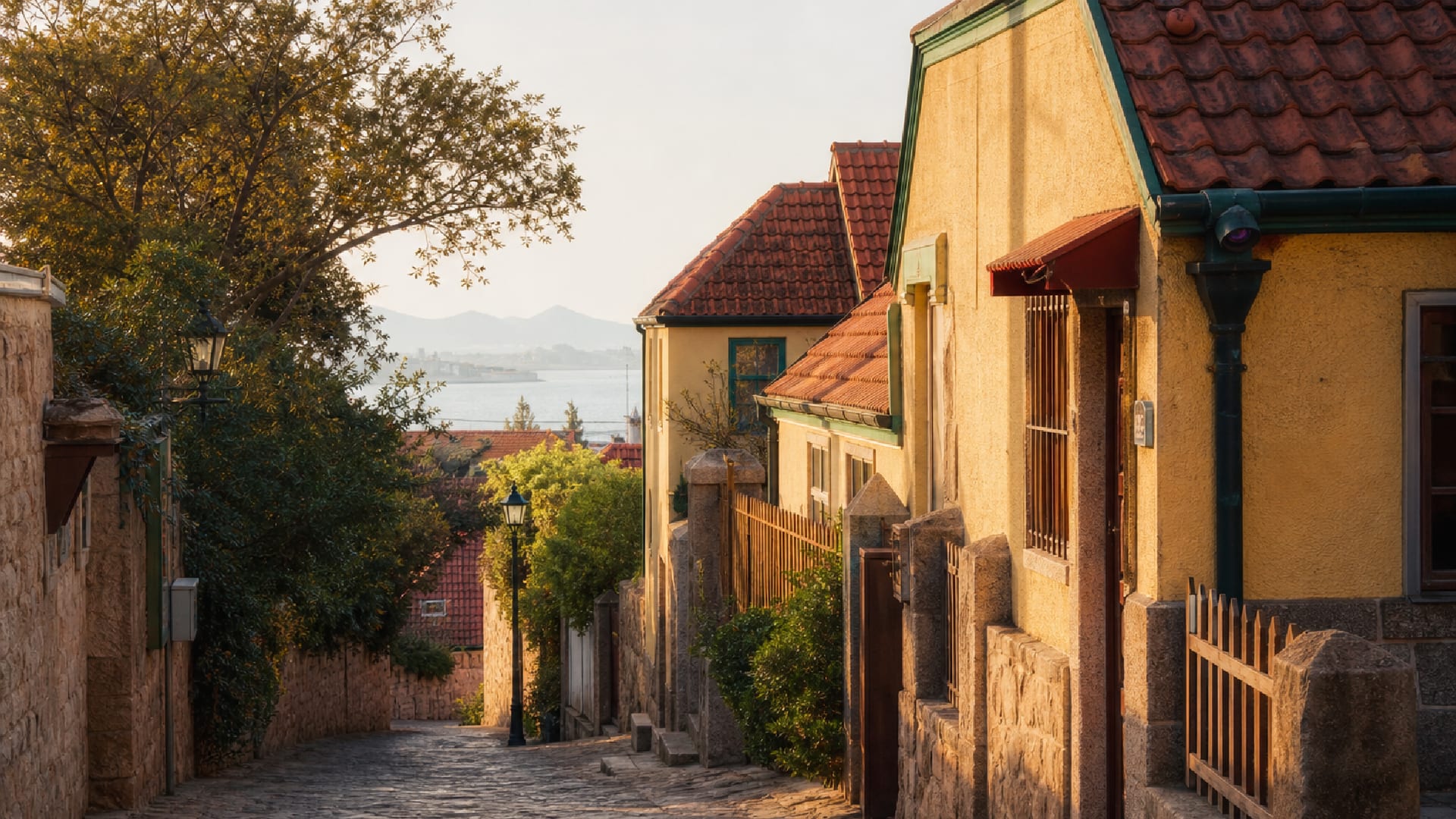
Badaguan spreads between Taiping and Huiquan capes, with tree-lined roads and more than 200 historic villas in European and other architectural styles. Beaches and coastal paths are close, while the neighborhood feels more residential than Qingdao’s commercial waterfront districts.
Best for: Architecture, coastal strolls, and first-time sightseeing
What to expect: Leafy residential streets, steady daytime foot traffic, and a more relaxed evening scene than the main commercial strips.
Hotel prices: Usually about ¥600 to ¥1,500 (~$83 to ~1,040) per night for well-rated stays
Distance to major sights: About 10 to 20 minutes on foot to Badaguan Scenic Area, and about 15 to 25 minutes by taxi to Zhanqiao Pier
Quietness: Quieter in the morning and evening, with more visitors and street activity during the day.
Main trade-off: Rooms in preserved villas and near the waterfront often cost more, and the best spots book early in peak seasons.
Good to know: Properties near Taipingjiao and Huiquan often give you easier hotel access while keeping Badaguan nearby.
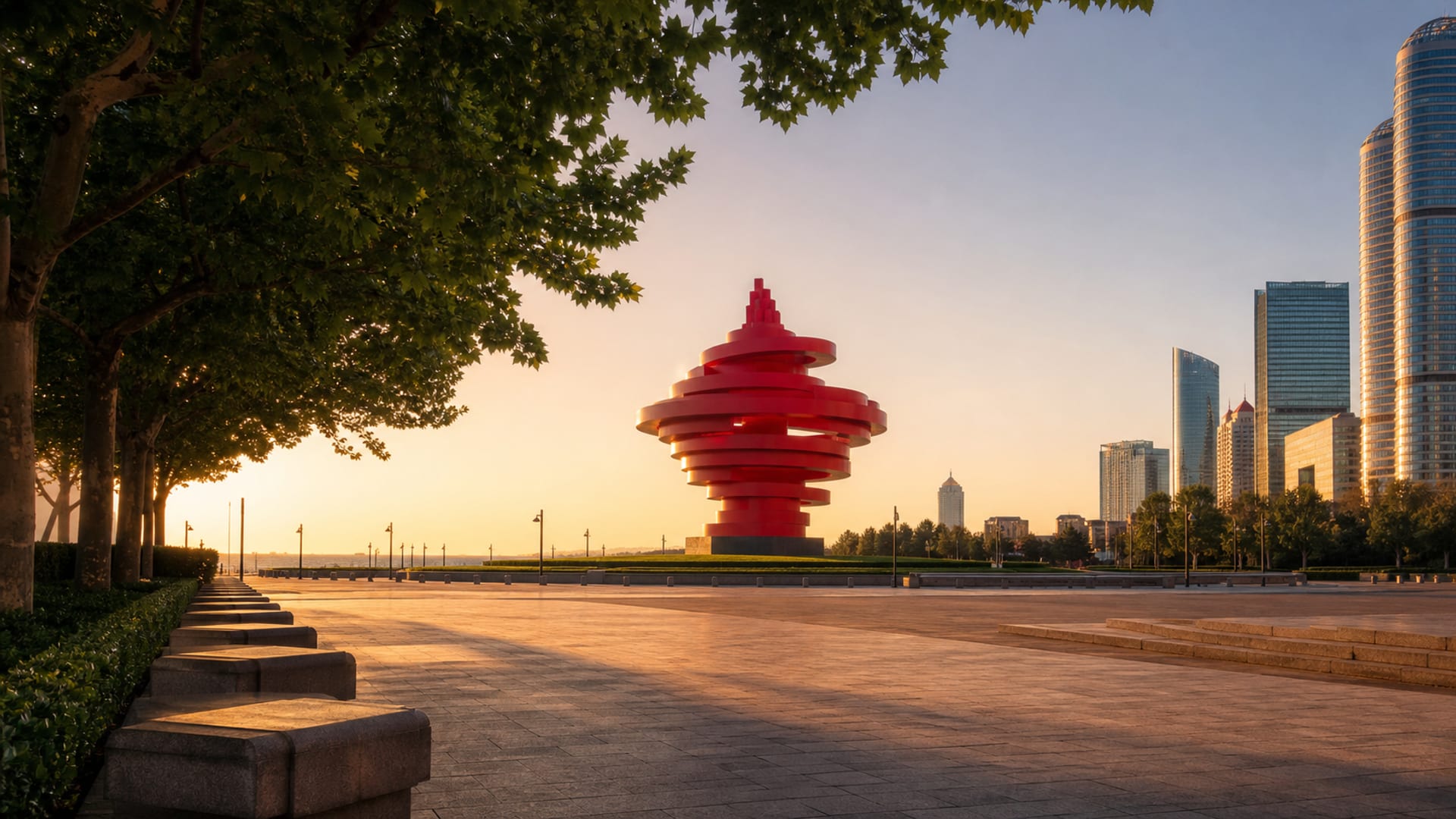
May Fourth Square anchors Qingdao’s modern waterfront on Fushan Bay, surrounded by high-rise hotels, shopping centers, offices, and the Olympic Sailing Center. Wide promenades and nearby metro stations make this a practical choice if you want sea views and easy access to public transport.
Best for: Waterfront stays, shopping, and easy city transit
What to expect: Busy pedestrian areas, wide roads, and plenty of activity from morning through late evening.
Hotel prices: Usually about ¥500 to ¥1,200 (~$69 to ~166) per night for well-rated stays
Distance to major sights: About 10 minutes on foot to May Fourth Square, and about 15 to 20 minutes by taxi to Qingdao Railway Station
Quietness: Lively through the day and into the evening, then calmer once the promenade crowds thin out late at night.
Main trade-off: You get central access, but the area can feel exposed to traffic, and waterfront-facing rooms often command a premium.
Good to know: Metro access makes this one of the most convenient locations for trips between the eastern waterfront and older districts.
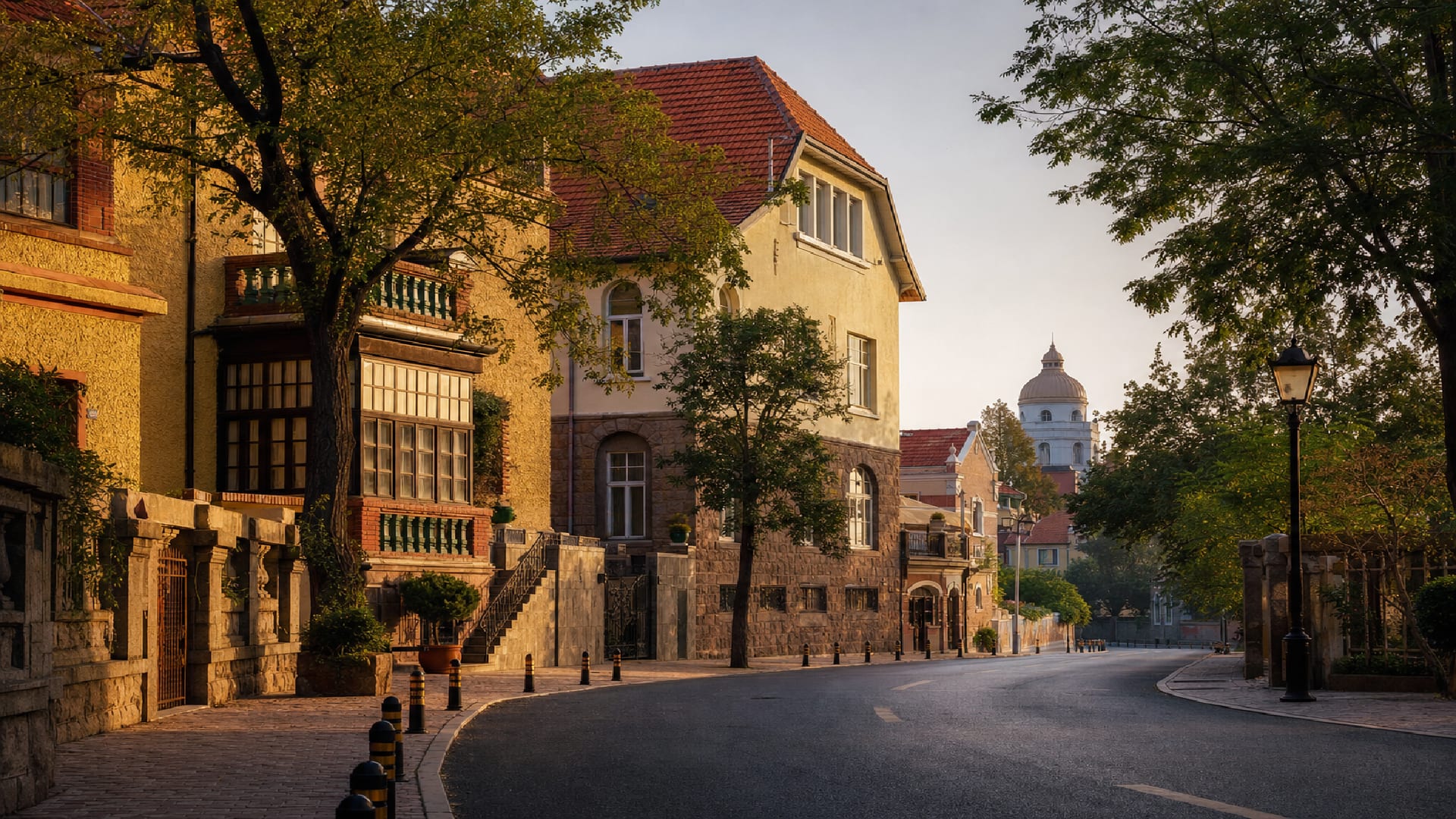
Zhanqiao places you beside Qingdao’s historic shoreline, close to the famous pier, Zhongshan Road, St. Michael’s Cathedral, and Qingdao Railway Station. Older streets and landmark architecture give this part of Shinan a stronger historic character than the newer eastern waterfront.
Best for: Historic sights, short walks, and harbor views
What to expect: Tourist-facing streets, frequent daytime visitors, and a livelier atmosphere near the pier and shoreline.
Hotel prices: Usually about ¥400 to ¥1,000 (~$55 to ~138) per night for well-rated stays
Distance to major sights: About 5 to 15 minutes on foot to Zhanqiao Pier, and about 20 minutes by taxi to May Fourth Square
Quietness: Busy during sightseeing hours, then quieter in the late evening once tour groups leave.
Main trade-off: You stay close to landmarks, but the immediate area is more tourist-oriented and has fewer late-night choices.
Good to know: Qingdao Railway Station is nearby, which helps if you plan day trips or arrive by high-speed rail.
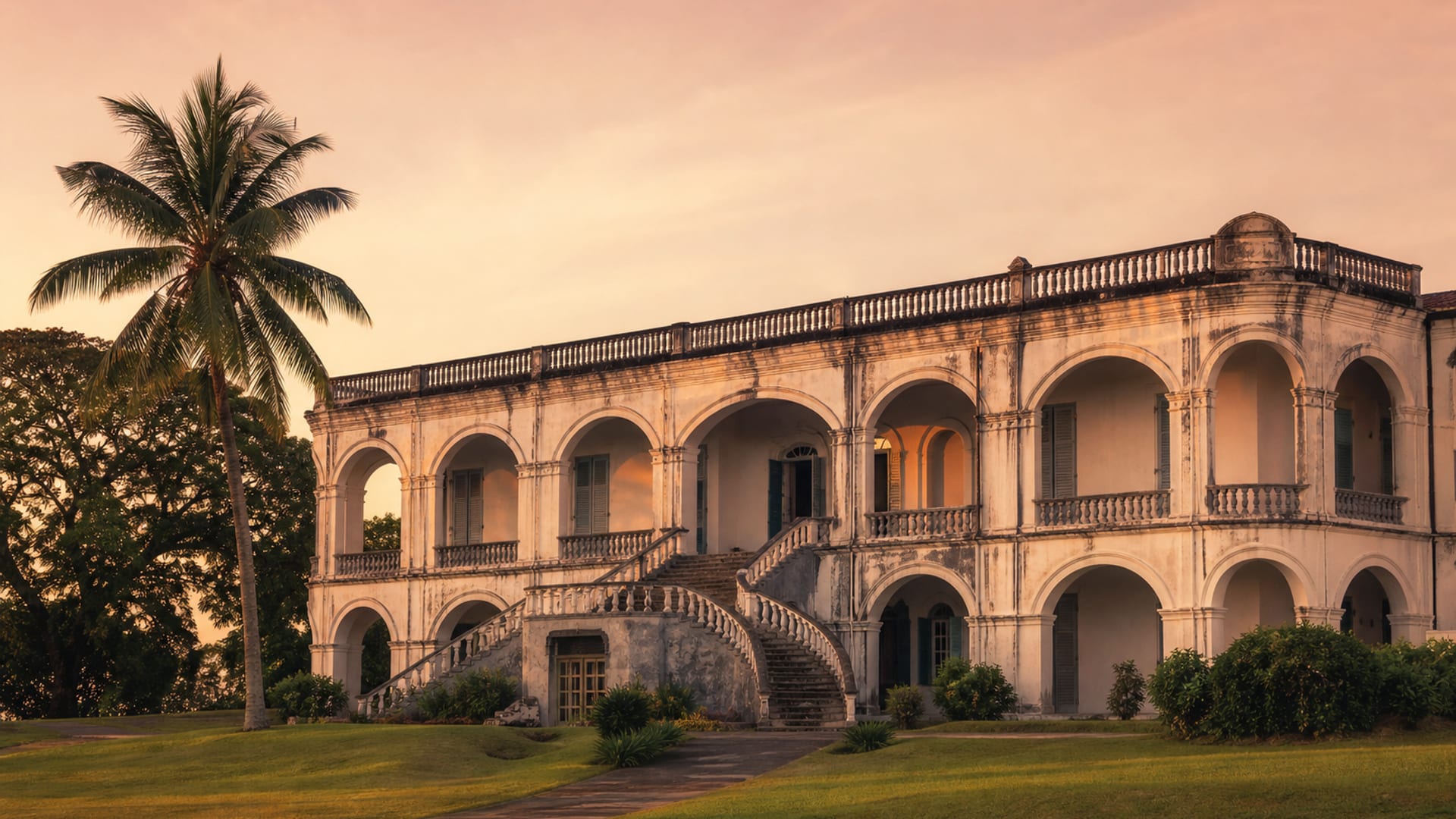
Taidong is one of Qingdao’s busiest commercial neighborhoods, centered on its pedestrian street, shopping malls, restaurants, snack stalls, and evening crowds. It offers a more local urban feel than the coastal districts and gives you quick access to dining long after sightseeing ends.
Best for: Street food, shopping, and travelers who want evening activity
What to expect: Crowded sidewalks, bright storefronts, and strong evening activity around restaurants and malls.
Hotel prices: Usually about ¥300 to ¥800 (~$41 to ~110) per night for well-rated stays
Distance to major sights: About 15 to 25 minutes by taxi to May Fourth Square, and about 20 minutes by taxi to Qingdao Railway Station
Quietness: Noisy and busy well into the night, then noticeably calmer after the main dining hours.
Main trade-off: You gain food and shopping choices, but the tradeoff is traffic, more noise, and less access to the waterfront.
Good to know: Choose a hotel one or two streets away from the pedestrian area if late-night noise is a concern.
Shinan is the most convenient area for a first visit, with the waterfront, historic sights, and main restaurants within easy reach. Chengyang suits travelers with early flights, Licang is a good option for business trips, and the West Coast New Area is better suited to extended stays.
Hotel deals
How to get around Qingdao efficiently
Qingdao’s main sights stretch across several coastal districts, so metro, buses, and taxis each have a useful role depending on distance and timing.

Metro
for longer distances and airport transfers
Qingdao Metro is the easiest option for longer trips between major districts. Fares start at CNY 2 ($0.30), while Jiaodong Airport (TAO) to May Fourth Square costs roughly CNY 8–CNY 9 ($1.20– $1.35) with a transfer. Buy single tickets at machines or use Alipay.

Bus
for short local trips and airport rides
Most Qingdao city buses charge CNY 1–CNY 2 ($0.15– $0.30) per ride, depending on whether air conditioning is in use. The airport express bus costs CNY 30 ($4.50) one way. Pay with cash, a transit card, or supported mobile payment.

Taxi
for trips with luggage and at late hours
Regular taxis start at CNY 10 ($1.50) for the first 2 miles (3 km), with metered charges added afterward. A ride from Jiaodong International Airport (TAO) to central Qingdao generally costs CNY 140–CNY 180 ($21–$27). Use official taxi ranks or book DiDi through its app, Alipay, or WeChat.
*Prices are based on rates updated as of June 2026 and may change at the time of travel.
The metro handles most cross-city travel efficiently, buses fill shorter gaps, and taxis make more sense when luggage, late hours, or direct transfers outweigh the extra cost.
Iconic landmarks
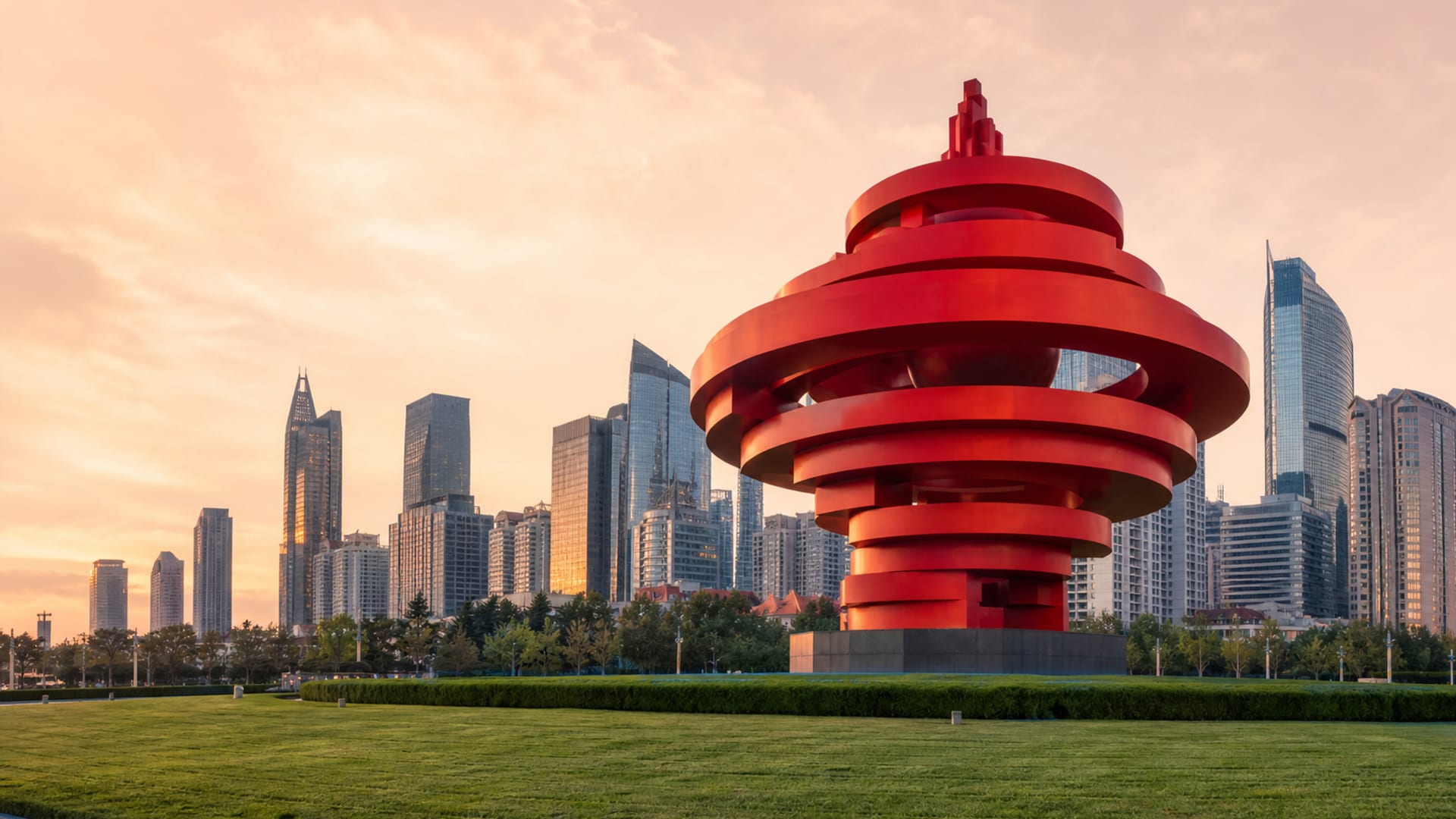
May Fourth Square
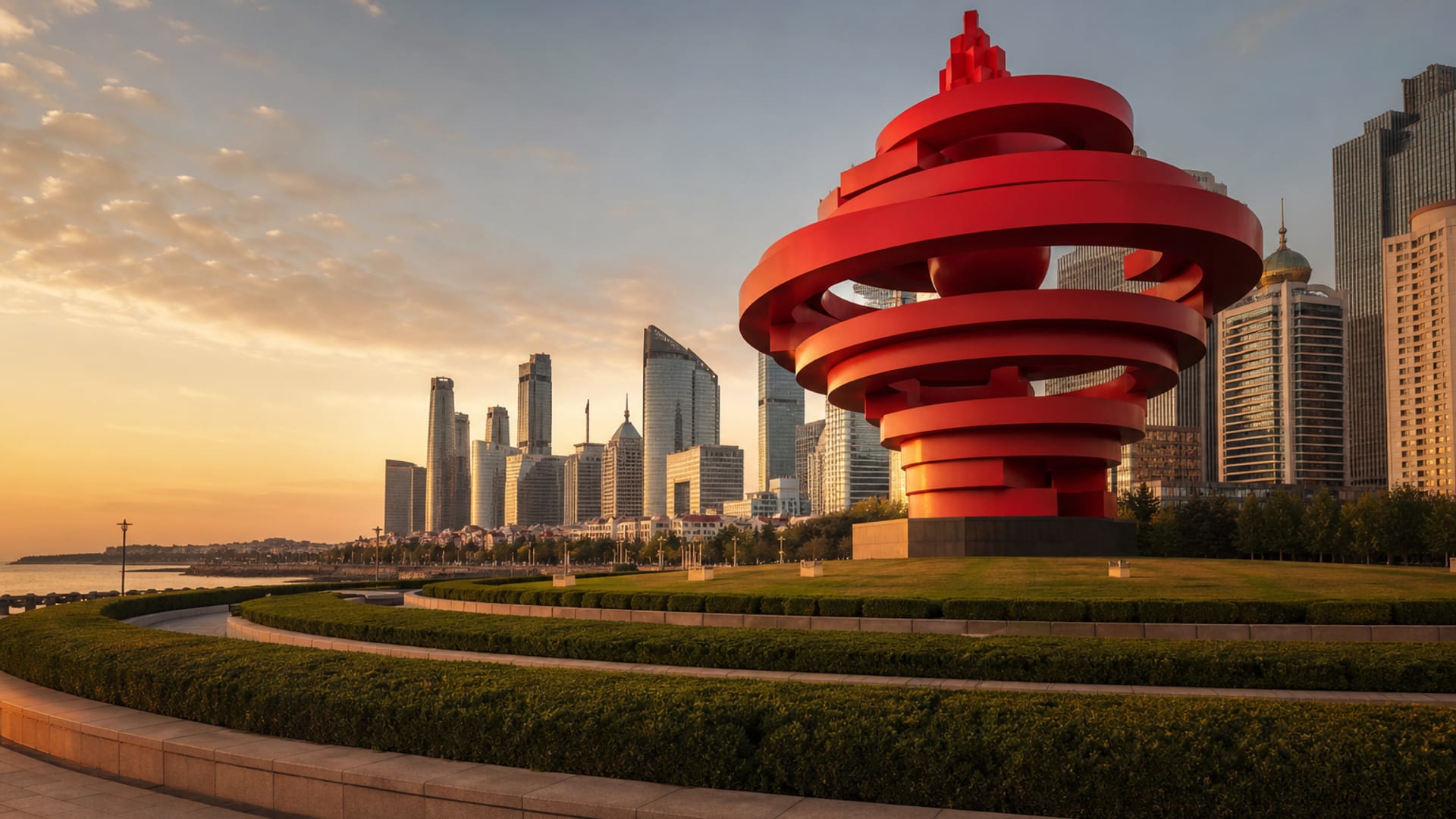
May Fourth Square faces Fushan Bay and commemorates the May Fourth Movement, which grew from protests over Qingdao’s sovereignty. Its red Wind of May sculpture, fountains, lawns, and waterfront promenade make it one of the city’s defining modern landmarks.
Time needed: 1–2 hours
Entry: Free
Tip: Visit near sunset, then stay after dark when the waterfront lights come on.
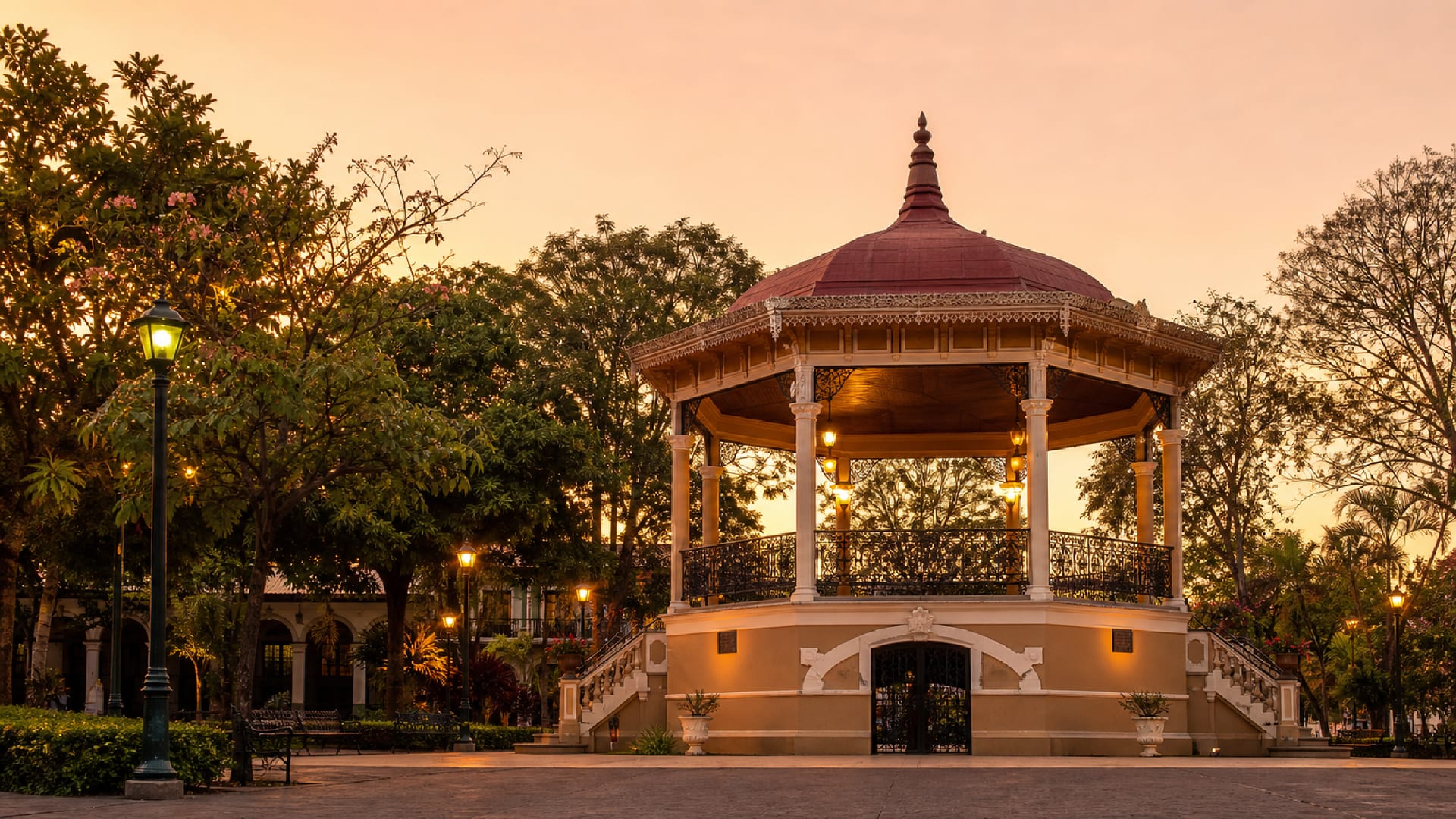
Zhanqiao Pier
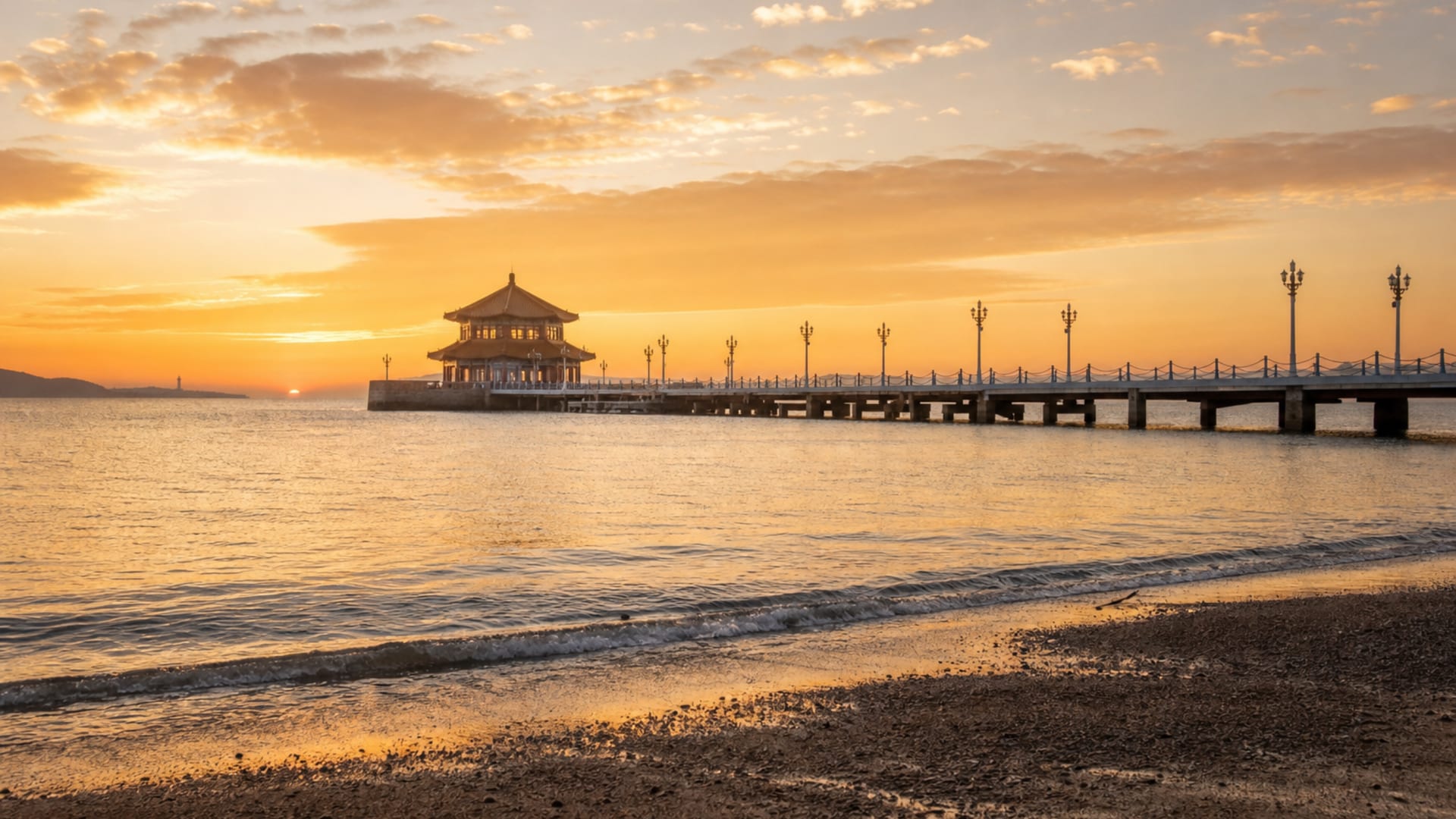
Built in 1891, Zhanqiao Pier extends 1,444 feet (440 meters) into Qingdao Bay and ends at the octagonal Huilan Pavilion. Once a Qing Dynasty military pier, it became one of Qingdao’s best-known symbols and still gives broad views back toward the historic shoreline.
Time needed: 1–1.5 hours
Entry: Free Visit the official site for details.
Tip: Visit early in the morning to avoid crowds and catch calmer water along the pier.
Badaguan Scenic Area
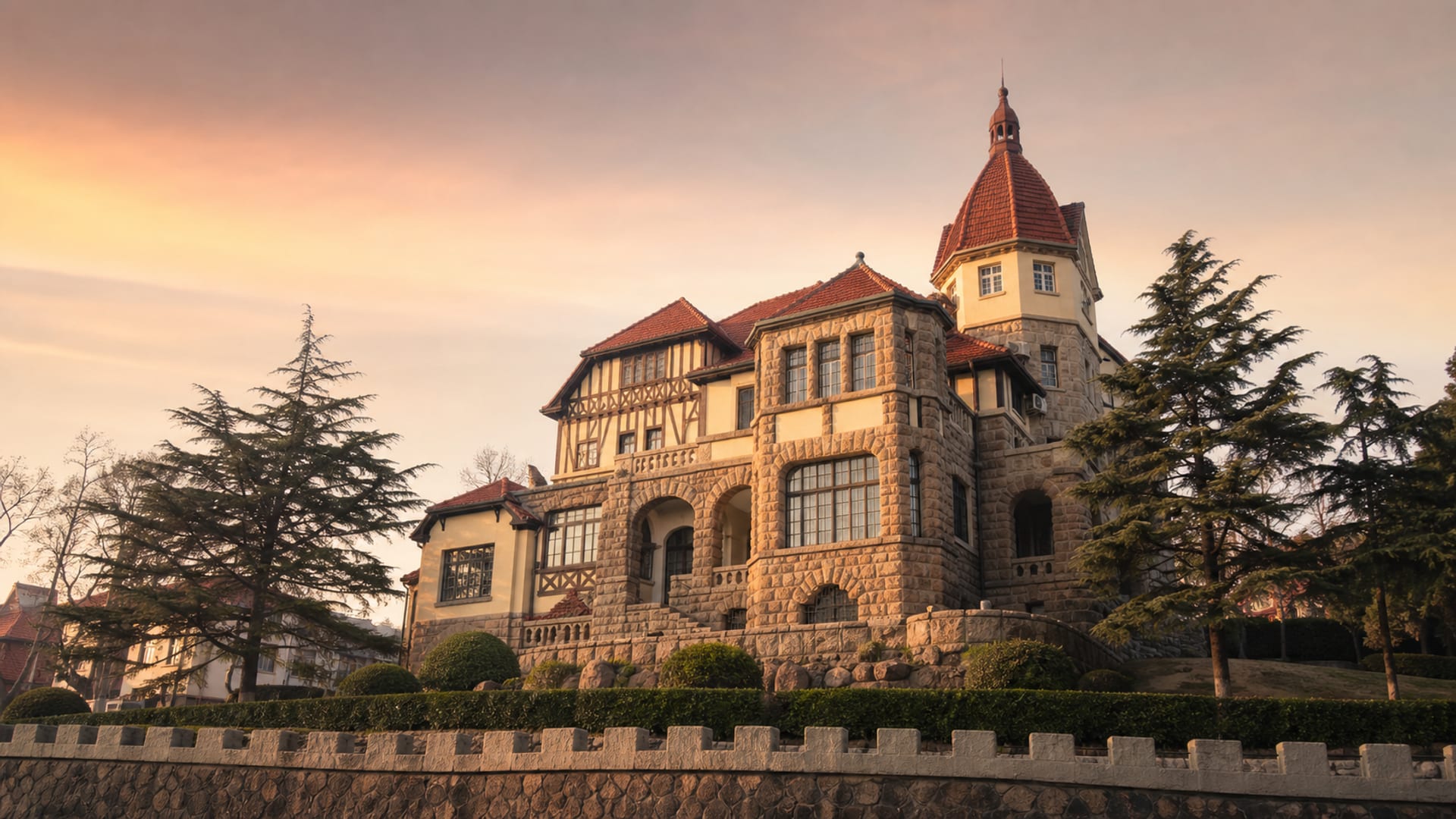
Badaguan developed in the 1930s between Taiping and Huiquan capes and contains more than 300 buildings in styles from countries including Germany, Britain, France, Russia, Spain, and Japan. Tree-lined streets and nearby beaches make it one of Qingdao’s strongest architectural walks.
Time needed: 2–3 hours
Entry: Free to explore; individual villas or museums may charge separate admission.
Tip: Visit in the morning for quieter streets and better light on the historic villas.
Overlooked sites worth visiting

Signal Hill Park
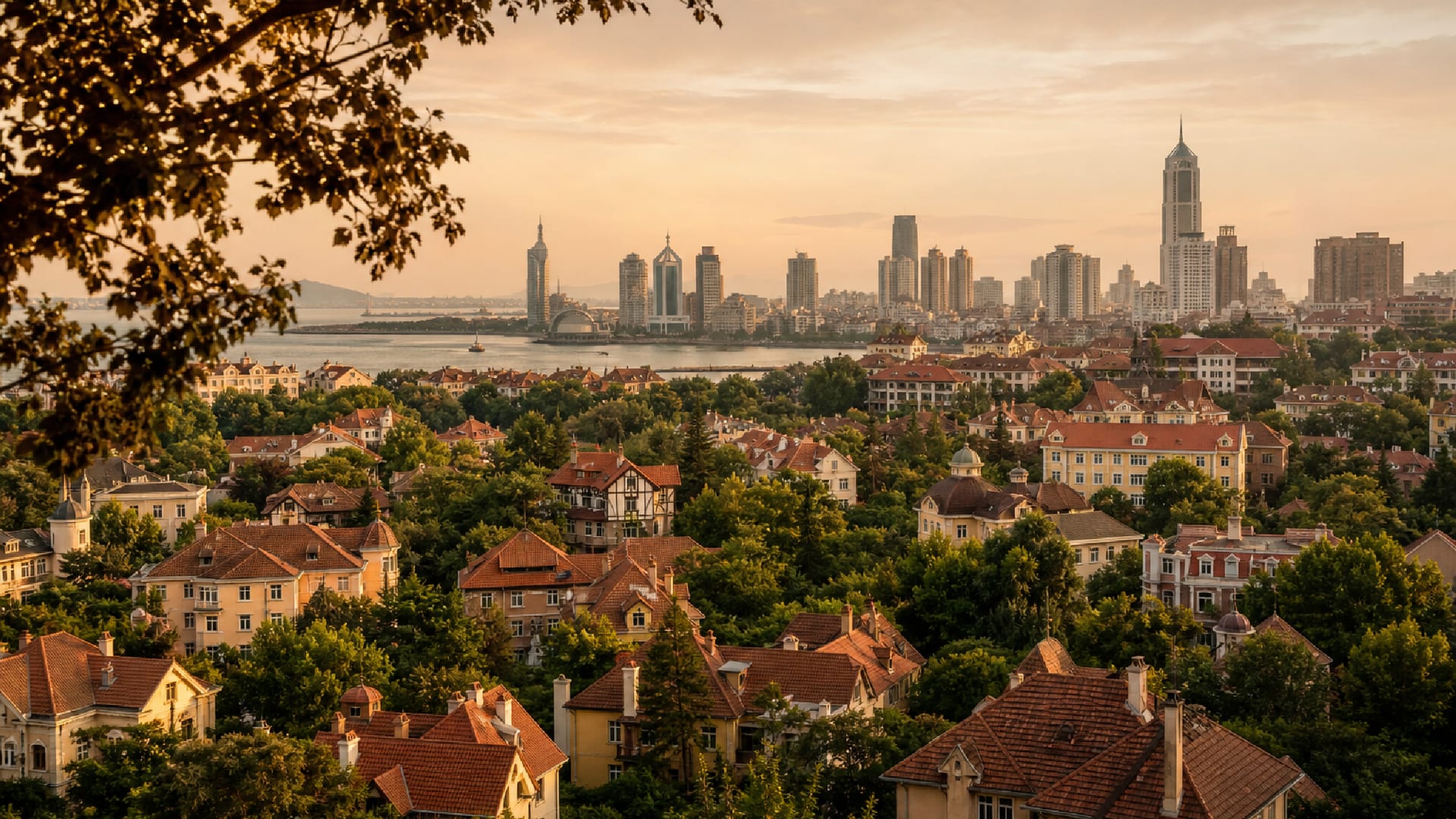
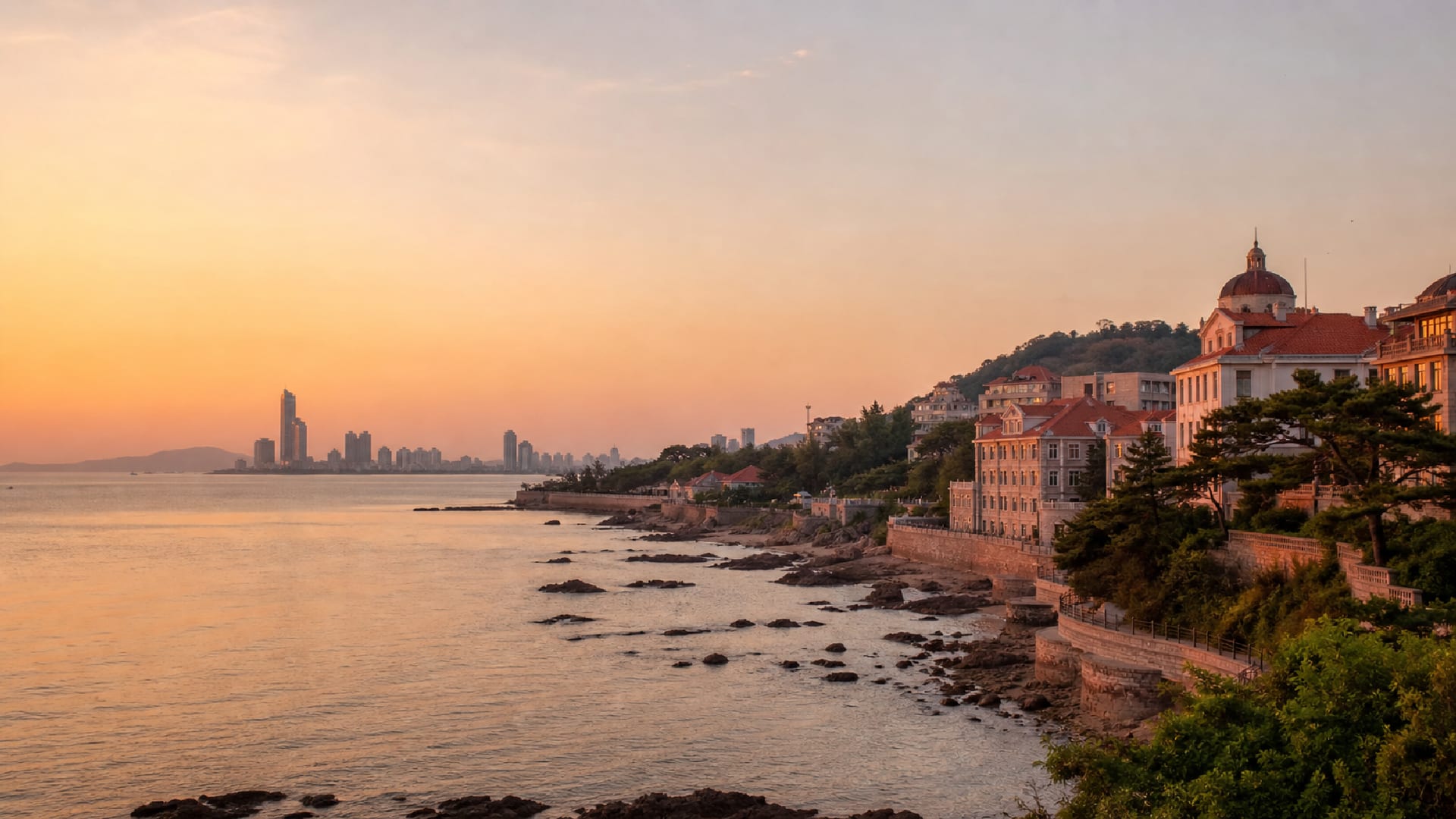
Signal Hill rises above Qingdao’s old town and gives wide views over red-tiled roofs, church spires, Zhanqiao Pier, and the bay. Its red mushroom-shaped towers make the summit easy to recognize.
Time needed: 1–1.5 hours
Entry: Park access is free; some facilities may charge separately.
Tip: Go late afternoon for clearer views across the old town and coast.

Qingdao Beer Museum
Inside the Tsingtao Brewery complex, the museum traces Qingdao’s brewing history through old machinery, production rooms, and tasting areas. It offers a look at the city’s German-era industrial past.
Time needed: 1–1.5 hours
Entry: Standard tickets cost CNY 80–CNY 110 ($12–$16.50); tasting packages cost more. Booking ahead is a good choice in peak periods. Visit the official site for details.
Tip: Leave extra time for the tasting area at the end of the visit.
Traditional food
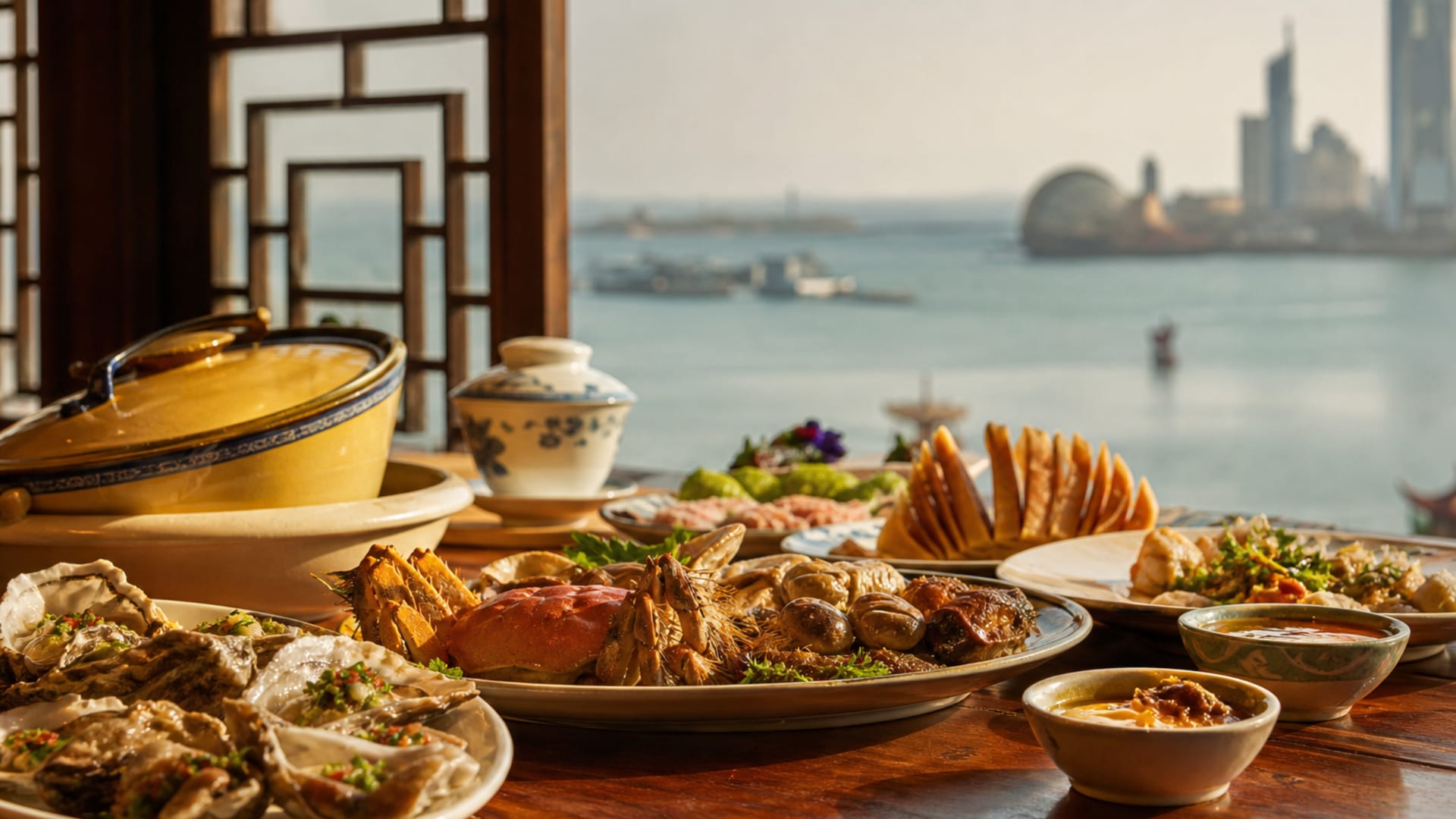
Qingdao’s food reflects its port-city character, with fresh shellfish, fish-filled dumplings, Jiaodong home cooking, and dishes built around clean, briny flavors.
Spanish mackerel dumplings
Spanish mackerel dumplings wrap finely minced fish with chives and seasoning inside thin dough, creating a soft, juicy filling with a clean seafood flavor. Chuange Fish Dumplings is known for several fish-filled varieties.
Spicy stir-fried clams
Spicy stir-fried clams cook fresh shellfish with chili, garlic, scallions, and light seasoning, keeping the meat tender while adding heat and saltiness. YiQing Lou Seafood Restaurant serves this Qingdao favorite among its seafood dishes.
Haichang laofan
Haichang laofan combines chopped marine spoon worms with chives, sauce, and rice, giving the dish a crisp texture and deep savory flavor. Kaihai Hongdao Seafood includes it among its Jiaodong seafood specialties.
Prawn and cabbage
Prawn and cabbage stir-fries whole prawns with tender Jiaodong cabbage, allowing the shellfish juices to season the vegetables as they cook. Shuangheyuan Dumpling Restaurant is a reliable place to try this classic home-style dish.
Best time to visit Qingdao
Qingdao has distinct seasons, with warm humid summers, crisp fall weather, a slow spring warm-up, and cold, windy winters by the coast.
Best for: Badaguan walks, old-city streets, coastal parks, and lighter crowds
What you get: Temperatures rise from roughly 45°F (7°C) in March to 70°F (21°C) by May, with longer days and gradually warmer coastlines.
Trade-offs: Sea breezes stay cool early in spring, and temperatures can shift sharply between morning and afternoon.
Best for: Beaches, waterfront evenings, sailing, and long days by the Yellow Sea
What you get: Days usually reach 75°F–84°F (24°C–29°C), with warm seas, high humidity, frequent rain, and the busiest waterfront period.
Trade-offs: July and August bring heavier rain, humidity, and larger crowds around beaches and central sights.
Best for: Clear coastal views, architecture walks, food, and comfortable sightseeing
What you get: September temperatures are near 75°F (24°C), October cools to about 64°F (18°C), and November drops toward 50°F (10°C) as rain eases.
Trade-offs: Evenings turn noticeably cooler from October, especially along exposed waterfront areas.
Best for: Museums, historic neighborhoods, lower hotel demand, and quieter streets
What you get: Temperatures generally range from 24°F–42°F (-4°C–6°C), with dry air, frequent wind, occasional snow, and far fewer visitors.
Trade-offs: Strong coastal winds and short daylight hours make long outdoor sightseeing days less comfortable.
A realistic 5-day plan in Qingdao
Qingdao is easy to explore when you separate its old western districts, Badaguan, modern Fushan Bay waterfront, and Shibei food streets. Five days give each part enough time without turning every afternoon into another cross-city transfer.
Arrive at Qingdao Jiaodong International Airport (TAO) and take a taxi to Shinan District; allow roughly 50–70 minutes, depending on traffic. A ride to May Fourth Square or Badaguan generally costs CNY 140–CNY 180 ($21–$27). After check-in, keep the evening nearby with a short waterfront walk and an early seafood dinner. If you stay near May Fourth Square, follow the Fushan Bay promenade; from Badaguan, choose a quieter coastal path and save the main villa streets for the next morning.
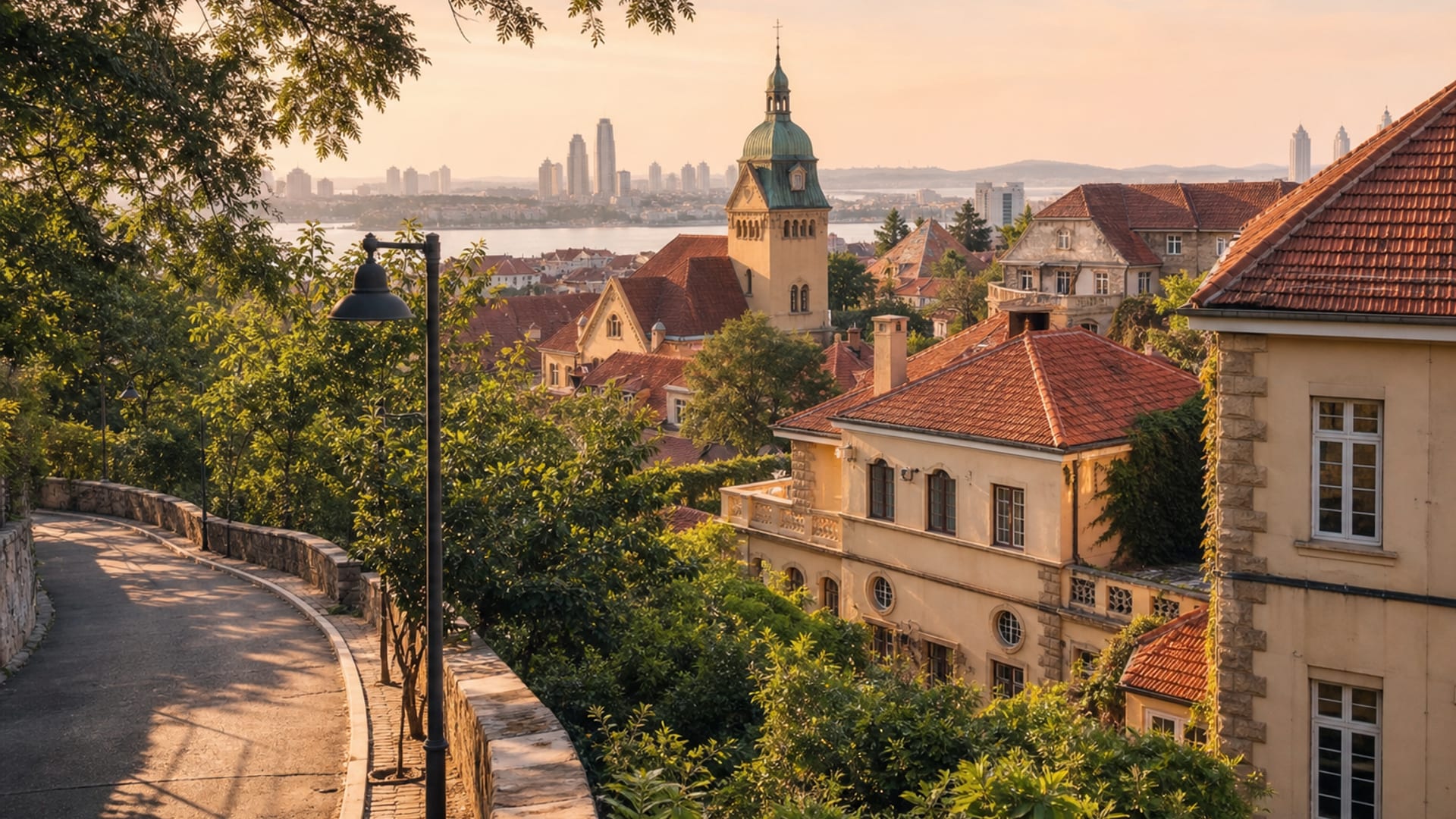
Spend the morning in Badaguan Scenic Area, allowing 2–3 hours for its tree-lined streets, historic villas, gardens, and coastal paths. From there, continue toward the nearby shoreline before taking a short taxi east to May Fourth Square. Leave in the late afternoon for the promenade and Olympic Sailing Center, where Fushan Bay opens into a broader modern waterfront and sunset works especially well.
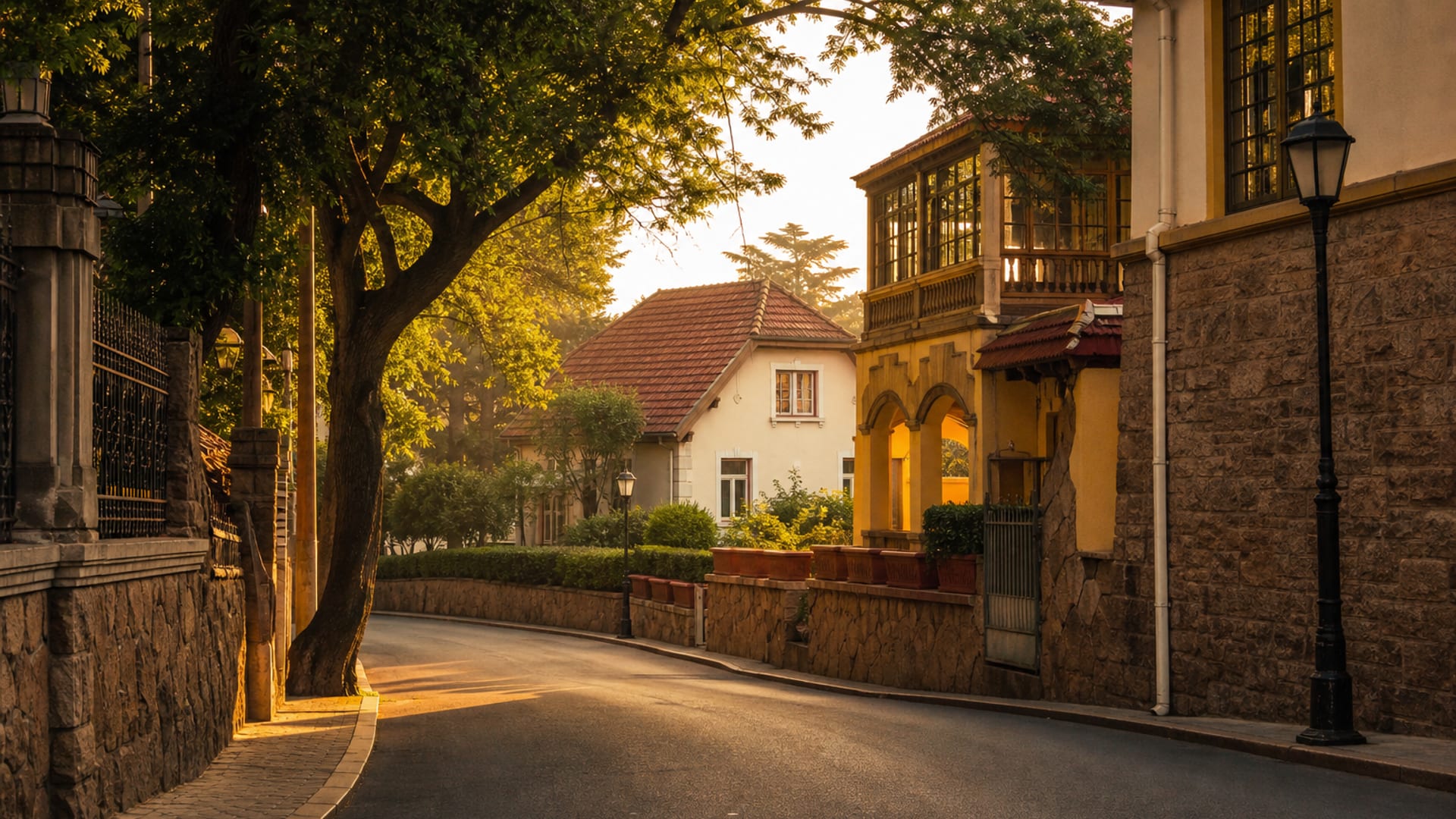
Begin at Zhanqiao Pier before the main sightseeing crowds arrive, then walk inland through the older streets around the historic center. A short taxi ride or uphill walk brings you to Signal Hill Park, 320 feet (98 meters) above the city, where the viewpoint looks across red roofs, church towers, and Qingdao Bay. Spend the afternoon nearby instead of crossing town again, then have dinner around the western Shinan streets.
Head to Qingdao Beer Museum in the morning and allow 1.5–2 hours for the historic brewery buildings, old machinery, brewing exhibits, and tasting areas. During busy periods, booking ahead can save time. Taidong is close enough for the rest of the day, so move there for lunch, browse the pedestrian streets and malls, and return after dark when the snack stalls and restaurants become busier. This is a good evening to try spicy clams, dumplings, or another casual Qingdao specialty.
Keep the final morning flexible around May Fourth Square and Fushan Bay instead of adding another major attraction. Have breakfast near the waterfront, walk toward the Olympic Sailing Center, or browse nearby shops for tea, local snacks, and small gifts. If the weather is good, stay for an early lunch by the bay before returning to your hotel for luggage. Allow 50–70 minutes for the drive back to Qingdao Jiaodong International Airport (TAO), with extra time during peak traffic.
Business-class flights from the US to Qingdao
From major US hubs, business-class trips to Qingdao usually involve one connection through East Asia or mainland China, with several practical routing choices.
New York (JFK) to Qingdao (TAO)
From JFK, you can reach Qingdao with one stop on Korean Air via Seoul (ICN), Cathay Pacific via Hong Kong (HKG), Air China via Beijing (PEK), China Eastern via Shanghai (PVG), or ANA via Tokyo (HND/NRT). The shortest flights on this route start near 18 hours, while longer layovers can push the trip duration well past 20 hours. Round-trip business-class fares on this route vary from $6,000 to $9,000.
Los Angeles (LAX) to Qingdao (TAO)
LAX gives you several one-stop flight options to Qingdao, including flights with Korean Air or Asiana Airlines through Seoul (ICN), Air China through Beijing (PEK), China Eastern through Shanghai (PVG), and Cathay Pacific through Hong Kong (HKG). The shortest journeys start at 14.5–16 hours, while flights with longer layovers can take beyond 20 hours. You can expect to pay $4,500 to $7,500 for a round-trip business-class ticket.
See Qingdao one district at a time
A deliberate Qingdao trip gives each district room to do its job: Badaguan for shaded villa streets, Zhanqiao Pier for early light, May Fourth Square for the bayfront, and Taidong for food and shopping before you leave. Short taxi rides and the metro keep the route clear, while seafood meals and beer fit naturally between the stops. If you would like expert help finding business-class flights that fit your preferences, you can contact our travel agents at AranGrant.







