

Chapters:

Need help with your trip?
Our support team is available 24/7. Request a callback or call us directly at (833) 619-0908
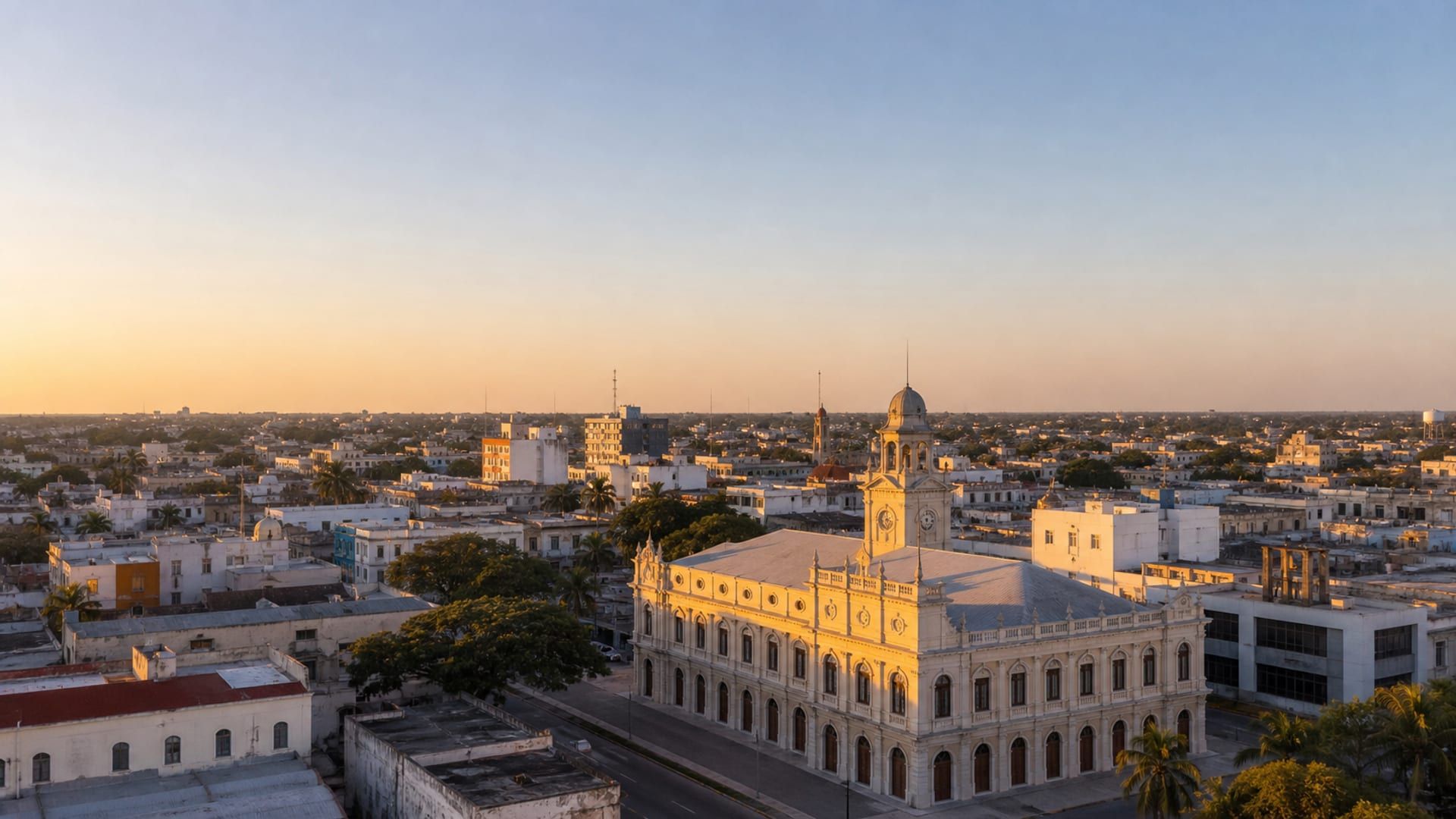
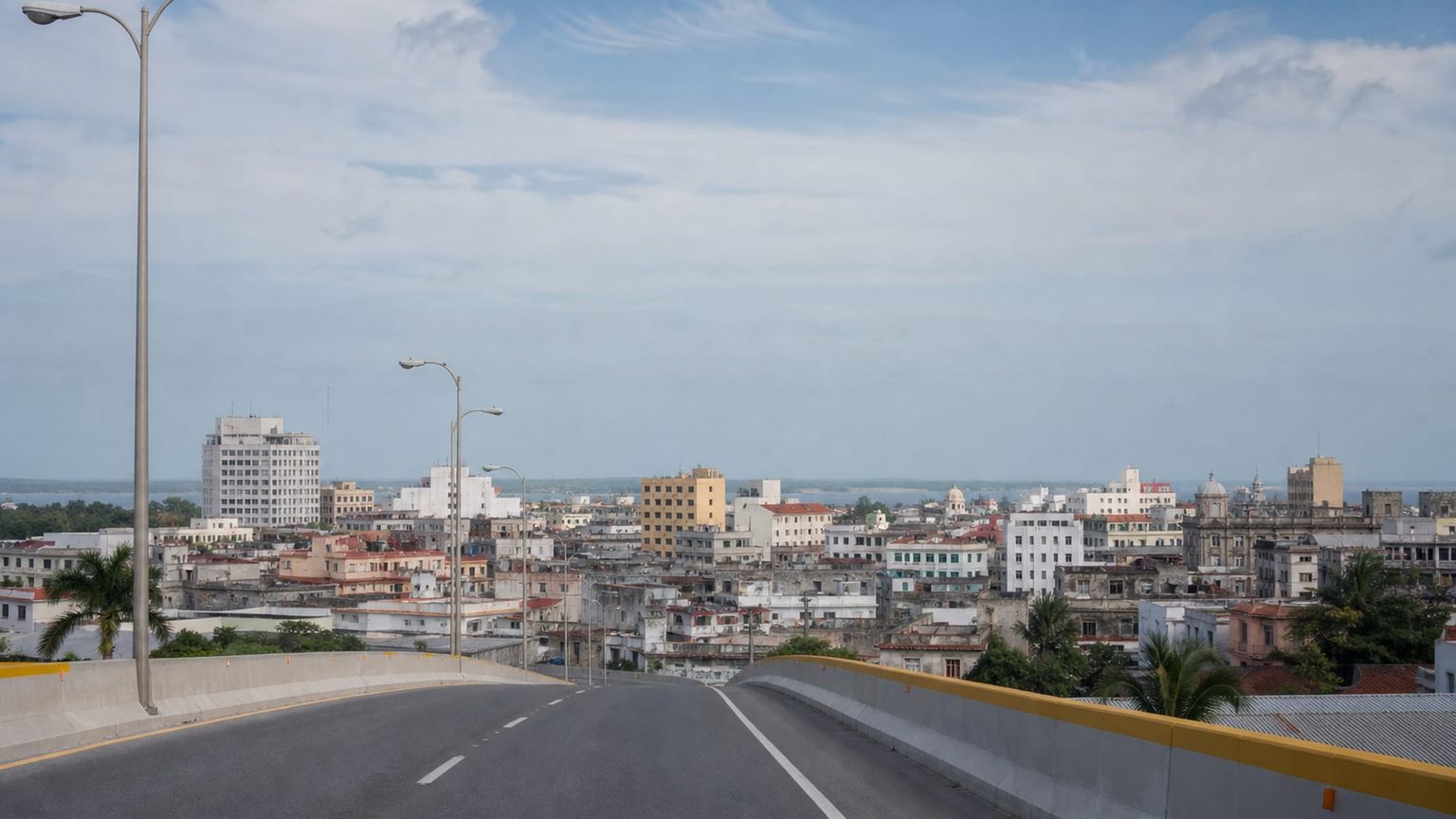
Tampico trips often begin with the airport corridor, one or two downtown stops, and a quick run to the lagoon, while the city’s older port streets get less time than they deserve. Visitors who stay only near the hotel strip often miss the best historic blocks.
That habit leaves too much ground to cover in short hops, with traffic on Avenida Hidalgo, separate pockets of dining, and sights that work best in a set order. Without that plan, a day can lose time to backtracking.
This guide follows a cleaner path, grouping the center, lagoon, and museum stops so each day has a clear focus and the transfers stay short.
Useful things to know

Main language(s): Spanish
Hola (OH-lah) – Hello
Por favor (por fah-VOR) – Please
Gracias (GRAH-see-ahs) – Thank you
¿Habla inglés? (AH-blah een-GLAYS) – Do you speak English?
¿Cuánto cuesta? (KWAHN-toh KWEHS-tah) – How much does it cost?

Currency: The local currency is the Mexican peso (MXN, $).

Cash and cards: Cards and contactless are widely accepted; carry about MXN 300 to 500 ($18 to $30) in cash for small vendors and taxis.

Tipping: Round up small bills; leave about 10% at sit-down restaurants if service is good.

Traditional food: Tampiqueña steak, cecina, seafood tacos, carne a la tampiqueña

Water and coffee costs: Water about MXN 20 to 30 ($1 to $2), bar espresso about MXN 35 to 50 ($2 to $3).

Taxis and ride apps: Uber and DiDi operate here; confirm pickup points, as drivers may favor main roads.

Plug and voltage: Type A/B socket, 127V

Dining and shop opening hours: Breakfast is about 07:00-10:00, lunch 14:00-16:00, and dinner 20:00-23:00. Many places close midafternoon and reopen for dinner.

Emergency number: Dial 911 for police, fire, or medical emergencies.
Where to stay in Tampico
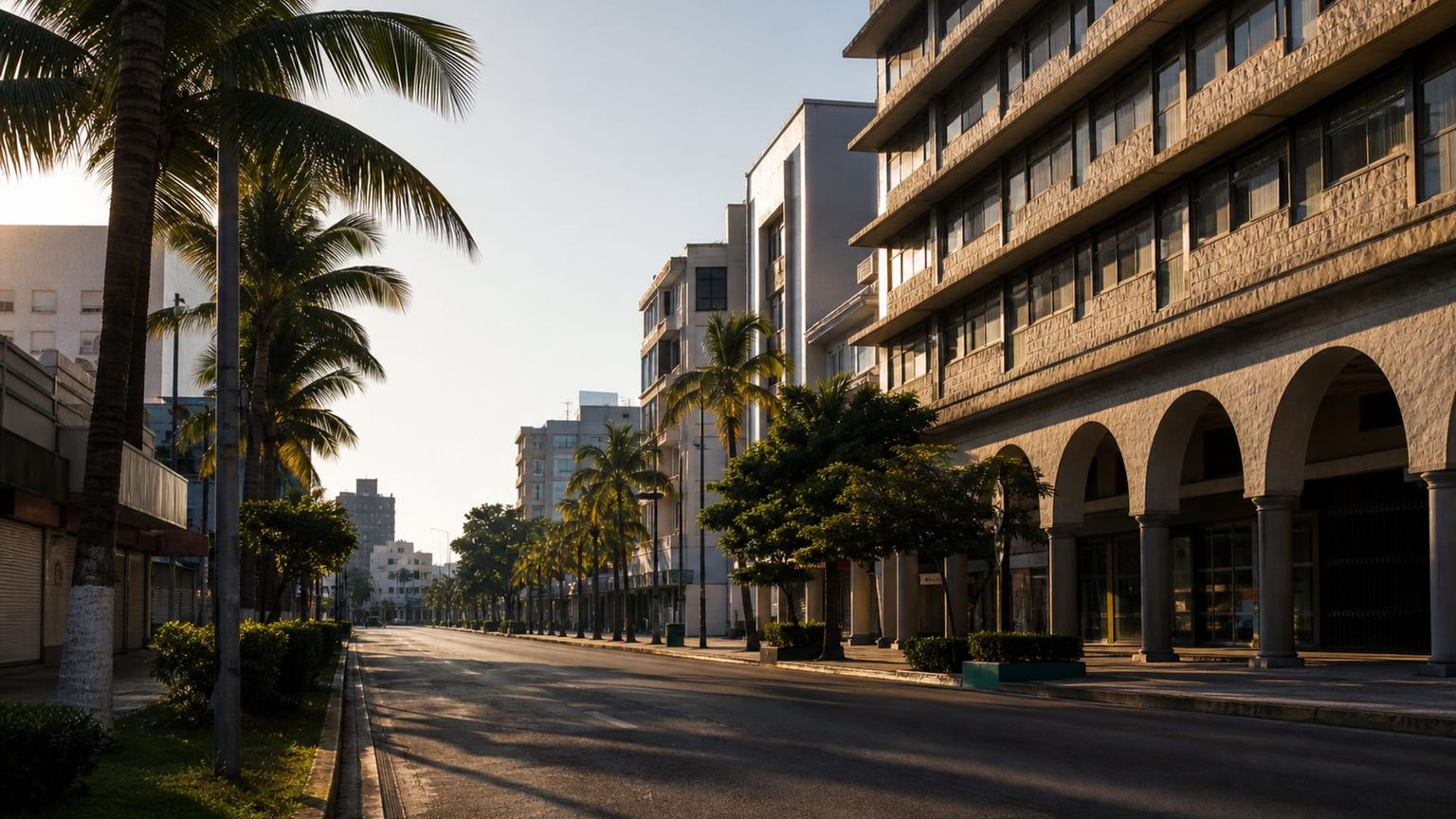
Tampico’s main hotel belt along Avenida Hidalgo and nearby side streets, with chain hotels, restaurants, and shopping centers. It suits travelers who want a central base near the city’s busiest commercial corridor and easy access to the airport road.
Best for: Business stays, shopping, and access to the airport corridor
What to expect: Expect steady traffic by day, hotel arrivals, and active restaurant strips, with the busiest stretches near malls and major intersections.
Hotel prices: Usually about MXN 1,400 to MXN 2,800 (~$82 to ~$164) per night for well-rated stays
Distance to major sights: About 10 to 15 minutes by taxi to Centro and roughly 20 minutes to Miramar Beach
Quietness: Quieter in the evening on side streets, but Avenida Hidalgo stays busy later than most parts of the city.
Main trade-off: You gain easy car access and a wider hotel choice, but you will be farther from the historic center’s walkable evening scene.
Good to know: If you plan to move by taxi or car, this area cuts down cross-town time and keeps airport runs simple.
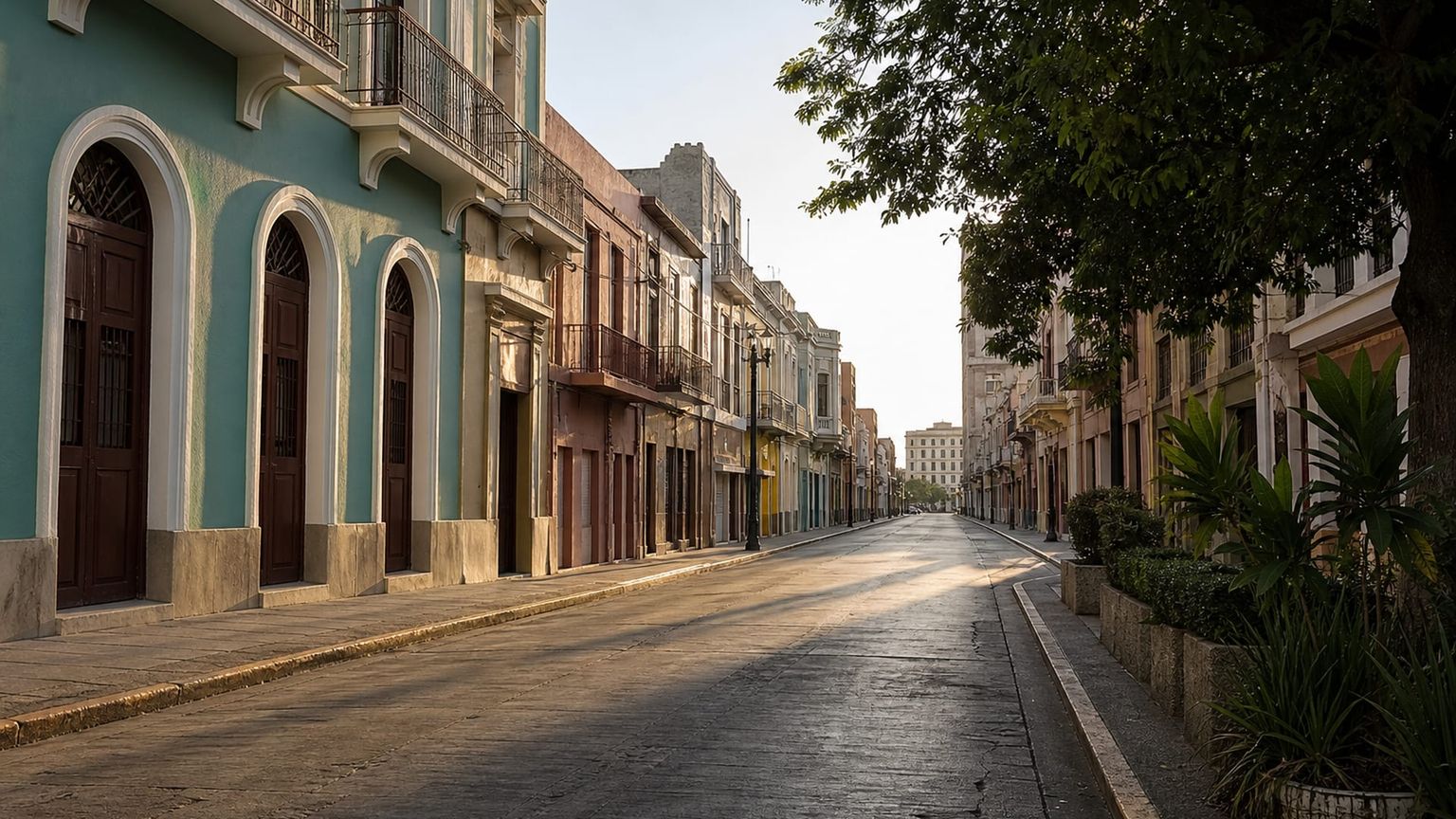
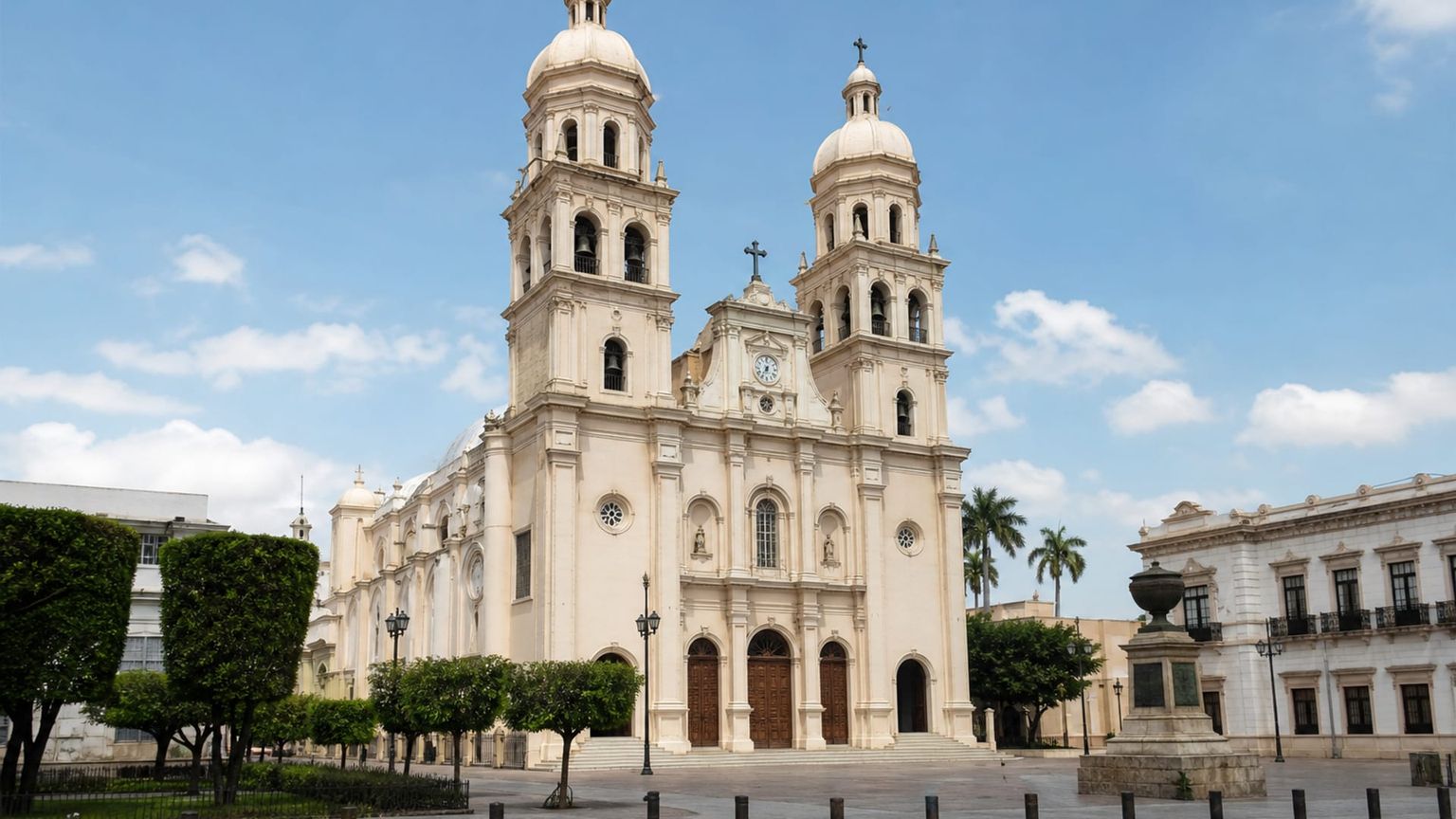
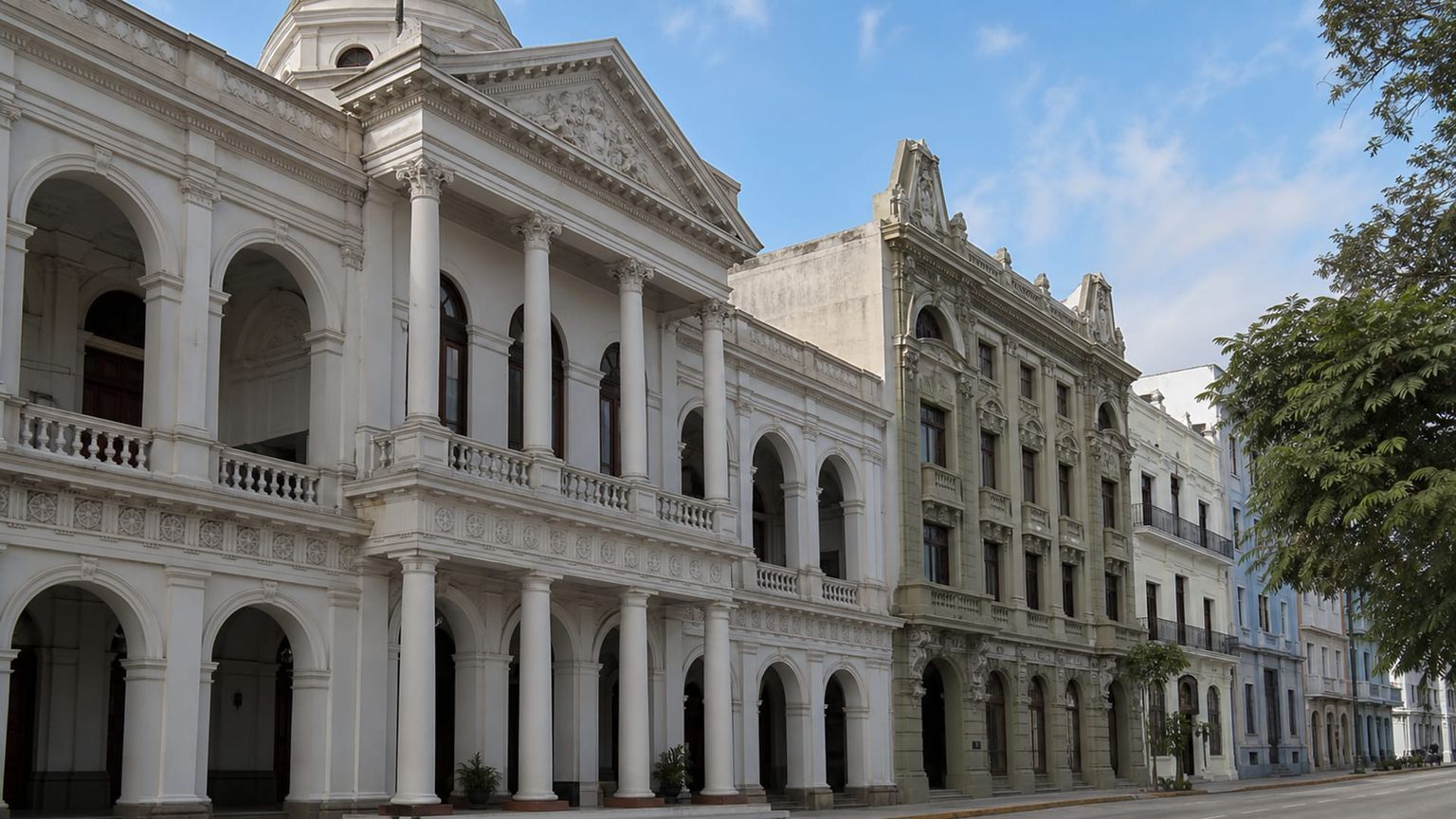
Tampico’s historic core around Plaza de Armas, the cathedral, and older civic buildings, where the city keeps its strongest street life and heritage landmarks. It matters for visitors who want to be close to museums, cafes, and the riverfront side of downtown.
Best for: First-time visits, heritage sights, dining, and walkable downtown access
What to expect: Expect the most foot traffic in town, with office workers, shoppers, and evening diners using the same blocks.
Hotel prices: Usually about MXN 900 to MXN 1,900 (~$53 to ~$111) per night for well-rated stays
Distance to major sights: On foot to Plaza de Armas, about 10 minutes to the cathedral, and roughly 15 minutes by taxi to Laguna del Carpintero
Quietness: Busy and lively by day, then calmer at night on smaller streets, though main avenues still carry traffic.
Main trade-off: You trade some noise and fewer large hotels for the easiest access to downtown sights and restaurants.
Good to know: Late check-ins can be more awkward here after office hours, so confirm access instructions before you arrive.
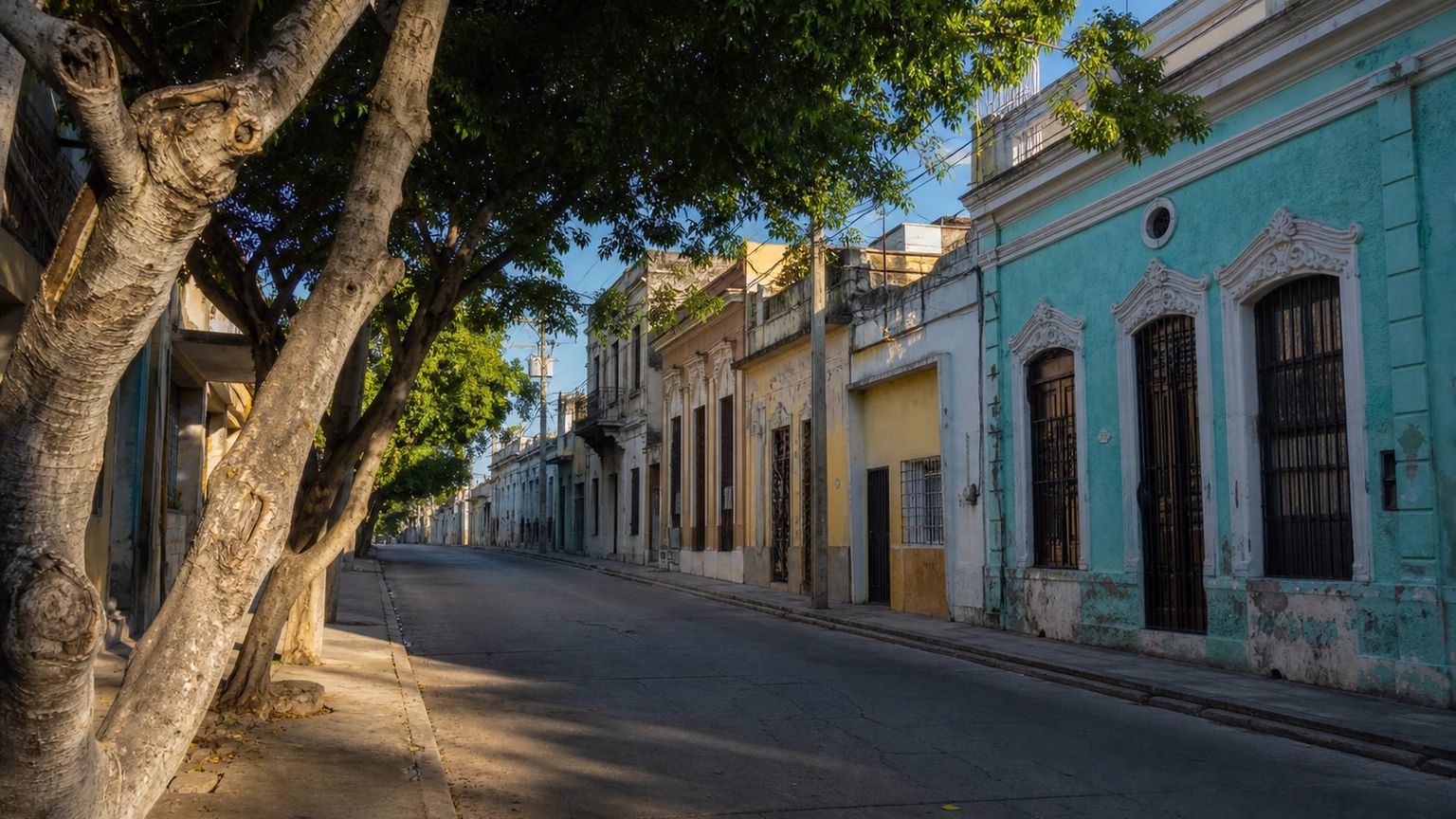
A residential district by Laguna del Chairel and the city’s lakefront roads, with newer apartment towers, local restaurants, and calmer blocks. It matters if you want a quieter base that still stays connected to central Tampico and the lagoon edge.
Best for: Longer stays, quieter evenings, and travelers who prefer a residential setting
What to expect: Expect local traffic, fewer passersby, and a more residential pace than Centro or the hotel corridor.
Hotel prices: Usually about MXN 1,100 to MXN 2,300 (~$64 to ~$134) per night for well-rated stays
Distance to major sights: About 15 to 20 minutes by taxi to Centro and roughly 25 minutes to Miramar Beach
Quietness: Quieter during the day and notably calmer at night, especially away from the main roads.
Main trade-off: You will rely more on taxis for meals and sightseeing, and the hotel selection is thinner than in the main corridor.
Good to know: Choose this area if you want an easier night’s sleep, but check whether your stay includes parking or quick rideshare pickup.
Travelers usually avoid Altamira for a stay based in Tampico, because it sits well south of the city center, the museums, and the Malecón. Parts of northern Tampico, including the airport corridor near Tampico (TAM), are less convenient for visitors because they are farther from the main sights and have fewer dining and evening options than central neighborhoods such as Zona Centro and Miramar.
Hotel deals
How to get around Tampico efficiently
Tampico has no metro, so most visitors pair walking with buses, colectivos, taxis, or ride-hailing along a few main corridors.

Metro
for longer distances
Tampico does not have a metro; the closest fixed-route option is the city’s bus network, which handles most local trips between downtown, Miramar, Madero, and the airport area. For longer hops into the metropolitan area, expect roughly 20 to 40 minutes by road, depending on traffic.

Bus and tram
for convenience
Buses and colectivos cover most of Tampico and Ciudad Madero, with frequent links along the main corridors to downtown, the beach area, and nearby neighborhoods. Fares are usually about $0.60 to $1.20 (about MXN 10 to 20), paid in cash on board, and rides often take 15 to 45 minutes based on distance and traffic.

Taxi
for convenience or late hours
Licensed taxis in Tampico use set fares on some common airport and short urban trips, while other rides are negotiated or metered by operator, so confirm the price before leaving. From Tampico Airport (TAM) to central Tampico or Ciudad Madero, expect roughly $10 to $25 (about MXN 170 to 430), with higher prices for late-night or longer cross-city trips; many drivers take cash, and some accept cards or app payment if arranged in advance.
*Prices are based on rates updated as of June 2026 and may change at the time of travel.
Walk in Centro, use buses or colectivos for low-cost cross-town trips, and choose taxis or app rides when you are moving between the airport area, the lagoon, and downtown after dark.
Iconic landmarks
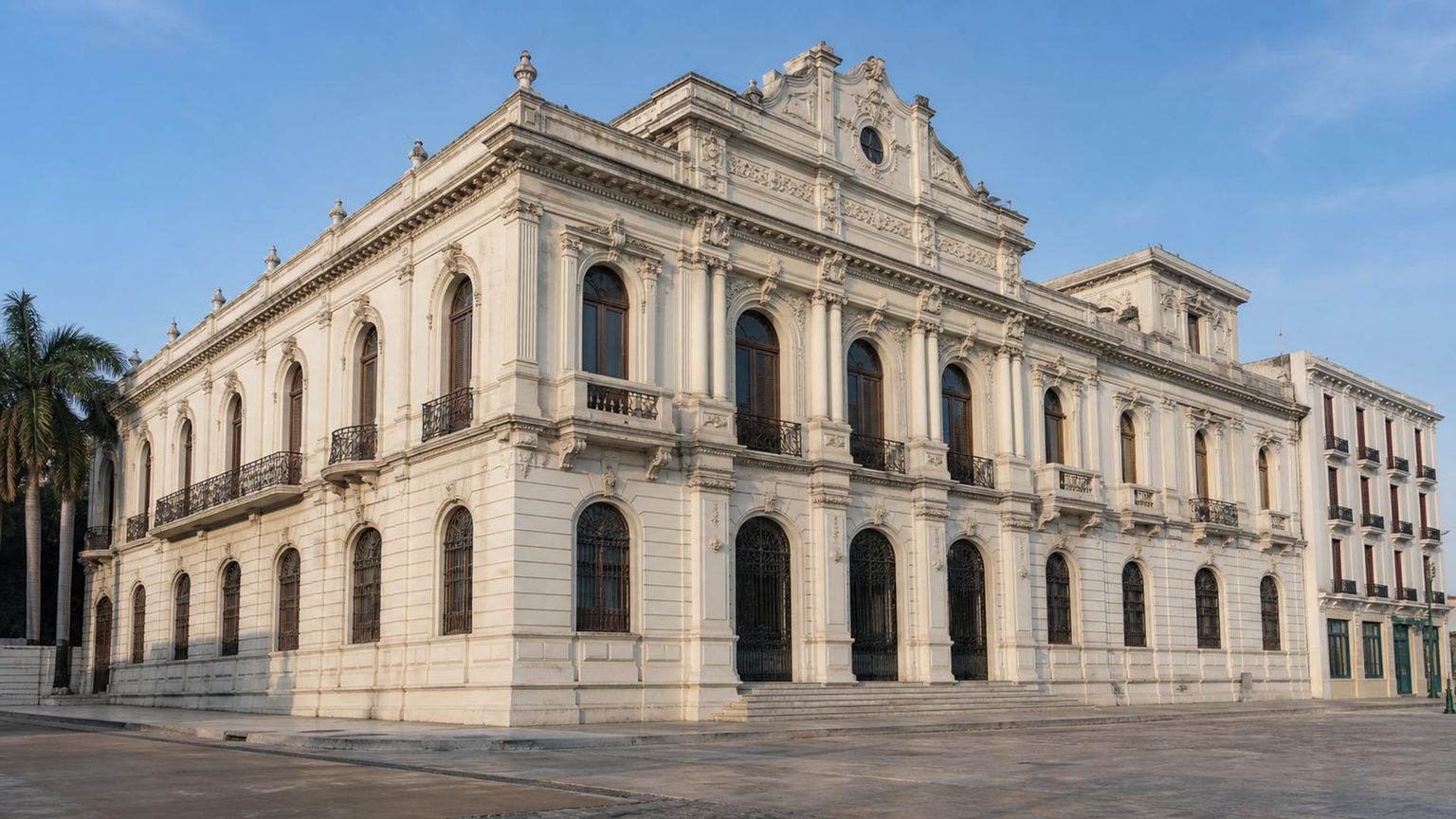
Old Customs Building (Antiguo Edificio de la Aduana Marítima)
This 19th-century customs house anchors Tampico’s port history with ironwork, arcades, and exhibits on trade and river commerce. It sits by Plaza de Armas, so you can pair it with the historic center in one walk.
Time needed: About 45 minutes
Entry: Free to access; check posted hours before visiting, since interior access can vary by exhibition schedule and municipal events.
Tip: Go in the morning, when the plaza is quieter and the facade gets cleaner light for photos.
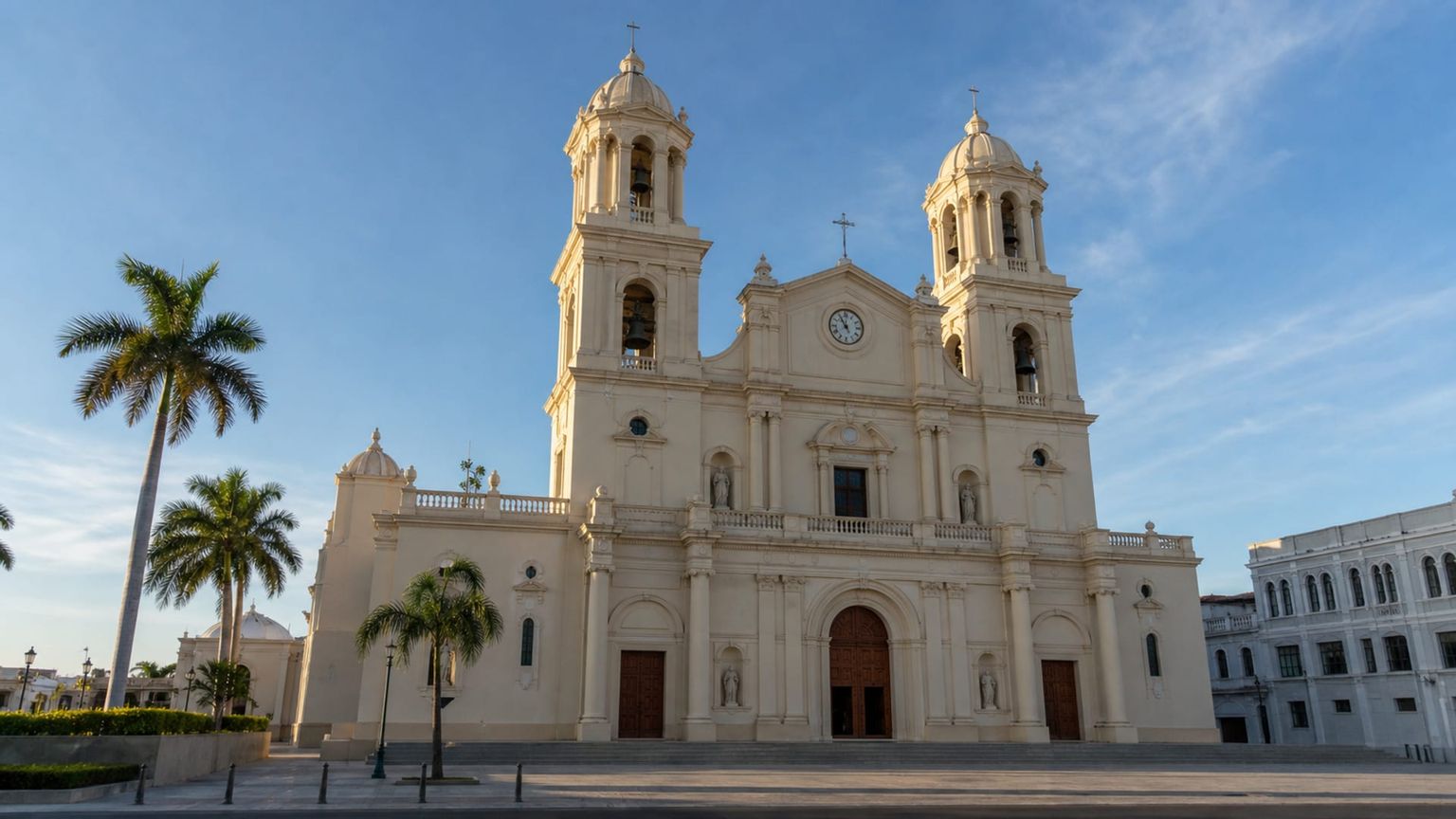
Tampico Cathedral (Catedral de la Inmaculada Concepción)
Tampico’s main cathedral rises beside Plaza de Armas with twin towers, a pale facade, and a vaulted interior finished in marble and stained glass. It gives the city center one of its clearest architectural anchors.
Time needed: About 30 to 45 minutes
Entry: Free to enter during posted worship and visitor hours; donations are welcome, and special ceremonies may limit access to some areas.
Tip: Visit outside mass times if you want a quiet look at the nave and altar.
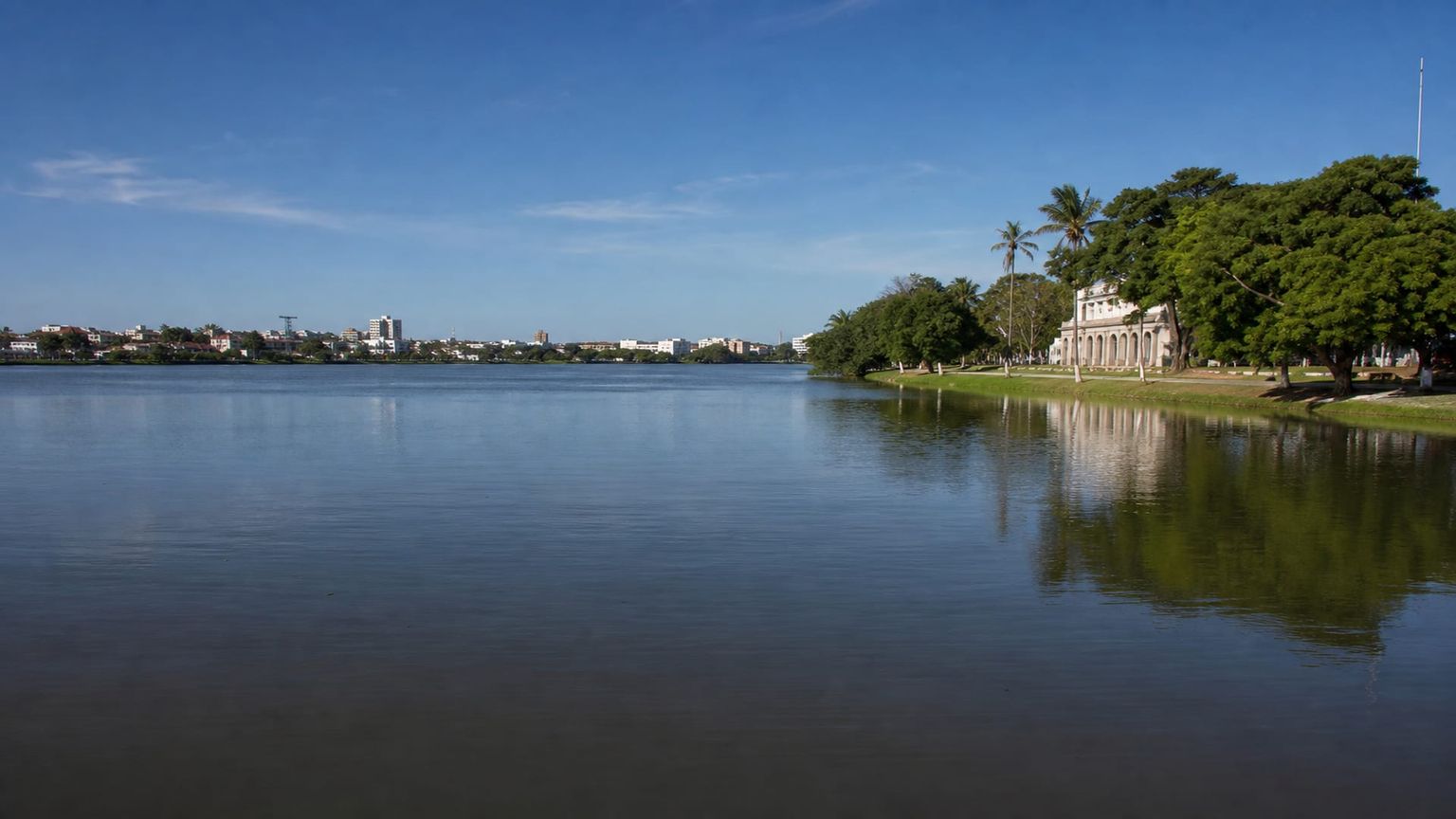
Laguna del Carpintero
Laguna del Carpintero is Tampico’s best-known urban lagoon, edged by boardwalks, mangroves, and viewpoints for seeing birds, crocodiles, and skyline reflections. It is a major green-space stop close to the center.
Time needed: About 1 to 2 hours
Entry: Free to access; boat rides and event activities cost extra, while the public paths and viewing areas do not charge admission.
Tip: Come near sunset for better light on the water and more active birdlife along the edges.
Overlooked sites worth visiting

Laguna del Carpintero Boardwalk
A lakeside walkway with viewing platforms, mangroves, and open water on the city edge. Birdwatchers often spot herons, ibises, and ducks here, while the footbridges make it easy to linger without rushing.
Time needed: About 1 to 2 hours
Entry: Free to access; the boardwalk and viewing platforms are open to the public, with no admission charge for a casual visit. Bring a small amount of cash only if you want snacks or drinks from nearby vendors.
Tip: Go near sunset for cooler air and better bird activity.

Barco Museo del Niño
A dockside museum aboard a former ship, with hands-on exhibits on science, navigation, and local maritime life. Its compact layout suits a short stop, and the waterfront setting adds an easy city-side detour.
Time needed: About 1 hour
Entry: Admission is usually about $3 to $5 (approximately 50 to 90 MXN) for general access, with occasional discounts for children, students, and seniors. Hours can vary by day, so check current opening times before going.
Tip: Visit on a weekday morning to avoid school groups.
Traditional food
Tampico’s table leans on Gulf seafood, grilled beef, and regional specialties such as tampiqueña steak and carne a la tampiqueña, with simple lunch counters and dinner spots that fill up after the afternoon break.
Tampiqueña steak
A Tampico classic built around grilled beef with regional sides and a bright, savory finish. El Porvenir is a strong canonical stop for it in the city.
Cecina
Thin-cured beef with a salty, concentrated flavor that works well with tortillas and simple sides. Tacos de Cecina El Cuate is a good local pick for this dish.
Seafood tacos
Lightly fried or grilled seafood tucked into tortillas, often with lime, salsa, and crisp vegetables. Mariscos y Tacos El Chava is a dependable Tampico option.
Carne a la tampiqueña
A plated regional beef dish that usually arrives with refried beans, enchiladas, and a fuller set of garnishes. El Porvenir also serves a well-known version.
Best time to visit Tampico
Tampico stays warm most of the year, but humidity, rain, and heat change how long you will want to linger at the lagoon or move around downtown.
Best for: Best for easier walking and longer downtown days
What you get: About 64 to 80°F (18 to 27°C), with lighter crowds and lower humidity than summer.
Trade-offs: Cold fronts can bring wind and the occasional cool spell.
Best for: Best for balanced weather and outdoor sightseeing
What you get: About 72 to 92°F (22 to 33°C), with moderate visitor levels and rising humidity toward late spring.
Trade-offs: Heat builds fast by midday.
Best for: Best for travelers who do not mind hot, wet weather
What you get: About 77 to 95°F (25 to 35°C), with fewer crowds in some indoor spots and frequent afternoon rain.
Trade-offs: Humidity and storms can shorten open-air plans.
Best for: Best for slower pace after the wettest stretch
What you get: About 72 to 88°F (22 to 31°C), with lighter crowds and gradually improving conditions as the season moves on.
Trade-offs: Early fall can still bring heavy rain.
A realistic 5-day plan in Tampico
Five days in Tampico works best when the city is divided into downtown, lagoon, and departure-day errands. The plan below keeps each outing close to its next stop, so you spend more time in Centro and along the water and less time crossing town.
Fly into Tampico (TAM), then take a taxi or rideshare into Zona Dorada, which is usually the easiest arrival base if you want a short hop from the airport corridor, about 15 to 20 minutes and roughly MXN 180 to MXN 300. Check into a hotel on Avenida Hidalgo or a nearby side street, drink plenty of water after the flight, and keep dinner close by with a simple meal at one of the mall-area restaurants so you do not have to cross town on your first night.
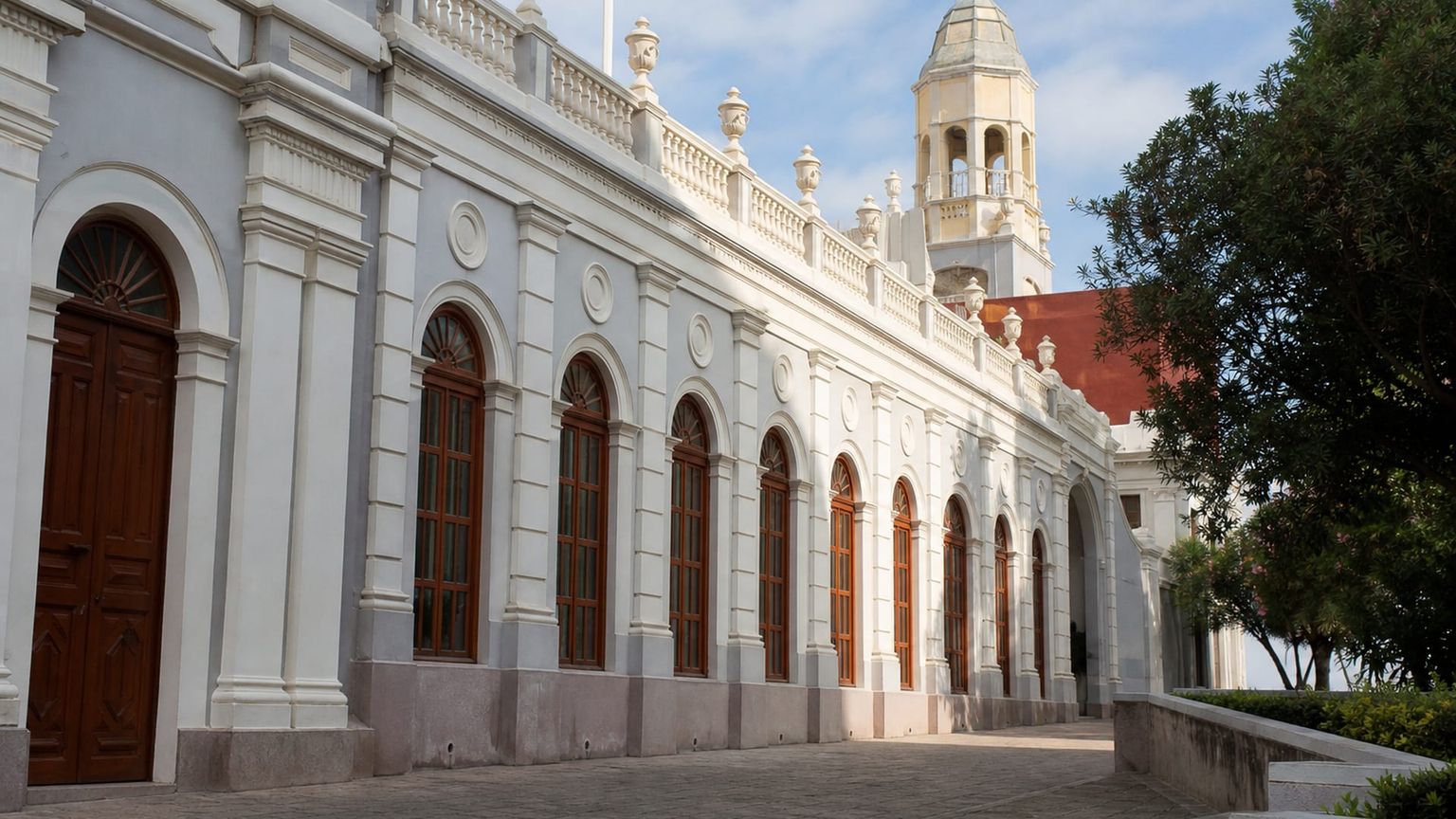
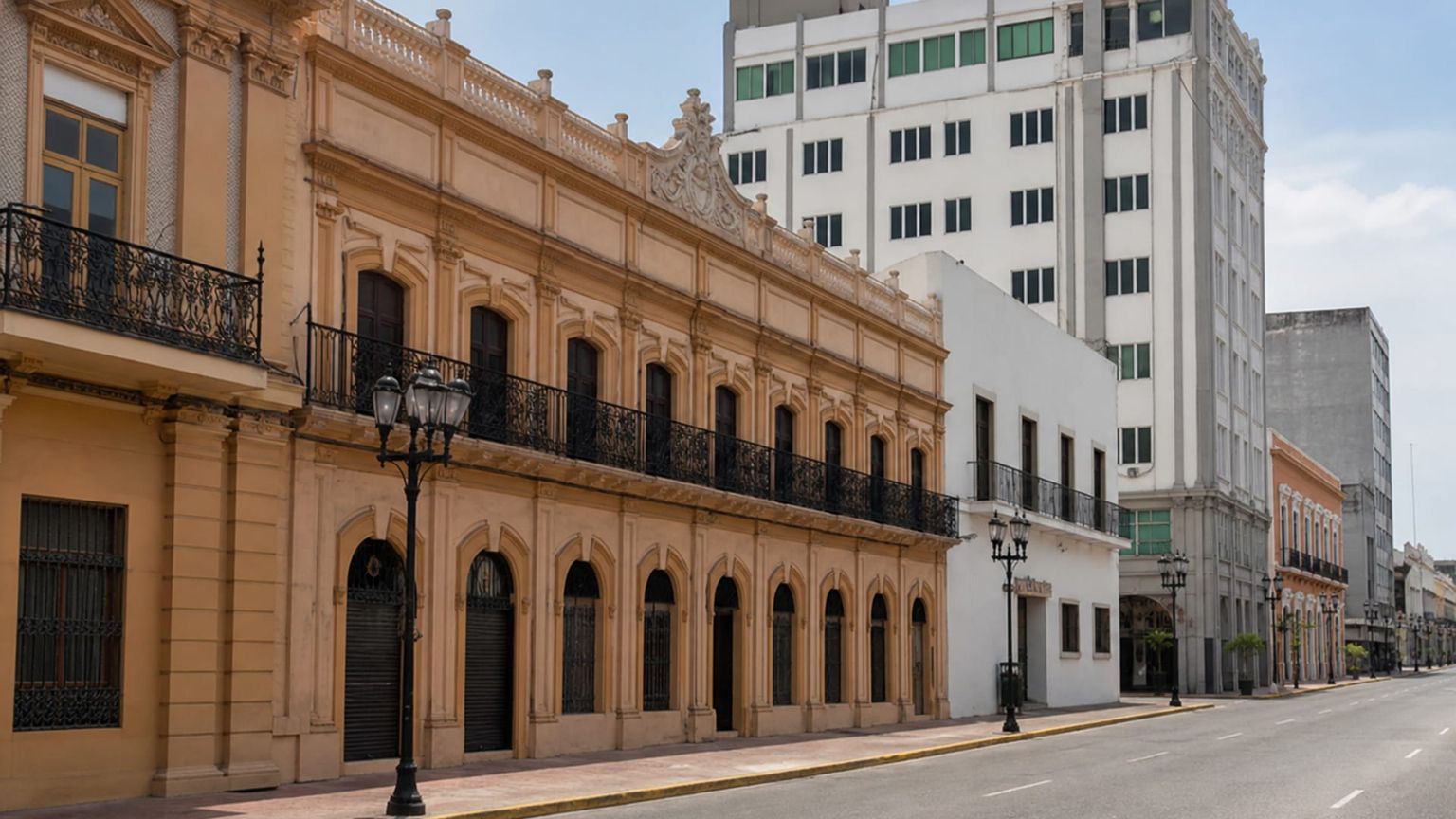
Start in Centro with breakfast near Plaza de Armas, then walk about 5 minutes to Tampico Cathedral and another 5 minutes to the Old Customs Building, where you can spend roughly 45 minutes looking at the port-era architecture and exhibits. From there, continue on foot or take a short taxi ride of about 10 to 15 minutes to Laguna del Carpintero, then follow the boardwalk for 1 to 2 hours as the water, birds, and skyline come into view. Finish with dinner back in Centro, or return to Zona Dorada if you prefer a later meal near your hotel.
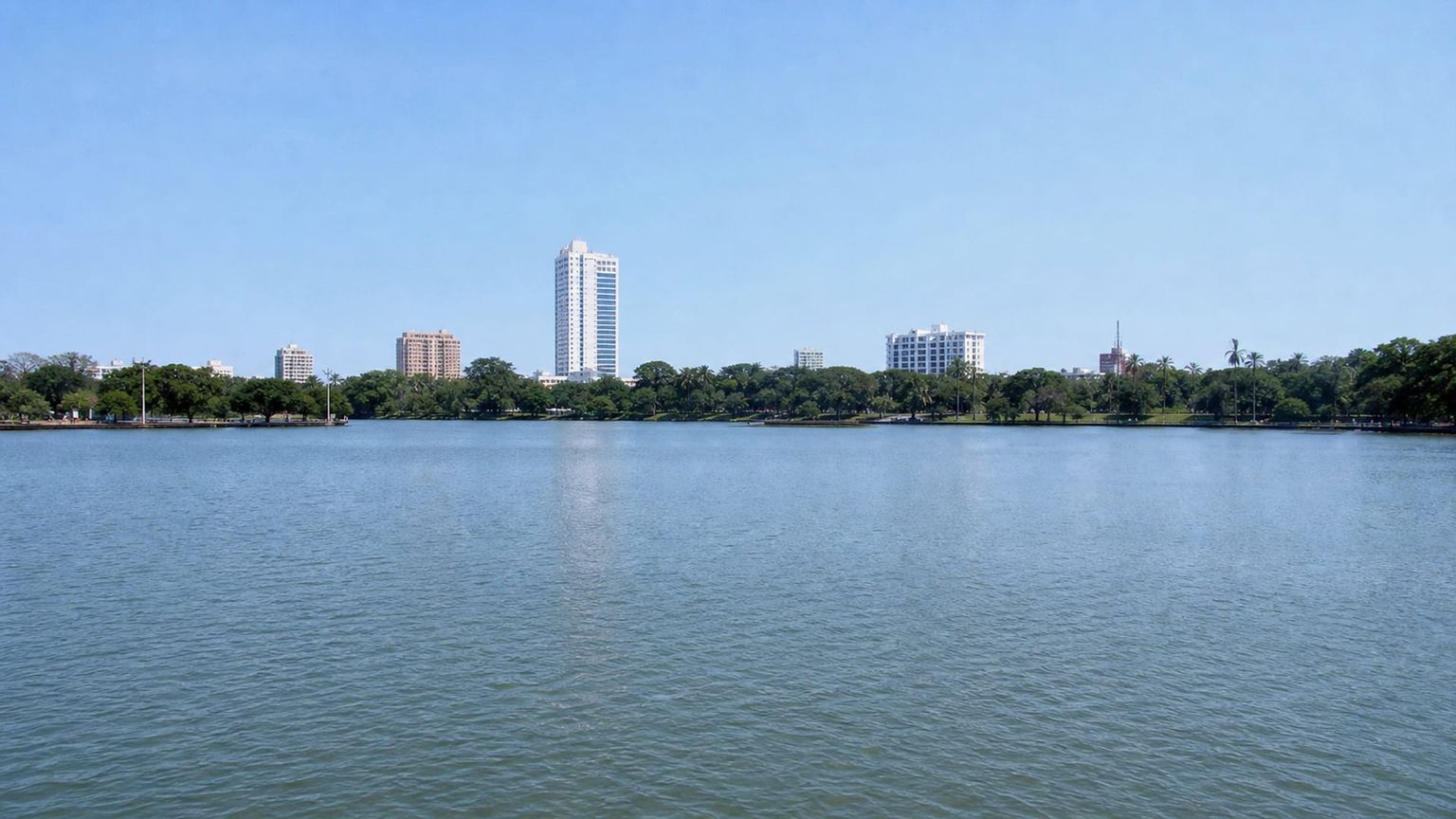
Begin at the Laguna del Carpintero Boardwalk near sunset, when the water is calmer and bird activity picks up, then stay for about 1 to 2 hours along the viewing platforms and footbridges. After that, take a taxi to Barco Museo del Niño, which is about 10 to 15 minutes away from the lagoon area, and spend about 1 hour exploring the ship-based exhibits on science and navigation. End the day with a relaxed waterfront snack or an early dinner in Centro, which is roughly 10 to 15 minutes by taxi from the museum area.
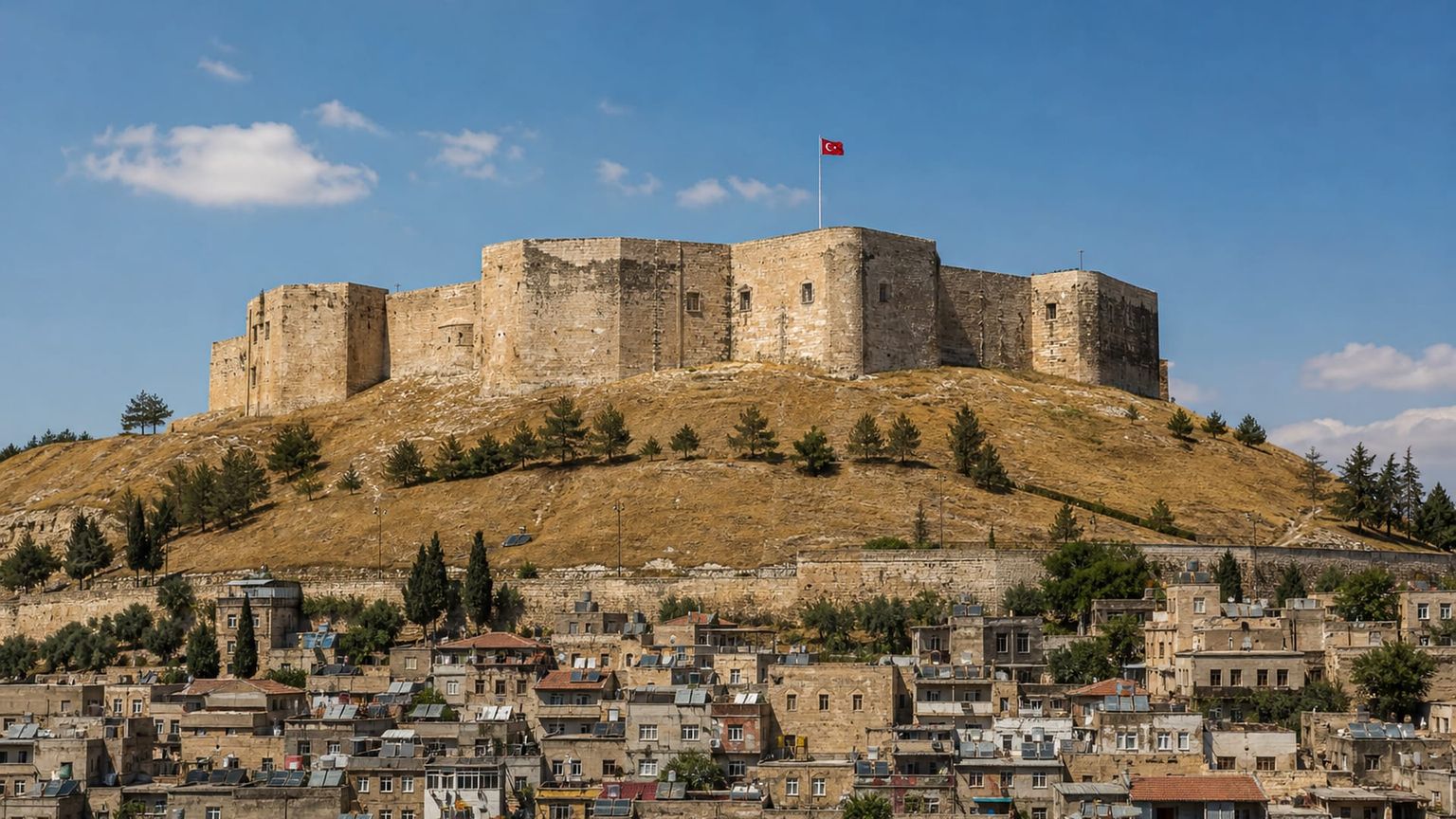
Set out for a second downtown day in Centro, beginning with the cathedral if you want a quieter look, then walking about 5 minutes to the Old Customs Building for a return visit or a closer look at anything you missed. From Plaza de Armas, it is easy to shift between cafes and small shops on foot, and you can also take a short taxi ride of about 10 minutes back to Laguna del Carpintero for an evening walk if you want another open-air stop. Stay in the historic core for dinner, since the area gives you the best chance to linger without adding much transit time.
For your last morning, book a late checkout in Zona Dorada or Centro, then pair one final museum stop at Barco Museo del Niño with low-key shopping along Avenida Hidalgo in Zona Dorada, where malls and hotel-area stores make an easy last round of browsing. If you want a quieter final coffee, Chairel has calmer neighborhood cafes and takes about 15 to 20 minutes by taxi from Centro, which works well before an airport transfer. Head to Tampico (TAM) with enough time to spare, since the ride from the main hotel corridor usually takes about 15 to 20 minutes.
Business-class flights from the US to Tampico
Tampico usually reaches visitors through one-stop itineraries rather than nonstop links, with the layover city depending on where you start. The examples below show the common East Coast and West Coast patterns.
From New York, American Airlines, Delta Air Lines, United Airlines, Aeromexico, and Copa Airlines typically connect through MEX, IAH, ATL, PTY, or DFW, and the trip usually takes 6 to 12 hours with a stop. Fares from $1,400 to $3,000 round-trip give you the main planning range for this market.
Los Angeles travelers usually see American Airlines, Delta Air Lines, United Airlines, and Aeromexico on itineraries that run 5 to 10 hours with a connection. Typical round-trip fares start at $1,100 and can reach $2,400, which keeps the West Coast market in a narrower band than New York.
Tampico feels different when you slow down
A well-paced Tampico stay links Centro, the Old Customs Building, the cathedral, and Laguna del Carpintero instead of scattering your time across the city. Buses and colectivos work for cheap daytime movement, but taxis and ride-hailing make the airport corridor and late dinners easier to manage. If you want more of the city’s port history and waterfront light, the AranGrant experts can help you shape a stay around Plaza de Armas and the lagoon edge







