

Chapters:

Need help with your trip?
Our support team is available 24/7. Request a callback or call us directly at (833) 619-0908
Tobago itineraries often start and end near the airport, with Pigeon Point, a quick fort visit, and one inland waterfall filling the middle. What travelers often miss is how much time road moves can add once the day extends beyond the southwest coast.
That matters here because Scarborough, Crown Point, and Argyle sit in different parts of the island, and each stop rewards a different pace. If you stack them carelessly, you spend too long in the car and too little at the sites.
This guide maps the island by day, with bases, meals, transport, and flights arranged so each section supports the next.
Useful things to know

Main language(s): English

Currency: The local currency is the Trinidad and Tobago dollar (TTD, $).

Cash and cards: Cards work at larger hotels and shops, but carry TT$200 to TT$300 ($30 to $45) for taxis and small purchases.

Tipping: Round up taxis and small bills; add 10% in restaurants if a service charge is not included.

Traditional food: Callaloo, crab and dumplings, pelau, curry crab

Water and coffee costs: Water ~TT$6 ($1), bar espresso ~TT$20 ($3).

Taxis and ride apps: Uber and local taxis; app coverage is limited, so confirm a pickup before you rely on one.

Plug and voltage: Type A/B socket, 115V

Dining and shop opening hours: Breakfast is about 07:00-10:00, lunch 12:00-14:00, and dinner 18:00-21:00. Many places close early on Sundays, and some restaurants trim hours outside peak season.

Emergency number: 999 or 990 for police, fire, and ambulance.
Where to stay in Tobago
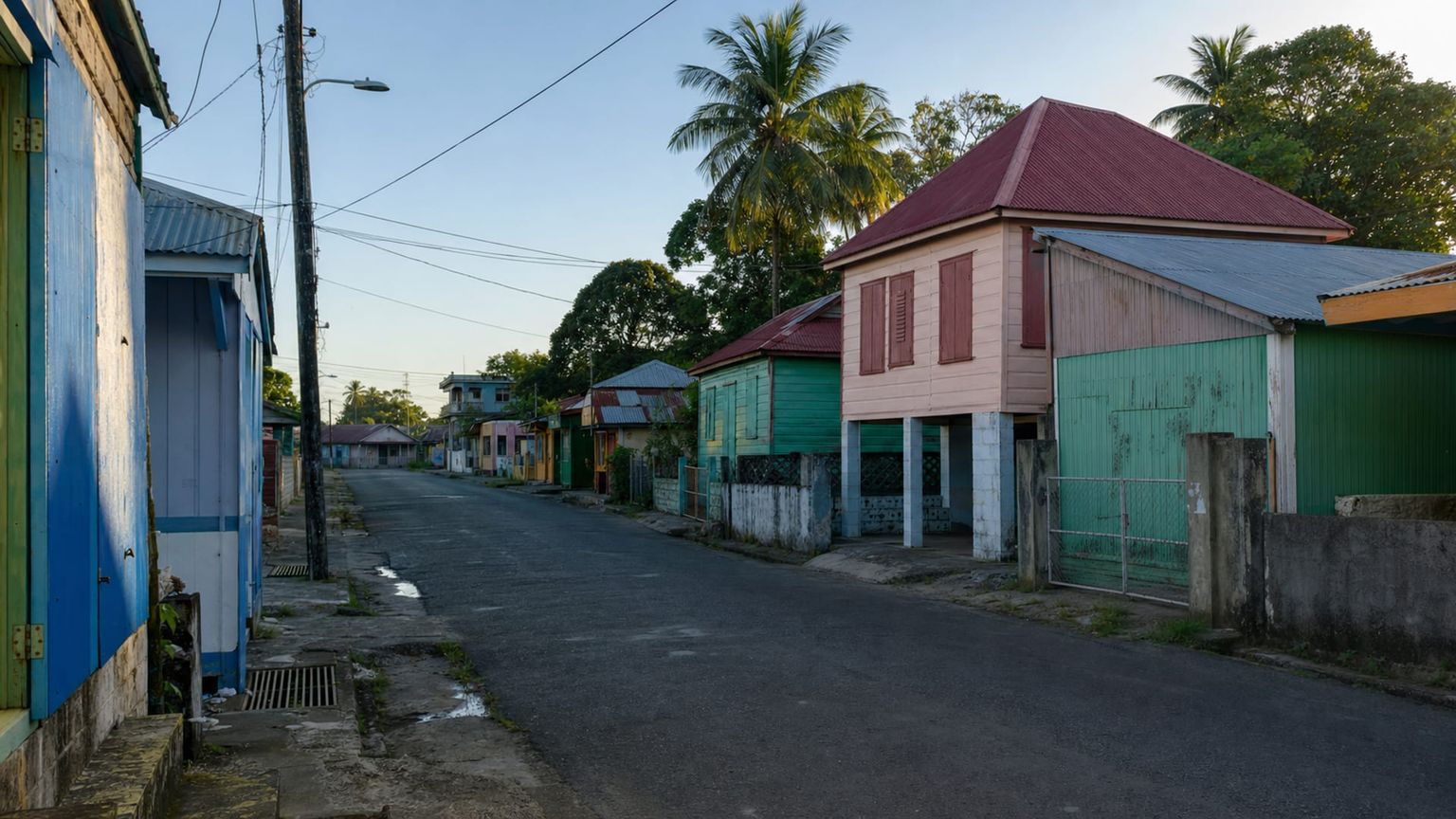
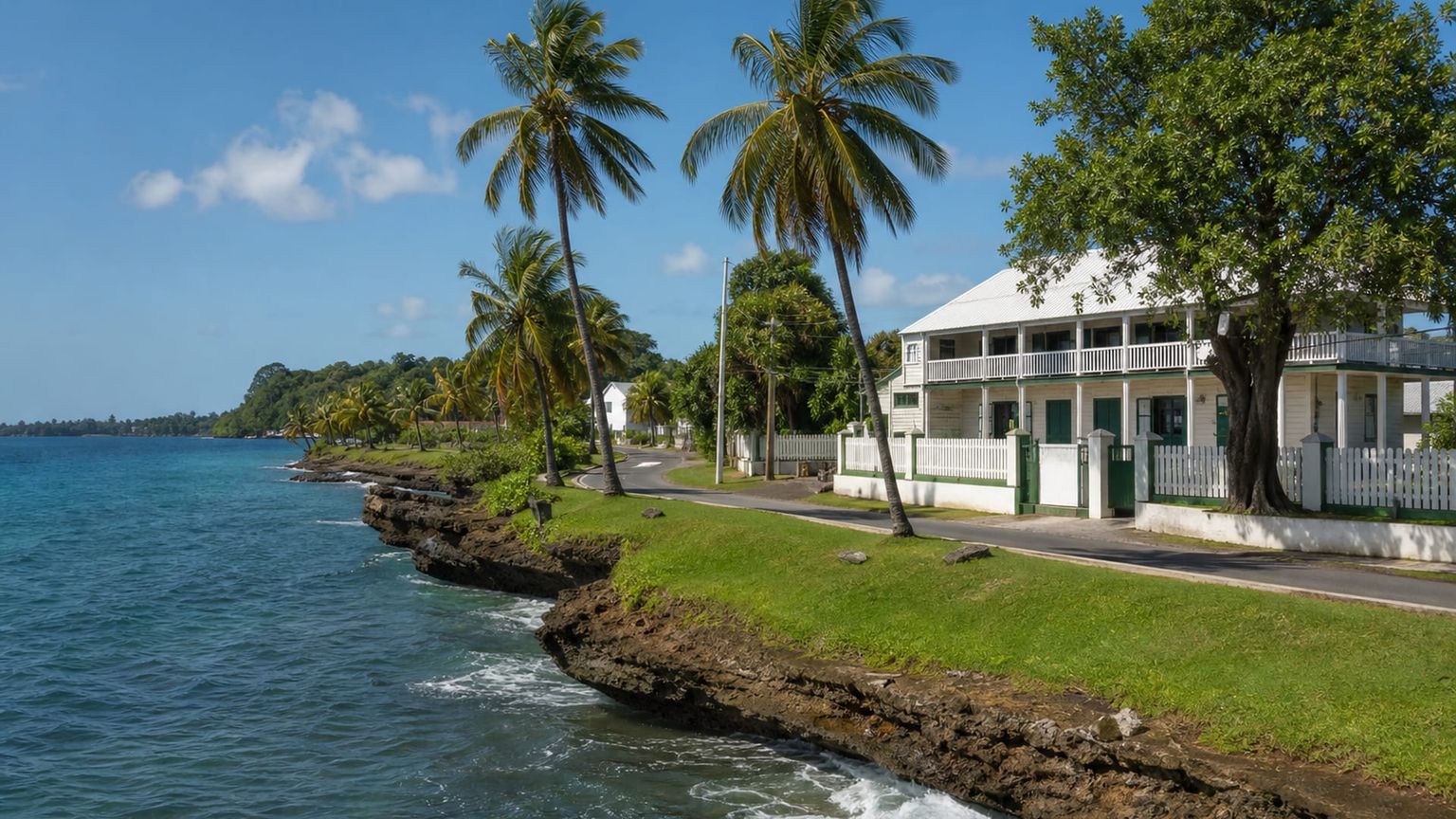
Crown Point is Tobago’s main visitor strip, centered on the airport, restaurants, shops, and the island’s busiest beach access points. It works well if you want easy access to Pigeon Point, Store Bay, and a wide choice of stays and dining.
Best for: Beach access, short airport transfers, and travelers who want the broadest choice of hotels and guesthouses
What to expect: Light traffic, steady movement near the main road, and the most active evenings on the island.
Hotel prices: Usually about $90 to $250 per night for well-rated stays
Distance to major sights: About 5 minutes by taxi to Tobago (TAB) airport, about 8 minutes to Store Bay
Quietness: Busier in the day and lively into the evening, especially near restaurants and beach access roads.
Main trade-off: You pay more for convenience, and rooms closest to the beach road can pick up traffic and late dining noise.
Good to know: Choose a room set back from Milford Road if you want less roadside noise and easier sleep.
Bon Accord sits just inland from Crown Point and gives access to resorts, villas, and holiday apartments near Tobago’s southern beach zone. It suits travelers who want to stay close to the action without being directly on the main beachfront roads.
Best for: Villa stays, family trips, and travelers who want close access to the airport and beaches without staying on the busiest strip
What to expect: Mostly residential streets, resort compounds, and lighter foot traffic than the waterfront areas.
Hotel prices: Usually about $80 to $220 per night for well-rated stays
Distance to major sights: About 7 minutes by taxi to Tobago (TAB) airport, about 10 minutes to Pigeon Point
Quietness: Quieter by day than Crown Point and generally calmer at night, though some resort areas stay active into the evening.
Main trade-off: You usually need a taxi or car for beach-hopping and dinners, since walkable options are more limited than on the strip.
Good to know: If you plan to dine out often, confirm parking or taxi access before you book, since many stays sit off the main road.
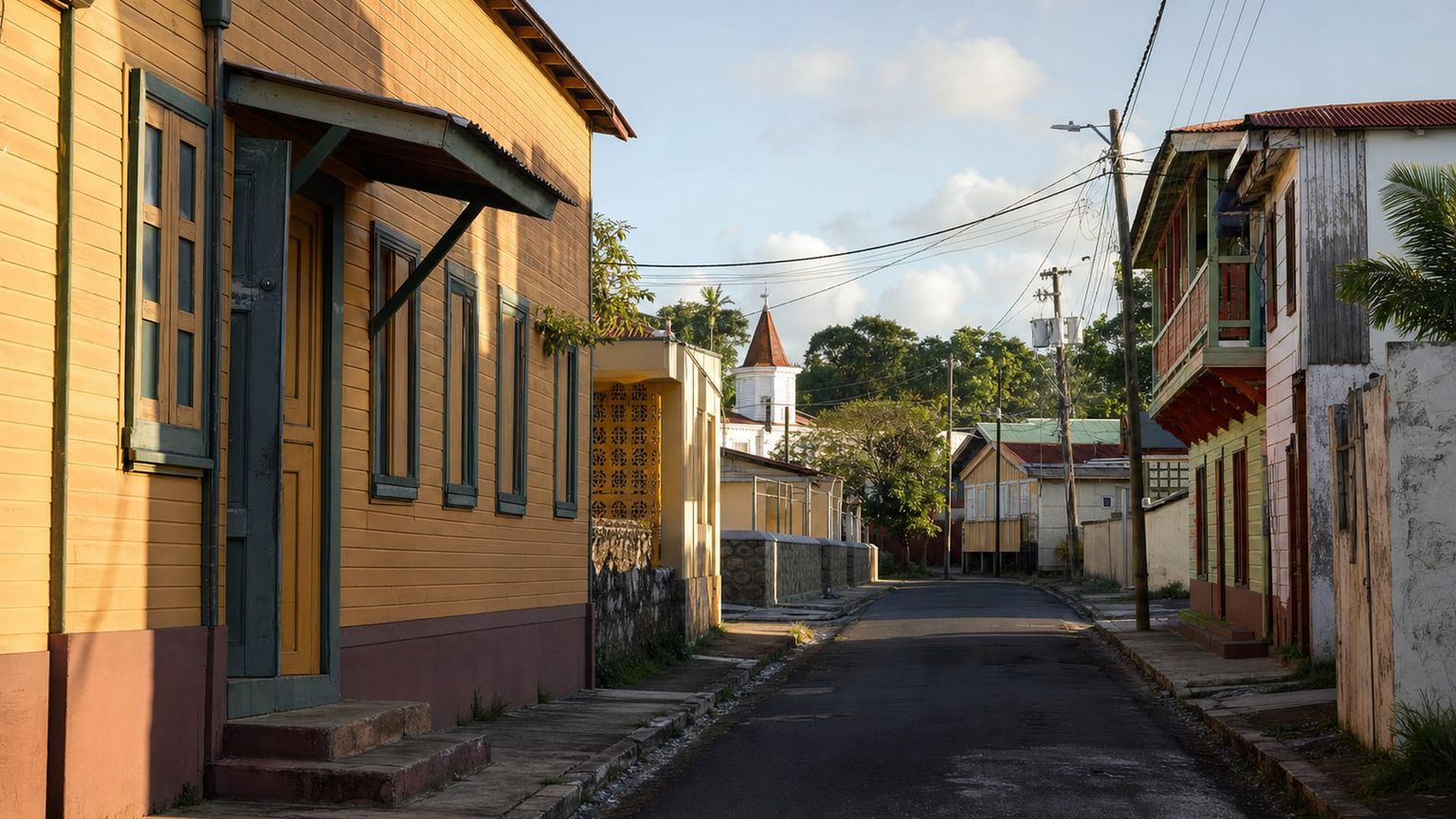
Scarborough is Tobago’s main administrative center and ferry port, with markets, banks, public offices, and the island’s most urban street pattern. It suits visitors who want a more local base and easy access to transport, shopping, and everyday services.
Best for: Budget-minded stays, local errands, and travelers who want access to the ferry, markets, and island transport
What to expect: Active streets in the daytime, commuter traffic, and a more local pace than the beach districts.
Hotel prices: Usually about $60 to $180 per night for well-rated stays
Distance to major sights: About 15 to 20 minutes by taxi to Tobago (TAB) airport, about 25 minutes to Pigeon Point
Quietness: Busy in the day and notably quieter after business hours, with much less evening activity than Crown Point.
Main trade-off: You save on room rates, but you give up beach access and will rely on transport for most dinner and swimming plans.
Good to know: Check ferry-day traffic if you have an early departure, because port activity can slow the roads through town.
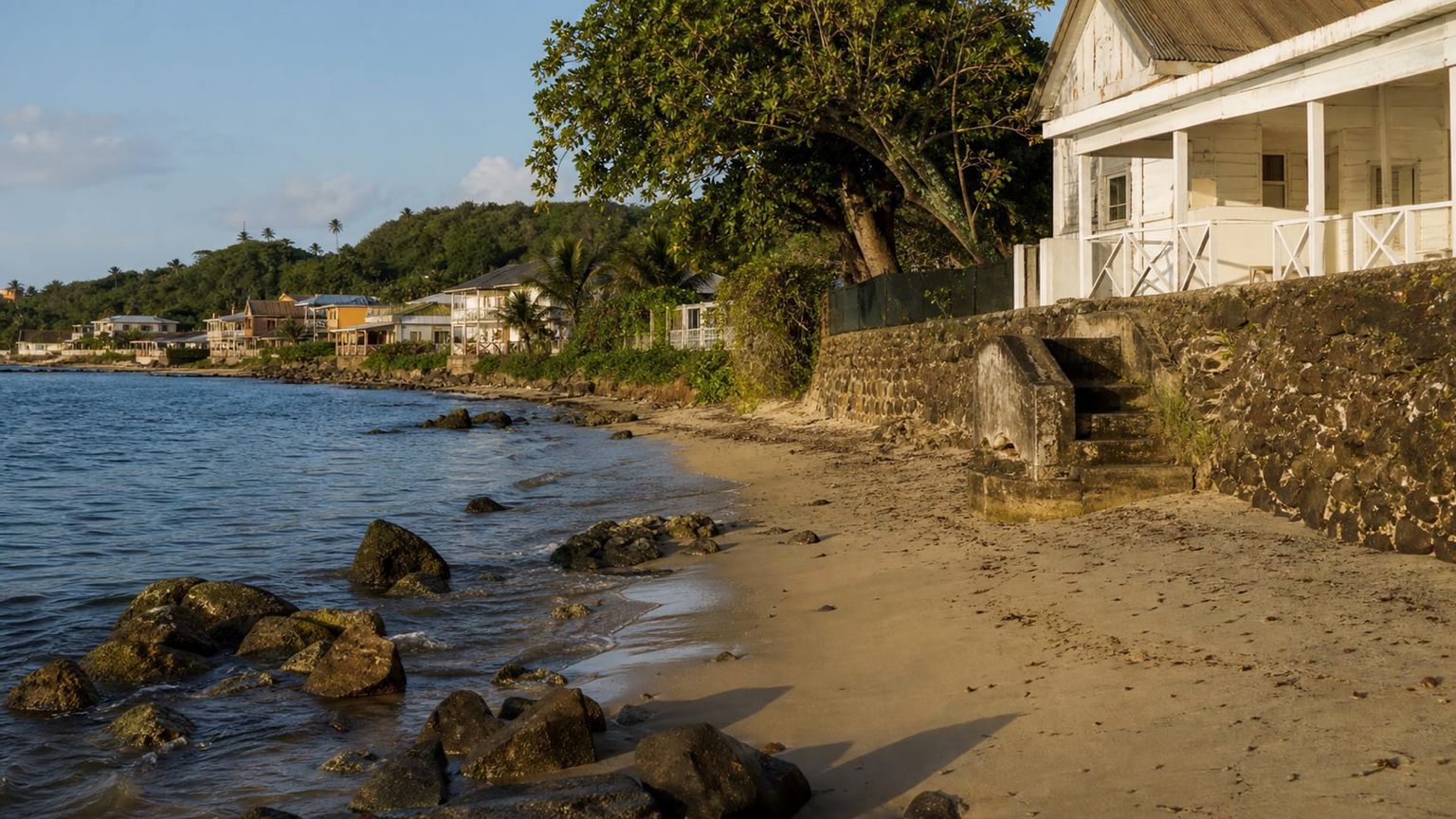
Black Rock lines the west coast north of Crown Point and offers a lower-key beach setting with guesthouses, villas, and direct sea views. It matters for travelers who want a quieter coastal base while staying within reach of Tobago’s south-side attractions by car.
Best for: Relaxed coastal stays, longer visits, and travelers with a car who want fewer crowds
What to expect: Residential roads, scattered small accommodations, and a slower pace than the airport area.
Hotel prices: Usually about $70 to $200 per night for well-rated stays
Distance to major sights: About 20 minutes by taxi to Tobago (TAB) airport, about 25 minutes to Pigeon Point
Quietness: Quiet in the day and usually very calm at night, with only occasional activity near the main road.
Main trade-off: Beach access is good, but you will spend more time on roads for restaurants, shops, and airport transfers.
Good to know: If you arrive late, plan your transfer in advance, because the area has fewer casual taxis than Crown Point.
Travelers usually avoid staying in Crown Point, Buccoo, and Mount Irvine if they want easy access to Tobago’s main visitor areas, because these spots sit on the southwest coast and are useful mainly for the airport, beaches, and a few resort areas rather than for central island sightseeing. Scarborough is also less convenient for many visitors who plan to spend most of their time on the west and northwest coast, since it has fewer resort-style lodging options and evening travel to beach areas takes longer.
Hotel deals
How to get around Tobago efficiently
Licensed taxis, minibuses, and rental cars do the work here, since Tobago has no metro and short intertown hops connect the main visitor areas.

Metro
for longer distances
Tobago has no metro; most visitors use minibuses, taxis, or rental cars instead. Intertown trips are short, but schedules can be sparse, so plan extra time for connections.

Bus and tram
for convenience
Route taxis and minibuses link Scarborough with Crown Point, Bon Accord, Plymouth, and other main settlements. Fares are usually low, about $1 to $3 (TT$7 to TT$20), paid in cash, and vehicles can leave when full.

Taxi
for convenience or late hours
Licensed taxis use set fares, not meters, and rates are commonly posted or confirmed before departure. A short town ride may cost about $5 to $15 (TT$35 to TT$100), while Airport to Scarborough is often about $10 to $20 (TT$70 to TT$135), cash preferred.
*Prices are based on rates updated as of September 2026 and may change at the time of travel.
Taxis work best for airport runs and point-to-point trips, minibuses suit low-cost daytime links between towns, and rental cars make the west coast and inland sights easier to combine.
Iconic landmarks
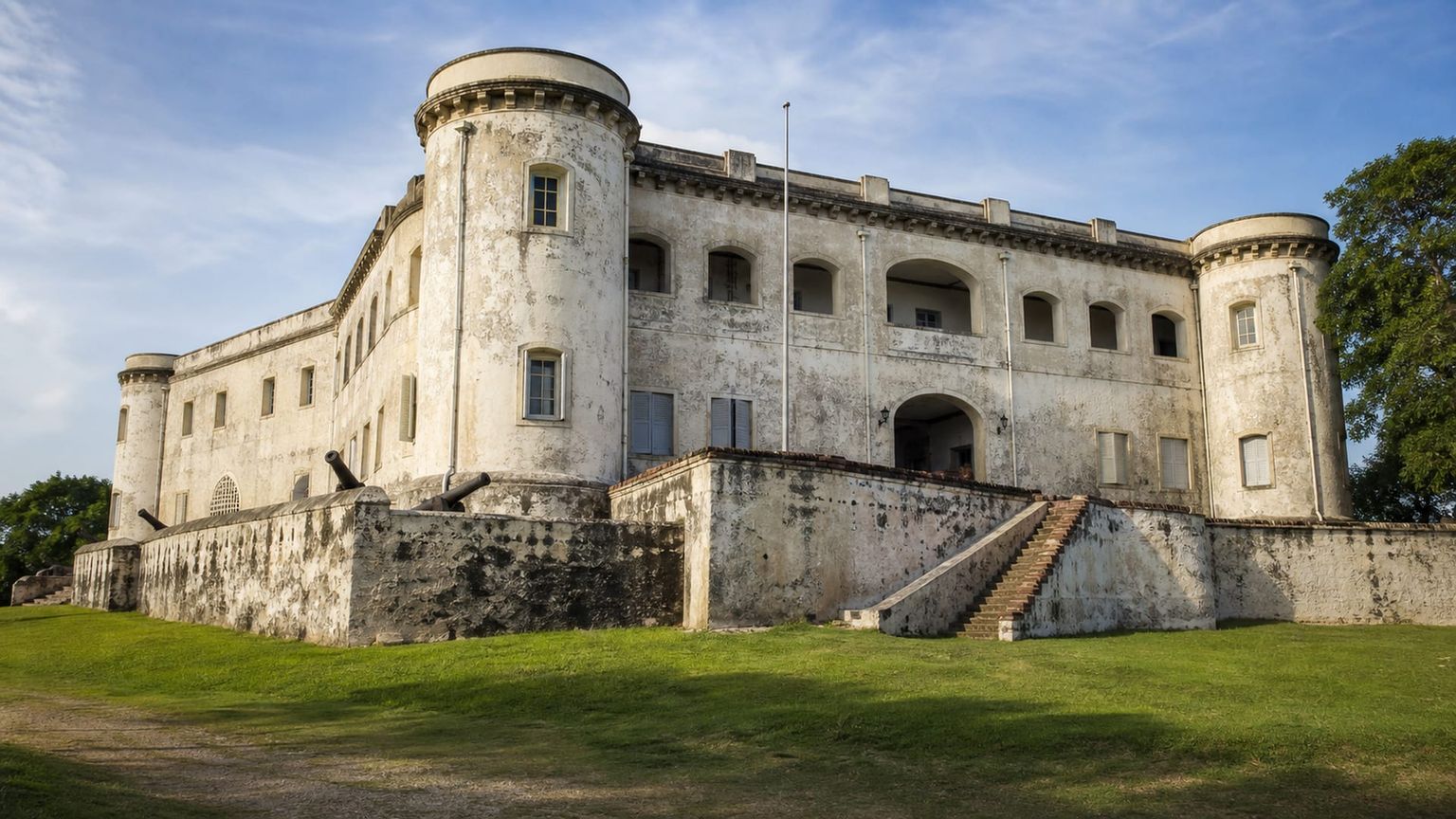
Fort King George
This hilltop 18th-century fort above Scarborough pairs cannons, barracks ruins, and the Tobago Museum with wide harbor views. It gives a clear read on the island’s colonial defenses and the town below.
Time needed: About 1 to 2 hours
Entry: Free to enter the grounds, with separate museum access and occasional small fees for special exhibits or guided visits.
Tip: Go in the morning for cooler air and clearer views over Scarborough harbor.
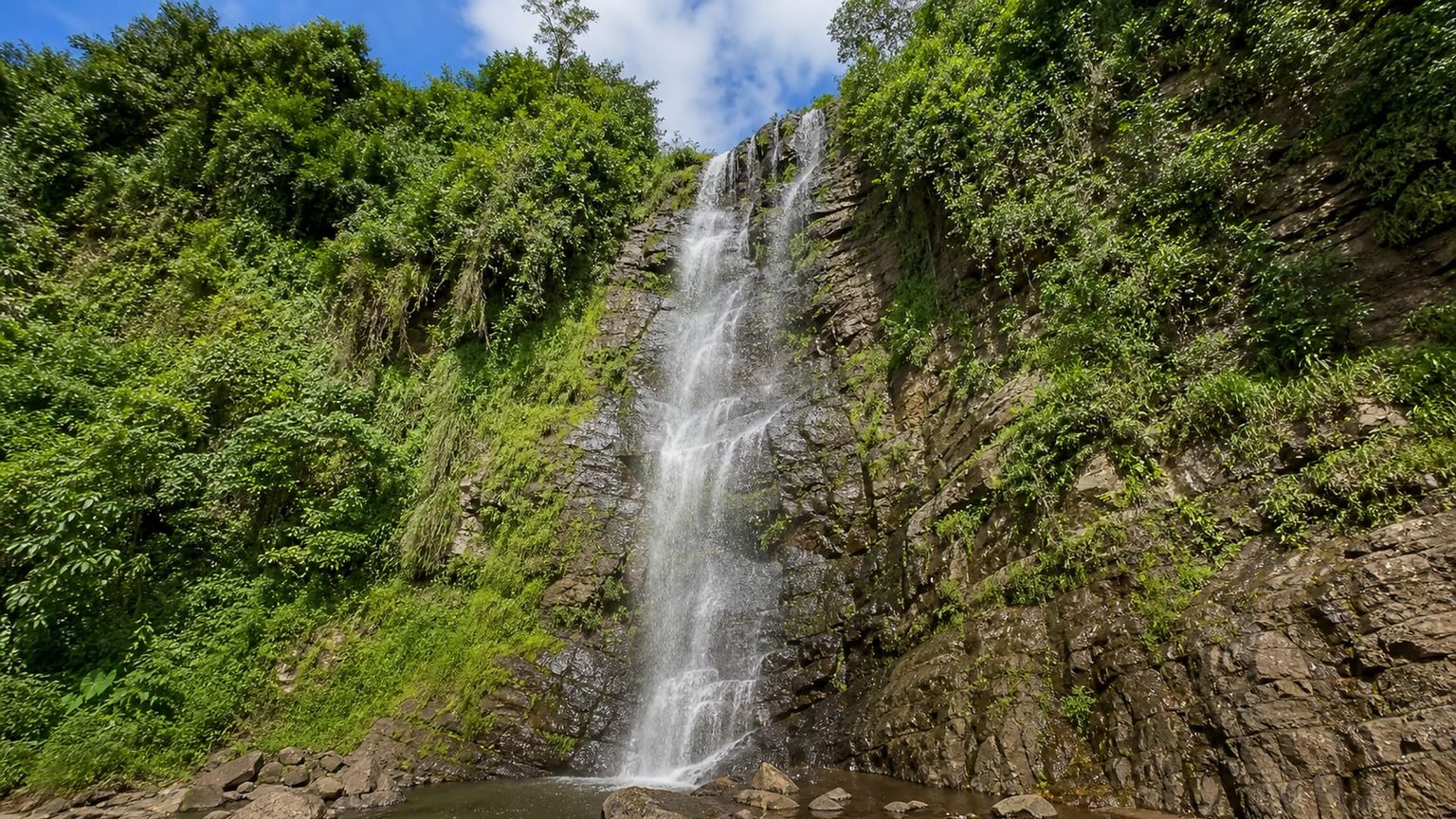
Argyle Waterfall
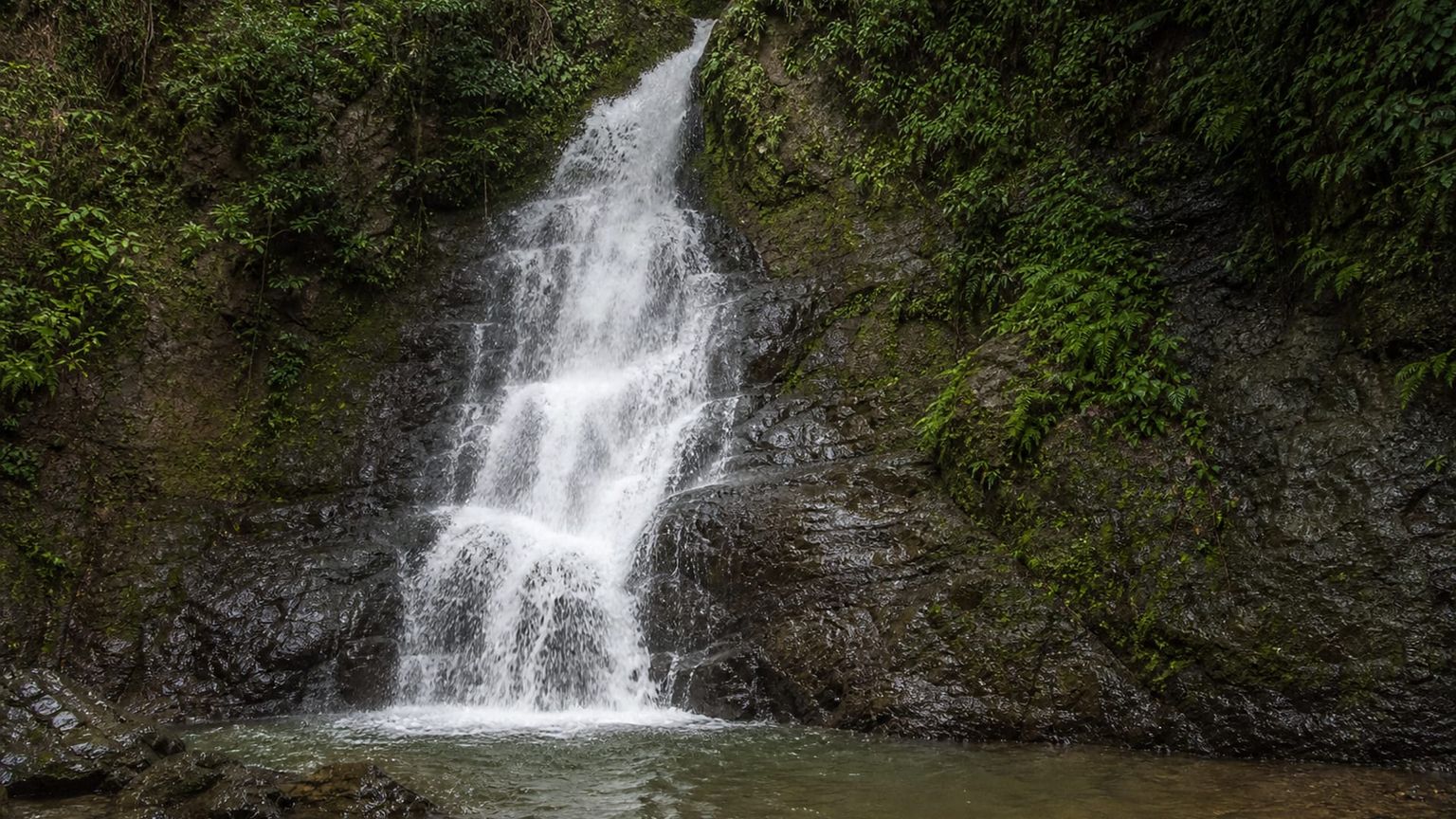
Argyle Waterfall drops in three main tiers through rainforest near Roxborough, with a pool at the base and short trail access from the visitor area. It is one of Tobago’s most visited inland sights.
Time needed: About 1 to 2 hours
Entry: Entry usually costs $6 to $10 ($40 to $65 TT) per adult, with local children often paying less and parking included at the trailhead.
Tip: Wear shoes with grip, the rocks near the pool can be slick after rain.

Pigeon Point Heritage Park
Pigeon Point pairs a long white-sand beach with the island’s best-known thatched jetty and calm lagoon water on the southwest coast. It draws swimmers, photographers, and day visitors looking for an easy sea stop.
Time needed: About 2 to 4 hours
Entry: Admission to the heritage park usually costs $4 to $8 ($25 to $50 TT) per person, with extra fees for chairs, umbrellas, and water activities. Visit the official site for details.
Tip: Arrive before late morning if you want the jetty without heavy crowds.
Overlooked sites worth visiting

Argyle Falls
A three-tier waterfall in Tobago’s rainforest, reached by a short trail that crosses stream pools and shaded forest. The lower cascade has easy viewing, while the upper tiers reward visitors who keep climbing.
Time needed: About 1.5 to 2.5 hours
Entry: Admission is about $6 ($40 TTD) per adult, with small extra fees possible for parking or local guides; rates can change, and cash is often useful because card payment is not always available on site.
Tip: Go early for cooler temperatures and better light on the falls.

Fort King George and the Tobago Museum
This hilltop fort above Scarborough pairs cannons, stone barracks, and wide harbor views with the Tobago Museum in the former officer’s quarters. The museum’s rooms cover island history, slavery, and Amerindian artifacts.
Time needed: About 1 to 2 hours
Entry: Fort grounds are free to enter, while the Tobago Museum typically charges about $2 to $5 ($15 to $35 TTD) for admission; hours and fees can shift, so carry cash and check locally before visiting.
Tip: Visit late afternoon for shade and harbor views.
Traditional food

Tobago’s kitchen leans on callaloo, crab, curry, pelau, and dumplings, with pepper, coconut, and herbs carrying much of the flavor. Lunch counters and small restaurants still anchor the dining scene, and many kitchens close early.
Callaloo
This green, leaf-based soup is one of Tobago’s most familiar comfort dishes, usually built with okra, coconut milk, and seasonings that give it depth without heaviness. Jemma’s Seaview Kitchen in Buccoo is a strong place to order it.
Crab and dumplings
Crab and dumplings brings a fuller island plate, with seasoned crab in a peppery sauce served beside dense flour dumplings. We recommend it at Pasta Gallery in Black Rock, where seafood dishes are a steady draw.
Pelau
Pelau mixes browned meat, rice, peas, coconut milk, and seasoning into a one-pot meal that appears at both home tables and casual eateries. Blue Crab Restaurant in Mount Irvine serves a version that fits the coast setting well.
Curry crab
Curry crab is one of Tobago’s signature dishes, combining shellfish, curry, garlic, and local seasoning in a sauce built for rice or dumplings. Jemma’s Seaview Kitchen also serves a well-known version in Buccoo.
Best time to visit Tobago
Tobago stays warm year-round, but rainfall, sea conditions, and crowd levels shift enough to change which months suit beach time, waterfall visits, and car-based sightseeing best.
Best for: Dry-weather beach days and holiday energy
What you get: About 75 to 86°F (24 to 30°C), with lively hotel areas and higher demand for rooms and cars
Trade-offs: This is the busiest and costliest stretch, especially near Christmas and Carnival season
Best for: Clear water, easier road movement, and good snorkeling days
What you get: About 76 to 88°F (24 to 31°C), with moderate visitor numbers and fewer peak-week surges
Trade-offs: Late spring can bring more humidity and occasional showers
Best for: Long daylight for waterfalls, beaches, and west-coast sunsets
What you get: About 75 to 88°F (24 to 31°C), with lighter crowds outside school-holiday periods
Trade-offs: Rain becomes more frequent, so inland plans need flexibility
Best for: Lower prices and quieter sightseeing
What you get: About 74 to 87°F (23 to 31°C), with the softest demand for hotels and tours
Trade-offs: This is the wetter part of the year, and some operators shorten hours
A realistic 5-day plan in Tobago
The five-day plan below uses Tobago’s geography in a practical order, starting near the airport, then moving from coast to town to waterfall and back again. It keeps drives short where possible and saves the longer stretches for the days that need them.
Land at Tobago (TAB) and take a taxi or prearranged transfer to Crown Point, which usually takes about 5 minutes and costs roughly $10 to $20. If you are staying in Bon Accord, the ride is about 10 minutes and usually costs roughly $15 to $25, depending on luggage and time of day. Check in near the airport or beach strip, drink water, and keep dinner close by, such as a low-key meal in Crown Point where the evening traffic is easy to avoid.
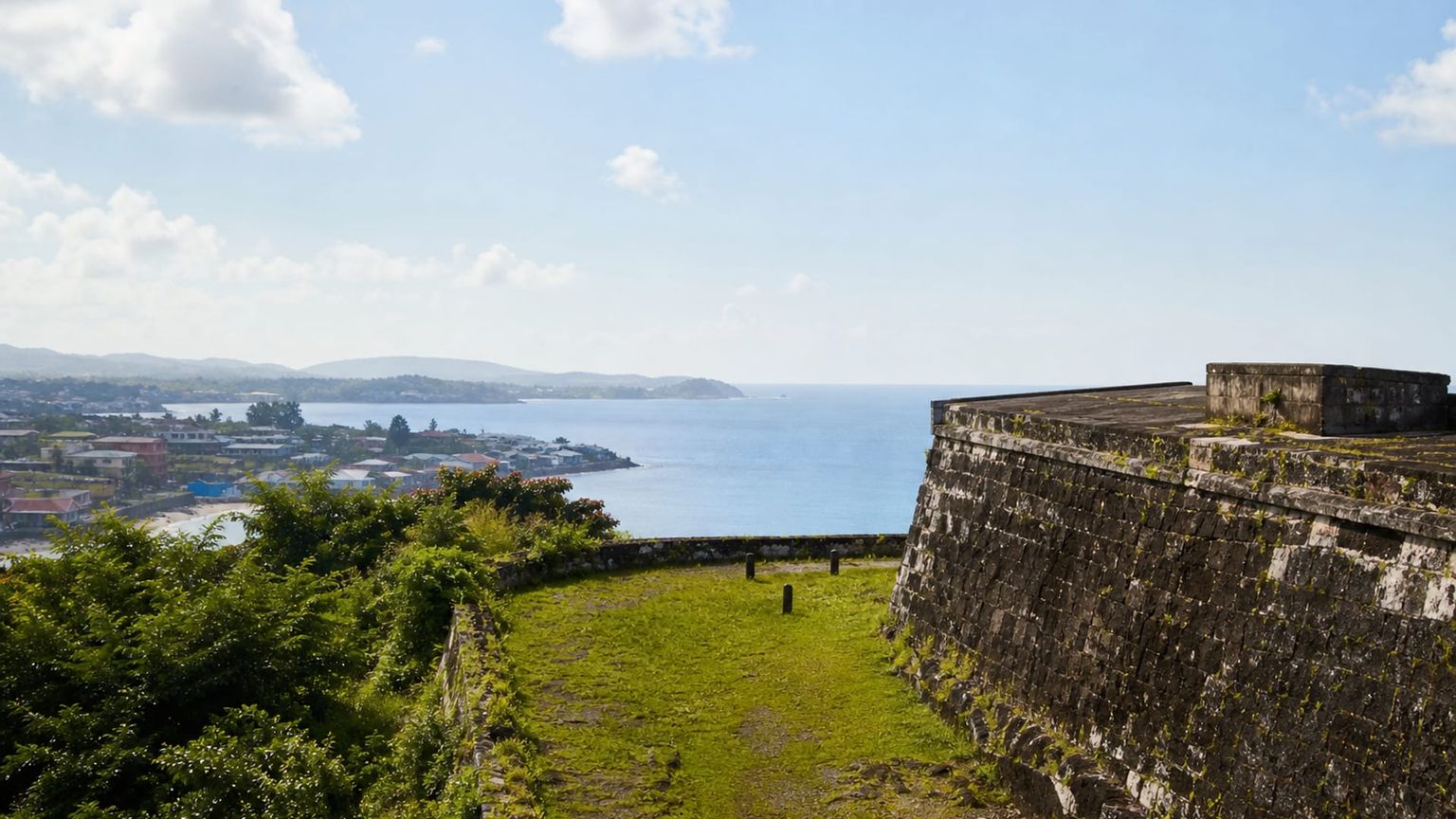
Start early at Pigeon Point Heritage Park, then move on to Fort King George and the Tobago Museum in Scarborough. From Crown Point to Pigeon Point, plan on about 10 minutes by car, then budget about 25 minutes by car from Pigeon Point to Fort King George. The fort grounds are free, while the museum usually charges about $2 to $5 ($15 to $35 TTD), so carry cash for admission and any small fees. End with an easy dinner back in Crown Point, where taxis are simple to find and the beach road keeps the evening short.
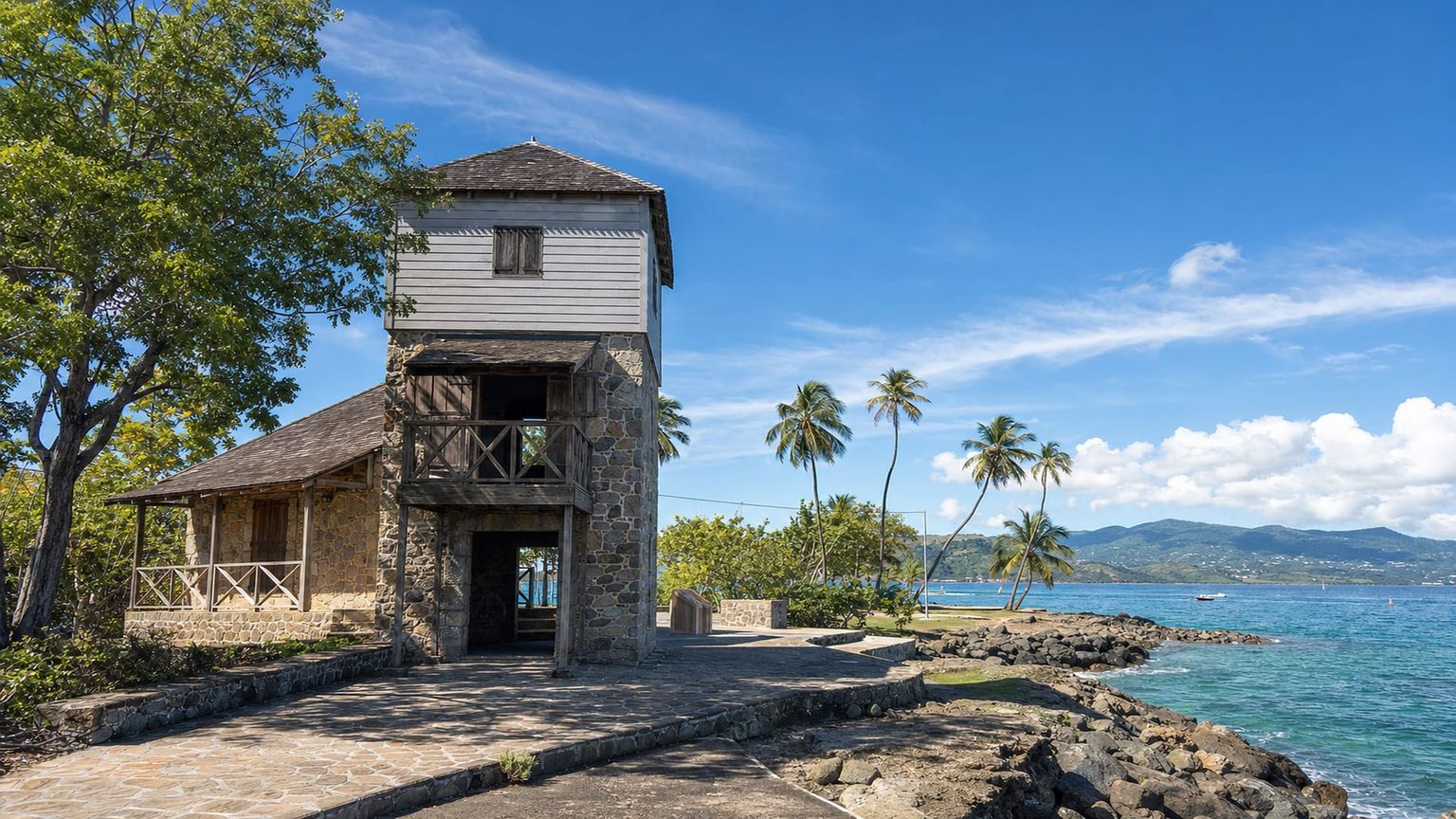
Head inland to Argyle Waterfall for the morning, then return toward the coast for a slower afternoon in Scarborough. From Crown Point, the drive to Argyle Waterfall takes roughly 35 to 45 minutes, and from the falls to Scarborough it is about 30 minutes by car. Entry to the waterfall usually costs about $6 to $10 ($40 to $65 TT), and the path works best with shoes that have grip. After the hike, browse the market area in Scarborough and have an early dinner nearby before heading back to your base.
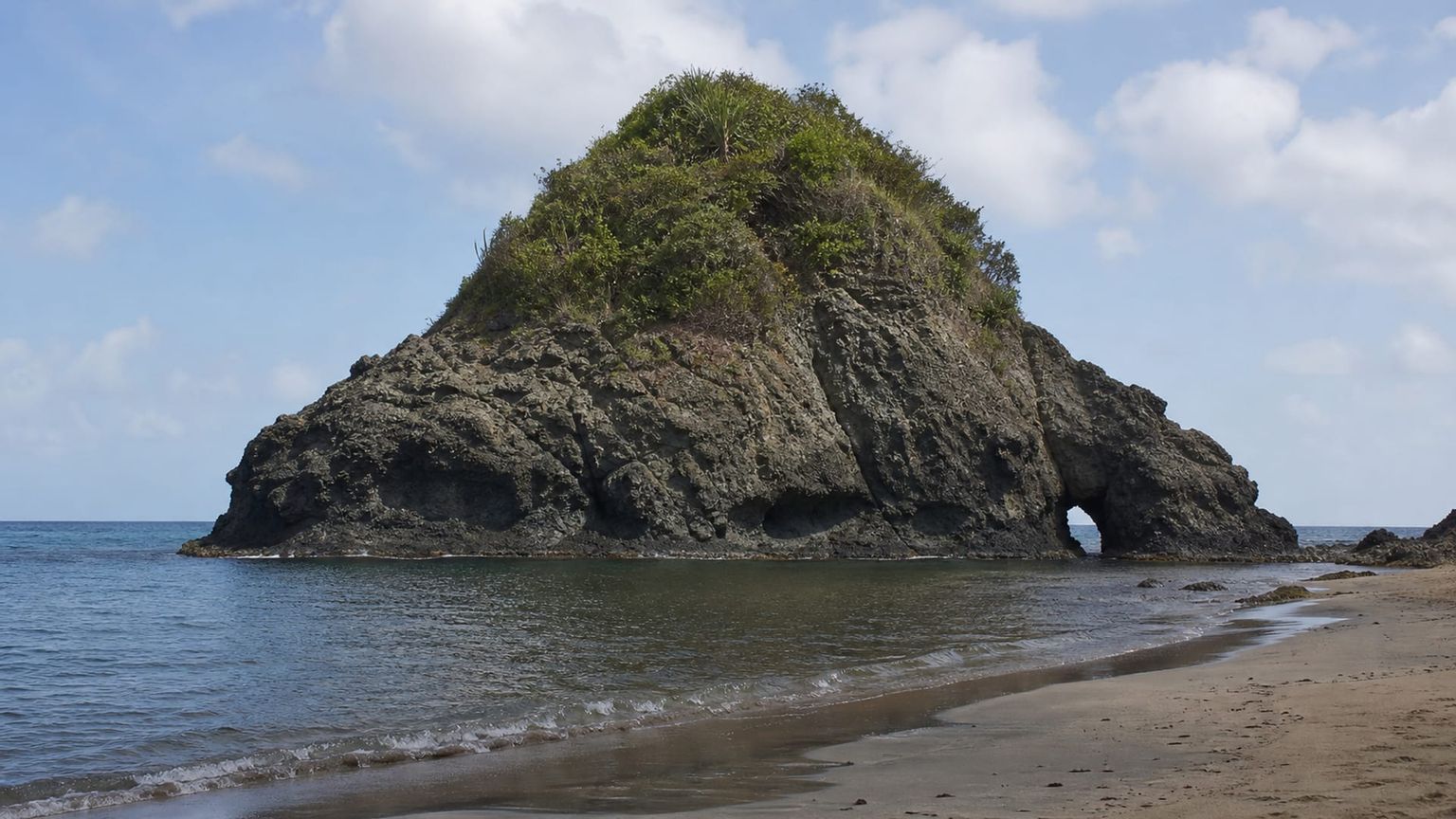
Begin with a west-coast loop in Black Rock, then continue to Mount Irvine Bay for a beach stop and sunset. The drive from Crown Point to Black Rock takes about 25 minutes, and from Black Rock to Mount Irvine Bay it is roughly 15 minutes by car. Stay long enough for a swim or a beach walk, then settle into a late lunch or early supper in the west-coast area before returning to Crown Point or a Black Rock stay for a quieter night.
Circle back to Scarborough for one last look at Fort King George and the Tobago Museum, then finish with shopping in Scarborough Market and a coffee stop in Crown Point if your flight leaves later in the day. The fort works well for a final history stop because the harbor views make the town easy to read, and the market gives you a place to pick up snacks or small gifts before the airport run. If you are staying near the beach strip, keep luggage at your hotel and return to Tobago (TAB) with time to spare for a short taxi ride.
Business-class flights from the US to Tobago
Flights to Tobago usually connect through larger Caribbean or North American hubs, so the route matters as much as the fare. From New York and Los Angeles, the most common options rely on one-stop itineraries with different hub choices.
From New York, American Airlines, Caribbean Airlines, JetBlue, Copa Airlines, and United Airlines all appear on common itineraries. If you do not mind a layover, routes via Panama City (PTY) and Port of Spain (POS) often reduce the price to about $700 to $1,000, while round-trip fares usually start near $1,200 and can reach $2,400.
Los Angeles travelers usually see American Airlines, Copa Airlines, United Airlines, British Airways, and Air Canada on the fare search. Round-trip prices for this fare class generally run $1,400 to $2,900, and one-stop itineraries often price lower than same-day connections.
Tobago feels different when you slow down
A good Tobago trip has a clear shape: Crown Point for the first night, Scarborough for fort views and market errands, Argyle for one inland morning, then Black Rock or Mount Irvine for a quieter finish. Short taxi rides, a few planned road hops, and early dinners keep the island legible without overfilling any day. If you want to match that pace to the right base and season, AranGrant experts can help you choose the version of Tobago that fits your trip