

Chapters:

Need help with your trip?
Our support team is available 24/7. Request a callback or call us directly at (833) 619-0908
Syracuse often gets treated as a quick stop between the airport and a hotel near downtown, with one museum, one dinner, and not much else. Travelers who do that miss how much the city spreads outward into campus streets, cemetery hills, and creekside paths.
That habit also adds small problems, since the best sights sit a few minutes apart by car, bus, or foot, and timing matters when restaurants close early on Sundays or event nights fill Armory Square.
This guide lines up neighborhoods, transit, food, and five days in a way that keeps the city legible from the start.
Useful things to know

Main language(s): English

Currency: The local currency is the US dollar (USD, $).

Cash and cards: Cards and contactless are widely accepted; carry about $20 to $40 in cash for small purchases or tips.

Tipping: Tip 15-20% at restaurants, and round up for taxis and small services.

Traditional food: Chicken riggies, salt potatoes, Utica greens, tomato pie

Water and coffee costs: Water about $2 ($2), bar espresso about $4 ($4).

Taxis and ride apps: Uber and Lyft operate here; availability can dip late at night.

Plug and voltage: Type A/B socket, 120V

Dining and shop opening hours: Breakfast is about 07:00-10:00, lunch 11:30-14:00, and dinner 17:00-21:00. Many casual spots close early on Sundays.

Emergency number: 911 for police, fire, and medical emergencies.
Where to stay in Syracuse
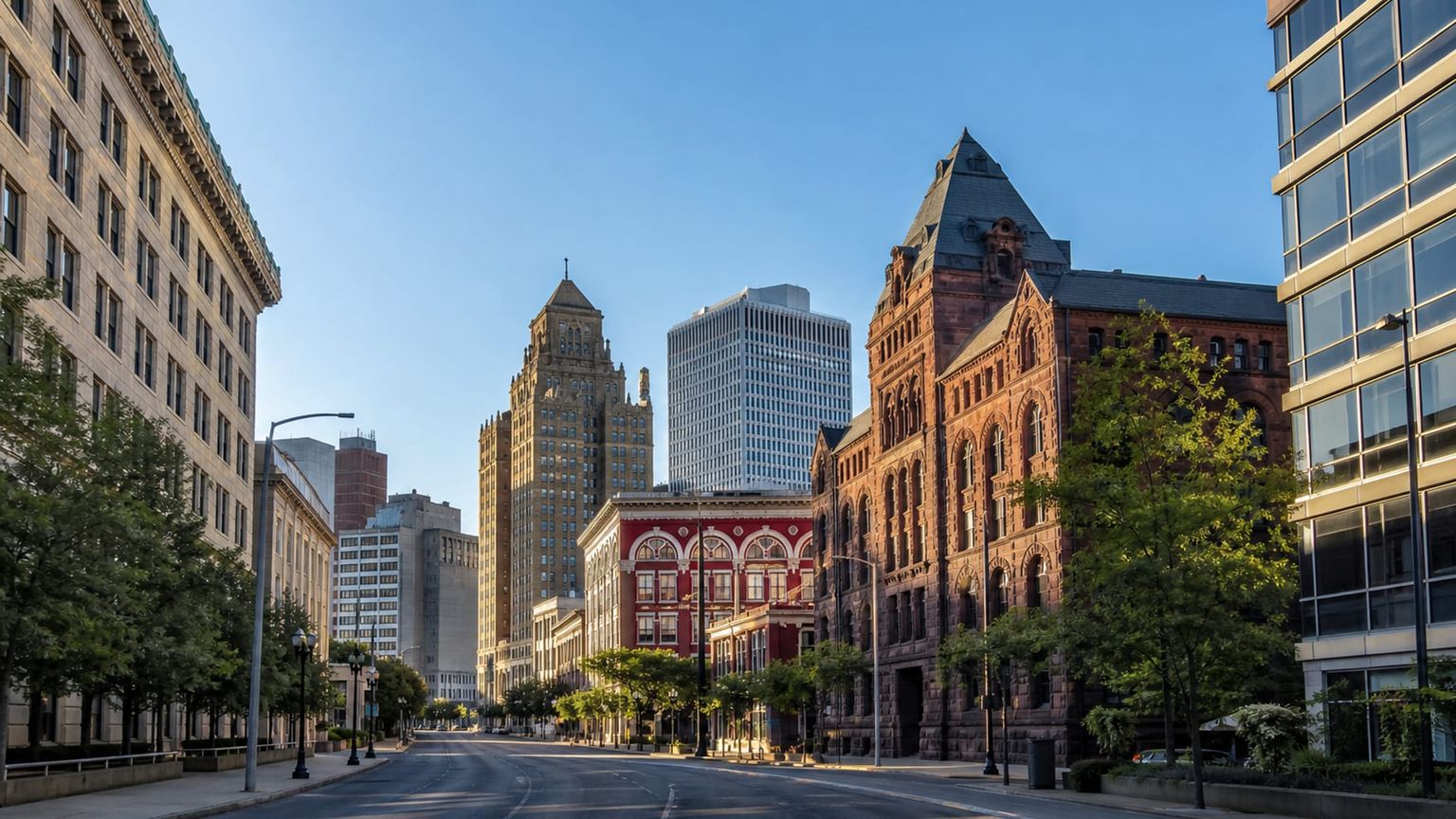
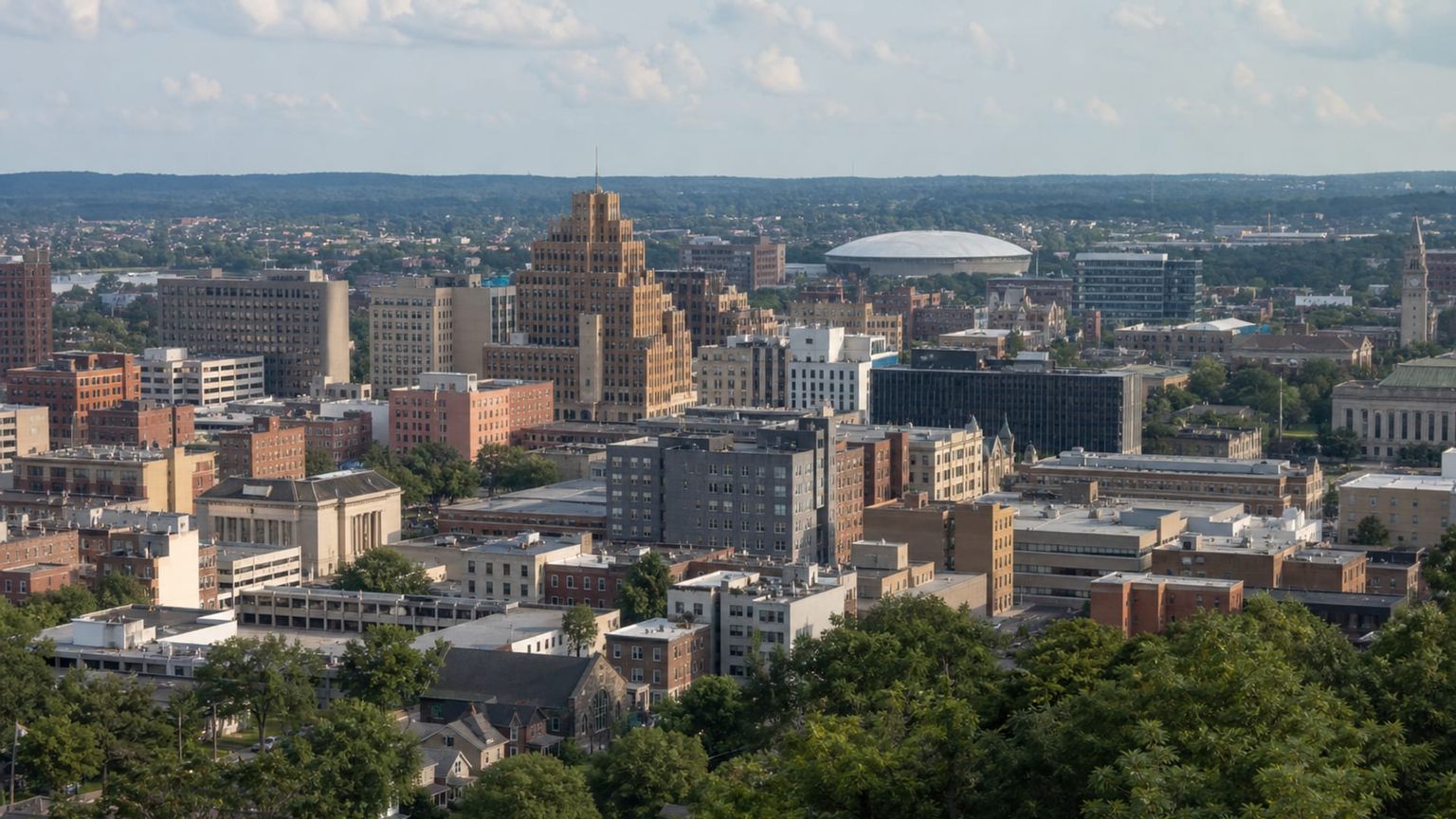
Downtown Syracuse puts you closest to the city’s main museums, the convention center, and the A.M. E. Zion district’s historic blocks. It suits visitors who want to walk to dining, theaters, and stadium events without relying on a car.
Best for: Sightseeing, event nights, and travelers who want the shortest walk to central attractions
What to expect: Sidewalk traffic is light by day and livelier near restaurants and venues after work, with the biggest surge on event nights.
Hotel prices: Usually about $140 to $260 per night for well-rated stays
Distance to major sights: About 5 to 15 minutes on foot to the Erie Canal Museum and Landmark Theatre; about 10 minutes by transit to the downtown core
Quietness: Quieter on weekday mornings, then busier and louder near bars and event halls in the evening.
Main trade-off: Hotel inventory is limited, so rates can jump when the arena or a convention fills the calendar.
Good to know: If you plan late dinners or show nights, staying here cuts down on taxis after midnight.
The Near East Side sits just east of downtown and combines older residential streets with quick access to Syracuse University, Upstate Medical University, and the city center. It works well for travelers who want a local-feeling base with short rides to major institutions.
Best for: University visits, hospital access, and travelers who want a residential base close to downtown
What to expect: The area is mostly residential, with calmer streets and pockets of activity near campus and medical facilities.
Hotel prices: Usually about $120 to $220 per night for well-rated stays
Distance to major sights: About 10 to 15 minutes by transit to Syracuse University and about 10 minutes by transit to downtown museums
Quietness: Days are active near campus and hospitals; evenings are generally quieter on side streets.
Main trade-off: You will rely more on rides or buses for most restaurants and nightlife than you would in the center.
Good to know: Check parking carefully, because some blocks have tighter on-street rules than the hotel photos suggest.
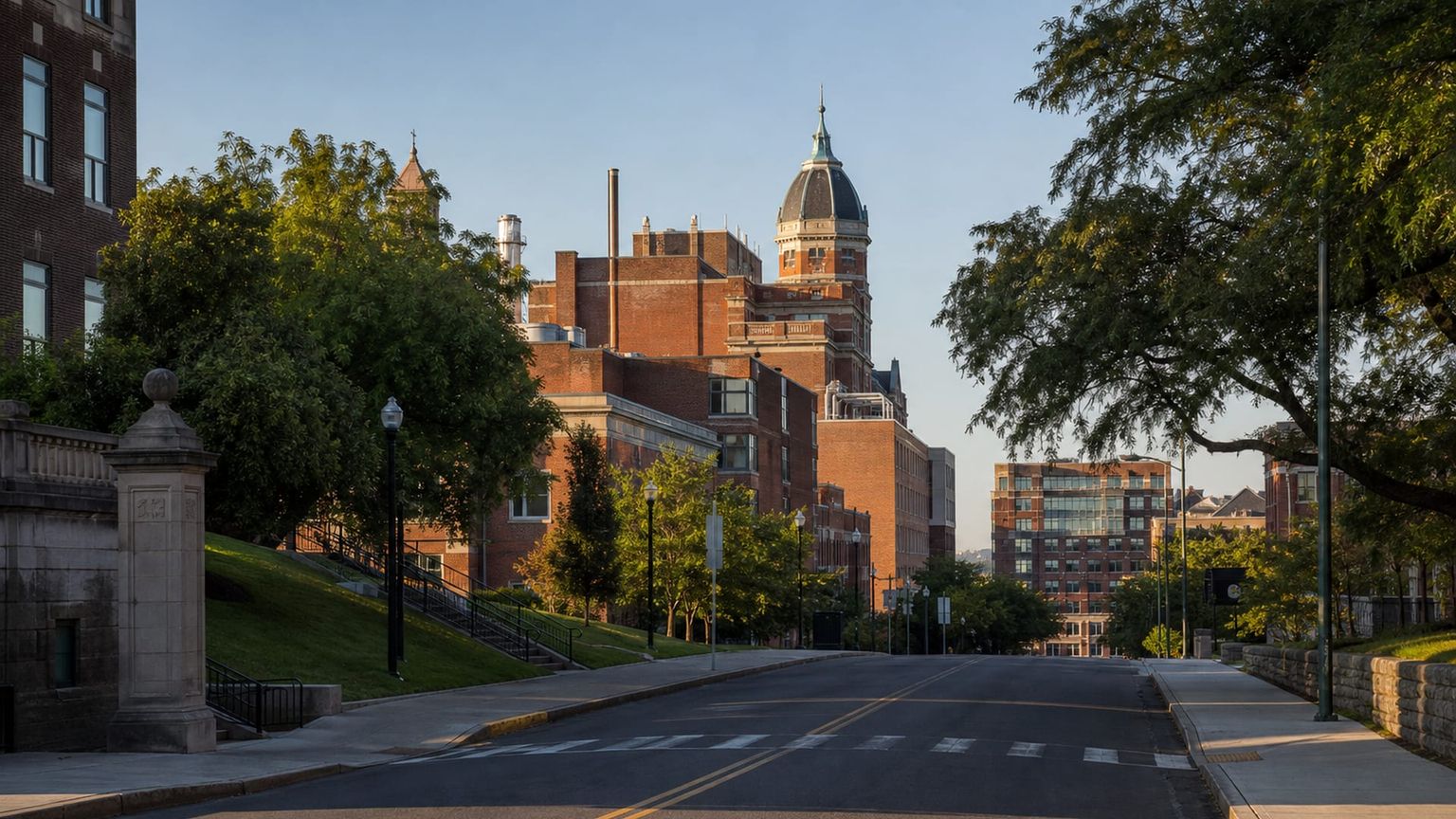
University Hill clusters Syracuse University, hospitals, and student housing on the east side of downtown. It matters for visitors who want to stay beside major campuses and reach the center quickly by bus or car.
Best for: Campus visits, medical appointments, and travelers who want quick access to downtown and the East Genesee corridor
What to expect: Expect a busy mix of students, hospital staff, and service traffic, especially around class changes and shift times.
Hotel prices: Usually about $130 to $240 per night for well-rated stays
Distance to major sights: About 5 to 10 minutes by transit to Syracuse University buildings and about 10 to 15 minutes to downtown landmarks
Quietness: Daytime is busy, while evenings settle down on residential streets outside the main corridors.
Main trade-off: Demand rises fast during graduation, parents’ weekends, and medical conferences.
Good to know: Book early if your dates overlap with campus events, since nearby rooms are among the first to sell out.
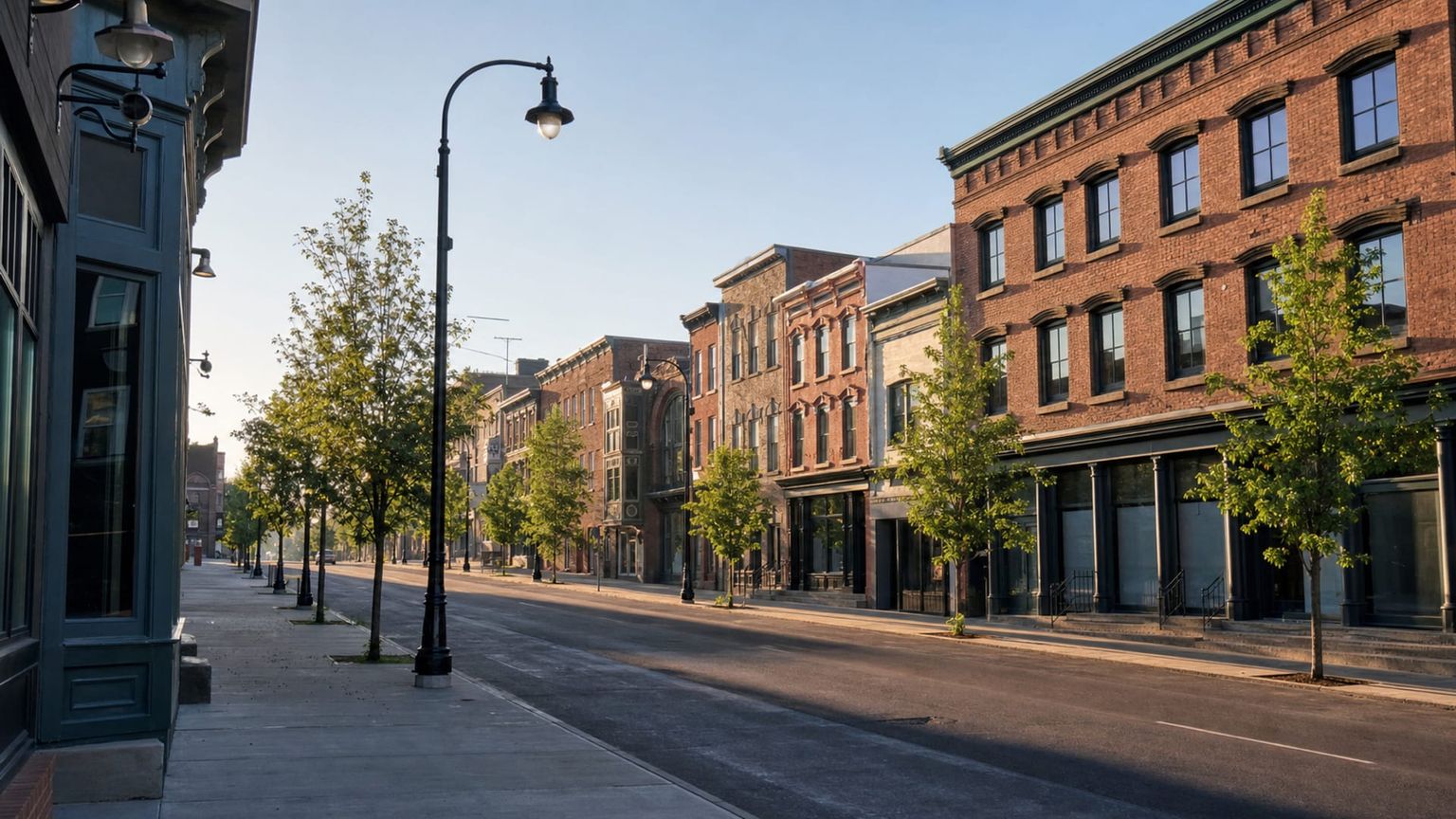
Armory Square is Syracuse’s main nightlife and dining district, set in a compact downtown grid of restored warehouses and lofts. It is a strong choice for travelers who want restaurants, bars, and walkable evenings right outside the door.
Best for: Dining, nightlife, and short walks to downtown attractions
What to expect: Expect steady foot traffic, patio crowds in warm months, and more noise than in the nearby residential blocks.
Hotel prices: Usually about $150 to $280 per night for well-rated stays
Distance to major sights: About 5 minutes on foot to the Landmark Theatre and about 10 to 15 minutes on foot to the Erie Canal Museum
Quietness: Busy into the evening, then louder near bars and weekend crowds before tapering late at night.
Main trade-off: You pay for the location with higher rates and more late-night noise than in nearby neighborhoods.
Good to know: If you sleep lightly, ask for an interior room or a higher floor before confirming the booking.
Travelers usually avoid staying in South Valley and Onondaga Hill, since they sit farther from downtown Syracuse, Armory Square, and the main visitor sights, which makes evening dining and sightseeing less convenient. Parts of eastern neighborhoods such as Lincoln Hill and North Valley can also be less convenient for hotel stays because they are mostly residential, with fewer visitor-oriented amenities and more dependence on driving for nearly every outing.
Hotel deals
How to get around Syracuse efficiently
Syracuse has no subway, so visitors move between downtown, the university area, and the airport with a mix of Centro buses, taxis, rideshares, and walking.

Metro
for longer distances
Syracuse has no subway or metro network, so visitors rely on bus services, taxis, and, for longer hops, regional rail and car travel.

Bus and tram
for convenience
Centro runs the local bus network in Syracuse, with the busiest links serving downtown, Armory Square, the university area, and Destiny USA. Single rides are about $1.00, and day passes are typically about $3.00; plan on about 15 to 30 minutes for many cross-town trips, longer during peak traffic or when you need a transfer.

Taxi
for convenience or late hours
Licensed taxis in Syracuse use meter-based fares rather than flat citywide rates, with airport trips commonly landing in the roughly $20 to $35 range from downtown, depending on traffic and waiting time. You can hail one on the street where permitted, call a cab company, or use an app-dispatched car; most accept cash and cards, but it is wise to confirm payment before you set off.
*Prices are based on rates updated as of June 2026 and may change at the time of travel.
Use the bus for cheap cross-town rides, taxis or rideshares for airport transfers and tighter schedules, and walking when your plans stay clustered in downtown or Armory Square.
Iconic landmarks
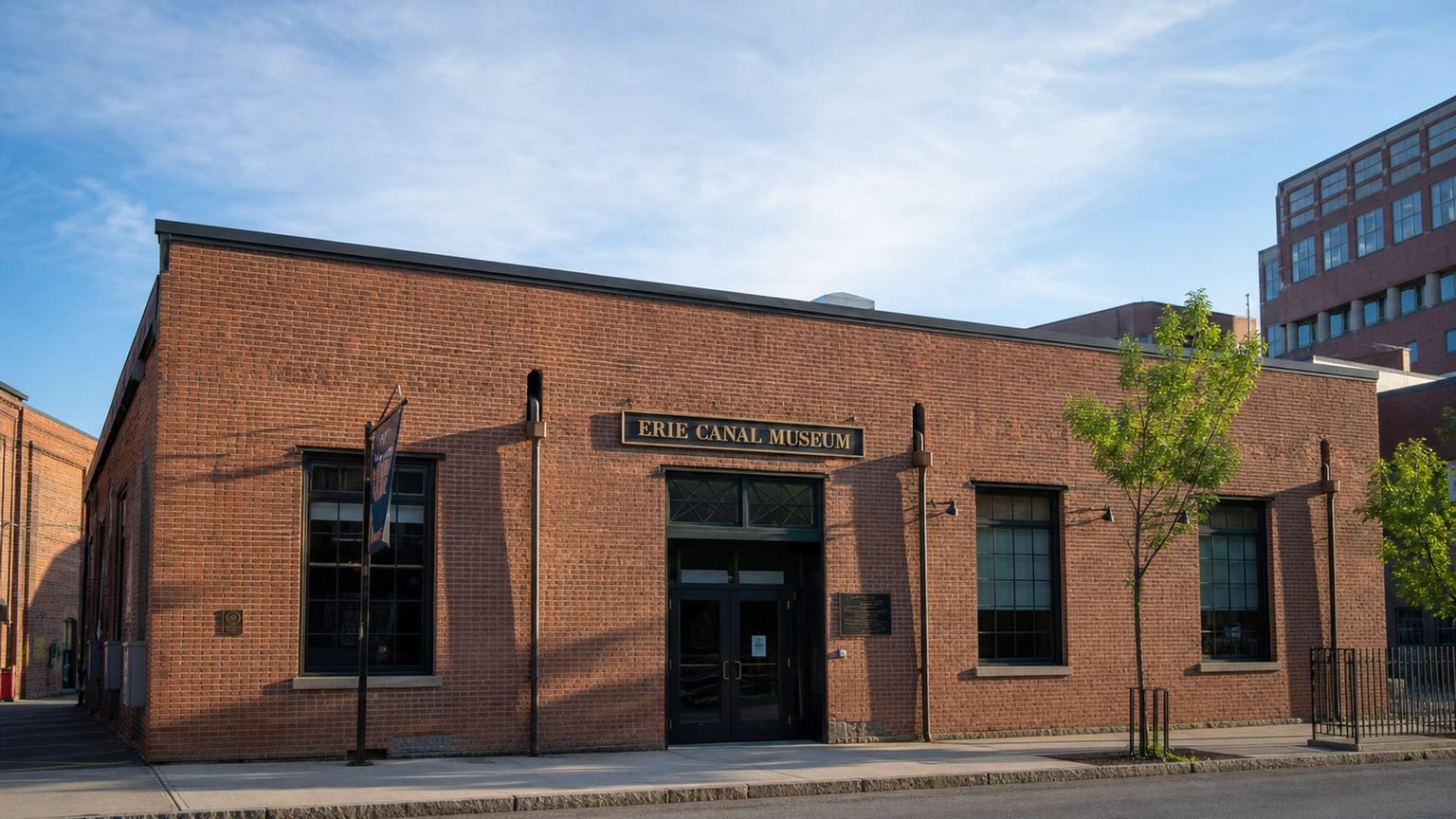
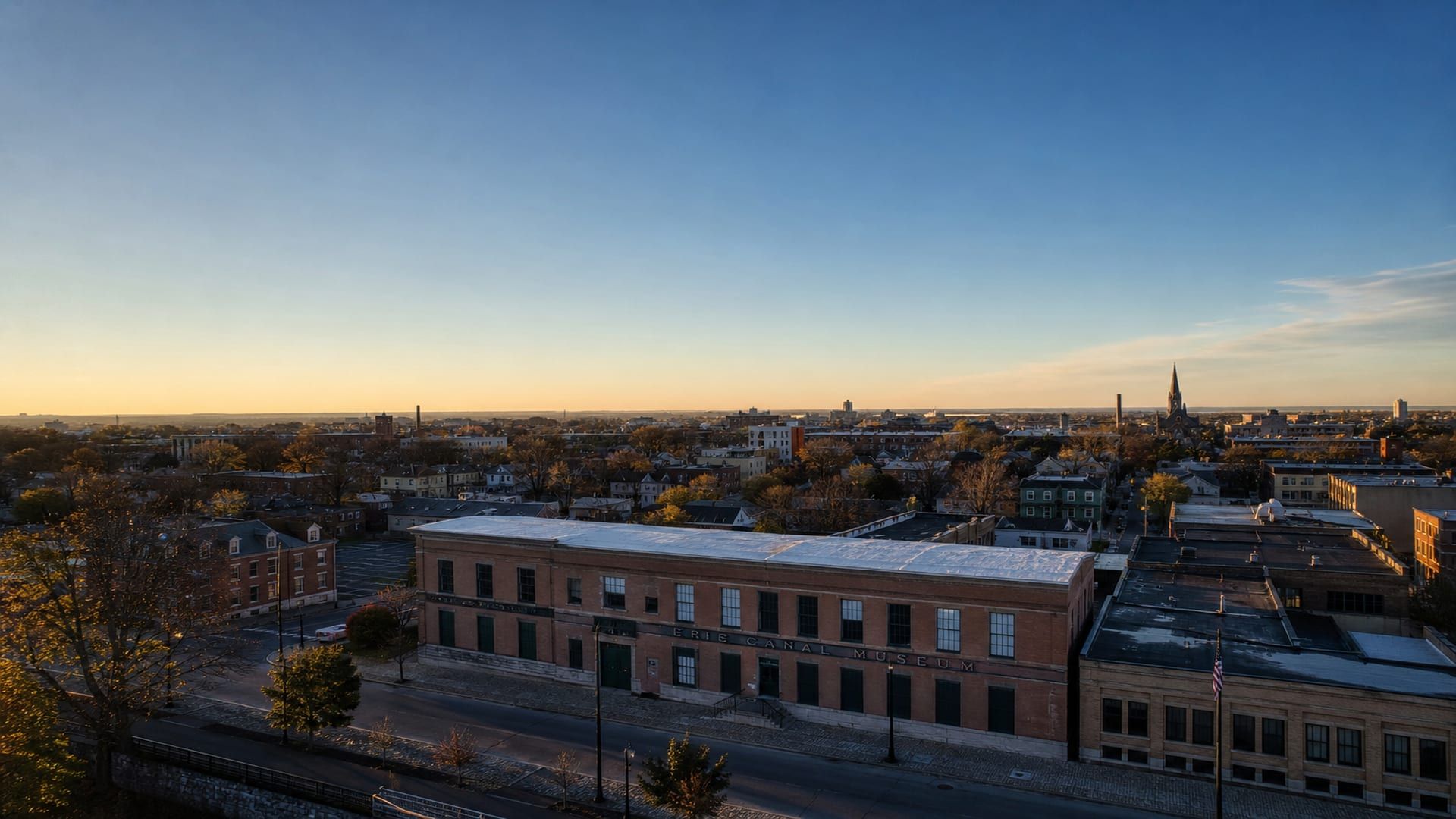
Erie Canal Museum
Set inside Syracuse’s 1850 Weighlock Building, the Erie Canal Museum traces the waterway that turned the city into a shipping hub. The canal boat replica and interpretive exhibits explain locks, tolls, and life along the route.
Time needed: About 1 to 2 hours
Entry: Adult admission costs $9 ($9), with discounts for seniors and students; children under 5 enter free. Visit the official site for details.
Tip: Visit late morning, when school groups are thinner and the galleries are easier to move through.
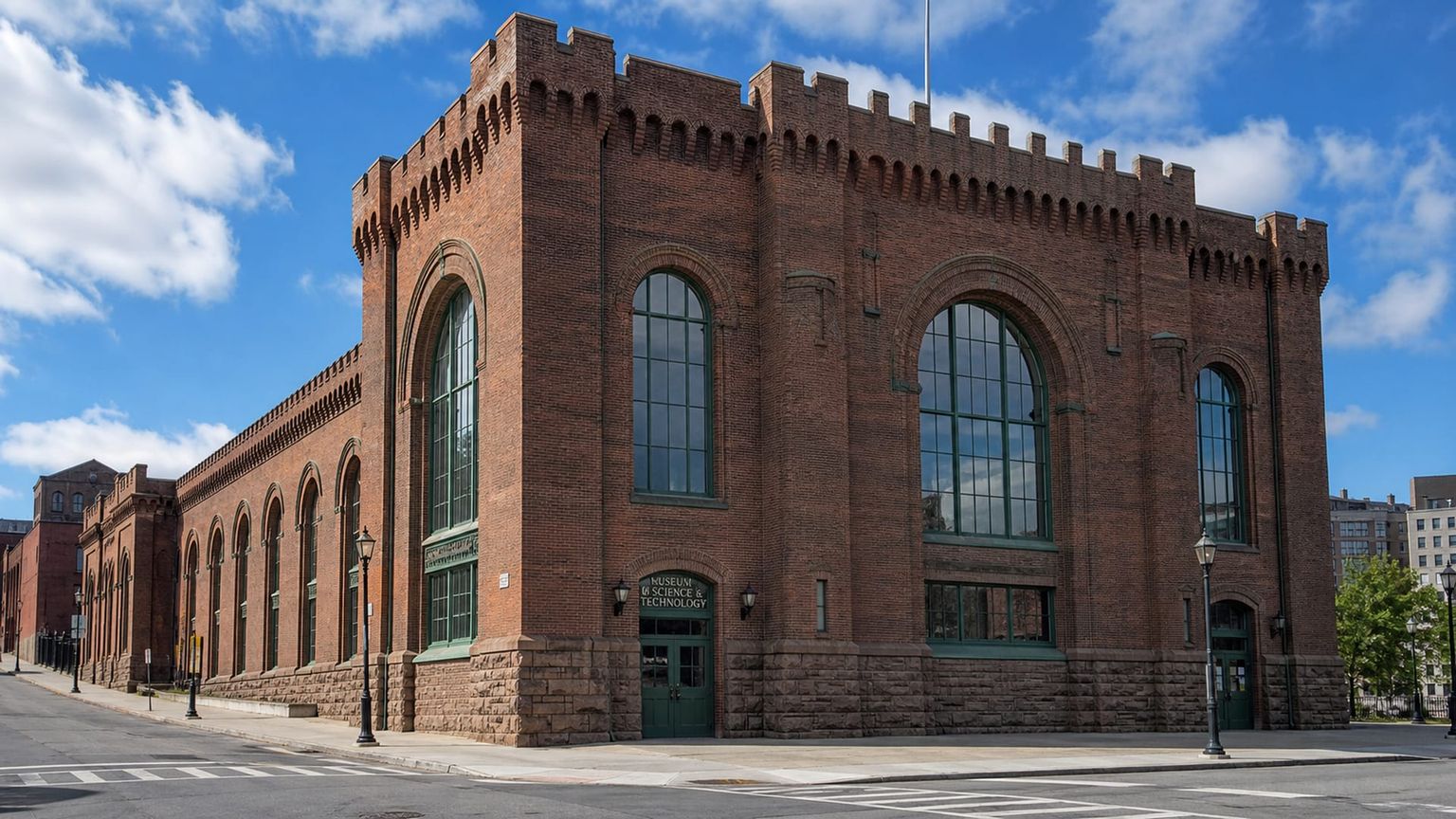
The Milton J. Rubenstein Museum of Science and Technology
At The MOST in Armory Square, hands-on science galleries, a planetarium, and live demonstrations make it Syracuse’s top family stop. The museum also keeps a window on local history, including the city’s industrial past.
Time needed: About 2 to 3 hours
Entry: General admission costs $17.50 ($17.50) for adults, $16 ($16) for seniors, and $15 ($15) for children ages 2 to 12. Visit the official site for details.
Tip: Go early on weekends, when the most popular exhibits fill up fastest.
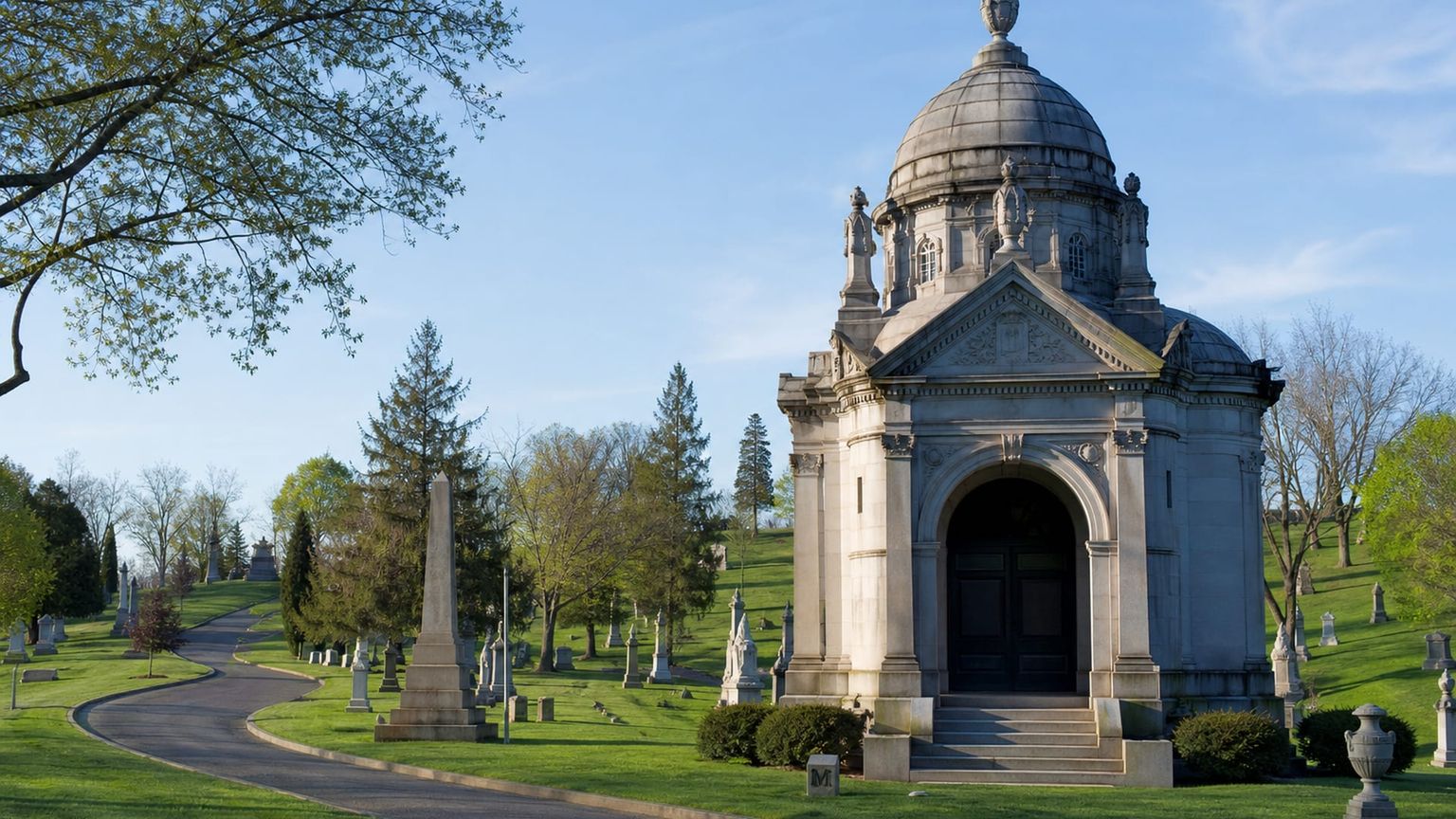
Oakwood Cemetery
Oakwood Cemetery spreads across about 160 acres on Syracuse’s east side, with winding drives, steep hills, and notable monuments. It draws visitors for the landscape itself, plus the graves of Chief Henry and other local figures.
Time needed: About 1 to 2 hours
Entry: Free to access; guided tours may carry separate fees for special programs or group visits. Visit the official site for details.
Tip: Visit in late afternoon for softer light on the monuments and wider views from the hills.
Overlooked sites worth visiting

Onondaga Creekwalk
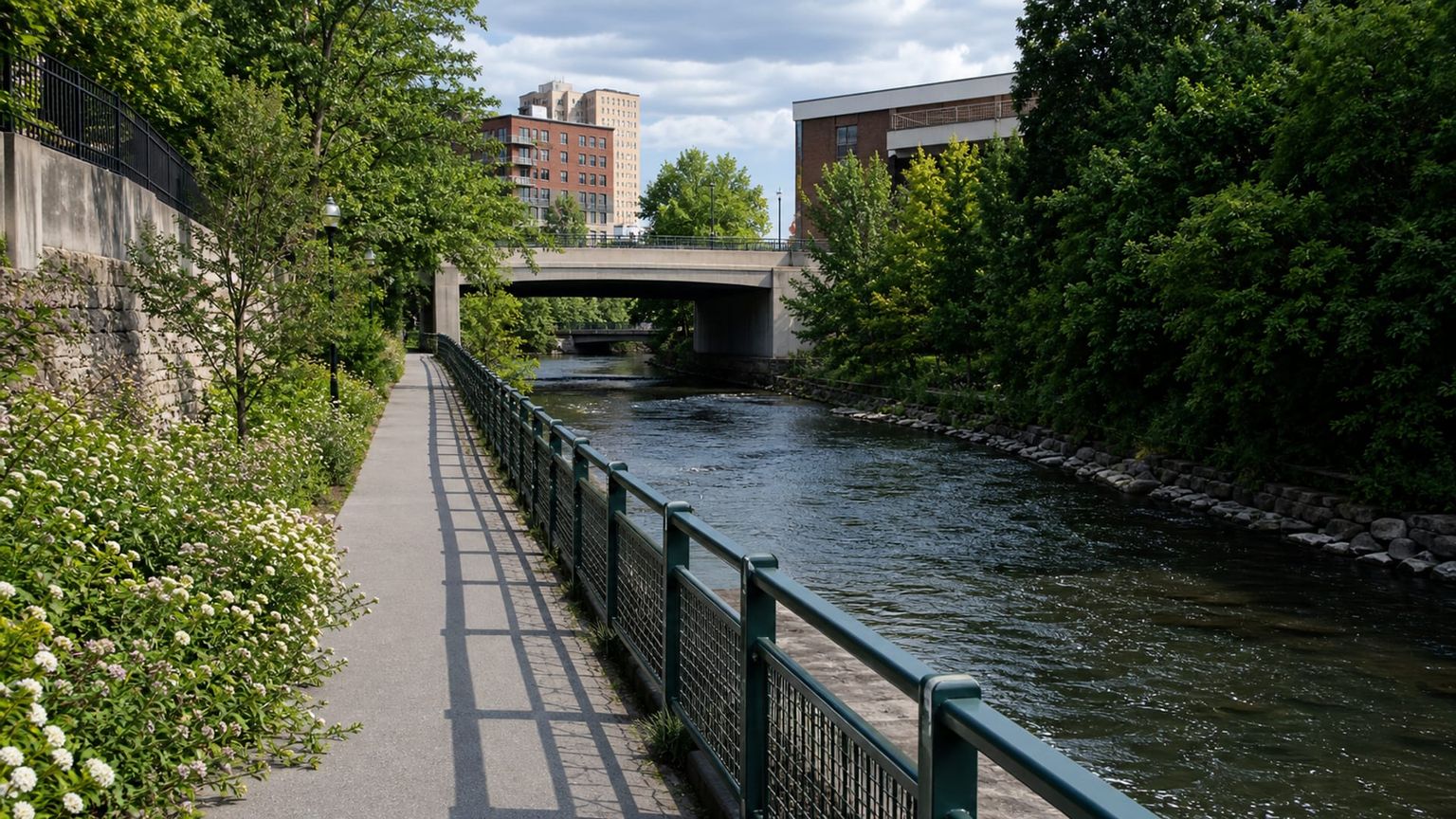
A paved trail follows Onondaga Creek through downtown Syracuse, with bridges, public art, and views of the waterway. It works well for a quiet walk or bike ride between Armory Square and the Inner Harbor.
Time needed: About 1 to 2 hours
Entry: Free to access
Tip: Go near sunset for softer light along the water.

Everson Museum of Art
This I.M. Pei building holds a focused collection of American art, ceramics, and video work in a compact downtown stop. Its sculpture court and galleries reward a short, careful visit.
Time needed: About 1 to 2 hours
Entry: Adult admission is $15 ($15), seniors and students $12 ($12), children under 12 free Visit the official site for details.
Tip: Check the current exhibition list before you go.
Traditional food
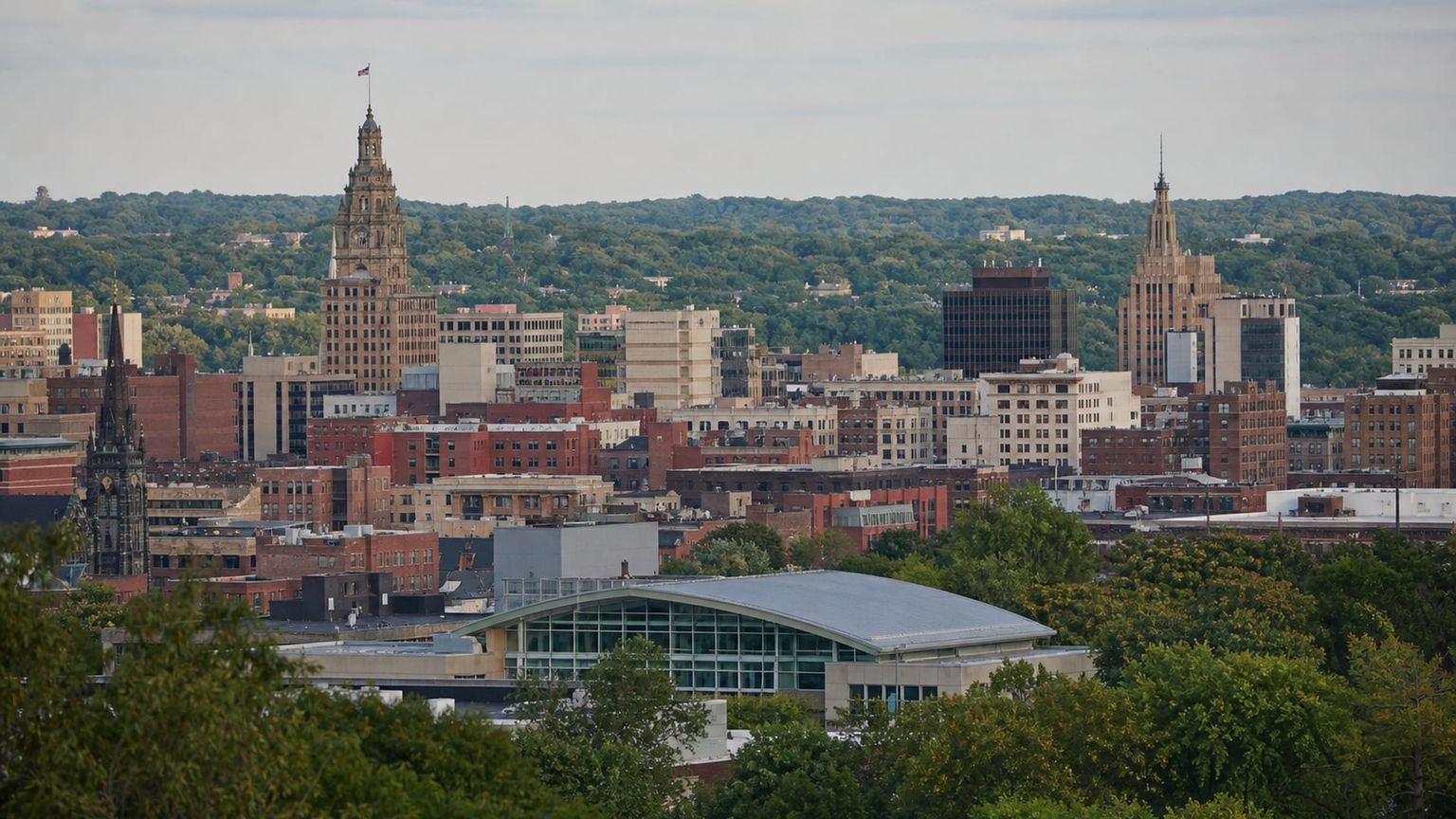
Syracuse dining leans on Central New York comfort food, with sharp tomato sauce, potatoes, greens, and baked dough showing up beside bar plates and diner classics. Expect hearty portions, local pride, and restaurants that keep hours tighter than in larger cities.
Chicken riggies
This Central New York staple pairs chicken, peppers, and a creamy, spicy tomato sauce over pasta. Dinosaur Bar-B-Que is a strong Syracuse stop for a richly sauced version.
Salt potatoes
Small potatoes boiled in heavily salted water turn tender, dense, and savory, then often arrive with butter. Heid’s of Liverpool serves a classic local plate near Syracuse.
Utica greens
Bitter greens with hot cherry peppers, bread crumbs, and pork or sausage bring a sharper edge to the region’s comfort food table. Funk ‘n Waffles often runs a version that matches the city’s casual dining style.
Tomato pie
This room-temperature bakery pizza, topped with thick tomato sauce and little else, shows up in delis and pizza counters across the region. Pastabilities is a dependable Syracuse stop for a local take.
Best time to visit Syracuse
Syracuse changes sharply by season, with icy winters, bright shoulder months, humid summers, and crisp fall weather that suits cemetery walks and downtown errands.
Best for: Museum days, walking downtown, and the first long stretches at Onondaga Creekwalk
What you get: About 45 to 68°F (7 to 20°C), with moderate crowds and some rainy days
Trade-offs: Weather can turn quickly, so outer layers matter
Best for: Outdoor dining, longer evenings, and creekside walks after dinner
What you get: About 65 to 82°F (18 to 28°C), with heavier visitor traffic on event nights and weekends
Trade-offs: Humidity can make midday walking less comfortable
Best for: Oakwood Cemetery, campus visits, and clear days for a full sightseeing loop
What you get: About 48 to 68°F (9 to 20°C), with manageable crowds and bright foliage periods
Trade-offs: Rain and early cold snaps can shorten outdoor time
Best for: Indoor museums and compact downtown plans
What you get: About 20 to 35°F (-6 to 2°C), with lighter tourist crowds and occasional lake-effect snow
Trade-offs: Snow and wind can make cross-town transit slower
A realistic 5-day plan in Syracuse
Five days in Syracuse works best when you group downtown sights, campus areas, and east-side stops instead of bouncing randomly across the city. The plan below keeps each day anchored to one part of town, which makes the distances and transit choices easier to manage.
Land at Syracuse Hancock International Airport (SYR) and take a taxi or rideshare into Downtown Syracuse or Armory Square, usually about 15 to 20 minutes and roughly $25 to $35 before tip. Check in close to the center, then drink some water, unpack only what you need, and keep dinner low-key at a nearby restaurant in Armory Square so the first evening stays close to the hotel. If you have energy after that, take a short walk past the restored warehouse blocks, then call it an early night.
Start with the Erie Canal Museum in the morning, about 5 to 15 minutes on foot from much of Downtown Syracuse or Armory Square, and plan on roughly 1 to 2 hours inside. From there, walk about 10 minutes to the Everson Museum of Art for a shorter, focused visit, then continue on foot for about 10 minutes to Onondaga Creekwalk for an easy riverside stretch near sunset. Finish back in Armory Square, where dinner and an optional drink are both within a few blocks of the day’s stops.
Begin at The Milton J. Rubenstein Museum of Science and Technology in Armory Square, where interactive galleries and the planetarium can fill about 2 to 3 hours. After lunch nearby, take a rideshare or transit east to Oakwood Cemetery, about 10 to 15 minutes from downtown, and spend 1 to 2 hours exploring the hills, monuments, and wide views. Return to Downtown Syracuse for an early dinner, since both the museum district and the cemetery make a full, active day.
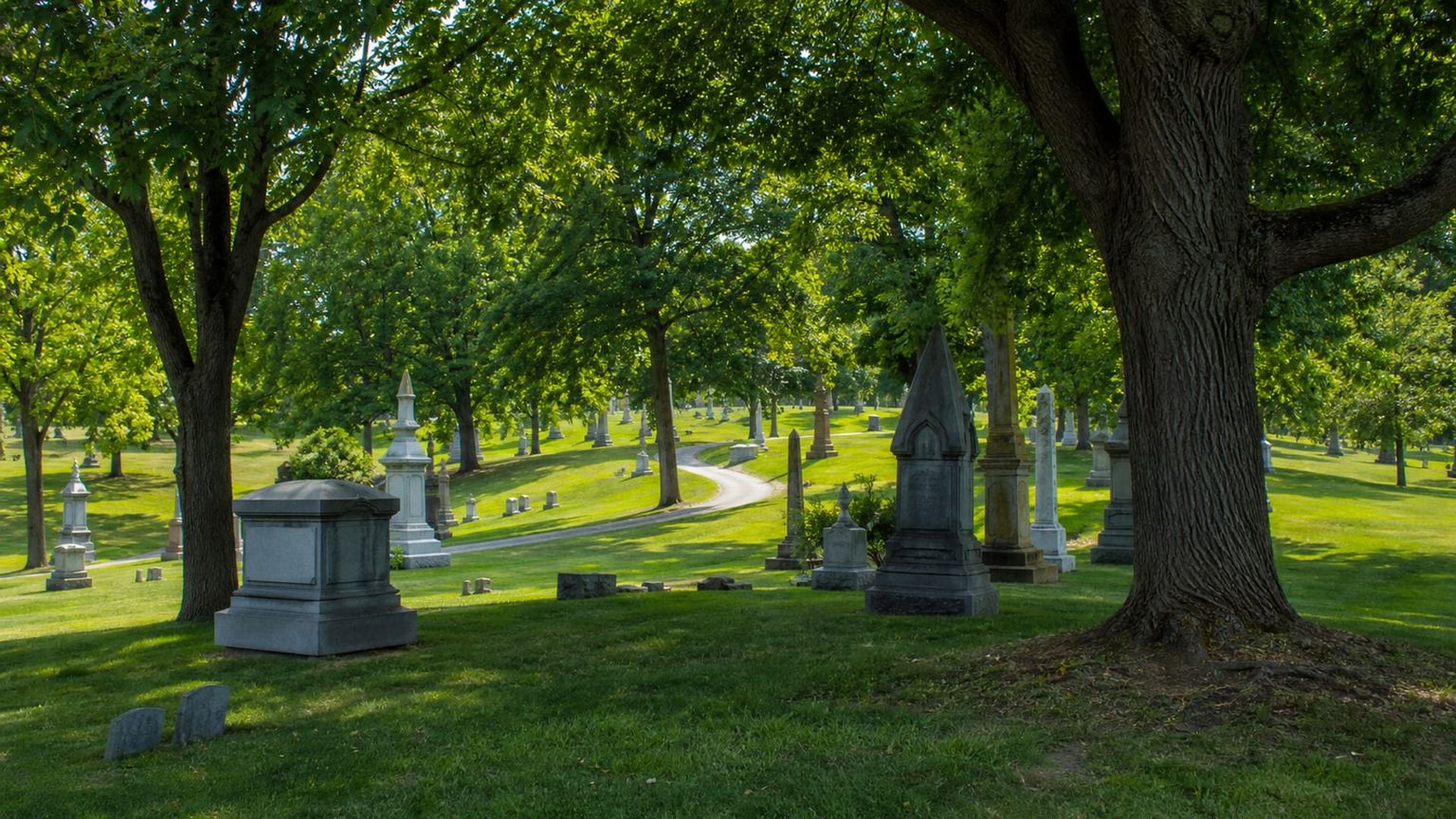
Head to Oakwood Cemetery first if you want softer late-afternoon light on the monuments, or start with a slower morning in University Hill before moving downtown. A good sequence is Oakwood Cemetery, then the Erie Canal Museum, which is about 10 to 15 minutes away by car or rideshare, and finally a walk to the Everson Museum of Art, about 10 minutes on foot from the canal museum. End the day with dinner in Downtown Syracuse, where you can keep the evening compact after a lot of time on foot.
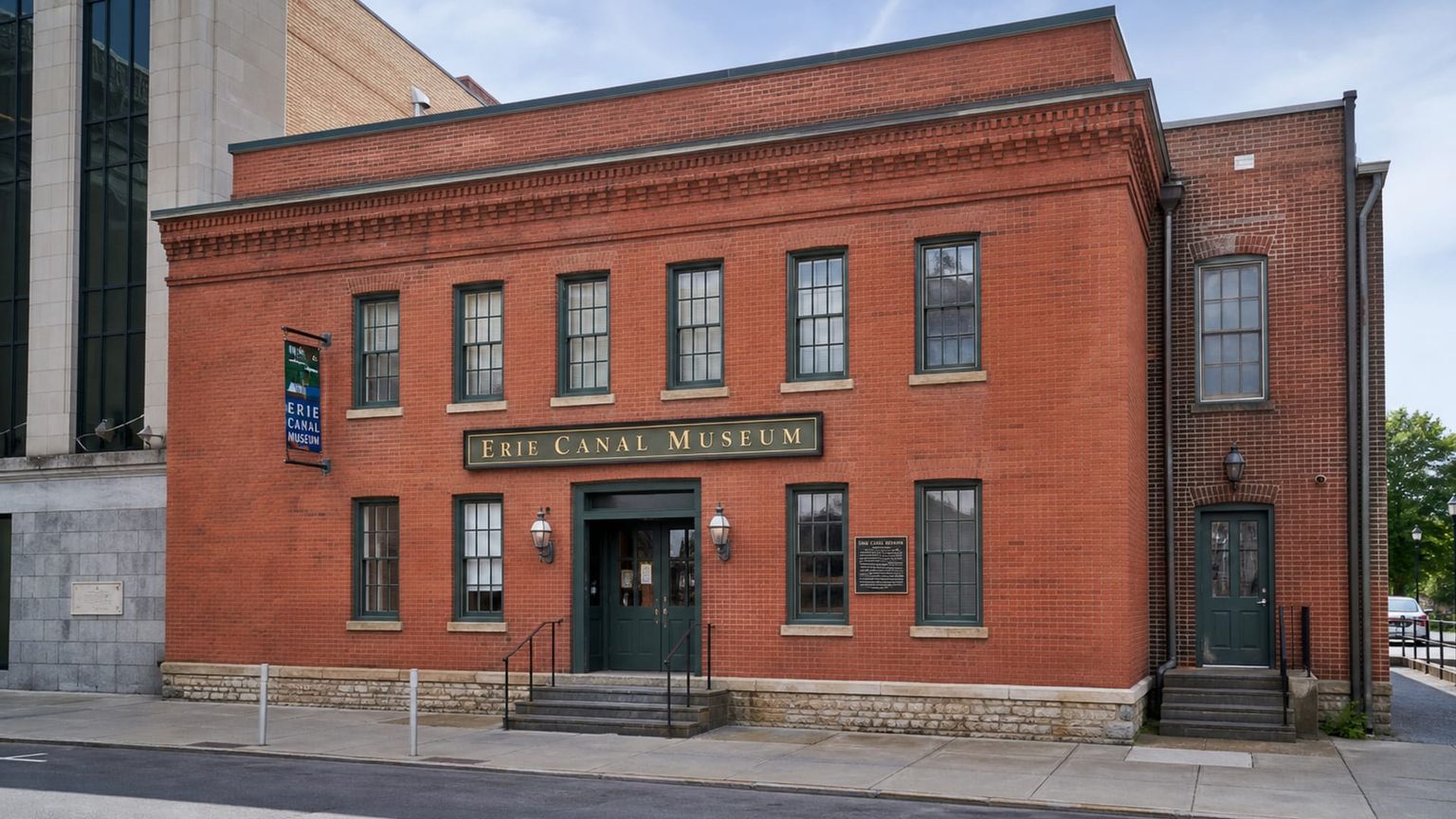
For a final day, pair one last museum stop with a low-key neighborhood stroll: return to the Everson Museum of Art if you want one more compact art visit, then browse Armory Square for local shops and last-minute purchases, and finish with coffee or lunch in the Near East Side before heading out. If your departure is later, you can add a short walk along Onondaga Creekwalk, which sits close enough to downtown to fit between check-out and airport time.
Business-class flights from the US to Syracuse
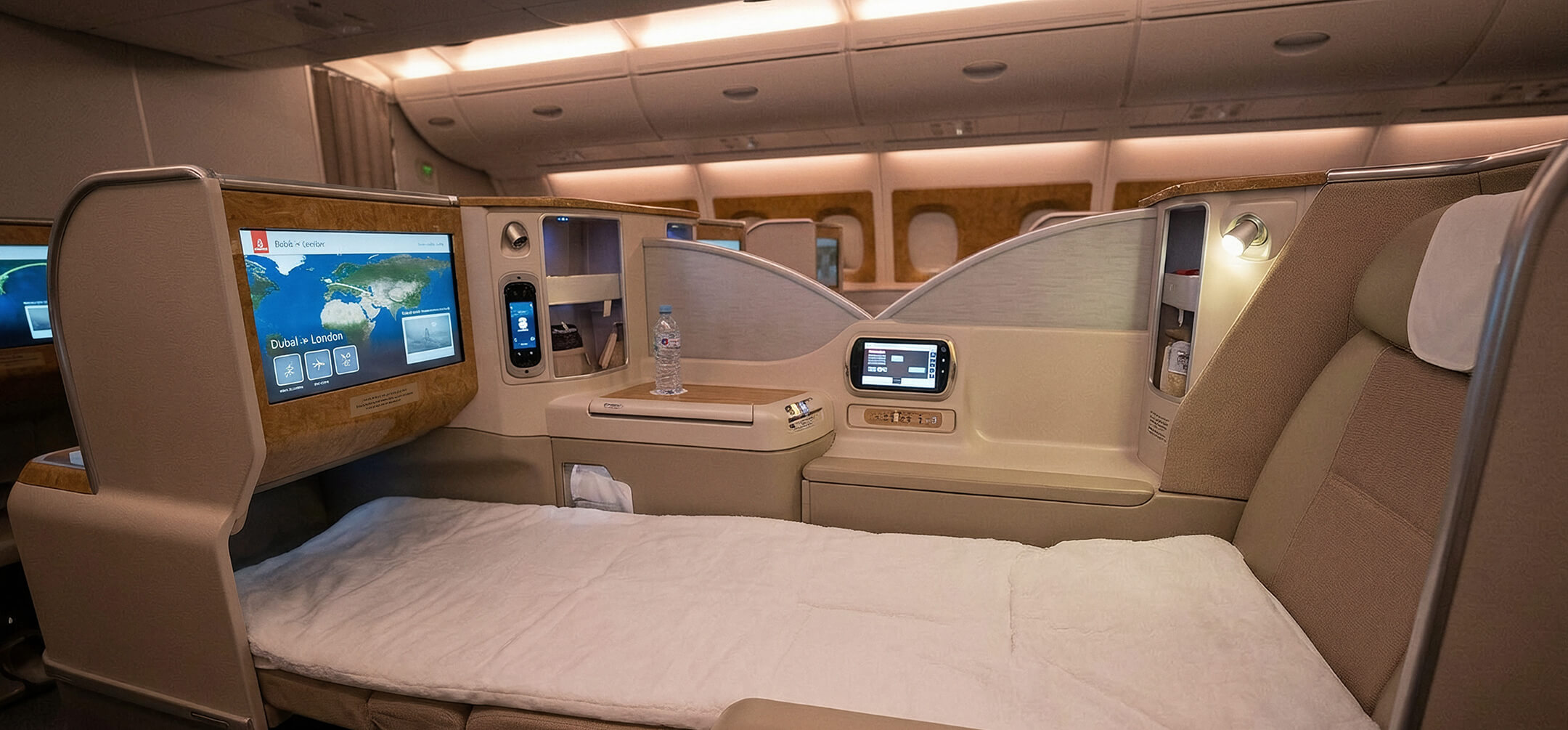
Syracuse usually makes more sense as a one-stop business trip than as a hunt for nonstop premium seats, especially if you are starting on the coasts. The clearest examples come from New York and Los Angeles, where routing and fare bands look very different.
From New York, American Airlines, Delta Air Lines, United Airlines, and JetBlue all appear on the market, and nonstop flights take about 1 hour 20 minutes. If you connect, common stops include CLT, DCA, ORD, PHL, and ATL, with total travel time often landing about 3 to 6 hours. Round-trip fares usually start near $700 and can climb to $1,500.
From Los Angeles, American Airlines, Delta Air Lines, and United Airlines are the main names to watch, with total journey times of roughly 8 to 13 hours when you connect. Common layover hubs include DFW, ORD, CLT, DEN, and ATL, and round-trip fares typically run about $900 to $1,900.
Syracuse feels different when you slow down
A well-paced Syracuse trip stays centered on a few clear corridors, downtown museums, Armory Square dinners, Oakwood Cemetery in good light, and an easy walk or bus ride when the day does not need a car. That approach gives the city enough time to show its canal history, campus energy, and neighborhood food without turning every move into a reset. If you want help matching hotels, flights, and timing, the AranGrant experts can help you shape the trip around Syracuse Hancock, Armory Square, or Oakwood Cemetery with less guesswork