

Chapters:

Need help with your trip?
Our support team is available 24/7. Request a callback or call us directly at (833) 619-0908
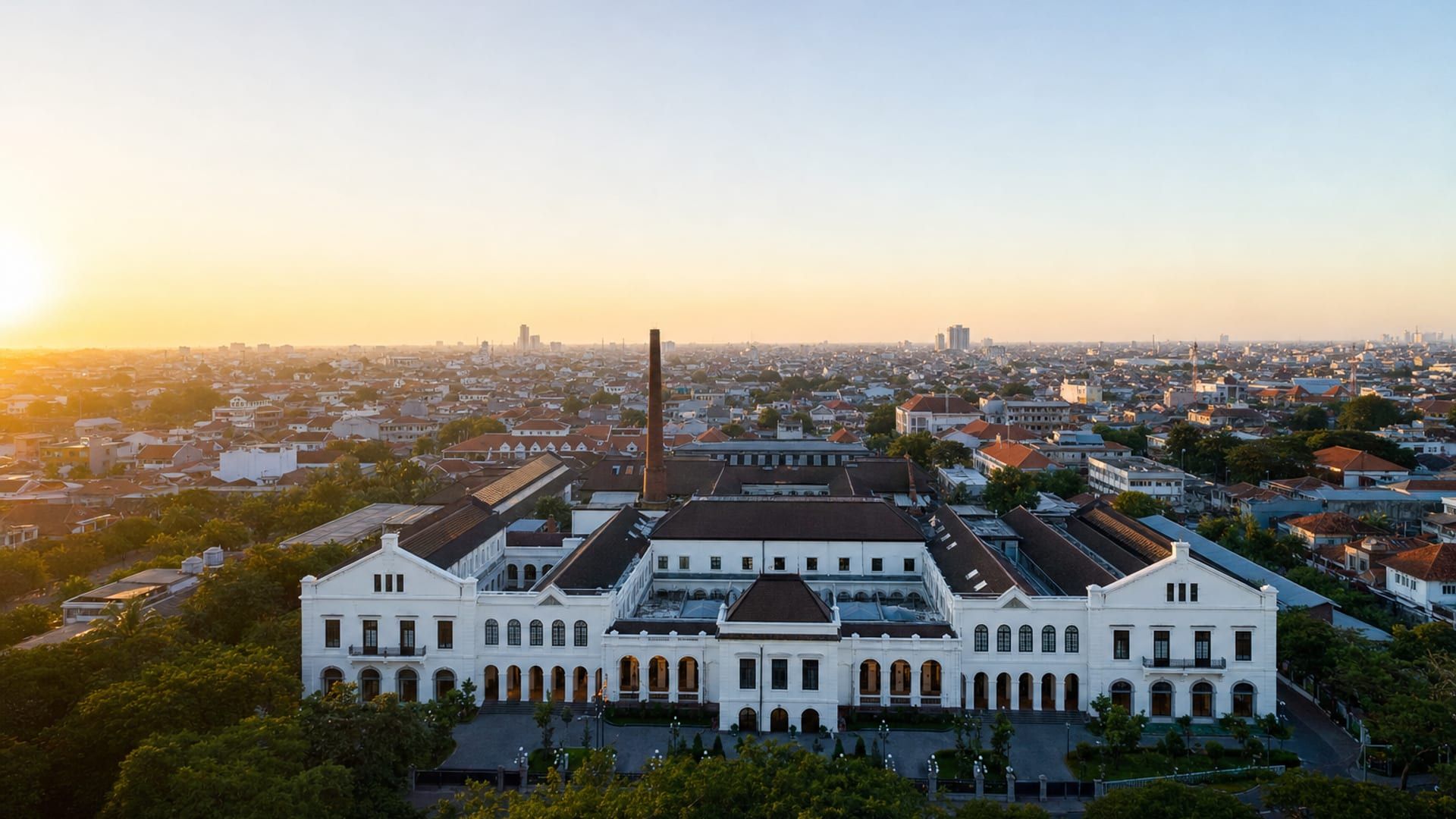
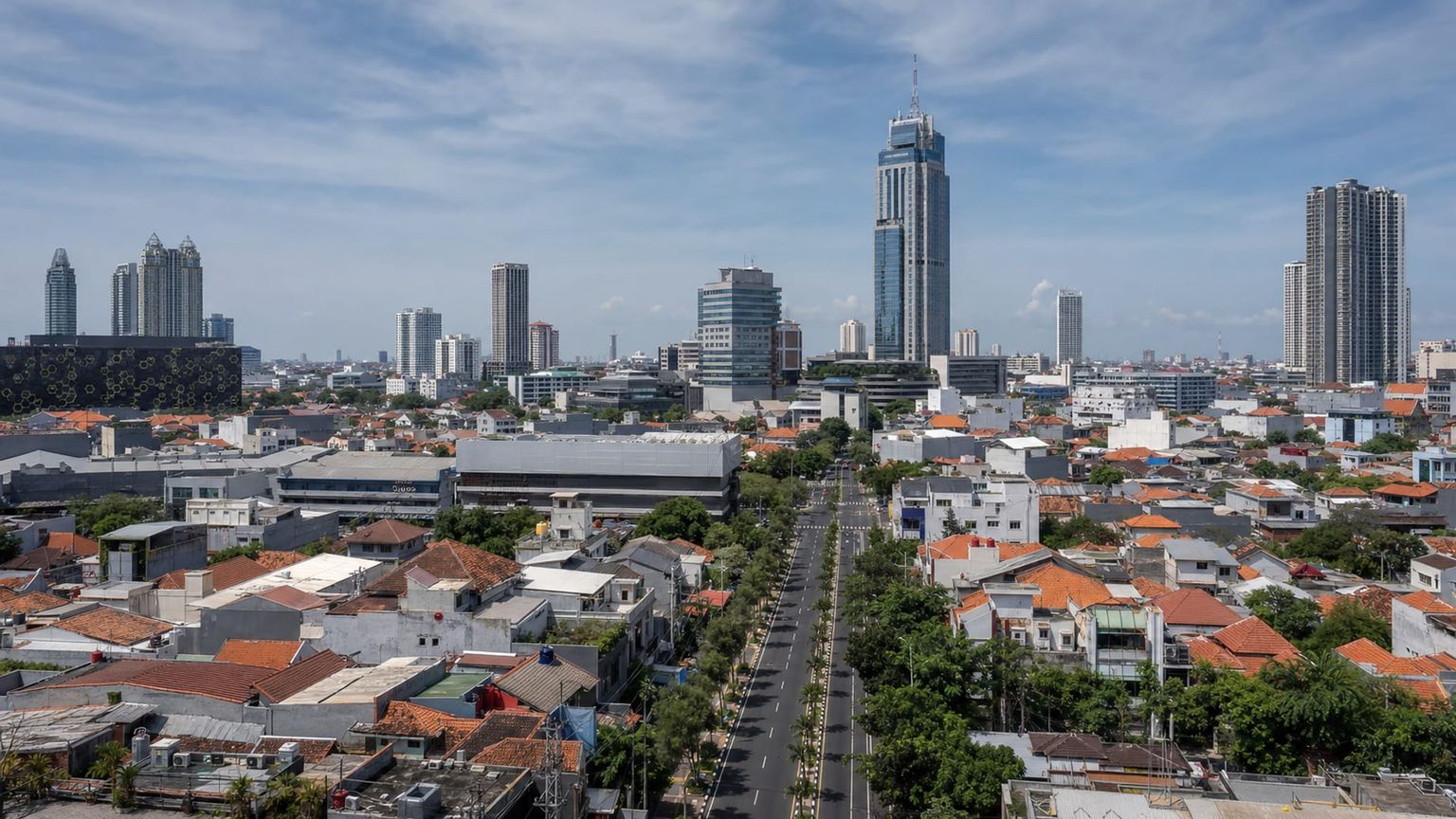
Surabaya rewards travelers who pay attention to where they sleep and how they move. Many visitors divide the city into a quick mosque stop, a museum visit, and a mall dinner, then spend more time in traffic than they planned.
That approach misses how spread out the center is, and how much time congestion can add between Ampel, Tunjungan, Darmo, and the bridge viewpoints. A good day here depends on sequencing, not speed.
This guide gives Surabaya a clearer order, with neighborhoods, transit, meals, and five days arranged so each move has a purpose and fewer cross-city detours.
Useful things to know

Main language(s): Indonesian
Halo (HAH-loh) – Hello
Tolong (TOH-long) – Please
Terima kasih (tuh-REE-mah KAH-sih) – Thank you
Apakah Anda berbicara bahasa Inggris? (AH-pah-kah AHN-dah bee-BEE-chah-rah bah-HAH-sah ING-gris) – Do you speak English?
Berapa harganya? (beh-RAH-pah HAR-gah-nya) – How much does it cost?

Currency: The local currency is the Indonesian rupiah (IDR, Rp).

Cash and cards: Cards and contactless work in many hotels and malls, but carry about Rp200,000 to Rp300,000 ($13 to $20) in cash.

Tipping: Round up small bills; 5 to 10% at restaurants if service is not included.

Traditional food: Rawon, Rujak Cingur, Lontong Balap, Soto Lamongan

Water and coffee costs: Water about Rp5,000 to Rp10,000 ($0.30 to $0.65), bar espresso about Rp25,000 to Rp40,000 ($1.65 to

Taxis and ride apps: Gojek and Grab operate here; confirm pickup points before you ride.

Plug and voltage: Type C/F socket, 230V

Dining and shop opening hours: Breakfast runs about 06:00-09:00, lunch 12:00-14:00, and dinner 18:00-21:00. Many warungs stay open later, while some malls close food courts by about 22:00.

Emergency number: 112 for general emergencies, 110 police, 118 or 119 ambulance.
Where to stay in Surabaya
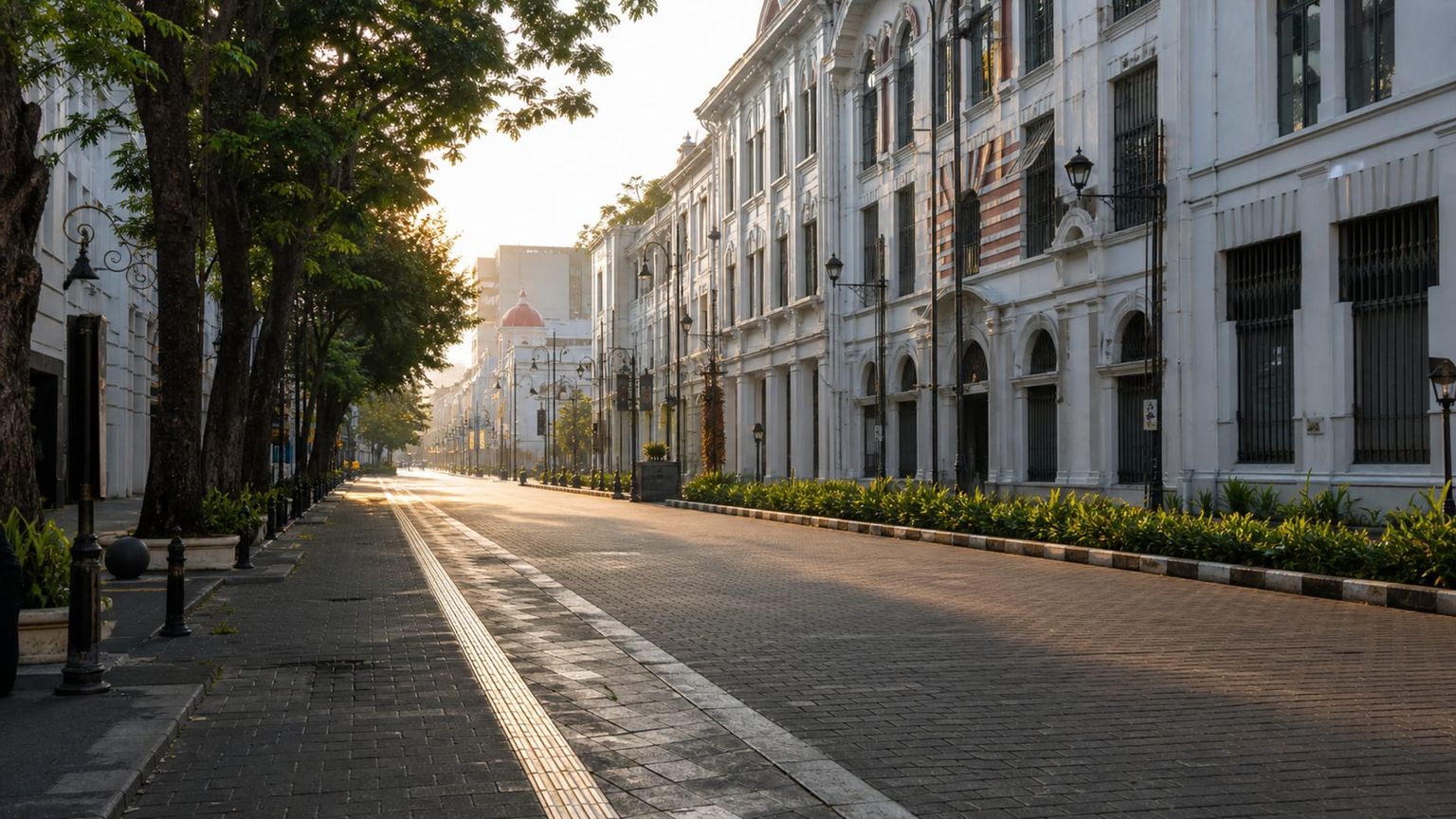
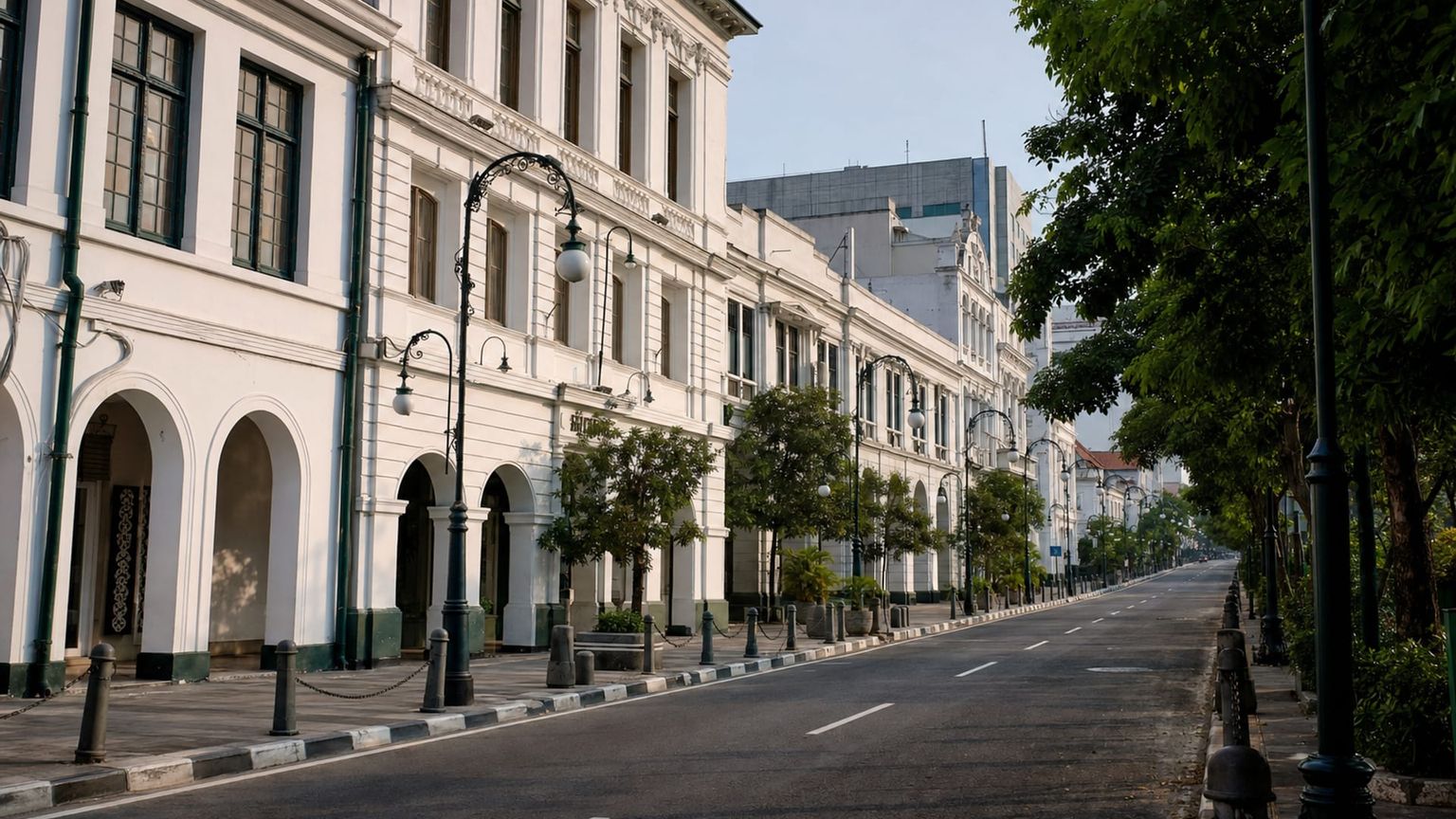
Surabaya’s classic central district, Tunjungan puts you near the city’s main shopping streets, heritage buildings, and the most walkable stretch of the core. It suits visitors who want easy access to restaurants, malls, and landmark stops without crossing town for each outing.
Best for: First-time visits, shopping, and staying near the city center
What to expect: Busy sidewalks, steady traffic, and plenty of office and retail activity through the day, with a calmer pace late at night.
Hotel prices: Usually about IDR 500,000 to IDR 1,200,000 (~$32 to ~$77) per night for well-rated stays
Distance to major sights: About 10 minutes by car to Tugu Pahlawan and roughly 15 minutes to House of Sampoerna
Quietness: Noisy by day, quieter after office hours, though main roads can still carry traffic at night.
Main trade-off: Hotels in the best-positioned blocks often cost more, and peak-hour traffic can make short trips take longer than they should.
Good to know: If you plan to split time between sights and dinners, check whether your hotel sits on a main road or on a smaller side street, since the difference in street noise is noticeable.
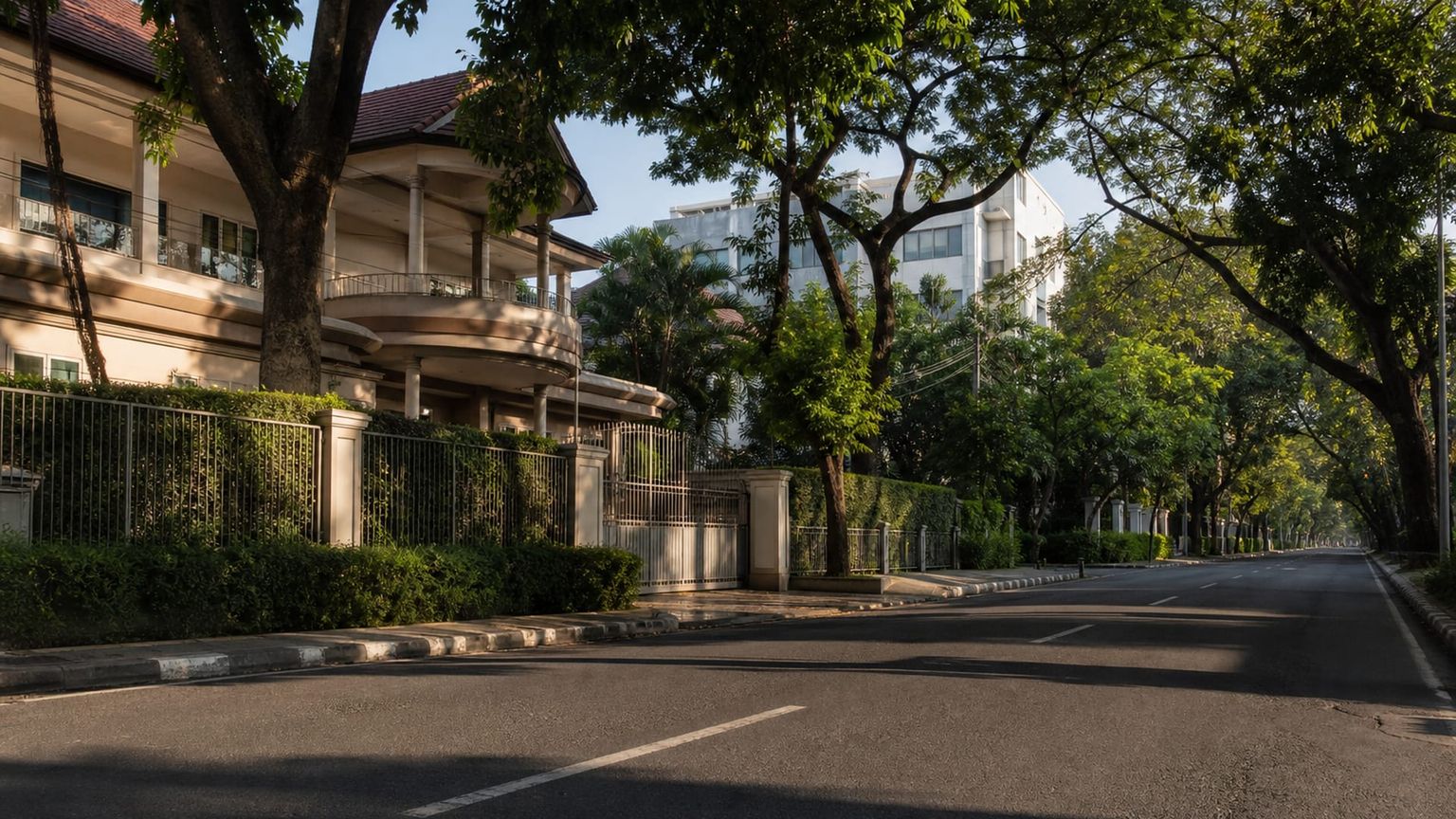
Darmo is a residential central neighborhood with older streets, local cafes, and easy access to the western side of the inner city. It works well for travelers who want a more neighborhood-based stay while still staying close to central Surabaya’s main sights and dining.
Best for: Families, longer stays, and travelers who want a residential base near the center
What to expect: Tree-lined streets, local traffic, and a quieter feel than the busiest commercial corridors, with casual dining and neighborhood errands nearby.
Hotel prices: Usually about IDR 450,000 to IDR 1,000,000 (~$29 to ~$64) per night for well-rated stays
Distance to major sights: About 15 minutes by car to Tunjungan Plaza and roughly 20 minutes to Tugu Pahlawan
Quietness: Quieter during the day than central retail districts, and generally calmer in the evening except near larger roads.
Main trade-off: You will usually depend on cars or ride-hailing for many outings, and the immediate area has fewer late-night options than the city core.
Good to know: Choose a smaller street if you want less traffic noise, because larger avenues here can still feel active during commuting hours.
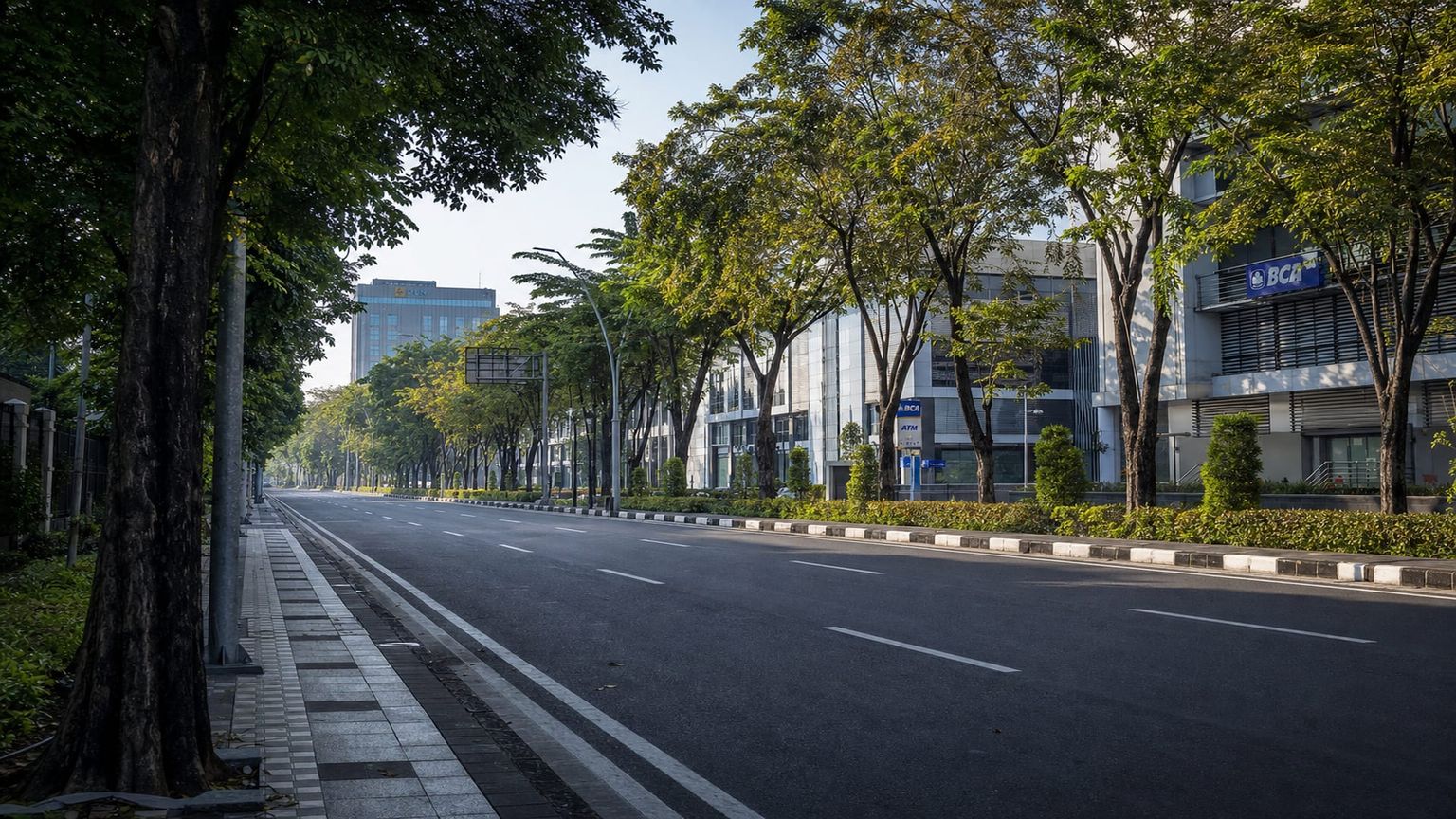
Gubeng sits around Surabaya’s main rail station and a cluster of hotels, offices, and malls, so it favors visitors who need easy intercity movement. It is also close to the eastern side of central Surabaya, which keeps major shopping and dining within a short ride.
Best for: Rail travelers, short business trips, and visitors planning day trips by train
What to expect: Heavy traffic near the station, many commuters, and a constant flow of taxis, ride-hailing cars, and travelers with luggage.
Hotel prices: Usually about IDR 500,000 to IDR 1,300,000 (~$32 to ~$83) per night for well-rated stays
Distance to major sights: About 10 minutes by car to Tunjungan Plaza and roughly 15 minutes to House of Sampoerna
Quietness: Busy and loud around the station by day, with some pockets becoming calmer after rush hour.
Main trade-off: The convenience comes with congestion, and some hotels sit on streets that feel less pleasant for walking with luggage.
Good to know: If you are arriving or leaving by train, book near the station but away from the immediate frontage roads, where pickup traffic stacks up quickly.
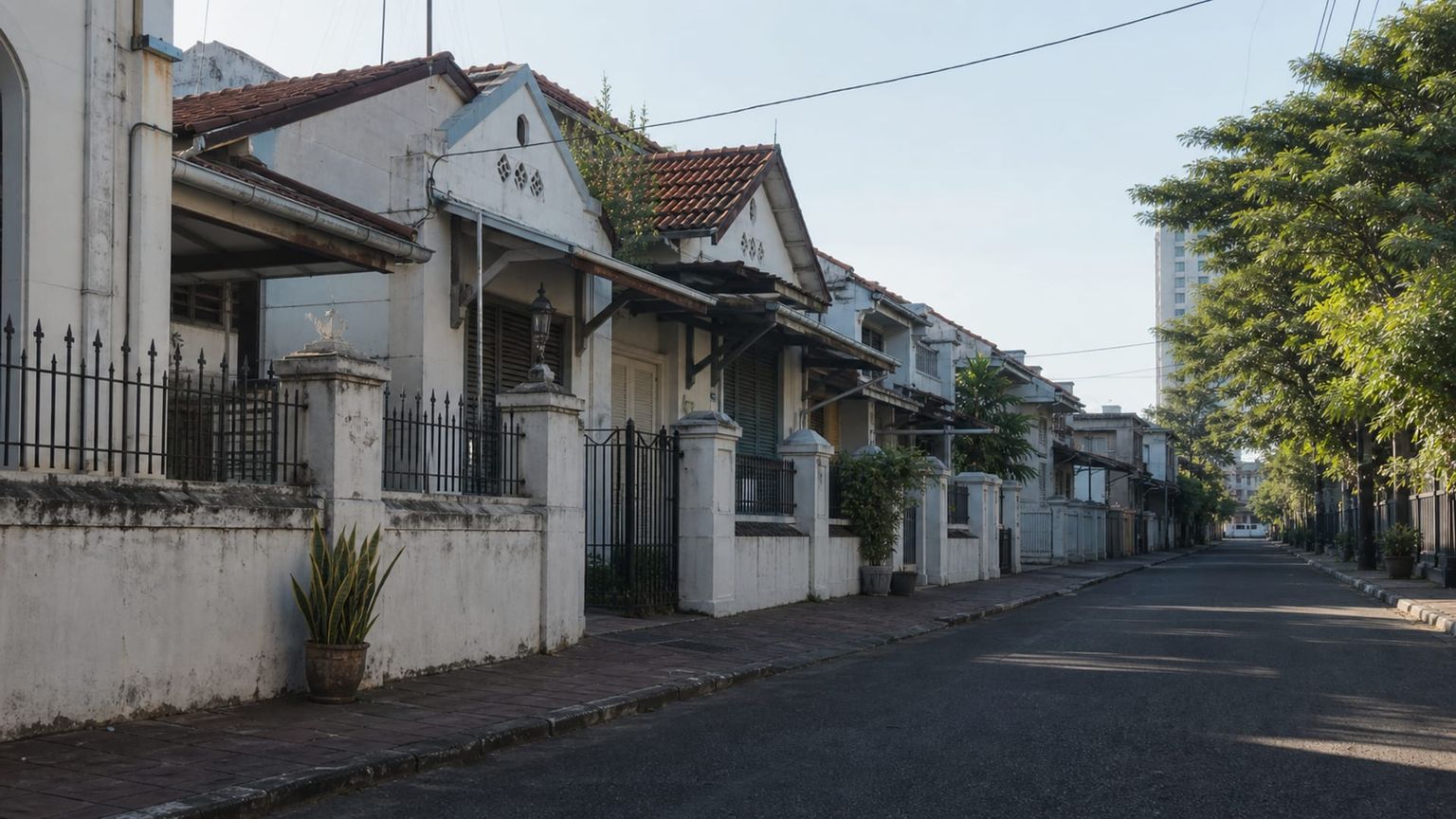
West Surabaya covers newer residential and retail districts such as Pakuwon and nearby apartment and mall clusters, giving travelers a modern base with large-scale shopping close by. It suits visitors who care more about malls, apartments, and easy car access than about being in the historic core.
Best for: Modern hotels, mall access, and travelers who do most movement by car or ride-hailing
What to expect: Wide roads, big complexes, and many residents and shoppers moving between malls, offices, and apartments, especially in the afternoon and evening.
Hotel prices: Usually about IDR 550,000 to IDR 1,500,000 (~$35 to ~$96) per night for well-rated stays
Distance to major sights: About 25 to 35 minutes by car to Tunjungan Plaza and roughly 30 minutes to Tugu Pahlawan
Quietness: Fairly quiet in residential pockets by day, but lively and traffic-heavy near the main malls in the evening.
Main trade-off: You will spend more time getting to older central sights, and the area is less convenient if you want to walk between multiple attractions.
Good to know: Parking is usually easier here than in the core, so it can suit travelers with a driver or those planning several mall-based stops.
Travelers usually avoid staying in remote eastern Surabaya neighborhoods such as Rungkut and Gunung Anyar, because they sit far from Tunjungan Plaza, the Old Town area, and the main hotel clusters, with fewer visitor-oriented restaurants and late-night transport options. Parts of southern Surabaya, including Karang Pilang and Gayungan, are less convenient for short trips since they sit well away from the central sights and often require longer evening taxi rides; the industrial edges of northwestern Surabaya near Benowo are also less convenient for the same reason.
Hotel deals
How to get around Surabaya efficiently
Surabaya has no metro, so most visitors move with taxis, ride-hailing cars, and the Suroboyo Bus on a few main corridors.

Metro
for longer distances
Surabaya has no metro or subway network. The closest rail option is the commuter rail system, which links central Surabaya with nearby towns and the wider Greater Surabaya area, but it does not replace a city metro for point-to-point trips; most visitors rely on road transport instead.

Bus and tram
for convenience
The city’s BRT network, Suroboyo Bus, runs on a limited set of corridors and uses ordered stops rather than a full tram system. Fares are about $0.30 to $0.50 (about IDR 5,000 to IDR 8,000), with time-based validity tied to a single ride; routes cover key roads, but service is sparse late at night, so check the stop and departure times before you board.

Taxi
for convenience or late hours
Licensed taxis in Surabaya use metered fares, and airport trips from Surabaya Juanda Airport (SUB) often have fixed-price counters or airport taxis with set fares. Short urban rides usually cost about $2 to $6 (about IDR 35,000 to IDR 95,000), while trips to farther districts or the airport area can land roughly $7 to $15 (about IDR 110,000 to IDR 235,000); most licensed cabs accept cash, and some take cards or app-based payment.
*Prices are based on rates updated as of June 2026 and may change at the time of travel.
Use walking for compact areas like Tunjungan and Ampel, taxis or ride-hailing for cross-town hops, and the bus when your route follows one of its main corridors.
Iconic landmarks
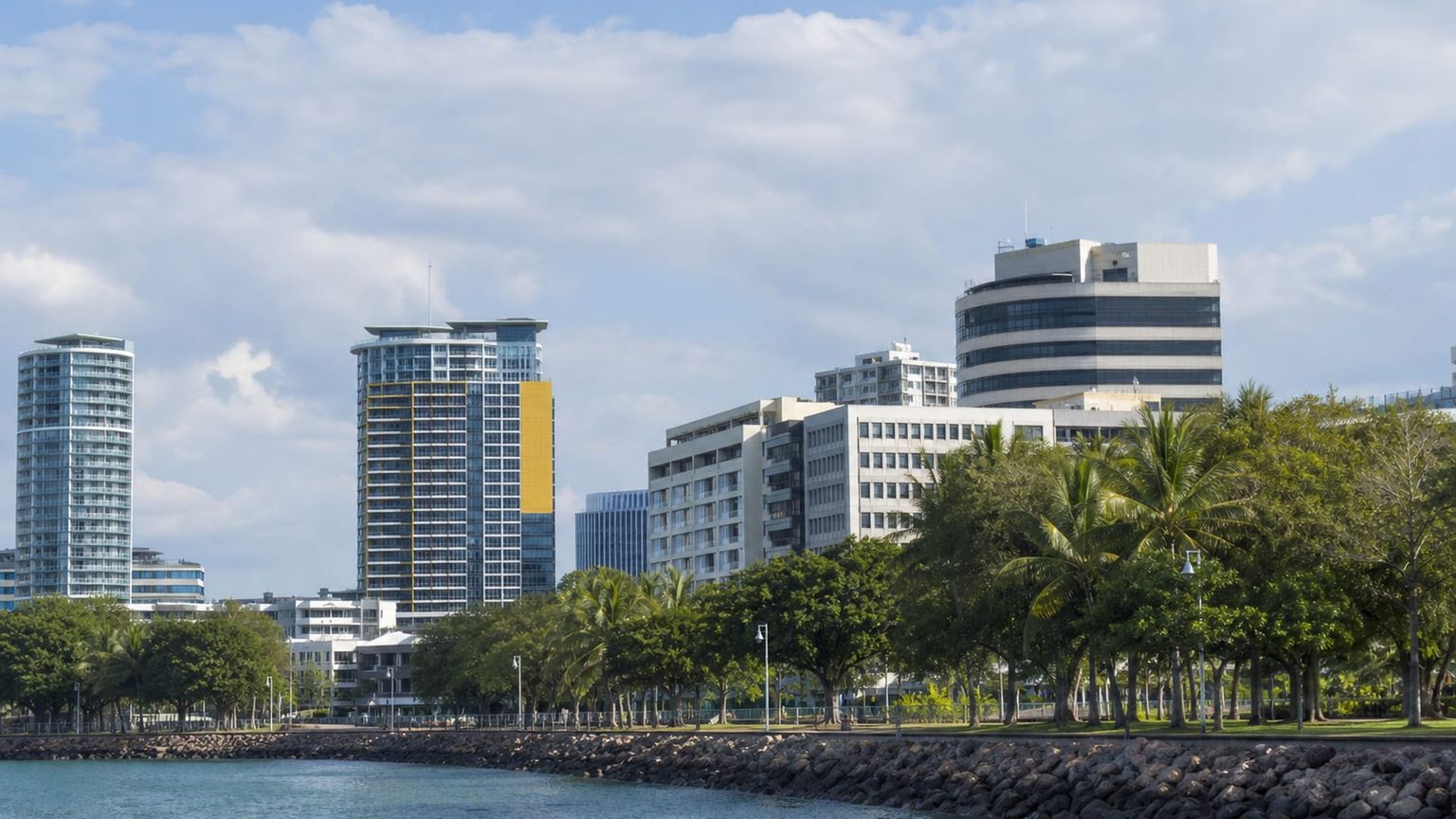
House of Sampoerna
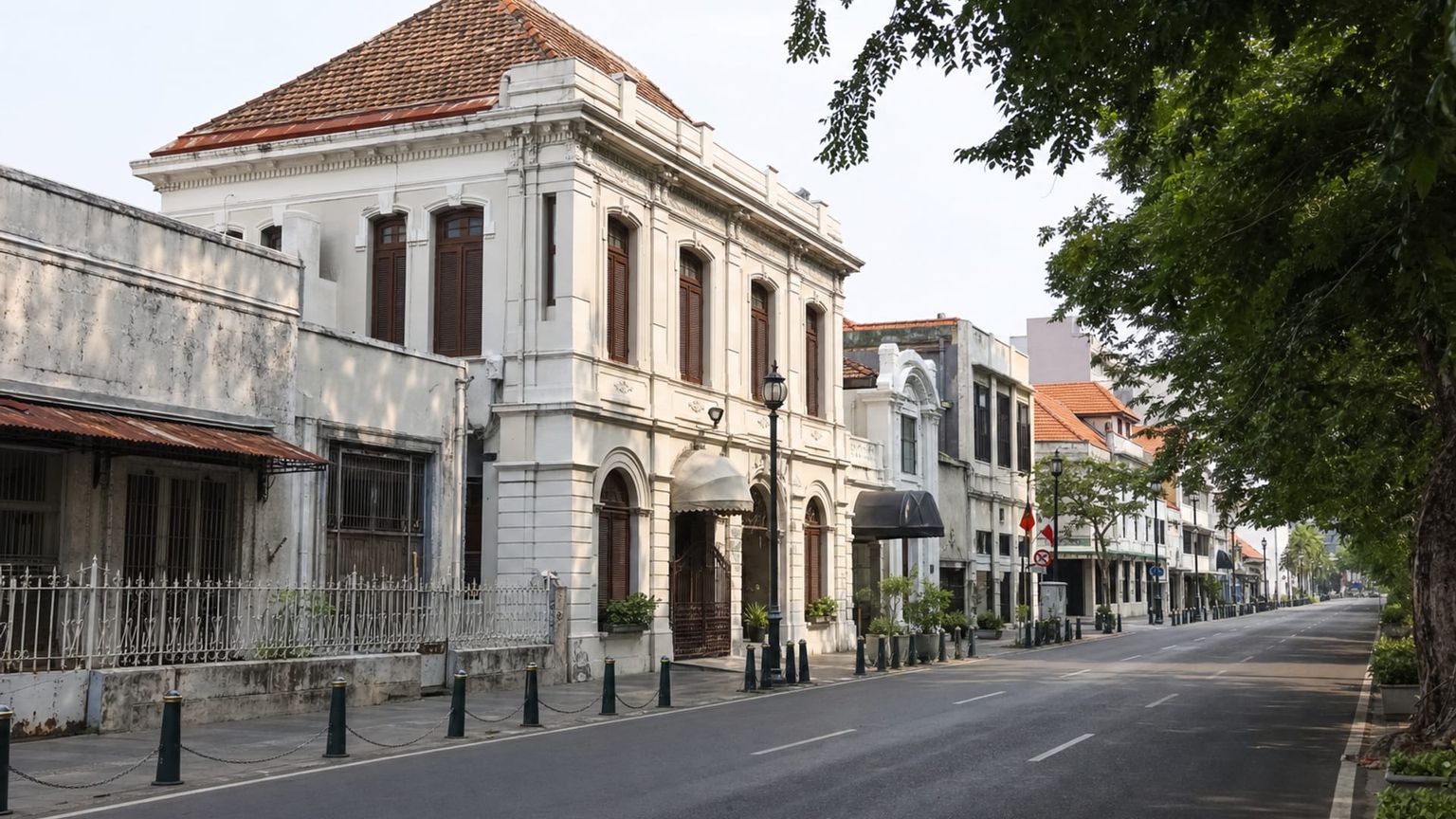
This museum complex traces Surabaya’s clove-cigarette history inside a restored Dutch-era building, with vintage machinery, archival photos, and a small café courtyard. It pairs industrial heritage with a clear look at one of the city’s signature trades.
Time needed: About 1 to 1.5 hours
Entry: Admission to the museum is free; guided heritage bus tours and some special activities may charge separate fees on site. Visit the official site for details.
Tip: Visit earlier in the day for quieter galleries and better light in the courtyard.
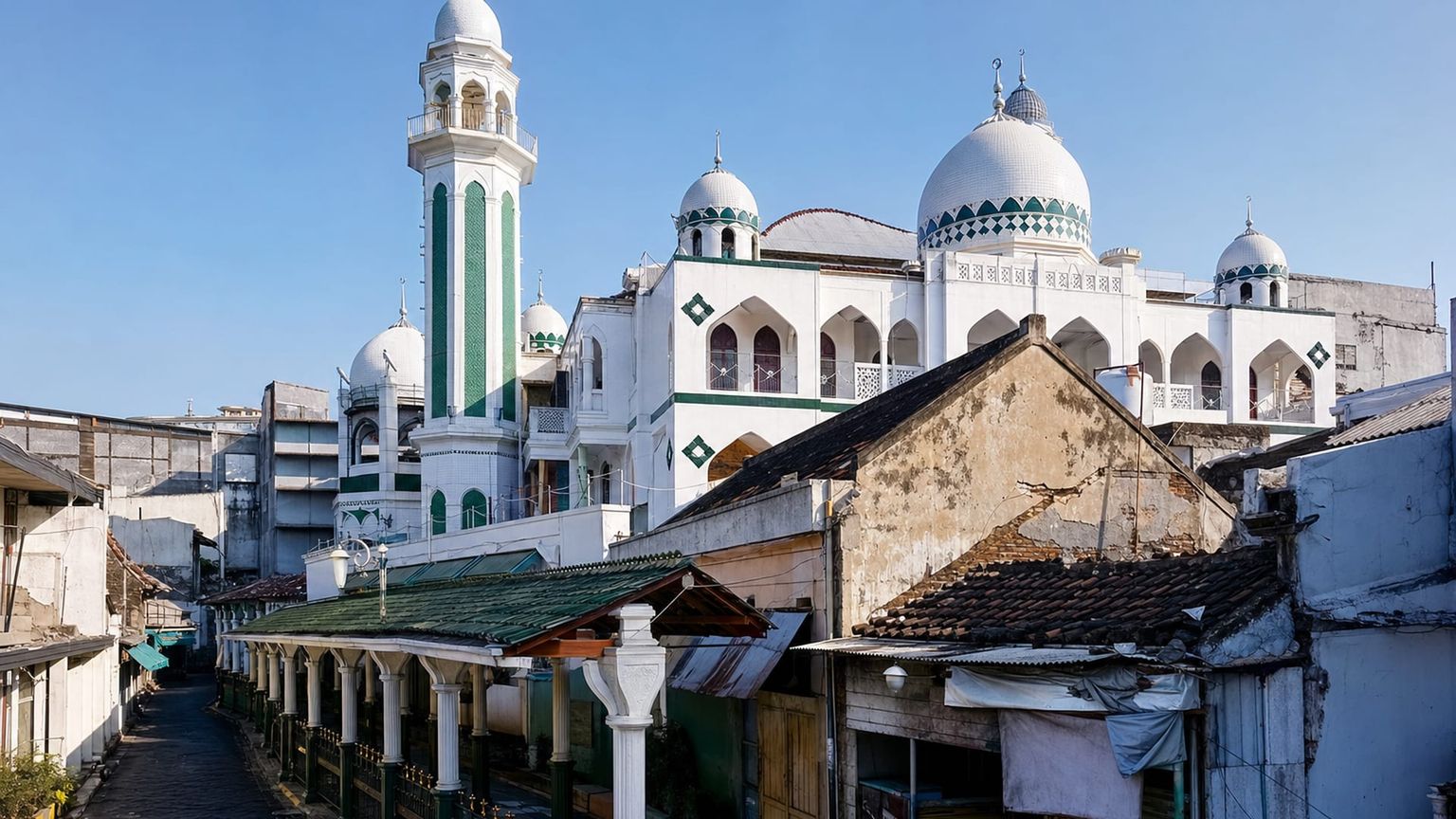
Sunan Ampel Great Mosque and Ampel quarter
This historic mosque anchors one of Surabaya’s oldest Arab-Indonesian districts, where narrow lanes lead past spice shops, prayer spaces, and the tomb of Sunan Ampel. It gives a direct view of the city’s religious and trading history.
Time needed: About 1.5 to 2 hours
Entry: Entry to the mosque and surrounding lanes is free; donations are welcome, and modest dress is expected throughout the complex.
Tip: Go before dusk, when the lanes are livelier and the heat is lower for walking.
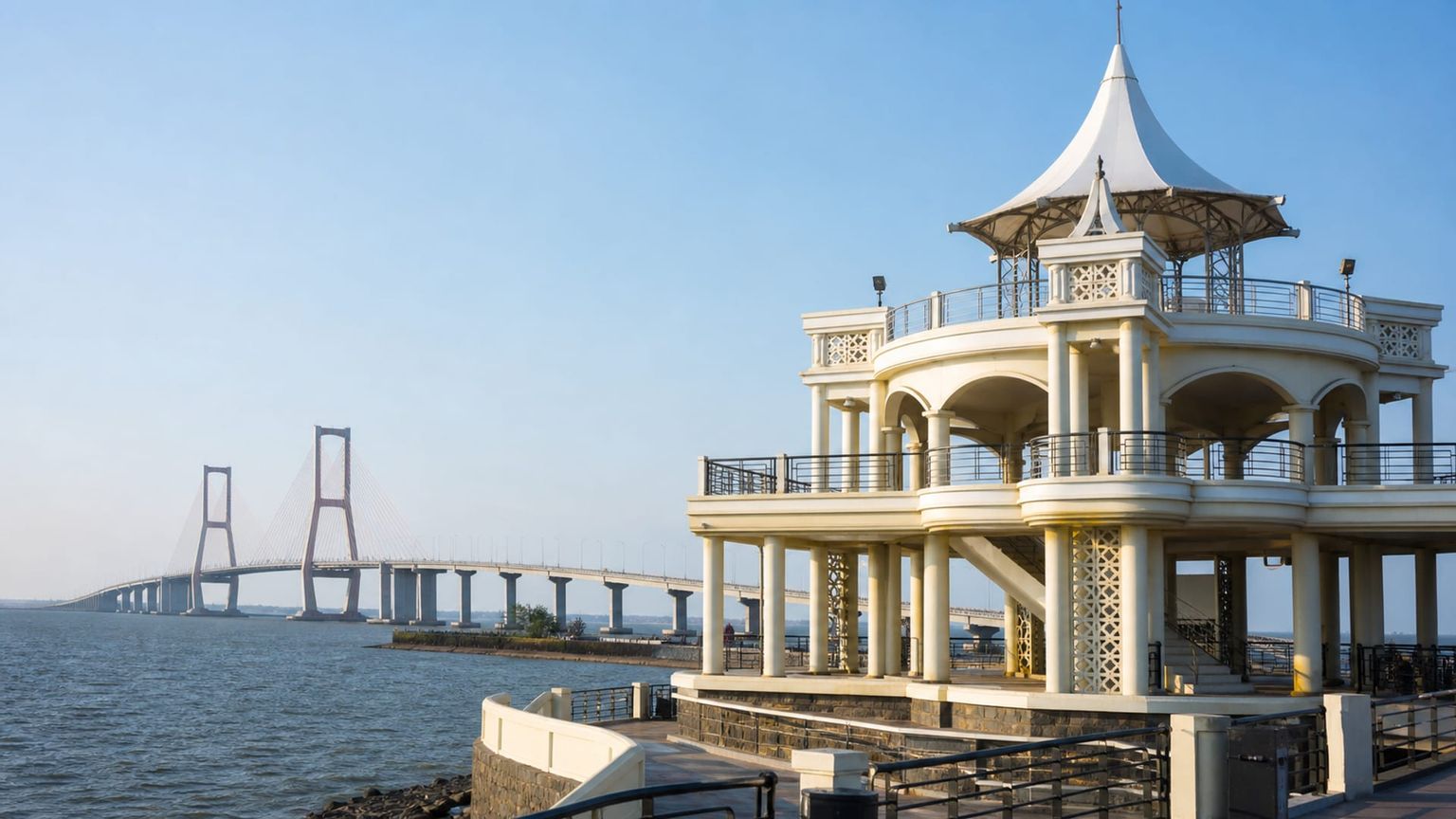
Suramadu National Bridge viewpoint
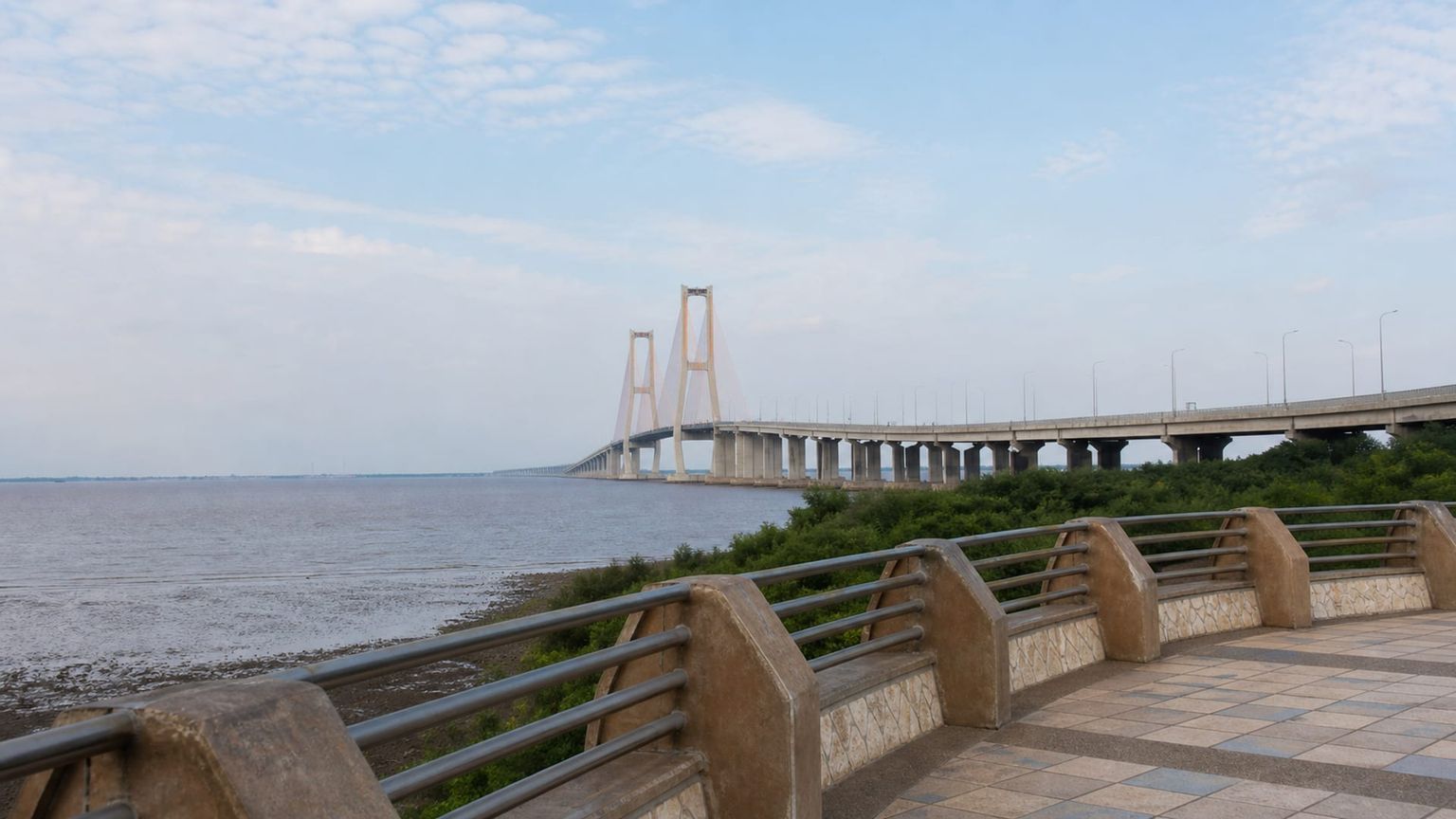
The Suramadu Bridge links Surabaya to Madura and has become a modern city landmark on the waterfront edge. Viewpoints near the western approach show its long span over the strait, especially when the bridge lights up after dark.
Time needed: About 45 minutes to 1 hour
Entry: Viewing from public roadside areas is free; parking fees may apply at nearby lots, and access is open without timed entry.
Tip: Arrive at sunset, then stay after dark to see the bridge lighting across the water.
Overlooked sites worth visiting

House of Sampoerna
This Dutch colonial tobacco museum pairs factory-floor tours with galleries on Surabaya’s cigarette heritage. The complex also includes a cafe and shop inside the restored buildings.
Time needed: About 1 to 2 hours
Entry: Admission is free for the museum and historic complex, with optional paid purchases only if you want snacks, souvenirs, or special guided experiences. Check opening hours before going, since the site closes earlier than many city attractions and access can vary on holidays. Visit the official site for details.
Tip: Go in the morning to see the production hall in operation.

Taman Bungkul
This central park draws local families with a skate park, fountain, jogging loop, and food stalls after dark. It works well for a slow walk, people-watching, or an easy stop between neighborhood visits.
Time needed: About 1 hour
Entry: Free to access as a public city park, with no ticket needed for the grounds, play areas, or walking paths. Budget separately for snacks and drinks from nearby vendors, and expect the liveliest atmosphere in the evening when the fountain area and food stalls fill up.
Tip: Visit late afternoon, then stay after sunset for cooler air.
Traditional food
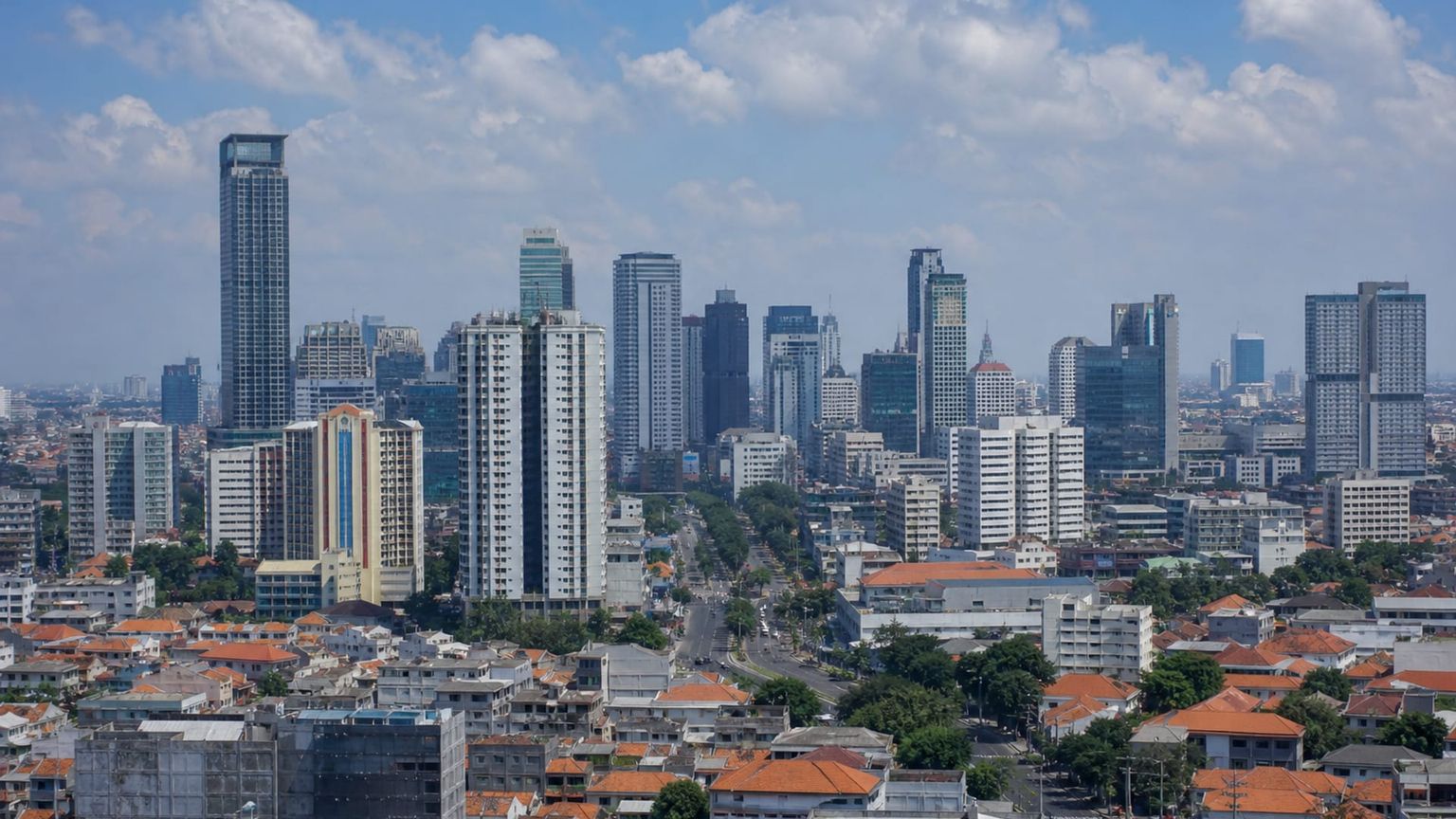
Surabaya’s cooking leans on dark broths, shrimp paste, beef, coconut, and sweet-savory seasoning, with rawon, rujak cingur, lontong balap, and soto Lamongan anchoring everyday meals in warungs, market stalls, and casual dining rooms.
Rawon
This black beef soup gets its color and depth from keluak, then arrives with rice, bean sprouts, and a side of salted egg or sambal. Rawon Setan is one of Surabaya’s most famous places for it.
Rujak cingur
This Surabaya specialty combines fruit, vegetables, tofu, tempeh, and cow snout in a thick, sweet-spicy peanut sauce. Layar Seafood serves a well-known version in the city.
Lontong balap
This dish pairs rice cakes with bean sprouts, tofu, lentho, and a light broth that often gets a squeeze of lime and a spoon of sambal. Lontong Balap Pak Gendut is a classic reference point for it.
Soto Lamongan
This clear chicken soup comes with shredded chicken, vermicelli, and crackers, and Surabaya diners often seek it for breakfast or lunch. Soto Ayam Lamongan Cak Har is a dependable city choice.
Best time to visit Surabaya
Surabaya stays warm year-round, but rain, humidity, and traffic can change how easily you move between neighborhoods.
Best for: Lower hotel competition and indoor-heavy days in malls or museums
What you get: About 77 to 90°F (25 to 32°C), with frequent rain and fewer crowds at some attractions
Trade-offs: Afternoon downpours can slow crosstown rides
Best for: Balanced sightseeing, easier road movement, and comfortable evenings
What you get: About 77 to 91°F (25 to 33°C), with moderate crowds and less rain than the wettest months
Trade-offs: Heat still builds by midday
Best for: Bridge viewpoints, walking tours, and cleaner timing for outdoor stops
What you get: About 75 to 89°F (24 to 32°C), with some of the year’s lightest rainfall and moderate crowds
Trade-offs: Popular areas can still feel busy at peak hours
Best for: Food-focused trips and flexible city days before the wetter stretch returns
What you get: About 77 to 92°F (25 to 33°C), with rising humidity and gradually increasing visitor traffic
Trade-offs: Late-season storms can interrupt evening plans
A realistic 5-day plan in Surabaya
Five days give Surabaya enough space for its old quarters, central parks, bridge views, and shopping districts without forcing long rides every hour. The plan below keeps the city organized by area, so each day has a clear base and a sensible sequence.
Land at Surabaya (SUB) and take a taxi or ride-hailing car into Tunjungan or Gubeng, which usually takes about 30 to 45 minutes and costs roughly $5 to $12 (IDR 80,000 to 190,000), depending on traffic and the hour. If you arrive late, book a hotel on a main street in Tunjungan for easier dinner options, or near Gubeng if you want a simpler next-day departure by train. Drink plenty of water after the flight, then keep the evening close to your hotel with a light meal at a mall food court, a noodle shop, or a cafe in Tunjungan Plaza or on the nearby hotel strip.
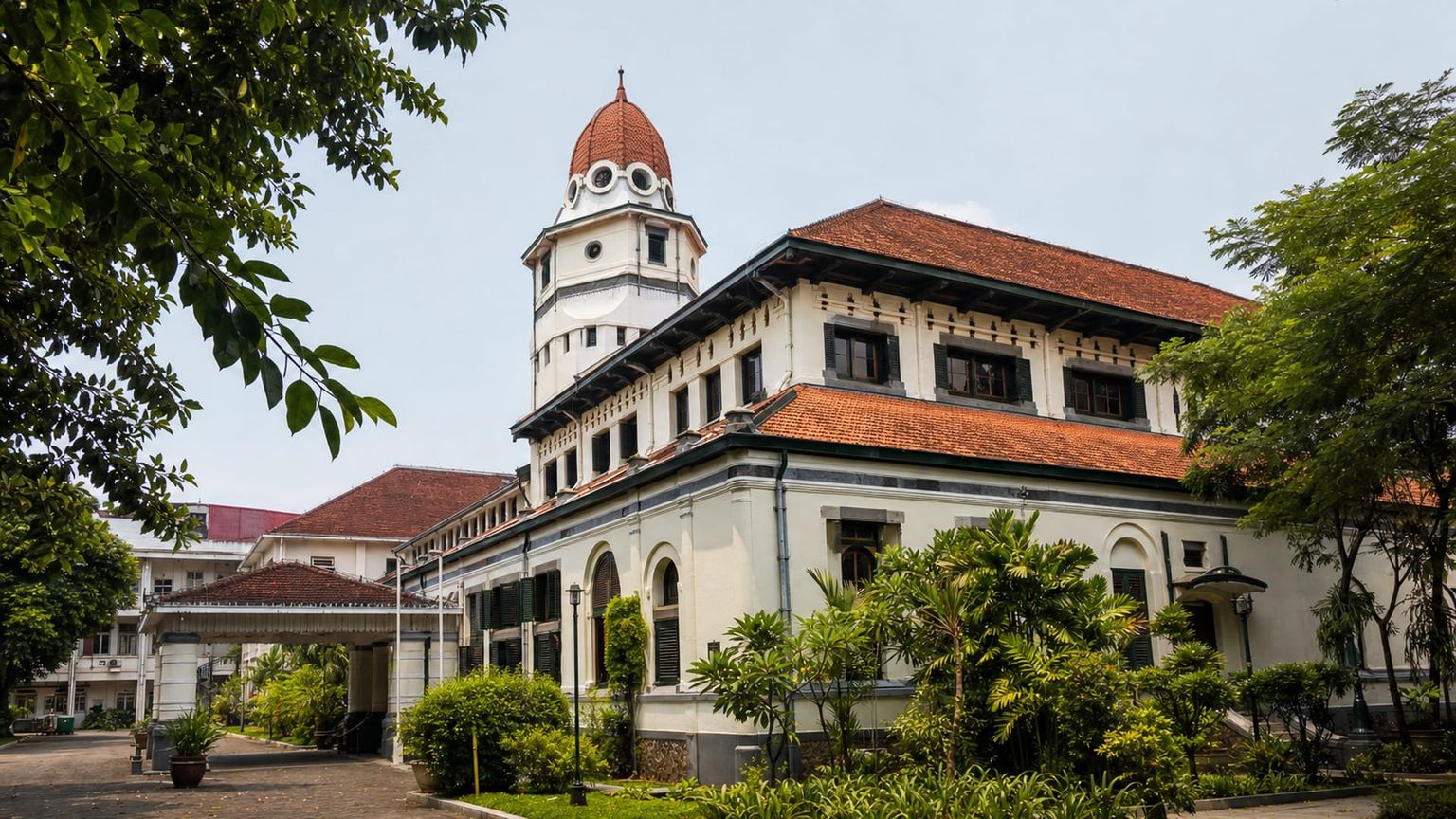
Start in the Ampel quarter, where the Sunan Ampel Great Mosque and surrounding lanes take about 1.5 to 2 hours to explore; from Tunjungan, the taxi ride usually takes about 20 to 30 minutes. Walk the spice shops, visit the mosque complex, then continue by taxi to House of Sampoerna, about 20 to 25 minutes away, for another 1 to 2 hours among the museum galleries and courtyard. End the afternoon with a 15-minute taxi ride to Taman Bungkul, where you can walk the park paths, watch the fountain area, and eat at nearby stalls before heading back to Tunjungan or Darmo for dinner.
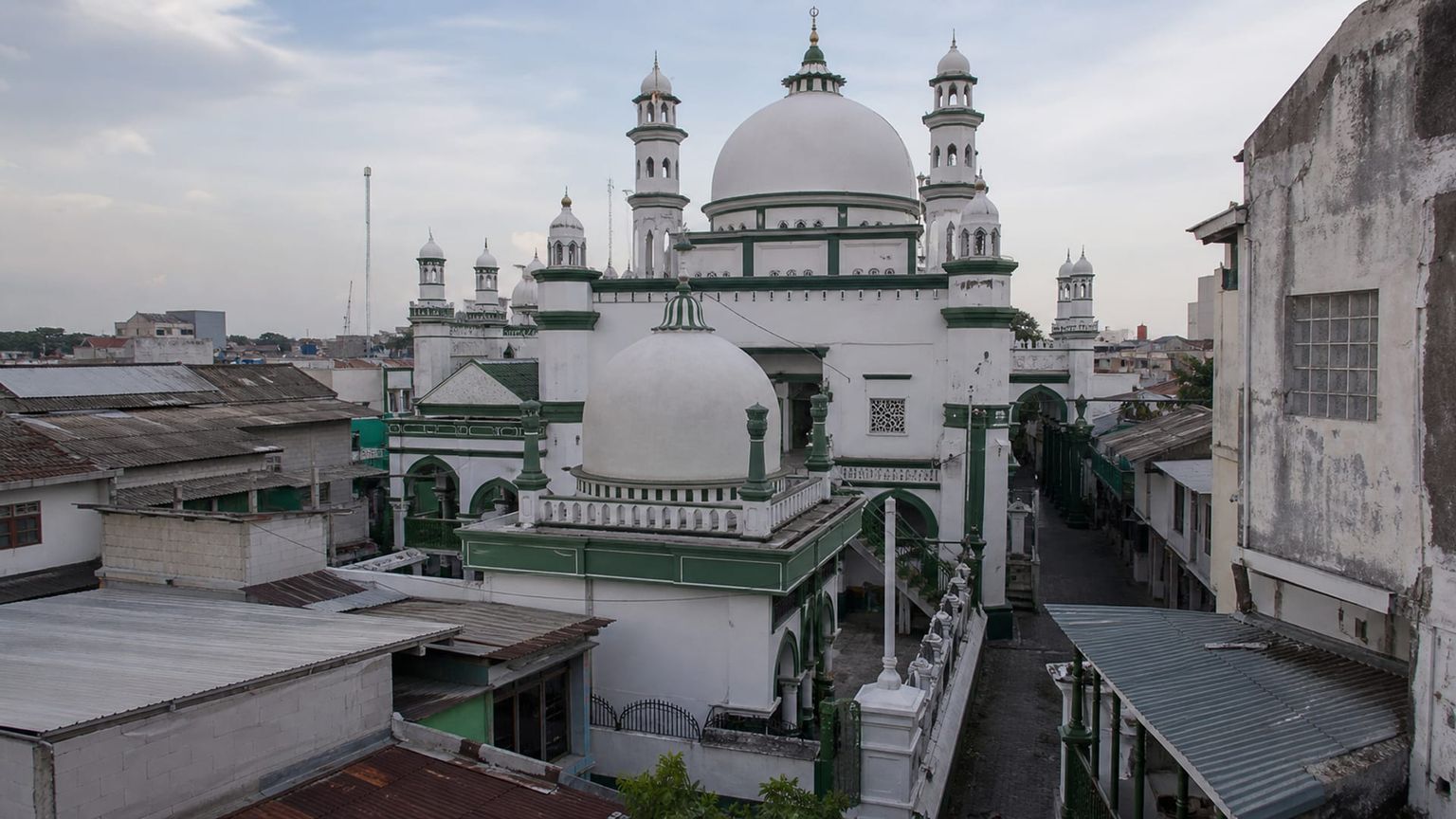
Begin with the old tobacco museum again only if you missed it on day 2, otherwise head straight to Taman Bungkul for a calmer morning walk and a coffee stop in Darmo, about 10 to 15 minutes by taxi from the park. Then move east to Manyar, roughly 20 to 25 minutes by taxi, for lunch in the neighborhood’s cafe and campus-area restaurant scene. Finish with a sunset drive to the Suramadu National Bridge viewpoint, about 25 to 35 minutes from the central neighborhoods, and stay after dark to see the bridge lighting across the water.
For a more urban day, start in Tunjungan and spend the morning in the shopping district, where you can move between malls, bookshops, and hotel-lined streets on foot. From there, take a 10-minute taxi ride to House of Sampoerna if you want a second look at the heritage complex, or stay in the center and pair lunch with a slow walk back toward Taman Bungkul, about 15 minutes away by taxi. In the late afternoon, return to Tunjungan for dinner, since it gives you the broadest choice of restaurants without adding another long cross-city ride.
Begin with an easy breakfast in Darmo or Tunjungan, then fit in one last short museum stop at House of Sampoerna if you want a final dose of Surabaya history before you pack. After that, spend the rest of the day in Tunjungan Plaza or the surrounding shopping streets for errands, souvenirs, and a relaxed lunch without moving far from your hotel. If you have several hours before departure, finish with coffee in Darmo or one more casual meal near Gubeng, which keeps the airport or rail transfer simple.
Business-class flights from the US to Surabaya
Long-haul arrivals to Surabaya usually connect through one major Asian or Middle Eastern hub, and the best fare often depends on how much time you want to spend in transit. From the US coast you are mainly comparing connection quality, total journey length, and the final price.
From New York, KLM Royal Dutch Airlines, Singapore Airlines, Emirates, Qatar Airways, and Turkish Airlines commonly appear on the route to Surabaya. Round-trip fares usually start at $4,800 and can reach $9,500; if you do not mind a layover, common routings via Singapore (SIN), Dubai (DXB), or Doha (DOH) can cut the price to roughly $1,200 to $2,000.
From Los Angeles, KLM Royal Dutch Airlines, Singapore Airlines, Cathay Pacific, China Airlines, and EVA Air are common choices for the trip to Surabaya. Round-trip fares are usually $4,500 to $8,800, and the journey often runs about 16 to 20 hours when schedules connect cleanly through hubs such as Amsterdam (AMS), Singapore (SIN), Hong Kong (HKG), Taipei (TPE), or Seoul (ICN).
Surabaya feels different when you slow down
A good Surabaya trip gives each district its own day, Ampel for history, Tunjungan for shopping and dinner, Darmo for slower evenings, and a bridge outing when the light is right. Taxis and ride-hailing fill the gaps between those places, while a park stop at Taman Bungkul adds a pause between bigger visits. If you want to shape your stay with the same order, let AranGrant experts help you plan it around the neighborhoods that matter most







