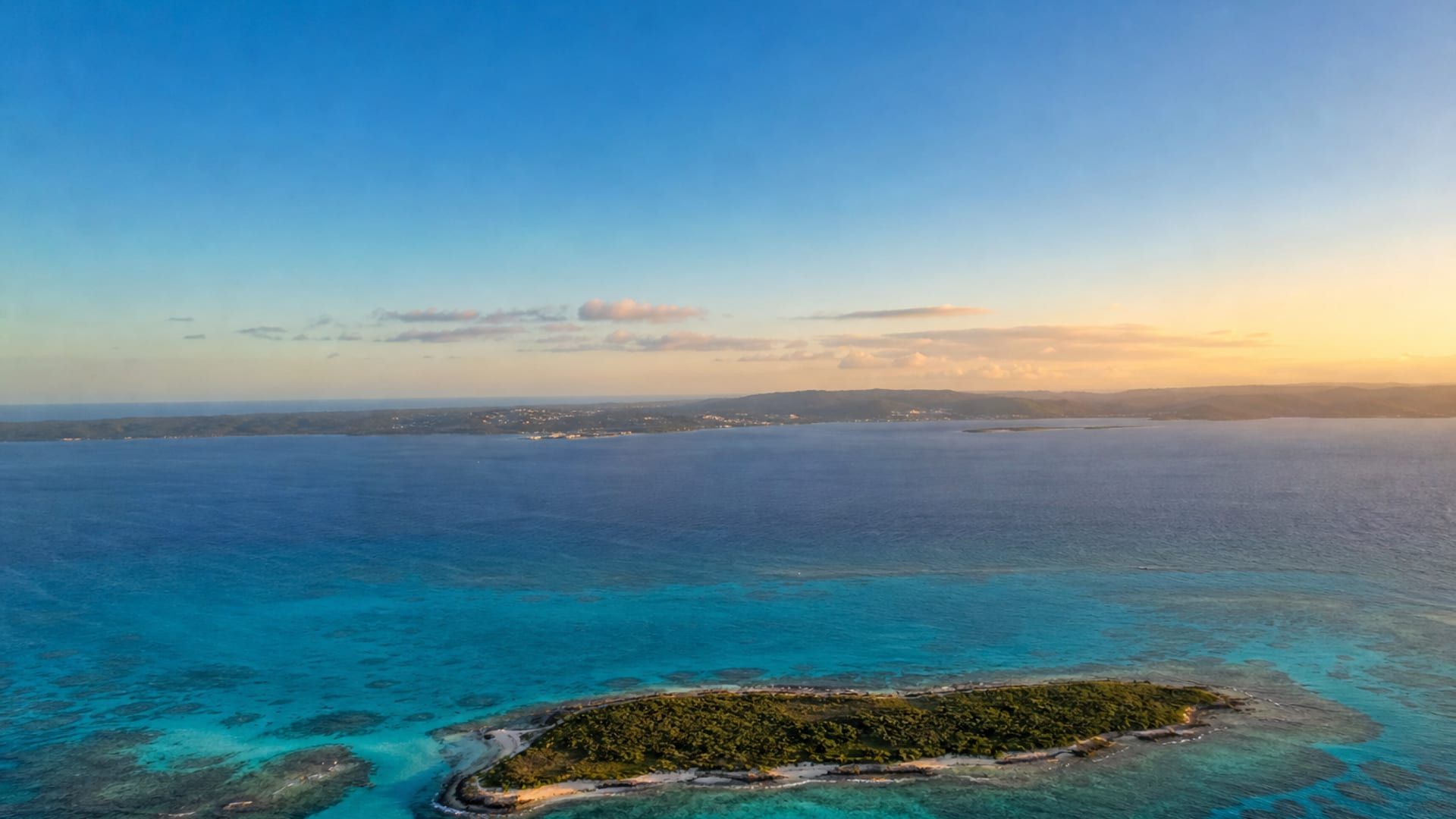


Chapters:

Need help with your trip?
Our support team is available 24/7. Request a callback or call us directly at (833) 619-0908
Saint Croix itineraries often start with Christiansted, a beach day, and one long inland drive, but that order can leave the island’s strongest history stops squeezed between airport runs and resort check-ins. Travelers also miss how much the west end and north shore depend on timing.
Distances on the island are short on a map, yet a cross-island loop still takes time once you account for narrow roads, parking, and stop-and-go traffic near the harbor. If you build the day loosely, meals and museum visits can slip past opening hours.
This guide sets the island out in a cleaner sequence, with stay areas, transport notes, food stops, and a five-day plan that keeps each outing close to its most logical base.
Useful things to know

Main language(s): English

Currency: The local currency is the US dollar (USD, $).

Cash and cards: Cards and contactless are widely accepted; keep about $20 to $40 cash for small shops, taxis, and tips.

Tipping: Tip 15-20% in restaurants if service is not included; round up small bills and taxi fares.

Traditional food: Fungi and fish, kallaloo, goat water, pate

Water and coffee costs: Water about $2 ($2), bar espresso about $3 to $5 ($3 to $5).

Taxis and ride apps: Uber and Lyft operate, but availability can be limited outside the main airport and town area.

Plug and voltage: Type A/B socket, 120V

Dining and shop opening hours: Breakfast is about 07:00-10:00, lunch 11:30-14:00, and dinner 17:30-21:00. Many spots close by 22:00, and some close earlier on Sundays.

Emergency number: 911 for police, fire, and medical emergencies.
Where to stay in Saint Croix
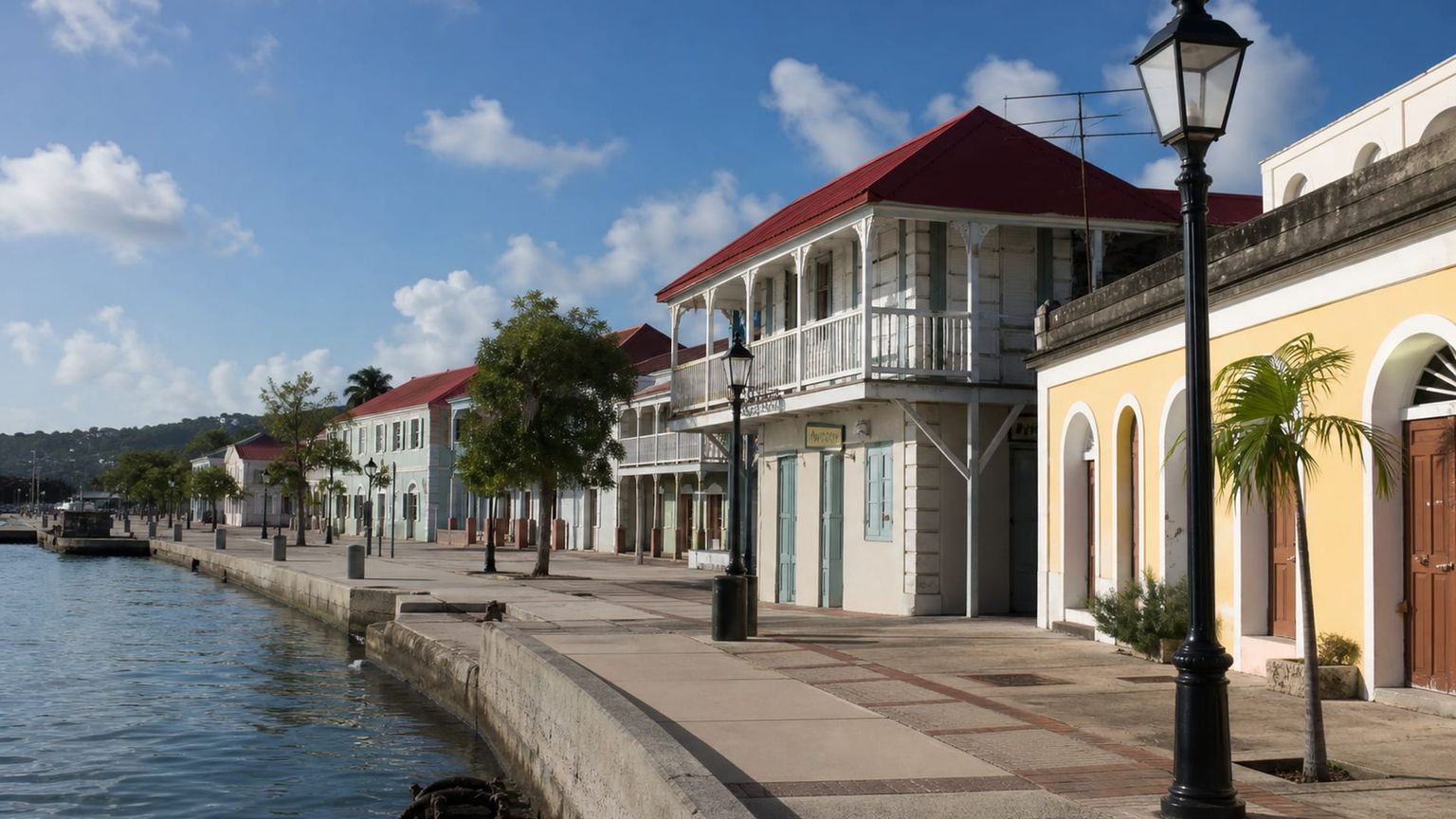
The island’s most walkable historic base, Christiansted puts Danish-era streets, harbor views, and many dining options in one compact waterfront district. It matters because you can handle sightseeing, evening meals, and ferries without depending on long car rides.
Best for: Historic sightseeing, waterfront dining, and travelers who want to walk to restaurants and harbor activities
What to expect: Expect busy streets in the core, regular foot traffic near the harbor, and a mix of tourists, cruise-day visitors, and locals at restaurants.
Hotel prices: Usually about $170 to $340 per night for well-rated stays
Distance to major sights: About 5 to 10 minutes on foot to Fort Christiansvaern and the Christiansted waterfront
Quietness: Daytime is lively and active, while evenings are calmer once dinner crowds thin out.
Main trade-off: Rooms close to the harbor can cost more, and the busiest blocks may pick up noise from restaurants and bars.
Good to know: If you plan to rely on walking, choose a room a block or two inland so you are close to the waterfront without sleeping above late-night activity.
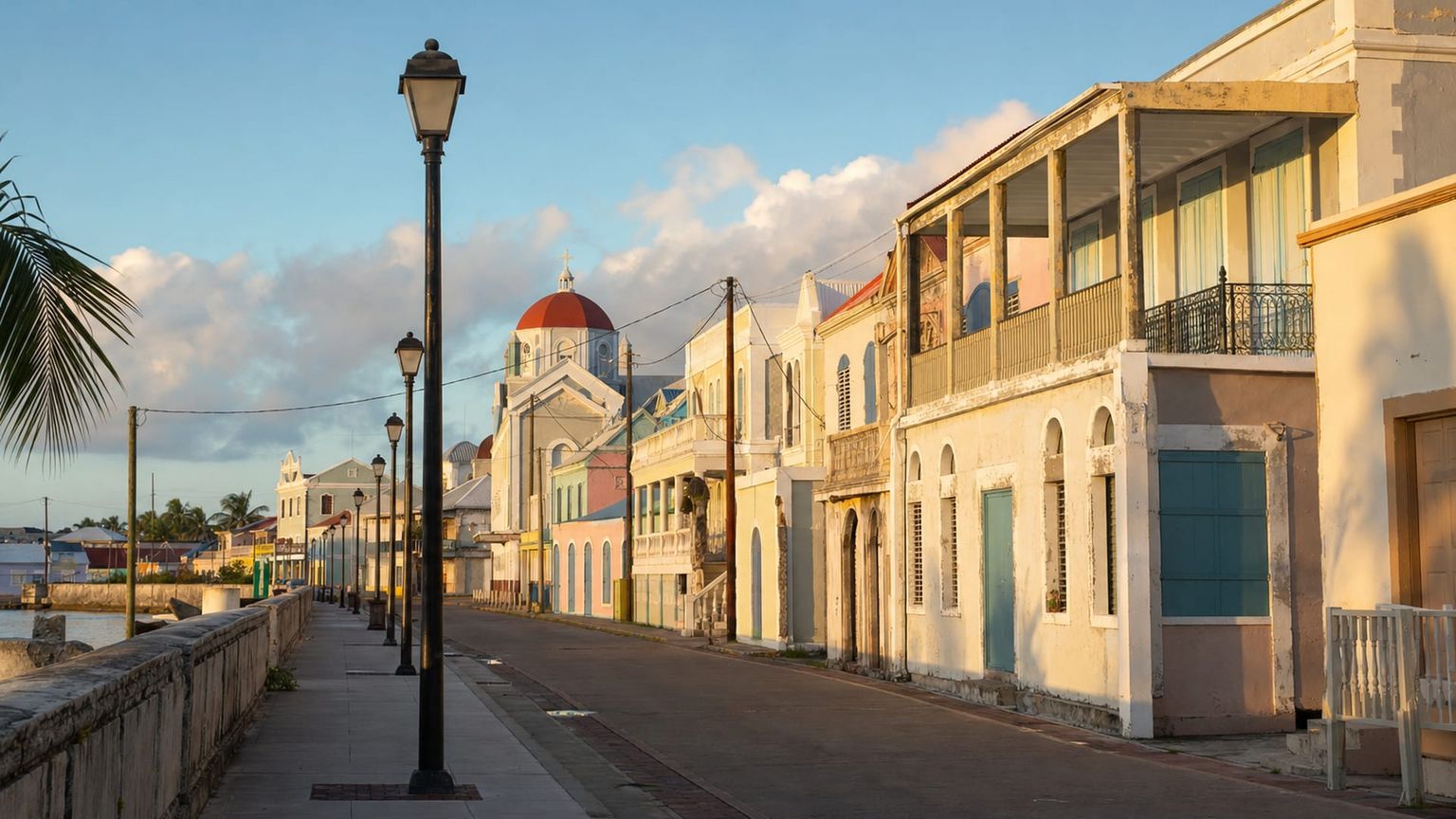
Frederiksted is the west-end town with a small waterfront, a historic grid, and easy access to beaches and diving spots. It matters for travelers who want a lower-key base with sunset views, fewer crowds, and a direct feel for the island’s quieter side.
Best for: Beach time, diving, sunset walks, and travelers who prefer a quieter western base
What to expect: Expect a laid-back street scene, lighter foot traffic than Christiansted, and activity that picks up near the pier when cruise passengers are in town.
Hotel prices: Usually about $140 to $280 per night for well-rated stays
Distance to major sights: About 5 minutes on foot to the Frederiksted waterfront and approximately 25 minutes by car to Sandy Point National Wildlife Refuge
Quietness: Mornings and evenings are usually quiet, but cruise calls can make the waterfront much busier during the day.
Main trade-off: You will have fewer restaurant choices than in Christiansted, and driving to the east end takes more time.
Good to know: Check the cruise schedule before you book, since waterfront blocks can feel much busier on ship days.

Ballastræde and Gallows Bay sit just outside central Christiansted, with hillside homes, small hotels, and quick access to shops and the waterfront. They matter because they offer a less crowded stay while keeping taxis and short drives to town simple.
Best for: Travelers who want a quieter night base, easy parking, and quick access to Christiansted
What to expect: Expect residential streets, fewer pedestrians, and a more local feel than the harbor blocks, with activity centered around shops and marinas.
Hotel prices: Usually about $150 to $300 per night for well-rated stays
Distance to major sights: About 5 to 10 minutes by car to Christiansted National Historic Site and the waterfront
Quietness: Evenings are generally quiet, while daytime has moderate traffic near the main roads and marina areas.
Main trade-off: You will likely need a car or taxi for most meals and beach plans, since walkable choices are limited.
Good to know: Confirm parking and road access before booking, since some hillside properties are easy to reach by car but inconvenient on foot.
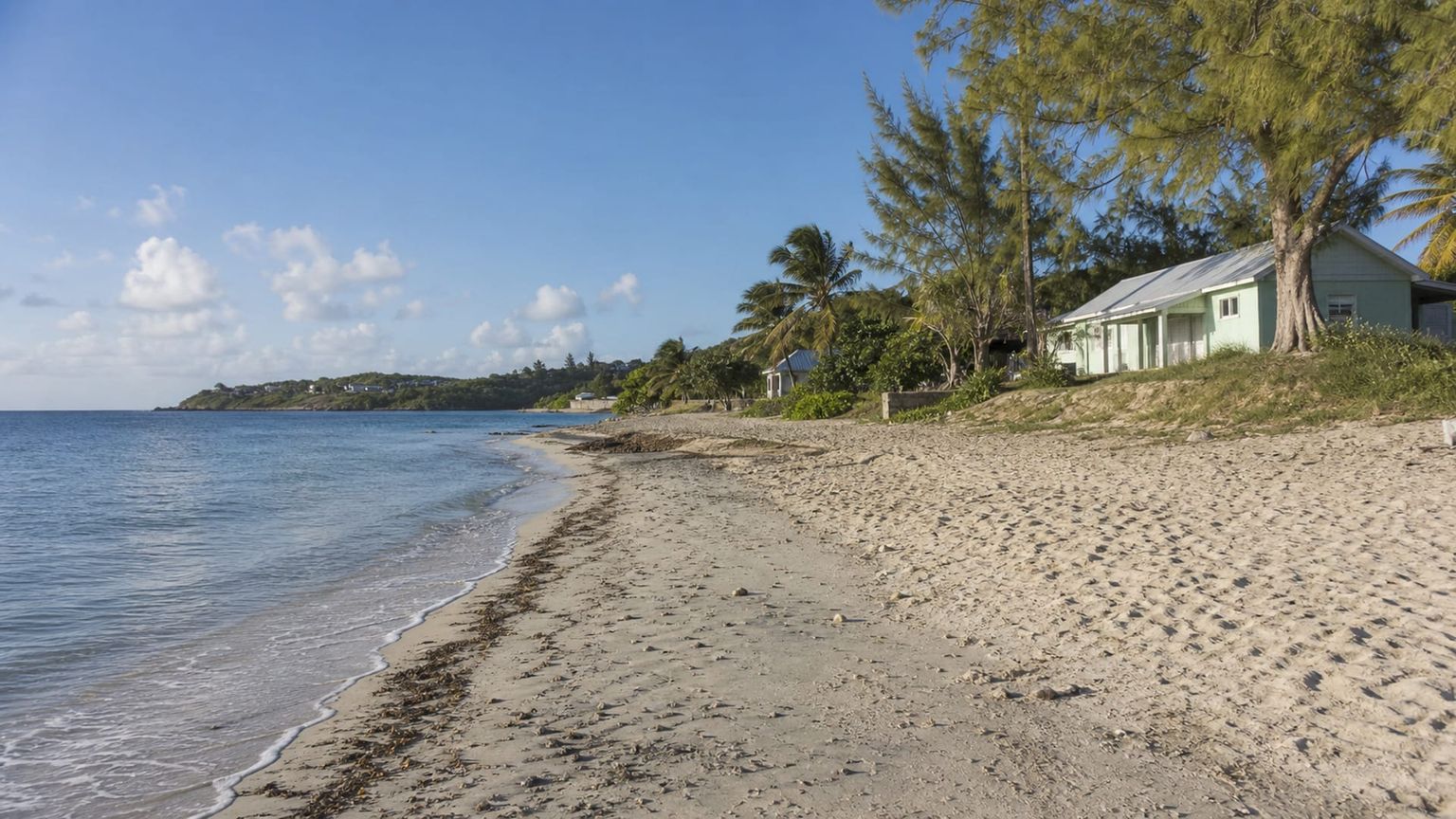
Chenay Bay and the nearby east end place you near calmer beaches, resort-style stays, and longer coastal drives toward Point Udall. It matters if your trip centers on swimming, snorkeling, and time away from town traffic.
Best for: Beach stays, snorkeling, and travelers who want a more secluded coastal base
What to expect: Expect resort grounds, low street activity, and the kind of setting where most movement comes from guests driving in and out for the beach.
Hotel prices: Usually about $180 to $380 per night for well-rated stays
Distance to major sights: About 25 to 30 minutes by car to Christiansted and about 15 minutes by car to Point Udall
Quietness: Days are relaxed and beach-centered, while evenings are usually very quiet outside resort dining areas.
Main trade-off: Dining and shopping options are sparse, so you will spend more time driving for meals and errands.
Good to know: A rental car matters here, because taxis are less convenient once you leave the main beach properties.
Travelers usually avoid staying in Buena Vista, East End, and some inland parts of Frederiksted, because they sit far from the main visitor areas on Saint Croix and can make evening dining and sightseeing trips less convenient. Shoys and the industrial edge near Gallows Bay are also less convenient, since they have fewer visitor amenities and are better for day visits than as hotel bases.
Hotel deals
How to get around Saint Croix efficiently
Saint Croix has no rail network, so day-to-day movement comes down to walking, taxis, buses, and occasional ride-hailing, with the busiest connections running between Christiansted, Frederiksted, and the airport corridor.

Metro
for longer distances
Saint Croix has no metro or subway system, so visitors rely on roads, buses, and taxis instead. If you need island-wide coverage, plan for surface transport rather than rail, because there is no underground or suburban train network serving STX.

Bus and tram
for convenience
Virgin Islands public buses and shared vans cover the main corridors on Saint Croix, with the heaviest practical use between Christiansted, Frederiksted, and the airport area. Fares are usually about $1 to $2 per ride, and service can be infrequent, so expect waits that vary by time of day and route; ask locally for the next pickup point before relying on a timetable.

Taxi
for convenience or late hours
Licensed taxis use set fares rather than meters on Saint Croix, with airport and cross-island trips commonly quoted in advance. From Saint Croix (STX) to Christiansted or Frederiksted, expect roughly $20 to $30, while longer island transfers can run about $35 to $60; most drivers accept cash, and some take cards, but you should confirm payment before departure.
*Prices are based on rates updated as of June 2026 and may change at the time of travel.
Walk in Christiansted and Frederiksted, use taxis for airport transfers and cross-island trips, and lean on buses only when your schedule can absorb some waiting.
Iconic landmarks
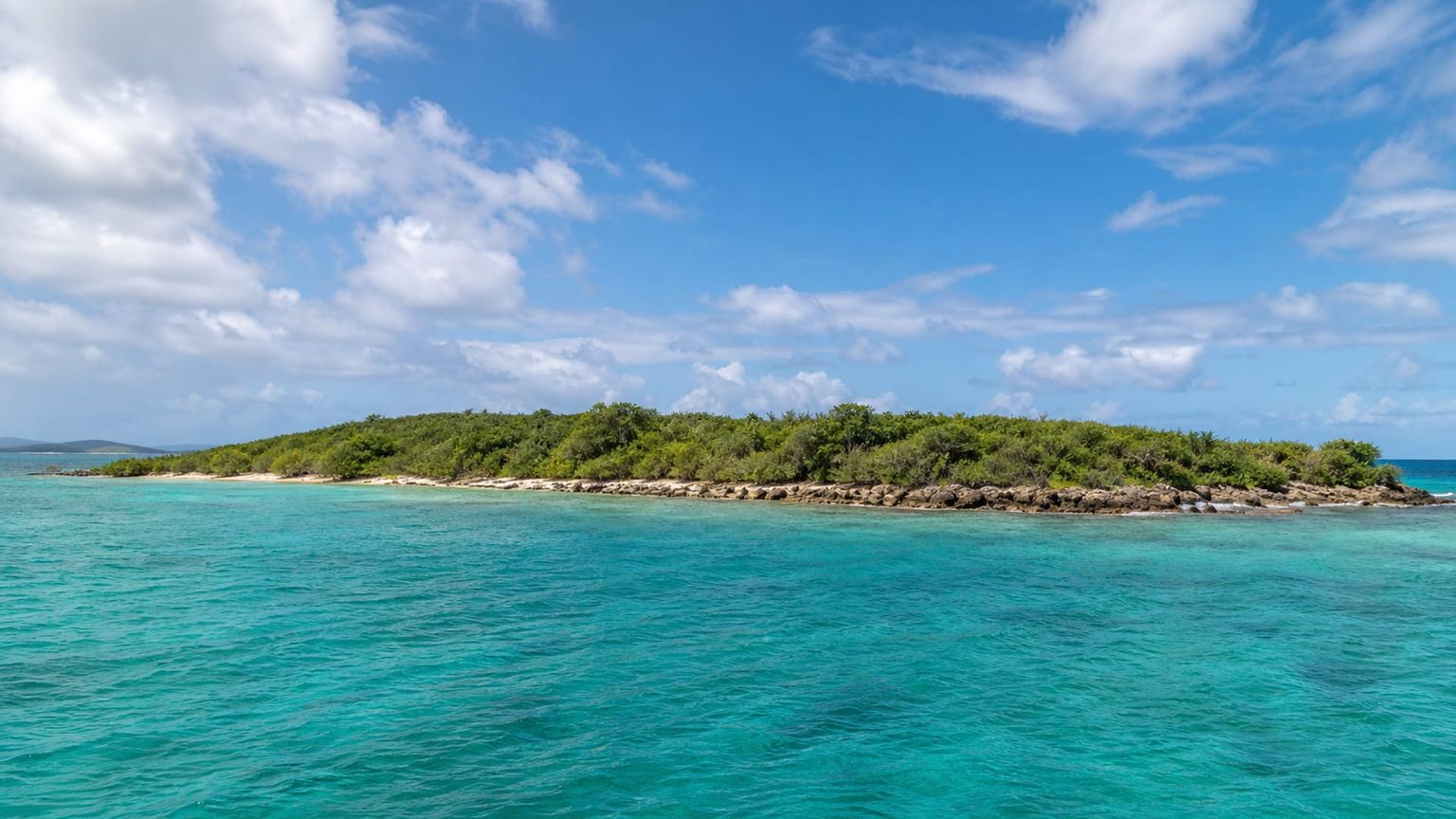
Buck Island Reef National Monument
This protected marine park off Saint Croix holds a marked underwater trail, coral gardens, and one of the island’s most visited white-sand beaches. Reach it by licensed boat from Christiansted, then pair snorkeling with the beach stop.
Time needed: About 4 to 6 hours
Entry: Snorkel and boat tours usually cost $90 to $160 ($90 to $160), with the monument itself open only by licensed excursion or permit holder. Visit the official site for details.
Tip: Take an early boat, the water is often clearest before afternoon winds build.
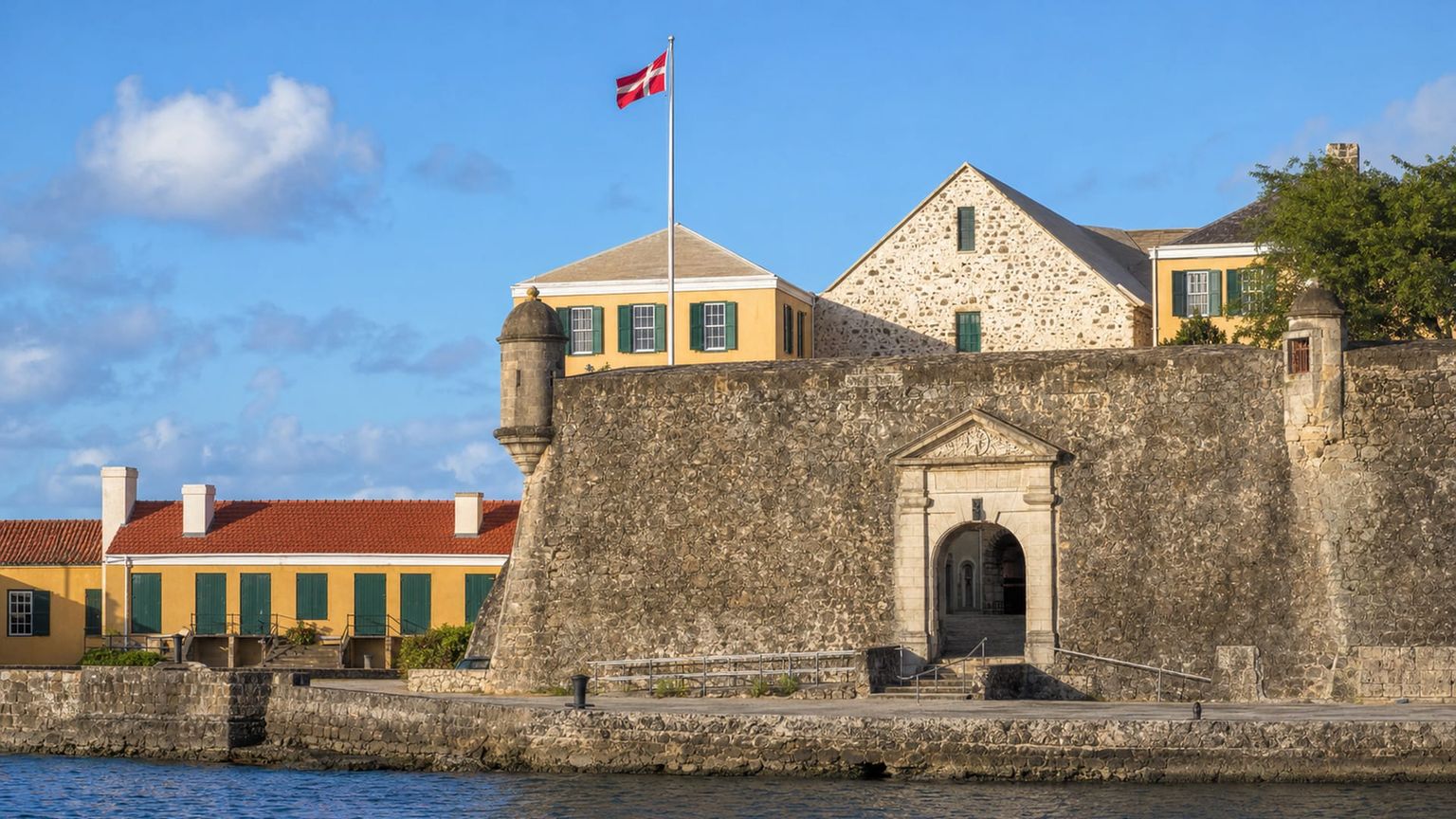
Christiansted National Historic Site
This waterfront historic district preserves Fort Christiansvaern, the Danish West India and Guinea Company Warehouse, and other colonial-era buildings along Christiansted Harbor. It is the best stop for Saint Croix’s layered Danish and maritime history.
Time needed: About 2 to 3 hours
Entry: Entry to the site is free; guided tours and some museum programs may charge $5 to $20 ($5 to $20) depending on the operator. Visit the official site for details.
Tip: Go late afternoon, when the harbor light is best for the fort walls.
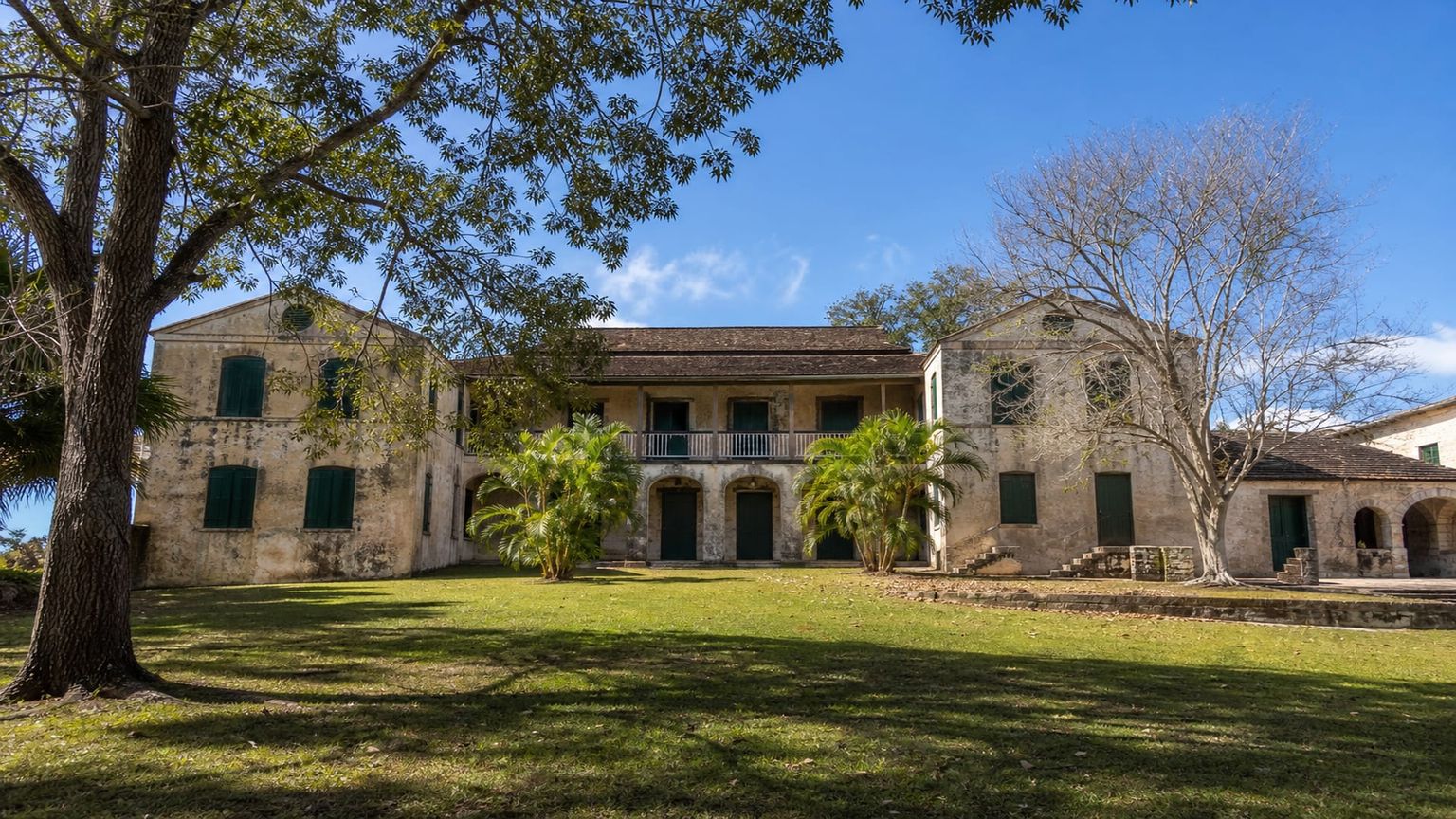
Estate Whim Museum
Set in a restored 18th-century sugar plantation complex, Estate Whim explains Saint Croix’s sugar economy through the great house, windmill, and service buildings. The site also gives a clear look at plantation architecture outside Christiansted.
Time needed: About 1 to 2 hours
Entry: Admission is typically $10 to $15 ($10 to $15) for adults, with reduced rates for children and local residents where offered. Visit the official site for details.
Tip: Visit in the morning, when the hilltop path stays cooler and quieter.
Overlooked sites worth visiting

Annaberg Sugar Plantation ruins
Stone mill, boiling house, and slave quarters sit on a hillside above the north shore. The site gives a clear read on Danish-era sugar production, with wide views over Water Island and the sea.
Time needed: About 1 hour
Entry: Free to access; there is no ticket booth, timed admission, or required reservation. The ruins sit in a public historic site with open-air access, and visitors can walk the grounds on foot during daylight hours without paying an entry fee.
Tip: Go in late afternoon for cooler temperatures and sharper light on the ruins.

Christiansted National Historic Site
This compact waterfront district packs a fort, warehouses, and restored government buildings into a few blocks. It works well for a short, history-focused stop, with exhibits and harbor views close together.
Time needed: About 1 to 2 hours
Entry: The grounds are free to enter, while fort tours and museum access can carry separate fees of about $10 to $20 ($10 to $20) depending on the program. Some interiors open only on set hours, so check the current schedule before you go. Visit the official site for details.
Tip: Start at the visitor center, then walk the boardwalk before midday heat builds.
Traditional food

Saint Croix cooking leans on fungi, fish, kallaloo, goat water, and pate, with pepper, herbs, and slow simmering giving many plates their depth. The island’s best meals often sit in casual waterfront rooms, where lunch and dinner follow the day’s tides.
Fungi and fish
A staple pairing of cornmeal fungi and fried or stewed fish, best sampled at Brew STX in Christiansted, where local plates anchor the menu and the harbor is nearby.
Kallaloo
This leafy, seasoned stew shows up as a comfort dish across the island, and Savant in Christiansted is a strong choice when you want a refined take with a local focus.
Goat water
A peppery goat stew with bread or rice on the side, often served as a hearty lunch, and Too Chez in Christiansted is a dependable place to look for it on a local menu.
Pate
These fried hand pies make an easy breakfast or snack, and The Galleon in Christiansted is a canonical stop for a casual island meal with a view.
Best time to visit Saint Croix
Saint Croix stays warm through the year, but winter draws the largest visitor wave, while late spring and early fall usually give you quieter beaches and easier reservations.
Best for: Best for drier weather, full activity schedules, and clear water days
What you get: Temperatures usually run about 76-84°F (24-29°C), with the heaviest visitor demand and the firmest hotel rates
Trade-offs: Popular restaurants and tours fill first
Best for: Best for balanced weather, calmer crowds, and easy sight lines at historic sites
What you get: Temperatures stay roughly 77-86°F (25-30°C), and crowds thin after the winter peak
Trade-offs: Late spring can bring a more humid feel
Best for: Best for longer daylight and beach time with fewer visitors
What you get: Temperatures usually sit near 79-88°F (26-31°C), with lighter hotel occupancy than winter
Trade-offs: Heat, humidity, and brief showers are more common
Best for: Best for lower rates and quieter sightseeing
What you get: Temperatures generally range from 78-87°F (26-31°C), with fewer travelers in town
Trade-offs: This is the most weather-sensitive stretch of the year
A realistic 5-day plan in Saint Croix
A five-day Saint Croix trip works best when each day has a clear base. Start in Christiansted, move out to the reef and plantation sites, then save a final harbor morning for departures and last errands.
Land at Saint Croix (STX) and take a taxi into Christiansted or Ballasttræde and Gallows Bay, which usually costs about $15 to $25 and takes roughly 15 to 20 minutes depending on traffic and your hotel’s exact location. If you are staying near the harbor, check in, drink plenty of water, and keep dinner close by at a waterfront place in Christiansted so you do not spend your first evening driving. A simple walk along the harbor after sunset gives you an easy first look at the Danish-era streets without overfilling the schedule.
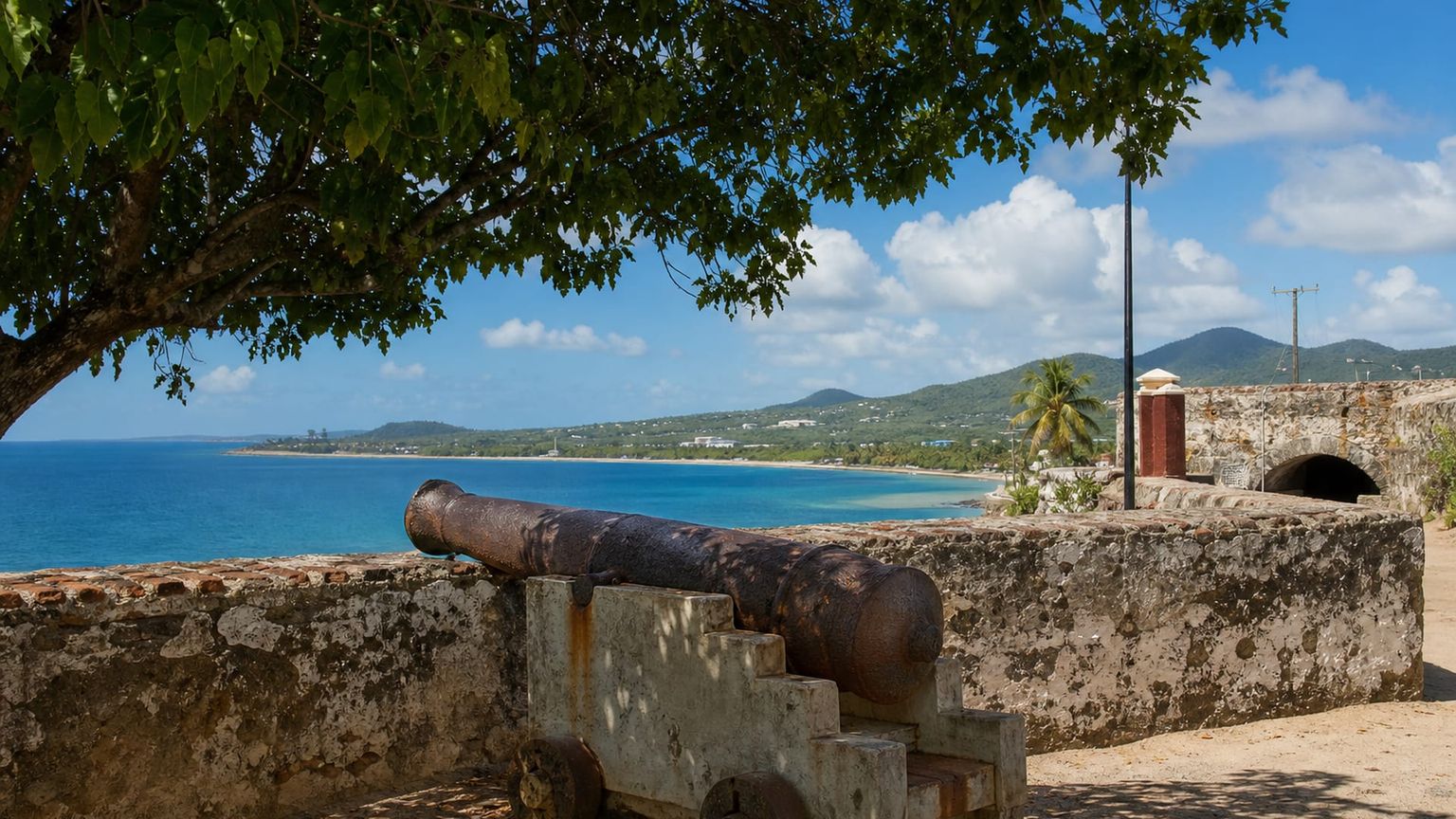
Start with the Christiansted National Historic Site, where Fort Christiansvaern and the harborfront warehouses sit within a short walk of each other, then spend about 2 to 3 hours moving through the district on foot. From the fort, walk 5 to 10 minutes to the waterfront for lunch, then head back to your room or a café nearby before an afternoon visit to the boardwalk and restored buildings inside the same historic core. If you want one scenic end to the day, linger by the harbor as the light softens over the walls and piers.
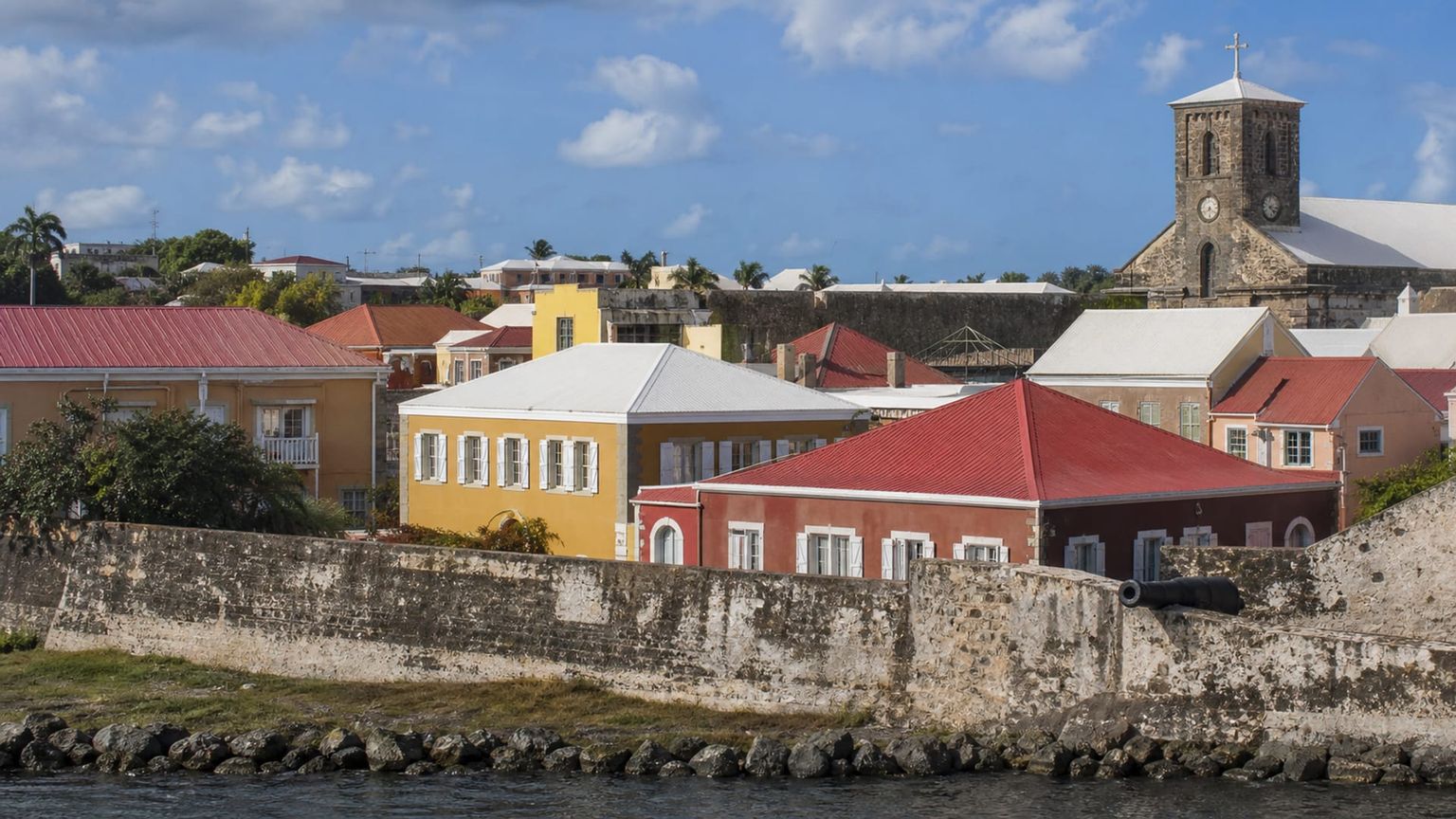
An early boat to Buck Island Reef National Monument sets up the day, and licensed tours from Christiansted usually take about 4 to 6 hours including snorkeling and the beach stop. Plan to reach the dock 15 to 20 minutes before departure, then return to town for a late lunch in Christiansted once you are back on shore. With the main outing finished, you can keep the evening low-key, perhaps with a short walk through the harbor district before dinner.
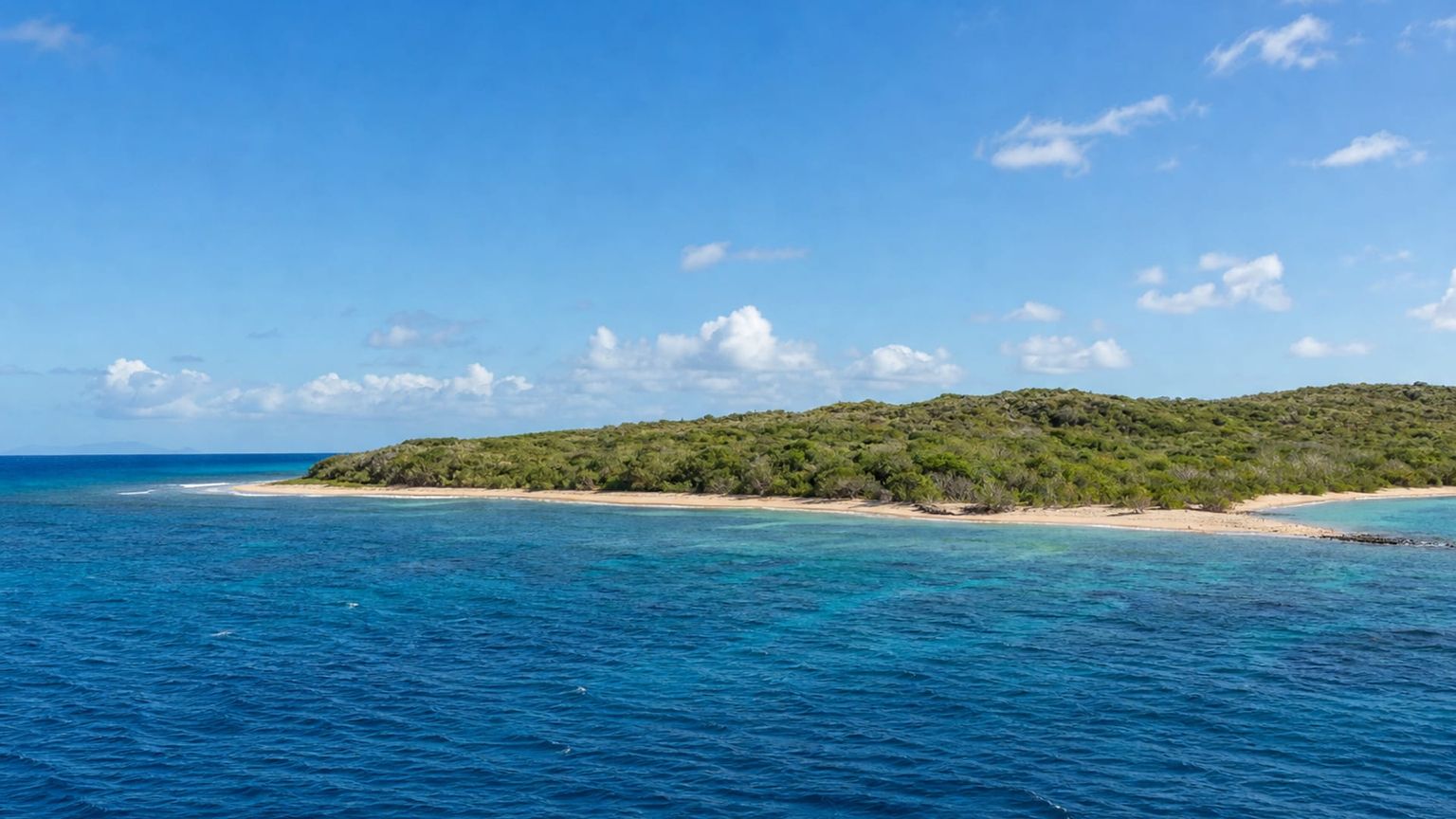
Begin in the morning at Estate Whim Museum, about 15 to 20 minutes by car from central Christiansted, where the hilltop setting and restored plantation buildings make a good first stop. After about 1 to 2 hours there, continue north to the Annaberg Sugar Plantation ruins, which usually takes roughly 35 to 45 minutes by car, and walk the open grounds for another hour. Finish on the north shore with time for views over the sea and Water Island, then drive back toward your base before dark.
A final morning in Christiansted works well for a short museum stop, a harbor-side coffee, and some last shopping in the waterfront district before you head to the airport. If you stayed farther east, build in about 25 to 30 minutes by car back to the Christiansted area, then leave enough time for a relaxed lunch near the harbor or in Gallows Bay before check-out. Taxis to Saint Croix (STX) airport usually run about $20 to $30 and take roughly 20 to 30 minutes from Christiansted, so an early afternoon departure is easy to manage.
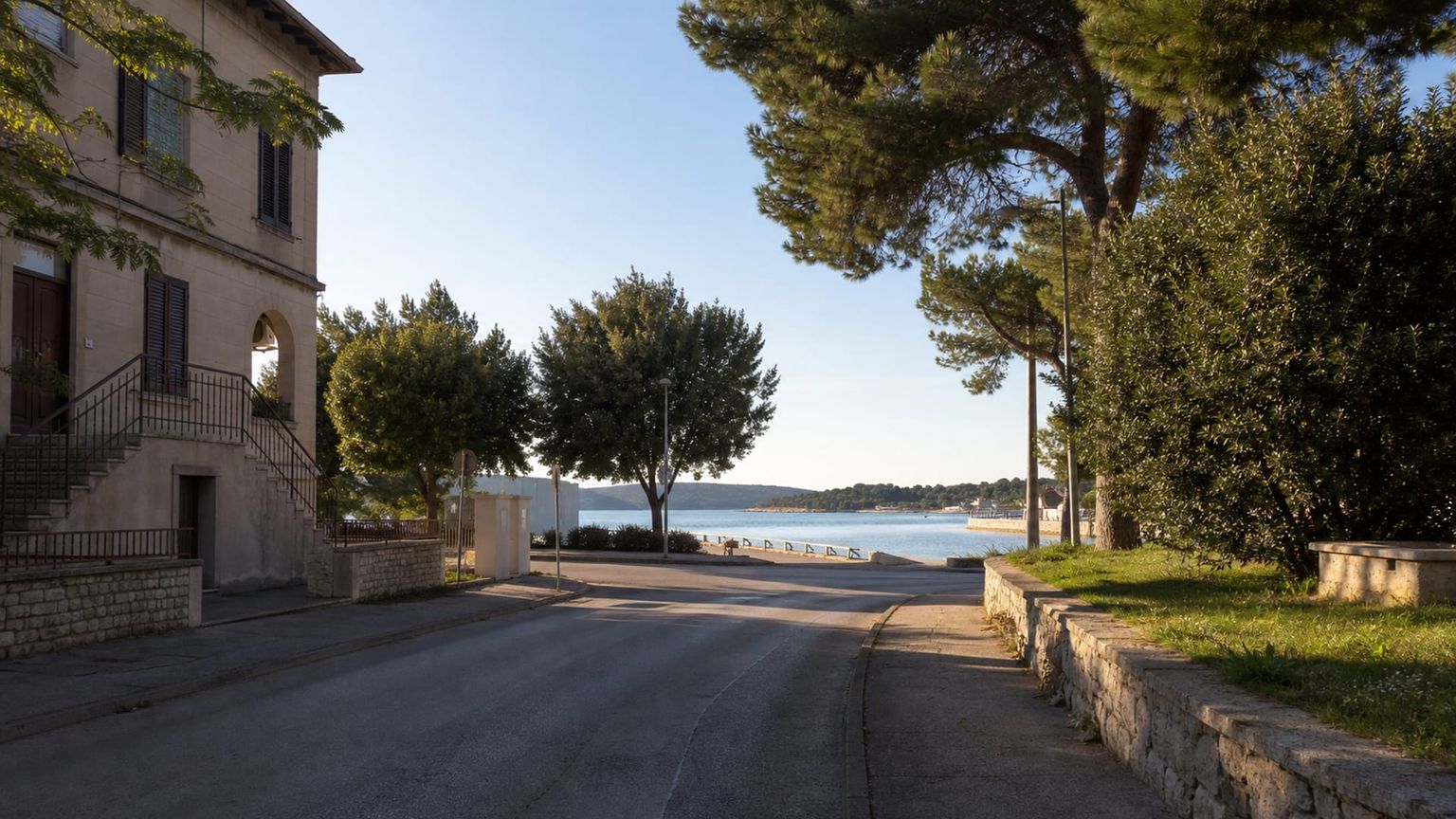
Business-class flights from the US to Saint Croix
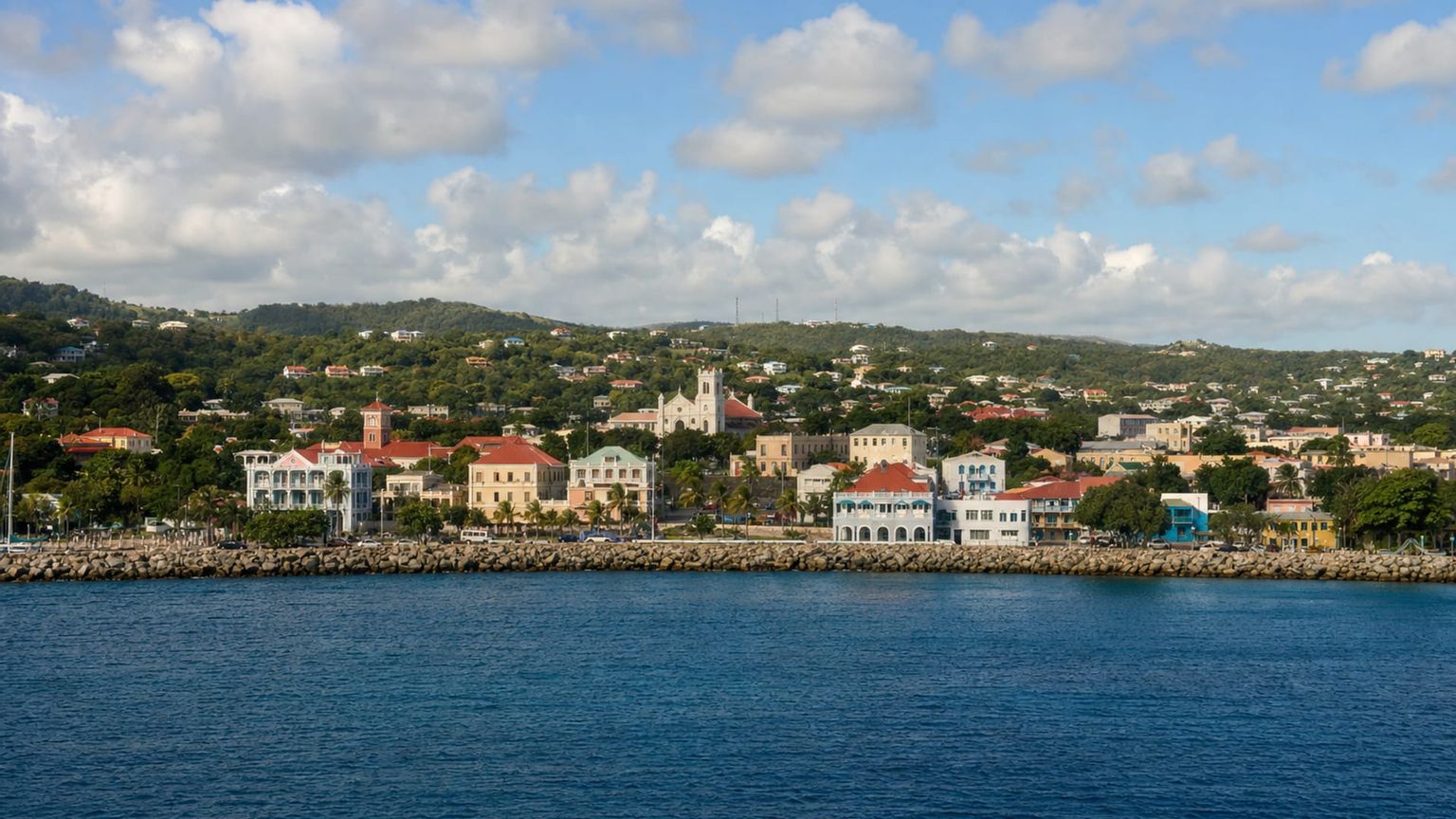
Reaching Saint Croix usually means a connection, and the useful comparison is not just price, but which city you connect through and how long the trip stays in the air. From both coasts, the best options cluster around a small set of hubs.
From New York, American Airlines, Delta Air Lines, JetBlue, United Airlines, and Air Sunshine all appear on the route list, with nonstop dates usually taking about 3 to 4 hours. When a connection makes more sense, common routings via Miami (MIA), San Juan (SJU), Atlanta (ATL), Charlotte (CLT), Philadelphia (PHL), or others usually stretch the trip to about 5 to 8 hours and often lower the fare, which for round trips typically falls from $700 to $1,500.
Los Angeles itineraries usually run through a connection, and the main airlines on the route are American Airlines, Delta Air Lines, United Airlines, JetBlue, and Alaska Airlines. Typical trips take about 9 to 15 hours, with common hubs including Dallas-Fort Worth (DFW), Chicago (ORD), Miami (MIA), Charlotte (CLT), and Atlanta (ATL); round-trip fares generally start at $900 and can reach $2,100, with the lower end usually tied to a connection.
Saint Croix feels different when you slow down
A good Saint Croix stay gives Christiansted time for the fort, the boardwalk, and a harbor dinner, then sends you north for Estate Whim, Annaberg, or a beach stop before you circle back before dark. Taxis cover the airport and longer hops, while walking works best in town. If you want the route shaped around the harbor, the north shore, and the right meal stops, let the AranGrant experts tailor it for you







