

Chapters:

Need help with your trip?
Our support team is available 24/7. Request a callback or call us directly at (833) 619-0908
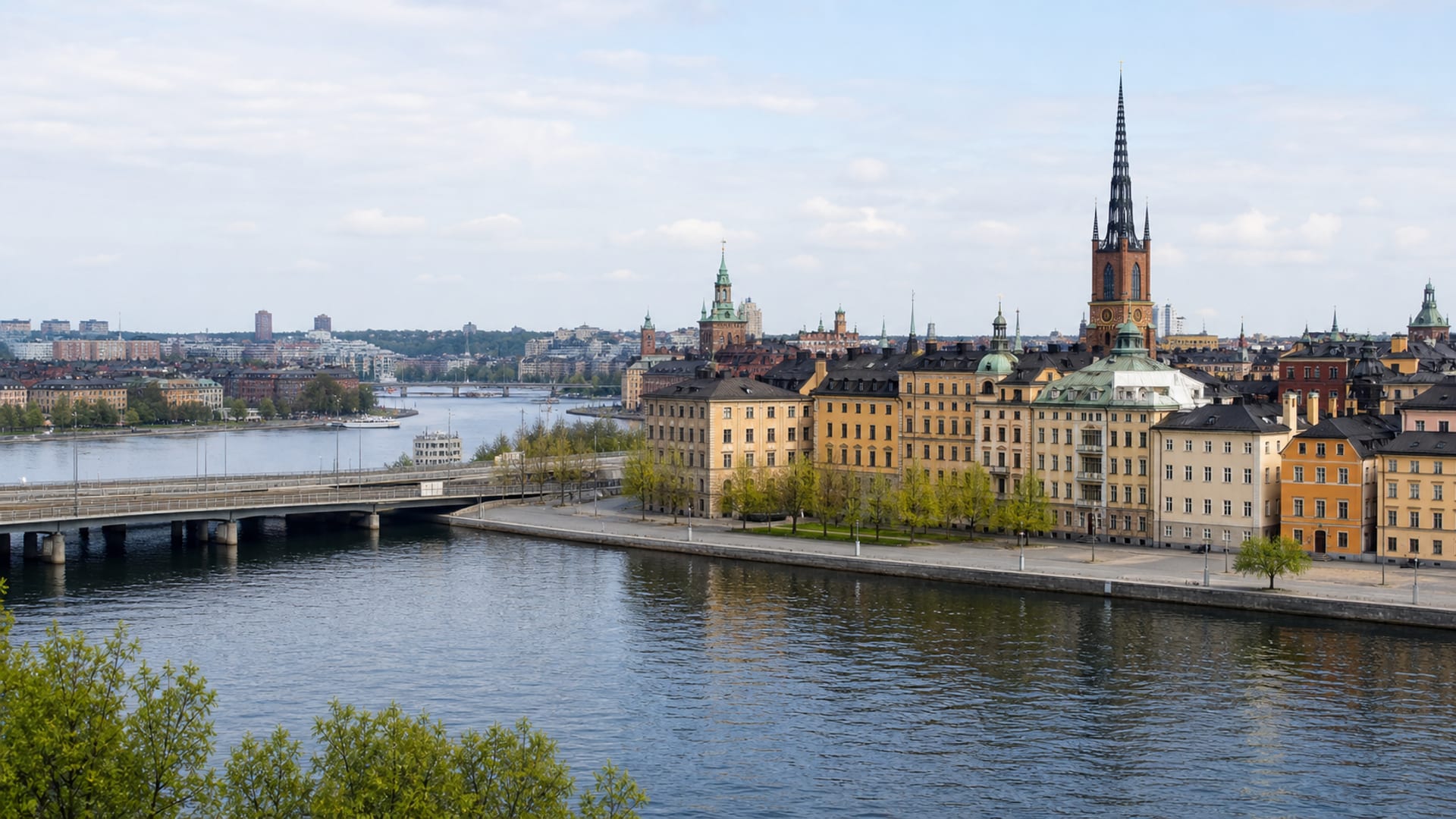
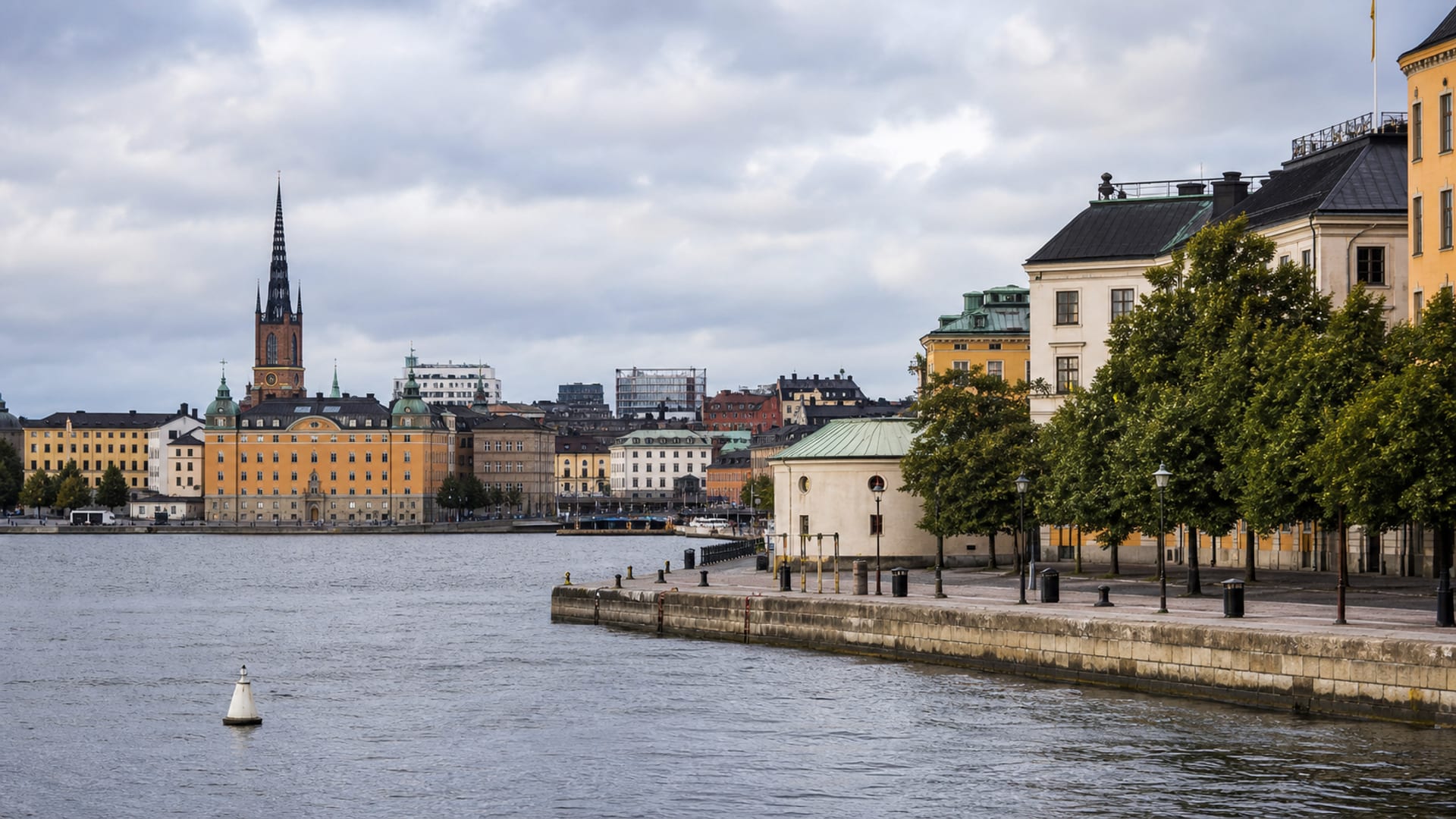
Stockholm itineraries often begin with Gamla Stan, the Vasa Museum, and a quick look at City Hall, then leave the rest of the city to transit between meals and hotel check-ins. Travelers usually see the headline stops, but miss how the islands change the pace of each day.
That pattern can waste time, because the central districts are spread across water, the metro and tram matter, and popular sites draw their heaviest crowds at the same hours. If you stitch the city together loosely, you end up repeating crossings and arriving after the best light has passed.
This guide organizes Stockholm by neighborhood and timing, so you can move from palace to museum to garden with fewer backtracks. It keeps the route clear, the days balanced, and the choices grounded in how the city actually works.
Useful things to know

Main language(s): Swedish
Hej (hey) – Hello
Snälla (snel-la) – Please
Tack (tahk) – Thank you
Talar du engelska? (TAH-lar do ENG-el-ska) – Do you speak English?
Hur mycket kostar det? (huur MY-ket KOS-tar det) – How much does it cost?

Currency: The local currency is the Swedish krona (SEK, kr).

Cash and cards: Cards and contactless are widely accepted; carry about 100 to 200 SEK ($10 to $20) for small cash-only buys.

Tipping: Round up small bills; leave about 5% to 10% at sit-down restaurants if service is good.

Traditional food: Swedish meatballs, gravlax, smörgåsbord, princess cake

Water and coffee costs: Water about 20 to 30 SEK ($2 to $3), bar espresso about 35 to 45 SEK ($3 to $4).

Taxis and ride apps: Uber and Bolt operate; taxis also use apps, but book licensed cars.

Plug and voltage: Type C/F socket, 230V

Dining and shop opening hours: Breakfast is about 07:00-09:00, lunch 11:30-13:30, and dinner 17:00-20:30. Many restaurants close or work shorter hours on Sundays.

Emergency number: Call 112 for police, fire, and ambulance.
Where to stay in Stockholm
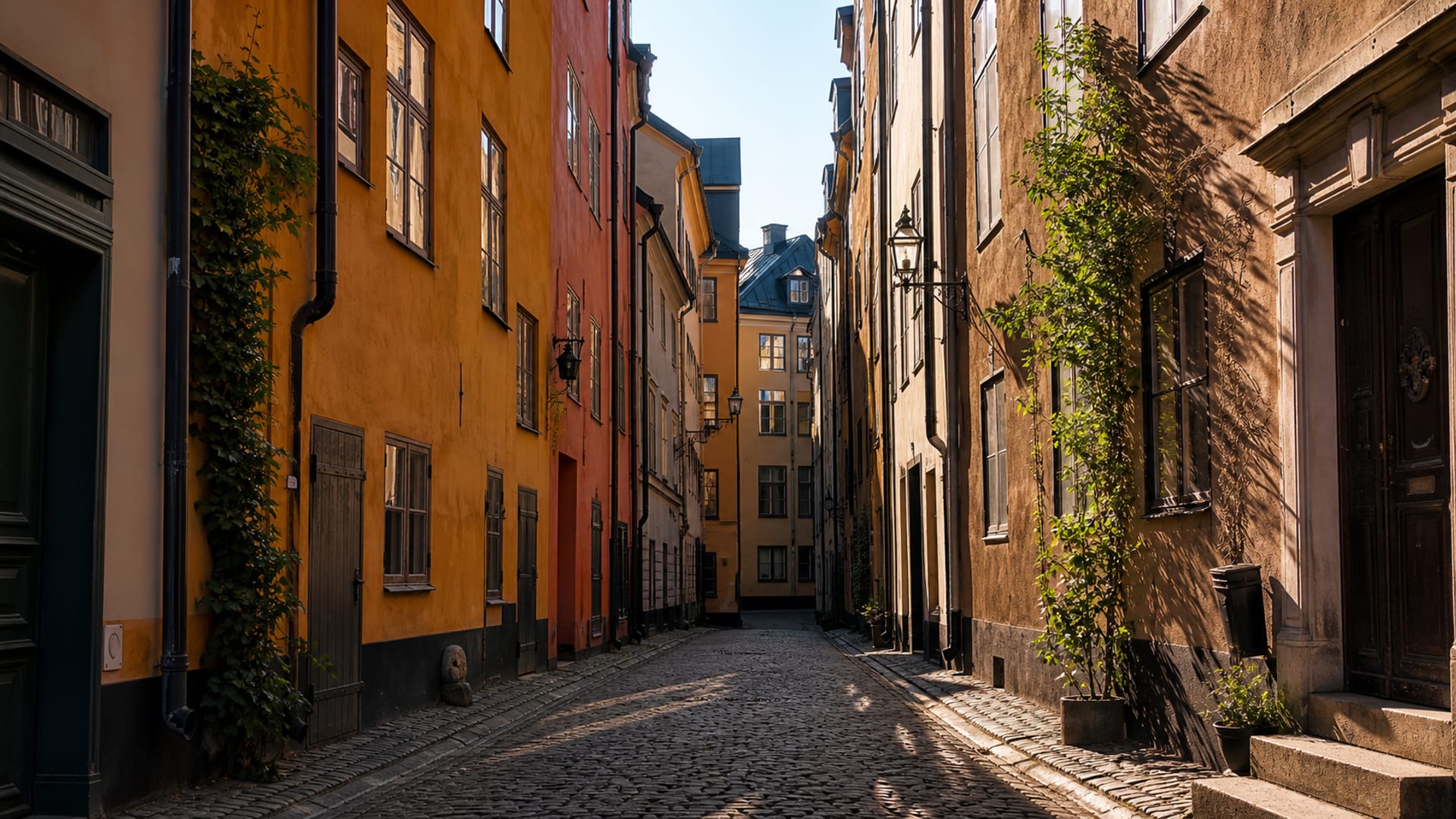
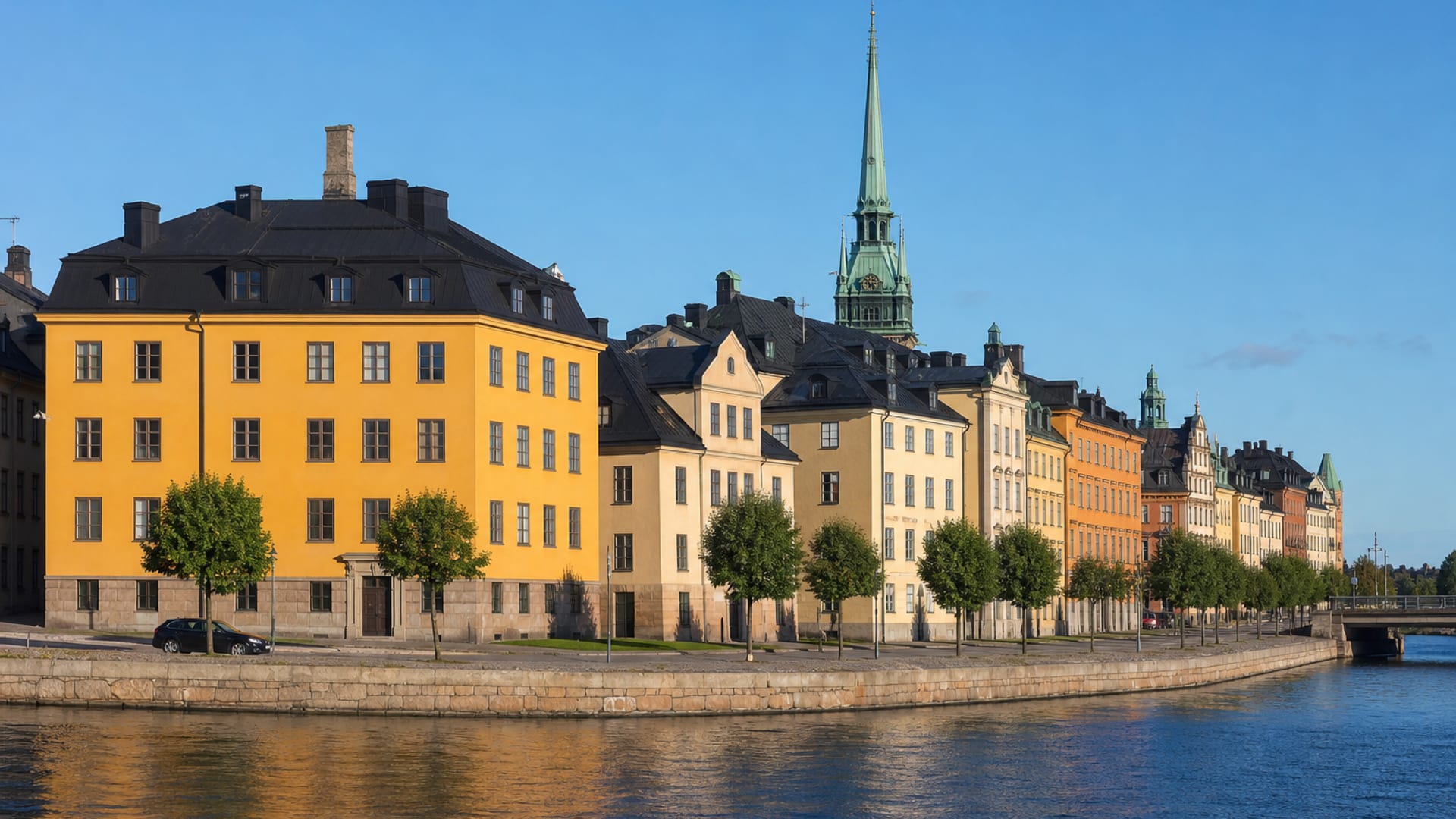
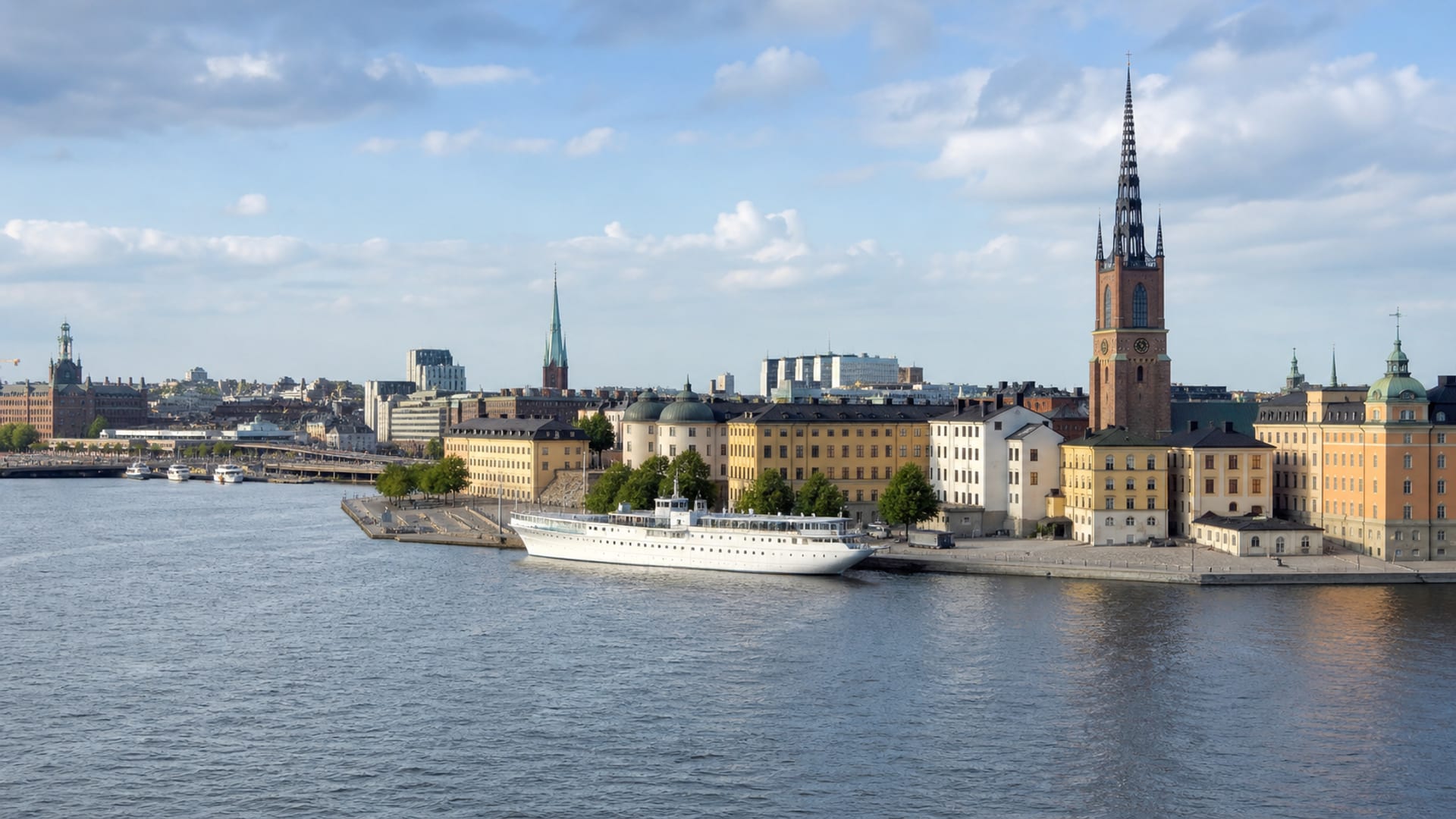
Stockholm’s old town packs narrow lanes, waterfront views, and many of the city’s headline sights into one compact island. It matters because you can walk to the Royal Palace, the Nobel Prize Museum, and ferry piers without planning much transit.
Best for: First-time visits, short stays, and travelers who want major sights within walking distance
What to expect: Cobblestone streets, tourist foot traffic, and busy cafés by day; evenings quiet down once the day-trippers leave.
Hotel prices: Usually about $180 to $340 per night for well-rated stays
Distance to major sights: 0 to 10 minutes on foot to the Royal Palace, about 10 minutes on foot to the Nobel Prize Museum
Quietness: Busy and lively during the day, quieter at night after restaurants close
Main trade-off: Rooms can be smaller and rates rise quickly in peak season, especially on the most photographed lanes.
Good to know: Choose a hotel near the main square if you want easier late-evening access to taxis and ferries, since some side streets narrow down fast.
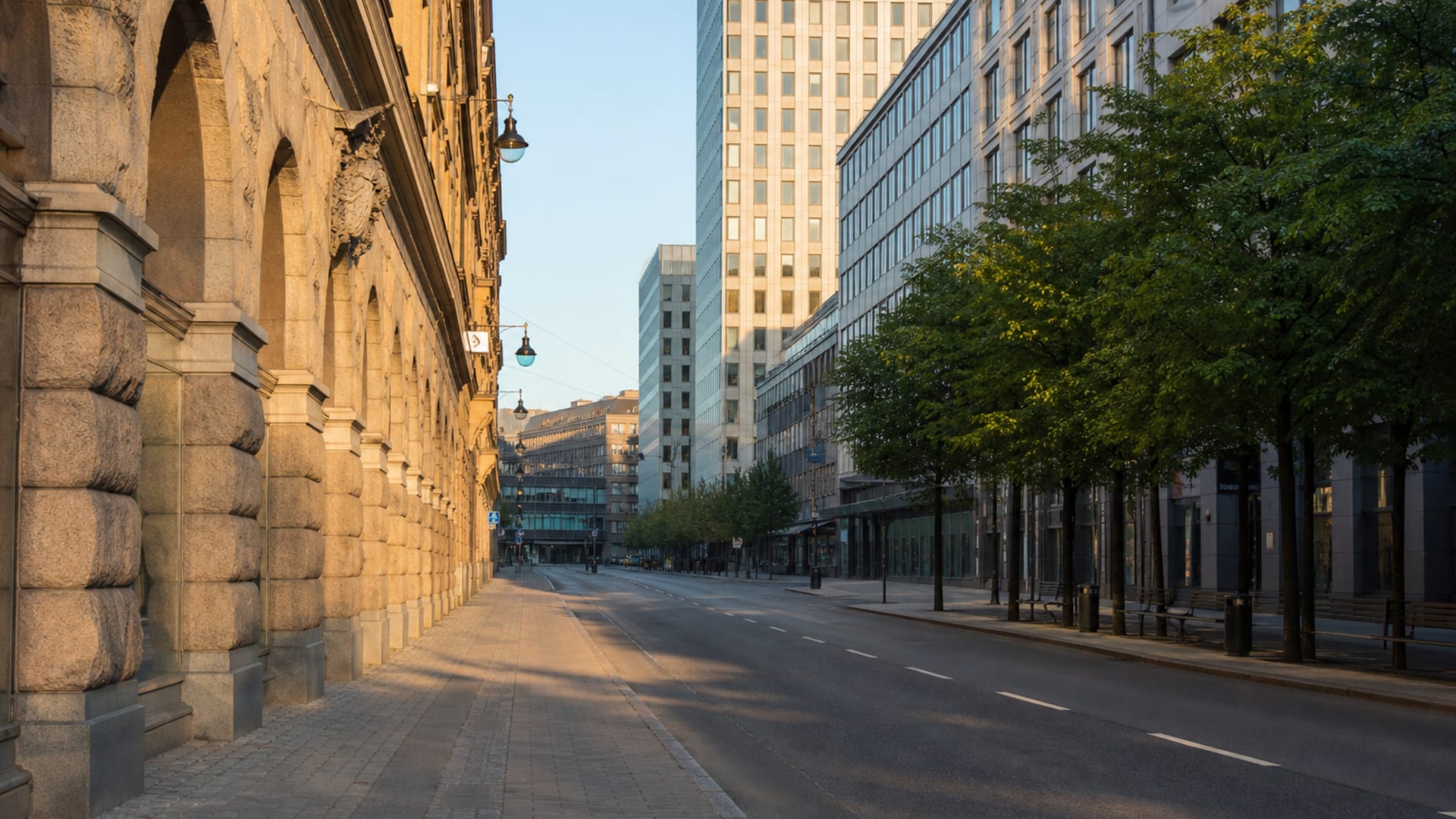
Norrmalm is Stockholm’s central business and shopping district, with the main rail station, department stores, and frequent transit connections. It matters for travelers who want the widest choice of hotels and the simplest access to other parts of the city.
Best for: Transport access, shopping, and travelers who want a central base with many hotel options
What to expect: Broad avenues, office traffic, retail streets, and steady movement around the station area.
Hotel prices: Usually about $160 to $300 per night for well-rated stays
Distance to major sights: About 10 minutes by metro or tram to Gamla Stan, about 15 minutes on foot to the waterfront at Sergels torg
Quietness: Busy from morning through evening, with quieter pockets a few blocks off the main station zone
Main trade-off: The most convenient blocks near Central Station can feel exposed and noisy, while the calmer streets often sit a little farther from the action.
Good to know: If you arrive by rail or plan many day trips, staying close to Stockholm Central keeps luggage moves and early departures easier.
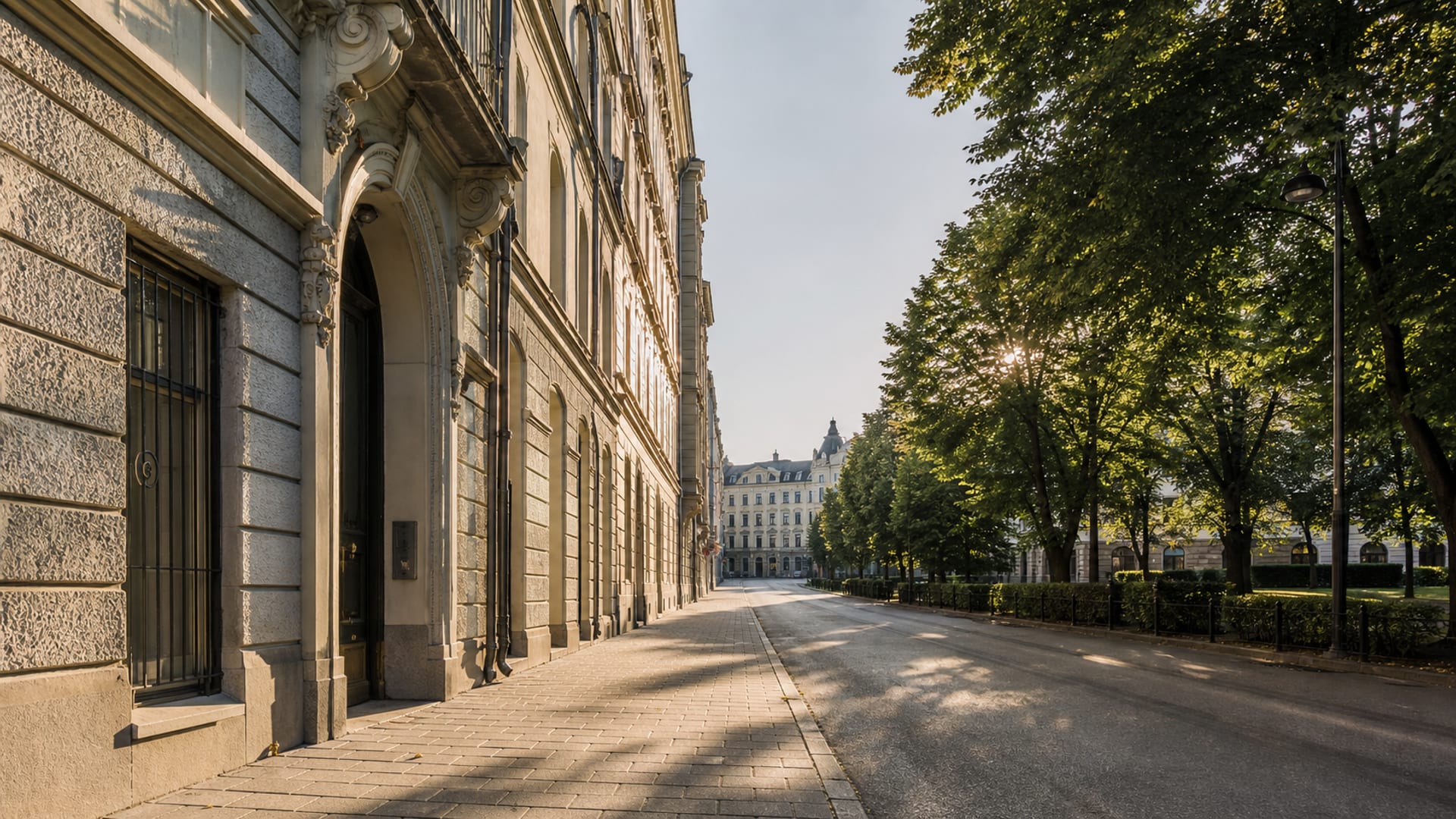
Östermalm is an upscale district east of the center, known for elegant streets, embassies, shops, and the Food Hall at Östermalmstorg. It matters for visitors who want a quieter, more residential base with easy access to central Stockholm.
Best for: Upscale stays, dining, shopping, and travelers who prefer a calmer neighborhood close to the center
What to expect: Wide sidewalks, polished storefronts, and a local dinner crowd rather than late-night street noise.
Hotel prices: Usually about $190 to $380 per night for well-rated stays
Distance to major sights: About 10 minutes by metro to Gamla Stan, about 15 minutes on foot to Stureplan
Quietness: Quieter than the center during the day, with only modest evening activity outside restaurant streets
Main trade-off: You will usually pay more for the setting, and the most atmospheric parts of the district are not as packed with sights.
Good to know: Book near a metro stop if you expect to split time across the city, since some stretches feel long on foot in winter.
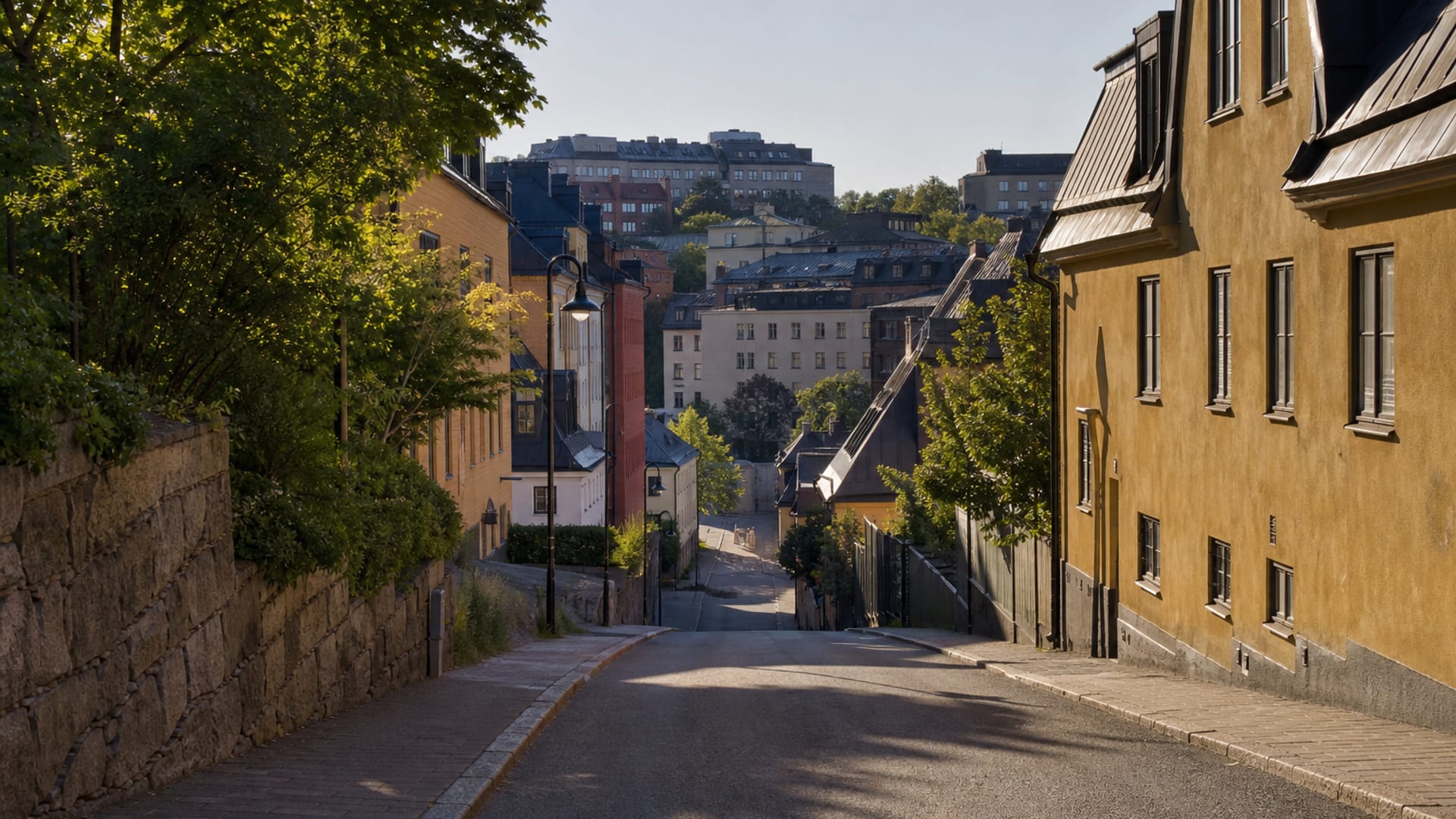
Södermalm is Stockholm’s south-side island district, home to cafés, bars, independent shops, and several hilltop viewpoints. It matters because it gives you a lively base with strong local character and good links back to the historic core.
Best for: Dining, nightlife, creative streets, and travelers who want a livelier neighborhood after dark
What to expect: Busy sidewalks, restaurant lines, and more evening activity than in the quieter central districts.
Hotel prices: Usually about $150 to $320 per night for well-rated stays
Distance to major sights: About 10 minutes by metro to Gamla Stan, about 15 minutes by metro to the Royal Palace
Quietness: Active through the evening on main streets, with quieter residential blocks a few minutes away
Main trade-off: Noise and late-night activity can be higher near the main restaurant corridors, and the best-value rooms book early.
Good to know: Pick a spot near a metro station if you want easier hill-free movement, because some streets sit on steep grades.
Travelers usually avoid sleeping in Skärholmen, Rinkeby, Tensta, and Farsta when sightseeing in Stockholm, because they sit far from the main museum, palace, and waterfront areas and add extra time on the metro or commuter rail. Hammarby Sjöstad can also be less convenient for a first visit, since it has fewer late-night visitor amenities and requires a longer trip into the city center after dinner.
Hotel deals
How to get around Stockholm efficiently
Stockholm’s Tunnelbana, commuter trains, buses, trams, ferries, and licensed taxis all fit into a city built on islands, so the best option changes with distance and time of day.

Metro
for longer distances
Stockholm’s Tunnelbana has three color-coded lines, and the city center stations link to major neighborhoods in about 10 to 20 minutes. A 75-minute SL ticket costs about $4 (about 42 SEK), and you can also use 24-hour and 72-hour passes for longer stays. Buy tickets in the SL app, at station machines, or with contactless payment where accepted; peak-hour trains run frequently, so waiting times are usually short.

Bus and tram
for convenience
Blue buses and the tram network cover the outer districts, waterfront areas, and the Djurgården museum zone, while night buses keep running after the metro closes. A single SL ticket is valid for 75 minutes and costs about $4 (about 42 SEK), which lets you change between bus, tram, and metro within that window. Check route numbers before boarding, because some lines serve the same corridor at different speeds or with fewer stops.

Taxi
for convenience or late hours
Licensed taxis use metered fares, and a ride from Stockholm Arlanda Airport to central Stockholm usually costs about $50 to $90 (about 520 to 950 SEK), depending on the company and traffic. Many firms display a fixed airport price on the rear window, so confirm the amount before you get in, and expect higher late-night rates. You can hail taxis on the street, use taxi ranks, or book by app, and card payment is standard.
*Prices are based on rates updated as of June 2026 and may change at the time of travel.
Use the metro for fast cross-town moves, buses and trams for waterfront and Djurgården access, and taxis or ride apps when you want a late return without changing lines.
Iconic landmarks
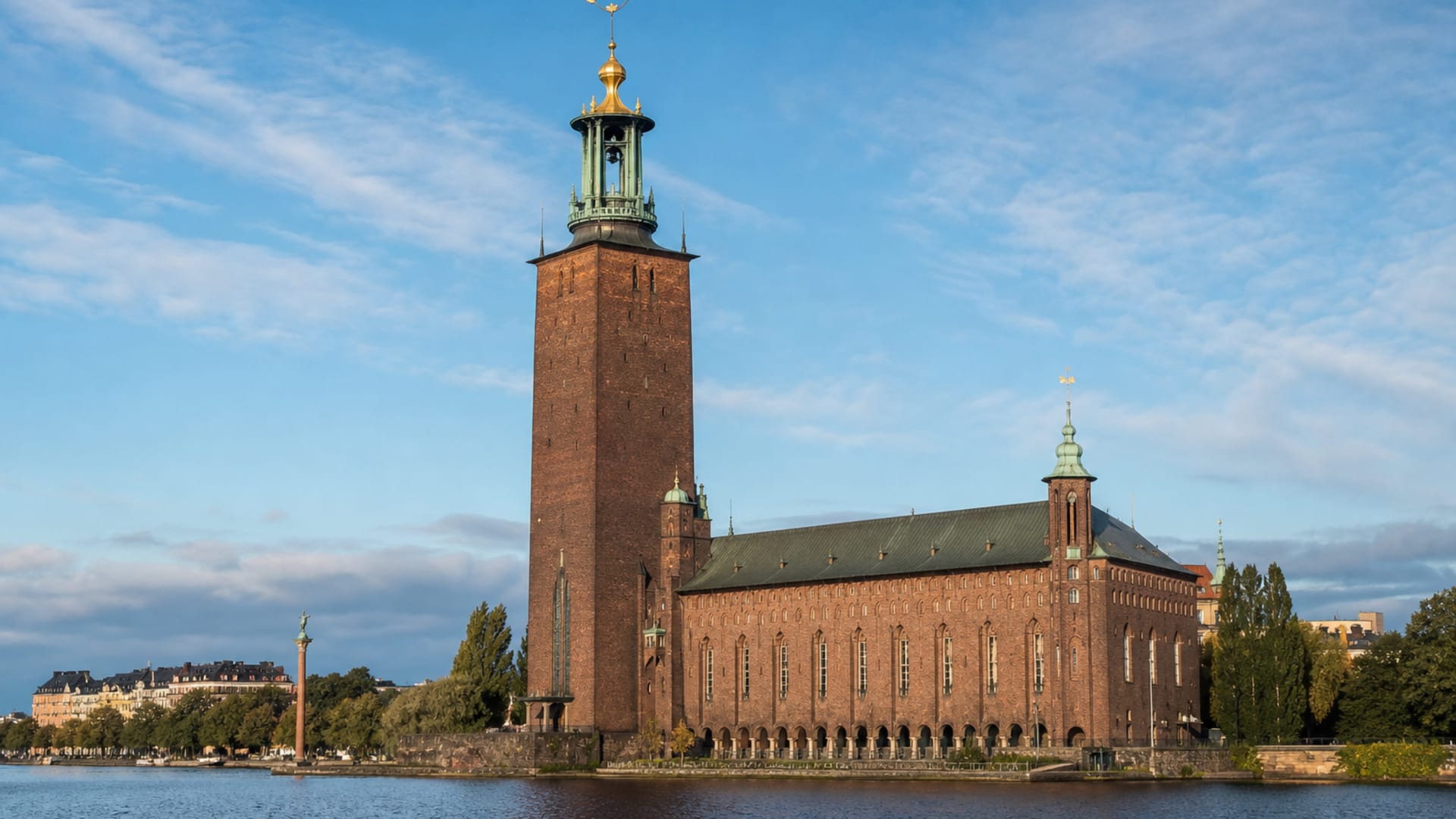
Stockholm City Hall
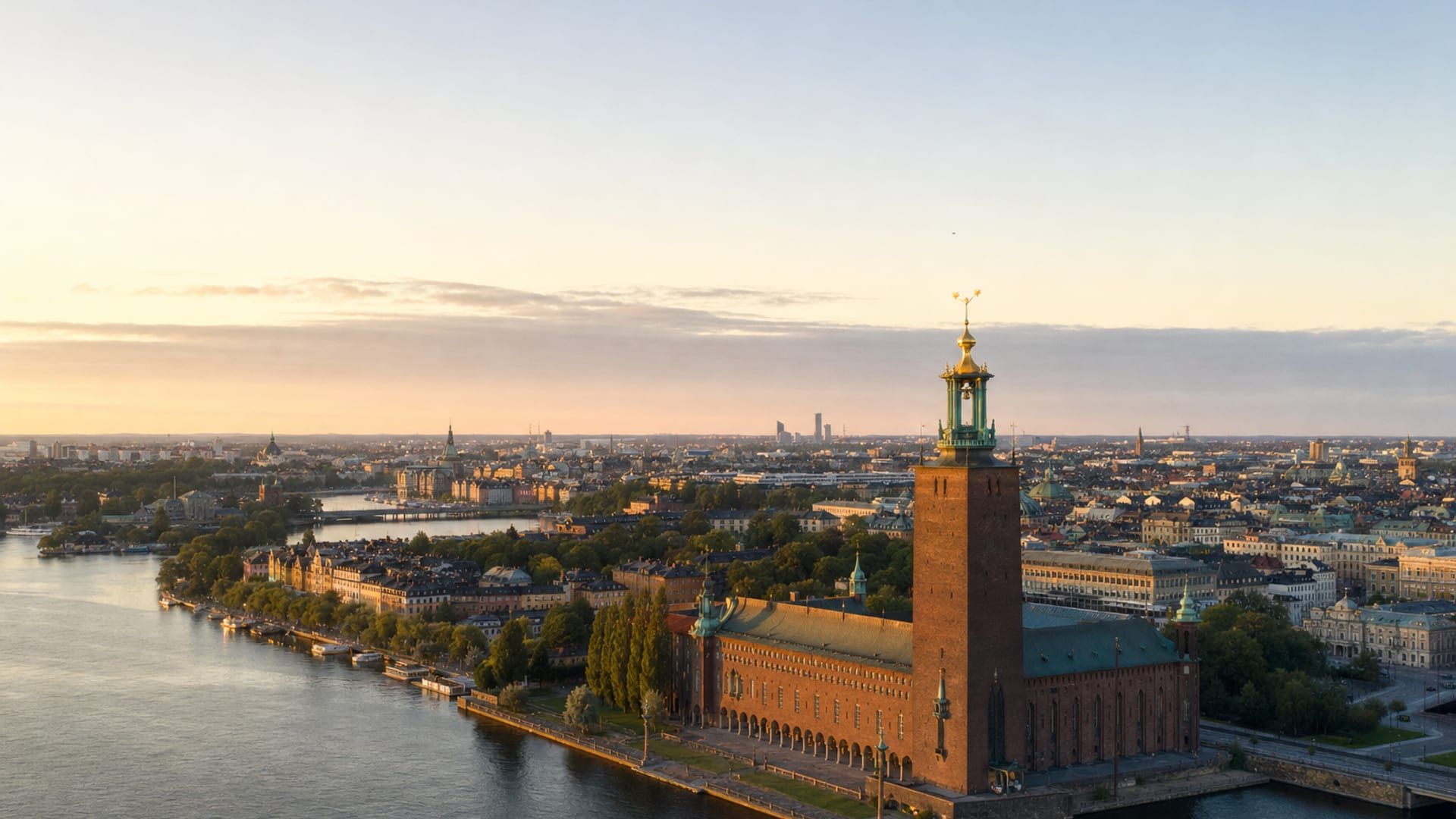
Nordic National Romantic brickwork, a waterfront tower, and the Gold Hall anchor Stockholm City Hall on Kungsholmen. Inside, the Nobel Prize banquet rooms and the tower viewpoint show the building’s civic role and its 1920 completion.
Time needed: About 1 to 2 hours
Entry: Guided tours cost $13 to $21 (SEK 130 to SEK 220), with tower access sold separately when open in season Visit the official site for details.
Tip: Go late in the day for softer light on the lakefront and the tower facade.
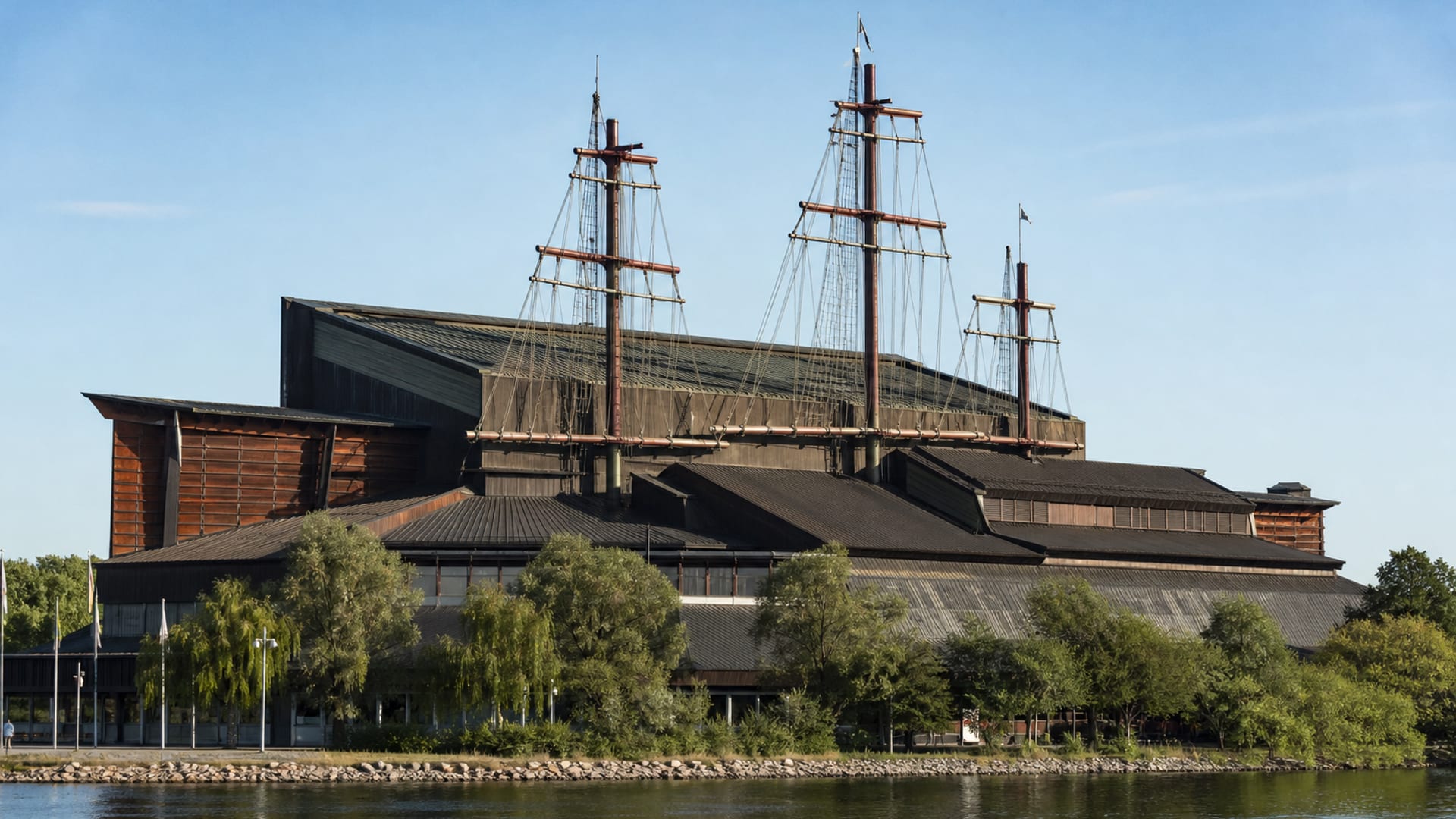
Vasa Museum
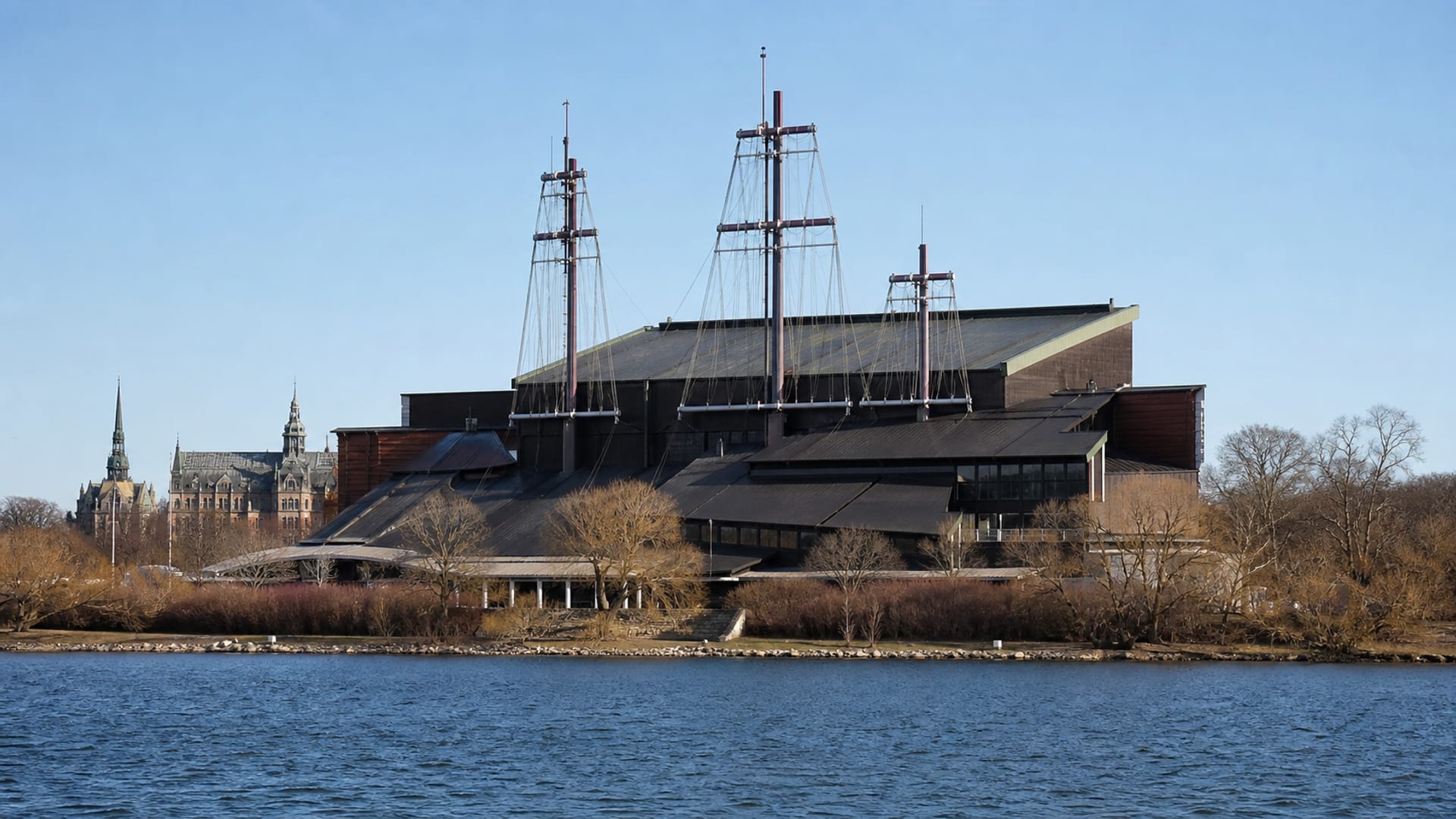
The Vasa Museum centers on a 17th-century warship salvaged from Stockholm harbor after 333 years underwater. Galleries explain the ship’s construction, sinking, recovery, and conservation with scale models and recovered carvings.
Time needed: About 2 to 3 hours
Entry: Standard tickets cost $23 to $29 (SEK 240 to SEK 300), with some discounts for children and youth Visit the official site for details.
Tip: Arrive at opening if you want quieter galleries and clearer views of the hull.
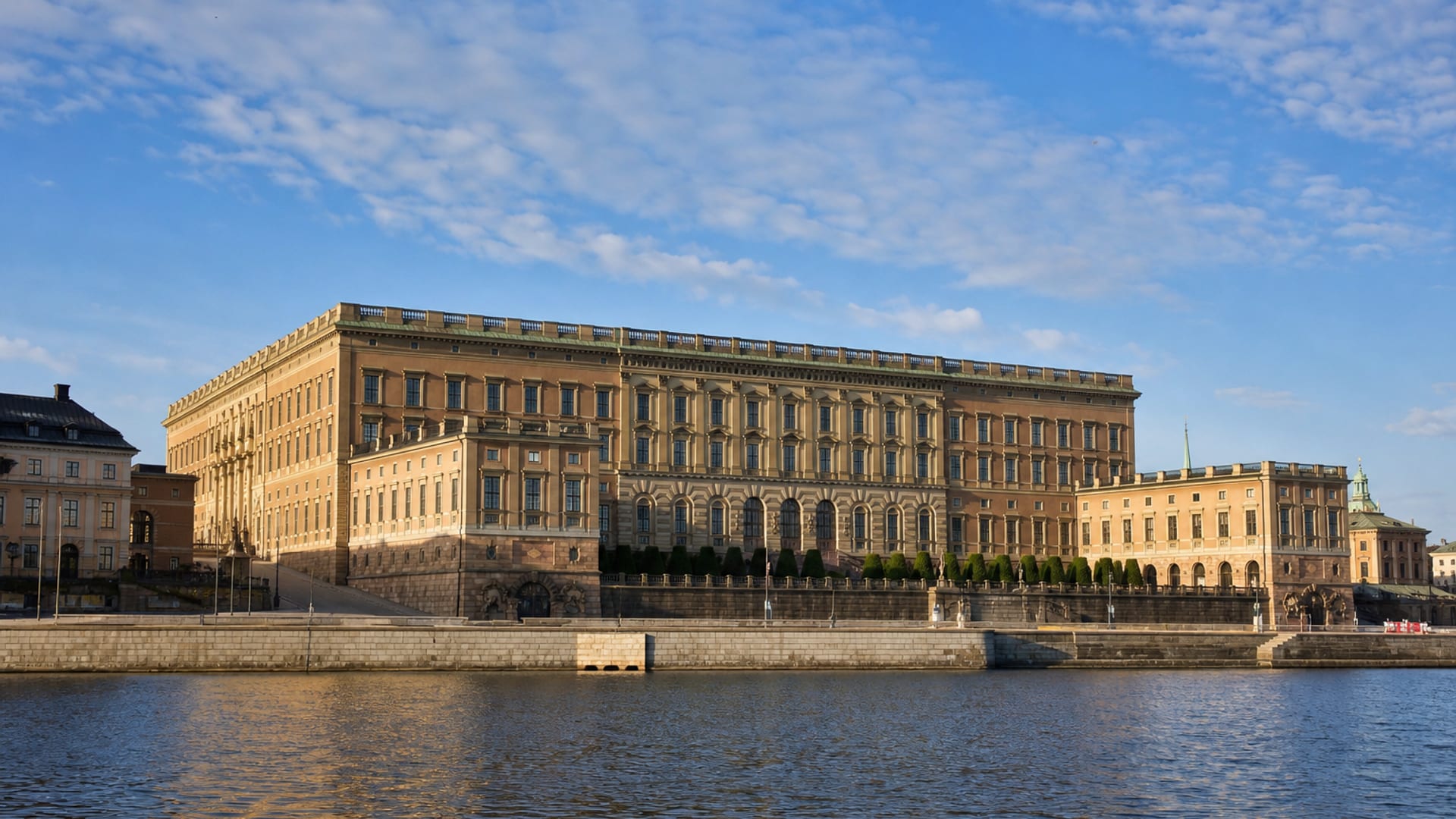
The Royal Palace
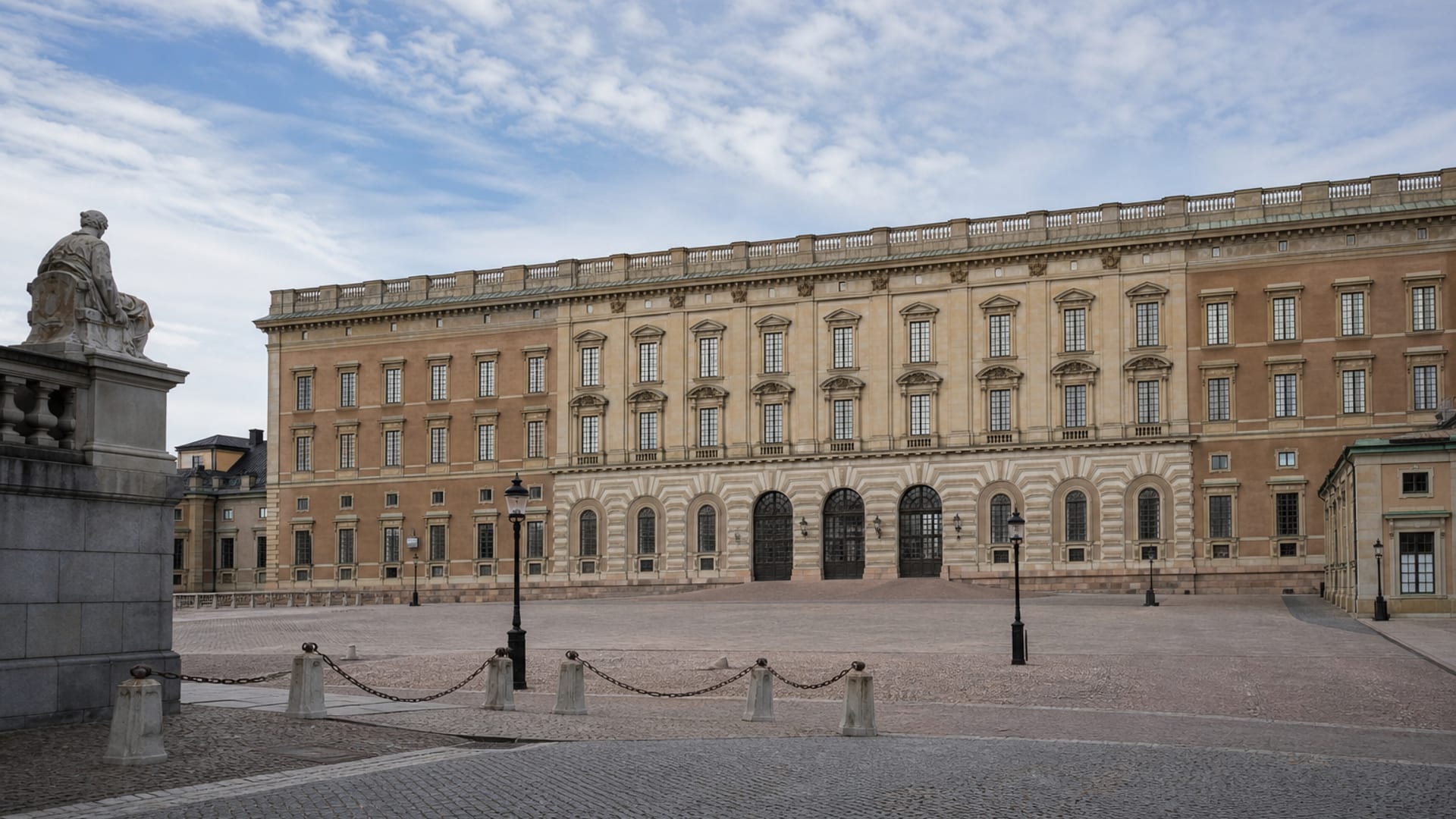
The Royal Palace in Gamla Stan is one of Europe’s largest working palaces, with state apartments, the Treasury, and the Royal Armory nearby. Its changing of the guard and ceremonial rooms place Sweden’s monarchy in the old town core.
Time needed: About 2 to 3 hours
Entry: Standard tickets cost $18 to $22 (SEK 190 to SEK 240), with separate admission for the Treasury and Royal Armory Visit the official site for details.
Tip: Pair the visit with the changing of the guard if you want the full ceremonial circuit.
Overlooked sites worth visiting

Bergianska trädgården
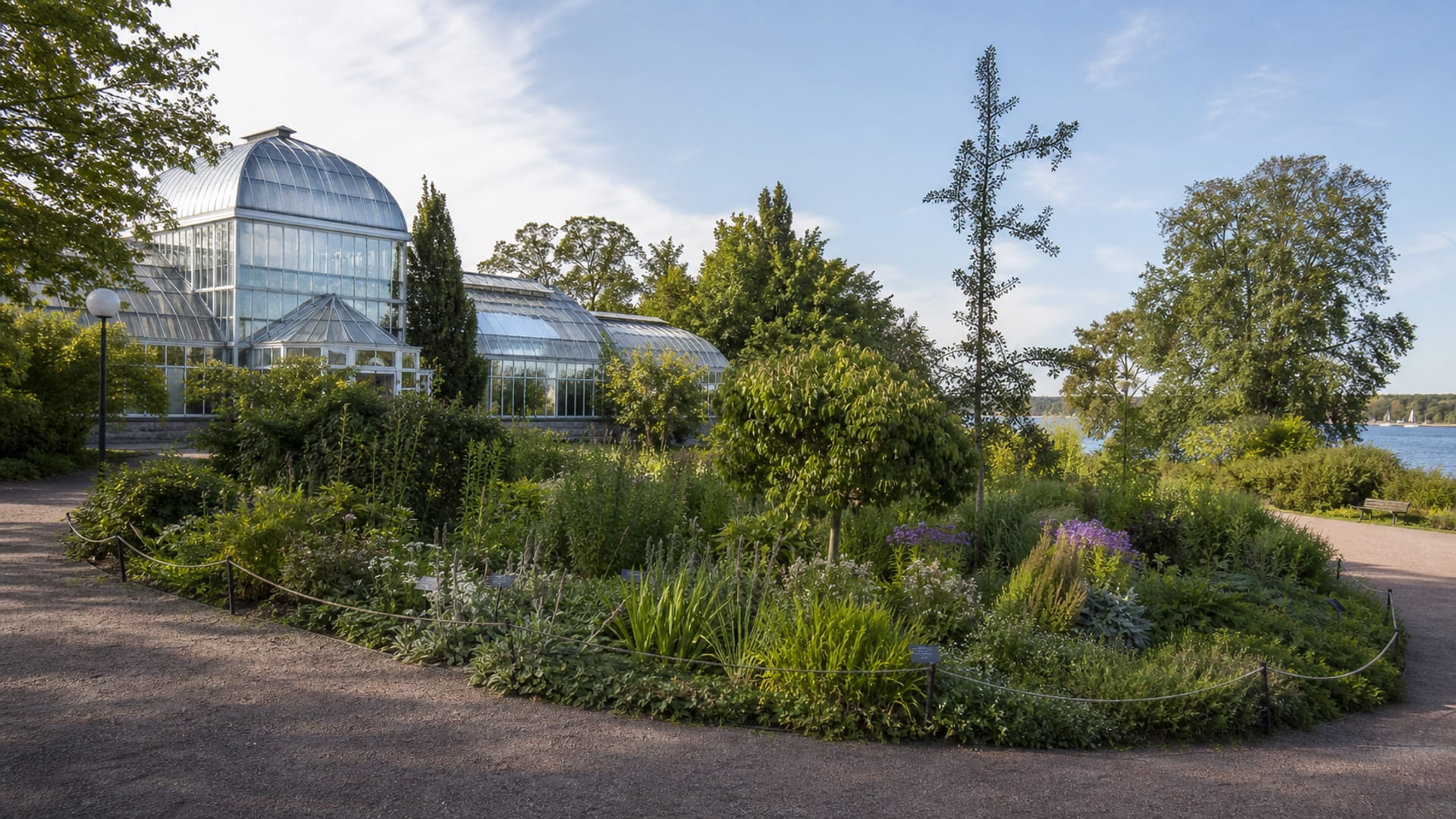
This botanical garden beside Brunnsviken pairs glasshouses with lakeside paths, wetlands, and themed plantings. It draws fewer visitors than central parks, so you can linger over the glass pavilion and water views.
Time needed: About 1 to 2 hours
Entry: Free to enter the outdoor garden areas; the greenhouse exhibitions and temporary displays may charge separate admission, typically about $11 to $16 (110 SEK to 160 SEK) for adults, with seasonal variations Visit the official site for details.
Tip: Go in late spring for the clearest plant labels and longest daylight.

Stockholms radhus
This 1920s city hall, designed by Gunnar Asplund, pairs a brick council chamber with a compact courtyard and a dignified colonnade. It gets fewer casual visitors than the better-known waterfront landmarks nearby.
Time needed: About 45 minutes to 1 hour
Entry: Guided visits are usually required, and adult tickets typically cost about $10 to $13 (100 SEK to 130 SEK), with reduced prices for children and students. Public courtyard access is free when open, but interior access follows the tour schedule Visit the official site for details.
Tip: Check the tour calendar before you go, as interior access is limited.
Traditional food
Stockholm cooking leans on fish, cured meats, potatoes, dairy, and cardamom-scented baking, with Swedish meatballs, gravlax, smörgåsbord, and princess cake showing the range from savory lunch plates to coffee breaks.
Swedish meatballs
Tender meatballs with gravy, potatoes, and lingonberry are the classic Stockholm plate. Eat them at Pelikan, where the room and menu both suit the dish.
Gravlax
Salted, cured salmon with dill and mustard sauce is one of the city’s clearest Nordic signatures. Sturehof serves a dependable version in a central dining room near Stureplan.
Smörgåsbord
A smörgåsbord brings herring, cold cuts, hot dishes, and salads to the table in one long meal. The Grand Hotel’s Veranda is the classic Stockholm setting for it.
Princess cake
This green-layered sponge cake with cream and marzipan is the city’s best-known dessert. Vete-Katten has long been the reference stop for a slice with coffee.
Best time to visit Stockholm
Stockholm shifts with daylight more than many capitals, so summer days stretch late, winter rewards indoor sightseeing, and shoulder seasons give you the best balance between weather and crowd levels.
Best for: Blooming gardens, clearer light, and easier sightseeing before peak summer crowds
What you get: About 36 to 61°F (2 to 16°C), with moderate crowds and changing weather
Trade-offs: Rain, wind, and cool evenings still affect outdoor plans
Best for: Long daylight, ferry rides, and outdoor dinners on the water
What you get: About 54 to 72°F (12 to 22°C), with the heaviest crowds and the fullest event calendar
Trade-offs: Popular museums, ferries, and restaurants book up fastest
Best for: Museums, café stops, and early color in the parks
What you get: About 34 to 61°F (1 to 16°C), with lighter crowds after the summer peak
Trade-offs: Daylight shortens quickly, especially by late October
Best for: Indoor visits, holiday lights, and quiet streets outside the center
What you get: About 23 to 36°F (-5 to 2°C), with lower crowds and the shortest days
Trade-offs: Snow, darkness, and cold transfers make outdoor sightseeing slower
A realistic 5-day plan in Stockholm
A five-day Stockholm stay works best when you group sights by island and leave room for transit between them. This plan starts in the old town, moves through the museum district, then shifts into gardens, viewpoints, and a final central-day wrap-up before departure.
Land at Stockholm (Arlanda) and take the Arlanda Express into Stockholm Central in about 20 minutes for roughly $41 (SEK 420), or choose the airport coach if you want to spend closer to $12 to $20. Settle in near Norrmalm if you expect an early rail departure later in the trip, or Gamla Stan if you want the old town within walking distance. After you check in, walk a few blocks for water, then keep dinner simple with salmon, soup, or a sandwich near your hotel so the evening stays low-key.
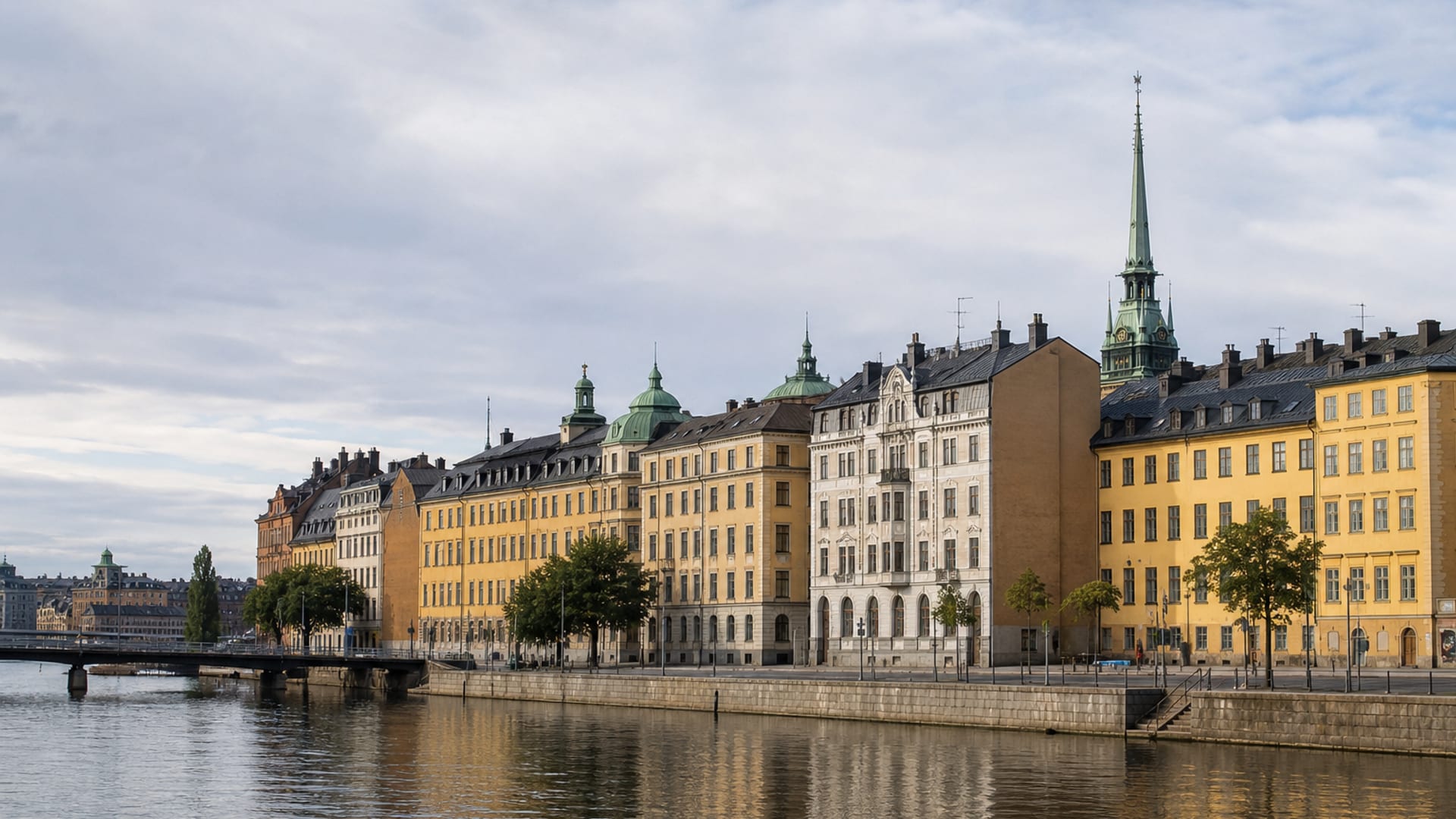
Start in Gamla Stan with the Royal Palace, then walk about 10 minutes to the Nobel Prize Museum and linger in the square streets nearby. If the guard change lines up, pair it with the palace visit, then take a 15-minute walk or a short metro ride to Stockholm City Hall on Kungsholmen for the Gold Hall and waterfront views. Aim for the later afternoon there, since the brick facade and lakefront look best in softer light, and plan about 1 to 2 hours for the visit.
Begin on Djurgården at the Vasa Museum, where the restored warship makes the main room worth a long first stop, then spend about 2 to 3 hours there before moving on. From the museum, continue by tram or taxi to the nearby waterfront paths and then cross back toward the center for an easier dinner in Östermalm, where the Food Hall at Östermalmstorg gives you a good place to sample smoked fish, open sandwiches, or a warm bowl of stew. If you want to see one more heritage stop, add Stockholms radhus before dinner, since it sits close enough to the central side of the city for a short detour.
Set aside the morning for Bergianska trädgården, where the glasshouses, lakeside paths, and planted beds give you a quieter contrast to the core sights, and plan about 1 to 2 hours there. From there, ride back toward the center and spend the afternoon in Södermalm, moving between independent shops, cafés, and hilltop viewpoints with time to pause for coffee or a late lunch. That mix keeps transit simple, since the garden and the south-side neighborhoods sit well together on a single day by metro and short walks.
Wind down in Norrmalm with one last stop at a department store or design shop, then take a final café break in Östermalm before heading for the airport. If you want one more museum visit, fit Stockholms radhus or the Royal Palace into the morning before shopping, since both sit close enough to the center for easy transit. Plan your departure with the Arlanda Express from Stockholm Central if you want the quickest connection to Stockholm (Arlanda), or leave a little earlier for the airport coach.
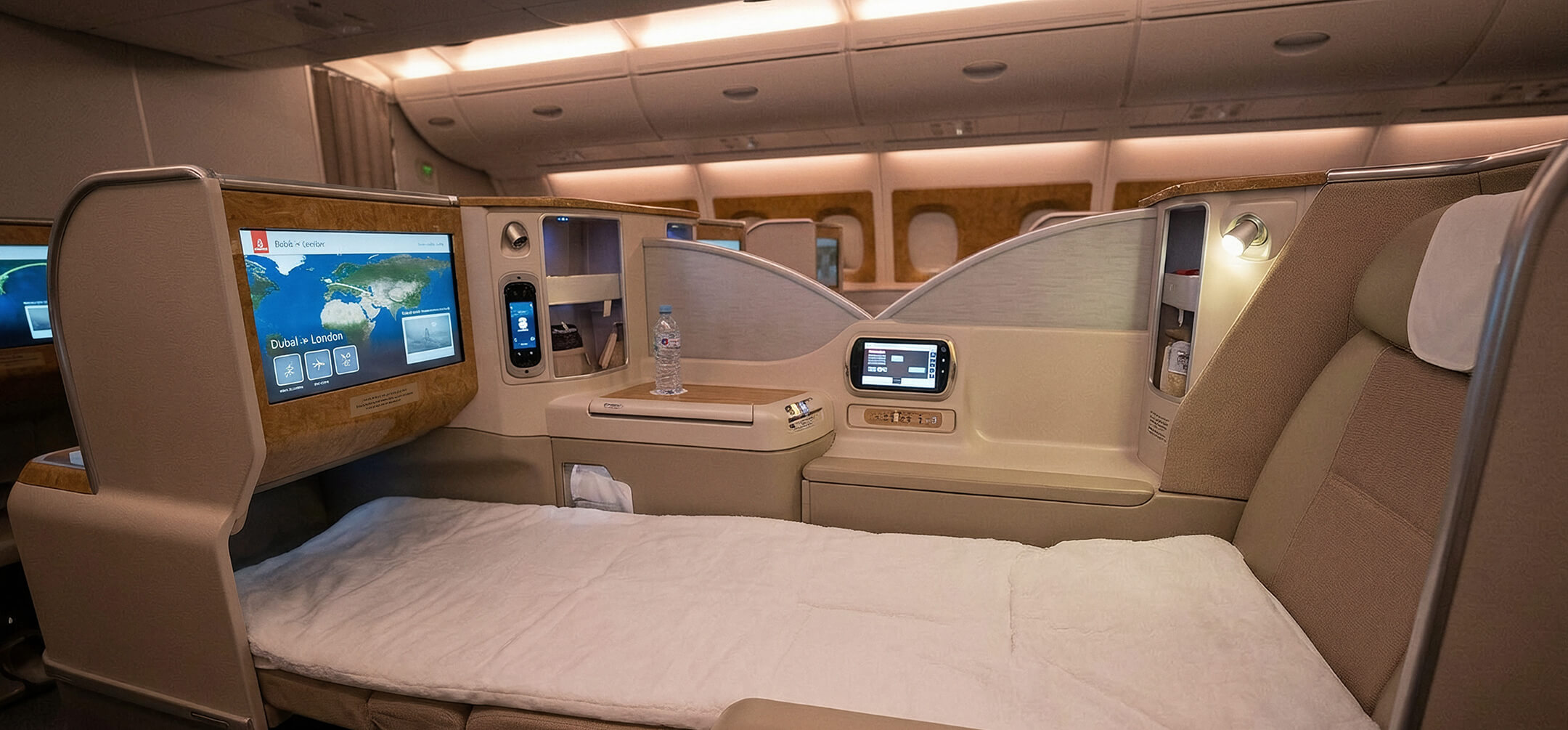
Business-class flights from the US to Stockholm
From both coasts, Stockholm usually means a long-haul itinerary with one-stop options, and the route you choose depends on whether you value a shorter total journey or the lowest premium fare. The examples below show the usual airline mix and connection points.
From New York, Scandinavian Airlines, Delta Air Lines, United Airlines, and Norwegian Air Shuttle all appear on the typical fare search. Nonstop flights run about 8 to 9 hours, while one-stop options usually connect through LHR, AMS, FRA, CPH, or KEF and take roughly 10 to 14 hours. Round-trip fares usually start at $2,200 and can reach $6,500.
Los Angeles travelers typically see Scandinavian Airlines, Delta Air Lines, United Airlines, Air France, and Lufthansa on the fare list. Expect roughly 11 to 12 hours nonstop, or about 14 to 18 hours with a connection through CPH, FRA, AMS, LHR, or DOH. Round-trip fares usually run about $2,800 to $7,500.
Stockholm feels different when you slow down
A good Stockholm trip has a clear map: Gamla Stan for the palace, Djurgården for the Vasa Museum, Kungsholmen for City Hall, then a slower turn through Östermalm, Södermalm, or Bergianska trädgården. The city rewards short metro rides, ferry crossings, and meals timed to lunch and early dinner. If you want help shaping the route, the AranGrant experts can turn these neighborhoods into a trip that fits your dates