

Chapters:

Need help with your trip?
Our support team is available 24/7. Request a callback or call us directly at (833) 619-0908
St. Louis trips often start at the Arch, move through Forest Park, and end with dinner near the hotel, but many visitors miss how much the city spreads out between those stops.
That matters because the main sights sit in separate districts, and crossing between them can add time if you plan each day too tightly or rely on one neighborhood alone.
This guide maps the city in a more measured order, with clear bases, timed transfers, and a five-day route that keeps each outing anchored to a specific part of town.
Useful things to know

Main language(s): English

Currency: The local currency is the US dollar (USD, $).

Cash and cards: Cards and contactless are widely accepted; keep about $20 to $40 cash for tips and small purchases.

Tipping: Tip 15-20% at restaurants and bars; round up for taxis, and tip hotel staff a few dollars for good help.

Traditional food: Toasted ravioli, St. Louis-style pizza, gooey butter cake, St. Paul sandwich

Water and coffee costs: Water about $2 ($2), bar espresso about $4 ($4).

Taxis and ride apps: Uber and Lyft operate here; wait times can rise late at night.

Plug and voltage: Type A/B socket, 120V

Dining and shop opening hours: Breakfast is about 07:00-10:00, lunch 11:00-14:00, and dinner 17:00-21:00. Many kitchens close by 22:00 on weekdays.

Emergency number: Dial 911 for police, fire, and medical emergencies.
Where to stay in St. Louis
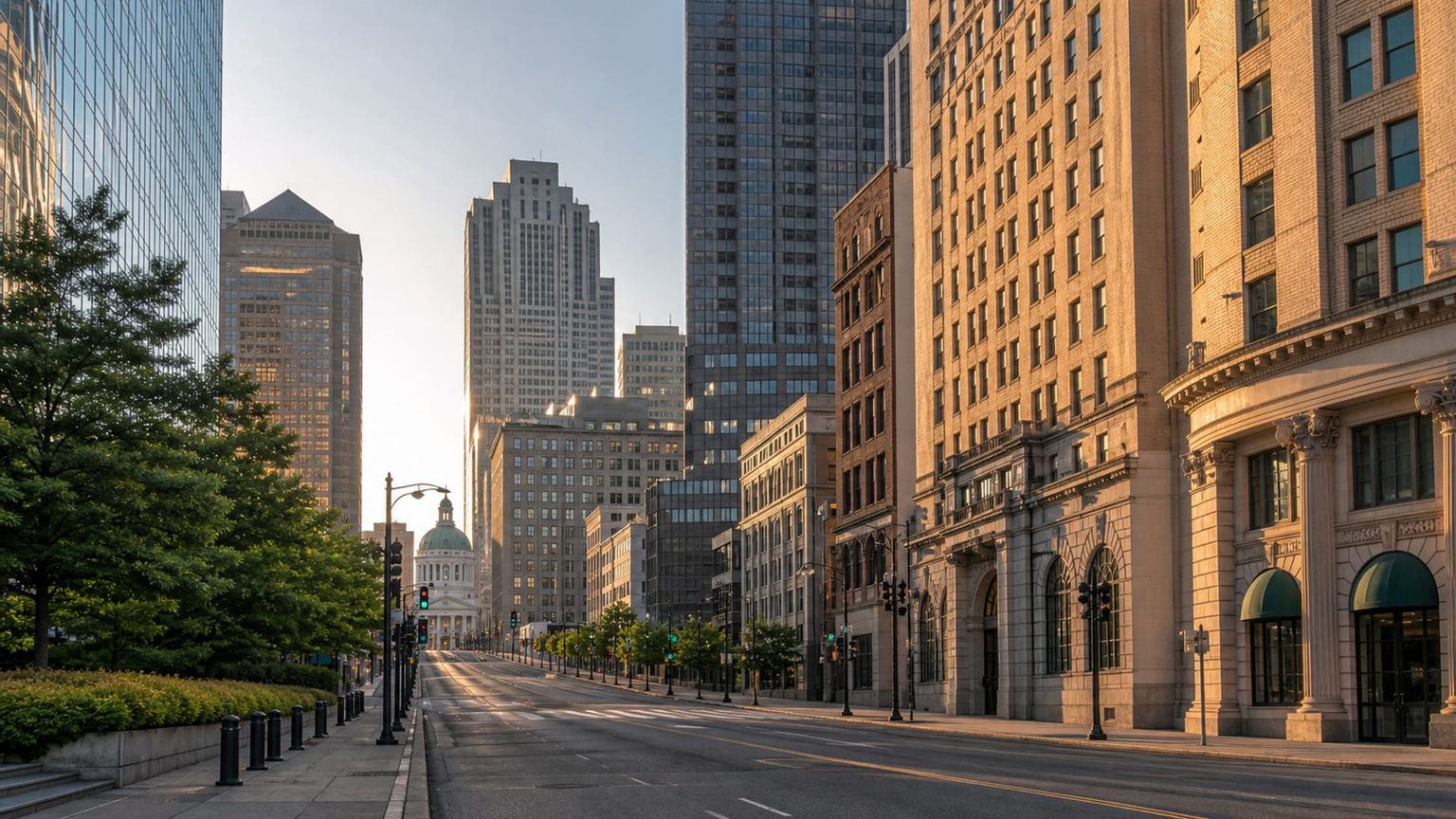
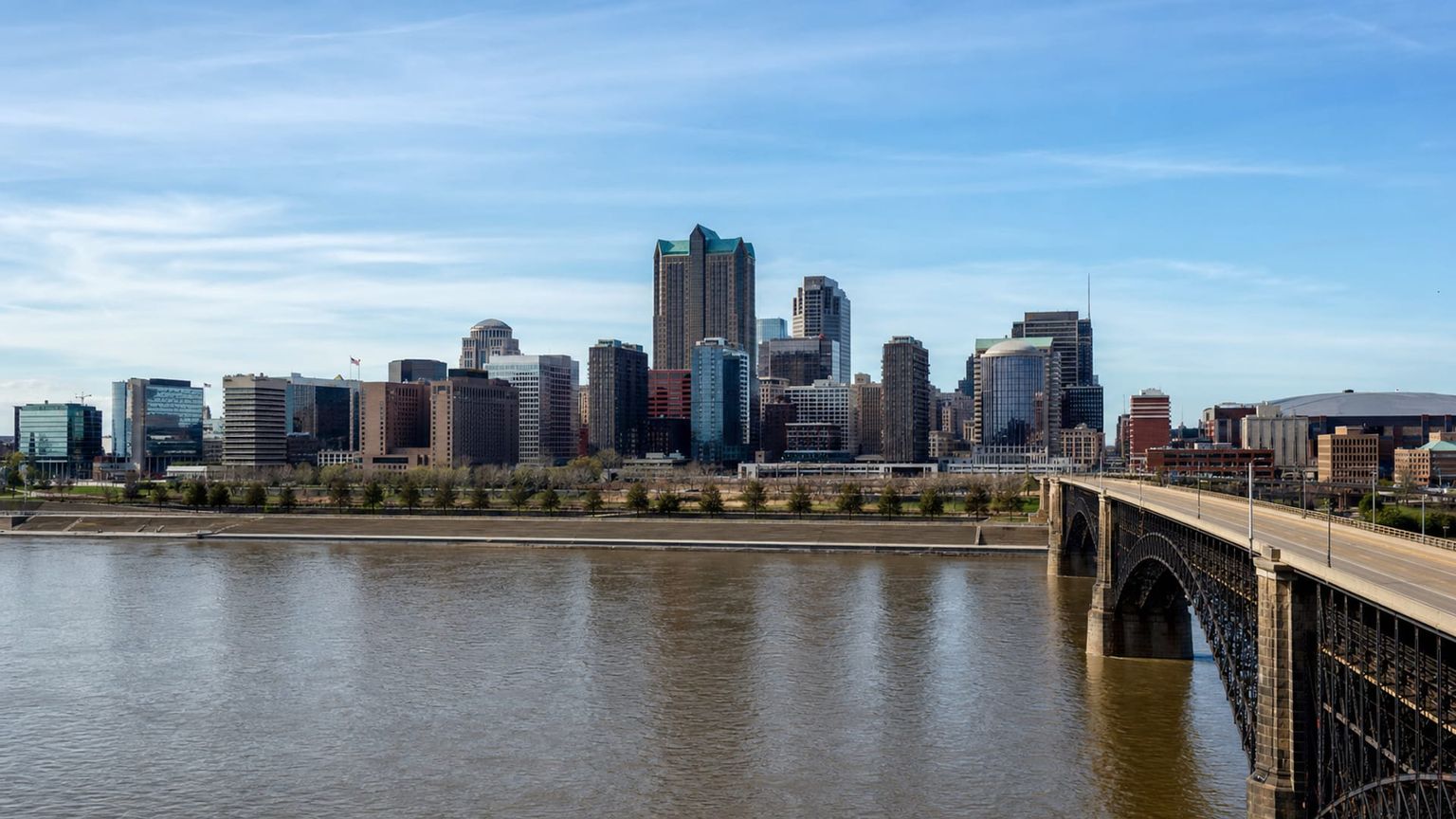
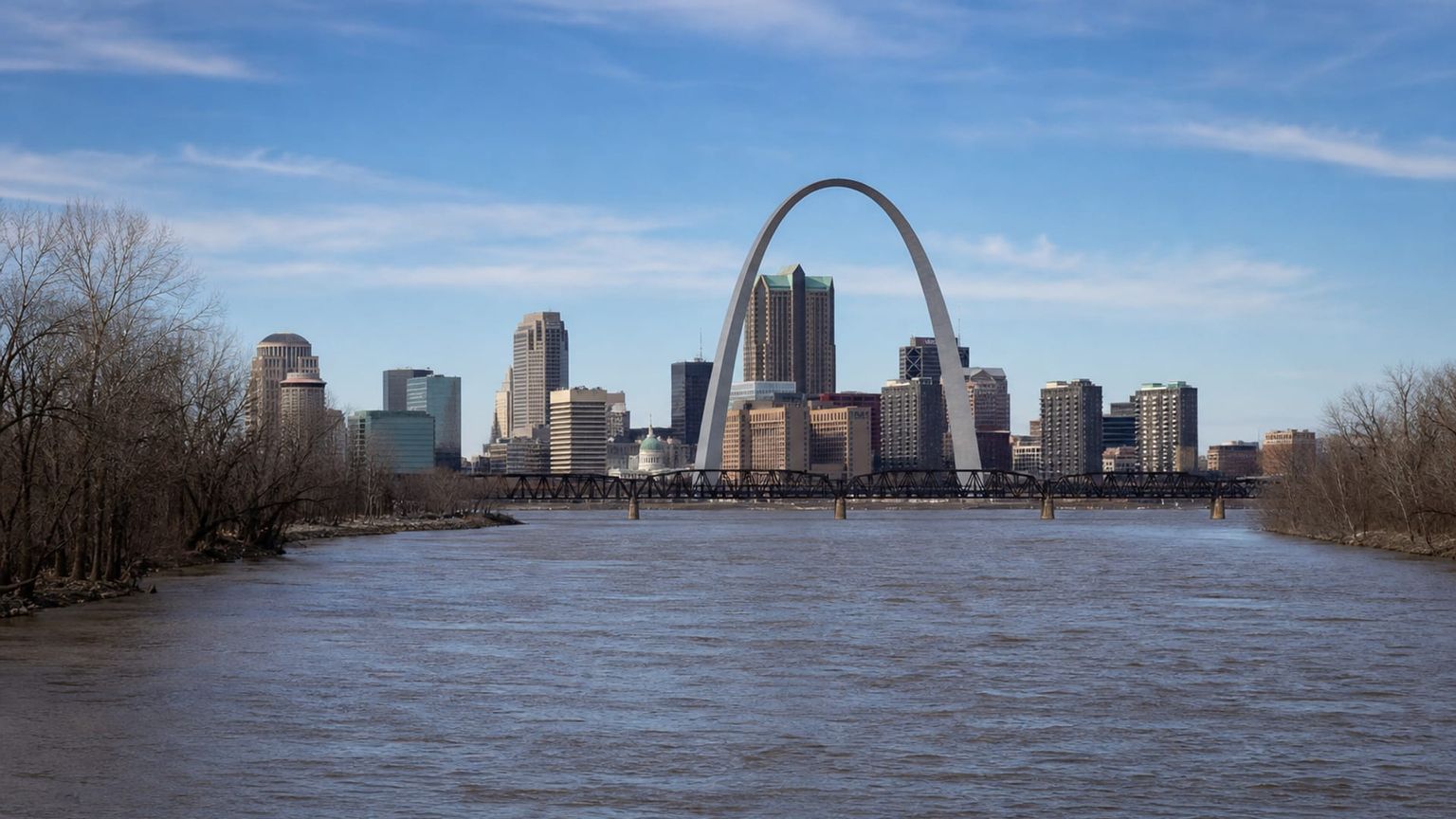
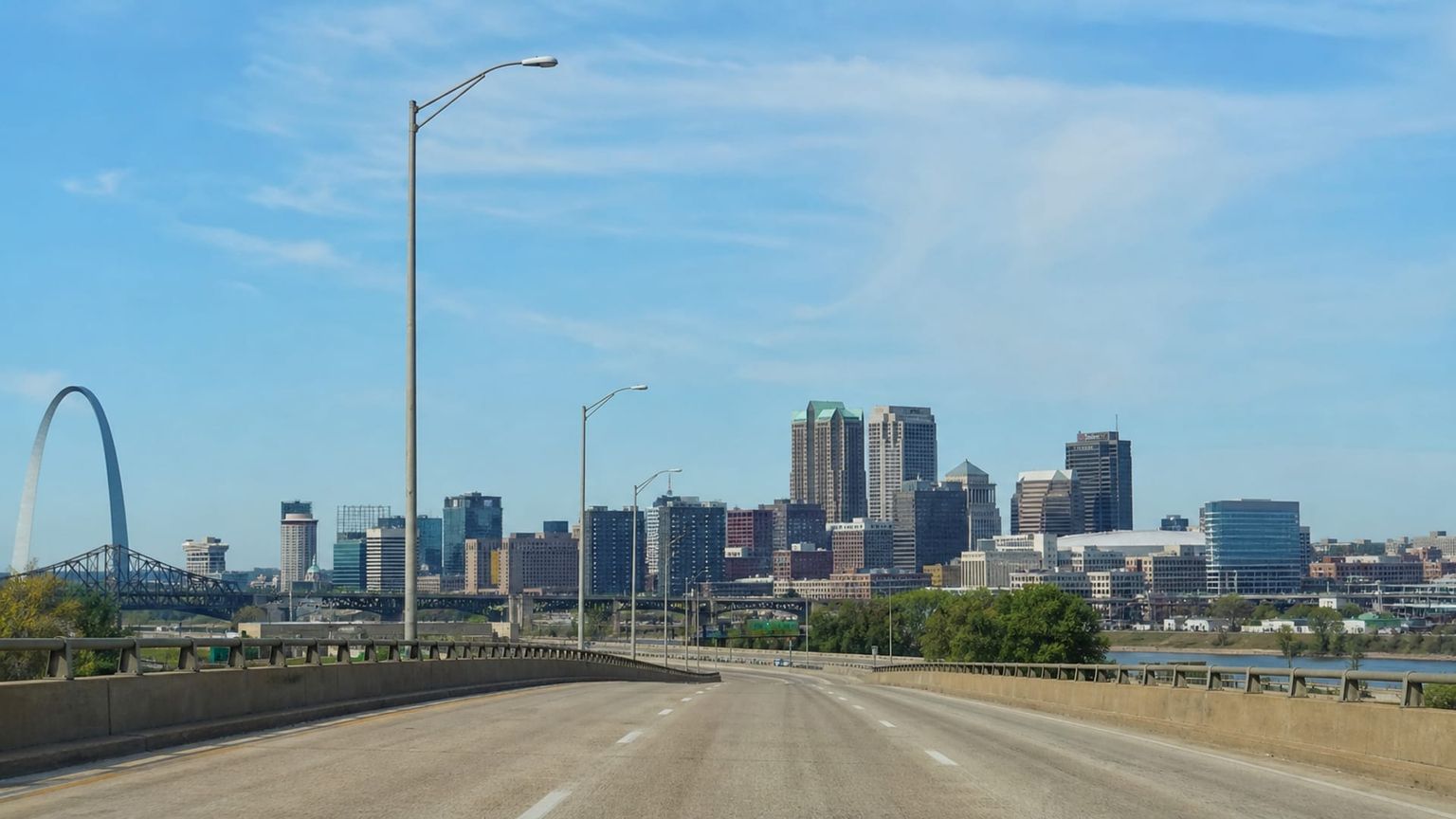
St. Louis’s downtown puts the Gateway Arch, stadiums, the convention center, and a large share of the city’s hotels within easy reach. It suits travelers who want the shortest transit to major sights and the most direct access to late dining and event nights.
Best for: First-time visits, events, and travelers who want to walk to major downtown sights
What to expect: The streets stay busiest on workdays, game nights, and around the Arch, while side blocks can thin out after business hours.
Hotel prices: Usually about $150 to $280 per night for well-rated stays
Distance to major sights: 5 to 15 minutes on foot to the Gateway Arch; about 10 minutes by transit to Busch Stadium
Quietness: Louder in the day and on event nights, quieter on side streets after office hours
Main trade-off: You pay for centrality, and the quietest blocks sit a few streets away from the main attractions.
Good to know: Parking can add a meaningful daily cost, so check hotel rates carefully if you plan to keep a car.
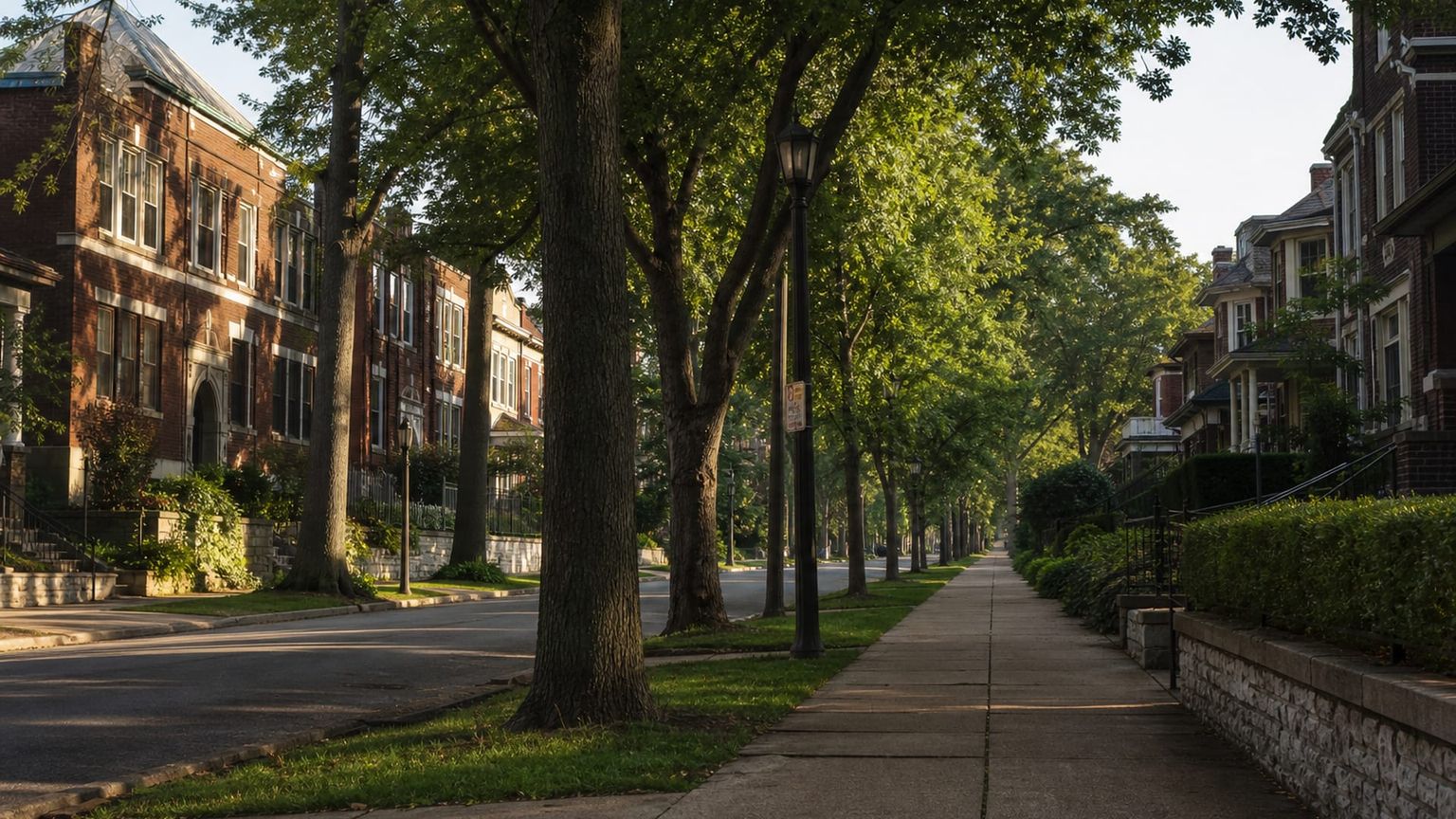
Central West End sits just west of Forest Park and offers one of the city’s best mixes of restaurants, historic buildings, and hotel options. It gives you an urban base with easy reach to the museums, the zoo, and the medical district.
Best for: Dining, Forest Park visits, and travelers who want a walkable neighborhood with evening options
What to expect: Busy sidewalks, café traffic, and a steady dinner crowd give the area a lively urban feel without the volume of downtown event zones.
Hotel prices: Usually about $160 to $300 per night for well-rated stays
Distance to major sights: 10 to 15 minutes by transit to Forest Park; about 15 minutes by transit to the Saint Louis Zoo
Quietness: Busy through dinner, then quieter late at night on residential streets
Main trade-off: Rates can run higher than in outer neighborhoods, especially near the main restaurant corridors.
Good to know: If you are sensitive to noise, ask for a room away from Euclid Avenue and any adjacent bars.
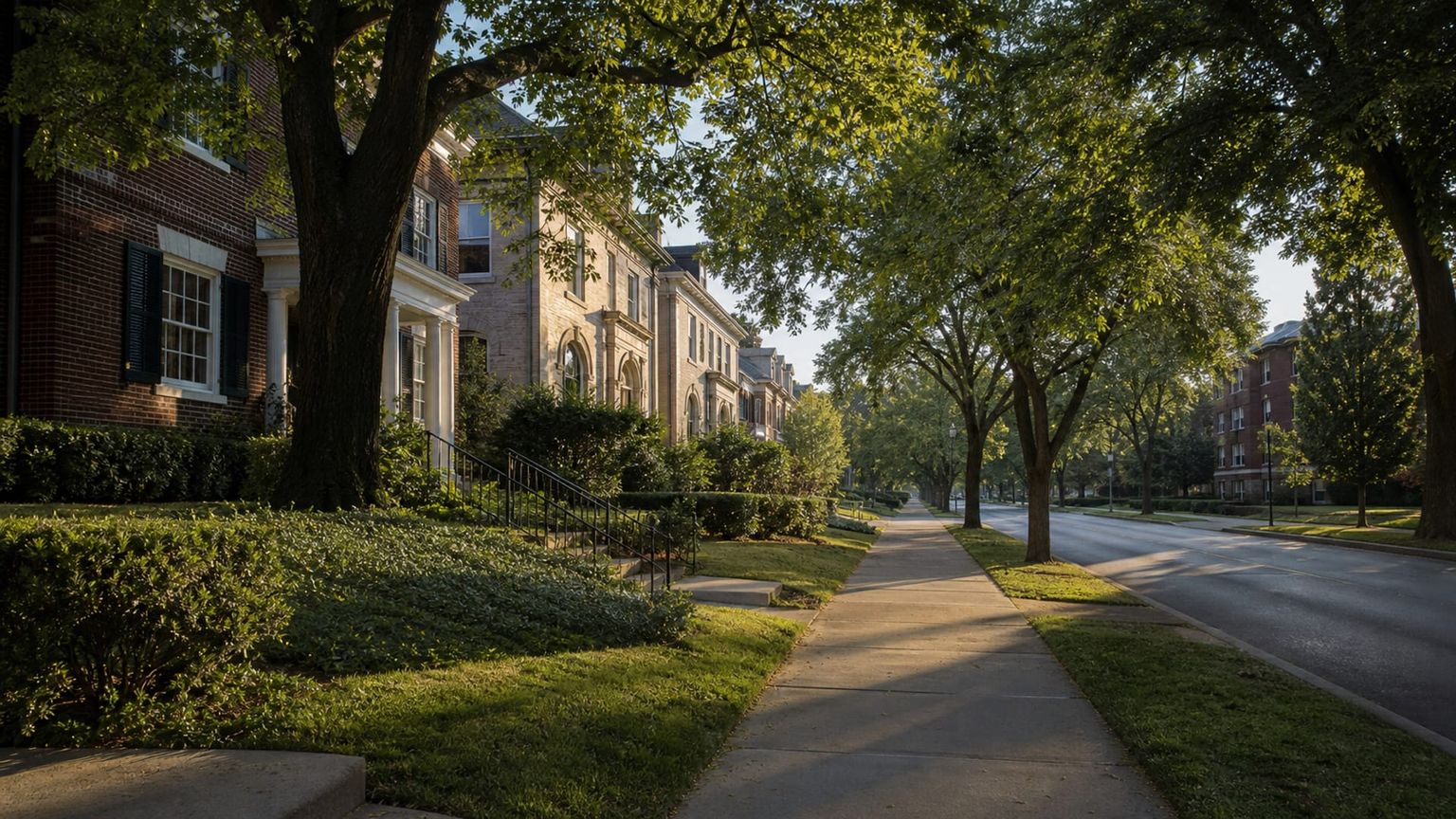
Clayton is St. Louis County’s main business district, with a dense cluster of hotels, offices, and restaurants. It works well for visitors who want an orderly base with quick access to the city and the airport corridor.
Best for: Business trips, rental-car travelers, and visitors who want suburban comfort with train access to the city
What to expect: Weekdays bring office traffic and lunch crowds, while evenings are calmer and weekends feel notably quieter.
Hotel prices: Usually about $170 to $320 per night for well-rated stays
Distance to major sights: About 20 minutes by MetroLink to the Central West End; about 25 minutes by transit to downtown and the Gateway Arch
Quietness: Busier on weekdays, quiet after office hours and on Sundays
Main trade-off: You will spend more time getting to downtown sights than if you stay in the city center.
Good to know: Choose a hotel near the MetroLink line if you plan to visit downtown without relying on rideshares.
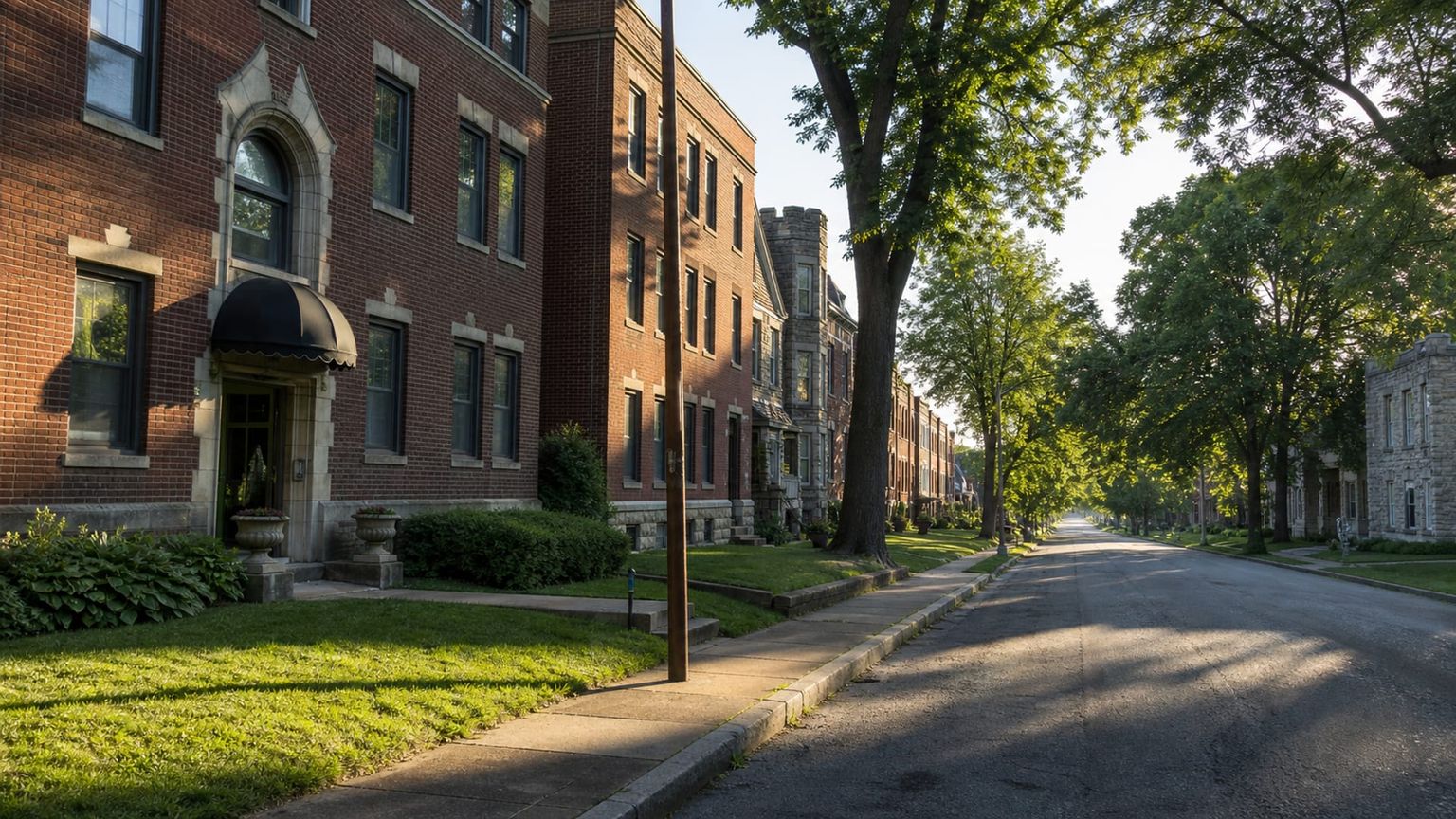
Forest Park Southeast, often called the Grove area, sits beside Forest Park and puts you close to some of the city’s strongest restaurant and nightlife clusters. It suits visitors who want a neighborhood base with easy access to the park and nearby medical and university campuses.
Best for: Nightlife, dining, and visitors who want to reach Forest Park quickly
What to expect: Bars, patios, and restaurant traffic keep the main corridors active, especially on weekends and warm evenings.
Hotel prices: Usually about $140 to $250 per night for well-rated stays
Distance to major sights: About 10 minutes by transit to Forest Park; about 15 minutes by transit to the Saint Louis Zoo
Quietness: Energetic in the evening, calmer on residential side streets late at night
Main trade-off: Some blocks stay lively past midnight, so light sleepers should avoid rooms facing the main entertainment streets.
Good to know: If you are visiting with a car, confirm valet or overnight parking costs before booking.
Travelers usually avoid staying in North St. Louis neighborhoods such as College Hill, Lewis Place, and parts of the Ville, because they sit far from the main visitor sights in Forest Park, Downtown, and the Gateway Arch area, with fewer hotel options and visitor amenities. The same goes for outlying south and west-edge areas like Lemay and portions of Maryland Heights near the airport corridor, which work poorly if you want easy evening access to restaurants, museums, and central attractions.
Hotel deals
How to get around St. Louis efficiently
MetroLink gives St. Louis a useful airport-to-downtown rail link, while taxis, rideshares, and the bus network fill the gaps between Forest Park, Clayton, and the riverfront.

Metro
for longer distances
The MetroLink light rail has two color lines, Red and Blue, with STL airport connections at St. Louis Lambert International Airport, downtown, Midtown, Forest Park, and the Central West End. A one-way ride costs $2.50, a 1-day pass costs $5, and fares are valid for about 2 hours from activation. Trains usually run every 10 to 20 minutes, and the trip from St. Louis Lambert International Airport to downtown takes about 35 minutes.

Bus and tram
for convenience
MetroBus reaches most neighborhoods, but service is less frequent than the light rail, so check schedules before you go. Single rides are $1.00, and a 1-day pass costs $2.50, with fares valid for about 2 hours on timed transfers. Several core routes link downtown, the Central West End, the Delmar Loop, and the airport area, though travel times vary widely with traffic and stop spacing.

Taxi
for convenience or late hours
Licensed taxis wait at the stands at St. Louis Lambert International Airport, and downtown trips usually run on the meter, not a flat fare. Expect roughly $25 to $35 from the airport to downtown before tip, with payment commonly accepted by card and cash; short hops inside the central city often cost about $10 to $20 depending on traffic.
*Prices are based on rates updated as of June 2026 and may change at the time of travel.
Use MetroLink for airport runs and cross-town trips, taxis or rideshares for point-to-point timing, and buses when you are not in a rush and can check schedules first.
Iconic landmarks
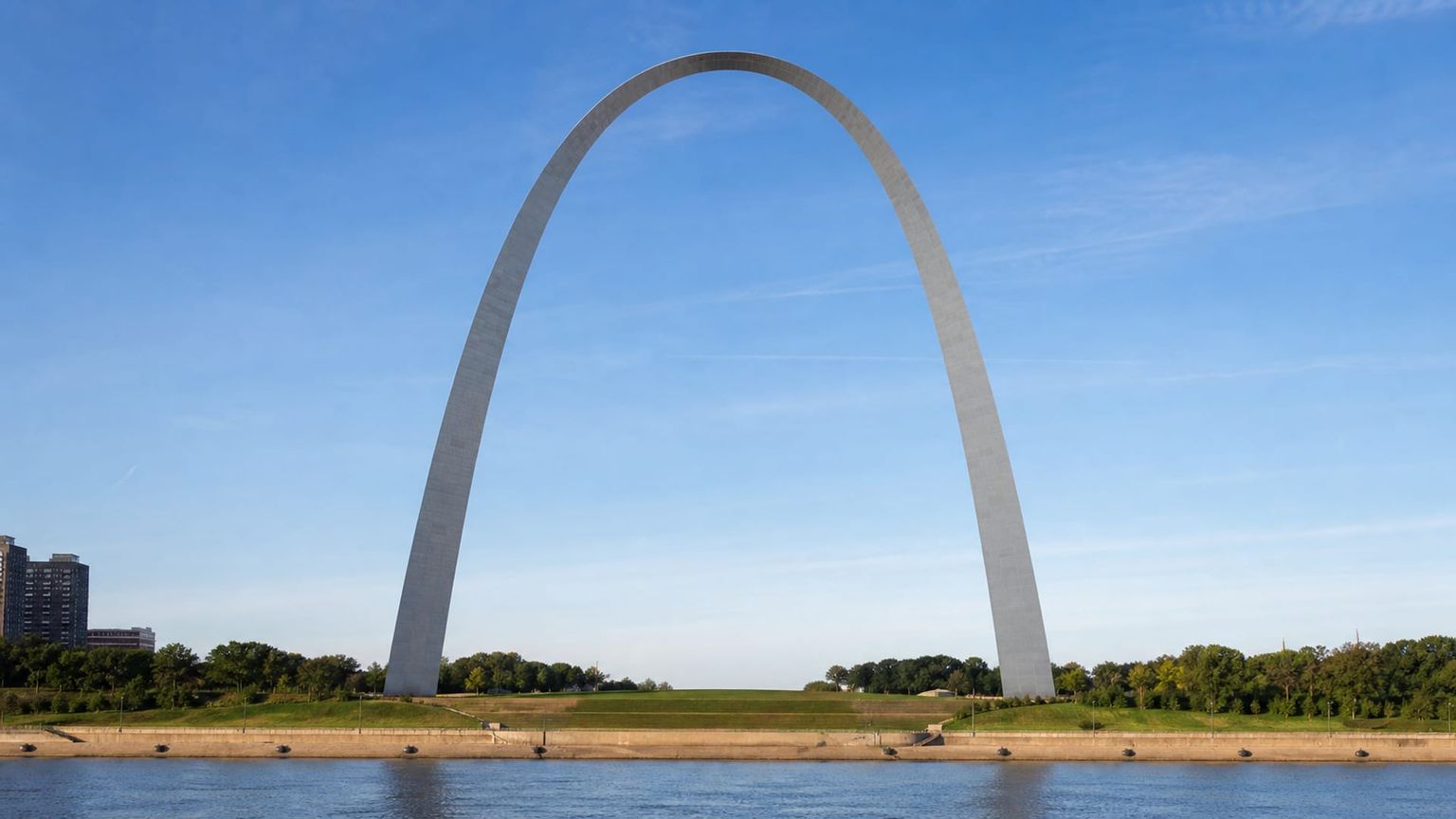
Gateway Arch
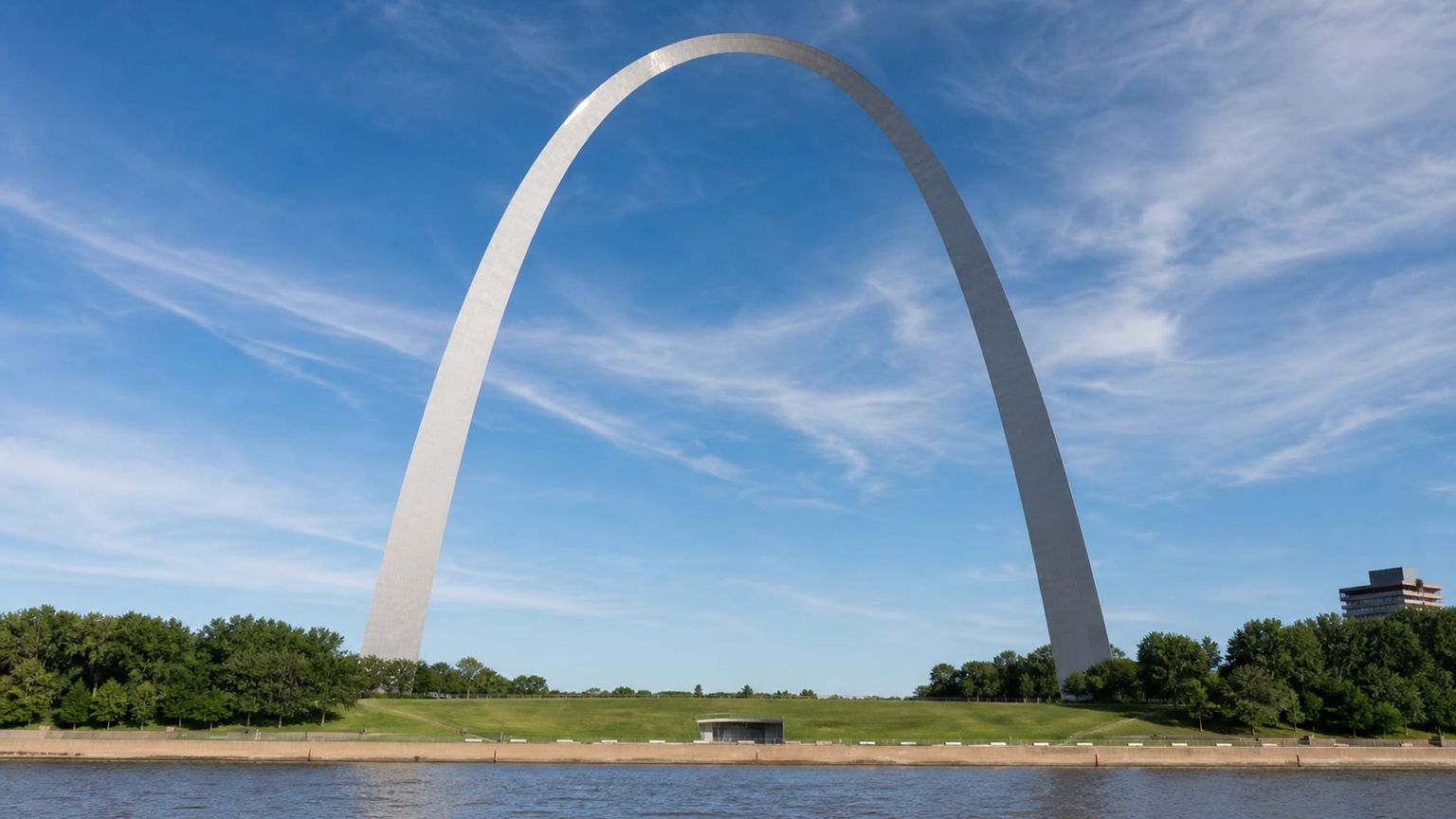
The 630-foot stainless-steel arch marks the Jefferson National Expansion Memorial and frames the Mississippi riverfront. Ride to the top for downtown and river views, or stay on the grounds for the museum and landscaped park at the base.
Time needed: About 1.5 to 2 hours
Entry: Tram rides and museum admission cost $19 to $23 ($19 to $23) for adults, with lower rates for children; grounds are free to enter. Visit the official site for details.
Tip: Go early for shorter tram waits and clearer views before afternoon haze builds.
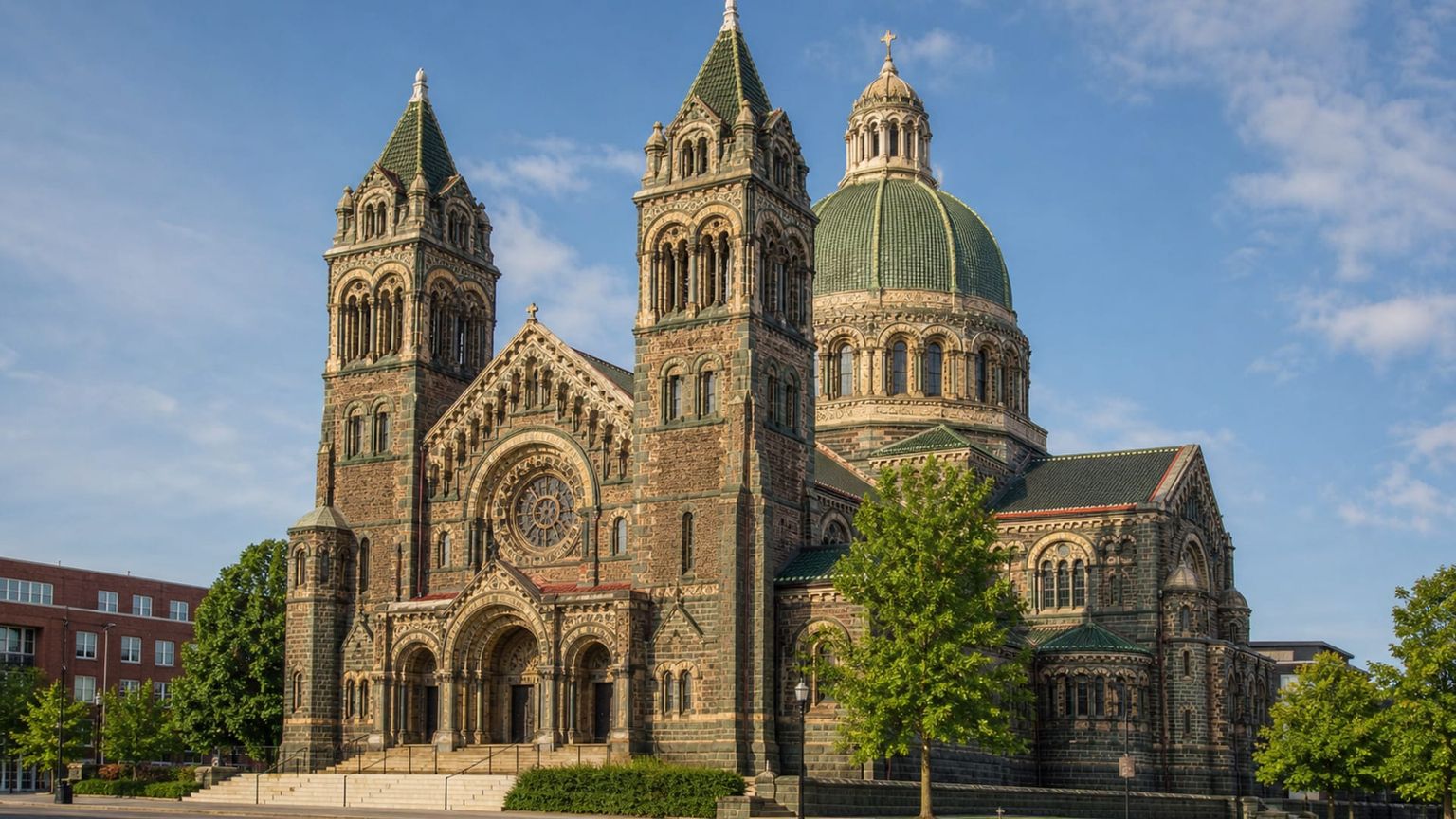
Cathedral Basilica of Saint Louis
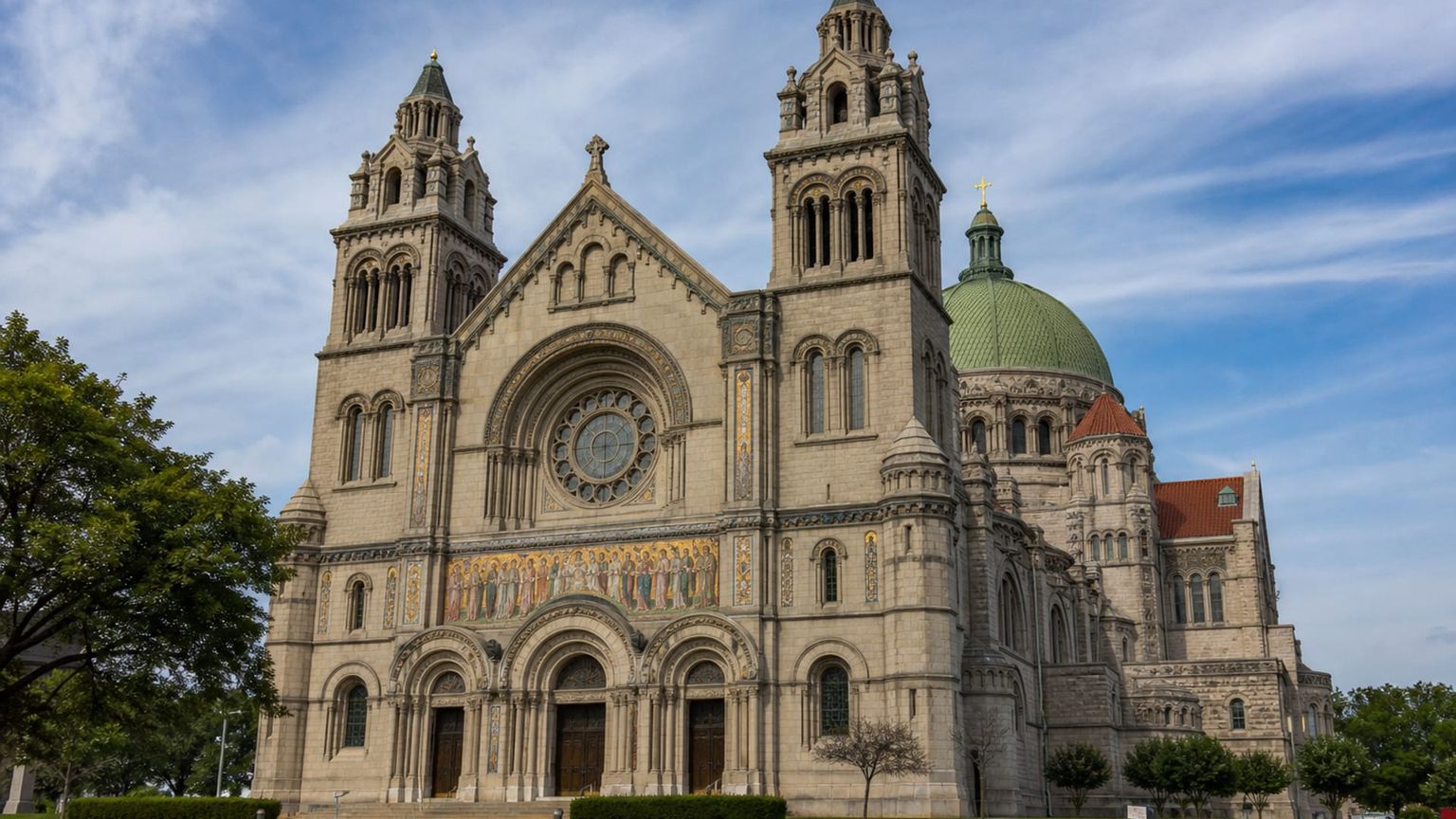
This Catholic cathedral holds one of the largest mosaics in the world, with about 41 million pieces covering walls and vaults. Inside, the sanctuary, chapels, and dome create one of the city’s most detailed religious interiors.
Time needed: About 45 to 60 minutes
Entry: Free to enter; donations are welcome, and paid guided tours may be offered on select dates through the cathedral office. Visit the official site for details.
Tip: Visit in late morning, when interior light brings out the mosaic colors best.
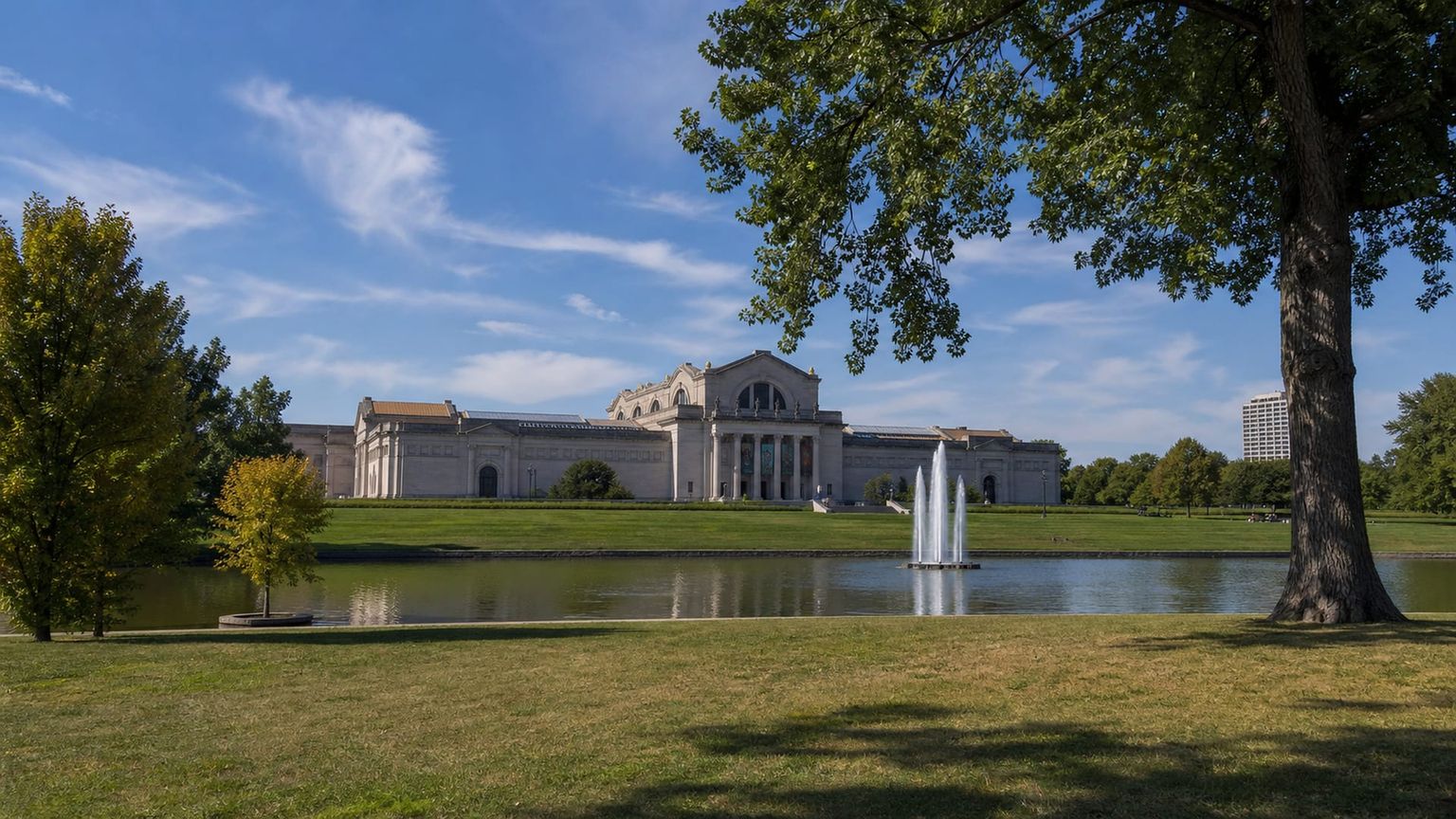
Forest Park
Forest Park spans more than 1,300 acres and holds several major St. Louis institutions, including the Art Museum, Zoo, and Missouri History Museum. Its lakes, paths, and open lawns make it one of the city’s largest urban parks.
Time needed: About 2 to 4 hours
Entry: Free to enter the park; individual museums and the zoo charge separate admission, with prices set by each venue.
Tip: Use the central parking areas if you plan to visit more than one attraction in a single stop.
Overlooked sites worth visiting

Laumeier Sculpture Park
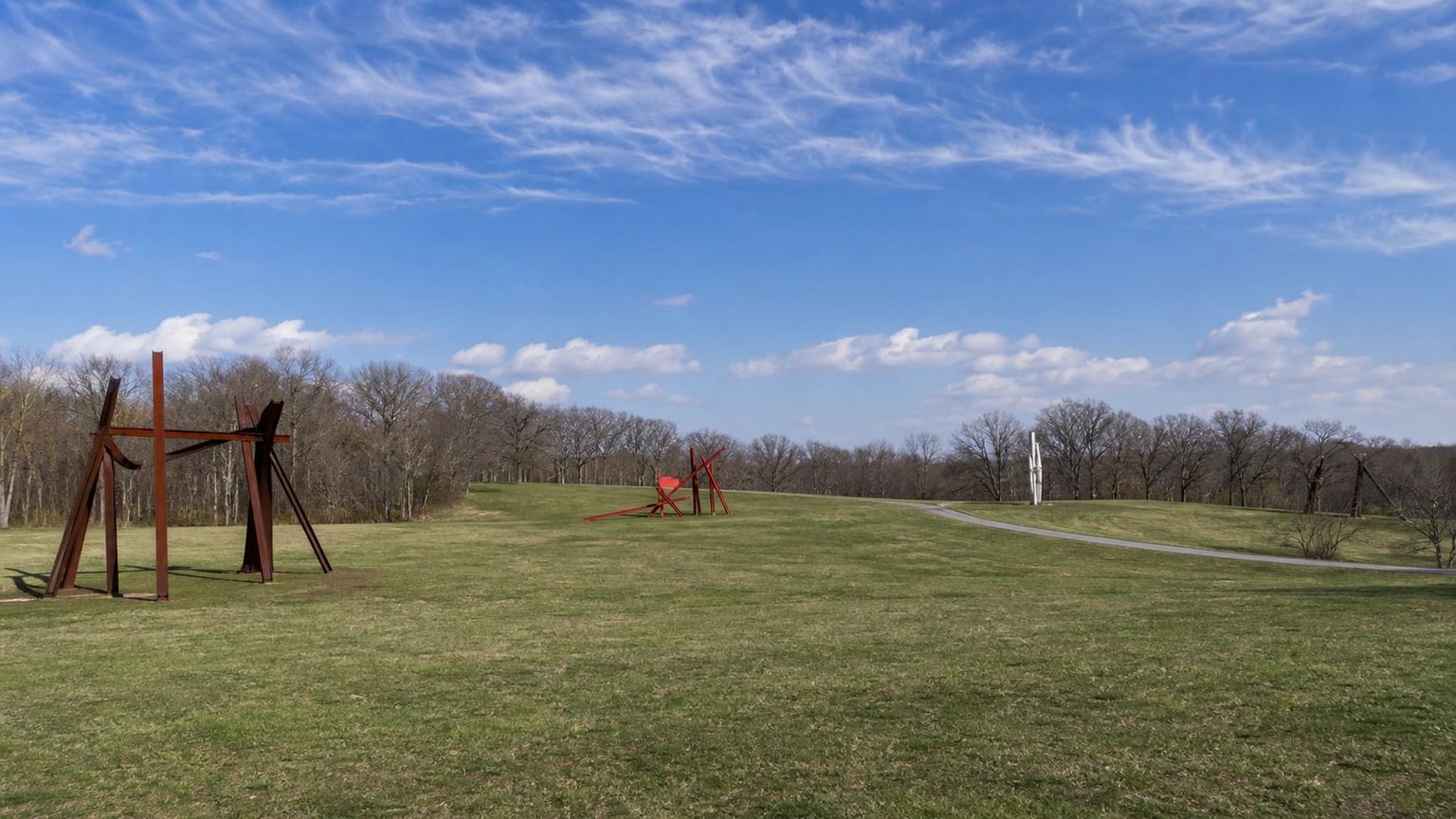
A 105-acre outdoor sculpture park in Sunset Hills, about 20 minutes southwest of downtown St. Louis. More than 60 large-scale works sit along lawns, woods, and paths, so you can pair art with an unhurried walk.
Time needed: About 1.5 to 2.5 hours
Entry: Free to access; parking is free in the main lots. Special exhibitions, ticketed events, and the annual Art Fair can carry separate charges, but the sculpture grounds themselves welcome walk-up visitors without a ticket.
Tip: Go near sunset for the best light on the large sculptures.

St. Louis Art Museum
In Forest Park, this museum holds strong collections of European, Asian, and American art, plus rotating shows. Its compact footprint makes it easy to focus on a few galleries instead of rushing through the whole building.
Time needed: About 1.5 to 2 hours
Entry: General admission is free for the permanent collection. Special exhibitions may require paid tickets, usually about $10 to $20 ($10 to $20), and the museum lists current prices for those shows online before you visit. Visit the official site for details.
Tip: Check the exhibition calendar before you go, since special shows can charge admission.
Traditional food
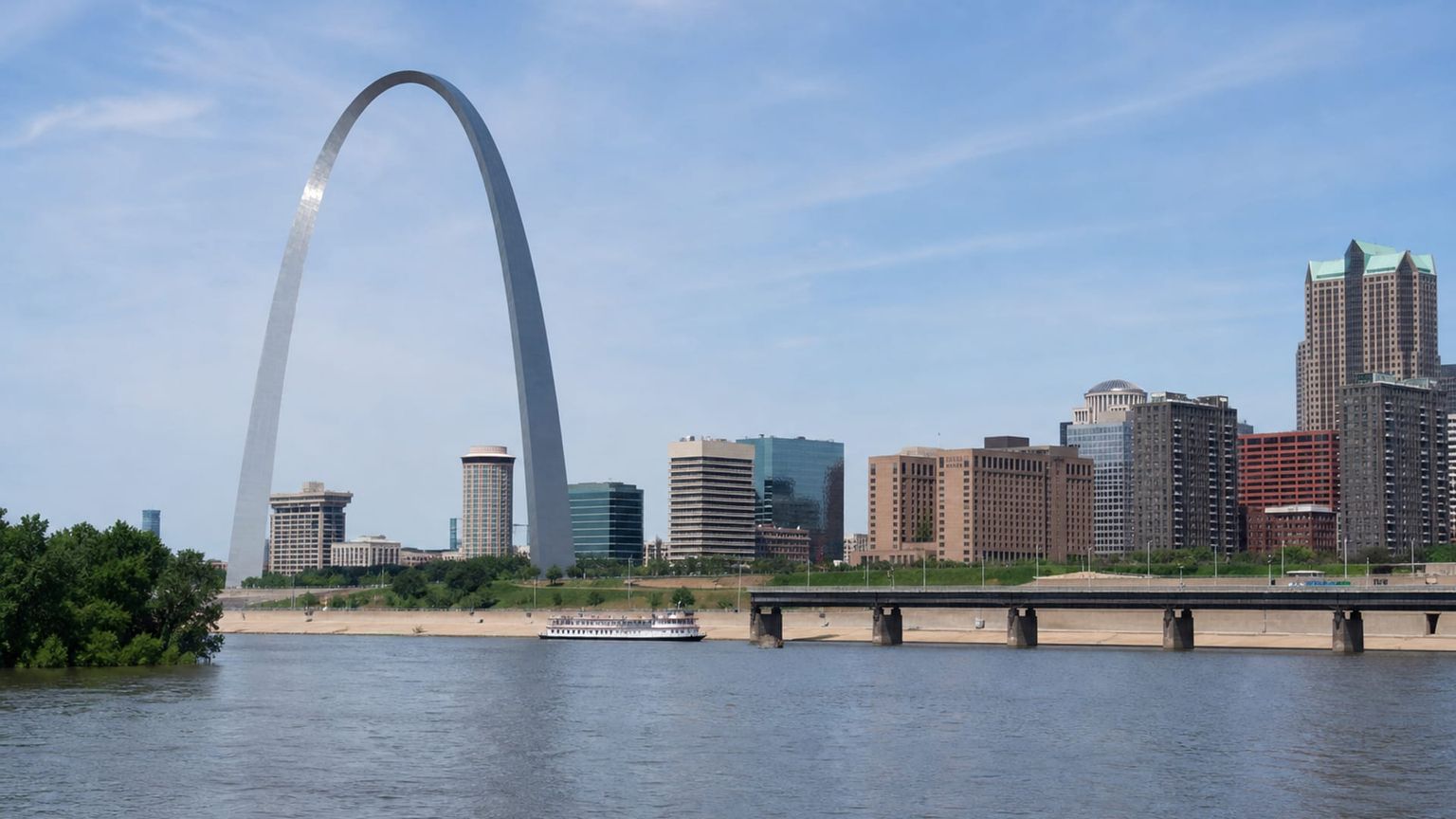
St. Louis food leans into toasted ravioli, brick-cut pizza, gooey butter cake, and other Midwestern comfort dishes, often with sharp cheese, crispy edges, and late, casual meals after a day out.
Toasted ravioli
Breaded, fried ravioli with a crisp shell and a savory center, usually served with marinara. The Hill is the classic place to order it, and Cunetto House of Pasta is a longtime reference point for the dish in St. Louis.
St. Louis-style pizza
Thin crust, sweet tomato sauce, and Provel cheese give this local pizza its signature edge. Imo’s Pizza is the city’s best-known standard for the style and a common first stop for visitors.
Gooey butter cake
A dense, buttery square with a soft center and powdered sugar on top, best eaten as dessert or a snack. Park Avenue Coffee helped make it a city staple and remains a reliable place to try it.
St. Paul sandwich
An egg foo young patty tucked into white bread with lettuce, tomato, pickles, and mayo, a St. Louis diner oddity with loyal fans. Fortune Express in the metro area is a well-known place to order one.
Best time to visit St. Louis
Spring and fall bring the easiest sightseeing weather, while summer pushes you toward early starts, shaded parks, and museum time.
Best for: Forest Park walks, the Arch, and patio lunches
What you get: About 50 to 75°F (10 to 24°C), with moderate crowds and frequent rain showers
Trade-offs: Weather can shift fast, so some days need a backup indoor plan
Best for: Long park visits, evening dining, and riverfront outings
What you get: About 70 to 92°F (21 to 33°C), with heavier crowds at major sights and more time spent indoors midday
Trade-offs: Heat and humidity can make midday walking tiring
Best for: Museum days, neighborhood dining, and clear skyline views
What you get: About 52 to 78°F (11 to 26°C), with manageable crowds and comfortable walking weather
Trade-offs: Late fall can turn cool and damp
Best for: Indoor attractions and quieter hotel rates
What you get: About 25 to 45°F (-4 to 7°C), with lighter crowds and occasional snow or ice
Trade-offs: Cold spells can shorten outdoor time
A realistic 5-day plan in St. Louis
A five-day St. Louis stay works best when you group the Arch, Forest Park, Clayton, and the cathedral into separate days instead of trying to stitch them together in one pass. The route below keeps each area distinct and leaves room for easy meals and transit.
Land at St. Louis (STL) and take a taxi, rideshare, or hotel shuttle into Downtown in about 20 to 30 minutes, usually for roughly $30 to $45 depending on traffic and pickup point. If you want a quieter first night, sleep in Central West End instead, where you can still reach the city core without much effort the next morning. Settle in, drink water, then keep dinner simple near your hotel, with an early meal in Downtown or on Euclid Avenue in Central West End so you can turn in early.
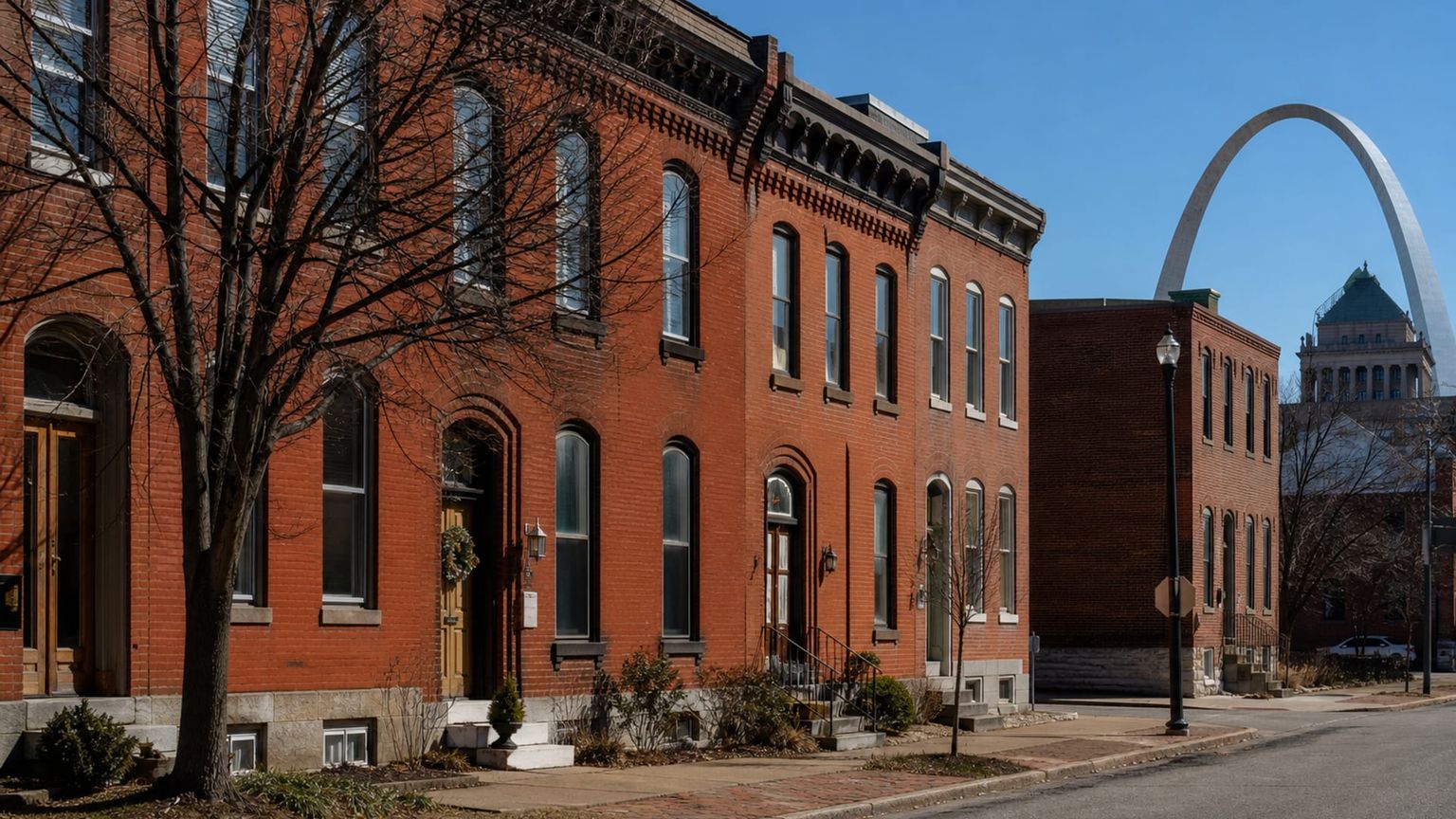
Start at the Gateway Arch early, before tram waits build, then spend about 1.5 to 2 hours on the museum, the grounds, and the river views. From there, walk about 10 to 15 minutes to downtown lunch, then head across to Forest Park by taxi, rideshare, or transit in about 15 to 20 minutes for an afternoon at the St. Louis Art Museum, which pairs well with the park’s open paths. If you still have energy, stay in Forest Park for a short lake walk before dinner back in Central West End, about 10 to 15 minutes away by transit.
Begin in Forest Park with several hours set aside for the park itself, then move to the St. Louis Art Museum, where the permanent collection is free and the galleries reward an unhurried visit. After that, take a taxi or rideshare about 15 to 20 minutes south to Laumeier Sculpture Park for a late-afternoon walk among the large outdoor works, especially if you arrive near sunset. Finish with dinner in Forest Park Southeast, about 10 minutes away by car, where the restaurant strip gives you an easy evening without crossing far from the park.
Head to the Cathedral Basilica of Saint Louis in late morning, when the interior light brings out the mosaics, and plan on about 45 to 60 minutes inside. From there, reach Clayton in roughly 15 to 20 minutes by taxi or MetroLink for lunch and a slower-paced afternoon in the county’s main business district, where you can browse restaurants and cafés near the central blocks. If you want one more easy stop, return toward Downtown for a final riverfront walk or a relaxed drink before dinner.
For a final day, start with a last museum stop in Forest Park, then shift to shopping in Clayton, where the main district gives you a compact cluster of stores, cafés, and lunch options. If you prefer a quieter final stop, go to Central West End for coffee and a late breakfast on Euclid Avenue, then linger over one more walk past the historic buildings before heading back for your flight. Build in extra time for the airport run, since the trip back to St. Louis (STL) can stretch past 30 minutes if traffic thickens.
Business-class flights from the US to St. Louis
St. Louis usually fits into one-stop business-class trips from both coasts, with fares that shift by airline, connection city, and season. The clearest options from New York and Los Angeles differ in both timing and price.
From New York, American Airlines, Delta Air Lines, United Airlines, and JetBlue all sell itineraries that are usually about 2 to 3 hours nonstop or roughly 4 to 7 hours with a stop, often through ORD, CLT, DFW, ATL, or IAH. Round-trip fares for this route usually start at about $600 and can reach $1,600.
Los Angeles travelers typically see American Airlines, Delta Air Lines, United Airlines, and Southwest Airlines, with nonstop flights taking about 4 to 4.5 hours. If you choose a connection, the common hubs are DEN, PHX, DFW, ORD, and ATL, and that can trim round-trip fares to about $500 to $1,400.
St. Louis feels different when you slow down
A deliberate St. Louis trip gives each part of the city its own time, the Arch in one stretch, Forest Park in another, and Clayton or the Central West End when you want an easier dinner and a shorter walk. MetroLink helps connect the airport, downtown, and the museum districts, while taxis and rideshares handle the rest. If you want help shaping those pieces into one trip, the AranGrant experts can build it around your dates and the neighborhoods you want most