

Chapters:

Need help with your trip?
Our support team is available 24/7. Request a callback or call us directly at (833) 619-0908
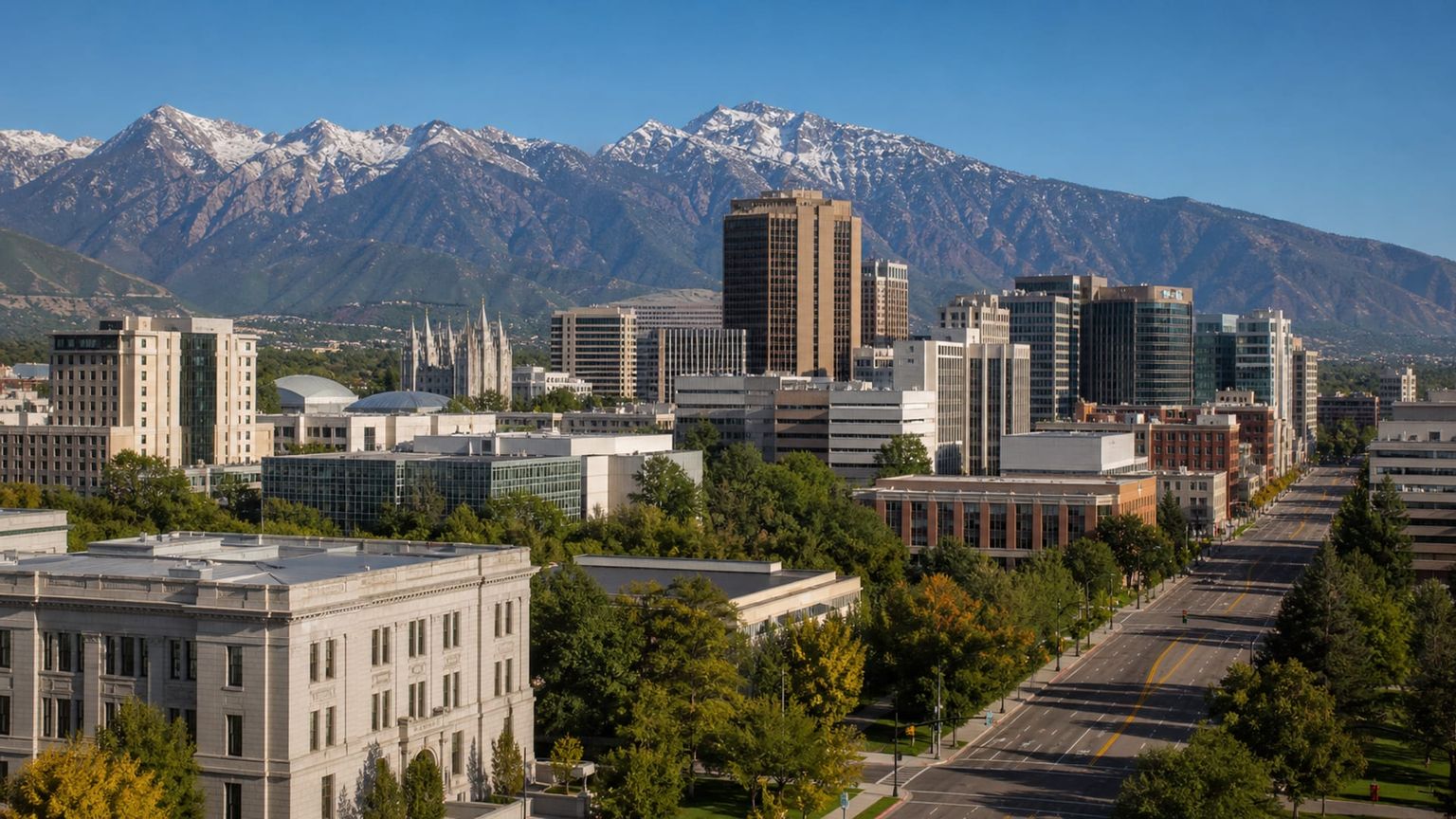
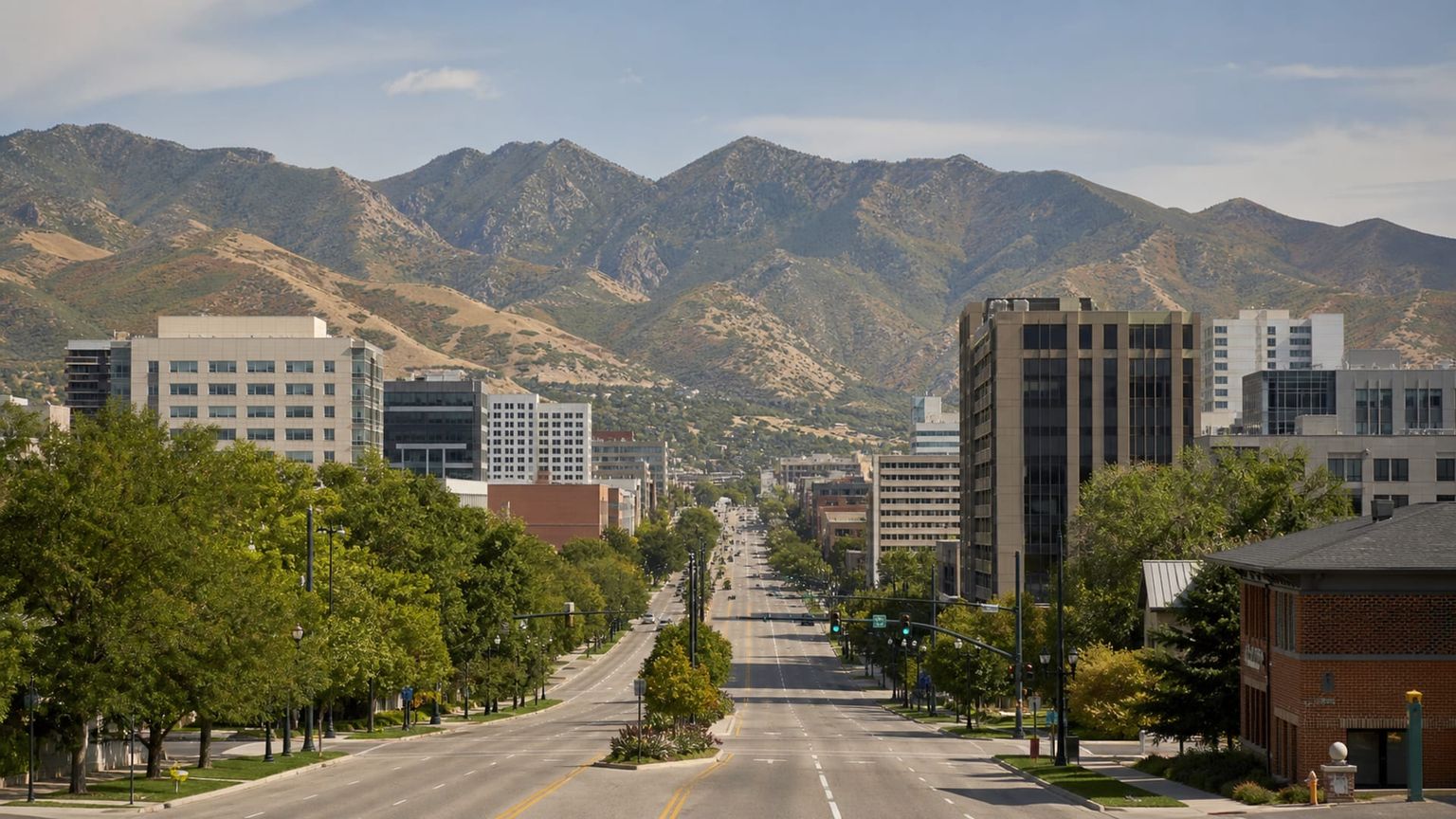
Salt Lake City trips often start with Temple Square, a downtown hotel, and a quick scan of the transit map, but many visitors miss how much the city opens up once the route includes the Capitol Hill slopes and the University of Utah hillside.
That first-pass approach can leave you zigzagging between sites that sit farther apart than they look on a map, while evening dining choices narrow and the dry mountain air makes overfilled days feel longer.
This guide sets out a cleaner five-day shape, pairing central neighborhoods with the right transit links, timed museum stops, and a pace that leaves room for the city’s hilltop views and quieter streets.
Useful things to know

Main language(s): English

Currency: The local currency is the US dollar (USD, $).

Cash and cards: Cards and contactless are widely accepted; carry about $20 to $40 in cash for tips and small purchases.

Tipping: Tip 15-20% at restaurants, and round up small taxi fares.

Traditional food: Fry bread tacos, scones, funeral potatoes, pastrami burger

Water and coffee costs: Water about $2 ($2), bar espresso about $4 ($4).

Taxis and ride apps: Uber and Lyft operate here; check airport pickup rules before you request a ride.

Plug and voltage: Type A/B socket, 120V

Dining and shop opening hours: Breakfast is about 07:00-09:00, lunch 12:00-14:00, and dinner 18:00-21:00. Many restaurants close by 22:00, with shorter hours on Sunday.

Emergency number: 911 for police, fire, and medical emergencies.
Where to stay in Salt Lake City
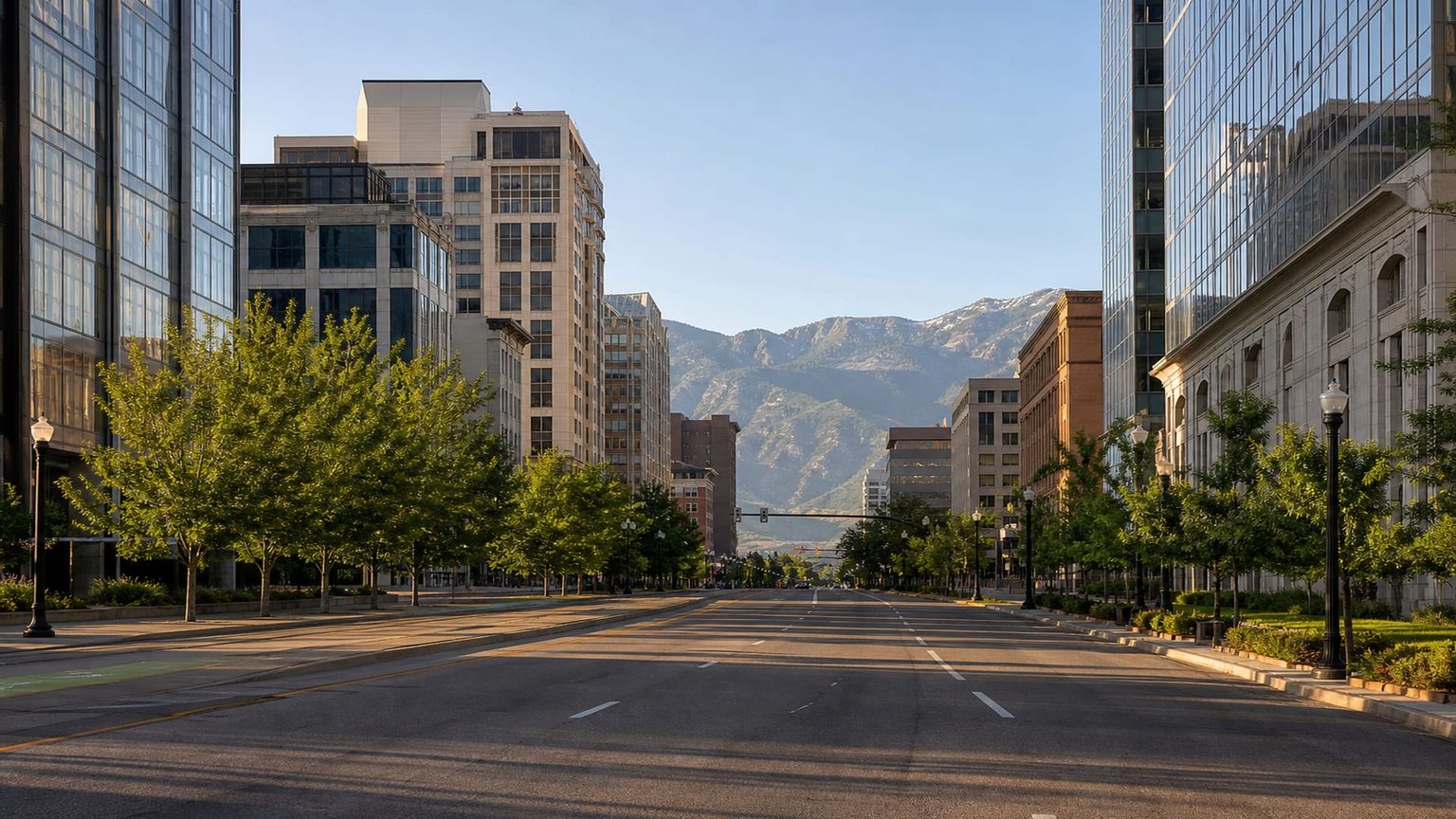
Salt Lake City’s core grid puts you near Temple Square, the Capitol, and the city’s main hotels and restaurants. It suits visitors who want to move between museums, dining, and transit without relying on a car for every outing.
Best for: First-time visits, business trips, and travelers who want the shortest walks to major sights
What to expect: Busy sidewalks by day, with office workers, hotel guests, and diners concentrated along the main streets; evenings quiet down after dinner, except near bars and event venues.
Hotel prices: Usually about $160 to $280 per night for well-rated stays
Distance to major sights: 10 to 15 minutes on foot to Temple Square; 10 minutes by transit to the Utah State Capitol
Quietness: Lively in the daytime, then noticeably quieter after office hours, with the most activity near restaurants and nightlife corridors.
Main trade-off: You pay more for central lodging, and some blocks feel sparse outside the main corridors after dark.
Good to know: If you plan to use transit, check the last return times, because the rail and bus network thins out late at night.
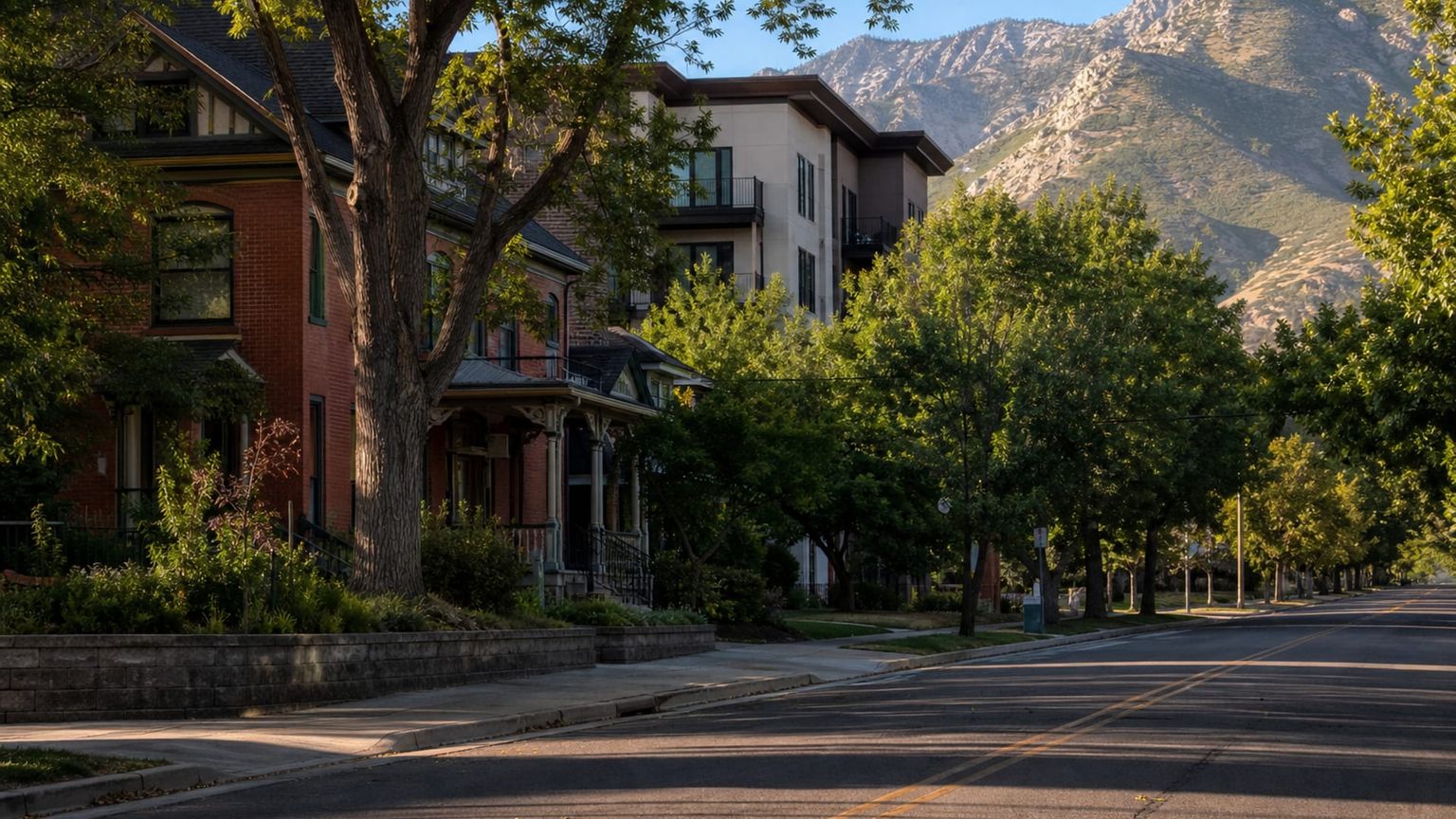
Central City sits just east of downtown and includes some of the city’s most walkable residential streets, local cafes, and smaller inns. It gives you quick access to the center while offering a more neighborhood-oriented stay than the main business core.
Best for: Couples, longer stays, and visitors who want cafes, parks, and an easy walk into downtown
What to expect: A mix of apartment buildings, small restaurants, and neighborhood traffic, with more local life than tourist turnover; the streets stay active without the constant pace of the center.
Hotel prices: Usually about $140 to $250 per night for well-rated stays
Distance to major sights: 15 to 20 minutes on foot to Temple Square; 10 to 15 minutes by transit to the Utah Museum of Fine Arts
Quietness: Brisk in the daytime, with a calmer evening feel on side streets and more sound near the restaurant strips.
Main trade-off: You may walk a bit farther to reach the main tourist sights, especially if your hotel sits east of the core.
Good to know: Parking can be tighter here than in the outer neighborhoods, so verify whether your hotel charges extra for a garage or valet spot.
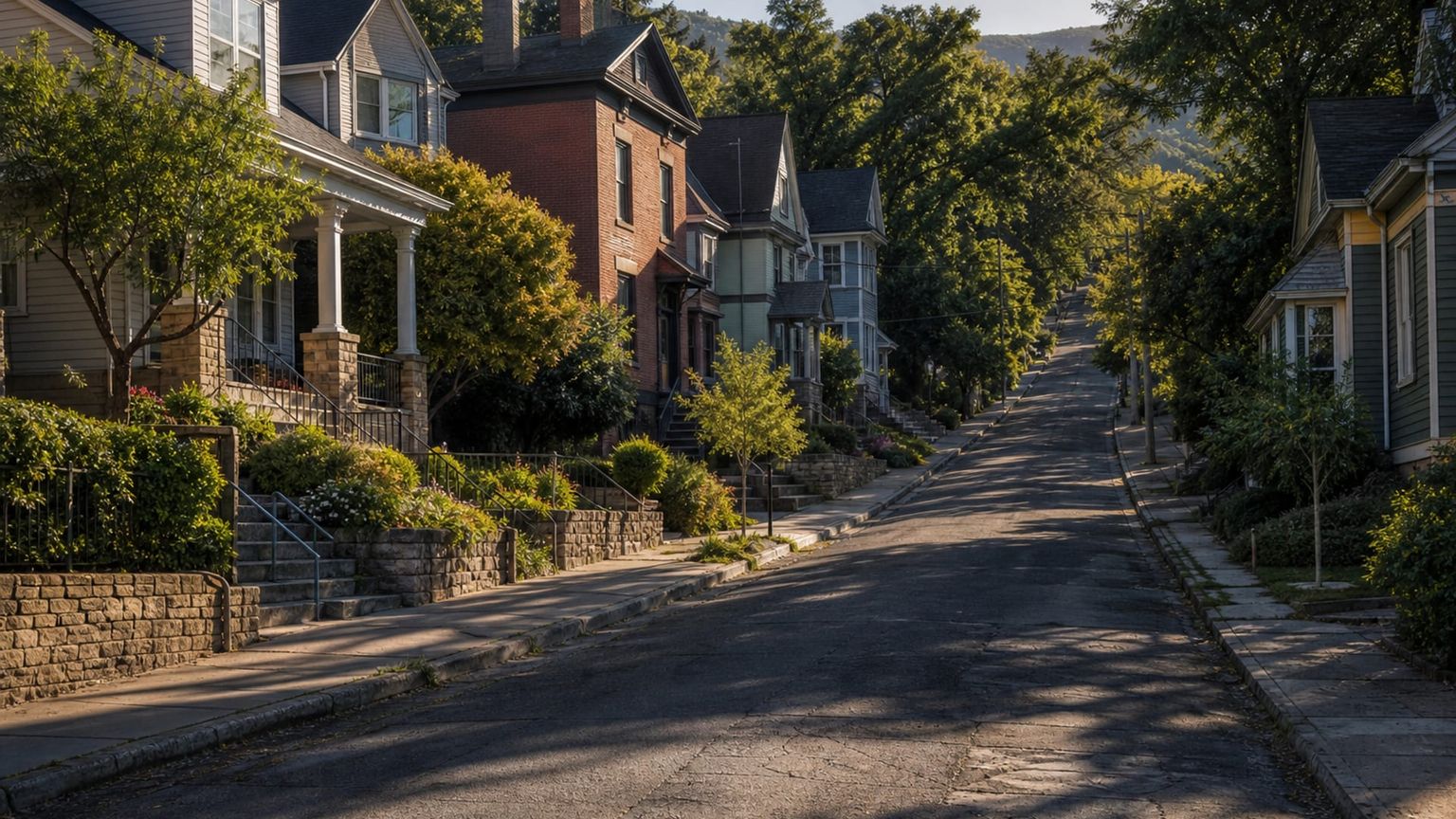
The Avenues rises north and east of downtown on a steep residential hillside lined with historic houses and tree-shaded streets. It works well for visitors who want a local setting close to the city center, with the Capitol and downtown still within easy reach.
Best for: Visitors who want a residential setting, architecture, and easy access to the Capitol and downtown
What to expect: Quiet blocks, sidewalks with light foot traffic, and a residential pace that feels farther from the business core; activity picks up near schools, parks, and neighborhood restaurants.
Hotel prices: Usually about $150 to $260 per night for well-rated stays
Distance to major sights: 15 to 25 minutes on foot to the Utah State Capitol; 10 to 15 minutes by car or transit to Temple Square
Quietness: Generally quiet both day and evening, with the most noise near busier cross streets and slope roads.
Main trade-off: The hills make walking back from downtown more demanding, and rideshare trips can be pricier than from flatter neighborhoods.
Good to know: If you plan to walk often, choose a lower block closer to the city center, because the steep streets add time and effort after dark.
Travelers usually avoid staying in North Salt Lake, because it sits about 10 to 15 minutes north of downtown Salt Lake City (SLC) by car and offers few visitor-oriented amenities. West Valley City, Taylorsville, and the airport district near Salt Lake City International Airport are also less convenient for sightseeing, since they sit well outside the main hotel cluster near downtown and Temple Square, and evening dining and transit options are more limited.
Hotel deals
How to get around Salt Lake City efficiently
TRAX does most of the heavy lifting for short downtown hops, while buses, rideshares, and taxis fill the gaps to the Capitol, the Avenues, and the University of Utah hill.

Metro
for longer distances
Salt Lake City has no metro or subway. TRAX light rail fills that role, with the Green Line linking Salt Lake City International Airport (SLC) to downtown in about 20 minutes and the Blue and Red lines covering the city center, the University of Utah, and farther south. A 2.5-hour ticket costs $2.50 ($2.50), and a day pass costs $5 ($5).

Bus and tram
for convenience
UTA buses cover the wider valley, while TRAX and the S-Line streetcar handle the most useful city links. Use buses for reaches that rail does not cover, including Sugar House, the Avenues, and some suburban connections; local rides often take 15 to 45 minutes, depending on distance and traffic. Single fares are $2.50 ($2.50), and day passes cost $5 ($5), with ticket validity set at 2.5 hours for single rides.

Taxi
for convenience or late hours
Licensed taxis use metered fares, not fixed citywide set rates, and most pick-ups at Salt Lake City International Airport (SLC) are from the official taxi stand outside the terminal. Expect about $25 to $35 to downtown, with farther trips such as Park City costing much more, often $80 to $100 or higher depending on traffic and time of day. Cards are widely accepted, though it is worth confirming before you set off.
*Prices are based on rates updated as of June 2026 and may change at the time of travel.
Use TRAX for the airport and downtown core, buses for wider valley trips, and taxis or rideshares when you need the quickest return after dinner or a hilltop visit.
Iconic landmarks
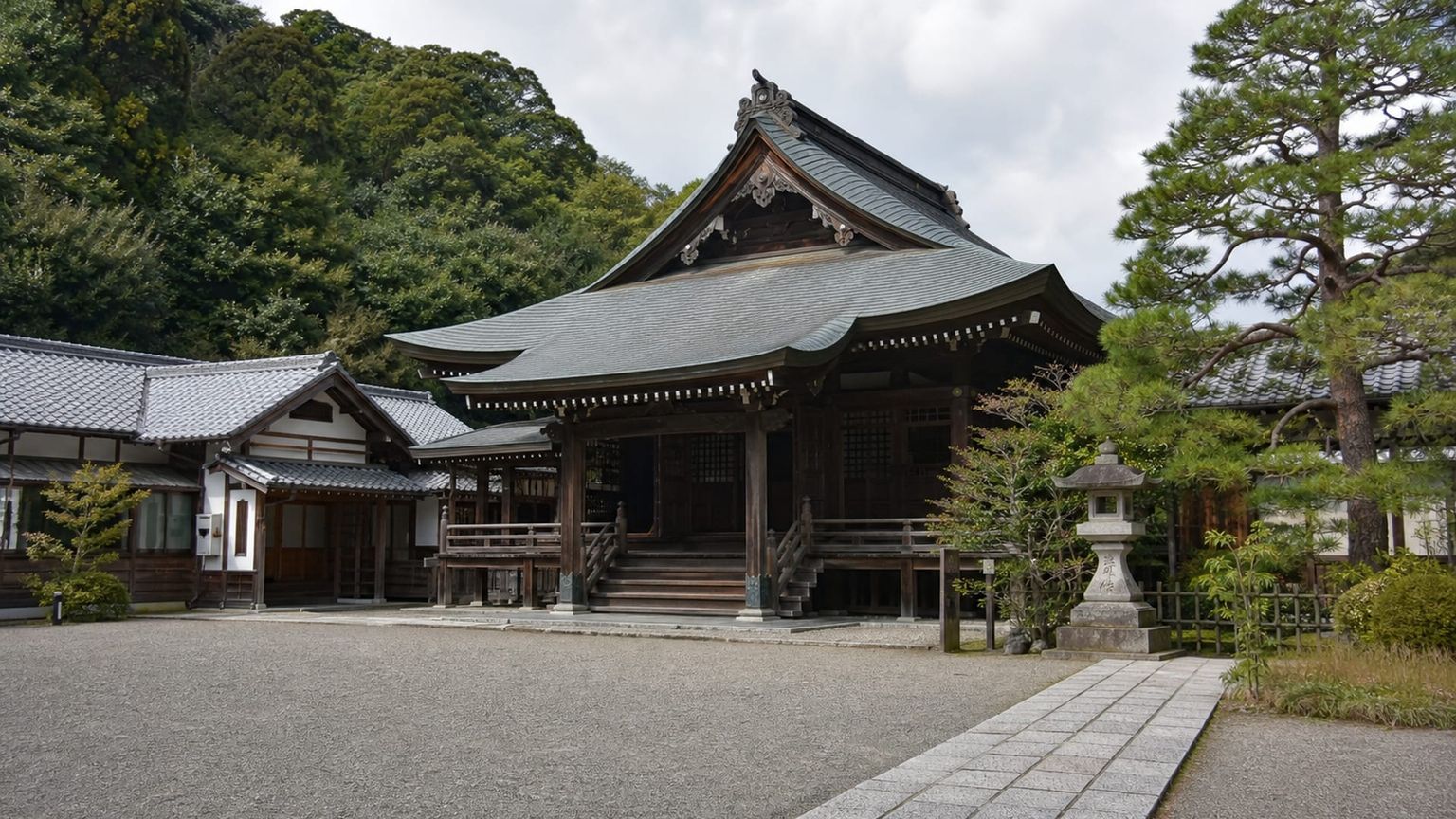
Temple Square
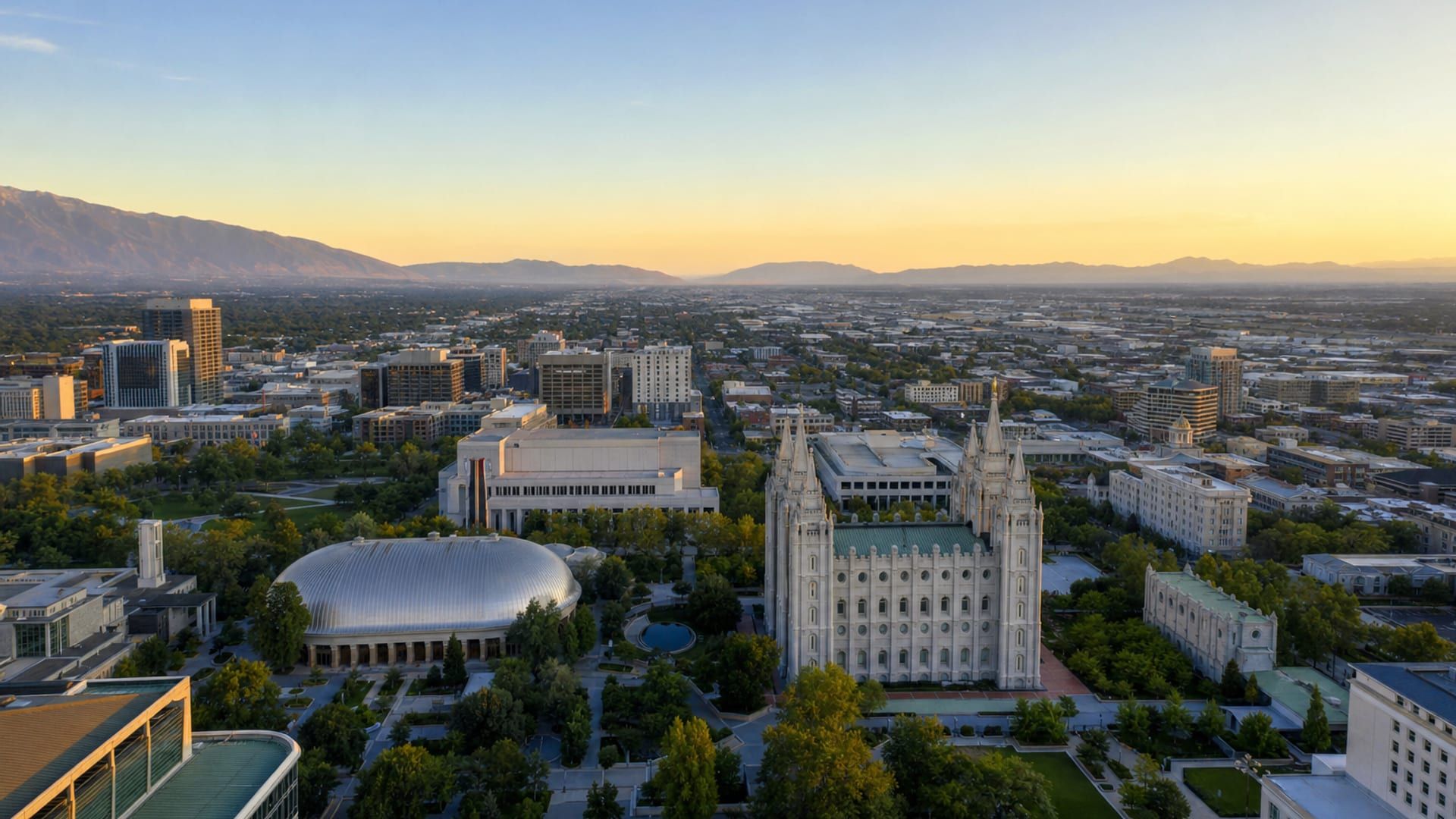
Salt Lake City’s best-known landmark pairs the Salt Lake Temple grounds with the Tabernacle, Assembly Hall, and formal gardens in the downtown core. The site anchors the city’s early Mormon history and gives a compact view of its civic center.
Time needed: About 2 to 3 hours
Entry: Free to access; some exhibits and guided offerings may have separate charges Visit the official site for details.
Tip: Go early for quieter paths and softer light on the gardens and stonework.
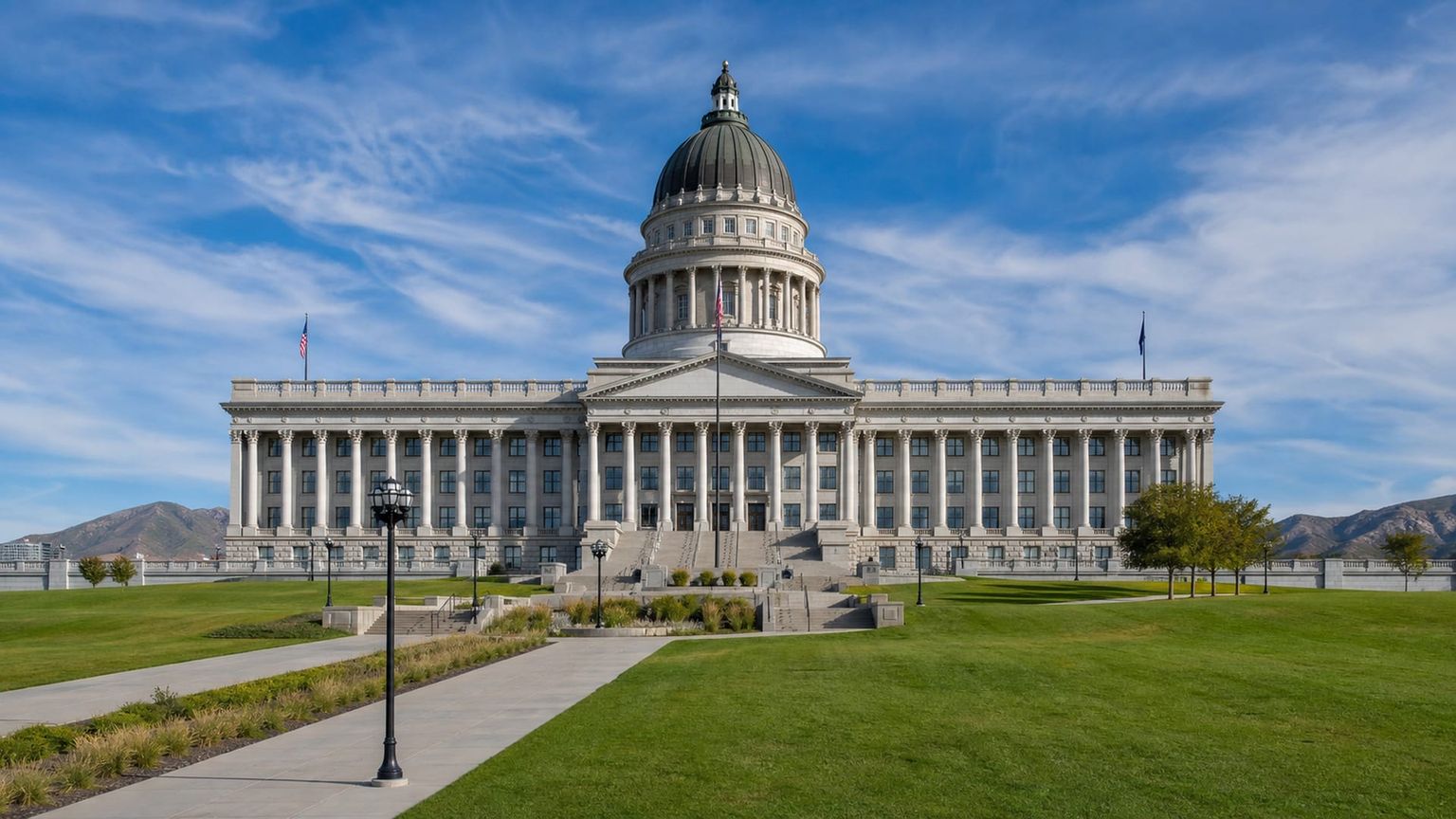
Utah State Capitol
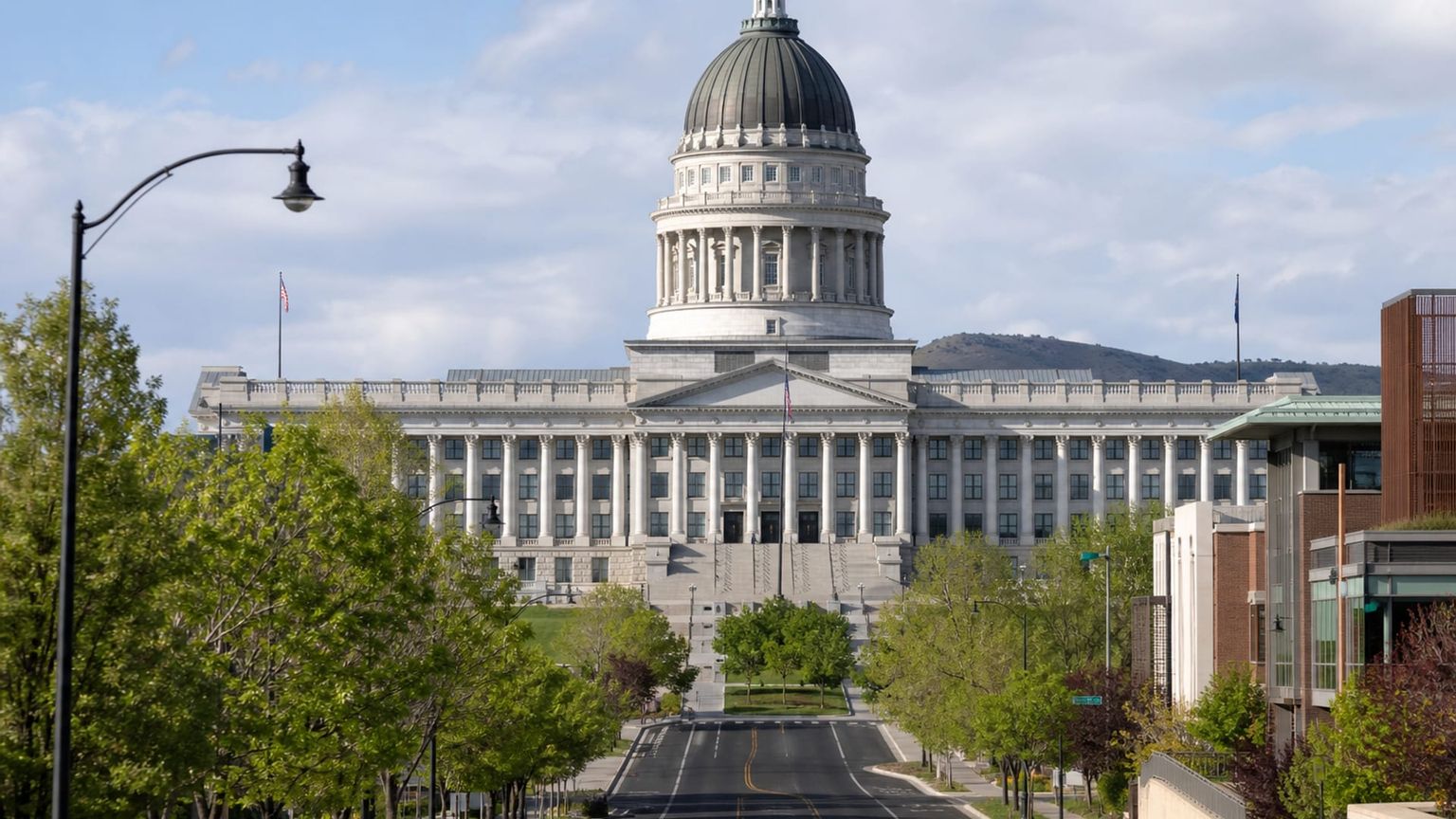
Set on Capitol Hill, the Utah State Capitol overlooks downtown and the Wasatch Front from a restored neoclassical building. Visitors come for the marble rotunda, murals, and broad city views from the grounds and steps.
Time needed: About 1 to 2 hours
Entry: Free to access; guided tours are free when offered, with no timed entry required for general visits Visit the official site for details.
Tip: Visit near sunset for the best city views and the warmest light on the dome.
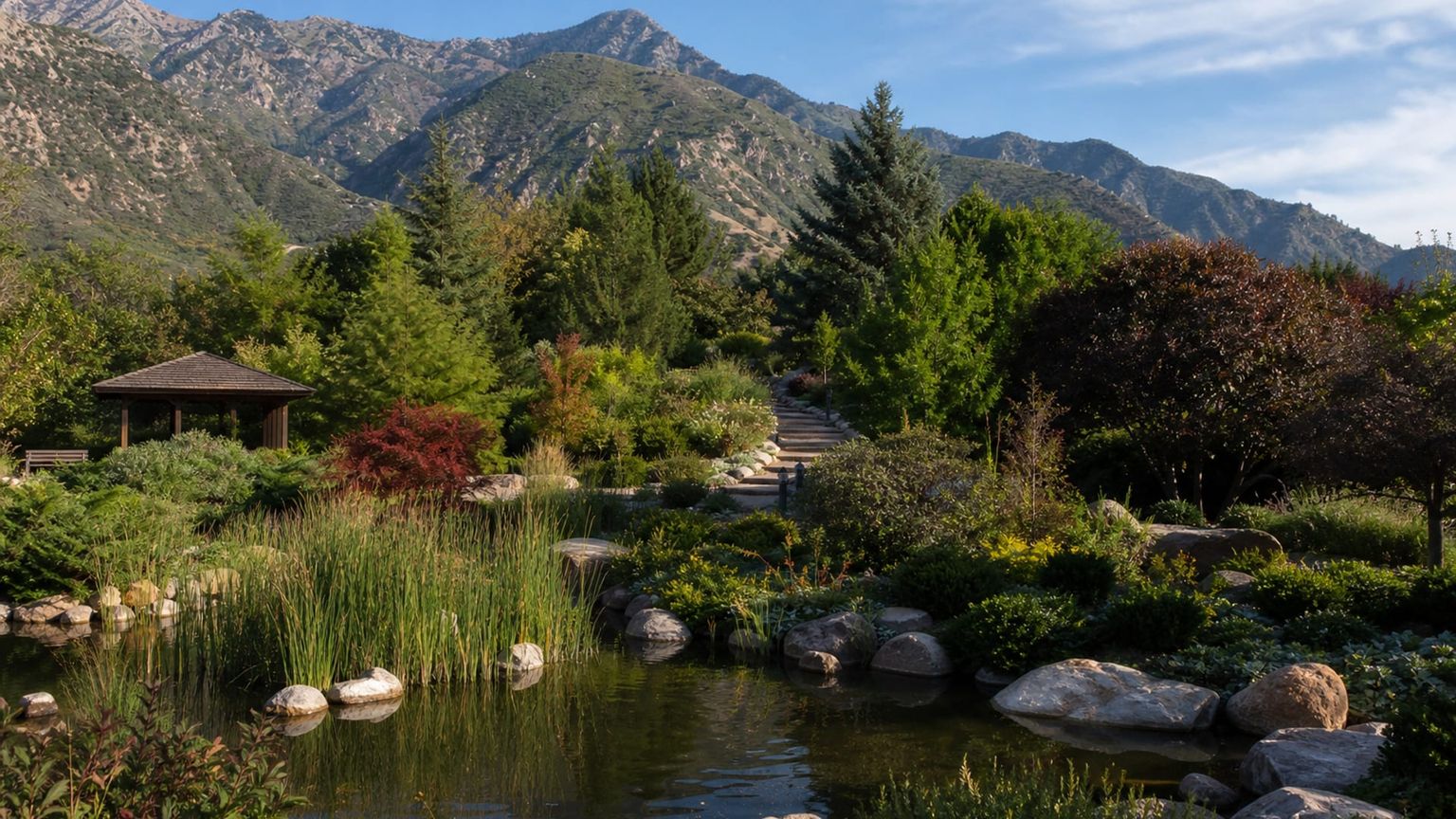
Red Butte Garden
Red Butte Garden sits on the University of Utah hillside and pairs native plant displays with formal gardens, trails, and seasonal outdoor exhibits. Its elevation gives clear views across the valley while keeping the visit firmly inside the city.
Time needed: About 2 to 3 hours
Entry: Standard admission costs $16 ($16) for adults, $14 ($14) for seniors, and $8 ($8) for children ages 3 to 17 Visit the official site for details.
Tip: Arrive in the morning in summer, before midday heat builds on the hillside paths.
Overlooked sites worth visiting

Utah Museum of Contemporary Art
This downtown museum shows rotating contemporary exhibitions, film screenings, and artist talks in a compact space near the City Creek area. It suits a short cultural stop without a large time commitment.
Time needed: About 1 to 2 hours
Entry: Admission is free for many exhibitions, while some special programs and events carry separate ticket prices that vary by show; check current listings before you go, because rotating calendars can change access and timing. Visit the official site for details.
Tip: Check the event calendar for evening talks or screenings.

Red Butte Garden
Set on the University of Utah hillside, this botanical garden pairs labeled plant collections with quiet walking paths and seasonal displays. The terrain opens wide views of the valley without leaving city limits.
Time needed: About 2 to 3 hours
Entry: General admission for adults is about $16 ($16), with lower rates for children, students, and seniors; prices rise for select concerts and after-hours programs, so review the schedule if you want both garden access and an event ticket. Visit the official site for details.
Tip: Go early for cooler paths and softer morning light.
Traditional food
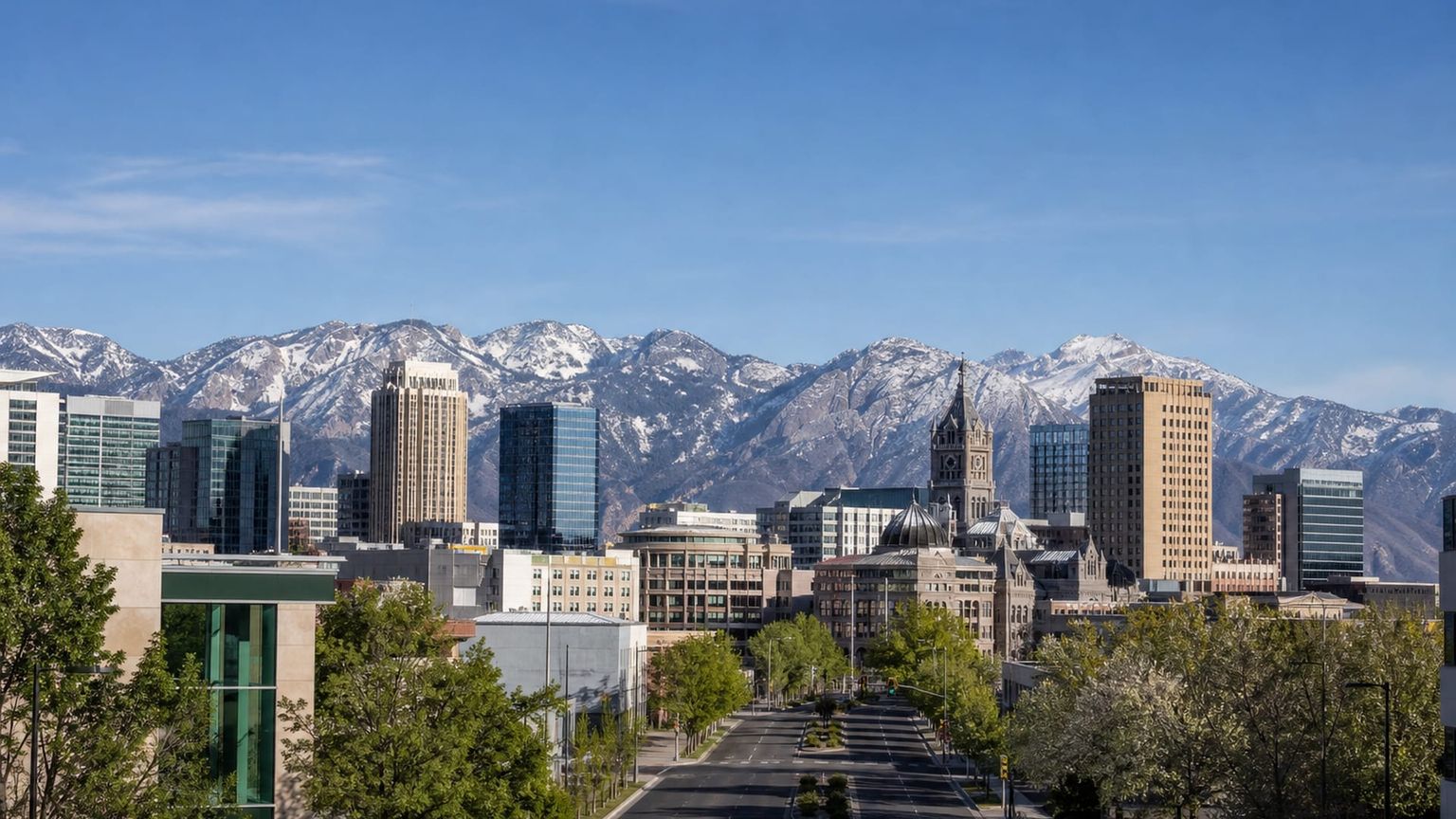
Salt Lake City leans into Mountain West comfort, with fry bread tacos, scones, funeral potatoes, and pastrami burgers alongside plenty of coffee stops and casual diners that keep portions generous and flavors familiar.
Fry bread tacos
Soft, golden fry bread supports beans, meat, lettuce, and salsa in a dish that shows up across the Intermountain West. Indian Walk-In Center Kitchen is a well-known Salt Lake City stop for this style.
Scones
In Utah, scones are fried dough served with honey butter or jam, not the dry tea pastry found elsewhere. Penny Ann’s Cafe in Salt Lake City has built a local following around them.
Funeral potatoes
This baked potato casserole usually mixes potatoes, cheese, cream, and a crunchy topping, and it shows up on family tables and casual menus alike. The Pie Pizzeria serves a familiar Utah version in Salt Lake City.
Pastrami burger
A pastrami burger stacks beef, pastrami, cheese, and condiments into a salty, substantial local favorite. Crown Burgers is the classic Salt Lake City reference for this style.
Best time to visit Salt Lake City
Salt Lake City changes most noticeably with the season, from bright, dry summers to colder winter days that can shift plans from gardens and hill walks to museums and indoor stops.
Best for: Temple Square gardens, Capitol Hill walks, and lighter sightseeing days
What you get: About 50 to 75°F (10 to 24°C), with moderate crowds and comfortable daytime conditions
Trade-offs: Late snow can still interrupt higher-elevation plans
Best for: Red Butte Garden, long daylight, and outdoor time in the hills
What you get: About 75 to 95°F (24 to 35°C), with the busiest visitor demand and strong sun
Trade-offs: Afternoon heat and dry air can make midday walking tiring
Best for: Clear views, downtown sightseeing, and neighborhood walks
What you get: About 45 to 70°F (7 to 21°C), with lighter crowds after summer
Trade-offs: Cooler evenings arrive quickly, especially after sunset
Best for: Museum visits, downtown dining, and crisp city views after snowfall
What you get: About 25 to 45°F (-4 to 7°C), with lower daytime crowds and shorter outdoor windows
Trade-offs: Snow and cold can slow hill access and reduce walking comfort
A realistic 5-day plan in Salt Lake City
This five-day plan keeps the city center close at hand, then widens the route into the hills and garden spaces once you have your bearings. The sequence favors short transfers, clear neighborhoods, and a final day that leaves room for shopping and one last museum stop before the airport.
From Salt Lake City International Airport (SLC), take TRAX or a rideshare into downtown, about 15 to 20 minutes by rail and about 10 to 15 minutes by car, with fares typically about $2.50 on TRAX or roughly $20 to $35 for a rideshare. Base yourself near Downtown or Central City so you can settle in quickly, then keep dinner close to your hotel, perhaps a simple meal on Main Street or near City Creek, and drink plenty of water because the dry air can feel noticeable after a flight.
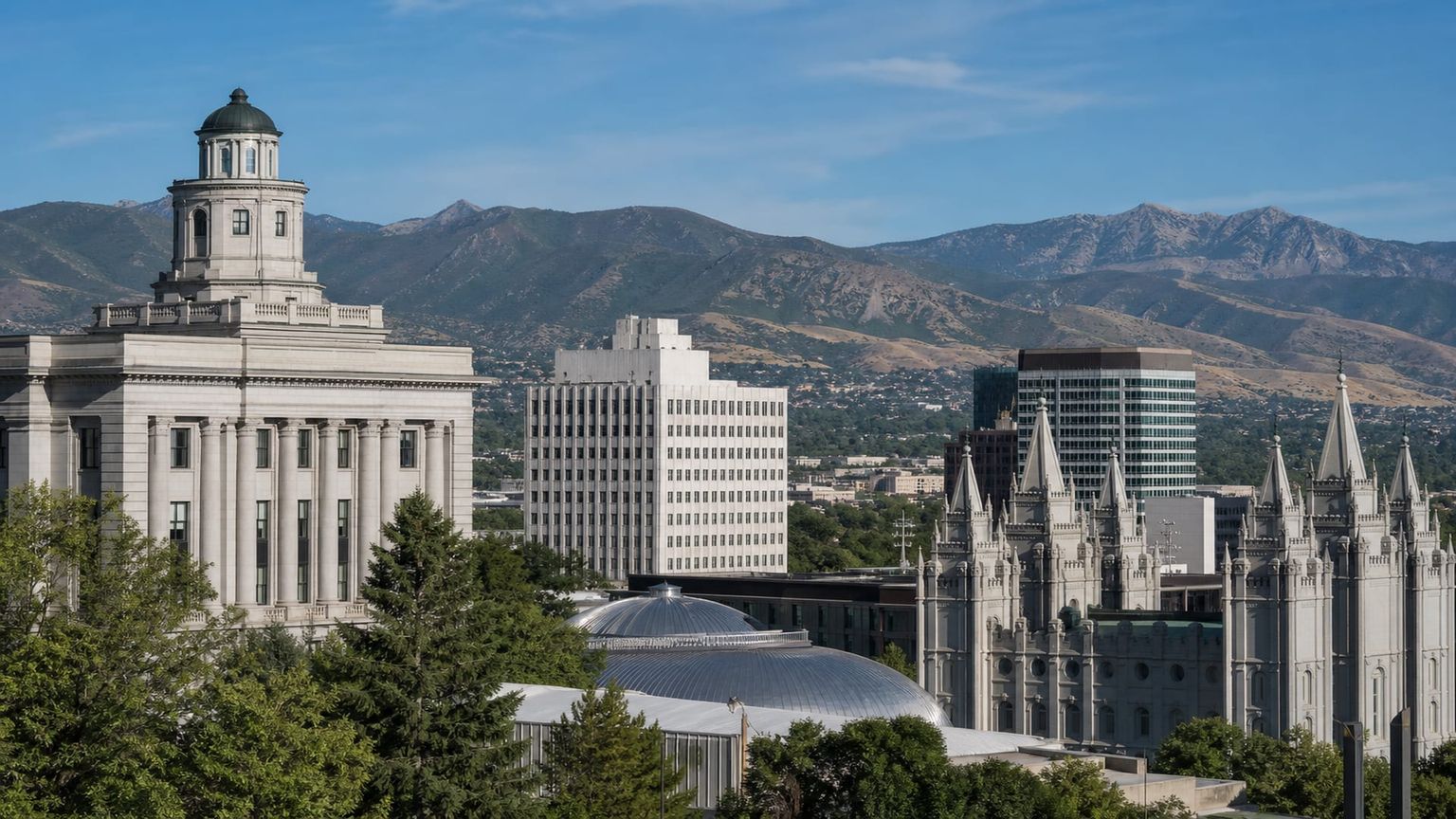
Begin at Temple Square early, when the gardens are quieter, then walk about 10 minutes to the Utah Museum of Contemporary Art for a compact dose of rotating exhibitions or a screening. From there, it is about a 15-minute walk to the Utah State Capitol, where you can spend 1 to 2 hours on the grounds and inside, and stay for sunset if the light is good. Finish with dinner back downtown, where the shortest returns to your hotel will keep the evening easy.
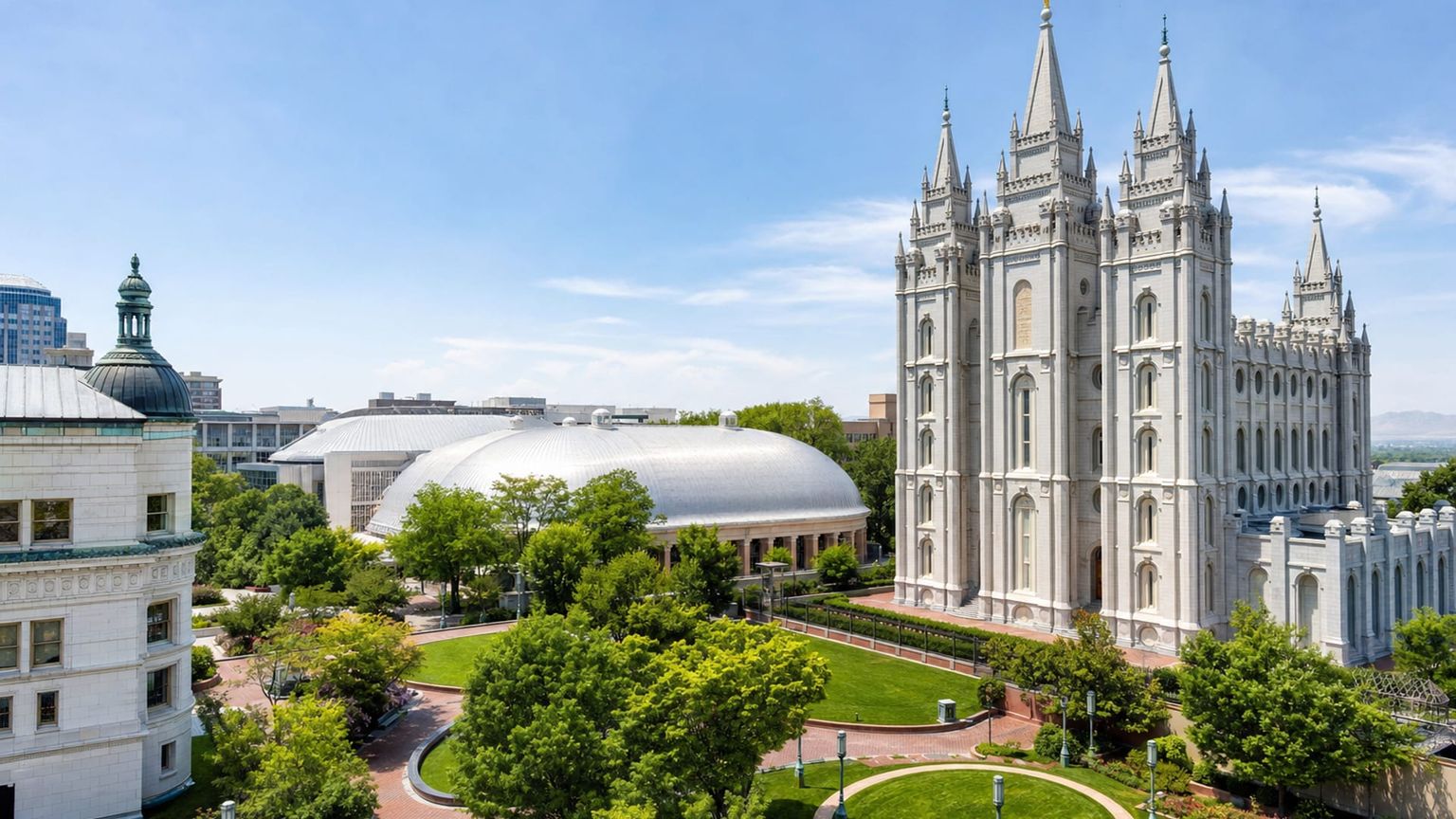
Start the morning at Red Butte Garden, about 15 to 20 minutes by car from downtown or roughly 25 to 30 minutes by transit depending on connections, and plan on 2 to 3 hours for the paths and views. After lunch, continue to the Utah State Capitol, about 15 minutes by car from the garden and roughly 25 to 30 minutes by transit, so you can compare the hillside setting with the city overlook. If you still have energy, stroll through the Avenues on the way back, where the residential streets and older houses give the afternoon a quieter finish.
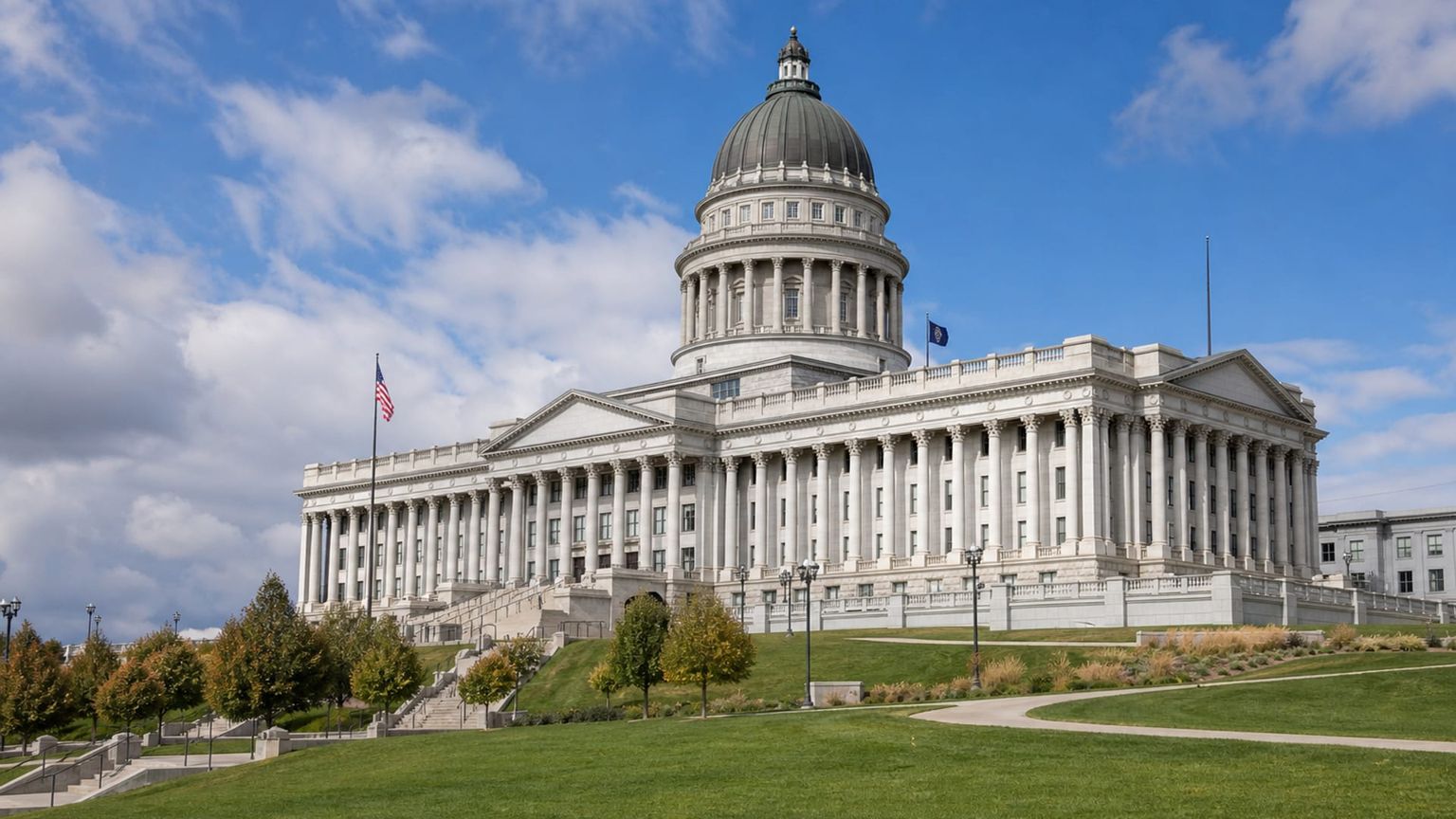
A city-centered morning works well here, begin with Temple Square, then walk about 10 minutes to the downtown museum cluster near City Creek for a second pass at the Utah Museum of Contemporary Art or a nearby lunch break. In the afternoon, head to Central City for coffee or a slower neighborhood walk, then return to Downtown for dinner, since the core grid keeps the transit and rideshare options easiest once evening settles in.
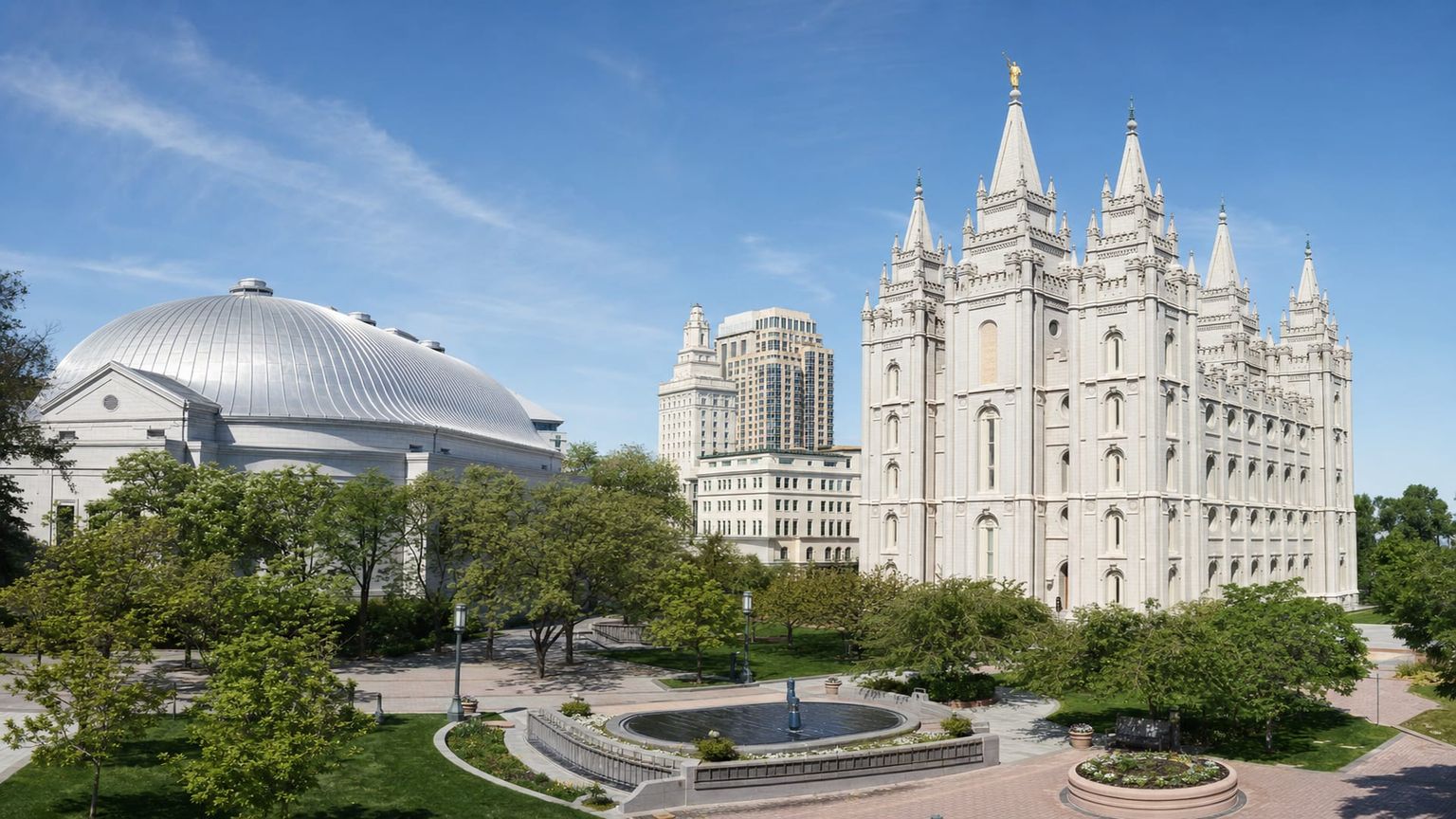
Before you head out, fit in one last short museum stop at the Utah Museum of Contemporary Art, then spend a few hours browsing City Creek Center in Downtown, where shopping, lunch, and an easy airport run stay close together. If you prefer a quieter final hour, settle into a cafe in Central City and watch the neighborhood pace pick up and fade through the afternoon before you leave for Salt Lake City International Airport (SLC).
Business-class flights from the US to Salt Lake City
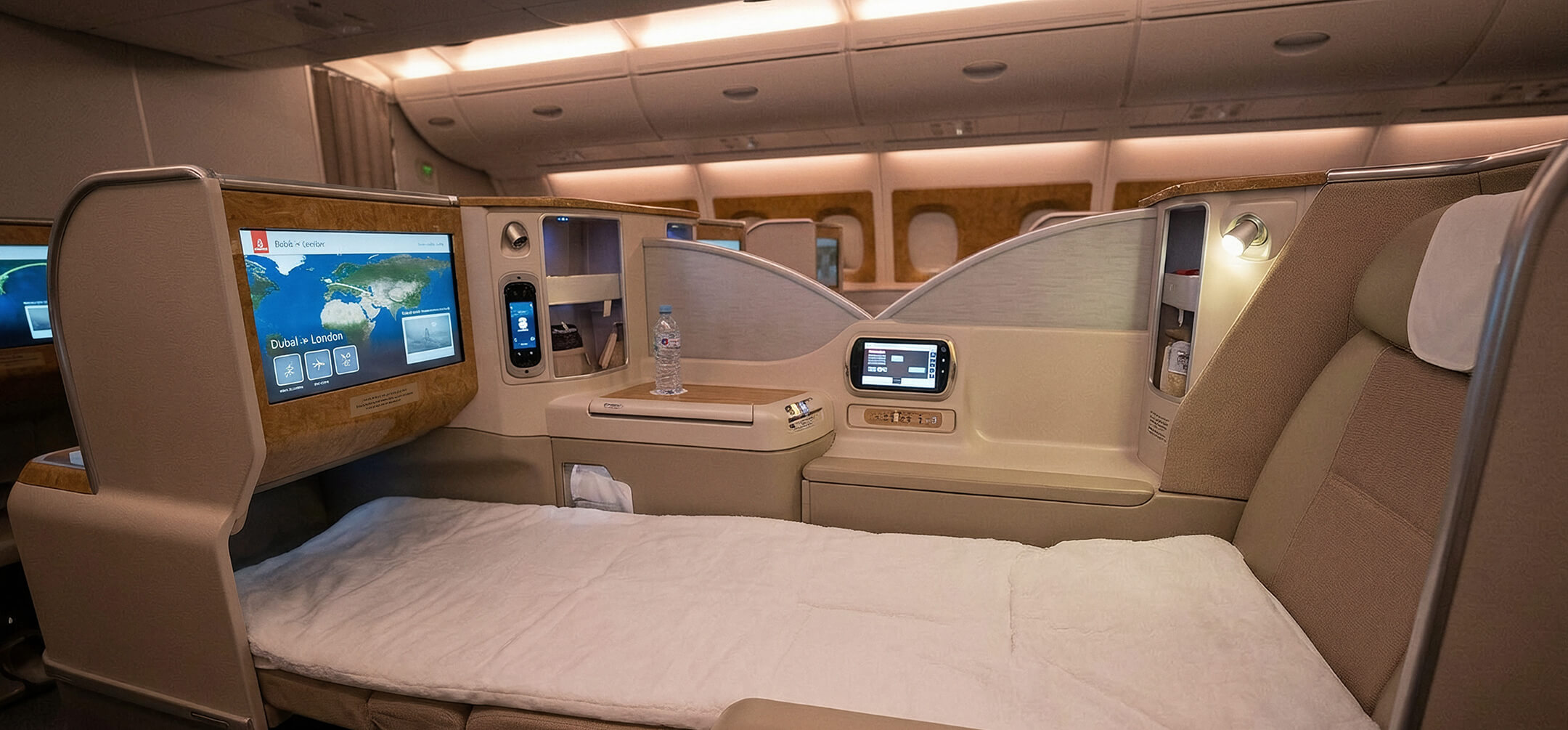
For long-haul arrivals, Salt Lake City often works best with one-stop business-class itineraries from either coast. The two examples below show how carriers and layover hubs shape both the total time and the fare band.
From New York City, Delta Air Lines, JetBlue, American Airlines, United Airlines, and Alaska Airlines all appear in the mix. Nonstop flying takes about 4 to 5 hours, while one-stop options via Chicago (ORD), Denver (DEN), Dallas (DFW), San Francisco (SFO), or Atlanta (ATL) usually run 6 to 9 hours and can bring fares down, with round-trip prices starting at $700 and reaching about $1,500.
Los Angeles has the shortest climb into Salt Lake City, with Delta Air Lines, American Airlines, United Airlines, Alaska Airlines, and Southwest Airlines all serving the route. Round-trip fares usually run $450 to $1,100, and nonstop flying takes roughly 1.5 to 2 hours.
Salt Lake City feels different when you slow down
A good Salt Lake City stay uses the center as a base, then adds the Capitol, the Avenues, and the University of Utah hillside in a sequence that matches the transit and the terrain. Temple Square, Red Butte Garden, and the Utah State Capitol each reward a different pace, so the trip works best when you leave space between them. If you want AranGrant experts to shape the route around downtown, Central City, or a final morning at City Creek, start there