

Chapters:

Need help with your trip?
Our support team is available 24/7. Request a callback or call us directly at (833) 619-0908
Shenyang trips often start with the palace district, add one tomb complex, then leave the rest of the city for taxis and hotel lobbies. Travelers who stop there miss how the center, the river edge, and the newer east side fit together.
That narrow pattern can waste time, because Shenyang spreads its highlights across a few separate corridors, and traffic can slow cross-town hops. Palace crowds build fast, museum hours are shorter than many visitors expect, and dinner options thin out once the day gets late.
This guide keeps the city in a tighter order. It separates the old center from the eastern parks, pairs nearby sights, and leaves room for meals, transfer time, and an easier departure day.
Useful things to know

Main language(s): Mandarin Chinese
Nǐ hǎo (nee haow) – Hello
Qǐng (ching) – Please
Xièxie (shyeh-shyeh) – Thank you
Nǐ huì shuō Yīngyǔ ma? (nee hway shwoh ying-yoo ma) – Do you speak English?
Duōshǎo qián? (dwaw-shaow chyan) – How much does it cost?

Currency: The local currency is the Chinese yuan (CNY, ¥).

Cash and cards: Cards and contactless are widely accepted in hotels, malls, and larger restaurants; carry about ¥200 to ¥500 ($28 to $70) in cash for small purchases.

Tipping: Tipping is not expected; round up small taxi fares and leave a little extra only at upscale hotels or tour guides.

Traditional food: Laobian dumplings, Guo bao rou, Shenyang chicken rack, Northeast cold noodles

Water and coffee costs: Water ~¥3 to ¥6 ($0.40 to $0.80), bar espresso ~¥18 to ¥30 ($2.50 to $4).

Taxis and ride apps: DiDi works here; Baidu Maps can help with addresses in Chinese.

Plug and voltage: Type A/C socket, 220V

Dining and shop opening hours: Breakfast is about 7:00-9:00 am, lunch 11:30 am-1:30 pm, and dinner 5:30-8:00 pm. Many restaurants close midafternoon, and late-night options are limited.

Emergency number: Call 110 for police, 119 for fire, and 120 for ambulance.
Where to stay in Shenyang
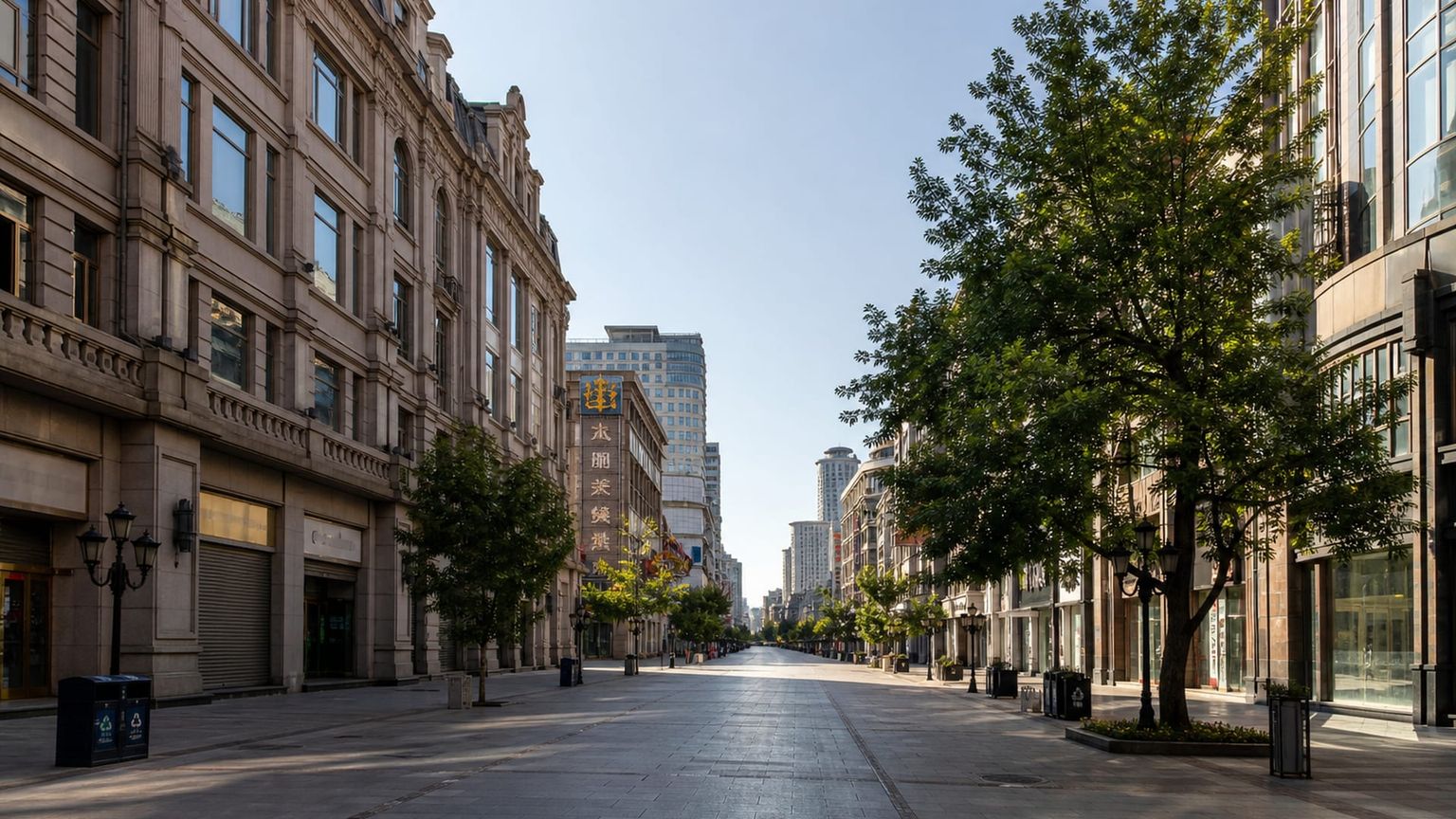
Shenyang’s old commercial core, Zhongjie centers on pedestrian shopping streets, historic storefronts, and easy metro access. It puts you close to the Shenyang Imperial Palace and many snack lanes, so short city breaks can pack in a lot without long transfers.
Best for: Shopping, first-time sightseeing, and travelers who want the city center on the doorstep
What to expect: Heavy foot traffic by day, bright signs at night, and constant snack and retail activity on the main streets.
Hotel prices: Usually about 300 CNY to 700 CNY (~$42 to ~$98) per night for well-rated stays
Distance to major sights: About 10 to 15 minutes on foot to Shenyang Imperial Palace
Quietness: Busy from late morning through evening, with only a slight lull after shops close.
Main trade-off: Hotel rates sit above the city average, and the busiest blocks can feel crowded for much of the day.
Good to know: Choose a side street or a higher floor if you want less street noise after dark.
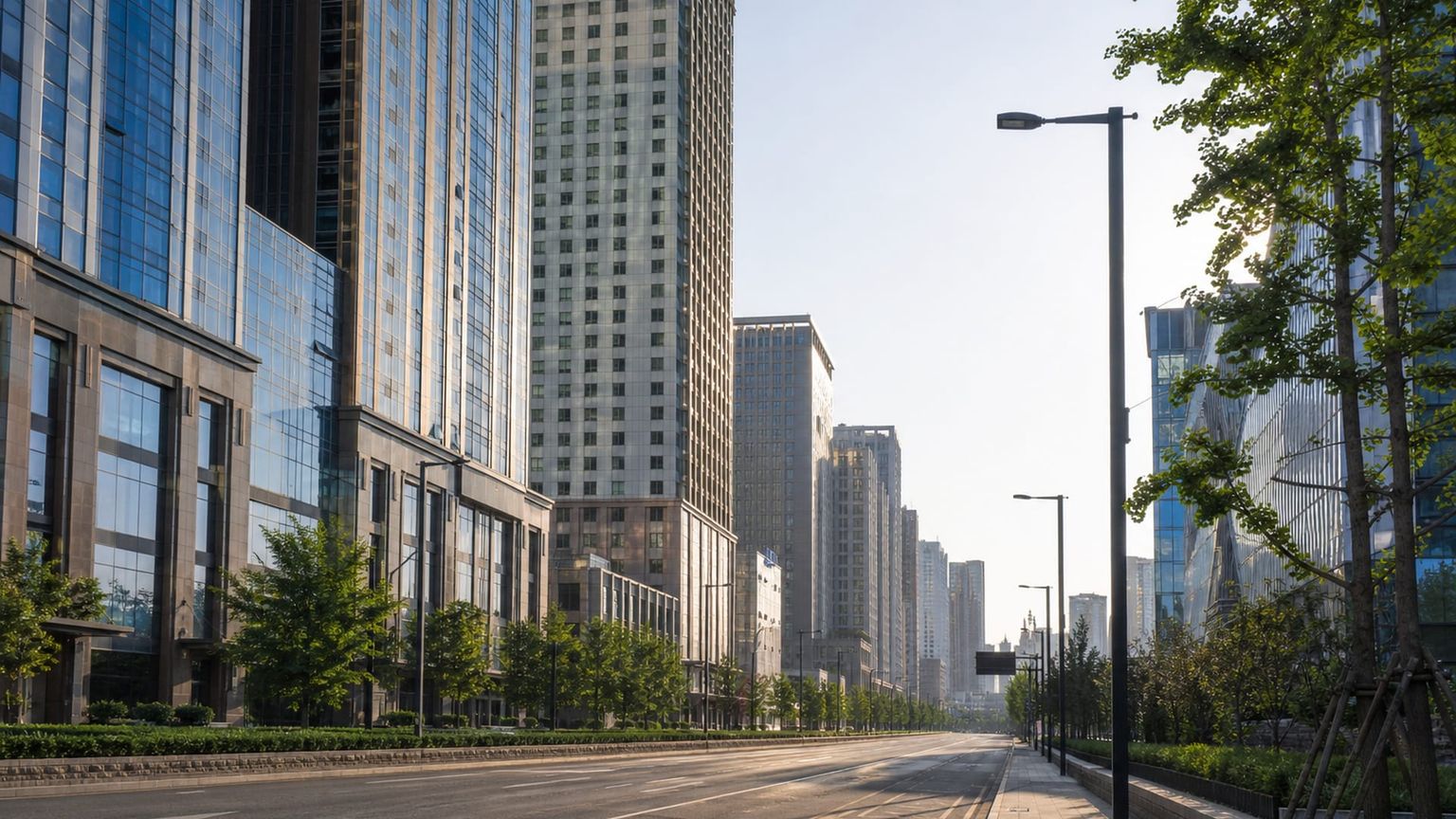
Taiyuan Street is a major shopping and transit corridor west of the historic core, lined with malls, restaurants, and business hotels. It works well if you want a central base with fast metro access to the palace district, the railway station, and several large retail complexes.
Best for: Business trips, shopping, and easy metro connections
What to expect: Busy sidewalks, taxi movement, and a steady stream of diners and shoppers from afternoon into late evening.
Hotel prices: Usually about 280 CNY to 650 CNY (~$39 to ~$91) per night for well-rated stays
Distance to major sights: About 10 minutes by transit to Shenyang Railway Station, about 20 minutes by transit to Shenyang Imperial Palace
Quietness: Lively all day, then still active after dinner thanks to malls and restaurants.
Main trade-off: You get strong transit access, but traffic and late-evening activity can make light sleepers want a room away from the avenue.
Good to know: If you need early train access, stay closer to the station side rather than the shopping blocks.
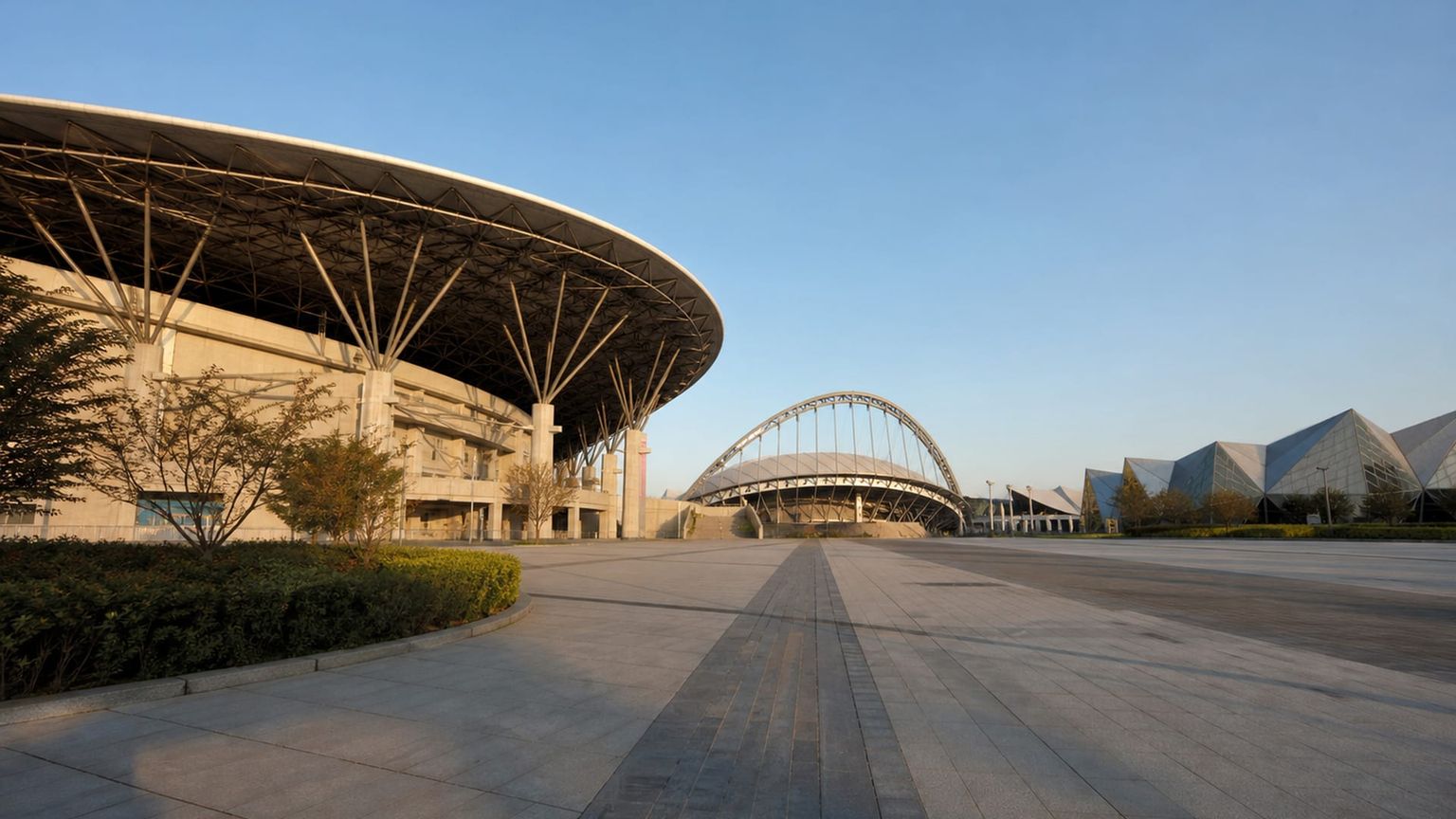
The Olympic Sports Center area in eastern Shenyang is a newer residential and hotel district with wide roads, large venues, and modern apartment blocks. It suits travelers who prefer newer buildings and do not mind commuting into the old center for museums and major sights.
Best for: Newer hotels, family stays, and travelers who do not mind using transit
What to expect: Broader streets, fewer late-night crowds, and a more residential feel once the venues empty out.
Hotel prices: Usually about 250 CNY to 550 CNY (~$35 to ~$77) per night for well-rated stays
Distance to major sights: About 25 to 35 minutes by transit to Shenyang Imperial Palace
Quietness: Quieter in the evening than the core, with activity concentrated near major roads and event days.
Main trade-off: You trade away walkable sightseeing access, so most museum and old-town visits need a metro or taxi ride.
Good to know: Check event schedules before booking, since sports and concert nights can raise traffic and parking demand.
Travelers usually avoid staying in Sujiatun District for a city trip, because it sits far south of the main sights in Heping, Shenhe, and along the Hun River. Yuhong District and Shenbei New District are also less convenient, with fewer visitor amenities and longer evening taxi rides into the center, while Hunnan District can be a poor fit if you want frequent night outings near the older commercial core.
Hotel deals
How to get around Shenyang efficiently
Shenyang’s metro, buses, and taxis each matter in a different part of the city, because the main sights sit in distinct districts rather than one walkable cluster.

Metro
for longer distances
Shenyang’s metro reaches the city’s main rail hub, Shenyang North Station, and ties together the center, the east, and the airport corridor through several numbered lines. Single rides typically cost about $0.30 to $1.10 (¥2 to ¥8), with stored-value cards and mobile payments accepted, and trains usually run from about 5:30 am to 10:30 pm. For airport trips, plan on roughly 45 to 70 minutes from the center, depending on the line and transfer.

Bus and tram
for convenience
Bus routes cover nearly every district, while tram and light-rail links add coverage in newer development zones on the city’s edges. Fares are usually about $0.15 to $0.45 (¥1 to ¥3), with some express or air-conditioned routes priced higher, and single tickets normally suit short hops better than multiple transfers. Buses are the main option for neighborhoods not reached by the metro, although travel times can stretch during peak traffic, especially on corridors feeding the railway stations and major shopping streets.

Taxi
for convenience or late hours
Licensed taxis use meters rather than set fares, and a daytime trip starts at about $1.40 to $1.70 (¥10 to ¥12), with total city rides often landing near $4.20 to $8.40 (¥30 to ¥60), plus a small nighttime surcharge. Drivers usually pick up passengers at marked ranks, hotel entrances, and the airport, and most cabs accept cash as well as mobile payment. From Shenyang Taoxian International Airport, expect roughly $14 to $28 (¥100 to ¥200) to central Shenyang, depending on traffic and the exact destination.
*Prices are based on rates updated as of June 2026 and may change at the time of travel.
Use the metro for central cross-town hops, buses for neighborhoods the rail lines do not cover, and taxis or DiDi when you need the airport, the tomb complex, or an evening return after dinner.
Iconic landmarks
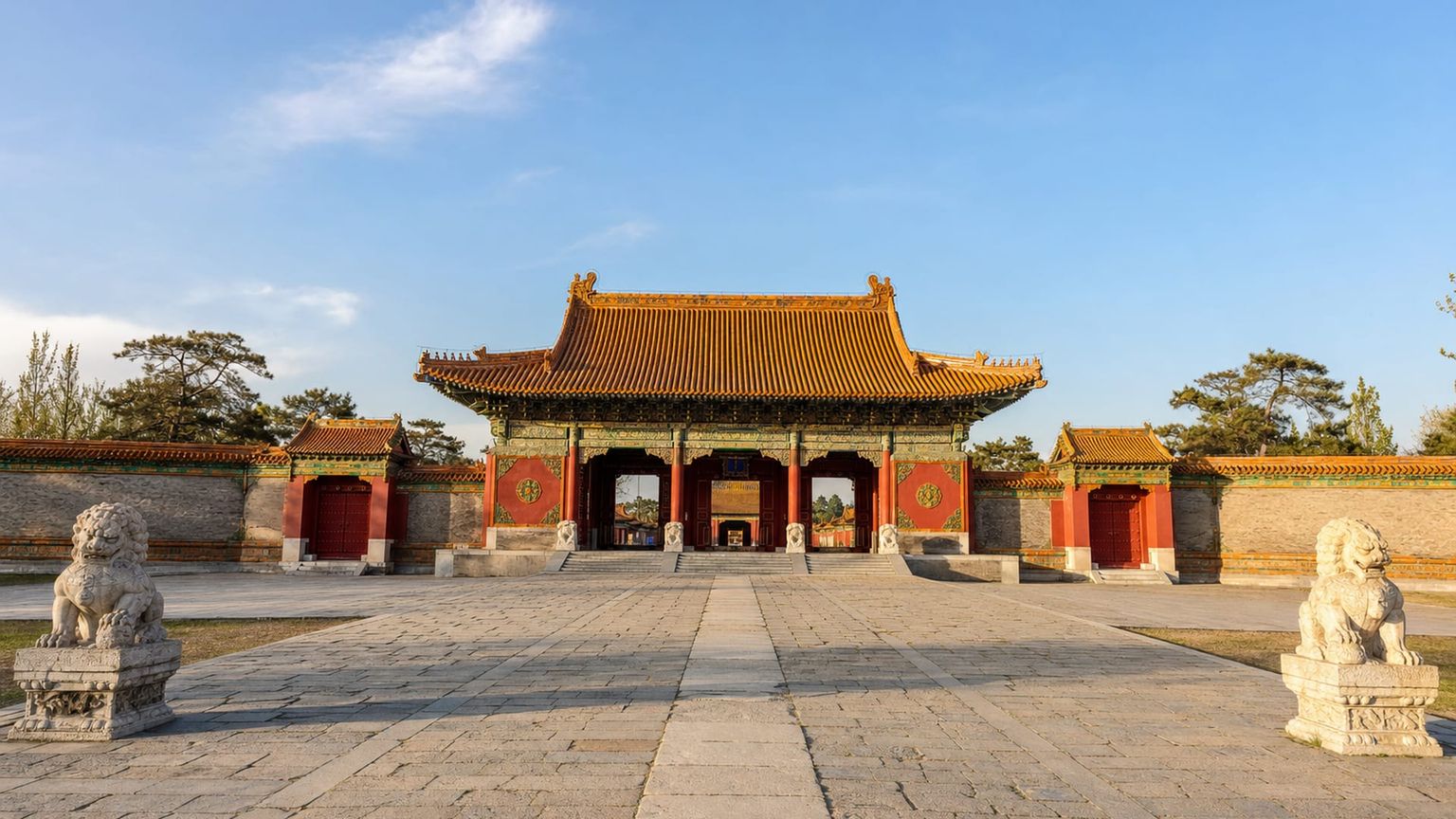
Zhao Mausoleum (Northern Tomb)
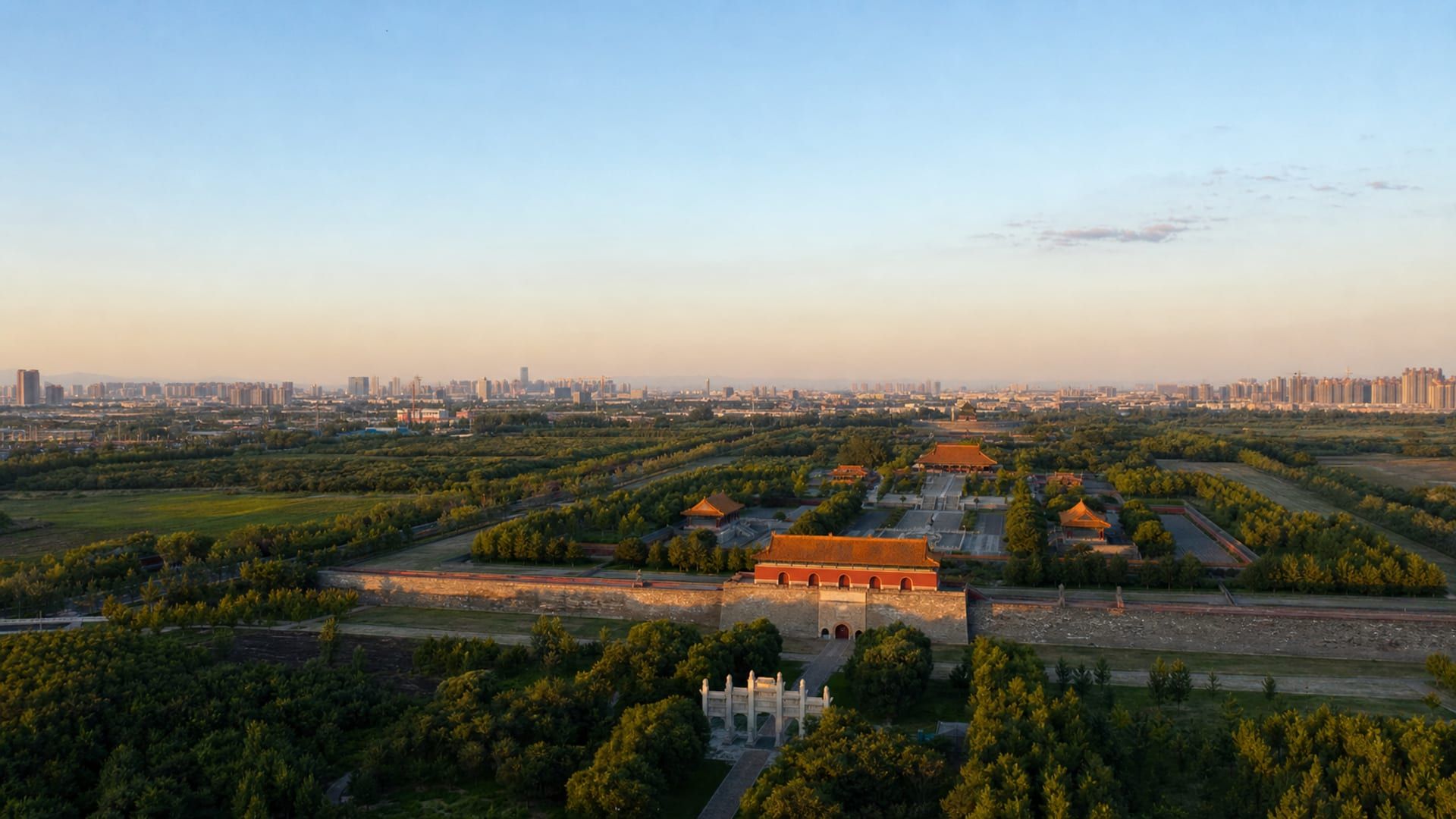
This 17th-century imperial tomb complex honors Hong Taiji, the Qing ruler who founded the dynasty’s northern seat. Its stone bridges, red walls, and pine-lined courtyards give a clear read on early Qing funerary design inside Beiling Park.
Time needed: About 2 to 3 hours
Entry: Admission costs about $8 to $10 (¥60 to ¥72), with separate fees possible for select halls and seasonal exhibition areas inside the park.
Tip: Go early for softer light and fewer crowds, then walk the outer walls before noon for photos on the stone bridges.
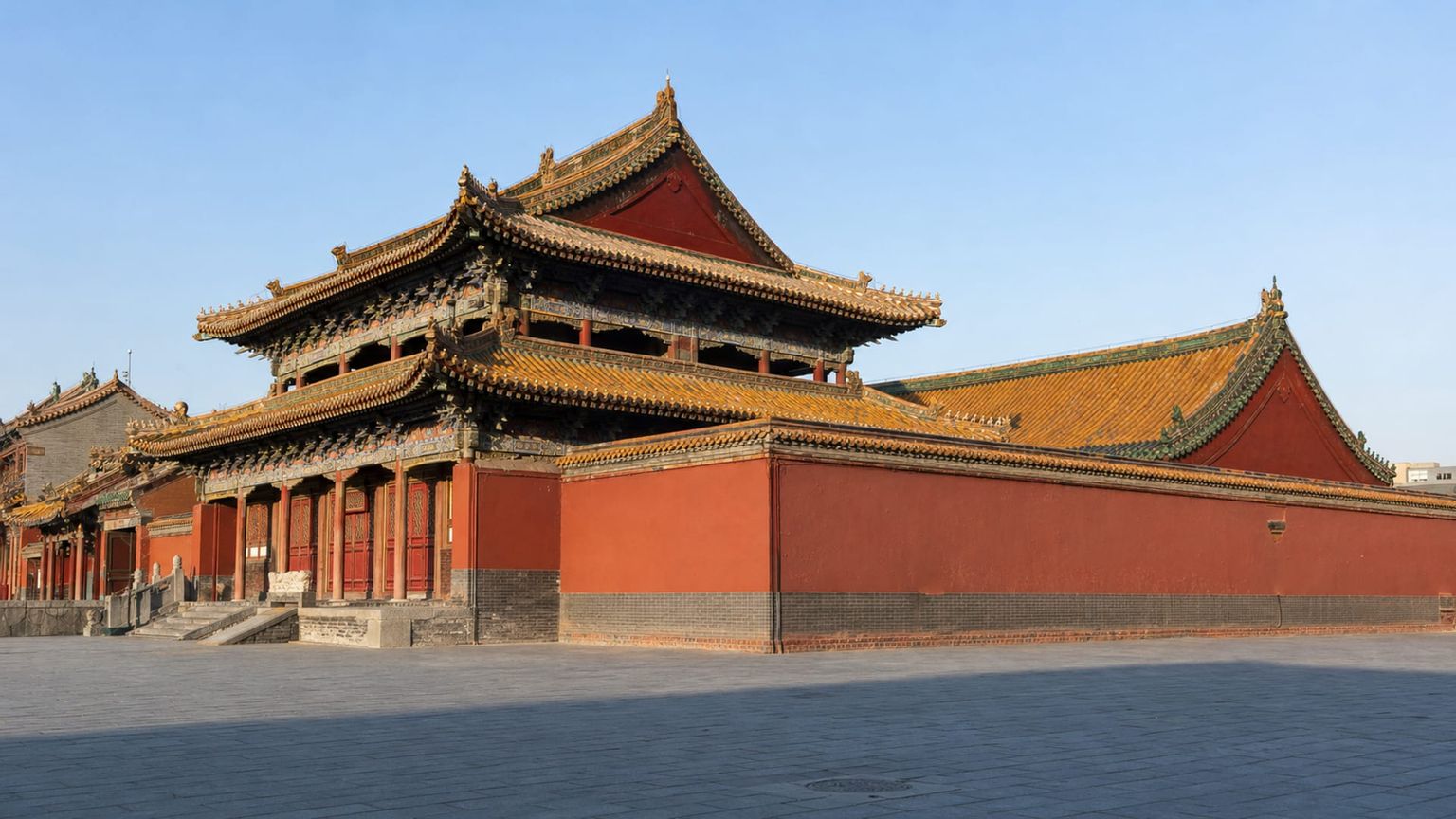
Shenyang Imperial Palace
Built for the early Qing court, this palace complex combines Manchu, Han, and Mongol architectural elements in halls, courtyards, and gates arranged for ceremonial use. Key spaces include the Dazheng Hall, the Phoenix Tower, and the Qingning Palace.
Time needed: About 2 to 3 hours
Entry: Standard tickets cost about $11 to $13 (¥79 to ¥93), with discounts for eligible visitors and occasional separate exhibition charges. Visit the official site for details.
Tip: Visit on a weekday morning, when the main courtyards are quieter and the carved details are easier to see.
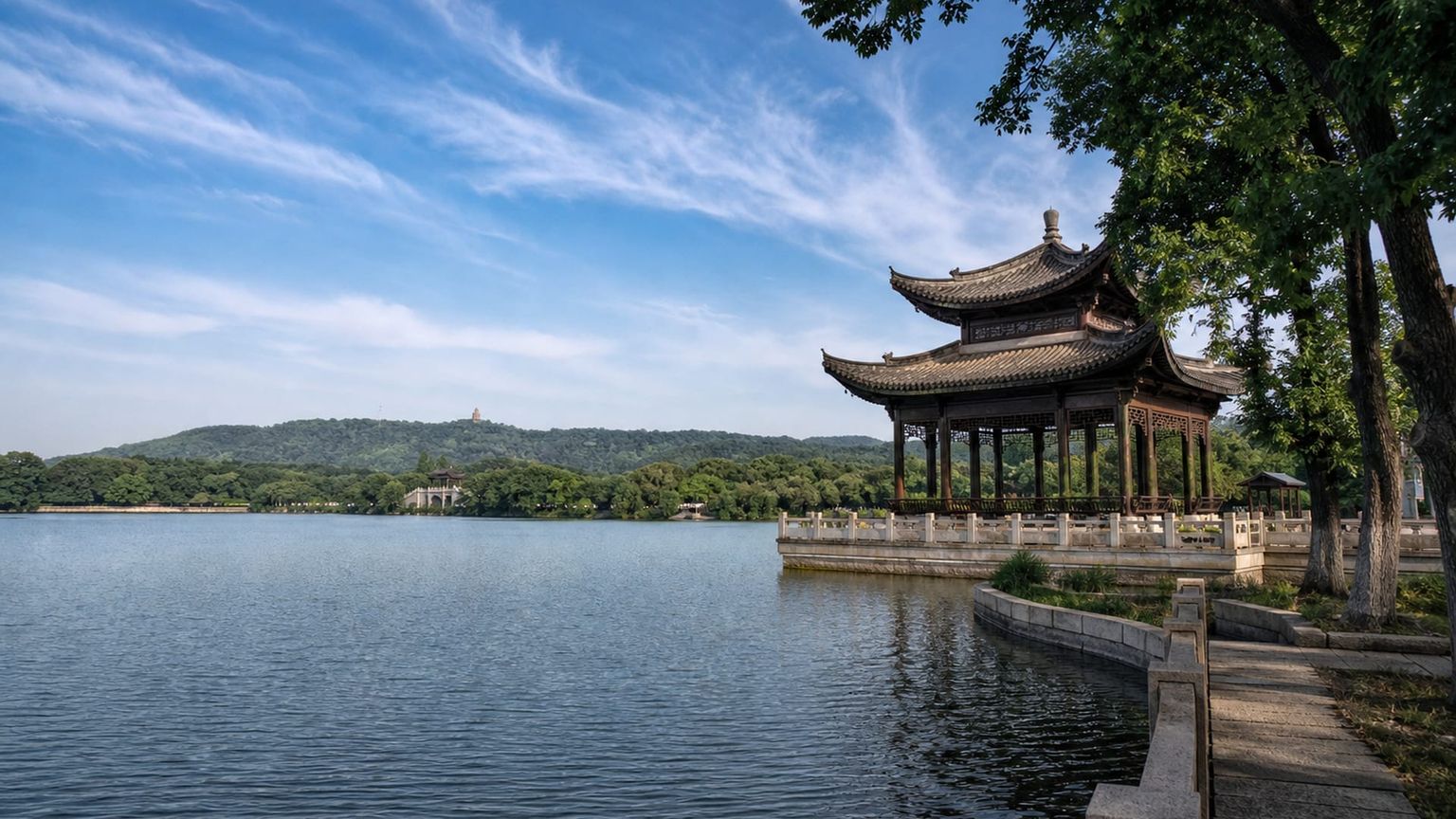
Marshal Zhang's Mansion Museum
This early 20th-century compound was home to Zhang Zuolin and Zhang Xueliang, two central figures in Northeast Chinese history. The residence mixes late Qing woodwork, brick courtyards, and Western details, with preserved reception rooms, gardens, and offices.
Time needed: About 1.5 to 2.5 hours
Entry: Admission costs about $7 to $9 (¥50 to ¥65), with reduced rates for students and seniors and separate pricing for some special exhibits. Visit the official site for details.
Tip: Pair it with the nearby old commercial district, since both sites fit easily in one half-day route.
Overlooked sites worth visiting

Qinghe Peninsula Wetland Park
A broad wetland park on the Hun River edge, with boardwalks, reed beds, and open water that draw waterbirds in migration seasons. It suits a slow walk, bike loop, or sunset stop.
Time needed: About 1 to 2 hours
Entry: Free to access; bike rental, parking, and seasonal concession stalls may cost extra. No timed admission applies, and you can enter on foot through the public paths during normal park hours.
Tip: Go late afternoon for softer light and more bird activity.

Shenyang Museum
This compact museum covers local history, archaeology, and urban change in a central setting. Its galleries give a quick, focused look at the city’s past without a long time commitment.
Time needed: About 1 hour
Entry: Tickets are usually free or low-cost, commonly $0 to $5 ($0 to ¥35), with some special exhibitions priced separately. Check the current display schedule before you go, because entry rules can change by exhibition.
Tip: Visit on a weekday morning to avoid school groups.
Traditional food
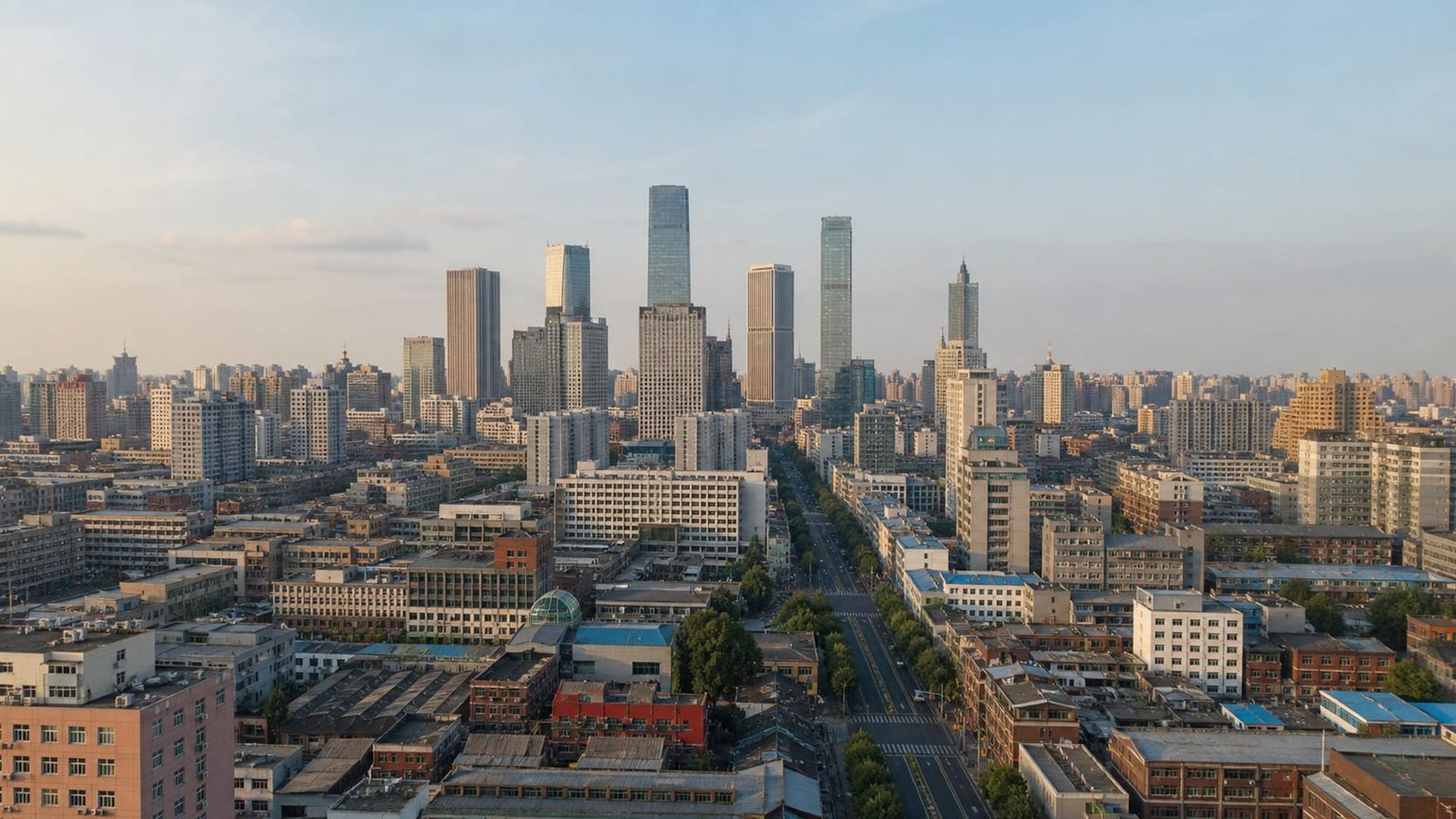
Shenyang cuisine leans on wheat, pork, lamb, and cabbage, with salty, savory seasoning and generous portions. Laobian dumplings, Guo bao rou, chicken rack, and cold noodles all show the city’s blunt, filling Northeast style.
Laobian dumplings
Laobian dumplings are the city’s classic start, with thin skins and broad filling choices that suit a first meal in the old center. Laobian Dumpling Restaurant is the canonical stop in Shenyang for this dish.
Guo bao rou
This sweet-sour crispy pork comes out in a glossy sauce and usually arrives best when eaten right away. Lao Bian Jiaozi Restaurant in Shenyang is a well-known place to order it alongside dumplings.
Shenyang chicken rack
Chicken rack is a local bar-style staple, seasoned hard and often cooked until the meat clings to the bones. Xiao Fei Yang in Shenyang is a common reference point for this Northeast favorite.
Northeast cold noodles
Cold noodles balance chilled broth, chew, and light acidity, which makes them a good midday or warm-weather choice. Mingzhu Cold Noodle Restaurant in Shenyang is a familiar name for this dish.
Best time to visit Shenyang
Shenyang changes sharply by season, with cold, dry winters, short but pleasant summers, and shoulder seasons that handle sightseeing better than long outdoor days.
Best for: Palace courtyards, tomb parks, and clearer walking days
What you get: About 32 to 72°F (0 to 22°C), with moderate crowds and a few windy days in March and April
Trade-offs: Weather can swing quickly, so mornings may still feel cold
Best for: Wetland Park, evening walks, and longer daylight
What you get: About 66 to 86°F (19 to 30°C), with heavier visitor flow at the main sights and more local outings after work
Trade-offs: Heat and humidity can make midday sightseeing tiring
Best for: The best balance for palace visits, museum time, and park scenery
What you get: About 37 to 72°F (3 to 22°C), with comfortable crowds and cleaner light for photos
Trade-offs: Early November can turn chilly fast
Best for: Indoor museums, short center-city routes, and frozen-season city views
What you get: About 5 to 28°F (-15 to -2°C), with lighter crowds outside holiday periods and strong wind chill on open ground
Trade-offs: Long outdoor visits can be uncomfortable without careful layering
A realistic 5-day plan in Shenyang
Five days in Shenyang work best when you start in the old core, move out to the tomb park and museum pair, then leave room for the river edge and a final city-center reset. The sequence below keeps transfers short enough to match the city’s spread-out layout.
Land at Shenyang Taoxian International Airport (SHE), then take a taxi or ride-hailing car into Zhongjie or Taiyuan Street in about 40 to 60 minutes for roughly CNY 70 to 110 ($10 to $15), depending on traffic and your exact drop-off point. Zhongjie suits a first night if you want the palace district close by, while Taiyuan Street works well if you prefer easier metro links and more hotel choice. After check-in, drink water, then keep dinner simple with a noodle shop or dumpling house near your hotel, so you can settle in without crossing the city late at night.
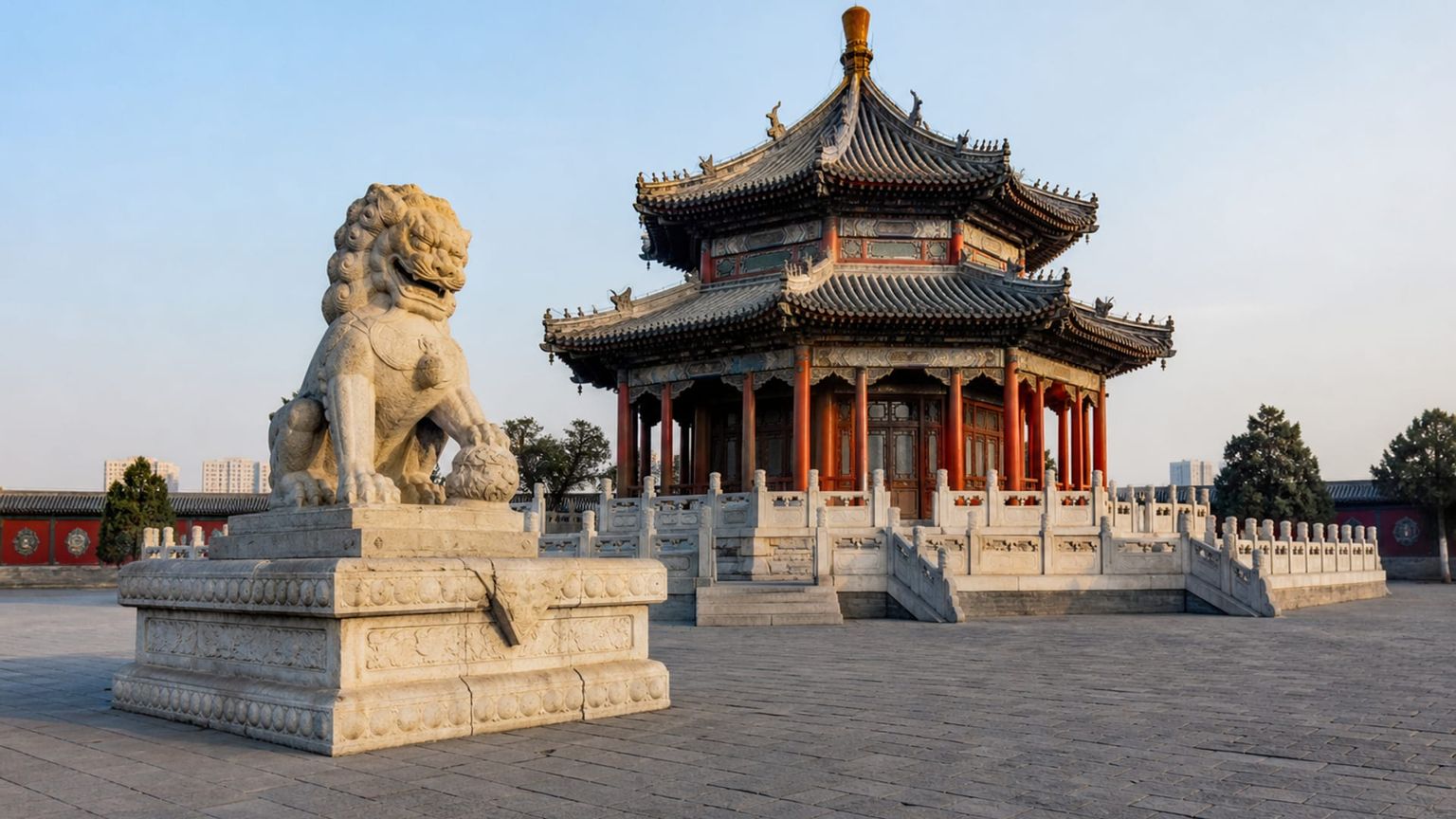
Start at the Shenyang Imperial Palace, which takes about 2 to 3 hours, and aim for a weekday morning so the main courtyards are easier to see. From Zhongjie, walk there in about 10 to 15 minutes, or take a short taxi ride if you are based farther west. After the palace, continue to Marshal Zhang’s Mansion Museum, about 10 to 15 minutes away on foot from Zhongjie, and spend another 1.5 to 2.5 hours among the courtyards and period rooms. Finish with a late lunch or tea back in the old commercial streets, where snack lanes and shopfronts give you an easy break before dinner.
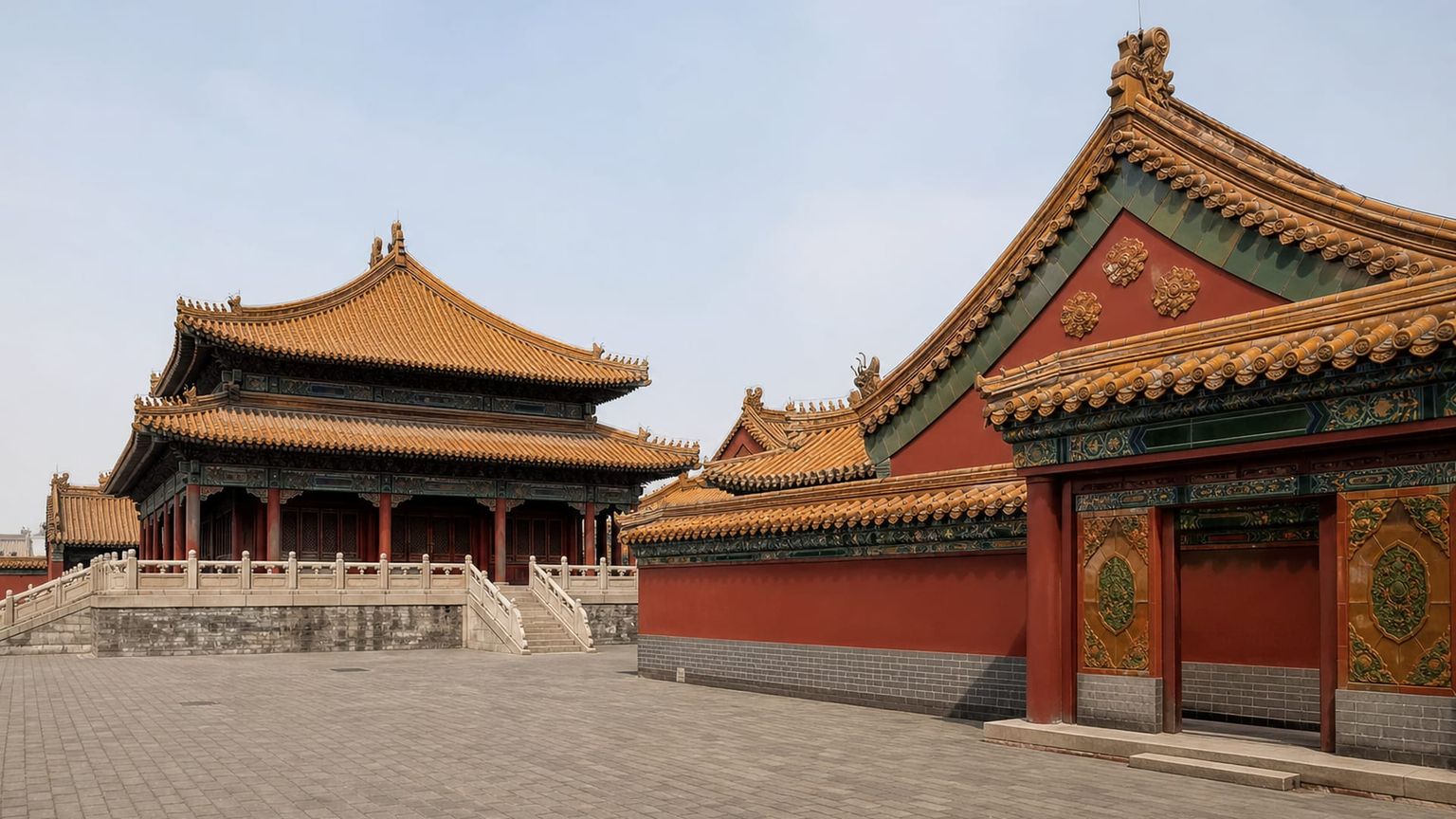
A good middle day begins with Zhao Mausoleum, reached in roughly 35 to 45 minutes by taxi from Zhongjie or Taiyuan Street, then spend about 2 to 3 hours among the stone bridges, red walls, and park paths. Go early for softer light, and walk the outer walls before noon if you want cleaner photos. In the afternoon, head back toward the center and visit the Shenyang Museum, which takes about 1 hour and sits well as a shorter second stop after the tomb complex. If you still have energy, return to Zhongjie for dinner and a slow walk through the pedestrian streets.
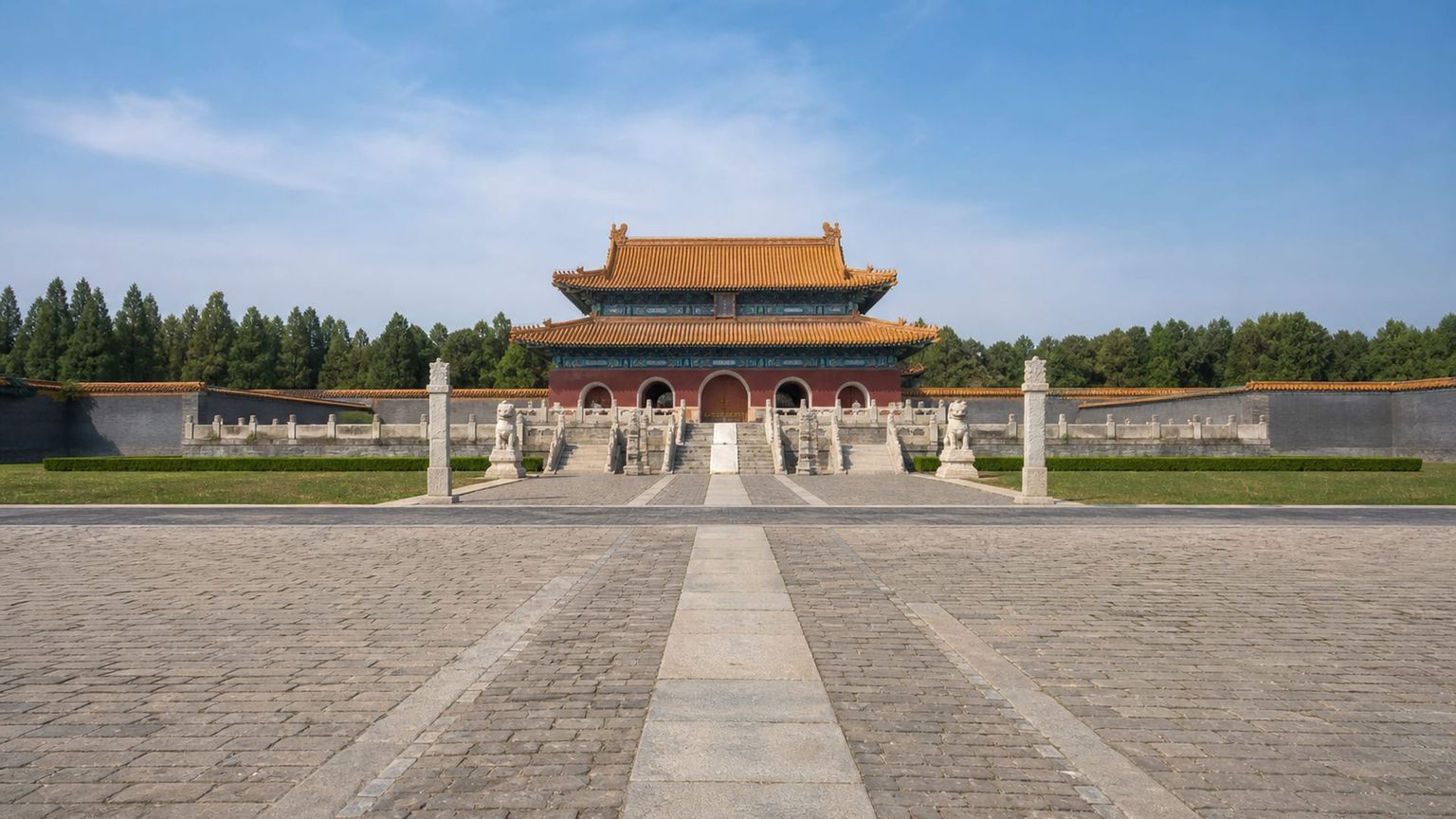
For a change of pace, head east to Qinghe Peninsula Wetland Park, which takes about 25 to 40 minutes by taxi from the center, or longer by transit. Spend 1 to 2 hours on the boardwalks and reed-lined paths, and aim for late afternoon when the light softens and bird activity tends to pick up. After the park, ride back to the Olympic Sports Center area or Taiyuan Street for dinner, depending on where you are staying, then keep the evening low-key with a neighborhood stroll rather than a cross-town outing.
Before you head to the airport, fit in one last stop at whichever place you skipped, either the Shenyang Museum for a final hour indoors or a short revisit to the Imperial Palace district if you want one more look at the old center. If your flight leaves later, spend the middle of the day in Zhongjie for shopping and snack hunting, then settle into a café in Taiyuan Street before collecting your bags. From the city center, plan about 40 to 60 minutes back to Shenyang Taoxian International Airport (SHE), with taxi or ride-hailing fares usually about CNY 70 to 110 ($10 to $15).
Business-class flights from the US to Shenyang
Long-haul trips to Shenyang usually involve one stop, and the best option depends on whether you are starting on the East Coast or the West Coast. The route lengths are similar, but the layover hubs and total travel time differ enough to shape the fare.
Air China, China Eastern Airlines, Korean Air, Asiana Airlines, Cathay Pacific, and EVA Air all sell itineraries from New York to Shenyang. Nonstop flying time would be about 15 to 16 hours, but common one-stop options via Beijing (PEK), Seoul (ICN), Hong Kong (HKG), Taipei (TPE), or Tokyo (NRT) usually total about 18 to 24 hours, which often trims the fare to a more workable level. Business-class fares from New York to Shenyang usually start at $5,500 and can reach $10,500.
From Los Angeles, the main carriers are China Eastern Airlines, Korean Air, Asiana Airlines, Cathay Pacific, EVA Air, and Japan Airlines. Expect about 15 to 17 hours of flying time on nonstop-style itineraries, with many booked trips routing through Seoul (ICN), Hong Kong (HKG), Taipei (TPE), Tokyo (NRT), or Beijing (PEK) and taking about 18 to 25 hours overall. Business-class fares generally run from $5,200 to $10,000.
Shenyang feels different when you slow down
A deliberate Shenyang trip keeps the old center close at hand, then adds one longer move to Zhao Mausoleum and one quieter break at Qinghe Peninsula Wetland Park. Metro rides, short taxi hops, and a few well-timed meals in Zhongjie or Taiyuan Street make the city easier to read day by day. If you want help matching hotels, flights, and neighborhoods to your dates, the AranGrant experts can build the right Shenyang plan from there







