


Chapters:

Need help with your trip?
Our support team is available 24/7. Request a callback or call us directly at (833) 619-0908
Quartier du Roi often works as a short-hop base, with travelers landing, checking in near the harbor, and heading out again before they learn how the island connects. The common miss is the middle ground, the museum stops, hillside viewpoints, and beach detours that fit easily between transfers.
That choice can make the stay feel thinner than it needs to be. Distances are short, but taxis add up, the waterfront gets quiet after dinner, and a rushed loop leaves little time for Shell Beach or Fort Karl.
This guide slows the sequence down, pairing arrivals, sights, meals, and departures into a five-day plan that matches how Quartier du Roi actually moves.
Useful things to know

Main language(s): French
Bonjour (bohn-zhoor) – Hello / good morning
S'il vous plaît (seel voo pleh) – Please
Merci (mehr-see) – Thank you
Parlez-vous anglais ? (par-lay voo ahn-glay) – Do you speak English?
Combien ça coûte ? (kohm-byen sah koot) – How much does it cost?

Currency: The local currency is the euro (EUR, €).

Cash and cards: Cards and contactless are widely accepted, but carry about $20 to $40 in cash for small buys and tips.

Tipping: Round up small bills; leave about 5% to 10% at nicer restaurants if service is not already included.

Traditional food: Lobster, conch fritters, fish stew, Johnny cakes

Water and coffee costs: Water about €2 ($2), bar espresso about €2.50 ($3).

Taxis and ride apps: No major ride apps are standard here; use airport taxis or hotel transfers.

Plug and voltage: Type C/G socket, 220V

Dining and shop opening hours: Breakfast is about 07:00-10:00, lunch 12:00-14:00, and dinner 19:00-22:00. Many places close between meals, and dinner can start later on weekends.

Emergency number: Dial 112 for police, fire, and ambulance.
Where to stay in Quartier du Roi
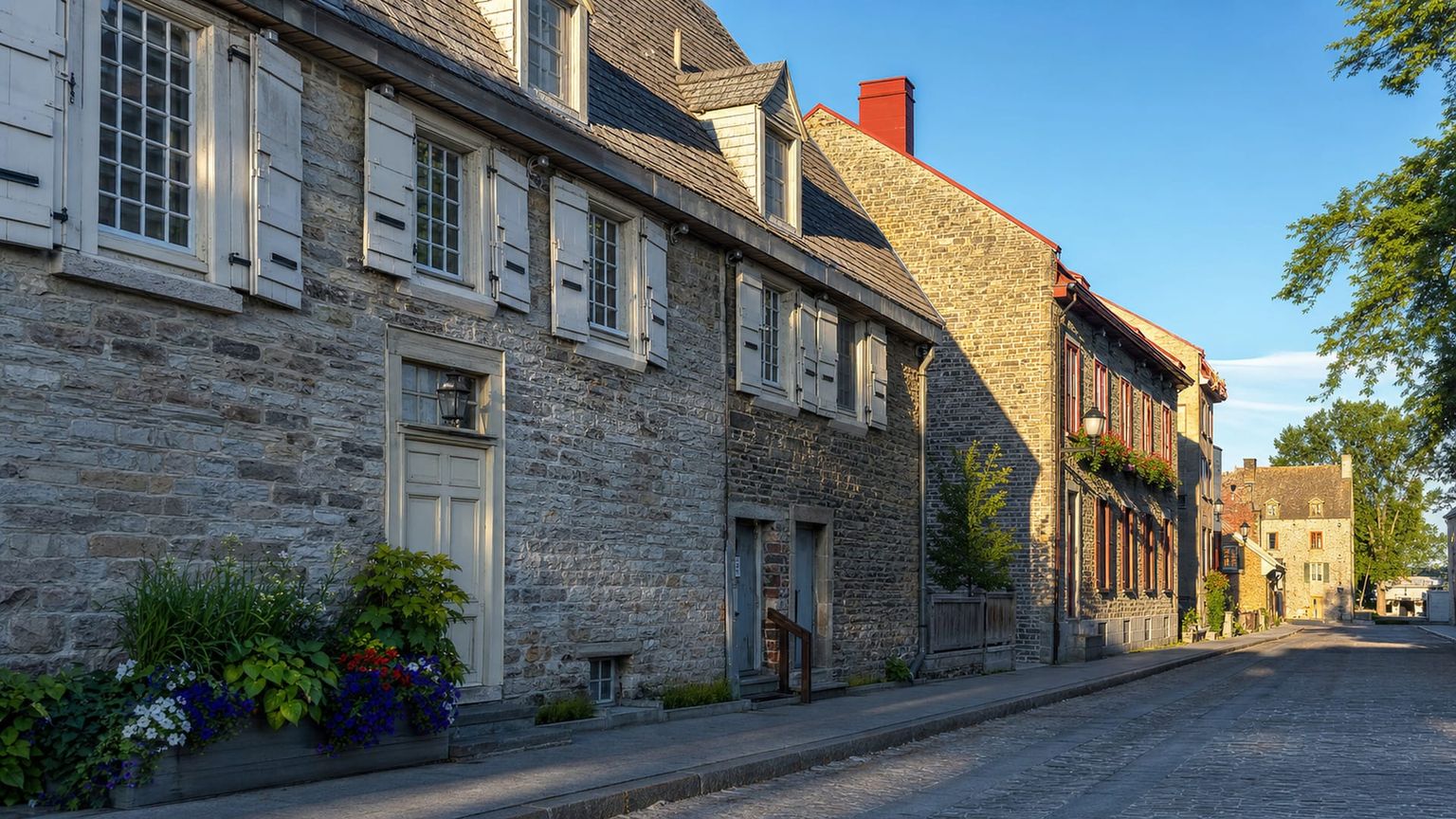
The compact center around Quartier du Roi’s main streets and harbor edge puts you closest to the airport, ferry pier, and the island’s main cluster of shops and cafes. It suits visitors who want the shortest transfers and the easiest access to taxis, car rental, and waterfront dining.
Best for: Short stays, ferry connections, and travelers who want the shortest transfers
What to expect: Daytime brings steady foot traffic from ferry arrivals and shoppers, while evenings settle after dinner as the waterfront closes down.
Hotel prices: Usually about $180 to $320 per night for well-rated stays
Distance to major sights: About 5 to 10 minutes on foot to the ferry pier, and about 10 to 15 minutes by taxi to SBH
Quietness: Busier during the day, quieter after dinner once the harbor area thins out
Main trade-off: You pay for location and may hear more activity near the waterfront than in residential parts of the island.
Good to know: Late-night dining options are limited, so if you want dinner after 10:00 pm, check opening hours before you book.
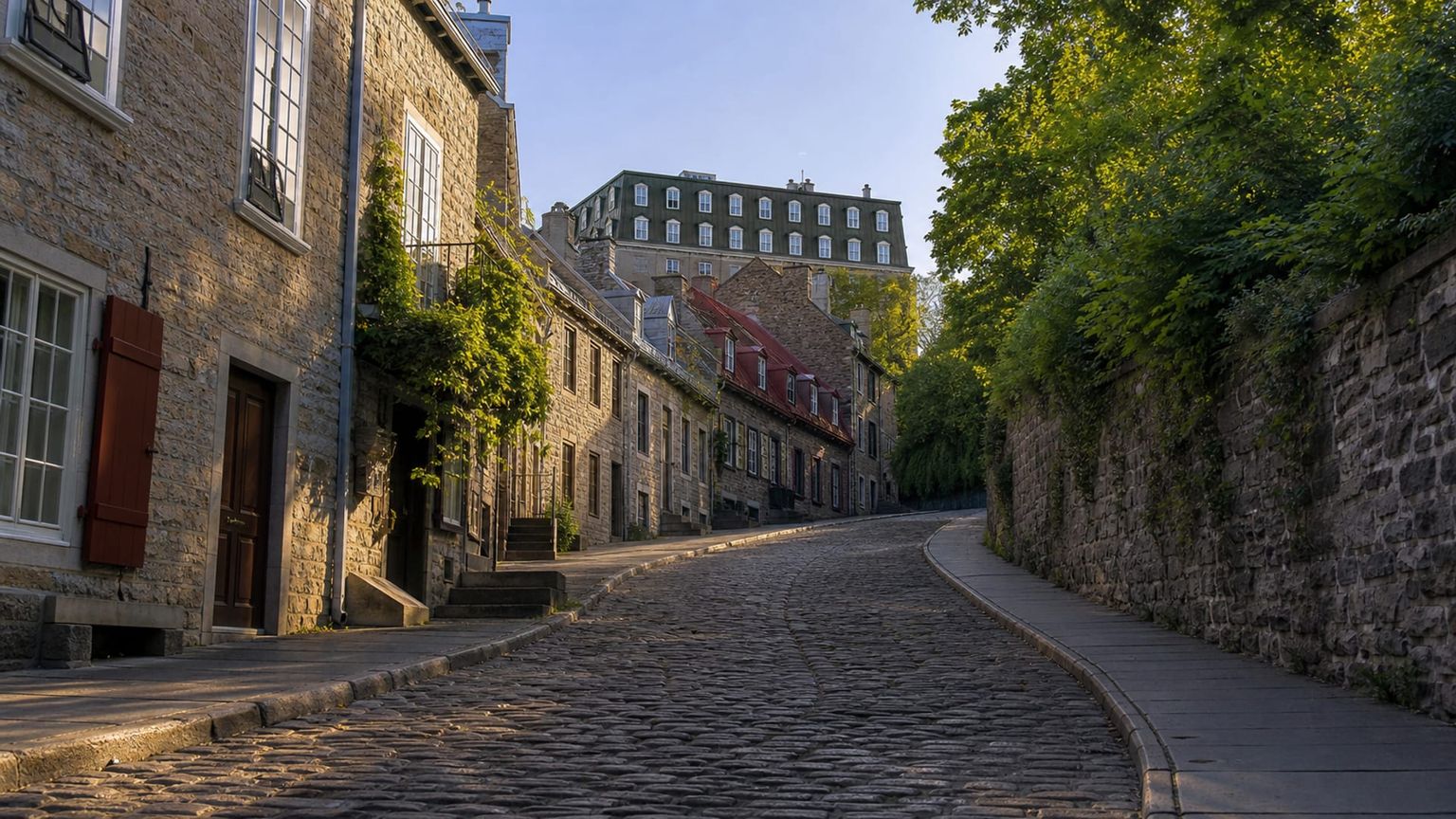
Public hillside sits on the slopes above the harbor, with scattered villas, sea views, and a more residential layout than the waterfront below. It matters for travelers who want a calmer base without leaving Quartier du Roi’s core area or giving up quick access to the center.
Best for: Couples, longer stays, and travelers who want a quieter residential base
What to expect: Traffic is light and streets are mostly residential, with a few guesthouses and villas rather than shops or bars.
Hotel prices: Usually about $220 to $450 per night for well-rated stays
Distance to major sights: About 10 to 15 minutes by taxi to the ferry pier, and about 15 to 20 minutes by taxi to SBH
Quietness: Quiet in the daytime and even quieter at night, with only local road traffic and occasional arrivals
Main trade-off: The uphill setting adds taxi use, and you will depend on a car or ride for most meals and errands.
Good to know: If you plan to walk in the heat, the climb back from the harbor can feel tiring after dinner or beach time.
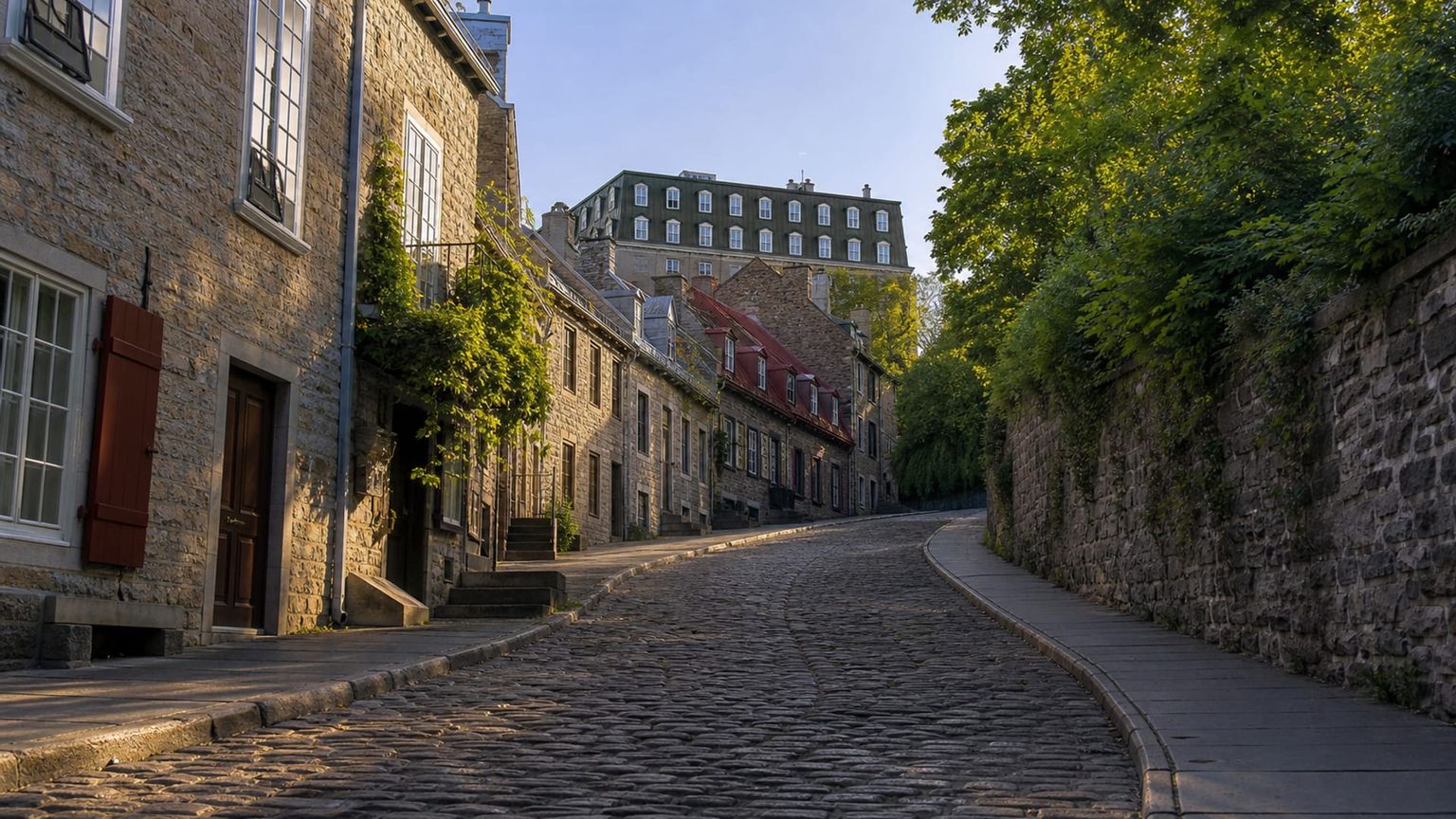
Cul de Sac waterfront sits along the sheltered bay east of Quartier du Roi, where small hotels and villas look toward the water and nearby islets. It matters for travelers who want beach access, boat trips, and a setting that is still close enough for quick transfers into town.
Best for: Beach time, boating, and travelers who want a waterfront stay with easy town access
What to expect: Mornings are active with swimmers and boat departures, then the area settles into a low-key waterfront scene by evening.
Hotel prices: Usually about $250 to $500 per night for well-rated stays
Distance to major sights: About 10 to 15 minutes by taxi to the ferry pier, and about 15 minutes by taxi to SBH
Quietness: Fairly calm in the day, then very quiet after sunset except for hotel guests and the occasional boat crew
Main trade-off: You will be a little farther from the main dining strip, so nights often call for a taxi rather than an easy walk.
Good to know: Sea conditions can affect boat days, so ask whether your stay has a sheltered launch point or backup plans for windy weather.
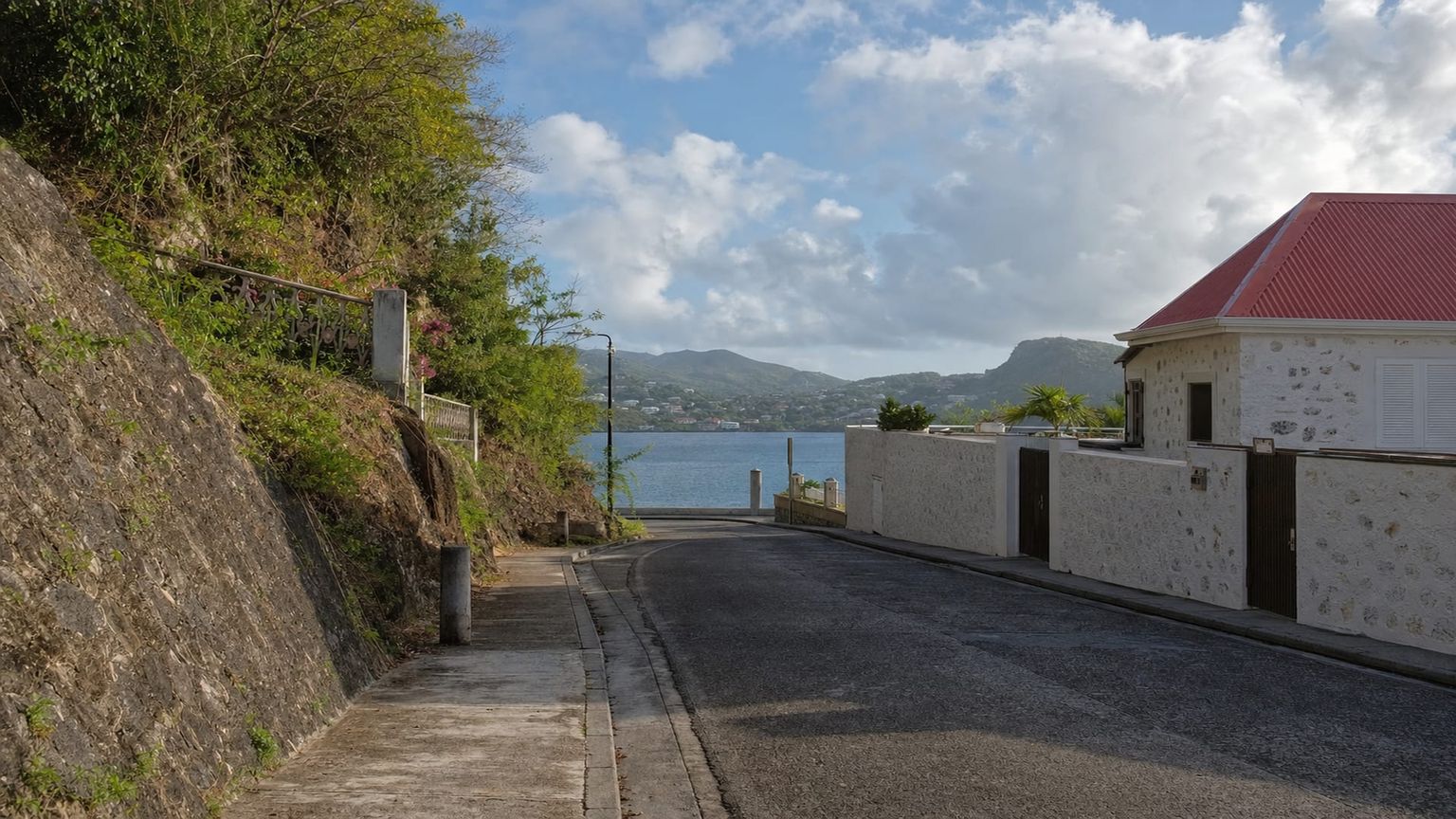
Corossol bluff sits just west of the main harbor area, with elevated views, detached villas, and a more secluded feel than the center. It matters for visitors who prefer space and privacy, while still staying within a short ride of Quartier du Roi’s restaurants and departure points.
Best for: Privacy, villa stays, and travelers who do not mind using taxis for most outings
What to expect: The area is mostly residential, with sparse street activity and few reasons for outside traffic beyond local residents and guests.
Hotel prices: Usually about $300 to $650 per night for well-rated stays
Distance to major sights: About 10 minutes by taxi to the ferry pier, and about 15 minutes by taxi to SBH
Quietness: Quiet throughout the day and very quiet at night, with little street activity
Main trade-off: The setting is secluded, but that also means fewer dining and shopping options within walking distance.
Good to know: If you arrive with heavy luggage, confirm that your villa has a manageable driveway or an arranged transfer, since some approaches are steep.
Travelers usually avoid staying in Grand-Bourg and Capesterre-de-Marie-Galante, which are far from Quartier du Roi’s main sights and can make evening movement more time-consuming. Parts of the outlying coast and rural interior are also less convenient because visitor amenities are limited and dining options thin out after dark.
Hotel deals
How to get around Quartier du Roi efficiently
Quartier du Roi has no metro or public bus network, so most visitors move between the airport, the harbor, and nearby beaches by taxi, with walking filling in the shortest links.

Metro
for longer distances
There is no metro serving Quartier du Roi or Saint Barthélemy, so visitors usually rely on rental cars, taxis, and occasional shared transfers for trips across the island.

Bus and tram
for convenience
Public bus and tram networks do not operate here, which means you will not find a timed urban system or fixed stops to rely on in Quartier du Roi; plan on walking for very short trips and using taxis for longer ones.

Taxi
for convenience or late hours
Licensed taxis are metered in practice through fixed island fares rather than a formal meter-based city system, and a short ride within the airport area often costs about $15 to $25, while a trip to Gustavia or major beaches is often about $30 to $60; fares rise for nights, luggage, and longer cross-island trips, and drivers usually accept cash, with cards less common.
*Prices are based on rates updated as of June 2026 and may change at the time of travel.
Walk for the harbor core, use taxis for Shell Beach, the hillside, and airport transfers, and keep a car only if you plan to range farther across the island.
Iconic landmarks
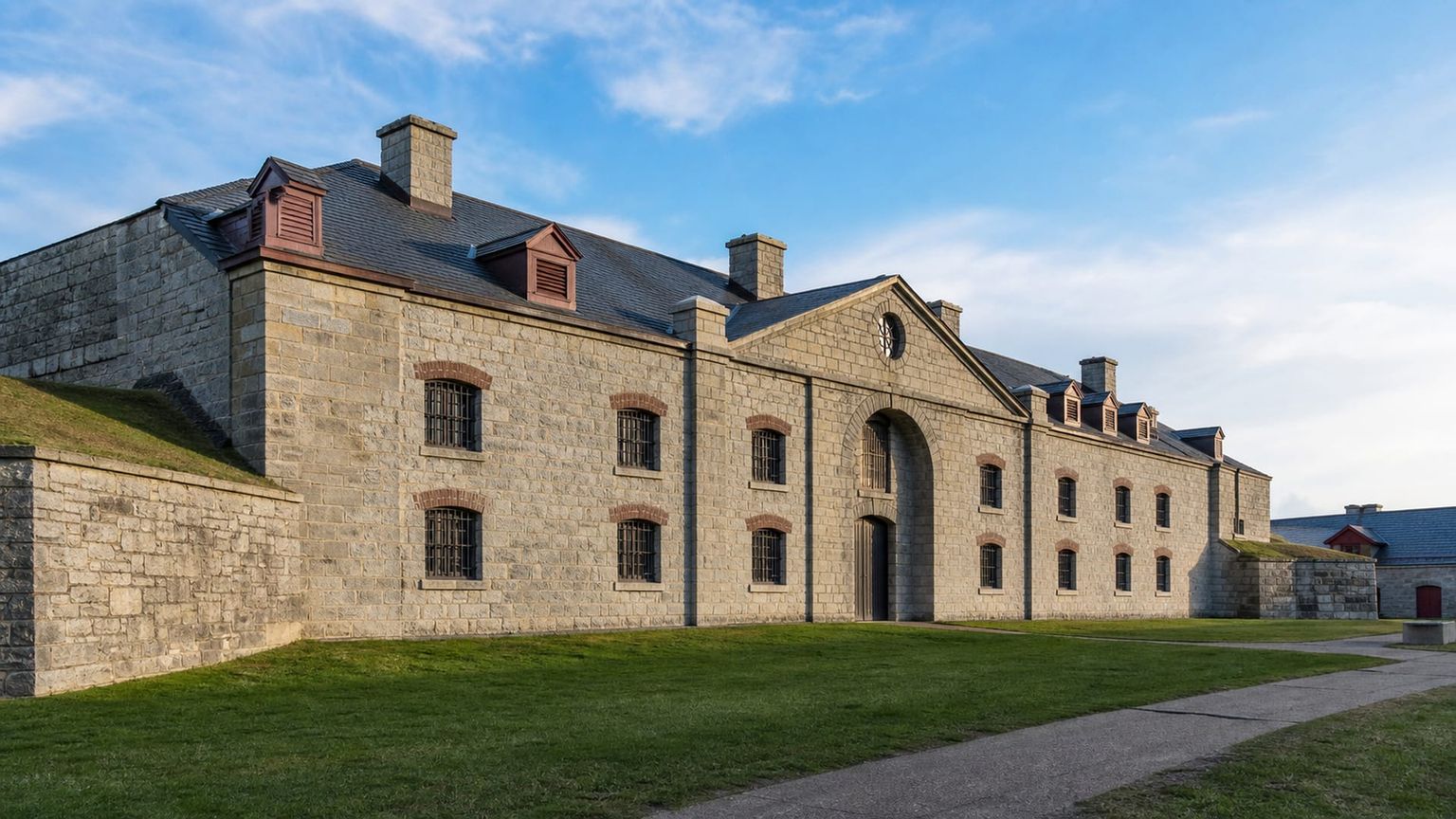
Fort Karl
Built by the French in the 18th century, Fort Karl sits above Gustavia harbor and looks out over the bay, roofs, and yacht anchorage. The short climb also passes stone ruins that frame the town below.
Time needed: About 45 to 60 minutes
Entry: Free to access; no timed entry or ticket required
Tip: Go near sunset, when the harbor light softens and the viewpoints photograph well.
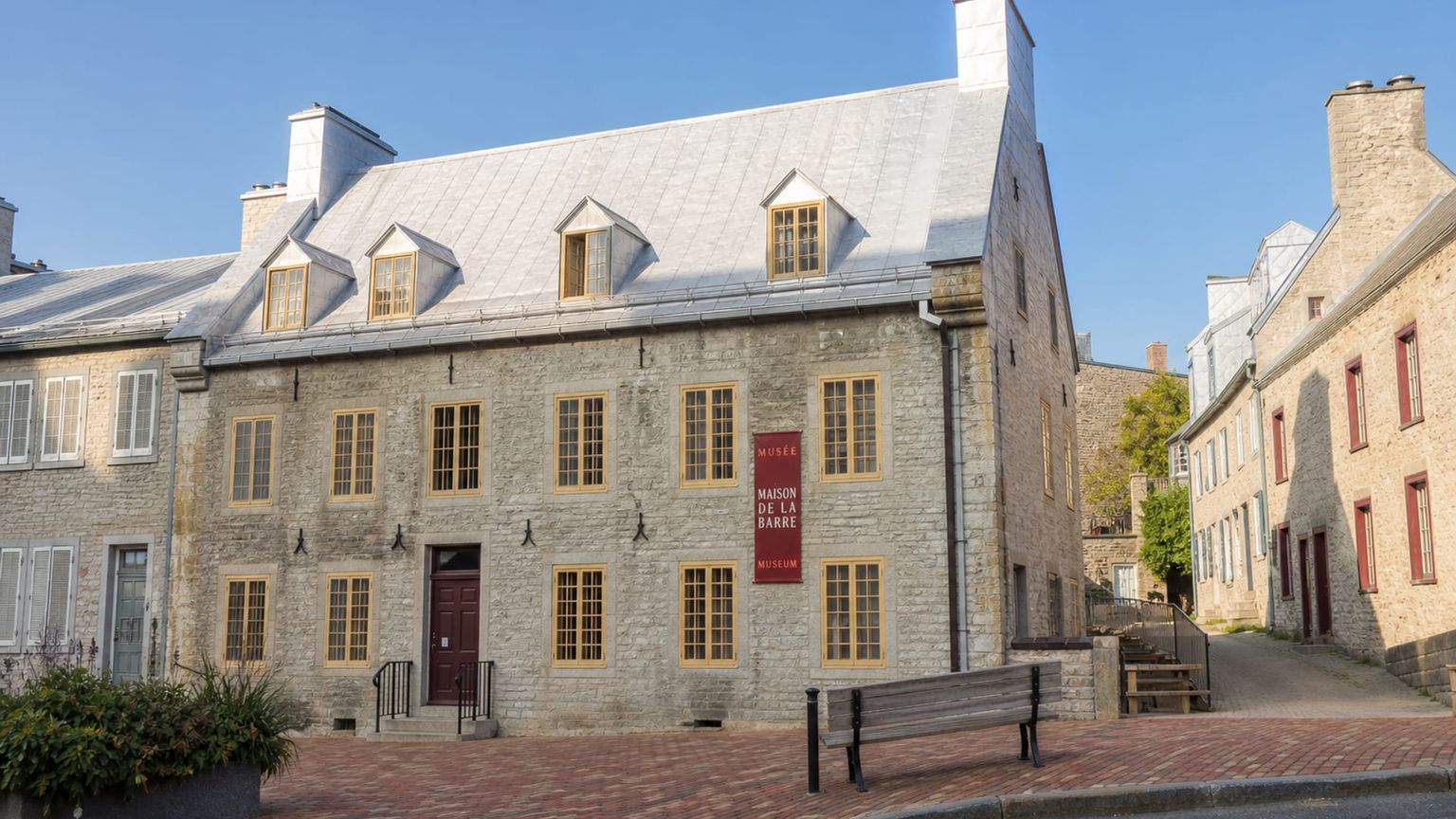
Wall House Museum
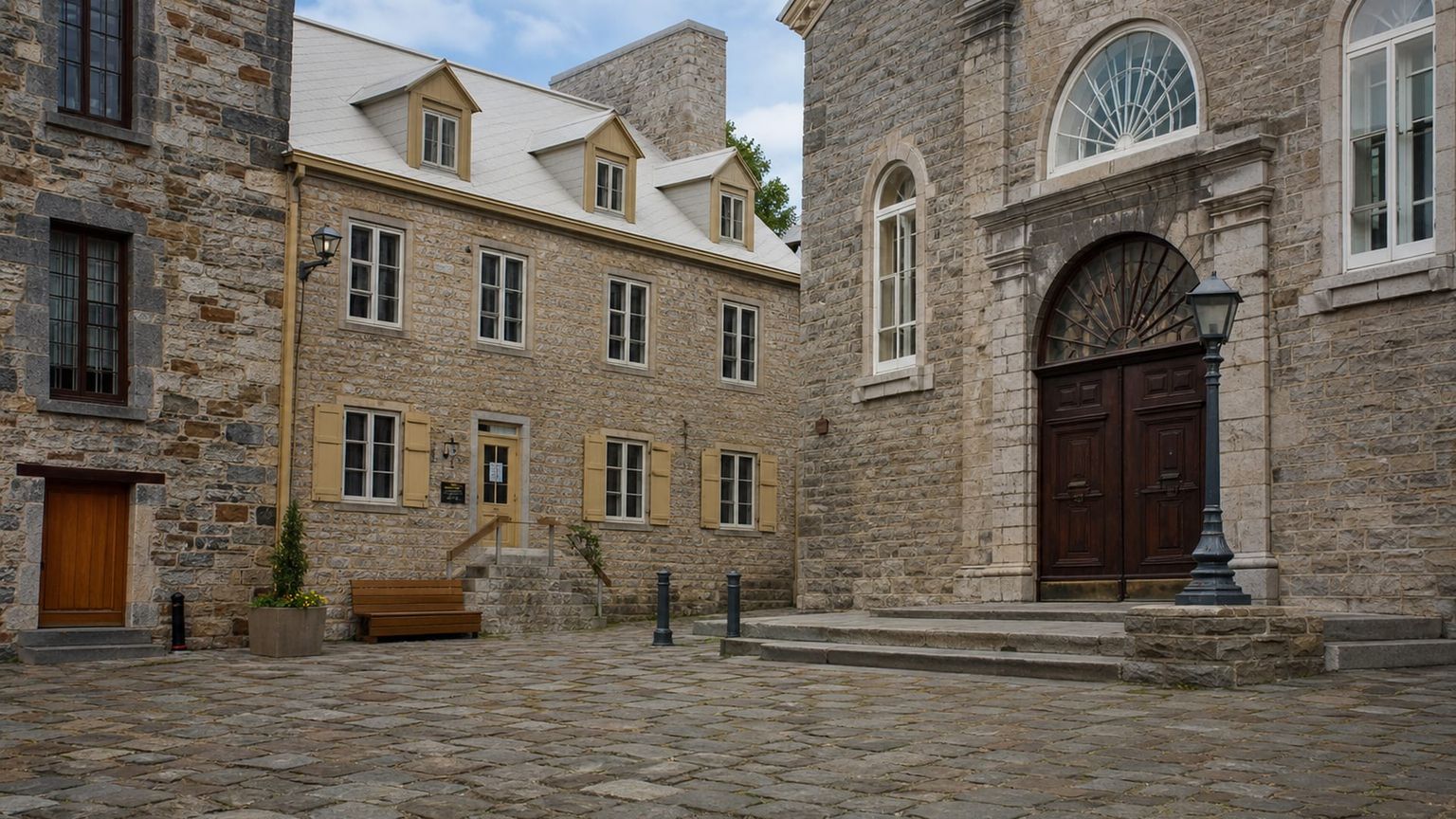
The Wall House Museum, in a restored stone building on Gustavia’s waterfront, tells the island’s history through maps, artifacts, and photographs. Its compact galleries give a clear timeline of settlement, trade, and local life.
Time needed: About 30 to 45 minutes
Entry: Admission costs about $6 to $10 (€5 to €9)
Tip: Pair it with a harbor walk, since the museum sits an easy stroll from nearby shops and cafés.
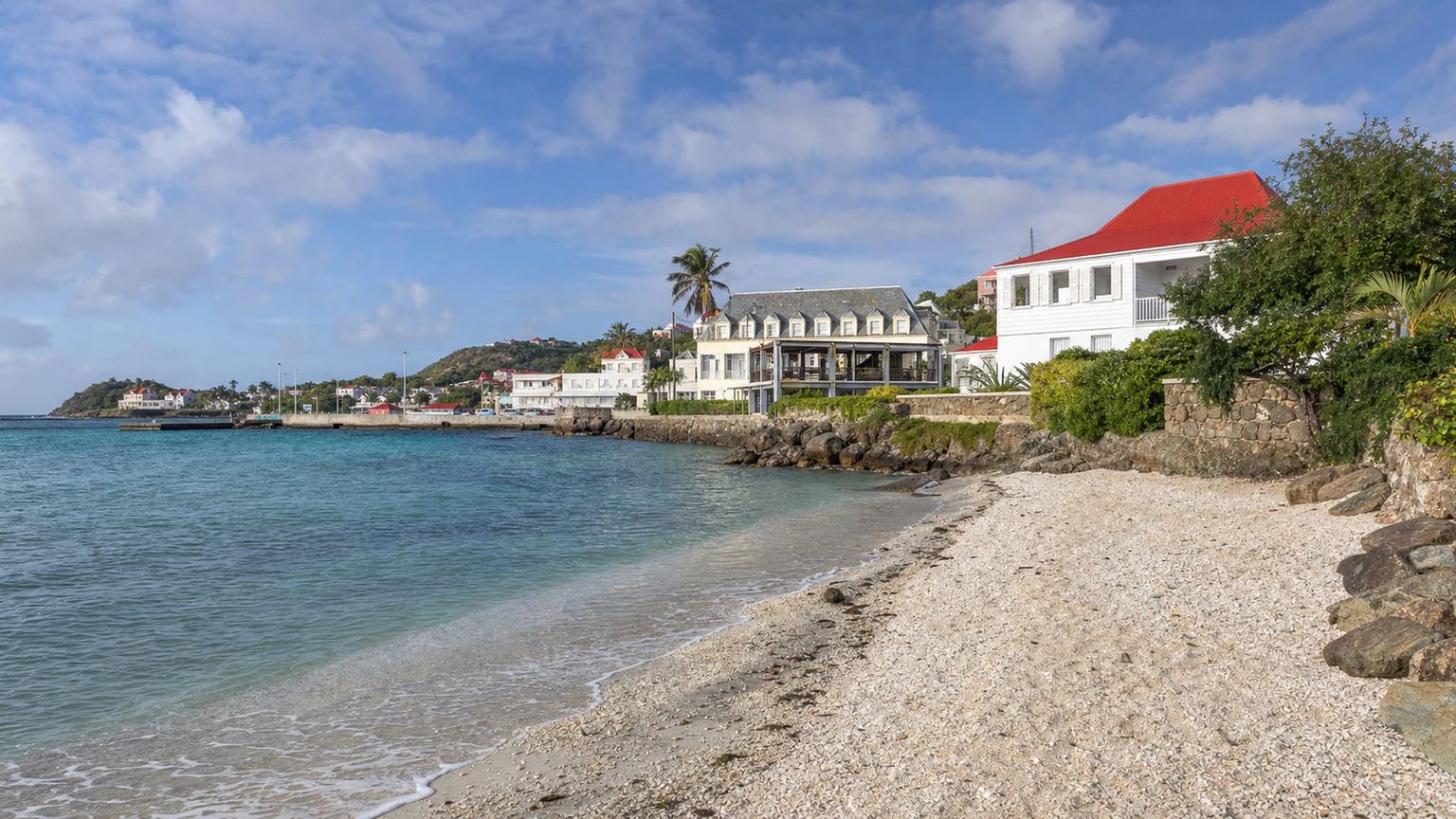
Shell Beach
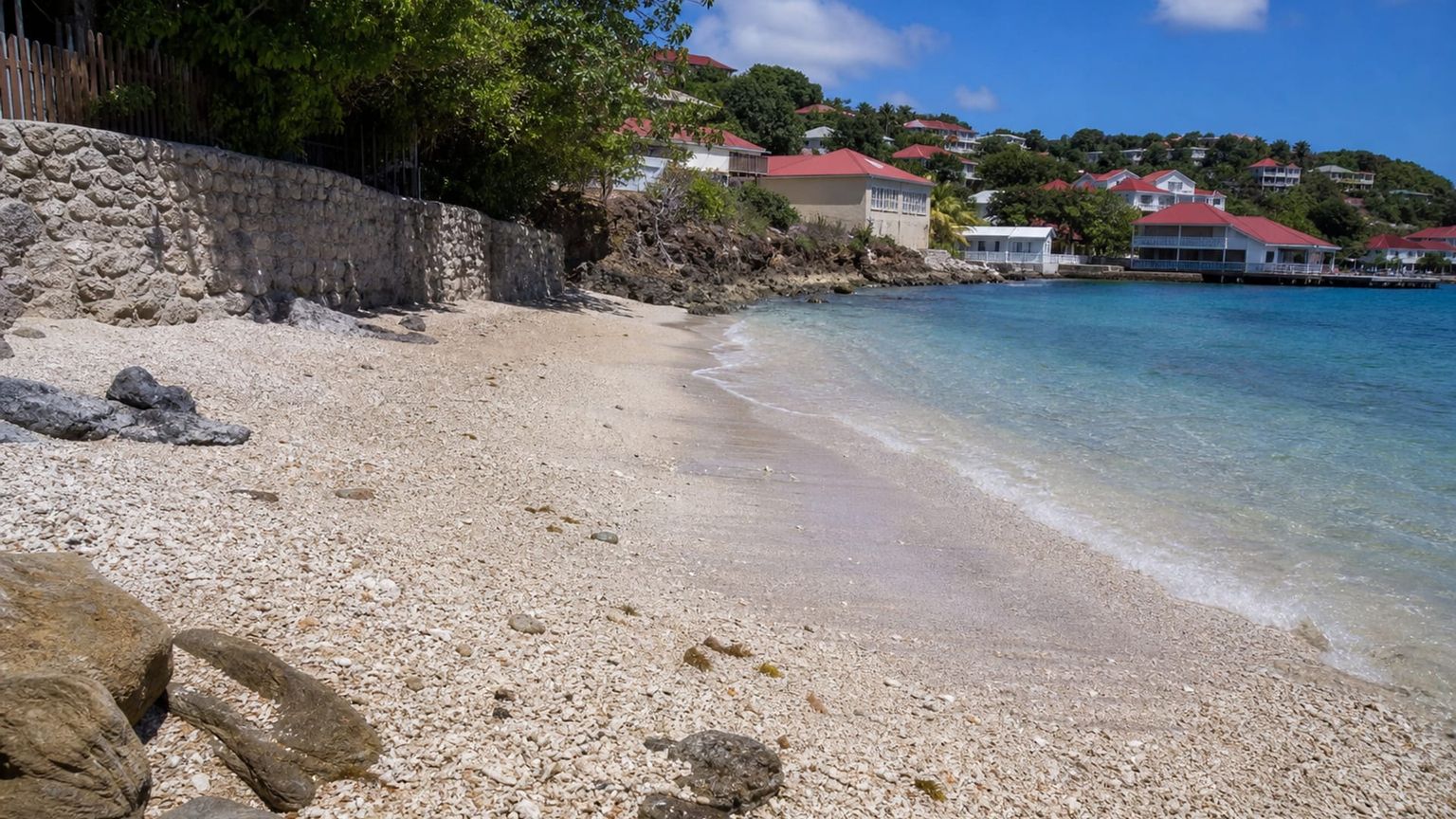
Shell Beach lies just west of Gustavia and gets its name from the carpet of tiny shells on the sand. The cove is also a favored place for swimming, with clear water and rocky edges that shape the shoreline.
Time needed: About 1 to 2 hours
Entry: Free to access; beach chairs and umbrellas cost extra
Tip: Wear water shoes, since the shell-covered shore and rocky edges can be rough on bare feet.
Overlooked sites worth visiting

Morne du Vitet trail
This 290-foot hill gives the island’s highest overlook, with a short uphill walk through dry scrub and low trees. The summit opens to wide views over the lagoon, coastline, and nearby islets.
Time needed: About 45 minutes to 1 hour
Entry: Free to access; no admission fee applies. It is an open public trail with no ticket desk, and visitors pay only for transport or a guide if they choose to hire one locally.
Tip: Go early for cooler air and the clearest light.

Inter Oceans Museum
This compact private museum displays hundreds of shells, corals, and marine specimens from the Caribbean and beyond. Its labeled cases make it an easy stop for anyone interested in natural history.
Time needed: About 1 hour
Entry: Admission costs about $8 to $10 ($8 to €9) for adults, with lower rates for children when offered. The museum is small, so visits are self-guided and usually take less than an hour.
Tip: Combine it with a nearby lunch stop in Gustavia.
Traditional food
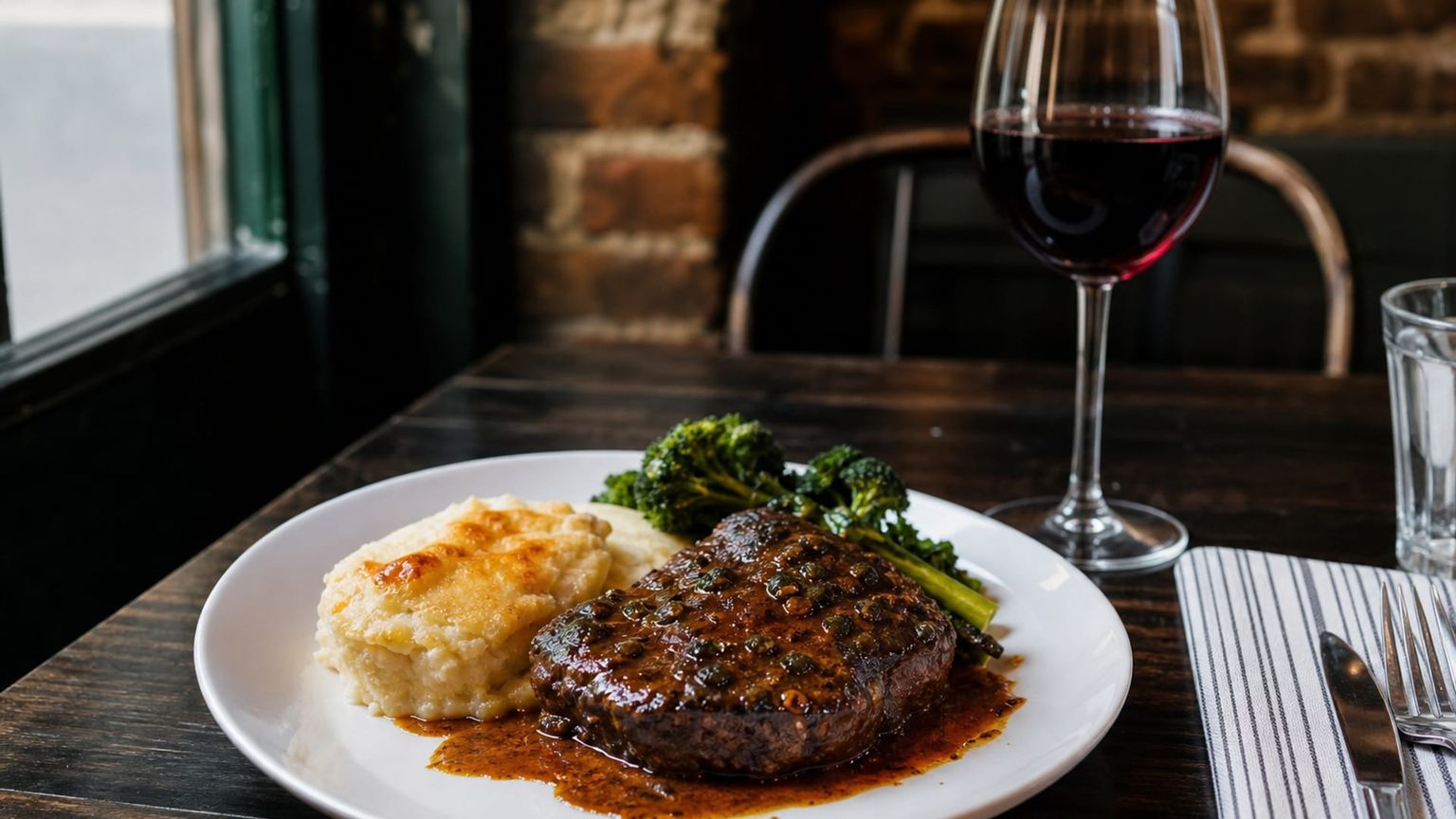
Quartier du Roi leans on Caribbean seafood and French technique, with lobster, conch fritters, fish stew, and Johnny cakes shaping the menu. Expect short dinner windows, harbor-facing tables, and kitchens that often close between meals.
Lobster
Island lobster appears in grilled or sauced versions, often with a French-leaning finish. A strong place to start is La Langouste, one of Gustavia’s better-known seafood addresses.
Conch fritters
These crisp fritters bring a briny, peppery bite that works well as a starter with a cold drink. L’Isola serves a polished version in Gustavia and fits the harbor-area dining pattern well.
Fish stew
Fish stew usually arrives as a deeply seasoned, sauce-heavy plate built for slow lunches or early dinners. Le Select in Gustavia is a classic stop for Creole-leaning island dishes and an easy fit for this style.
Johnny cakes
Johnny cakes are the bread side that ties many local plates together, especially with seafood or breakfast spreads. Eddy’s in Gustavia is a practical canonical pick for a relaxed harbor meal with island staples.
Best time to visit Quartier du Roi
The best months bring drier weather and easier water conditions, while the wetter season adds humidity, occasional showers, and fewer crowds on the beaches.
Best for: Clear water, lively dining, and the best overall conditions for a first visit
What you get: About 75 to 82°F (24 to 28°C), with peak-season crowds and tighter room availability
Trade-offs: Prices rise and popular tables book early
Best for: Warm beach days with lighter traffic after the winter peak
What you get: About 76 to 84°F (24 to 29°C), with moderate crowds and easier reservations
Trade-offs: The weather can turn more humid by late spring
Best for: Slower days for swimming, museum stops, and lower-key evenings
What you get: About 79 to 87°F (26 to 31°C), with lighter crowds and more open availability
Trade-offs: Heat and humidity build, and brief showers become more common
Best for: Quiet travel, flexible planning, and value before the winter season returns
What you get: About 78 to 86°F (26 to 30°C), with the lightest crowds of the year
Trade-offs: This is the wettest stretch, and some windy days can affect boat plans
A realistic 5-day plan in Quartier du Roi
A five-day stay in Quartier du Roi works best when the schedule follows the waterfront, then the hills, then a final pass through the center. That order keeps taxi time sensible while leaving room for beaches, museums, and an unhurried departure.
Land at SBH, then take a taxi into Quartier du Roi center, which is usually about 10 to 15 minutes and about $25 to $40. Checking in near the ferry pier or main waterfront keeps your first evening simple, since you can walk to a cafe for an early dinner and avoid a second transfer after dark. Drink plenty of water, unpack once, and book any next-day boat or dinner plans before the waterfront gets quiet.
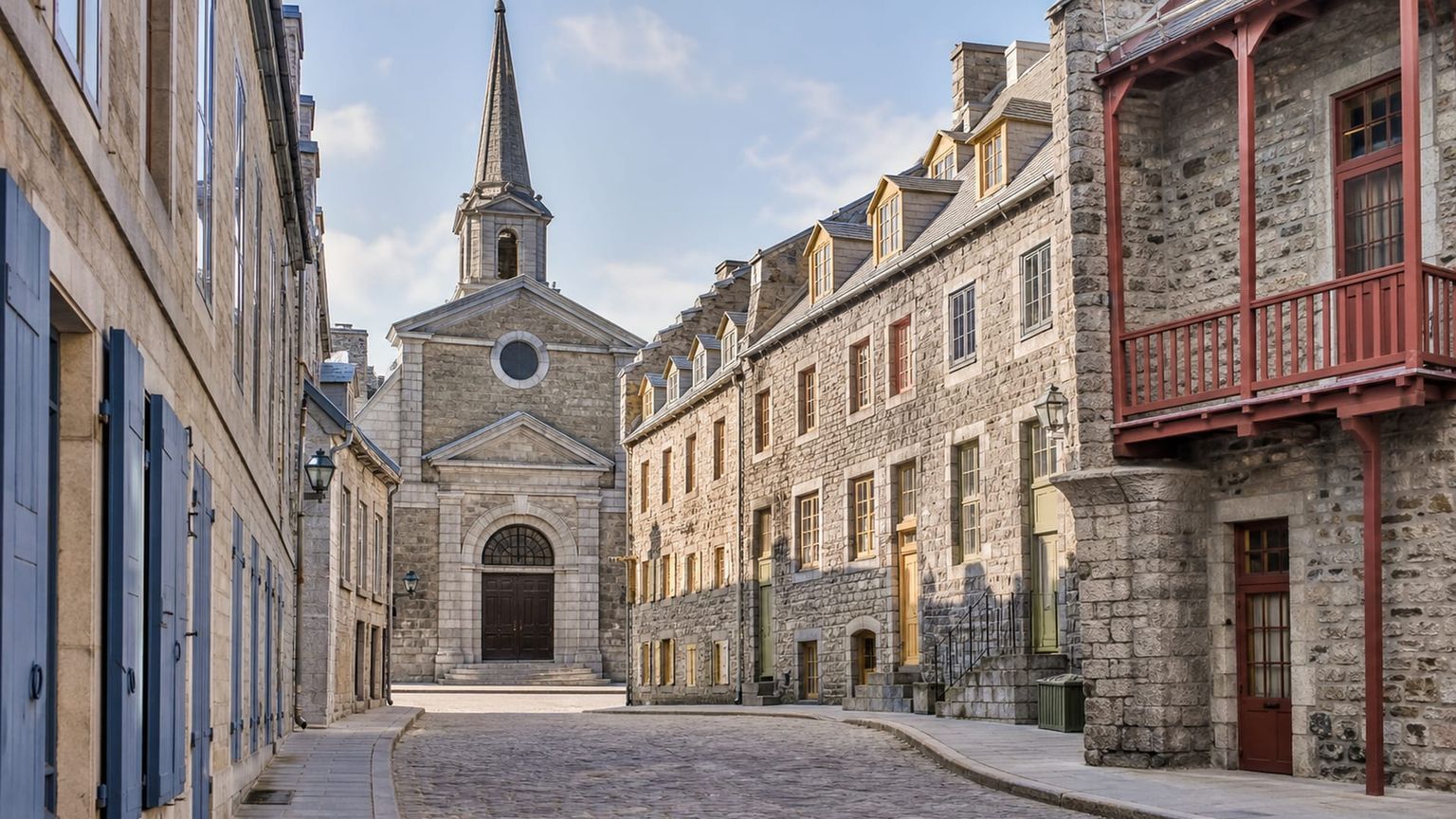
Start with the Wall House Museum on the waterfront, then walk about 10 minutes uphill to Fort Karl for the harbor views and stone ruins. Plan on about 30 to 45 minutes at the museum and about 45 to 60 minutes at the fort, with an easy return walk back through town for lunch. In the afternoon, head to Shell Beach, which is roughly a 10-minute taxi ride from central Quartier du Roi, and settle in for a swim before dinner in the center.
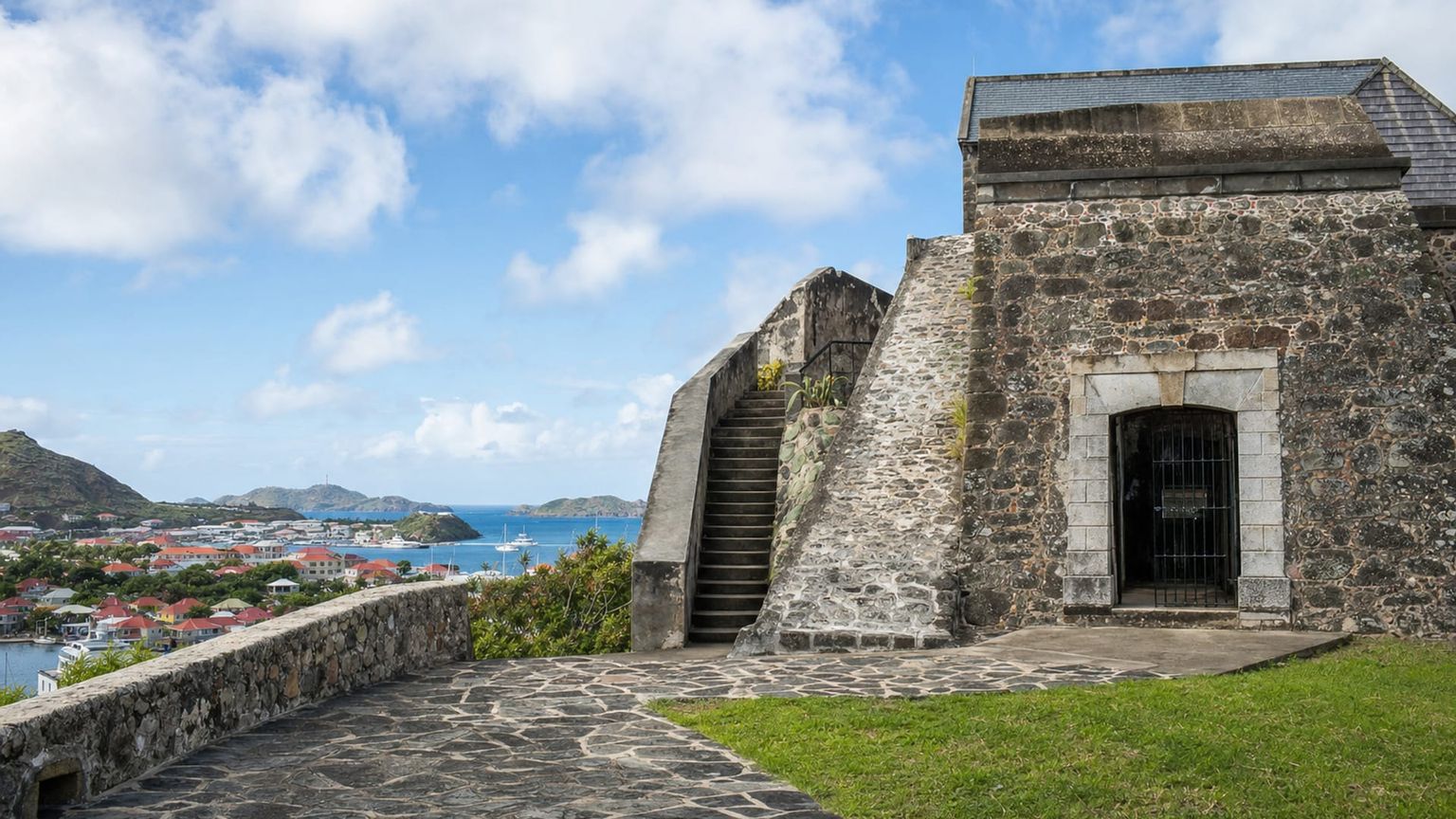
An early start makes the Morne du Vitet trail the best first stop, so leave the center by taxi and expect about 20 to 30 minutes each way, depending on where you stay. The climb takes about 45 minutes to 1 hour, and the summit gives the island’s widest views, so bring water and finish before the heat builds. Back in town, stop at the Inter Oceans Museum, then keep lunch nearby in Quartier du Roi center so you can rest before an easy waterfront evening.
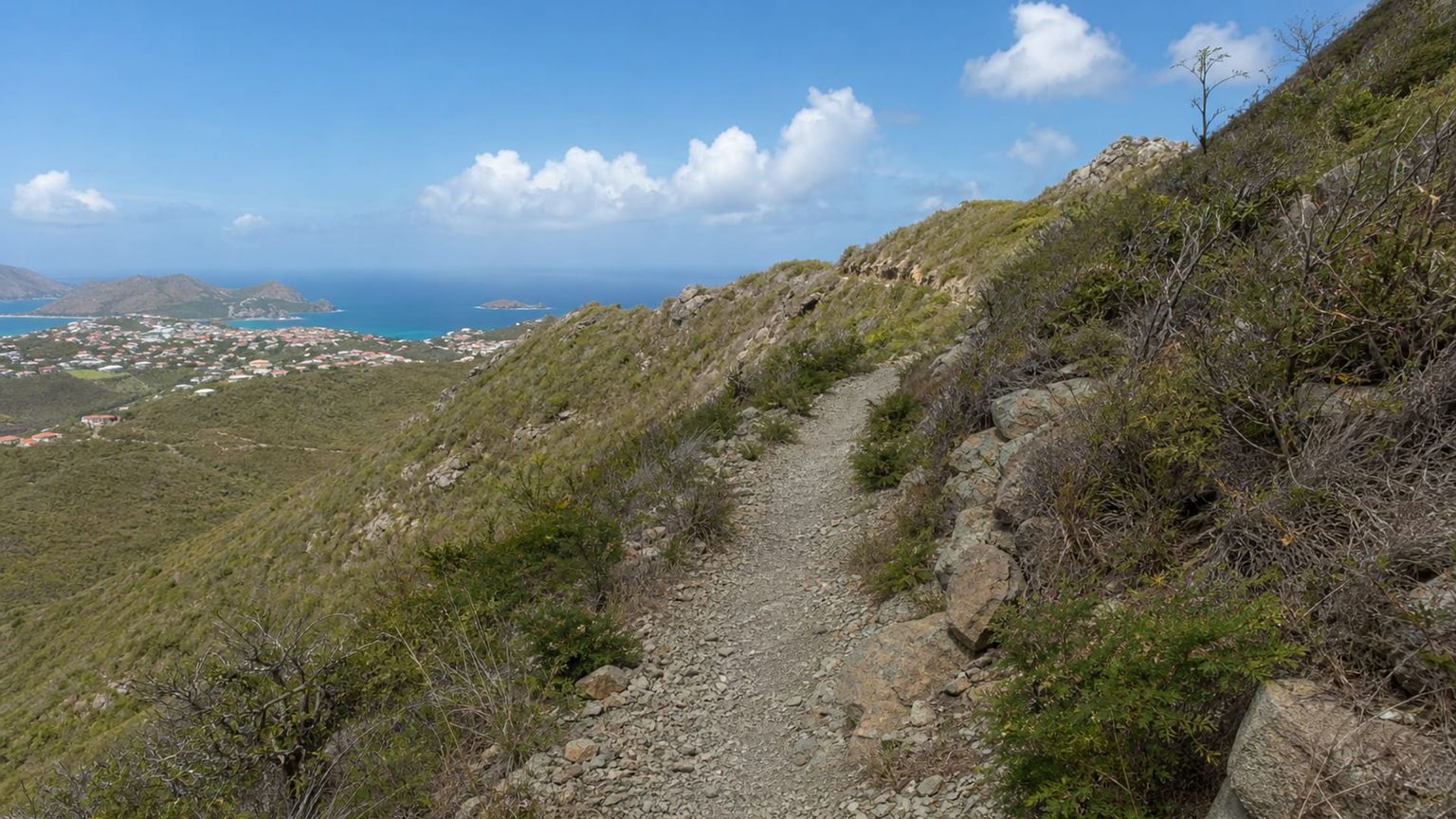
Shell Beach and Cul de Sac waterfront pair well on the same day, because the two spots sit close enough for a short taxi loop rather than a long cross-island outing. Begin with a morning swim at Shell Beach, then ride about 10 to 15 minutes east to Cul de Sac waterfront for a slower lunch or a boat-focused afternoon. If the water is calm, arrange a short harbor-side excursion from the bay, then return to the center for dinner once the day-trippers thin out.
A final morning in Quartier du Roi works best with a low-key museum stop and time for shopping in the center, where the waterfront shops and cafes stay easiest to reach on foot. If you missed the Inter Oceans Museum earlier, fit it in first, then wander the main streets for gifts or beach essentials before settling at a cafe in Quartier du Roi center for a late coffee or lunch. Keep your bags ready for a taxi back to SBH, which is usually about 10 to 15 minutes from the center.
Business-class flights from the US to Quartier du Roi
Reaching Quartier du Roi usually means a connection, not a nonstop. From New York and Los Angeles, the best-priced itineraries often move through major European or US hubs before the final hop to SBH.
From New York, carriers such as American Airlines, Delta Air Lines, JetBlue, Air France, KLM, and Virgin Atlantic commonly sell itineraries that take about 6 to 11 hours with one stop, and common layover points include Miami (MIA), Charlotte (CLT), Atlanta (ATL), Paris (CDG), and Amsterdam (AMS). Round-trip fares usually start at $1,400 and can reach $3,200.
Air France, KLM, Delta Air Lines, American Airlines, and Virgin Atlantic operate the Los Angeles side of the market, but nonstop options are limited and often command higher prices. Round-trip fares usually run $1,700 to $3,800.
Quartier du Roi feels different when you slow down
A good Quartier du Roi trip uses the center for first-night dinner, Fort Karl and the Wall House Museum for context, Shell Beach for a swim, and taxis for the moves that sit beyond an easy walk. The result is a stay built from short, specific links, not a long commute map. If you want help shaping those links into a polished itinerary, ask the AranGrant experts for a plan built around Gustavia, the harbor, and the beach loop







