

Chapters:

Need help with your trip?
Our support team is available 24/7. Request a callback or call us directly at (833) 619-0908
San Antonio often gets compressed into a quick stop at the Alamo and a walk on the River Walk, but the city opens up once you match those landmarks with the missions, neighborhoods, and food counters that sit beyond the usual loop.
That shortcut can leave you crossing longer distances than expected, weaving through downtown crowds, or spending too much time in transit between sites that do not sit next to each other on foot.
This guide maps the city by place and pace, so you can pair the core sights with the right neighborhoods, meals, and transfer choices without trying to do everything in one sweep.
Useful things to know

Main language(s): English

Currency: The local currency is the US dollar (USD, $).

Cash and cards: Cards and contactless are widely accepted; carry about $20 to $40 in cash for small purchases and tips.

Tipping: Tip 15 to 20% at sit-down restaurants; round up for taxis and small tabs.

Traditional food: Breakfast tacos, puffy tacos, chicken-fried steak, carne guisada

Water and coffee costs: Water about $2 ($2), bar espresso about $4 ($4).

Taxis and ride apps: Uber and Lyft operate here; check airport pickup rules before you ride.

Plug and voltage: Type A/B socket, 120V

Dining and shop opening hours: Breakfast is about 07:00-10:00, lunch 11:30-14:00, and dinner 17:30-21:30. Many kitchen hours run earlier than in larger U.S. cities.

Emergency number: 911 for police, fire, and medical emergencies.
Where to stay in San Antonio
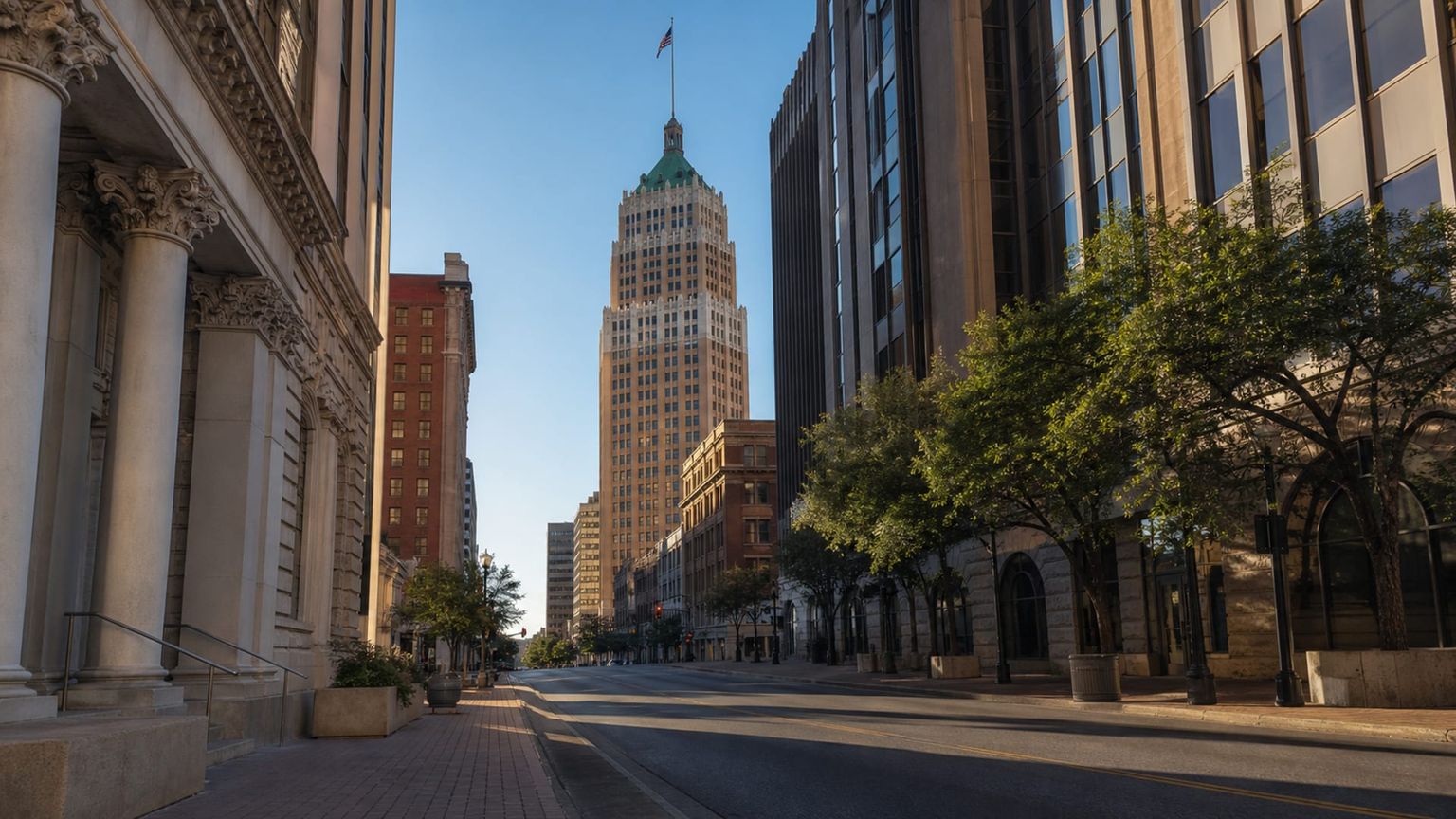
San Antonio’s core puts the River Walk, major museums, and convention venues within an easy walk. It suits visitors who want short taxi rides, late dining, and the most direct access to the city’s best-known sights.
Best for: First-time visits, River Walk access, and travelers who want the shortest walk to major sights
What to expect: Busy sidewalks by day, more foot traffic near dinner, and a steady flow of visitors around the River Walk.
Hotel prices: Usually about $140 to $260 per night for well-rated stays
Distance to major sights: 5 to 15 minutes on foot to the River Walk and the Alamo
Quietness: Daytime is lively and active; evenings stay busy near dining and entertainment blocks.
Main trade-off: Hotel rates run higher than in outer neighborhoods, and the busiest blocks can feel noisy late at night.
Good to know: Choose a room away from the river if you want less late-night foot traffic and fewer bar noises.
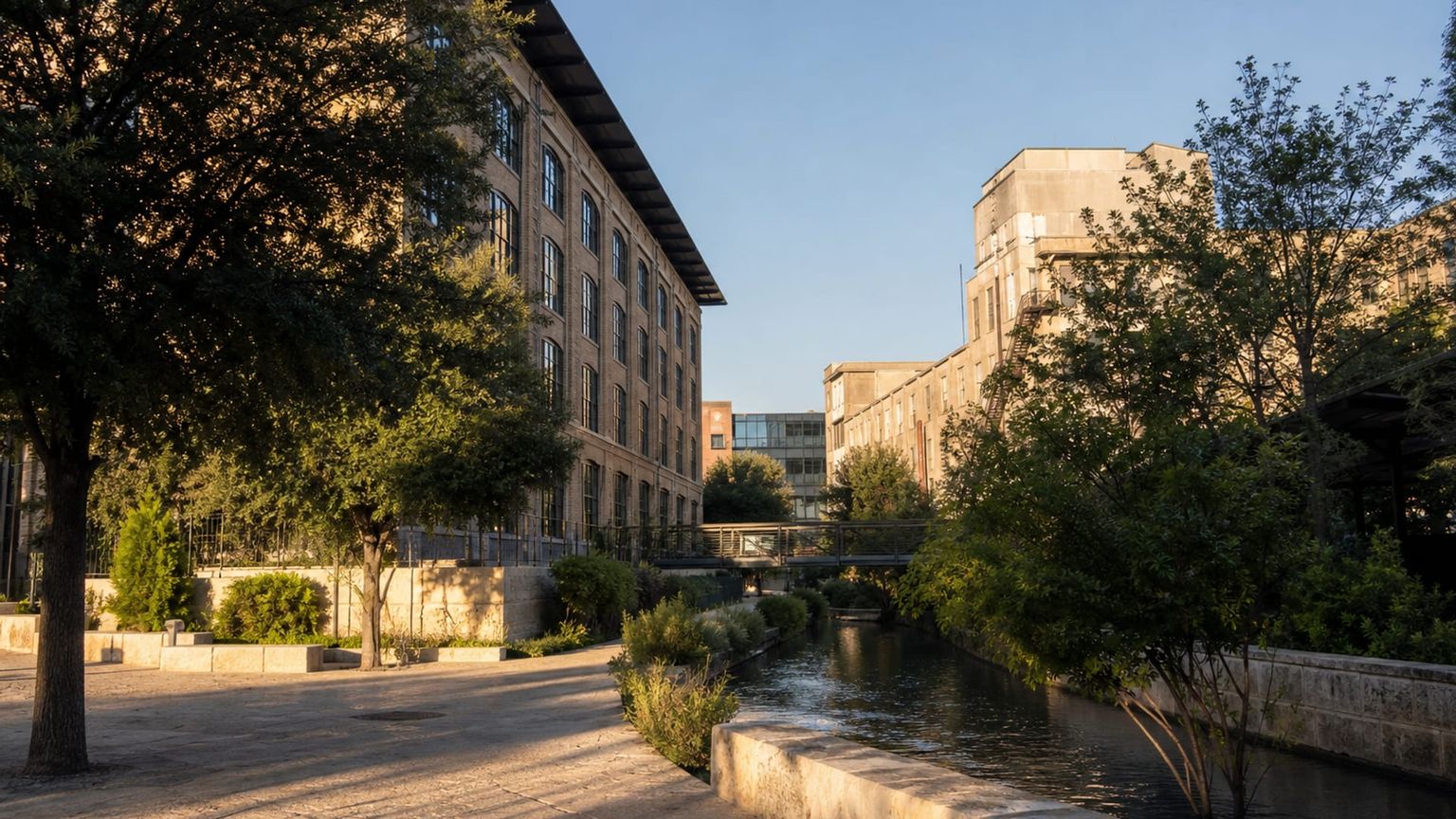
Pearl sits just north of downtown and centers on the redeveloped brewery grounds, market hall, and restaurant strip. It works well for travelers who want a stylish base with good dining and easy access to the River Walk by car or rideshare.
Best for: Dining-focused stays, couples, and visitors who want a more local-feeling base near downtown
What to expect: Pedestrian-friendly blocks, weekend market crowds, and a busy restaurant scene that stays active into the evening.
Hotel prices: Usually about $160 to $300 per night for well-rated stays
Distance to major sights: 10 to 15 minutes by car to the Alamo and central River Walk
Quietness: Daytime is lively around the market; evenings are calmer than downtown but still active near restaurants.
Main trade-off: You pay more for the location, and most sightseeing still needs a short ride rather than an easy walk.
Good to know: Market days bring the most foot traffic, so book early if you want a room near the main complex.
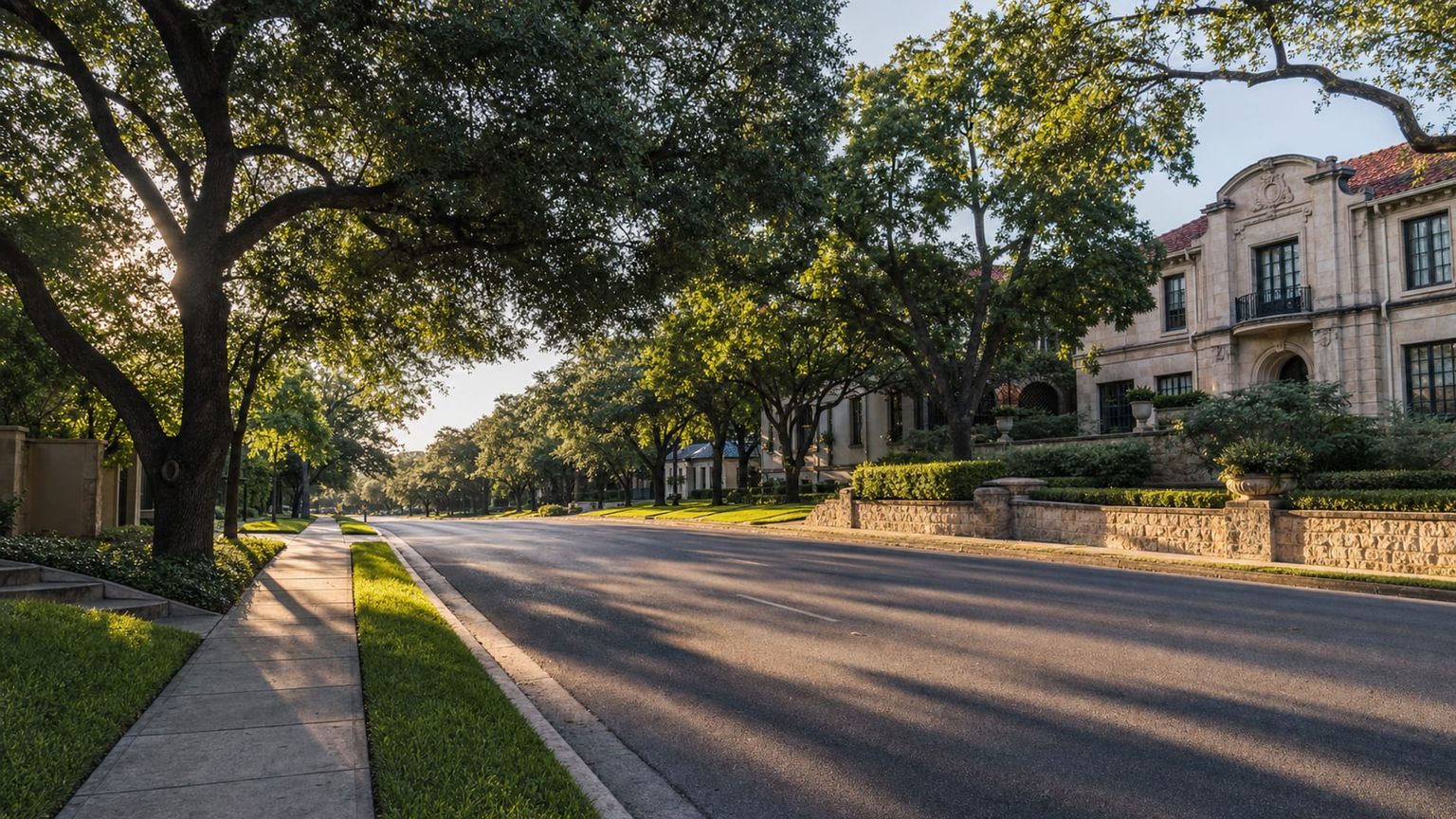
Alamo Heights is an established residential area northeast of downtown with tree-lined streets and easy access to the zoo, Witte Museum, and other Brackenridge Park attractions. It gives you a quieter base without leaving the central part of the city.
Best for: Families, museum visits, and travelers who prefer a quieter residential base
What to expect: Low-key streets, local shopping corridors, and fewer tourists than downtown or Pearl.
Hotel prices: Usually about $130 to $240 per night for well-rated stays
Distance to major sights: 10 to 20 minutes by car to the Alamo and River Walk
Quietness: Daytime is active along major roads; evenings are generally quieter on neighborhood streets.
Main trade-off: You will rely more on driving or rideshares, since dining and nightlife are spread out rather than clustered.
Good to know: If you plan evening outings downtown, check parking and ride costs before booking because late returns are usually by car.
Travelers usually avoid staying far north in Stone Oak, which puts you well away from the River Walk, the Alamo, and most downtown dining, and can mean longer evening drives back from central sights. South San Antonio, including neighborhoods near Lackland and the industrial stretches east of downtown, is less convenient for visitors because it has fewer hotel clusters and visitor amenities, and it places you farther from the main tourist core. The far west edge by SeaWorld and the outer Loop 1604 corridor can also be a weaker choice if you plan to spend most of your time downtown, since late-night return trips take longer and the area is built more for car access than walking between attractions.
Hotel deals
How to get around San Antonio efficiently
Downtown walks well, but San Antonio’s bus network, taxis, and ride-hailing fill the gaps once you head toward the missions, Pearl, or the airport.

Metro
for longer distances
San Antonio has no subway or metro system, so the closest public-transit option is VIA Metropolitan Transit, which runs fixed-route buses instead. Most downtown trips still need a bus connection or a short ride-hail leg, and cross-town journeys can take 30 to 60 minutes depending on the route and traffic.

Bus and tram
for convenience
VIA Metropolitan Transit covers downtown, the River Walk, the airport, and major corridors such as North Star Mall, the Medical Center, and Alamo Heights. Single rides cost $1.30, day passes cost $2.75, and a 7-day pass costs $12.75; passes stay valid for the printed period, while local bus transfers are timed within about 2 hours. Expect the airport route to take roughly 20 to 35 minutes to downtown, longer during rush hour.

Taxi
for convenience or late hours
Licensed taxis queue at San Antonio Airport (SAT), and street hails are uncommon outside hotels and the airport, so most riders call a cab or use an app. Fares are metered, not flat-rate, with the airport-to-downtown trip usually about $25 to $35 before tip and downtown rides often about $10 to $18; cash and major cards are usually accepted, though it helps to confirm card payment before departure.
*Prices are based on rates updated as of June 2026 and may change at the time of travel.
Walk the central districts, use buses for budget-minded airport and downtown trips, and choose taxis or ride-hailing when you are crossing town or keeping a tighter schedule.
Iconic landmarks
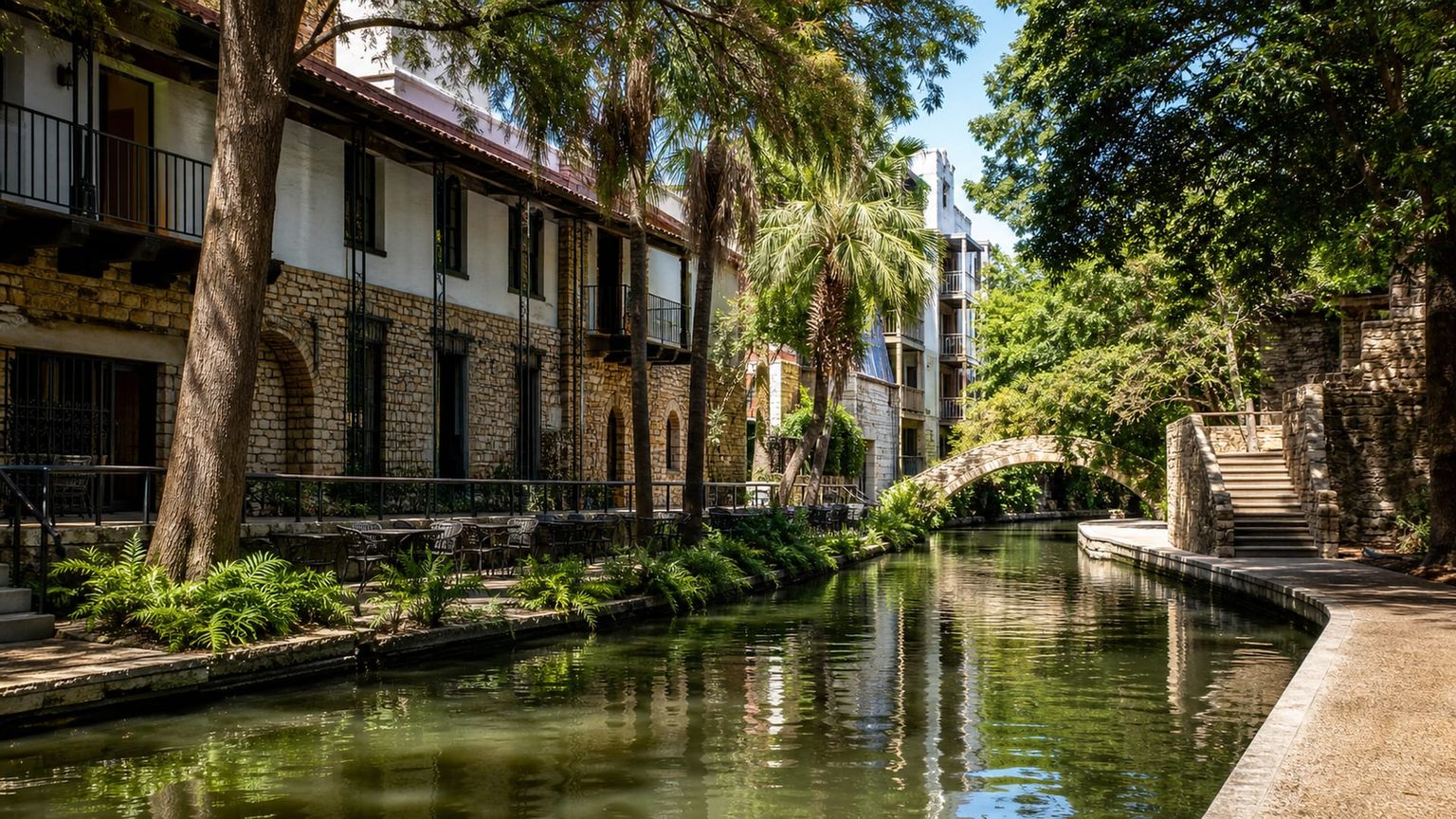
San Antonio River Walk
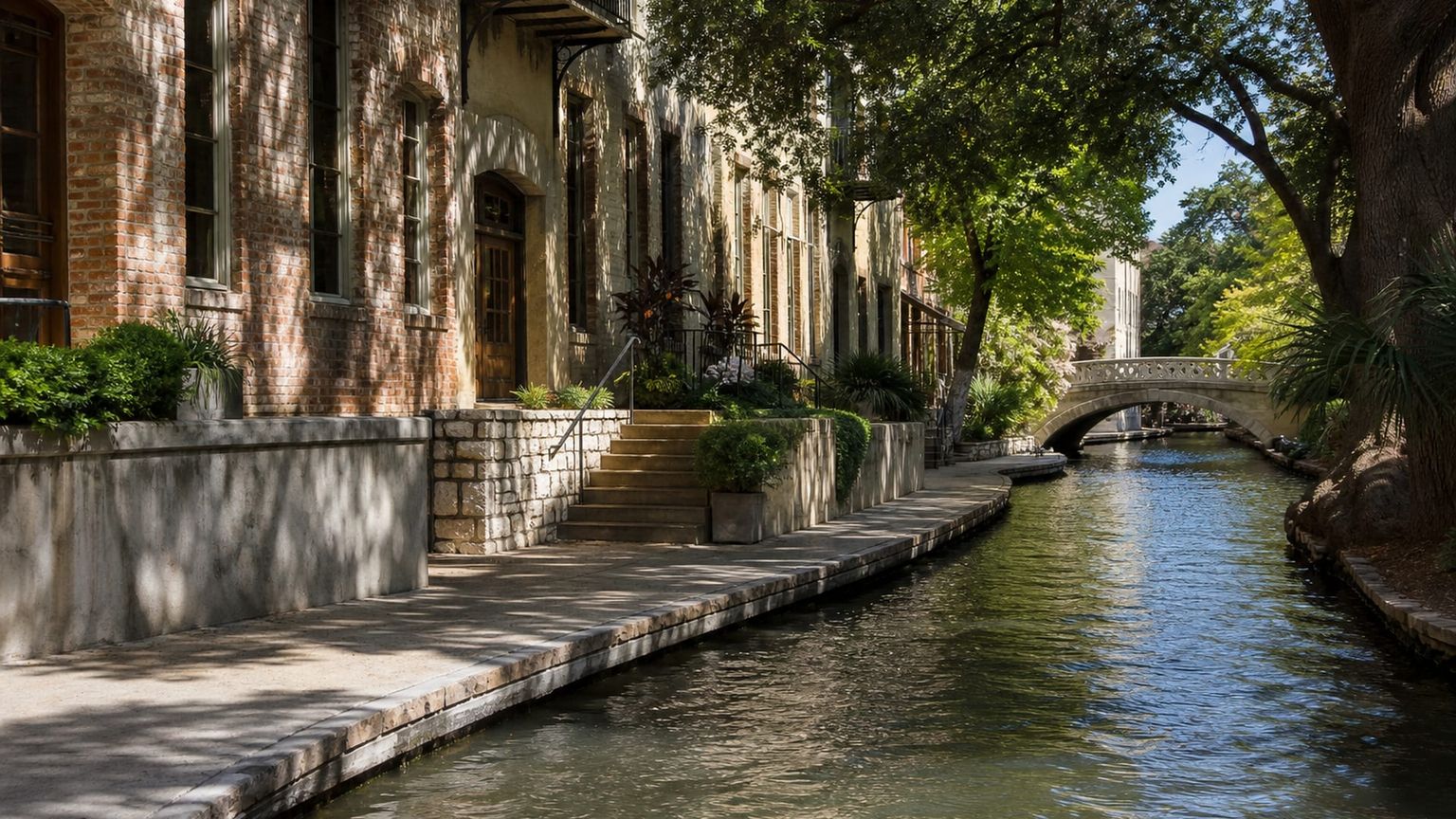
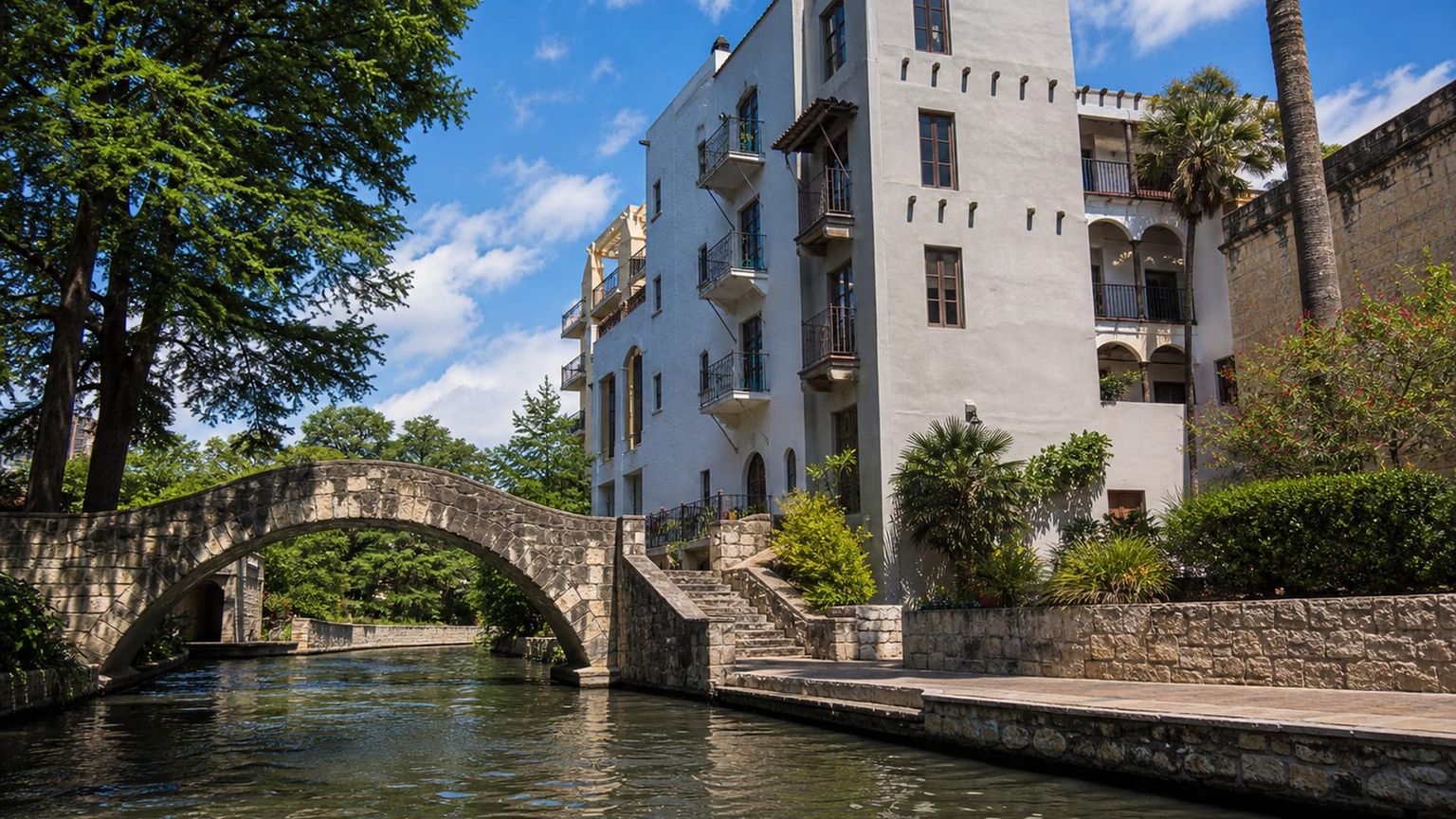
This downtown river promenade threads under streets and past bridges, restaurants, and public art, making it the city’s most recognizable urban walk. The Museum Reach and Mission Reach sections extend the route with trails and riverside views.
Time needed: About 2 to 3 hours
Entry: Free to walk at any time; boat cruises and river taxis charge separately, with most tours priced about $15 to $28 per person. Visit the official site for details.
Tip: Go after sunset for cooler air, then stay on the main promenade to avoid dead-end stairways.
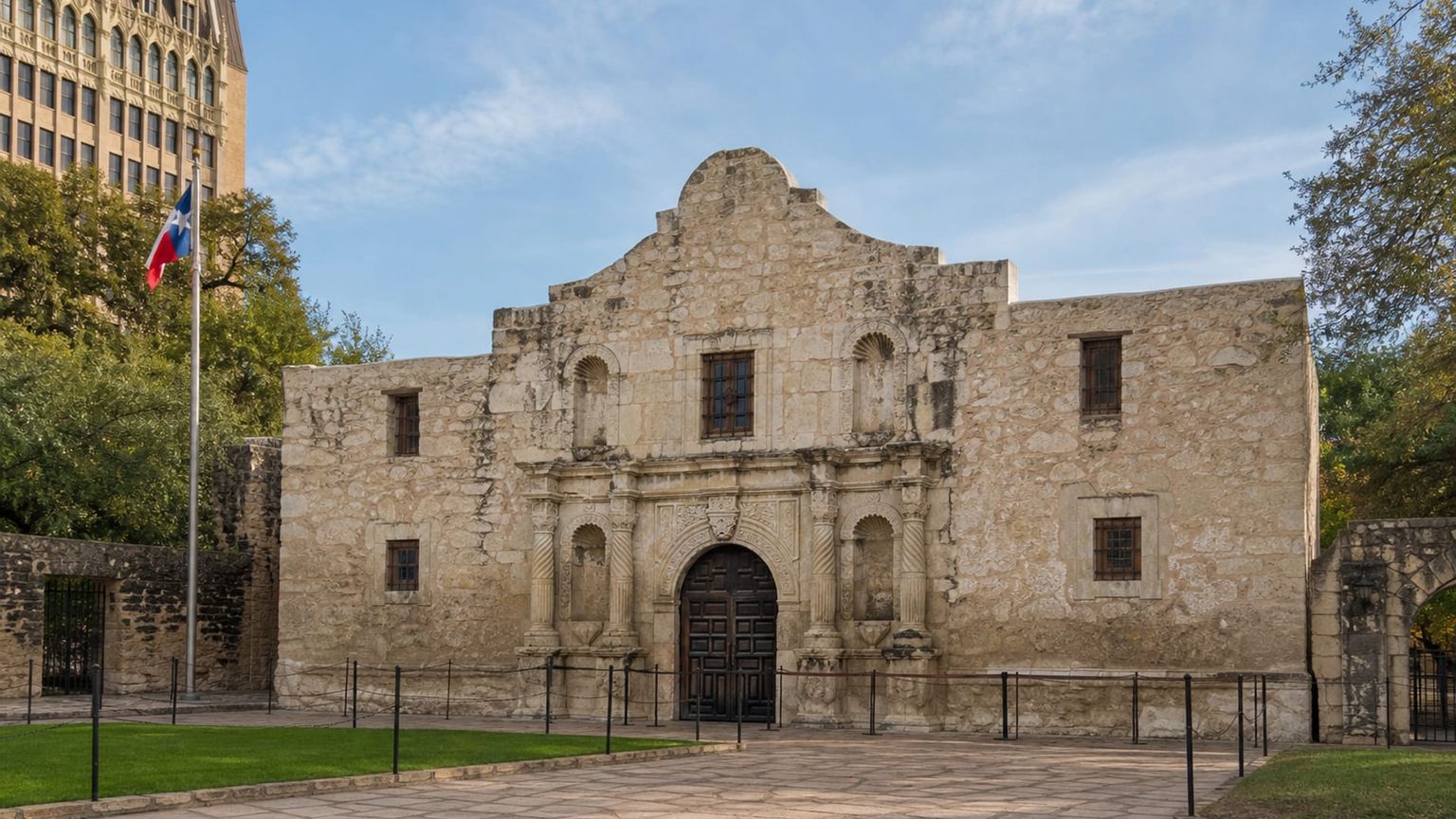
The Alamo
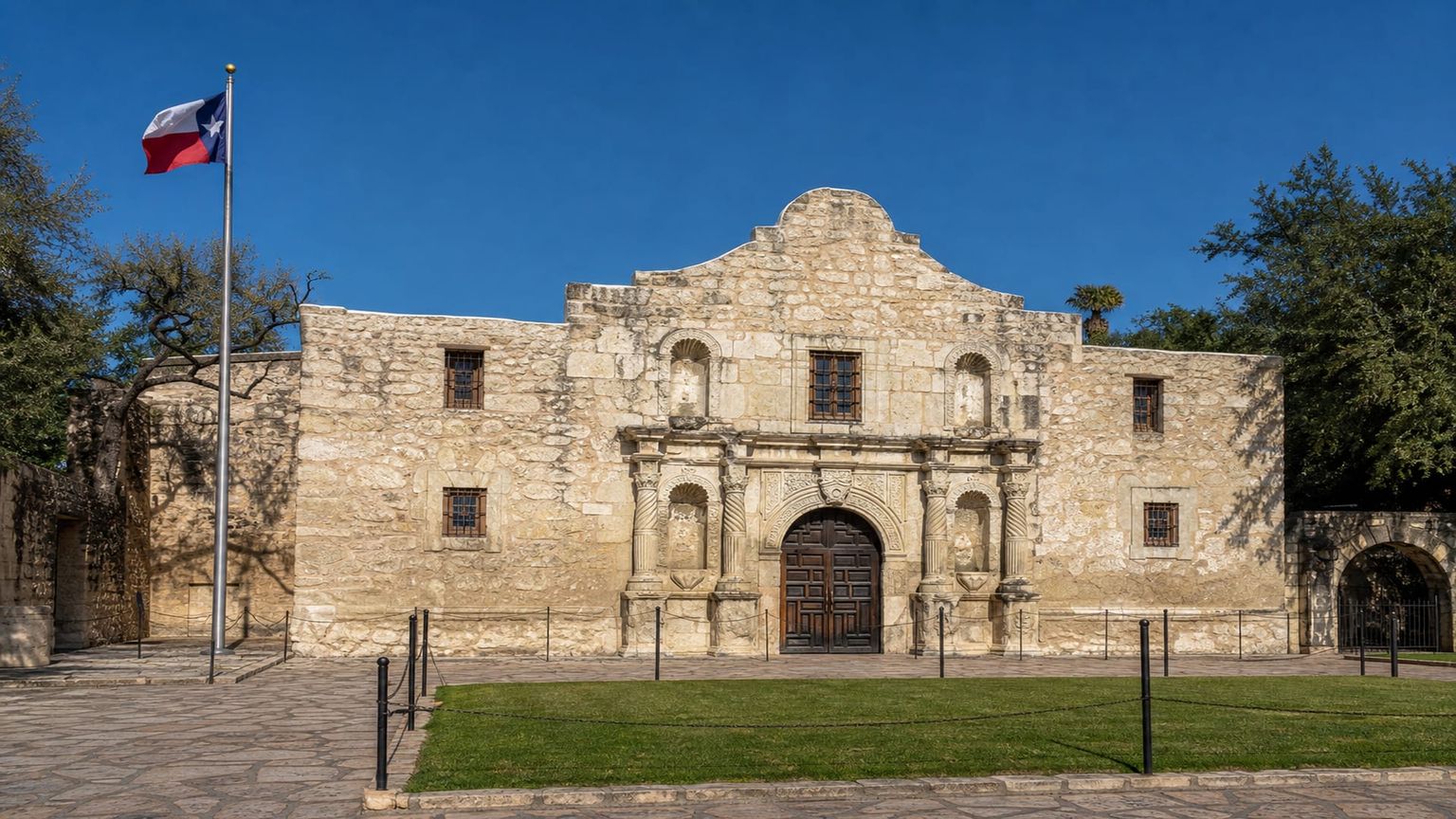
This former mission anchors Texas history in the city center, with the 18th-century church, Long Barrack, and exhibits on the 1836 battle. It sits in the Alamo Plaza district, within an easy walk of downtown hotels and the River Walk.
Time needed: About 1 to 2 hours
Entry: Admission is free for the grounds and church; guided experiences and special exhibits cost extra, with some programs priced about $10 to $15. Visit the official site for details.
Tip: Arrive early, then circle back at dusk when the plaza is quieter and easier to photograph.
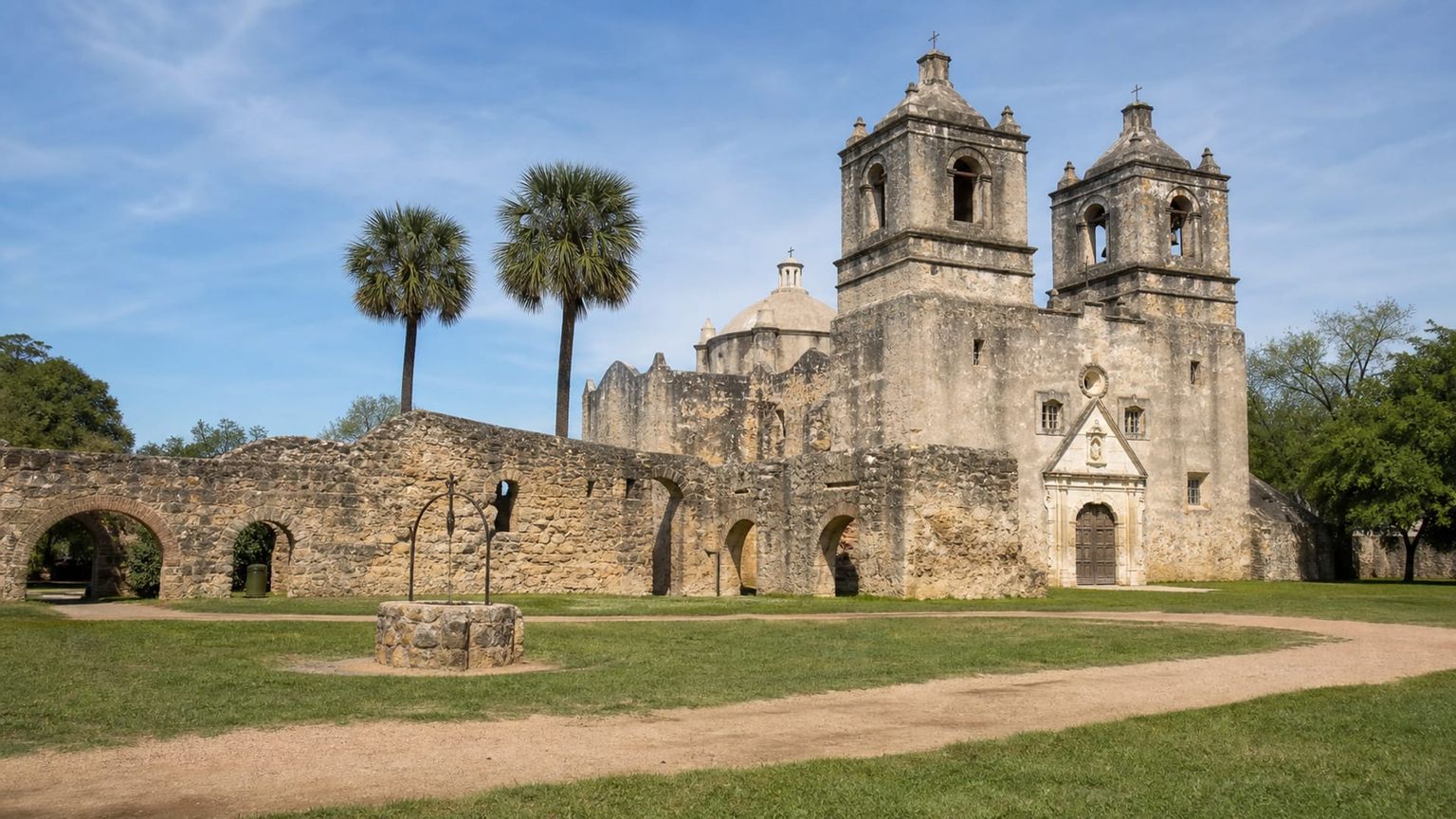
San Antonio Missions National Historical Park
This UNESCO-listed park links four Spanish colonial missions, all within the city limits and best known for stone churches, courtyards, and irrigation features. Mission San José and Mission Concepción give the clearest look at the system.
Time needed: About 3 to 4 hours
Entry: Free to enter the mission grounds and church interiors; ranger talks and special programs are free on posted schedules during regular park hours. Visit the official site for details.
Tip: Visit in the morning, then continue by car or bike between missions before the heat builds.
Overlooked sites worth visiting

Mission San José
The “Queen of the Missions” pairs a restored church with a walled compound, a carved rose window, and surviving convent rooms. It gets quieter than the River Walk sites and suits slow visits.
Time needed: About 1 to 1.5 hours
Entry: Grounds and church access are free; the visitor center and ranger-led interpretation can change seasonal hours. Donations support preservation, and special programs, if offered, may require separate fees or timed admission. Check current opening times before you go.
Tip: Go early for softer light on the stonework.

Blue Star Arts Complex
Blue Star turns former warehouses into galleries, studios, and a courtyard lined with cafés and mural walls. Its compact layout makes it easy to sample local art without a long walk between stops.
Time needed: About 1 to 2 hours
Entry: Entry to the complex is free, and most galleries do not charge admission. Food, drinks, and special exhibitions are priced separately, with occasional ticketed events or opening-night programs listed by each tenant rather than the site itself. Visit the official site for details.
Tip: Visit on a First Friday for the busiest gallery openings.
Traditional food
San Antonio’s food leans on tortillas, beef, and slow-cooked fillings, then layers in Tex-Mex heat, crisp textures, and breakfast tacos that show up early and often across the city.
Breakfast tacos
Soft flour tortillas wrapped around eggs, potatoes, bacon, or chorizo make this the city’s default morning order. For a classic stop, visit Pete’s Tako House, where the counter service and steady breakfast crowd suit the dish well.
Puffy tacos
These fried, puffed tortillas come filled with beef, chicken, or seafood, and they stay one of San Antonio’s most local specialties. Ray’s Drive Inn has served a well-known version for generations.
Chicken-fried steak
A breaded, fried cutlet covered in cream gravy, this is the plate to order when you want something hearty and familiar. The Crumpet Shop? No, for a proper local plate, Rebecca’s Restaurant is the better canonical pick in San Antonio.
Carne guisada
Slow-cooked beef in a thick, chile-spiced gravy turns into a rich taco filling or a full plate with rice and beans. Teka Molino is a dependable San Antonio address for a version that fits the city’s Tex-Mex roots.
Best time to visit San Antonio
San Antonio shifts more by heat and humidity than by dramatic seasonal swings, so the best time to visit depends on whether you want cooler walking weather or lighter crowds at the main sights.
Best for: Mission visits, River Walk walks, and outdoor dining
What you get: About 65 to 88°F (18 to 31°C), with busy but manageable crowds and a good balance for sightseeing
Trade-offs: Afternoons can warm quickly, and popular weekends fill hotel rooms fast
Best for: Indoor museums and early starts at the missions
What you get: About 75 to 96°F (24 to 36°C), with lighter midday foot traffic and strong air-conditioned breaks
Trade-offs: Heat and humidity make long midday walks harder
Best for: Long downtown days and patio meals
What you get: About 64 to 88°F (18 to 31°C), with comfortable evenings and good overall city energy
Trade-offs: Early fall can still run hot, and event weekends push rates up
Best for: Easy museum time and calmer hotel selection
What you get: About 43 to 68°F (6 to 20°C), with lower crowd levels and pleasant daytime walking
Trade-offs: Cold snaps can cut into outdoor time, especially in the evening
A realistic 5-day plan in San Antonio
This five-day plan starts in the downtown core, then expands to the missions, Blue Star, Pearl, and a slower departure day. It keeps the city in manageable pieces, so each day has a clear center of gravity rather than a long list of disconnected stops.
Land at San Antonio (SAT) and take a rideshare or taxi to Downtown, which is about 15 to 20 minutes away and usually costs roughly $25 to $35 before tip. Check in near the River Walk or the Alamo Plaza area, then keep the rest of the afternoon easy with water, a short stretch by the river, and a light dinner at a café along the River Walk so you are close to your hotel for an early night.
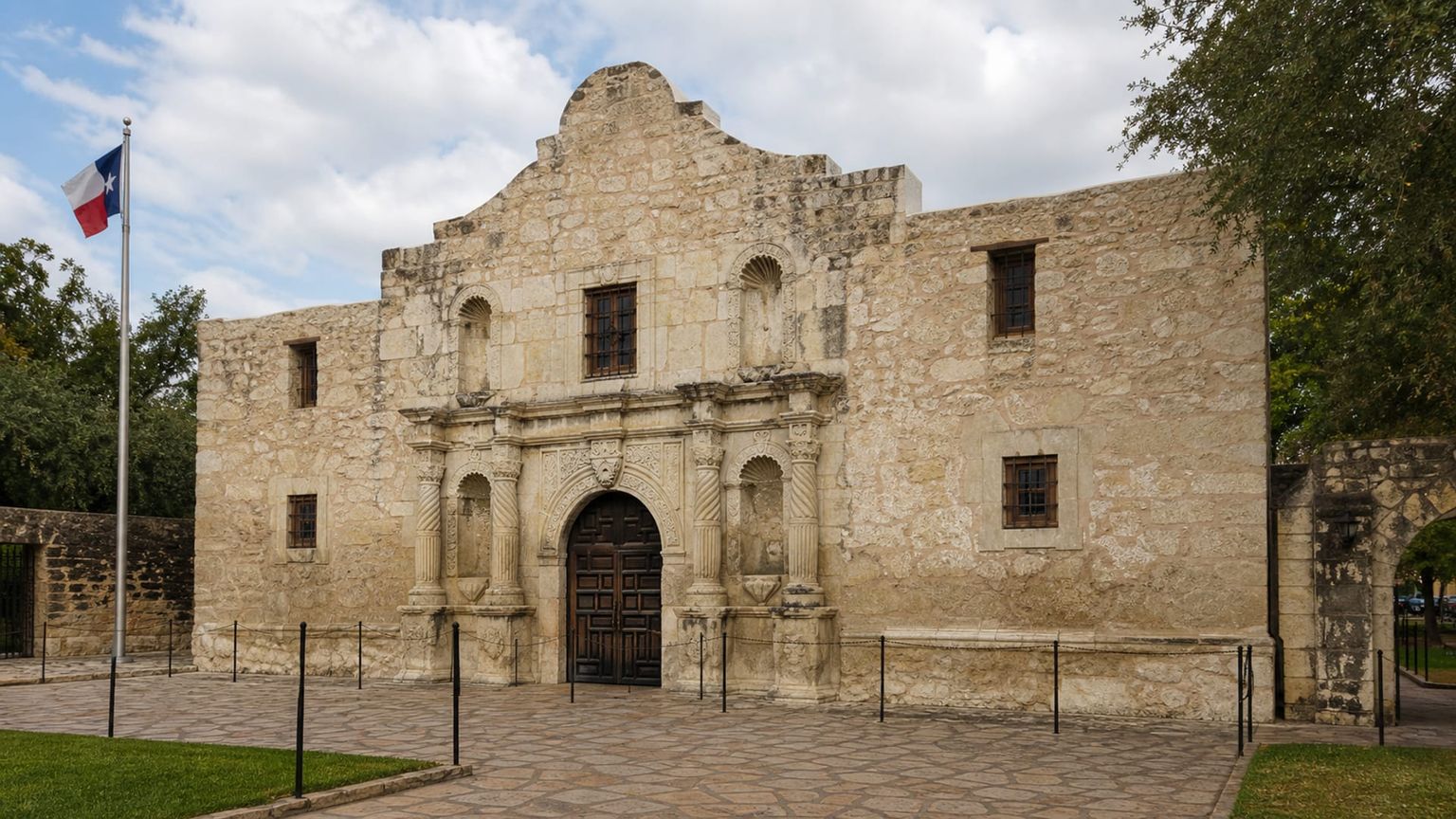
Begin at The Alamo, where a morning visit takes about 1 to 2 hours, then walk about 5 minutes to the River Walk for lunch and a slower 2 to 3 hour stroll through the central promenade. In the evening, stay downtown for dinner along the water, or take a 10-minute rideshare to Pearl District if you want a meal in a quieter dining corridor.
Head south in the morning for San Antonio Missions National Historical Park, then spend about 3 to 4 hours visiting the mission grounds, starting with Mission San José, which sits about 10 to 15 minutes by car from downtown and pairs well with Mission Concepción farther along the route. After the missions, return to Blue Star Arts Complex in roughly 15 minutes by car for galleries, murals, and a late lunch, then finish with a casual dinner nearby before heading back to your hotel.
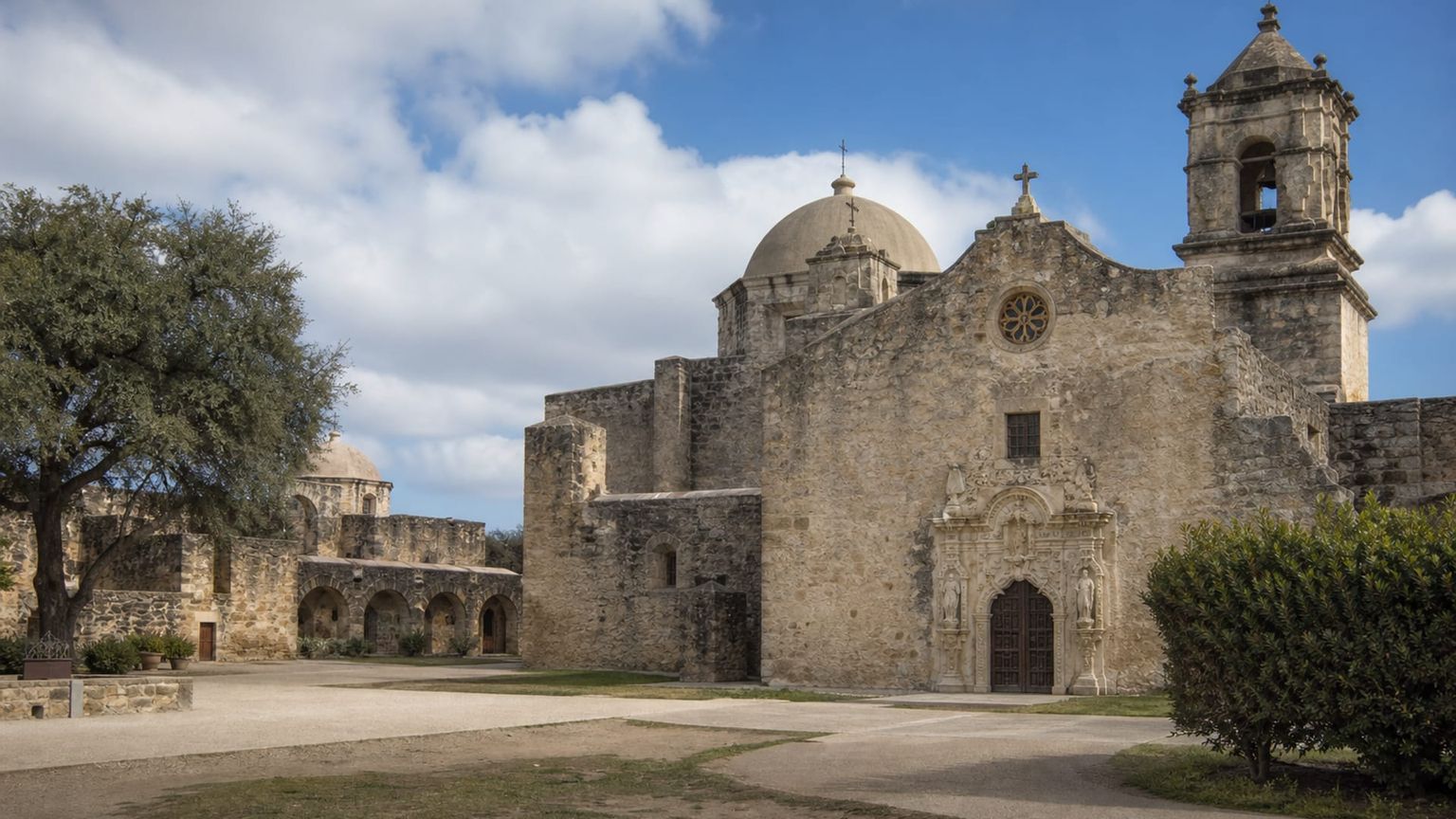
Start with Mission San José in the morning, when the stonework looks best in softer light, then continue to the other mission sites in San Antonio Missions National Historical Park by car or bike, allowing roughly 20 to 30 minutes between stops. By late afternoon, return north to the Pearl District, about 15 minutes by rideshare from downtown, for the market hall, shops, and an easy dinner before a night walk along the River Walk if you still have energy.
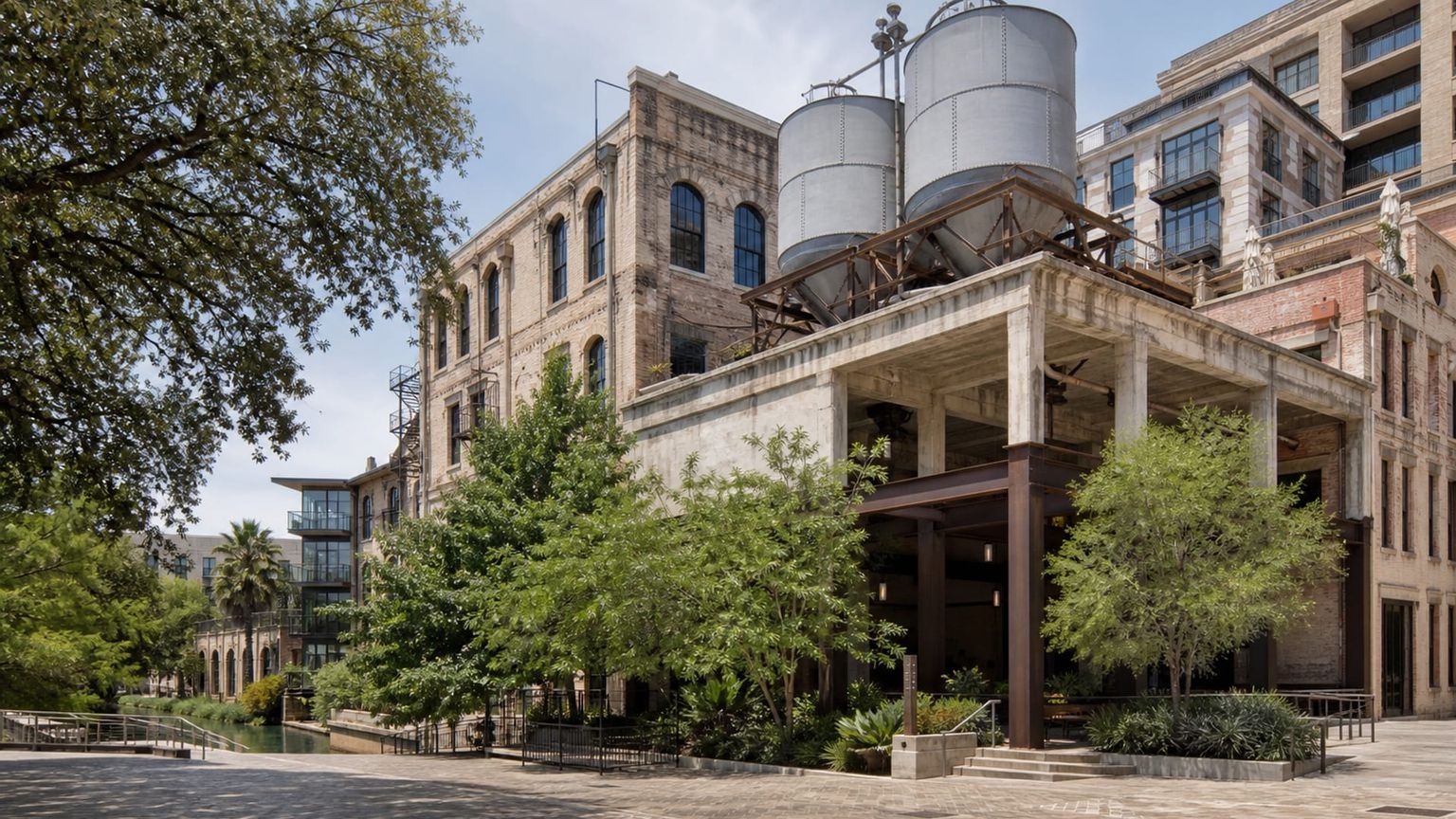
For a final morning, pair one last museum stop with a slower neighborhood finish, beginning in Downtown for any exhibit you skipped and then spending the afternoon in Pearl District for shopping, coffee, and a last look at the market area. If your flight leaves later, settle into a café in Pearl or a nearby spot in Alamo Heights, then head to San Antonio (SAT) with enough time for traffic, which can add about 20 to 30 minutes to the airport transfer.
Business-class flights from the US to San Antonio
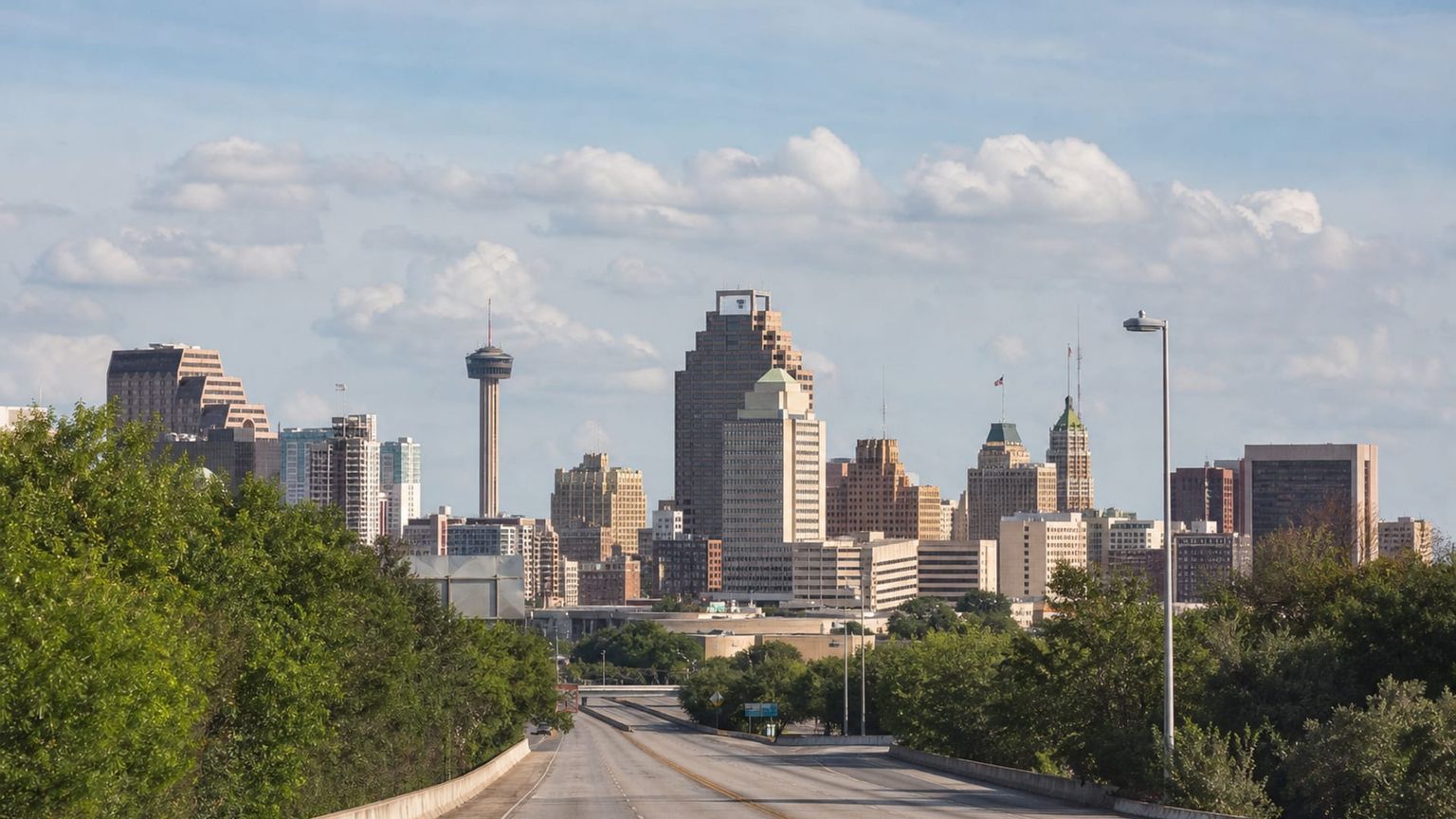
Direct and one-stop itineraries both work for San Antonio, and the best fare often depends on where you start. From the East Coast and West Coast, the price spread can widen quickly when layovers enter the picture.
American Airlines, Delta Air Lines, United Airlines, Air Canada, Lufthansa, and British Airways all appear on New York to San Antonio itineraries, and nonstop flying takes about 3.5 to 4 hours. If you do not mind a connection, common changes in Charlotte, Chicago, Dallas, or Atlanta can reduce the fare to roughly $350 to $800.
From Los Angeles, American Airlines, Delta Air Lines, United Airlines, Alaska Airlines, and Southwest Airlines offer round-trip itineraries that usually run $280 to $650 nonstop, with higher last-minute prices on peak dates. One-stop trips via Dallas, Phoenix, Denver, San Francisco, or Las Vegas can bring the fare down to about $180 to $420.
San Antonio feels different when you slow down
A deliberate San Antonio trip usually balances the downtown core with a second layer of neighborhoods, from the Alamo Plaza area to Pearl, Blue Star, and the mission corridor south of the center. That mix works best when you use short rides for the longer hops and save walking for the River Walk and the historic core. If you want help shaping the trip around those blocks, AranGrant experts can point you toward the right hotels and flight path