

Chapters:

Need help with your trip?
Our support team is available 24/7. Request a callback or call us directly at (833) 619-0908
San Diego trips often begin with the beach in mind, then get narrowed to a hotel near the waterfront, a taco stop, and a quick look at the zoo or Balboa Park. What many visitors miss is how much time can slip away between Point Loma, Coronado, and Old Town.
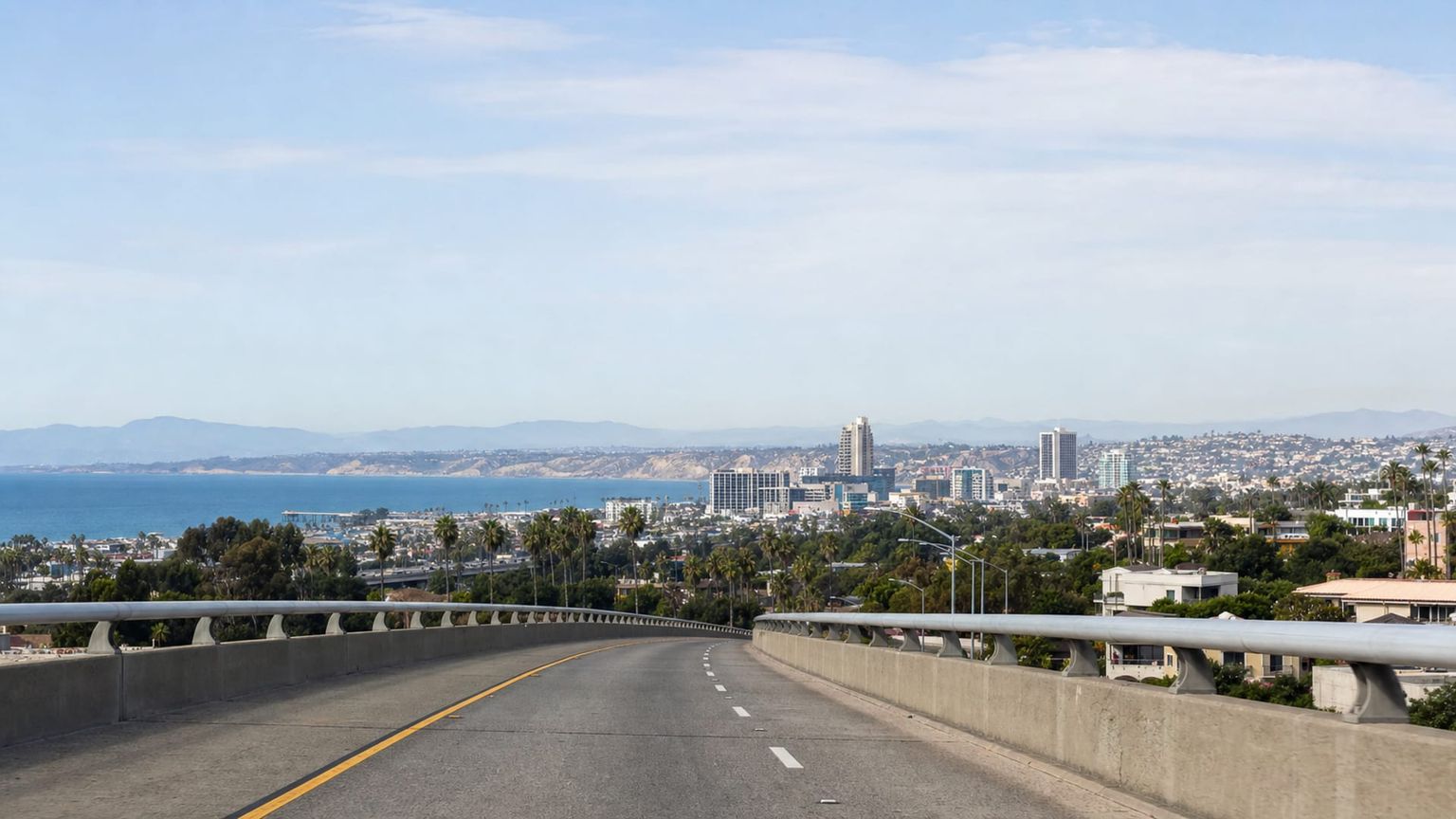
The city looks compact on a map, but traffic, parking, and bay crossings change the pace fast. If you try to fit in too many separate districts in one day, you spend more time in transit than at the sights.
This guide keeps the city in a workable order, with neighborhoods, meals, transit, and day trips arranged so you can move with less guesswork and still leave room for the coast.
Useful things to know

Main language(s): English

Currency: The local currency is the US dollar (USD, $).

Cash and cards: Cards and contactless are widely accepted; carry about $20 to $40 in cash for tips and small vendors.

Tipping: Tip 15-20% at restaurants, and round up for taxis and small bills.

Traditional food: California burrito, fish taco, carne asada fries, poke bowl

Water and coffee costs: Water about $2 ($2), bar espresso about $4 ($4).

Taxis and ride apps: Uber and Lyft operate here; check pickup points at the airport and big hotels.

Plug and voltage: Type A/B socket, 120V

Dining and shop opening hours: Breakfast about 07:00-10:00, lunch 12:00-14:00, dinner 18:00-21:00. Many kitchens close by 22:00.

Emergency number: 911 for police, fire, and medical emergencies.
Where to stay in San Diego
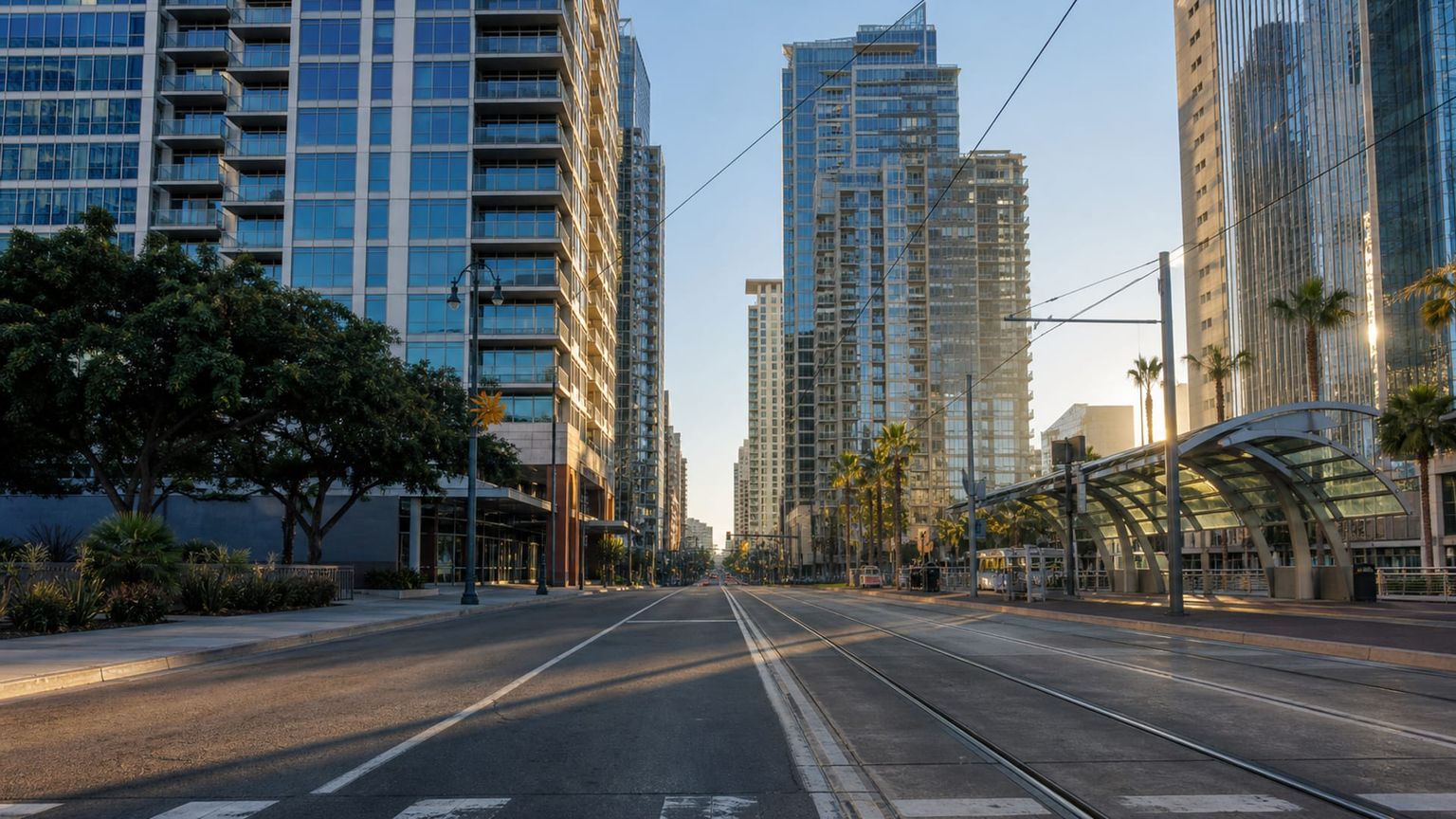
San Diego’s central hotel district clusters high-rises, the waterfront, and the Gaslamp Quarter in one compact area. It puts you close to the harbor, convention center, and trolley links, which matters if you want easy city sightseeing without relying on a car.
Best for: First-time visits, convention trips, and travelers who want the shortest walk to the waterfront
What to expect: Busy sidewalks, late dining, and a steady flow of convention crowds and nightlife near Gaslamp.
Hotel prices: Usually about $180 to $320 per night for well-rated stays
Distance to major sights: 10 to 15 minutes on foot to the Gaslamp Quarter; 10 to 20 minutes on foot to the San Diego Bay waterfront
Quietness: Busy through the day and loud near nightlife streets after dark.
Main trade-off: Hotels can cost more on weekends, and some blocks sit beside heavy nightlife noise.
Good to know: Choose a room away from Fifth Avenue if you want to sleep before midnight.
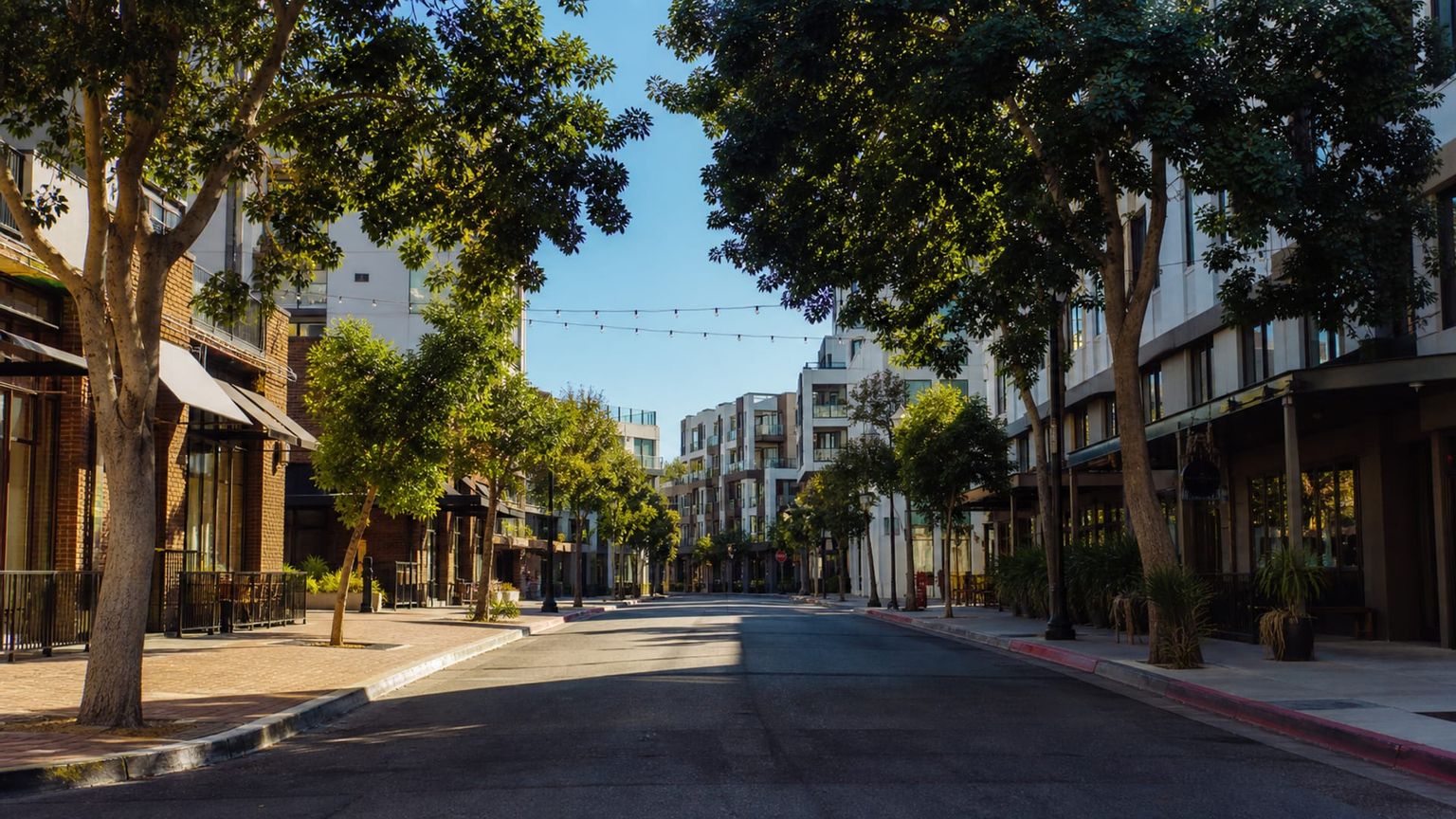
Little Italy sits just north of Downtown and pairs restaurant-heavy streets with easy access to the waterfront and airport corridor. It works well for travelers who want dinner options on the doorstep and a base that still keeps the harbor within reach.
Best for: Food-focused stays, couples, and visitors who want a lively but compact base
What to expect: Active sidewalks, outdoor dining, and a mix of locals, travelers, and evening restaurant traffic.
Hotel prices: Usually about $200 to $360 per night for well-rated stays
Distance to major sights: 15 to 20 minutes on foot to the San Diego Bay waterfront; about 10 minutes by taxi to Balboa Park
Quietness: Busy at dinner and calmer late at night once restaurants close.
Main trade-off: Rooms often cost more than nearby neighborhoods, especially on weekends and during festivals.
Good to know: Book early if your trip overlaps with the Little Italy Mercato, since nearby rooms fill quickly.
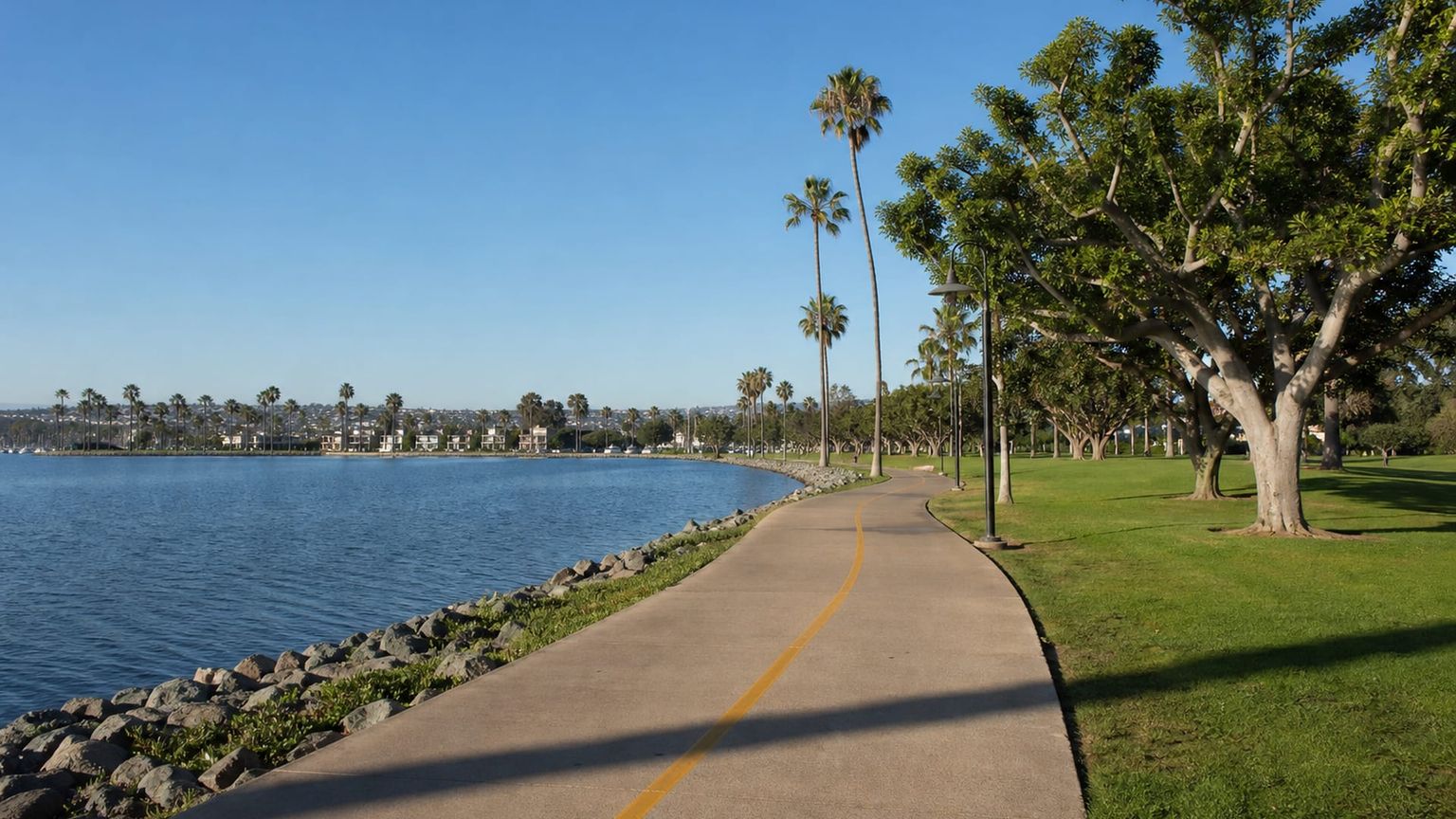
Mission Bay stretches along the water north of Downtown and centers on resorts, beaches, and parks rather than a dense urban core. It suits visitors who want a resort-style stay with quick access to the bay, SeaWorld, and family-friendly outdoor time.
Best for: Families, beach time, and travelers planning SeaWorld visits
What to expect: Resort traffic, wide roads, and a more spread-out setting with parks and bay paths instead of busy sidewalks.
Hotel prices: Usually about $190 to $380 per night for well-rated stays
Distance to major sights: 10 to 15 minutes by car to SeaWorld; about 20 minutes by car to Old Town San Diego
Quietness: Quieter in the morning and evening, with more resort activity around midday and vacation weekends.
Main trade-off: You will need rideshares or a car for most dinner and museum outings outside the bay area.
Good to know: Parking fees can add up, so compare total stay costs before you book a resort here.
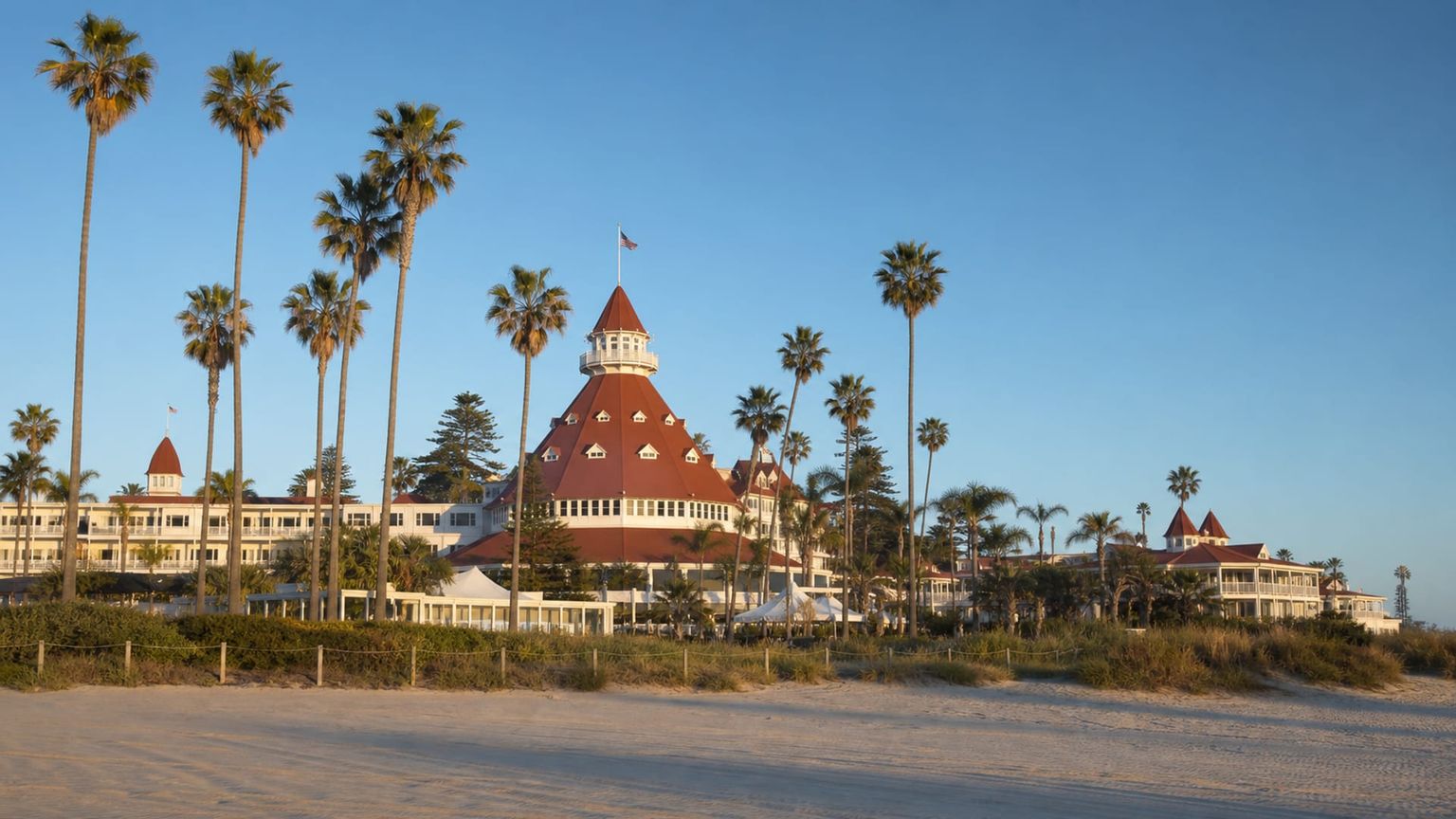
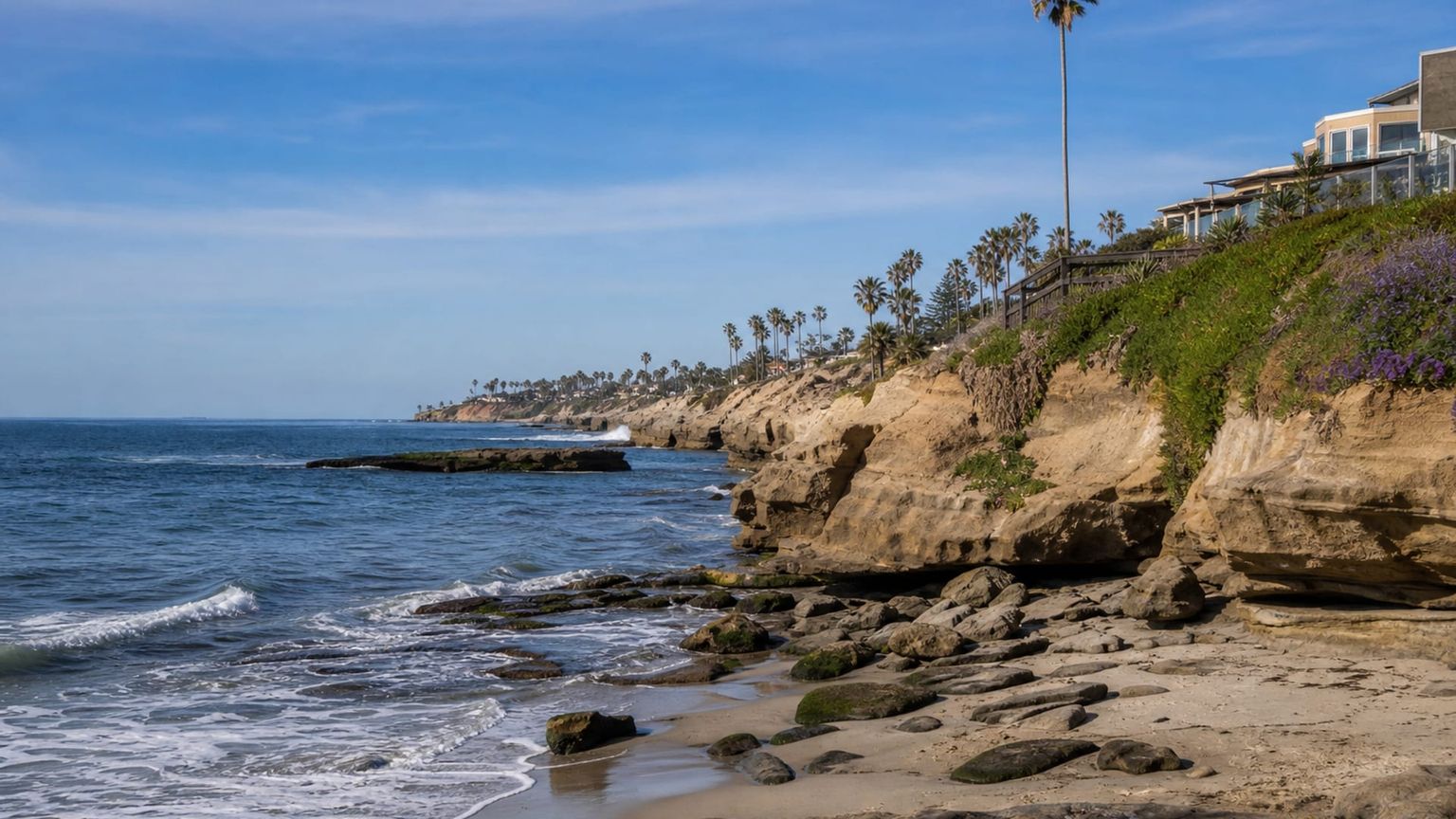
Coronado sits across the bay from Downtown and combines an island feel with long beaches and classic resort hotels. It matters for visitors who want a scenic base with easy access to the city by ferry or bridge, plus a quieter pace than the core.
Best for: Beach stays, resort trips, and travelers who prefer a quieter base with scenic water views
What to expect: Low-rise streets, vacation foot traffic, and a resort-town atmosphere centered on the village and beach.
Hotel prices: Usually about $250 to $450 per night for well-rated stays
Distance to major sights: About 15 minutes by ferry to Downtown San Diego; about 20 minutes by car to Balboa Park
Quietness: Calmer than Downtown both day and night, though the village can get busy near the beach and hotel zones.
Main trade-off: Rates are often high, and the island setting adds time if you plan to visit inland sights often.
Good to know: If you stay here without a car, check ferry times before you plan evening meals or theater tickets.
Travelers usually avoid staying in East County neighborhoods such as El Cajon and Santee, which sit far from San Diego’s main sights and rely more on car travel than walkable visitor areas. They also tend to skip industrial or airport-adjacent pockets near the San Diego International Airport (SAN) corridor, where hotel options cluster around traffic, not dining, beach access, or nightlife.
Hotel deals
How to get around San Diego efficiently
San Diego has no metro system, so most visitors combine the Trolley, MTS buses, rideshares, and short walks between downtown, Old Town, and the waterfront.

Metro
for longer distances
San Diego has no subway or metro network. The closest equivalent is the San Diego Trolley, a light rail system with Blue, Green, Orange, and Silver lines that link downtown, Old Town, Mission Valley, and the border area. A one-way ticket costs $2.50 ($2.50) and is valid for 2 hours on the Trolley and buses, with day passes and regional passes available for longer stays.

Bus and tram
for convenience
MTS buses cover most of San Diego County, and the Trolley fills the main rail corridors. One-way fares are $2.50 ($2.50) with a 2-hour transfer window, while day passes cost $6 ($6). Frequent routes serve downtown, Balboa Park, Pacific Beach, La Jolla, and the airport area, though many trips take longer than driving, so check schedules before late-night or cross-town rides.

Taxi
for convenience or late hours
Licensed taxis wait at San Diego International Airport (SAN), hotels, and major attractions, and street hailing is limited compared with getting a car through a dispatch or ride-hail app. Fares are metered, not flat, with airport trips to downtown often about $20 to $35, and longer rides to coastal neighborhoods or Mission Valley typically about $25 to $50 before tip and tolls. Most cabs accept cards, but it is wise to confirm payment before departure.
*Prices are based on rates updated as of June 2026 and may change at the time of travel.
Use the Trolley for downtown, Old Town, and border-area links, buses for broader county routes, and taxis or rideshares when you need Point Loma, Mission Bay, or a late return.
Iconic landmarks
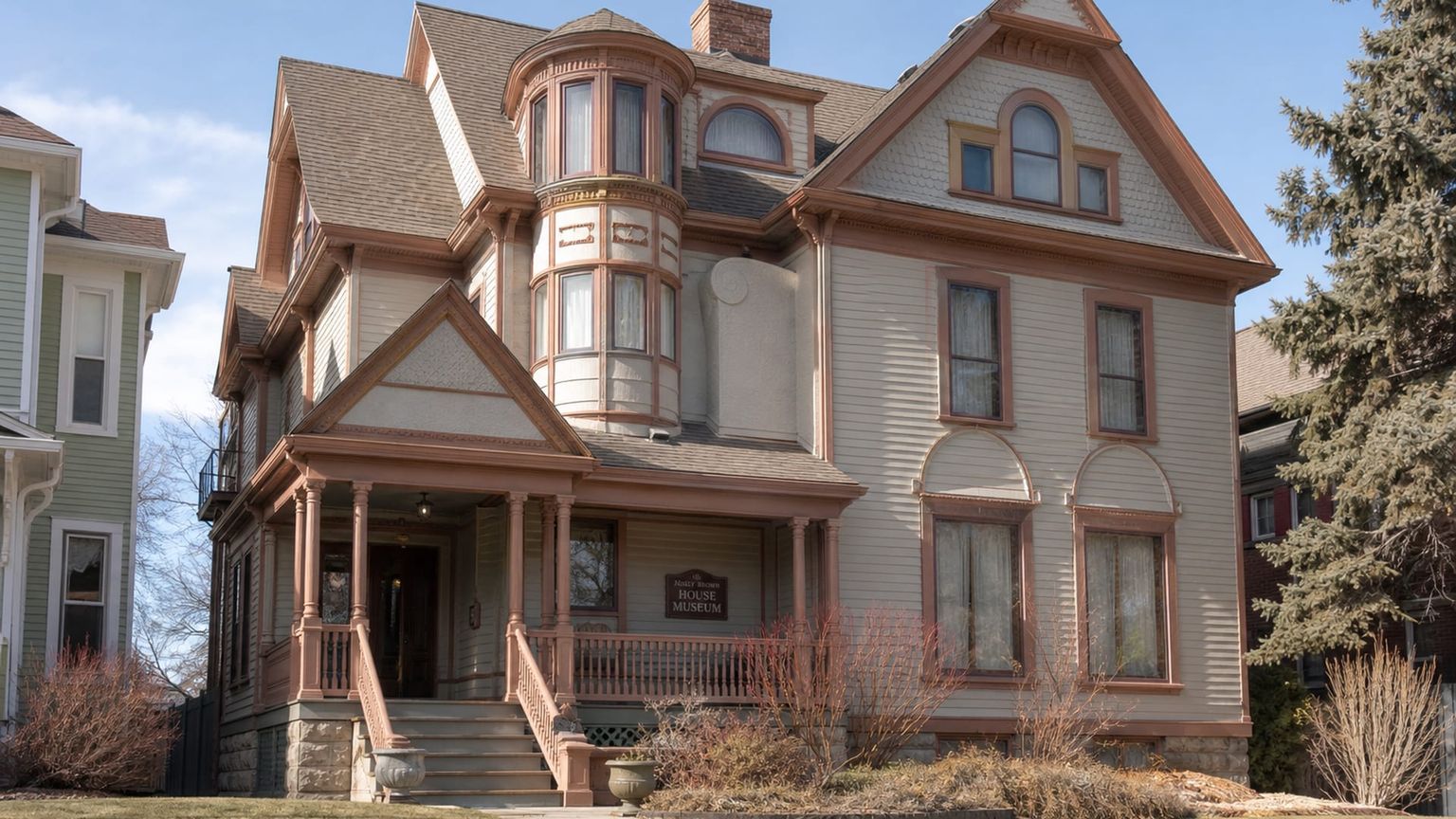
Balboa Park
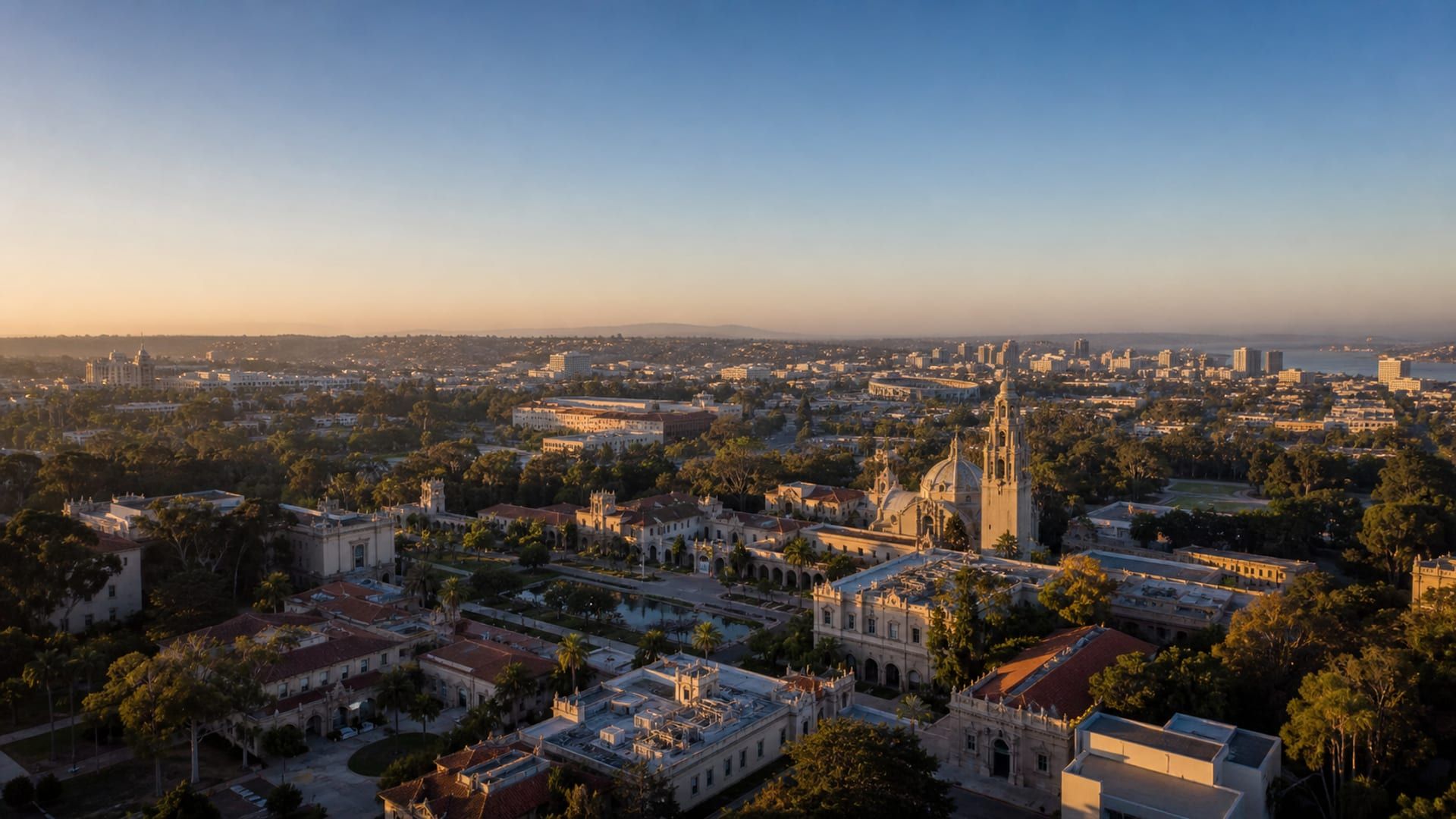
San Diego’s signature urban park combines Spanish Colonial Revival architecture, museums, gardens, and open plazas on a single site. Its Prado buildings, lily pond, and canyon edges make it a dense first stop for a city overview.
Time needed: About 3 to 5 hours
Entry: Free to access; individual museums and attractions charge separate admission Visit the official site for details.
Tip: Start early for cooler paths and softer light on the Prado buildings.
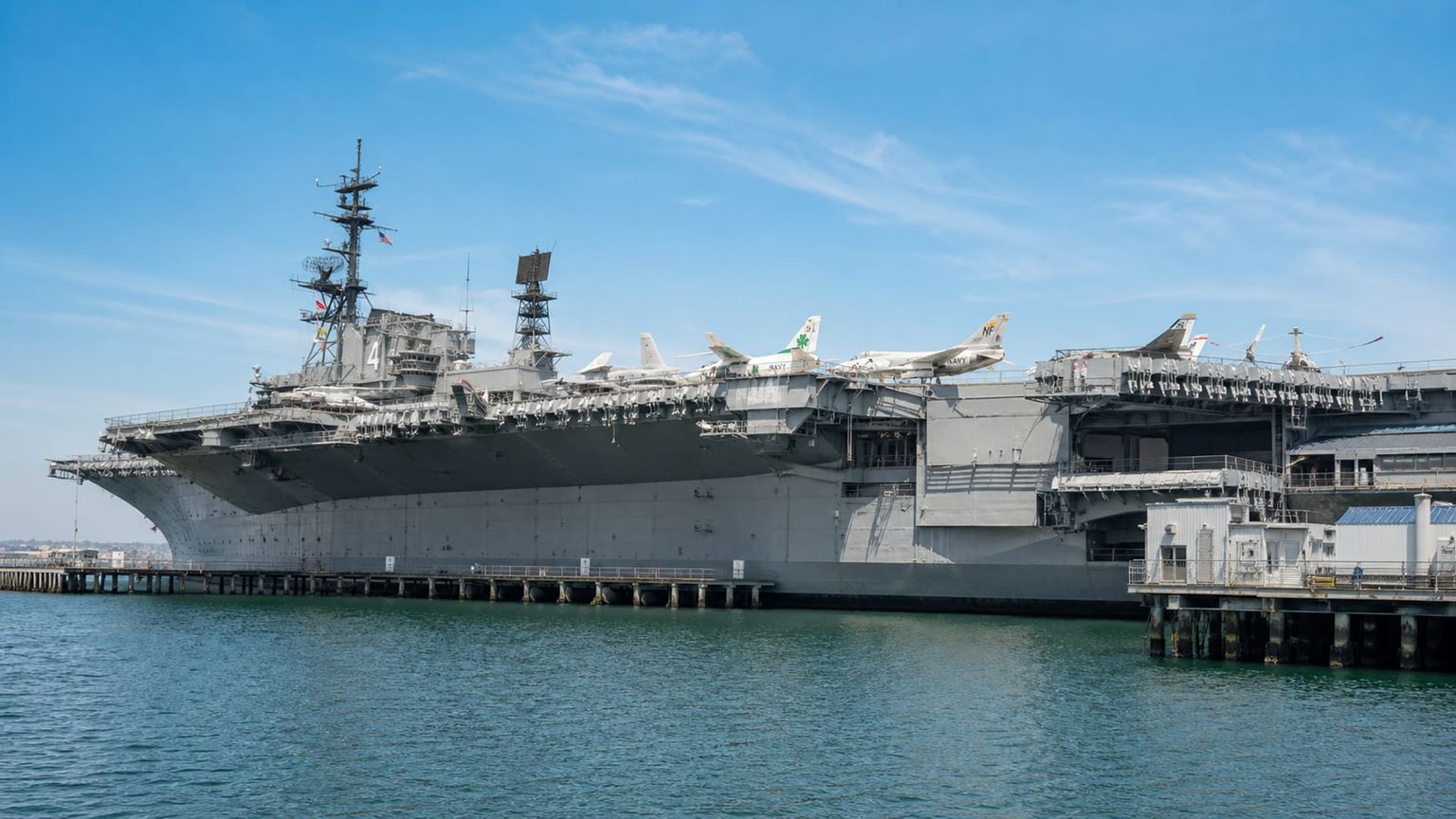
USS Midway Museum
The USS Midway Museum uses a retired aircraft carrier on San Diego Bay, with restored aircraft, flight decks, and below-deck spaces. Audio tours and flight-deck views give a direct look at naval aviation history and the waterfront skyline.
Time needed: About 2 to 3 hours
Entry: Standard tickets cost $31 ($31) for adults, $26 ($26) for seniors, military, and youth ages 13 to 17, and $20 ($20) for children ages 6 to 12 Visit the official site for details.
Tip: Go early, when the flight deck is cooler and the queues for audio guides are shorter.
Old Town San Diego State Historic Park
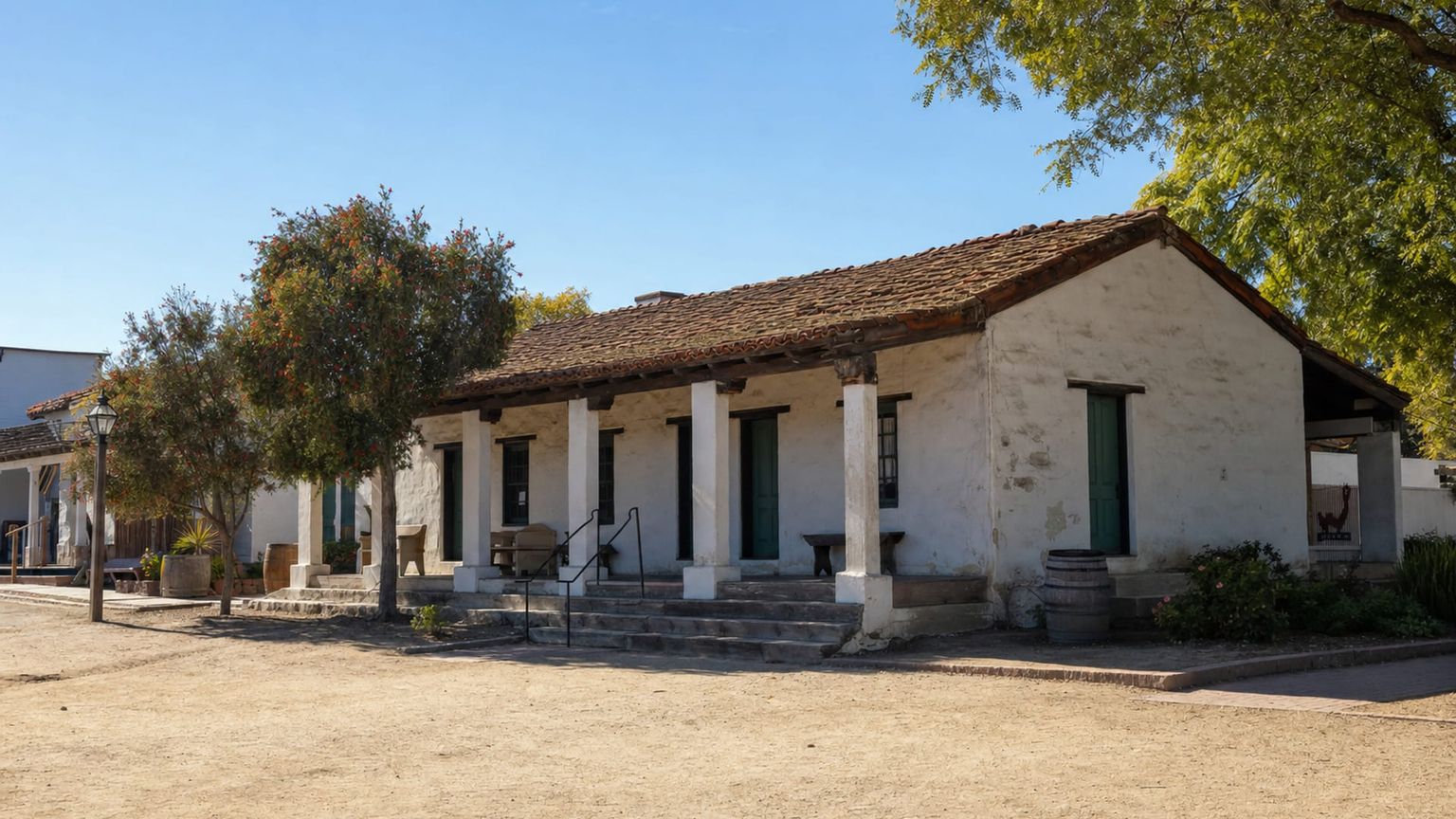
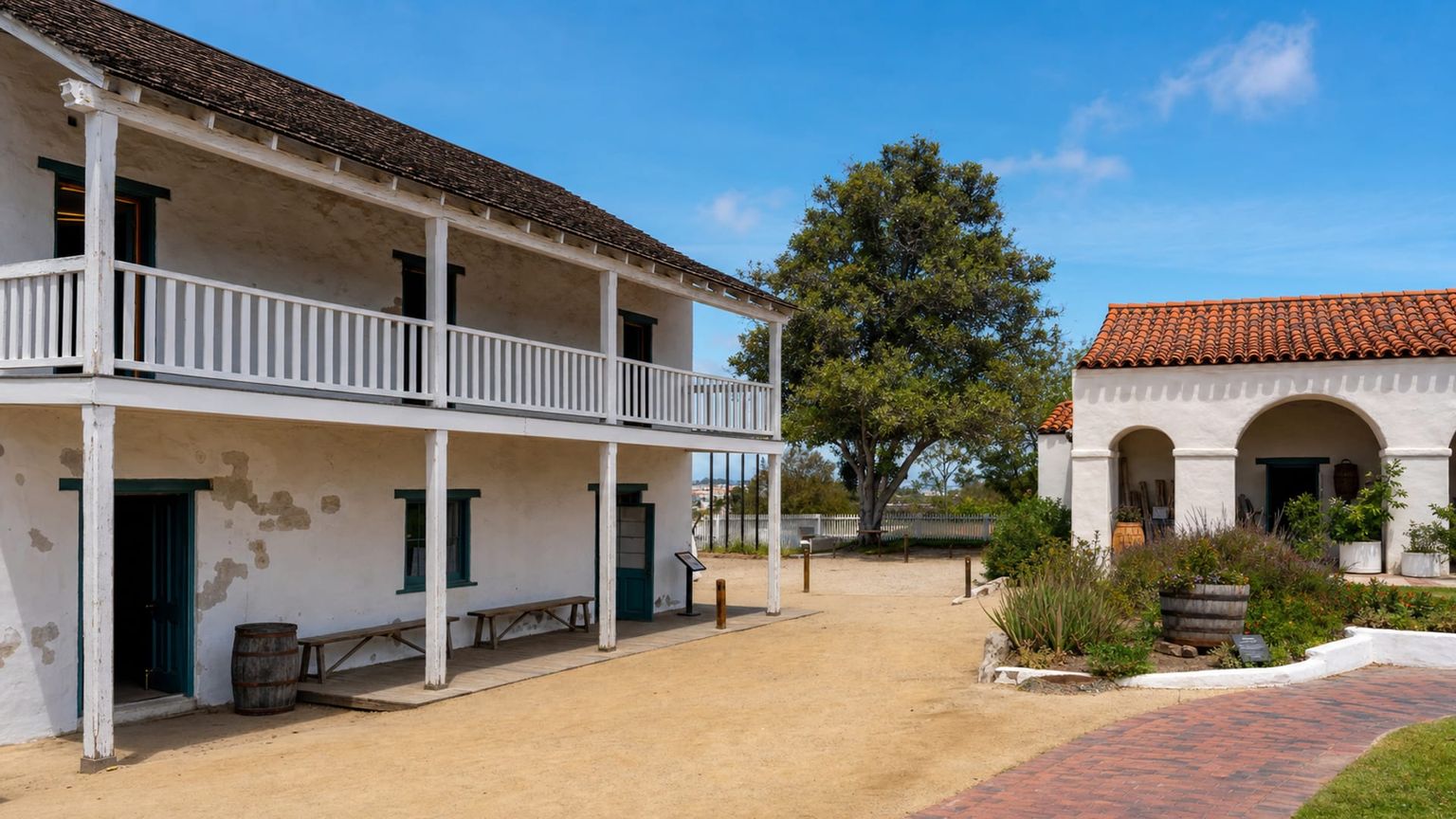
Old Town San Diego State Historic Park preserves adobe buildings, plazas, and museums tied to the city’s Mexican and early American periods. Shops and restaurants sit beside restored sites, so you can pair history, walking, and a meal in one visit.
Time needed: About 2 to 3 hours
Entry: Free to access; some museums, tours, and historic houses charge separate admission Visit the official site for details.
Tip: Visit in late afternoon, then return after sunset when the plaza lights turn on.
Overlooked sites worth visiting

Cabrillo National Monument tide pools
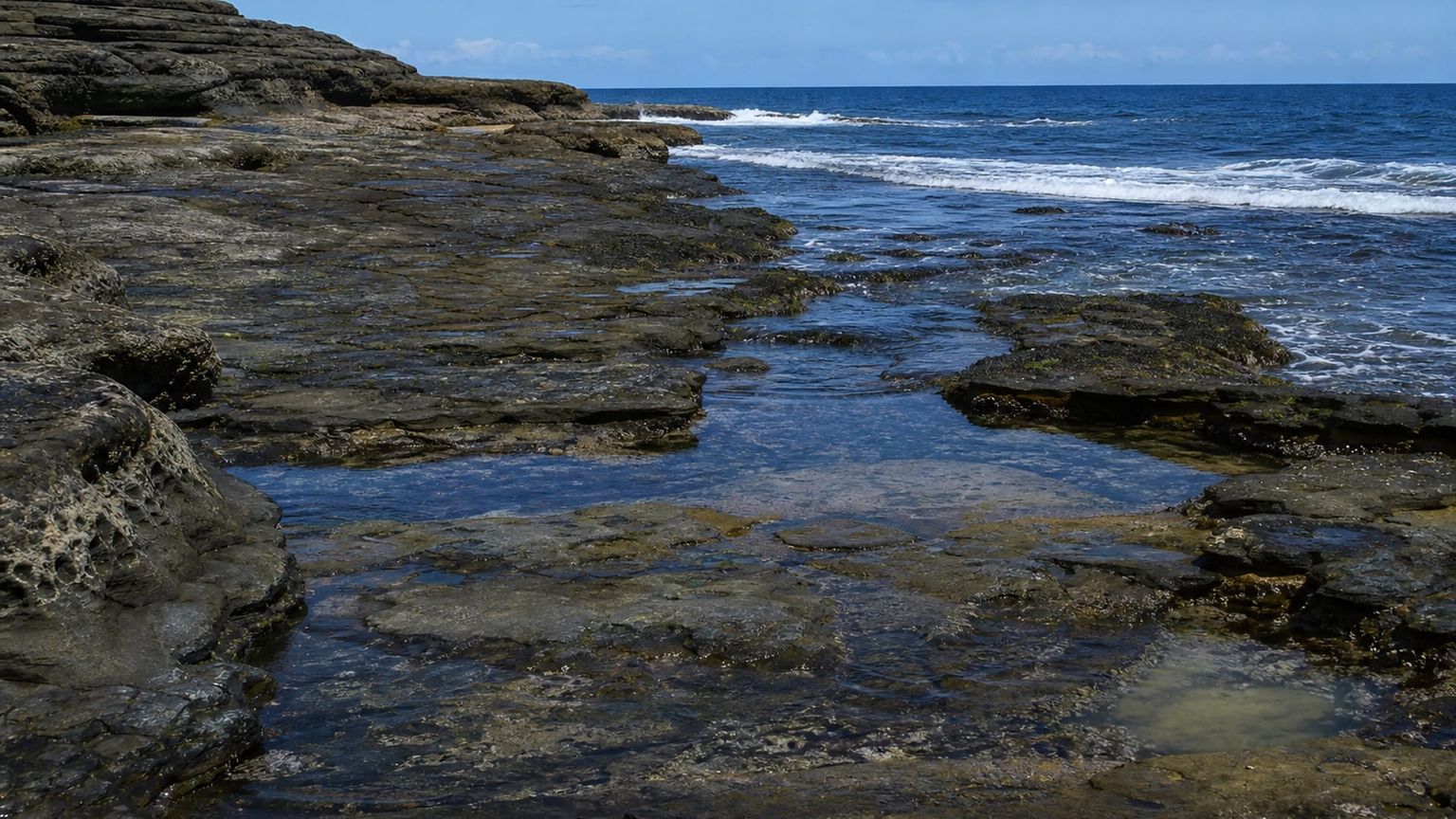
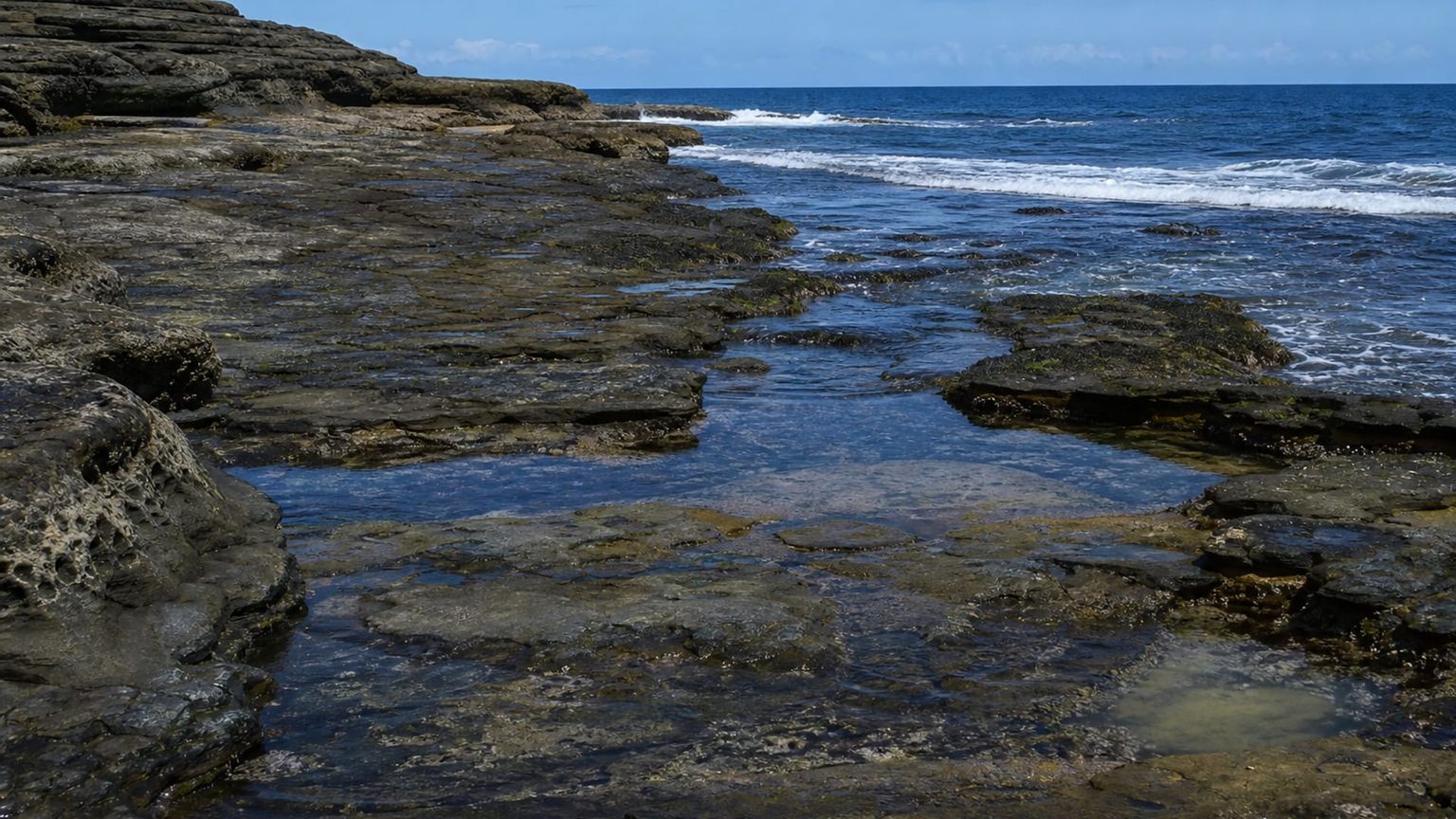
At low tide, a small intertidal zone below Point Loma reveals sea stars, anemones, crabs, and kelp-cast rocks. The walk from the parking area is short, but footing can be wet and uneven.
Time needed: About 1 to 2 hours
Entry: Vehicle entry to Cabrillo National Monument costs $20 per car, valid for seven days, or $15 for pedestrians and cyclists. The fee also covers the Old Point Loma Lighthouse and coastal trails within the monument. Visit the official site for details.
Tip: Check tide tables and wear shoes with grip.

Marston House Museum and Gardens
This 1905 Arts and Crafts estate in Balboa Park pairs woodwork, period rooms, and a compact formal garden. It gets far fewer visits than the park’s headline museums, yet it rewards a slow look.
Time needed: About 1 hour
Entry: Guided house tours typically cost $10 to $15, with discounts for seniors, students, and children. Garden access is often included during open hours, but special events and private rentals can change availability. Visit the official site for details.
Tip: Tours run on select days, so check the schedule before you go.
Traditional food
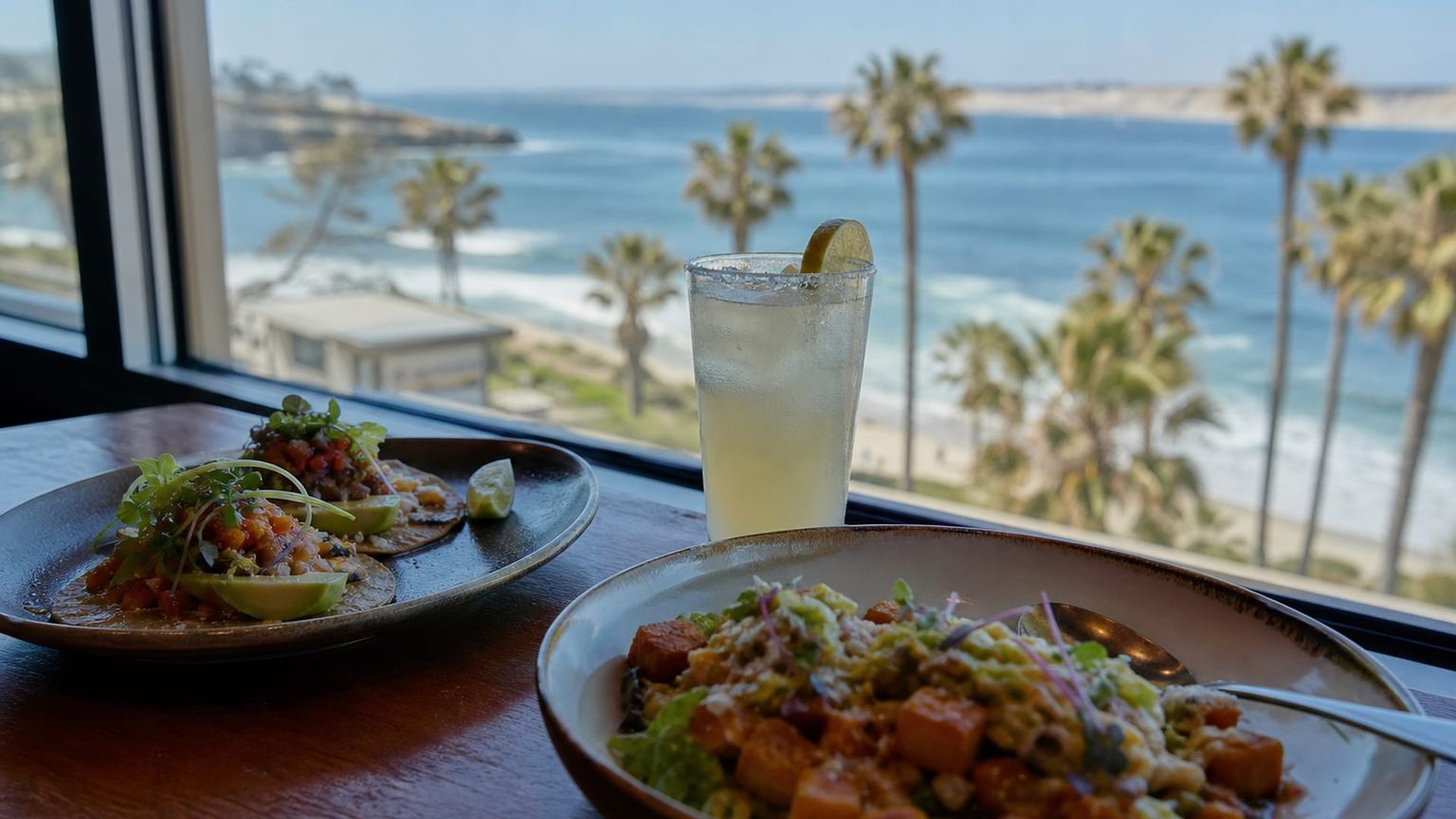
San Diego cooking leans on fish tacos, California burritos, carne asada fries, and poke bowls, with bright citrus, grilled meats, and seafood served in casual, beach-friendly rooms.
California burrito
A San Diego staple, the California burrito folds carne asada, fries, cheese, and salsa into one heavy, satisfying wrap. Lolita’s Mexican Food is a classic place to order it.
Fish taco
Beer-battered or grilled fish with cabbage, crema, and salsa makes the city’s signature coastal bite. Oscar’s Mexican Seafood in Pacific Beach is a strong canonical stop.
Carne asada fries
Fries topped with grilled beef, cheese, guacamole, sour cream, and salsa define one of San Diego’s most local late-night plates. El Indio serves a well-known version in Old Town.
Poke bowl
San Diego’s Japanese-influenced food scene makes room for fresh tuna, rice, seaweed, and avocado bowls that suit a warm-weather lunch. Pokez in Downtown is a fitting city-center choice.
Best time to visit San Diego
San Diego stays usable year-round, but the best months depend on whether you want warmer beach weather, lighter crowds, or clearer inland walking conditions.
Best for: Balboa Park, harbor walks, and mild sightseeing days
What you get: About 60 to 72°F (16 to 22°C), with moderate crowds and comfortable evenings
Trade-offs: May gray can mute the sun along the coast
Best for: Beach time, Coronado stays, and long daylight hours
What you get: About 70 to 80°F (21 to 27°C), with heavier visitor traffic near the coast and major attractions
Trade-offs: Parking and weekend crowding can slow cross-city plans
Best for: Warm water, clear skies, and easier museum days
What you get: About 65 to 78°F (18 to 26°C), with lighter crowds after summer and very good visibility
Trade-offs: Some peak beach energy fades after Labor Day
Best for: Low-season city breaks, food trips, and indoor attractions
What you get: About 55 to 68°F (13 to 20°C), with smaller crowds and cool mornings
Trade-offs: Evenings can feel chilly near the water, and some days turn gray
A realistic 5-day plan in San Diego
A good five-day San Diego plan starts with the bay and the central districts, then moves outward to older neighborhoods, cliffs, and Coronado. The order matters because the city rewards clustering stops instead of crisscrossing it all day.
Land at San Diego (SAN) and take a rideshare or taxi to Downtown or Little Italy, which usually costs about $15 to $25 and takes roughly 10 to 20 minutes depending on traffic. If your hotel is in Little Italy, settle in, drink plenty of water after the flight, and walk to dinner on India Street or along nearby Kettner Boulevard for an easy first meal. If you are staying Downtown, pick a room away from Fifth Avenue if you want a quieter night, then keep the evening to a short harbor stroll and an early bedtime.
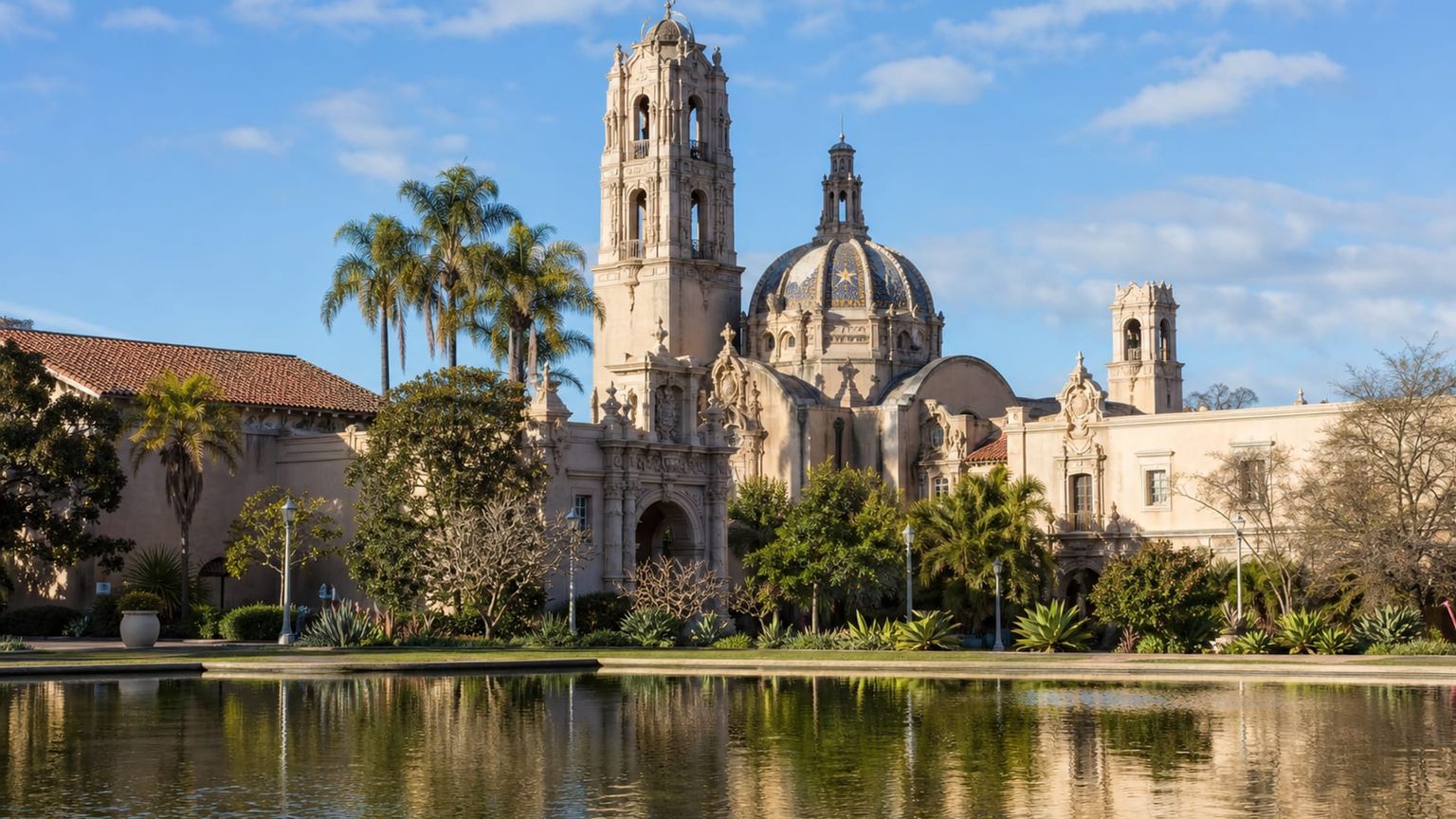
Begin in Balboa Park, where the Prado, lily pond, and museums reward an early start; expect about 3 to 5 hours there. From Downtown, rideshares reach the park in roughly 10 to 15 minutes, and from Little Italy it is about 10 minutes by taxi. After lunch, continue to the USS Midway Museum on San Diego Bay, about 10 minutes away by car or a 25-minute walk from the park’s eastern edge, and spend about 2 to 3 hours aboard the carrier before finishing with a waterfront dinner near the Embarcadero.
Old Town gives the day a strong historical center, so start there for adobe buildings, plazas, and museums, then plan about 2 to 3 hours for the park itself. From Downtown, the trolley or a rideshare takes roughly 10 to 15 minutes, and from Little Italy the trip is usually about 10 minutes by car. In the late afternoon, continue to Marston House Museum and Gardens in Balboa Park, about 15 minutes by rideshare from Old Town, then end with dinner back in Old Town after the plaza lights come on.
Head to Cabrillo National Monument tide pools at low tide, where the short coastal walk and rocky shore usually take about 1 to 2 hours. From Downtown, the drive to Point Loma is roughly 20 to 25 minutes, and from Mission Bay it is about 25 to 30 minutes. Afterward, return toward the waterfront for a relaxed lunch, then spend the rest of the afternoon in Coronado, reaching it in about 15 minutes by ferry from Downtown or about 20 minutes by car, with time for beach walking and a village dinner.
For a last-day circuit, pair one final museum stop with an easy neighborhood finish: return to Balboa Park for whichever museum you skipped, then head to Little Italy for shopping along India Street and a coffee stop before departure. The transfer from Balboa Park back to Little Italy usually takes about 10 to 15 minutes by rideshare, and San Diego (SAN) is about 10 to 20 minutes away from either area. Keep bags close, have an early café lunch, and leave enough time for traffic on the way to the airport.
Business-class flights from the US to San Diego
San Diego does not usually sit on the shortest transcontinental routings, so the best fare depends on whether you are flying from the East Coast or the West Coast. The examples below show the routes travelers most often compare.
From New York, airlines including Delta Air Lines, United Airlines, American Airlines, British Airways, Lufthansa, and Aer Lingus serve the route, with nonstop flying taking about 5 to 6 hours. If you accept a layover, common hubs include LHR, FRA, AMS, CDG, and MAD, and the trip usually stretches to about 9 to 14 hours. Round-trip fares usually start from $1,900 and can reach $4,500.
Los Angeles travelers usually see Alaska Airlines, Delta Air Lines, United Airlines, American Airlines, British Airways, and Japan Airlines on the route, and nonstop flying takes about 3 hours. One-stop itineraries via LHR, FRA, ICN, NRT, or HND can price lower when nonstop space is tight, and round-trip fares usually run from $1,200 to $3,200.
San Diego feels different when you slow down
A deliberate San Diego trip usually means Downtown or Little Italy for the first base, Balboa Park and the USS Midway on one day, Old Town on another, then Point Loma or Coronado when the weather and tide tables line up. Trolley rides, short taxi hops, and harbor walks keep the schedule readable. If you want help shaping that mix into a booking plan, the AranGrant experts can match your dates to the right neighborhood and flight pattern







