

Chapters:

Need help with your trip?
Our support team is available 24/7. Request a callback or call us directly at (833) 619-0908
Sacramento trips often start with the Capitol, a museum stop, and a quick dinner, yet many visitors skip the streets between those anchors. They miss how much the city changes from Downtown to Midtown and out to the riverfront.
That pattern works for a checklist, but it can leave you crossing neighborhoods at the wrong hours and underestimating how much walking or rideshare time you want between stops.
This guide spaces the city into clear days, so you can see the Capitol, Old Sacramento, East Sacramento, and William Land Park without rushing each move.
Useful things to know

Main language(s): English

Currency: The local currency is the US dollar (USD, $).

Cash and cards: Cards and contactless are widely accepted; carry about $20 to $40 in cash for tips and small purchases.

Tipping: Tip 15-20% at sit-down restaurants; round up small bills and tip taxi drivers a little for good service.

Traditional food: California roll, farm-to-fork salad, tri-tip sandwich, grilled artichokes

Water and coffee costs: Water about $2 ($2), bar espresso about $4 ($4).

Taxis and ride apps: Uber and Lyft operate here; availability can thin late at night.

Plug and voltage: Type A/B socket, 120V

Dining and shop opening hours: Breakfast is about 07:00-10:00, lunch 11:30-14:00, and dinner 17:00-21:00. Many kitchens close between lunch and dinner, and some spots shut by 22:00.

Emergency number: 911 for police, fire, and medical emergencies.
Where to stay in Sacramento
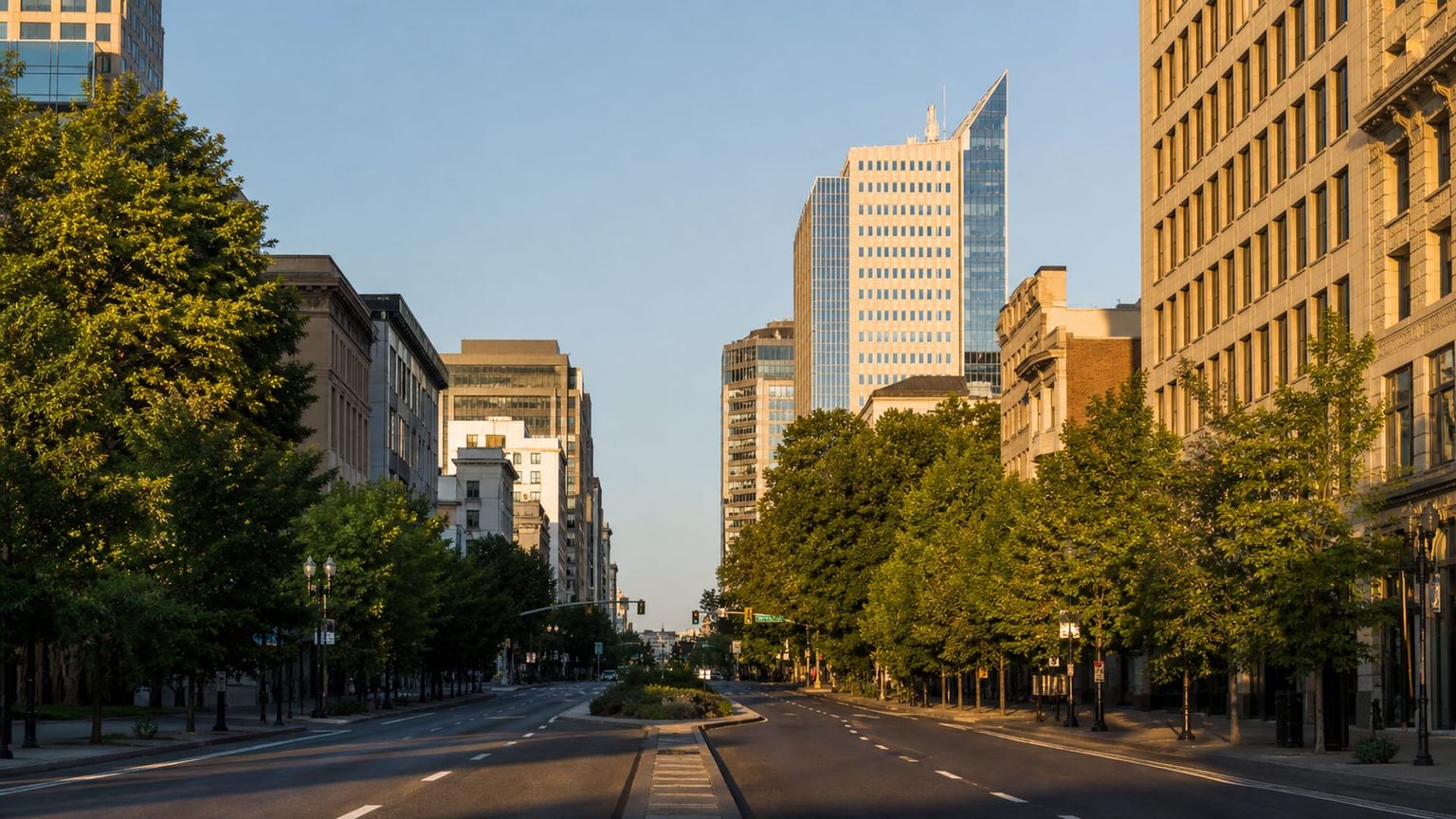
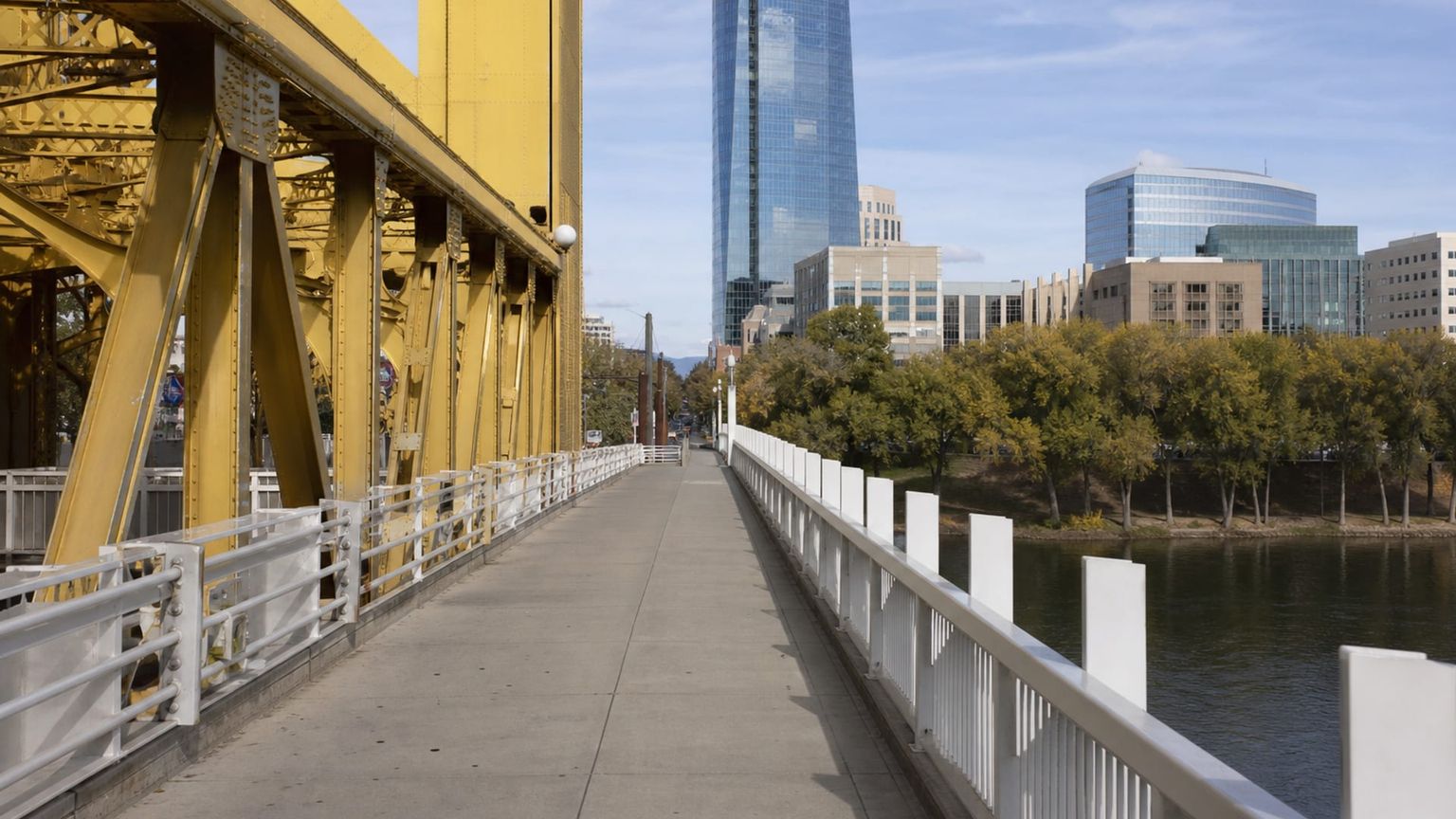
Sacramento’s core business district puts the Capitol, Convention Center, and Old Sacramento within easy reach. It suits visitors who want to walk to restaurants, bars, museums, and the riverfront without depending on a car.
Best for: First-time visits, car-light city breaks, and easy access to Capitol-area sights
What to expect: Sidewalks stay busy on weekdays, then the scene shifts toward hotel guests, diners, and after-work crowds in the evening.
Hotel prices: Usually about $170 to $300 per night for well-rated stays
Distance to major sights: 10 to 15 minutes on foot to the California State Capitol, about 15 minutes on foot to Old Sacramento
Quietness: Busy in the daytime, then quieter after office hours except near dining streets and event nights.
Main trade-off: You pay more than in outlying districts, and weekend nights can bring traffic and restaurant noise.
Good to know: Choose a room away from K Street if you want less late-night noise, since the busiest blocks draw bar traffic and rideshares.
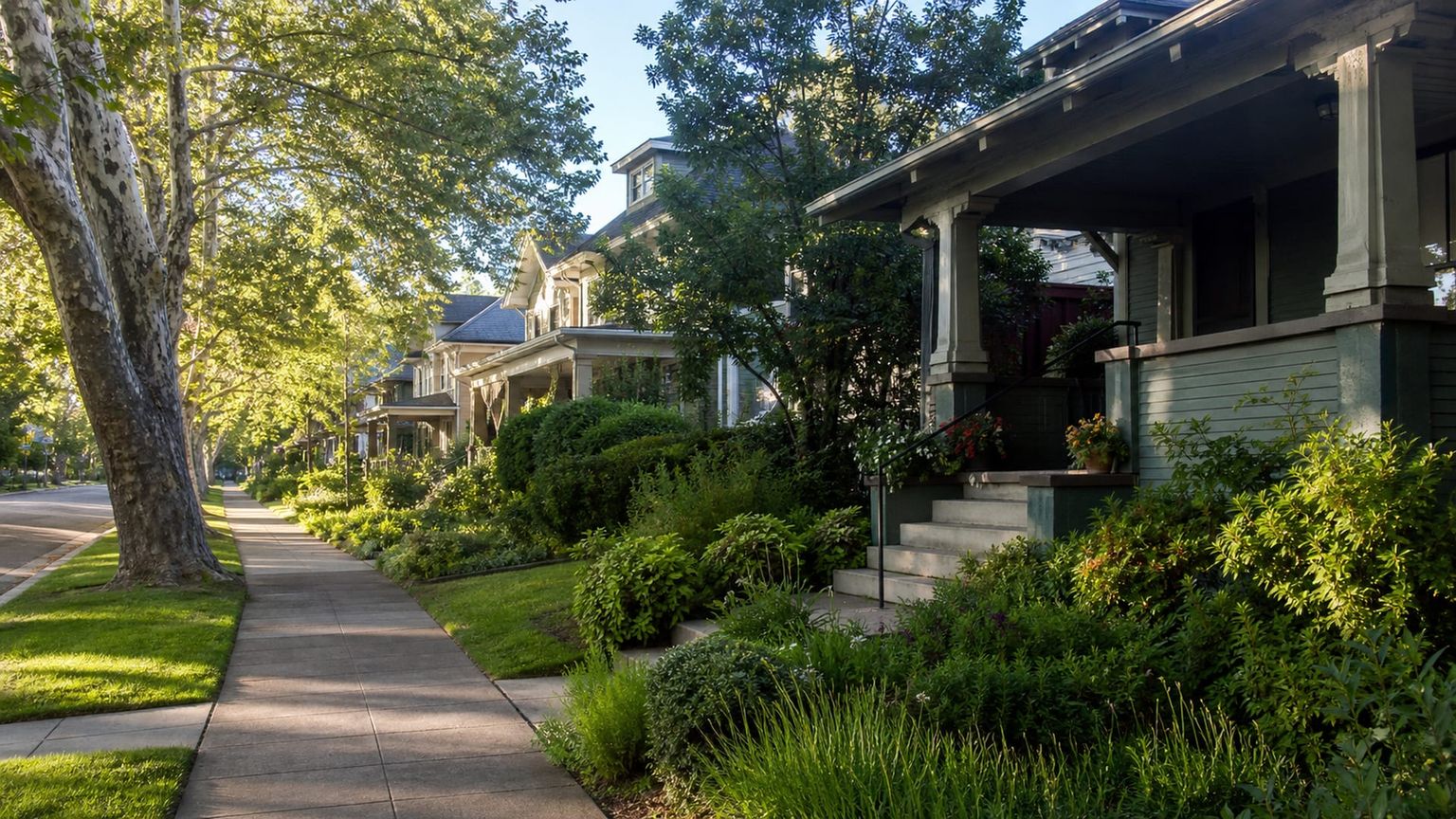
Midtown is Sacramento’s most restaurant-heavy neighborhood, with tree-lined residential blocks, independent cafes, and a dense grid of bars and galleries. It matters if you want a lively base with strong walkability and easy rides into downtown.
Best for: Dining, nightlife, and travelers who prefer a neighborhood feel with short rides to downtown
What to expect: Busy sidewalks, frequent patio seating, and a younger local crowd spread across compact blocks with plenty of evening activity.
Hotel prices: Usually about $160 to $280 per night for well-rated stays
Distance to major sights: About 10 minutes by light rail or rideshare to the California State Capitol, about 20 minutes on foot to Downtown Commons
Quietness: Active through the evening, with some blocks staying lively late, while side streets are calmer.
Main trade-off: Street parking can be tight, and the liveliest corridors may bring late music and restaurant spillover.
Good to know: If you are sensitive to noise, ask for a room facing the interior or a side street, because frontage on the main dining corridors can be active late.
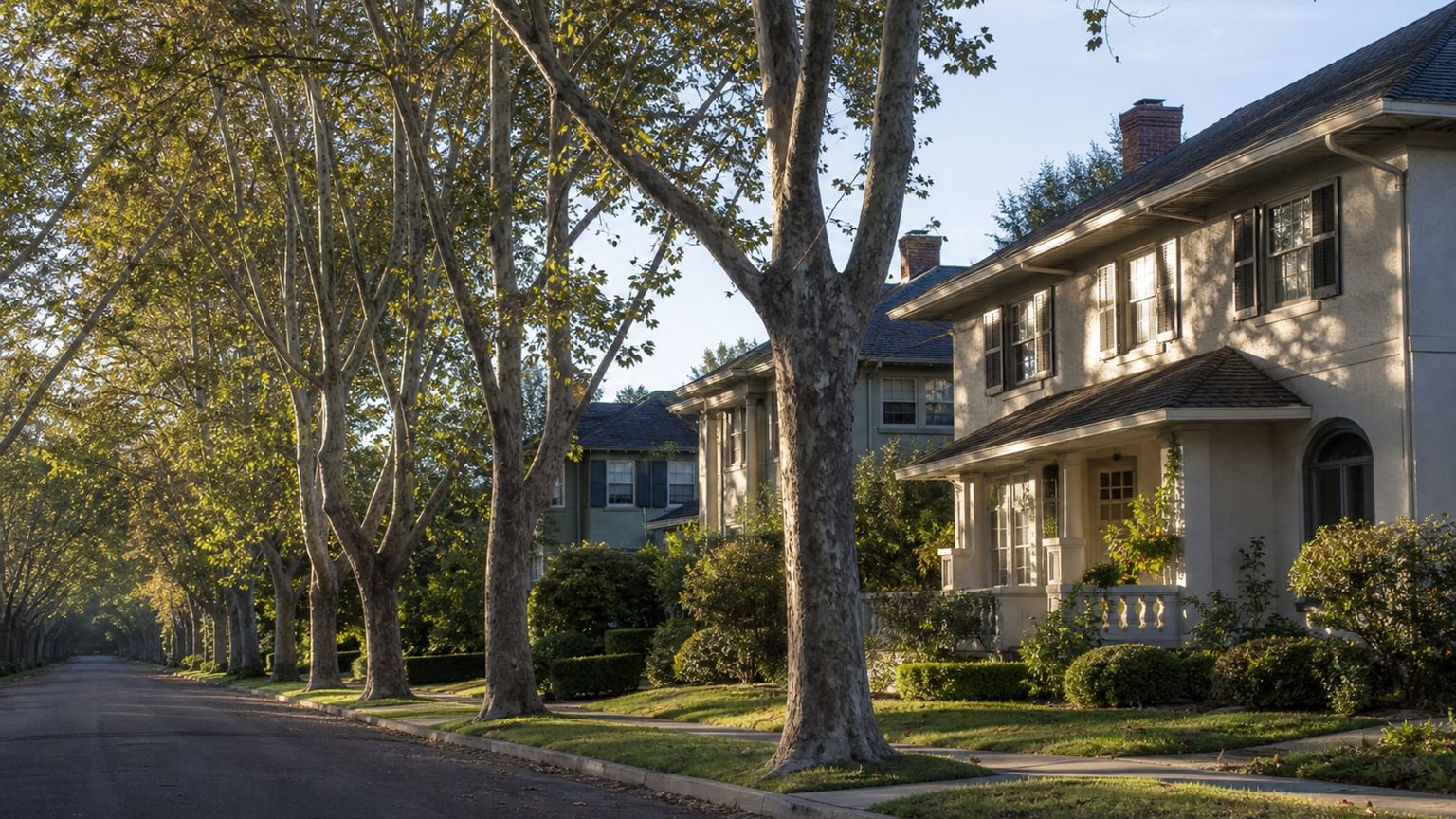
East Sacramento is a residential district of bungalows, canopy trees, and local shopping streets, anchored by access to McKinley Park and the grid east of downtown. It works well for travelers who want calmer evenings and a more local residential setting.
Best for: Quieter stays, longer visits, and travelers who prefer residential streets over nightlife
What to expect: Low-rise blocks, neighborhood diners, and moderate foot traffic create a more local pace than downtown or Midtown.
Hotel prices: Usually about $150 to $260 per night for well-rated stays
Distance to major sights: About 15 to 20 minutes by rideshare to the California State Capitol, about 10 minutes by car to McKinley Park
Quietness: Calm in the evening and notably quieter than the center, with only light neighborhood traffic.
Main trade-off: You will rely more on rideshare or a car for most evening plans, since the area has fewer late-opening venues.
Good to know: Plan transit or rideshare time for dinner if you stay here, because the restaurant and nightlife density drops off outside the core.
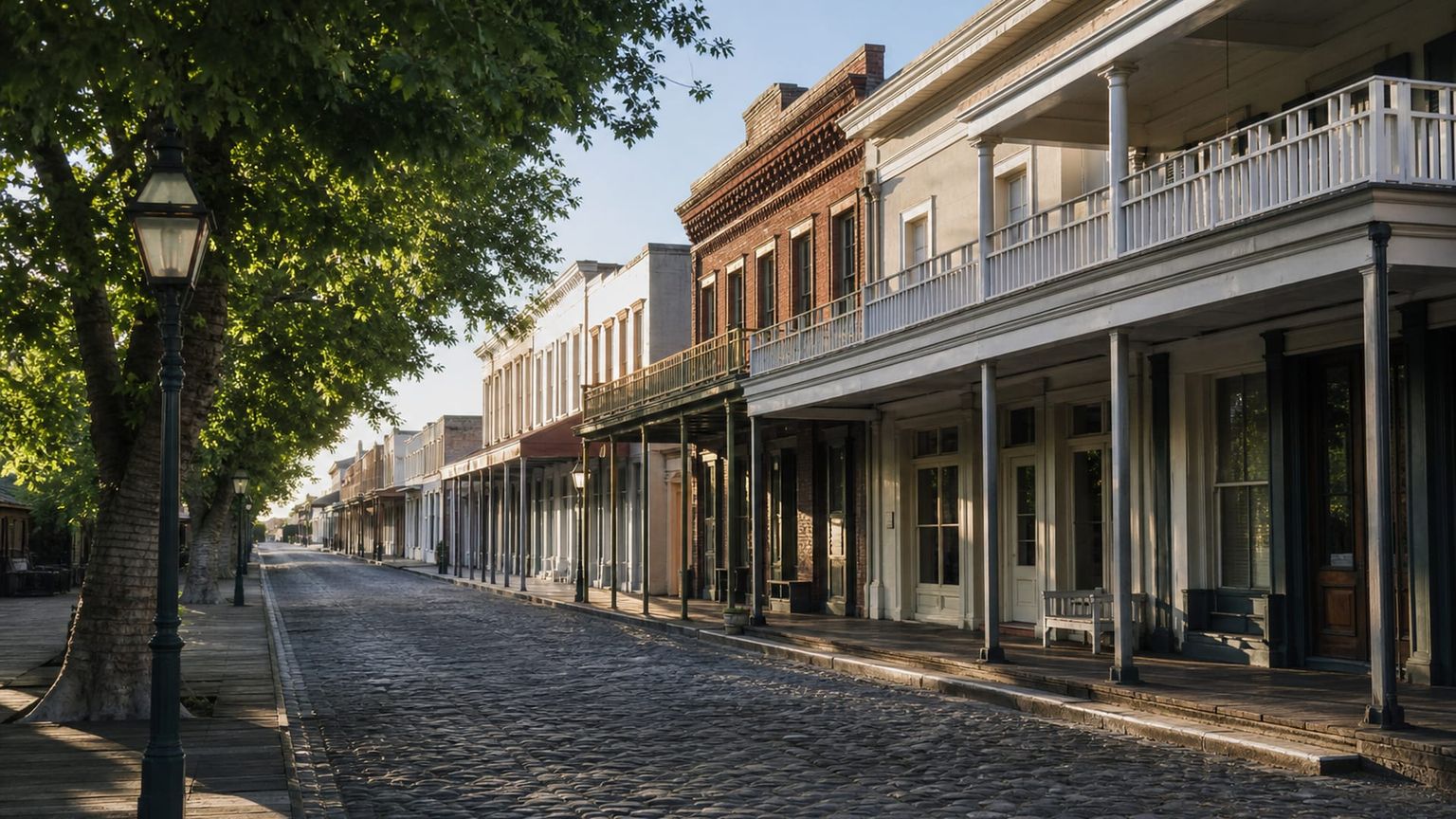
Old Sacramento is the preserved waterfront district beside the river, with wooden sidewalks, historic buildings, and quick access to the river trail. It suits visitors who want the city’s most historic setting and easy access to tourist sights.
Best for: Historic sightseeing, short stays, and travelers who want to walk to major tourist sights
What to expect: Tourist foot traffic stays high in the daytime, especially around shops, museums, and riverfront entrances.
Hotel prices: Usually about $180 to $320 per night for well-rated stays
Distance to major sights: About 10 minutes on foot to the California State Capitol, about 5 minutes on foot to the Crocker Art Museum
Quietness: Lively by day and much quieter after shops close, though some weekends and event nights bring more activity.
Main trade-off: Rooms can cost more than nearby districts, and the historic setting can feel busy with day visitors.
Good to know: If you stay here, expect the easiest access to sightseeing hours, not the broadest late-night dining choice after shops shut.
Travelers usually avoid staying in North Natomas, because it sits far from Old Sacramento, the Capitol area, and Midtown, with most trips requiring a car. West Sacramento is also less convenient for a hotel base, since you cross the river for downtown dining and sights, and evening transit is limited; Del Paso Heights and Florin are farther from the main visitor districts and offer fewer hotel-friendly amenities.
Hotel deals
How to get around Sacramento efficiently
Sacramento has no subway, so most visitors combine light rail, buses, rideshares, and walking to move between downtown, Midtown, and the riverfront.

Metro
for longer distances
Sacramento has no subway or metro network, so visitors usually rely on Sacramento Regional Transit light rail plus buses for fixed-route travel. Light rail fares are typically $2.50 for a 90-minute single ride, with day passes about $7.00, and trains link Downtown Sacramento with the suburbs on the Blue, Gold, and Green lines; use a ticket machine or the transit app before boarding.

Bus and tram
for convenience
Regional Transit buses cover most of the city, including Midtown, Downtown, Sacramento State, and many hotel corridors, with standard fares about $2.50 for 90 minutes and day passes about $7.00. Trams are not part of the network, so plan on bus transfers or light rail for cross-town trips, and check schedules closely because some routes thin out after the evening peak.

Taxi
for convenience or late hours
Licensed taxis use metered fares, not set flat rates, and a ride from Sacramento (SMF) airport to Downtown Sacramento usually costs about $35 to $45 before tip, depending on traffic and wait time. You can queue at the taxi stand outside the terminal, and most cabs take credit cards, though it helps to confirm payment before departure.
*Prices are based on rates updated as of June 2026 and may change at the time of travel.
Light rail fits cross-town links, buses cover wider neighborhood runs, and rideshares work best for short hops after dinner or when you want to save time.
Iconic landmarks
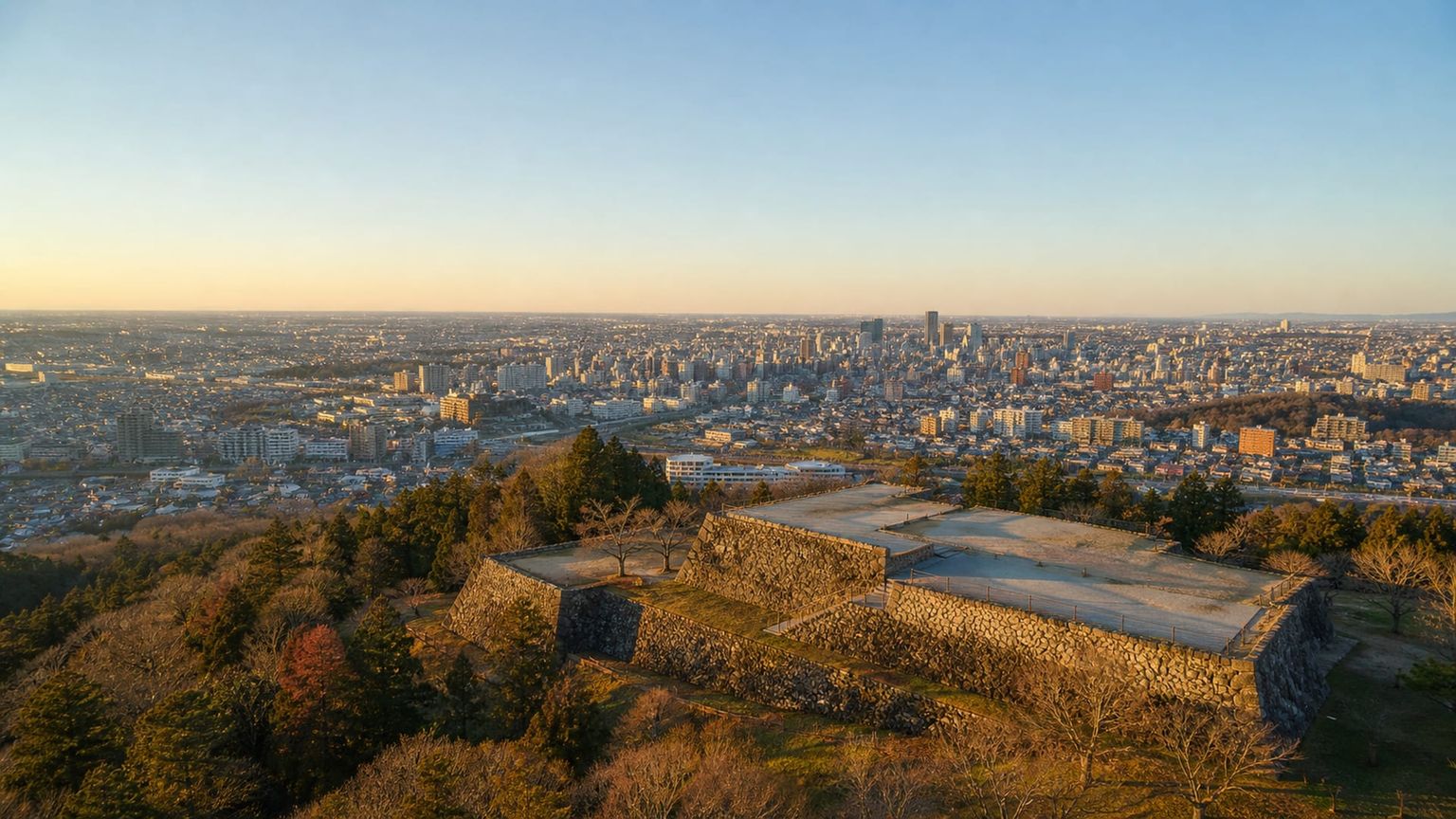
California State Capitol Museum
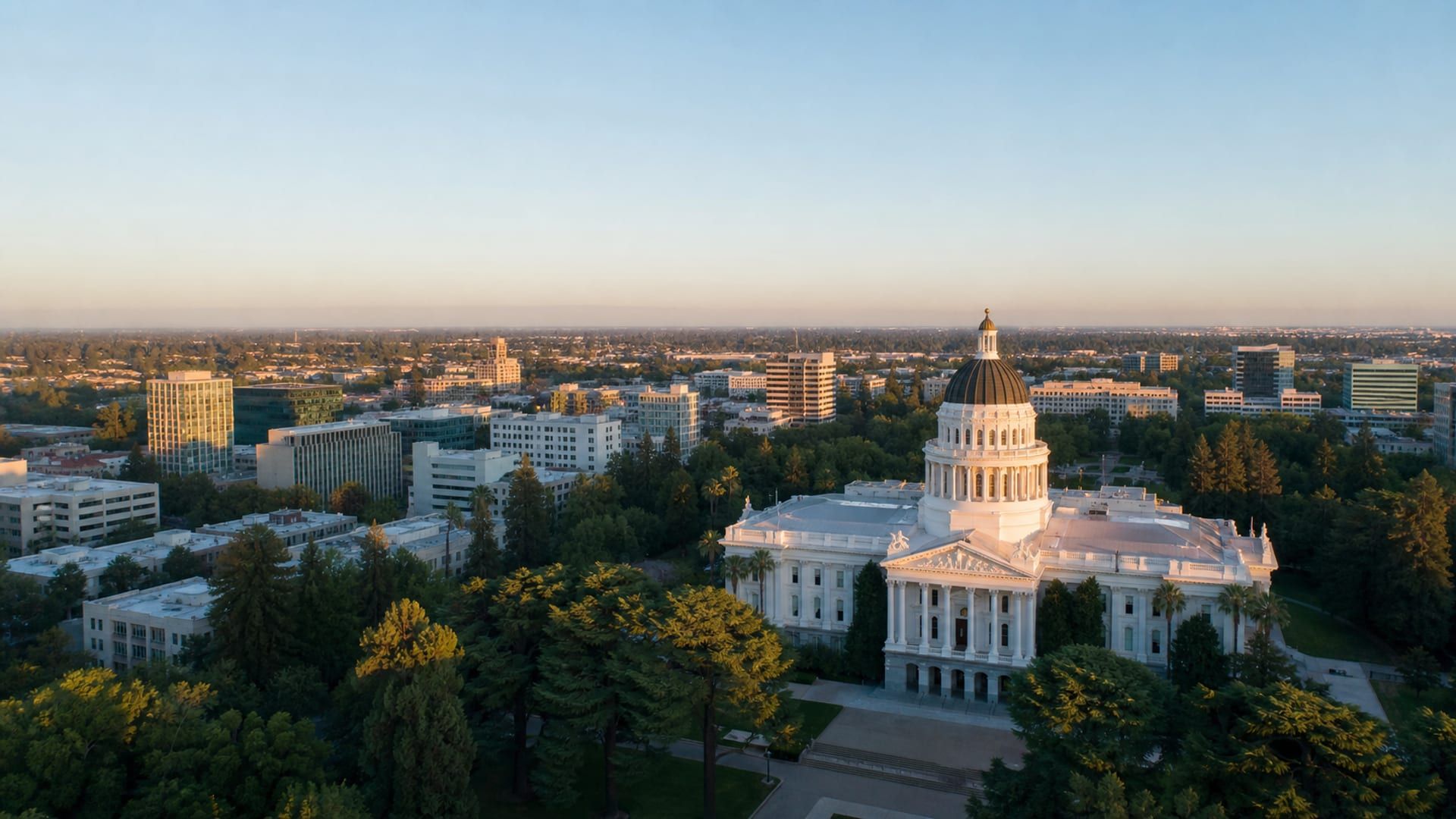
The Capitol anchors downtown Sacramento with a restored 1860s dome, landscaped grounds, and the state museum inside. Exhibits cover California politics and history, and the building still houses the legislature when it is in session.
Time needed: About 1 to 2 hours
Entry: Free to access; museum exhibits and guided tours are free, and some special programs may charge separately. Visit the official site for details.
Tip: Arrive on a weekday morning to see both the museum and the grounds with fewer crowds.
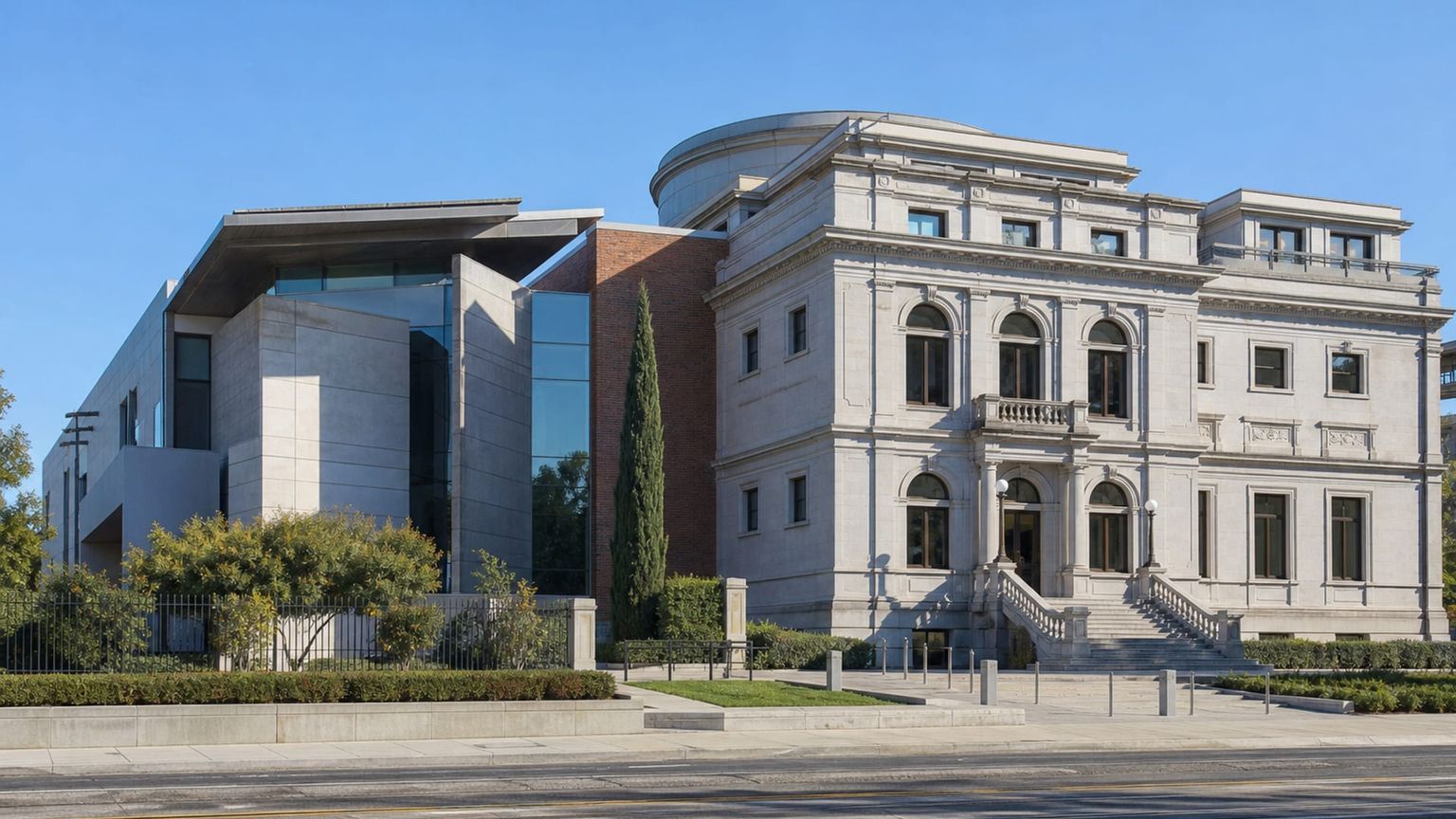
Crocker Art Museum
The Crocker pairs a 19th-century mansion with a modern wing on the edge of downtown. Its collection spans California art, European paintings, and ceramics, with rotating exhibitions that add depth beyond the permanent galleries.
Time needed: About 2 to 3 hours
Entry: Standard admission costs $15 ($15) for adults, $10 ($10) for seniors and students, and free for members and children 5 and under. Visit the official site for details.
Tip: Late afternoon visits often pair well with quieter galleries and softer light in the historic rooms.
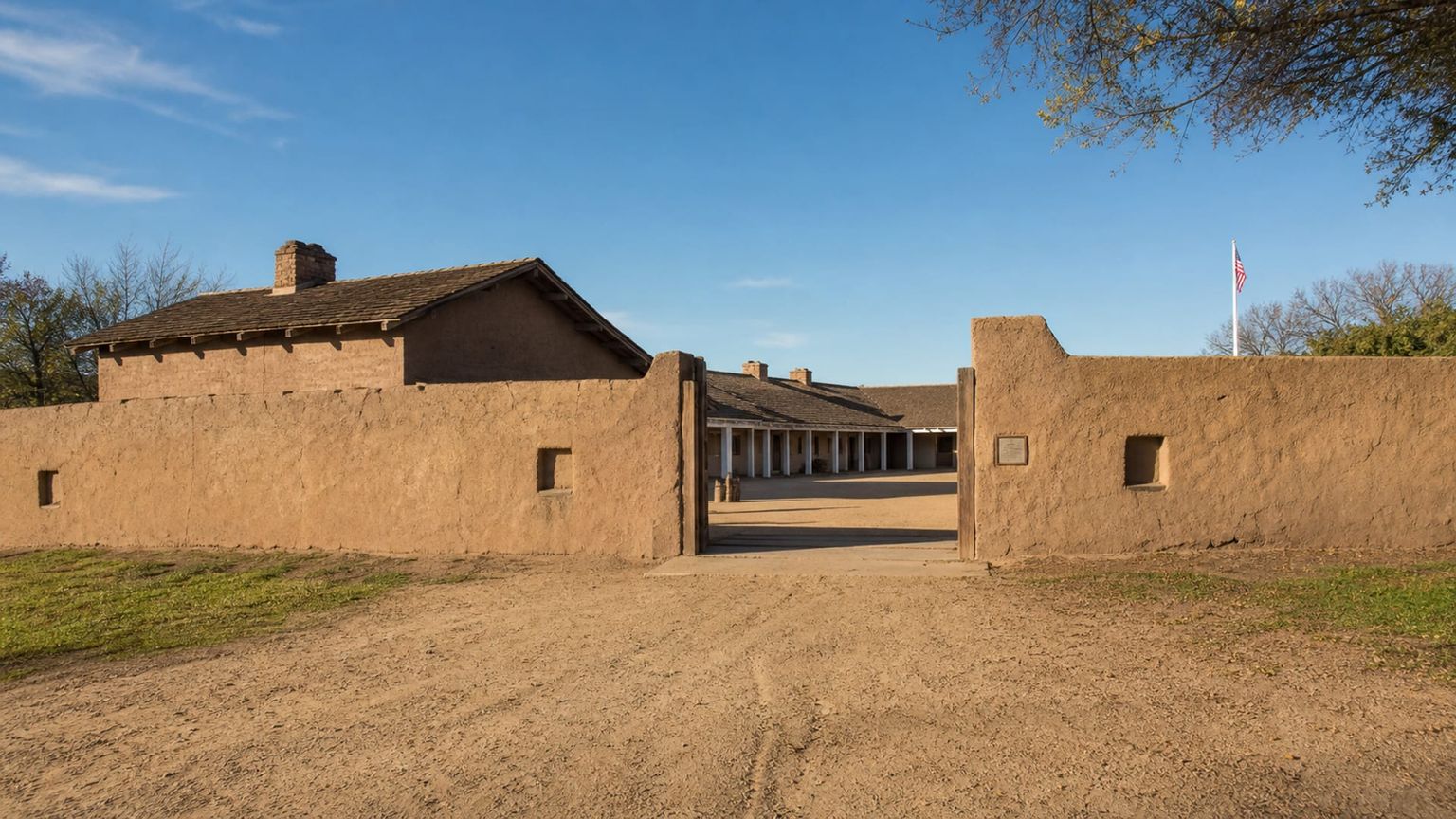
Sutter's Fort State Historic Park
Sutter’s Fort preserves a reconstructed 1840s trading post that helped shape Sacramento’s early settlement. Costumed interpreters, workshops, and original-style rooms explain daily life, trade, and the gold rush era before the city grew around it.
Time needed: About 1 to 2 hours
Entry: Standard admission costs $5 ($5) for adults, $3 ($3) for youth ages 6 to 17, and free for children 5 and under. Visit the official site for details.
Tip: Visit in the morning if you want cooler temperatures and more time with the interpreters.
Overlooked sites worth visiting

Crocker Art Museum
This compact museum pairs California art with European and Asian works in a downtown mansion and modern wing. The collection includes Native American baskets, the state’s first public art museum, and rotating exhibits.
Time needed: About 1 to 2 hours
Entry: General admission is about $15 ($15) for adults, about $12 ($12) for seniors, students, and military, and free for children under 5. Check the museum’s website for current special exhibition pricing, free-admission days, and member discounts before you go. Visit the official site for details.
Tip: Arrive early for quieter galleries and easier parking.

William Land Park
This broad city park mixes lawns, old oaks, and walking paths with a pond, golf course, and family attractions nearby. It suits a slow loop on foot, a picnic, or an easy bike ride without leaving Sacramento.
Time needed: About 1 to 3 hours
Entry: Free to access; some nearby facilities charge separately, including the Sacramento Zoo, golf course, and event venues. Parking rules vary by lot and event, so check posted signs if you plan to stay longer than a short walk or picnic.
Tip: Go near sunset for cooler air and softer light on the trees.
Traditional food
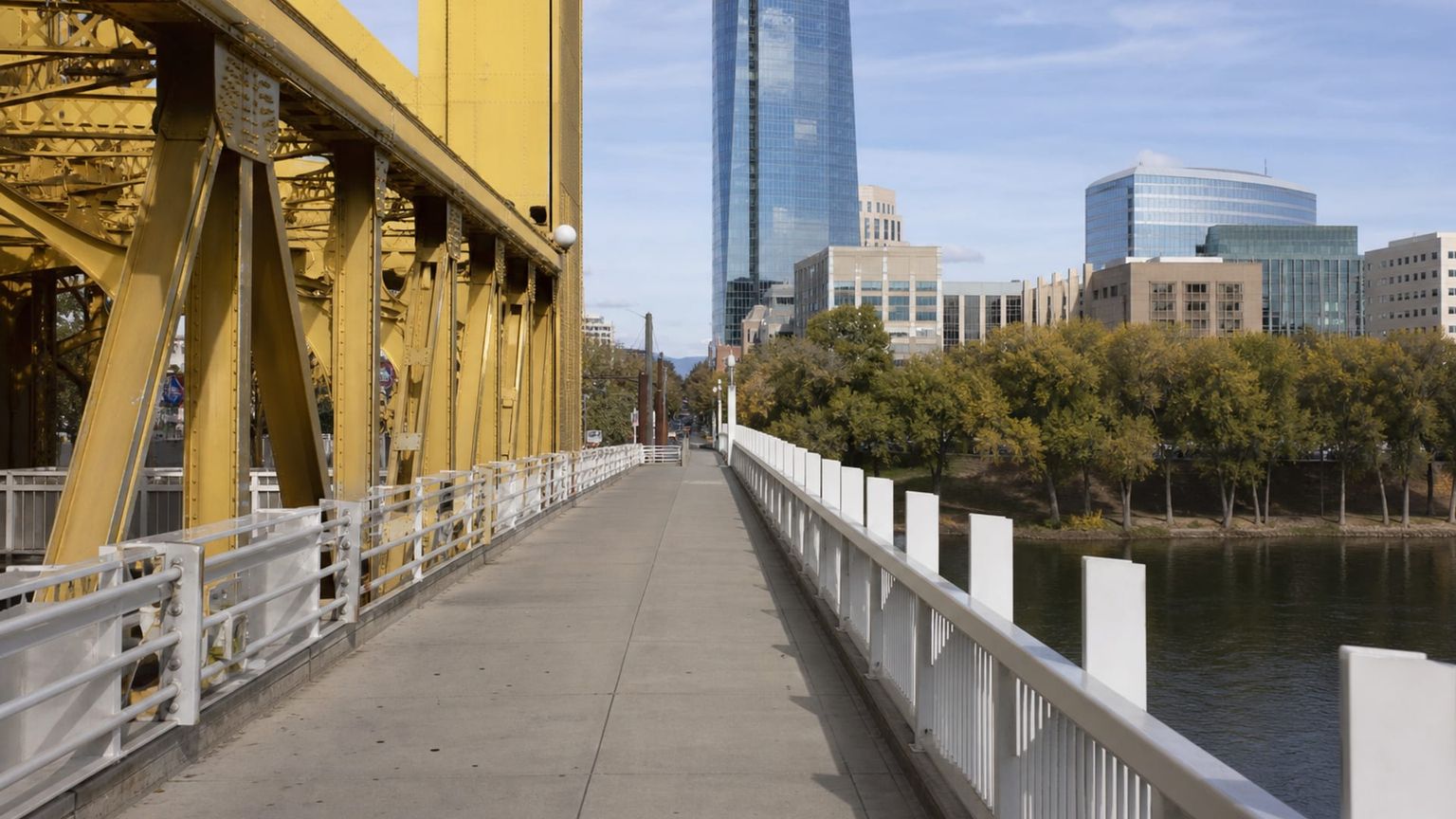
Sacramento leans into farm-to-fork cooking, with California roll, tri-tip sandwiches, grilled artichokes, and market-driven salads shaped by local produce and a casual dining scene that still pays attention to ingredients.
California roll
A Sacramento staple often tied to fresh, ingredient-led menus and sushi bars that treat California produce seriously. Kru Contemporary Japanese Kitchen is a strong place to start for a polished version in the city.
Farm-to-fork salad
This city’s dining identity shows up clearly in seasonal salads built from nearby produce and sharp vinaigrettes. The Kitchen Restaurant is one of Sacramento’s clearest references for that approach.
Tri-tip sandwich
Tri-tip sandwiches are a Northern California favorite, usually served with barbecue sauce, caramelized onions, or a simple roll. Selland’s Market-Cafe is a dependable Sacramento stop for one.
Grilled artichokes
Grilled artichokes highlight the region’s produce and make a good opening plate before dinner. Mulvaney’s B&L often features a version that matches Sacramento’s produce-first cooking.
Best time to visit Sacramento
Sacramento shifts from warm, dry summers to mild winters, with spring and fall giving you the most comfortable conditions for walking between downtown, Midtown, and the river.
Best for: Capitol walks, park time, and outdoor dining
What you get: About 55-78°F (13-26°C), with moderate crowds and comfortable days for sightseeing
Trade-offs: Late spring can bring more visitors to major museums and event weekends
Best for: Long daylight hours and evenings in Midtown
What you get: About 60-95°F (16-35°C), with lighter daytime crowds but hotter afternoons
Trade-offs: Midday heat can make longer walks less pleasant, especially on open streets
Best for: Balanced weather for museum days and riverfront walks
What you get: About 55-82°F (13-28°C), with moderate crowds and good conditions for walking
Trade-offs: Early fall can still bring warm spells, and popular weekends book up
Best for: Museum visits and slower neighborhood days
What you get: About 40-58°F (4-14°C), with lighter crowds and cooler conditions for outdoor time
Trade-offs: Shorter days and occasional rain can compress outdoor plans
A realistic 5-day plan in Sacramento
Sacramento rewards a trip that moves in layers, first through the Capitol area, then into Old Sacramento, Midtown, East Sacramento, and the park district. The five-day plan below keeps each cluster close together so the city feels easier to read on the ground.
Fly into Sacramento (SAC), then take a rideshare or taxi into Downtown Sacramento or Midtown in about 15 to 25 minutes for roughly $25 to $40. Check into a hotel near the Capitol, then keep the first evening close by with water, a short walk on the tree-lined streets, and an easy dinner in Midtown, where you can stay within a few blocks of your room and avoid a long night out after travel.
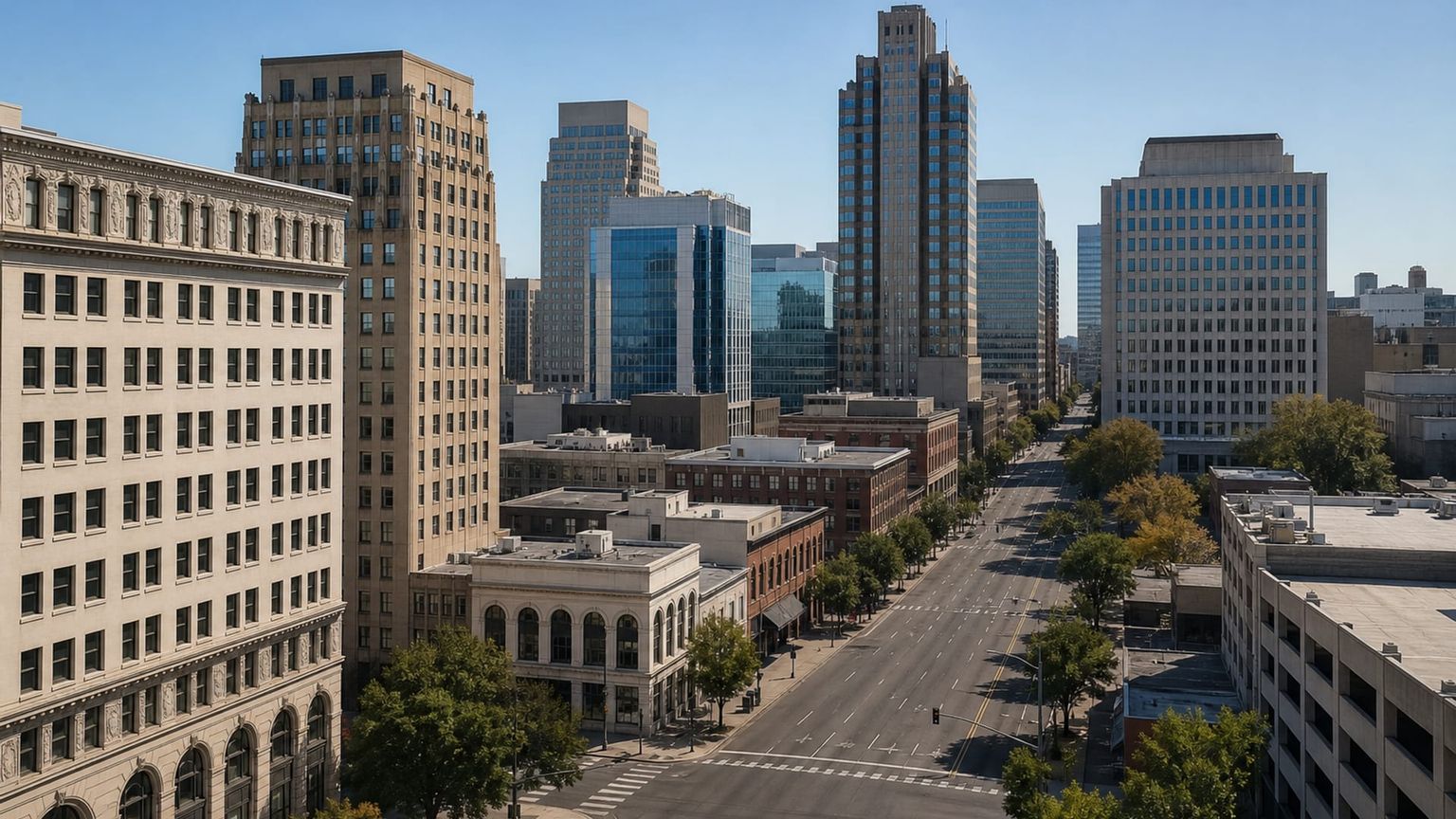
Start at the California State Capitol Museum, where the grounds and museum take about 1 to 2 hours, then walk about 10 to 15 minutes to the Crocker Art Museum for 2 to 3 hours among California art and the historic mansion wing. After that, cross back toward Old Sacramento in about 10 minutes on foot for riverfront views and a late lunch, then finish with a slow walk through the wooden sidewalks before returning to Downtown Sacramento for dinner.
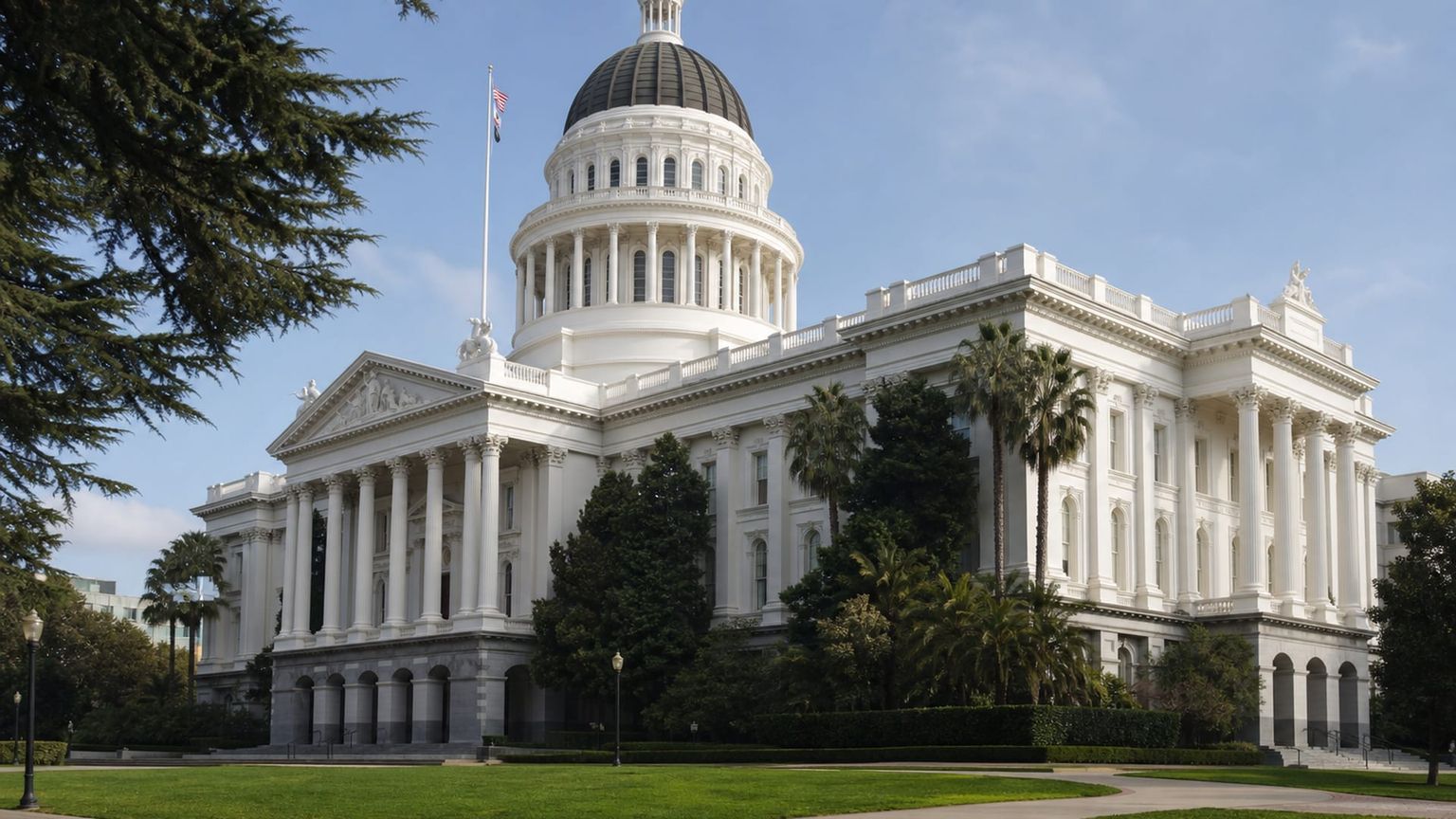
Begin in Sutter’s Fort State Historic Park, then spend about 1 to 2 hours with the reconstructed fort and interpreters before a short rideshare of about 10 to 15 minutes to William Land Park for a relaxed afternoon among lawns, oaks, and paths. If you want a low-key break between stops, stop for coffee in East Sacramento on the way back, then have dinner in Midtown, about 10 minutes by rideshare from the park.
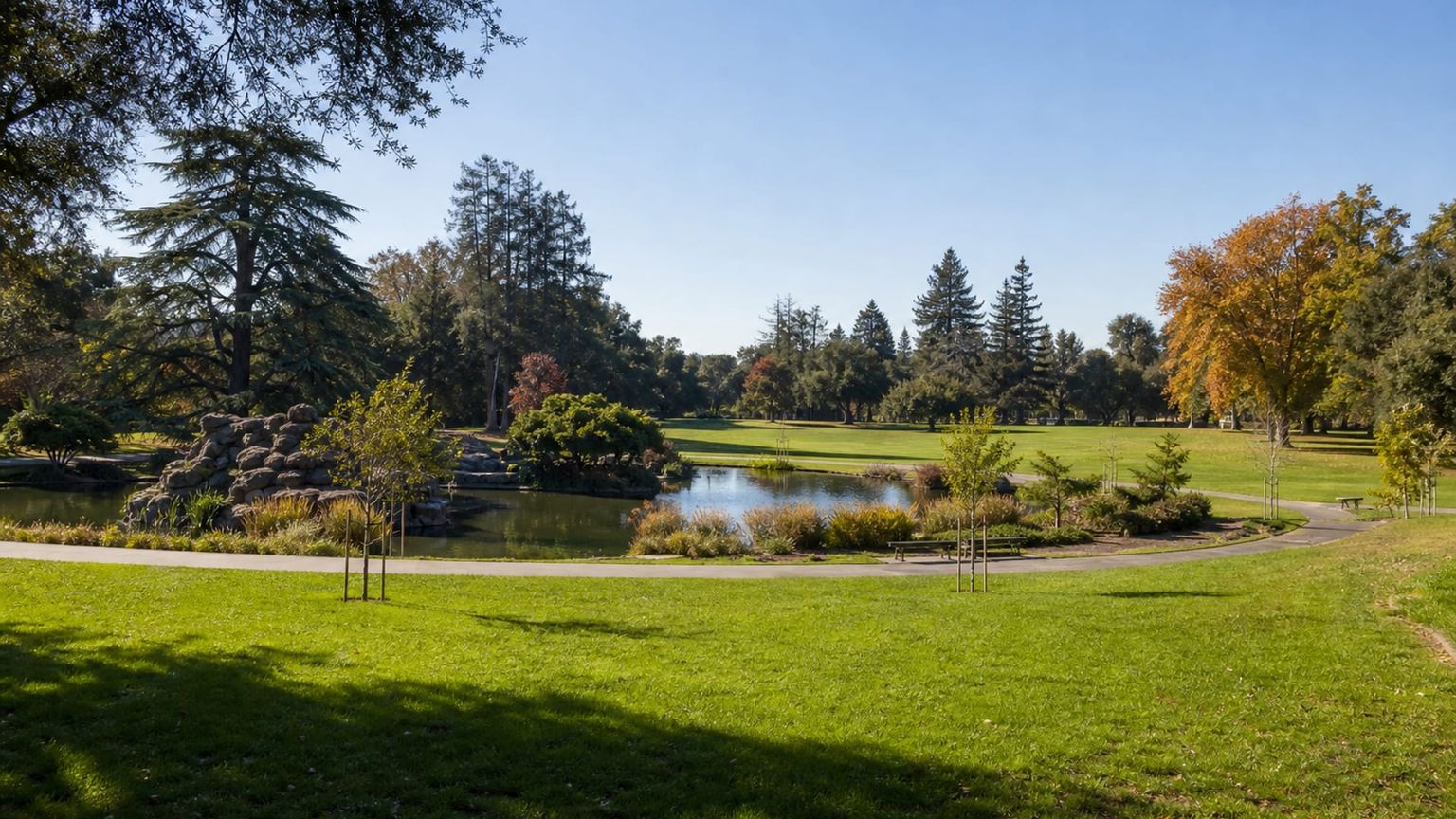
Old Sacramento sets up the day well: start there for the historic waterfront streets, then walk about 5 minutes to the Crocker Art Museum if you want a second, quieter museum block without changing neighborhoods. From the museum, head about 10 minutes on foot to the Capitol area for an afternoon look at the grounds, then finish with an evening meal in Downtown Sacramento, where the walk from the Capitol usually takes about 10 to 15 minutes.
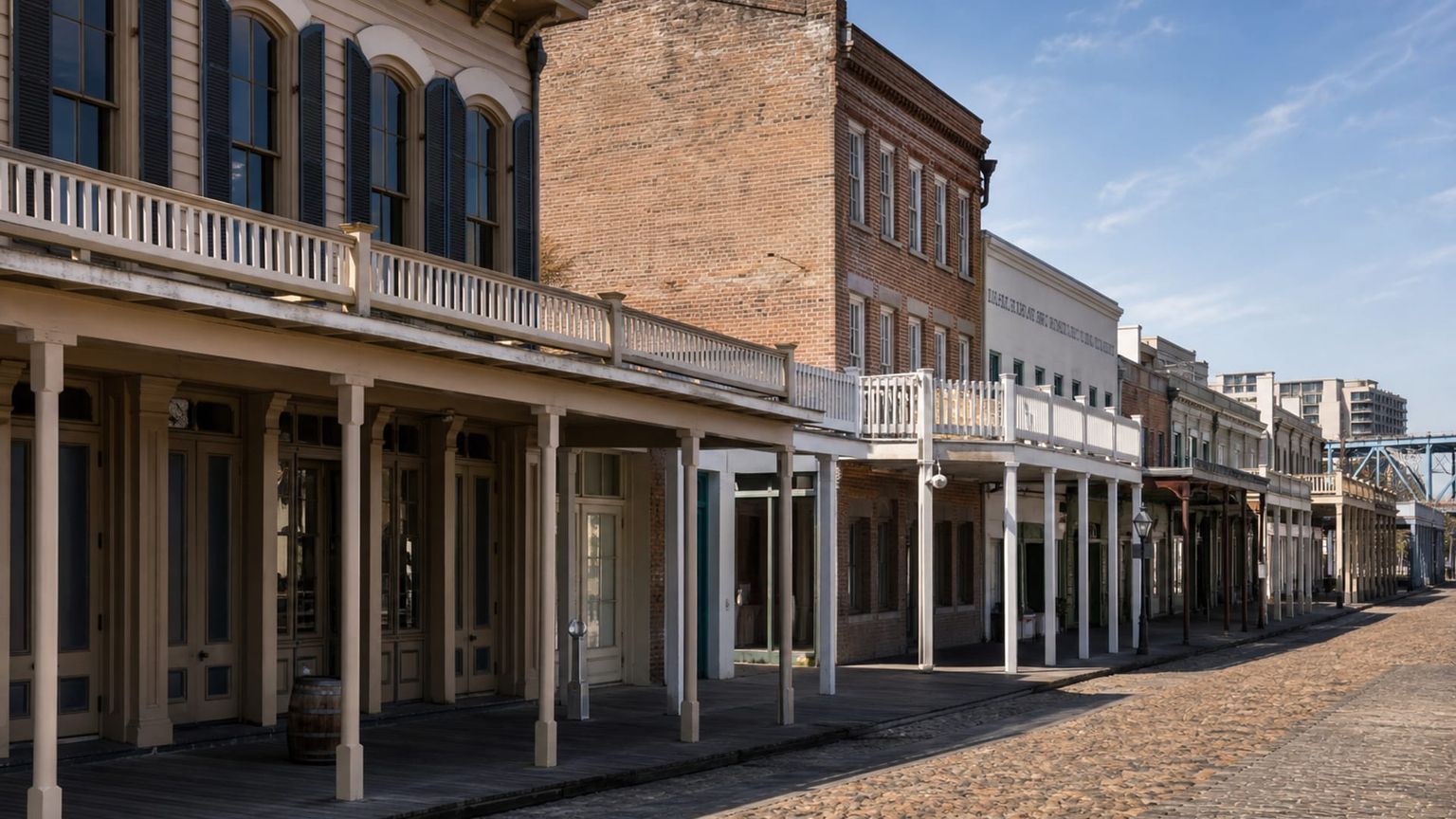
For your last morning, pair one final museum stop at the California State Capitol Museum with a slow coffee in Midtown, then browse local shops in Downtown Sacramento or Old Sacramento before you head out. If you have a late flight, return to East Sacramento for an unrushed café stop near McKinley Park, then head to Sacramento (SAC) by rideshare in about 15 to 25 minutes.
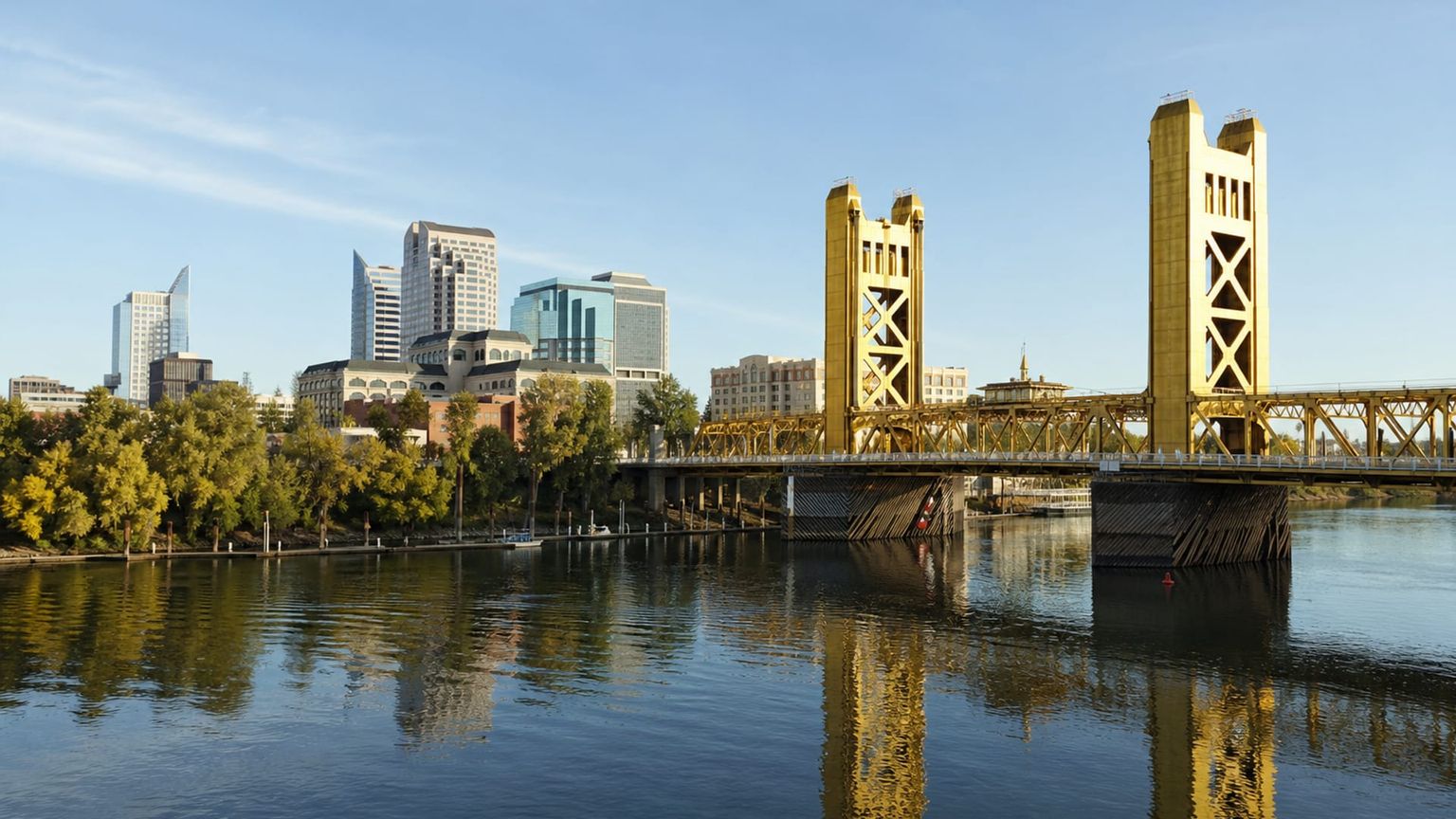
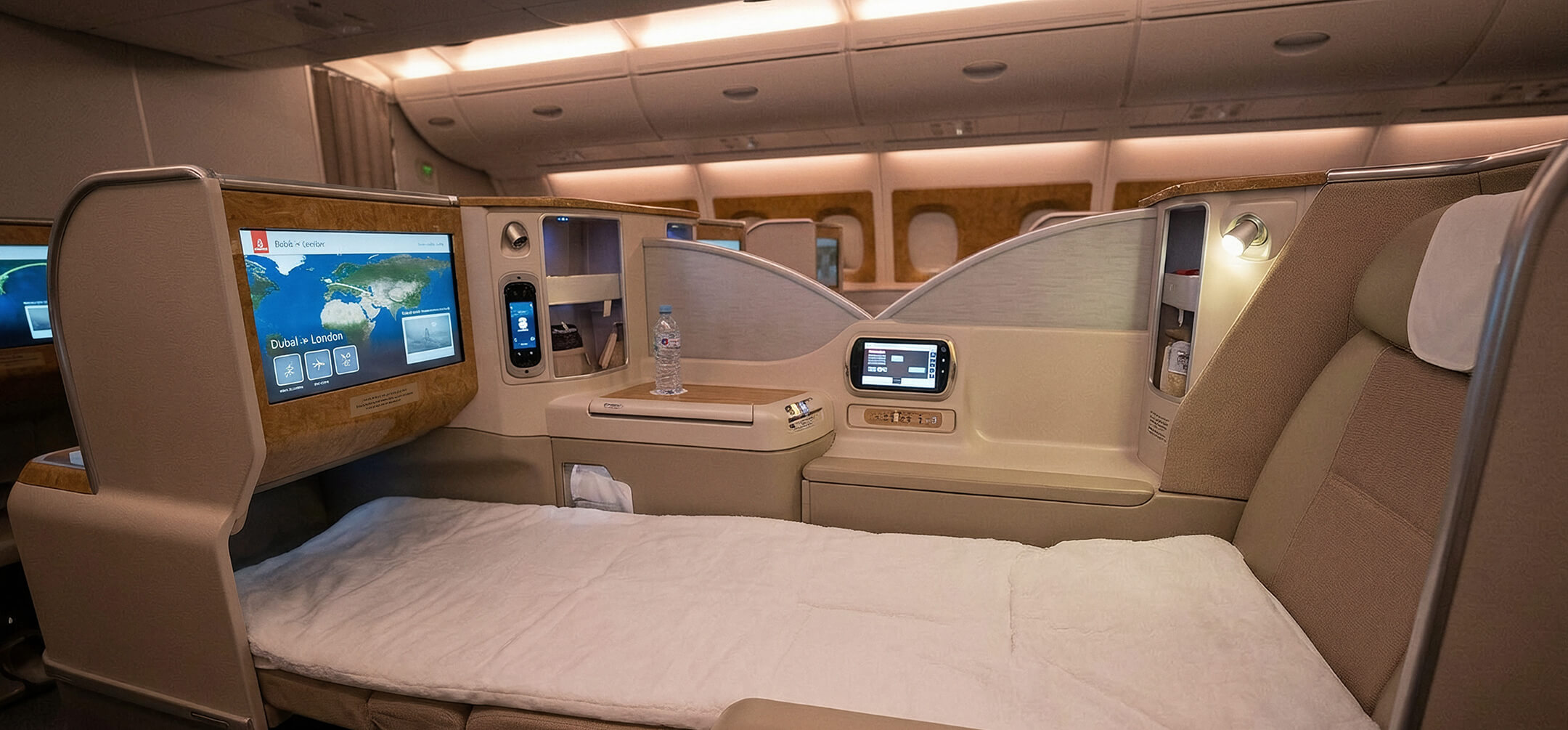
Business-class flights from the US to Sacramento
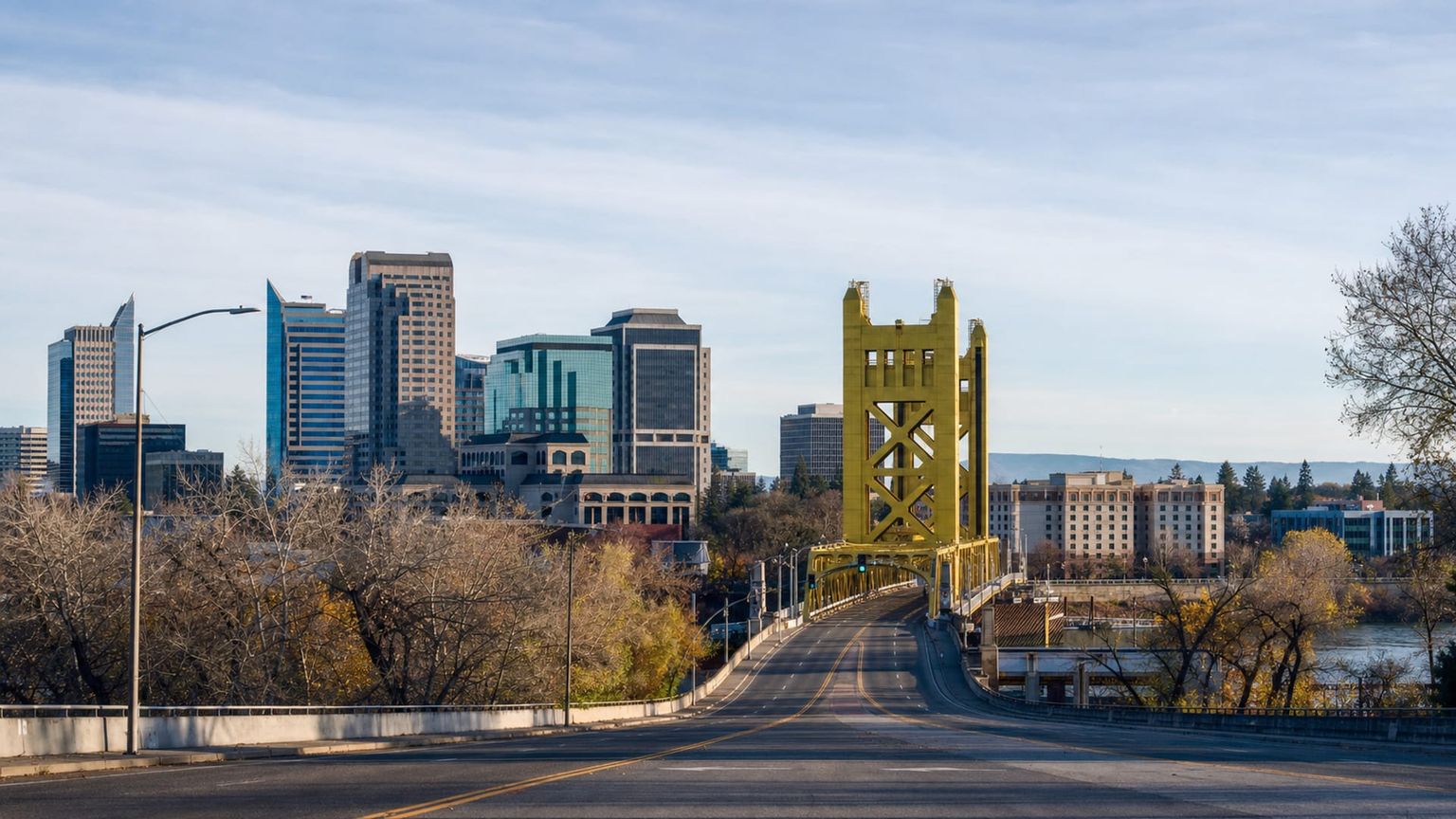
For air travel, Sacramento usually works best through one-stop or nonstop links from the East Coast and West Coast. The examples below show the kind of airline mix and timing travelers often see.
From New York, American Airlines, Delta Air Lines, JetBlue, and United Airlines usually price the trip from $850 to $1,500 round-trip, with nonstop flying taking about 6 to 6.5 hours. One-stop options often route through DFW, DEN, PHX, or LAS, and the connection usually pushes total travel time to about 7.5 to 10.5 hours.
Los Angeles to Sacramento is a short hop, usually about 1 hour 30 minutes to 1 hour 45 minutes in the air, and American Airlines, Southwest Airlines, Delta Air Lines, and United Airlines all operate the route. If you do connect, the most common hubs are PHX, DEN, SFO, and LAS, and the trip then stretches to about 3 to 6 hours total.
Sacramento feels different when you slow down
A well-paced Sacramento trip usually stays close to the Capitol, Old Sacramento, and Midtown, then adds one quieter stretch in East Sacramento or William Land Park for balance. Light rail, short rideshares, and a few good walks are enough to connect the city without overloading the schedule. If you want help matching the right base and flight, AranGrant experts can shape the trip around the neighborhoods and seasons that fit best