

Chapters:

Need help with your trip?
Our support team is available 24/7. Request a callback or call us directly at (833) 619-0908
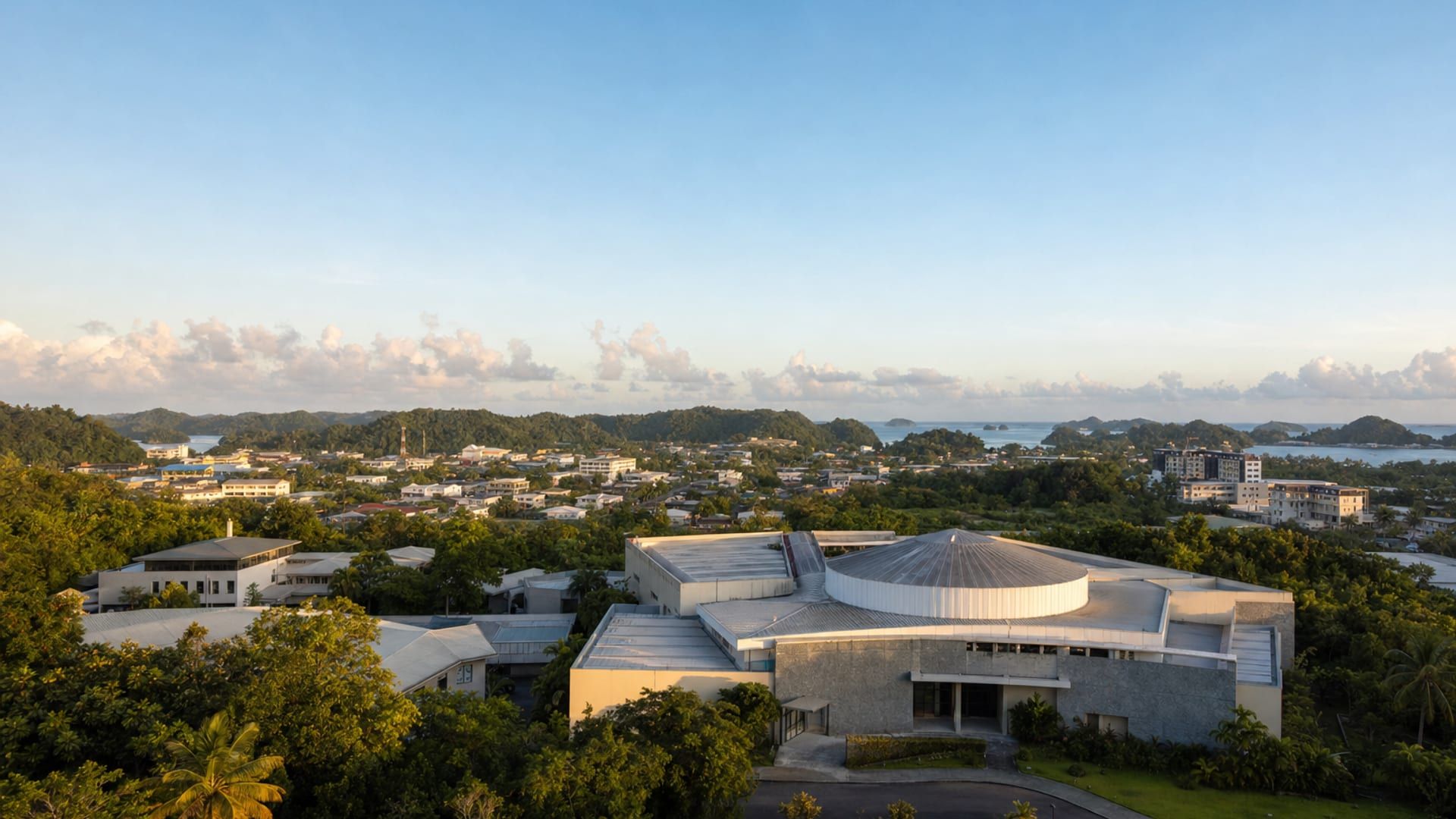
Koror trips often begin with an airport transfer, a center-city hotel, and a quick scan for boat departures, then a lot of people leave the museums and bridge viewpoints for later. That can work, but it often misses the easiest way to understand the island.
Distances look short on a map, yet the day still shifts by taxi, dock schedule, and opening hours. If you wait until the end to sort those details, lunch windows, sunset timing, and ferry check-ins can crowd each other out.
This guide organizes Koror by arrival point, neighborhood, and time of day, so the museums, waterfront stops, and boat days fit together without wasted backtracking.
Useful things to know

Main language(s): Palauan, English
Alii (ah-lee-ee) – Hello
Ungil tutau (oon-geel too-tau) – Good morning
Ng ngar ngii a diak (ng gar ng-ee a dee-ak) – Please
Kmal mesaul (kmal meh-sowl) – Thank you
Ng diak a ngii a ng diak? (ng dee-ak a ng-ee a ng dee-ak) – Do you speak English?

Currency: The local currency is the US dollar (USD, $).

Cash and cards: Cards and contactless are accepted at most hotels and larger shops; carry about $20 to $50 in cash for small buys.

Tipping: Tipping is not expected; round up small bills or leave a few dollars for good service.

Traditional food: Fruit bat soup, taro soup, coconut crab, grilled reef fish

Water and coffee costs: Water about $1 to $2, bar espresso about $2 to $3.

Taxis and ride apps: No major ride apps operate here; use hotel taxis or arrange a car in advance.

Plug and voltage: Type A/B socket, 120V

Dining and shop opening hours: Breakfast is about 7:00-9:00 am, lunch about 11:30 am-2:00 pm, and dinner about 6:00-9:00 pm. Some places close midafternoon, and Sunday hours can be limited.

Emergency number: 911 for police, fire, and medical emergencies.
Where to stay in Koror
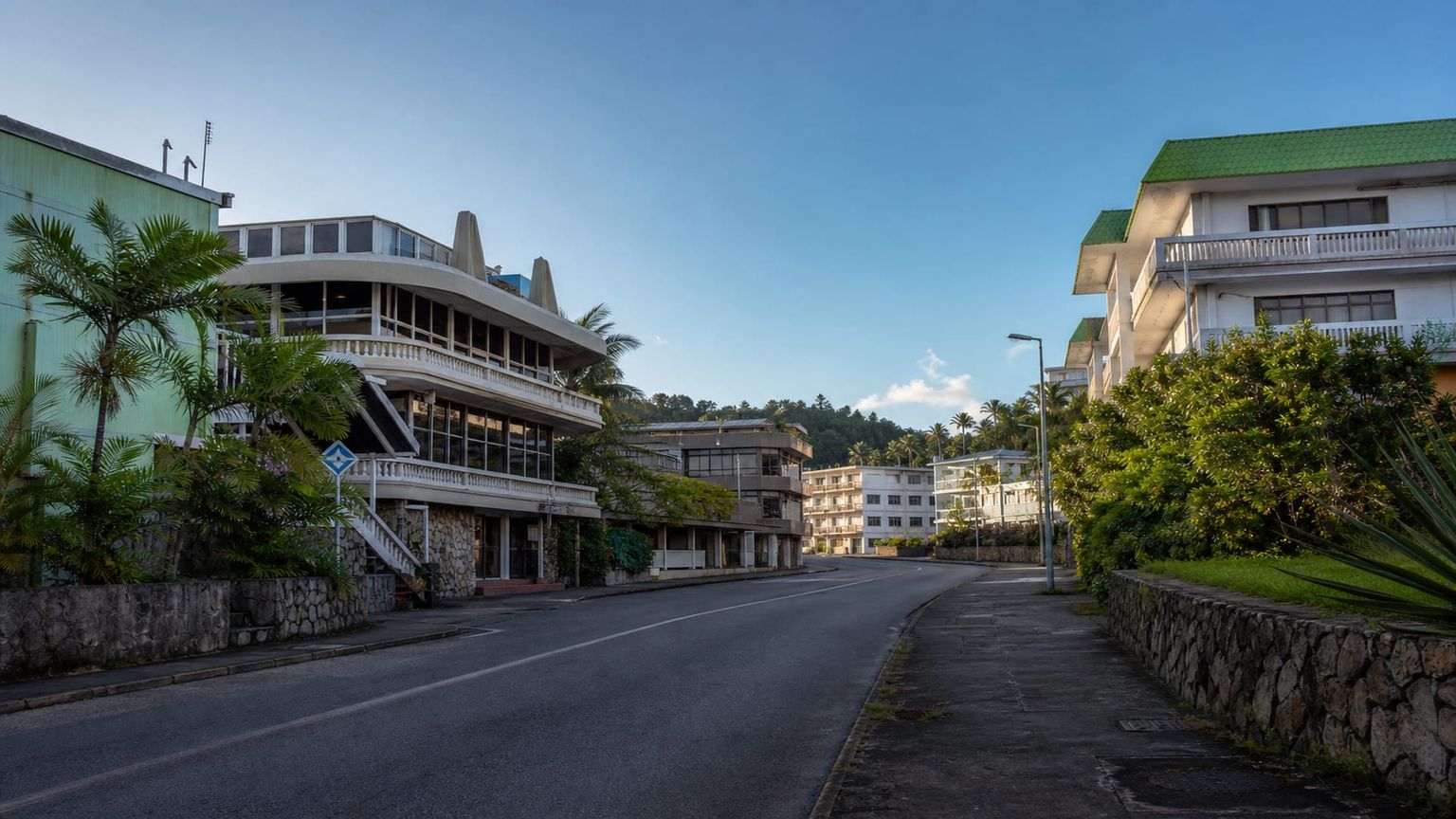
Koror Town Center is the island’s main commercial core, with government offices, shops, cafes, and boat operators clustered along its busier streets. It puts you close to restaurants, dive shops, and ferry connections, making it the most convenient base for daily outings.
Best for: Dining, dive trips, errands, and travelers who want the most central base
What to expect: Busy by day with local traffic, tour desks, and plenty of people moving between shops and offices; evenings thin out after dinner.
Hotel prices: Usually about $90 to $180 per night for well-rated stays
Distance to major sights: About 5 to 10 minutes by taxi to Belau National Museum, about 10 minutes to the Palau National Capitol
Quietness: Daytime is active and traffic can be noticeable, while evenings are much quieter once offices and shops close.
Main trade-off: You get the easiest access to services and tour pickups, but rooms in the center can pick up road noise and cost more than edge-of-town stays.
Good to know: If you plan early boat departures, this area cuts down on transfer time, but late-night dining choices are limited compared with larger resort districts.
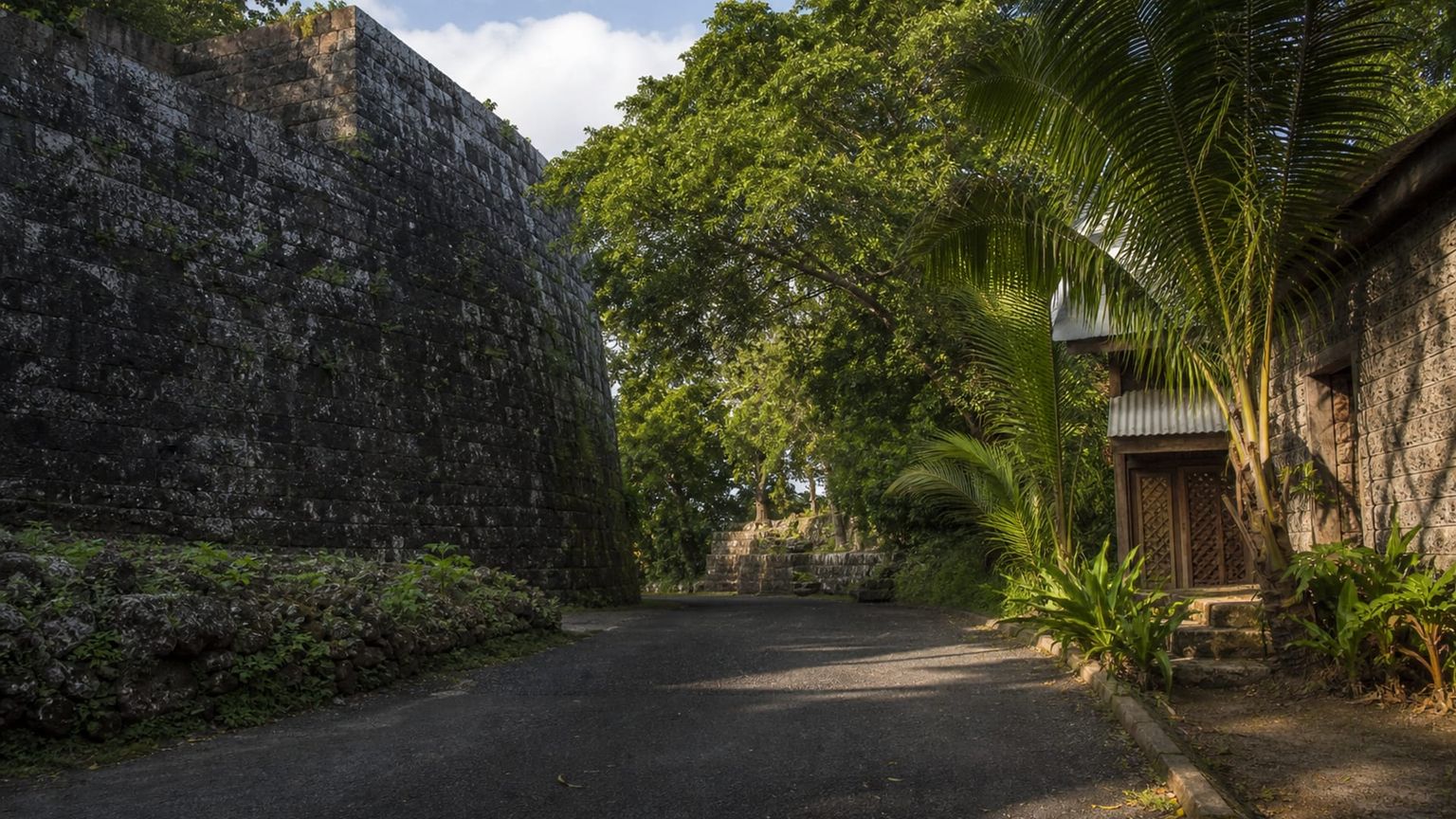
Malakal Island sits just west of central Koror and concentrates marinas, dive operators, and several waterfront hotels. It suits visitors who plan to spend much of their trip on the water and want quick access to boats, gear storage, and sunset views.
Best for: Diving, snorkeling, island tours, and waterfront stays
What to expect: You will see a steady flow of divers, crew, and transfer vans near the marinas, with a quieter feel away from the docks.
Hotel prices: Usually about $120 to $240 per night for well-rated stays
Distance to major sights: About 5 minutes by taxi to Koror Town Center, about 10 minutes to Belau National Museum
Quietness: The waterfront stays active through the day, then becomes relatively calm at night except near dock operations.
Main trade-off: Being close to the harbor makes boat days easier, but the best-located rooms often cost more and some spots sit near early-morning departures.
Good to know: Choose this area if your schedule starts on the water, because morning transfers are easier here than from inland streets.
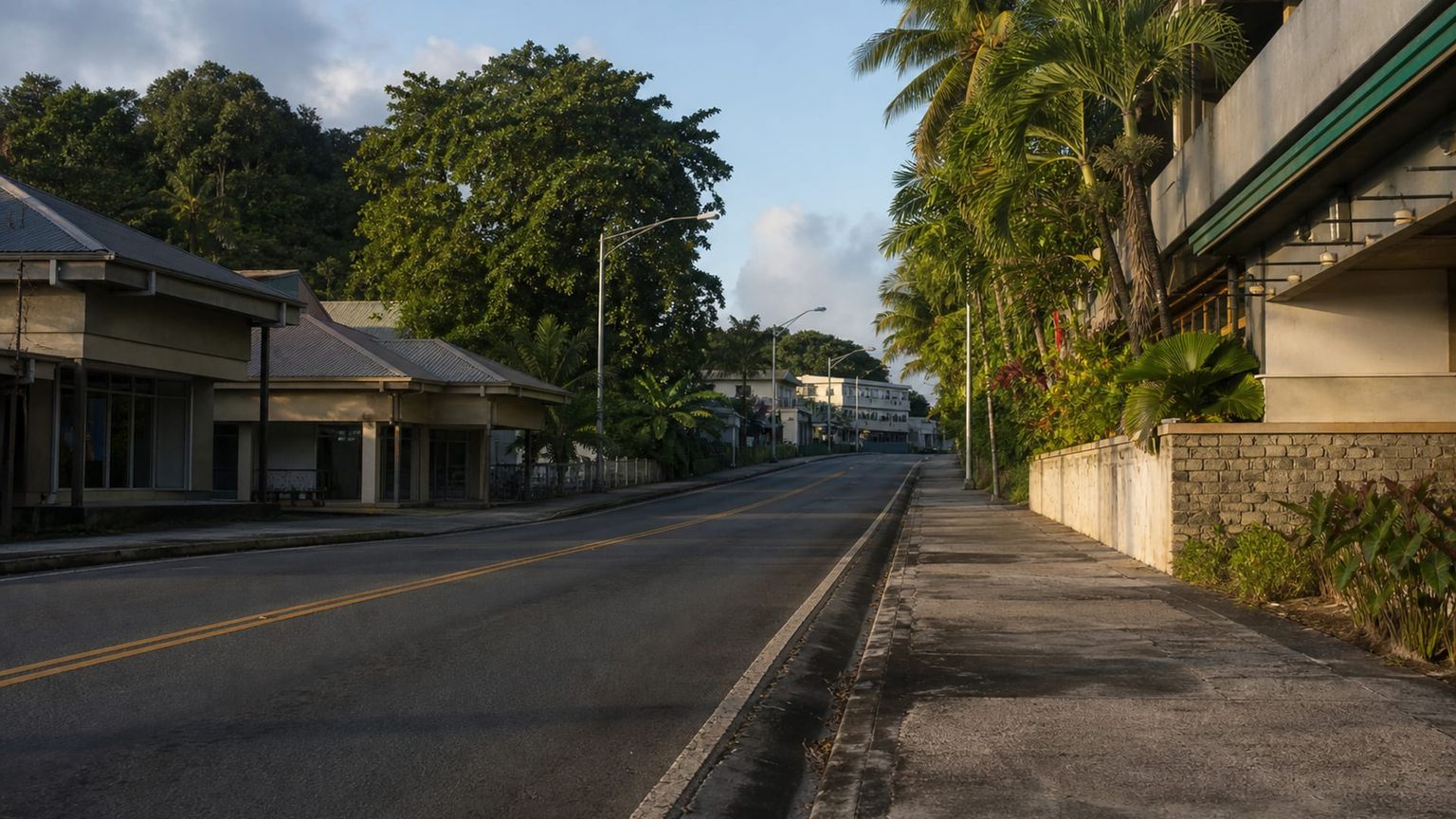
The Airai Road corridor follows the main road south of central Koror and includes scattered hotels and guesthouses with easier vehicle access and more open surroundings. It works well for travelers who want a lower-key base and do not mind relying on taxis or hotel shuttles for most outings.
Best for: Late arrivals, travelers with rental cars, and guests who prefer a quieter base
What to expect: Traffic moves along the road during the day, but the setting is more spread out and less pedestrian-heavy than Koror’s center.
Hotel prices: Usually about $80 to $160 per night for well-rated stays
Distance to major sights: About 10 to 15 minutes by taxi to Koror Town Center, about 15 minutes to Belau National Museum
Quietness: Daytime traffic is present along the main road, while evenings are generally calm once commuter movement eases.
Main trade-off: You may save a little compared with waterfront addresses, but you will spend more time and money on taxis for dinners and tours.
Good to know: If you arrive late at ROR, this corridor can shorten your transfer, yet it is not the place to stay if you want to walk to most meals.
Travelers usually avoid Ngerbeched, a residential area inland from Koror Town with few visitor amenities and limited hotel choice; it is less convenient for evening dining and island excursions. Meyuns and Ngeremas are also less convenient for first-time visitors because they sit away from Koror Town’s main waterfront and shopping areas, so you will rely more on taxis or a rental car after dark. For a short stay, the outskirts near the airport are usually avoided as well, since they are far from the main sights and add extra travel time for meals and tours.
Hotel deals
How to get around Koror efficiently
Koror does not have a metro or formal bus grid, so most visitors move by taxi, hotel shuttle, or short walks between the town center, Malakal, and nearby sights.

Metro
for longer distances
Koror has no metro or suburban rail, so there is no rail-based city network to use. Visitors rely on road transport for short trips between the airport area, Koror town, and nearby hotels, with most point-to-point rides taking about 10 to 20 minutes.

Bus and tram
for convenience
No tram or formal city bus grid serves Koror; minibuses and hotel shuttles do most of the local work. Fares are usually about $1 to $3 ($1 to $3) for short hops, but schedules can be irregular, so confirm departure times with your hotel or the driver before you set out.

Taxi
for convenience or late hours
Licensed taxis in Koror are metered in practice on many trips, though airport and late-night rides may be quoted as fixed fares before you depart. Expect about $5 to $12 ($5 to $12) for most short rides within Koror, and roughly $20 to $25 ($20 to $25) from Roman Tmetuchl International Airport (ROR) to central Koror; carry cash, because card payment is uncommon.
*Prices are based on rates updated as of June 2026 and may change at the time of travel.
Use taxis for airport and cross-town hops, hotel shuttles for prearranged transfers, and walking for compact errands and waterfront stops in the center.
Iconic landmarks
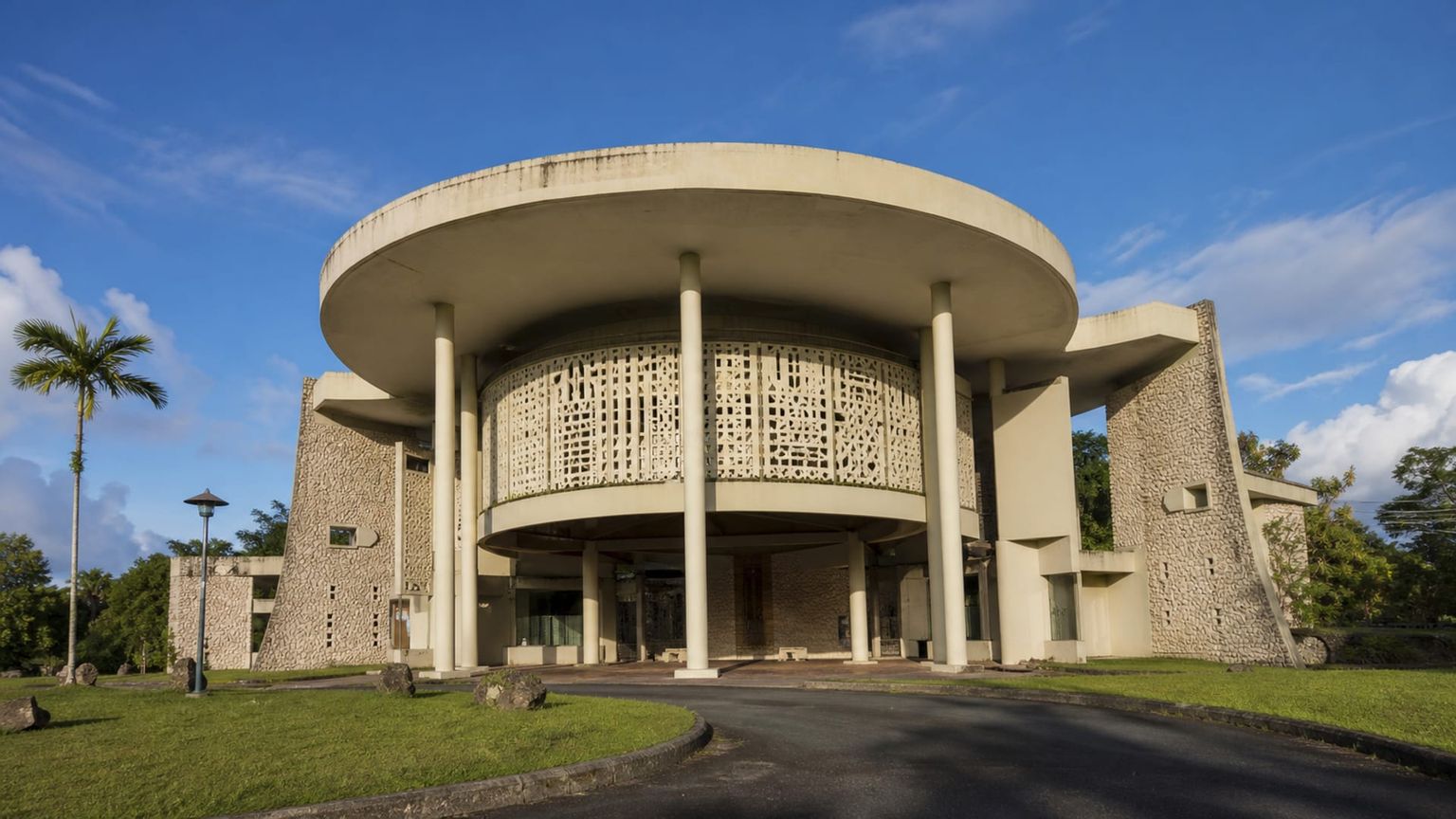
Belau National Museum
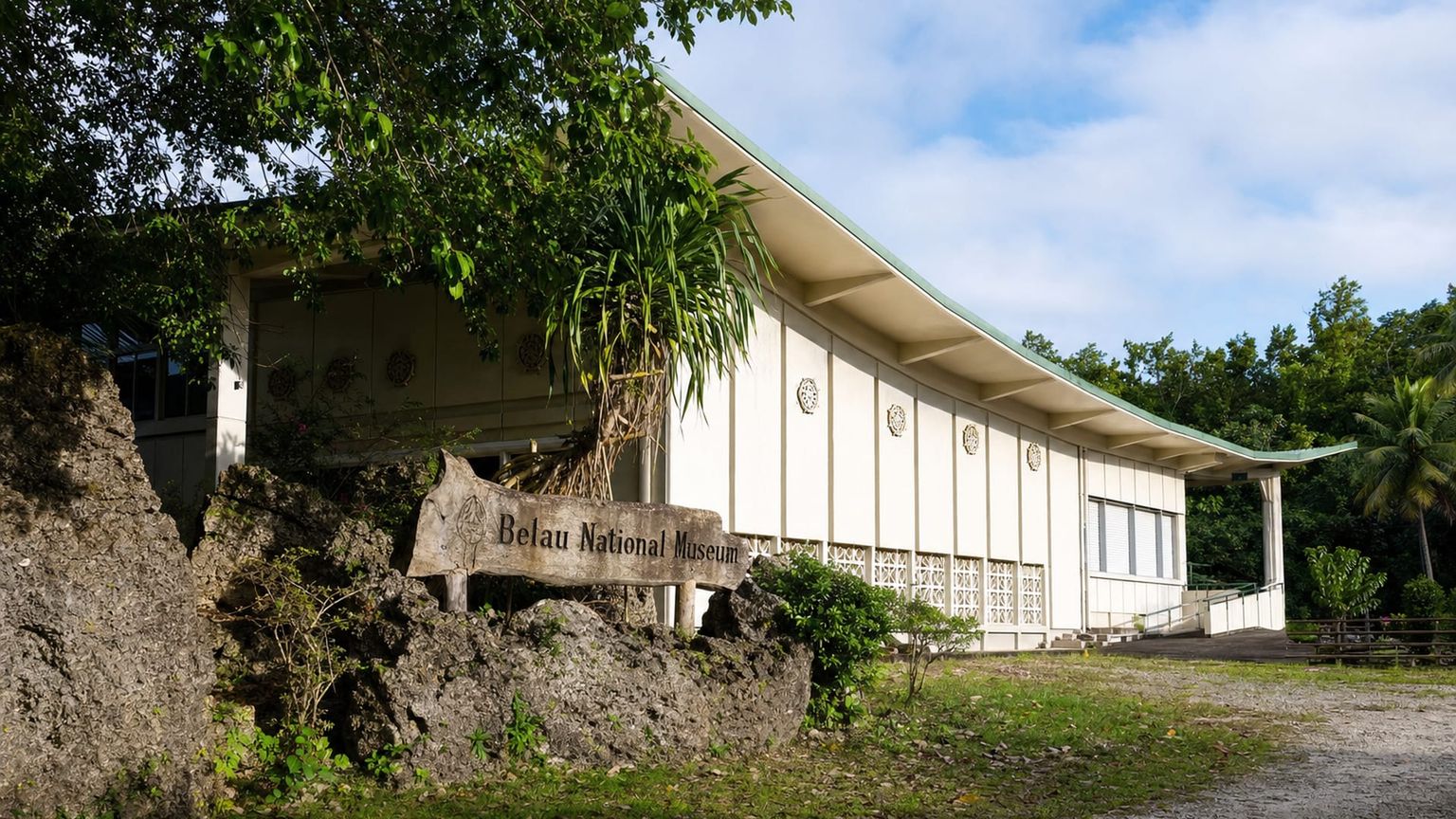
Palau’s national museum in Koror displays carved canoe models, shell money, photos, and artifacts that trace Palauan life, Spanish, German, Japanese, and U.S. periods, and local navigation traditions.
Time needed: About 1 to 2 hours
Entry: Admission is $10 to $15 ($10 to $15), with discounts for children and residents. Visit the official site for details.
Tip: Go in the morning, then pair it with a walk to nearby Etpison Museum for more context.
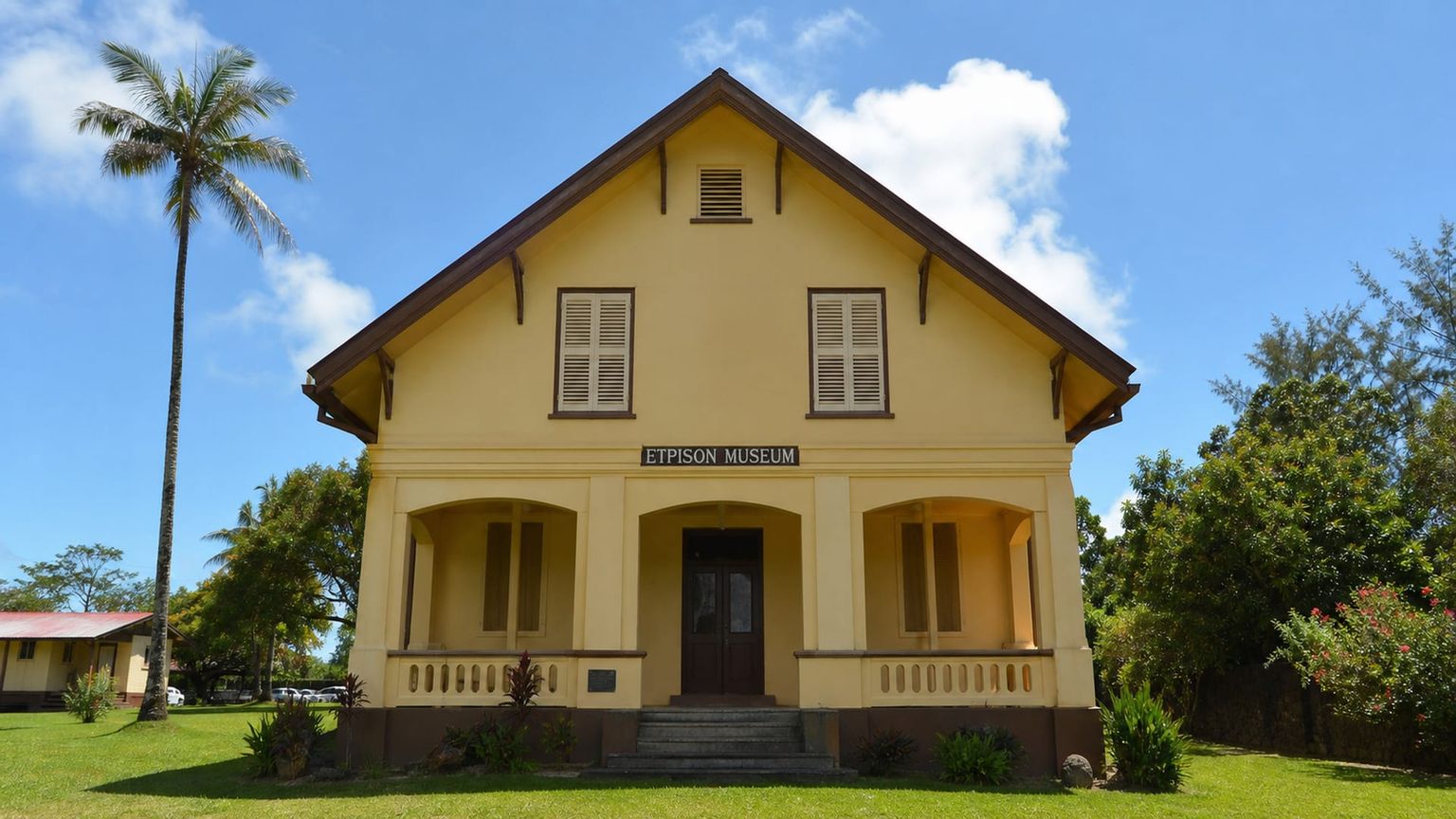
Etpison Museum
Etpison Museum presents Palauan history, traditional tools, storyboards, and photographs inside a small Koror house museum, with exhibits that add context to daily life, craft, and local political history.
Time needed: About 1 hour
Entry: Admission is about $5 ($5) for adults, with lower rates for children and students.
Tip: Visit after the beach or before lunch, then allow time for the adjacent souvenir area.
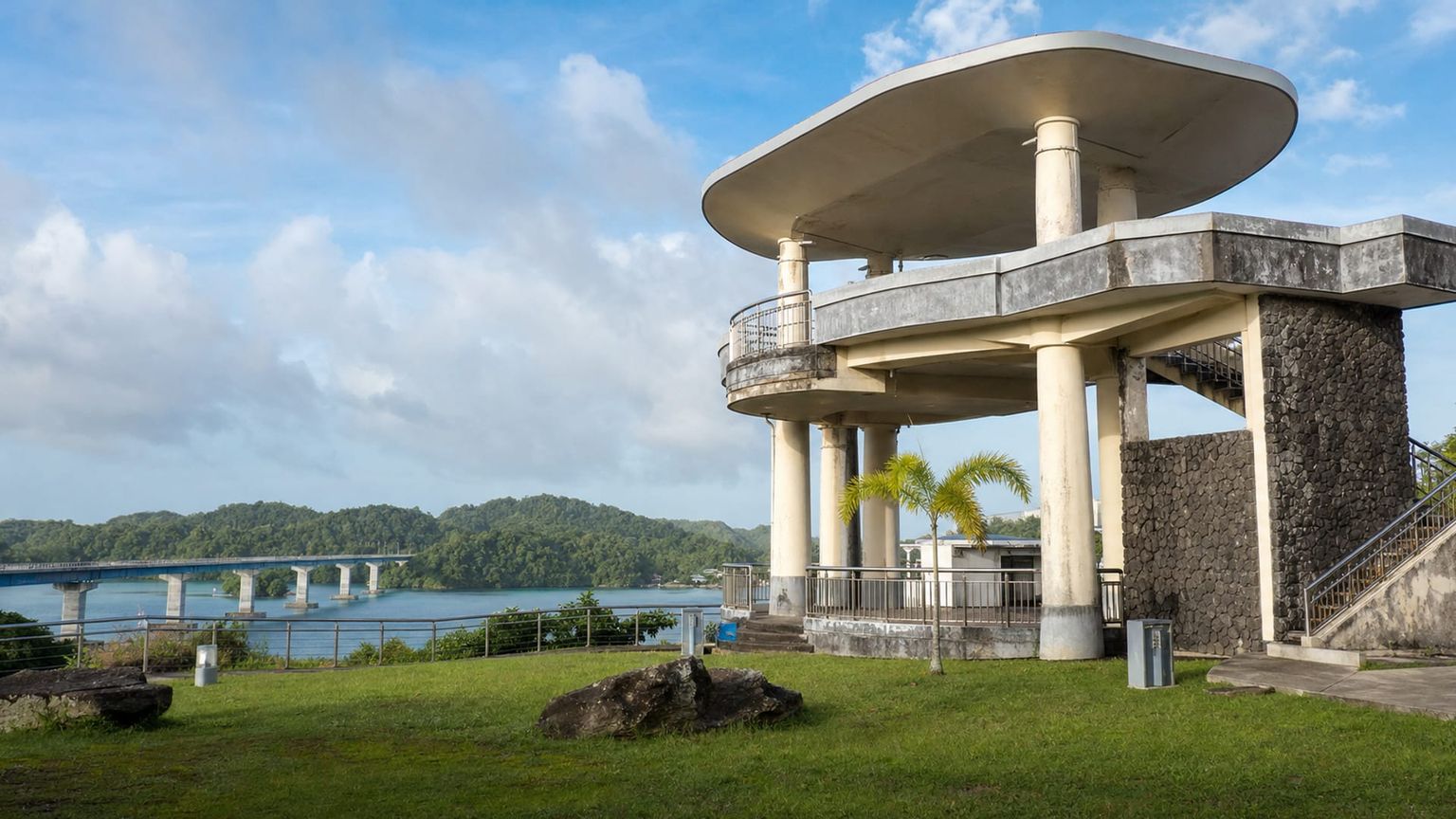
Koror-Babeldaob Bridge viewpoint
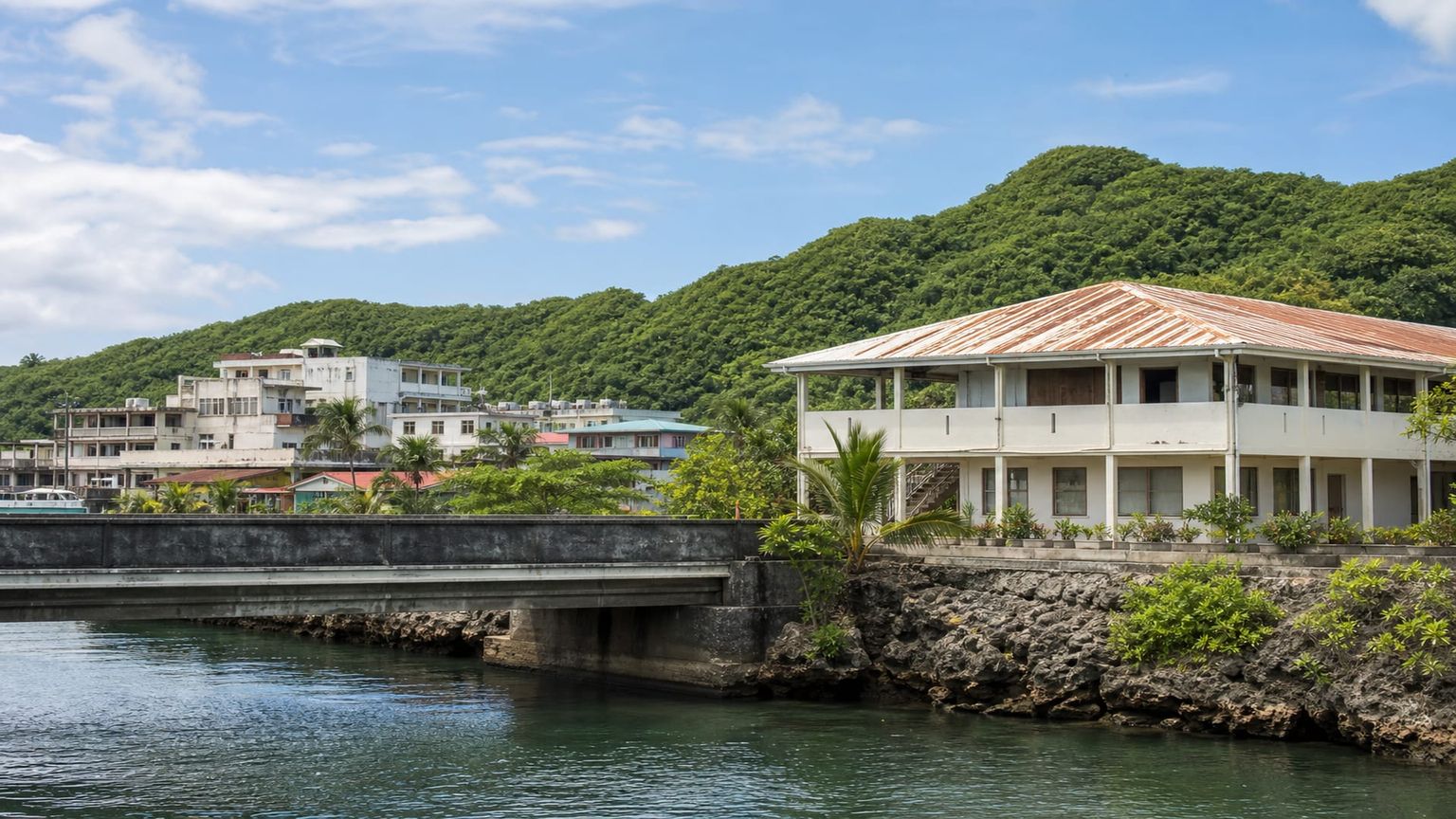
The Koror-Babeldaob Bridge span gives a close city-edge view of the harbor channel, mangroves, and limestone islands near Koror, with easy access for a short stop between town and the northern road.
Time needed: About 20 to 30 minutes
Entry: Free to access, with no timed entry or ticket required for the viewpoint area.
Tip: Stop near sunset for softer light on the water and better views toward the channel.
Overlooked sites worth visiting

Belau National Museum
Palau’s oldest museum sits in a former colonial building near the waterfront. Its small galleries cover traditional navigation, money history, and a meeting house model, with a compact ethnobotany garden outside.
Time needed: About 1 to 2 hours
Entry: Admission is about $7 ($7). The fee covers the main galleries and the outdoor ethnobotany area; hours can shift on holidays, so check the museum’s current schedule before you go. Visit the official site for details.
Tip: Go early for cooler garden walking and quieter galleries.

Long Island Park
This waterfront park on Koror’s southern edge draws locals for sunset walks and picnic stops. A short path, sea views, and benches make it an easy pause without a full outing.
Time needed: About 30 to 60 minutes
Entry: Free to access. The park is open to the public without a ticket, and visitors can use the paths and seating areas at no cost; bring water and cash for any nearby snacks.
Tip: Visit near sunset for the best light on the harbor.
Traditional food
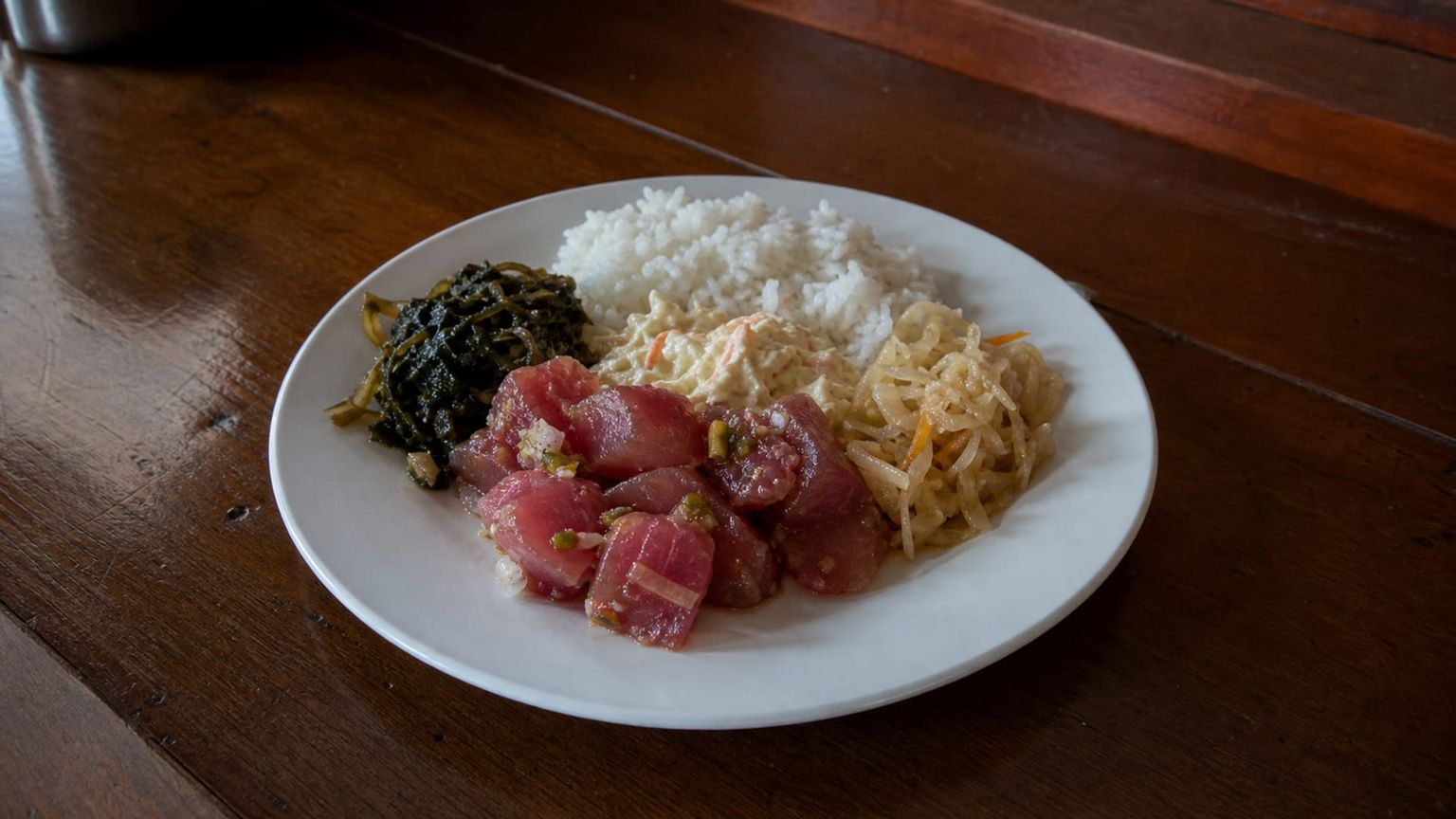
Koror’s table leans on reef fish, taro, coconut, and shellfish, with fruit bat soup and coconut crab appearing beside simpler café meals. Dining hours cluster around breakfast, lunch, and dinner, so timing matters.
Fruit bat soup
A Palauan specialty with a rich broth and a deeply local place on the menu. Drop in at Carp Restaurant in Koror for a classic introduction, then keep the rest of the meal simple so the flavor stays central.
Taro soup
This comforting soup uses taro for body and a mild, earthy finish. Taj in Koror serves a version that fits well with a relaxed lunch after a museum morning.
Coconut crab
Sweet, briny crab meat gives this dish its reputation, and it often appears as a special-occasion plate. Try it at The Canoe House in Koror, where the kitchen handles local seafood with care.
Grilled reef fish
Fresh reef fish usually comes simply charred, with rice and local sides that keep the focus on the catch. Elilai Seaside Restaurant in Koror is a strong place to order it while watching the water.
Best time to visit Koror
Koror’s weather stays warm year-round, but rain, humidity, and sea conditions change how easily you can move between town, marinas, and viewpoints.
Best for: Best for clearer skies between showers and comfortable museum days
What you get: About 77 to 86°F (25 to 30°C), with fewer visitors than peak holiday weeks and some rainy spells
Trade-offs: Boat outings can still face brief downpours or choppier water
Best for: Best for balanced weather and easy planning around day trips
What you get: About 79 to 87°F (26 to 31°C), with moderate crowds and warm afternoons
Trade-offs: Humidity rises, so midday walking feels hotter
Best for: Best for long water days and flexible snorkeling plans
What you get: About 78 to 86°F (26 to 30°C), with lighter hotel demand outside holiday periods
Trade-offs: Rain can build quickly, especially later in the day
Best for: Best for quieter streets, lower demand, and slower sightseeing
What you get: About 77 to 86°F (25 to 30°C), with fewer visitors and frequent afternoon rain
Trade-offs: Weather can turn wet fast, which can affect outdoor stops
A realistic 5-day plan in Koror
This five-day plan keeps Koror compact: one arrival day, two museum-and-town days, one water-centered day, and one final morning for a last look before the airport transfer.
Land at Palau International Airport (ROR) and take a taxi into Koror Town Center, usually about 15 to 20 minutes for roughly $20 to $25. If you arrive later in the day, stay near the town center or on Malakal Island so dinner and boat check-ins are close by, then drink water, unpack, and head out for a light meal at a café or casual restaurant in Koror Town Center.
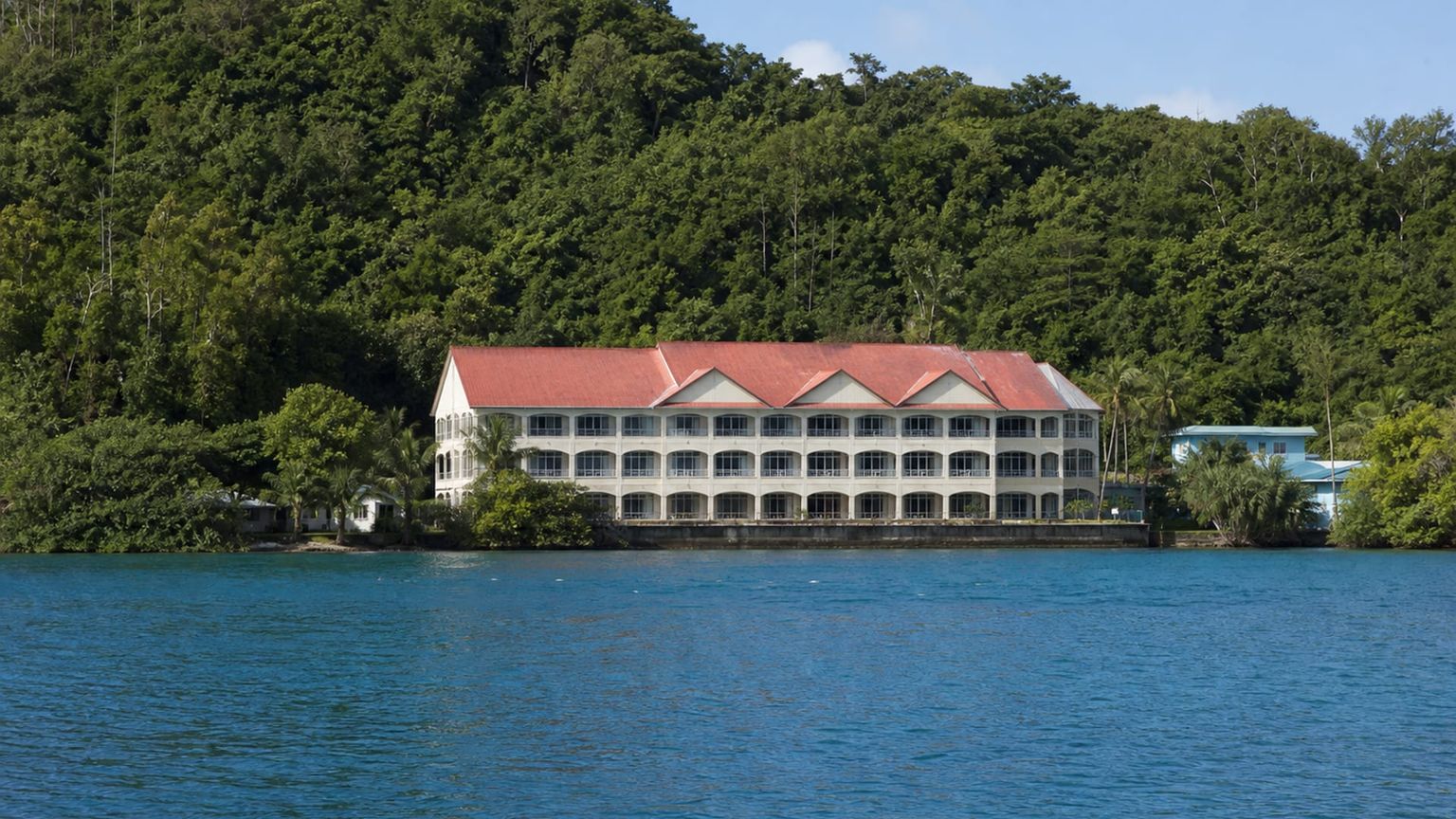
Begin with Belau National Museum, then walk about 10 minutes to Etpison Museum for a second look at Palauan history and daily life. Plan about 1 to 2 hours at Belau National Museum and about 1 hour at Etpison Museum, with admission at about $7 ($7) and about $5 ($5), respectively. After lunch in Koror Town Center, finish the afternoon at Long Island Park, about 10 to 15 minutes away by taxi, for a harbor-side pause before dinner back in town.
Start on Malakal Island, where the marinas make an early boat departure easy, then spend the morning on a snorkel or island outing from the waterfront. After returning, take a taxi or short ride back to Koror Town Center, about 5 minutes away, for lunch and a slower afternoon. In the late day, continue to the Koror-Babeldaob Bridge viewpoint, about 10 minutes from central Koror, and stay for sunset light over the channel.
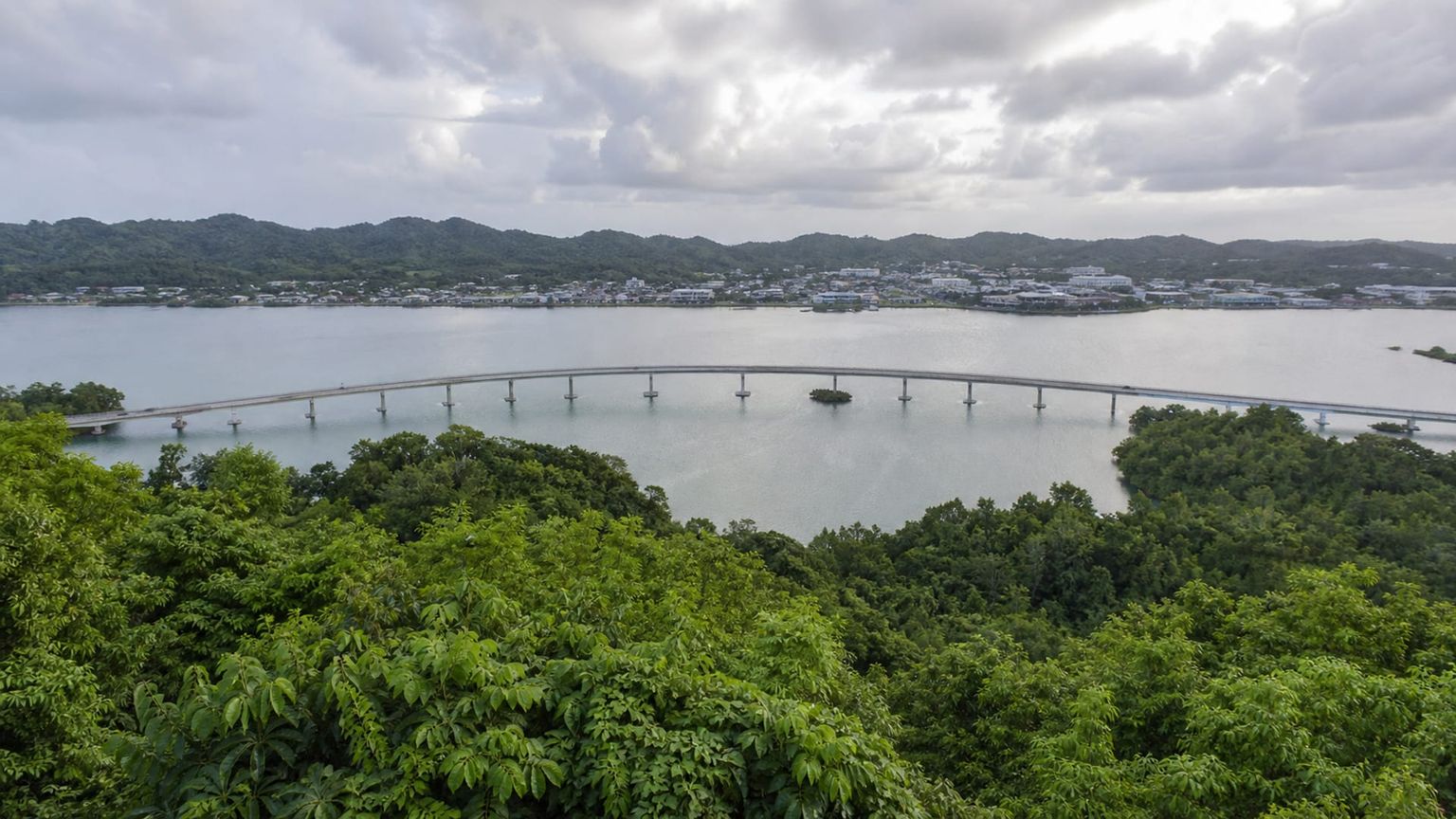
Begin with the Koror-Babeldaob Bridge viewpoint, then continue to Belau National Museum, which is about 5 to 10 minutes away by taxi from Koror Town Center. Spend about 20 to 30 minutes at the viewpoint, then 1 to 2 hours at the museum, and pair the visit with an early lunch nearby. In the afternoon, return to Malakal Island for waterfront coffee or a short harbor walk before dinner in Koror Town Center.
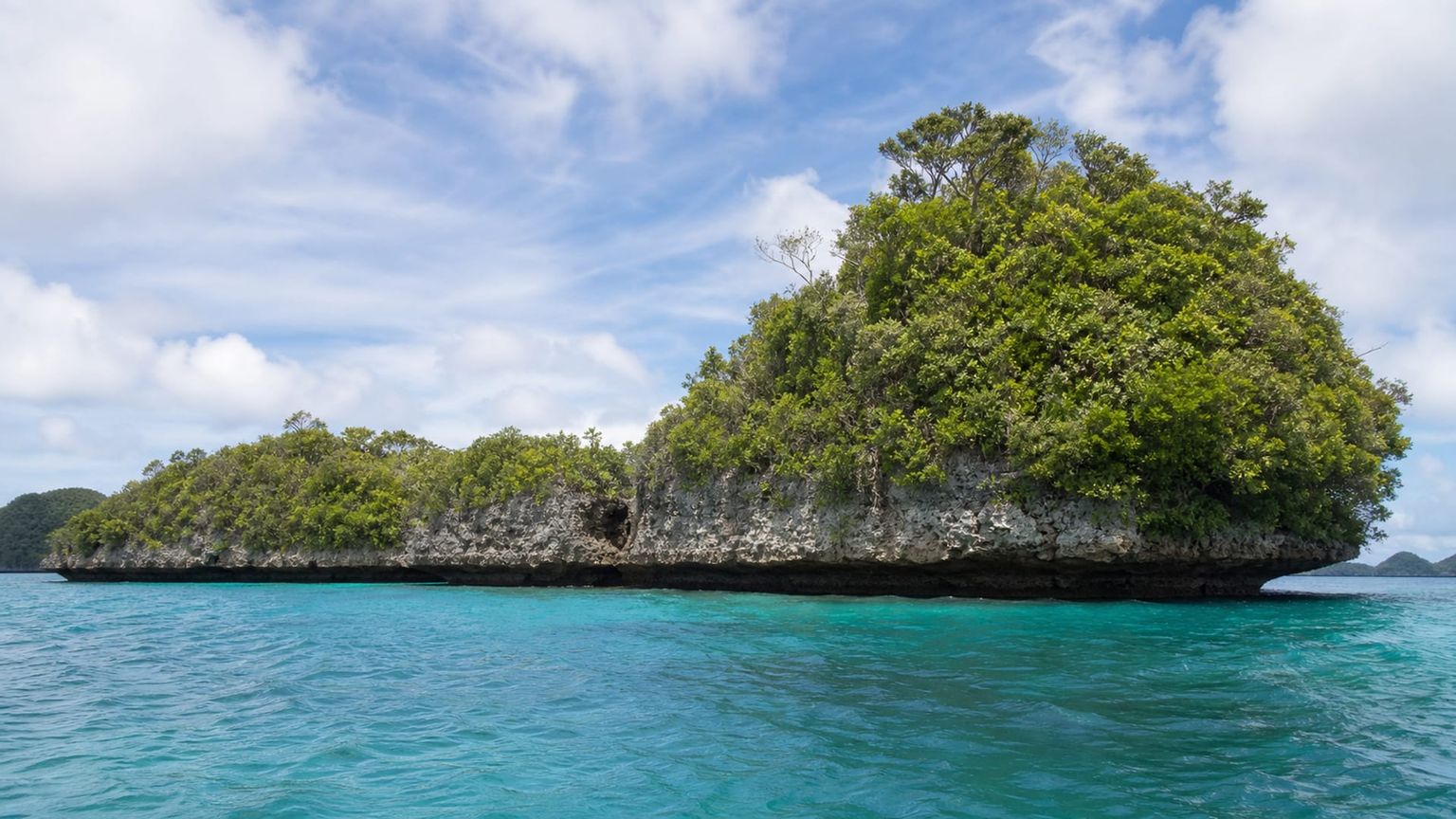
For a final morning, return to Etpison Museum if you want one more museum stop, or head straight to Koror Town Center for last-minute shopping and a café break. If your flight leaves later, stay in the center so you can reach the airport without extra backtracking, then fit in a quiet lunch and one last walk through the district before your transfer to Palau International Airport (ROR).
Business-class flights from the US to Koror
Reaching Koror usually means a long-haul connection, often through one of a small set of Asian or Pacific hubs. From New York and Los Angeles, the route choice mainly changes total time and how many hours you spend in transit.
From New York, fares usually start at $4,800 and can reach $8,500. Asiana Airlines, China Airlines, EVA Air, Korean Air, and United Airlines all appear on common itineraries, with Seoul (ICN) or Taipei (TPE) connections often taking 21 to 28 hours and lowering the price compared with faster options.
From Los Angeles, round-trip fares usually run about $4,200 to $7,800. Asiana Airlines, China Airlines, EVA Air, Korean Air, and United Airlines serve common itineraries, and one-stop trips via Seoul (ICN), Taipei (TPE), Tokyo (NRT), or Honolulu (HNL) often beat nonstop pricing.
Koror feels different when you slow down
A deliberate Koror trip looks centered on Koror Town Center for meals, Malakal for boat departures, and a taxi schedule that keeps the bridge viewpoint and museums in the same flow. That leaves less guessing about lunch hours or late returns from the marina, and more time for the harbor, the galleries, and an easy last walk before your flight. If you want help shaping the route, AranGrant experts can build it around your hotel and arrival time







