

Chapters:

Need help with your trip?
Our support team is available 24/7. Request a callback or call us directly at (833) 619-0908
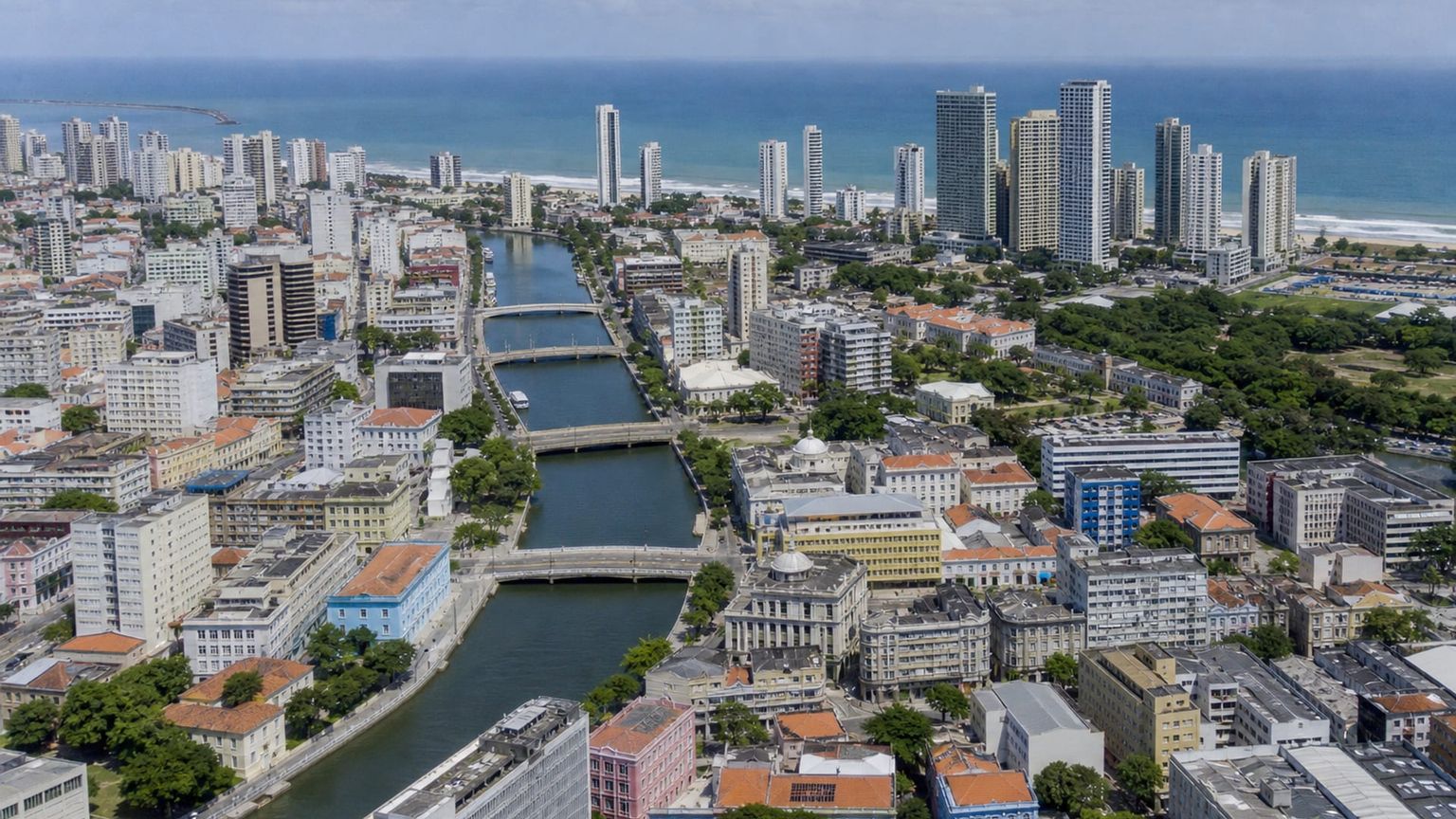
Recife stretches from the beachfront towers of Boa Viagem to the bridges, plazas, and restored buildings of Recife Antigo, with several of its major cultural attractions farther west. Marco Zero introduces the historic waterfront, São José Market brings you into the older commercial center, and the Brennand museums show a very different side of Pernambuco’s artistic heritage.
This guide helps you plan five days in Recife, from choosing where to stay and navigating the city to visiting its main cultural sights, trying regional dishes, and making time for the beach.
Useful things to know

Main language(s): Portuguese
Olá (oh-LAH) – Hello
Por favor (por fah-VOR) – Please
Obrigado (oh-bree-GAH-doo) – Thank you
Você fala inglês? (voh-SEH FAH-lah een-GLESH) – Do you speak English?
Quanto custa? (KWAHN-toh KOOS-tah) – How much does it cost?

Currency: Brazilian real (BRL, R$)

Cash and cards: Cards are common at hotels, restaurants, and larger stores. Keep some reais for markets, small stalls, and businesses that may prefer cash.

Tipping: Restaurants often add a 10% service charge. Check the bill before leaving extra. Taxi drivers generally do not expect a tip.

Traditional food: Tapioca, bolo de rolo, peixada pernambucana, and arrumadinho are among the Pernambuco specialties commonly found in Recife.

Water and coffee costs: Bottled water usually costs R$5 (US$1), while specialty coffee costs at least R$7 ($1.30) or more, depending on the venue.

Taxis and ride apps: Uber and 99 operate throughout Recife. Confirm your pickup point before requesting a ride at the airport or a busy hotel entrance.

Plug and voltage: Type N socket, 220V

Dining and shop opening hours: Restaurants start serving breakfast at 7:00 am, lunch at 12:00 pm, and dinner at 7:00 pm. Larger establishments and mall restaurants often stay open till late evening.

Emergency number: Call 190 for police, 192 for an ambulance, and 193 for the fire department.
Where to stay in Recife
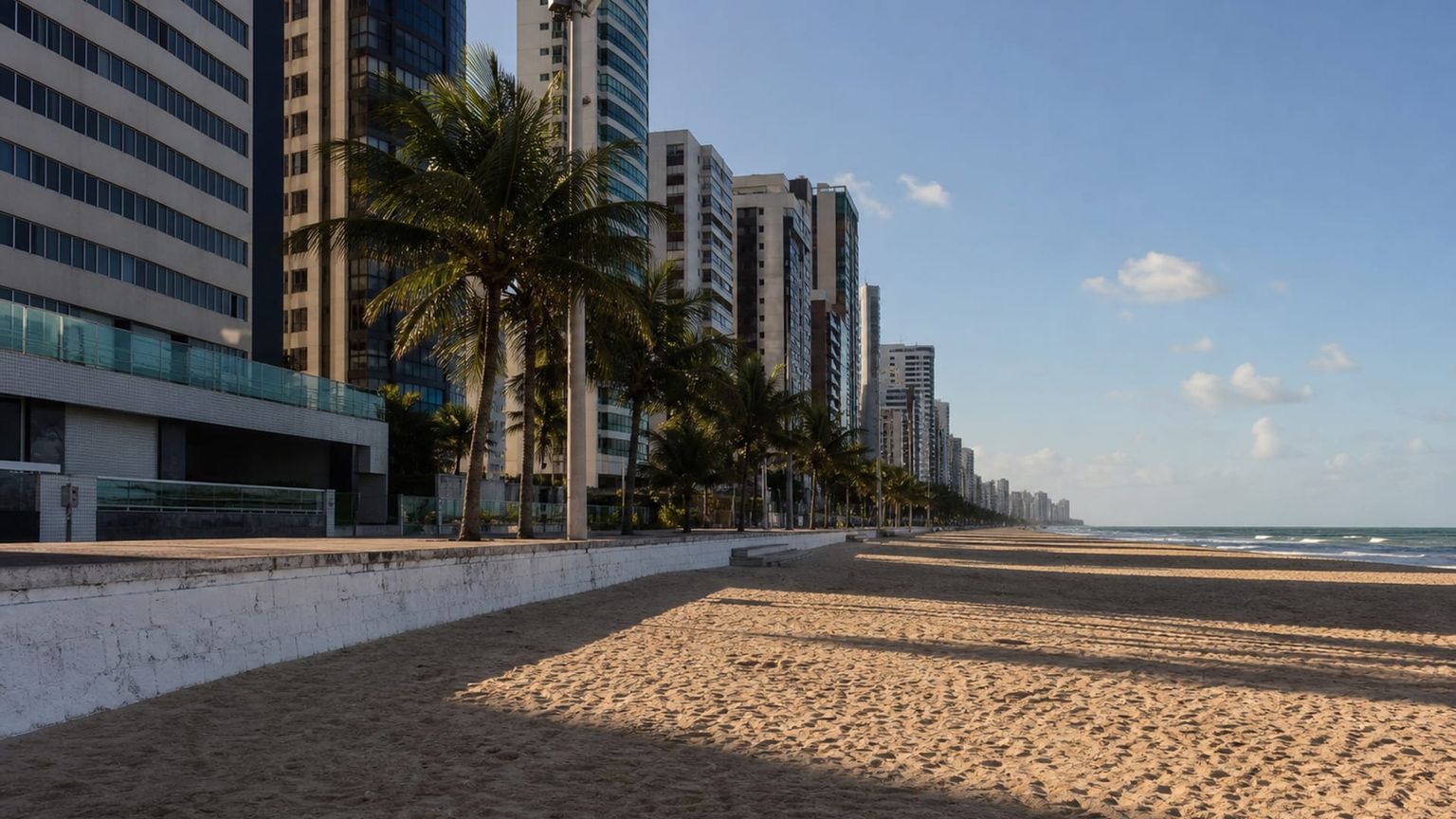
Boa Viagem follows Recife’s best-known beachfront, with high-rise hotels, apartment towers, restaurants, shops, and easy access to the airport. Its wide choice of full-service properties makes it especially convenient for travelers who want beach time without giving up city amenities.
Best for: Beach time, full-service hotels, restaurants, and convenient airport access
What to expect: A busy waterfront, high-rise hotels, restaurants, malls, and heavy traffic on main avenues
Hotel prices: Rates per night in a popular hotel may range from R$350 to R$900 (US$70–US$170).
Distance to major sights: Recife Antigo is typically 20–30 minutes away by car in lighter traffic.
Quietness: Residential side streets are quieter than Avenida Boa Viagem and the beachfront.
Main trade-off: Historic sights and western museums require longer road journeys.
Good to know: Plan to take a taxi or use a ride app when returning from Recife Antigo after dark.
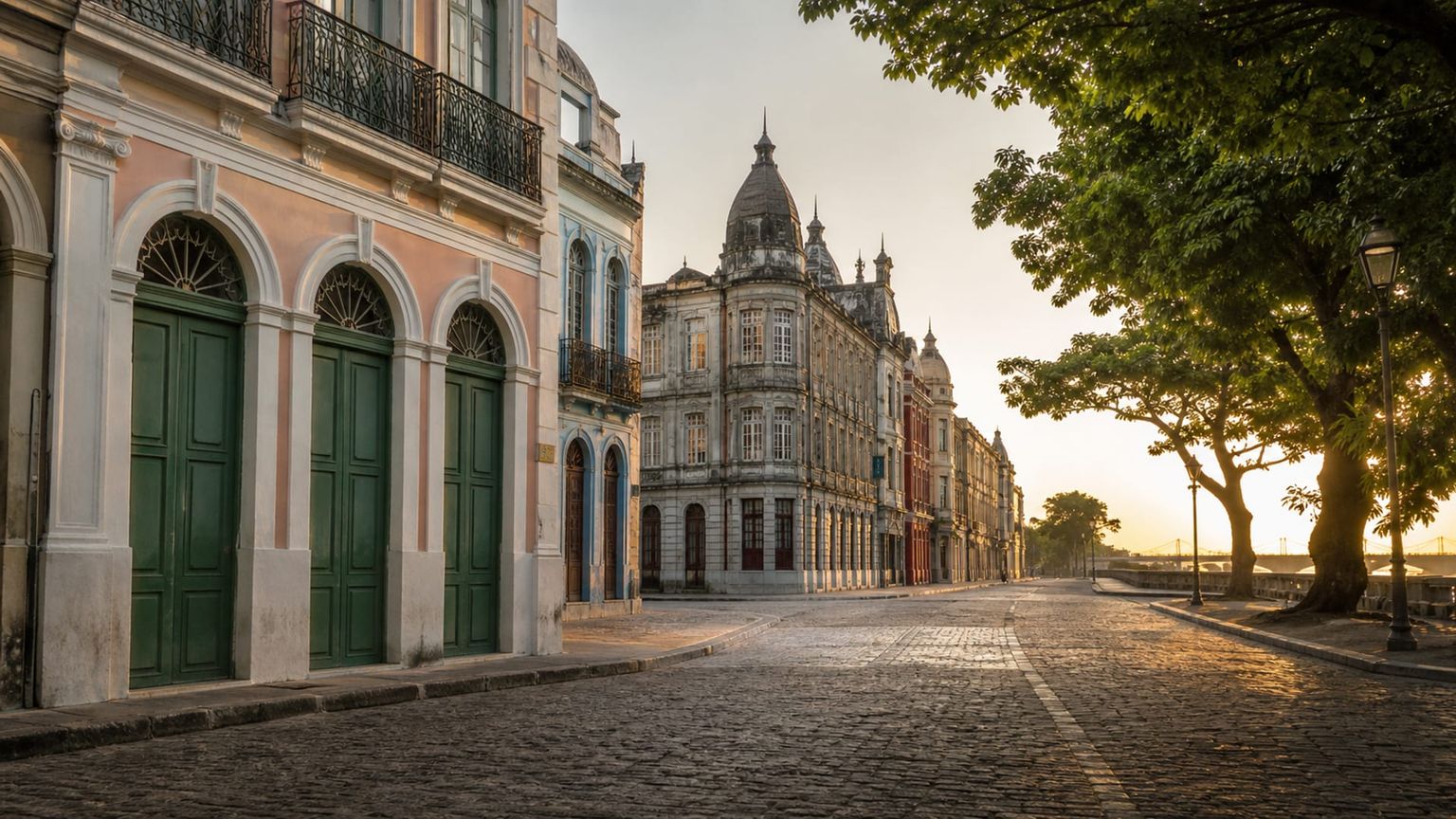
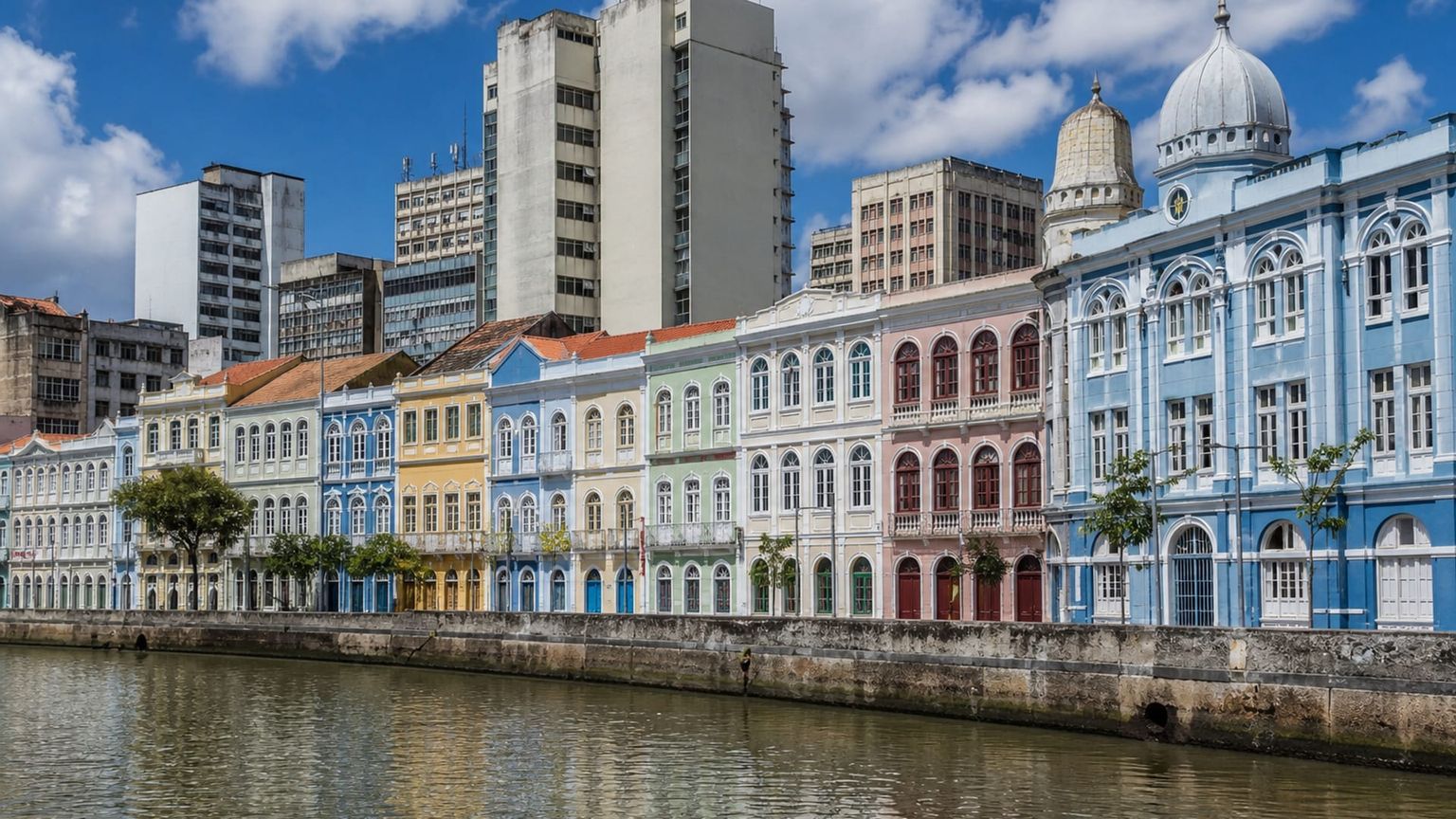
Recife Antigo, officially Bairro do Recife, occupies the historic port district beside the rivers and harbor. Restored warehouses, museums, plazas, cultural venues, and bars surround Marco Zero, giving travelers easy access to many of the city’s principal historic sights.
Best for: Historic sights, museums, nightlife, and evening walks near the waterfront
What to expect: Museums, restored buildings, office activity, plazas, bars, and busier evenings
Hotel prices: Accommodation is more limited than in Boa Viagem. Travelers can expect to pay R$300–R$700 (US$60–US$134) per night.
Distance to major sights: Marco Zero, Rua do Bom Jesus, and several museums are within the district.
Quietness: Some streets are quiet after office hours, while nightlife areas can stay noisy until late.
Main trade-off: The selection of hotels is considerably smaller than in Boa Viagem.
Good to know: Check the exact street before booking because evening activity differs from neighborhood to neighborhood.
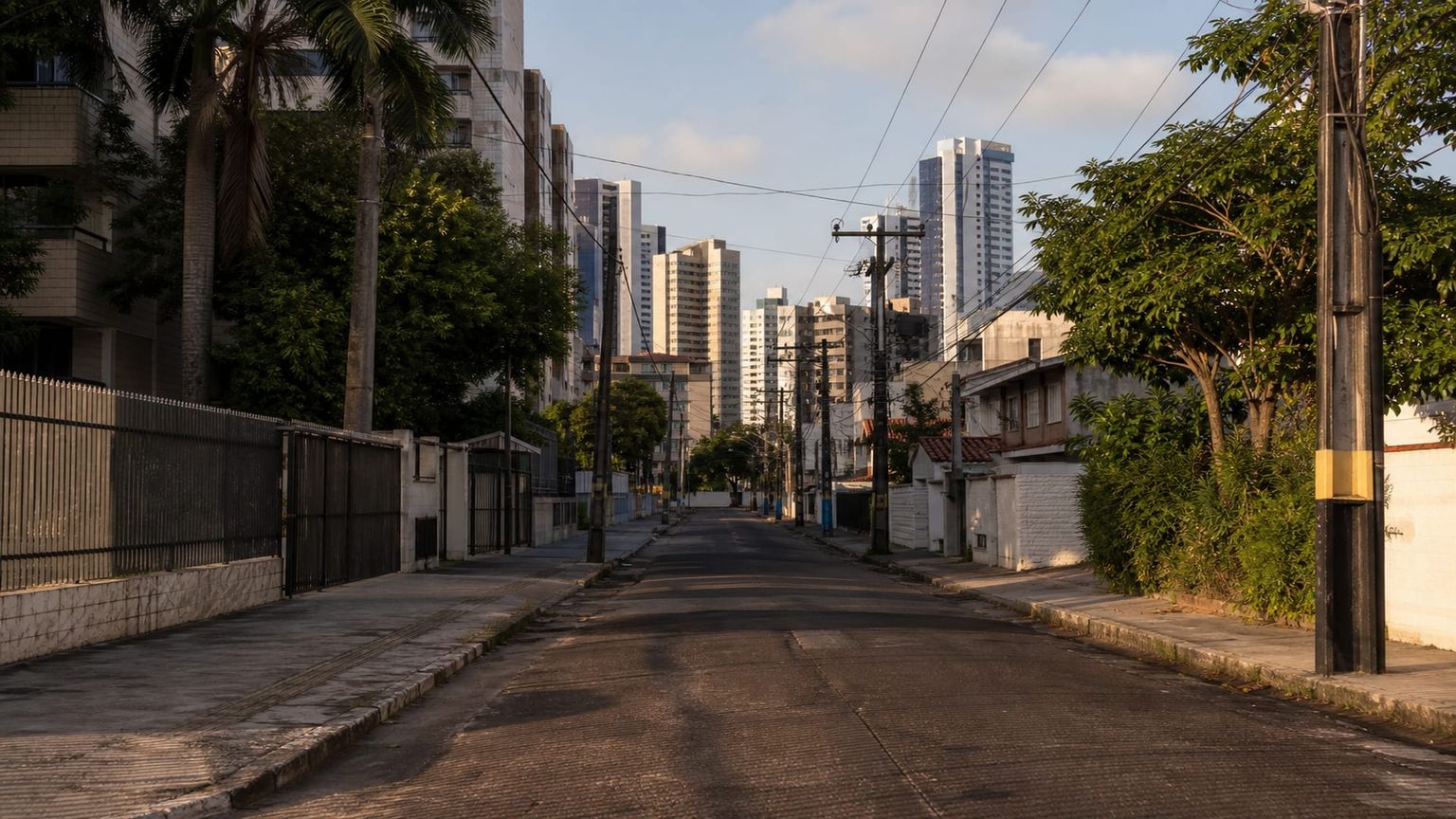
Pina continues the waterfront north of Boa Viagem, with apartment buildings, hotels, restaurants, shopping, and easy access to the southern part of central Recife. It offers a beachside setting while shortening some road journeys toward Recife Antigo and the central districts.
Best for: Beach access, business trips, shopping, and a waterfront stay closer to central Recife
What to expect: Hotels, residential streets, restaurants, shopping, and steady traffic on main roads
Hotel prices: Rates vary from R$280 to R$650 (US$50–US$125), depending on property category, date, and demand.
Distance to major sights: Recife Antigo is generally a shorter drive from Pina than from southern Boa Viagem.
Quietness: Residential streets are calmer, while the seafront and major avenues stay busy.
Main trade-off: Most historic-center sightseeing still requires road transportation.
Good to know: Hotels near the seafront or RioMar keep restaurants and shopping within easy reach.
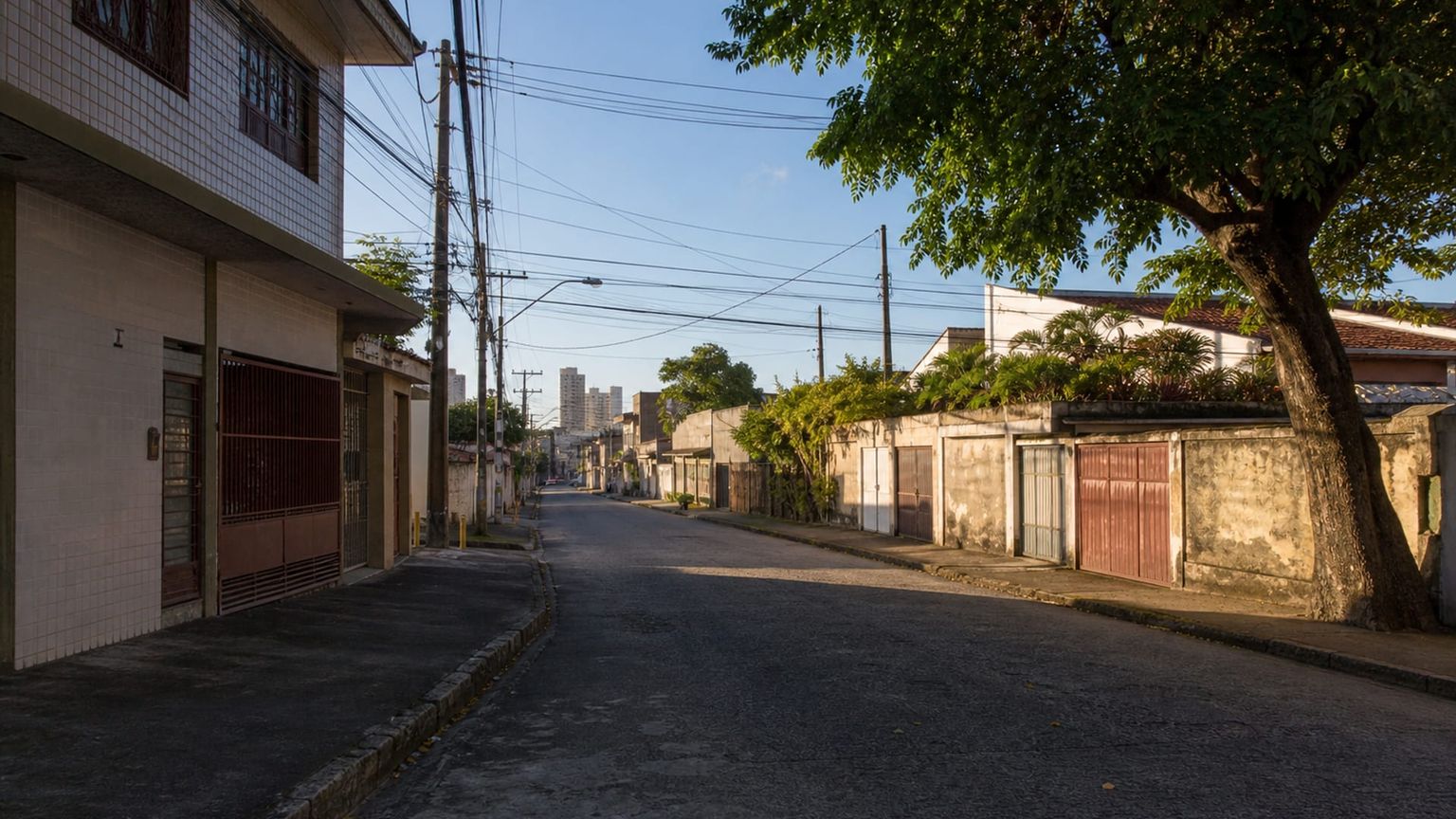
Santo Amaro lies north of Recife Antigo and has residential streets, local businesses, government buildings, and direct access to several major roads. The district has fewer tourist attractions than the beachfront.
Best for: Longer stays, central road access, local neighborhoods, and multi-purpose trips
What to expect: Local shops, offices, buses, residential streets, and heavier weekday traffic
Hotel prices: Accommodation rates vary widely depending on the individual property and travel dates.
Distance to major sights: Recife Antigo is relatively close by car, while Boa Viagem and the airport are farther south.
Quietness: Conditions vary by street, with more noise near main roads and commercial areas.
Main trade-off: The district lacks both direct beach access and Recife Antigo’s historic atmosphere.
Good to know: It is more practical for trips covering several districts than for a beach-focused vacation.
Nova Descoberta, Brejo da Guabiraba, Várzea, Ibura, and Jordão are farther from Boa Viagem and Recife Antigo.
Hotel deals
Getting around Recife
Recife’s metro, buses, taxis, and ride apps cover different parts of the city.

Metro
for low-cost airport and longer journeys
Metrorec links the airport area with parts of central Recife and the southern suburbs. A standard fare costs R$4.25 (US$0.80). Travelers can buy tickets at station ticket counters or automated machines. The metro network does not run directly through Recife Antigo’s principal tourist streets.

Bus
for neighborhoods beyond the metro
City buses cover Boa Viagem, the airport, central Recife, and many districts beyond the rail network. The standard Bilhete Único fare is R$4.50 (US$0.90). Routes can involve several stops, so check a local mapping app before boarding when you are unfamiliar with the city.

Taxi
for luggage, late arrivals, and direct rides
Licensed taxis operate at Recife Airport and elsewhere in the city. Regular taxis use regulated meters, with a starting fare of R$5.10 (US$1) before distance charges. Airport special taxis follow separate official pricing based on the destination. A trip typically costs R$63 (US$12).
*Prices are based on rates updated as of October 2026 and may change at the time of travel.
Use the metro for the cheapest airport-to-city ride, buses for broader coverage, and taxis or ride apps when you need door-to-door trips between Boa Viagem, Recife Antigo, and the museum district.
Iconic places in Recife
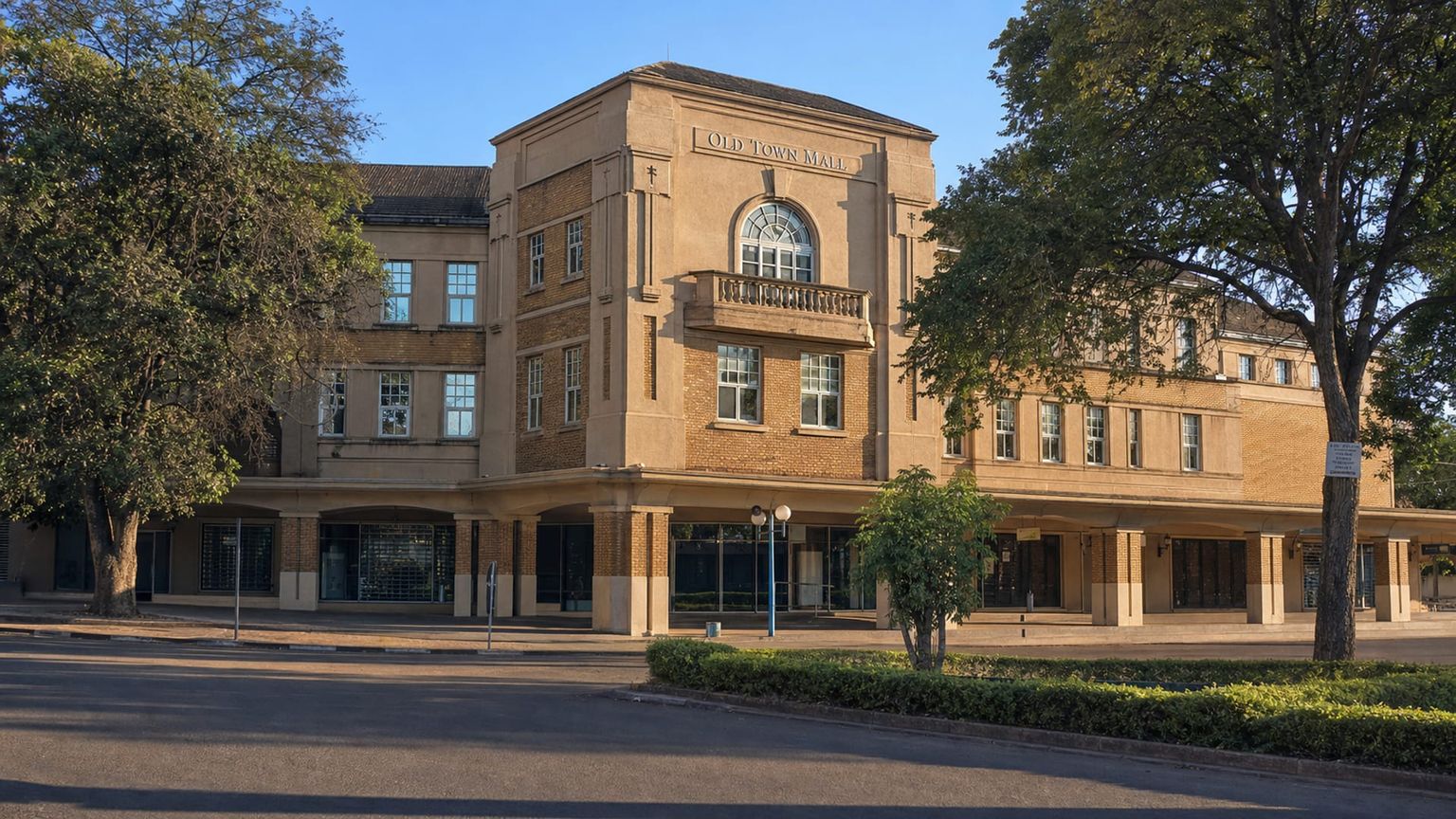
Instituto Ricardo Brennand
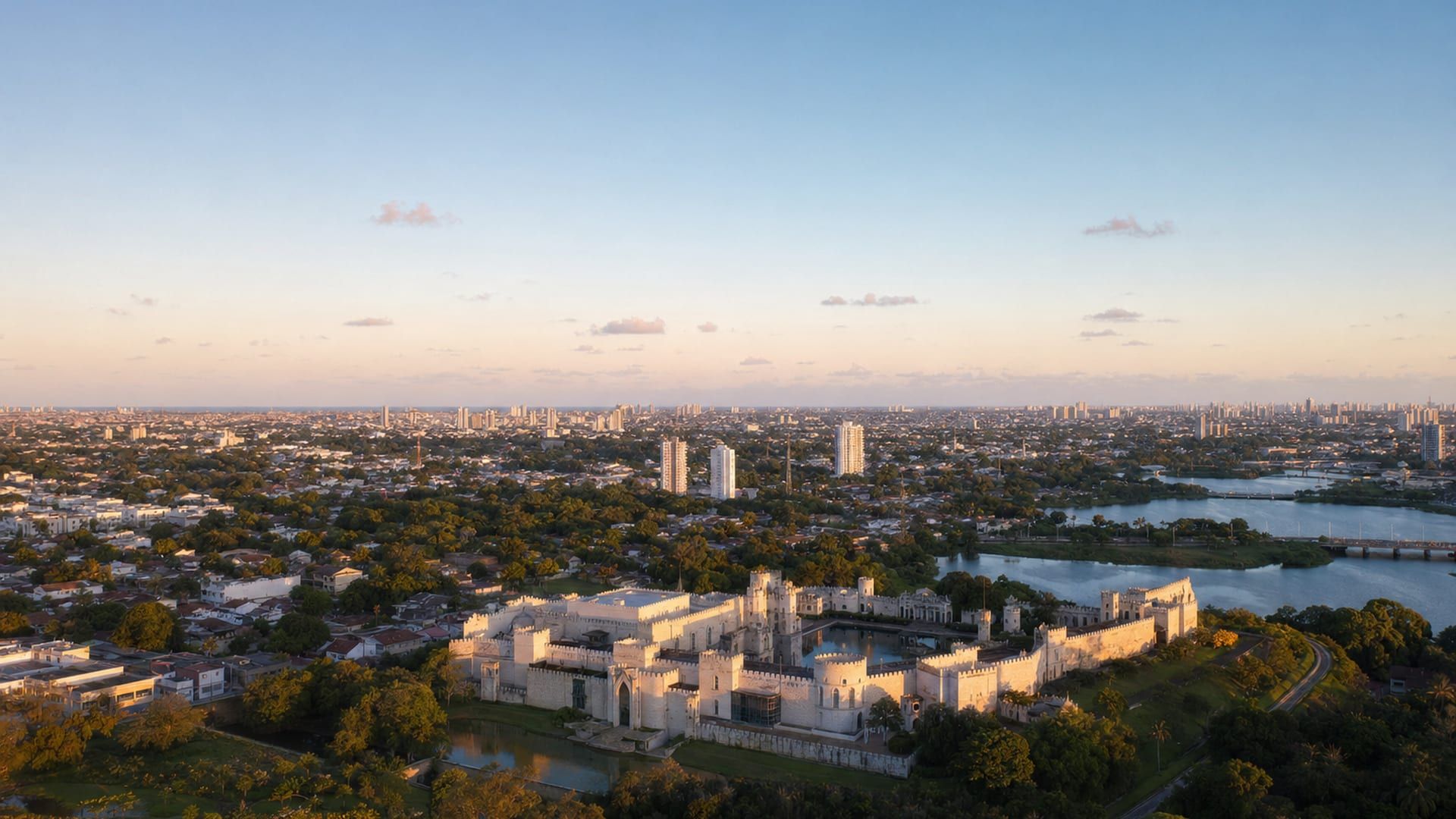
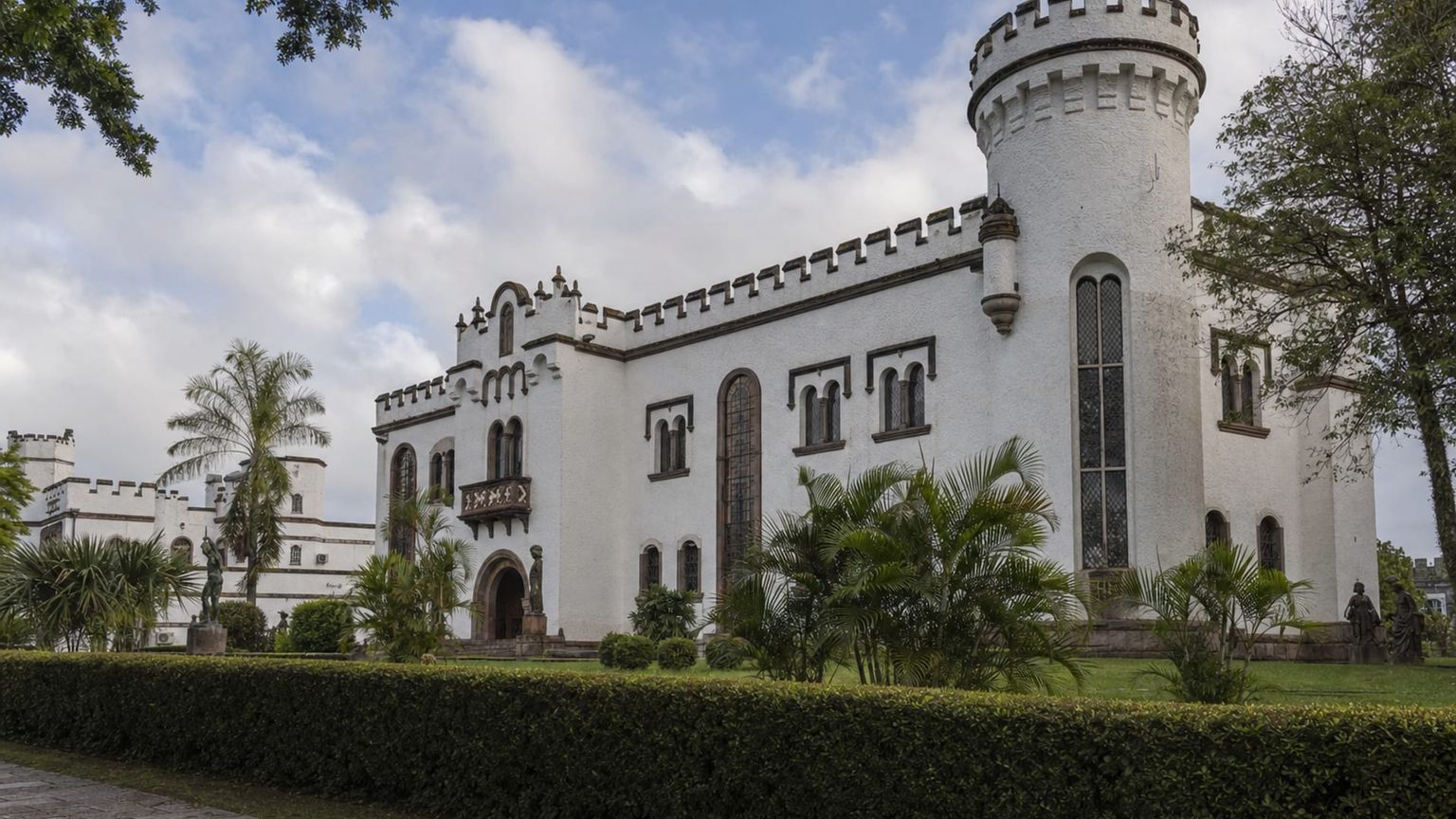
Instituto Ricardo Brennand occupies a castle-like complex in Várzea, surrounded by landscaped grounds and sculpture. Its collections cover arms and armor, decorative arts, paintings, and objects connected with the period of Dutch rule in northeastern Brazil.
Time needed: 2 to 3 hours
Entry: Adult admission costs R$50 (US$10). Visit the official site for details.
Tip: Allow enough time for the gardens instead of limiting the visit to the indoor galleries.
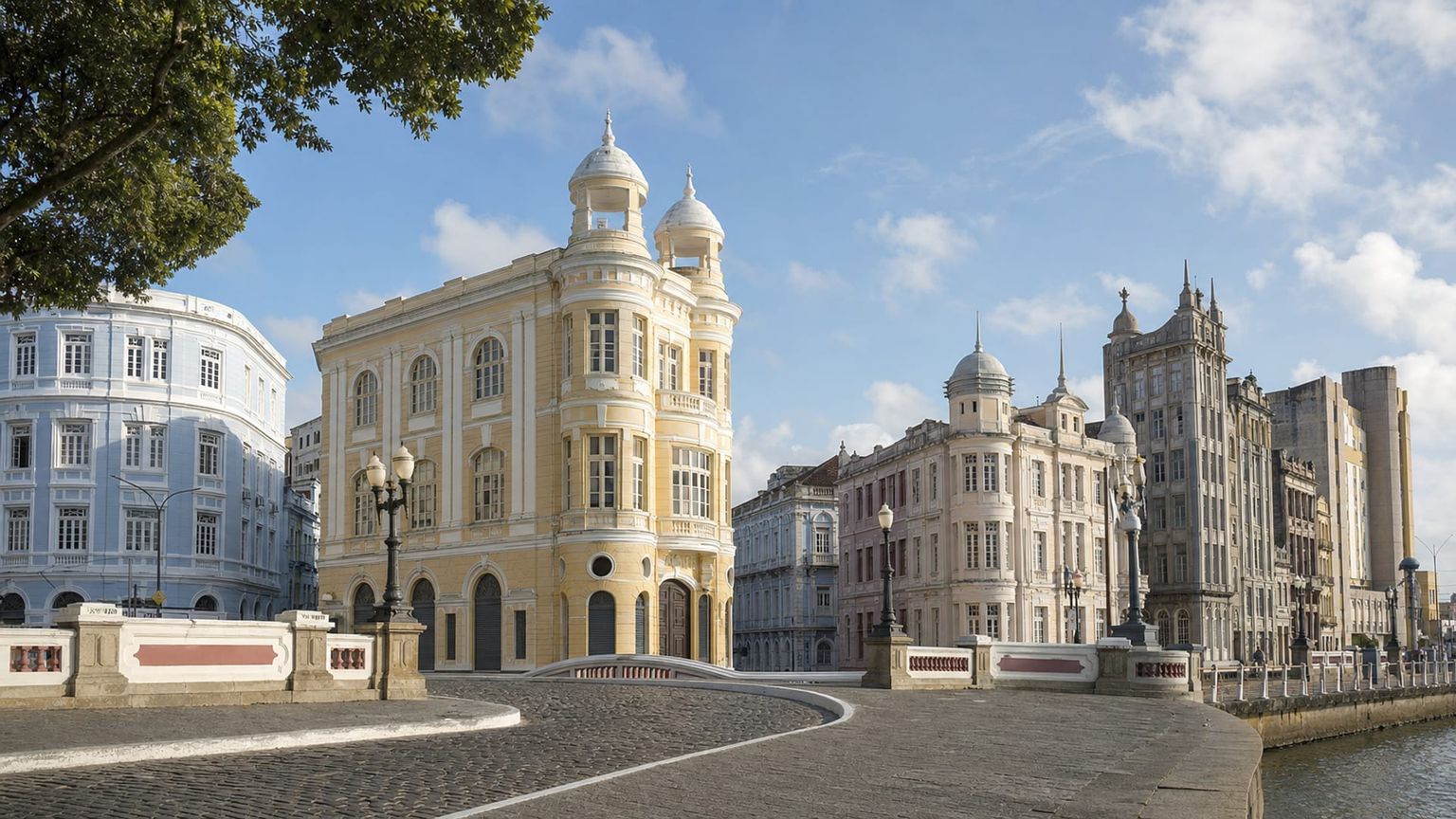
Recife Antigo
Recife Antigo contains many of the city’s defining historic sights in one waterfront district. Marco Zero, Rua do Bom Jesus, restored port buildings, cultural institutions, and broad plazas show how Recife developed between its rivers and Atlantic trade routes.
Time needed: 2 to 4 hours
Entry: Free; individual museums and attractions may charge admission.
Tip: Start at Marco Zero, then continue on foot to Rua do Bom Jesus and nearby museums.
São José Market
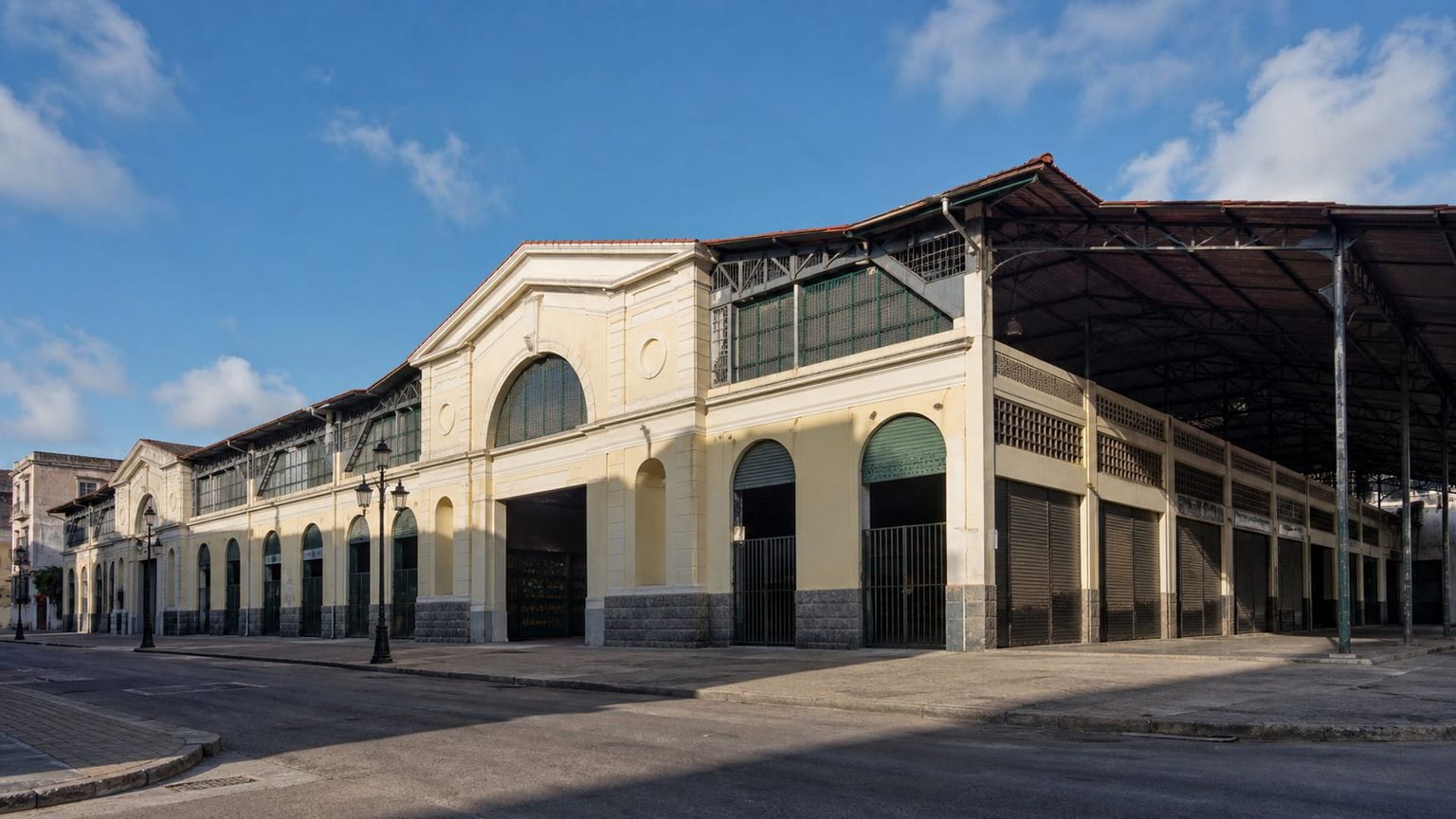
Opened in the 19th century, São José Market is known for its iron structure and stalls selling handicrafts, religious objects, food, spices, fish, meat, and everyday goods. The market offers a closer look at Recife’s older commercial traditions south of the historic core.
Time needed: 1 to 2 hours
Entry: Free
Tip: Visit in the morning, when more stalls are open and food stalls are fullest.
Overlooked places in Recife

Oficina Francisco Brennand
Oficina Francisco Brennand occupies the artist’s former ceramic workshop in Várzea. The complex features sculpture, ceramics, murals, architecture, gardens, and exhibition spaces.
Time needed: About 2 hours
Entry: Admission costs R$50 (US$10). Visit the official site for details.
Tip: Visit on the same day as Instituto Ricardo Brennand since both are in western Recife.

Parque das Esculturas Francisco Brennand
Across the water from Marco Zero, Parque das Esculturas Francisco Brennand displays dozens of works by the Pernambuco artist on a breakwater facing Recife Antigo.
Time needed: About 1 hour
Entry: Free; the small boat from the Marco Zero area costs R$5 (US$1) each way.
Tip: Take the boat from Marco Zero while you are already sightseeing in Recife Antigo.
What to eat in Recife
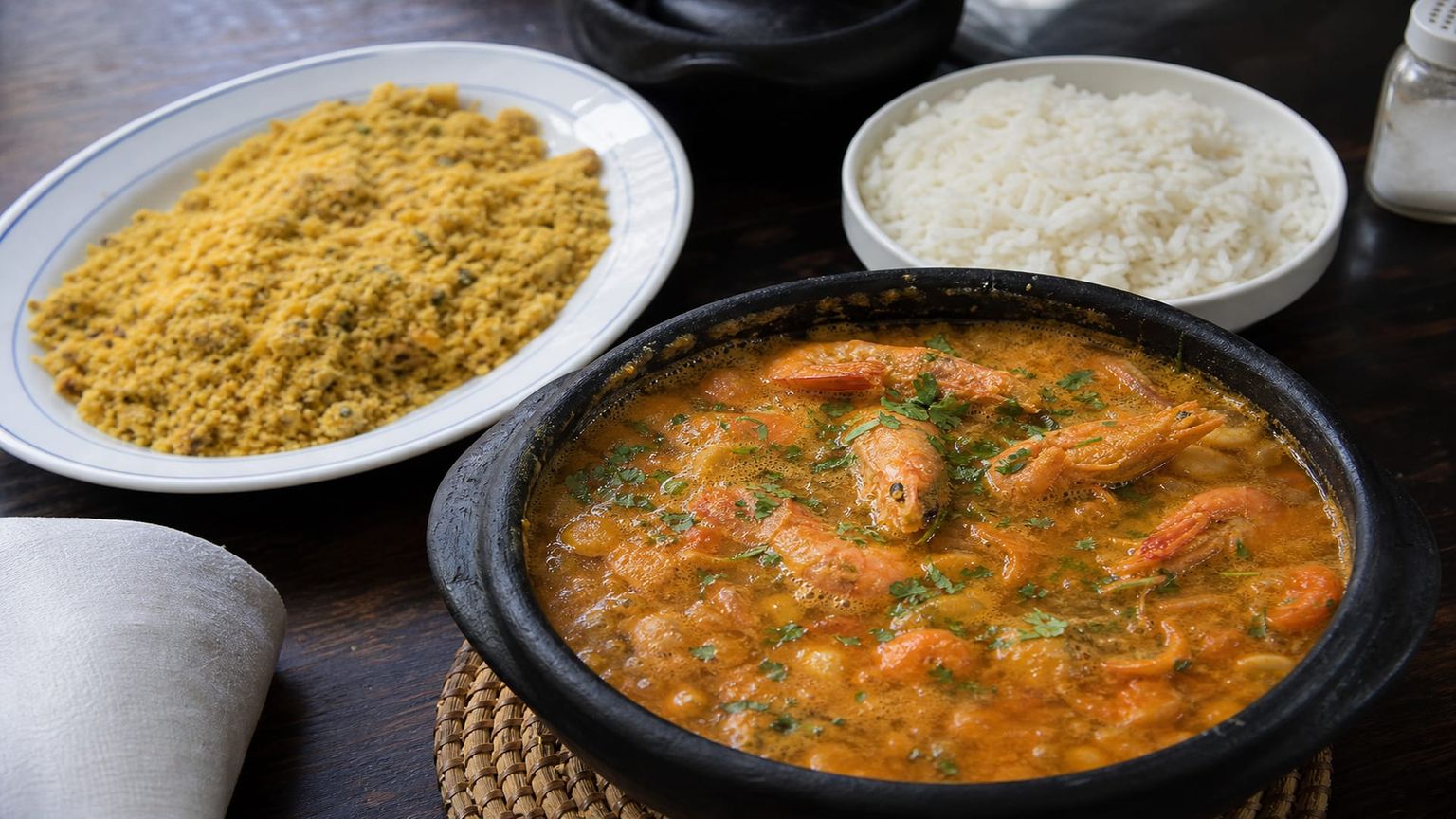
Cassava, seafood, beans, coconut, meat, and tropical fruit are some of the main ingredients used in Recife’s traditional cuisine.
Arrumadinho
Arrumadinho combines beans, dried or seasoned meat, farofa, vinaigrette, and cassava-based accompaniments. It is a filling Pernambuco dish that you can easily find at casual restaurants and regional food spots.
Peixada pernambucana
Peixada pernambucana is a fish dish served with vegetables and accompaniments such as rice, pirão, eggs, or potatoes. Tio Pepe offers it alongside other seafood dishes.
Tapioca
Tapioca is made by heating hydrated cassava starch until it forms a soft, slightly chewy pancake. Sweet and savory fillings can include coconut, cheese, meat, or condensed milk. You can enjoy them at stalls across Boa Viagem and central Recife.
Bolo de rolo
Bolo de rolo is one of Pernambuco’s signature sweets, made from very thin layers of cake spread with guava paste and rolled into a tight spiral. Bakeries and cafés across Recife sell it by the slice or as a whole roll.
Best time to visit Recife
Recife stays warm throughout the year, while rainfall changes much more noticeably between the drier summer months and the wetter middle of the year.
Best for: Beach days, waterfront time, outdoor sightseeing, and travelers seeking sunnier weather
What you get: Hot, humid conditions with generally less rainfall than during the middle of the year.
Trade-offs: New Year, school holidays, and Carnival can increase visitor numbers and hotel prices.
Best for: Beach time combined with museums, historic districts, and cultural sightseeing
What you get: Warm conditions continue, while rainfall becomes increasingly frequent toward May.
Trade-offs: Wetter periods can interrupt beach and outdoor sightseeing plans later in the season.
Best for: Museums, regional food, cultural attractions, and travelers less focused on the beach
What you get: Slightly milder conditions coincide with Recife’s wettest part of the year.
Trade-offs: Frequent rain and overcast periods can affect beaches and longer outdoor visits.
Best for: Combining beach days, historic sightseeing, markets, and waterfront evenings
What you get: Rain generally decreases as temperatures and sunshine increase toward summer.
Trade-offs: Heat and humidity become more noticeable as November approaches.
A 5-day plan in Recife
Five days let you see Recife’s beach districts, historic waterfront, central market streets, and western museums without turning every day into a long road journey. The schedule also keeps the final morning close to the airport.
Land at Recife Airport (REC) and take a taxi or rideshare car to Boa Viagem or Pina, both convenient choices after a flight because they are relatively close to the airport. Check in, rest, and keep the first afternoon or evening near the waterfront. Have dinner in the same district and use the time for a short look at the seafront instead of crossing the city immediately. If you arrive late, leave the beach for Day 5 and focus only on dinner and settling in.
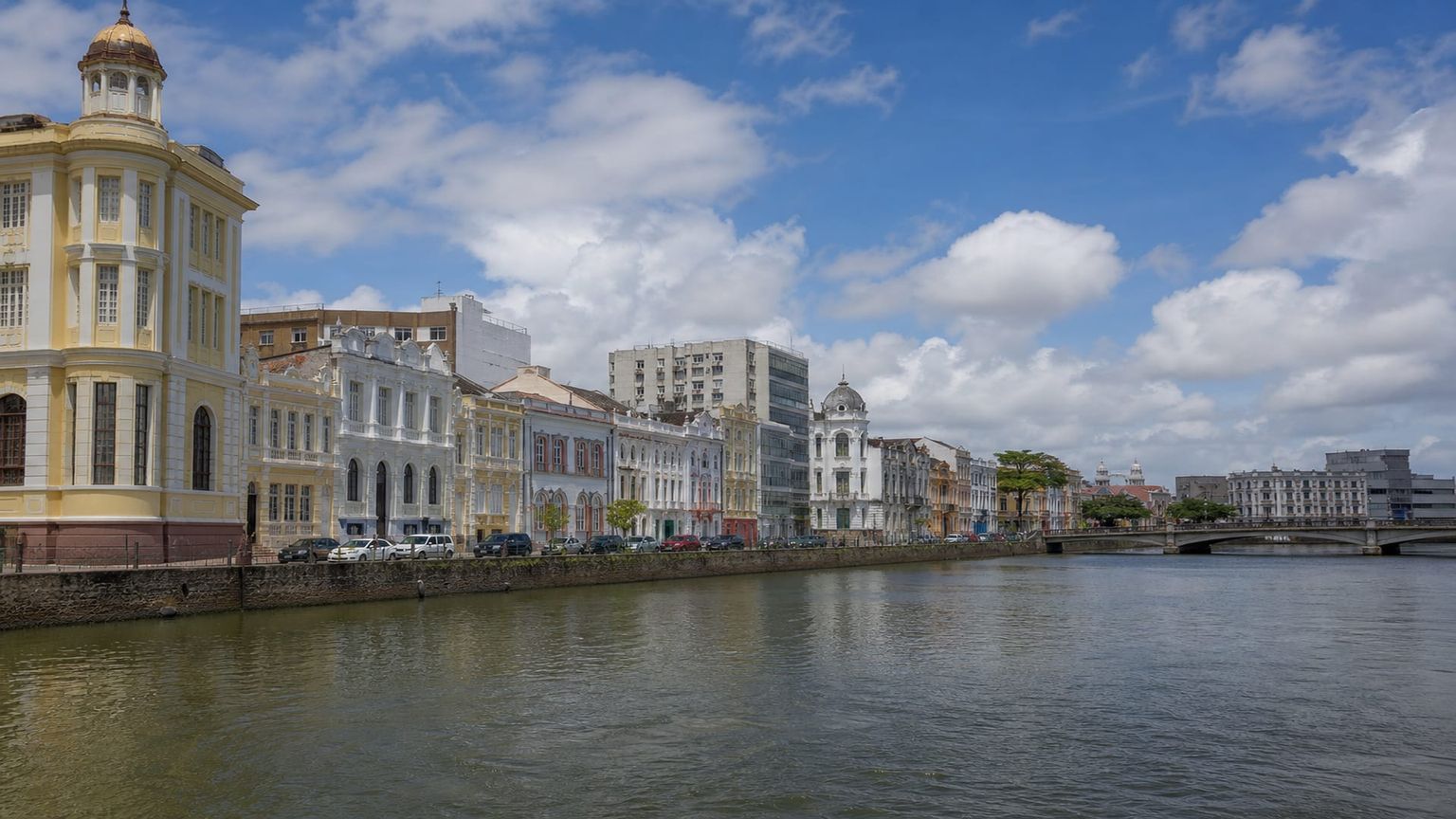
Start at Marco Zero in the morning, then continue to Rua do Bom Jesus and the nearby historic streets before the strongest afternoon heat. From the waterfront, take the small boat to Parque das Esculturas Francisco Brennand and allow about an hour for the sculptures and views back toward Recife Antigo. Return by boat, then choose Cais do Sertão, Paço do Frevo, or another nearby cultural stop before dinner. Stay in Recife Antigo into the evening, when the waterfront becomes livelier.
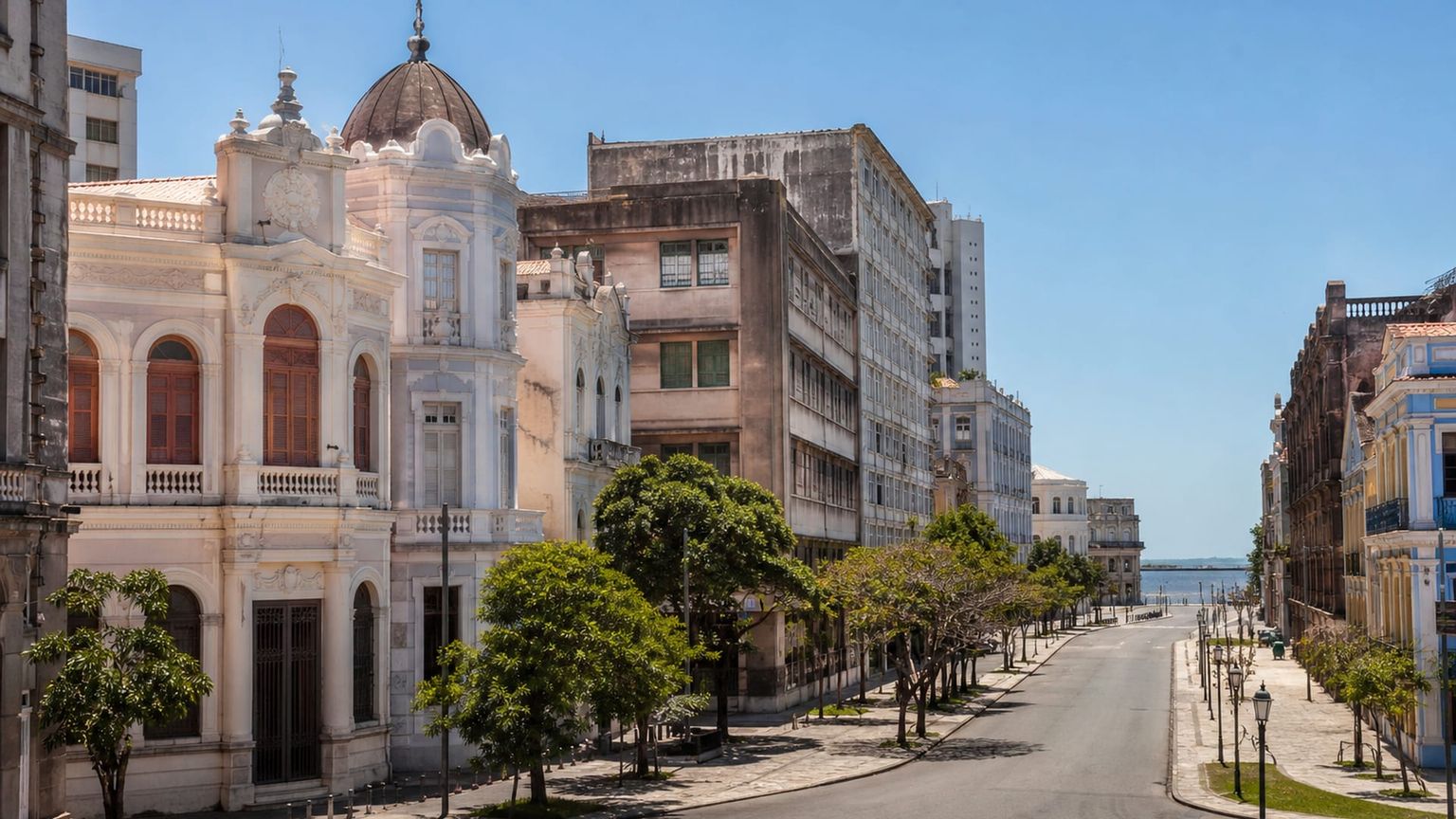
Begin at São José Market while the food and handicraft stalls are active, and allow 1–2 hours to look through the market before continuing through the central districts. From there, choose historic stops such as Praça da República, Teatro de Santa Isabel, or Capela Dourada instead of repeating the previous day’s Recife Antigo route. Have lunch in central Recife, then keep the afternoon flexible for another church, square, or museum. Check the market’s renovation status before setting out.
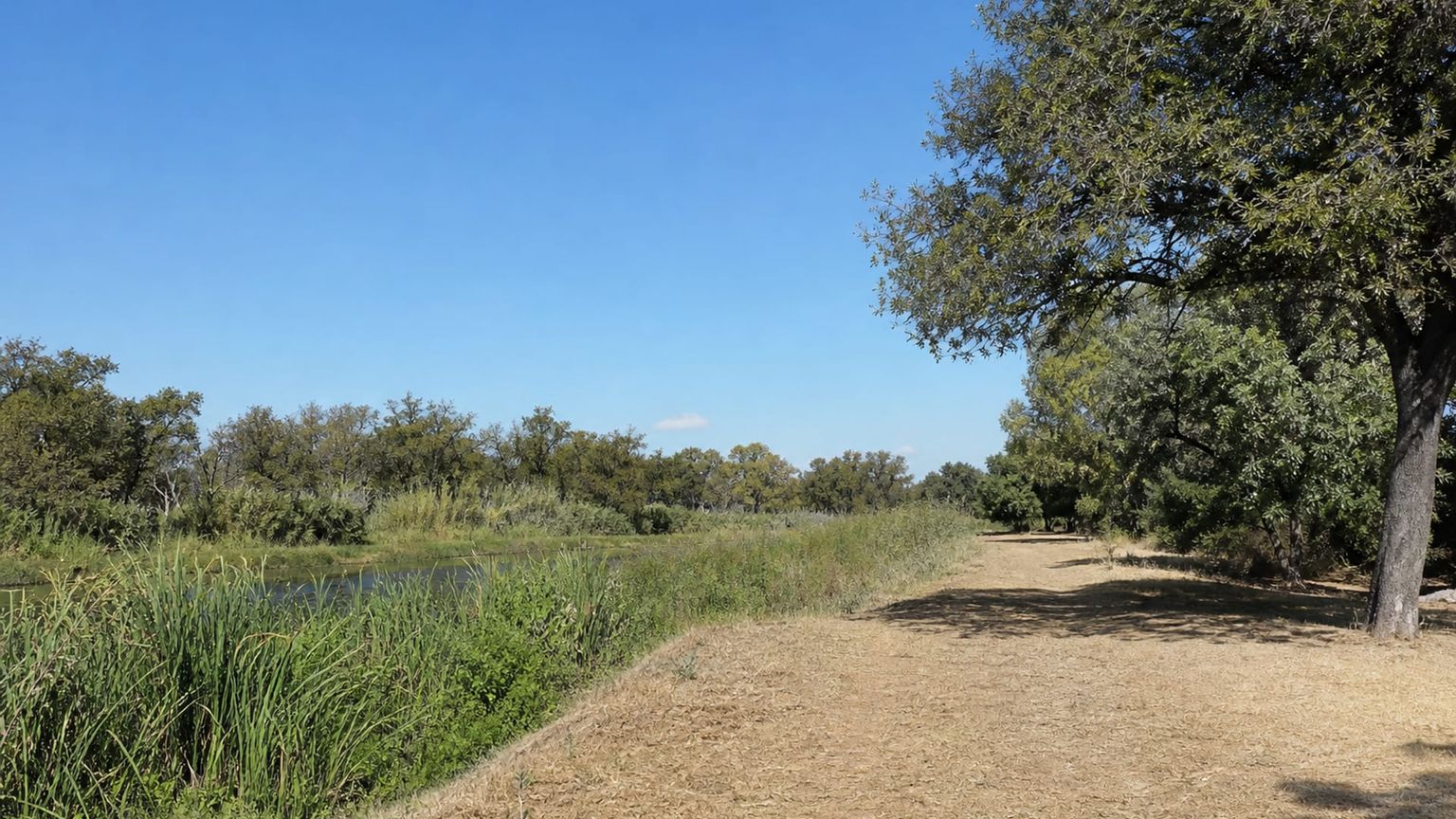
Set aside the day for western Recife so you do not have to cross the city several times. Begin at Instituto Ricardo Brennand and spend 2–3 hours exploring its galleries, arms and armor collection, decorative arts, and landscaped grounds. After lunch, continue to Oficina Francisco Brennand, where ceramics, sculpture, architecture, and gardens fill the artist’s former workshop. Return to Boa Viagem or Pina in the late afternoon and have dinner close to your hotel after the longest sightseeing day.
Use the final morning for Boa Viagem, especially if you stay close to the beach and have an afternoon or evening flight. Stop for breakfast or tapioca, spend some time along the waterfront, or finish any shopping nearby instead of adding another distant cultural attraction. Pina is another easy option if your hotel is farther north. Return for your luggage, then take a taxi or ride app to Recife Airport, leaving additional time for traffic, check-in, and security before departure.
Business-class flights from the US to Recife
There are no regular nonstop flights from New York (JFK) or Los Angeles (LAX) to Recife (REC), so both routes require at least one layover.
New York (JFK) to Recife (REC)
Avianca, LATAM, Delta Air Lines, COPA Airlines, and Azul are some of the airlines that operate flights from John F. Kennedy International Airport (JFK) to Recife (REC). These flights have layovers in hubs such as São Paulo (GRU), Miami (MIA), or Lisbon (LIS) and take 15–22 hours. Business-class fares on this route typically vary from $3,600 to $5,200.
Los Angeles (LAX) to Recife (REC)
Travelers departing from Los Angeles International Airport (LAX) can opt for flights to Recife (REC) with LATAM, American Airlines, United Airlines, Azul, and Delta Air Lines. Common layover cities include São Paulo (GRU), Panama City (PTY), or Miami (MIA). Total travel times range from 20 to 30 hours. Travelers can expect to pay between $5,100 and $7,300 for a business-class ticket on this route.
Experience Recife from the Atlantic to its historic center
Recife changes character from one district to the next. Boa Viagem follows the Atlantic with high-rise hotels and busy beach streets, Recife Antigo brings museums and colorful historic buildings to the riverfront, São José keeps older market traditions alive, and Várzea introduces the distinctive worlds created by Ricardo and Francisco Brennand. If you are planning a visit to Recife, our AranGrant experts can help you book business-class flights and hotels that suit your dates and budget.







