

Chapters:

Need help with your trip?
Our support team is available 24/7. Request a callback or call us directly at (833) 619-0908
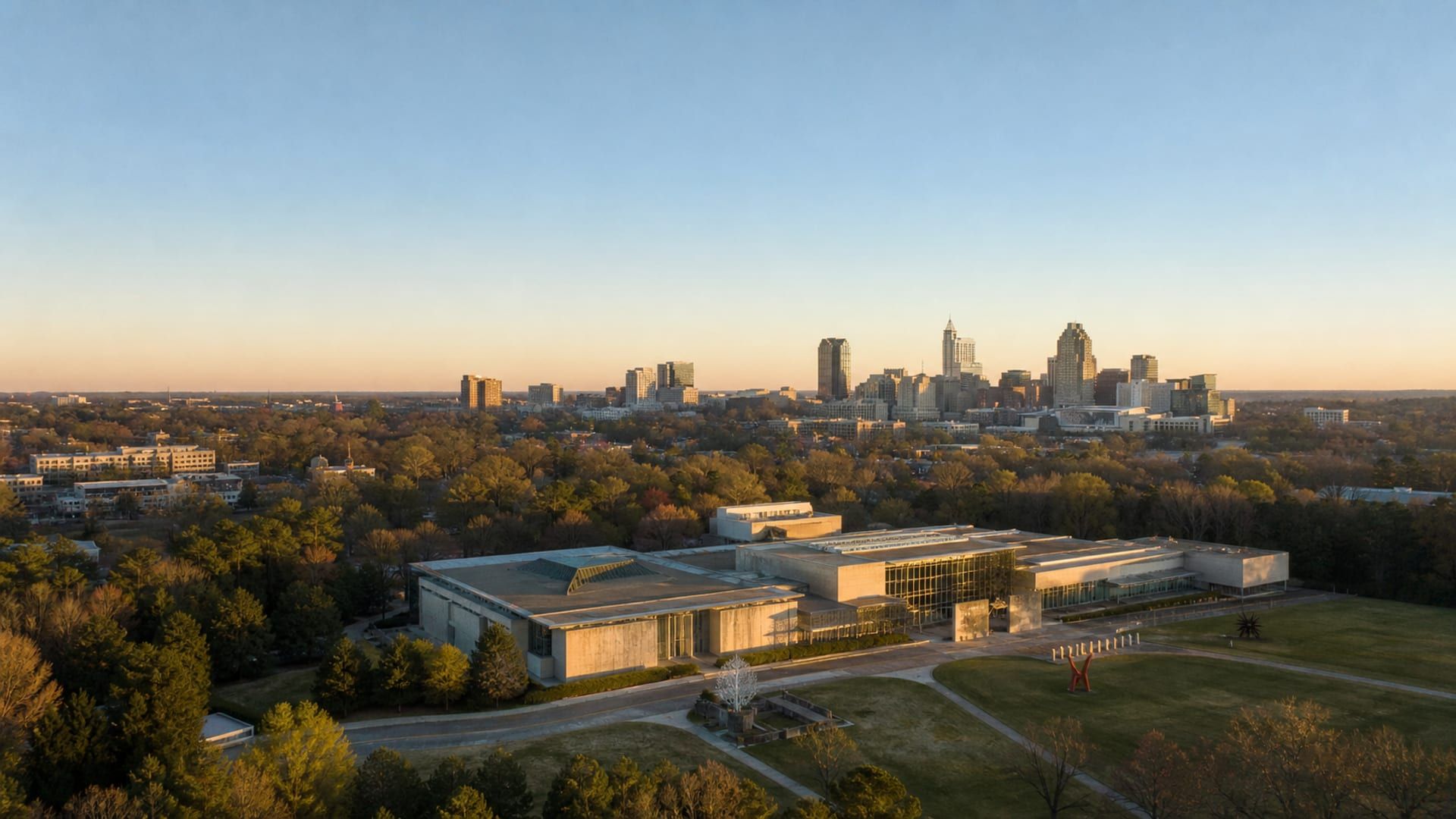
Raleigh trips often start with downtown museums, a dinner reservation, and little else, which leaves the city’s park system, arboretum, and neighborhood edges underused.
That habit works poorly once you factor in car trips between districts, event-night traffic, and the way many attractions close before a late start can recover the day.
This guide lays out Raleigh in a cleaner sequence, with neighborhoods, transit, food, and flights arranged so each day has a clear purpose.
Useful things to know

Main language(s): English

Currency: The local currency is the US dollar (USD, $).

Cash and cards: Cards and contactless are widely accepted; keep about $20 to $40 cash for tips, small vendors, or parking.

Tipping: Tip 15-20% at sit-down restaurants; round up for taxis and keep cash for small bills.

Traditional food: Eastern North Carolina barbecue, pulled pork barbecue sandwich, fried catfish, chicken and waffles

Water and coffee costs: Water about $2 ($2), bar espresso about $4 ($4.50).

Taxis and ride apps: Uber and Lyft operate here; pickups can be slower at peak airport times.

Plug and voltage: Type A/B socket, 120V

Dining and shop opening hours: Breakfast is usually 07:00-09:30, lunch 12:00-14:00, and dinner 18:00-21:00. Many spots close between lunch and dinner, especially outside downtown.

Emergency number: Dial 911 for police, fire, or medical emergencies.
Where to stay in Raleigh
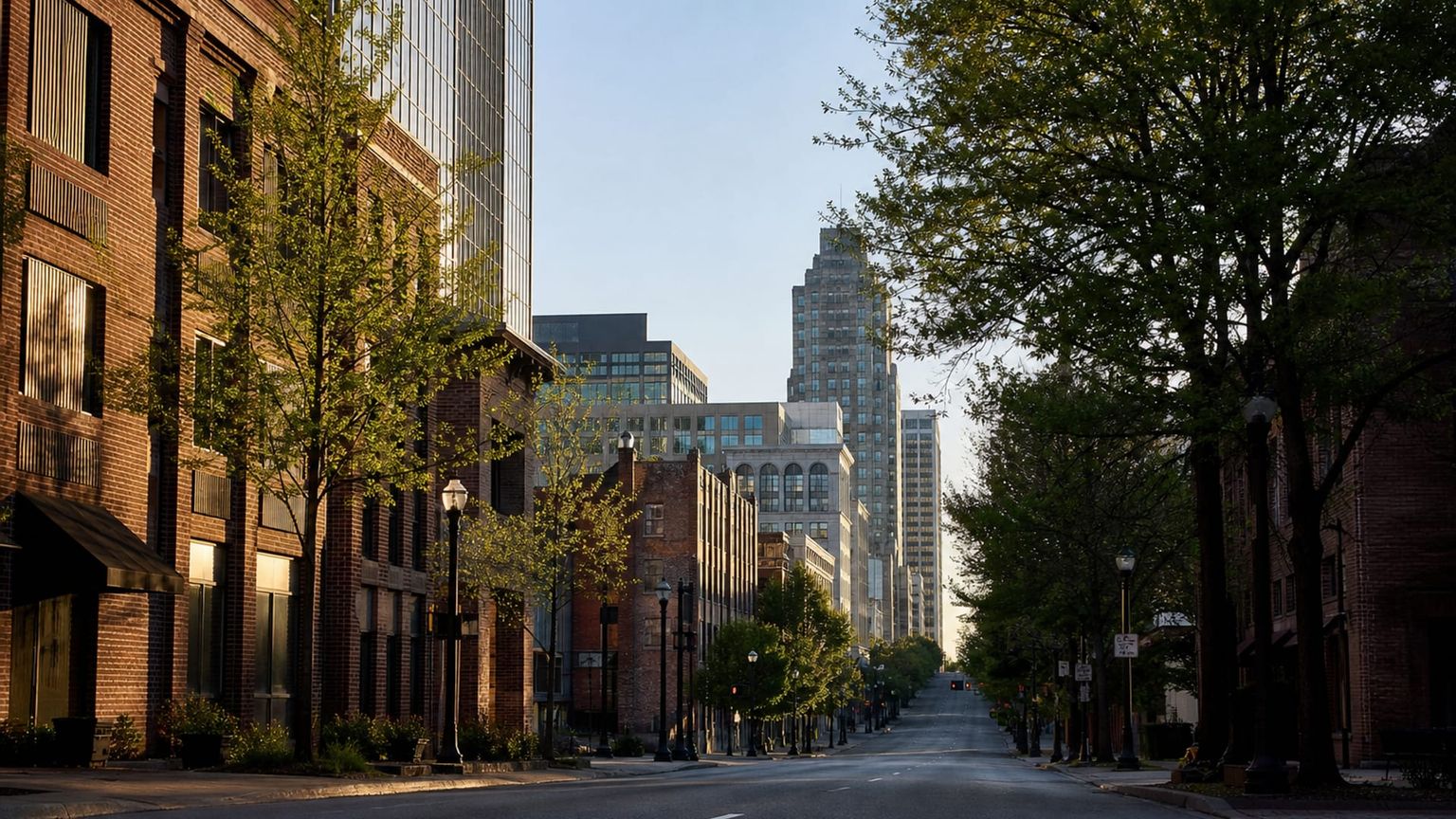
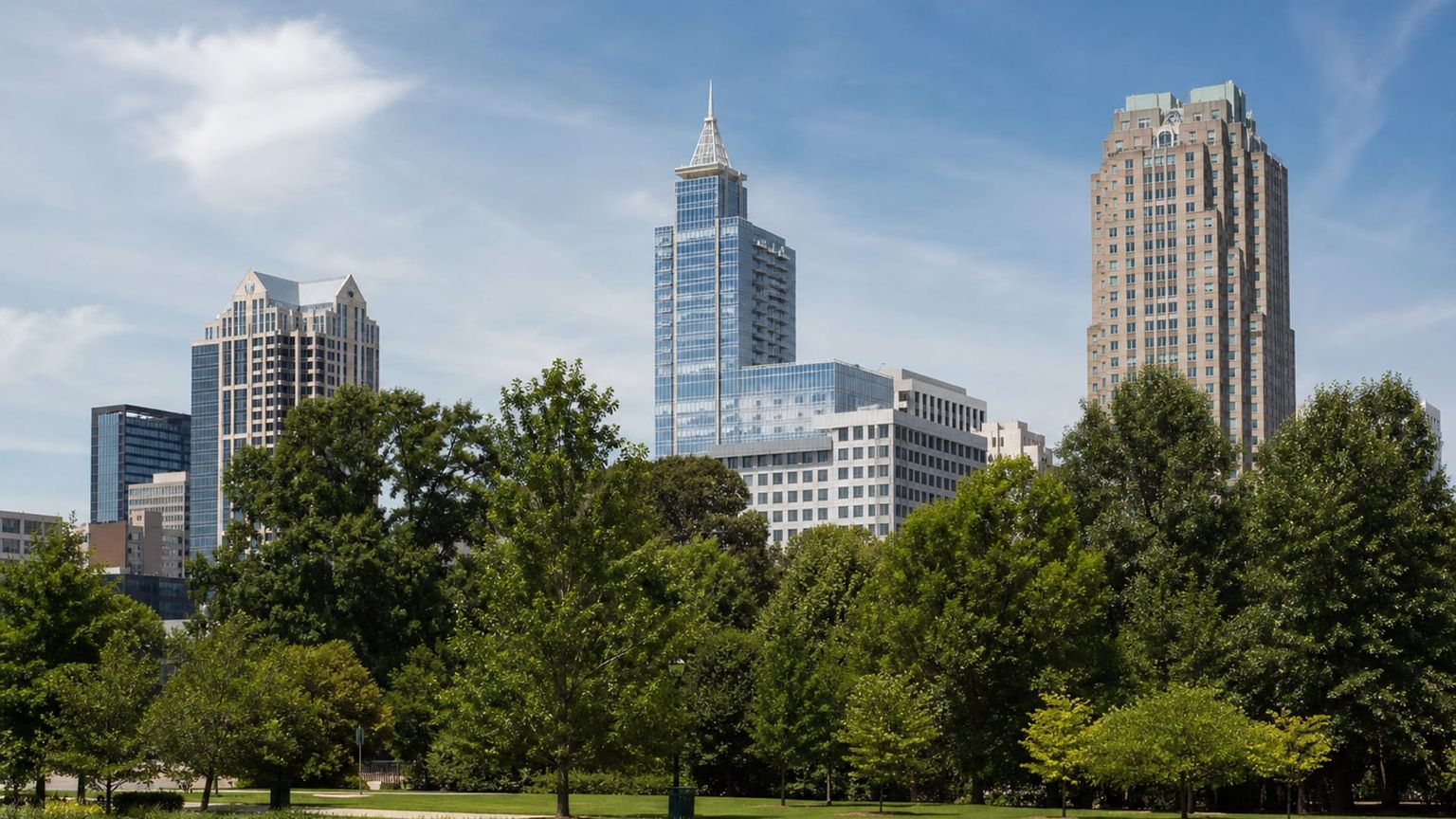
Raleigh’s central business district, museums, theaters, and dining cluster around Fayetteville Street, Moore Square, and the Capitol. Staying here puts you closest to major sights, government buildings, and the city’s best-known nightlife.
Best for: First-time visits, car-free stays, and easy access to museums, restaurants, and nightlife
What to expect: Sidewalk traffic stays active through the workday, then the bars, venues, and restaurants keep the streets busy into the evening.
Hotel prices: Usually about $180 to $320 per night for well-rated stays
Distance to major sights: 5 to 15 minutes on foot to the State Capitol and North Carolina Museum of Natural Sciences
Quietness: Lively during the day and evening, with the most noise near restaurant and bar corridors after dark.
Main trade-off: Hotel rates run higher here, and late-evening noise can affect light sleepers.
Good to know: If you plan to use rideshares less, this is the easiest area for short walks between dinner, museums, and the Capitol.
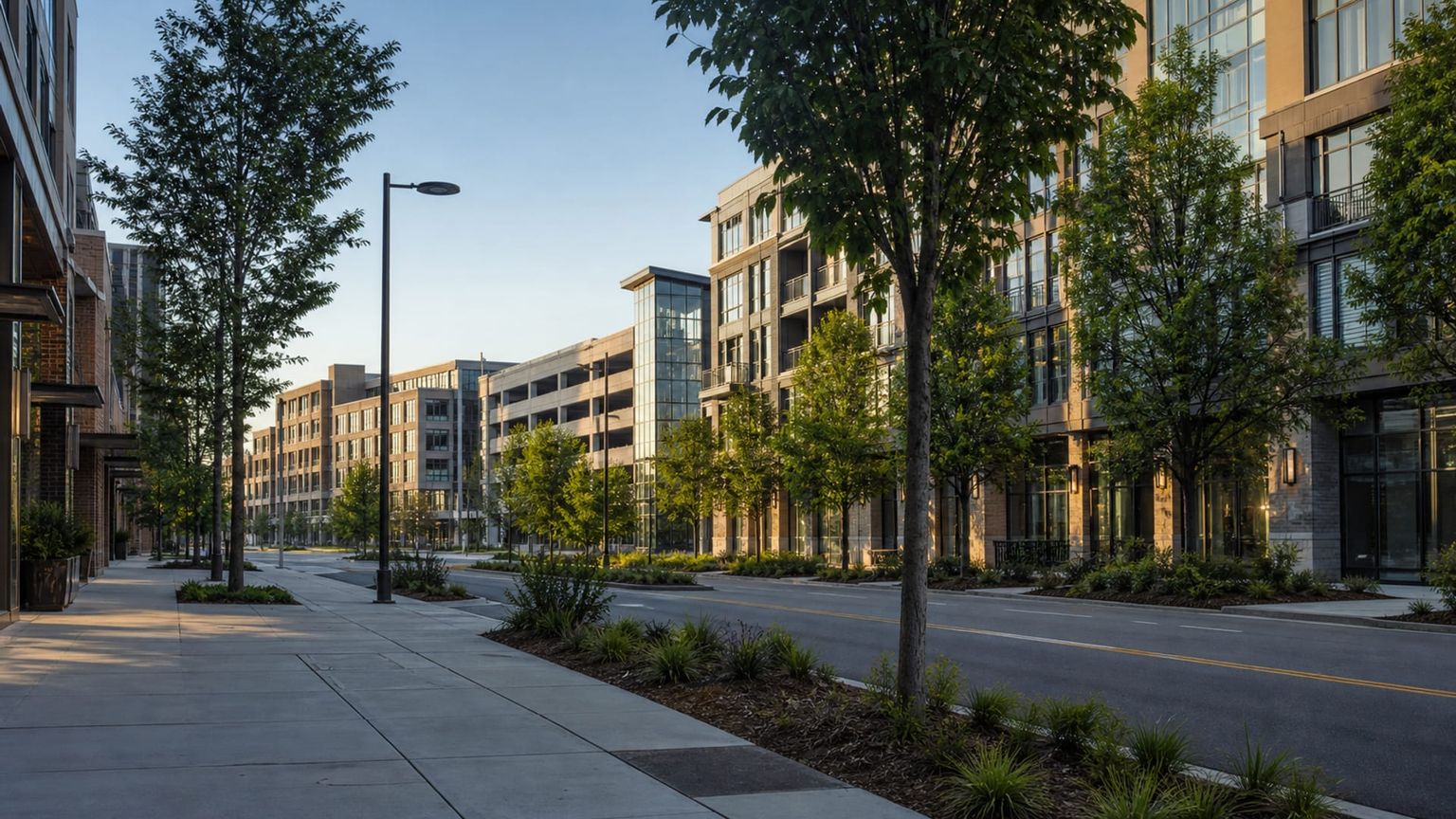
North Hills is Raleigh’s mixed-use district for shopping, dining, apartments, and newer hotels. It suits travelers who want a modern base with easy restaurant choices and quick access to the rest of north Raleigh.
Best for: Business trips, shopping, and travelers who want newer hotels with on-site dining
What to expect: The area has steady retail traffic, weekend shoppers, and a busy restaurant scene, but it feels more suburban than downtown.
Hotel prices: Usually about $160 to $280 per night for well-rated stays
Distance to major sights: About 15 to 20 minutes by car to downtown Raleigh and the North Carolina Museum of Art
Quietness: Moderate by day, then quieter at night once stores close, except near the main dining blocks.
Main trade-off: You will need a car or rideshare for most central attractions, and the walkable area is limited to a few blocks.
Good to know: Parking is easier here than downtown, but you should budget extra time for trips into the city center.
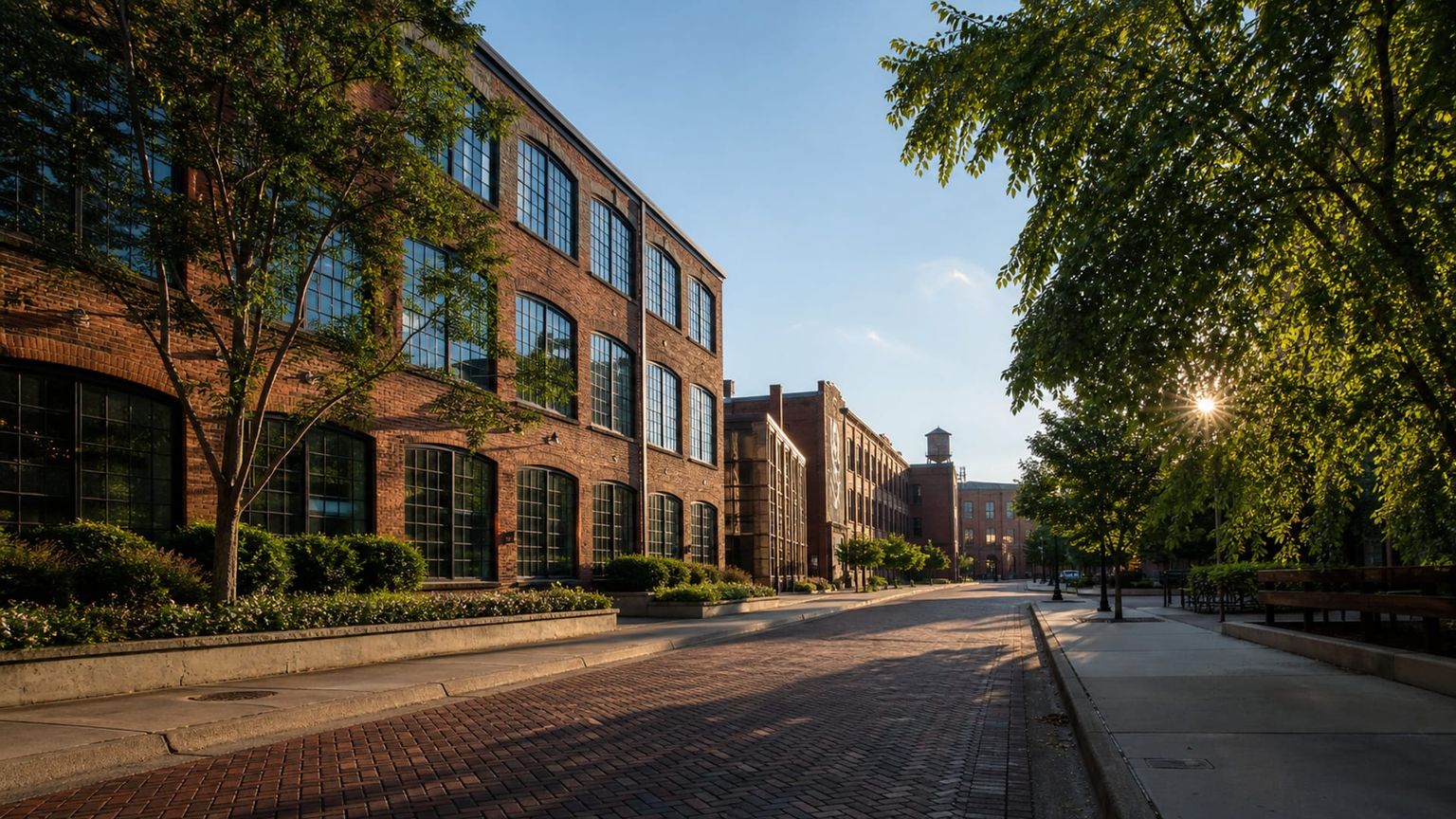
The Warehouse District sits just west of downtown and pairs restored industrial buildings with galleries, lofts, breweries, and some of Raleigh’s best dining. It gives you a walkable base with quick access to downtown without staying in the busiest core.
Best for: Dining-focused stays, couples, and travelers who want a walkable area near downtown
What to expect: Expect active sidewalks, brewery patios, and a younger crowd in the evenings, with daytime activity tied to offices and cultural venues.
Hotel prices: Usually about $170 to $300 per night for well-rated stays
Distance to major sights: About 10 minutes on foot to Fayetteville Street and 15 minutes on foot to the State Capitol
Quietness: Busy in the evening near bars and restaurants, then calmer late at night on side streets.
Main trade-off: Inventory is limited, so the best hotels book early and prices can jump on event weekends.
Good to know: If you want to walk to dinner and still reach downtown attractions without a car, this is one of the easiest picks.
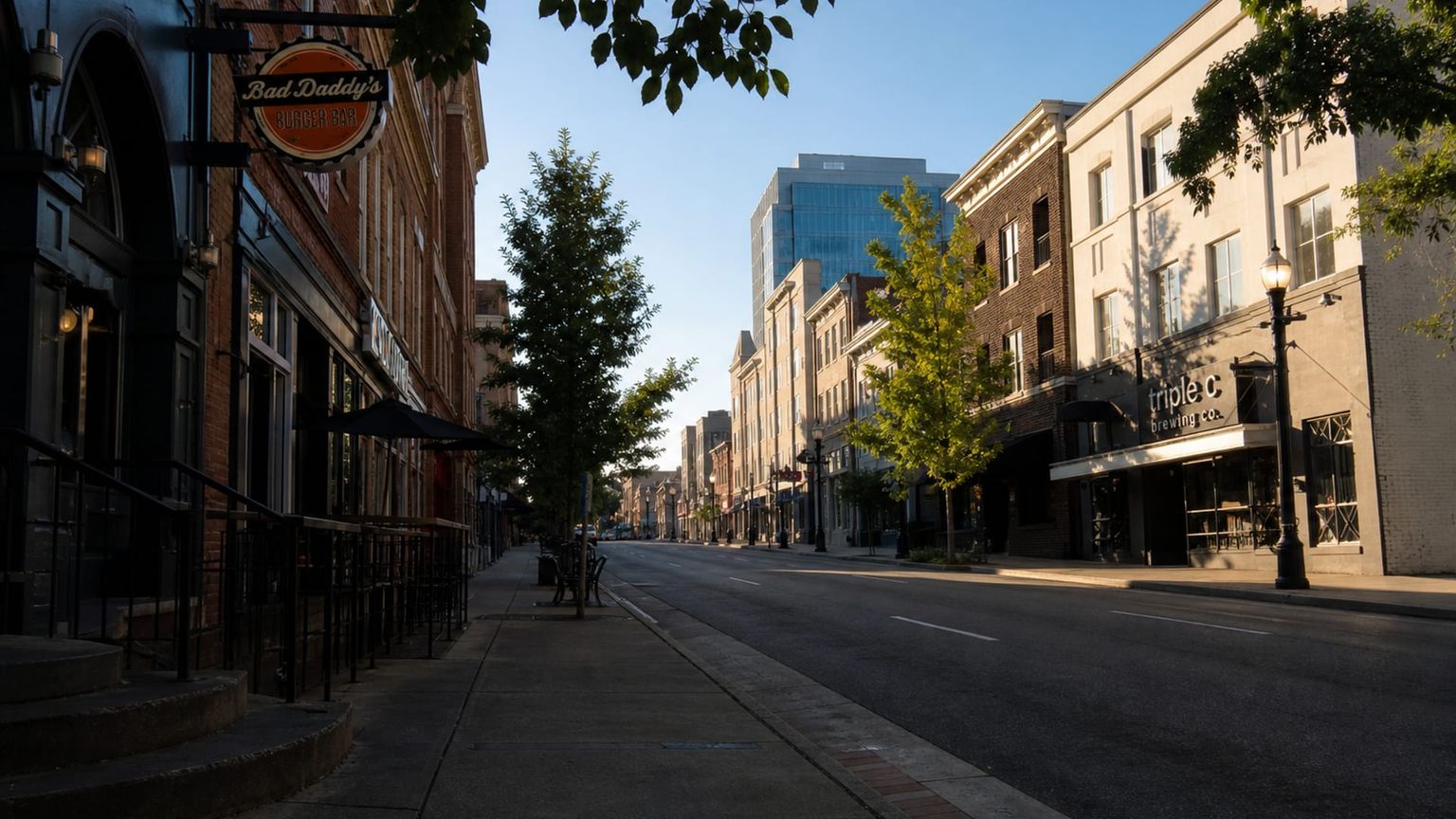
Glenwood South is Raleigh’s nightlife corridor, lined with restaurants, bars, apartments, and hotels on the edge of downtown. It works well if you want late dinners and an easy walk back after an evening out.
Best for: Nightlife, late dinners, and travelers who want to walk back from bars and restaurants
What to expect: The streets stay active well into the night, especially on weekends, with traffic, patios, and bar crowds concentrated along Glenwood Avenue.
Hotel prices: Usually about $170 to $310 per night for well-rated stays
Distance to major sights: About 10 to 20 minutes on foot to downtown Raleigh and the Capitol area
Quietness: Noisy and crowded at night, then noticeably calmer on weekday mornings.
Main trade-off: The same energy that makes it convenient for evenings also brings more noise and less sleep-friendly surroundings.
Good to know: Choose this area only if nightlife matters to your trip, because quiet hours are limited on the main strip.
Travelers usually avoid staying in Knightdale, Wendell, and Zebulon, since they sit well east of central Raleigh and add a long drive to downtown museums, restaurants, and the North Hills area. Parts of southeast Raleigh and the airport corridor near Raleigh-Durham International Airport are also less convenient for visitors who want easy evening access to the city center, since they are geared more toward airport access and local errands than walkable sightseeing.
Hotel deals
How to get around Raleigh efficiently
Raleigh has no subway, so most visitors move by bus, rideshare, taxi, or short walks once they choose a base near downtown.

Metro
for longer distances
Raleigh has no subway or metro network, so visitors rely on buses, rideshares, and taxis for point-to-point trips; there is no rail alternative in the city core.

Bus and tram
for convenience
GoRaleigh runs most local bus lines, with fares of $2 ($2) for a single ride and $4 ($4) for a day pass, both valid for unlimited rides during the stated period; routes center on downtown Raleigh, NC State, and key corridors such as New Bern Avenue and Capital Boulevard, but service is limited at night and on Sundays.

Taxi
for convenience or late hours
Licensed taxis at Raleigh-Durham International Airport, Raleigh (RDU), use metered fares rather than flat airport rates, and a trip into downtown Raleigh typically costs about $35 to $45 before tip, depending on traffic and route; you can queue at designated taxi stands, and most cabs take cards as well as cash.
*Prices are based on rates updated as of June 2026 and may change at the time of travel.
Use GoRaleigh for budget daytime hops, rideshares for cross-town museum days and airport transfers, and walking when your hotel sits near downtown, the Warehouse District, or Glenwood South.
Iconic landmarks
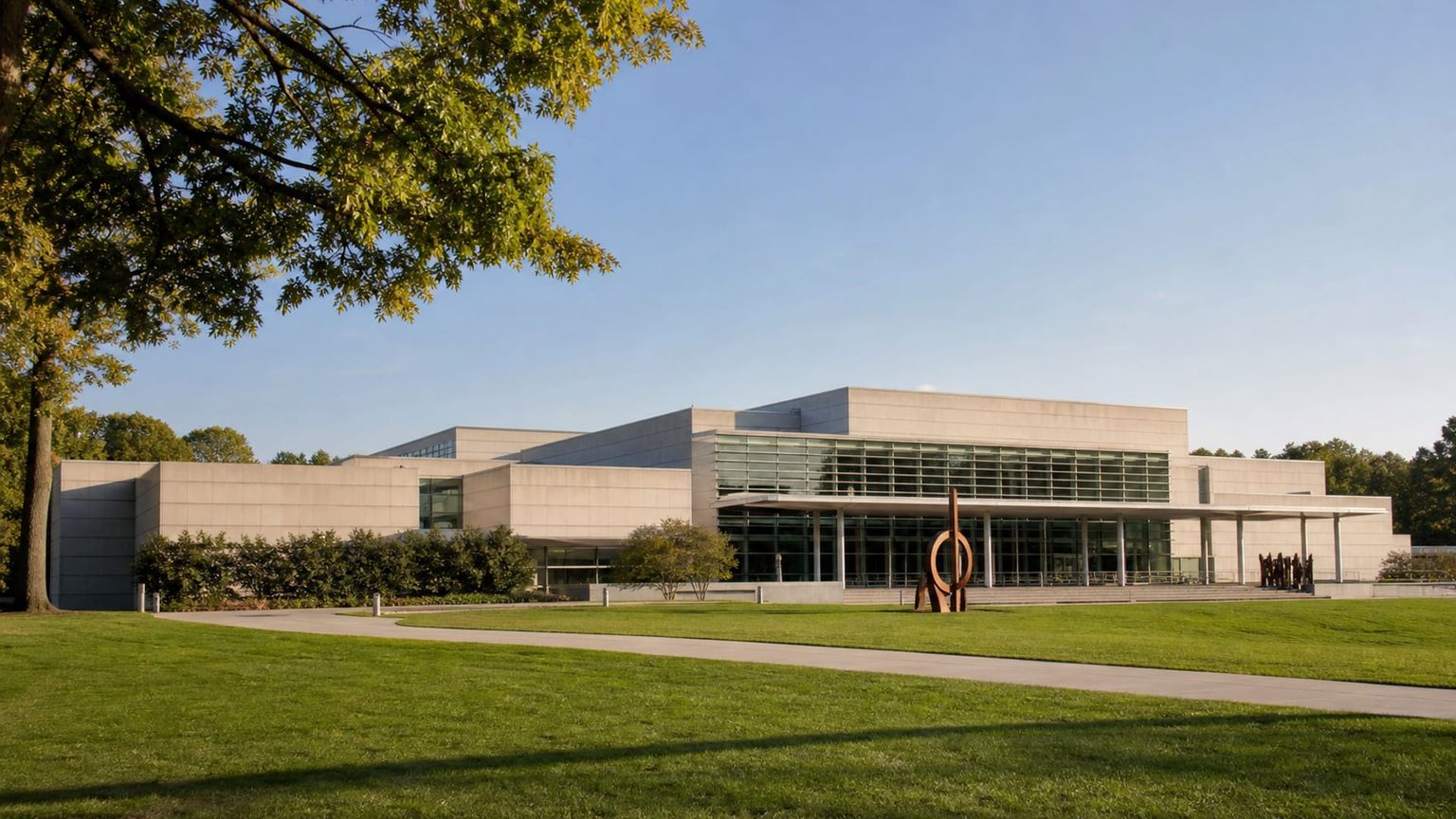
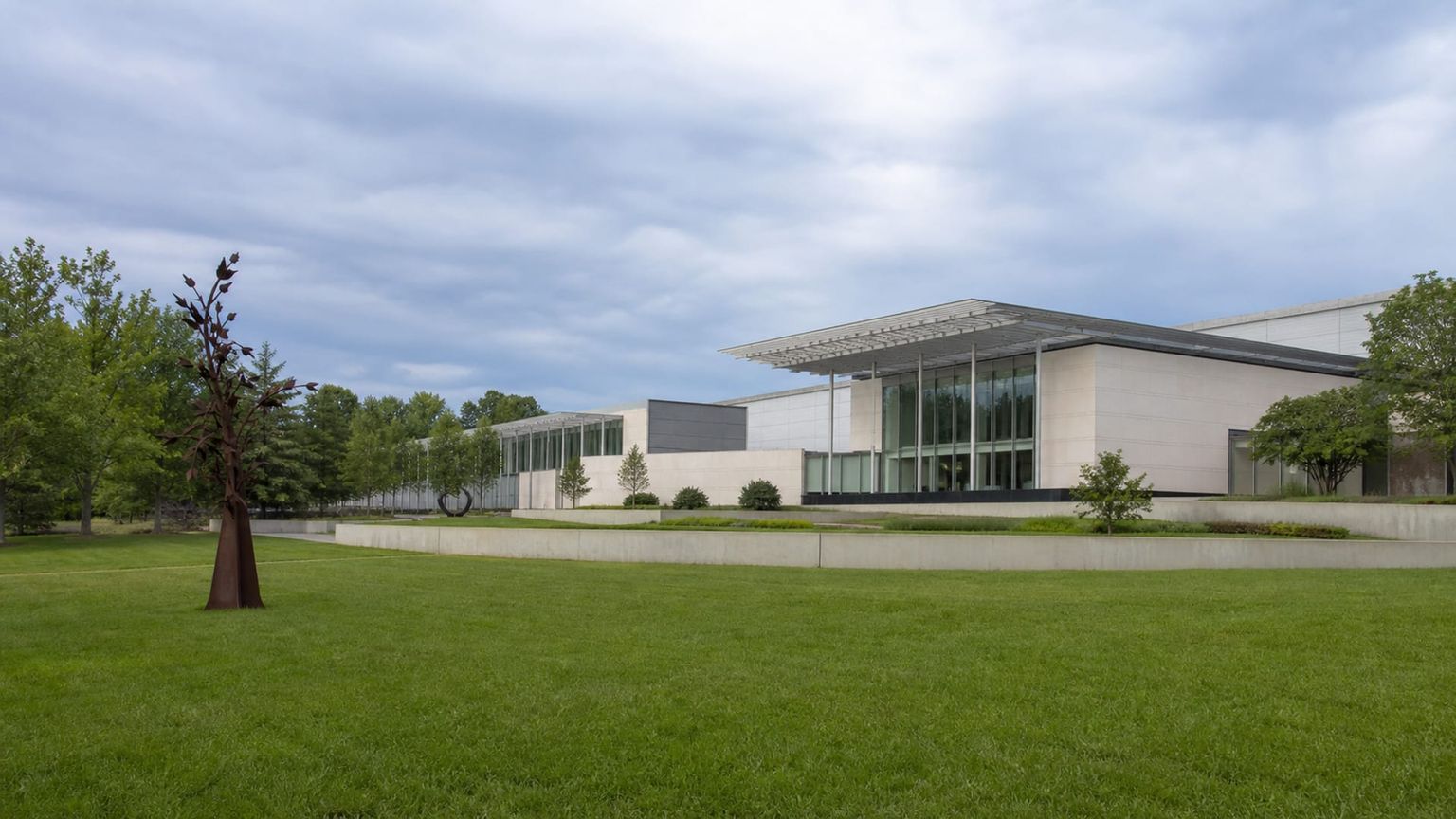
North Carolina Museum of Art
The museum’s West Building holds broad collections from antiquity to the 20th century, and the 164-acre Museum Park adds large outdoor installations, trails, and a lake. Plan time for both the galleries and the sculptures.
Time needed: About 3 to 4 hours
Entry: General admission is free, with separate ticketing for some special exhibitions and programs Visit the official site for details.
Tip: Start with Museum Park in daylight, then move into the West Building before closing time.
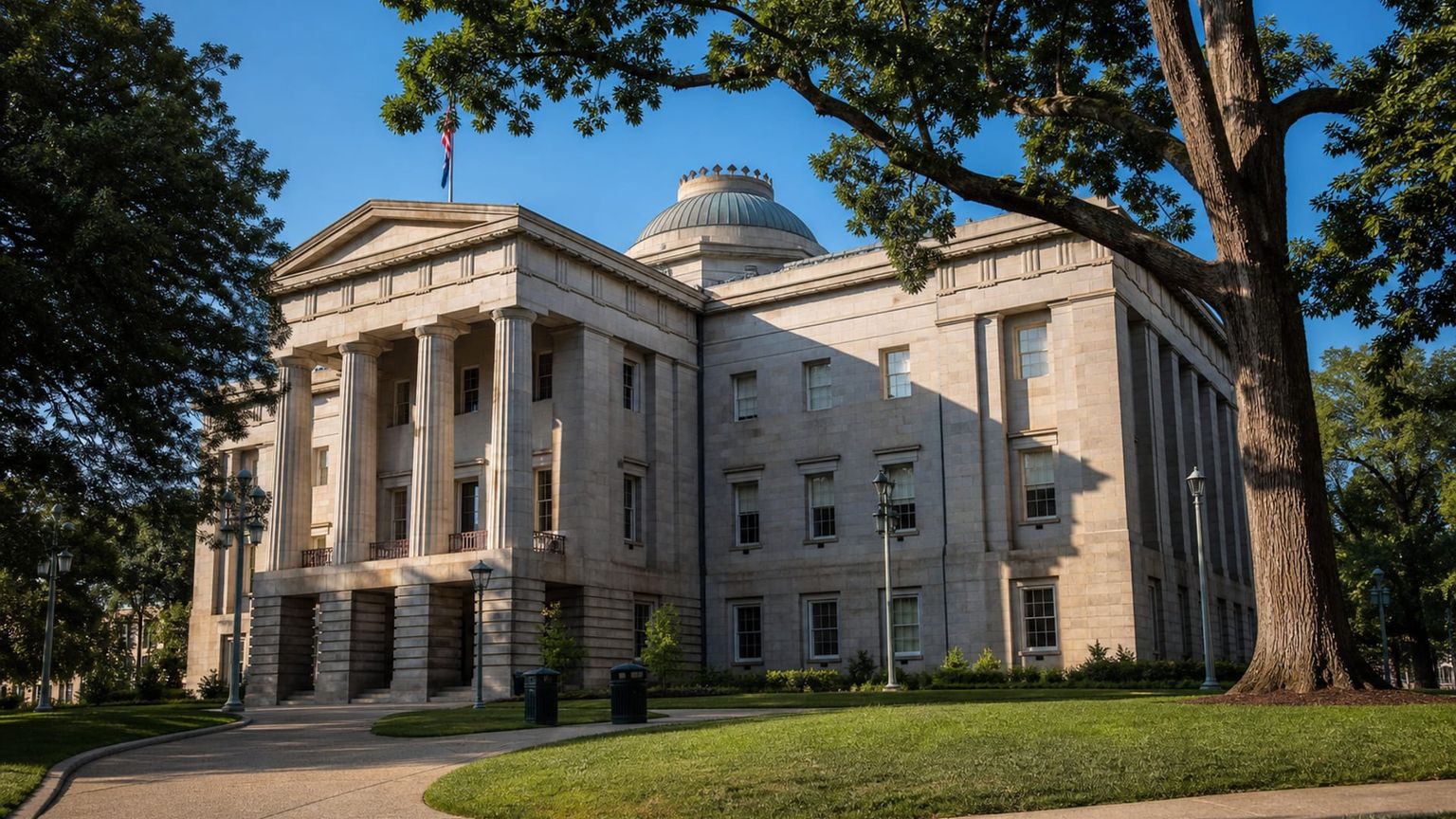
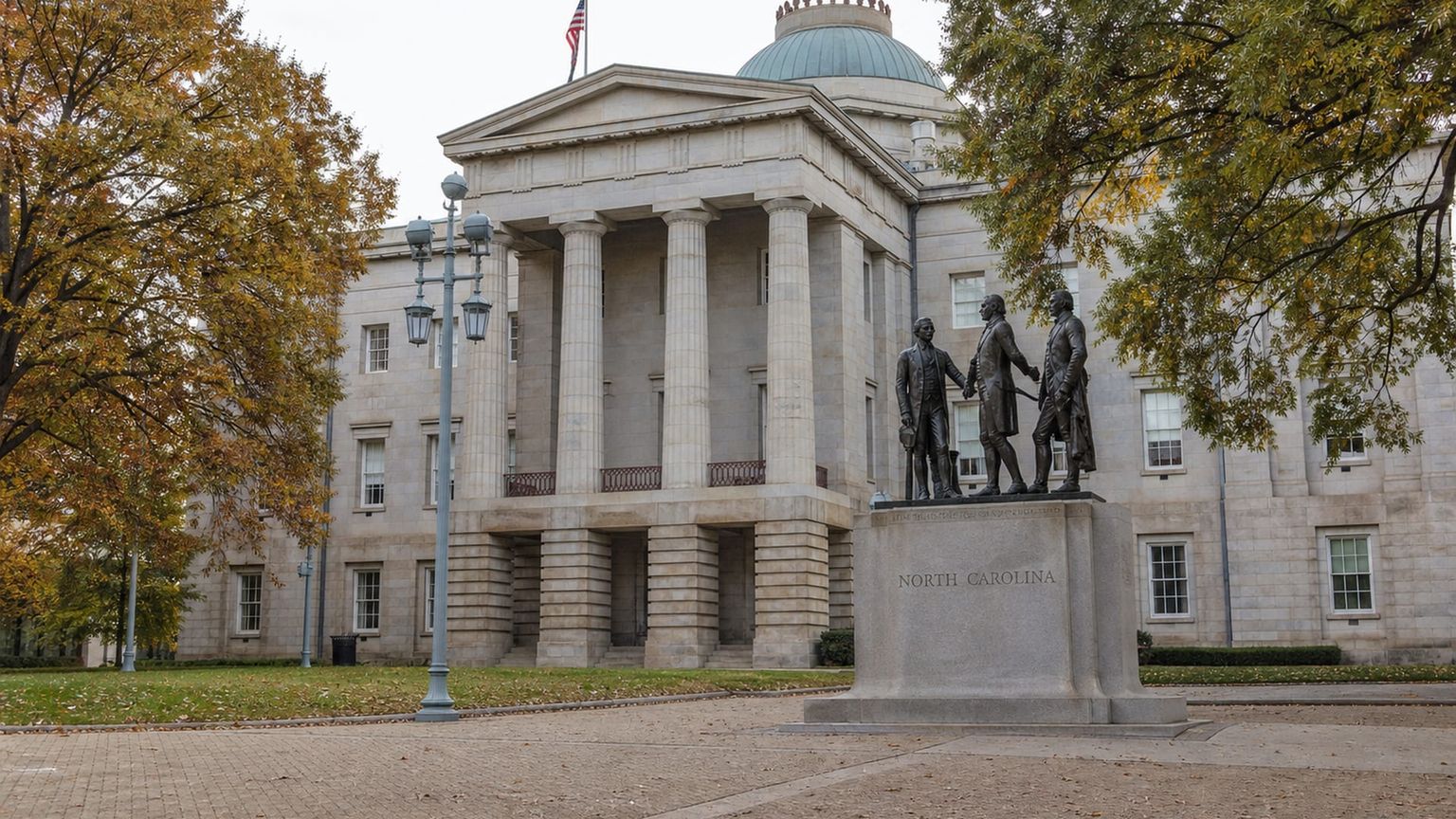
North Carolina State Capitol
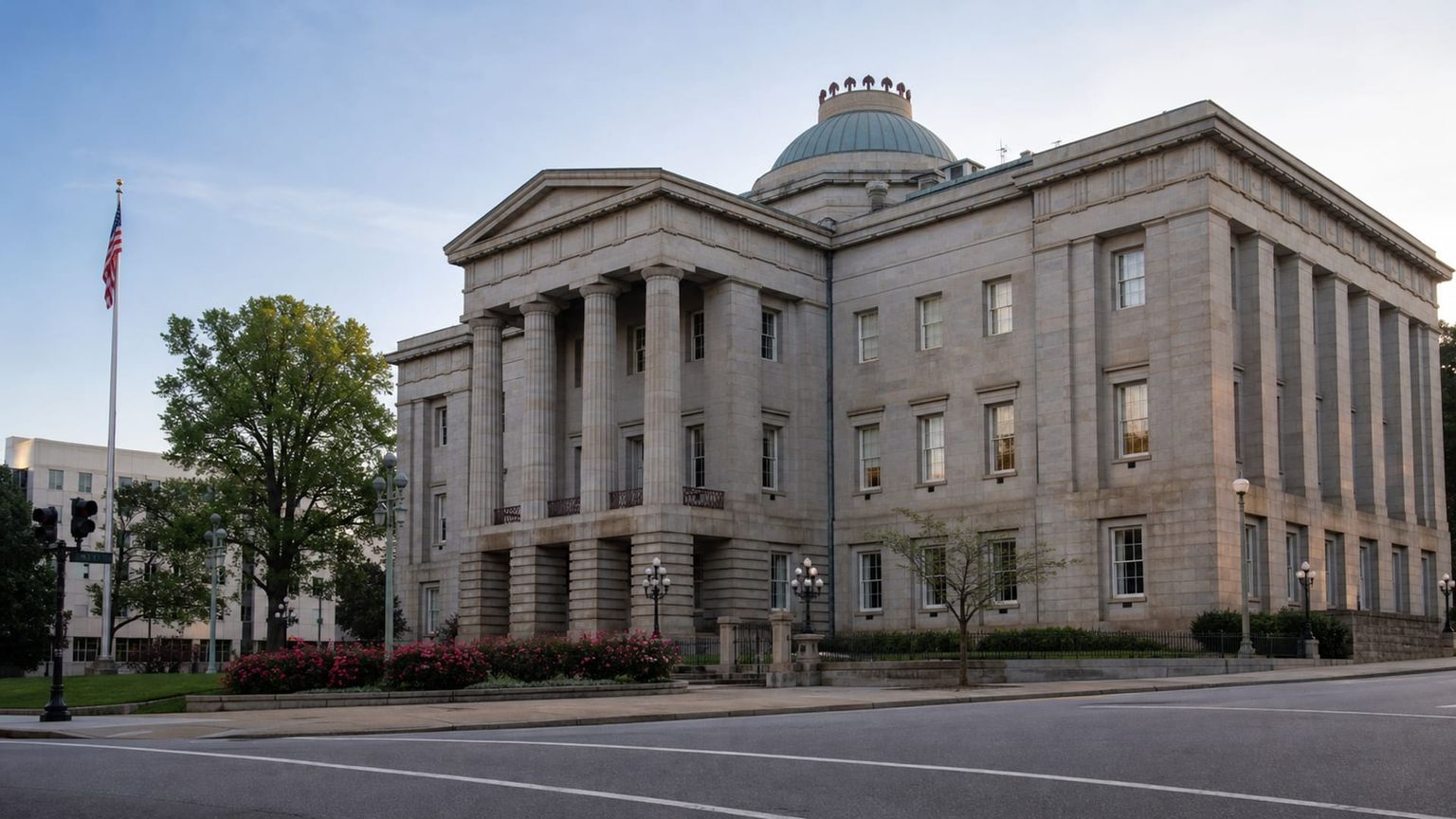
Built in 1840, the Greek Revival Capitol preserves the state legislature’s 19th-century chambers, portraits, and political history in the center of downtown Raleigh. Its compact footprint makes it an easy stop between other city sights.
Time needed: About 45 to 60 minutes
Entry: Free to enter, with no timed entry required for regular self-guided visits during open hours Visit the official site for details.
Tip: Arrive early on weekdays for quieter rooms and easier photos of the rotunda.
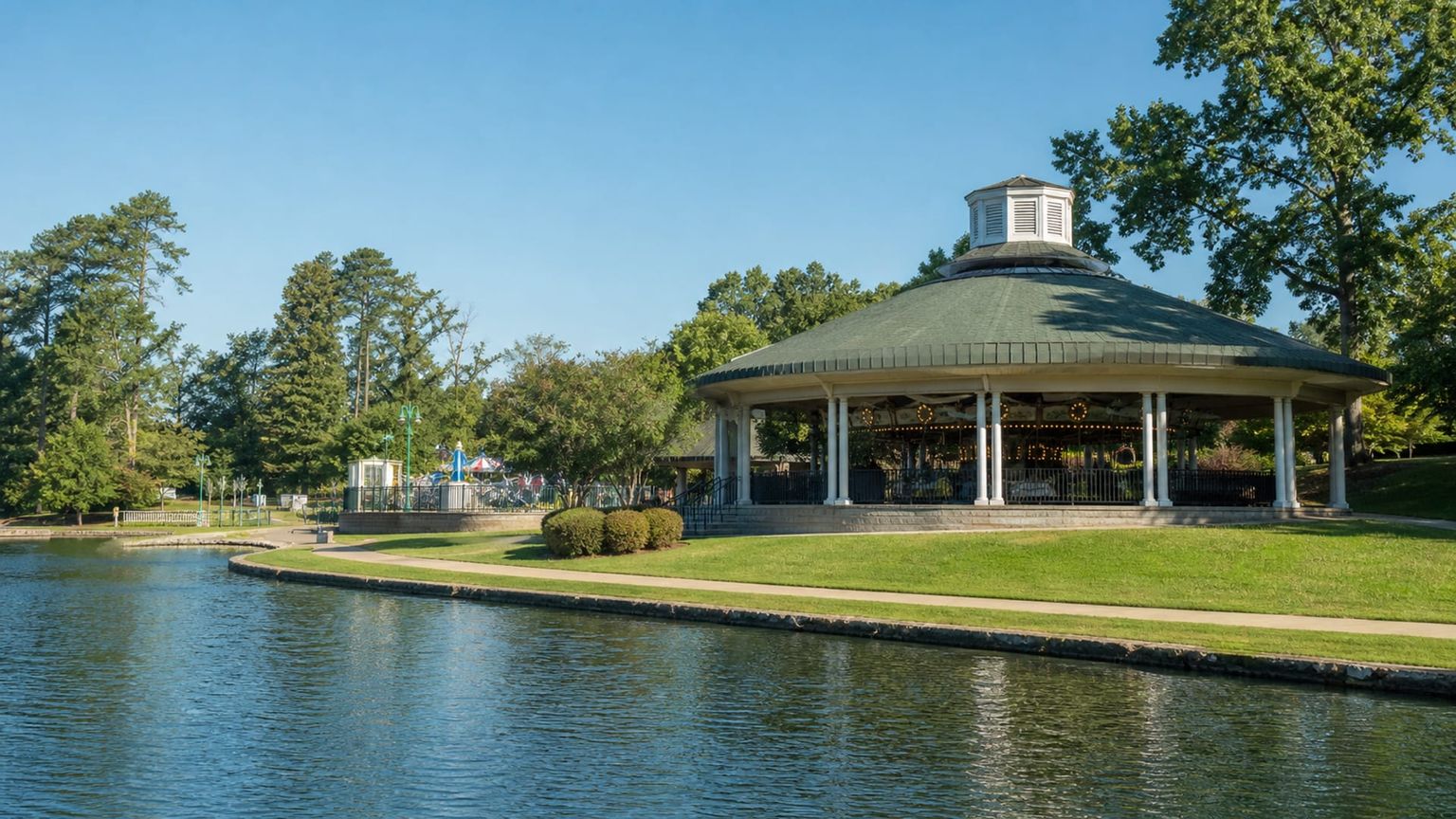
Pullen Park
Opened in 1887, Pullen Park is one of the oldest amusement parks in the United States, with a historic carousel, pedal boats, playgrounds, and wooded paths. Families use it for a quick break that still feels rooted in Raleigh history.
Time needed: About 2 to 3 hours
Entry: Park entry is free; carousel rides, pedal boats, and the train carry separate small fees Visit the official site for details.
Tip: Go in late afternoon for softer light on the lake and shorter lines for rides.
Overlooked sites worth visiting

JC Raulston Arboretum
This 10-acre garden at NC State grows hundreds of woody plants, with themed borders, a conservatory, and labeled specimens that make short visits feel specific rather than generic.
Time needed: About 1 to 2 hours
Entry: Free to access; donations support plant collections, research, and upkeep. Parking is free in adjacent lots, and the arboretum does not charge admission for self-guided visits or casual strolls through the gardens. Visit the official site for details.
Tip: Go in the morning for cooler paths and sharper light.

The African American Cultural Complex
This community museum near downtown presents local Black history through exhibits, archives, and performances, with a compact footprint that suits an hour between other plans.
Time needed: About 1 hour
Entry: Admission is free for most exhibitions and public events, though some programs, lectures, and special performances may have separate ticket prices or registration requirements set by the venue. Visit the official site for details.
Tip: Check the calendar, since talks and performances change often.
Traditional food
Raleigh food leans on Eastern North Carolina barbecue, fried catfish, and chicken and waffles, with pork, smoke, vinegar, and Southern breakfast plates anchored in sit-down dining rooms and neighborhood counters.
Eastern North Carolina barbecue
Chopped or pulled pork comes dressed with a vinegar-forward sauce that keeps the flavor sharp. Sam Jones BBQ is a strong Raleigh address for it, with a menu built around whole-hog tradition and a dining room that makes the dish feel local rather than generic.
Pulled pork barbecue sandwich
This is the quick route into the region’s barbecue tradition, usually served on a bun with slaw or a tangy sauce on the side. Clyde Cooper’s Barbeque has long treated it as a house specialty, and its downtown setting fits an easy lunch stop.
Fried catfish
Cornmeal-crusted catfish gives Raleigh menus a crisp, savory main course that works well with hush puppies or sides. Big Ed’s City Market serves a classic version in a room that matches the dish’s no-nonsense Southern style.
Chicken and waffles
Crisp fried chicken against a sweet waffle remains one of Raleigh’s most recognizable brunch plates. Irregardless Cafe has long offered a version that suits a slower morning in downtown Raleigh.
Best time to visit Raleigh
Raleigh shifts most clearly between warm, humid summers and mild shoulder seasons, so the best weeks depend on whether you want outdoor time, easier driving, or lighter crowds.
Best for: Museum Park, gardens, and long downtown walks
What you get: Temperatures usually run about 52-80°F (11-27°C), with comfortable days and moderate crowds before summer travel picks up
Trade-offs: Pollen can be heavy in some weeks
Best for: Parks, indoor museums, and evening dining
What you get: Expect about 70-92°F (21-33°C), with humid afternoons, larger family crowds, and a strong need for air-conditioned breaks
Trade-offs: Heat and afternoon storms can shorten outdoor plans
Best for: Walkable city days and clear outdoor light
What you get: Temperatures usually sit near 48-82°F (9-28°C), with some of the city’s best weather and moderate visitor traffic
Trade-offs: Popular weekends can book up faster
Best for: Capitol visits, food stops, and low-key city breaks
What you get: Plan for about 34-58°F (1-14°C), with lighter crowds and easy museum access on most weekdays
Trade-offs: Shorter daylight and occasional cold snaps limit park time
A realistic 5-day plan in Raleigh
Raleigh works best when the days alternate between compact downtown sights and a few larger cross-town stops. The five-day plan below keeps the Capitol, museum district, parks, and dining neighborhoods in a sequence that matches how people actually move through the city.
From Raleigh (RDU), a rideshare or taxi to Downtown Raleigh, the Warehouse District, or Glenwood South usually takes about 15 to 25 minutes and costs roughly $25 to $40, depending on traffic and surge pricing. If you want an easier first night, book near Downtown Raleigh or the Warehouse District, then settle in with water, a short walk, and an early dinner at Moore Square or on Fayetteville Street before calling it a night.
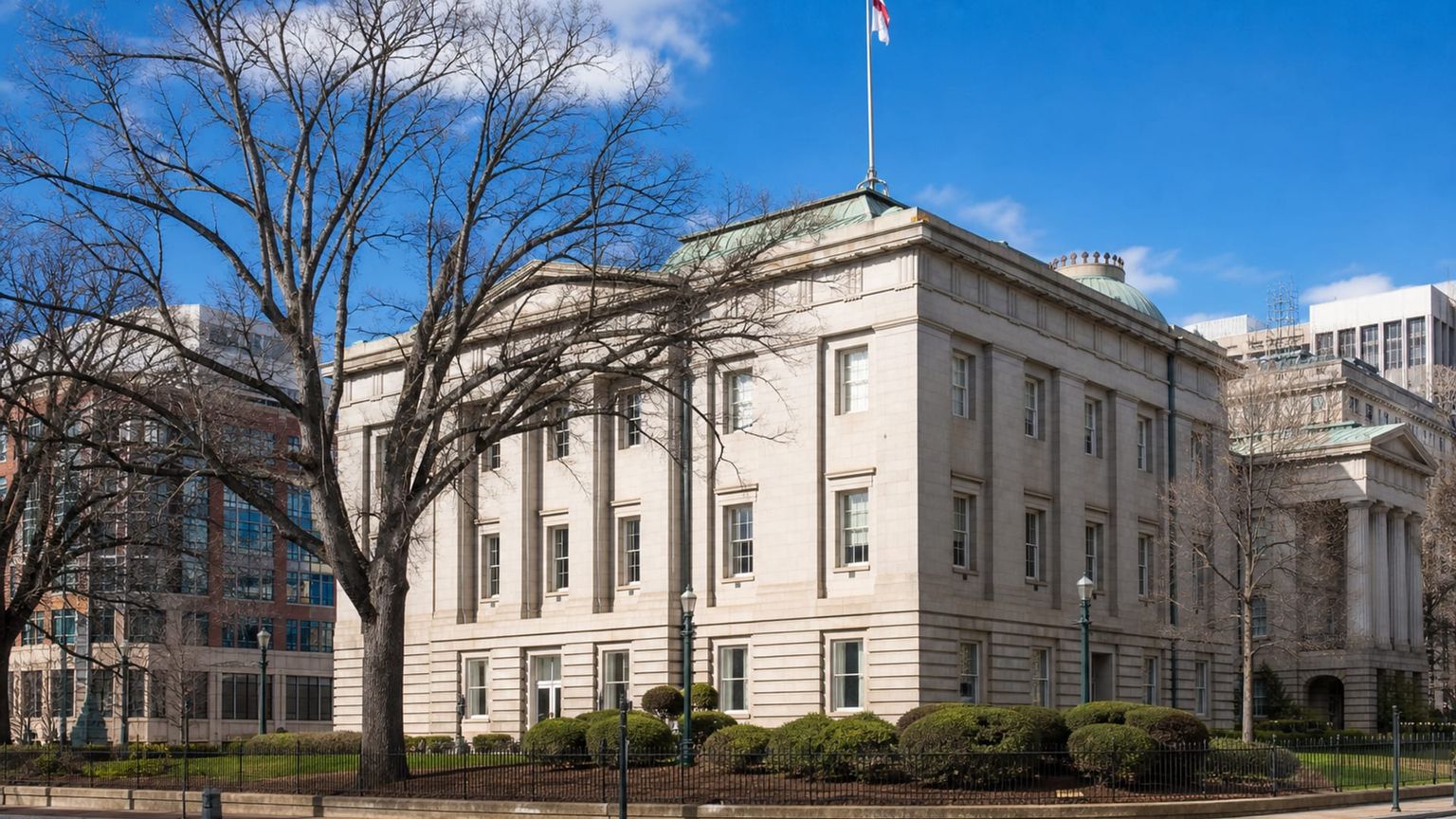
Start in Downtown Raleigh at the North Carolina State Capitol, then walk about 5 to 10 minutes to the North Carolina Museum of Natural Sciences for a second indoor stop. After lunch, take a rideshare about 10 minutes west to the North Carolina Museum of Art, where you can spend 3 to 4 hours between the West Building and Museum Park, including the trails and outdoor installations. Finish with dinner in the Warehouse District, about 10 to 15 minutes back by car from the museum.
Begin with a morning visit to the JC Raulston Arboretum, which is about 15 to 20 minutes by car from Downtown Raleigh and works well before the day warms up. From there, continue about 15 minutes to Pullen Park for the carousel, lake, and shaded paths, then return to the city center for an afternoon stop at The African American Cultural Complex, roughly 10 minutes by rideshare from the park. End the day with a relaxed dinner in Downtown Raleigh, where the drive from the complex usually takes about 5 to 10 minutes.
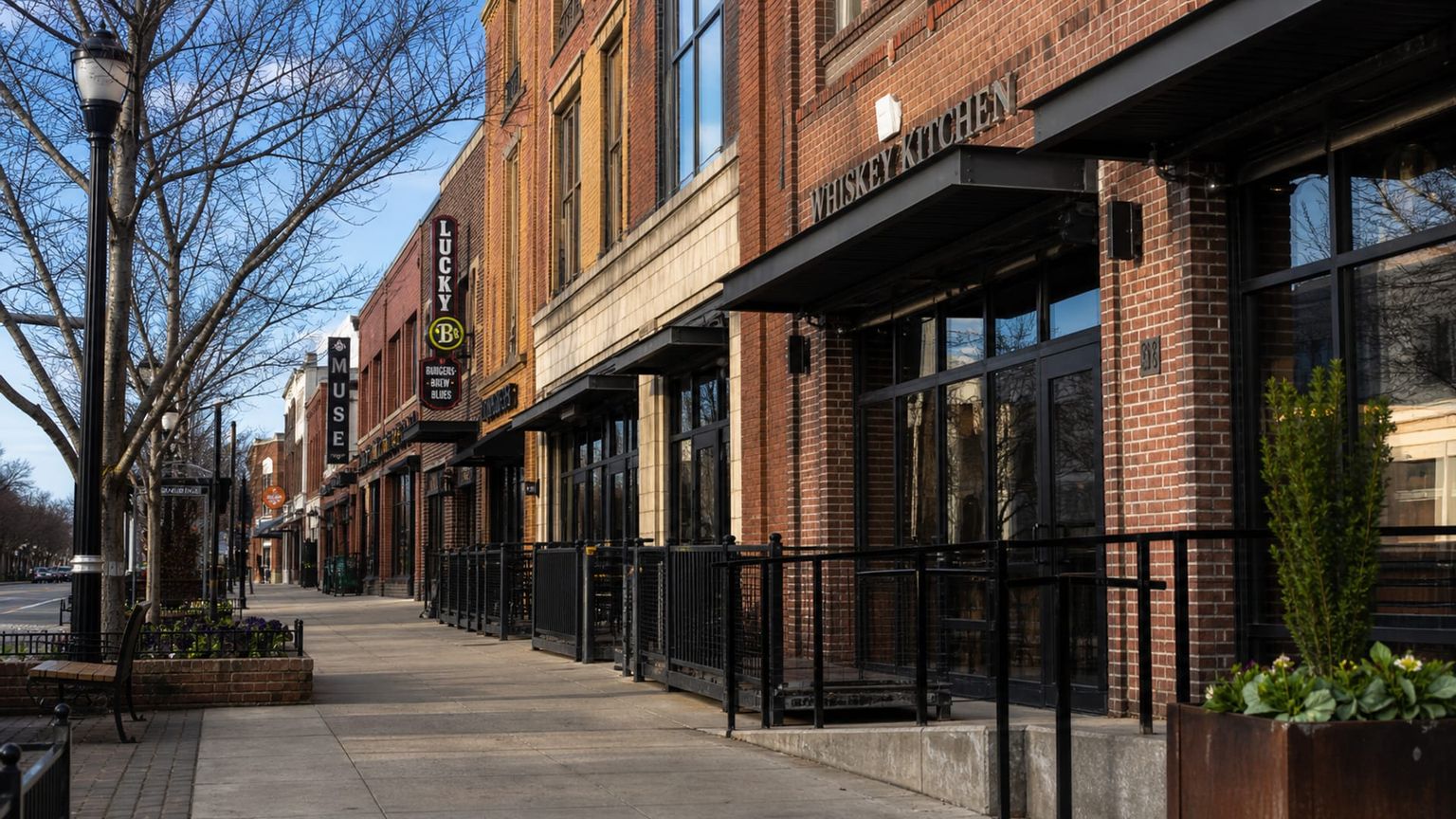
A downtown stay makes this an easy night for dinner and bars in Glenwood South, since most trips from the Warehouse District or Downtown Raleigh take about 5 to 10 minutes on foot or by rideshare. Start with a slow lunch in the Warehouse District, browse the nearby galleries and brewery patios, then move to Glenwood Avenue for an early dinner and a later drink without needing a car. If you prefer a quieter base, North Hills is about 15 to 20 minutes by car from the city center and gives you newer hotels plus an easier parking setup for the evening.
Before you head out, fit in one last stop at the North Carolina Museum of Art if you want a final art hour, then pivot to shopping in North Hills, about 15 to 20 minutes by car from downtown. After that, pause for coffee or an early snack in Downtown Raleigh, or settle into a café in the Warehouse District if your flight timing leaves a little extra room. A late lunch near Fayetteville Street works well if you want to keep the day simple before the trip to Raleigh (RDU).
Business-class flights from the US to Raleigh
Business-class fares into Raleigh usually split into an East Coast one-stop option and a longer West Coast trip with more connection choices. The examples below show what those itineraries tend to look like in practice.
From New York, Delta Air Lines, American Airlines, JetBlue, United Airlines, Air Canada, and Turkish Airlines all appear on the route mix, with nonstop flying time at about 1 hour 30 minutes to 1 hour 50 minutes. When you connect, common hubs include Atlanta (ATL), Charlotte (CLT), Chicago (ORD), and Montreal (YUL), with layovers of about 3 to 6 hours. Round-trip fares from $700 to $1,400 place nonstop tickets on the higher end, while one-stop options usually price lower.
Los Angeles travelers usually see American Airlines, Delta Air Lines, United Airlines, Alaska Airlines, and JetBlue in the market, and nonstop flying takes about 4 hours 55 minutes to 5 hours 30 minutes. If you connect, the usual hubs are Dallas-Fort Worth (DFW), Phoenix (PHX), Denver (DEN), Chicago (ORD), and Atlanta (ATL), with layovers of about 7 to 11 hours. Round-trip fares start from $650, and nonstop tickets usually sit above that level.
Raleigh feels different when you slow down
A deliberate Raleigh trip usually means sleeping near downtown or the Warehouse District, using short rides to reach the Capitol, the North Carolina Museum of Art, and Pullen Park, then saving Glenwood South or North Hills for the evening you actually want them. That approach keeps the city’s distances clear without packing every hour. If you want help turning those neighborhood choices into a booking plan, the AranGrant experts can map it with the right flight and hotel timing







