

Chapters:

Need help with your trip?
Our support team is available 24/7. Request a callback or call us directly at (833) 619-0908
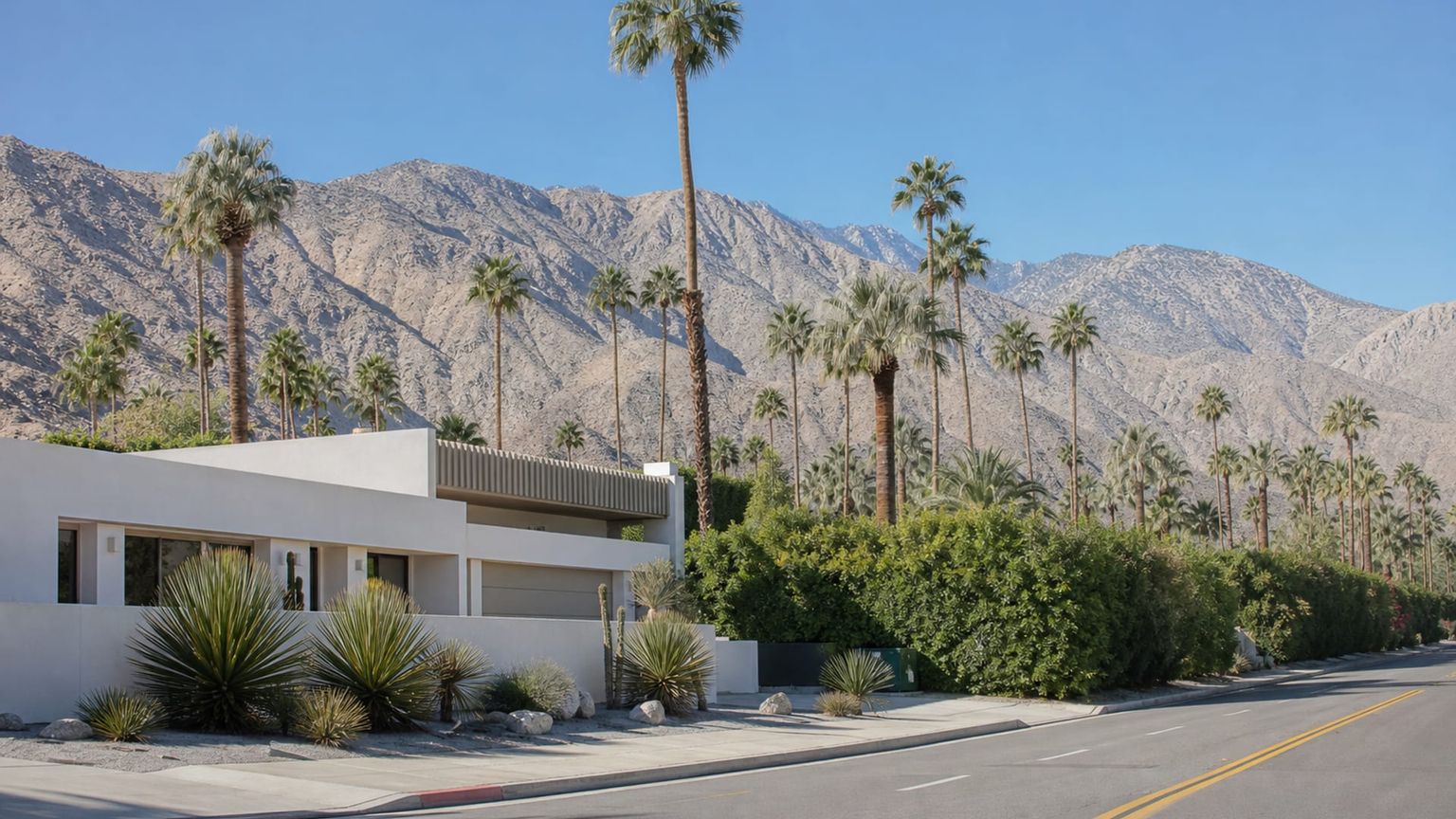
Palm Springs trips often start with a hotel check-in, a quick museum stop, and dinner on Palm Canyon Drive, yet many visitors skip the neighborhoods and the short hops that make the city easier to read.
That approach can leave you driving more than you expected, passing through the same central blocks at the busiest hours, and missing how close the museum district, Warm Sands, and the tramway really are.
This guide follows a tighter order, with neighborhoods, transit, food, and day plans arranged so you can move through Palm Springs with fewer detours and better timing.
Useful things to know

Main language(s): English

Currency: The local currency is the US dollar (USD, $).

Cash and cards: Cards and contactless are widely accepted; carry about $20 to $40 in cash for tips and small purchases.

Tipping: Tip 15-20% at restaurants; round up for taxis and small bills.

Traditional food: Date shakes, California dates, fish tacos, carne asada fries

Water and coffee costs: Water about $2, bar espresso about $4.

Taxis and ride apps: Uber and Lyft operate here; wait times can be longer late at night.

Plug and voltage: Type A/B socket, 120V

Dining and shop opening hours: Breakfast is about 07:00-10:00, lunch 11:30-14:00, and dinner 17:00-21:00. Many restaurants close early on Mondays or Tuesdays.

Emergency number: 911 for police, fire, and medical emergencies.
Where to stay in Palm Springs
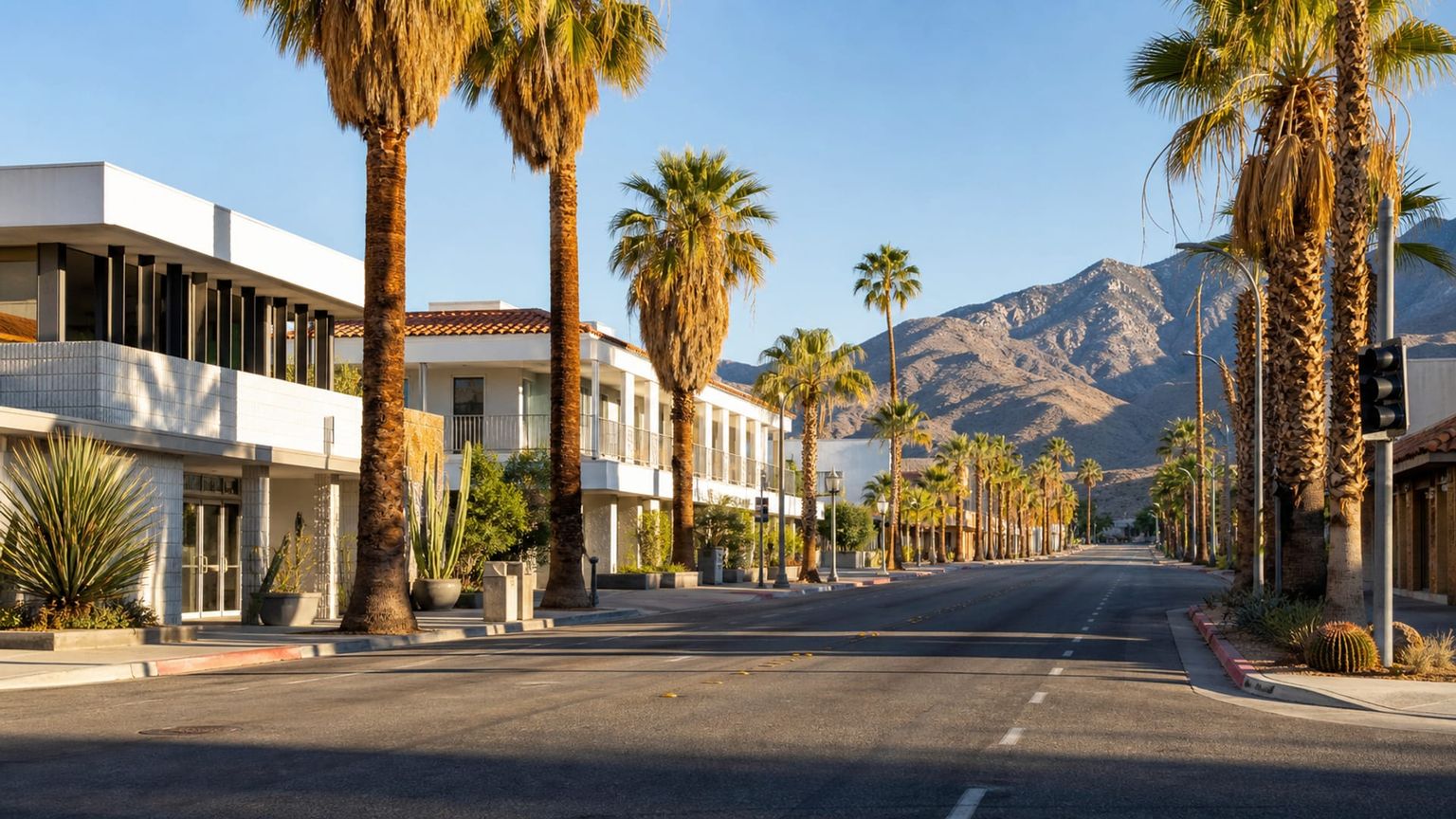
The city center clusters restaurants, galleries, midcentury storefronts, and easy access to the Palm Springs Aerial Tramway and the museum district. It works well if you want to walk for dinner, browse design shops, and keep most of the day’s essentials close at hand.
Best for: Walkable dining, gallery browsing, and easy access to central sights
What to expect: Sidewalk traffic is steady by day, with more activity on restaurant blocks after dark.
Hotel prices: Usually about $220 to $420 per night for well-rated stays
Distance to major sights: About 10 to 15 minutes on foot to the Palm Springs Art Museum; about 10 minutes by car to the Palm Springs Aerial Tramway
Quietness: Busier in the afternoon and evening, then quieter on side streets late at night.
Main trade-off: Central rooms can cost more, and some blocks pick up noise from late diners and weekend traffic.
Good to know: If you want to avoid driving for meals and museum stops, this is the simplest base, but book parking carefully since some properties charge extra.
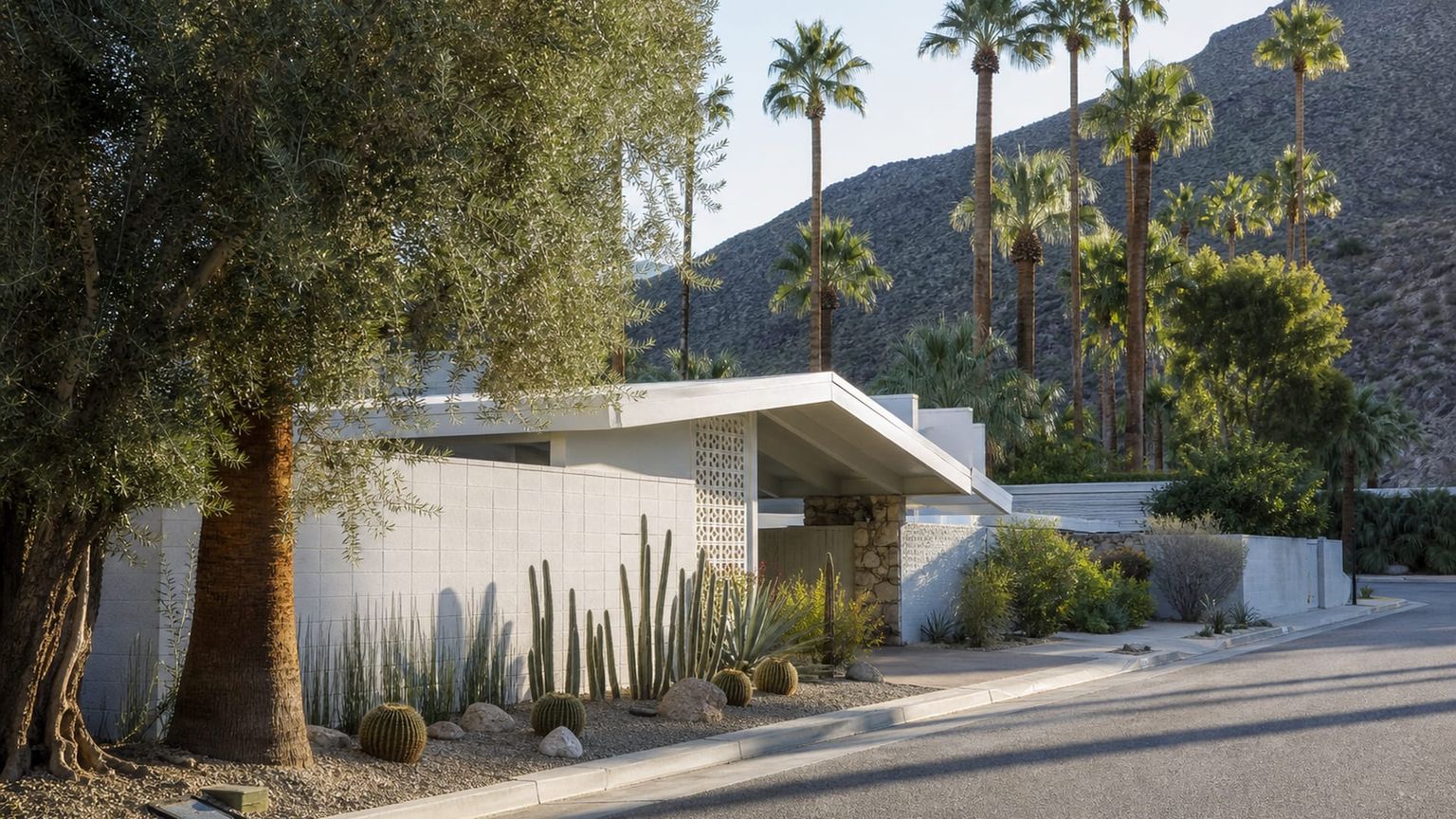
Warm Sands sits just south of downtown and mixes small inns, vacation rentals, and a residential street plan. It gives you a close-in base with easier access to the center while staying one step away from the busiest restaurant blocks.
Best for: Couples, small inns, and travelers who want a quieter close-in base
What to expect: Mostly residential streets with light foot traffic and a few small lodging properties.
Hotel prices: Usually about $180 to $360 per night for well-rated stays
Distance to major sights: About 15 minutes on foot to the Palm Springs Art Museum; about 5 minutes by car to downtown dining
Quietness: Calm during the day and usually quieter at night than the core downtown blocks.
Main trade-off: You may walk a bit farther for dinner and nightlife, and the lodging mix is smaller than in the center.
Good to know: Many stays here have limited front-desk hours, so confirm check-in details before arrival if you expect a late flight.
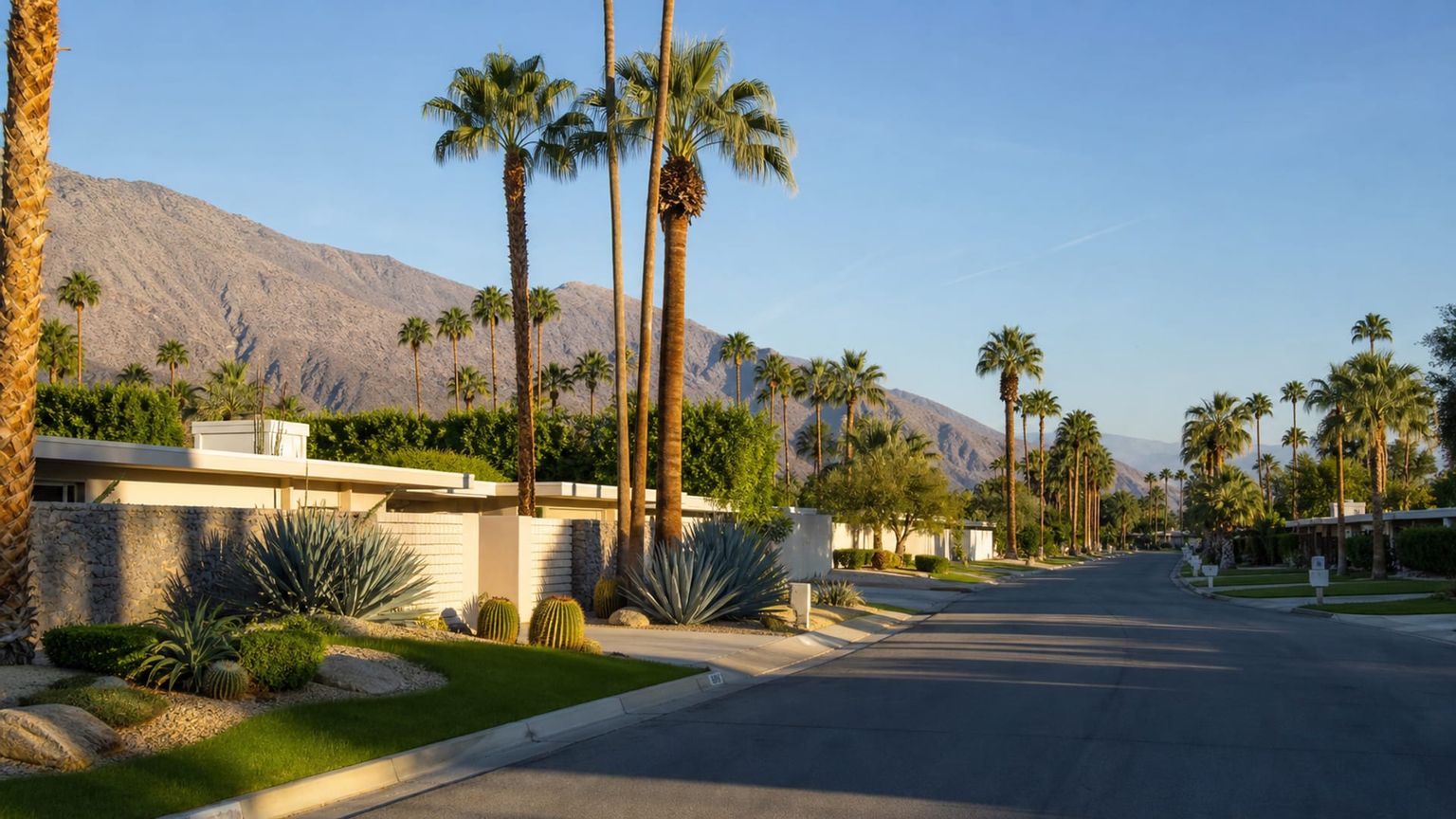
The Movie Colony is a central residential pocket known for historic homes, landscaped streets, and easy access to downtown Palm Springs. It matters because it places you near both museum visits and the city’s classic neighborhood scenery.
Best for: Historic-house fans, quiet streets, and central access without downtown density
What to expect: Low-key residential streets with more pedestrians near lodging clusters than on through roads.
Hotel prices: Usually about $230 to $450 per night for well-rated stays
Distance to major sights: About 15 to 20 minutes on foot to the Palm Springs Art Museum; about 10 minutes by car to the Palm Springs Aerial Tramway
Quietness: Very quiet in the morning, then still comparatively calm after dark.
Main trade-off: Rates can be high for boutique properties, and you will usually need a car or rideshare for broader errands.
Good to know: Some streets have little lighting at night, so choose a place with on-site parking if you plan to come back after dinner.
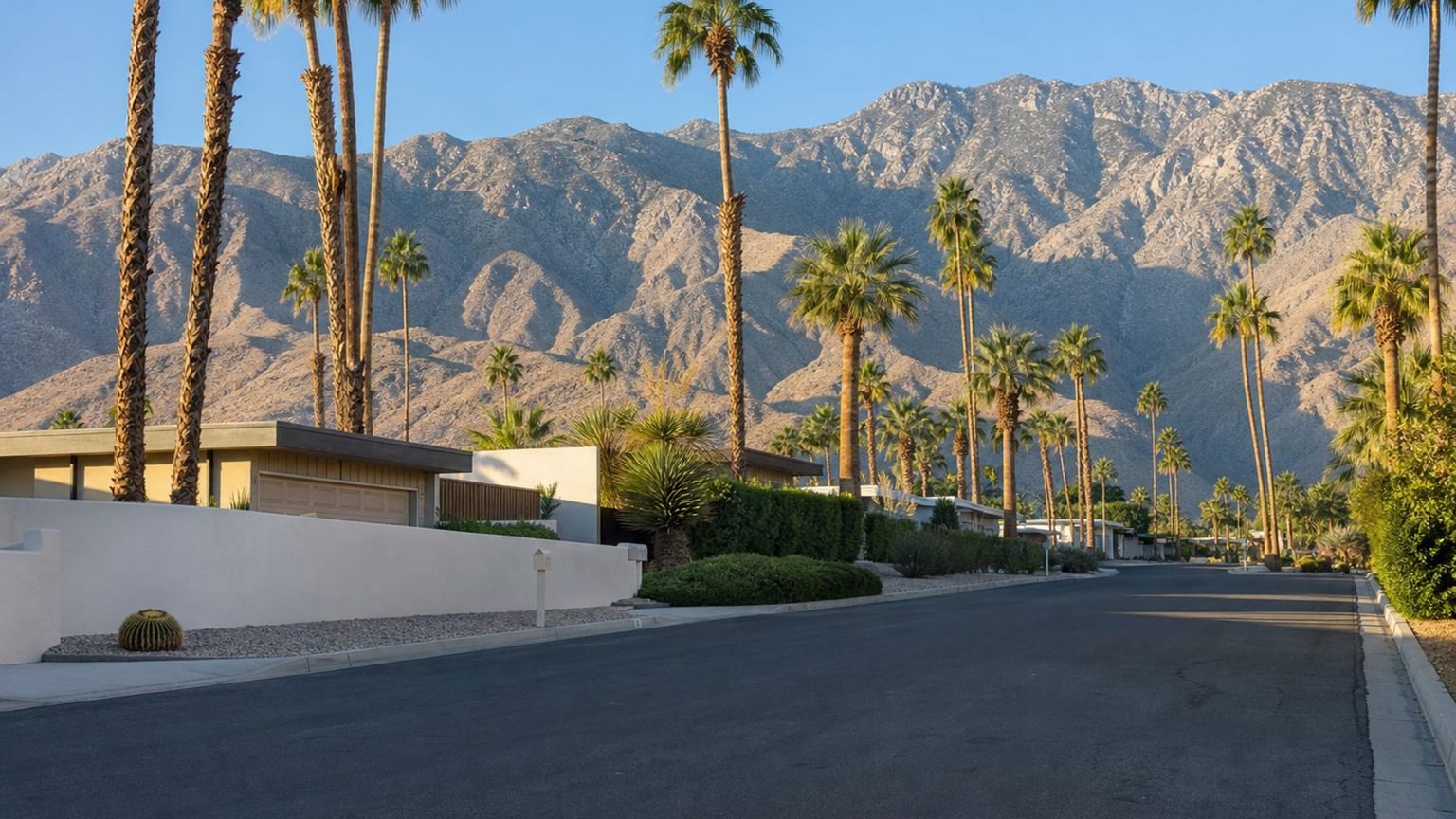
Tahquitz River Estates lies south of downtown near the main corridor into the city center, with a mix of midcentury homes and small lodging options. It suits visitors who want an easy base for driving in and out while staying close to downtown dining and trail access.
Best for: Midcentury architecture, easy driving access, and travelers mixing city time with outdoor plans
What to expect: Residential streets, modest traffic on main roads, and fewer late-night crowds than downtown.
Hotel prices: Usually about $190 to $380 per night for well-rated stays
Distance to major sights: About 10 to 15 minutes on foot to downtown Palm Springs; about 15 minutes by car to the Palm Springs Aerial Tramway
Quietness: Quiet during the day on side streets, with more road noise near the main corridor in the evening.
Main trade-off: You trade walkability for a looser lodging mix, and some blocks sit farther from the most active restaurant streets.
Good to know: If you plan to use a rental car, check whether your property has easy in and out parking, since side streets can be tight.
Travelers usually avoid staying far north in North Palm Springs and near the airport edges west of Palm Springs International Airport (PSP), because these areas sit farther from downtown, the Design District, and the main resort corridor, with fewer visitor amenities on foot. Cathedral City fringe neighborhoods and the eastern edge of Rancho Mirage are also less convenient for most visitors, since evening dining and nightlife require more driving and hotel clusters are spread out.
Hotel deals
How to get around Palm Springs efficiently
Palm Springs has no metro, so most visits rely on walking in the center, SunLine buses across the valley, and taxis or rideshare for the airport and outlying neighborhoods.

Metro
for longer distances
Palm Springs has no metro or subway. The closest equivalent is SunLine bus service, with the 14 route linking Palm Springs International Airport to downtown Palm Springs and nearby Coachella Valley stops; fares are $1 ($1) for a local ride, with day and multi-day passes also available.

Bus and tram
for convenience
SunLine buses cover Palm Springs, Cathedral City, Rancho Mirage, Palm Desert, and Coachella Valley resort areas, with Route 14, Route 1, and other core lines handling most visitor trips. A local fare is $1 ($1), and passes are valid for one day, several days, or longer depending on the product; check the schedule because many routes run less often in the evening and on weekends.

Taxi
for convenience or late hours
Licensed taxis in Palm Springs use metered fares rather than fixed citywide set prices, with airport trips typically costing about $15 to $25 from downtown and roughly $25 to $45 to desert resort hotels farther east. Drivers usually accept cash and cards, and you can book by phone, at the airport taxi stand, or through local dispatch companies.
*Prices are based on rates updated as of June 2026 and may change at the time of travel.
Walk downtown when your stops cluster on Palm Canyon Drive, use SunLine for low-cost valley trips, and choose taxis or rideshare when you want speed from Palm Springs International Airport or between spread-out hotel zones.
Iconic landmarks
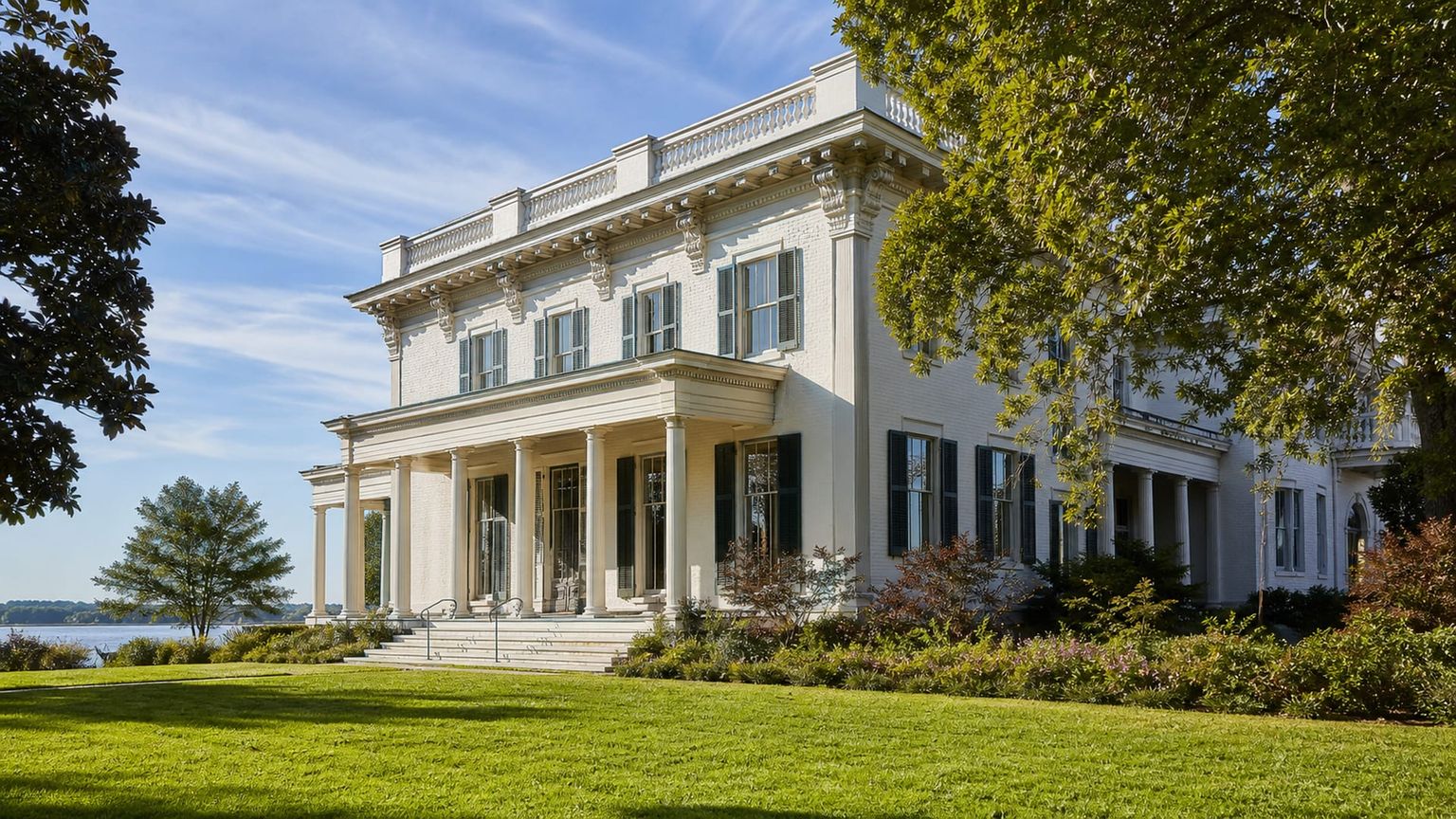
Palm Springs Aerial Tramway
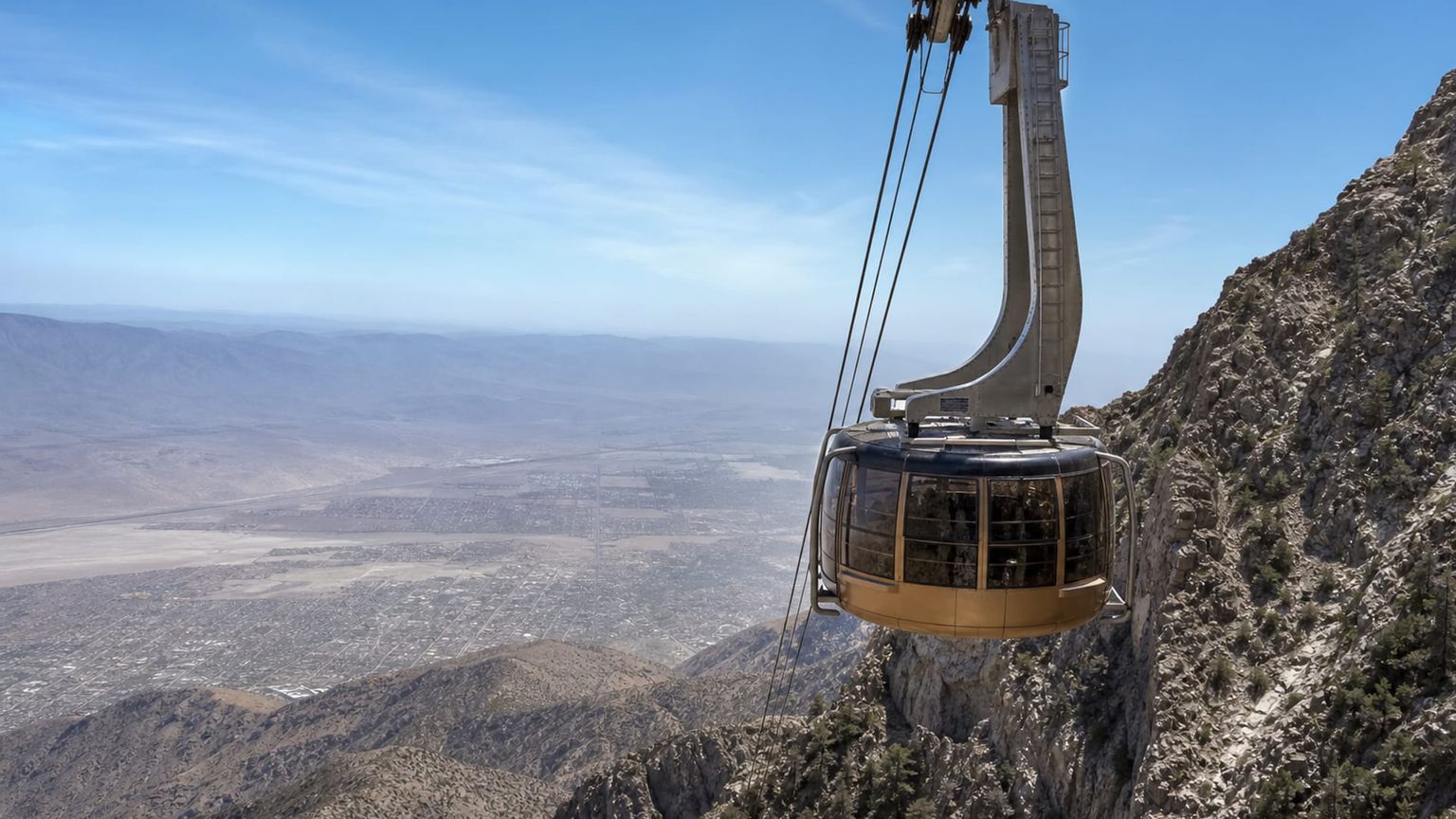
The Palm Springs Aerial Tramway climbs from the Sonoran Desert to Mount San Jacinto State Park in about 10 minutes, with a 5,873-foot rise in elevation. The summit station opens access to short trails, picnic areas, and wide views over the Coachella Valley.
Time needed: About 2 to 4 hours
Entry: Standard tram tickets cost about $32 ($32) for adults and about $16 ($16) for children, with higher rates on weekends and holidays. Visit the official site for details.
Tip: Go early on clear days, when the summit views are widest and the lines are shorter.
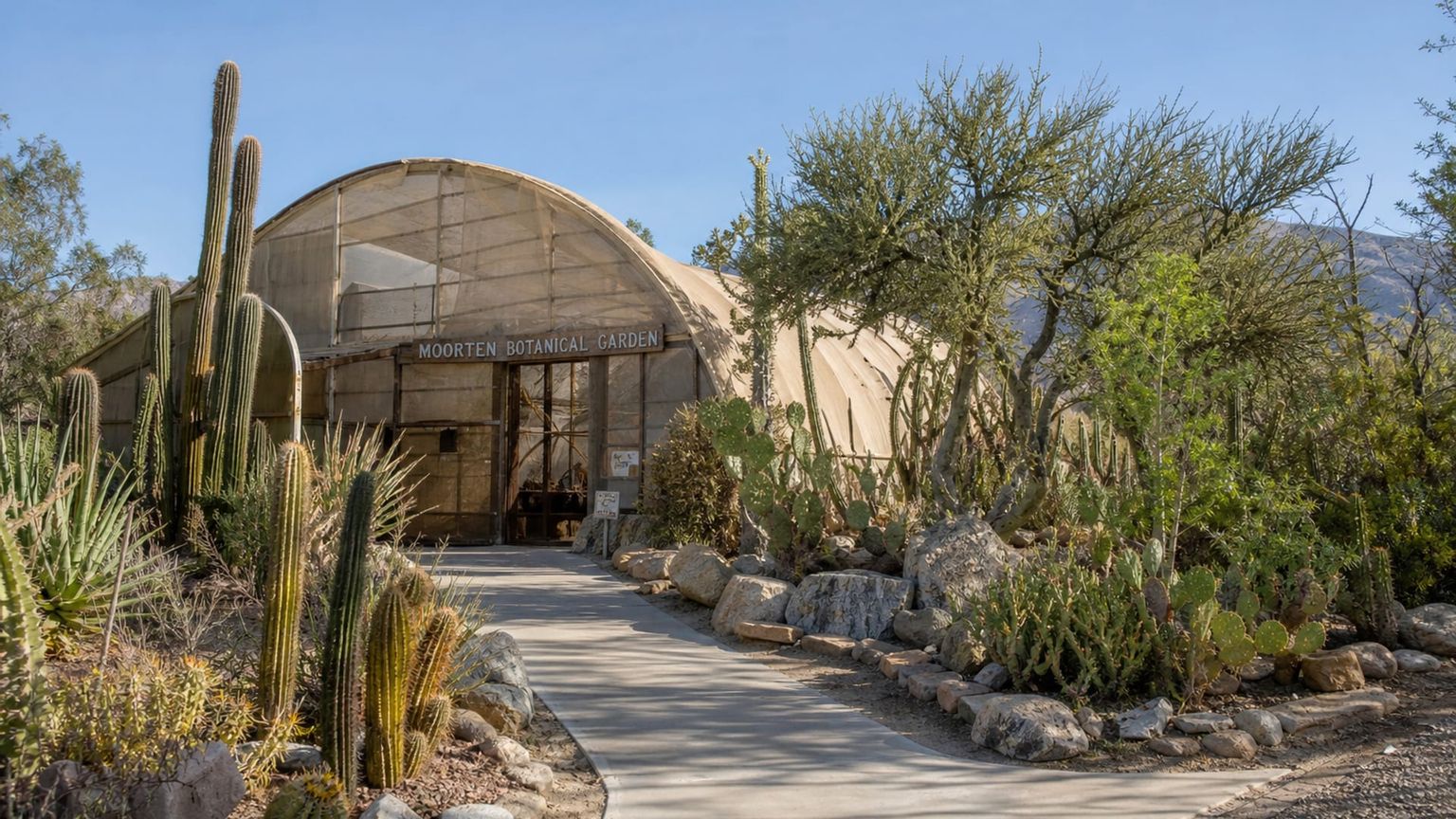
Moorten Botanical Garden
Moorten Botanical Garden is a compact desert garden founded in 1938, known for its cactus collection, succulents, and the one-acre Cactarium greenhouse. It gives a close look at plants adapted to hot, dry conditions in a small, walkable setting.
Time needed: About 1 to 2 hours
Entry: Admission costs $7 ($7) for adults, $5 ($5) for seniors, and $2 ($2) for children ages 5 to 12; younger children enter free. Visit the official site for details.
Tip: Visit in the morning, when the light is softer and the garden is cooler for walking.
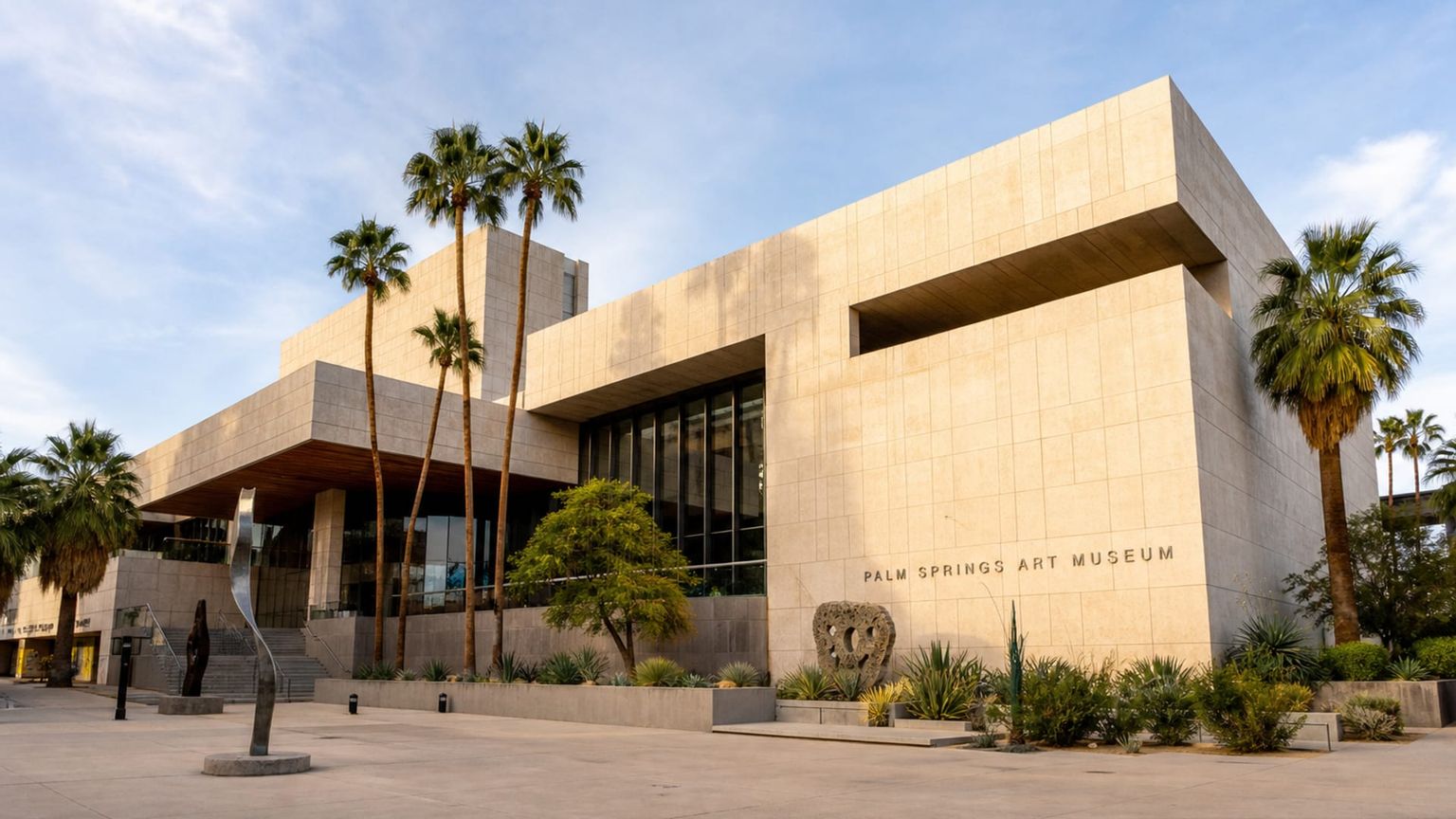
Palm Springs Art Museum
Palm Springs Art Museum anchors downtown with modern and contemporary art, Native American works, glass, photography, and rotating special exhibitions. Its architecture and outdoor sculpture court add context to the collection without requiring a long visit.
Time needed: About 2 to 3 hours
Entry: General admission costs $22 ($22) for adults, $20 ($20) for seniors, and $12 ($12) for students; children under 18 enter free. Visit the official site for details.
Tip: Late afternoon works well, since downtown parking is easier after the lunch rush.
Overlooked sites worth visiting

Palm Springs Art Museum Architecture and Design Center
A compact museum inside a restored 1960s bank, with changing shows on architecture, design, and modernist desert living. The building itself is the draw, right on Palm Canyon Drive.
Time needed: About 45 minutes to 1 hour
Entry: Admission is $12 ($12); reduced rates are $9 ($9) for seniors, students, and military, and free for children 12 and under. Special exhibitions may cost more, so check the current schedule before you go. Visit the official site for details.
Tip: Pair it with a late afternoon walk on Palm Canyon Drive.

Moorten Botanical Garden and Cactarium
A small desert garden packed with cacti, succulents, and a vintage greenhouse known as the Cactarium. It is an easy stop for close-up plant viewing without a long hike or big crowds.
Time needed: About 45 minutes
Entry: Adults pay $5 ($5), children 3 to 12 pay $2 ($2), and children under 3 enter free. The garden sells plants on site, and hours can vary seasonally, so check before you visit. Visit the official site for details.
Tip: Go in the morning for softer light and cooler air.
Traditional food
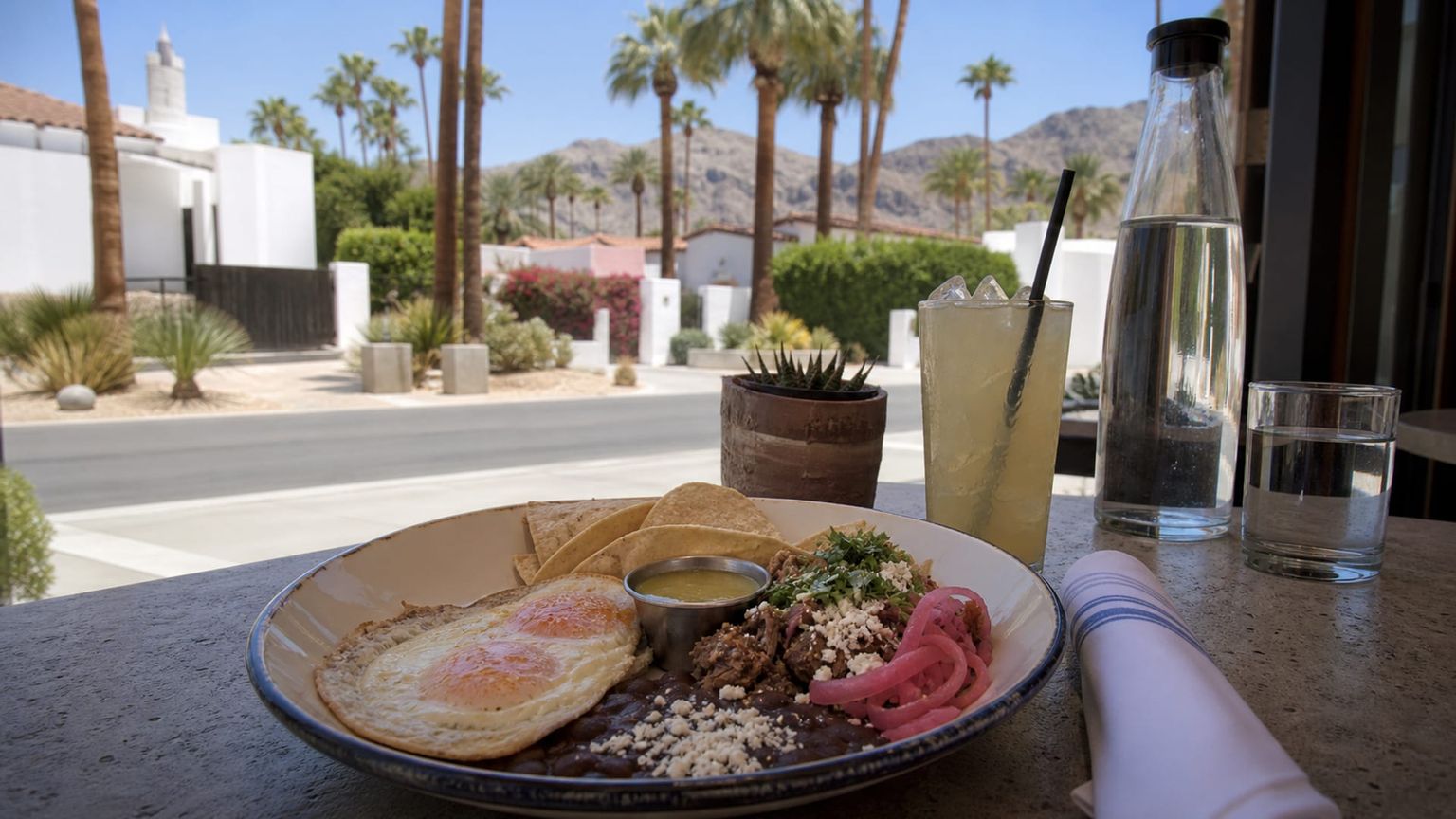
Palm Springs dining leans on desert produce, California dates, fish tacos, and carne asada fries, with casual patios and early dinner hours shaping the scene. Expect bright flavors, a little spice, and menus that suit warm afternoons.
Date shake
The city’s signature drink folds sweet dates into a cold, creamy shake that suits hot afternoons. Hadley Fruit Orchards in nearby Cabazon is the classic stop for it, and many Palm Springs visitors make the detour on arrival or departure.
California dates
Fresh or stuffed dates show up in salads, plates, and dessert cases across the valley. Sherman’s Deli and Bakery in Palm Springs uses them in a way that fits the city’s casual, diner-style meals.
Fish tacos
Fish tacos bring a light, coastal note to a desert city, usually with crisp cabbage, salsa, and lime. Fisherman’s Market and Grill in Palm Springs is a dependable place to order them.
Carne asada fries
Carne asada fries cover a plate with fries, grilled beef, cheese, and salsa, making them a late-day staple. El Merendero in Palm Springs serves a version that fits the city’s casual Mexican-food range.
Best time to visit Palm Springs
Palm Springs changes most sharply by season, with mild winter days, hot summers, and shoulder months that work best for walking, museum time, and the tramway.
Best for: Clear weather for museums, patio lunches, and the tramway
What you get: About 68 to 75°F (20 to 24°C), with comfortable daytime crowds and busier hotel demand
Trade-offs: Evenings can cool off fast, and popular weekends book up early
Best for: The best balance for sightseeing, gardens, and neighborhood walks
What you get: About 75 to 92°F (24 to 33°C), with lively but manageable crowds before summer heat arrives
Trade-offs: Late spring can turn hot by midday, especially in May
Best for: Lower room rates and quiet museum visits
What you get: About 100 to 108°F (38 to 42°C), with lighter crowds and strong indoor appeal
Trade-offs: Heat limits midday walking and makes long outdoor outings harder
Best for: Warm days, open patios, and an easy return to outdoor planning
What you get: About 78 to 94°F (26 to 34°C), with moderate crowds and a gradual build into peak season
Trade-offs: October can still run hot, so afternoons need shade and water
A realistic 5-day plan in Palm Springs
The five-day plan keeps you near downtown first, then folds in gardens, historic neighborhoods, and a quieter departure-day loop. It gives each stop enough time to make sense without forcing long cross-town drives between every sight.
Fly into Palm Springs (PSP), then take a rideshare or taxi to downtown Palm Springs or Warm Sands in about 10 to 15 minutes, usually for roughly $15 to $25 before tip. Check in, refill your water bottle, and plan an easy first night with dinner on Palm Canyon Drive so you can walk a few blocks without a car. If you arrive earlier in the afternoon, a short loop past the midcentury storefronts downtown is enough before an early night.
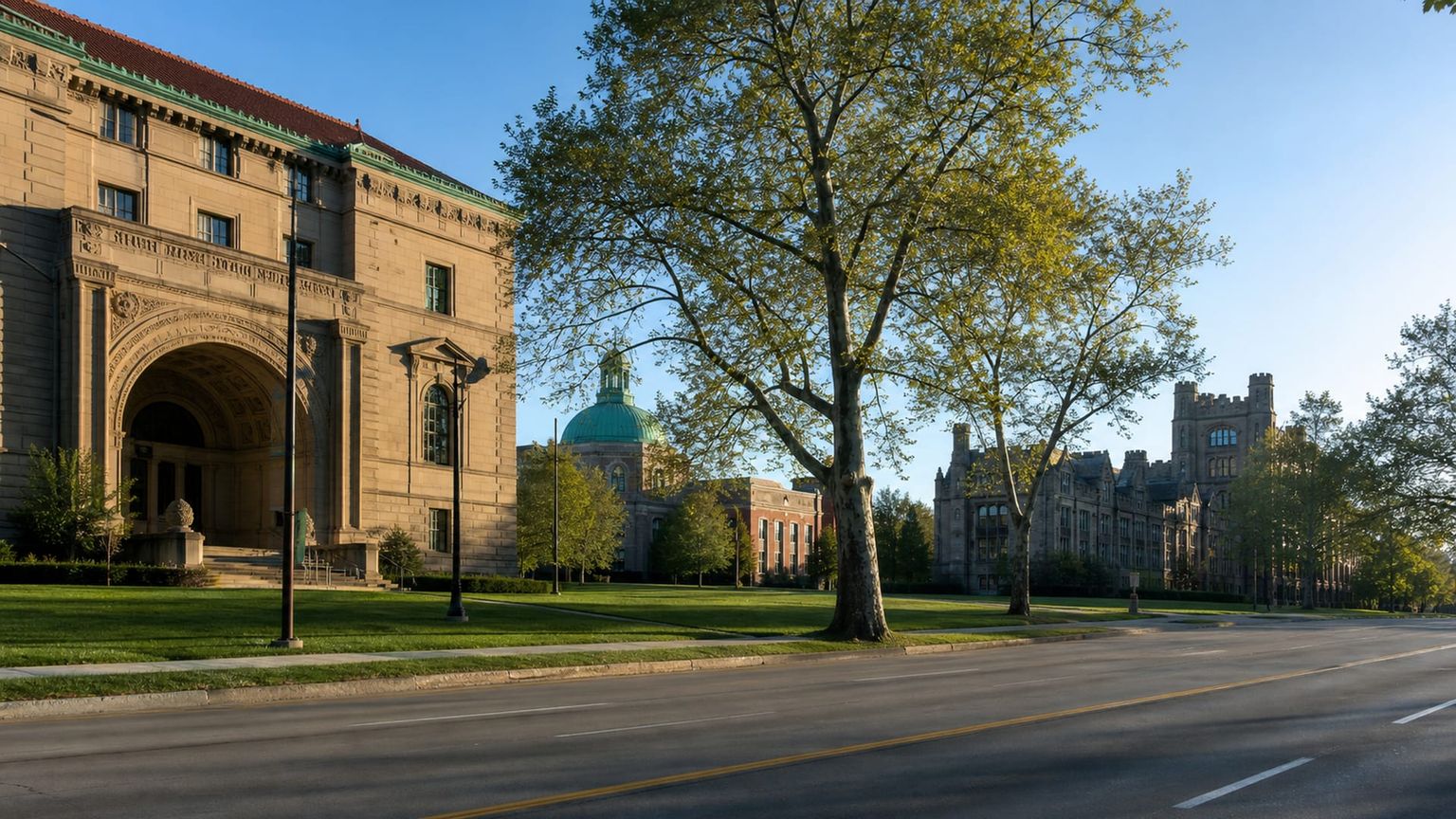
Start at the Palm Springs Art Museum after breakfast, since it sits about 10 to 15 minutes on foot from downtown stays in the center and pairs well with nearby coffee stops. From there, walk about 5 minutes to the Palm Springs Art Museum Architecture and Design Center on Palm Canyon Drive, then continue another 5 to 10 minutes through the downtown blocks for lunch and a slow look at the storefronts. In the afternoon, drive about 10 minutes to the Palm Springs Aerial Tramway, spending roughly 2 to 4 hours on the ride and summit area, with tickets at about $32 ($32) for adults and about $16 ($16) for children.
Begin early at Moorten Botanical Garden, which takes about 5 to 15 minutes by car from most central stays, and give the cactus collection about 1 to 2 hours before the midday heat builds. After that, return downtown for lunch, then head back south to the Moorten Botanical Garden and Cactarium if you want the tighter plant collection and greenhouse detail, which takes about 45 minutes more. End the afternoon in Tahquitz River Estates or Warm Sands with a low-key neighborhood walk, since both areas sit close enough to downtown for an easy dinner drive.
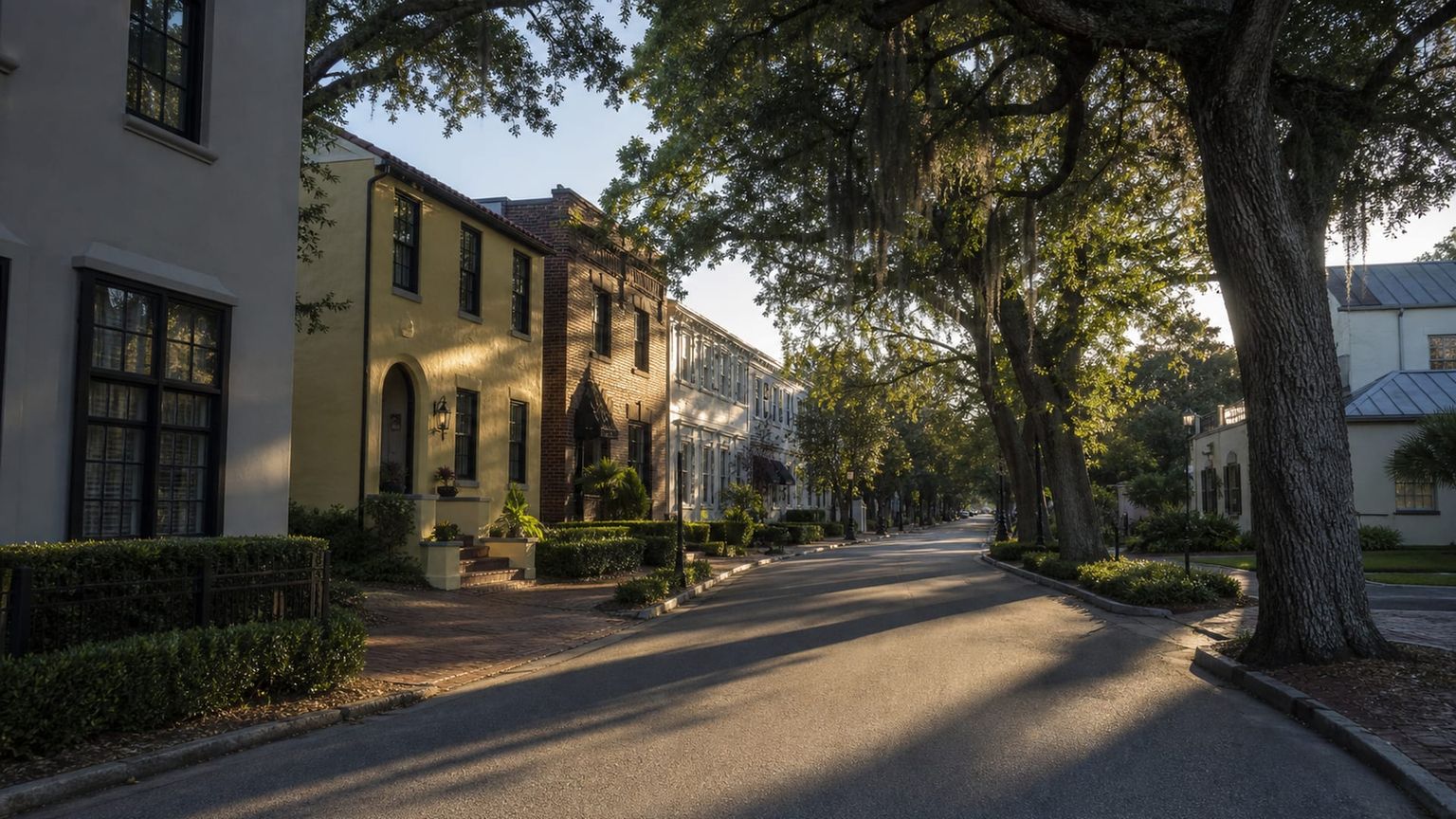
For a quieter architecture day, start in The Movie Colony and spend the morning among its historic homes and landscaped streets, then drive about 5 to 10 minutes into downtown for coffee. Afterward, revisit the Palm Springs Art Museum if you want more time with the collection, or return to the Architecture and Design Center for another look at the building and exhibits, both of which sit within an easy downtown walk from one another. Finish with an early dinner in downtown Palm Springs, where you can stay on foot once you park.
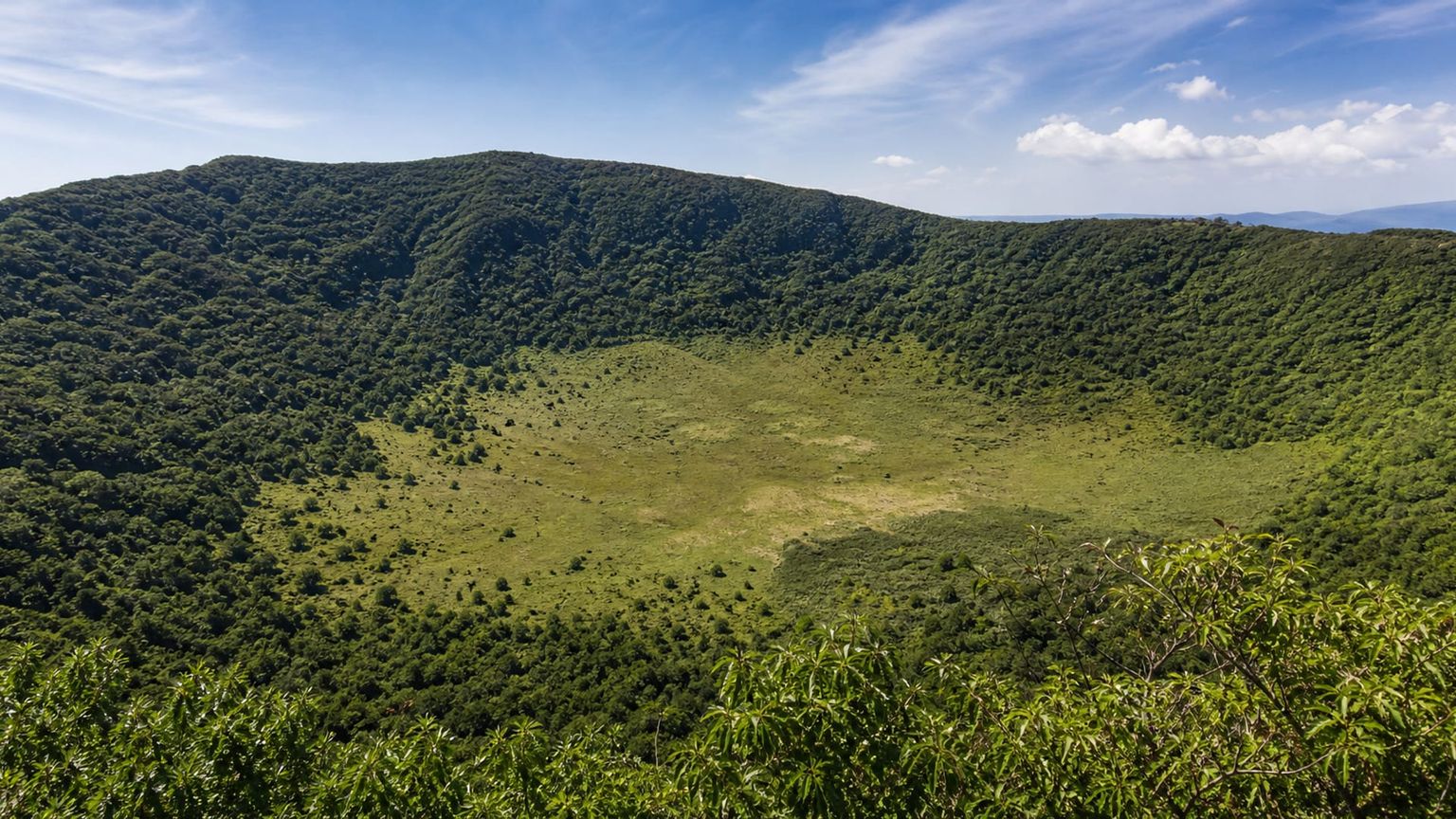
One last loop through downtown works well before departure, beginning with a final museum stop at the Palm Springs Art Museum if you want a short cultural visit before lunch. Then spend time shopping along Palm Canyon Drive, where the gallery and design blocks sit close together and let you browse without a long drive. If you have an afternoon flight, pause for coffee in downtown Palm Springs or head to a café near Warm Sands, then return to your hotel for bags and a direct ride to Palm Springs (PSP).
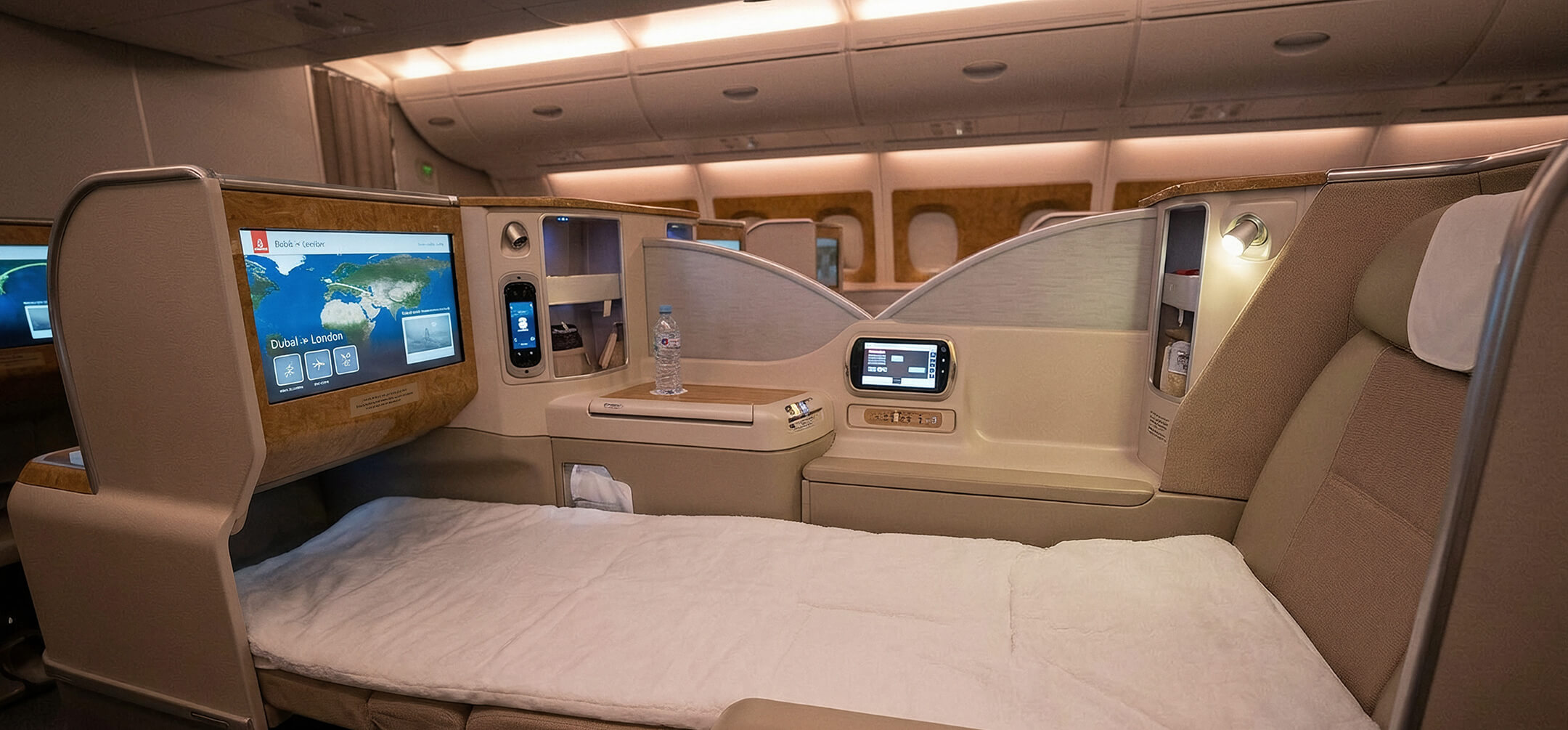
Business-class flights from the US to Palm Springs
Palm Springs connects to the East Coast and Los Angeles through a small set of useful airline options, with routing choices that matter more than schedule volume. The clearest fares usually come from nonstop or one-stop combinations through major hubs.
From New York, American Airlines, Delta Air Lines, United Airlines, British Airways, and Air France sell itineraries that usually take 5 to 6 hours nonstop, or about 8 to 12 hours when you connect through Phoenix (PHX), Dallas/Fort Worth (DFW), Denver (DEN), Charlotte (CLT), or Chicago (ORD). Round-trip fares from New York to Palm Springs start from $900 and often reach $2,200; if you do not mind a layover, common routings via Phoenix (PHX), Dallas/Fort Worth (DFW), or Denver (DEN) can cut the fare.
Los Angeles is the shorter hop, with American Airlines, Delta Air Lines, and United Airlines on itineraries that run about 1 hour 20 minutes to 1 hour 30 minutes nonstop. Round-trip pricing from Los Angeles to Palm Springs stays lower than from the East Coast, from $250 to $850, and one-stop tickets via Phoenix (PHX) or Dallas/Fort Worth (DFW) appear when nonstop schedules are limited.
Palm Springs feels different when you slow down
A deliberate Palm Springs trip keeps the center of gravity downtown, with the art museum, the Architecture and Design Center, and Palm Canyon Drive doing most of the work while Warm Sands and The Movie Colony add quieter edges. The tramway, the gardens, and the airport transfer fit best when you time them around heat and check-in hours. If you want AranGrant experts to shape your Palm Springs plan around those details, start with the dates and neighborhood that suit your trip