

Chapters:

Need help with your trip?
Our support team is available 24/7. Request a callback or call us directly at (833) 619-0908
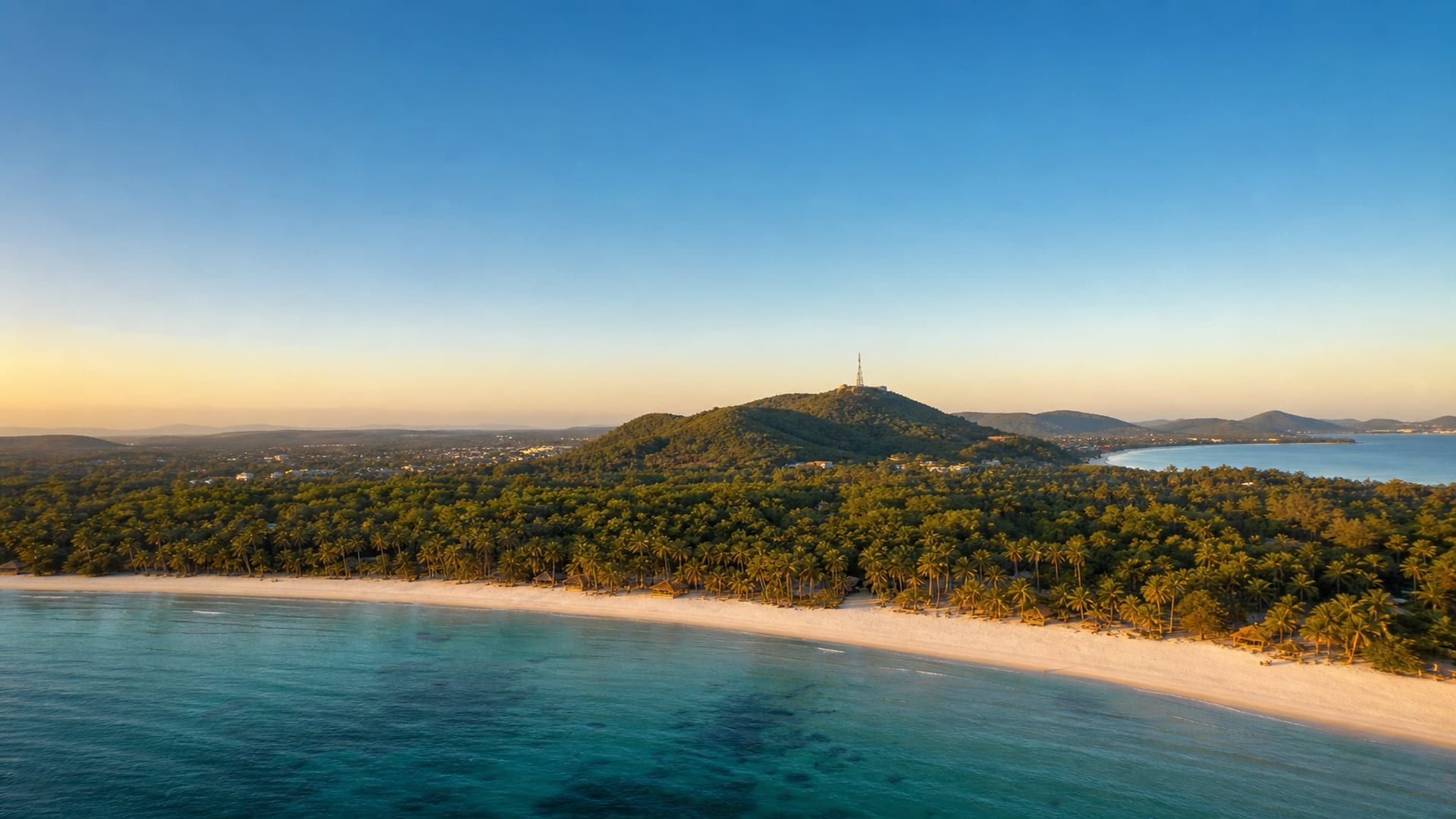
Many first-time trips to Phu Quoc Island settle into a west-coast routine: beach time in Long Beach, dinner in Duong Dong, and a quick stop at the night market. Travelers often miss how much ground the island covers, and how a south-side beach or a forest visit changes the day.
That shortcut can leave you spending too much time in taxis or arriving at crowded sights when the light and weather work against you. Distances matter here, and Duong Dong, the coast, and the south end each suit a different pace.
This guide organizes the island by zone and timing, so you can match beaches, food, and inland stops to the part of Phu Quoc that makes each day work best.
Useful things to know

Main language(s): Vietnamese
Xin chào (sin chow) – Hello
Làm ơn (lahm uhn) – Please
Cảm ơn (kahm uhn) – Thank you
Bạn có nói tiếng Anh không? (bahn koh noy teeeng uhng khong) – Do you speak English?
Bao nhiêu tiền? (bow nyew tee-en) – How much does it cost?

Currency: The local currency is the Vietnamese dong (VND, ₫).

Cash and cards: Cards and contactless are widely accepted in hotels and larger venues; carry about ₫200,000 to ₫500,000 ($8 to $20) in cash.

Tipping: Round up small bills; tipping is not expected, but 5-10% is appreciated in nicer restaurants.

Traditional food: sea urchin, herring salad, grilled squid, fish cake noodle soup

Water and coffee costs: Water about ₫10,000 ($0.40), bar espresso about ₫40,000 ($1.60).

Taxis and ride apps: Grab and Be operate here; availability thins outside busy hours.

Plug and voltage: Type A/C socket, 220V

Dining and shop opening hours: Breakfast is about 06:00-09:00, lunch 11:30-13:30, and dinner 18:00-21:00. Many places close earlier outside the resort areas.

Emergency number: 112 for emergency dispatch, 114 fire, 115 ambulance.
Where to stay in Phu Quoc Island
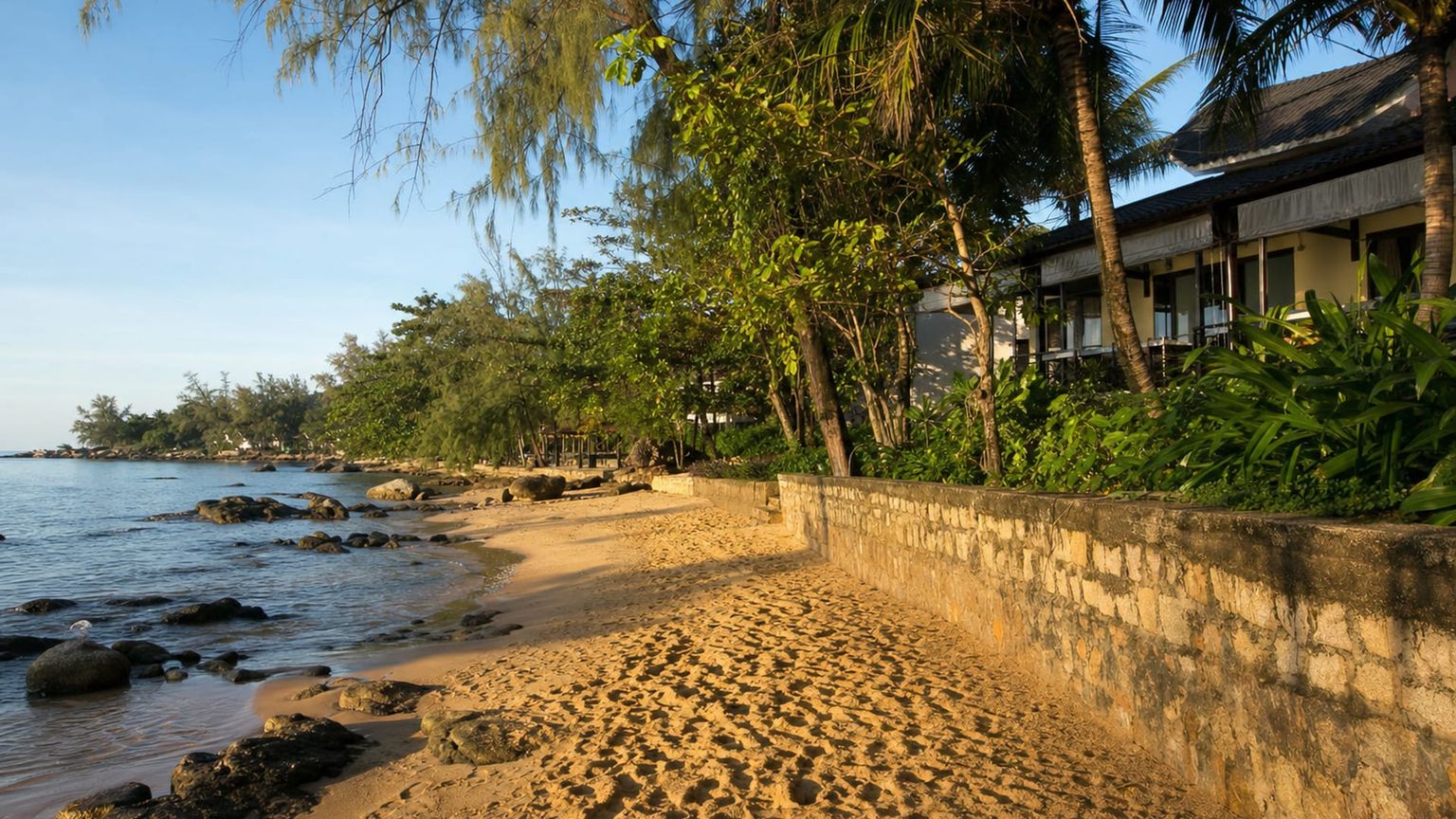
Ong Lang sits north of Duong Dong on a quieter stretch of west coast, with low-rise resorts and a more relaxed shoreline. It matters because it offers a calmer beach stay while still keeping the main town within taxi range.
Best for: Couples, slower beach days, and travelers who want fewer crowds near the coast
What to expect: Low-key resort strips, scattered restaurants, and noticeably lighter foot traffic than Long Beach or Duong Dong.
Hotel prices: Usually about $45 to $160 per night for well-rated stays
Distance to major sights: 20 to 25 minutes by taxi to Duong Dong Night Market; about 25 to 30 minutes to Phu Quoc Airport (PQC)
Quietness: Calm during the day and evening, with only small bursts of activity around restaurants and resort entrances.
Main trade-off: The setting is quieter, but you will depend on taxis more often for shopping, nightlife, and airport runs.
Good to know: Stay here if beach time matters more than having restaurants and shops on your doorstep, because most errands require a car or motorbike.
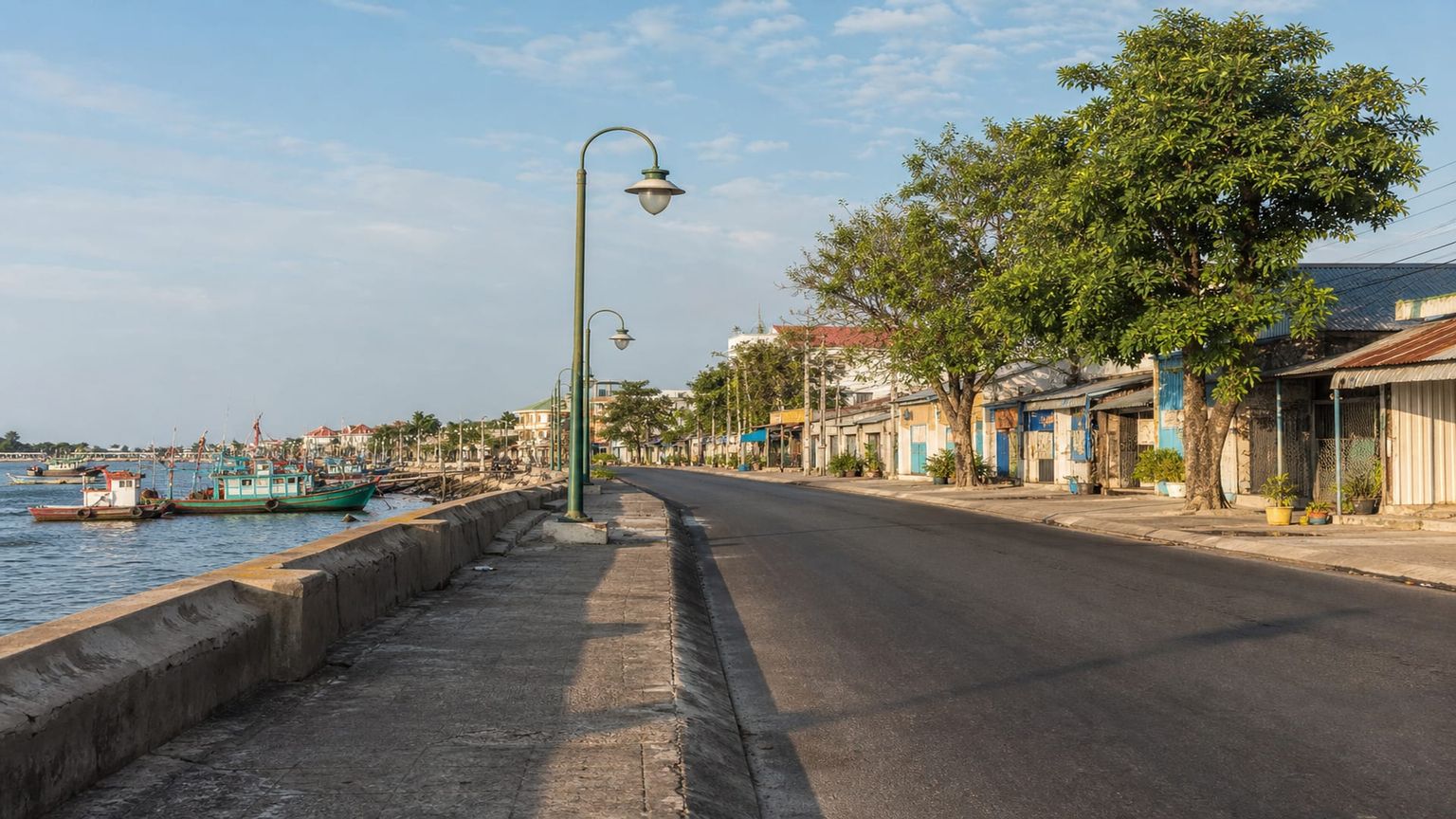
Phu Quoc’s main town clusters markets, guesthouses, and seafood spots near the west coast. It matters because you get the island’s broadest choice of hotels, easy access to the night market, and the simplest base for taxis and day tours.
Best for: First-time stays, dining, and travelers who want the widest choice of hotels and transport
What to expect: Busy streets, frequent scooter traffic, and the island’s most active evening scene near the market.
Hotel prices: Usually about $35 to $120 per night for well-rated stays
Distance to major sights: 5 to 10 minutes by taxi to Dinh Cau Night Market; about 15 to 20 minutes to Phu Quoc Airport (PQC)
Quietness: Lively by day and evening, especially near the market; side streets calm down late at night.
Main trade-off: You get convenience and food choice, but the central location brings more traffic and more noise than resort areas.
Good to know: If you plan early boat tours or airport transfers, this is the easiest place to stage them, though beach access is not as direct as on the resort coast.
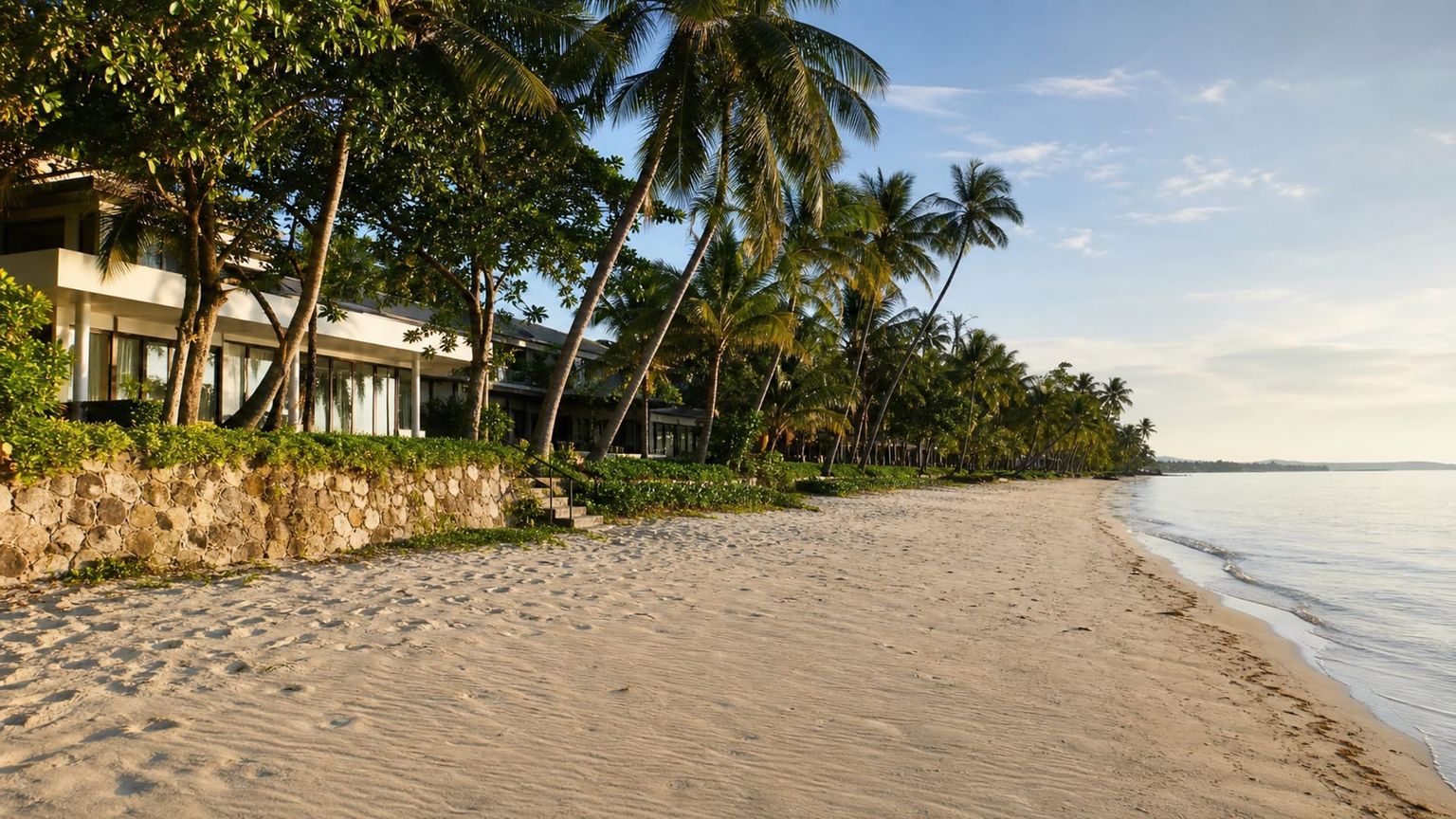
Long Beach stretches south of Duong Dong along the west coast, with many resorts, beach bars, and sunset-facing properties. It matters because it combines sea access with a short ride into town, so you can split time between the beach and dining.
Best for: Beach stays, sunset views, and travelers who want resort-style lodging close to town
What to expect: Resort-heavy shoreline, beach traffic, and a steady flow of visitors moving between hotels, bars, and the sea.
Hotel prices: Usually about $50 to $180 per night for well-rated stays
Distance to major sights: 10 to 20 minutes by taxi to Duong Dong Night Market; about 15 minutes to Phu Quoc Airport (PQC)
Quietness: Quieter in the morning and afternoon; evenings get busier near the beach bars and hotel clusters.
Main trade-off: Rooms often cost more than in town, and the best beach access can mean staying farther from local markets and casual eateries.
Good to know: Choose this area if you want a beach base without giving up easy access to Duong Dong for dinner and shopping.
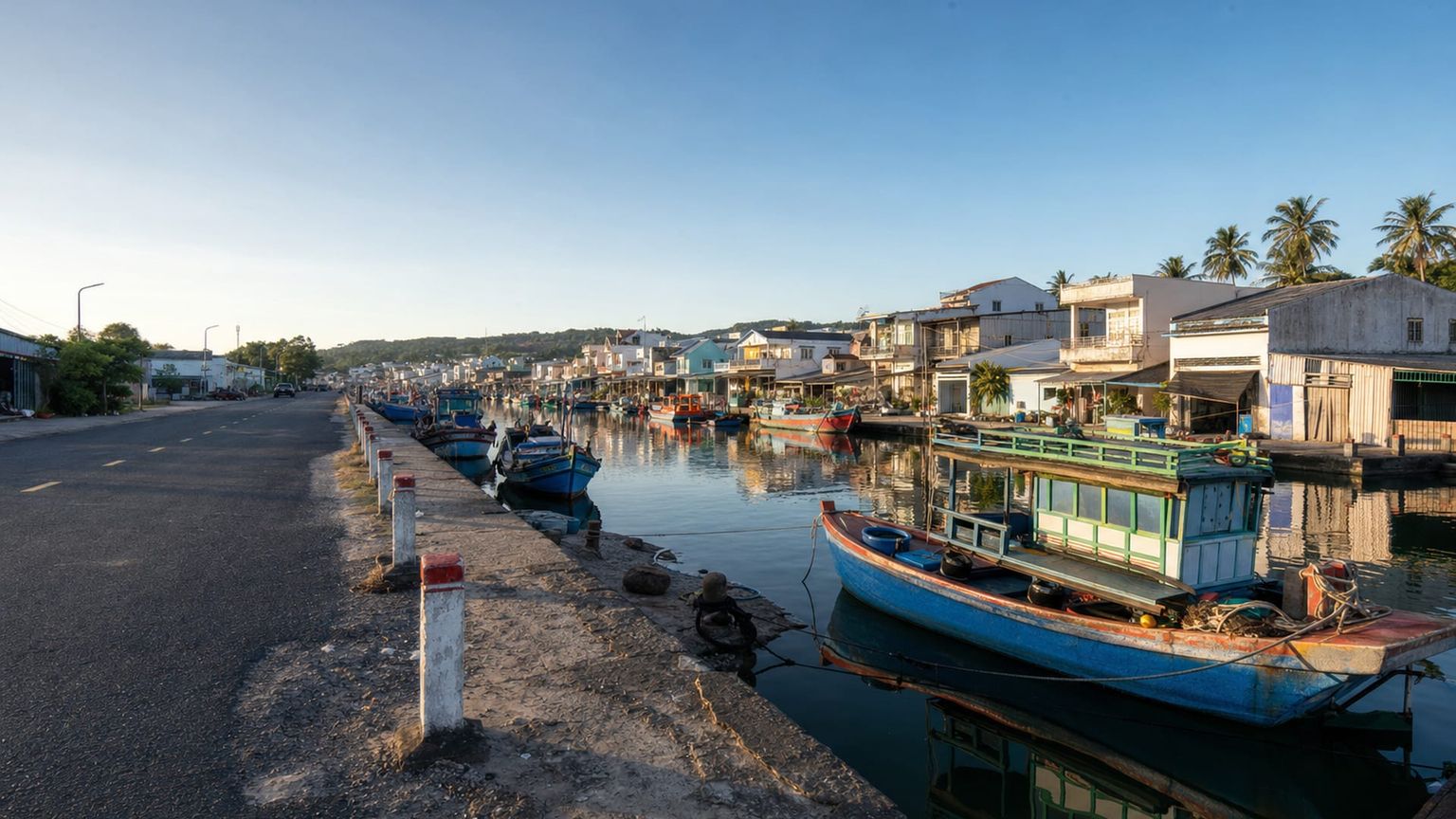
An Thoi sits at the southern end of Phu Quoc Island near the cable car terminal and the southern islands boat pier. It matters because it is the closest base for southern sightseeing, island-hopping, and early departures from the marina.
Best for: Island-hopping, cable car access, and travelers focused on the south end of Phu Quoc
What to expect: A working-town feel, ferry and tour traffic, and fewer nightlife options than the west coast.
Hotel prices: Usually about $30 to $100 per night for well-rated stays
Distance to major sights: About 5 to 10 minutes by taxi to An Thoi port; roughly 35 to 45 minutes to Phu Quoc Airport (PQC)
Quietness: Busy around the port by day, then much quieter after sunset.
Main trade-off: You save time for southern tours, but you stay farther from Duong Dong’s dining scene and from the island’s main beach strip.
Good to know: Base here if your first days center on the cable car, the southern archipelago, or an early boat departure, since the airport side of the island is a long ride away.
Travelers usually avoid staying in Ganh Dau, Vung Bau, and Cua Can if they plan to spend time around Duong Dong or the main beach corridor, because these areas sit far from the island’s busiest sights, dining, and nightlife, and evening taxi rides can take a long time. Ong Lang farther north is also less convenient for travelers who want many visitor amenities nearby, since it has fewer late-night options and limited walkable services compared with Duong Dong and Long Beach.
Hotel deals
How to get around Phu Quoc Island efficiently
Phu Quoc has no metro or rail line, so taxis, ride-hailing apps, and limited buses do most of the work between the airport, Duong Dong, and the resort coast.

Metro
for longer distances
Phu Quoc Island has no metro or suburban rail, so visitors rely on road transfers instead. For airport trips and resort-hopping, the main option is taxis or booked cars; most cross-island journeys from Phu Quoc (PQC) to Duong Dong take about 25 to 40 minutes, depending on traffic and hotel location.

Bus and tram
for convenience
Public buses are limited on Phu Quoc Island, with local minibuses and a few scheduled routes doing most of the work rather than a tram network. Expect infrequent departures, modest coverage between Phu Quoc (PQC), Duong Dong, and major beach or resort areas, and fares that are usually a few dollars, so confirm the exact stop and return timing before you board.

Taxi
for convenience or late hours
Licensed taxis at Phu Quoc (PQC) use metered fares, and airport stands make them the easiest legal option on arrival. A short ride into Duong Dong often costs about $8 to $15, while longer trips to southern resorts can run about $15 to $30; many drivers accept cash, and some take cards or local e-wallets, but it is smart to ask before starting the trip.
*Prices are based on rates updated as of June 2026 and may change at the time of travel.
Use taxis for airport runs and cross-island trips, ride apps when they are available in town, and buses only for simple point-to-point hops when your timing stays flexible.
Iconic landmarks
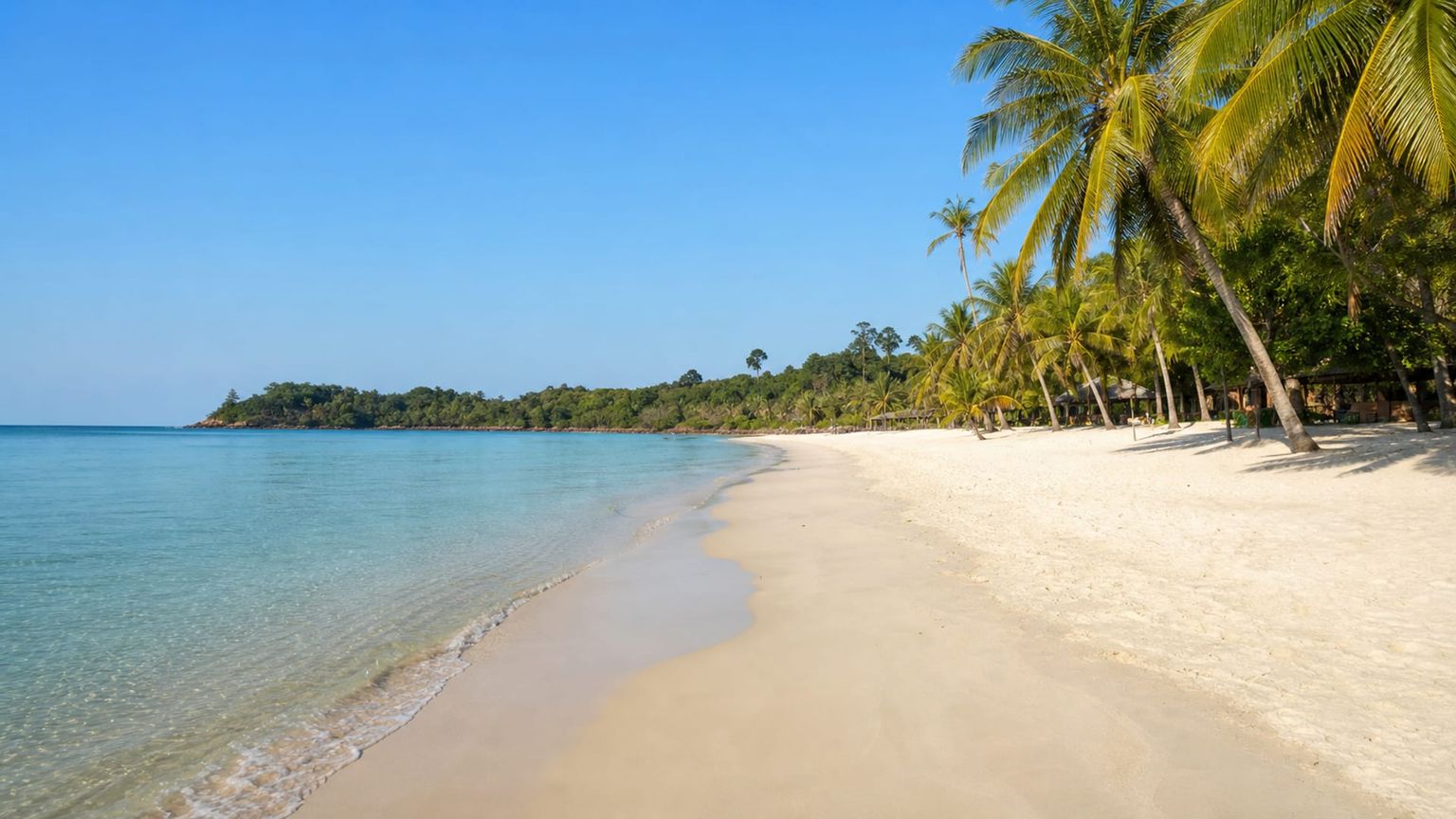
Sao Beach
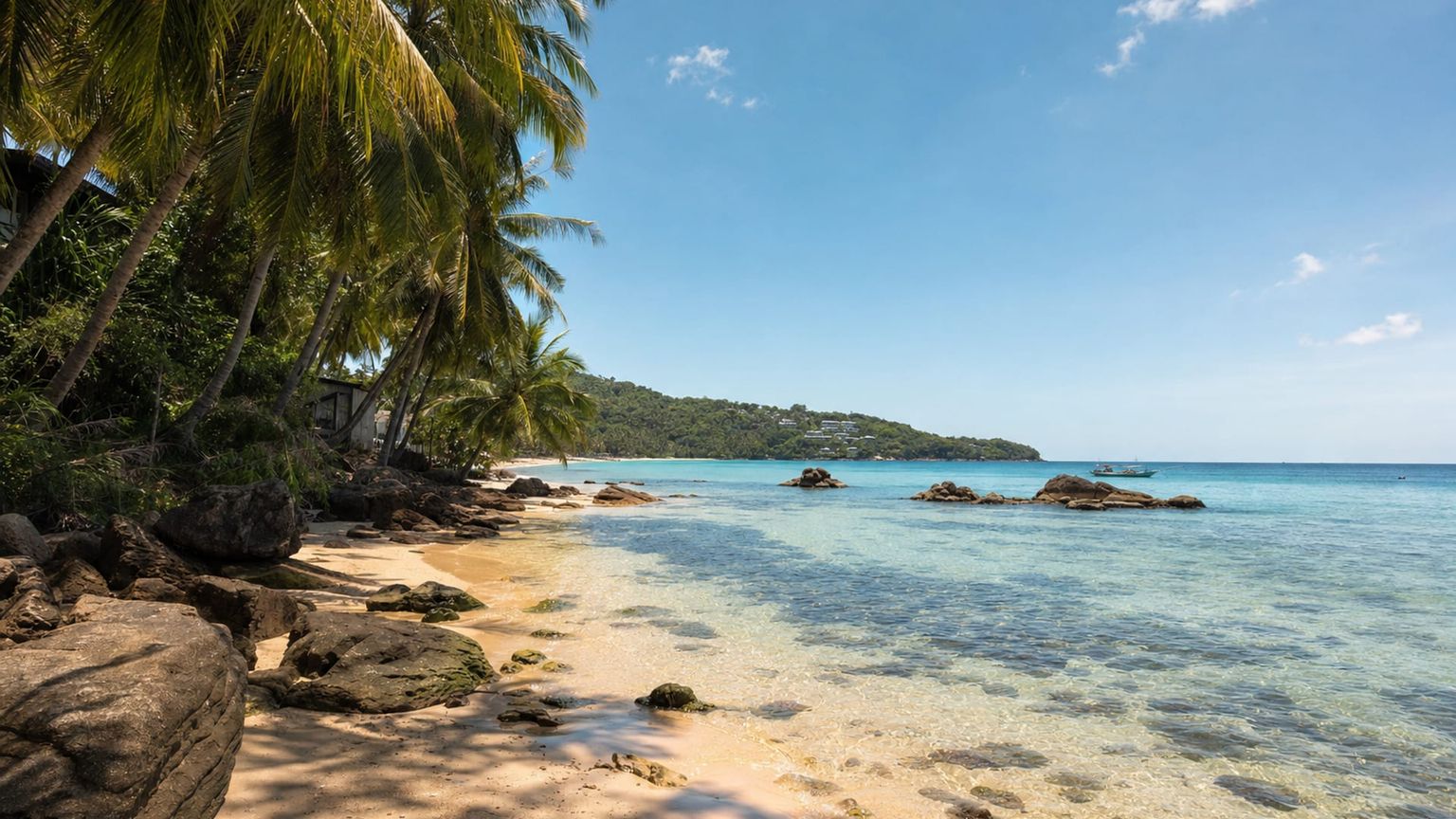
A long, pale-sand beach on Phu Quoc’s southeast coast, Sao Beach is known for calm water in the dry season and a wide shoreline backed by palms. It draws the island’s clearest swimming conditions when seas are calm.
Time needed: About 2 to 3 hours
Entry: Free to access; sun loungers, drinks, and water sports are extra, with parking fees possible at private beach clubs along the shore.
Tip: Go early in the day for calmer water and lighter crowds, then leave before noon heat peaks.
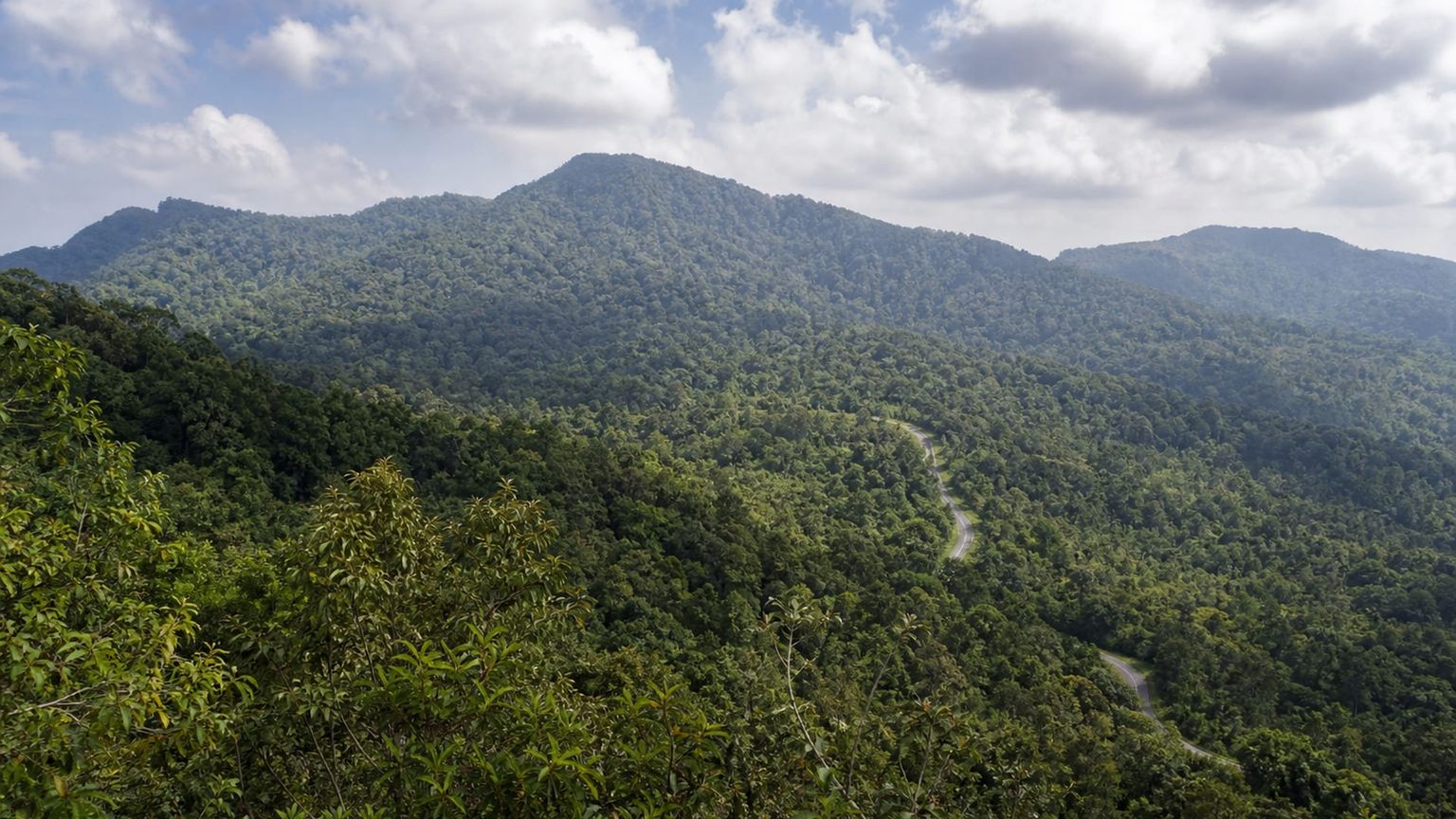
Phu Quoc National Park
This protected forest covers much of northern Phu Quoc and protects dense evergreen jungle, streams, and wildlife habitat. Marked trails and road access let visitors see the island’s inland side without leaving the center region.
Time needed: About 3 to 4 hours
Entry: Free to access; guided excursions, vehicle hire, and any park-adjacent activities are priced separately by local operators.
Tip: Visit in the morning, when trails are cooler and rain showers are less likely to interrupt.
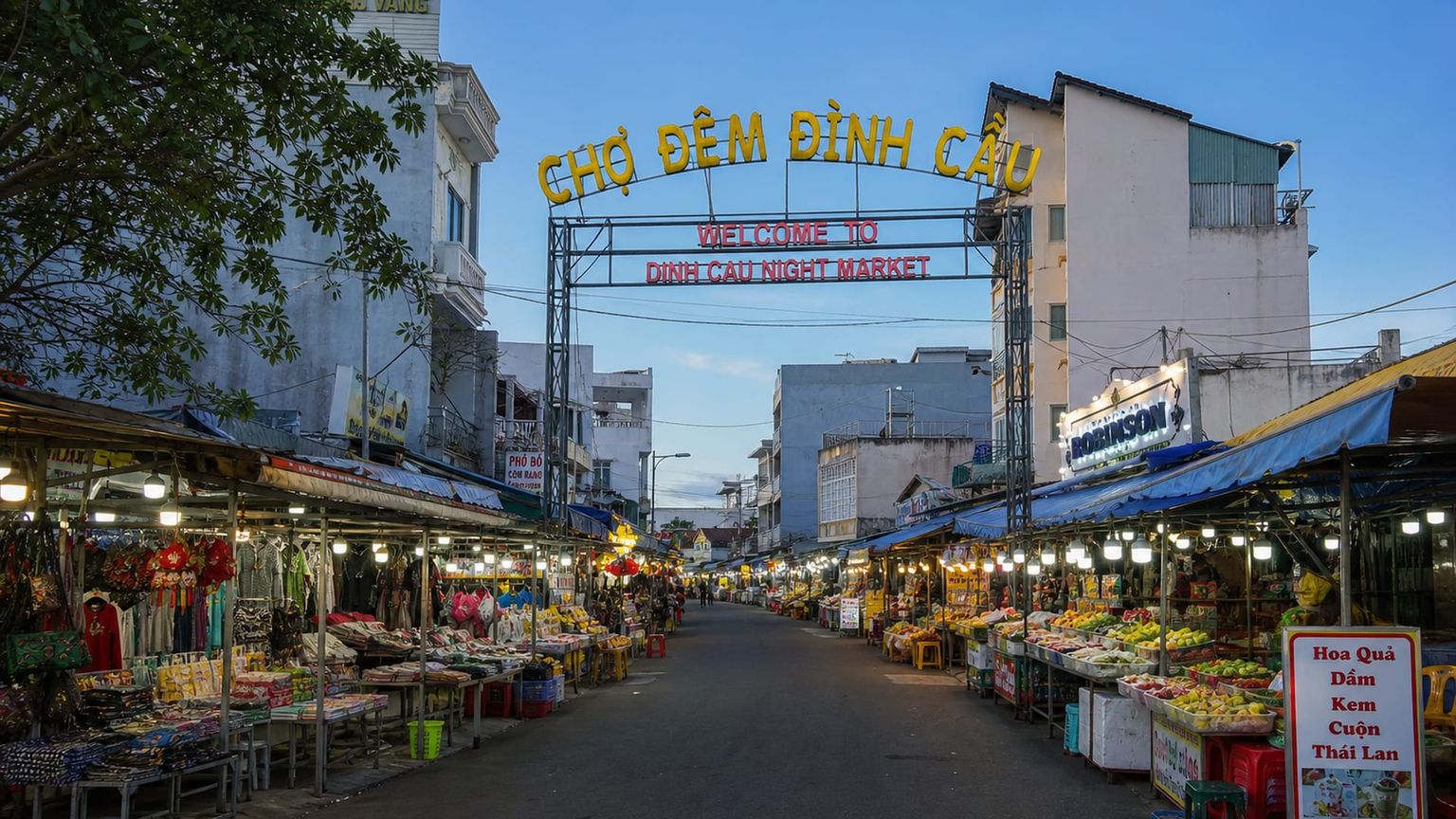
Dinh Cau Night Market
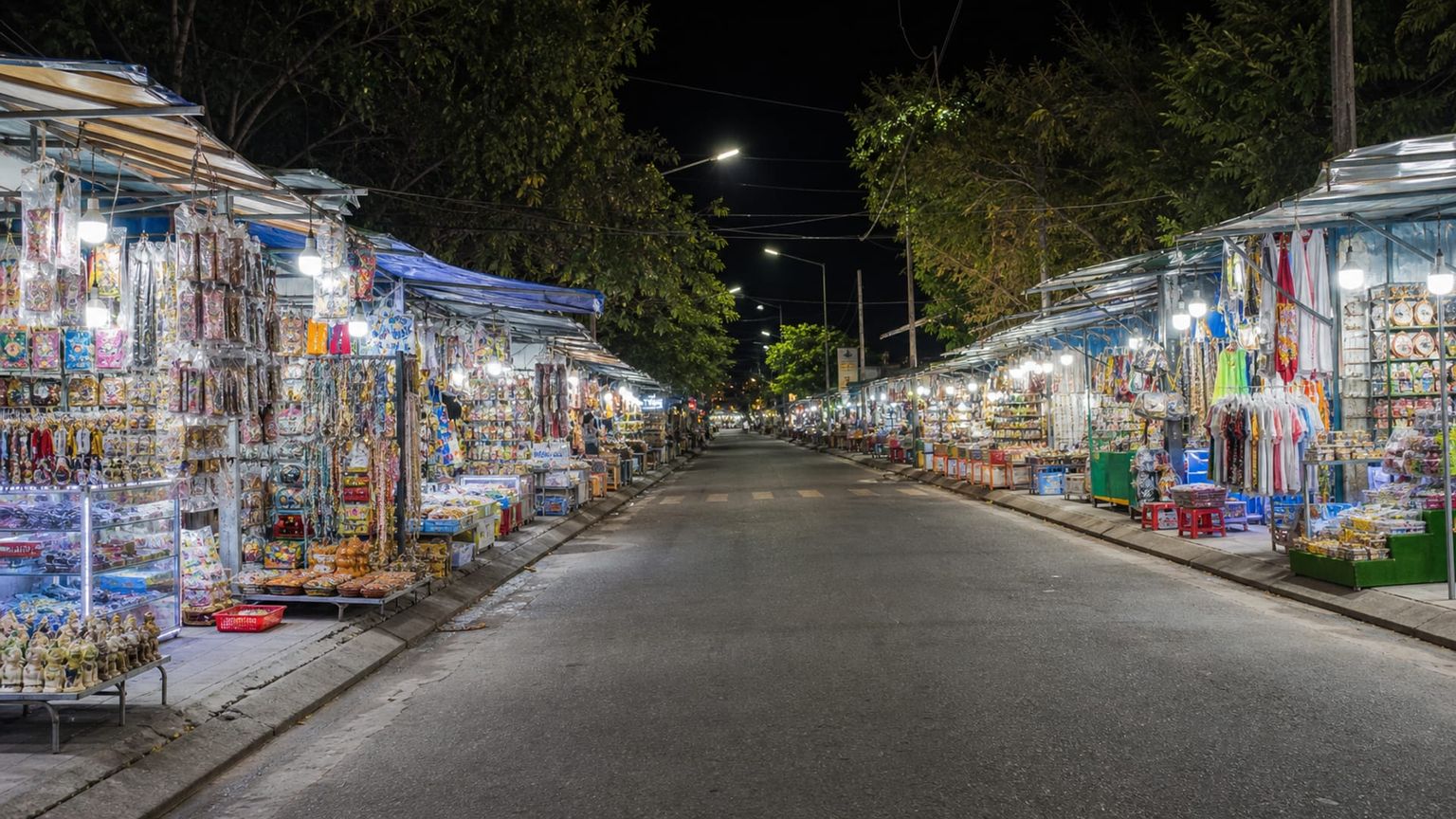
Set near Duong Dong harbor, Dinh Cau Night Market gathers seafood stalls, souvenir vendors, and snack counters in one busy stretch. It is one of the island’s clearest snapshots of local evening life and a useful stop after sunset.
Time needed: About 1 to 2 hours
Entry: Free to enter; food, drinks, and shopping are paid on site, with seafood prices varying by stall, dish size, and market season.
Tip: Arrive near sunset so the stalls are open, then eat before the busiest dinner hour.
Overlooked sites worth visiting

Suoi Tranh Waterfall
A short forest walk leads to a small waterfall and shaded pools, with stone steps and mossy boulders. It suits an early stop after rain, when the stream has the most water.
Time needed: About 1 to 2 hours
Entry: Entrance is typically about $1 to $2 (approximately 25,000 to 50,000 VND) per person, with extra fees only if you hire parking or a motorbike guide at the gate.
Tip: Go early for cooler air and fewer visitors.

Coi Nguon Museum
This compact private museum shows Phu Quoc fishing, pearl, and forest history through artifacts, taxidermy, and old photos. The rooftop also gives a wide view over Duong Dong.
Time needed: About 45 minutes to 1 hour
Entry: Admission is usually about $2 to $4 (roughly 50,000 to 100,000 VND) per person, depending on whether you include the museum garden or the small upstairs viewing area.
Tip: Pair it with a late afternoon visit for softer light.
Traditional food
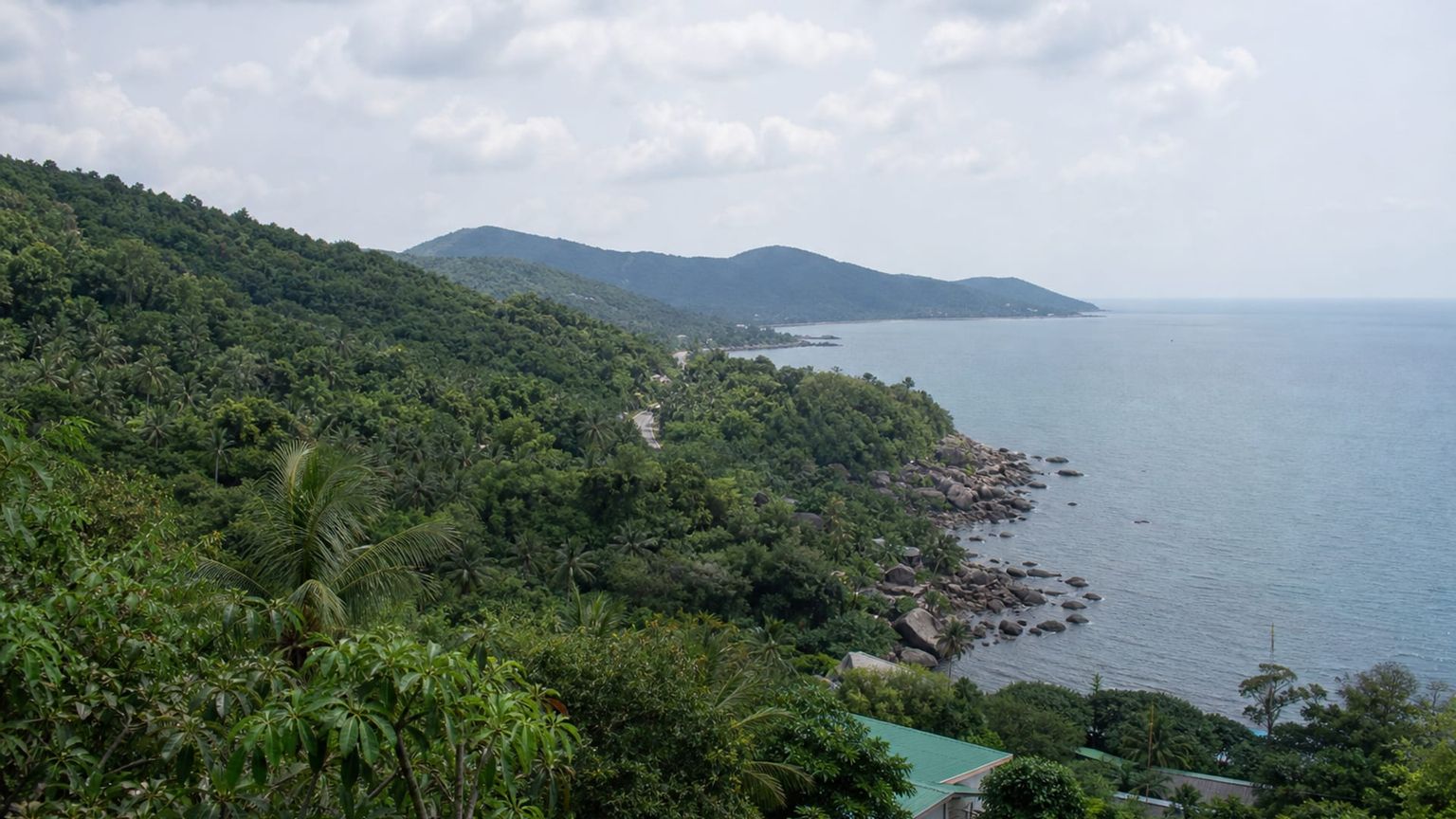
Phu Quoc’s cooking leans on seafood, fish sauce, and quick charcoal grilling, with sea urchin, herring salad, grilled squid, and fish cake noodle soup shaping many meals. Most dining revolves around markets, beach grills, and resort restaurants.
Sea urchin
Phu Quoc’s sea urchin is usually grilled or served with scallion oil, which keeps the texture rich and briny. Xin Chao Seafood Restaurant in Duong Dong is a strong place to order it.
Herring salad
This island staple combines sliced herring with herbs, coconut, and rice paper for a bright, salty bite. Ra Khoi Restaurant in Duong Dong is a well-known stop for it.
Grilled squid
Fresh squid gets a fast charcoal grill, then comes to the table lightly charred and often served with a simple dipping sauce. The Spice House at La Veranda Resort is a dependable place to try it.
Fish cake noodle soup
Bun cha ca, or fish cake noodle soup, brings a lighter broth, herbs, and bouncy fish cakes into one easy breakfast bowl. Bup Restaurant in Duong Dong is a common local choice.
Best time to visit Phu Quoc Island
Phu Quoc shifts with the dry and wet seasons, so beach days, forest visits, and boat plans all depend on when you come.
Best for: Best for beach weather and the clearest swimming conditions
What you get: About 75 to 86°F (24 to 30°C), with lighter rain and the busiest tourist flow
Trade-offs: Hotel rates and beach demand rise during the peak holiday period
Best for: Best for a balanced trip with warm sea conditions and easier sightseeing
What you get: About 79 to 91°F (26 to 33°C), with moderate crowds and rising humidity
Trade-offs: Hot afternoons can make inland stops feel tiring
Best for: Best for lower-season pricing and quieter resorts
What you get: About 77 to 88°F (25 to 31°C), with fewer visitors and regular rain showers
Trade-offs: Showers can interrupt beach time and boat plans
Best for: Best for flexible travelers who do not mind some weather shifts
What you get: About 77 to 88°F (25 to 31°C), with lighter crowds and frequent wet spells
Trade-offs: Wet days can limit visibility and make outdoor plans less certain
A realistic 5-day plan in Phu Quoc Island
The five-day plan below starts with a light arrival day, then moves from forest to south-coast beaches, before closing with the market and a final calm morning. That sequence keeps the longer rides grouped together and leaves the last day open for check-out.
Fly into Phu Quoc Airport (PQC), then take a taxi to Long Beach or Duong Dong, which usually takes about 15 to 20 minutes and costs roughly $8 to $12. If you want the quietest start, Ong Lang is about 25 to 30 minutes from the airport and usually costs about $12 to $15 by taxi. Check in, drink plenty of water, and keep dinner close to your hotel, perhaps at a beachside place along Long Beach or a seafood spot in Duong Dong near Dinh Cau Night Market, where you can stay within a short taxi ride of the airport.
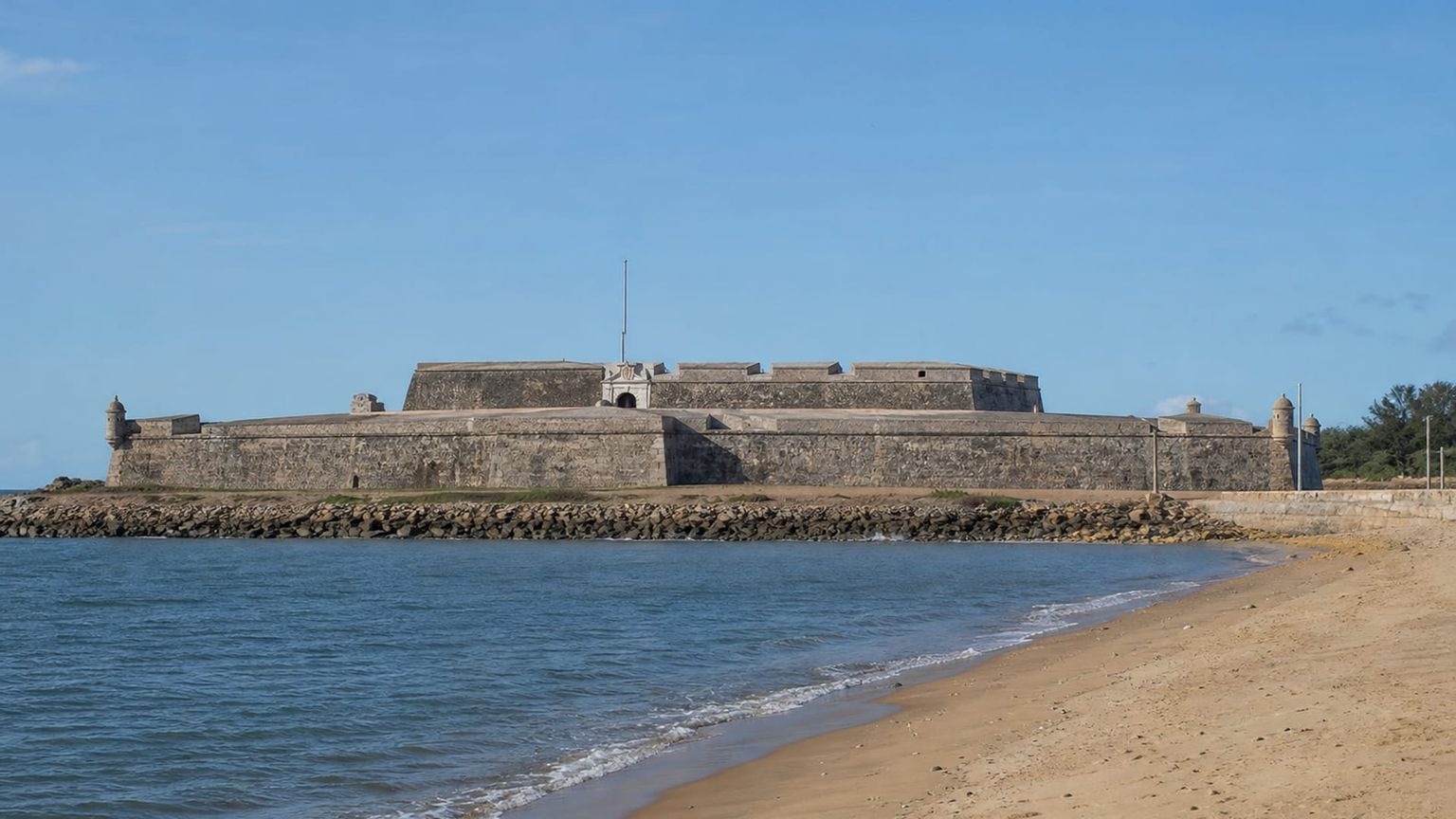
Begin with Phu Quoc National Park in the morning, since the cooler air makes the forest roads and trail access easier, and plan on about 3 to 4 hours there. From Duong Dong, the drive takes roughly 25 to 35 minutes, depending on your exact starting point and traffic. After lunch, continue about 20 to 30 minutes south to Suoi Tranh Waterfall for a short forest walk and the shaded pools, then return to Duong Dong or Long Beach for an easy seafood dinner near the coast.

Sao Beach makes the strongest full-day pairing with the island’s south end, so start early from An Thoi or Long Beach and reach the shore before the heat builds. The taxi ride from Long Beach is about 25 to 35 minutes, and from An Thoi it is usually about 10 to 15 minutes. Stay for 2 to 3 hours, swim in the calmer water if conditions are good, then head back toward An Thoi for a late lunch or onward to the cable car and harbor area if you want a second southern stop.
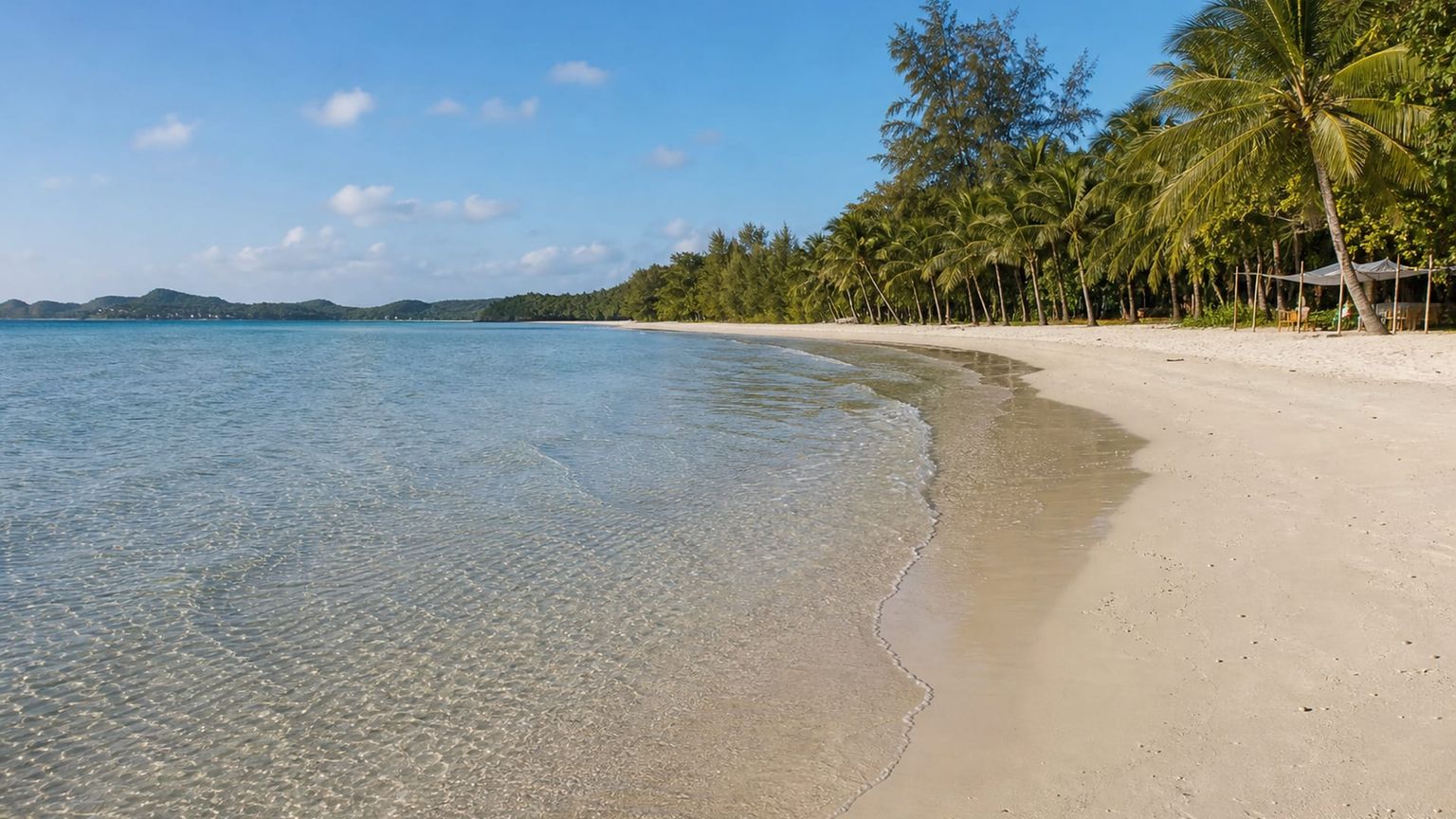
Start at Coi Nguon Museum, where a visit usually takes about 45 minutes to 1 hour, then continue to Dinh Cau Night Market in Duong Dong, about 10 minutes away by taxi from Long Beach or 5 to 10 minutes from central Duong Dong. Spend time over the market stalls at sunset, when the seafood counters are busiest and the souvenirs open out across the lane. If you want one more stop, walk or take a short taxi ride back toward the Duong Dong waterfront for a drink before dinner.
For the final morning, return to Coi Nguon Museum if you missed it earlier, or spend that time in Duong Dong’s shops and cafés before your flight. A café stop in Long Beach works well if you are staying on the west coast, while Ong Lang gives you a quieter brunch setting before checkout. From Duong Dong to Phu Quoc Airport (PQC), taxis usually take about 15 to 20 minutes, so leave enough time for a last meal and a calm transfer.
Business-class flights from the US to Phu Quoc Island
Reaching Phu Quoc usually means connecting through one of Asia’s larger hubs, and the best fare often depends more on the layover city than on the airline alone. The route examples below show how the trip tends to work from both coasts of the US.
From New York (JFK), Singapore Airlines, Cathay Pacific, Emirates, Turkish Airlines, and Korean Air all appear on the long-haul side of the trip, with one-stop itineraries through SIN, HKG, DXB, IST, or ICN. Round-trip fares from New York (JFK) start at $4,800 and can reach about $8,500.
Los Angeles (LAX) itineraries usually run through SIN, ICN, HKG, or TPE, with Singapore Airlines, Korean Air, Cathay Pacific, EVA Air, and China Airlines among the names you may see. Round-trip fares from Los Angeles (LAX) usually run $4,500 to $7,800, and one-stop itineraries via Seoul, Taipei, or Singapore can trim the total.
Phu Quoc Island feels different when you slow down
A deliberate Phu Quoc trip usually puts sleep, meals, and transfers in the right places: Duong Dong for markets and taxis, Long Beach for sunset access, Ong Lang for quieter beach time, and An Thoi for the south end and boat departures. The day then opens cleanly, with one forest stop, one beach stop, and a night market visit after sunset. If you want help shaping that kind of itinerary, contact AranGrant experts for a Phu Quoc plan built around the island’s actual distances