

Chapters:

Need help with your trip?
Our support team is available 24/7. Request a callback or call us directly at (833) 619-0908
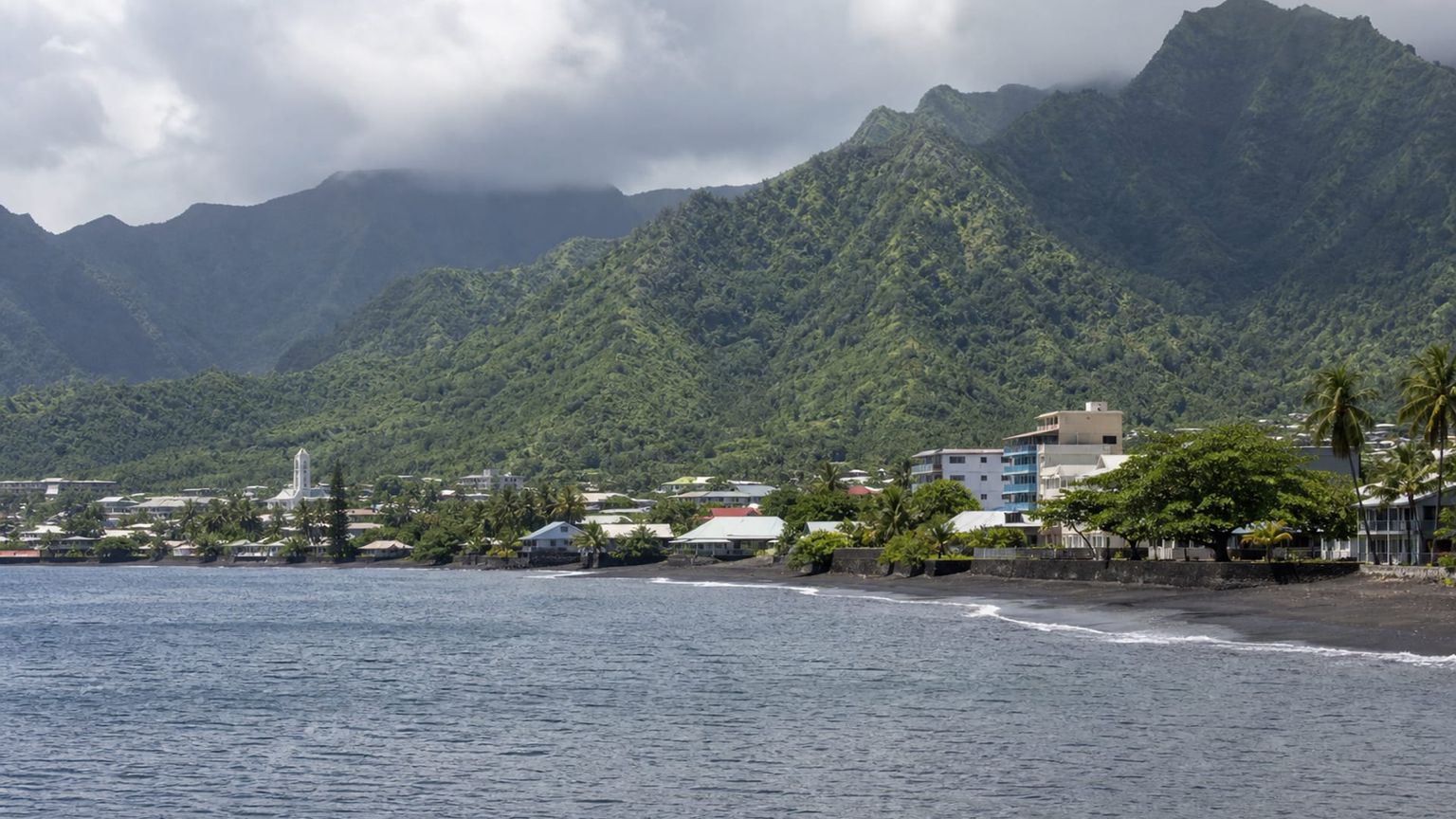
Tahiti trips often begin and end at the airport, with a night in Papeete, a quick market visit, and one longer outing to the north coast. What many travelers miss is how much time the island can absorb if they treat every stop as a separate taxi ride.
Papeete, Pointe Venus, and the harbor districts sit far enough apart to shape the day, while evening buses thin out and some restaurants close early in the week. Without a plan, that spread adds extra waiting and cross-town backtracking.
This guide keeps the pace clear: where to stay, what to eat, when to visit, and how to line up each day so the island works as a sequence, not a scramble.
Useful things to know

Main language(s): French
Ia ora na (ee-ah oh-rah nah) – Hello
Māuruuru (ma-oo-roo-roo) – Thank you
Nana (nah-nah) – Goodbye
Ua ite oe i te parau Marite? (oo-ah EE-teh OH-eh ee teh pah-RAH-oo mah-REE-teh ) – Do you speak English?
E hia te moni? (eh hee-ah teh moh-nee) – How much does it cost?

Currency: The local currency is the CFP franc (XPF, F).

Cash and cards: Cards and contactless are widely accepted in Papeete and most hotels; carry about XPF 2,000 to 5,000 for small vendors and taxis.

Tipping: Tipping is not expected; round up or leave a small amount for exceptional service.

Traditional food: Poisson cru, Tahitian-style chicken, fafa, poe

Water and coffee costs: Water ~XPF 200 ($2), bar espresso ~XPF 300 ($3).

Taxis and ride apps: Taxis are the main option; ride apps are limited and may not be available.

Plug and voltage: Type C/F socket, 220V

Dining and shop opening hours: Breakfast is about 06:30-09:00, lunch 11:30-14:00, and dinner 18:30-21:00. Many restaurants close one or two days a week, often Sunday or Monday.

Emergency number: 112 or 15 for emergency medical help; 17 for police and 18 for fire.
Where to stay in Tahiti
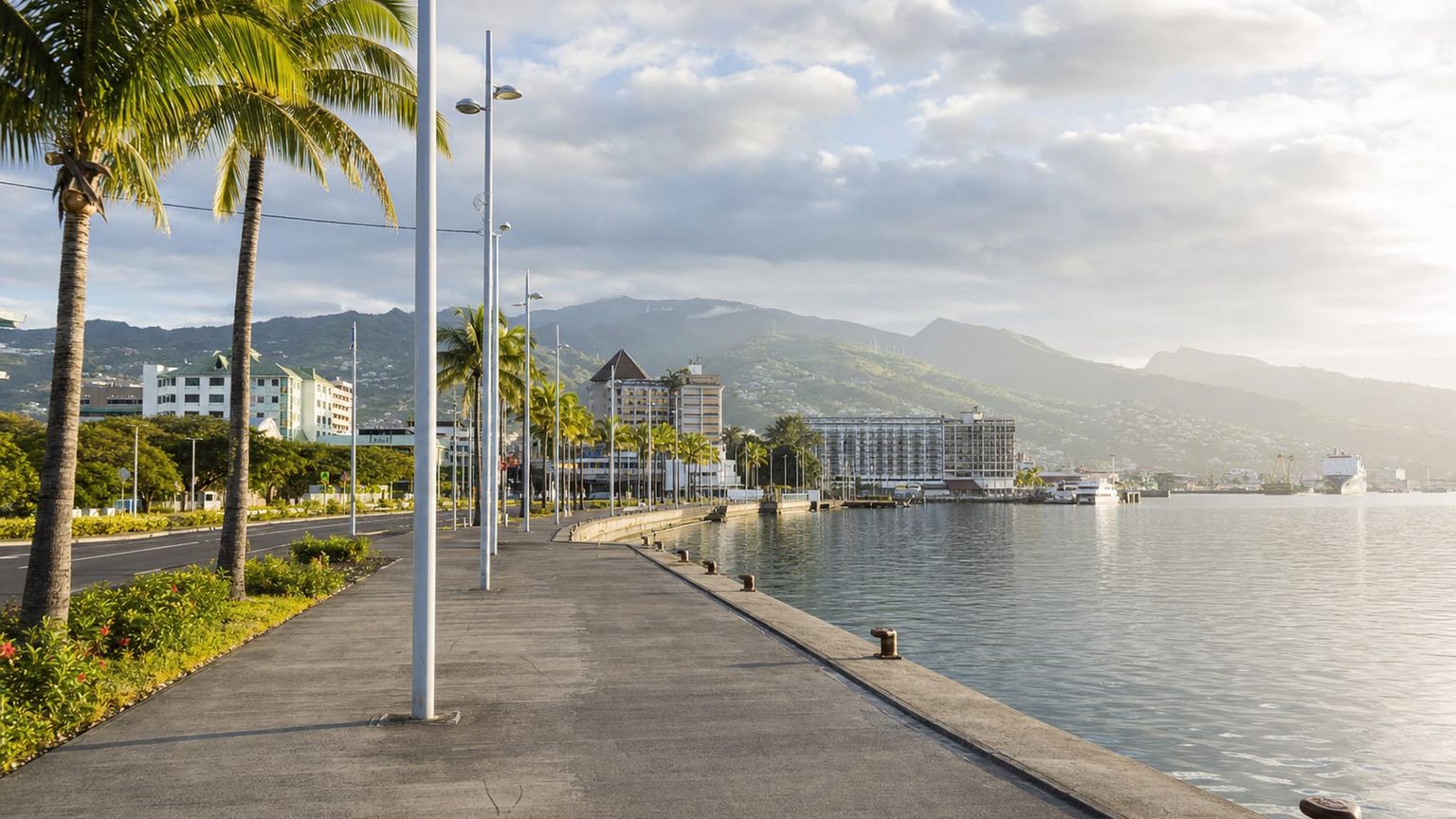
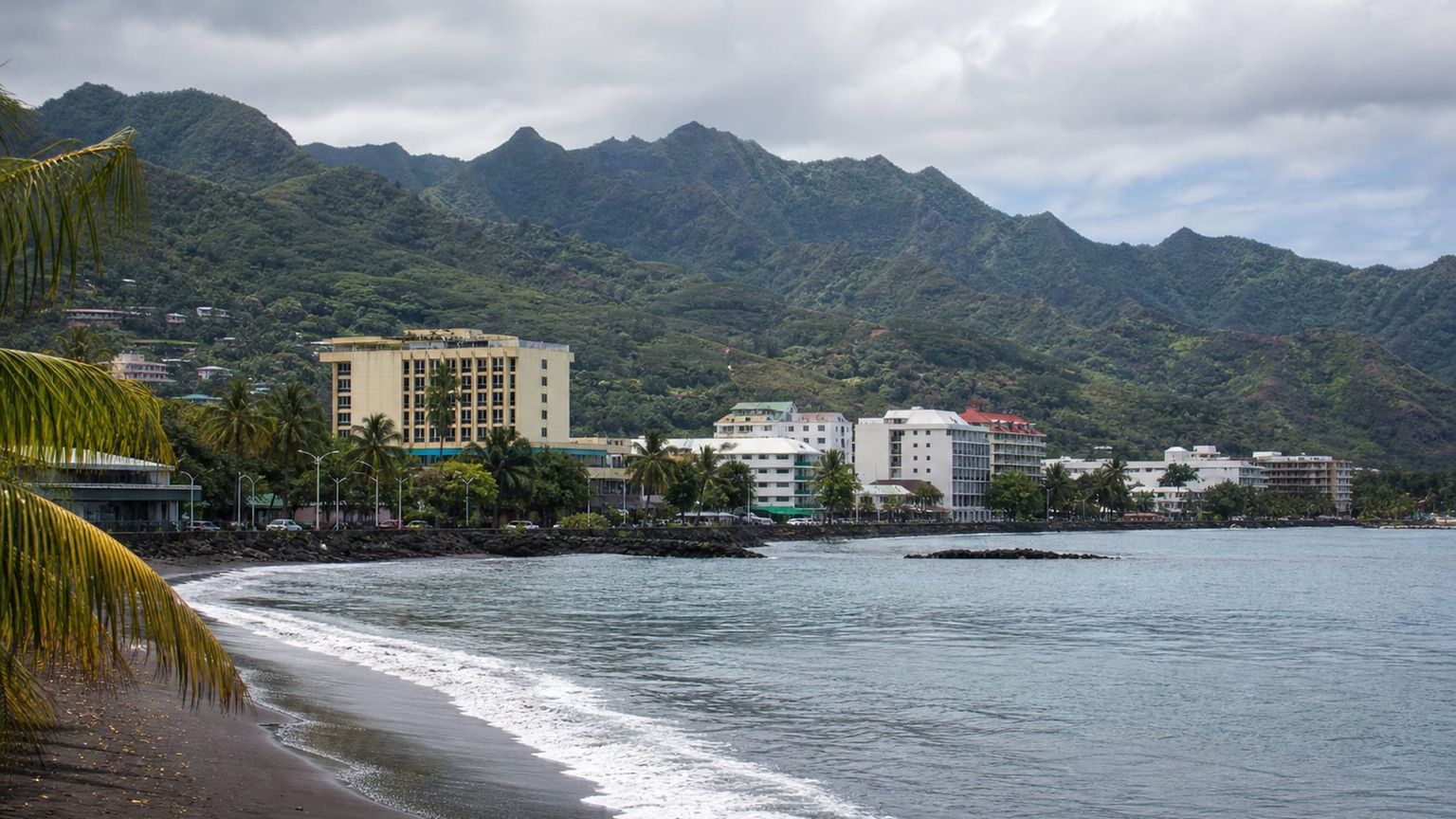
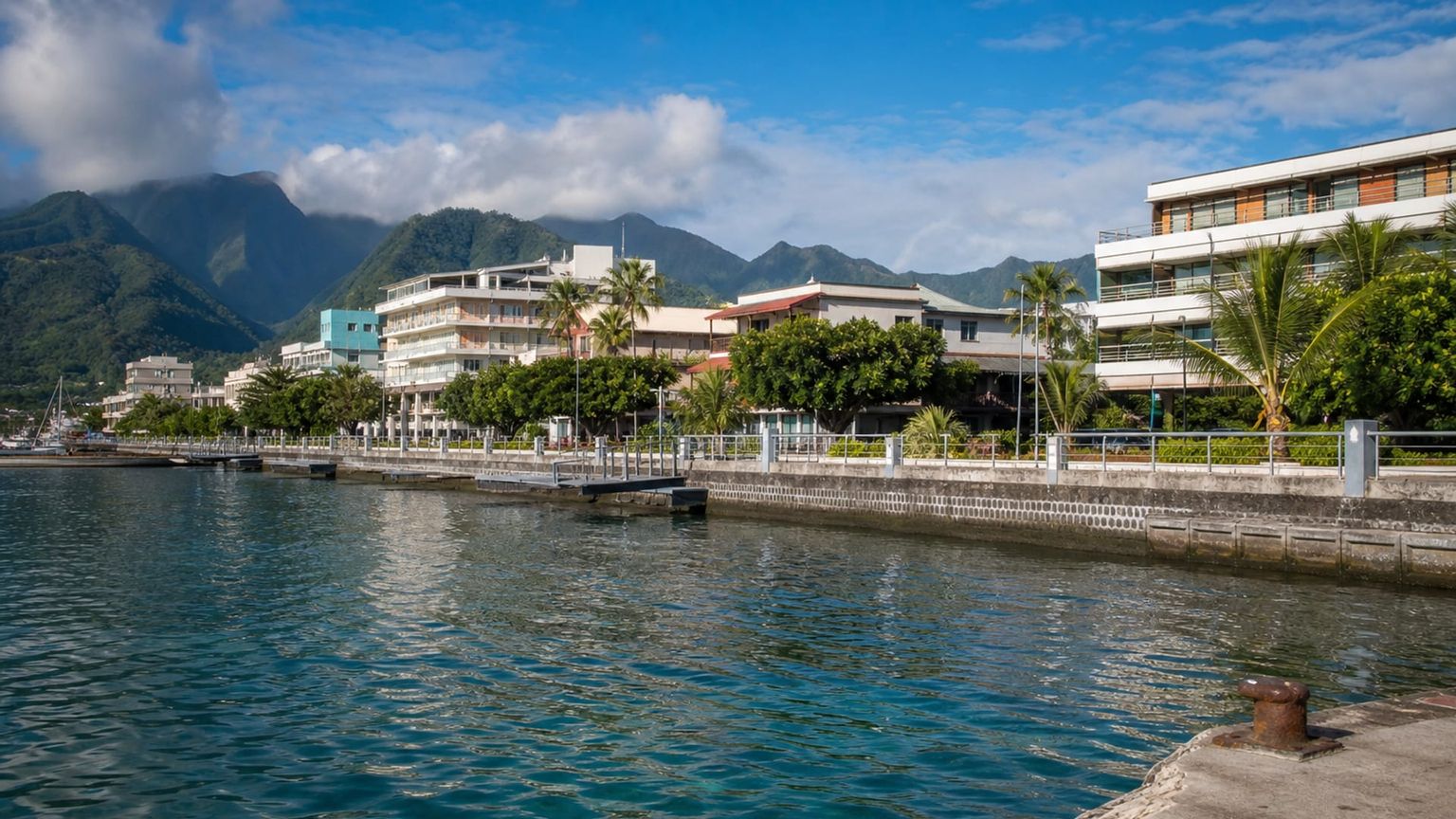
Papeete waterfront puts you by the ferry terminal, cruise pier, and the city’s main waterfront promenade. It suits travelers who want easy access to dining, markets, and island connections without spending extra time crossing town.
Best for: Ferry departures, short stays, and travelers who want the easiest access to the market and waterfront dining
What to expect: Busy in the morning and late afternoon, with cruise passengers, office workers, and a steady stream of people near the port.
Hotel prices: Usually about $140 to $260 per night for well-rated stays
Distance to major sights: 5 to 10 minutes on foot to Marché de Papeete; about 10 minutes on foot to Papeete Ferry Terminal
Quietness: Lively by day and evening, then quieter once the waterfront crowds thin out.
Main trade-off: You will pay more for the location, and some rooms sit close to port traffic and early departures.
Good to know: If you have an early ferry or a short stopover, this is the easiest place to keep luggage movements simple.
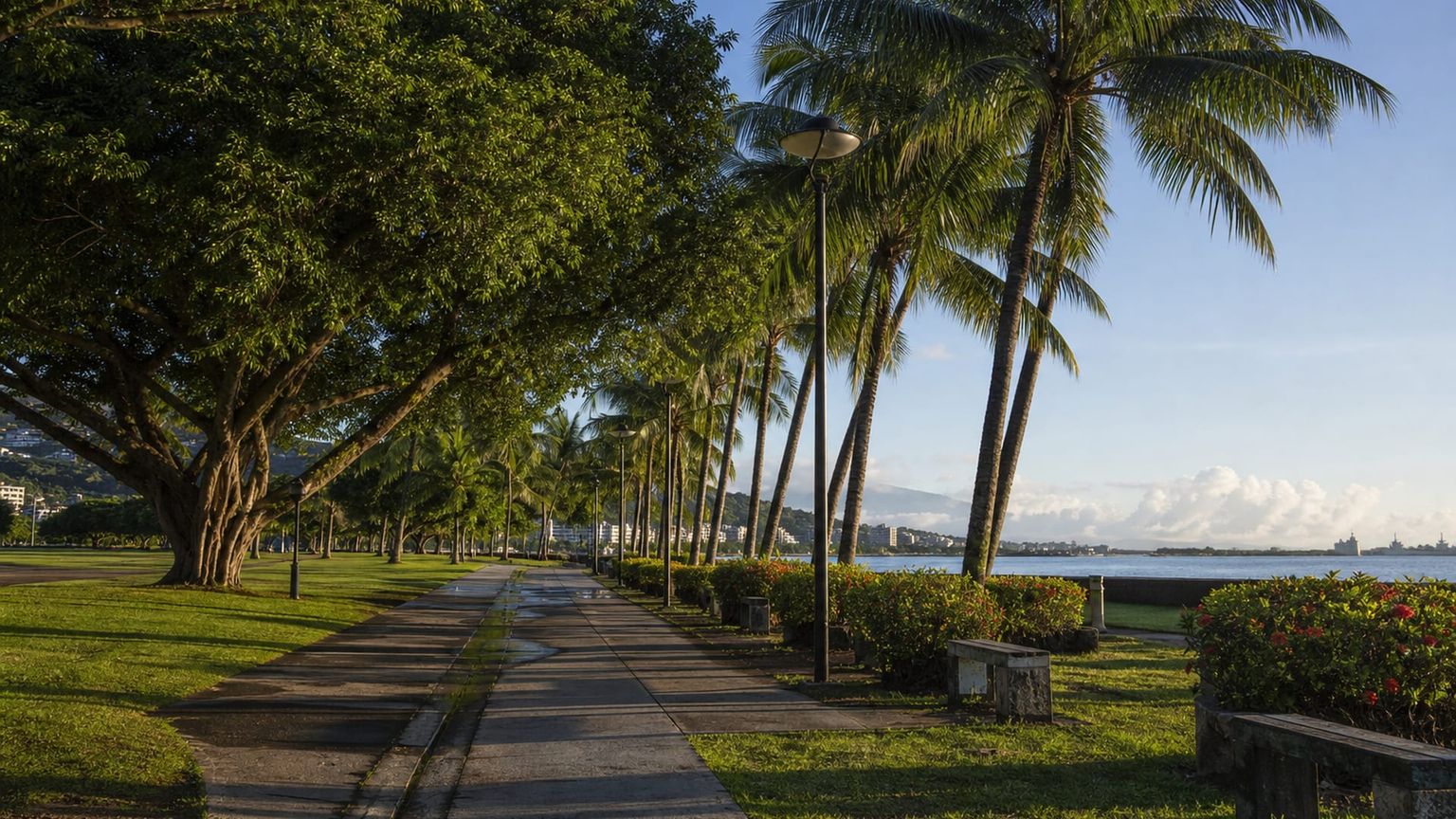
Paofai sits just west of central Papeete along the coast, with a waterfront park, residential streets, and quick access to the town center. It gives you a calmer base while keeping the market, ferry terminal, and promenade close at hand.
Best for: Waterside walks, longer stays, and travelers who want a quieter base near central Papeete
What to expect: Local and low-key, with walkers on the seafront path and fewer late-night crowds than the port area.
Hotel prices: Usually about $120 to $220 per night for well-rated stays
Distance to major sights: 10 to 15 minutes on foot to Marché de Papeete; about 5 minutes by taxi to the ferry terminal
Quietness: Quiet in the evening, with more activity on the seafront at sunset and early morning.
Main trade-off: You give up some immediate doorstep convenience for restaurants and late-night activity, which are denser closer to the center.
Good to know: Choose this area if you plan to sleep earlier, because the seafront reduces late foot traffic compared with the port edge.
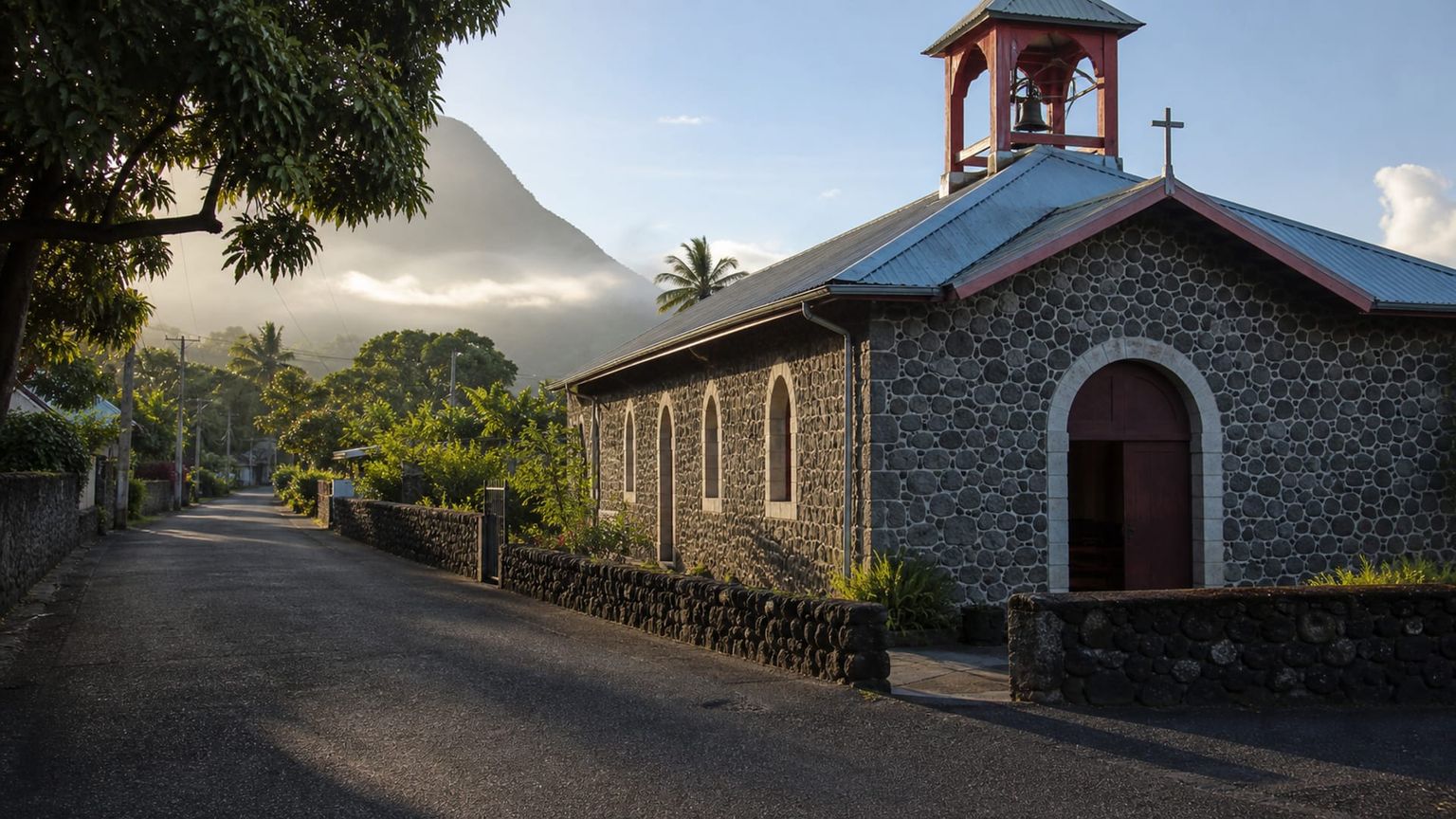
Auae is a central inland district of Papeete, set back from the harbor and closer to daily services, offices, and local housing. It works well if you want a functional base with shorter hops to downtown but less port noise.
Best for: Midrange stays, local daily life, and travelers who do not need to sleep next to the waterfront
What to expect: More residential than touristic, with daytime movement from commuters and quieter streets after business hours.
Hotel prices: Usually about $110 to $200 per night for well-rated stays
Distance to major sights: 5 to 10 minutes by taxi to Marché de Papeete; about 10 to 15 minutes by taxi to the ferry terminal
Quietness: Moderately busy during the day, then notably calmer at night.
Main trade-off: You will need taxis or a longer walk for the harbor, market, and seafront dining.
Good to know: Check parking and taxi access before booking, since this area works best when you are comfortable using cars for most outings.
Travelers usually avoid staying in Faaa near Tahiti (PPT) airport, because it is useful for a late arrival but far from Papeete’s waterfront, markets, and ferry terminal, with limited walkable visitor amenities. Patutoa and the western edge of Papeete are less convenient for a base, since they sit away from the main dining and shopping cluster and can mean longer evening taxi rides; farther-out parts of Punaauia and Paea are also less convenient if you plan to spend most of your time in Papeete, because attractions are spread out and night transport is limited.
Hotel deals
How to get around Tahiti efficiently
Tahiti has no metro, so movement on the island depends on taxis, buses, and walking once you are in central Papeete.

Bus
for convenience
Tahiti does not have a metro. The closest equivalent is the island’s public bus network, plus occasional shared vans; for airport trips and cross-island movement, plan on road transport rather than rail.

Ferry
for trips to Moorea
Le Truck and newer local buses connect Papeete, Faaa, Arue, Punaauia, and other coastal towns on a limited timetable. Day passes are about $5 to $7 (roughly 500 XPF to 800 XPF), and single rides usually cost about $1.50 to $4 (roughly 180 XPF to 500 XPF), depending on distance and time of day; many routes thin out in the evening and on Sundays, so check departure times before you rely on them.

Taxi
for convenience or late hours
Licensed taxis use set fares for common trips and meter-style pricing for others, with airport rides from Tahiti (PPT) to central Papeete often about $20 to $30 (roughly 2,400 XPF to 3,600 XPF) and longer cross-island rides costing more. You can usually find them at the terminal rank or book by phone; most accept cash, and some take cards, but it helps to confirm payment before you depart.
*Prices are based on rates updated as of June 2026 and may change at the time of travel.
Use taxis for airport transfers and longer hops, buses for daytime coastal runs when schedules line up, and walking for the waterfront, market, and Paofai area.
Iconic landmarks
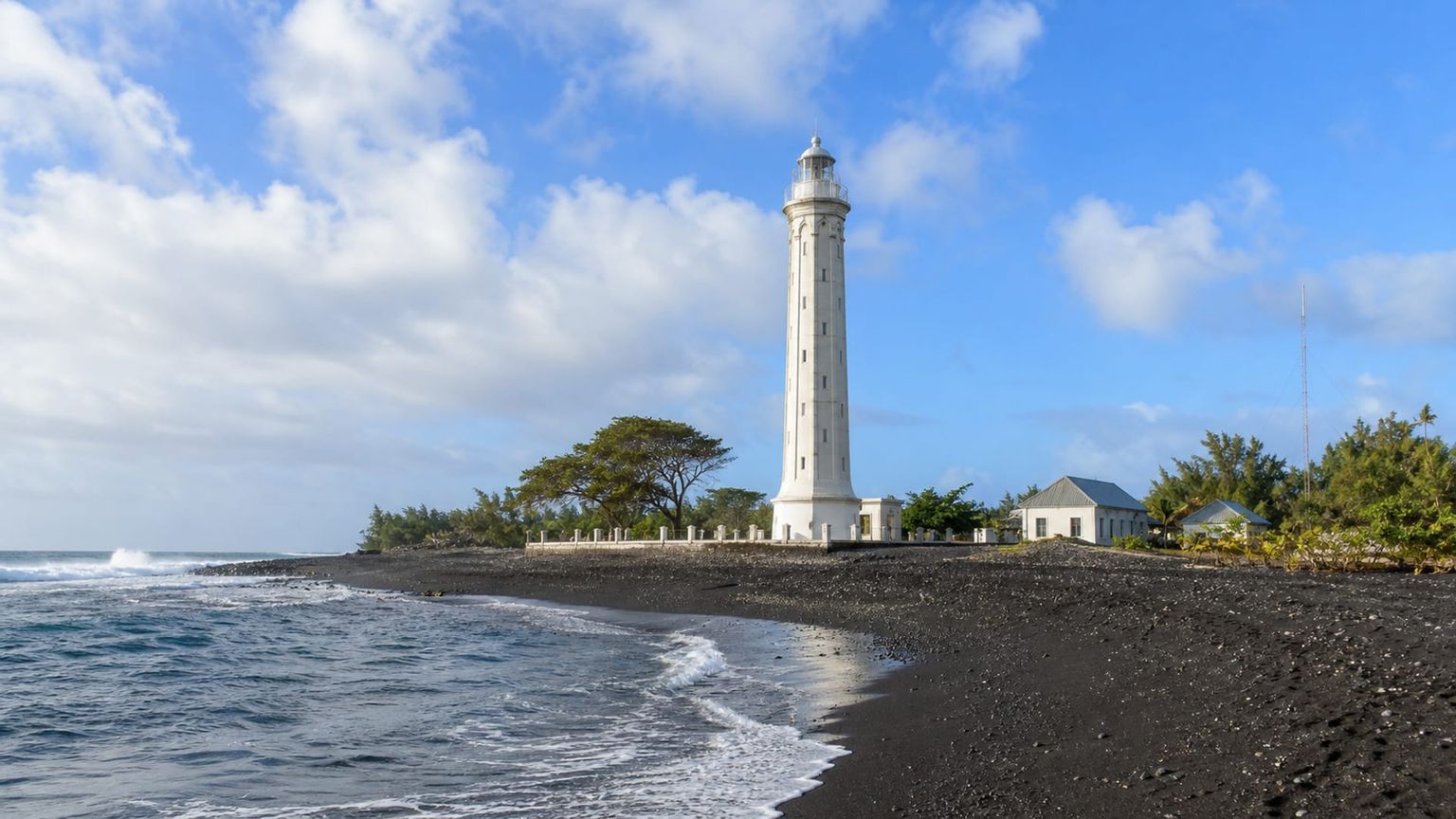
Pointe Venus
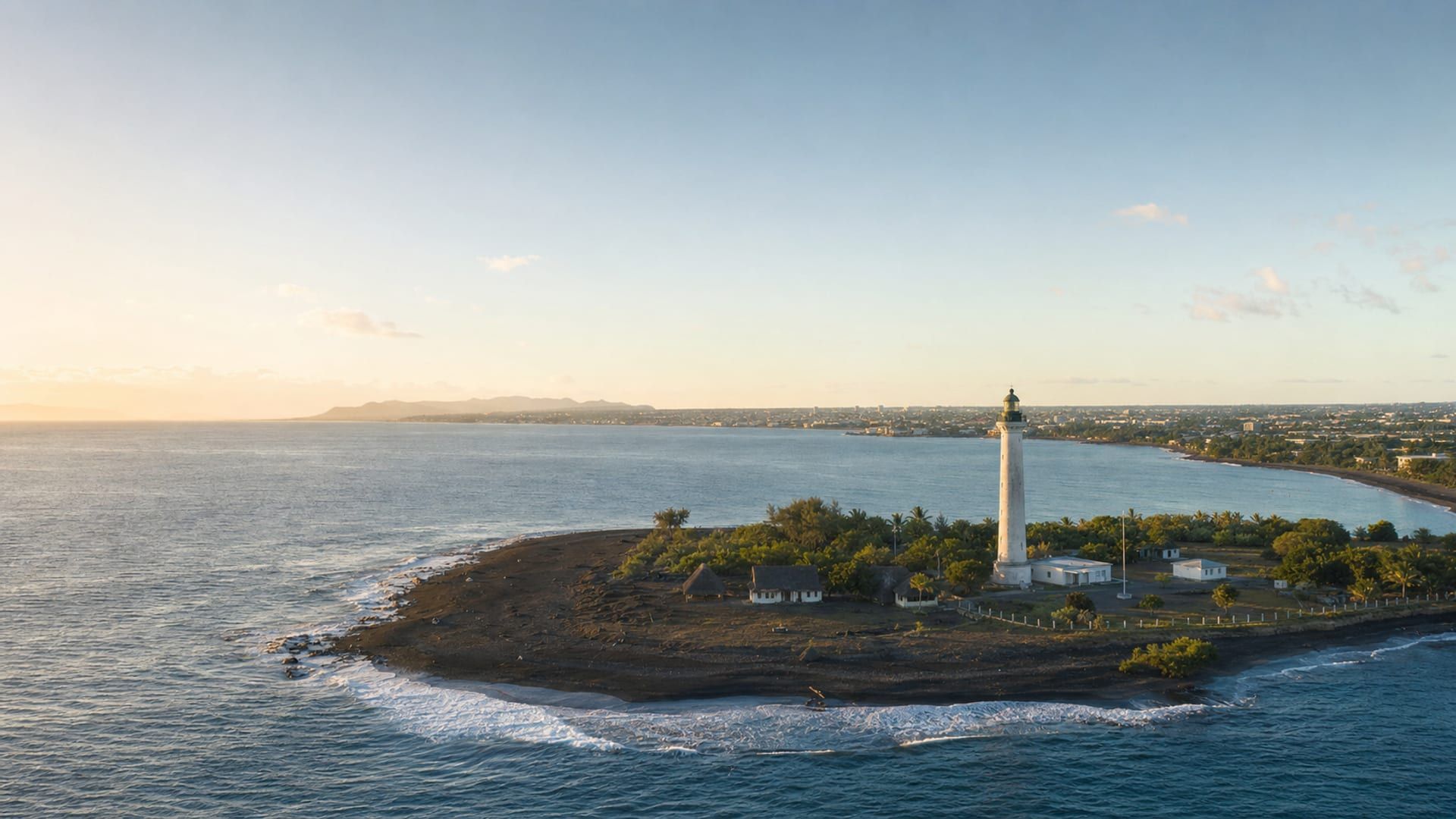
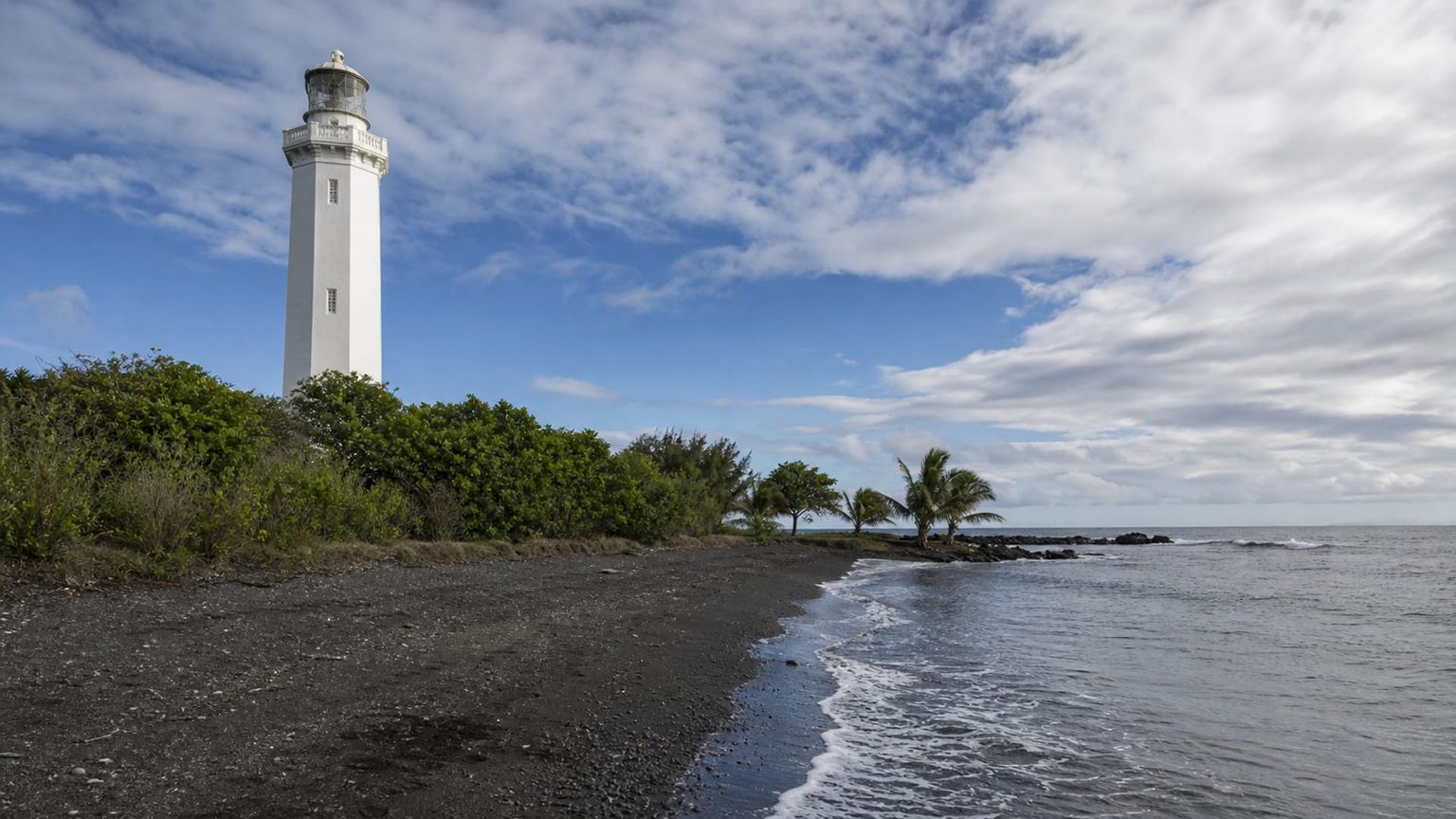
Tahiti’s northernmost point pairs a black-sand bay with a tall white lighthouse and the island’s first European landing site. The beach and headland draw for sunrise, swimming, and wide views across Matavai Bay.
Time needed: About 1 to 2 hours
Entry: Free to access
Tip: Go early for calmer water and softer light on the lighthouse and bay.
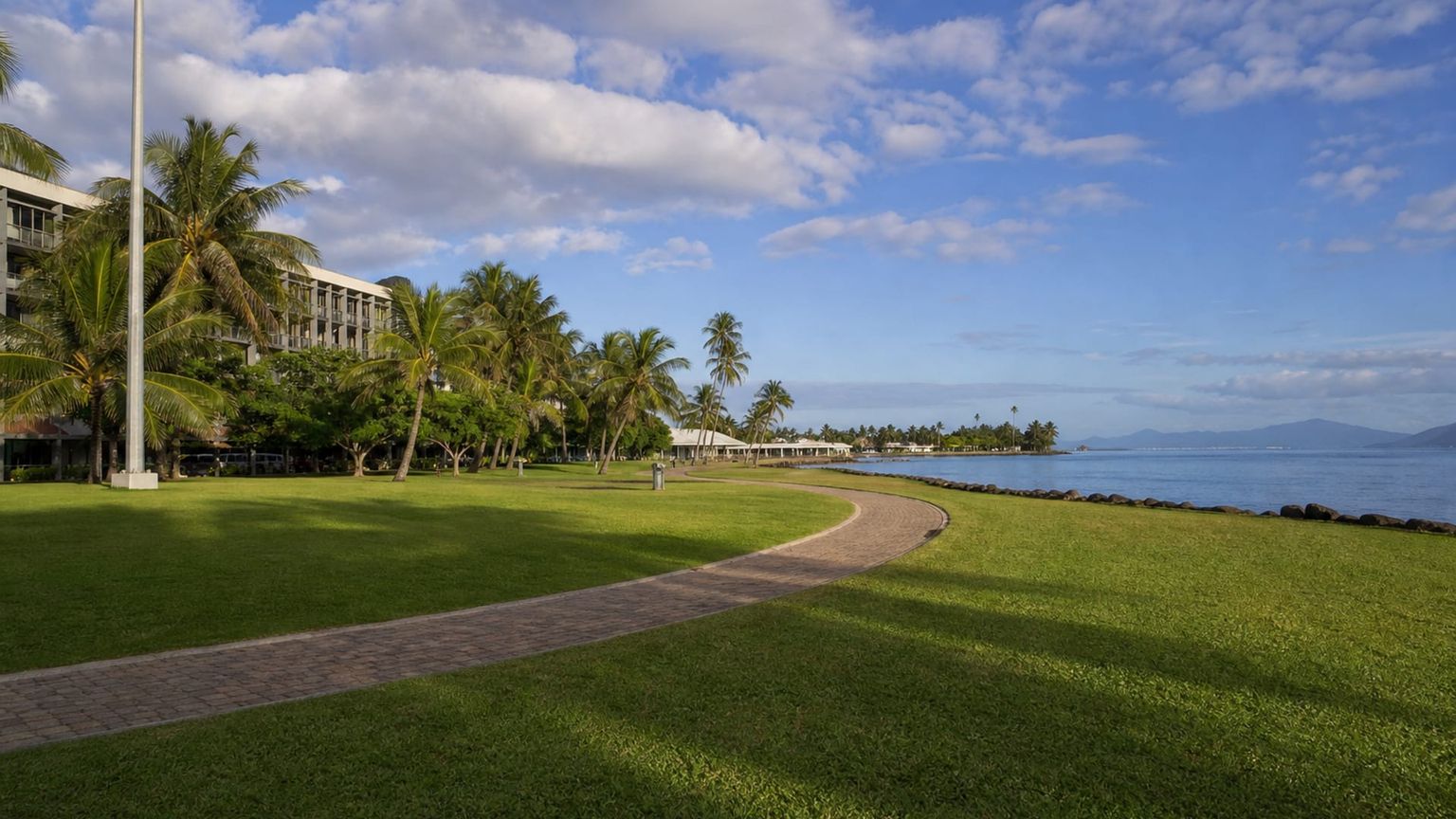
Pā'ofa'i Gardens
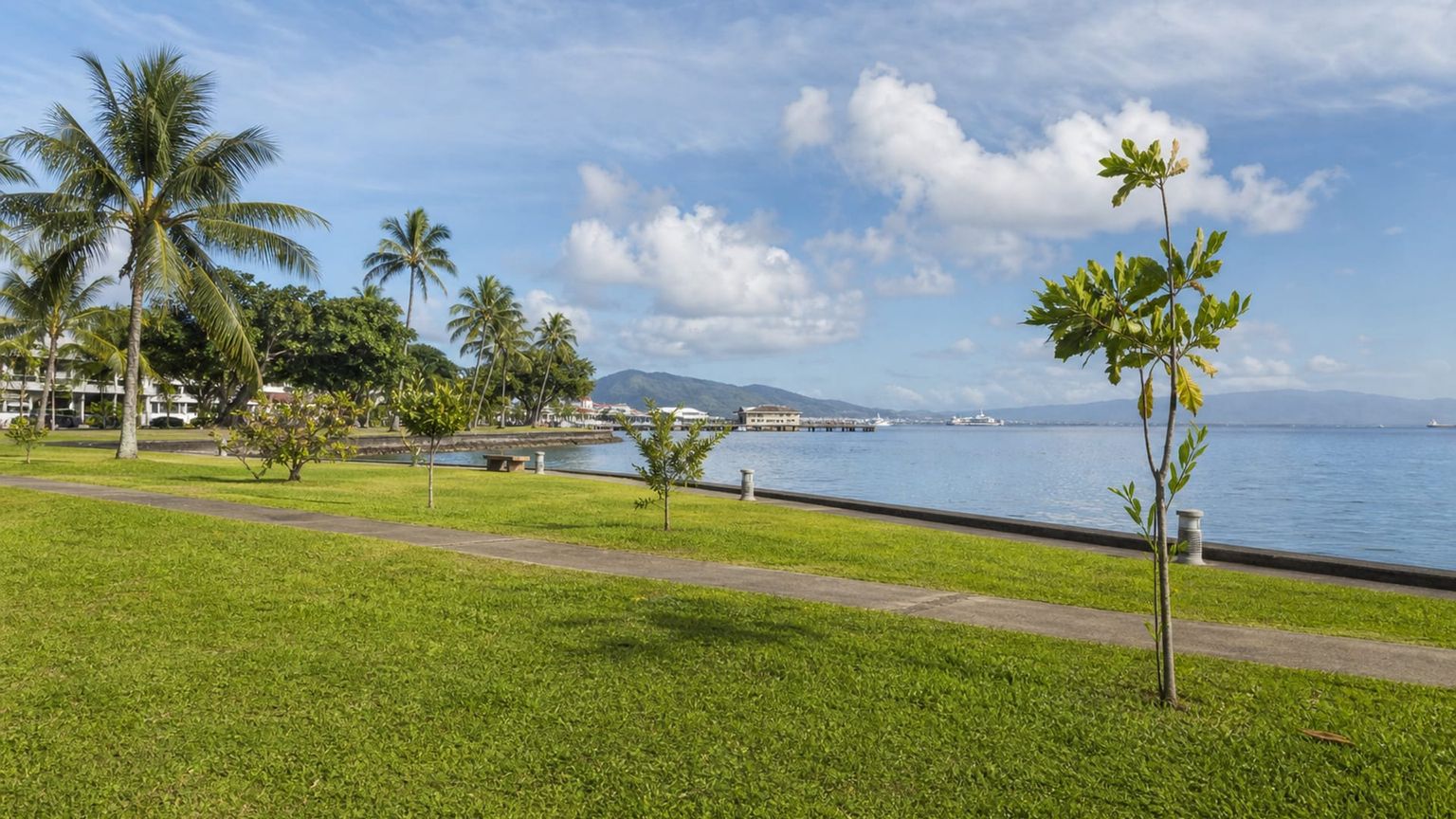
This waterfront park in Papeete has shaded lawns, palms, and a lagoon edge that frames the city’s harbor. It is also the setting for a modern Chinese temple and a good stop between the port and central streets.
Time needed: About 45 minutes to 1 hour
Entry: Free to access
Tip: Visit near sunset, when the harbor light and sea breeze make the walk more pleasant.
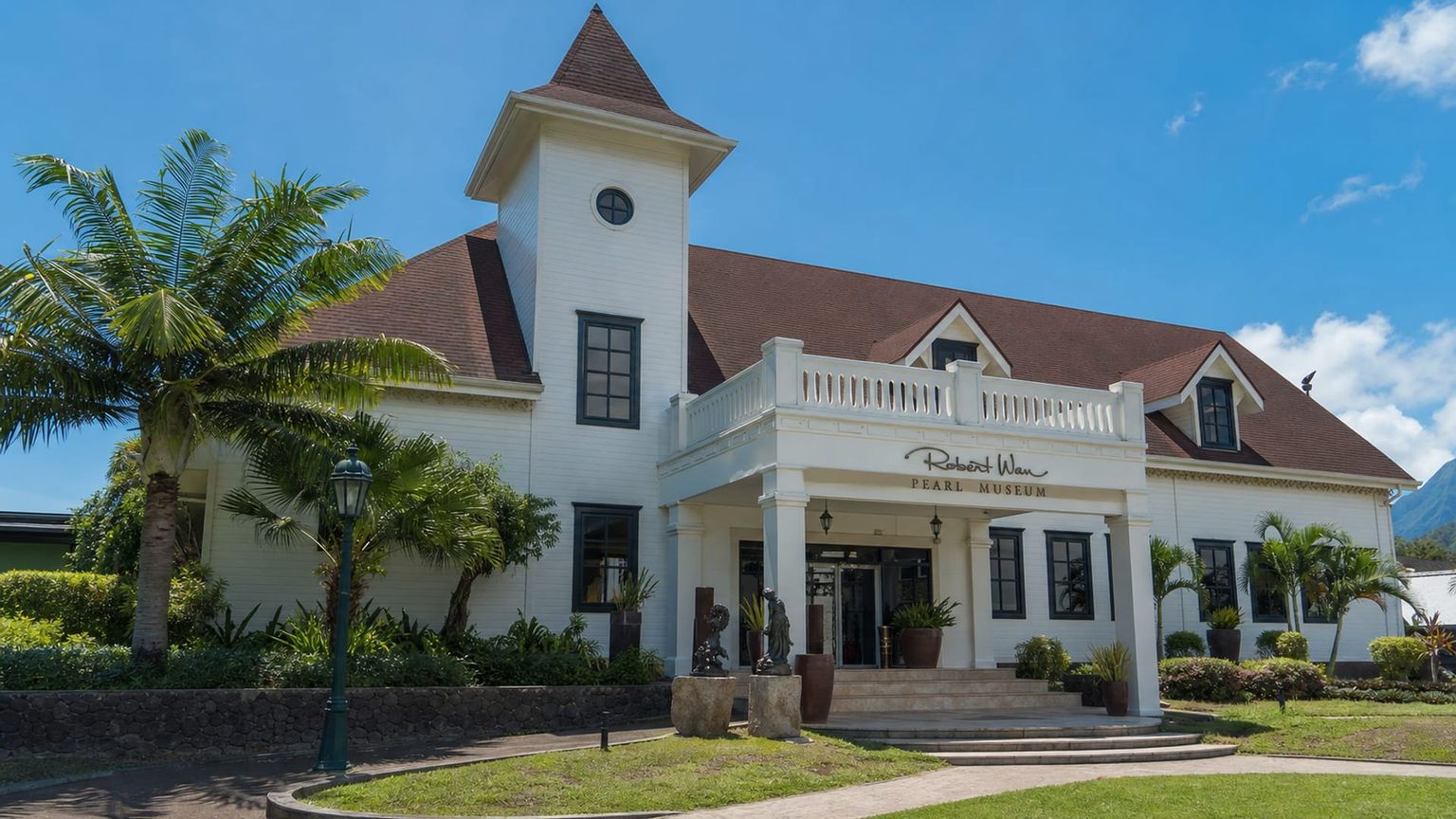
Robert Wan Pearl Museum
This compact museum explains Tahiti’s pearl culture with displays on oyster biology, grading, and jewelry design. It sits in central Papeete, making it an easy stop before or after the waterfront and market.
Time needed: About 45 minutes to 1 hour
Entry: Admission costs about $8 to $12 (XPF 900 to 1,400) Visit the official site for details.
Tip: Arrive earlier in the day, then pair the visit with nearby market browsing.
Overlooked sites worth visiting

Pointe Vénus
Black-sand beach at Mahina with a lighthouse, tidal pools, and a long waterfront for walking at low tide. It sees fewer tour groups than Tahiti’s south shore stops.
Time needed: About 1 to 2 hours
Entry: Free to access; no admission fee is charged for the beach, lighthouse grounds, or shoreline walks. You only pay if you buy food, drinks, or use any private concession nearby.
Tip: Go at sunrise for calmer light and less traffic.

Robert Wan Pearl Museum
Compact museum in Papeete devoted to Tahitian pearls, with displays on grading, culturing, and jewelry design. It gives clear context for a signature local industry without a long time commitment.
Time needed: About 45 minutes to 1 hour
Entry: Admission costs about $8 ($1,000 XPF) for adults, with reduced rates often offered for children or groups. Expect a small, indoor museum with labeled cases, displays, and a short visit that fits between downtown stops Visit the official site for details.
Tip: Pair it with a nearby downtown walk on a hot afternoon.
Traditional food
Tahiti’s food centers on fish, coconut, taro, and grilled chicken, with poisson cru, fafa, and poe showing up beside simple waterfront meals and early dinners that match the island’s restaurant hours.
Poisson cru
Raw tuna marinated in lime and coconut milk, usually served with vegetables for a bright, cooling start to a meal. Les Orchidées at the InterContinental Tahiti Resort gives it one of the most dependable hotel-dining settings in Tahiti.
Tahitian-style chicken
Chicken appears in a local-style preparation that leans on island seasoning and coconut or vegetable accompaniments. Le Lotus at the InterContinental Tahiti Resort is a strong canonical pick for a polished hotel version of the dish.
Fafa
Fafa refers to taro leaves cooked into a rich, savory side or main, often paired with fish or meat. Snack Bar Tahiti in Papeete is a useful central stop for a classic local plate.
Poe
Poe is a Tahitian dessert made with fruit or starch, baked and usually finished with coconut milk. L’O A La Bouche in Papeete is a good downtown restaurant for a refined version of the island staple.
Best time to visit Tahiti
Tahiti stays warm all year, but humidity, trade winds, and rainfall change how easy it is to move between the coast, Papeete, and the north shore.
Best for: Warm sea swims and long beach hours
What you get: About 77°F to 88°F (25°C to 31°C), with the heaviest rain and fewer visitors outside the holiday peak.
Trade-offs: Showers can interrupt road trips and outdoor plans.
Best for: Balanced weather for city days and north-shore outings
What you get: About 75°F to 85°F (24°C to 29°C), with lighter rain and moderate crowds.
Trade-offs: Some humidity still lingers after midday.
Best for: Dryer weather and clearer sightseeing conditions
What you get: About 72°F to 82°F (22°C to 28°C), with breezier days and the busiest hotel calendar.
Trade-offs: Rates rise and popular waterfront areas can feel fuller.
Best for: Quieter stays and comfortable walking weather
What you get: About 74°F to 86°F (23°C to 30°C), with warm water and fewer visitors than midwinter.
Trade-offs: Rain becomes more likely as the season moves toward November.
A realistic 5-day plan in Tahiti
A five-day Tahiti stay works best when you pair downtown stops with one longer north-coast outing and keep the airport day light. The plan below follows that structure, so each day has a clear area and a realistic amount of transit.
Land at Tahiti (PPT) and take a taxi into central Papeete, which usually costs about $20 to $25 and takes roughly 10 to 15 minutes to Paofai or about 15 to 20 minutes to the Papeete waterfront, depending on traffic. If you arrive early, check into a stay near Papeete waterfront for the easiest access to the ferry terminal and evening dining, or Paofai if you want a quieter base by the seafront. Settle in, drink plenty of water, and keep dinner simple at the waterfront or in central Papeete, where you can walk a short distance from your hotel instead of planning a late outing.
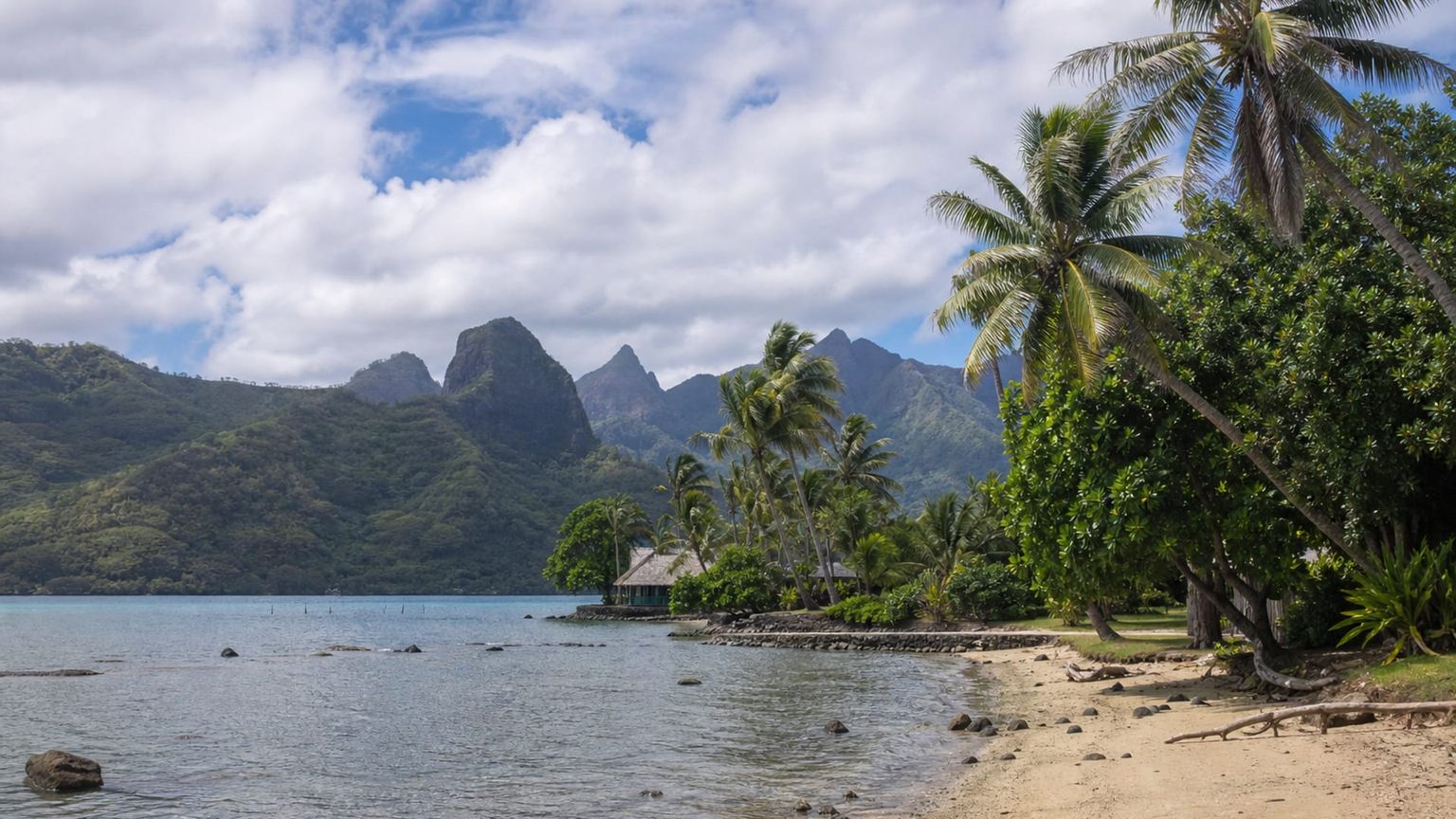
Start at Marché de Papeete, then walk about 5 to 10 minutes to the Robert Wan Pearl Museum for an indoor stop that fits well before lunch. After that, head about 5 minutes on foot to Pā’ofa’i Gardens for a shaded break by the harbor, then continue to the waterfront promenade for an easy evening stroll and dinner near the port. If you are staying in Paofai, both the gardens and the promenade sit close enough to reach without a taxi, while Papeete waterfront puts the market and museum within a short walk of each other.
Pointe Venus gives this day its first strong visual stop, and it works best if you leave central Papeete early, about 25 to 35 minutes by car from the waterfront. Spend 1 to 2 hours at the black-sand bay and lighthouse, then continue to the nearby shoreline at Pointe Vénus for tidal pools and a longer walk when the tide is low. Return toward town in the afternoon, stopping for a relaxed meal in central Papeete before an early night, since the drive back is shorter than the morning outing but still far enough to make a taxi the simplest choice.
A slower waterfront day fits well here, beginning with Pā’ofa’i Gardens for about 45 minutes to 1 hour, then moving on foot or by a short taxi ride to the Robert Wan Pearl Museum if you want a second look at Tahiti’s pearl trade. From the museum, it is only a brief walk back to the Papeete waterfront, where you can browse the promenade, watch the port activity, and stop for dinner near your hotel. Travelers based in Auae will need taxis for most of this plan, while Paofai and the waterfront keep the whole day close to the sea and downtown streets.
Before you head to Tahiti (PPT), fit in one last indoor stop at the Robert Wan Pearl Museum if you missed it earlier, or return for a shorter visit of about 45 minutes to 1 hour. Afterward, spend the rest of the day shopping in central Papeete, especially near the market district and the waterfront streets, then pause for coffee in Paofai, where the seafront park gives you an easy place to sit before departure. If your flight leaves later, a late lunch near the port keeps you close to the taxi stand and avoids an extra cross-town transfer.
Business-class flights from the US to Tahiti
Flights from New York and Los Angeles both require a connection or a long nonstop, so the best choice depends on whether you value fewer hours in the air or a shorter layover window. The examples below show the main route patterns and fare ranges.
Air Tahiti Nui, United Airlines, Air France, Delta Air Lines, Qantas, and Korean Air all appear on New York itineraries. Nonstop flying takes about 15 to 16 hours, while common one-stop routings via Los Angeles (LAX), San Francisco (SFO), Paris (CDG), Tokyo (NRT), or Seoul (ICN) often bring fares down to roughly $3,200 to $5,500.
From Los Angeles, Air Tahiti Nui, United Airlines, Delta Air Lines, Air France, and Qantas cover the route, with nonstop flights taking about 8 to 9 hours. One-stop itineraries via San Francisco (SFO), Los Angeles (LAX), Paris (CDG), or Tokyo (NRT) usually price from about $2,700 to $4,800, which matters if you have flexibility on timing.
Tahiti feels different when you slow down
A good Tahiti trip has a clear center of gravity: Papeete for the market, waterfront, and Pearl Museum, Paofai for an easier evening base, and a timed run to Pointe Venus before the day fills with traffic. Taxis do the long moves, walking handles the waterfront, and the bus makes sense only when the schedule lines up. If you want help matching that plan to your dates, the AranGrant experts can build the route around your stay in Papeete







