

Chapters:

Need help with your trip?
Our support team is available 24/7. Request a callback or call us directly at (833) 619-0908
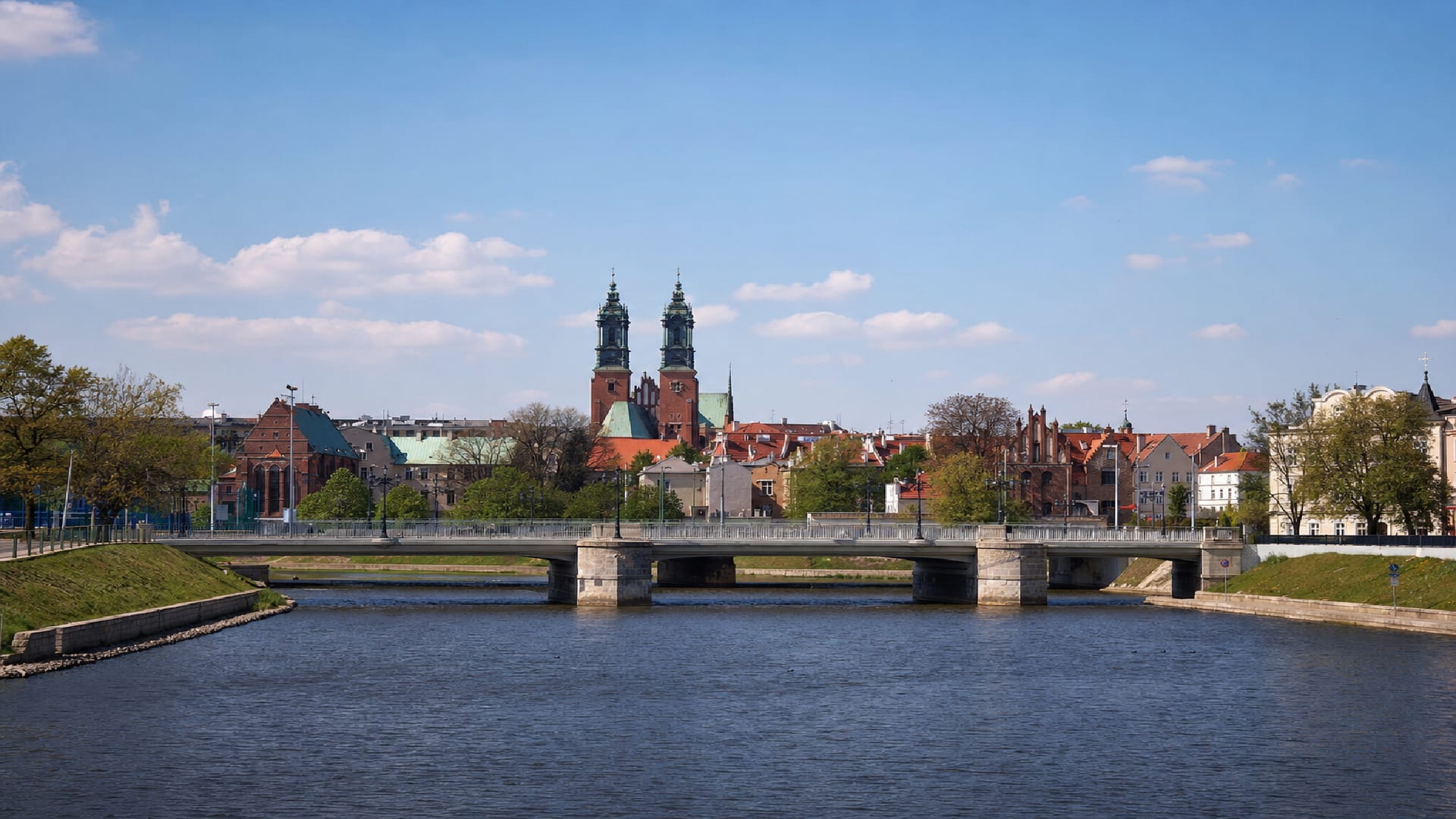
Poznań is a major city in western Poland and the capital of the Greater Poland region. Its history reaches back more than a thousand years, with Poznań Cathedral and Ostrów Tumski closely tied to the beginnings of the Polish state. Today, the city is also a university, business, and cultural center, with the Old Market Square, Imperial Castle, Citadel Park, local markets, restaurants, and residential districts.
This guide explains where to book a hotel, how to get across the city, what to eat, when to visit, and how to plan five days in Poznań.
Useful things to know

Main language(s): Polish
Dzień dobry (jen DOH-brih) – Hello/good morning
Proszę (PRO-sheh) – Please
Dziękuję (jen-KOO-yeh) – Thank you
Czy mówisz po angielsku? (chih MOO-vish po an-GYEL-skoo) – Do you speak English?
Ile to kosztuje? (EE-leh to kosh-TOO-yeh) – How much does it cost?

Currency: Polish złoty (PLN, zł)

Cash and cards: Cards and contactless payments are widely accepted in hotels, restaurants, cafés, shops, and taxis. Keep about PLN 50–PLN 100 ($13–$26) in cash for market stalls and small businesses.

Tipping: Tipping is optional. Rounding up small bills is common, while 5%–10% is reasonable for good table service.

Traditional food: Pyry z gzikiem, rogale świętomarcińskie, szare kluski, and duck with dumplings and red cabbage are closely associated with Poznań and Greater Poland.

Water and coffee costs: A small bottle of water generally costs PLN 5–PLN 10 ($1.30–$2.60), while an espresso costs PLN 8–PLN 10 ($2.10–$2.60).

Taxis and ride apps: Bolt and Uber operate in Poznań. Both apps show the estimated fare before you confirm the ride.

Plug and voltage: Poland uses Type C and Type E plugs with a 230V, 50Hz electricity supply.

Dining and shop opening hours: Cafés open from 7:00 or 8:00 am. Lunch usually begins near noon. Poland restricts retail trading on many Sundays, so check opening hours if you plan to shop.

Emergency number: Call 112 for police, fire, or medical emergencies.
Where to stay in Poznań
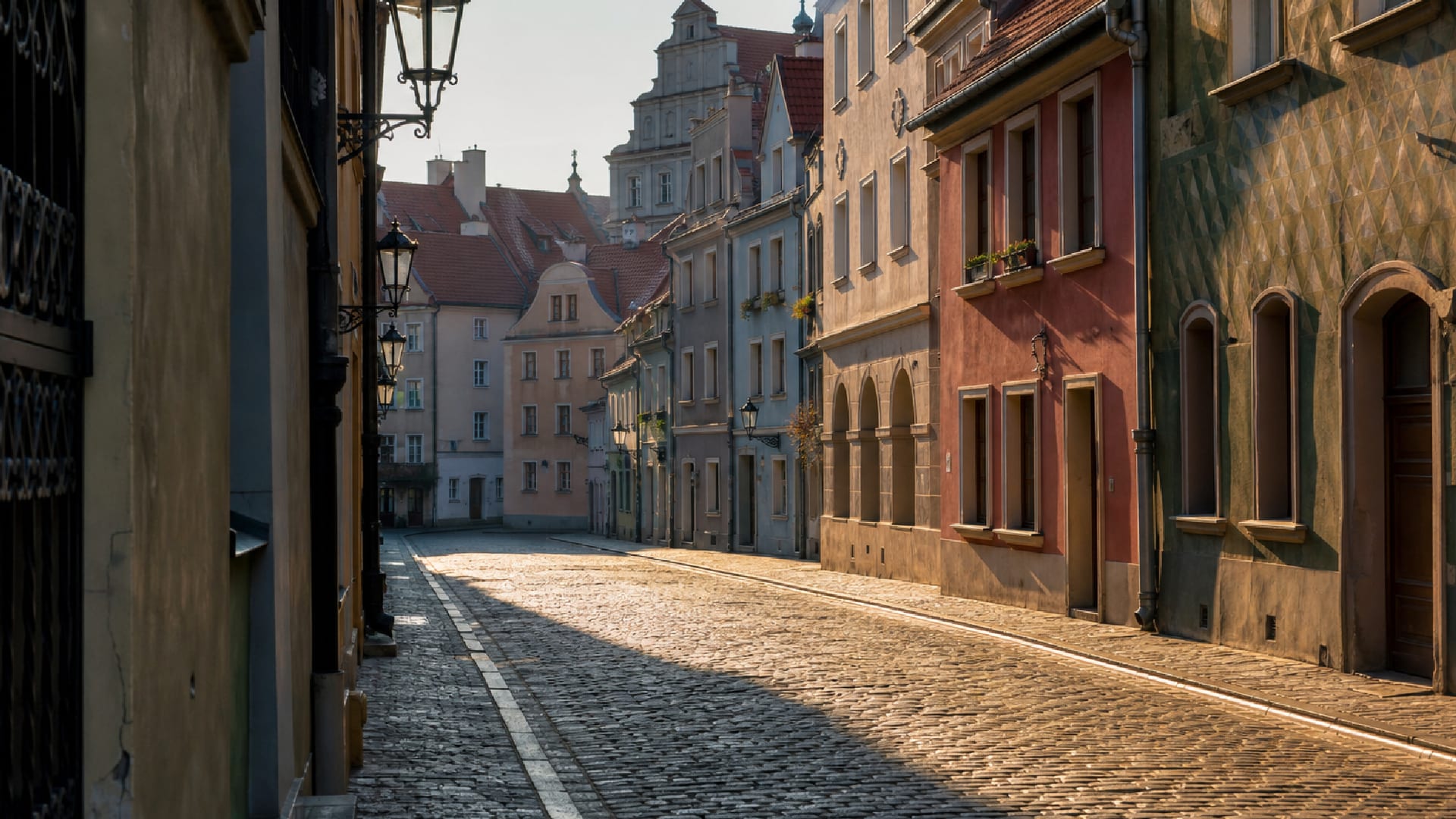
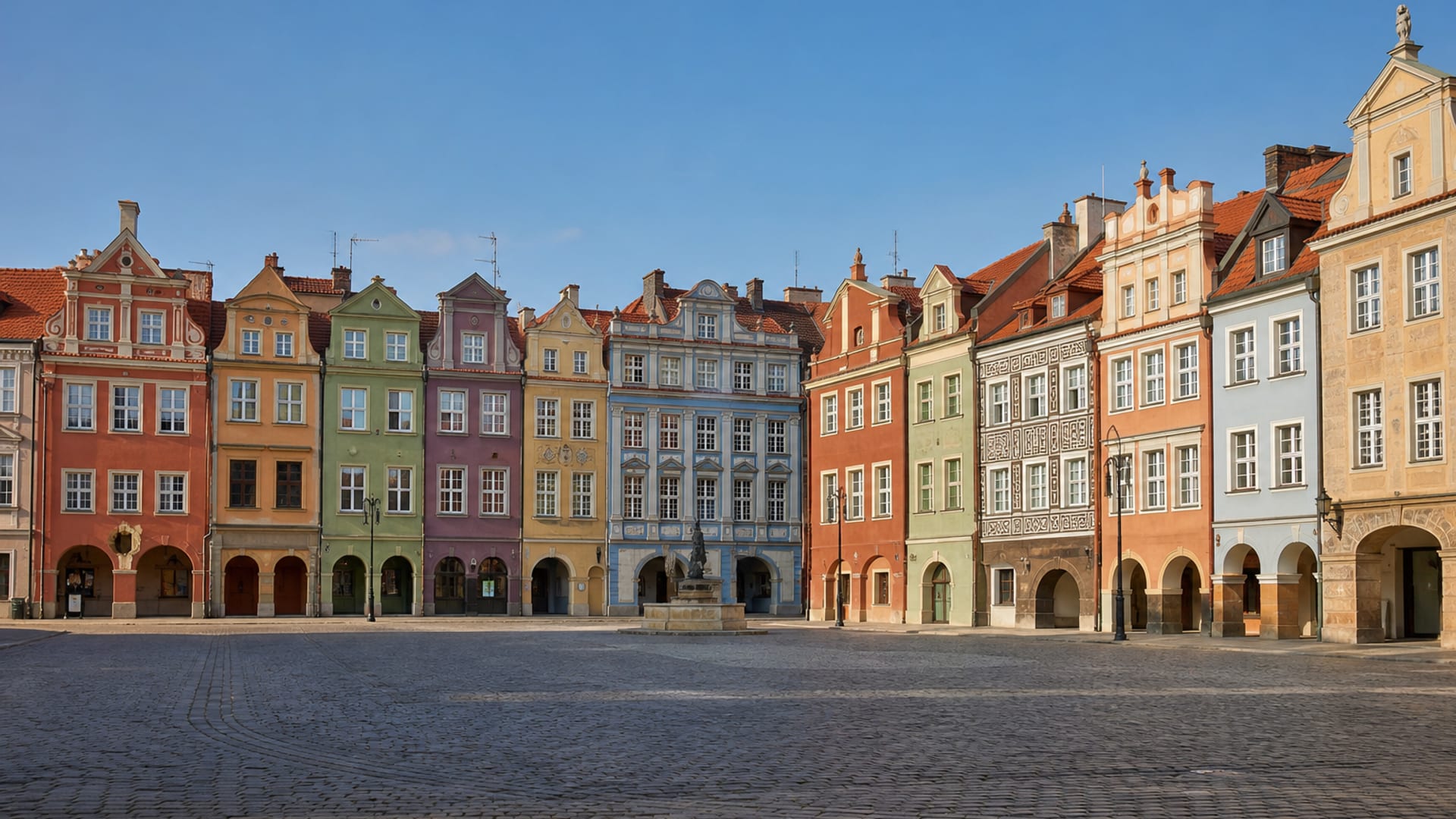
Poznań’s historic center spreads through the streets surrounding the Old Market Square. Reconstructed merchant houses, churches, small museums, cafés, restaurants, and pedestrian streets fill the area between the square and the surrounding avenues.
Best for: First-time visits, sightseeing, and staying close to major landmarks
What to expect: Expect constant foot traffic by day, with cafe terraces, tour groups, and evening diners concentrated around the square.
Hotel prices: Usually about 450 zł to 850 zł (~$115 to ~$215) per night for well-rated stays
Distance to major sights: 0 to 5 minutes on foot to the Old Market Square and Town Hall
Quietness: Busy and lively through the day, then softer on side streets after dinner hours
Main trade-off: The central address brings higher rates and more evening noise near the square, especially on weekends.
Good to know: Vehicle access is restricted on parts of the historic center, so a taxi may leave you a short walk from the hotel entrance.
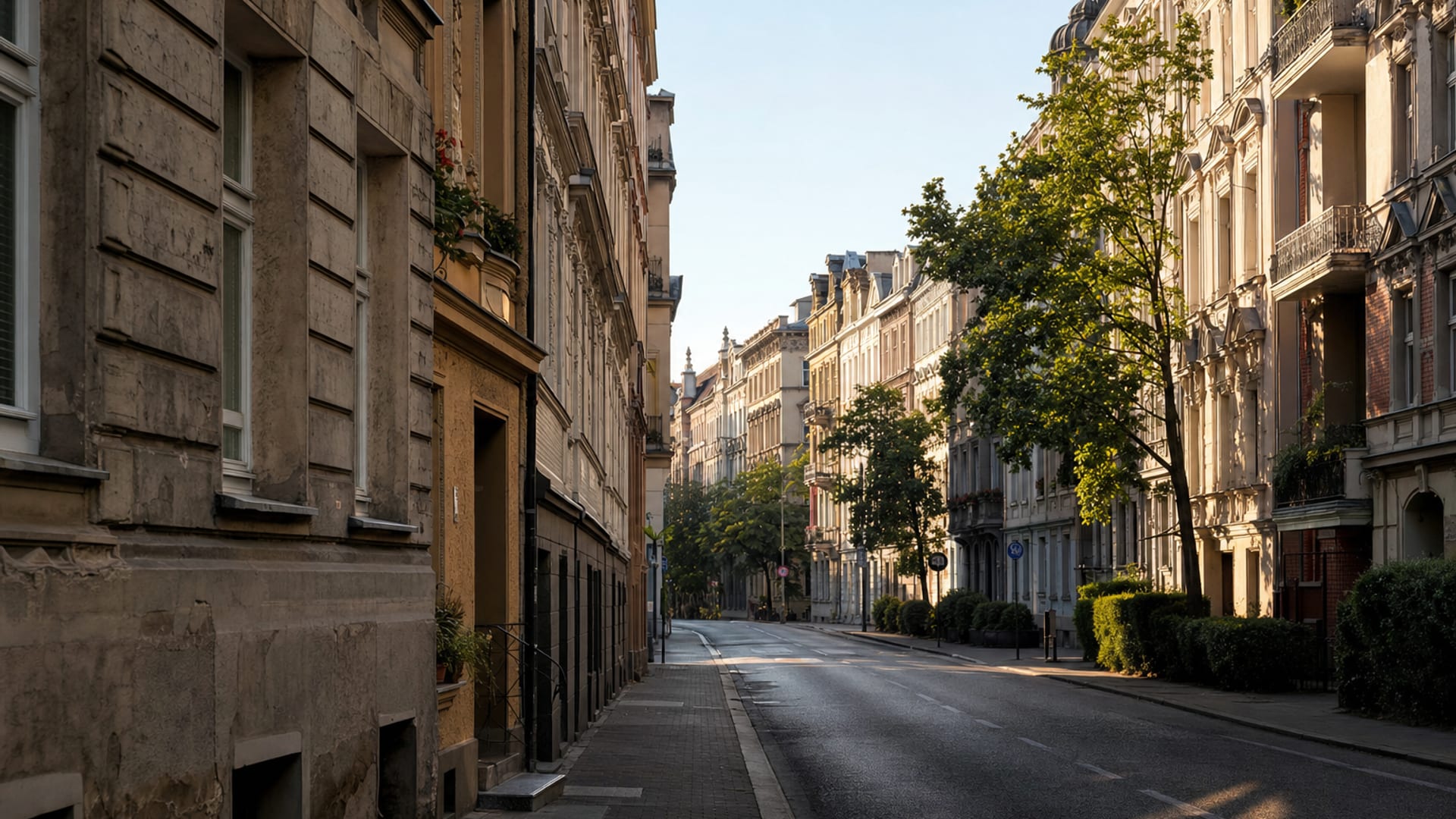
Jeżyce lies west of the center and is known for early-20th-century Art Nouveau apartment buildings, local shops, bakeries, cafés, restaurants, and the Jeżycki Market. Decorative façades are especially visible along Roosevelt, Dąbrowskiego, and nearby residential streets.
Best for: Dining-focused stays, longer visits, and travelers who want a neighborhood feel
What to expect: Expect busy tram corridors, independent cafes, and a mix of residents, students, and evening diners on the main streets.
Hotel prices: Usually about 300 zł to 550 zł (~$75 to ~$140) per night for well-rated stays
Distance to major sights: 10 to 20 minutes by tram to the Old Market Square; about 25 minutes on foot to the Imperial Castle
Quietness: Active during the day, with calmer side streets at night and more noise near major tram lines
Main trade-off: You will trade immediate old-town access for better restaurant choice and typically lower rates.
Good to know: Jeżycki Market is useful for local shopping during the day, while the surrounding streets have many of the district’s cafés and restaurants.
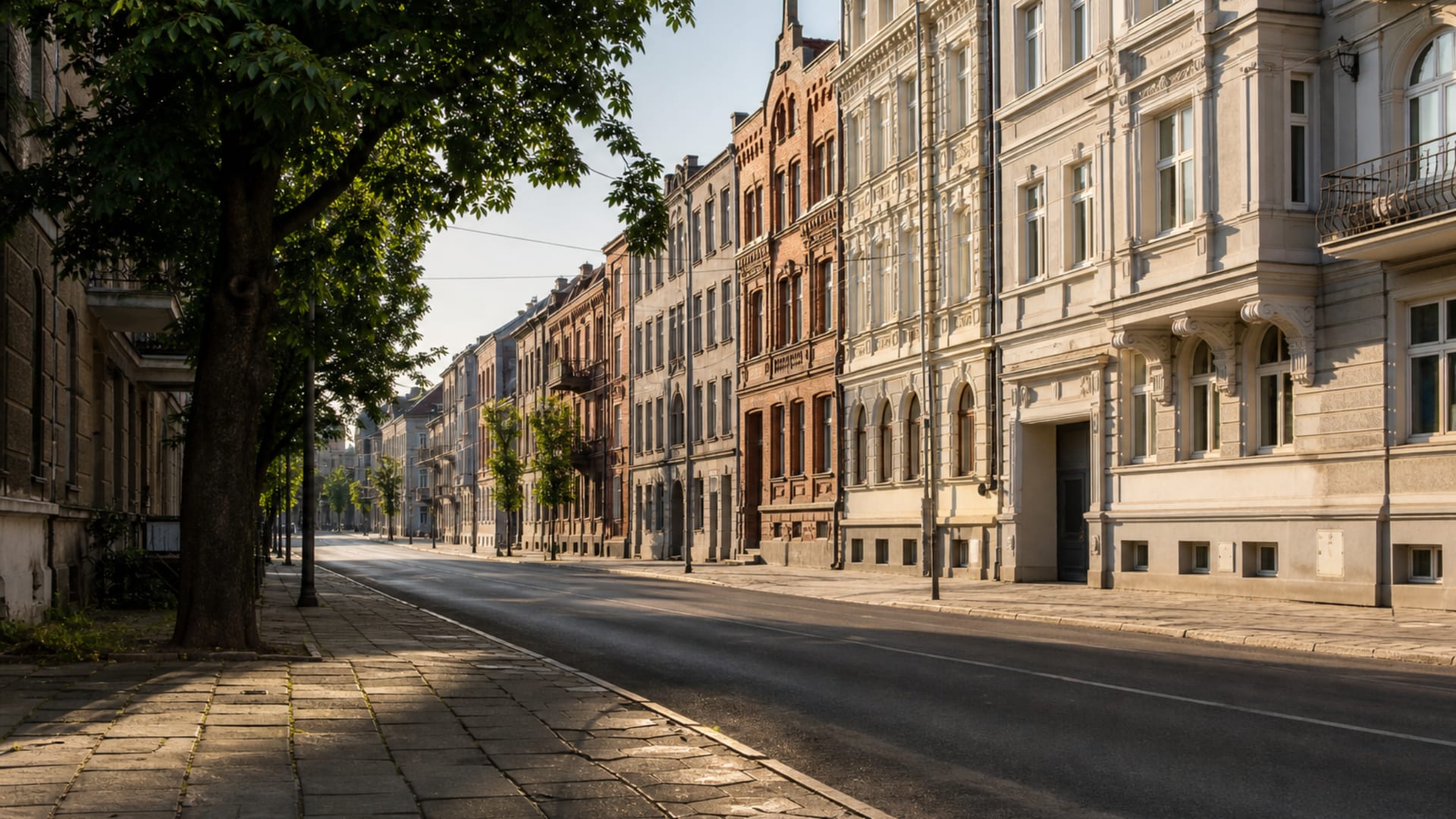
Łazarz lies southwest of central Poznań, beside the Poznań International Fair and close to Poznań Główny railway station. Prewar apartment buildings line much of the district, while Wilson Park, the Palm House, local markets, restaurants, and tram routes add reasons to spend time here beyond the fairgrounds.
Best for: Fair visits, budget-conscious stays, and travelers who use trams often
What to expect: Expect a mostly local residential setting, with busier stretches near the fairgrounds, stations, and main tram avenues.
Hotel prices: Usually about 250 zł to 500 zł (~$65 to ~$125) per night for well-rated stays
Distance to major sights: 10 to 15 minutes by tram to the Old Market Square; about 5 to 10 minutes on foot to the Poznań International Fair
Quietness: Quieter at night than the center, though traffic and event crowds can build around major venues
Main trade-off: The area is less atmospheric for evening strolling, and some blocks feel busy when fairs or concerts are on.
Good to know: Wilson Park and the Poznań Palm House are both in Łazarz, so the district has worthwhile places to visit even if you are not attending an event at the fair.
Franowo, Szczepankowo, Żegrze, and Naramowice are residential districts outside central Poznań. Reaching the Old Market Square, Cathedral Island, museums, and central restaurants from these areas usually takes longer by public transport, so they are less convenient for a sightseeing-focused trip.
Hotel deals
How to get around Poznań efficiently
Poznań has an extensive tram and bus network covering the city center, residential districts, railway station, and airport, with taxis and ride-hailing services also widely available.

Tram
for central districts
Poznań’s tram network serves the city center, Jeżyce, Łazarz, the main railway station, and residential districts. ZTM time tickets cost PLN 5 ($1.30) for 15 minutes, PLN 7 ($1.80) for 45 minutes, and PLN 9 ($2.35) for 90 minutes. A 24-hour Zone A ticket costs PLN 18 ($4.70). Time tickets allow transfers. Buy tickets from machines or supported mobile apps.

Bus and tram
for airport trips and routes without tram service
Bus 159 and bus 148 serve Poznań Airport (POZ), while night bus 222 covers late arrivals. The airport is 20–25 minutes from the city center. ZTM fares are the same as on trams. Tickets are sold at the airport terminal, the machine outside, equipped vehicles, and supported mobile apps.

Taxi
for convenience or late hours
Licensed taxis wait outside the airport arrivals hall; Bolt and Uber operate in the city. A ride from the airport to the central station commonly costs PLN 30–PLN 45 ($8–$12); traffic and demand can change the price. Taxi payment options depend on the operator.
*Prices are based on rates updated as of September 2026 and may change at the time of travel.
Use trams for central districts, buses for the airport and routes beyond the tram network, and a taxi or ride-hailing car when luggage or timing makes a direct trip useful.
Iconic landmarks
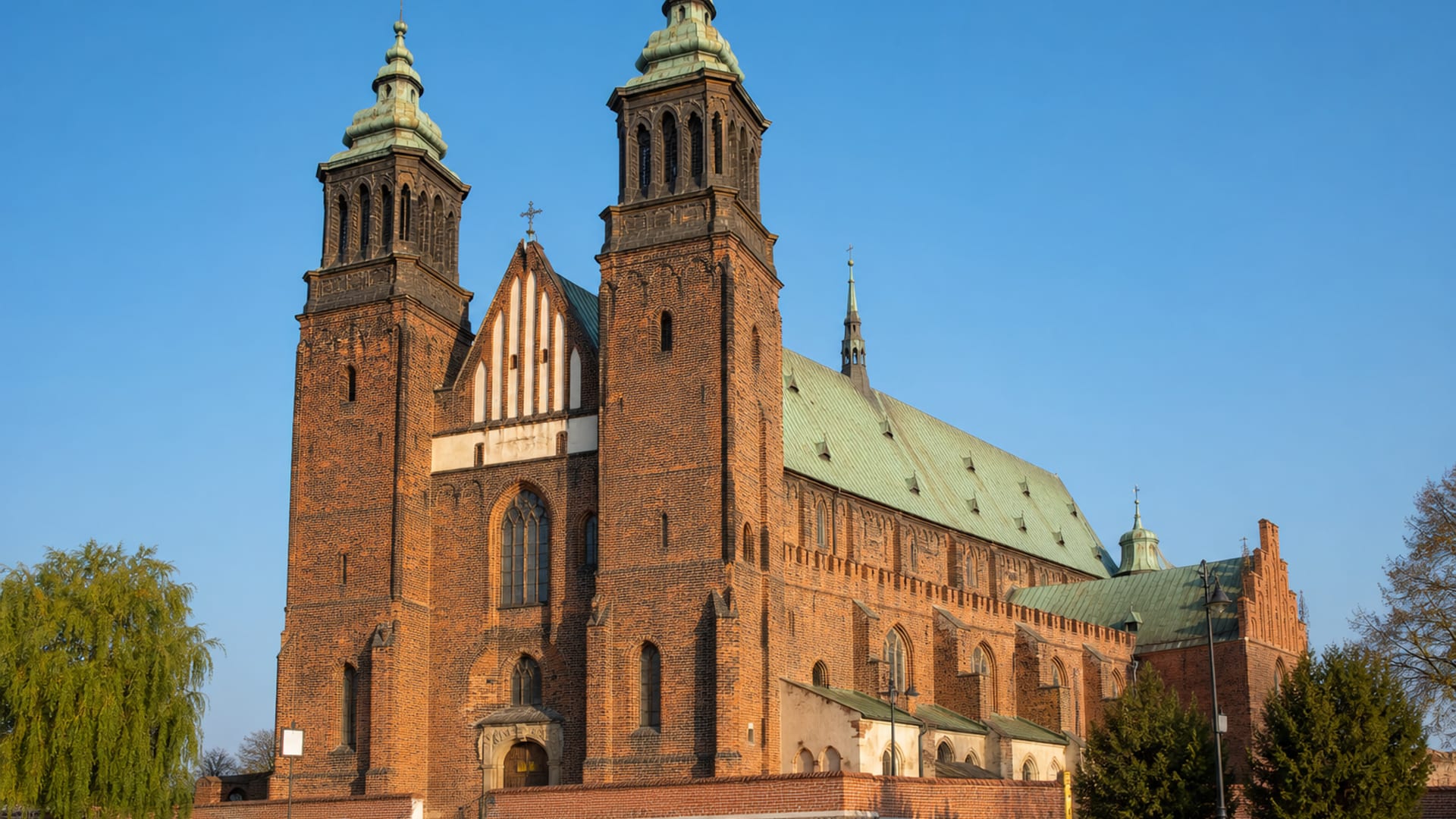
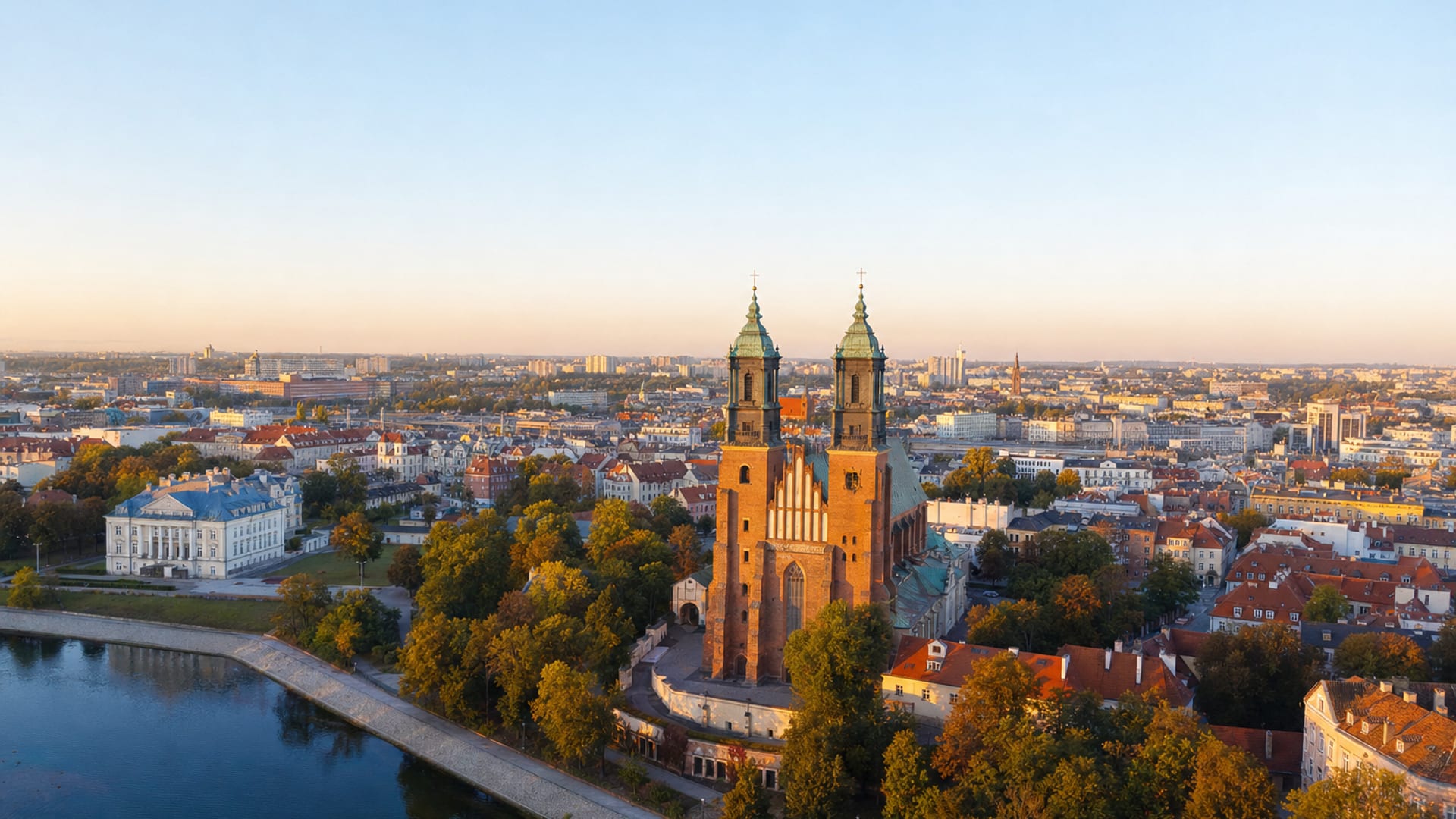
Poznań Cathedral
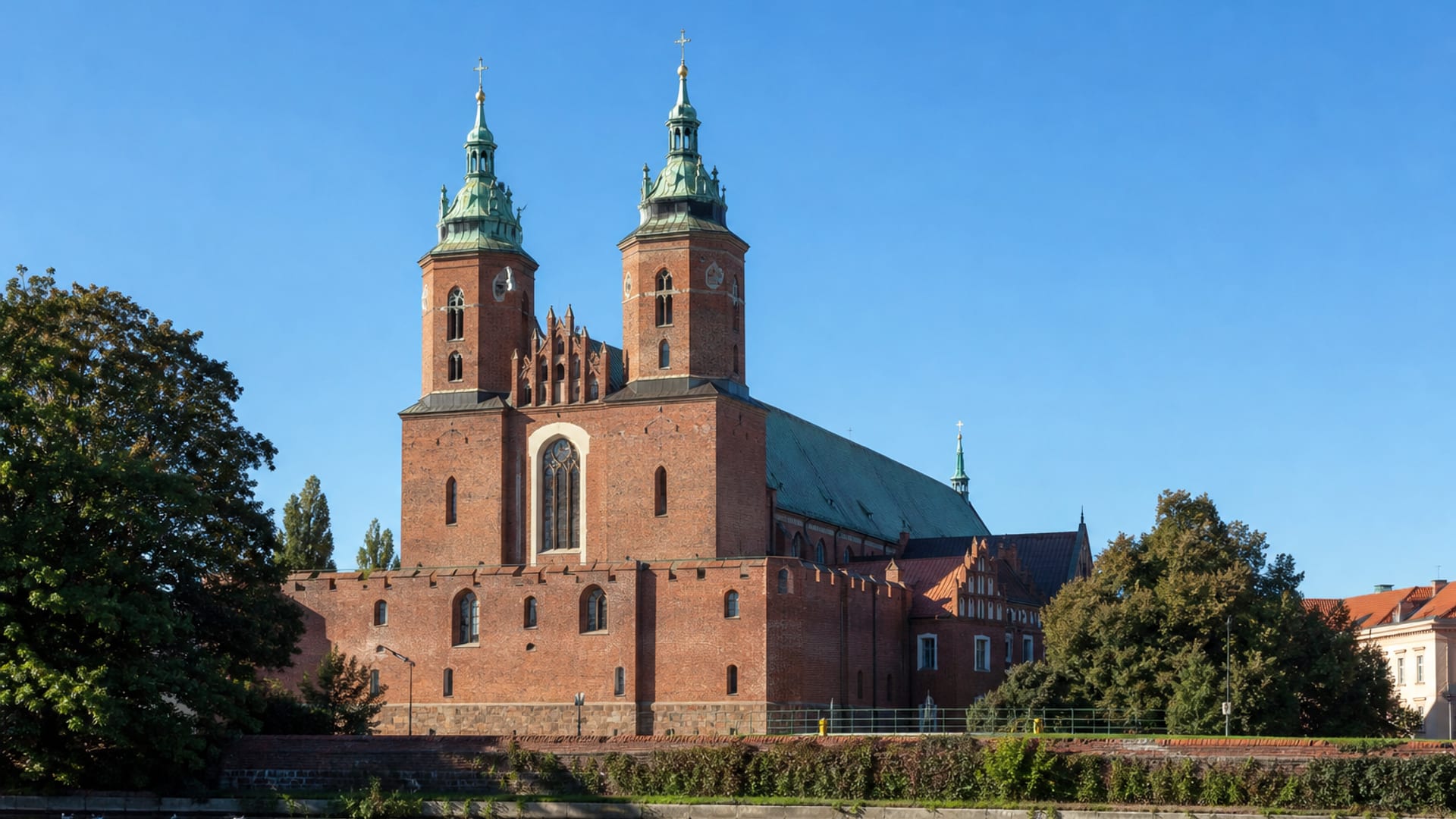
Poznań Cathedral, formally the Archcathedral Basilica of St. Peter and St. Paul, stands on Ostrów Tumski. The site is closely connected with the beginnings of the Polish state and the country’s first rulers. The present building contains Gothic architecture, chapels, royal tombs, archaeological remains, and crypts beneath the church.
Time needed: About 1 to 2 hours
Entry: Adults pay about $6 to $8 (24 zł to 32 zł), with reduced tickets for students and seniors; crypt access can cost extra on some routes. Visit the official site for details.
Tip: Visit the crypt before going up the tower so the historical story of Ostrów Tumski comes first.
Old Market Square
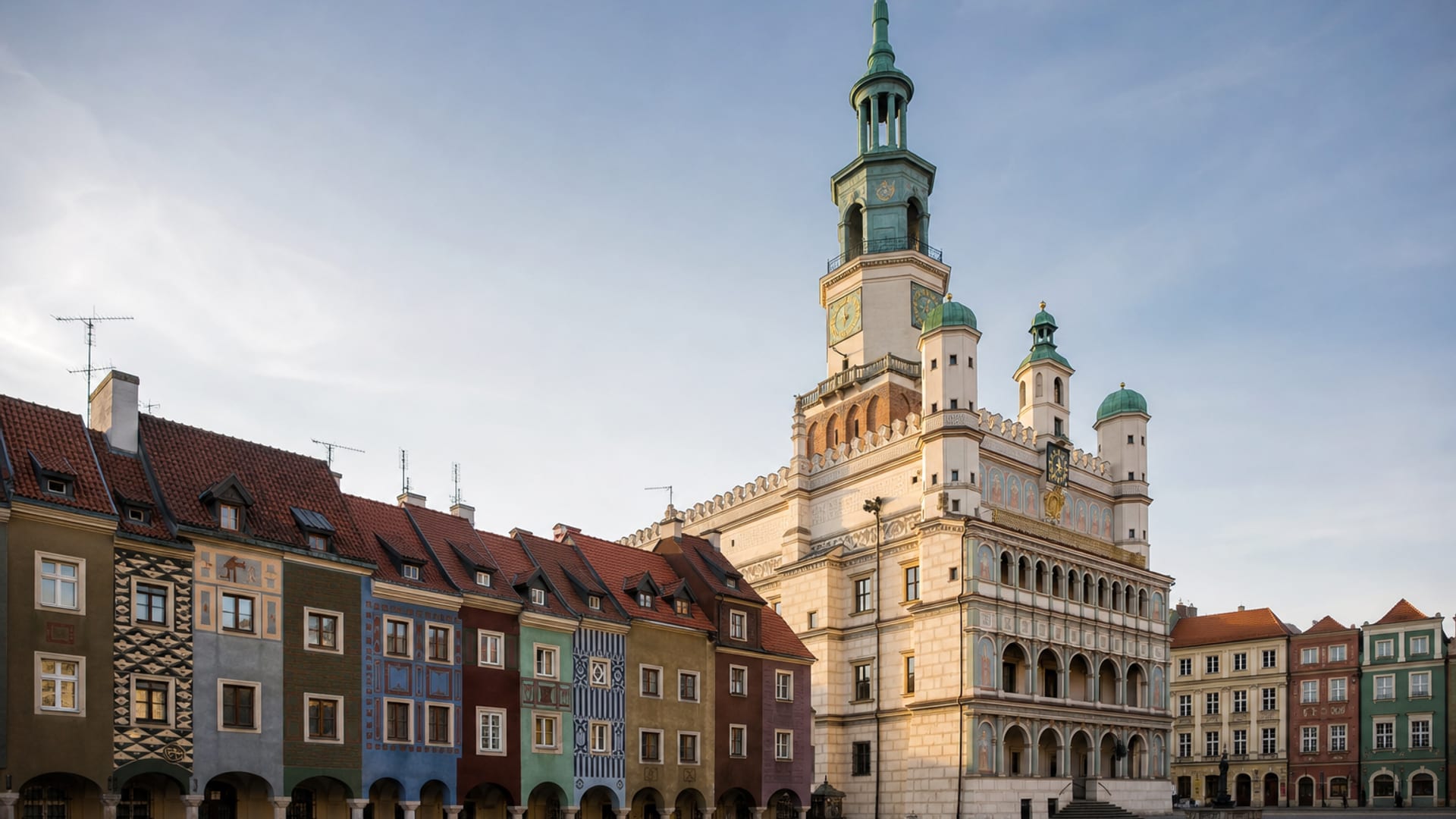
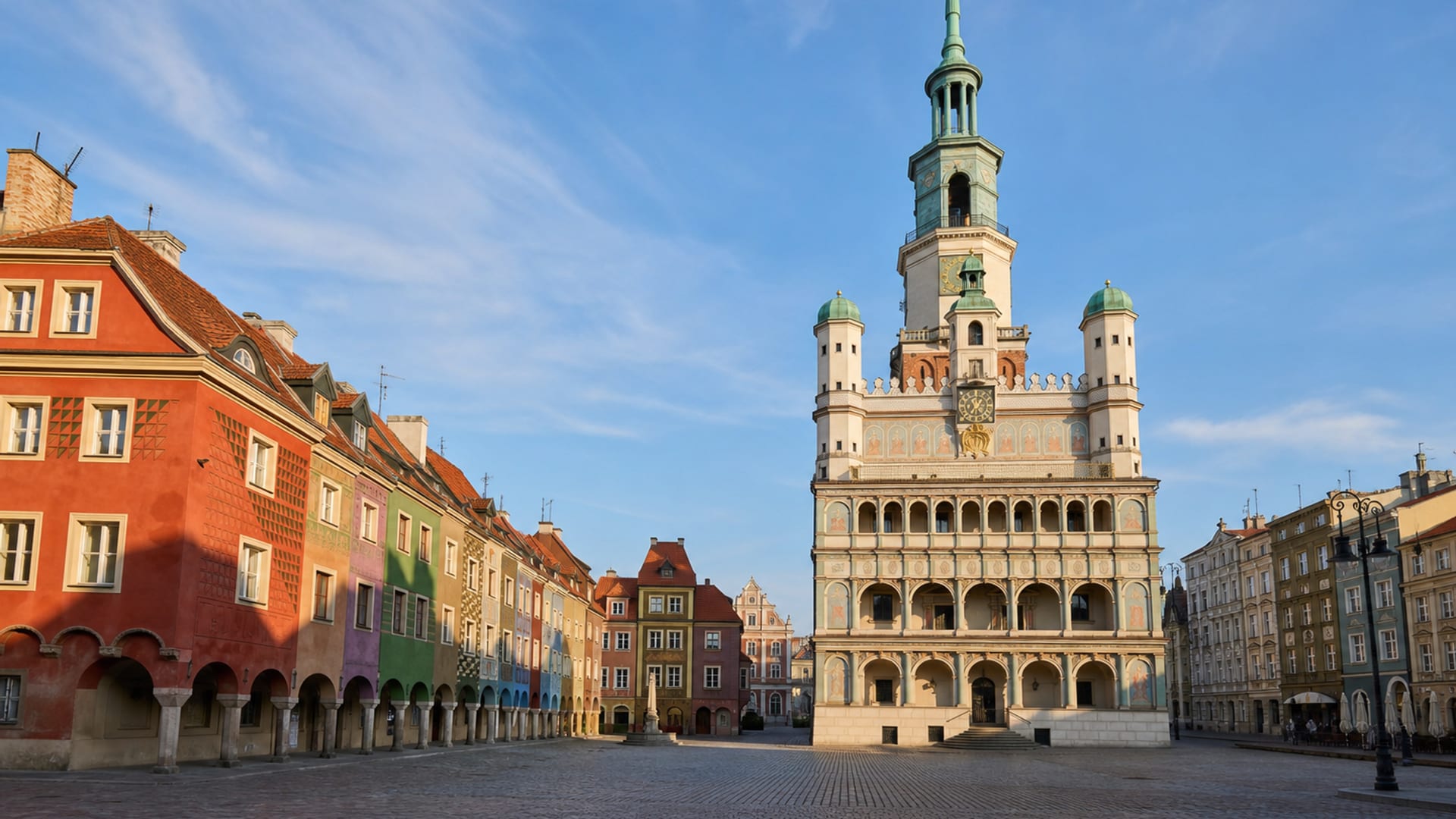
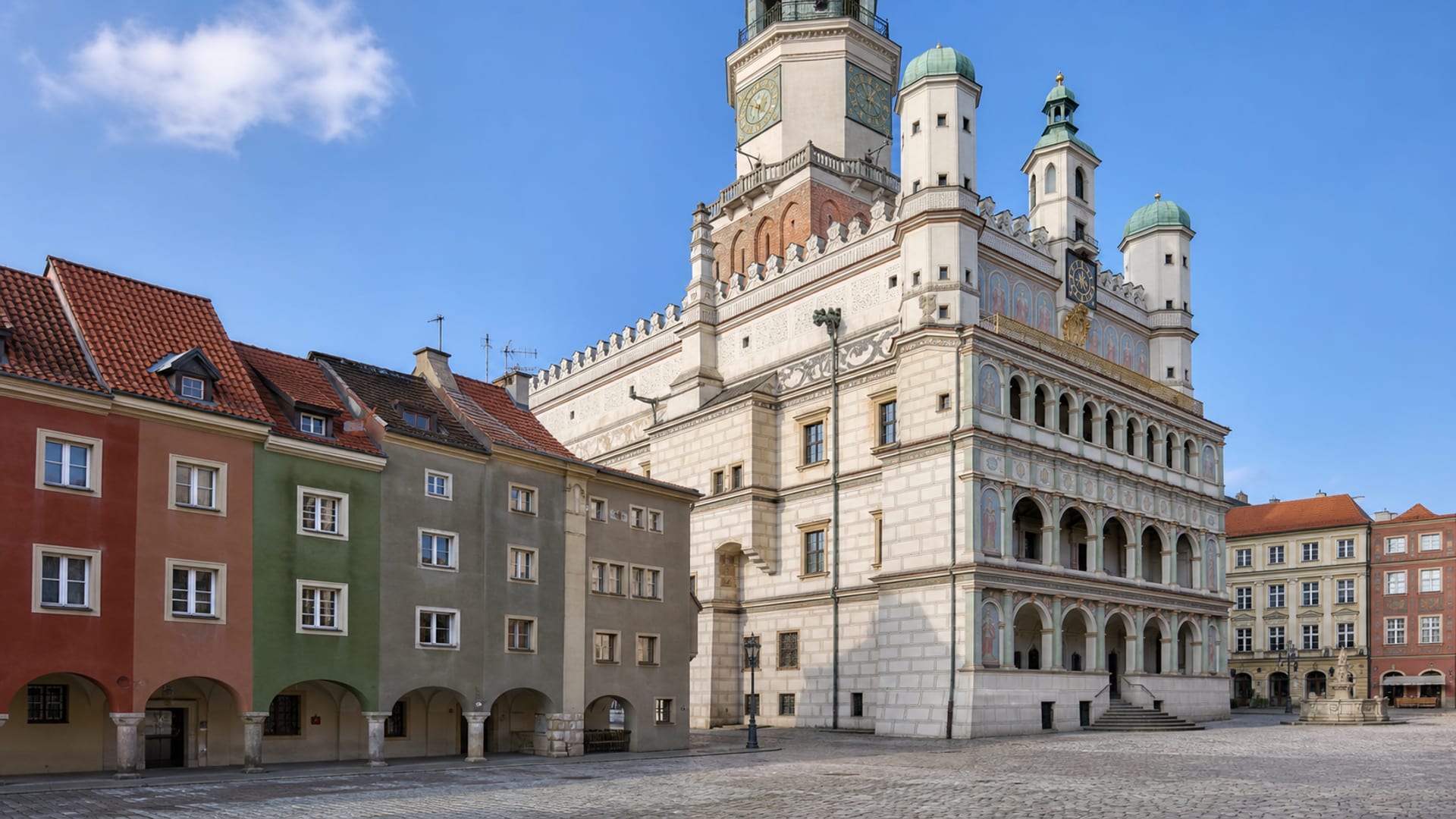
The Old Market Square is the historic center of Poznań, framed by colorful merchant houses and dominated by the Renaissance Town Hall. Two mechanical goats appear above the Town Hall clock every day at noon and again at 3:00 pm.
Time needed: About 2 to 3 hours
Entry: Free to access; museum entries, such as the Town Hall interior, cost about $4 to $7 (16 zł to 28 zł) depending on the exhibit.
Tip: Arrive 15–20 minutes before noon if you want a clear view of the goat display.
Imperial Castle
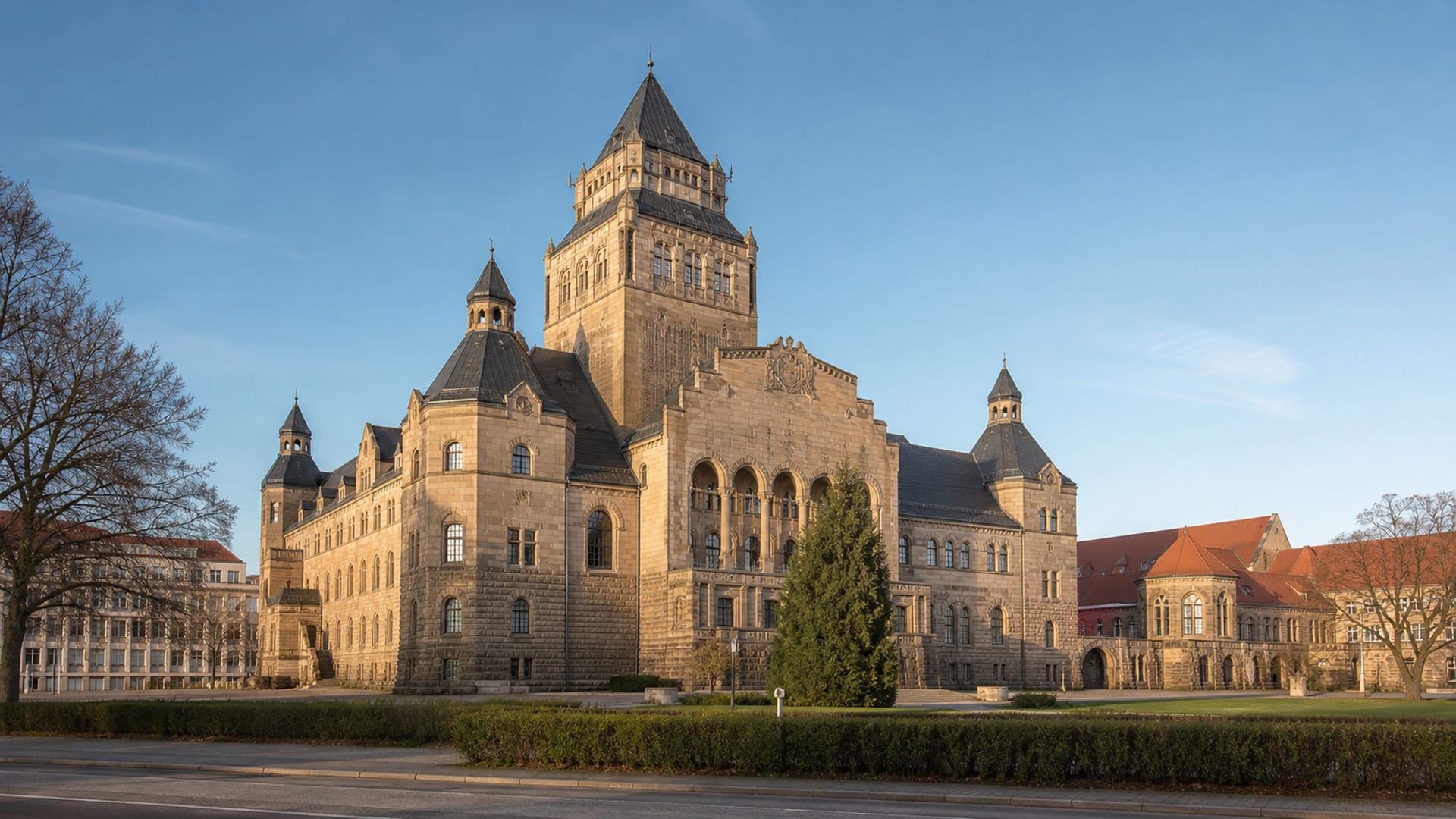
Kaiser Wilhelm II’s former Imperial Castle now houses Centrum Kultury ZAMEK, with historic interiors, exhibitions, cultural events, a cinema, and public spaces. Visitors can explore sections of the former imperial residence through the cultural center’s visitor route.
Time needed: About 1 to 2 hours
Entry: Adults pay about $4 to $6 (16 zł to 24 zł) for standard access, with separate charges for exhibitions, the tower, and cinema events. Visit the official site for details.
Tip: Check the program before visiting because temporary exhibitions and events can change which spaces are accessible.
Overlooked sites worth visiting

Citadel Park
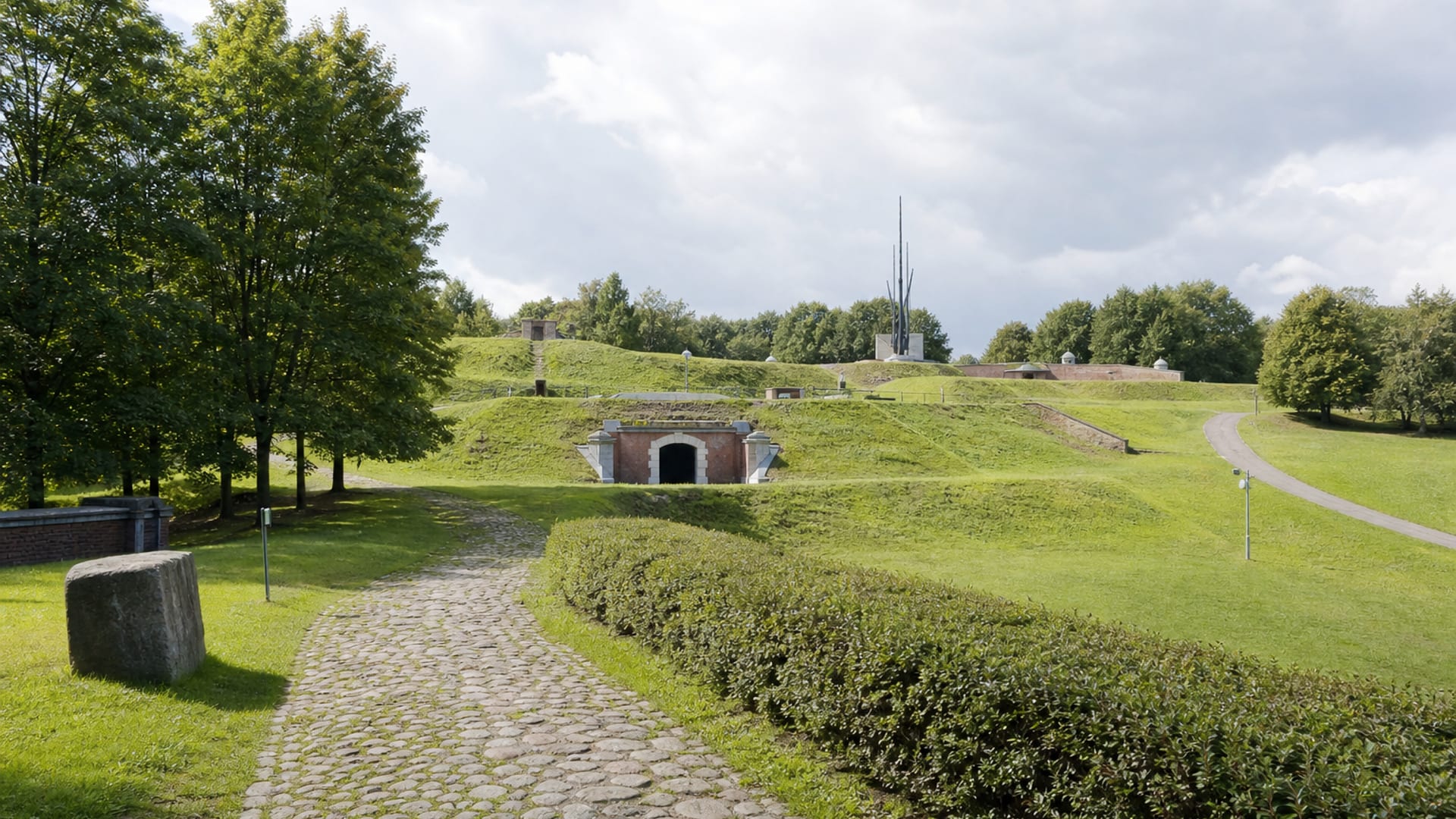
Citadel Park occupies the hill where the Prussian Winiary Fortress stood from the 19th century until the fighting of 1945. Today, the roughly 247-acre (100-hectare0 site has paths, lawns, military remains, cemeteries, monuments, outdoor sculpture, the Museum of Armaments, and the Museum of the Poznań Army.
Time needed: About 1 to 2 hours
Entry: Free to access; the park’s paths, lawns, and fort remnants are open daily without a ticket. Some nearby museum spaces and seasonal exhibits may charge separately, but the grounds themselves stay open for casual visits at no cost.
Tip: Look for Magdalena Abakanowicz’s Unrecognised, an outdoor installation of headless cast-iron figures in the park.

Museum of Musical Instruments
The Museum of Musical Instruments occupies a historic building on the Old Market Square and displays instruments from Europe and other parts of the world, including keyboards, string instruments, folk instruments, mechanical instruments, and objects connected with Polish musical history.
Time needed: About 45 to 90 minutes
Entry: Standard admission is about $5 to $7 (about 20 zł to 30 zł) for adults, with reduced tickets usually available for students and seniors. Special exhibitions or concerts can carry separate pricing, while the permanent collection has a modest entry fee. Visit the official site for details.
Tip: Thursday and Friday opening hours extend beyond the standard 4:00 pm closing time, which can make the museum useful late in a sightseeing day.
Traditional food
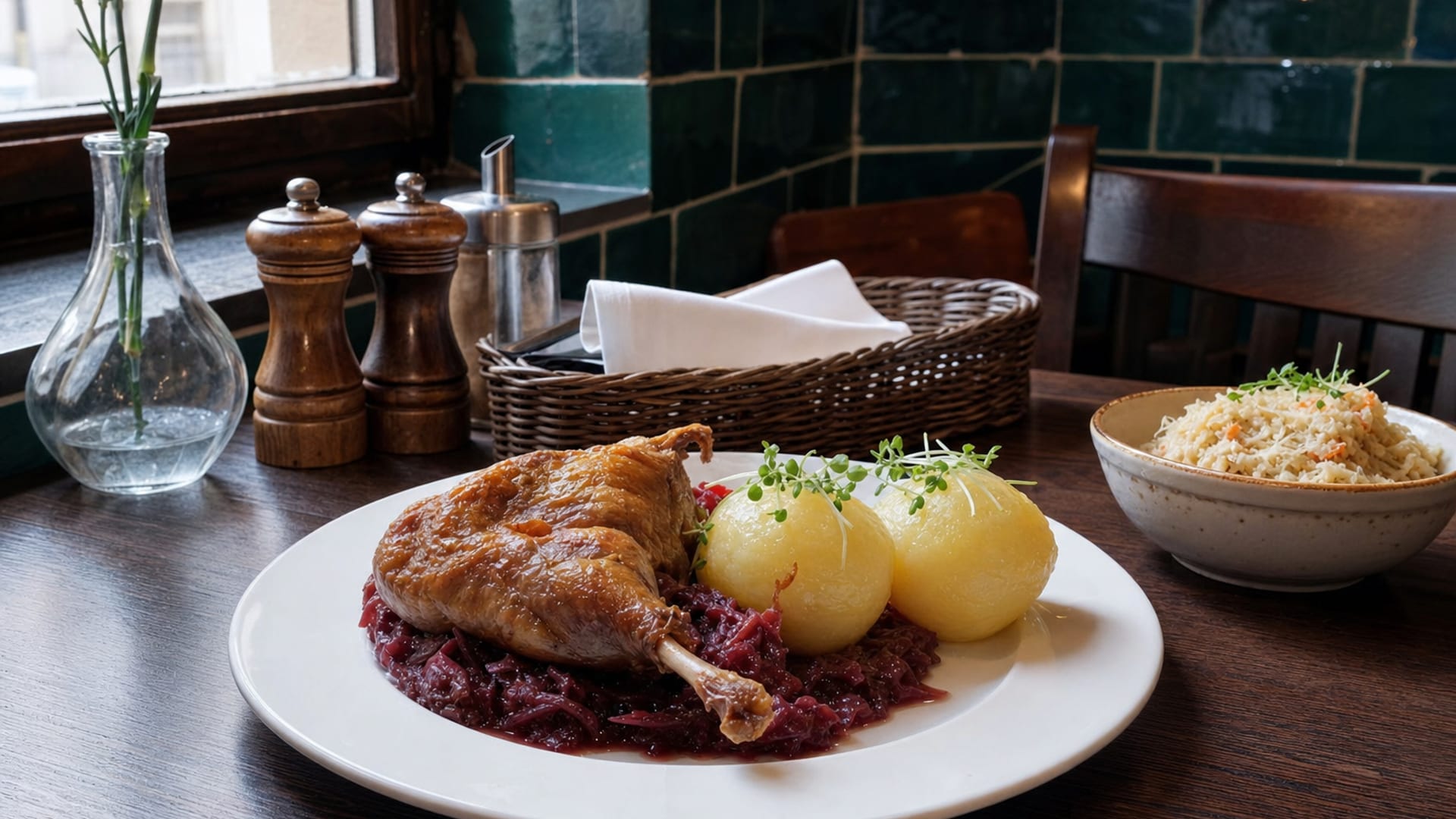
Greater Poland cooking is known for potatoes, cottage cheese, duck, cabbage, dumplings, poppy seeds, and rich pastries.
Pyry z gzikiem
Pyry z gzikiem is one of Poznań’s best-known dishes: potatoes served with gzik, a mixture of cottage cheese, onion, herbs, and seasoning. Hyćka in Śródka is a good place to try it, with a menu focused on traditional Greater Poland cooking.
Rogal świętomarciński
Rogal świętomarciński is Poznań’s signature pastry, made from layered yeast dough filled with white poppy seeds, nuts, raisins, candied orange peel, and almond flavoring. Pick one up at Piekarnia Natura, which has several shops across Poznań, including Jeżyce and the main railway station.
Szare kluski
Szare kluski are soft potato dumplings made from grated raw potatoes and usually served with cabbage, bacon, or both. Bamberka on the Old Market Square is a good place to order them.
Duck with dumplings and red cabbage
Duck with dumplings and red cabbage is a classic Greater Poland dish. Try it at Złota Kaczka, which serves roast duck with apples, red cabbage, and homemade dumplings.
Best time to visit Poznań
Poznań changes noticeably with the seasons. Spring and fall are mild, summer is warm, and winter is cold with short days and occasional snow.
Best for: Parks, Cathedral Island, Old Town walks, and outdoor sightseeing
What you get: Temperatures usually range from 43°F to 66°F (6°C–19°C), with warmer afternoons becoming common in April and May.
Trade-offs: March can still be cold, and rain can interrupt outdoor plans.
Best for: Long sightseeing days, restaurant terraces, parks, and evening walks
What you get: Temperatures usually range from 59°F to 79°F (15°C–26°C), with long daylight hours and warm afternoons.
Trade-offs: Major sights draw the most visitors, and hot days can make afternoon sightseeing tiring.
Best for: Museums, neighborhood walks, restaurants, and outdoor sightseeing
What you get: Temperatures usually range from 41°F to 64°F (5°C–18°C), with mild September days followed by cooler weather.
Trade-offs: Daylight decreases through the season, and November can be cold and wet.
Best for: Museums, churches, regional food, and December holiday events
What you get: Temperatures usually range from 27°F to 39°F (-3°C–4°C), with occasional snow and freezing days.
Trade-offs: Short daylight hours and cold weather limit how long you may want to be outside.
A realistic 5-day plan in Poznań
This itinerary keeps each day focused on one part of Poznań, with nearby sights grouped together so you spend your time exploring instead of crossing the city repeatedly.
After arriving at Poznań Airport (POZ), take bus 159, a taxi, or a ride-hailing car to your hotel. Keep the first afternoon light with a walk along Święty Marcin Street and Plac Wolności, then continue past the Imperial Castle from the outside. Stop for coffee or an early dinner nearby and use the evening to settle in after the flight. Save the Old Market Square, museums, and Cathedral Island for the following days, when you have enough time to see them properly.
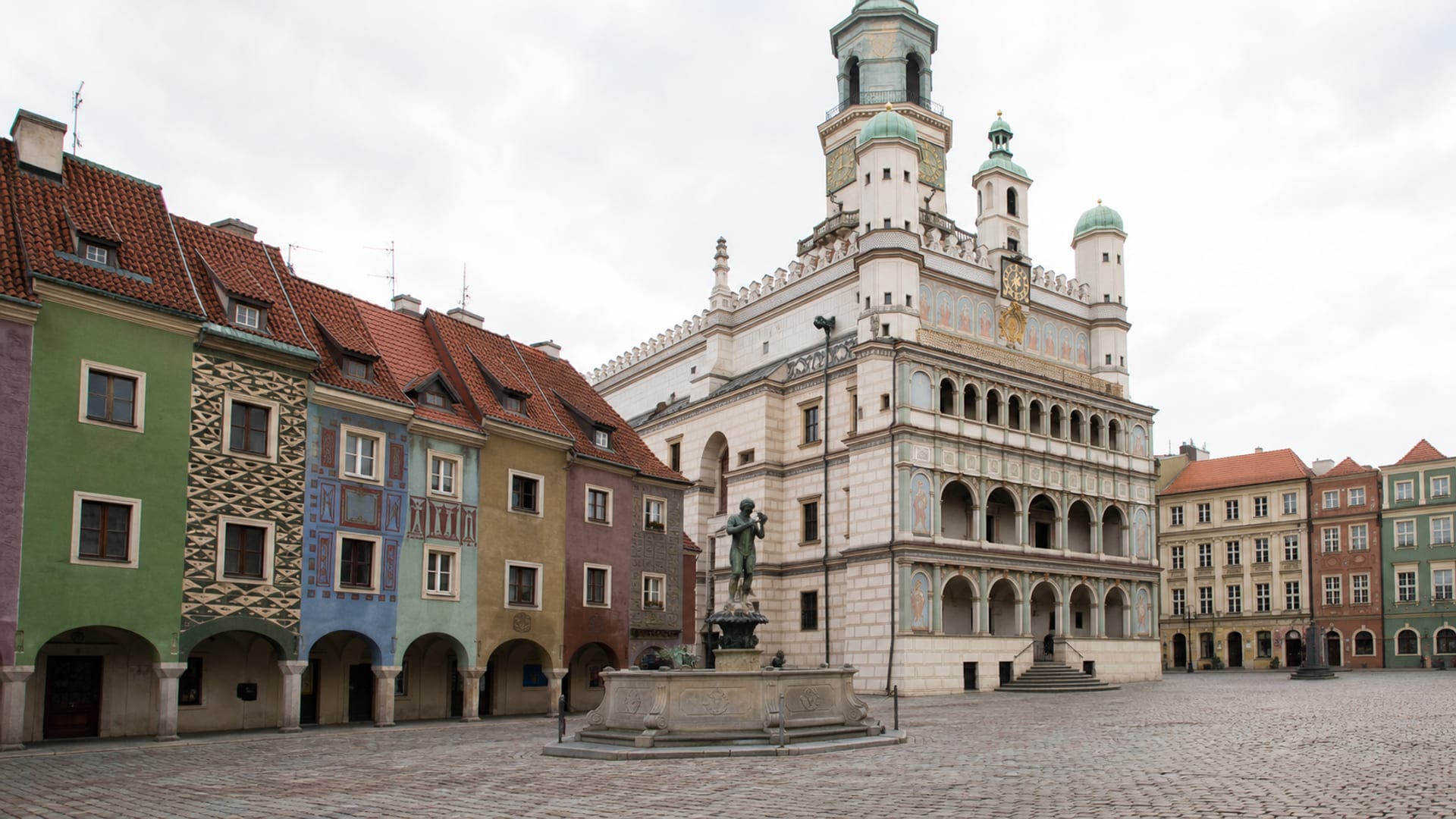
Start at the Old Market Square before noon so you can explore the merchant houses and Town Hall before the mechanical goats appear at 12:00 pm. Visit the Museum of Musical Instruments afterward and have lunch nearby. In the afternoon, walk west through the center to the Imperial Castle and spend 1.5 to 2 hours in the historic rooms and current exhibition. Finish with dinner along Święty Marcin or in the streets between the castle and the Old Market Square.
Begin on Ostrów Tumski at Poznań Cathedral, allowing time for the crypt, royal tombs, chapels, and observation tower if it is open. Walk across to Śródka for lunch, then visit Porta Posnania to learn more about Cathedral Island and the beginnings of the Polish state. Spend the late afternoon exploring Śródka’s small streets and riverside paths before dinner. This keeps the day focused on one part of the city without adding another major museum or long transfer.
Spend the morning at Citadel Park, walking through the former fortress grounds, military cemeteries, monuments, and Magdalena Abakanowicz’s Unrecognised installation. Add either the Museum of Armaments or the Museum of the Poznań Army if you want more history. After lunch, take a tram to Jeżyce, visit Jeżycki Market, and walk through streets such as Roosevelt and Dąbrowskiego for Art Nouveau architecture. Stop for coffee, browse local shops, and have dinner in the district.
Spend the final morning in Łazarz, starting in Wilson Park before visiting the Poznań Palm House and its tropical greenhouses. Continue through the nearby residential streets toward Rynek Łazarski, where you can stop for lunch if your departure time allows. Poznań Główny is nearby for travelers leaving by train. If you are flying, return for your luggage and take bus 159, a taxi, or a ride-hailing car to Poznań Airport, leaving enough time for check-in and security.
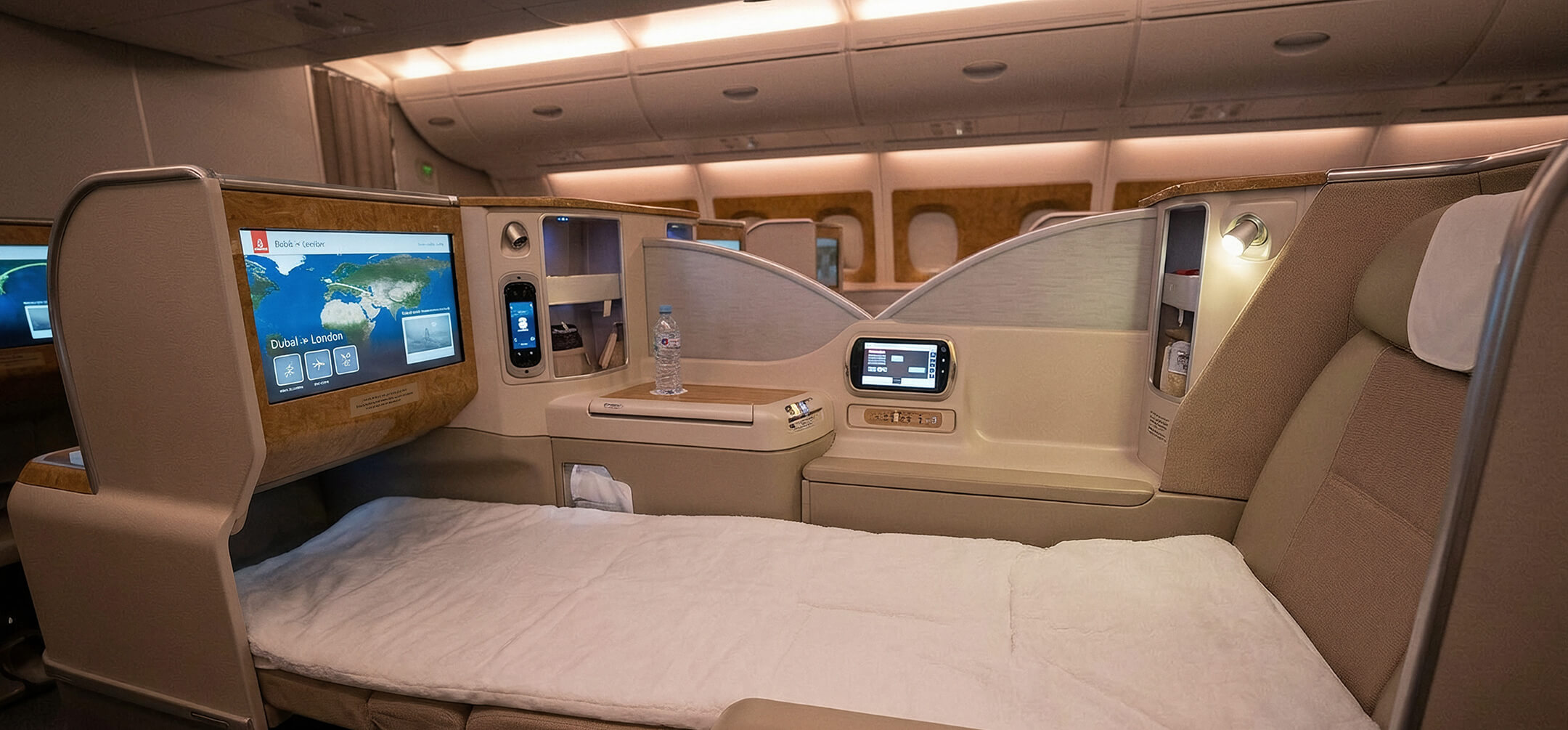
Business-class flights from the US to Poznań
Business-class travel into Poznań usually connects through a major European hub rather than operating nonstop from North America. From both coasts, the best choice often comes down to whether you prefer a tighter schedule or a fare that opens up with one connection.
From New York, LOT Polish Airlines, Lufthansa, KLM Royal Dutch Airlines, Air France, Turkish Airlines, and British Airways all appear on common itineraries, and the journey usually takes about 10 to 15 hours with one stop. If you do not mind a layover, routes via FRA, MUC, or AMS often reduce the fare, with round-trip prices usually starting from $2,300 and reaching $4,800.
Los Angeles itineraries usually run through FRA, MUC, AMS, CDG, LHR, or IST, and the total travel time lands about 13 to 18 hours. Lufthansa, KLM Royal Dutch Airlines, Air France, Turkish Airlines, British Airways, and LOT Polish Airlines all show up on common options, with round-trip tickets usually running from $2,700 to $5,600.
Poznań is worth taking your time with
Poznań has a relaxed rhythm that suits travelers who want history, good food, and interesting neighborhoods without filling every hour of the day. AranGrant can help you find a comfortable business-class itinerary to Poznań, so you can begin the trip well-rested and ready to explore.