

Chapters:

Need help with your trip?
Our support team is available 24/7. Request a callback or call us directly at (833) 619-0908
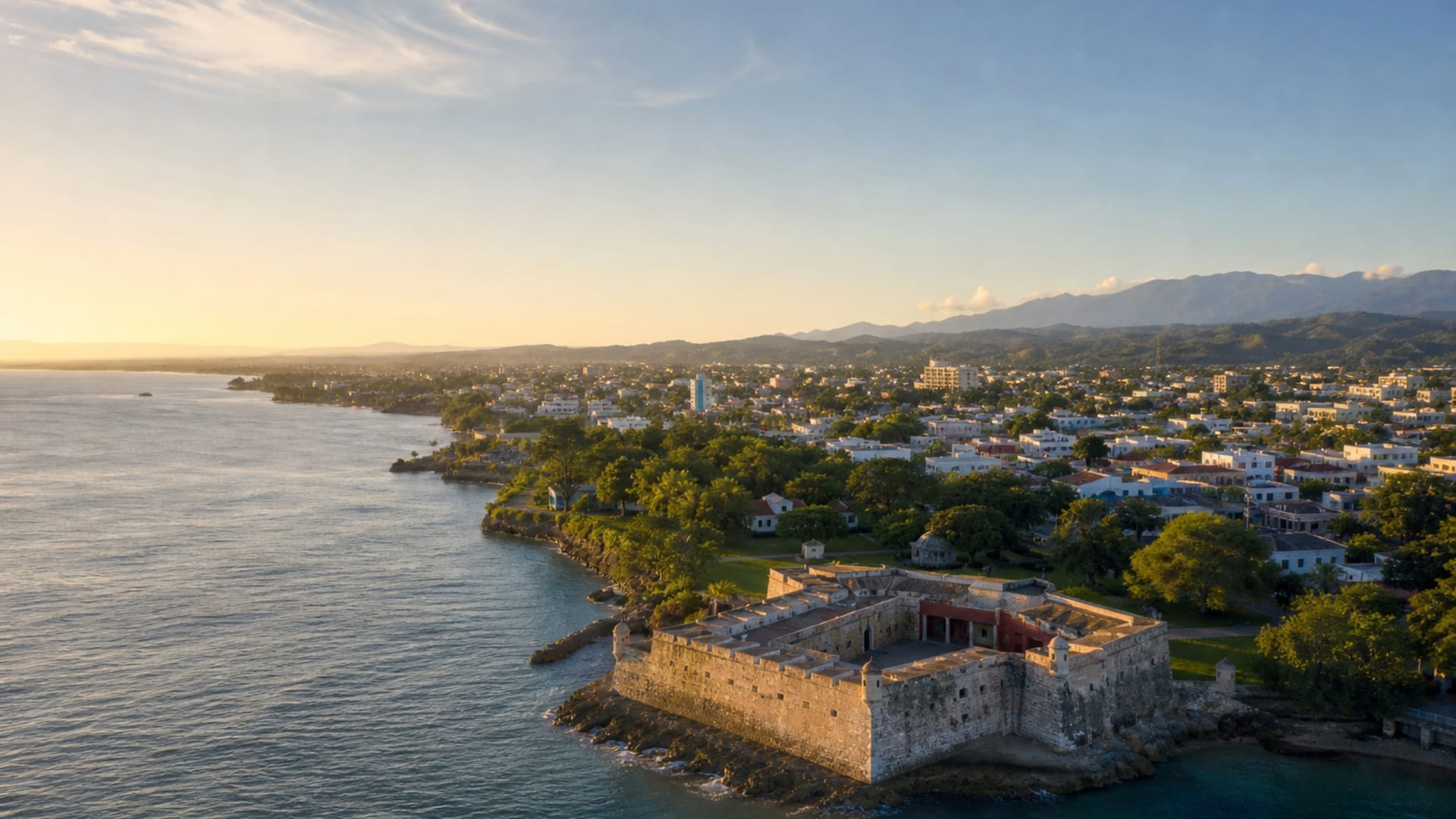
Puerto Plata has a relaxed rhythm that suits travelers who want to see the city without filling every hour. Its historic streets, Atlantic waterfront, beaches, and mountain scenery create plenty of variety for several days.
Centro Histórico brings museums, restaurants, and the Malecón close together. Playa Dorada and Costambar add beach time on either side of the city, while Mount Isabel de Torres rises above Puerto Plata with gardens and coastal views.
With five days, you can explore the main sights, try Dominican dishes, spend time on the coast, and still leave room for an unhurried meal or a change of plans. This article helps you choose where to stay, how to get around, and how to organize each day without overloading the trip.
Useful things to know

Main language(s): Spanish
Hola (OH-lah) – Hello
Por favor (por fah-VOR) – Please
Gracias (GRAH-see-as) – Thank you
¿Habla inglés? (AH-bla een-GLAYS) – Do you speak English?
¿Cuánto cuesta? (KWAHN-toh KWES-tah) – How much does it cost?

Currency: Dominican peso (DOP, RD$)

Cash and cards: Cards are accepted at most hotels, restaurants, and larger stores. Carry some pesos for taxis, tips, markets, and smaller businesses.

Tipping: Restaurants add a 10% service charge; an extra tip is optional. Taxi drivers do not normally expect tips unless they provide extra help.

Traditional food: Mofongo, sancocho, pescado frito, and tostones are among the Dominican dishes commonly found in Puerto Plata.

Water and coffee costs: Bottled water costs RD$80 (US$1.35), while an espresso usually costs RD$100–RD$160 (US$1.70–US$2.70).

Taxis and ride apps: Uber operates in Puerto Plata, including airport pickups. Licensed taxis are also available at hotels, resorts, and the airport.

Plug and voltage: Puerto Plata uses Type A and B sockets with 110–120V, 60Hz power. US plugs fit, but some appliances may need a voltage converter.

Dining and shop opening hours: Many restaurants open between 10:00 am and noon and close around 10:00 or 11:00 pm. Supermarkets are open between 7:00 am and 10:00 pm.

Emergency number: Call 911 for police, fire, or medical emergencies.
Where to stay in Puerto Plata
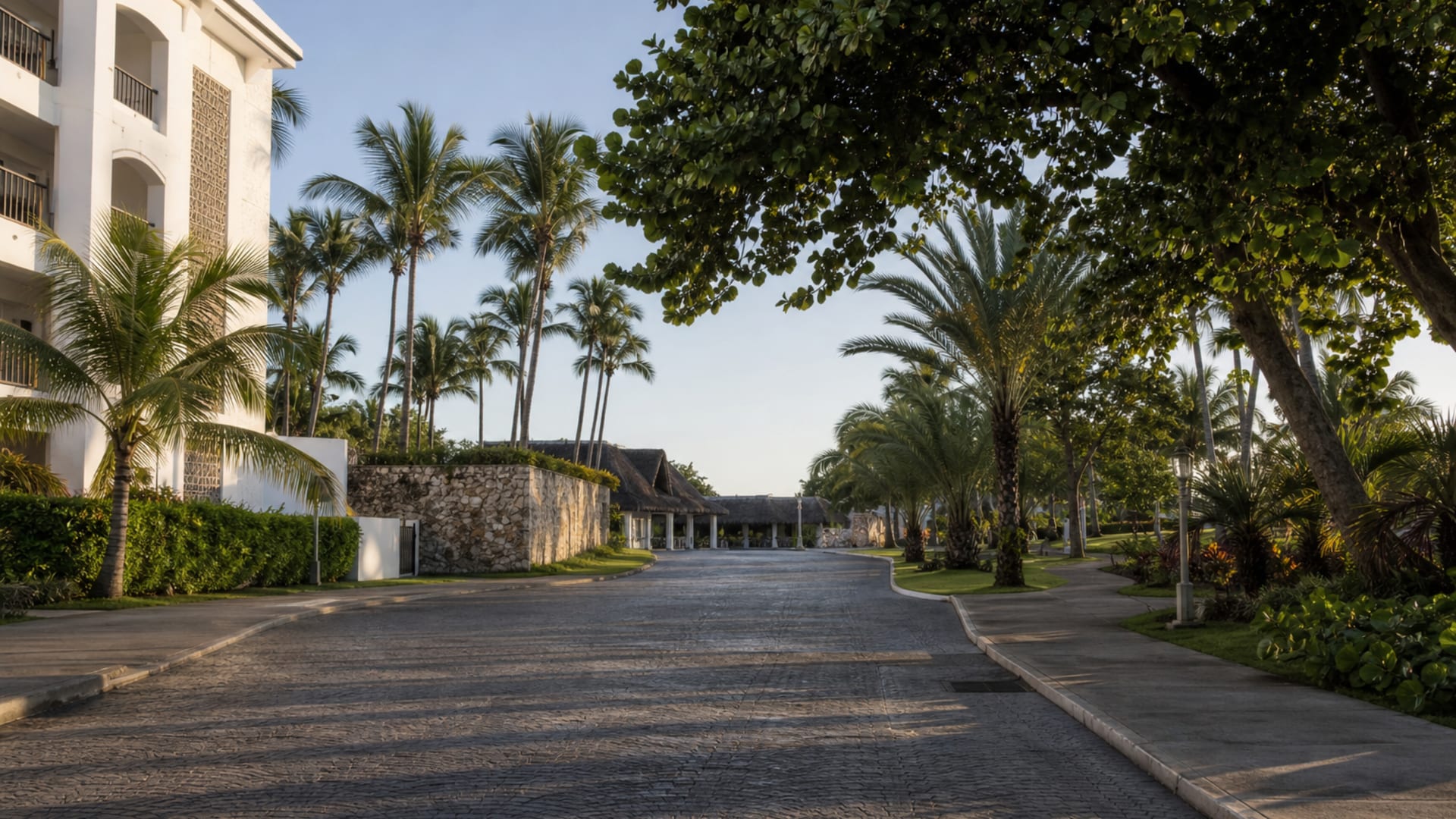
Playa Dorada is a resort complex east of central Puerto Plata, with beachfront hotels, restaurants, golf, and direct access to a long sandy beach. It suits travelers who want most of their trip centered on the coast while keeping the historic center within a short drive for sightseeing.
Best for: Beach vacations, resort amenities, and travelers who want easy access to the waterfront
What to expect: Wide resort grounds, controlled access, and a steady flow of vacationers, especially during daylight hours.
Hotel prices: Usually about $120 to $300 per night for well-rated stays
Distance to major sights: About 10 to 15 minutes by car to Central Park and the Malecón
Quietness: Quieter during the day inside the resort zone, with more activity in hotel areas and restaurants at night.
Main trade-off: You will pay more for beachfront access, and you may need a car or taxi for meals and nightlife outside the strip.
Good to know: Check the meal plan, beach access, and any included transport before booking, since Playa Dorada hotels and condos vary widely in what they include.
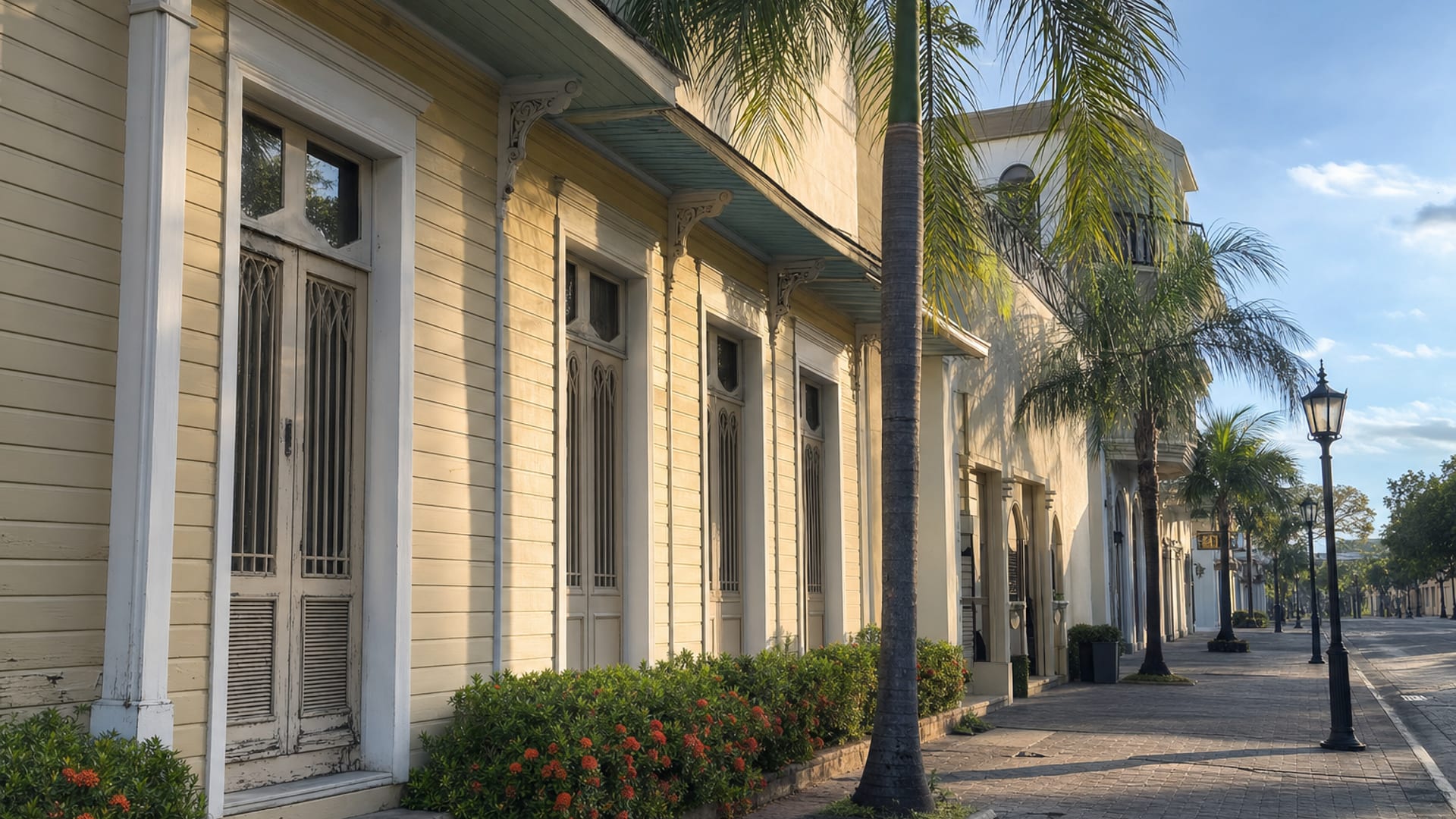
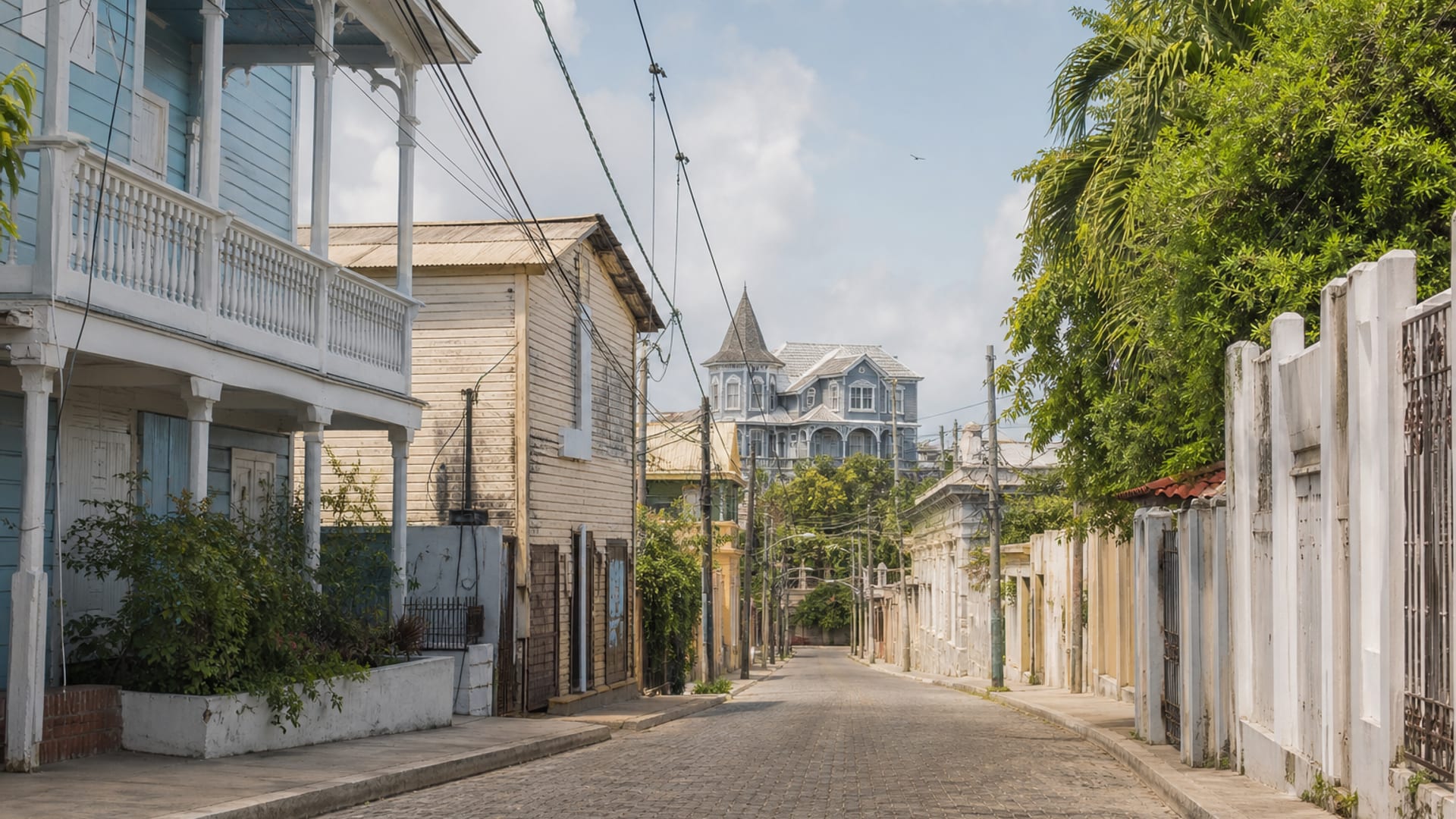
Centro Histórico centers on Parque Independencia, with the cathedral, Amber Museum, restaurants, shops, and Victorian-era streets close together. It suits travelers who want to explore Puerto Plata on foot and keep the Malecón and several central sights within an easy walk nearby.
Best for: First-time visits, walking to restaurants, and travelers who want to be close to the city’s historic core
What to expect: Busy sidewalks, taxi movement, and a mix of shops, offices, and local eateries from morning through early evening.
Hotel prices: Usually about $40 to $120 per night for well-rated stays
Distance to major sights: On foot to Central Park and about 10 to 20 minutes on foot to the Malecón
Quietness: Active and noisy in the daytime, then calmer after shops close, though traffic can still pass through.
Main trade-off: You gain walkability, but many buildings are older and street noise can carry late into the evening.
Good to know: If you plan to rent a car, check parking before booking, since some central hotels do not have on-site spaces or private parking nearby.
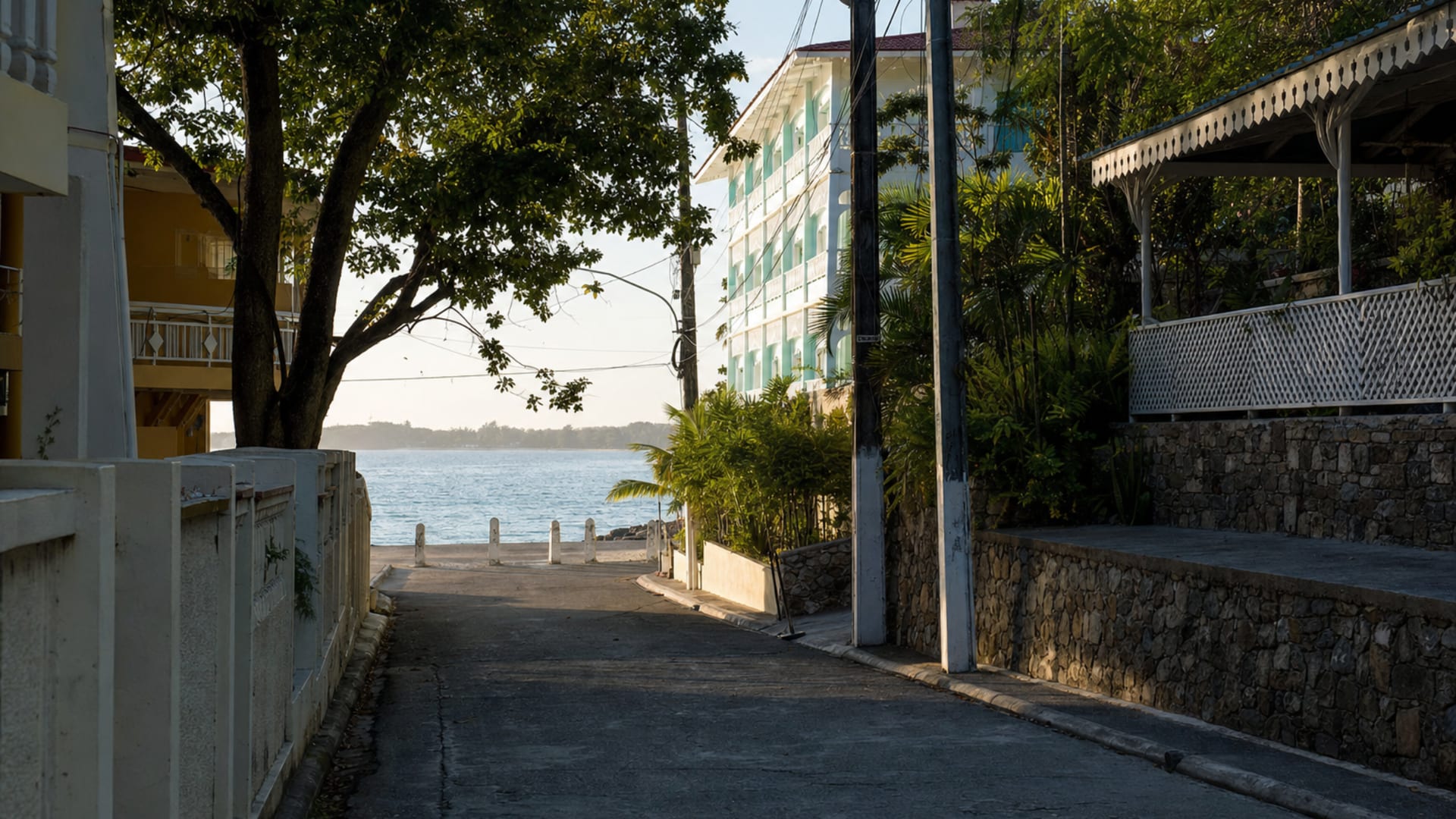
Costambar is a gated residential beach community west of central Puerto Plata, with apartments, villas, restaurants, a nine-hole golf course, and direct access to the shore. It suits travelers who want the sea nearby and smaller-scale lodging without choosing a large resort complex.
Best for: Longer stays, beach access, and travelers who want a residential setting near the sea
What to expect: Low-key streets, a small neighborhood beach scene, and fewer visitors than the main resort areas.
Hotel prices: Usually about $60 to $160 per night for well-rated stays
Distance to major sights: About 15 to 25 minutes by car to Central Park and about 10 minutes by car to the Malecón
Quietness: Fairly quiet by day and evening, with more sound near the beach bars and main roads.
Main trade-off: You will usually need a taxi or rental car for central restaurants, and lodging choices are smaller than in the resort zone.
Good to know: Many properties are apartments or private rentals, so check the exact address, meal options, housekeeping, and other included amenities.
For a short city-focused trip, lodging far from Centro Histórico and the Malecón adds travel time. Sosúa and Cabarete suit beach trips, but are less practical for central sightseeing; Playa Dorada is designed for resort-focused trips.
Hotel deals
How to get around Puerto Plata efficiently
Puerto Plata has minibuses for low-cost trips, Uber for app-based rides, and taxis for airport transfers and direct travel.

Minibuses
for lower-cost trips
Guaguas are shared minibuses that follow routes between Puerto Plata, Sosúa, Cabarete, Cofresí, and Costambar. Fares are usually RD$35–RD$150 (US$0.60–US$2.55), depending on the route. Pay in cash and carry small bills, as stops are informal and signage is limited.

Uber
for app-based rides
Uber operates in Puerto Plata and also serves Puerto Plata Airport (POP). A ride from the airport to central Puerto Plata costs roughly RD$350 (US$6). Prices change with demand and pickup point; check the fare before confirming.

Taxi
for airport transfers and direct trips
Licensed taxis wait at Puerto Plata Airport (POP) and are useful if you carry luggage, arrive late, or if you want a direct ride. Rides from the airport to central Puerto Plata and Playa Dorada are about RD$1,770 (US$30). Drivers usually quote the fare before departure, so confirm the price first.
*Prices are based on rates updated as of September 2026 and may change at the time of travel.
Use minibuses for the lowest fares, Uber for app-based city trips, and taxis when luggage, timing, or a direct airport ride matters most.
Iconic landmarks
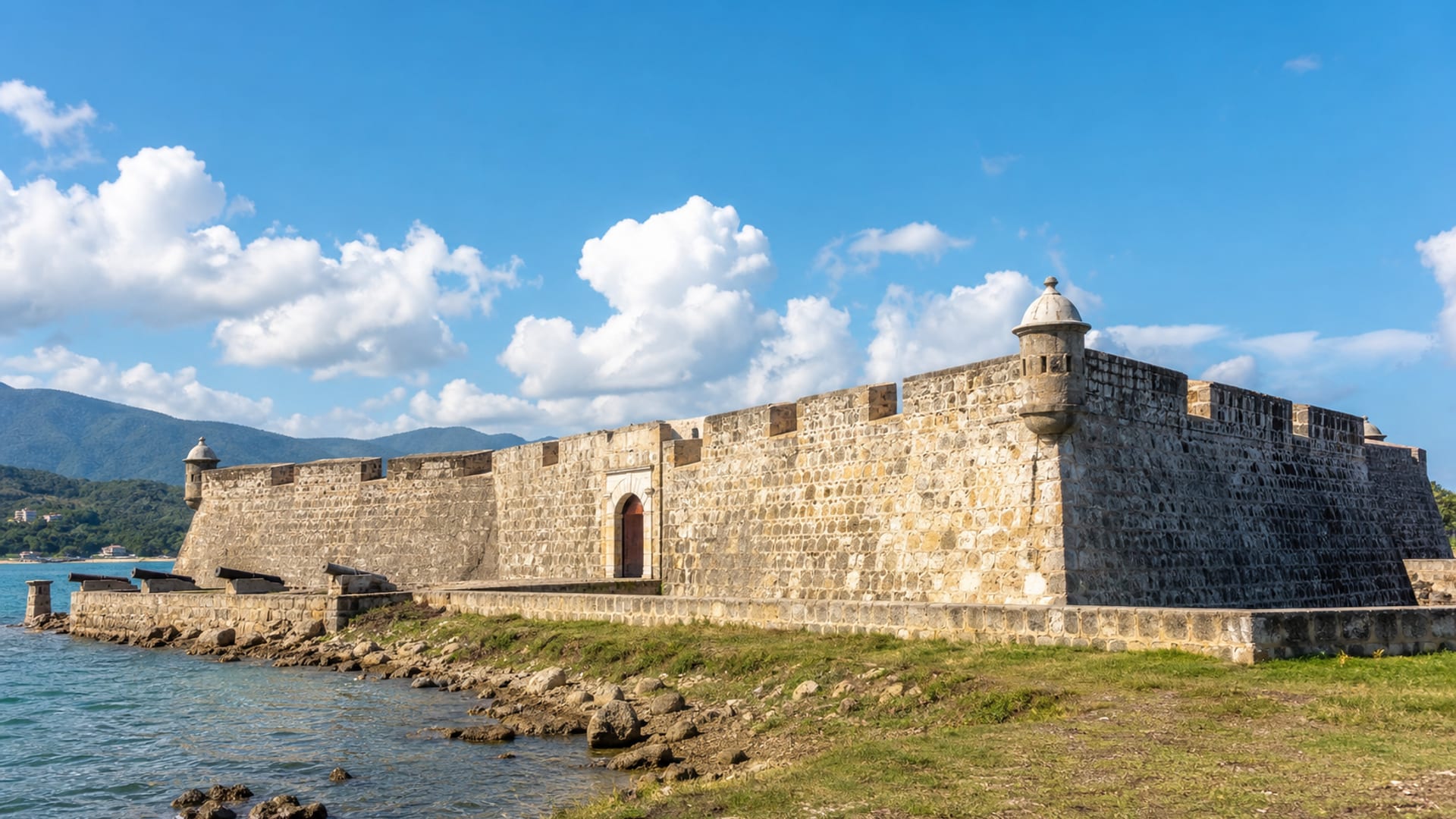
Fort San Felipe
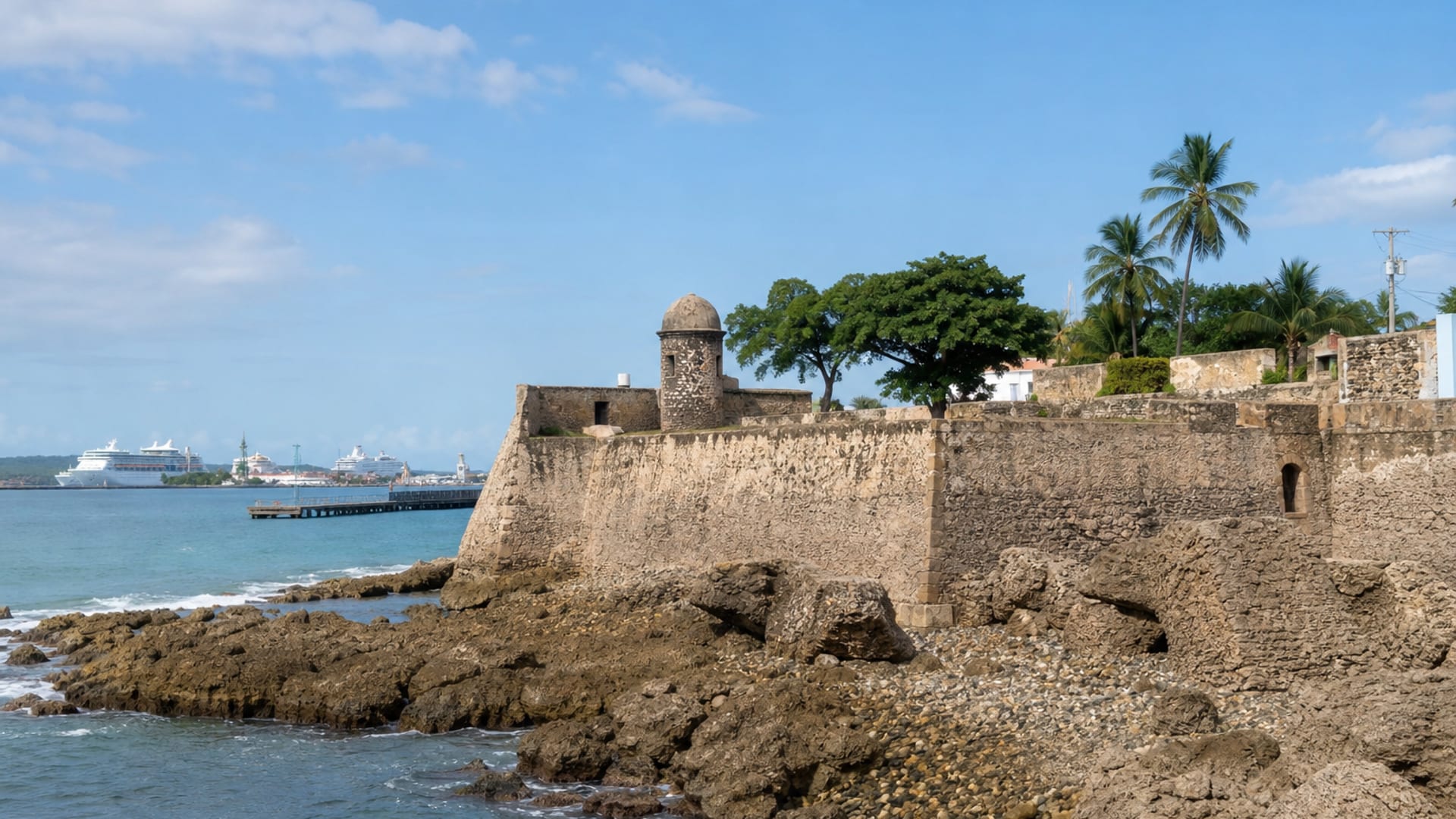
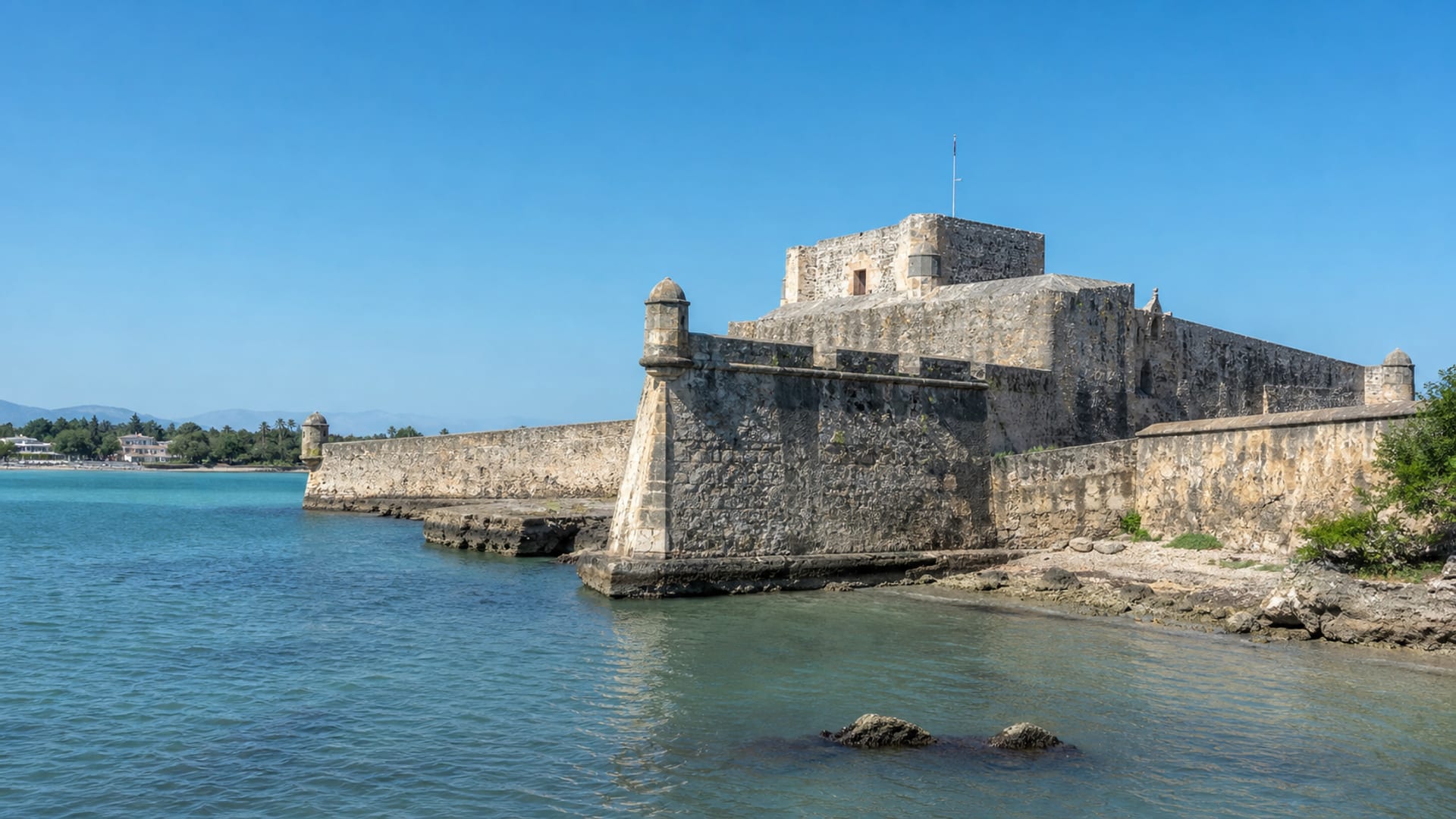
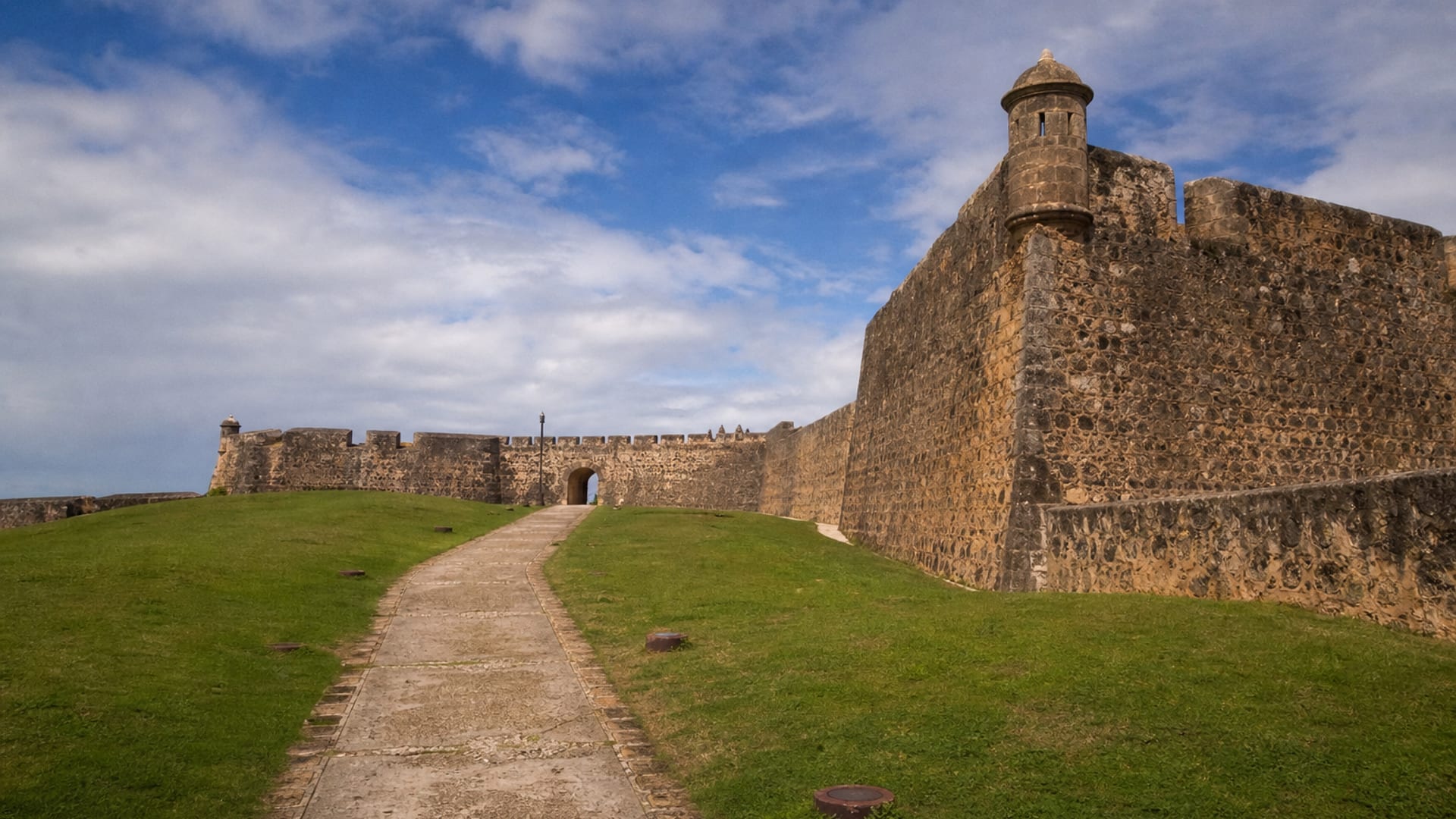
Fort San Felipe is a compact 16th-century fortress at the edge of Puerto Plata’s harbor. Inside, stone chambers, old cannons, weapons, and military displays trace its defensive role, while the ramparts open toward the Atlantic and the waterfront at La Puntilla, with clear harbor views.
Time needed: About 1 to 2 hours
Entry: Admission costs about $3 ($170 DOP) for adults, with lower rates for children and local residents; hours can vary by day. Visit the official site for details.
Tip: Walk toward La Puntilla afterward for open harbor views and more time by the sea.
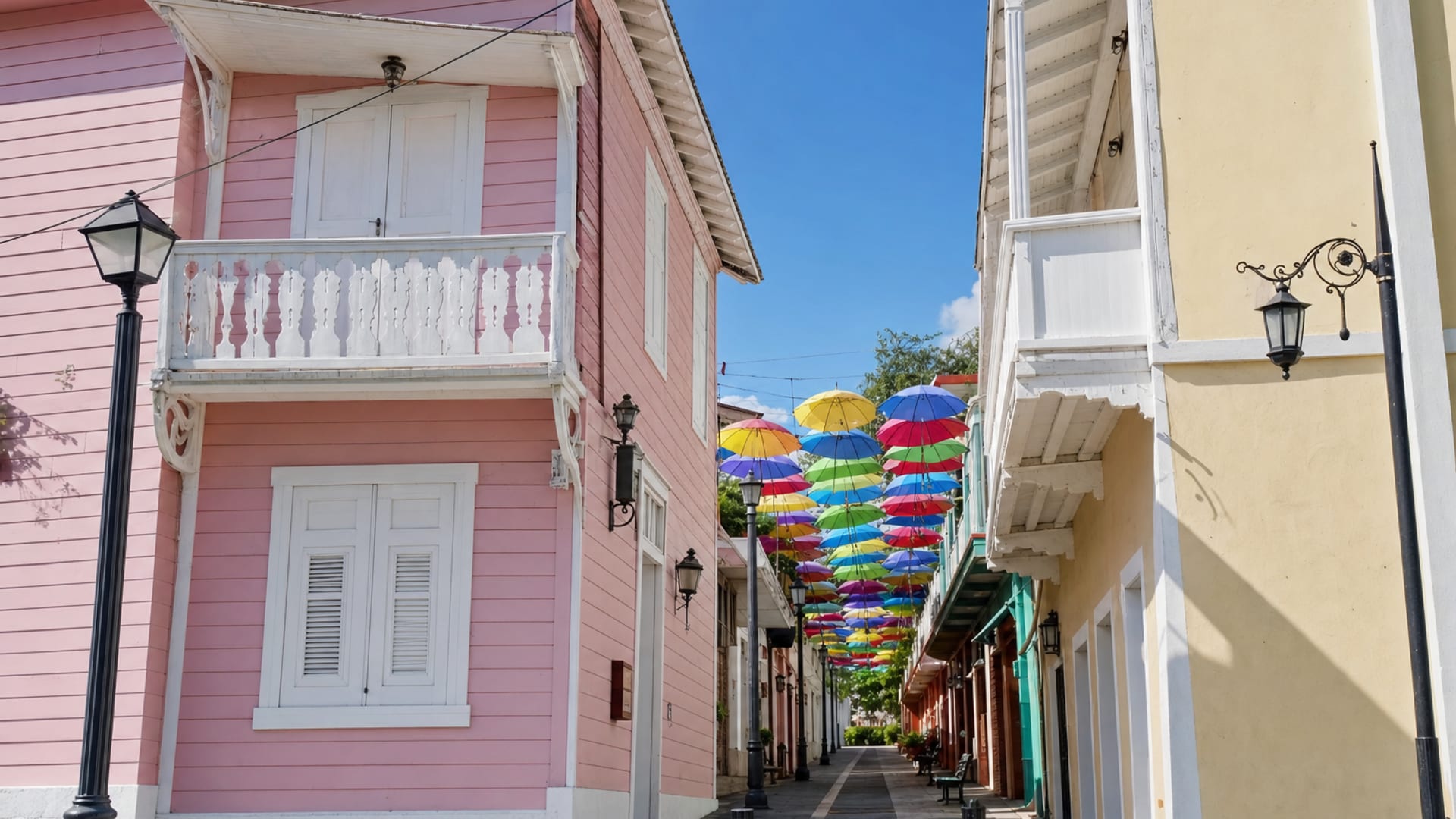
Paseo de Doña Blanca
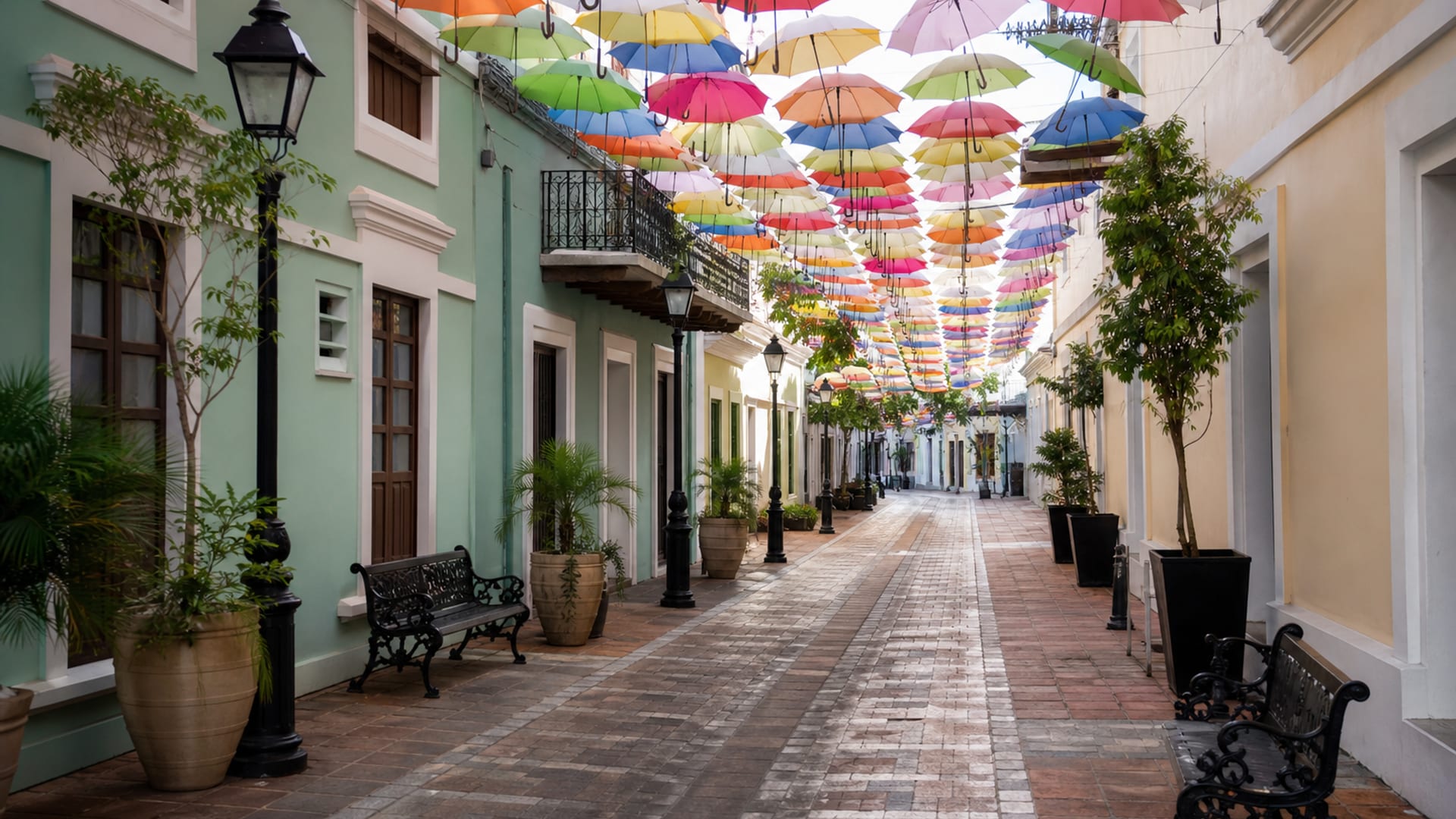
Paseo de Doña Blanca is a narrow lane in the historic center painted almost entirely in pink, from the walls to the benches and decorative details. Created in honor of Bianca Franceschini de Rainieri, it is a quick stop for photos and a colorful contrast to the surrounding Victorian streets.
Time needed: About 30 to 45 minutes
Entry: Free to access; no timed entry is required, and you can visit during daylight hours without a ticket.
Tip: Pair it with Parque Independencia and nearby historic streets while you are in the center.
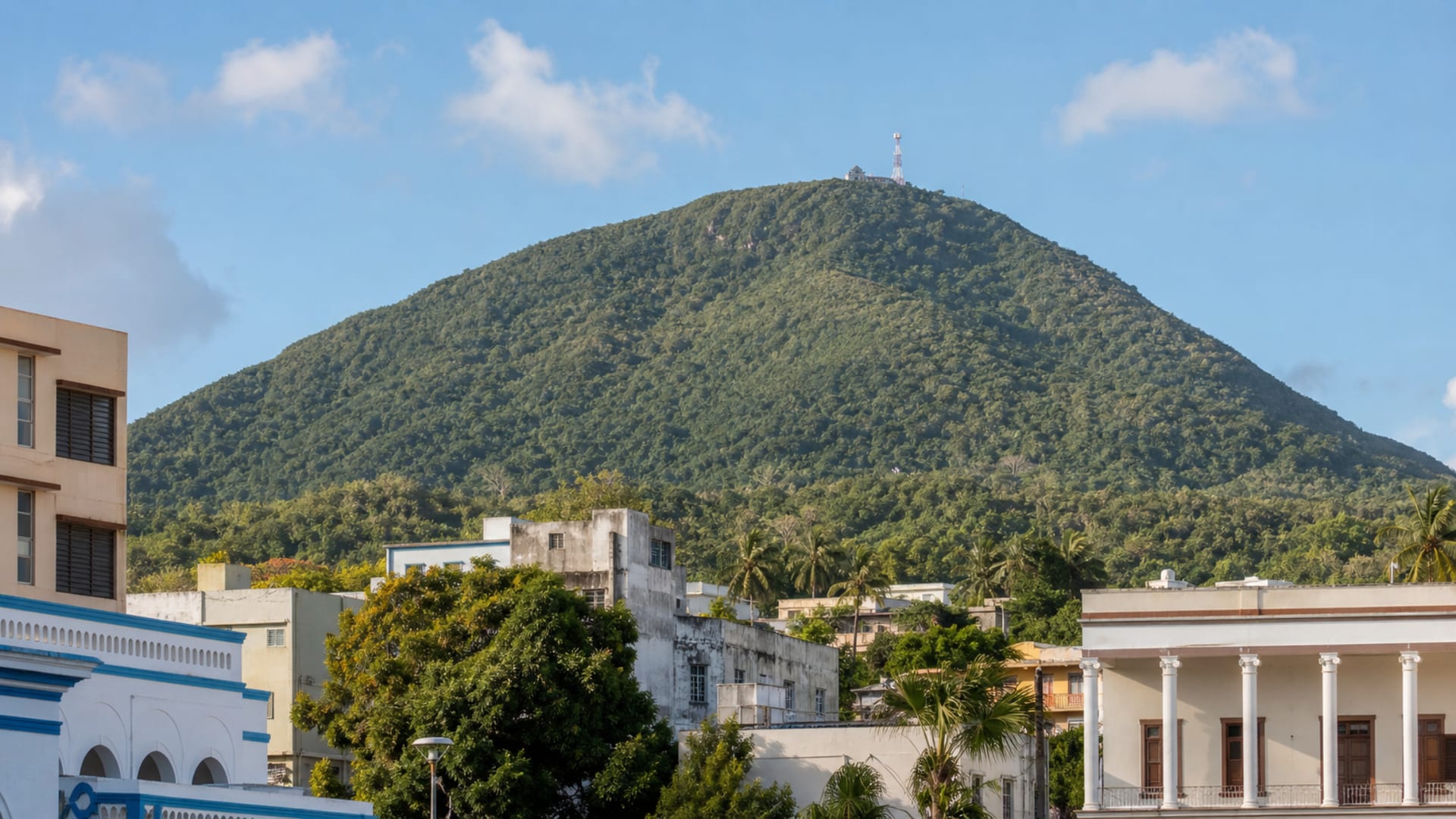
Mount Isabel de Torres
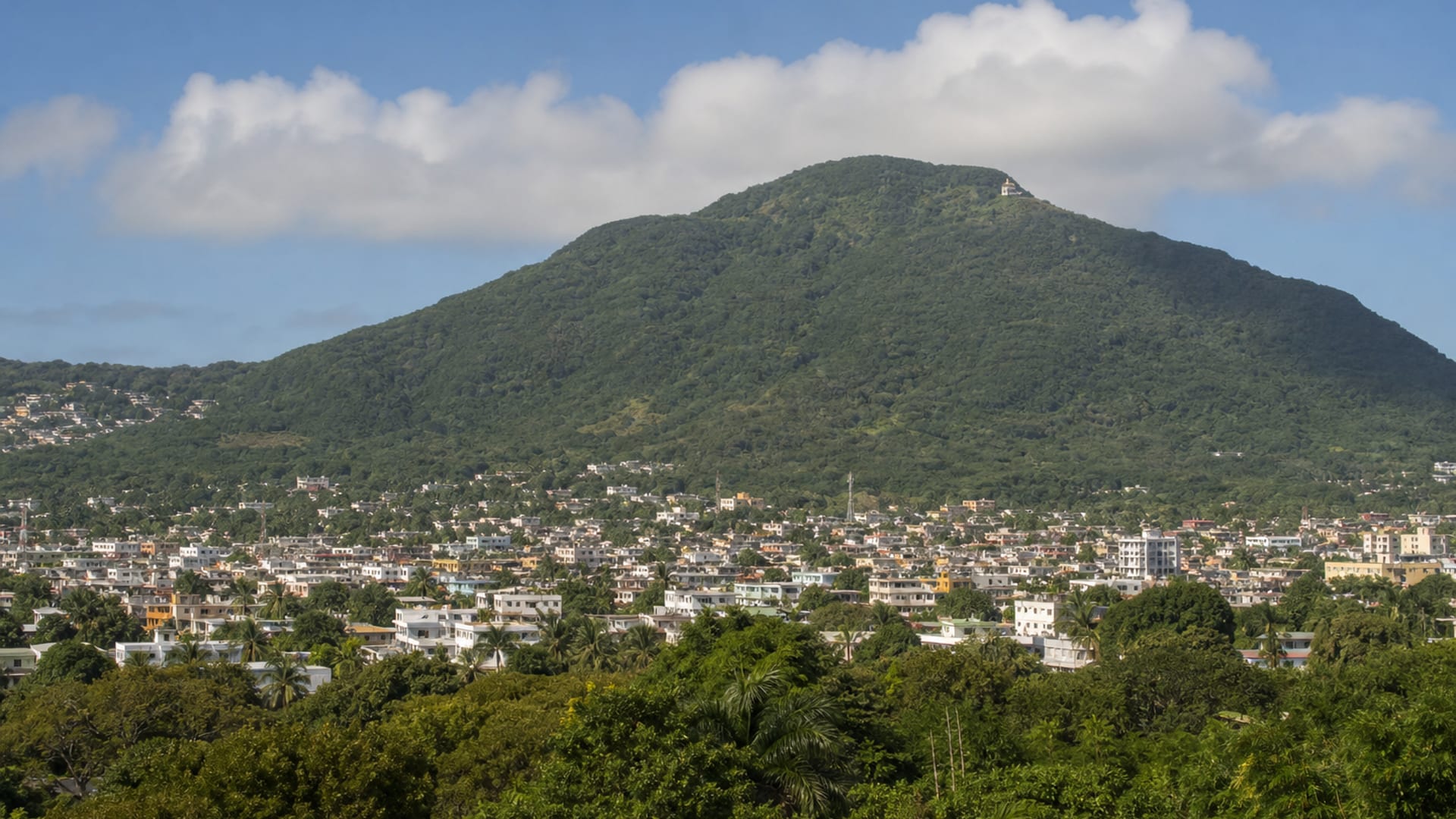
Mount Isabel de Torres rises above Puerto Plata with a Christ statue, botanical gardens, shaded paths, and broad views over the city and Atlantic coast. The summit feels far removed from the streets below, and the drive up ends in a cooler, greener setting high above the urban area.
Time needed: About 2 to 4 hours
Entry: Cable car and park admission cost about $10 to $15 ($600 to $900 DOP) for adults, depending on age and local pricing. Visit the official site for details.
Tip: Check the weather before leaving, as low clouds can hide much of the coast from the summit.
Overlooked sites worth visiting

Museo del Ámbar
Museo del Ámbar displays Dominican amber with insects, plants, and other fossils preserved inside, all in a historic house in Centro Histórico. Guided visits explain the specimens and local amber.
Time needed: About 1 hour
Entry: Entrance typically costs about $1 to $2 (about RD$60 to RD$120) for adults, with lower rates for Dominican residents and students. Cash is safest, and hours can shift with weather or maintenance.
Tip: Look closely at the insects and plants preserved inside pieces of Dominican amber.

Casa Museo General Gregorio Luperón
Casa Museo General Gregorio Luperón traces the Restoration War leader’s life through photographs, furniture, clothing, weapons, books, and objects inside the house where he spent his final days.
Time needed: About 1 hour
Entry: Guided visits usually cost about $8 to $15 (about RD$480 to RD$900) per person, depending on tasting options and group size. Advance reservations are often required, and adult ID is needed for tastings. Visit the official site for details.
Tip: Focus on Luperón’s personal belongings, which make the history feel more immediate.
Traditional food
Puerto Plata’s food reflects the Dominican north coast, where plantains, seafood, hearty stews, and fried dishes appear across local restaurants, beach spots, and family-run kitchens.
Mofongo
Mofongo starts with fried green plantains mashed with garlic and pork cracklings, then shaped and served with broth or fillings. Casa Caribe prepares a classic chicharrón version with green plantain and garlic on its Dominican menu.
Sancocho
Sancocho is a thick Dominican stew made with several meats, root vegetables, plantain, and corn, usually served with rice and avocado. Como en Familia is a local Puerto Plata spot for traditional Dominican cooking and hearty lunch plates.
Tostones
Tostones are slices of green plantain fried twice until crisp outside and tender inside, then lightly salted and served as a side. Skina Restaurante serves them with several Dominican and Caribbean dishes on its Puerto Plata menu.
Pescado frito
Pescado frito is whole fresh fish fried until the skin turns crisp while the flesh stays moist, usually served with plantain or rice. Diaz & Fernandez Restaurant lists fresh fried fish on its Puerto Plata menu, making it an easy place to try it.
Best time to visit Puerto Plata
Puerto Plata is warm throughout the year, but winter and early spring bring clearer skies, lower rainfall, and easier days outdoors.
Best for: Beach days, outdoor sightseeing, and clearer views from Mount Isabel de Torres
What you get: Average lows stay near 69°F to 71°F (21°C to 22°C), while highs reach 82°F to 83°F (28°C), with some of the clearest weather of the year.
Trade-offs: December can bring more rain than January and February, while holiday weeks may also raise hotel prices.
Best for: Beach days, city walks, outdoor sightseeing, and drier March and April weather
What you get: Average lows rise from 70°F to 73°F (21°C to 23°C), while highs reach 83°F to 86°F (28°C to 30°C), with March and April drier.
Trade-offs: May brings more rain than March and April, so outdoor plans need a little more flexibility late in the season.
Best for: Beach time, warm sea temperatures, and travelers comfortable with humid weather
What you get: Average lows stay near 75°F (24°C), while highs reach 88°F to 89°F (31°C to 32°C), with July bringing relatively little rainfall overall.
Trade-offs: Heat and humidity are persistent, and hurricane season means weather disruptions remain possible.
Best for: Warm sea temperatures, beach days, and flexible plans for changing weather
What you get: Average lows fall from 75°F to 72°F (24°C to 22°C), while highs ease from 89°F to 85°F (32°C to 29°C), with wetter months later.
Trade-offs: Rain increases in October and November, and hurricane-season disruptions remain possible through November.
A realistic 5-day plan in Puerto Plata
Five days in Puerto Plata give you time for the historic center, Mount Isabel de Torres, the waterfront, and two very different beach areas. Each day has a clear focus, with short transfers and enough time for meals, walks, museums, and unhurried afternoons by the sea.
Arrive at Gregorio Luperón International Airport (POP) and take an official taxi to your hotel in Puerto Plata or Playa Dorada. The ride into the city takes about 25 minutes, with fares of roughly RD$1,770 (US$30). After checking in, take a short walk near your hotel, stop somewhere for a cold drink, and get a first look at the surrounding streets or beach. Have dinner nearby, then call it an early night so the sightseeing starts the next morning properly.
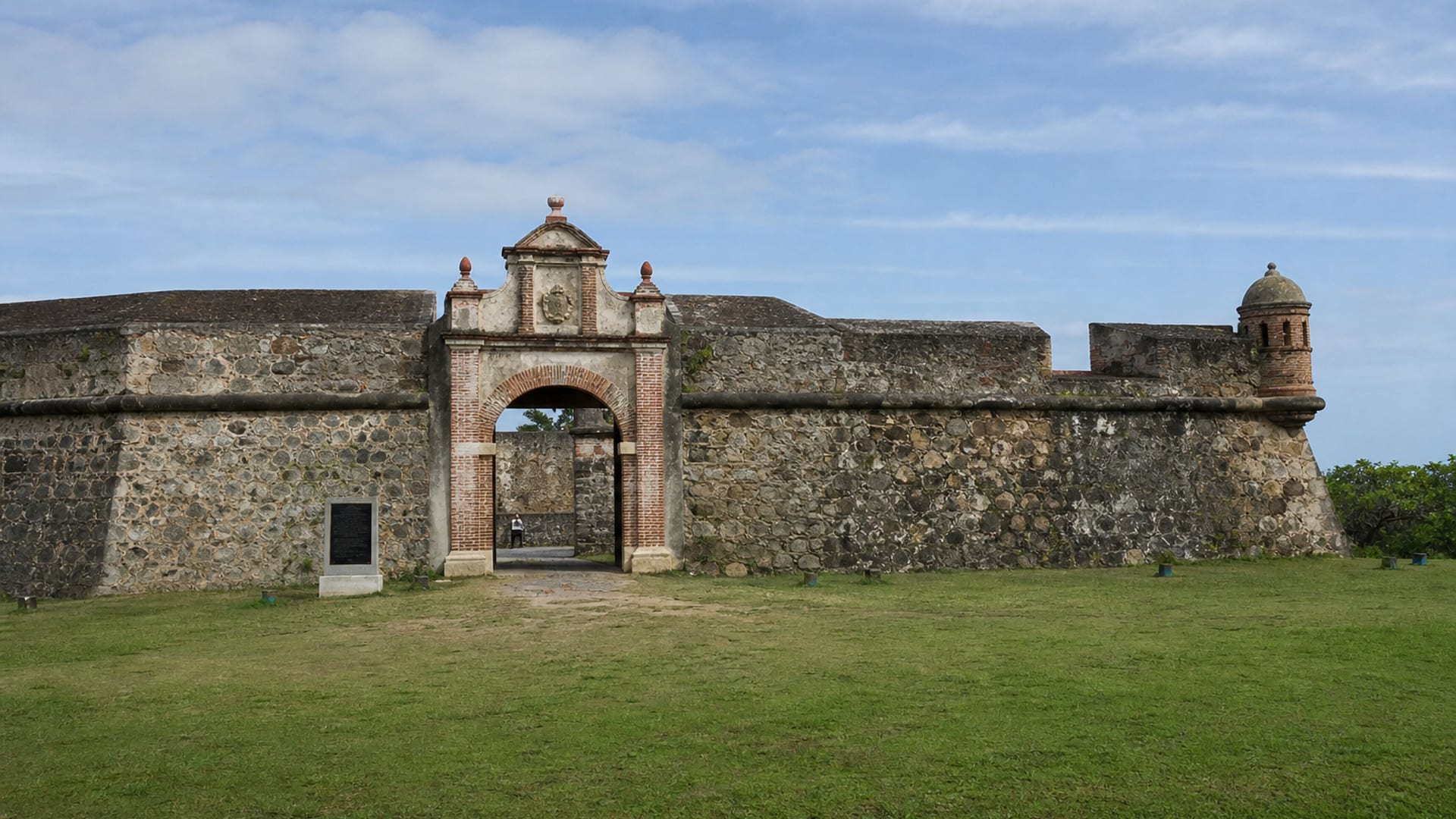
Start in Centro Histórico at Paseo de Doña Blanca, then walk to Parque Independencia and the cathedral before exploring the nearby Victorian streets and painted facades. Continue toward the waterfront and Fort San Felipe, where 45–60 minutes is enough for the museum, stone rooms, cannons, and harbor views. Afterward, walk through La Puntilla and spend some time beside the sea before heading back into the historic center for dinner.
Travel up Mount Isabel de Torres by road, since the cable car remains closed in 2026. At the summit, walk through the botanical gardens, follow the shaded paths, see the Christ statue, and stop at the viewpoints when the sky is clear. Head back down for lunch in Playa Dorada, then spend the afternoon at the beach. Swim, walk along the sand, or relax near the water before choosing one of the restaurants in the resort area for dinner.
Begin at Museo del Ámbar in Centro Histórico, where pieces of Dominican amber preserve insects, plants, and other fossils. Next, visit Casa Museo General Gregorio Luperón to see his belongings and learn about his role in the Restoration War. Have lunch in the center, then take a taxi or Uber to Costambar. Spend the afternoon swimming or walking along the beach, stop for a drink near the shore, and have dinner nearby before returning to your hotel.
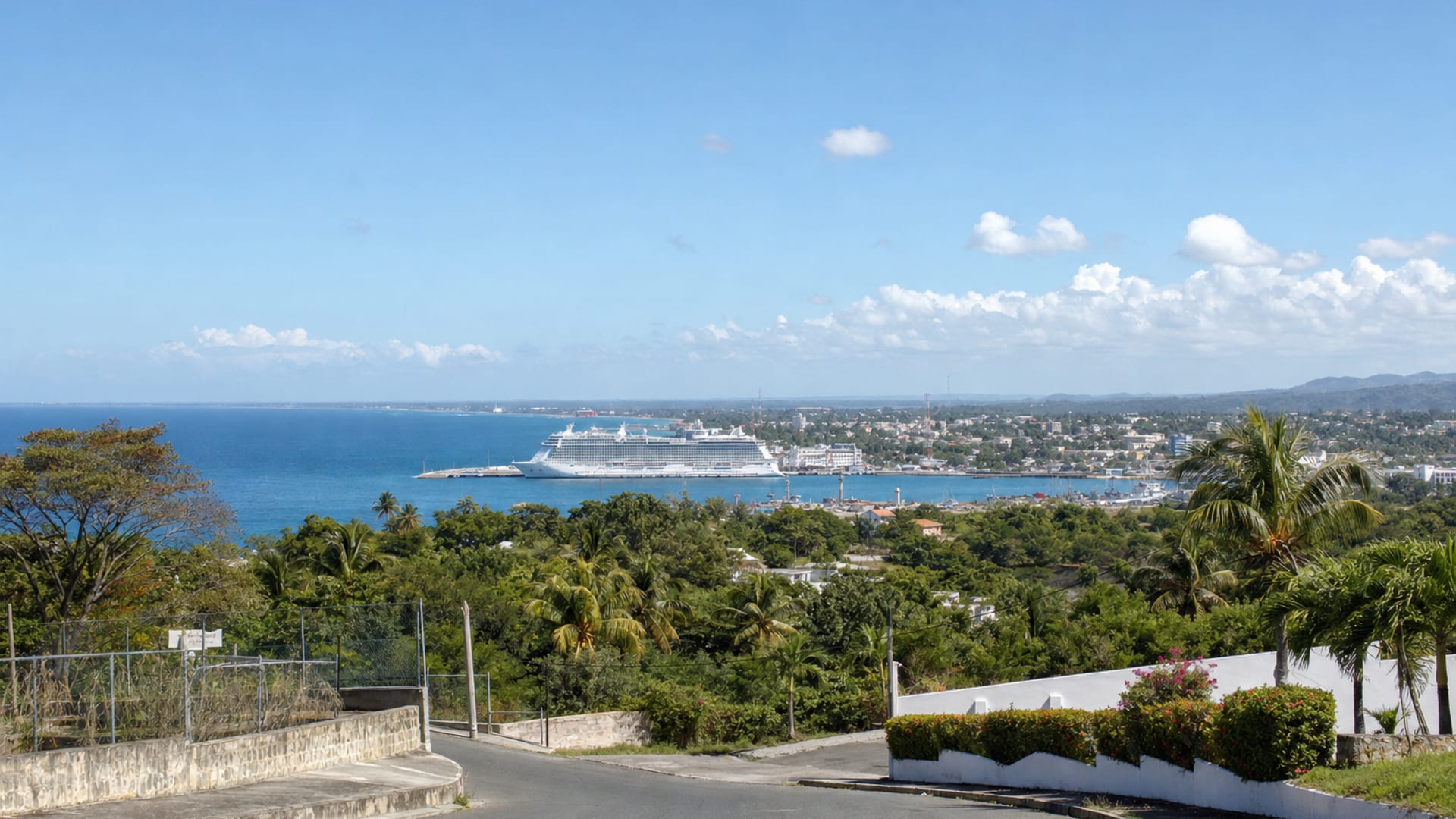
Use the final morning for a walk along the Malecón, stopping for coffee and a last look at the waterfront before the trip home. If time allows, linger over breakfast or browse a few shops before returning to your hotel to collect your luggage. From there, travel to Gregorio Luperón International Airport (POP) and plan to arrive about three hours before departure, as the airport recommends, so the final part of the trip does not feel rushed.
Business-class flights from the US to Puerto Plata
Business-class trips to Puerto Plata from JFK or LAX usually require one stop, with the main options routing through US or Panama hubs.
New York (JFK) to Puerto Plata (POP)
From New York (JFK), business-class itineraries to Puerto Plata (POP) require one stop. American Airlines offers flights through Charlotte (CLT) or Miami (MIA), Copa Airlines through Panama City (PTY), and Delta Air Lines through Atlanta (ATL) for its seasonal route. Trips take between 7 and 26 hours, depending on the layover, with round-trip fares of roughly US$900 to US$6,200.
Los Angeles (LAX) to Puerto Plata (POP)
From Los Angeles (LAX), there are no nonstop flights to Puerto Plata (POP). Travelers can find flight options with American Airlines via Miami (MIA), United Airlines via Newark (EWR), and Delta Air Lines via Atlanta (ATL) when the seasonal route is operating. Travel times range from 10 to 34 hours, while round-trip fares typically fall between US$1,200 and US$7,100, depending on dates and demand.
Plan Puerto Plata with room to breathe
Puerto Plata does not need a packed itinerary. Give the historic center, Mount Isabel de Torres, and the beaches their own time, and leave enough space for a long lunch, a swim, or a change in the weather. A little structure keeps the trip moving without filling every hour. When you are ready to book, AranGrant can help you compare business-class flights and hotels for Puerto Plata, so the main travel arrangements are sorted before you leave.







