

Chapters:

Need help with your trip?
Our support team is available 24/7. Request a callback or call us directly at (833) 619-0908
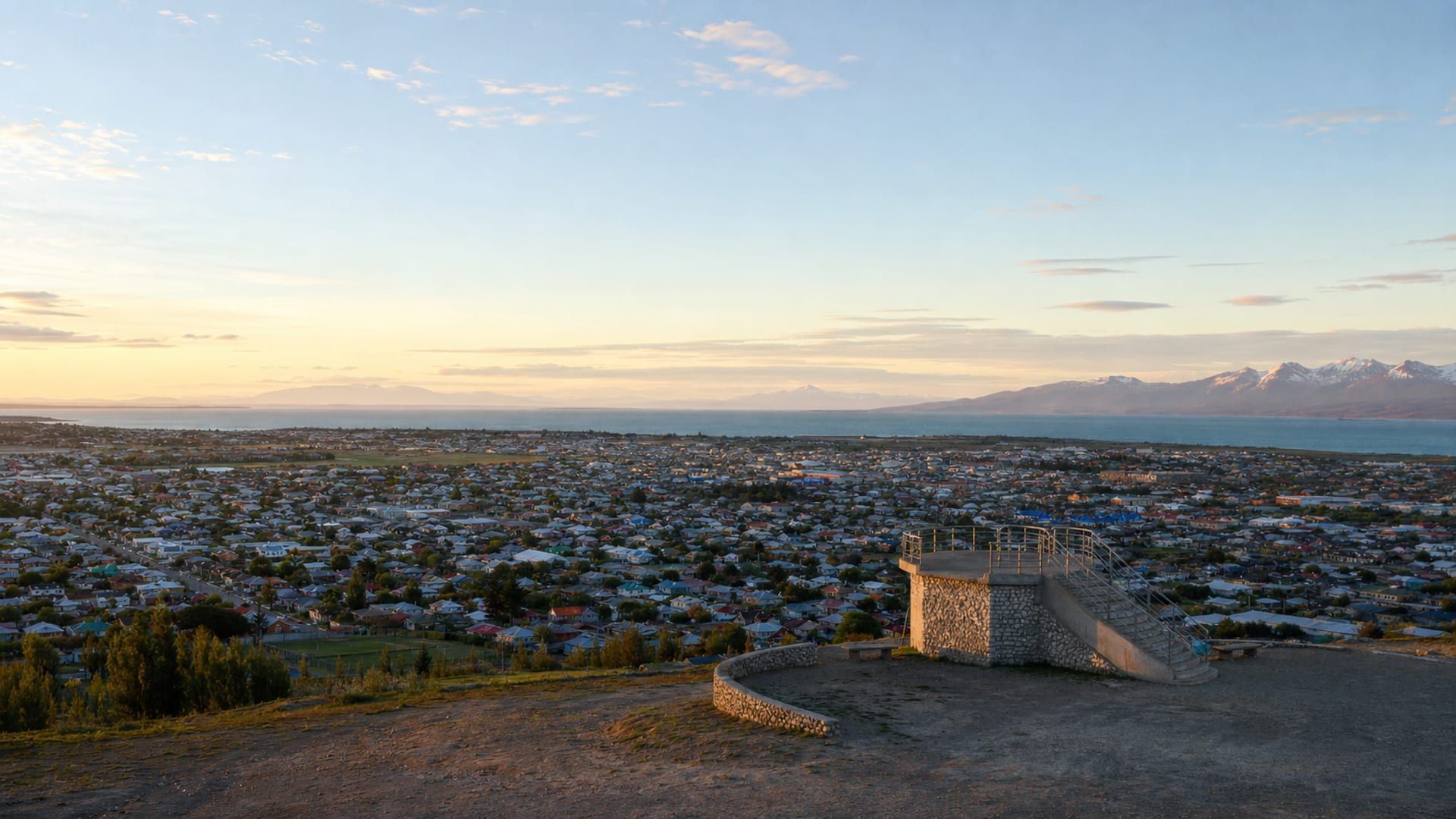
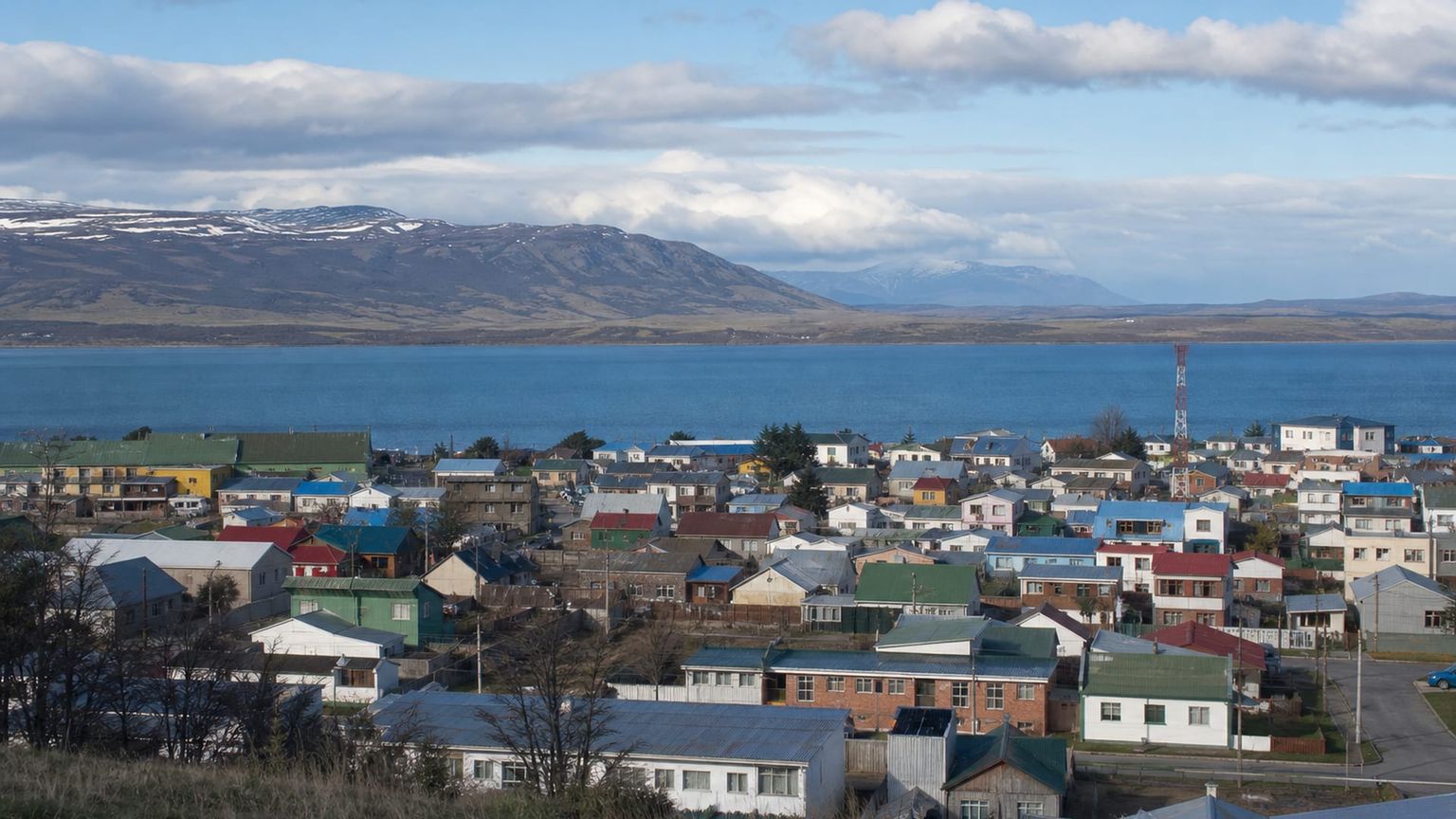
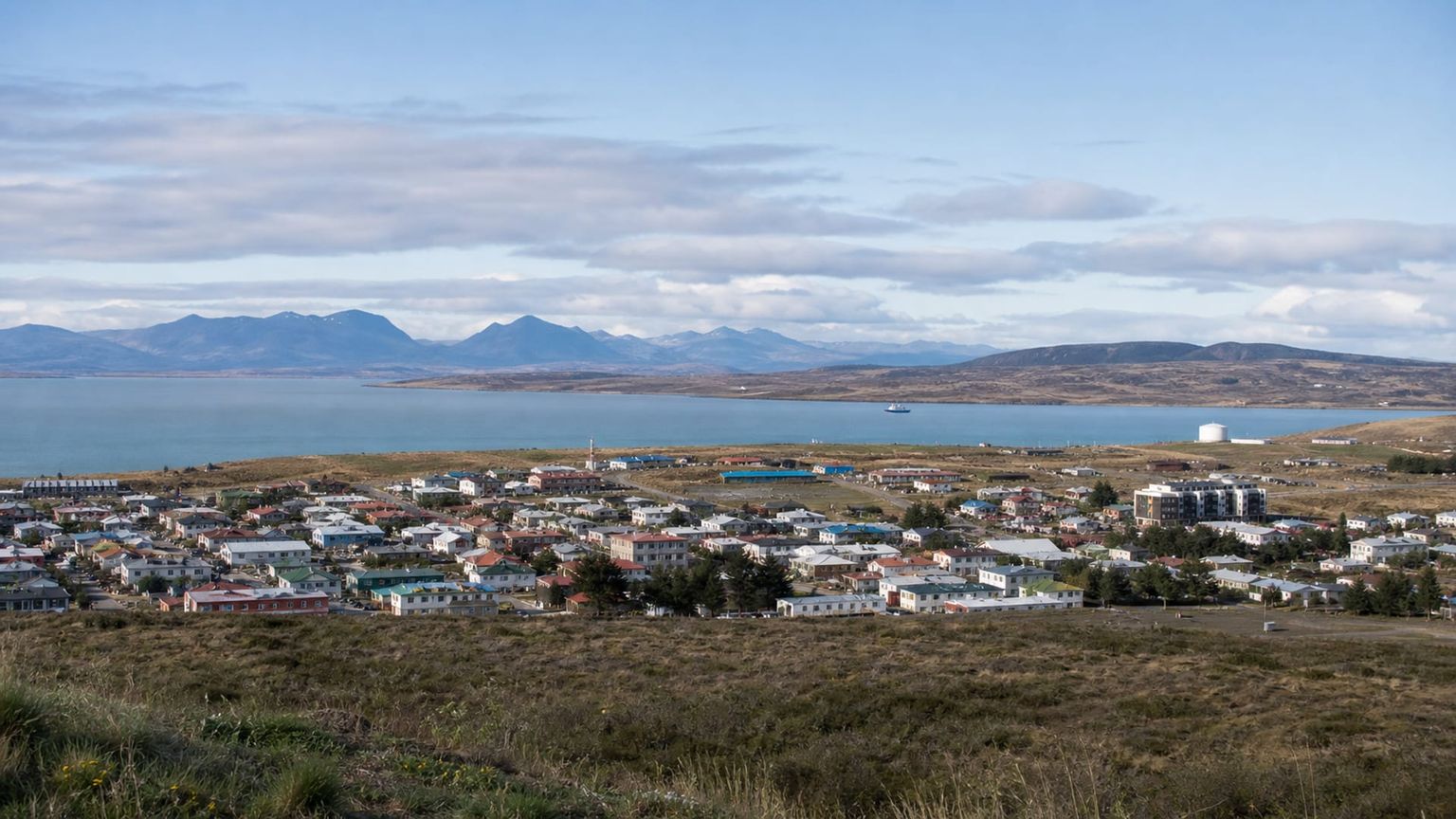
Puerto Natales lies on the shore of Última Esperanza Sound in Chilean Patagonia. The town developed through sheep ranching and port activity, and today it is the main gateway to Torres del Paine, Cueva del Milodón, and the fjords of southern Chile.
Its low-rise center and long waterfront deserve time of their own before or after the larger excursions nearby. Strong wind, changing weather, and early tour departures also affect how much you can comfortably fit into a day.
Useful things to know

Main language(s): Spanish
Hola (OH-lah) – Hello
Por favor (por fah-VOR) – Please
Gracias (GRAH-syahs) – Thank you
¿Habla inglés? (AH-blah een-GLAYS) – Do you speak English?
¿Cuánto cuesta? (KWAHN-toh KWEHS-tah) – How much does it cost?

Currency: Chilean peso (CLP, $)

Cash and cards: Hotels, restaurants, supermarkets, and many tour operators accept cards. Keep about CLP 20,000–30,000 (US$21–US$31) in cash for small purchases and taxis.

Tipping: Restaurants commonly suggest a 10% tip. You can accept, change, or decline it.

Traditional food: Patagonian lamb, king crab, chupe de centolla, and desserts made with calafate berries

Water and coffee costs: Bottled water costs CLP 1,500–CLP 3,000 ($1.60–$3.10), while coffee generally costs CLP 2,000–CLP 4,000 ($2.10–$4.20).

Taxis and ride apps: Local taxis and Uber operate in Puerto Natales. Uber availability can become limited late at night or during busy travel periods.

Plug and voltage: Chile uses Type C and L plugs with a 220V, 50Hz electricity supply.

Dining and shop opening hours: Breakfast commonly runs from 7:00 am to 10:00 am, lunch from about 12:30 pm to 3:00 pm, and dinner from 7:30 pm to 10:30 pm. Outside the summer season, some restaurants, cafés, and shops close earlier or open for fewer hours.

Emergency number: Call 131 for an ambulance, 132 for firefighters, and 133 for police.
Where to stay in Puerto Natales
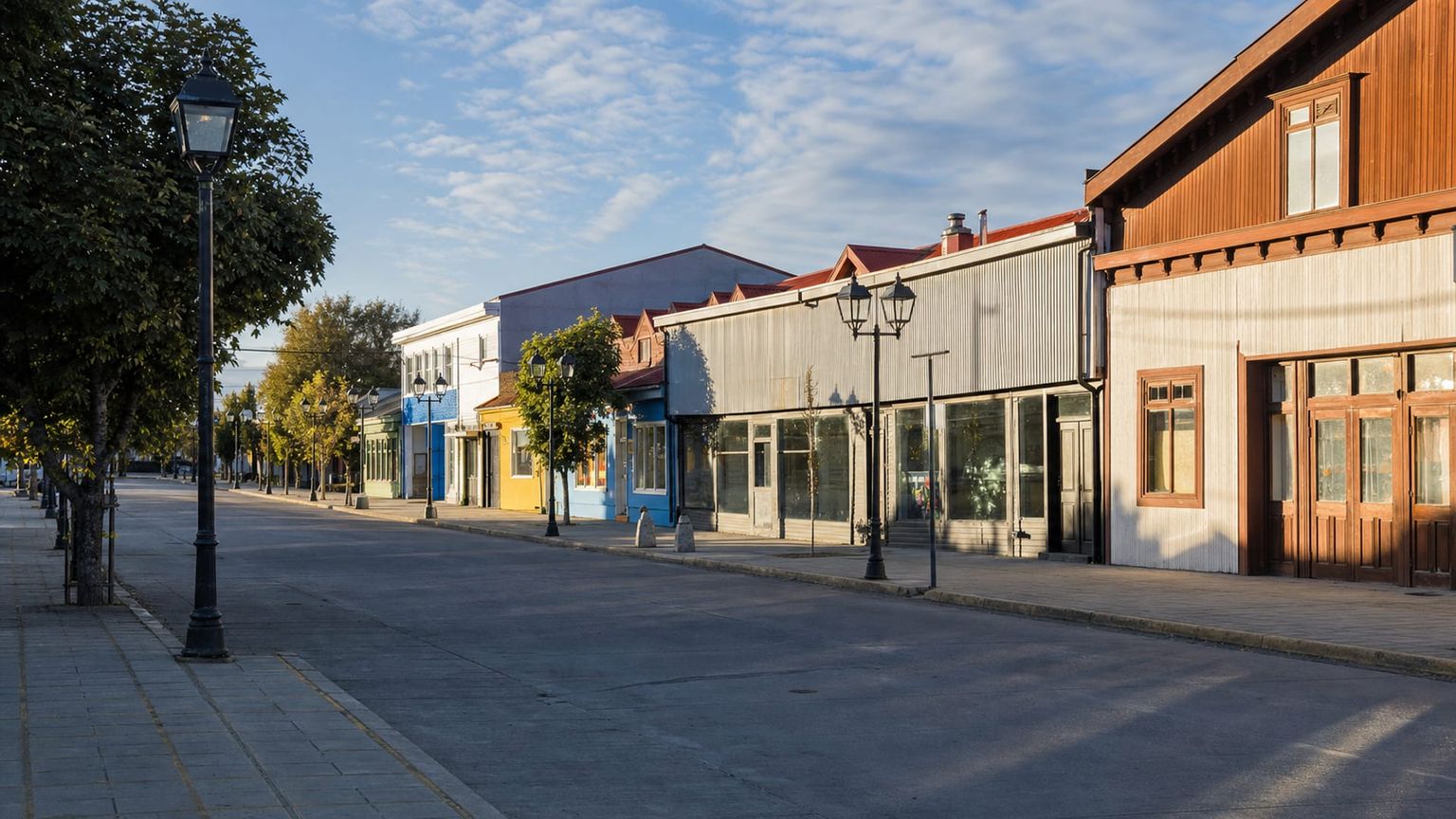
Downtown Puerto Natales grew around Plaza de Armas and the streets linking the town center with the old port. The area is low-rise, with modest houses, small commercial buildings, and wide streets shaped by the town’s port history.
Best for: First-time stays, tour departures, dining, and travelers without a car
What to expect: Low-rise streets, steady daytime movement, and the most foot traffic near the square, with quieter blocks after dinner.
Hotel prices: Usually about $90 to $220 per night for well-rated stays
Distance to major sights: 5 to 10 minutes on foot to Plaza de Armas Arturo Prat, about 10 to 15 minutes on foot to the waterfront
Quietness: Moderate by day, quieter late evening once restaurants close
Main trade-off: Rooms near the center can cost more, and the busiest blocks see bus traffic and tour pickups in the morning.
Good to know: Regular buses to Torres del Paine leave from the Rodoviario bus terminal on Avenida España, not from the tour offices near the square.
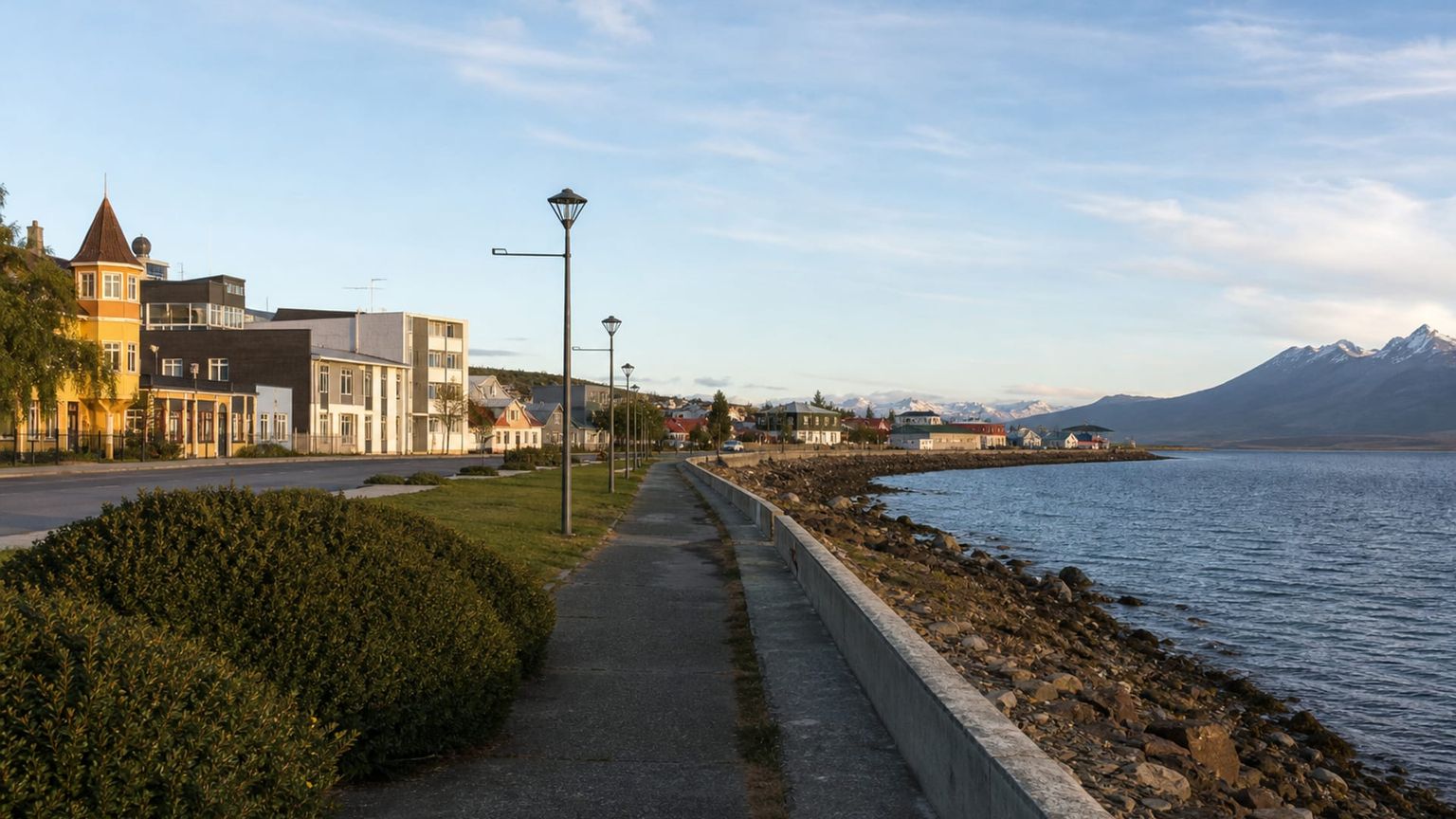
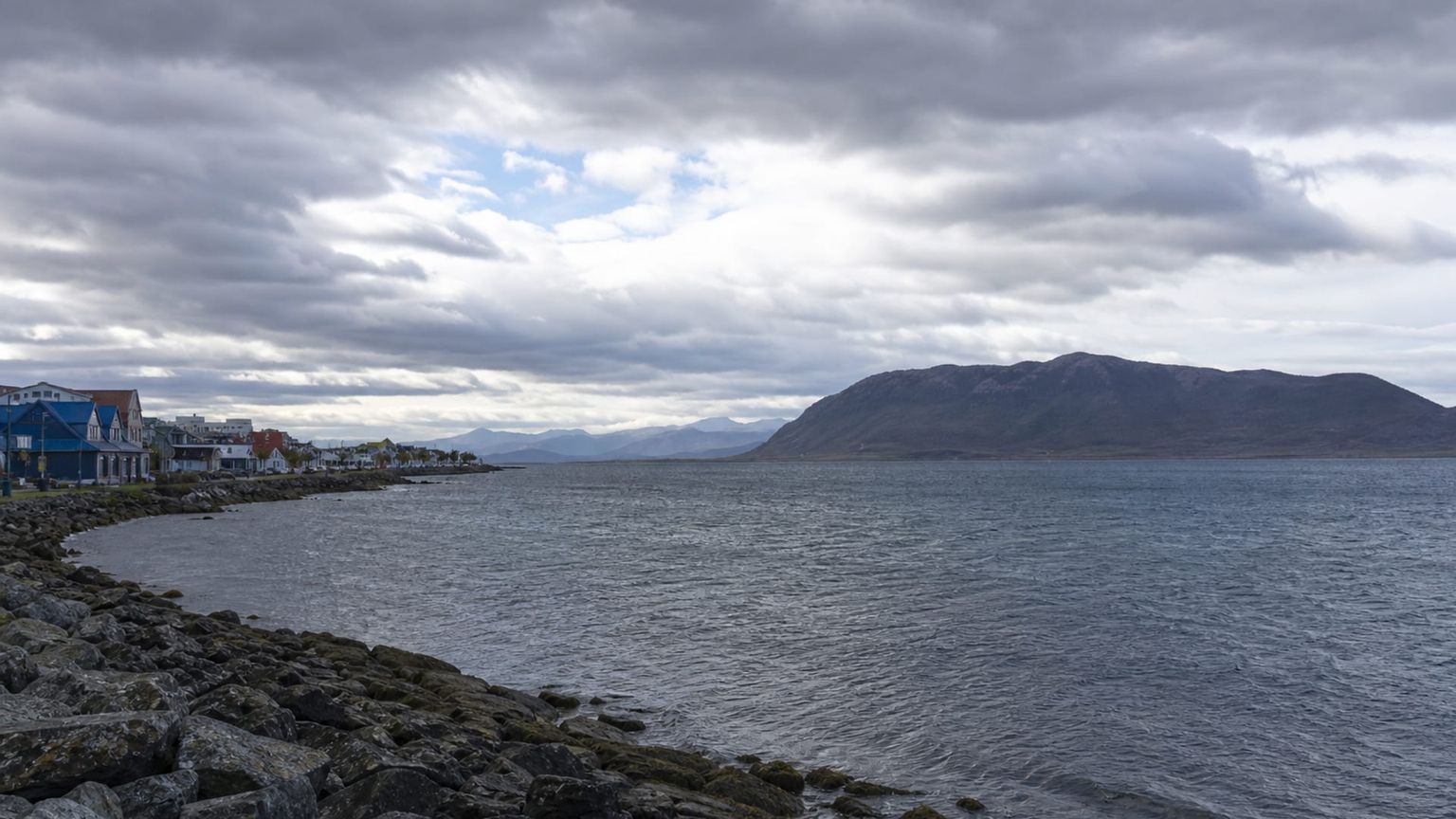
The Costanera follows Señoret Channel along the western edge of Puerto Natales. Open shoreline and low buildings leave broad views across the water toward the mountains on the opposite side of the sound.
Best for: Harbor views, sunset walks, and travelers who want to stay close to the water
What to expect: A mix of hotels, guesthouses, and open frontage along the bay, with more car movement than nightlife.
Hotel prices: Usually about $85 to $200 per night for well-rated stays
Distance to major sights: 10 to 15 minutes on foot to Plaza de Armas Arturo Prat, about 5 to 10 minutes on foot to the waterfront viewpoints
Quietness: Calm in the morning and evening, with some traffic during the day
Main trade-off: You may walk a little farther for the busiest restaurant stretch, and some properties trade central convenience for water exposure and wind.
Good to know: The historic Braun & Blanchard pier survives as rows of old wooden pilings in the water, which you view from the Costanera.
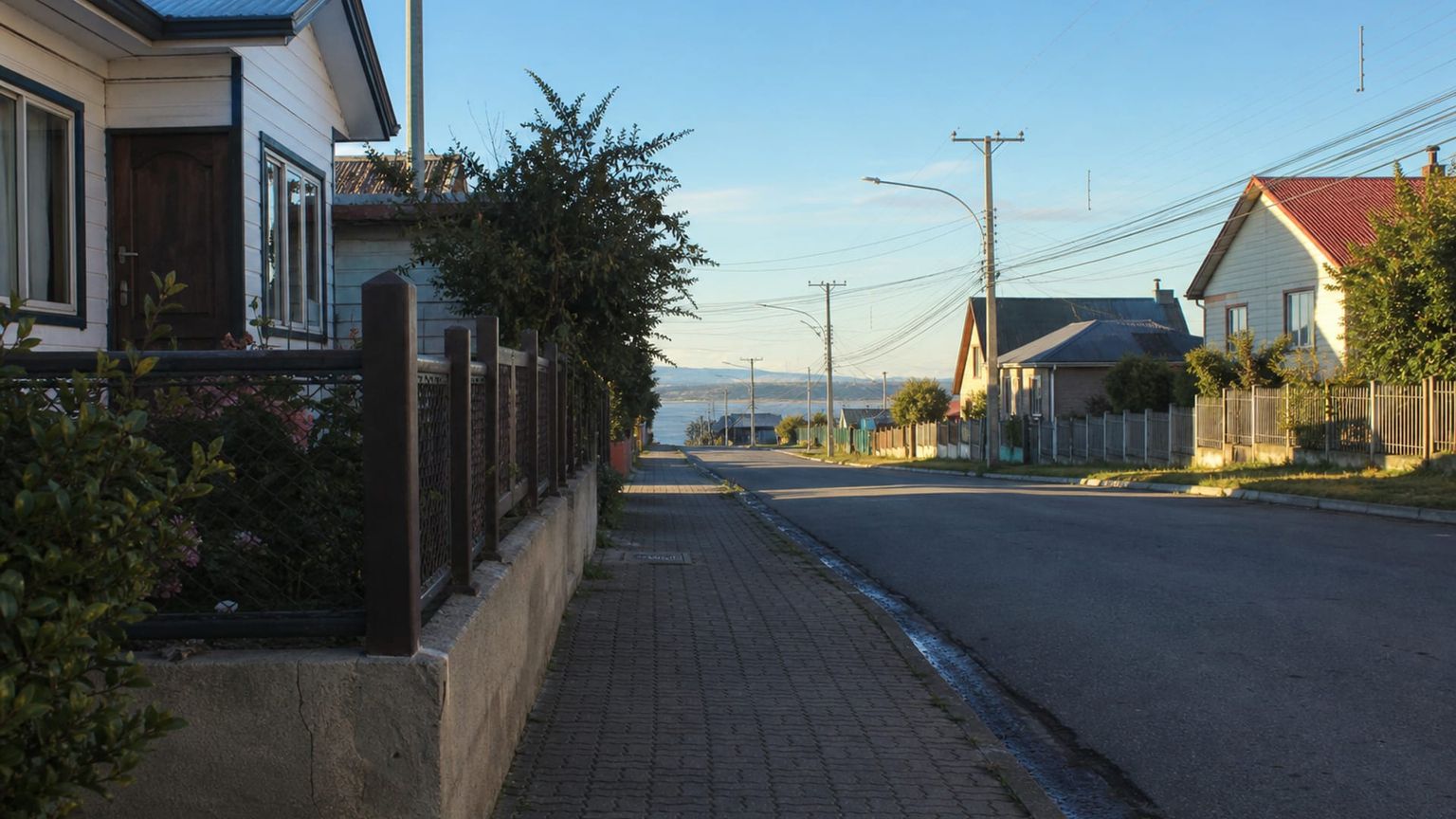
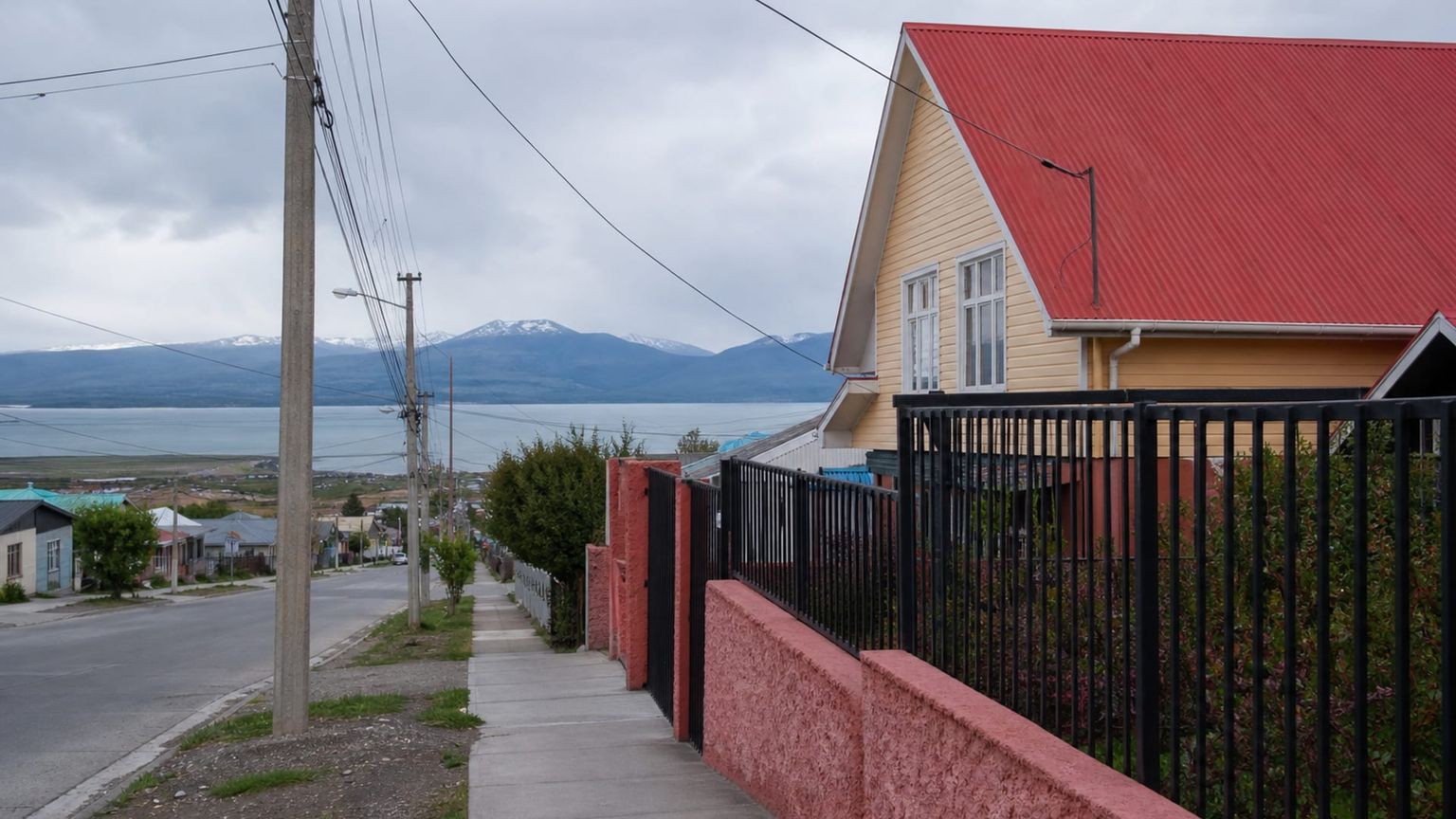
North of the center, Puerto Natales becomes mainly residential as the streets approach Avenida España and the bus terminal. Homes and small lodgings occupy much of this part of town.
Best for: Longer stays, budget-conscious travelers, and visitors who prefer a quieter neighborhood
What to expect: Local housing, scattered small hotels, and limited evening activity, with most action concentrated closer to downtown.
Hotel prices: Usually about $70 to $160 per night for well-rated stays
Distance to major sights: 15 to 25 minutes on foot to Plaza de Armas Arturo Prat, about 20 to 30 minutes on foot to the waterfront
Quietness: Quiet through most of the day, very quiet at night
Main trade-off: You save on price or space, but you will depend more on walking or taxis for dinner, shops, and early departures.
Good to know: The Rodoviario at Avenida España 1455 handles buses to Torres del Paine, Punta Arenas, El Calafate, and other regional destinations.
For a short visit, avoid hotels on the industrial and road-front edges of town. They are far from restaurants, the waterfront, and the places most visitors use during the day.
Hotel deals
How to get around Puerto Natales efficiently
Puerto Natales is small, but taxis, regional buses, and rental cars become useful when you have luggage or travel beyond the center.

Taxi and Uber
for longer distances
Taxis and Uber are useful for rides to the airport, outside the central streets, and late in the evening. A short Uber ride costs about CLP 3,000 (US$3.10). Pay through the Uber app; for a street taxi, confirm the fare and payment method before leaving.

Regional buses and shuttles
for convenience
Buses depart from the Rodoviario bus terminal for Torres del Paine, Punta Arenas, and other regional destinations. Bus-Sur charges about CLP 18,000 (US$18.70) each way to the main Torres del Paine stops. You can buy tickets online or at the terminal; some bus routes require cash.

Rental car
for convenience or late hours
A rental car is useful for exploring Cueva del Milodón, Cerro Dorotea, and other places outside town when you do not want to follow bus schedules. Rates generally start at CLP 45,000 (US$47) per day and rise for SUVs. Reserve online and pay by card through the rental company.
*Prices are based on rates updated as of September 2026 and may change at the time of travel.
Taxis are useful for short trips in town, buses cover scheduled regional routes, and a rental car is useful for day trips outside Puerto Natales.
Iconic landmarks
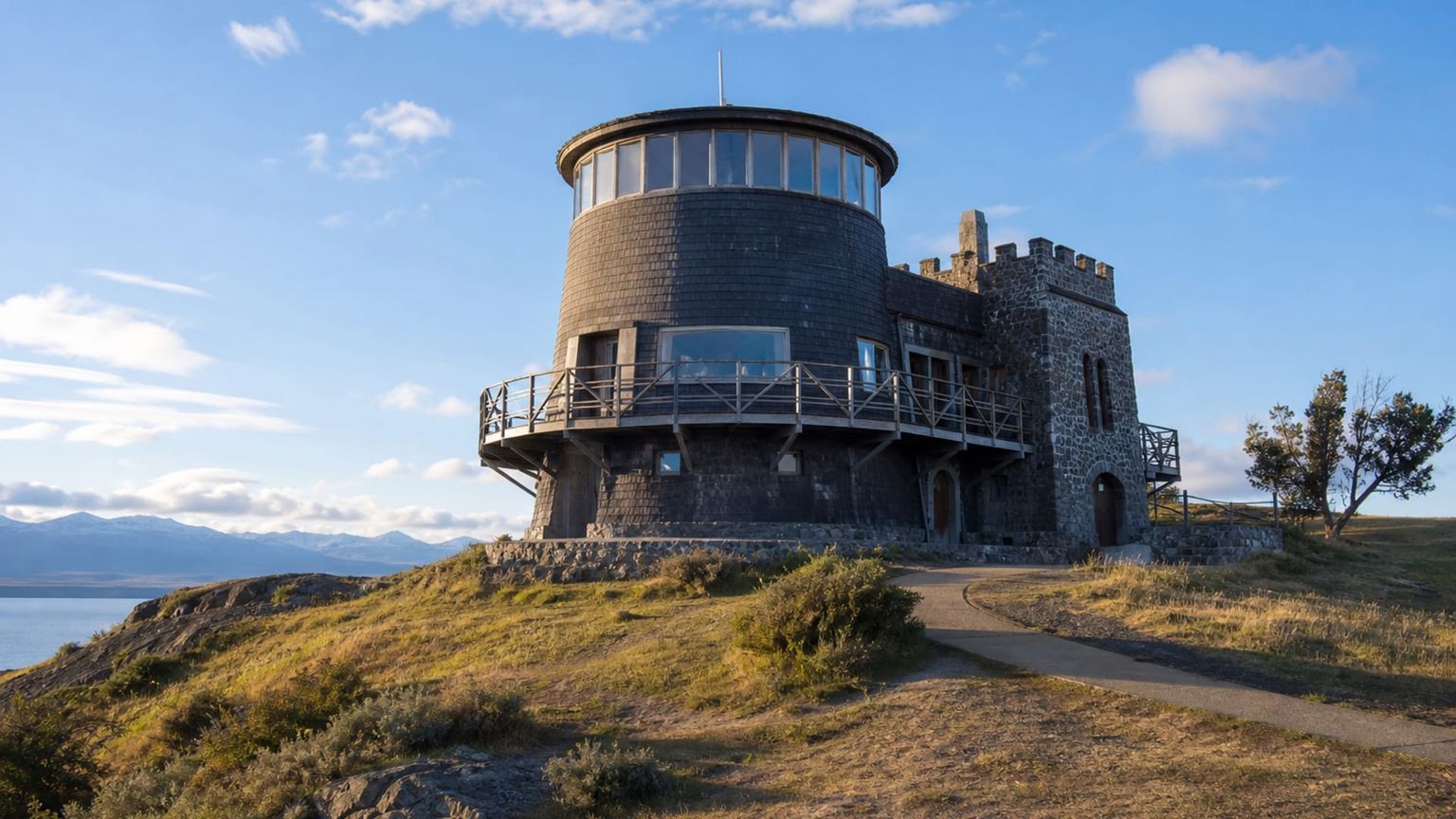
Cerro Dorotea
Cerro Dorotea rises east of Puerto Natales and overlooks the town, Última Esperanza, and the Patagonian steppe. The trail climbs through lenga forest before reaching exposed upper slopes.
Time needed: About 2 to 3 hours
Entry: Free to access; some trail access may pass through private land, so check local guidance before starting the climb and carry cash for any small fee
Tip: Check the wind before leaving and wear hiking shoes with good grip. The trailhead is about 6 miles (10 km) from Puerto Natales.
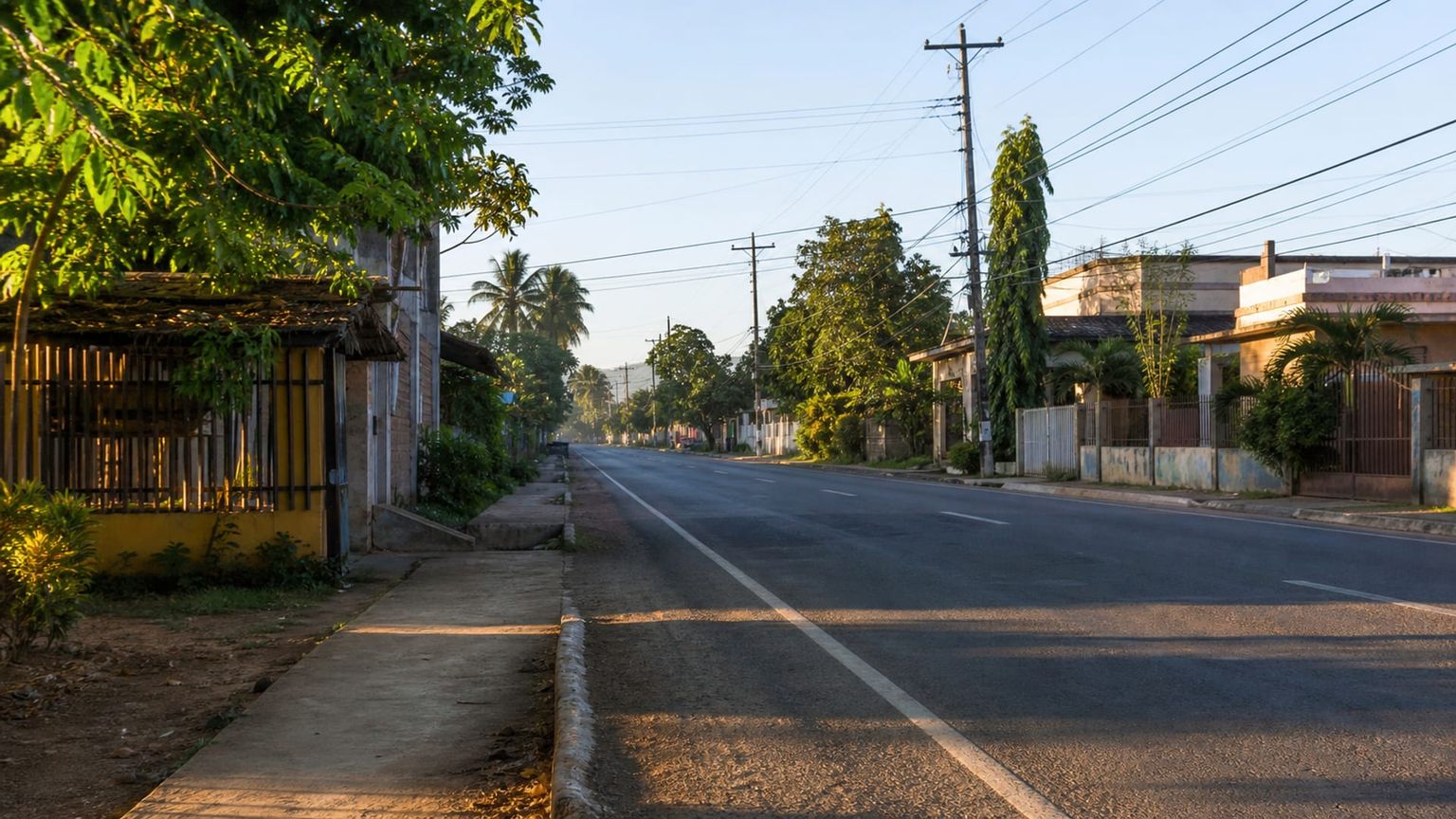
Muelle Histórico Braun-Blanchard
Braun & Blanchard built this pier during Puerto Natales’ growth as a livestock port. Rows of weathered wooden pilings now remain in the water beside the Costanera.
Time needed: About 45 minutes to 1 hour
Entry: Free to access, with open public access along the pier and waterfront; no timed entry is required for a visit
Tip: Visit in the late afternoon, when the changing light reaches the water, mountains, and old pier remains.
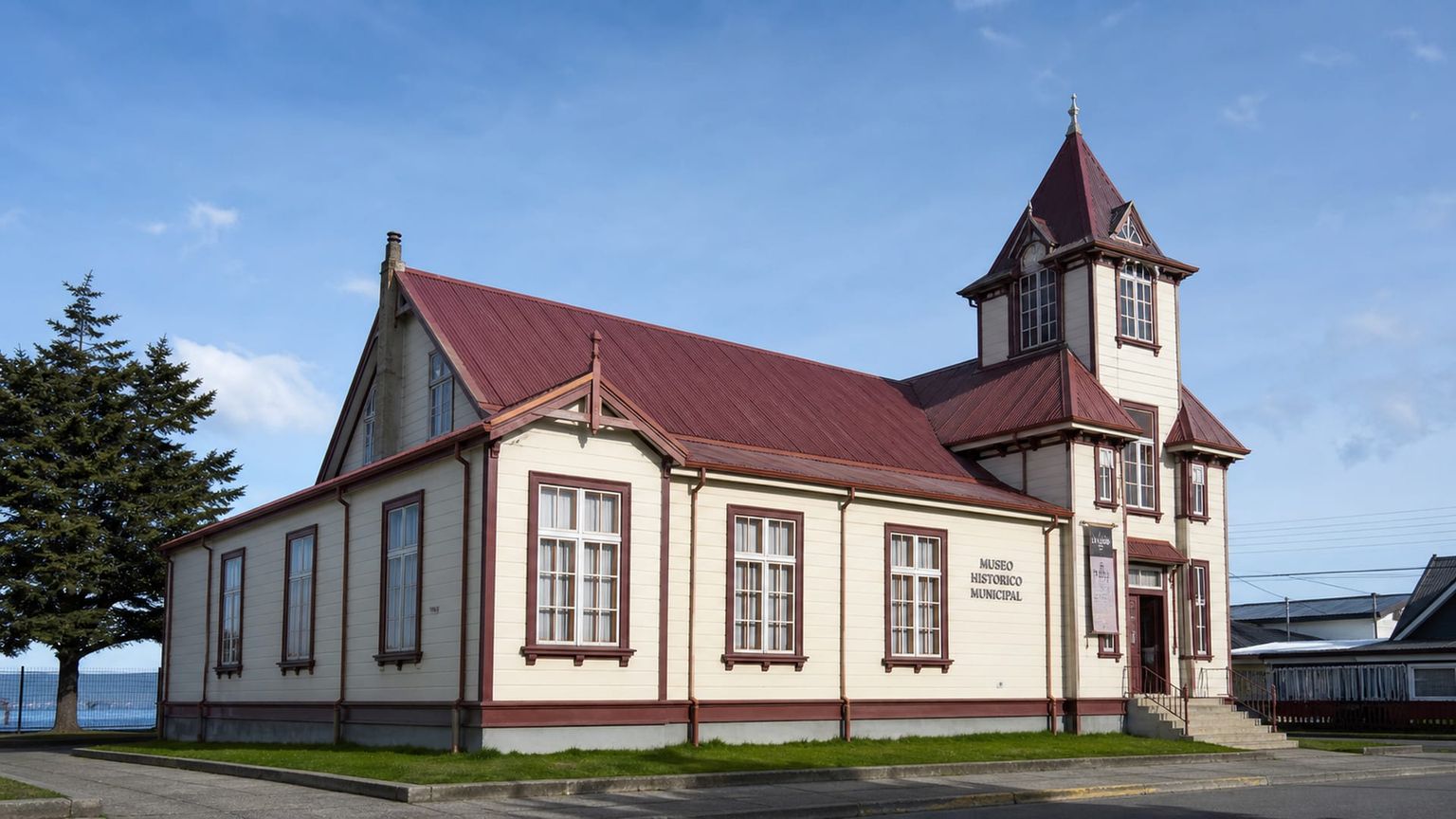
Museo Histórico Municipal
Puerto Natales’ municipal museum traces the region from its Indigenous history through European settlement, ranching, and the development of the town.
Time needed: About 1 to 2 hours
Entry: Standard admission costs about $4,000 CLP ($4) for adults, with reduced rates for students and local residents when available
Tip: Visit Tuesday through Friday between 9:00 am and 6:00 pm. On Saturday, the museum opens from 2:00 pm to 7:00 pm and closes on Sundays and holidays.
Overlooked sites worth visiting

Museo Histórico e Industrial Puerto Bories
The museum occupies part of the former Puerto Bories cold-storage complex, which processed meat and wool from the region’s sheep farms during the early 20th century.
Time needed: About 1 to 2 hours
Entry: Free to access. The hill is open to the public, and most visitors arrive on foot or by taxi from the center. There is no ticket office or timed admission, but footwear with traction helps on windy or wet days.
Tip: The museum is about 3.5 miles (5.5 km) north of central Puerto Natales, so take a taxi or include it during a trip north of town.

Last Hope Distillery
Last Hope Distillery makes gin and other spirits in central Puerto Natales. Short tours explain the ingredients and distillation process before finishing with a tasting.
Time needed: About 45 minutes to 1 hour
Entry: Entry typically costs about $2 to $4 ($2,000 to $4,000 CLP). Hours can vary by season, and the museum sometimes closes for municipal holidays, so check current opening times before you go.
Tip: Tours usually begin at 5:30 pm from Wednesday through Sunday, so arrive before the scheduled start.
Traditional food
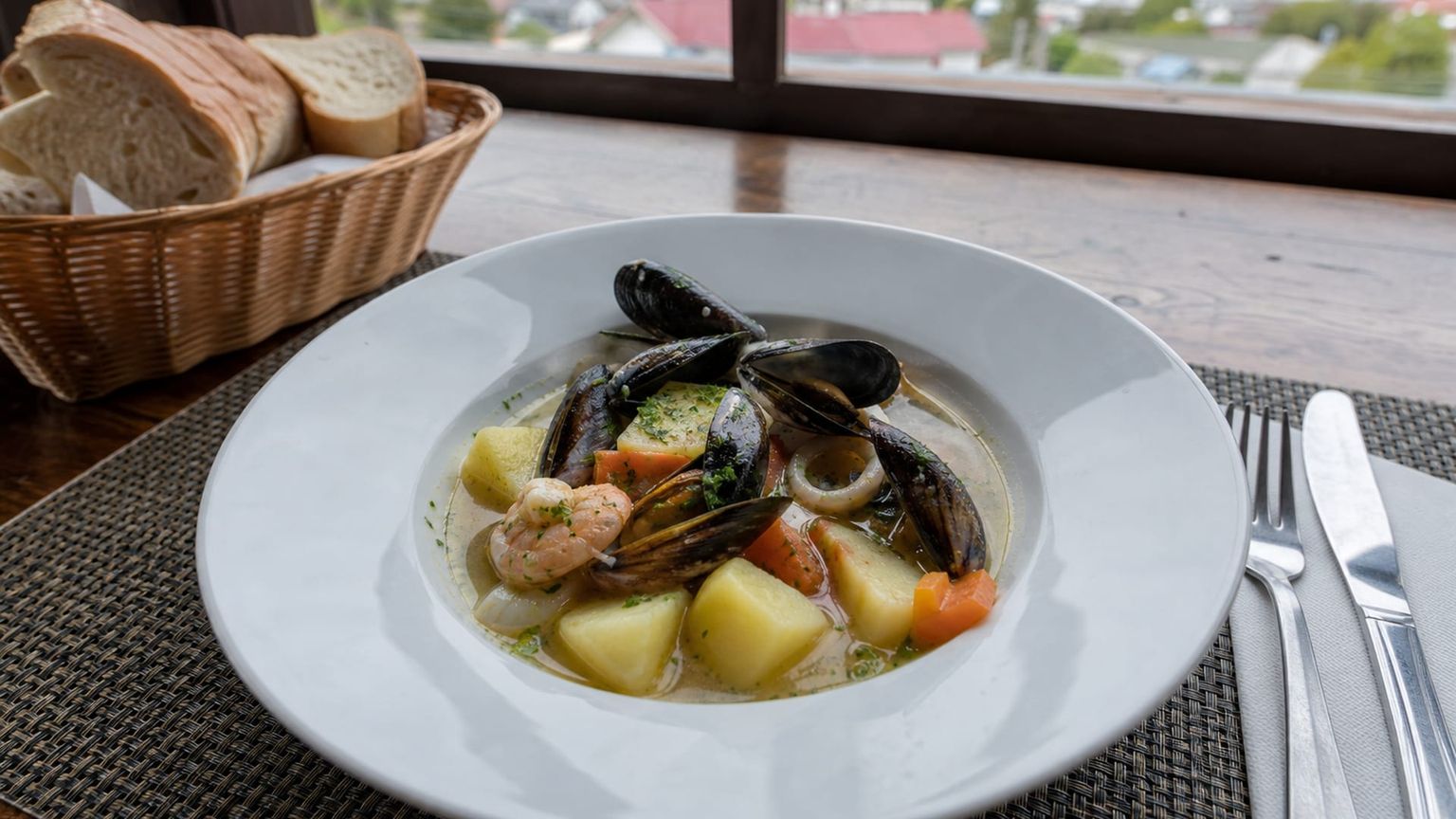
Puerto Natales restaurants commonly serve Patagonian lamb, king crab, and dishes made with calafate berries. These are some of the foods most closely associated with southern Patagonia.
Patagonian lamb
Cooks roast Patagonian lamb slowly over an open fire, giving the meat a smoky exterior while keeping the inside tender. Try cordero al palo at Asador Patagónico.
King crab
King crab, or centolla, comes from the cold southern waters and has sweet, delicate meat. Santolla specializes in seafood from the Magallanes region.
Chupe de centolla
Chupe de centolla mixes king crab with bread, cream, cheese, and seasoning before baking everything until rich and golden. Try it at Bahía Mansa.
Calafate cheesecake
Calafate is a small Patagonian berry with a tart, slightly sweet flavor that appears in desserts, jams, and drinks across the region. Mesita Grande serves cheesecake made with calafate fruit.
Best time to visit Puerto Natales
Puerto Natales has cool summers, cold winters, and wind throughout the year. Conditions can change quickly, even during the main summer travel season.
Best for: Torres del Paine hikes, boat trips, and long outdoor days
What you get: Temperatures of 47°F–61°F (8°C–16°C), long daylight hours, and the widest choice of excursions
Trade-offs: Strong wind is common, and popular hotels, tours, and park transport can fill up well in advance.
Best for: Town sightseeing, shorter hikes, and scenic drives
What you get: Temperatures of 37°F–57°F (3°C–14°C), cooler days, and fewer visitors as the season progresses
Trade-offs: Daylight decreases quickly and some tour operators reduce departures later in the season.
Best for: Museums, restaurants, and short walks on clear days
What you get: Temperatures of about 33°F–44°F (1°C–7°C), very few visitors, and occasional snow or ice
Trade-offs: Short daylight, cold weather, and reduced tour schedules limit longer outdoor plans.
Best for: Torres del Paine day trips, hiking, and longer daylight
What you get: Temperatures of 38°F–56°F (3°C–13°C), increasing daylight, and more seasonal excursions returning to the schedule
Trade-offs: Strong wind and rapidly changing weather can affect hikes and boat trips.
A realistic 5-day plan in Puerto Natales
Five days gives you time for Puerto Natales itself, a full day in Torres del Paine, and nearby places such as Cueva del Milodón without repeating the same attractions.
After arriving at Teniente Julio Gallardo Airport (PNT), take a shared transfer or taxi to your hotel and leave some time to settle in. Start at Plaza de Armas Arturo Prat, then walk west through downtown toward the Costanera. Continue along the waterfront to the Braun & Blanchard pier remains and Monumento al Viento, stopping along the shore when the mountains are visible across the sound. Return downtown for dinner.
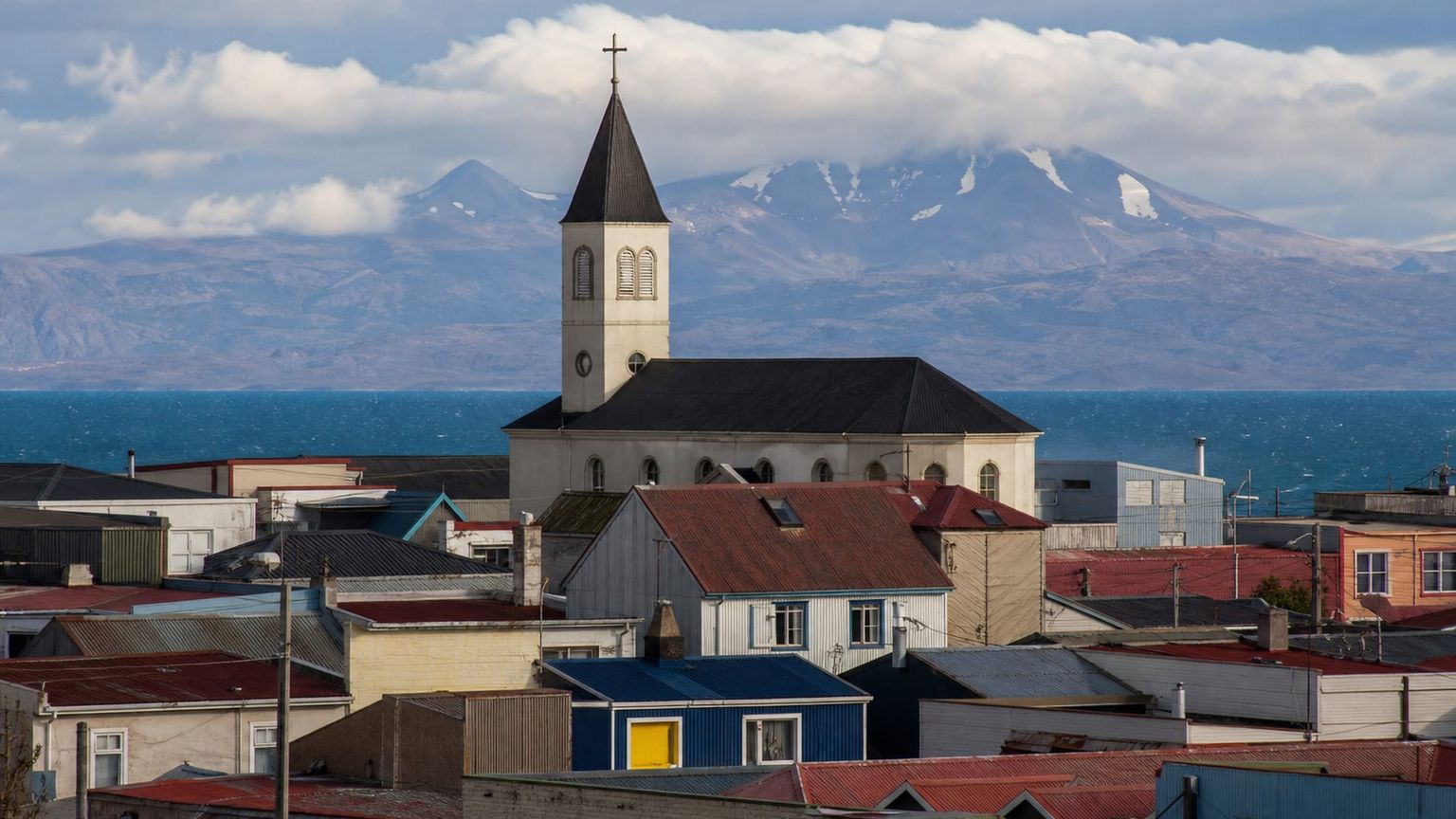
Leave Puerto Natales early for a full day in Torres del Paine National Park. Regular buses depart from the Rodoviario bus terminal and stop in several park sectors, while organized day tours travel between the main viewpoints without requiring you to coordinate separate transfers. Give the entire day to the park and return to Puerto Natales for dinner. If you plan a long hike, choose one route that fits the available transport times instead of trying to cross several distant sectors.
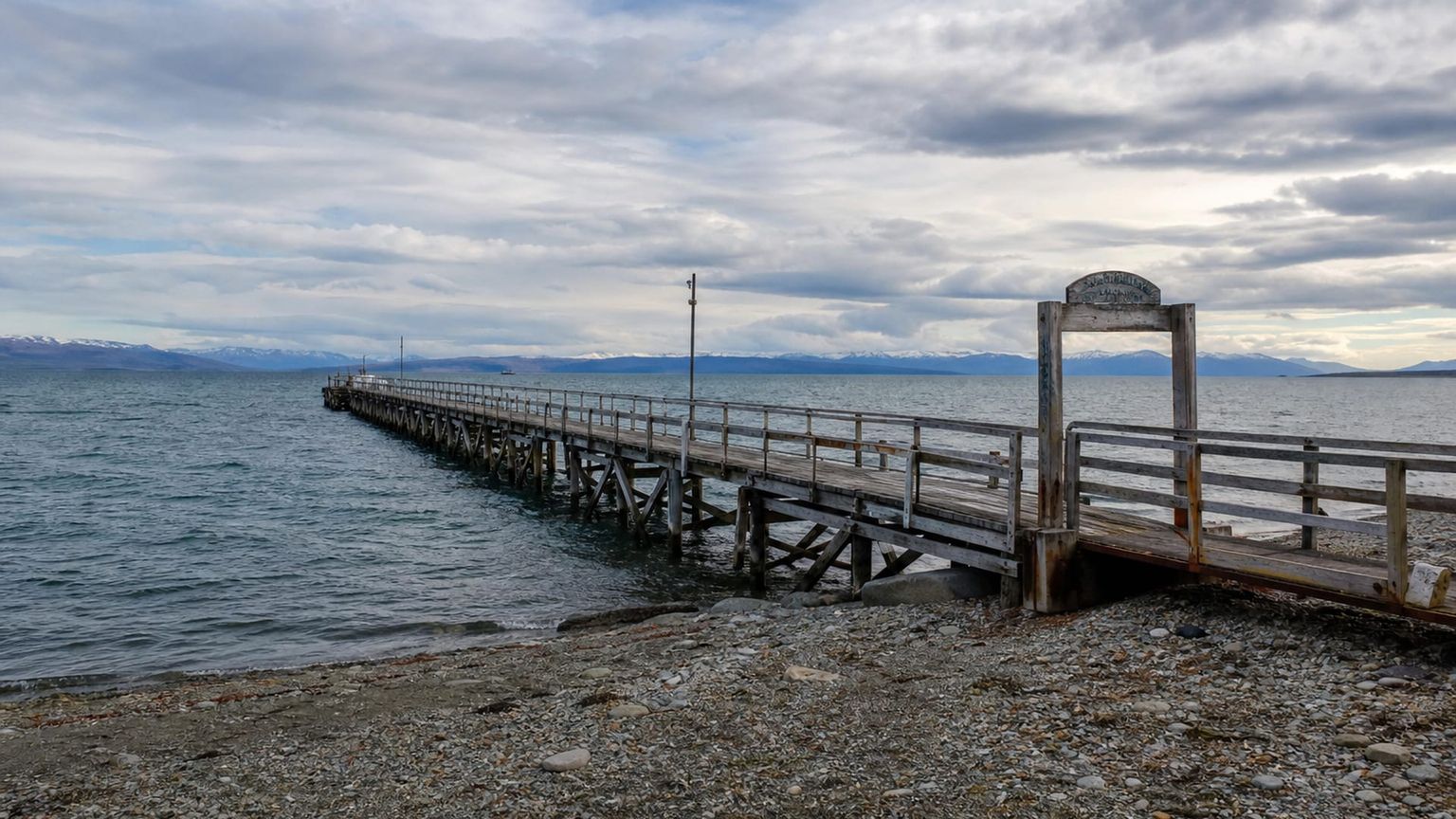
Travel north in the morning to Cueva del Milodón, about 15.5 miles (25 km) from Puerto Natales. The main cave preserves evidence of the extinct Mylodon darwini and prehistoric human activity, while nearby trails cross the surrounding rock formations and Patagonian landscape. Spend two to three hours here, then return toward town and stop at the Puerto Bories museum for the afternoon. Both places lie north of Puerto Natales, so they fit naturally into the same day.
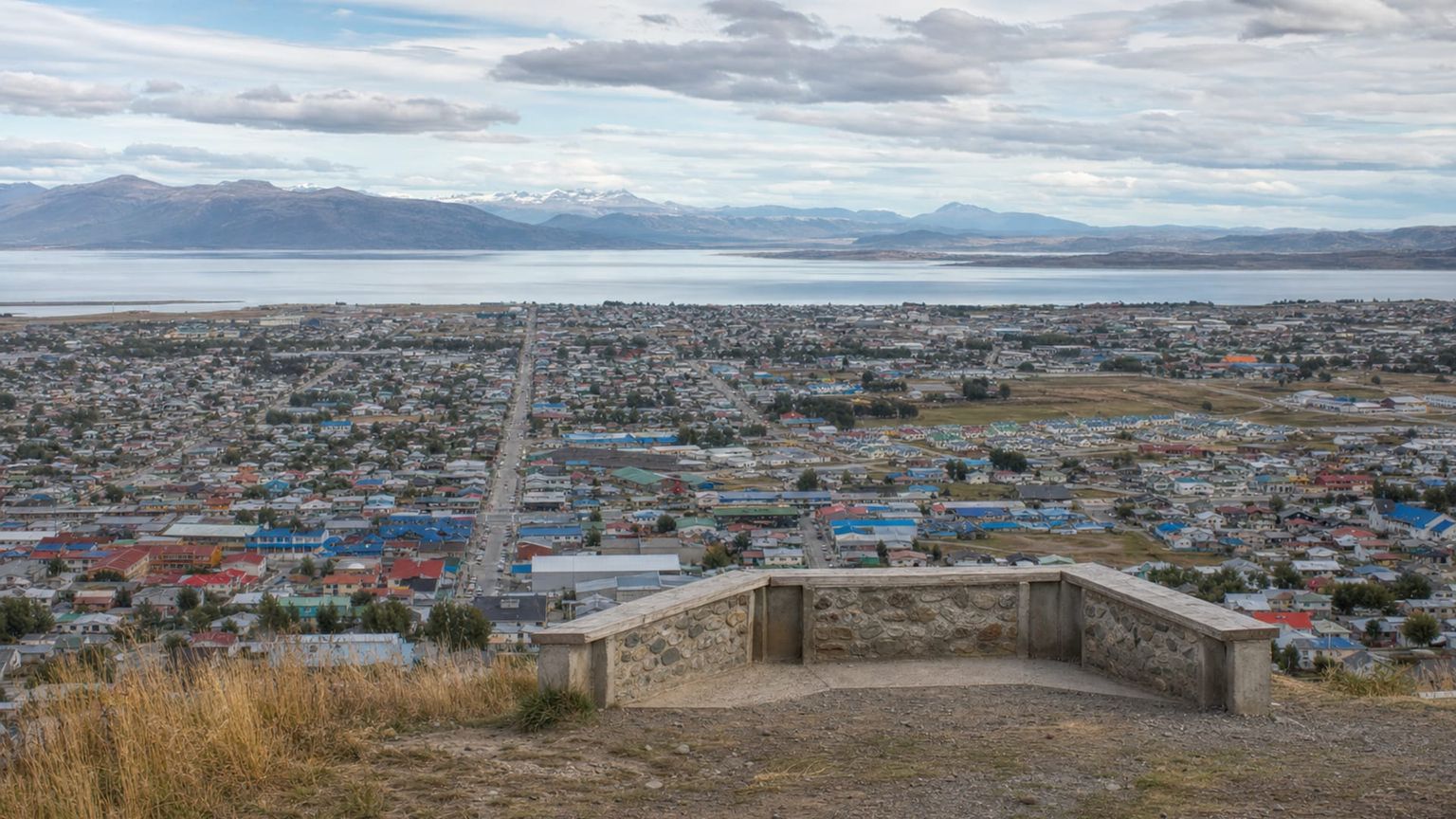
Take a taxi or arranged transfer about 6 miles (10 km) east of town to the Cerro Dorotea trailhead. Allow about four hours for the climb and return, including time at the viewpoint. The upper slopes open onto views across Puerto Natales, Última Esperanza, and the Patagonian steppe. Return to town for a late lunch and leave the rest of the afternoon free after the hike. From Wednesday through Sunday, you can finish the day with the 5:30 pm tour at Last Hope Distillery.
Spend the final morning in central Puerto Natales. Visit Museo Histórico Municipal to learn about the Indigenous communities, ranching history, and families connected with the town’s development, then return toward Plaza de Armas for lunch or coffee. Pick up any local products or travel supplies before collecting your luggage. Confirm your airport transfer in advance so the last part of the day remains simple.
Business-class flights from the US to Puerto Natales
Reaching Puerto Natales usually means a one-stop trip, with the best fares and schedules shaped by where you connect. The two long-haul examples below show how East Coast and West Coast departures often differ in duration and routing.
From New York, LATAM Airlines, Copa Airlines, American Airlines, Delta Air Lines, and Aerolineas Argentinas are the names to watch. If you do not mind a layover, common routings via SCL, LIM, or PTY take 16 to 24 hours and often reduce the cost. Expect fares from $4,800 to $7,500 round-trip.
Los Angeles travelers usually compare LATAM Airlines, Copa Airlines, American Airlines, Delta Air Lines, and Aeromexico, with SCL, LIM, PTY, MEX, and EZE as the main connection points. Round-trip fares run about $4,200 to $6,800, and one-stop itineraries are usually the main option from Los Angeles.
Puerto Natales deserves time of its own
Many travelers pass through Puerto Natales on their way to Torres del Paine, but the town deserves some time in the itinerary too. Its waterfront, local restaurants, museums, and nearby sights can easily fill the days between longer excursions. AranGrant can help you find a business-class itinerary to Puerto Natales that fits your travel dates and plans.







