

Chapters:

Need help with your trip?
Our support team is available 24/7. Request a callback or call us directly at (833) 619-0908
Pensacola trips often start with downtown, a beach day, and one big museum, but many visitors miss how much time the airport, island fort, and bayfront can claim if they are not mapped in advance.
That split can add extra driving, parking decisions, and backtracking, especially when Fort Pickens, Naval Air Station Pensacola, and the historic core sit in different directions.
This guide keeps the days grouped by area, so you can move from Palafox Street to the waterfront, then to the fort and island, with a clearer pace.
Useful things to know
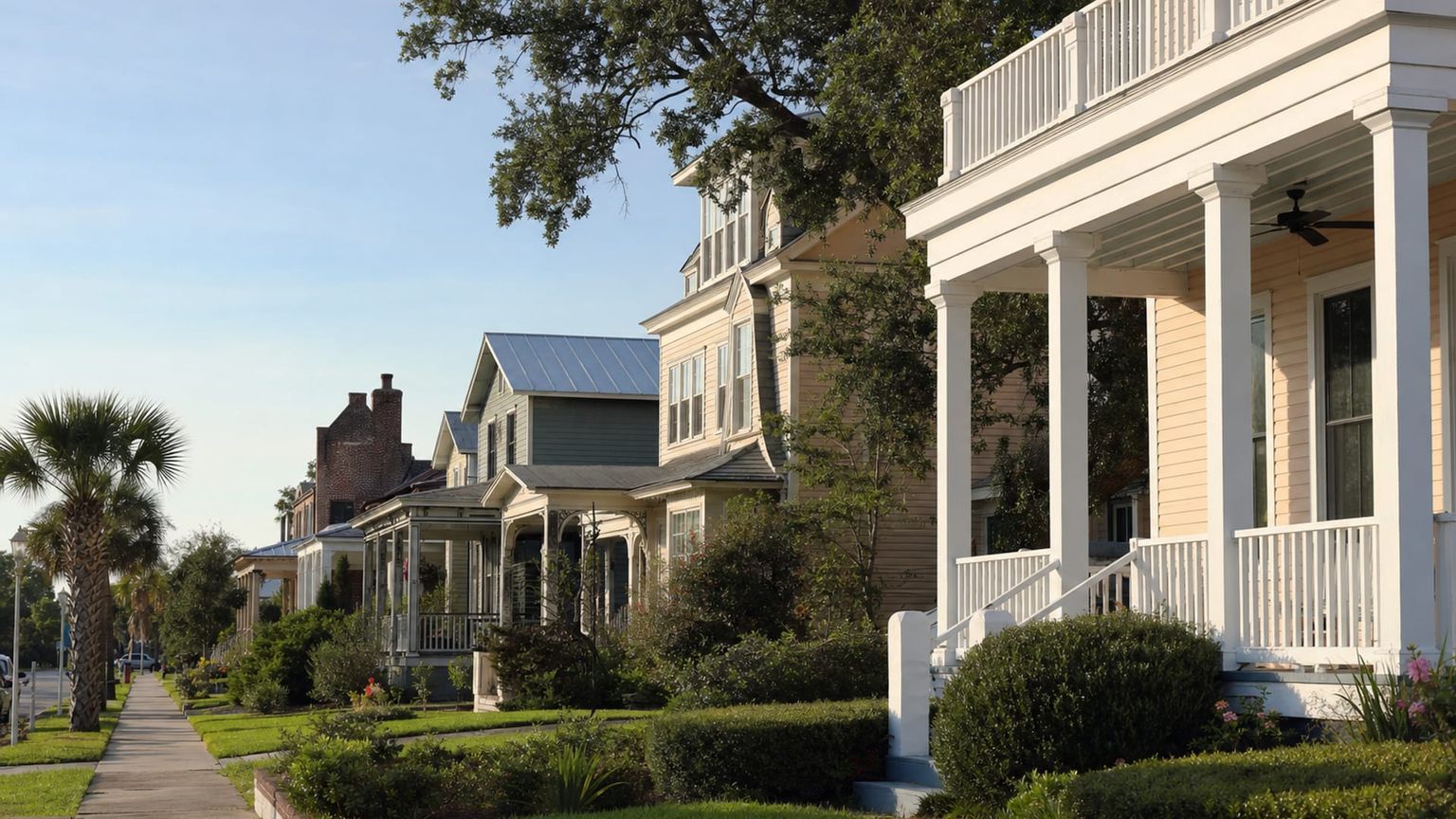

Main language(s): English

Currency: The local currency is the US dollar (USD, $).

Cash and cards: Cards and contactless are widely accepted; carry about $20 to $40 cash for small purchases and tips.

Tipping: Tip 15-20% at sit-down restaurants; round up at bars and for taxis.

Traditional food: Gulf shrimp, royal red shrimp, fried oysters, smoked mullet

Water and coffee costs: Water about $2 ($2), bar espresso about $4 ($4).

Taxis and ride apps: Uber and Lyft operate here; wait times can be thin late at night.

Plug and voltage: Type A/B socket, 120V

Dining and shop opening hours: Breakfast is about 07:00-10:00, lunch 11:00-14:00, and dinner 17:00-21:00. Some restaurants close between lunch and dinner, and later kitchens can be limited on Sundays.

Emergency number: Call 911 for police, fire, or medical emergencies.
Where to stay in Pensacola
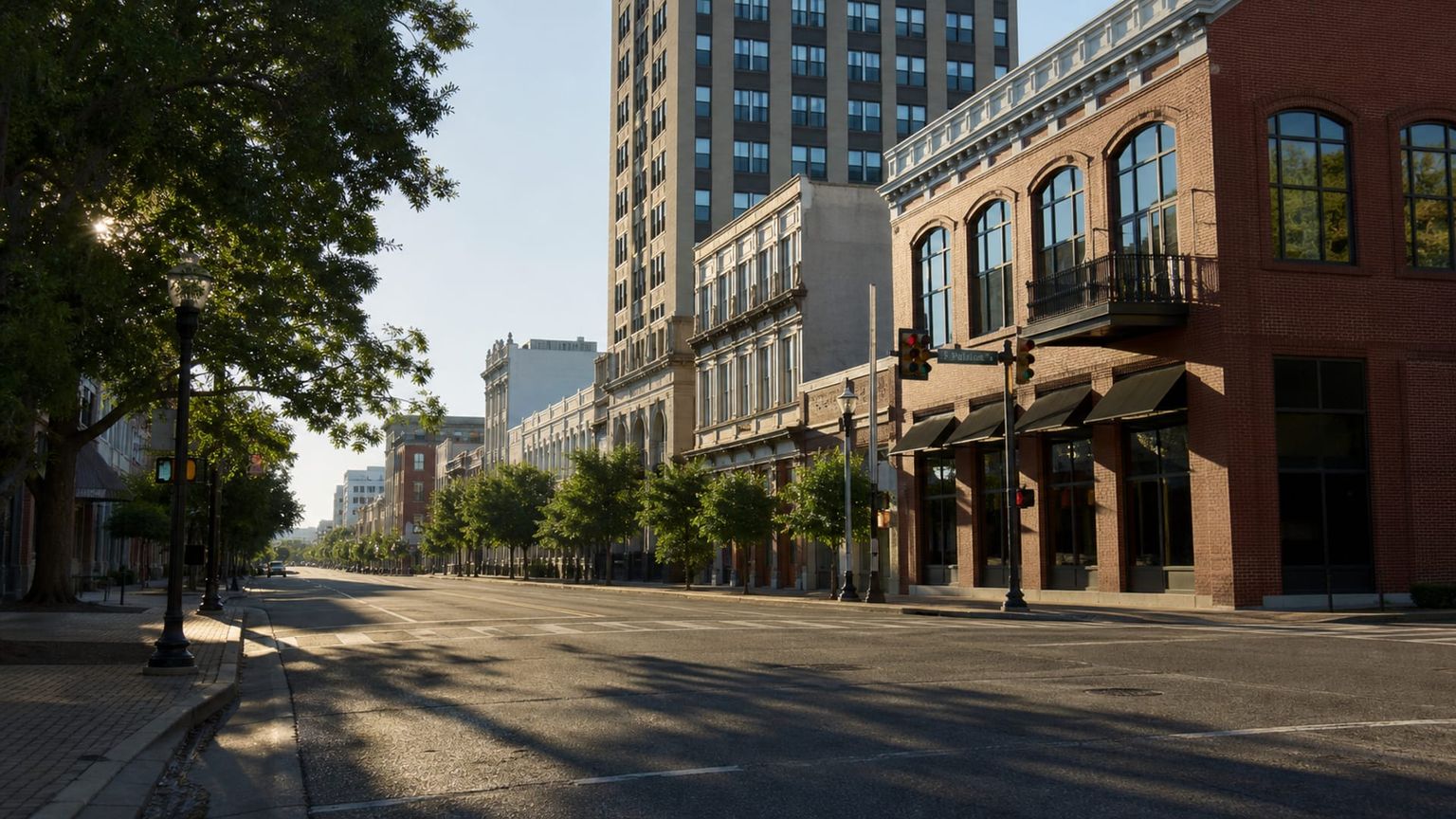
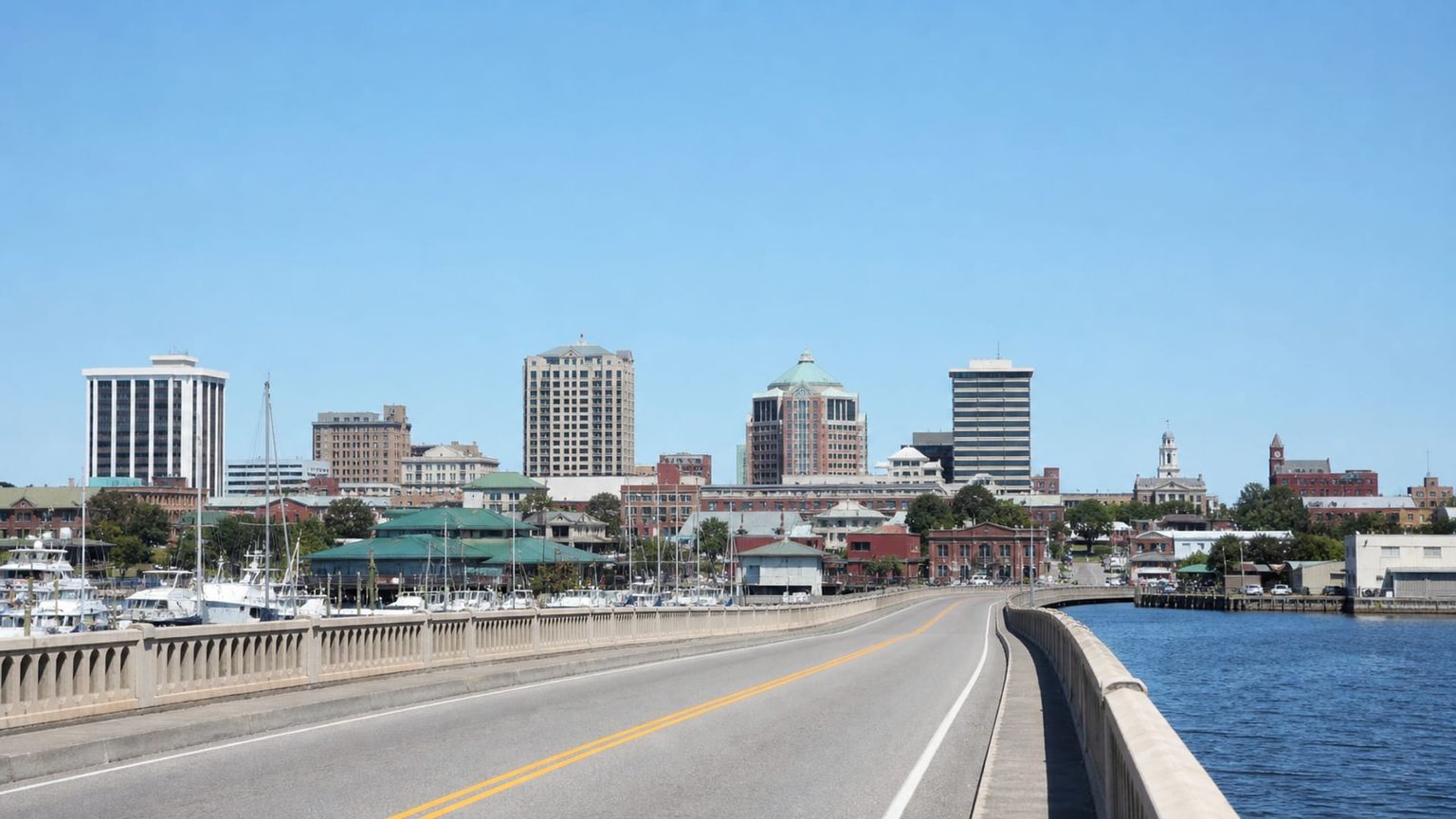
Pensacola’s historic core sits around Palafox Street, plaza squares, and the restored waterfront blocks near Pensacola Bay. It puts museums, restaurants, and harbor access in easy reach, which suits visitors who want to walk to the city’s main sights.
Best for: Walking access to dining, museums, and the waterfront
What to expect: Busy sidewalks by day, with restaurant traffic and a livelier evening scene near Palafox.
Hotel prices: Usually about $160 to $280 per night for well-rated stays
Distance to major sights: About 10 minutes on foot to the Saenger Theatre and about 15 minutes on foot to Pensacola Bay
Quietness: Daytime is active and traffic picks up in the evening, while side streets quiet down late at night.
Main trade-off: Central rooms can cost more, and weekend noise is common near bars and event spaces.
Good to know: Parking can be limited in the historic blocks, so choose a hotel with on-site parking if you plan to use a car.
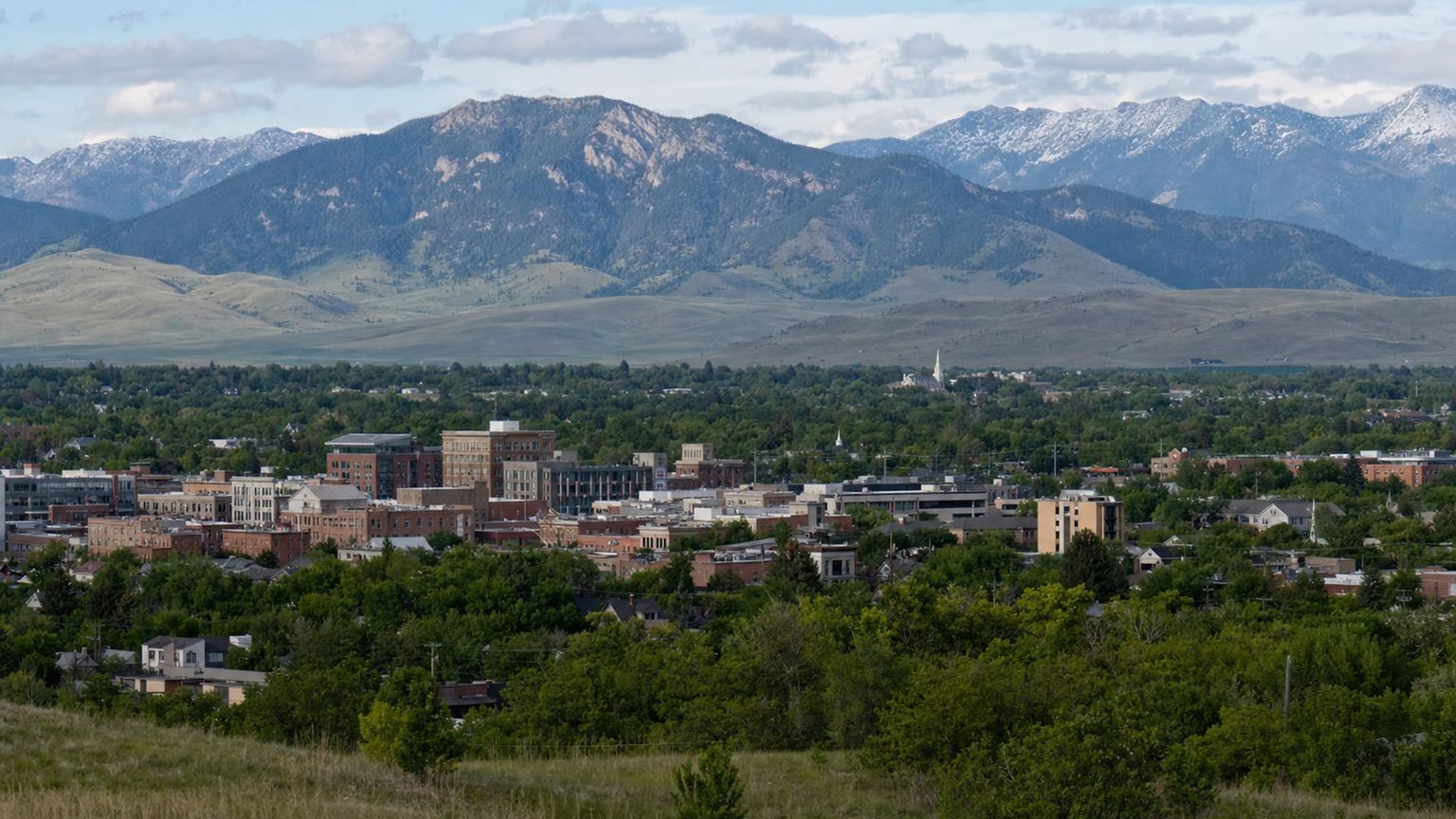
Seville Square sits just south of downtown’s main corridor, close to historic homes, small parks, and the cultural district. It gives you an older residential setting with short walks to downtown dining and museums, making it a strong choice for a quieter base near the center.
Best for: Historic charm, quieter evenings, and easy access to downtown on foot
What to expect: Residential streets, light foot traffic, and occasional event crowds near the square and nearby museums.
Hotel prices: Usually about $150 to $260 per night for well-rated stays
Distance to major sights: About 8 minutes on foot to the T.T. Wentworth Jr. Florida State Museum and about 15 minutes on foot to Pensacola Bay
Quietness: Quieter than downtown during the day, with only brief spikes in activity during festivals or museum events.
Main trade-off: You will usually find fewer hotel choices here than in downtown proper.
Good to know: Dining options are thinner after dark, so plan on a short walk or ride into the main downtown blocks for late meals.
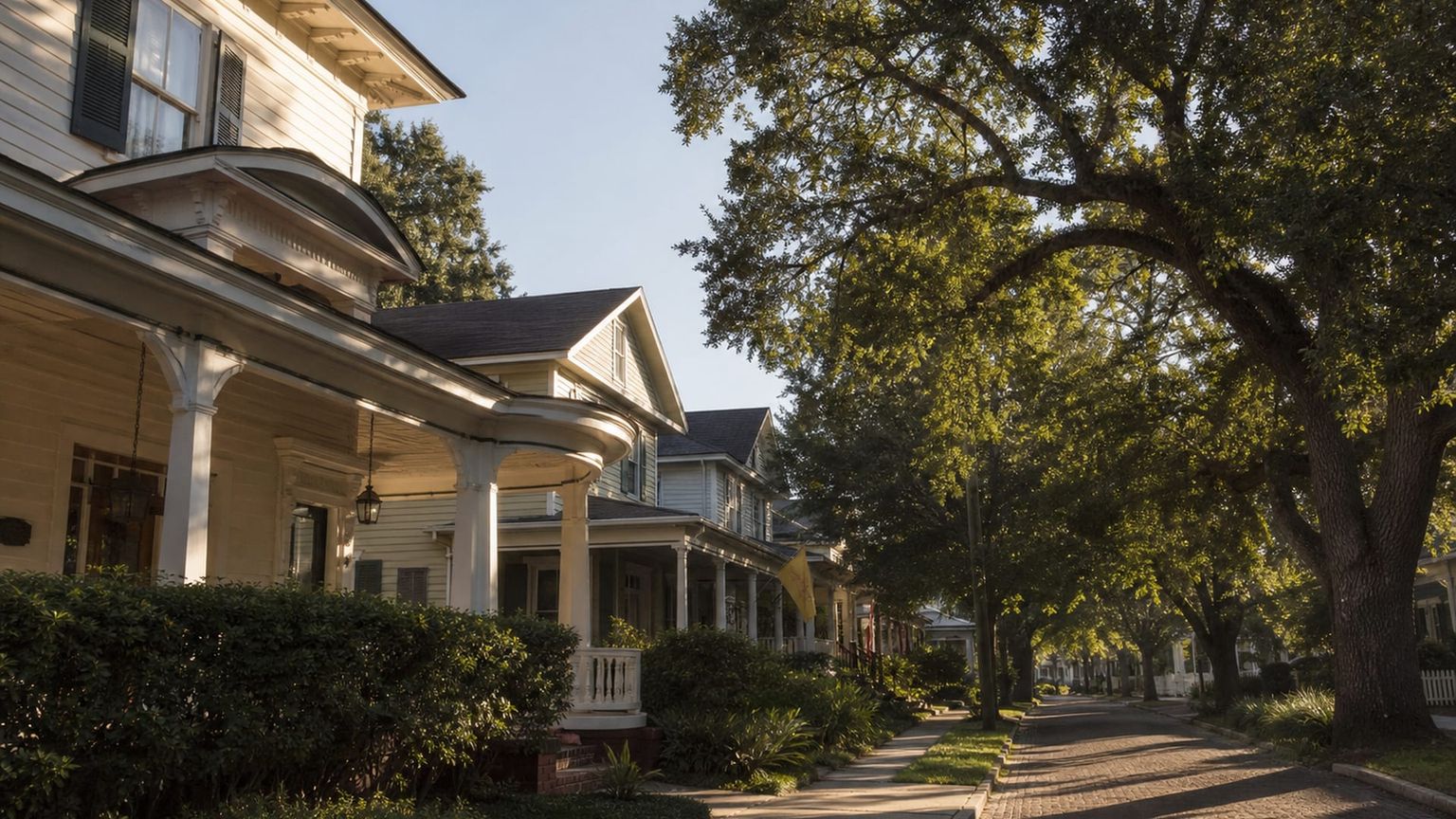
East Hill is a long-established residential neighborhood east of downtown, known for older homes, tree-lined streets, and a neighborhood park network. It suits travelers who want a local-feeling base with quick drives into downtown, the bayfront, and airport access.
Best for: Residential stays, longer visits, and travelers who prefer a quieter base with parking
What to expect: Mostly local traffic, joggers, and neighborhood activity rather than a visitor crowd.
Hotel prices: Usually about $140 to $240 per night for well-rated stays
Distance to major sights: About 10 minutes by car to Downtown Pensacola and about 15 minutes by car to Pensacola Bay
Quietness: Quiet in the evening, with the lightest street activity after dinner hours.
Main trade-off: You will need a car or rideshare for most dining and sightseeing.
Good to know: Hotel inventory is limited compared with downtown, so book early if you want a specific house or inn.
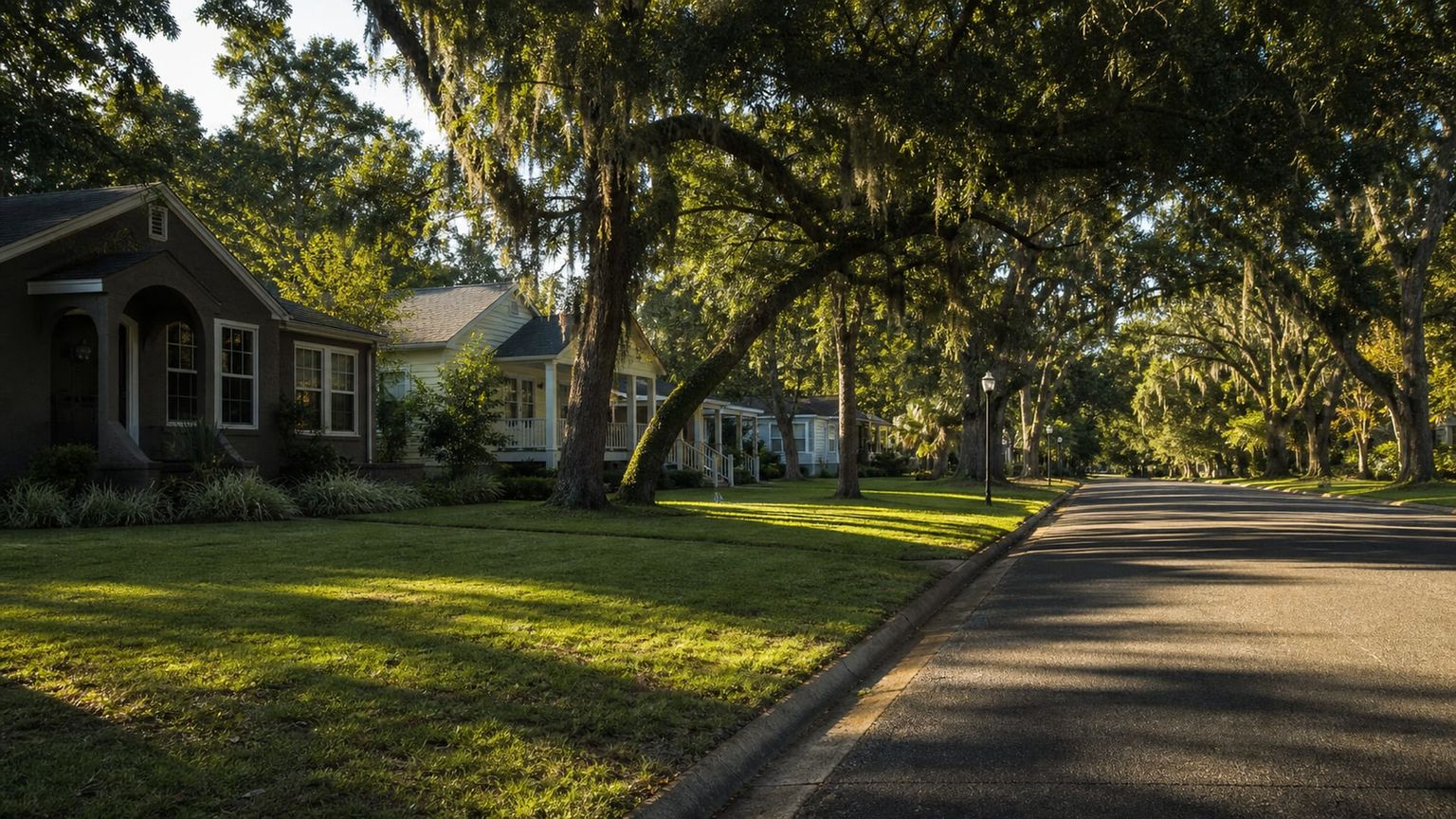
Cordova Park sits east of downtown near shopping corridors and major road links, with a more suburban feel than Pensacola’s historic core. It works well for travelers who want easy parking, chain hotels, and fast access to the airport and northside routes.
Best for: Car travelers, airport access, and visitors who prioritize parking
What to expect: Hotel strips, shopping centers, and steady road traffic, with little walkable nightlife.
Hotel prices: Usually about $130 to $220 per night for well-rated stays
Distance to major sights: About 12 minutes by car to Downtown Pensacola and about 15 minutes by car to Pensacola International Airport (PNS)
Quietness: Moderate during the day, then quieter at night once the shops close.
Main trade-off: You trade walkability for easier driving and a wider choice of midrange lodging.
Good to know: Evening dining often means a short drive, so pick a property near the main corridors if you want simple access to restaurants.
Travelers usually avoid staying in the airport-adjacent Cordova Park area if they want to be near Pensacola Beach or downtown Pensacola, since it sits about 7 to 10 miles from the main visitor areas and is set up more for car access than walkable evenings. Areas far east of downtown, including parts of Ferry Pass, are less convenient for a short stay because they add drive time to the beach, the historic district, and the waterfront, with fewer visitor-focused amenities at night.
Hotel deals
How to get around Pensacola efficiently
Pensacola does not have rail transit, so walking, ECAT buses, rideshares, and taxis do the main work between downtown, the airport area, and the beach corridor.

Metro
for longer distances
Pensacola does not have a metro or subway system, so visitors rely on cars, taxis, rideshares, and local buses instead.

Bus and tram
for convenience
Escambia County Area Transit, or ECAT, runs the local bus network from the Pensacola area, including routes that link downtown, the airport area, and nearby neighborhoods; a single ride costs about $1.75, with day passes and monthly passes also available, and most trips run every 30 to 60 minutes rather than on a dense urban schedule.

Taxi
for convenience or late hours
Licensed taxis in Pensacola use meter fares rather than fixed citywide set rates, and a ride from Pensacola International Airport (PNS) to downtown usually costs about $20 to $30 before tip, depending on traffic and the exact drop-off point; most cabs accept cards, but it is wise to confirm before you get in.
*Prices are based on rates updated as of June 2026 and may change at the time of travel.
Walk downtown when your plans stay near Palafox, use ECAT for cheap cross-town links, and choose taxis or rideshares for Fort Pickens, the airport, and late returns.
Iconic landmarks
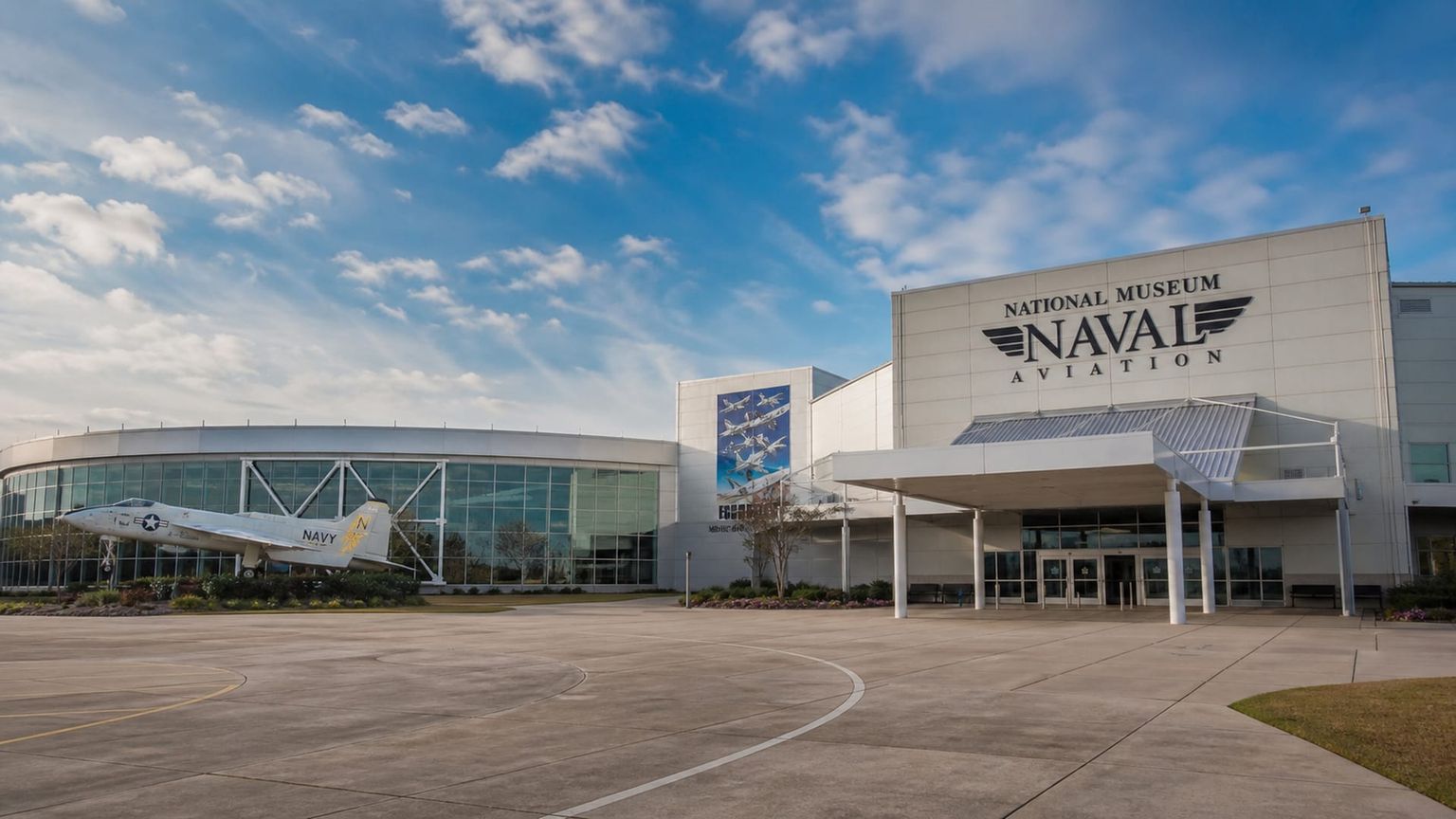
National Naval Aviation Museum
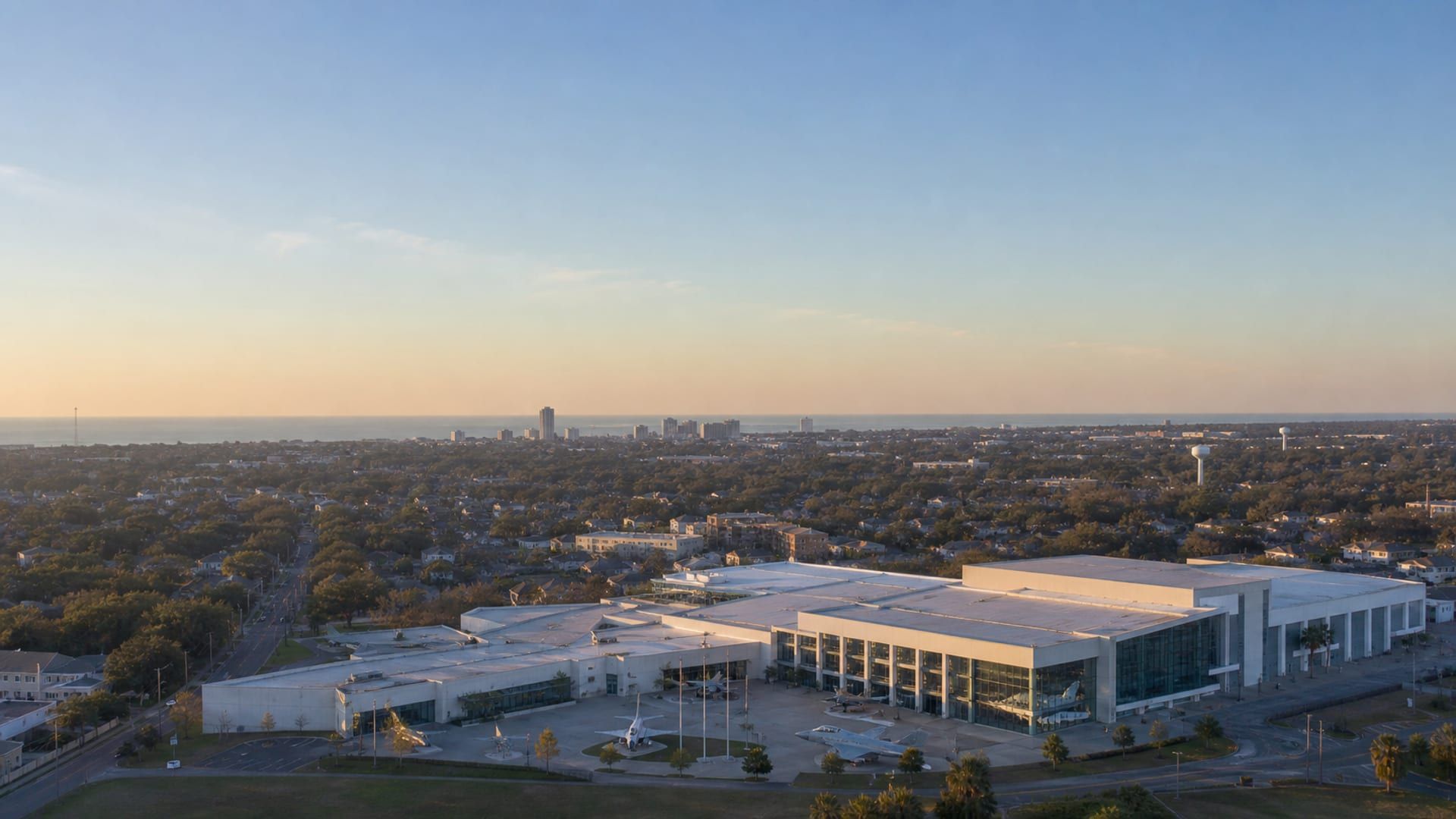
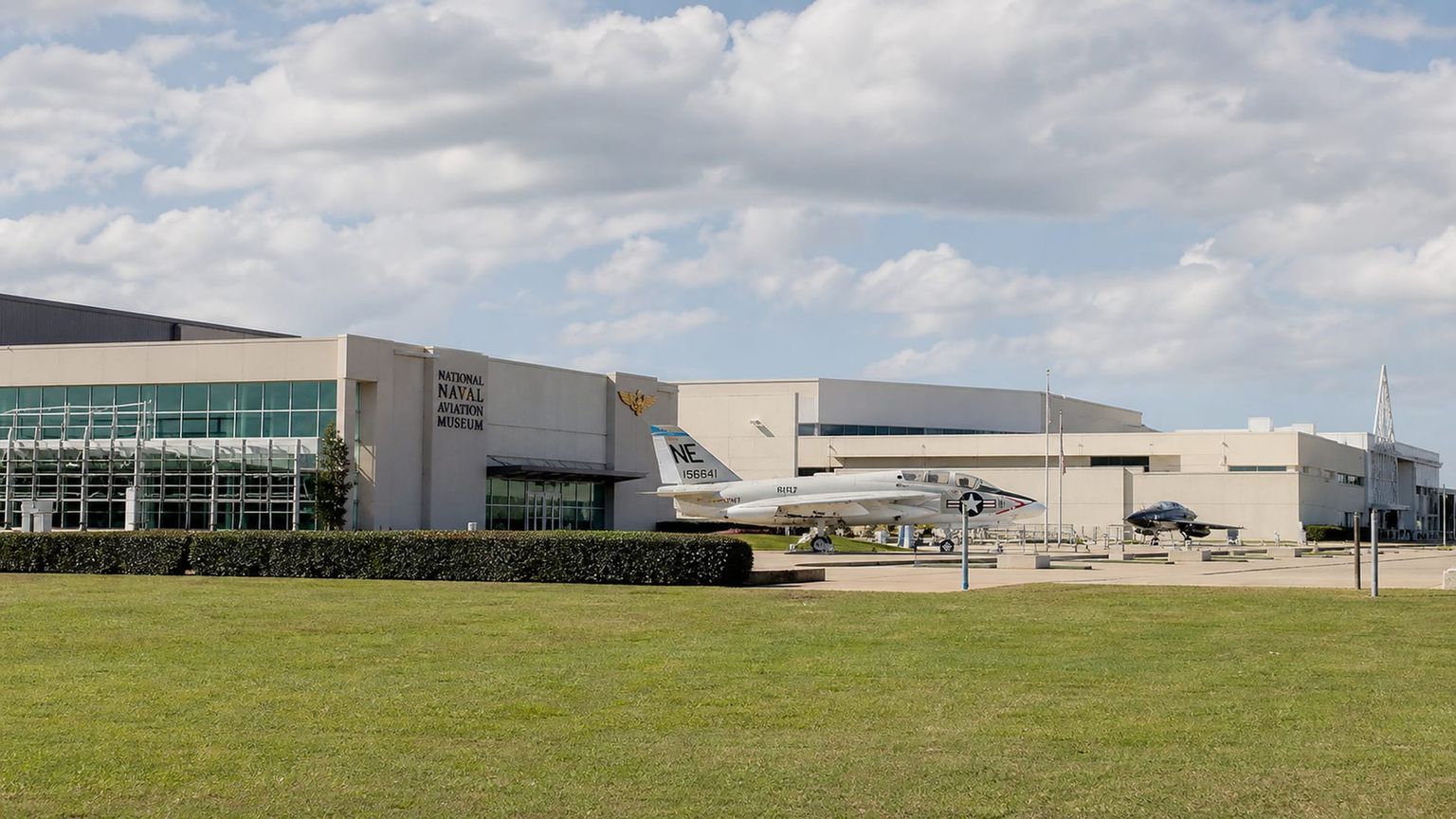
At Naval Air Station Pensacola, this museum traces U.S. Navy and Marine Corps aviation through more than 150 restored aircraft, flight simulators, and the Blue Angels legacy. It also includes the Pensacola Lighthouse views from the grounds.
Time needed: About 3 to 4 hours
Entry: Free to access; some simulators and special experiences charge separate fees Visit the official site for details.
Tip: Arrive early on weekdays, when parking is easier and galleries are quieter.
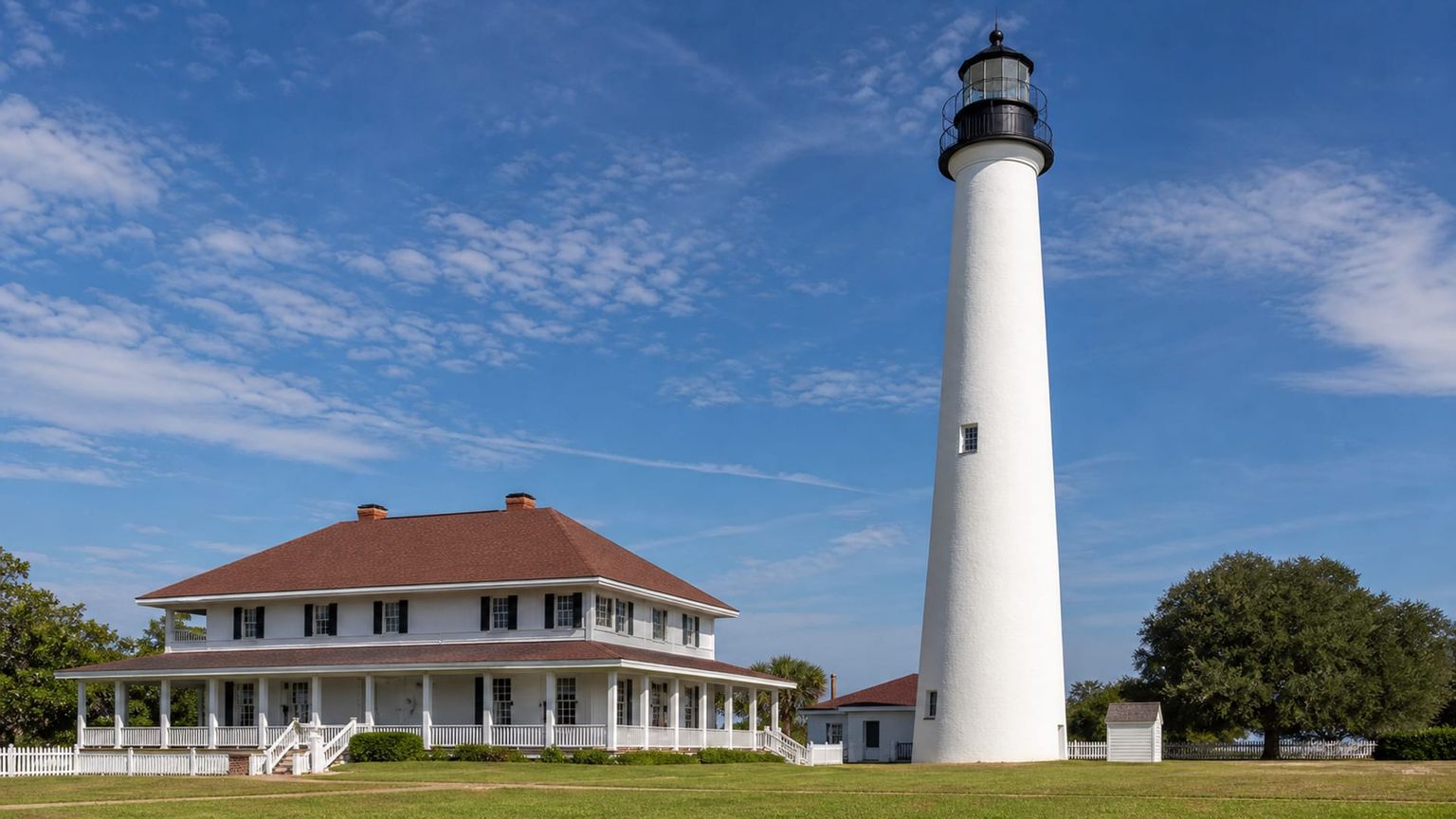
Pensacola Lighthouse and Maritime Museum
Built in 1859 on the grounds of Pensacola Naval Air Station, the lighthouse climbs 177 steps for broad views over Pensacola Bay and the Gulf entrance. The site also explains the area’s maritime history and the keepers’ quarters.
Time needed: About 1 to 2 hours
Entry: Tickets cost $10 to $15 ($10 to $15) for lighthouse access and museum admission Visit the official site for details.
Tip: Visit near sunset for better light on the tower and calmer harbor views.
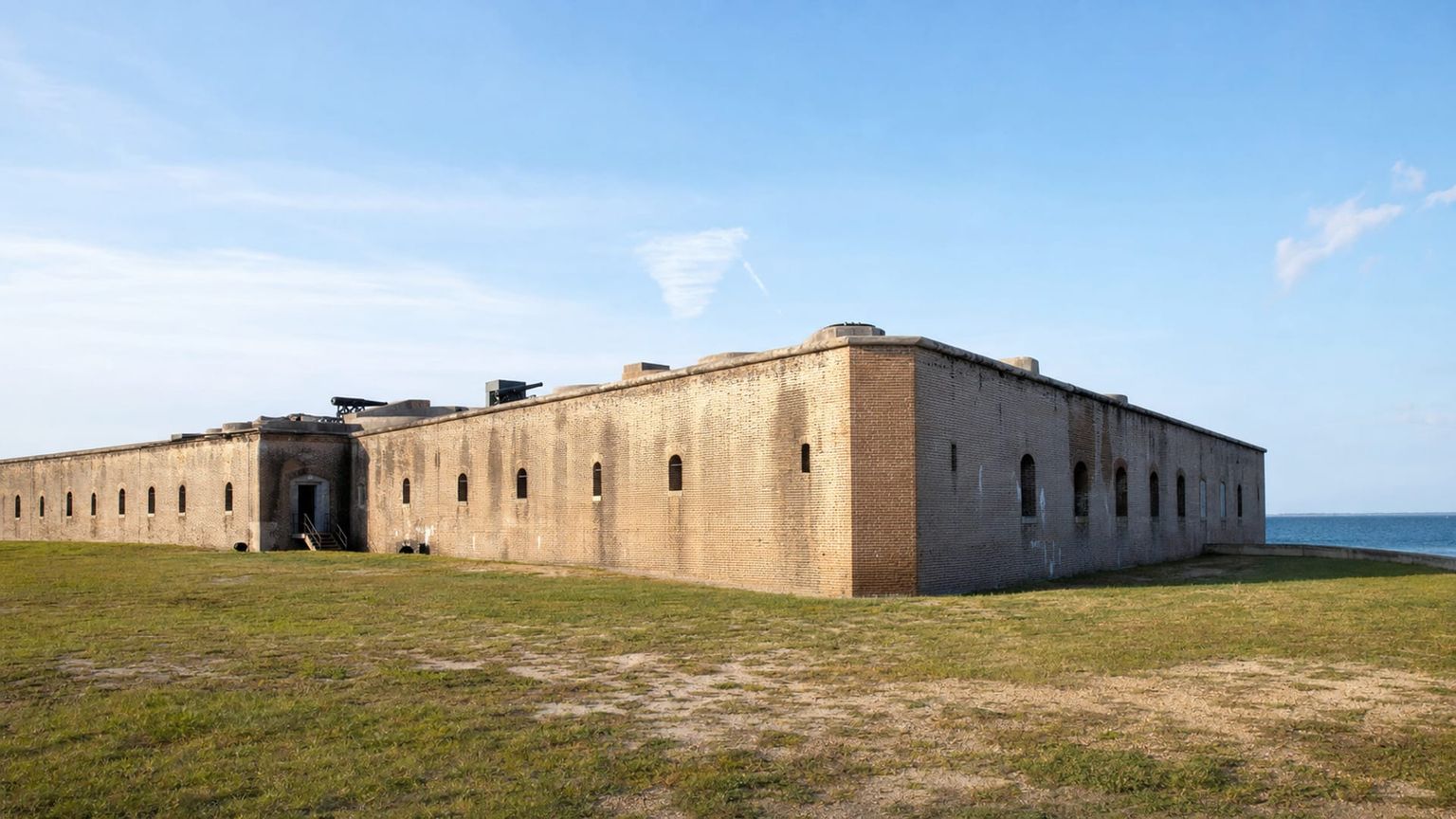
Fort Pickens
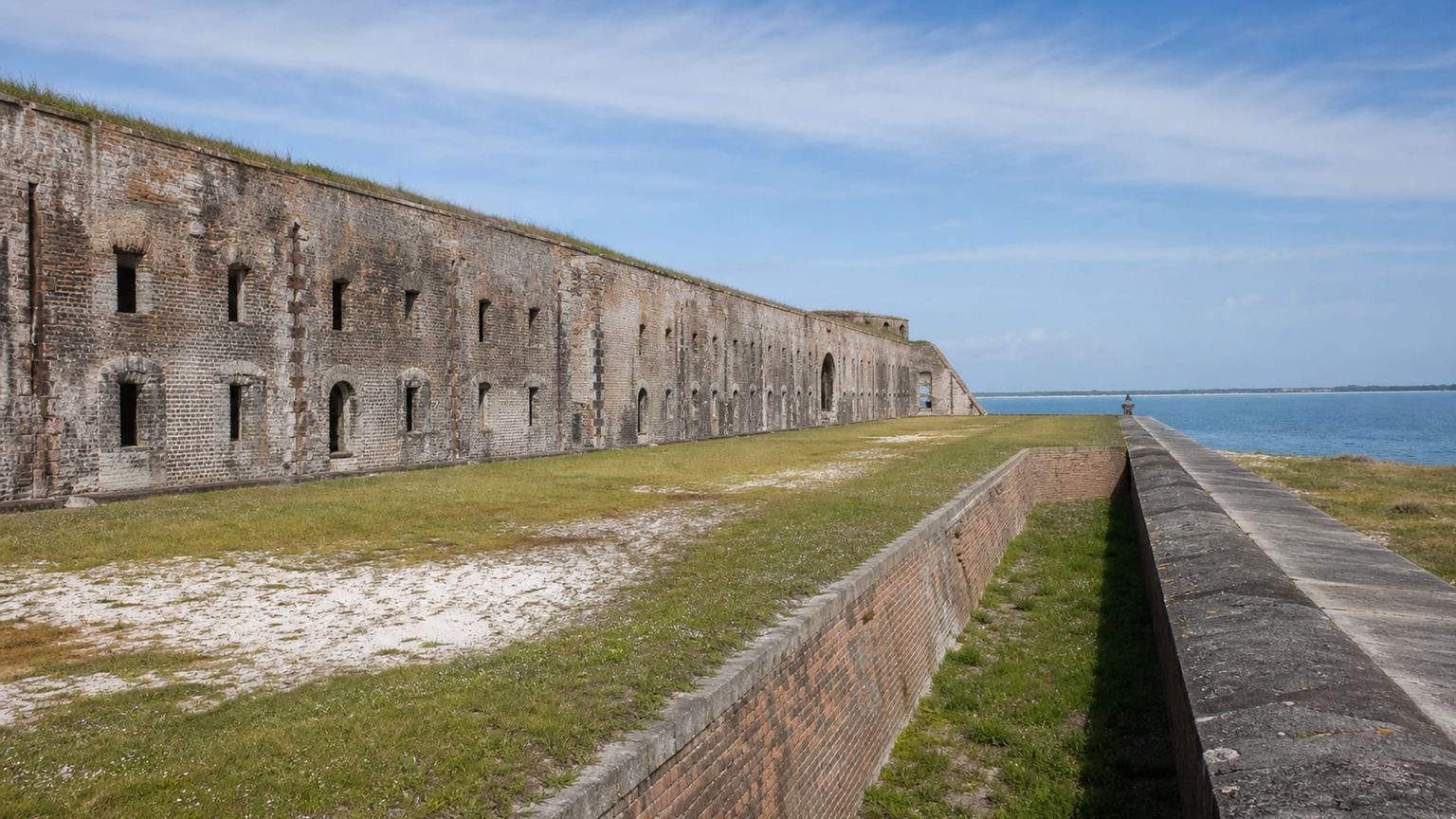
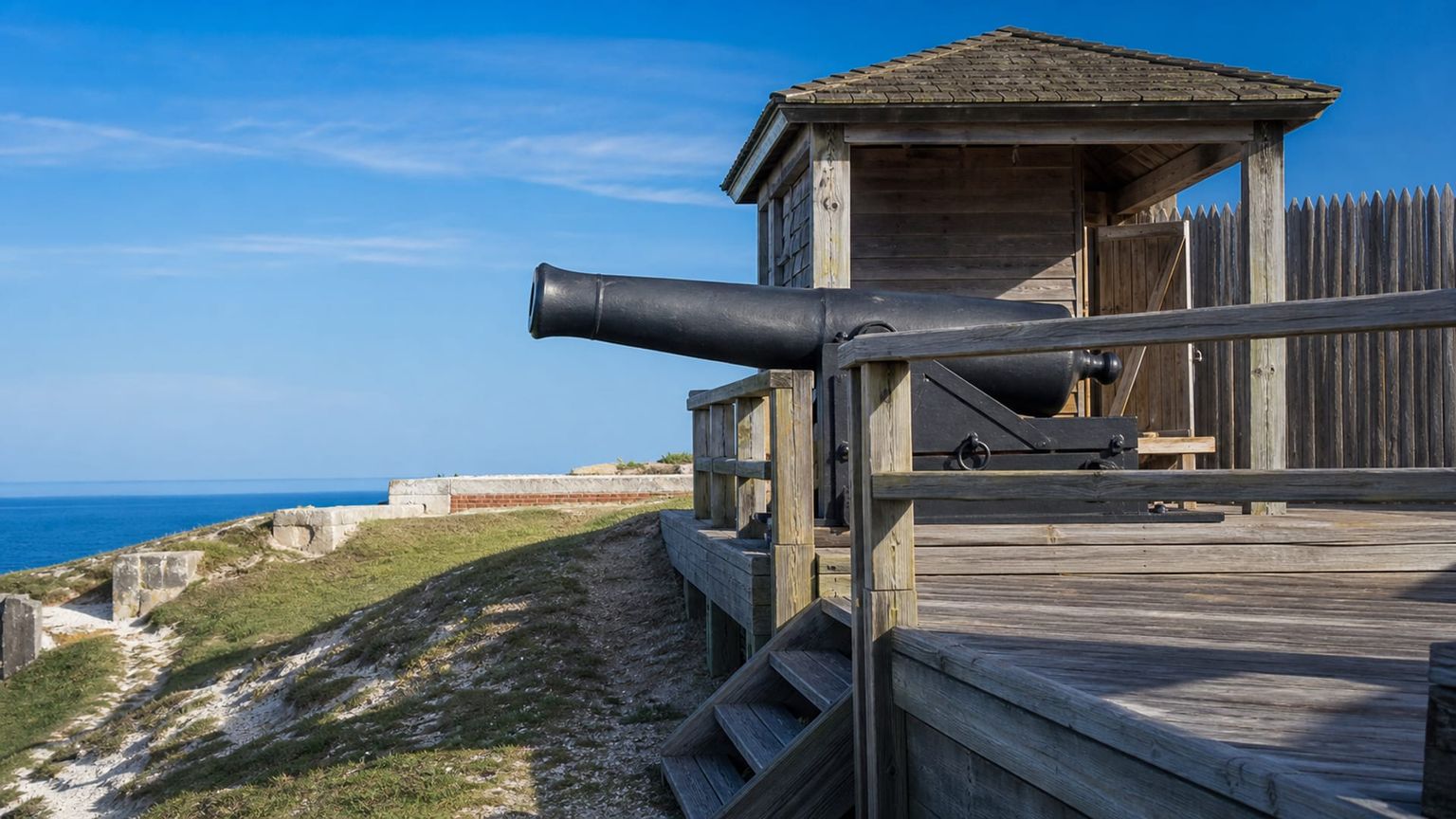
On the western end of Santa Rosa Island, Fort Pickens preserves a large brick coastal defense built in 1834 and linked to the Civil War. Visitors can walk the casemates, seashore, and battery areas inside Gulf Islands National Seashore.
Time needed: About 2 to 3 hours
Entry: National park entrance fees cost $25 per vehicle ($25), valid for up to 7 days Visit the official site for details.
Tip: Go in the morning, before heat builds and beach parking becomes tighter.
Overlooked sites worth visiting

The Park at Zorn
This 32-acre city park has a paved loop, a boardwalk through wetlands, and shaded picnic tables. Birders often spot herons, egrets, and wood ducks along the water.
Time needed: About 1 hour
Entry: Free to access; the park has no admission fee, and visitors can use the paved trail, boardwalk, picnic areas, and open green space without a ticket or reservation. Parking is free on site.
Tip: Go early for cooler temperatures and better bird activity.

Pensacola Museum of History
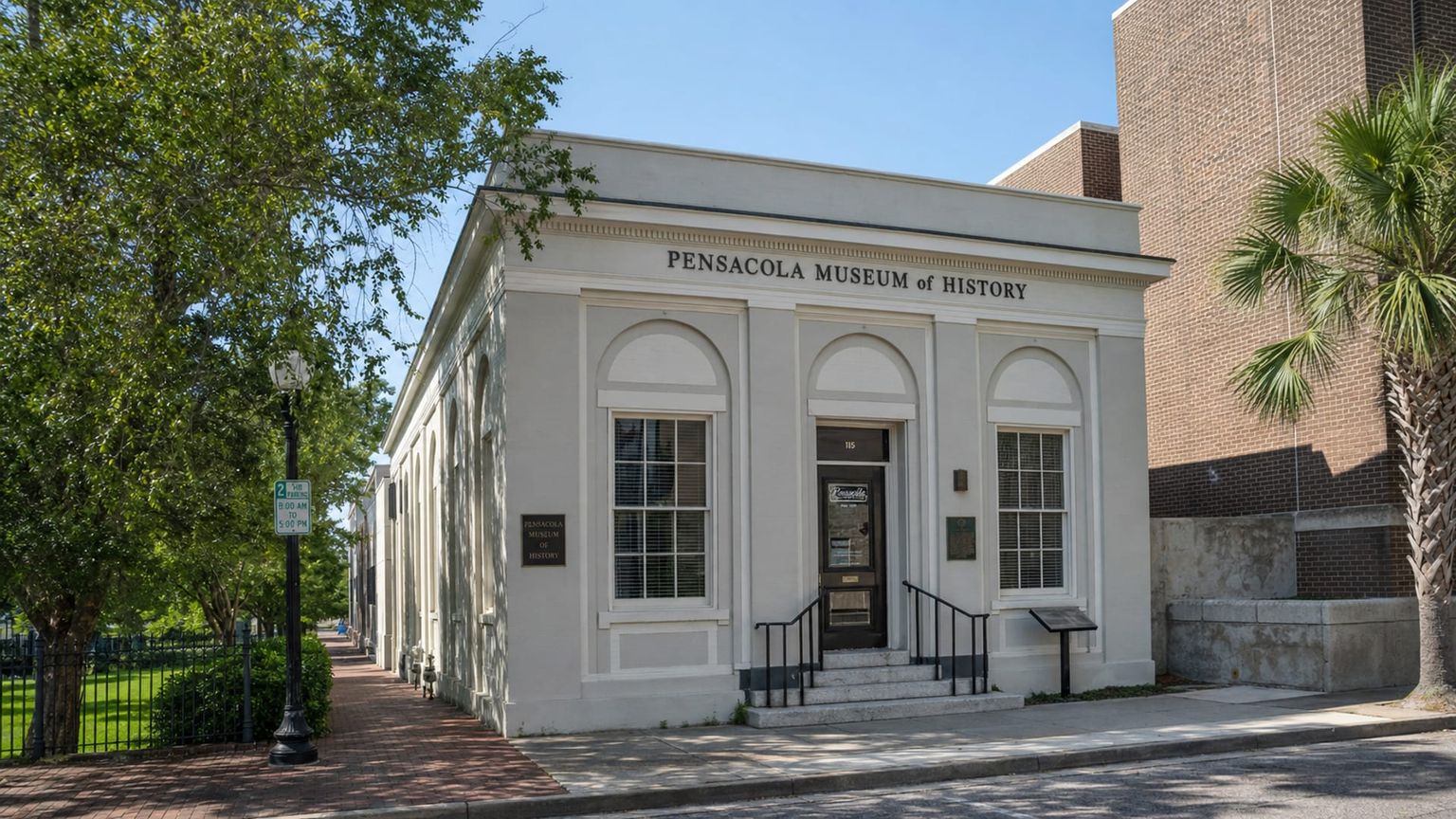
Housed in the old city hall, this compact museum covers Pensacola’s Spanish, British, and American eras with artifacts, maps, and rotating exhibits in downtown.
Time needed: About 1 to 2 hours
Entry: Admission is $10 ($10) for adults, $8 ($8) for seniors, military, and students, and free for children under 6. The museum accepts walk-ins during open hours, with occasional closures for private events. Visit the official site for details.
Tip: Pair it with a short walk to nearby Plaza Ferdinand VII.
Traditional food
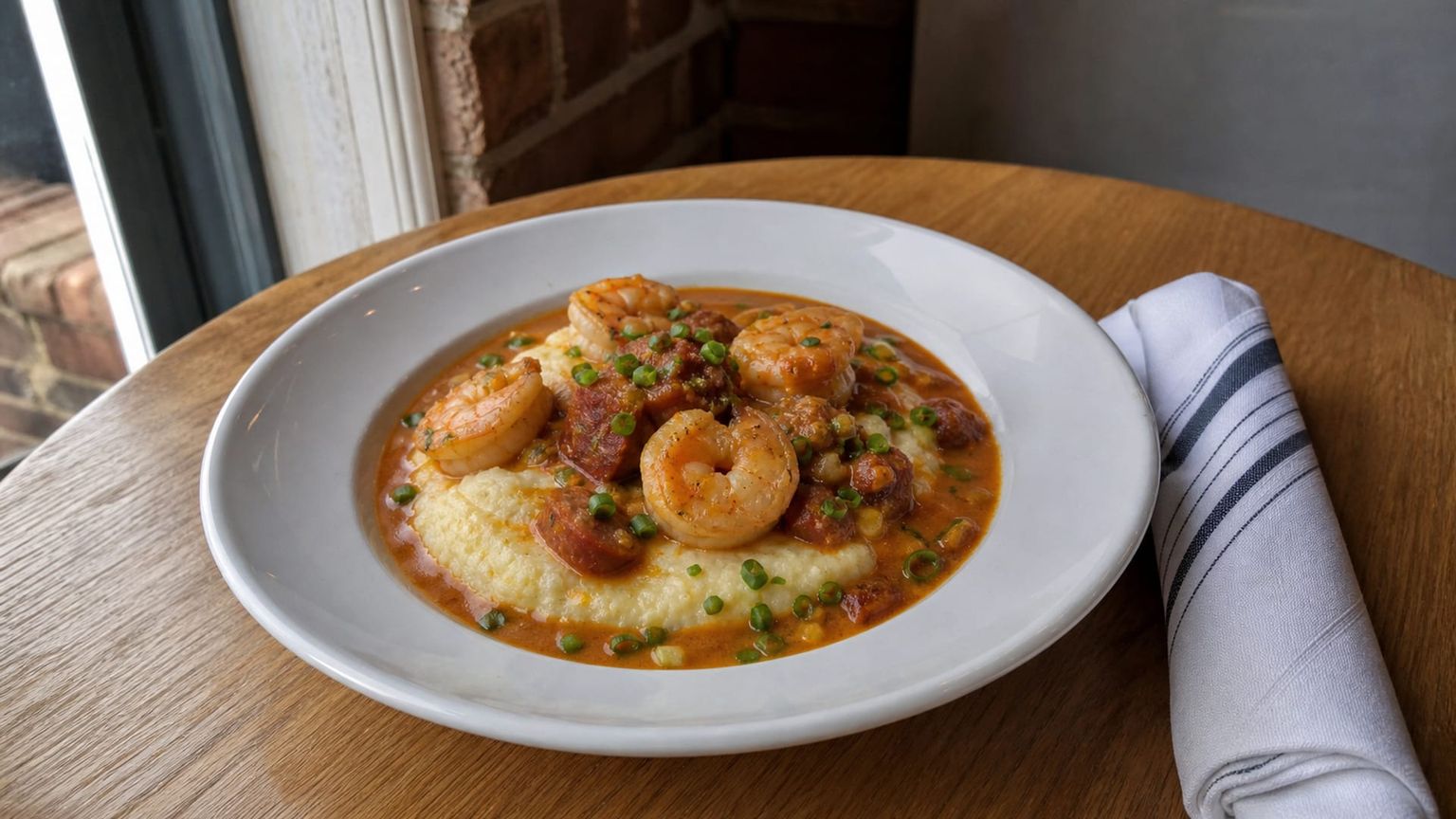
Pensacola cooking leans on Gulf shrimp, royal red shrimp, fried oysters, and smoked mullet, with citrus, spice, and fried seafood shaping many menus. Lunch counters, oyster bars, and waterfront rooms all play a part.
Gulf shrimp
Sweet Gulf shrimp show up boiled, fried, or tucked into po’ boys across town. The Shells Seafood Restaurant location in Pensacola is a solid canonical stop for a shrimp plate with a coastal menu.
Royal red shrimp
Royal red shrimp bring a sweeter, lobster-like note and work well simply steamed or grilled. Jaco’s Bayfront Bar & Grille is a fitting Pensacola pick when you want them with a bay view.
Fried oysters
Fried oysters arrive crisp outside and briny inside, often with slaw and fries. The Fishing Hole in Pensacola is a dependable local choice for a straightforward oyster basket.
Smoked mullet
Smoked mullet is a classic Panhandle staple, usually served as a spread or with crackers and hot sauce. The Fish House is the best-known Pensacola restaurant for a refined take on the fish-house tradition.
Best time to visit Pensacola
Pensacola shifts gently by season, with spring and fall offering the easiest weather for downtown walks, island visits, and long lunches outdoors.
Best for: Beach days, museum visits, and outdoor dining
What you get: Highs about 72-85°F (22-29°C), with comfortable evenings and growing visitor traffic
Trade-offs: Spring break and holiday weekends can push up hotel demand
Best for: Warm water, long evenings, and early fort visits
What you get: Highs about 88-92°F (31-33°C), with humid afternoons and the heaviest beach crowds
Trade-offs: Heat, storms, and traffic can make midday outings slower
Best for: Clearer sightseeing days and easier island access
What you get: Highs about 70-85°F (21-29°C), with lighter crowds after summer and mild evenings
Trade-offs: Hurricane season can still disrupt plans in early fall
Best for: Museum time, downtown walks, and quieter stays
What you get: Highs about 60-66°F (16-19°C), with the lightest crowds of the year
Trade-offs: Some beach weather and water activities lose appeal
A realistic 5-day plan in Pensacola
The five-day plan below keeps each day tied to a clear part of Pensacola, starting in the historic core, then moving to naval history, the island fort, and a final downtown morning before departure.
Land at Pensacola International Airport (PNS) and take a rideshare or taxi to Downtown Pensacola, roughly 15 to 20 minutes depending on traffic, with fares typically about $20 to $30. If you are staying in Seville Square, the ride is similar in time and gives you a quieter first night close to downtown. Settle in, drink water before heading out, and keep dinner close to your hotel, maybe along Palafox Street or in the Seville Square area, where you can eat early and avoid a late night. An easy first evening works best here, since you will still have energy for the museum and waterfront days ahead.
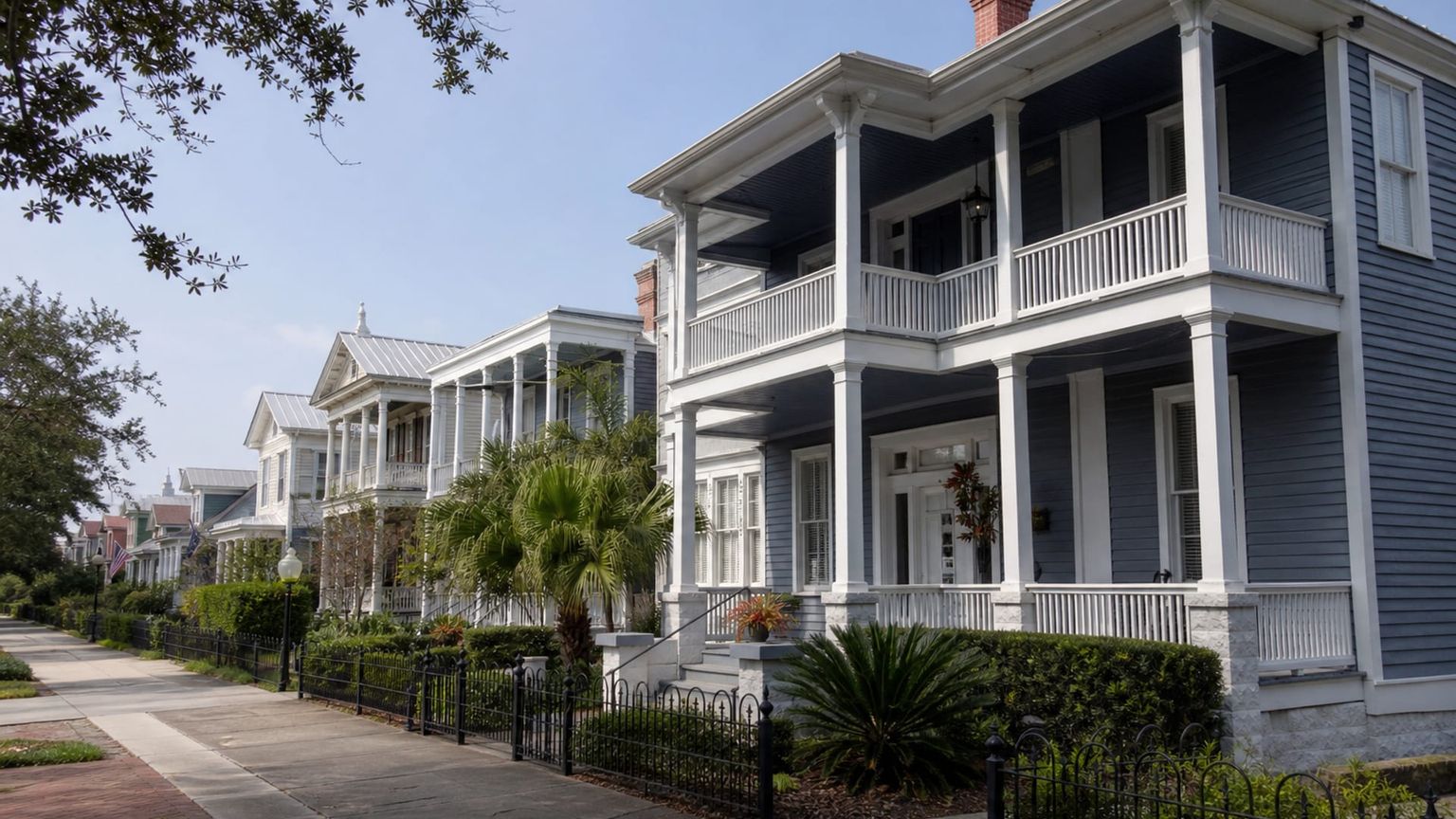
Start at the Pensacola Museum of History, then walk about 5 minutes to Plaza Ferdinand VII and about 8 minutes farther to the T.T. Wentworth Jr. Florida State Museum area in Seville Square. From there, it is about a 10-minute walk back into the main downtown blocks for lunch and a slow pass along Palafox Street. In the afternoon, head to the waterfront and finish with an easy museum stop or coffee near the historic core, keeping the day centered on the compact downtown grid so you spend more time seeing and less time in transit.
Begin with the National Naval Aviation Museum, and plan for about 3 to 4 hours there, since the aircraft halls and simulators deserve unhurried time. It is a short drive, roughly 10 to 15 minutes from Downtown Pensacola, so an early start keeps the visit calm and leaves room for the Pensacola Lighthouse and Maritime Museum afterward. From the museum grounds, continue to the lighthouse for tower views and the maritime exhibits, then return downtown for a low-key dinner. That pairing gives you one day built around the Pensacola Naval Air Station waterfront without stretching the schedule.
Fort Pickens fills the morning well, so head there early and expect about a 35 to 45-minute drive from Downtown Pensacola, depending on traffic and beach conditions. Walk the casemates, battery areas, and shoreline, then linger for lunch on the island before driving back toward town. In the late afternoon, switch to The Park at Zorn for a quieter reset, where the paved loop and boardwalk add an easy hour outside the historic core. This combination keeps the day anchored to the coast, with one major historic site and one lesser-known nature stop.
One final morning can start at the Pensacola Museum of History if you want a last downtown museum, or at The Park at Zorn if you want a short outdoor walk before packing. After that, browse a few shops in Downtown Pensacola, especially along Palafox Street, then settle into a café near Seville Square for a slow coffee and an early lunch. If your flight leaves later in the day, this route keeps your luggage close to the hotel and gives you a final stretch of the city without crossing town more than once.
Business-class flights from the US to Pensacola
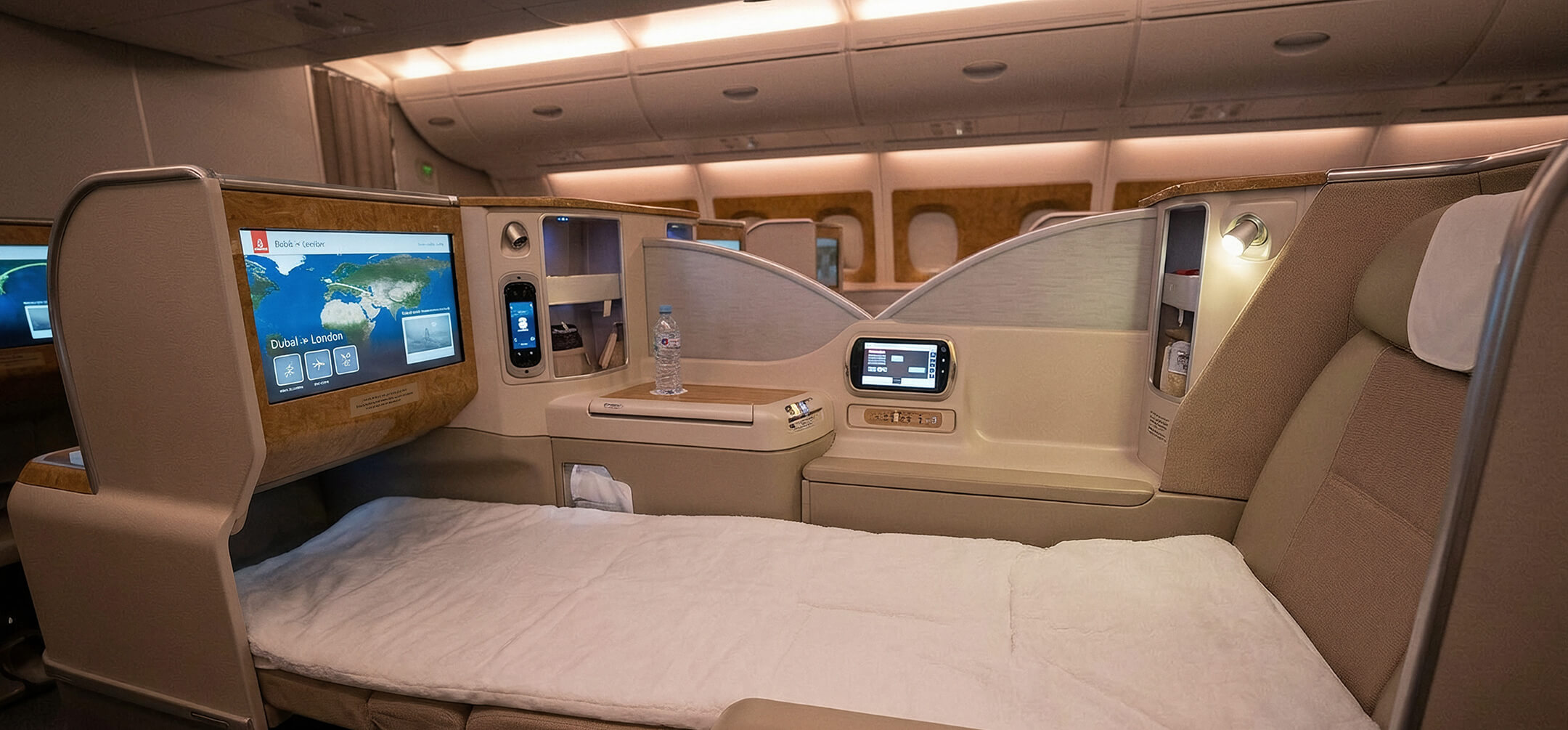
Pensacola’s flight picture usually centers on one-stop trips, and the price gap often depends on how much time you want to trade for simplicity. From New York and Los Angeles, the main carriers connect through a handful of familiar hubs.
American Airlines, Delta Air Lines, and United Airlines all serve New York to Pensacola, and nonstop flying takes about 3 to 3.5 hours when it is available. On one-stop itineraries, common connections run through Charlotte (CLT), Atlanta (ATL), Dallas/Fort Worth (DFW), Houston (IAH), or Chicago (ORD), with total travel time usually about 5 to 8 hours. Round-trip fares from New York to Pensacola usually start at about $850 and can reach $2,200, with nonstop options priced above most one-stop itineraries.
From Los Angeles, American Airlines, Delta Air Lines, United Airlines, Southwest Airlines, and Alaska Airlines all appear on the route, and nonstop flying takes about 4.5 to 5 hours. If you do not mind a layover, common routings via Dallas/Fort Worth (DFW), Denver (DEN), or Atlanta (ATL) often bring the price down, and total travel time usually sits about 7 to 11 hours. Expect roughly $550 to $1,600 for round-trip fares from Los Angeles to Pensacola.
Pensacola feels different when you slow down
A good Pensacola trip links downtown blocks, the Naval Air Station waterfront, and Fort Pickens without forcing you to cross the city more than necessary. That means a walk along Palafox Street, one museum cluster near Seville Square, a car day to the fort, and an easy final coffee before departure. If you want help shaping that balance, the AranGrant experts can turn those pieces into a trip that matches your pace