

Chapters:

Need help with your trip?
Our support team is available 24/7. Request a callback or call us directly at (833) 619-0908
Palermo trips often begin with the cathedral, the palace, and a market lunch, then end with a rushed beach stop or a long taxi back across town. Travelers also miss how much the city changes block by block, from crowded lanes to calmer streets near the station.
That familiar approach can waste time because Palermo spreads its sights across a compact but uneven center, where foot routes, taxi rides, and traffic-light timing shape the day. Popular places also fill quickly, and lunch closures can break a plan if you do not account for them.
This guide sets out a steadier order: where to stay, how to move, what to eat, when to visit, and how to shape five days so the old town, eastern waterfront, and west-side sights fit together without constant backtracking.
Useful things to know

Main language(s): Italian
Ciao (chow) – Hello
Per favore (pehr fah-VOH-reh) – Please
Grazie (GRAH-tsyeh) – Thank you
Parla inglese? (PAR-lah een-GLEH-zeh) – Do you speak English?
Quanto costa? (KWAN-toh KOH-stah) – How much does it cost?

Currency: The local currency is the euro (EUR, €).

Cash and cards: Cards and contactless are widely accepted; carry about €20 to €40 ($22 to $44) in cash for small purchases and taxis.

Tipping: Round up taxi fares and leave a few euros in restaurants; service charges are often included.

Traditional food: Arancina, pasta alla Norma, cannoli, panelle

Water and coffee costs: Water ~€2 ($2), bar espresso ~€1.50 to €2 ($2 to $2.50).

Taxis and ride apps: Free Now, Uber, and It Taxi operate here; availability can be limited outside central areas.

Plug and voltage: Type C/F socket, 230V

Dining and shop opening hours: Breakfast is about 7:00-10:00 am, lunch about 12:30-2:30 pm, and dinner about 8:00-10:30 pm. Many restaurants close between lunch and dinner.

Emergency number: 112 for police, fire, and medical emergencies.
Where to stay in Palermo
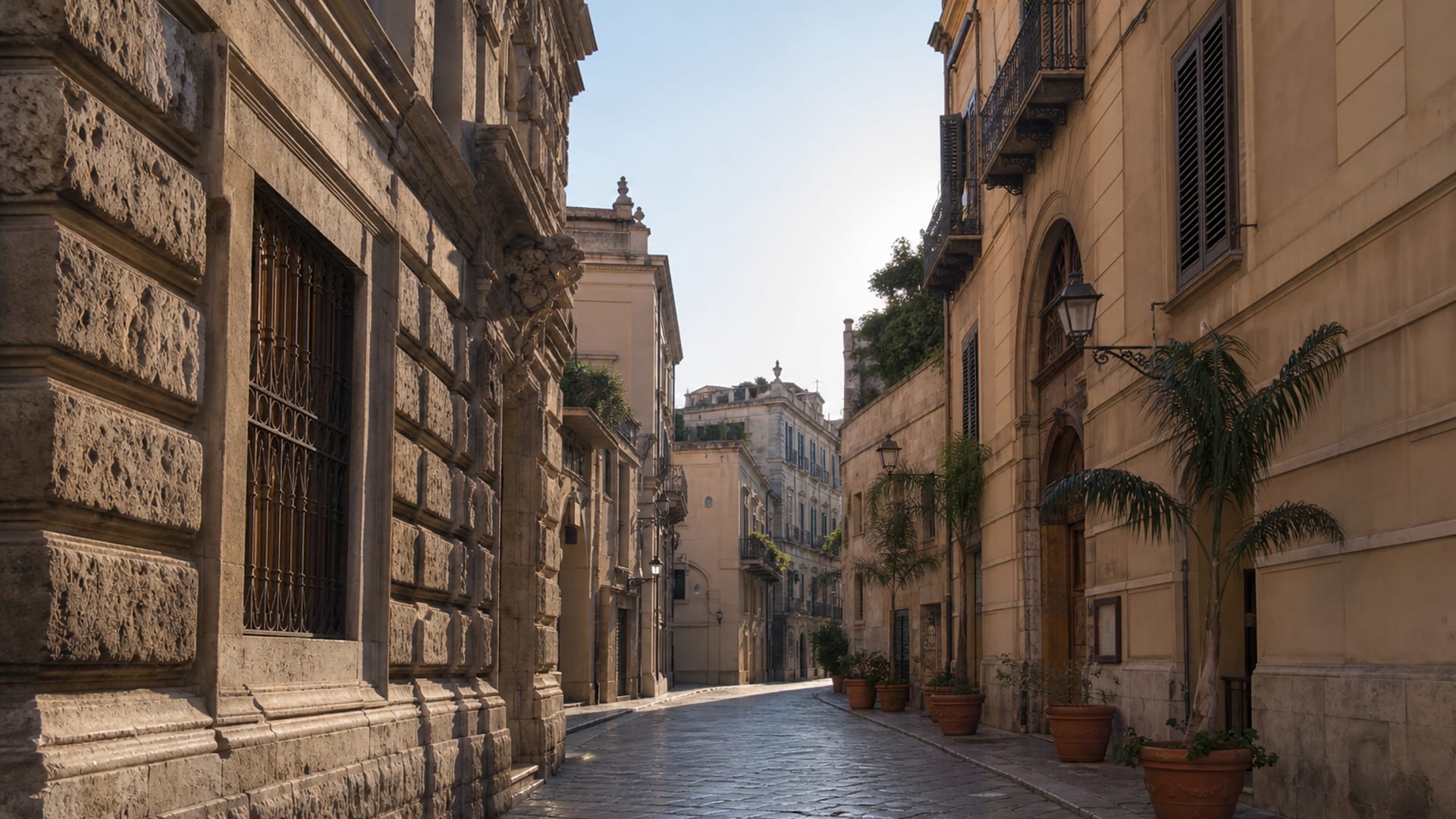
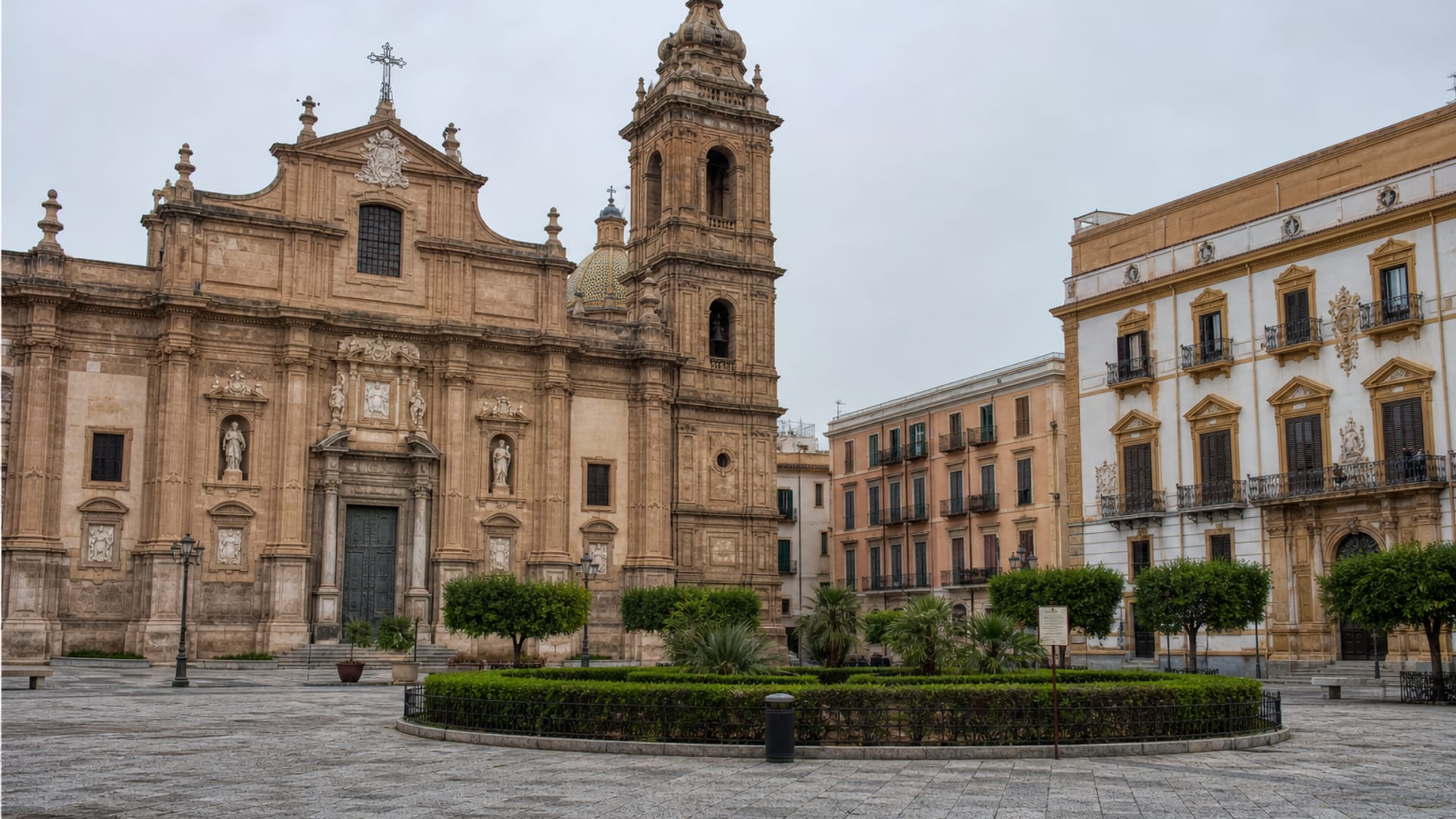
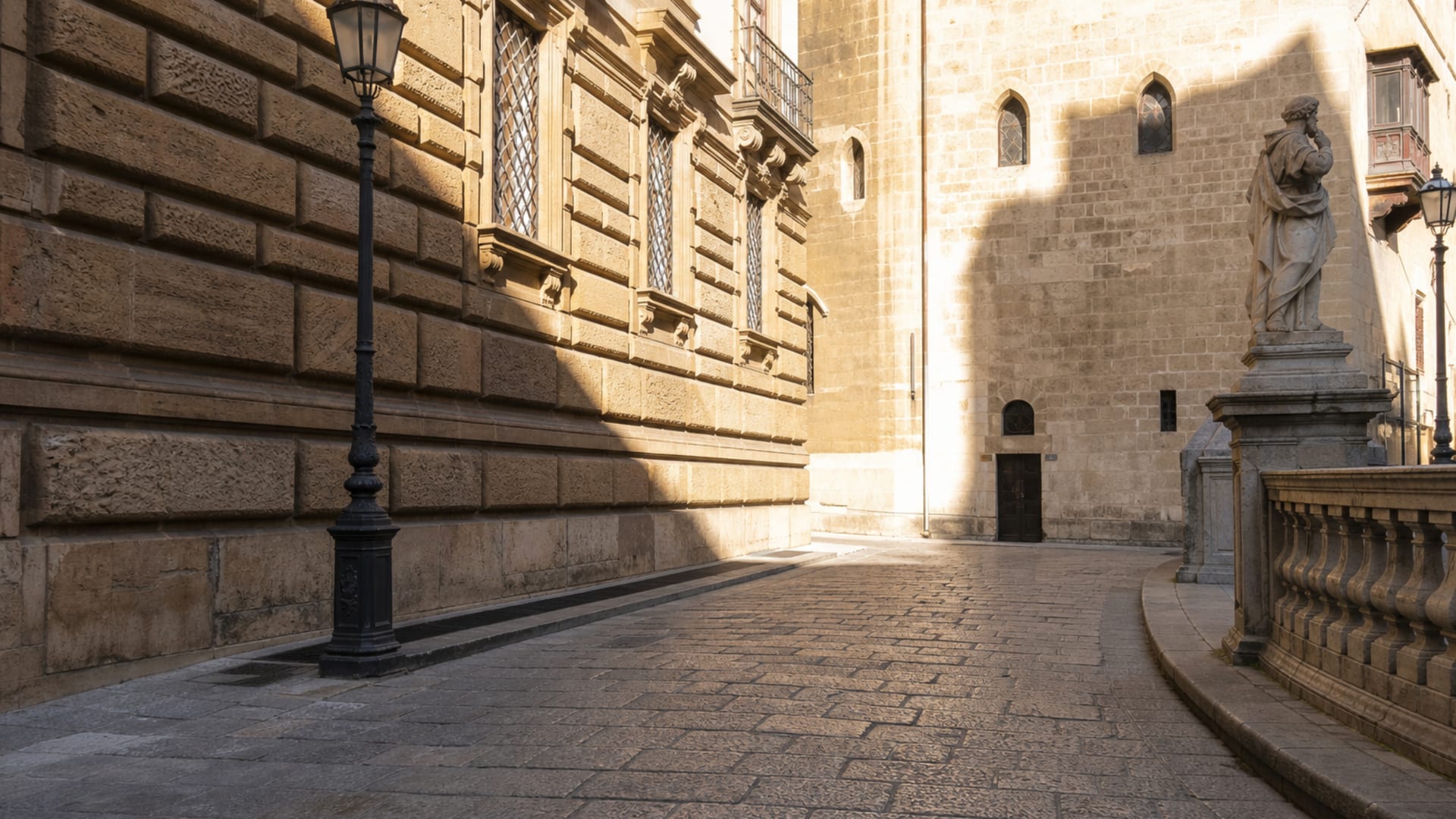
Palermo’s historic core wraps the cathedral, markets, churches, and narrow lanes that define the city center. Staying here puts major sights, restaurants, and late-evening street life within an easy walk, but the area can be busy and noisy near the main squares.
Best for: First-time visits, sightseeing, and travelers who want to move mostly on foot
What to expect: Heavy foot traffic by day, market noise, and a lot of people out in the evening.
Hotel prices: Usually about €120 to €220 (~$130 to ~$240) per night for well-rated stays
Distance to major sights: 5 to 15 minutes on foot to Palermo Cathedral and Quattro Canti
Quietness: Busy through the day and lively after dark, with calmer side streets a few blocks off the main routes.
Main trade-off: You pay more for centrality, and some buildings have stairs, small elevators, or street noise.
Good to know: Choose a room on a side street if you want sleep before midnight; the main squares stay active later than most parts of the city.
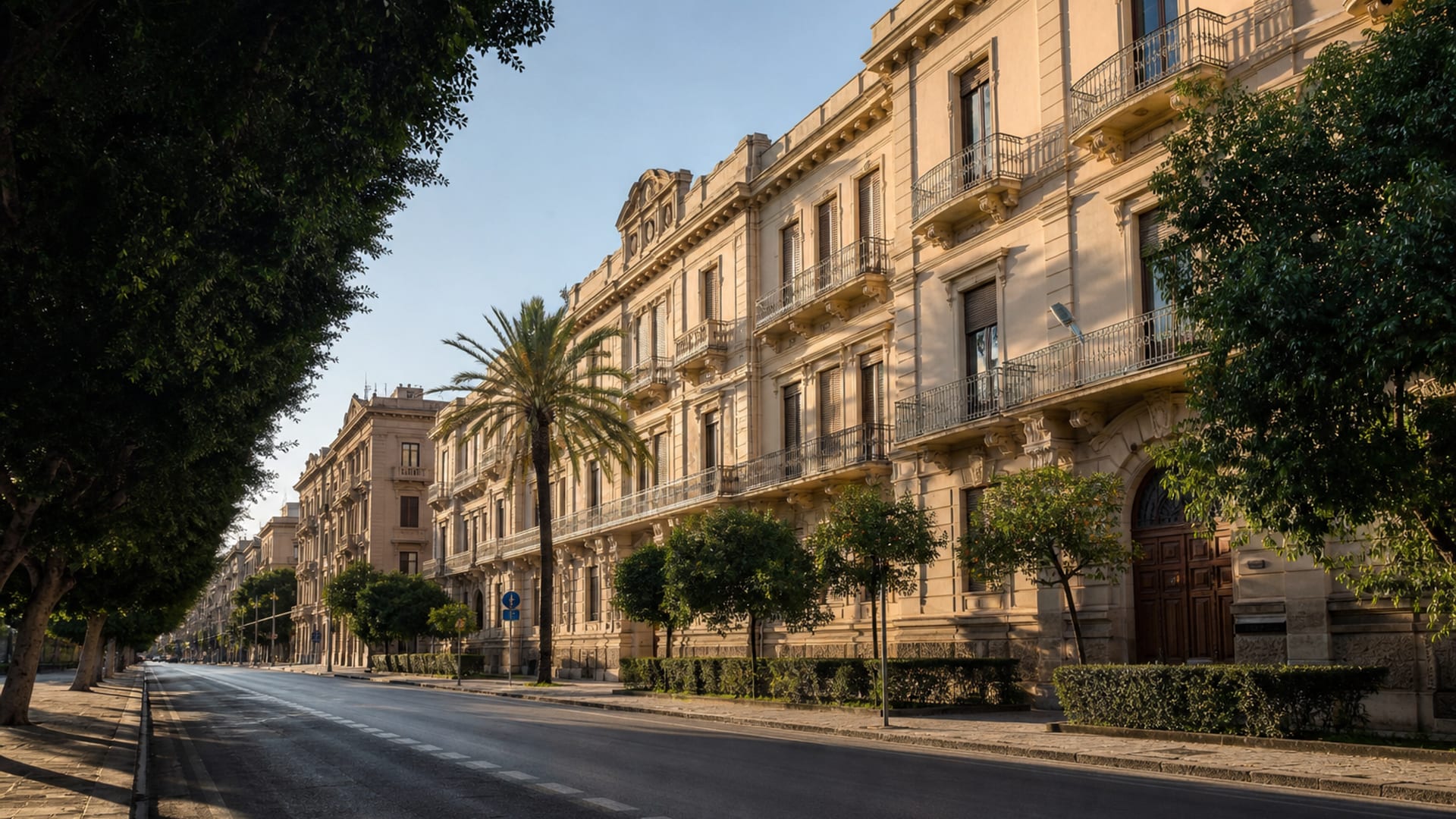
This central corridor stretches from Teatro Politeama into the broad avenues of Libertà, with hotels, cafes, and good bus links. It suits travelers who want a newer, more spacious base than the old town while staying close to shopping and transit.
Best for: Business stays, shopping, and travelers who want easier parking or wider streets
What to expect: A mix of office traffic, cafes, and local shoppers, with less tourist congestion than the historic center.
Hotel prices: Usually about €100 to €190 (~$110 to ~$205) per night for well-rated stays
Distance to major sights: 10 to 20 minutes on foot to Teatro Massimo, about 15 minutes by bus to Palermo Cathedral
Quietness: Quieter than the historic core during the day, with moderate evening activity near the main avenues.
Main trade-off: You will walk longer for the densest sightseeing, and the area has fewer character-filled lanes than the old town.
Good to know: This is one of the better parts of Palermo if you plan to use taxis or buses often, since the streets are wider and pickups are easier.
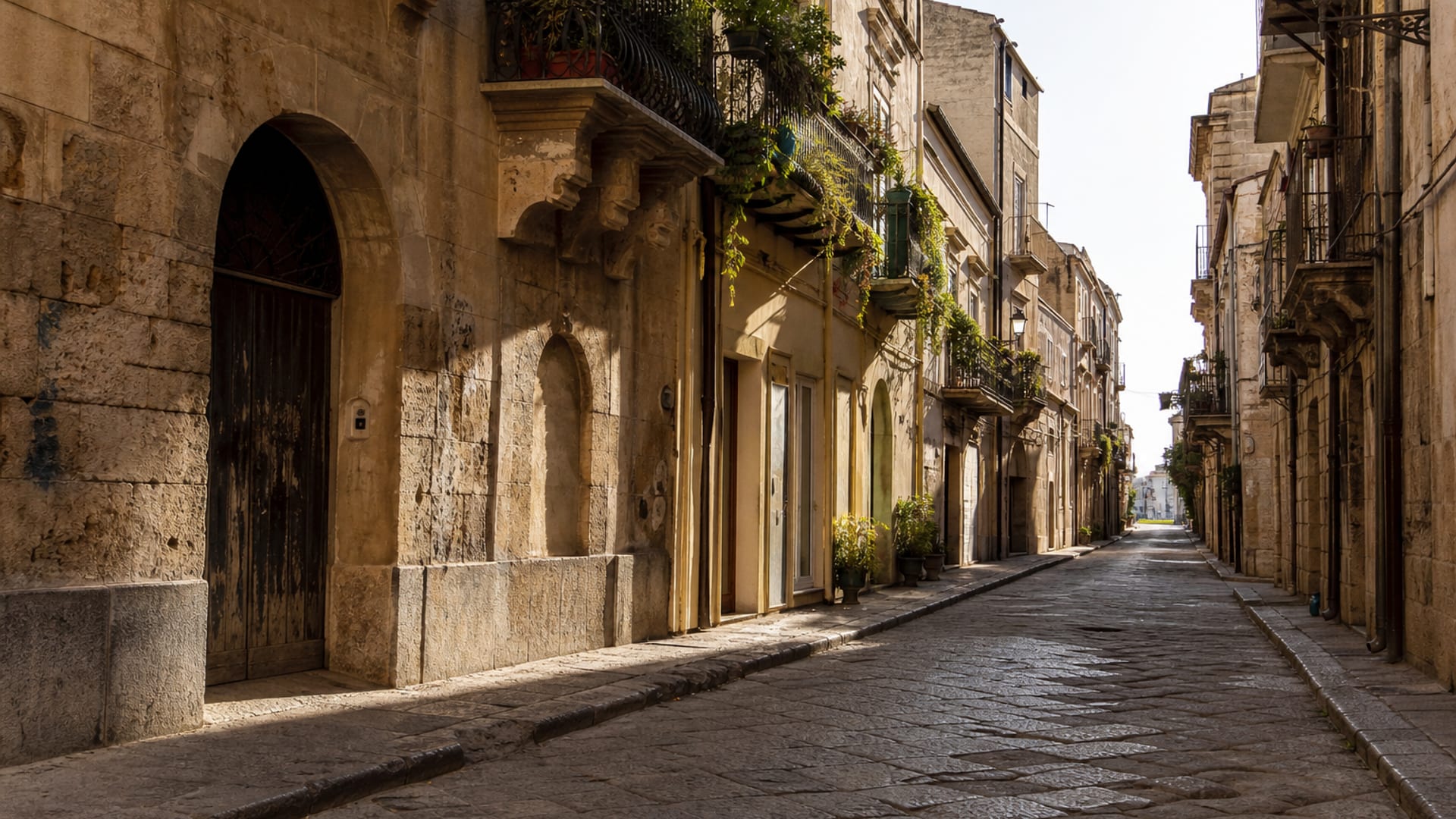
La Kalsa sits along Palermo’s old waterfront edge, close to Piazza Marina, churches, and the port-facing streets. It gives you direct access to the eastern historic center and a shorter walk to the train station than many other central areas.
Best for: Sightseeing, walkers, and travelers who want easy access to the station and eastern center
What to expect: Old streets, small squares, and steady daytime movement, with more atmosphere than polished storefronts.
Hotel prices: Usually about €90 to €170 (~$100 to ~$185) per night for well-rated stays
Distance to major sights: 10 to 15 minutes on foot to Quattro Canti, about 12 minutes on foot to Palermo Centrale
Quietness: Calmer in the morning and late evening than the main market streets, though certain blocks pick up activity at night.
Main trade-off: Some streets feel worn or uneven, and the area is less convenient if you want quick access to the western sights.
Good to know: If you plan early train departures, this area saves time, but check the exact block because some streets are livelier after dark.
Travelers usually avoid staying in Brancaccio and Sperone, which sit far from Palermo’s main sights and have fewer visitor-oriented amenities. The Fiera and Zen 2 areas are also less convenient for short stays, since they are outside the historic center and can mean longer evening rides back after dinner.
Hotel deals
How to get around Palermo efficiently
Palermo has no metro, so most visitors mix walking with the suburban rail, AMAT buses, and taxis, using each mode where it fits the block or the distance.

Suburban train
for longer distances
Palermo has no metro system, so the closest rail option is the suburban network, especially the Giachery, Notarbartolo, and Palazzo Reale-Orleans stops on regional services; a single ticket usually costs about $1 to $2, and rides within the core area take roughly 10 to 20 minutes.

Bus and tram
for convenience
AMAT buses cover the historic center, the seafront, and outlying districts, while the two tram lines mainly serve the eastern and southern edges of the city; a standard ticket is about $1.50, valid for 90 minutes, and you can buy it at tabacchi, ticket machines, or by app in many cases.

Taxi
for convenience or late hours
Licensed taxis use metered fares, with an airport trip from Palermo (PMO) to the center usually costing about $44 to $55 by day and a little more at night, while short city rides often land in the $9 to $20 range; use the official rank or phone a radio-taxi, and cards are accepted by many drivers but not all.
*Prices are based on rates updated as of June 2026 and may change at the time of travel.
Walk for the historic center, use buses or regional rail for longer cross-town stretches, and call a taxi when you need the airport, Mondello, or a late return after dinner.
Iconic landmarks
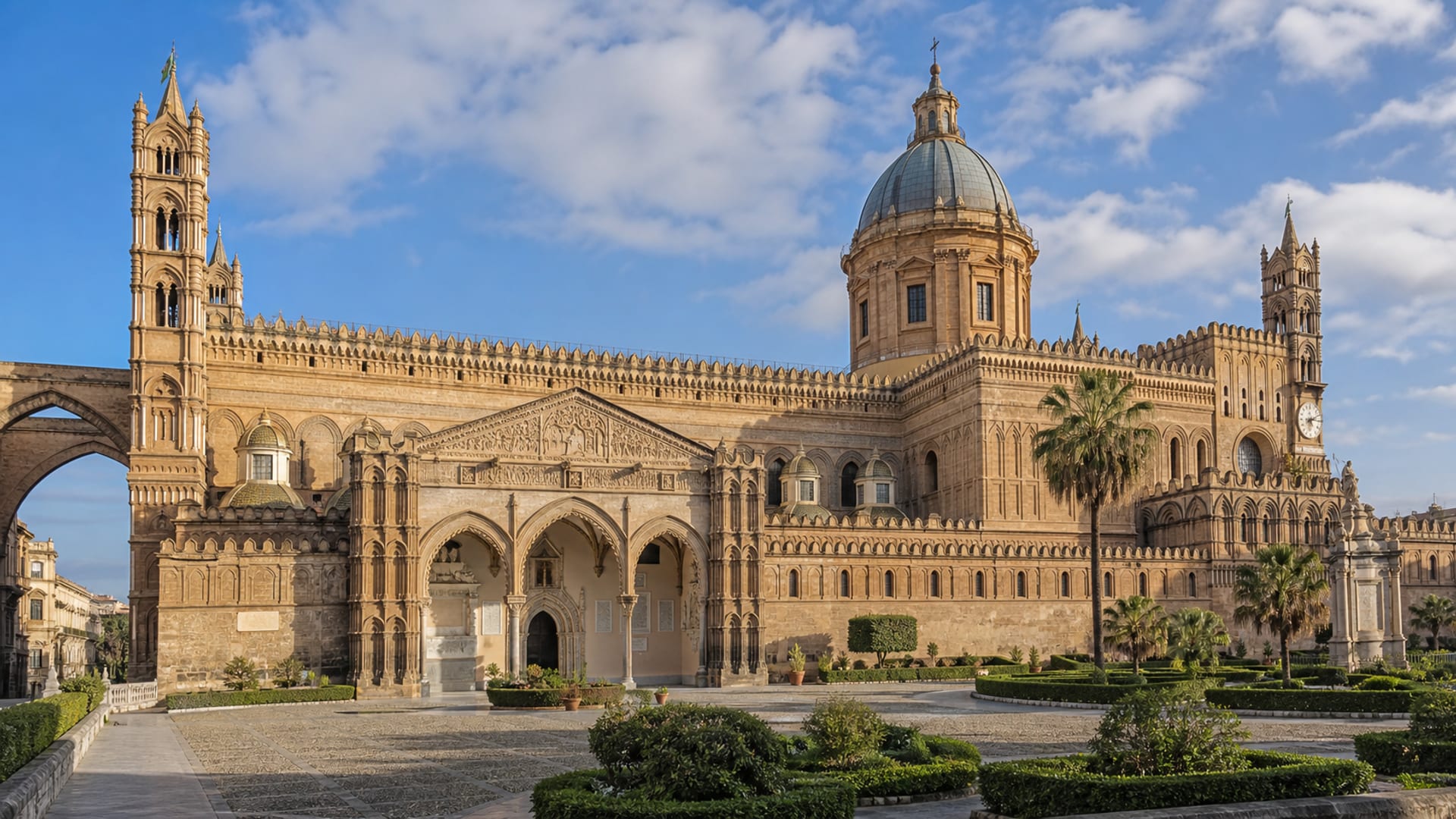
Palermo Cathedral
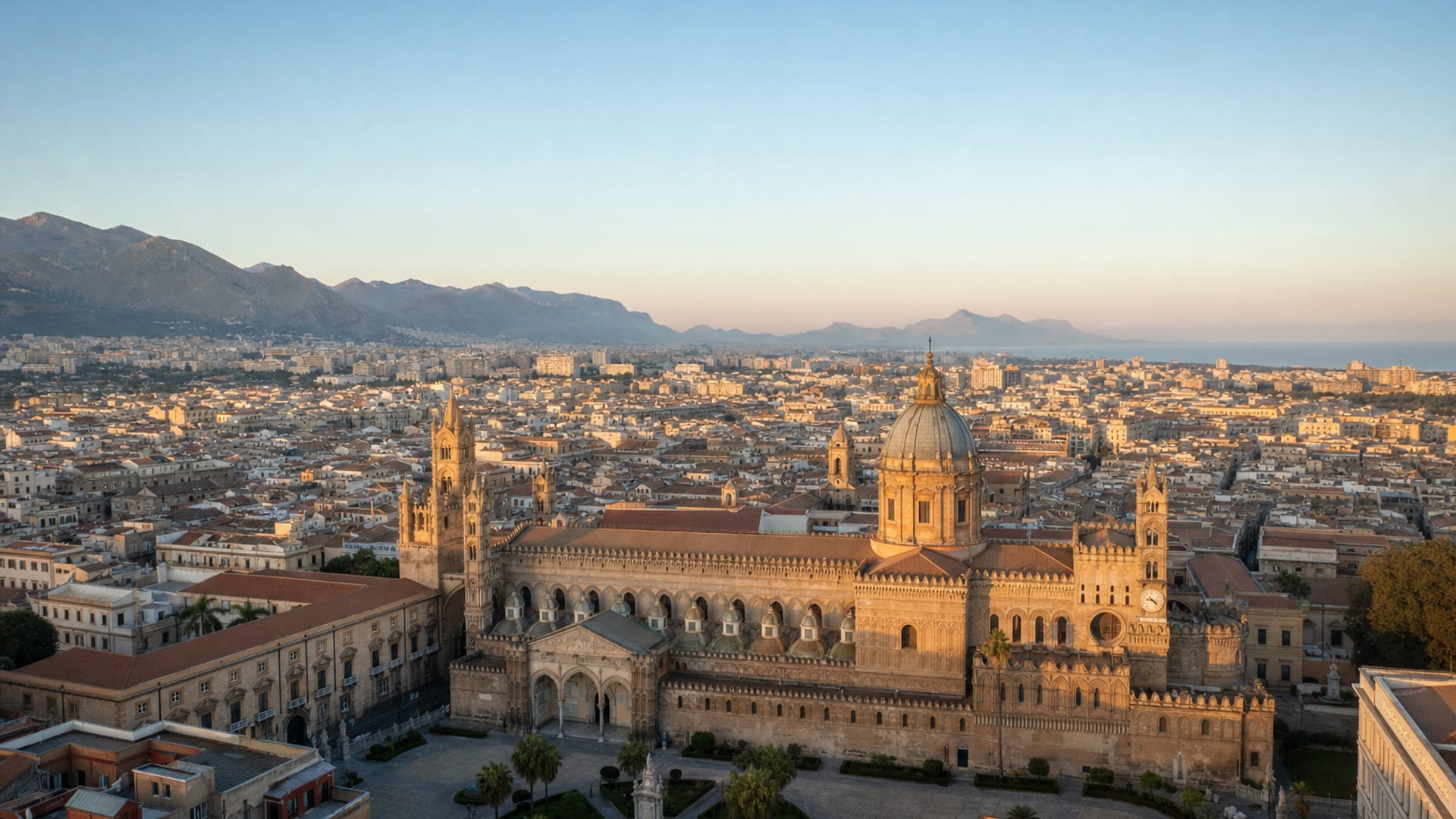
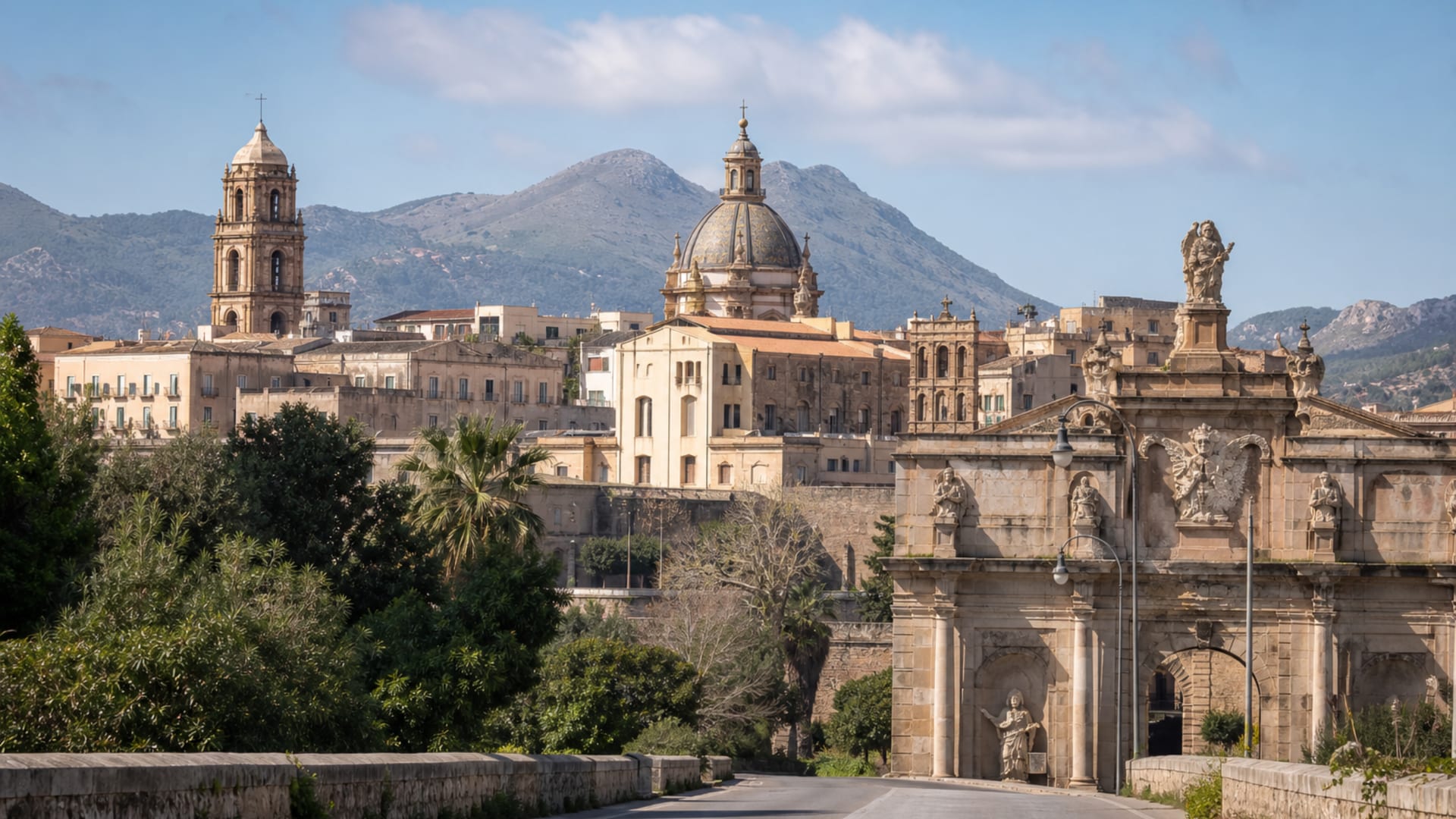
Palermo Cathedral blends Norman, Gothic, Baroque, and neoclassical layers, with royal tombs, a treasury, and rooftop views over the old center. Its exterior alone shows eight centuries of change in one site.
Time needed: About 1 to 2 hours
Entry: Standard tickets cost $9 to $12 (€8 to €11), with rooftop access and some areas priced separately by season and route Visit the official site for details.
Tip: Go early for quieter nave visits, then climb before midday heat builds on the roof.
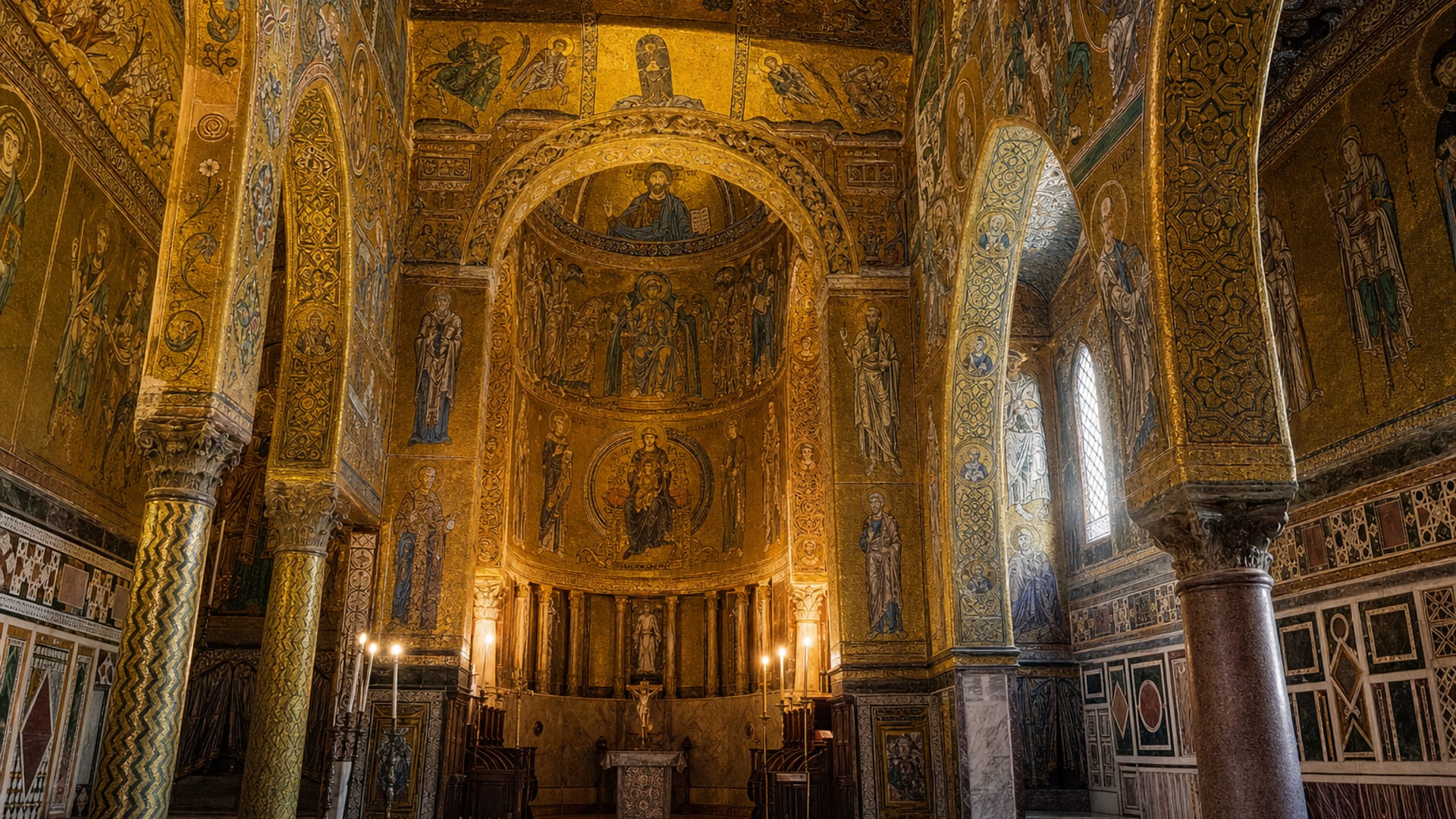
Palatine Chapel
Inside the Norman Palace, the Palatine Chapel pairs Byzantine mosaics, Arabic decorative detail, and a carved wooden ceiling in one compact space. It is one of Palermo’s most important medieval interiors.
Time needed: About 45 minutes to 1 hour
Entry: Standard tickets cost $15 to $18 (€14 to €17), and combined palace access usually includes the chapel plus adjoining state rooms Visit the official site for details.
Tip: Visit at opening if you want the mosaics with fewer people standing between you and the apse.
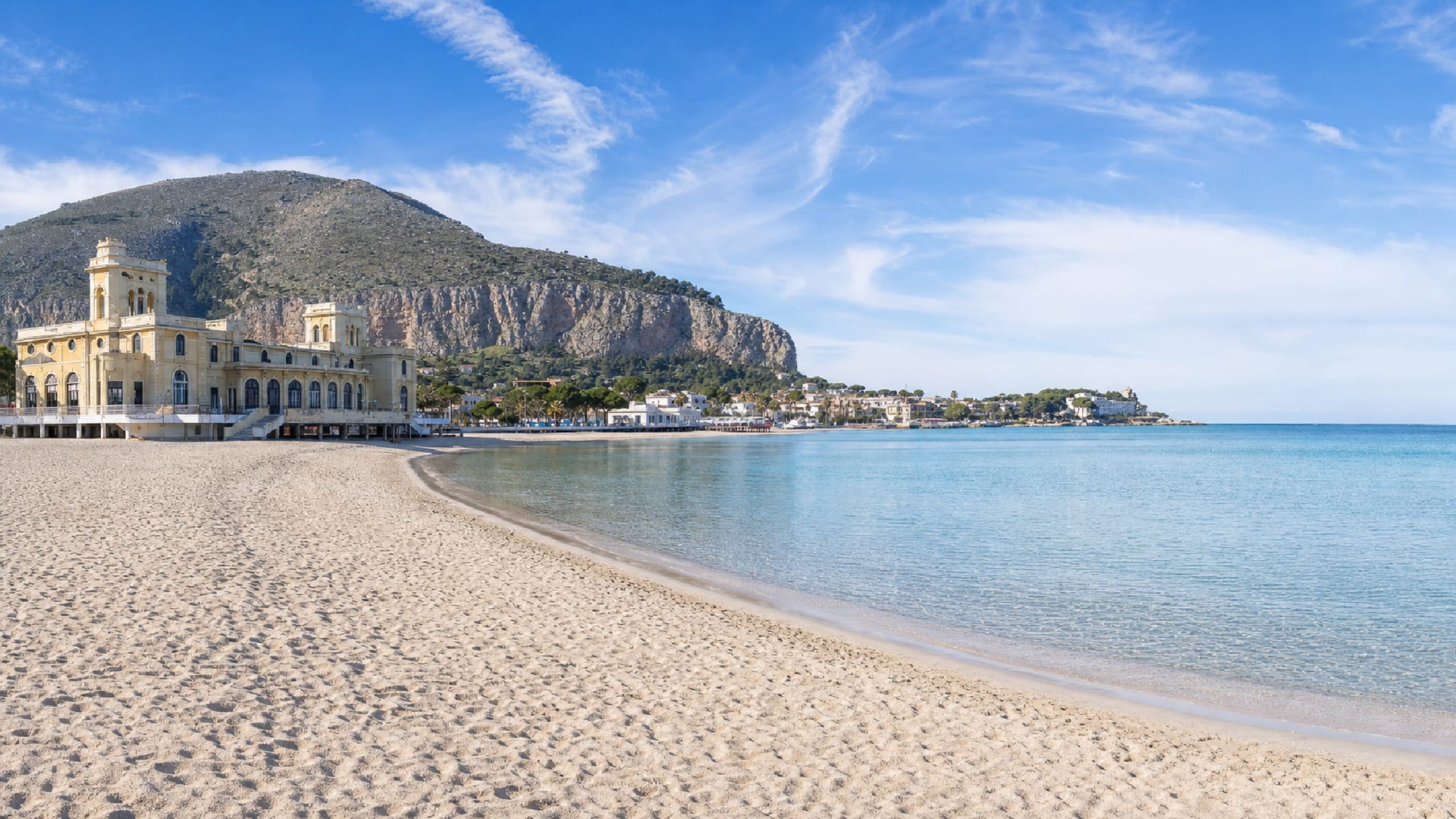
Mondello Beach
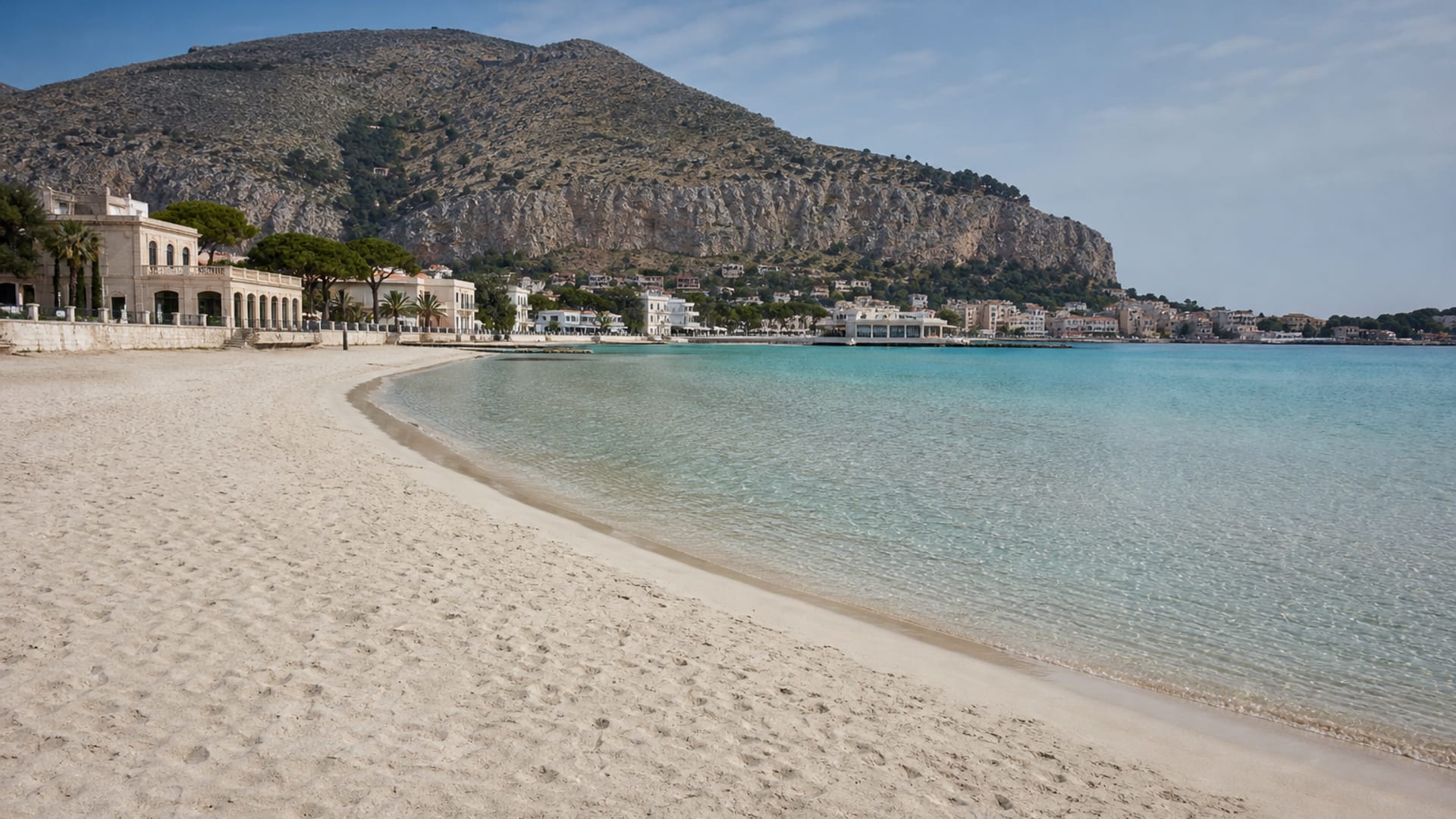
Mondello Beach sits in a crescent of pale sand about 11 km from central Palermo, with shallow water and a long Art Nouveau seafront. It gives the city an easy coastal stop without leaving the municipal area.
Time needed: About 2 to 3 hours
Entry: Free to access, with paid sunbed and umbrella rentals available from private beach clubs along the shore in season.
Tip: Arrive early in summer, when shade is limited and the water stays calmest before noon.
Overlooked sites worth visiting

Zisa Castle and Museum of Islamic Art
This 12th-century Norman-Arab palace pairs muqarnas ceilings with a compact museum on Islamic art. The western side garden gives a quiet break from Palermo’s busier center.
Time needed: About 1 to 2 hours
Entry: Standard admission costs about $7 ($6) for adults, with reduced tickets for eligible visitors. The museum usually sells separate access for special exhibitions, and the surrounding garden is included with palace entry.
Tip: Visit in late afternoon for softer light in the garden.

Orto Botanico di Palermo
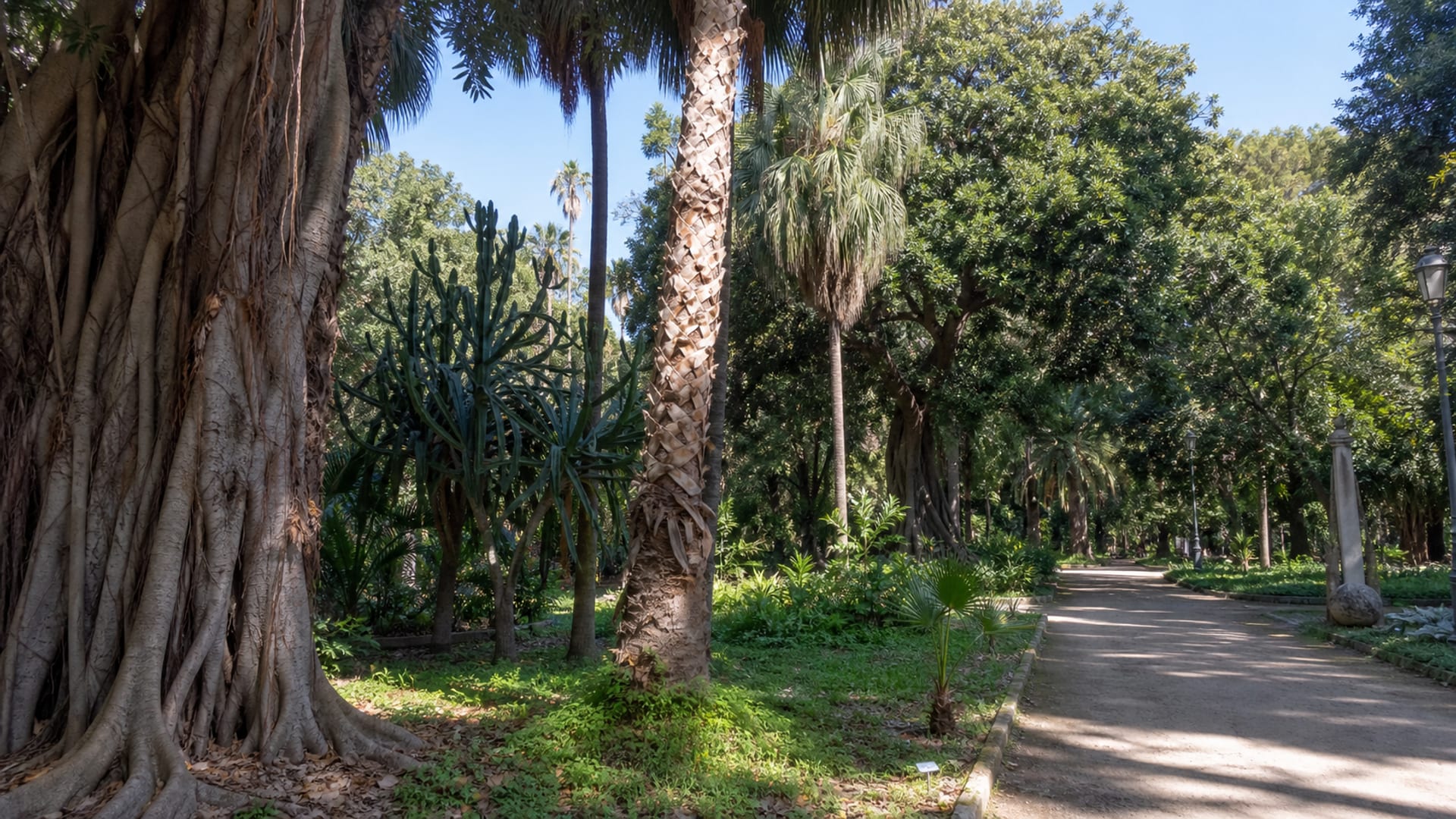
Palermo’s botanical garden covers about 30 acres and holds palms, giant ficus trees, and a water lily basin. Its labeled beds make it one of the city’s best low-key places for a slow walk.
Time needed: About 1 to 1.5 hours
Entry: Admission is about $6 ($5) for adults, with discounts for students and children. Tickets are sold on site, and the garden opens by season, so hours can change between summer and winter Visit the official site for details.
Tip: Go early, before midday heat settles over the paths.
Traditional food
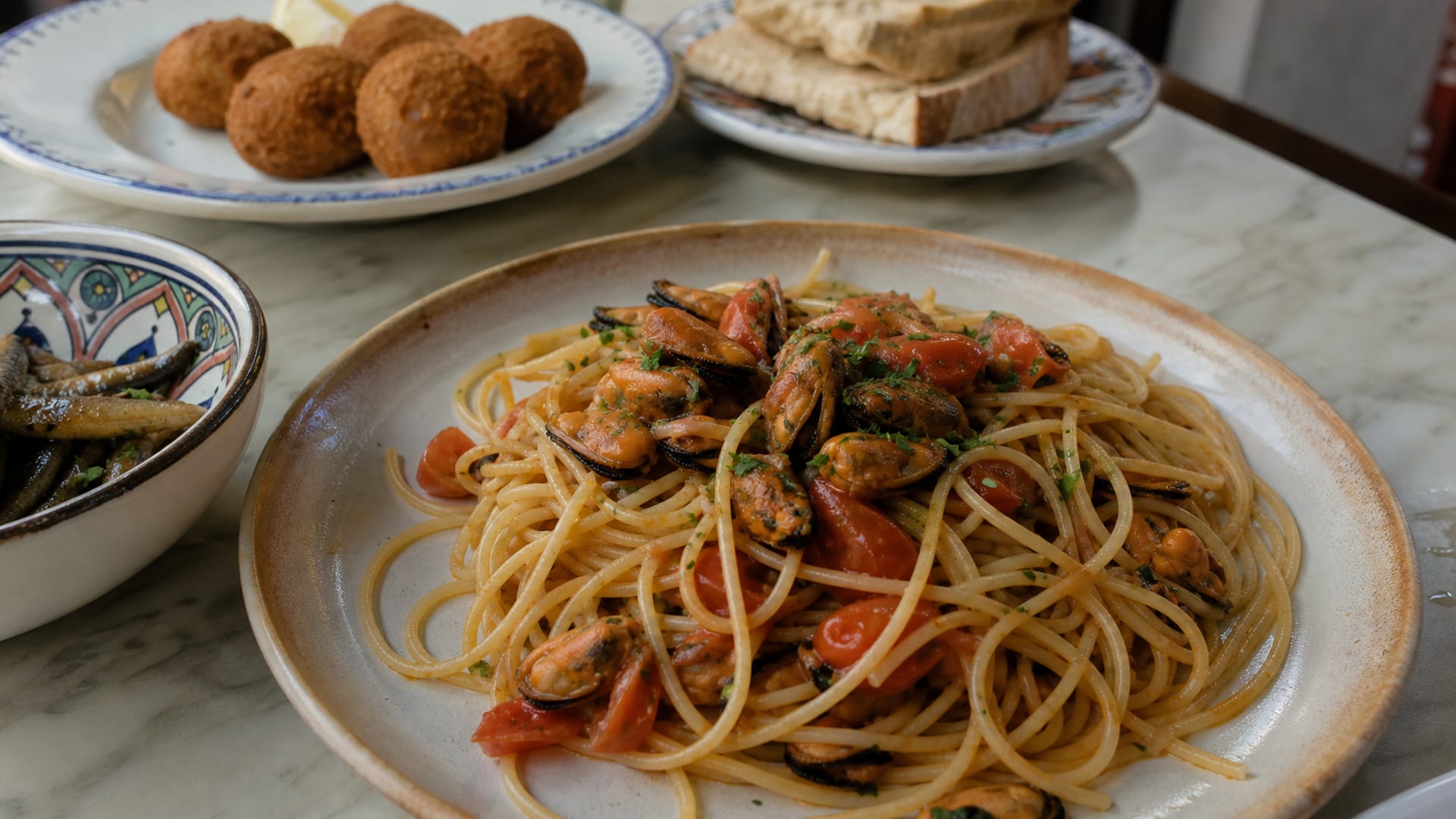
Palermo’s cooking leans on fried street food, seafood, citrus, almonds, and bright tomato sauces, then ends with sweets that show how deeply the city values pastry and coffee breaks. Arancina, pasta alla Norma, cannoli, and panelle all belong here.
Arancina
A saffron rice ball with a crisp shell and a savory filling, often meat, peas, or cheese. Antica Focacceria San Francesco is one of Palermo’s classic addresses for it.
Pasta alla Norma
Pasta with tomato sauce, fried eggplant, basil, and salted ricotta, built on simple ingredients with strong contrast. Osteria Mercede is a dependable Palermo stop for a well-made version.
Cannoli
Crisp pastry tubes filled with sweet ricotta, often finished with pistachios or candied fruit. Pasticceria Cappello is one of the city’s best-known places for them.
Panelle
Chickpea fritters served hot, often in bread or as a quick snack between sights. Ke Palle has built a following around Palermo street food and is a strong place to try them.
Best time to visit Palermo
Palermo works best in spring and fall, when walking days stay comfortable, while summer pushes many visitors toward early starts, shaded breaks, and a slower midday pace.
Best for: Sightseeing, gardens, and long walks through the center
What you get: About 55 to 76°F (13 to 24°C), with moderate crowds and comfortable daylight for outdoor stops
Trade-offs: Easter and spring weekends can bring heavier demand at major sights
Best for: Beach time, late dinners, and early museum visits
What you get: About 72 to 91°F (22 to 33°C), with the busiest feel in coastal areas and more people on the seafront
Trade-offs: Heat and midday sun can make long walking stretches tiring
Best for: Balanced sightseeing, food trips, and easier city walks
What you get: About 61 to 81°F (16 to 27°C), with lighter pressure than peak summer and good conditions for mixed itineraries
Trade-offs: Autumn rain can interrupt an outdoor afternoon
Best for: Museums, churches, and quieter hotel stays
What you get: About 46 to 61°F (8 to 16°C), with the calmest streets and fewer visitors at major landmarks
Trade-offs: Shorter days and occasional rain limit beach plans
A realistic 5-day plan in Palermo
Five days in Palermo works well when you group sights by area instead of crossing the center repeatedly. The sequence below keeps the first days on foot in the historic core, then shifts east, west, and finally back to the neighborhoods that make departure day easier.
Land at Palermo (PMO) and take a taxi or prebooked transfer into Centro Storico, which usually takes about 35 to 45 minutes and costs roughly $35 to $50 (€32 to €46), depending on traffic and luggage. If you prefer to stay somewhere easier for arrivals, Politeama-Libertà works well for the first night, with wider streets, simpler taxi pickup, and hotels usually about €100 to €190 (~$110 to ~$205) per night. Check in, drink water, and keep dinner close by, then walk to a nearby trattoria or cafe in Politeama or the quieter edge of the historic center for something light rather than a long meal.
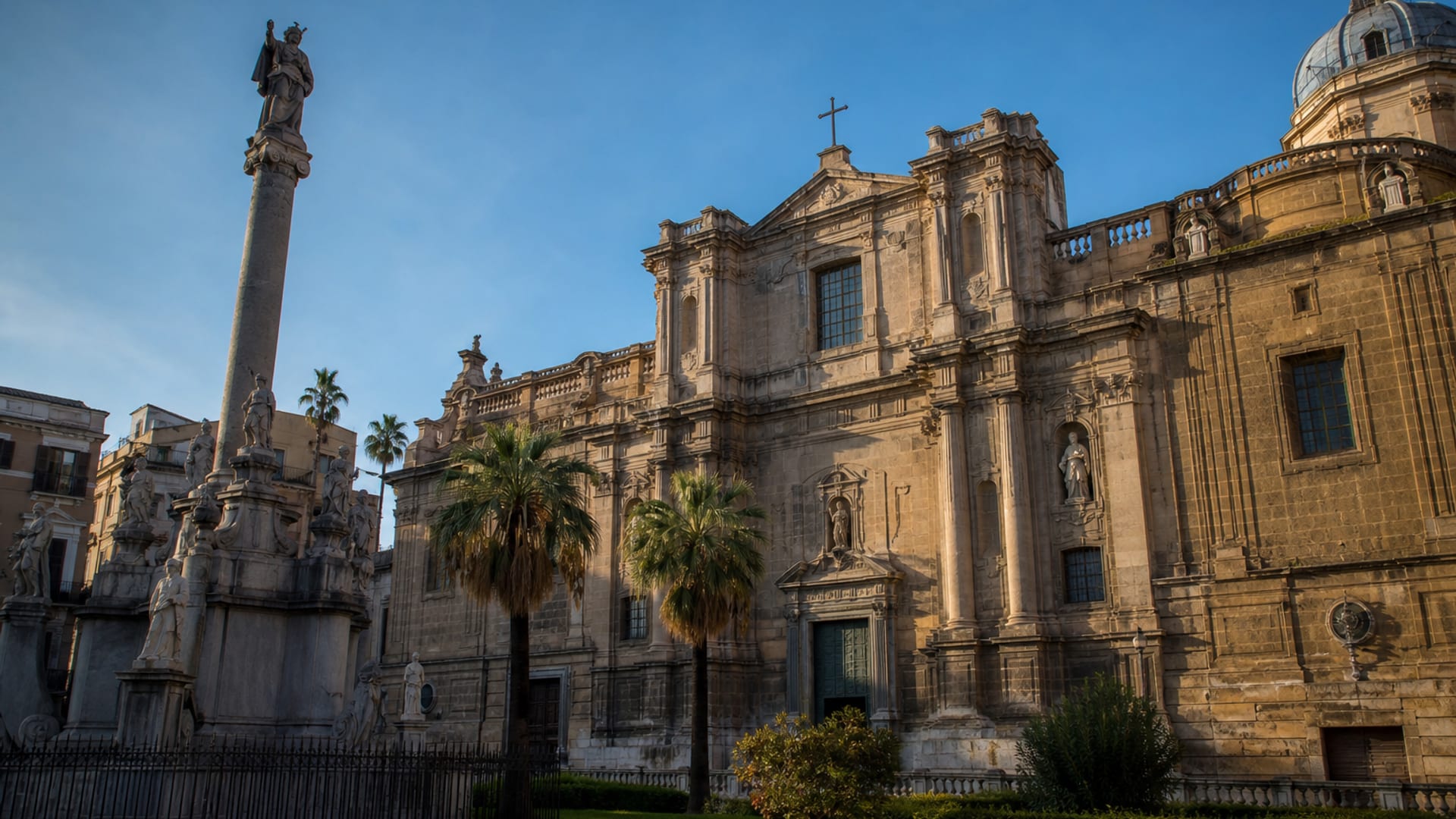
Start early at Palermo Cathedral, then walk about 10 minutes to the Norman Palace and the Palatine Chapel for the mosaics before the day gets crowded. From there, it is a short walk back through the center to Quattro Canti and on to Piazza Pretoria, with easy street-level sightseeing between stops. Finish with an unhurried lunch in Centro Storico, then spend the afternoon in the same district so you can move between churches, lanes, and squares on foot without relying on transit.
A good middle day pairs the Orto Botanico di Palermo with La Kalsa, because the two are close enough to link without a long ride. Reach the garden first, spend about 1 to 1.5 hours there, then walk about 15 minutes into La Kalsa for Piazza Marina and the surrounding streets near the old waterfront. In the afternoon, continue to the train station area if you want an easy café stop, or stay in the neighborhood for a slower loop through the eastern historic center before dinner.
Head west in the morning to Zisa Castle and Museum of Islamic Art, which sits about 15 to 20 minutes by taxi from the historic core. After about 1 to 2 hours there, continue to Mondello Beach, roughly 30 to 40 minutes away by taxi or bus depending on traffic, for a coastal break and lunch near the seafront. Spend the rest of the day by the water, then return to Palermo for an early dinner in Politeama-Libertà or back in Centro Storico if you want a livelier evening.
Begin with one last museum stop if you missed Zisa Castle and Museum of Islamic Art earlier in the trip, or revisit the Orto Botanico di Palermo for a final hour among the palms and ficus trees. After that, shift to shopping in Politeama-Libertà, where the broad avenues make it easy to browse stores and pick up last-minute gifts without pushing deep into the old town. End with coffee or gelato in La Kalsa near Piazza Marina, then head back to your hotel with enough time for luggage and an unhurried transfer to Palermo (PMO).
Business-class flights from the US to Palermo
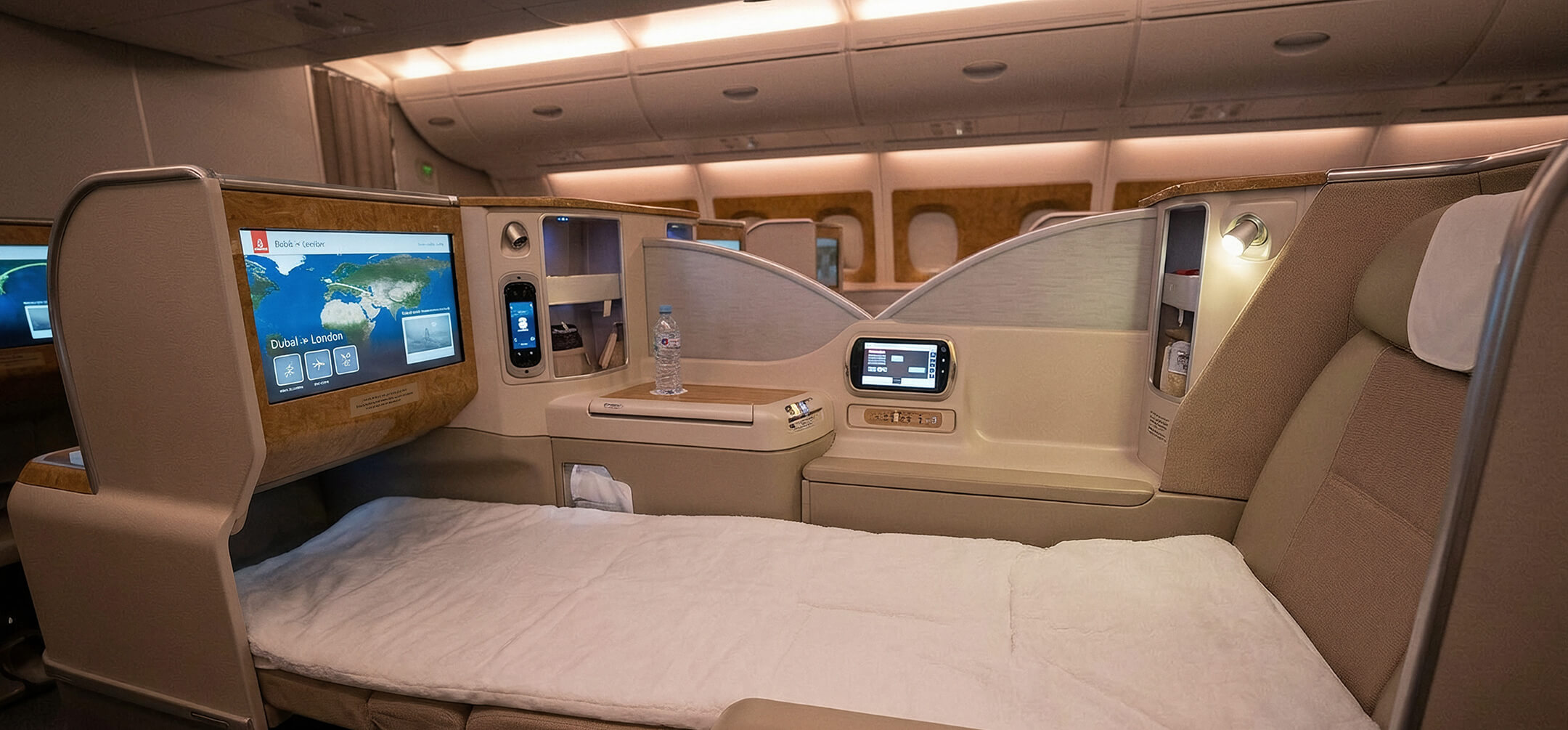
Palermo flight planning usually comes down to one-stop itineraries, and the best fares shift with the airline, the hub, and how long you are willing to connect. The two examples below show what that looks like from New York and Los Angeles.
From New York, ITA Airways, Lufthansa, Turkish Airlines, Air France, and Iberia commonly sell itineraries to Palermo (PMO), and round-trip fares usually start at $1,700 and can reach $4,000, with nonstop pricing higher when available.
Los Angeles itineraries usually route through FCO, FRA, MUC, IST, CDG, or MAD on ITA Airways, Lufthansa, Turkish Airlines, Air France, or Iberia. Round-trip fares run about $1,900 to $4,500, and choosing a layover often trims the price.
Palermo feels different when you slow down
A deliberate Palermo trip keeps the cathedral, the Norman Palace, and Quattro Canti together, then opens space for La Kalsa, the Orto Botanico, and a west-side day at Zisa or Mondello without forcing long returns across the city. If you want help matching neighborhoods, transit, and flight timing to your dates, AranGrant experts can build the route around Palermo’s streets, not against them