

Chapters:

Need help with your trip?
Our support team is available 24/7. Request a callback or call us directly at (833) 619-0908
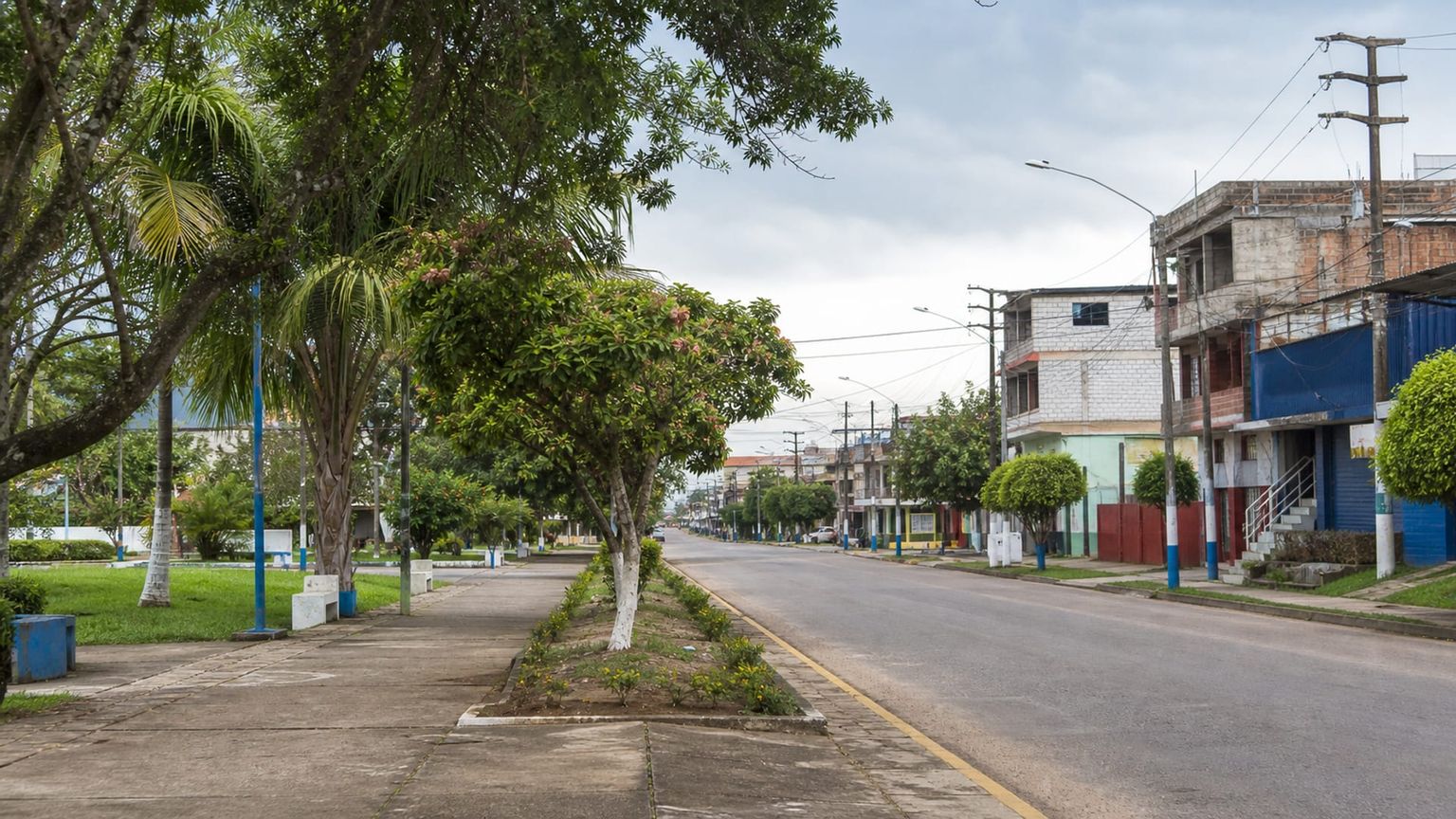
Pucallpa trips often start with a taxi from the airport to the Plaza de Armas or Malecón Grau, then a quick look at the square before moving on. Travelers usually miss how much the lagoon, the museum, and the waterfront each need separate time.
That approach leaves too much to chance. Distances are short enough to split the city into clear zones, but midday heat, traffic on main avenues, and the spread between center and Yarinacocha can make a rushed plan feel scattered.
This guide keeps the city in sections, with a center-first arrival, a lagoon day, and a last day that fits a museum stop before departure.
Useful things to know

Main language(s): Spanish
Hola (OH-lah) – Hello
Por favor (por fah-VOR) – Please
Gracias (GRAH-syahs) – Thank you
¿Habla inglés? (AH-blah een-GLAYS) – Do you speak English?
¿Cuánto cuesta? (KWAHN-toh KWES-tah) – How much does it cost?

Currency: The local currency is the Peruvian sol (PEN, S/).

Cash and cards: Cards and contactless are limited, so carry about S/100 to S/150 ($27 to $40) in cash.

Tipping: Round up small bills; leave about 5-10% in restaurants if service is not included.

Traditional food: Juane, tacacho con cecina, inchicapi, patarashca

Water and coffee costs: Water ~S/3 ($1), bar espresso ~S/7 ($2).

Taxis and ride apps: InDriver and Uber operate here; confirm the fare before you start.

Plug and voltage: Type A/C socket, 220V

Dining and shop opening hours: Breakfast is about 07:00-09:00, lunch 12:00-14:00, and dinner 19:00-22:00. Some smaller places close in the afternoon.

Emergency number: 105 for police, 116 for fire, 106 for ambulance.
Where to stay in Pucallpa
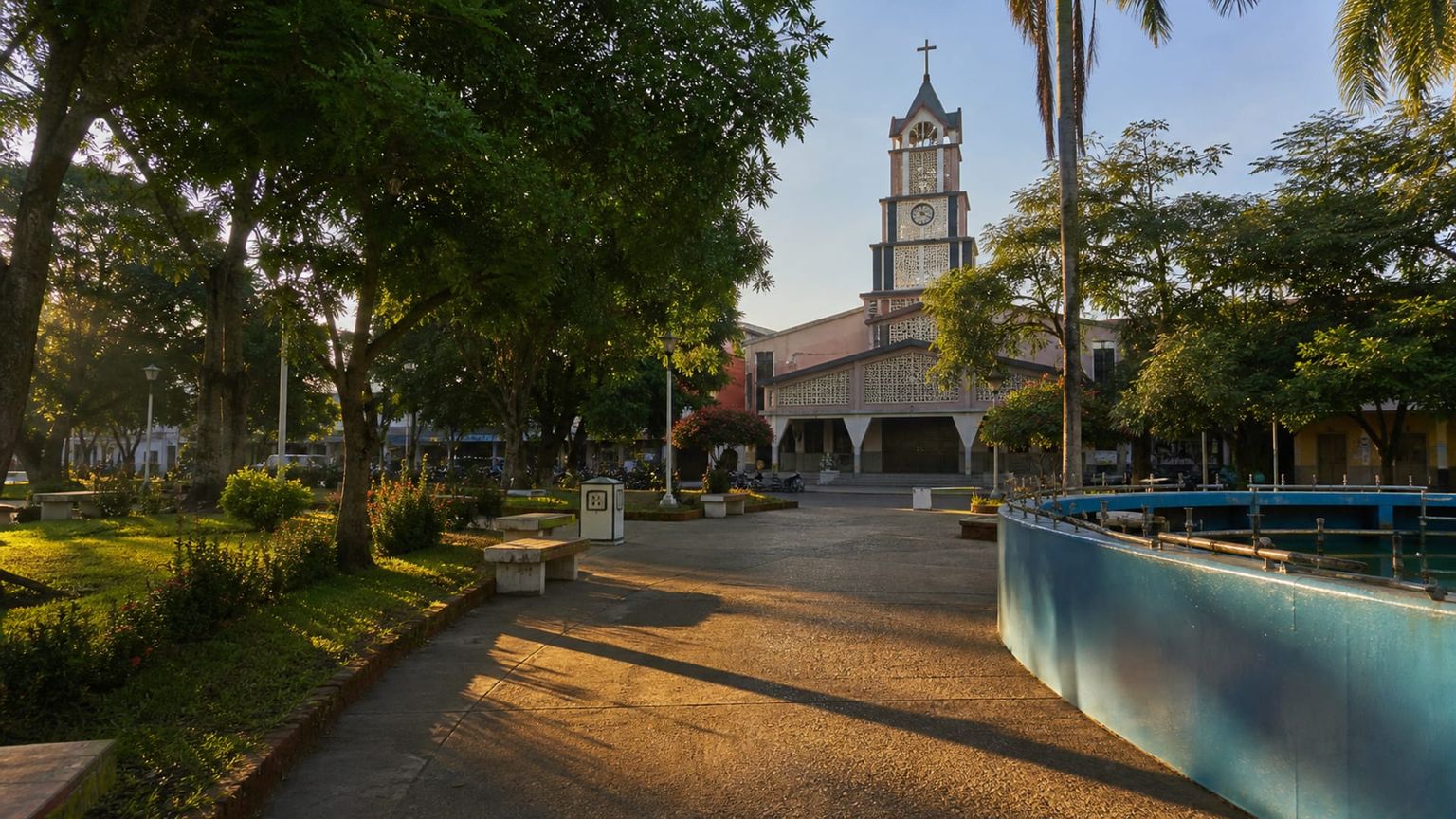
Pucallpa’s civic center puts you near the main square, government offices, banks, and the densest cluster of shops and cafés. It suits visitors who want the easiest read on the city and short rides to the riverfront and central market.
Best for: Central sightseeing, errands, and travelers who want short rides to key downtown stops
What to expect: Busy daytime sidewalks, taxis along the main avenues, and the most activity near the square and market.
Hotel prices: Usually about $30 to $80 per night for well-rated stays
Distance to major sights: About 5 to 10 minutes on foot to Plaza de Armas; about 10 to 15 minutes by taxi to the waterfront.
Quietness: Active in the day, then noticeably calmer after shops close in the evening.
Main trade-off: You pay for the most central location, and some rooms face traffic or late pedestrian noise.
Good to know: Choose a room away from the main avenue if you want to sleep early, because street activity is highest near the square.
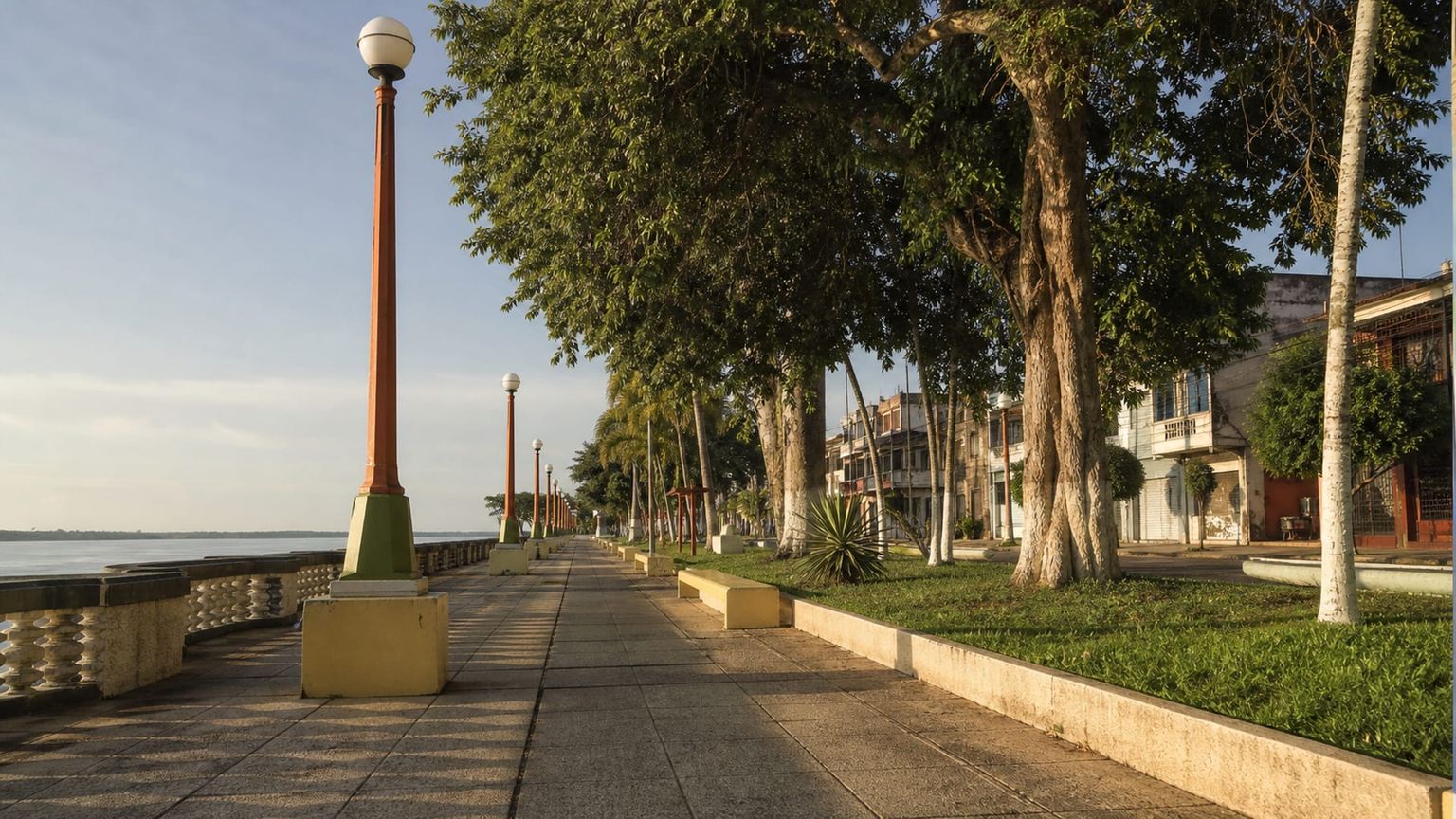
This riverfront stretch lines you up with the Ucayali and the city’s evening promenade. It works well for travelers who want open views, easy access to the waterfront, and a base near casual restaurants and boat departures.
Best for: River views, evening walks, and travelers who want to stay near the waterfront
What to expect: More foot traffic at sunset, vendors and diners along the promenade, and a livelier feel near riverside venues.
Hotel prices: Usually about $35 to $90 per night for well-rated stays
Distance to major sights: About 5 minutes on foot to the Ucayali waterfront; about 15 minutes by taxi to Plaza de Armas.
Quietness: Busier at sunset and early evening, then quieter late at night once the promenade thins out.
Main trade-off: The setting is attractive, but rooms closest to the malecón can pick up evening noise from the promenade.
Good to know: Ask for a high-floor or rear-facing room if you want less sound from riverside traffic and evening gatherings.
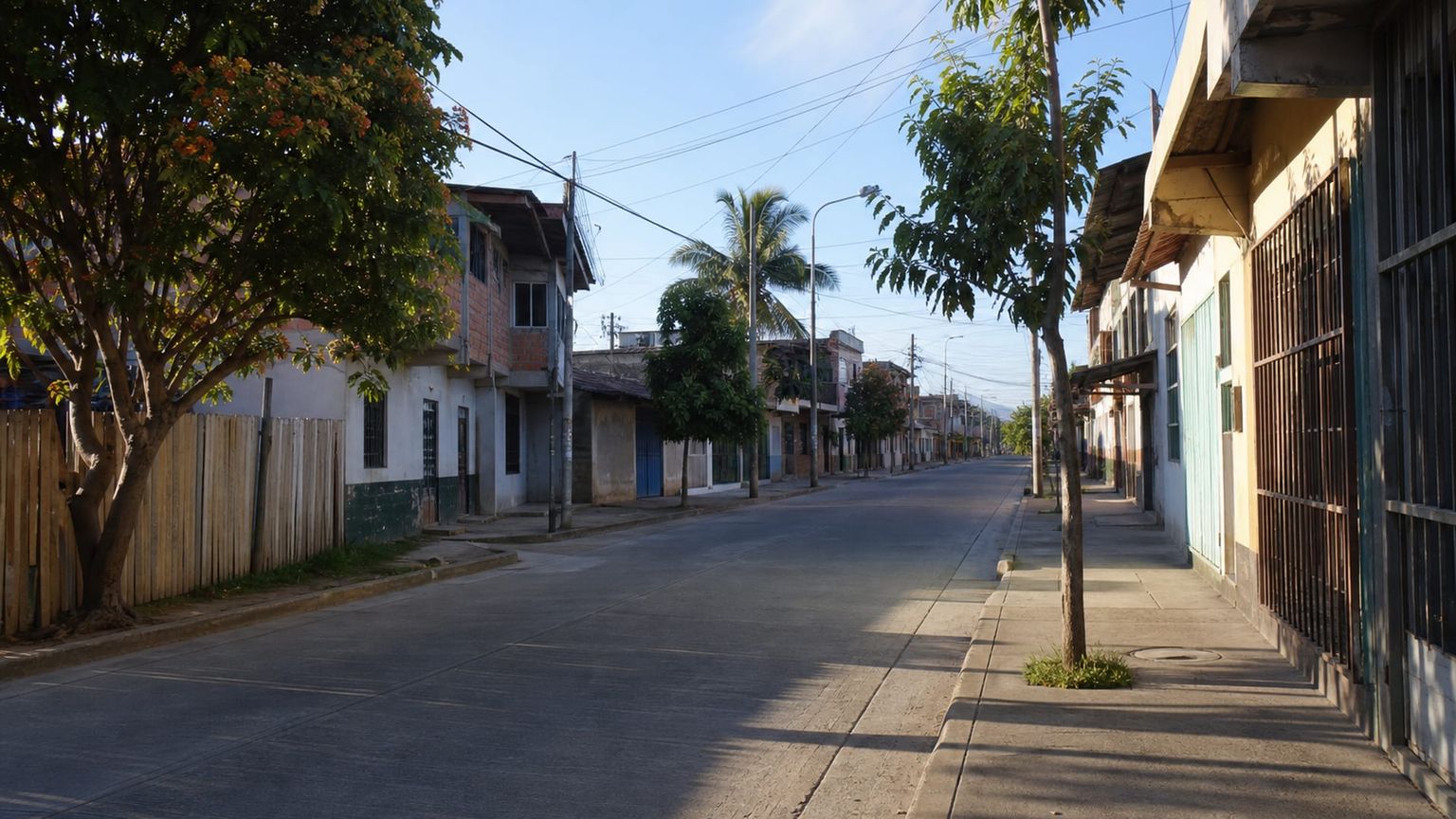
Callería covers a broad central district with markets, everyday services, and many midrange hotels. It is a sensible base if you want a local feel without leaving the main urban area or relying on long cross-city rides.
Best for: Midrange stays, everyday errands, and visitors who want an urban base with local activity
What to expect: Dense daytime traffic, market movement, and a mix of residential blocks and commercial streets.
Hotel prices: Usually about $25 to $70 per night for well-rated stays
Distance to major sights: About 10 to 15 minutes by taxi to Plaza de Armas; about 10 minutes by taxi to the riverfront.
Quietness: Busy through the day, with quieter residential side streets in the evening.
Main trade-off: You get more choice on price and rooms, but the district is spread out and less walkable than the center.
Good to know: Confirm the exact block before booking, because two hotels with the same district name can sit several minutes apart by taxi.
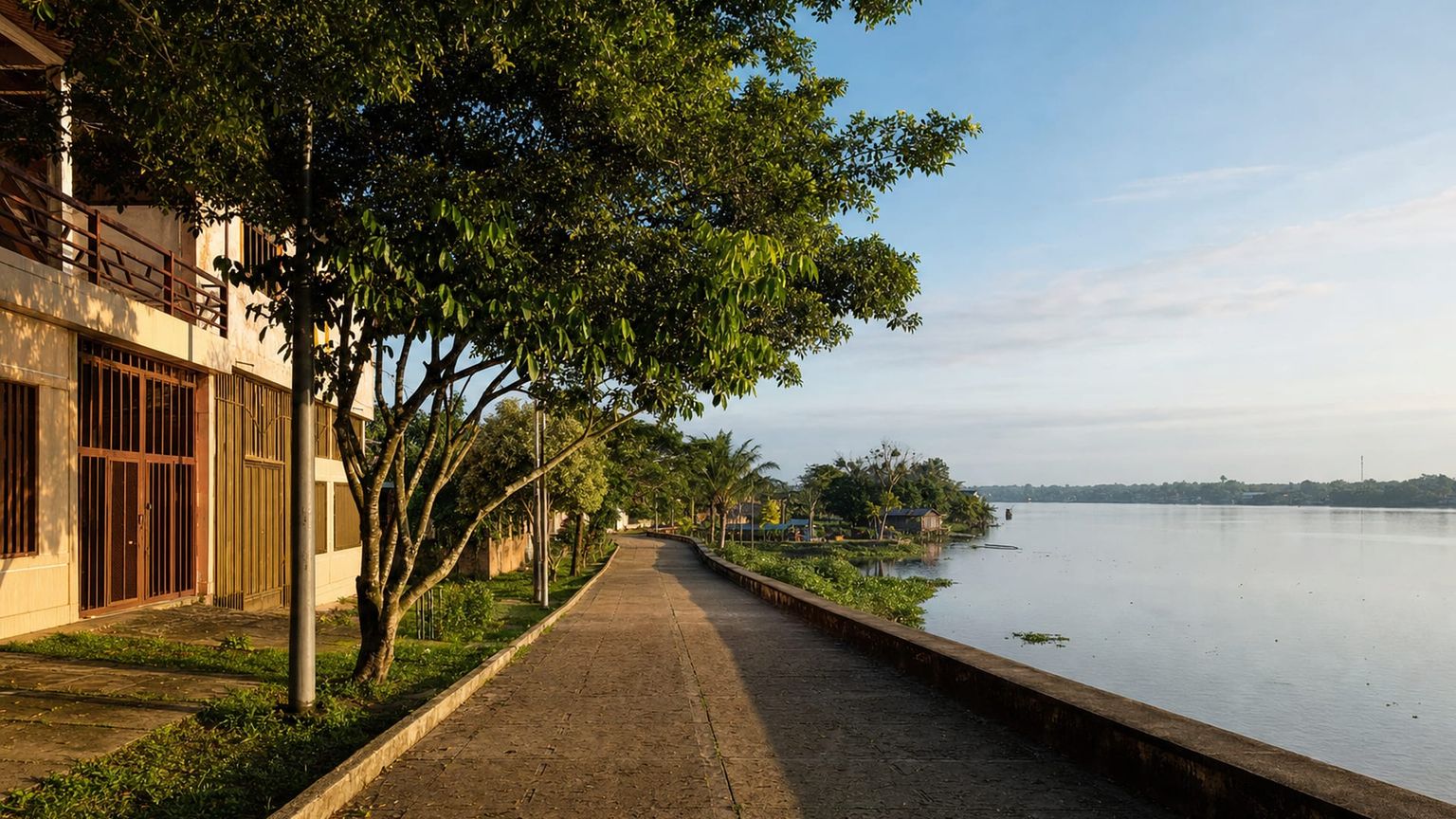
Yarinacocha sits in Pucallpa’s wider urban area and is the access point for the lagoon and several waterside lodges. It suits travelers who want a greener setting and do not mind being farther from the main square.
Best for: Lagoon access, nature-focused stays, and travelers who prefer a calmer base outside the core
What to expect: Lower-rise streets, more open space, and a slower pace than central Pucallpa, with activity near the lagoon frontage.
Hotel prices: Usually about $25 to $75 per night for well-rated stays
Distance to major sights: About 25 to 35 minutes by taxi to Plaza de Armas; about 10 to 20 minutes to the Yarinacocha lagoon frontage.
Quietness: Quieter during the day and more subdued in the evening, especially away from the lagoon edge.
Main trade-off: You gain space and water access, but taxi time to central dining and errands is longer.
Good to know: Plan your dinners before returning to the hotel, because late-night options thin out faster here than in the city center.
Travelers usually avoid staying in the outskirts beyond Manantay and in the areas along the Pucallpa highway fringe, because they sit far from the main riverfront, central market, and downtown dining. The floodplain edge near Yarinacocha and scattered industrial stretches near the airport are also less convenient, with fewer visitor amenities and more limited evening transport back to central Pucallpa.
Hotel deals
How to get around Pucallpa efficiently
Pucallpa has no metro or rail network, so most visitors move between the airport, the center, and Yarinacocha by taxi, ride apps, or the city’s informal buses and minibuses.

Metro
for longer distances
Pucallpa has no metro or suburban rail, so there is no rail-based city network to use for airport-area trips. Most visitors rely on road transport instead, with short taxi rides covering the PCL airport zone and central Pucallpa in roughly 15 to 25 minutes depending on traffic.

Bus and tram
for convenience
City buses and minibuses serve Pucallpa on informal, low-fare routes that link the airport area with the center, José Abelardo Quiñones avenues, and nearby neighborhoods. Fares are usually about $0.30 to $0.60 ($1 to S/2), and a ride can take 20 to 40 minutes because vehicles stop frequently and schedules are not published in a fixed minute-by-minute system.

Taxi
for convenience or late hours
Licensed taxis in Pucallpa usually use set fares rather than meters, with airport trips often quoted before departure. Expect about $4 to $8 ($15 to S/30) for central Pucallpa, more for longer cross-town rides, and agree the price in soles or dollars before you get in; cash is the normal payment method, and card payments are uncommon.
*Prices are based on rates updated as of June 2026 and may change at the time of travel.
Use taxis for direct cross-town trips, buses for the lowest fares on familiar corridors, and walking for the plaza, the cathedral, and the malecón.
Iconic landmarks
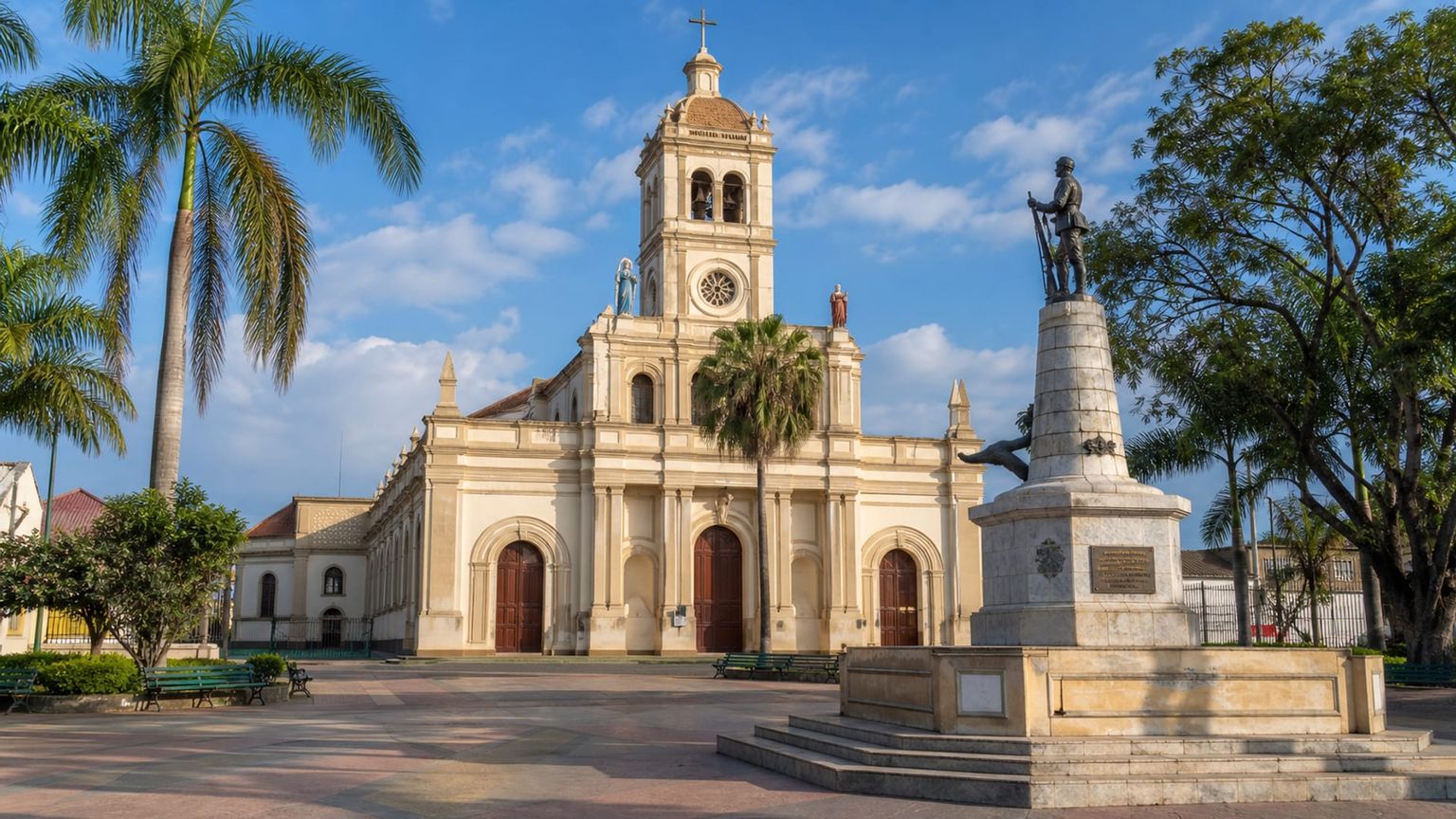
Plaza de Armas de Pucallpa
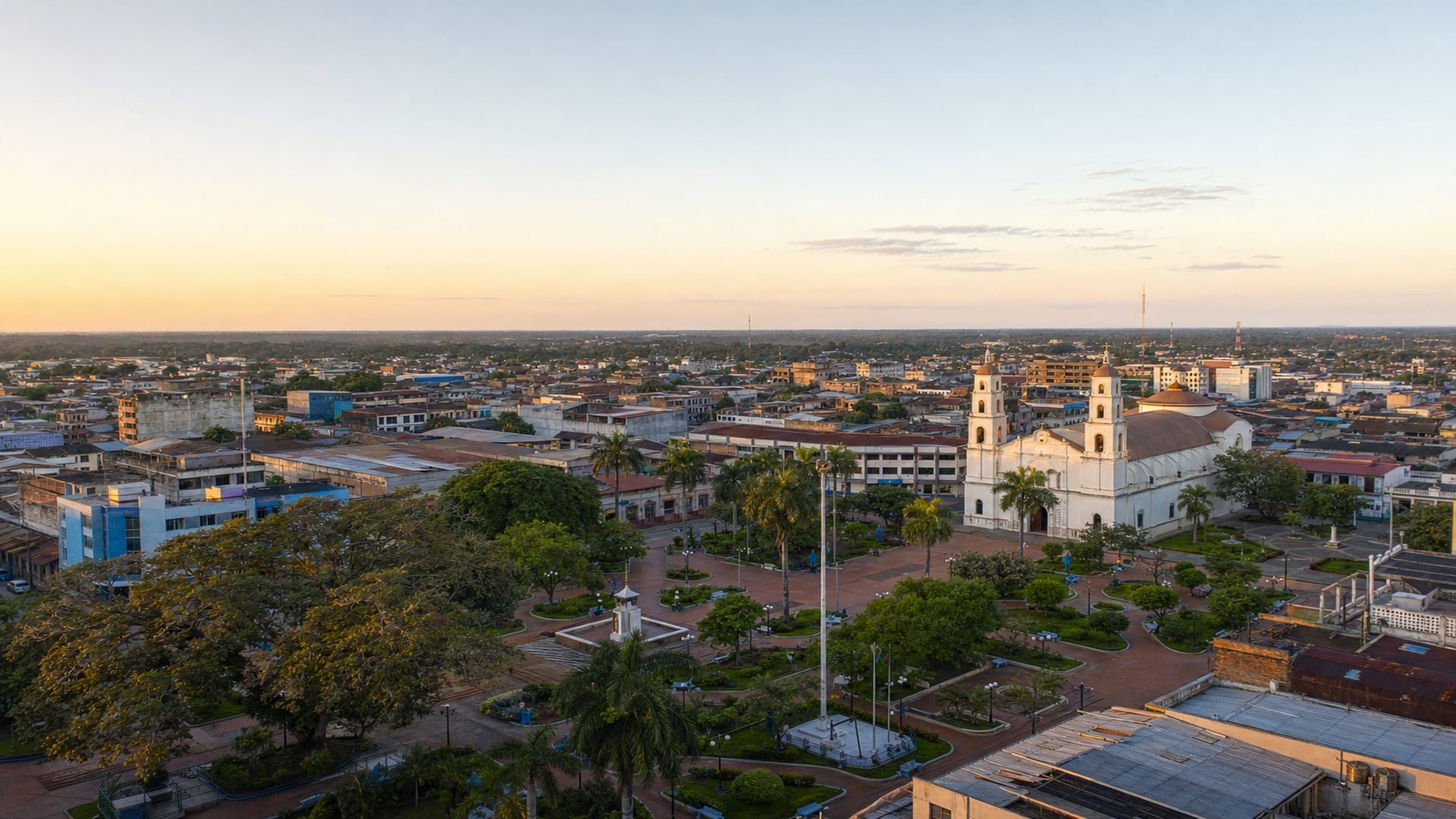
Pucallpa’s main square anchors the city center with a broad public plaza, shade trees, and the Catedral de la Inmaculada Concepción on one edge. It gives a clear first look at daily life downtown and the main civic landmarks.
Time needed: About 30 to 60 minutes
Entry: Free to access; no timed entry or ticket is required for the plaza, and the surrounding sidewalks and seating areas are open during normal daytime and evening public use.
Tip: Visit early in the morning or near sunset, when the heat drops and the light is softer.
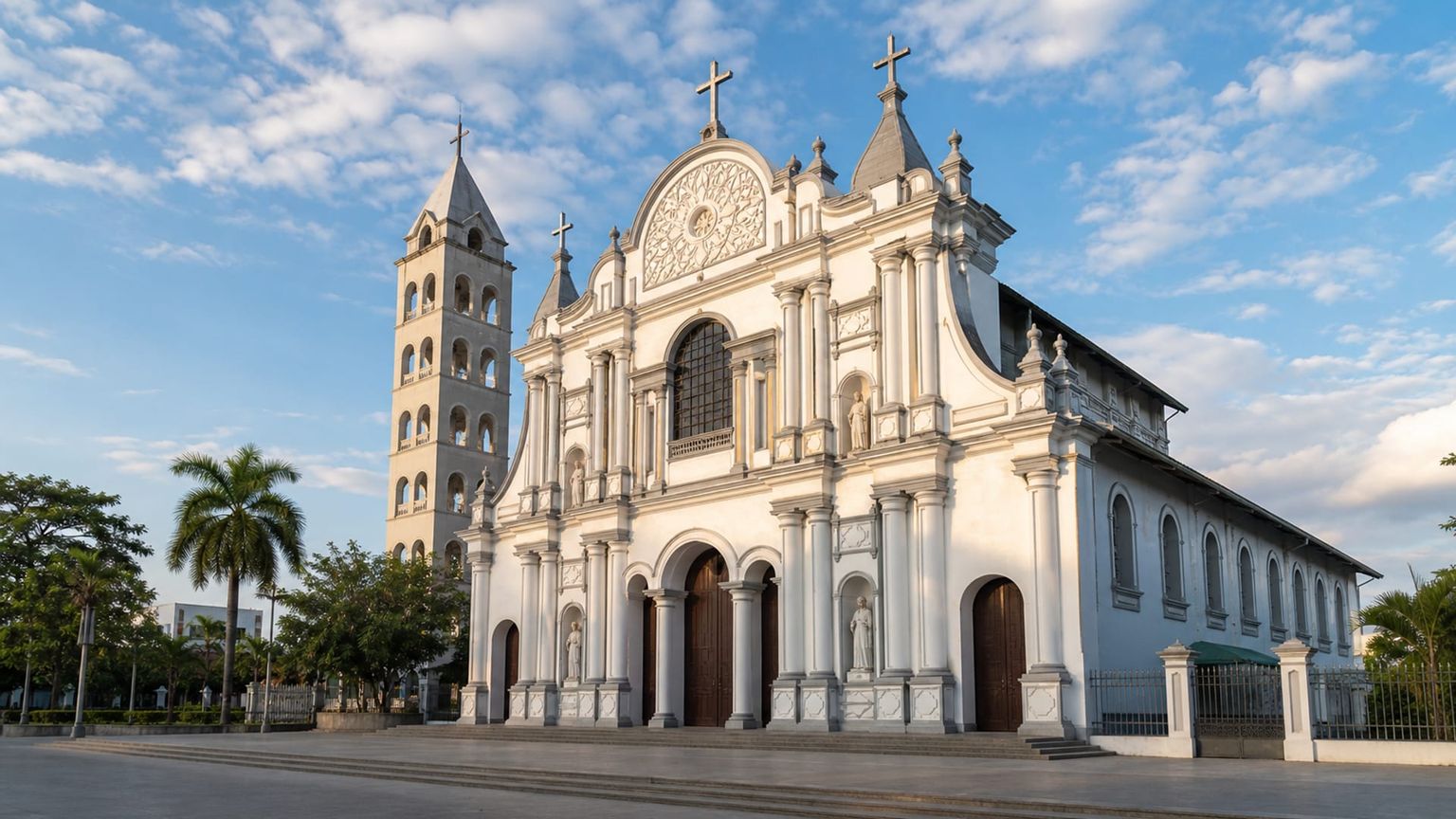
Catedral de la Inmaculada Concepción
Pucallpa’s cathedral stands beside the main plaza with a bright facade and a prominent civic presence in the city center. It is one of the easiest landmarks to combine with a walk through downtown streets and the plaza.
Time needed: About 20 to 40 minutes
Entry: Free to enter during open church hours; no timed entry is required, though mass and special liturgies can limit casual viewing near the altar and side chapels.
Tip: Go outside mass times, when the nave is quieter and the doors are more likely to stay open.
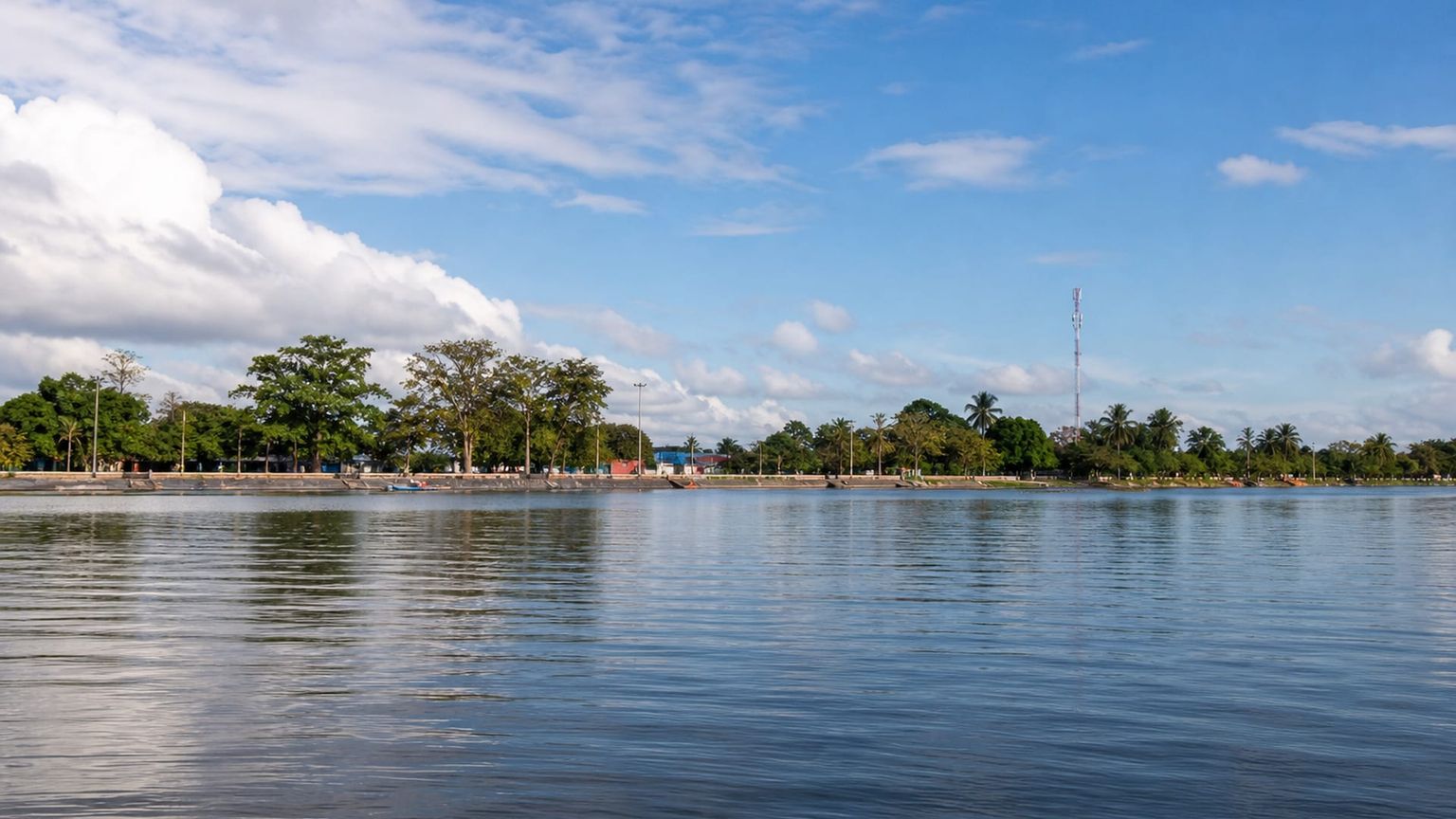
Yarinacocha Lagoon
Yarinacocha Lagoon lies on the eastern edge of Pucallpa and draws visitors for boat rides, lakeside walks, and sunsets over the water. The area also connects to nearby Shipibo-Conibo communities and craft stalls along the shore.
Time needed: About 2 to 3 hours
Entry: Free to reach the lakeshore; boat rides, guided outings, and craft purchases cost extra, with prices set by local operators at the dock or along the waterfront.
Tip: Arrive late afternoon for calmer water and stronger sunset light over the lagoon.
Overlooked sites worth visiting

Yarinacocha Lake boardwalk
This lakeside walk in the Yarinacocha district gives a close look at the water, canoe traffic, and evening activity without leaving the Pucallpa area. Go for a slow walk or a boat pause.
Time needed: About 1 to 2 hours
Entry: Free to access. Boat rides and lakeside rentals are separate and usually cost about $4 to $15 ($15 to S/55), depending on route, boat type, and time of day; confirm prices on site before boarding.
Tip: Visit near sunset for calmer water and softer light.

Pucallpa Regional Museum
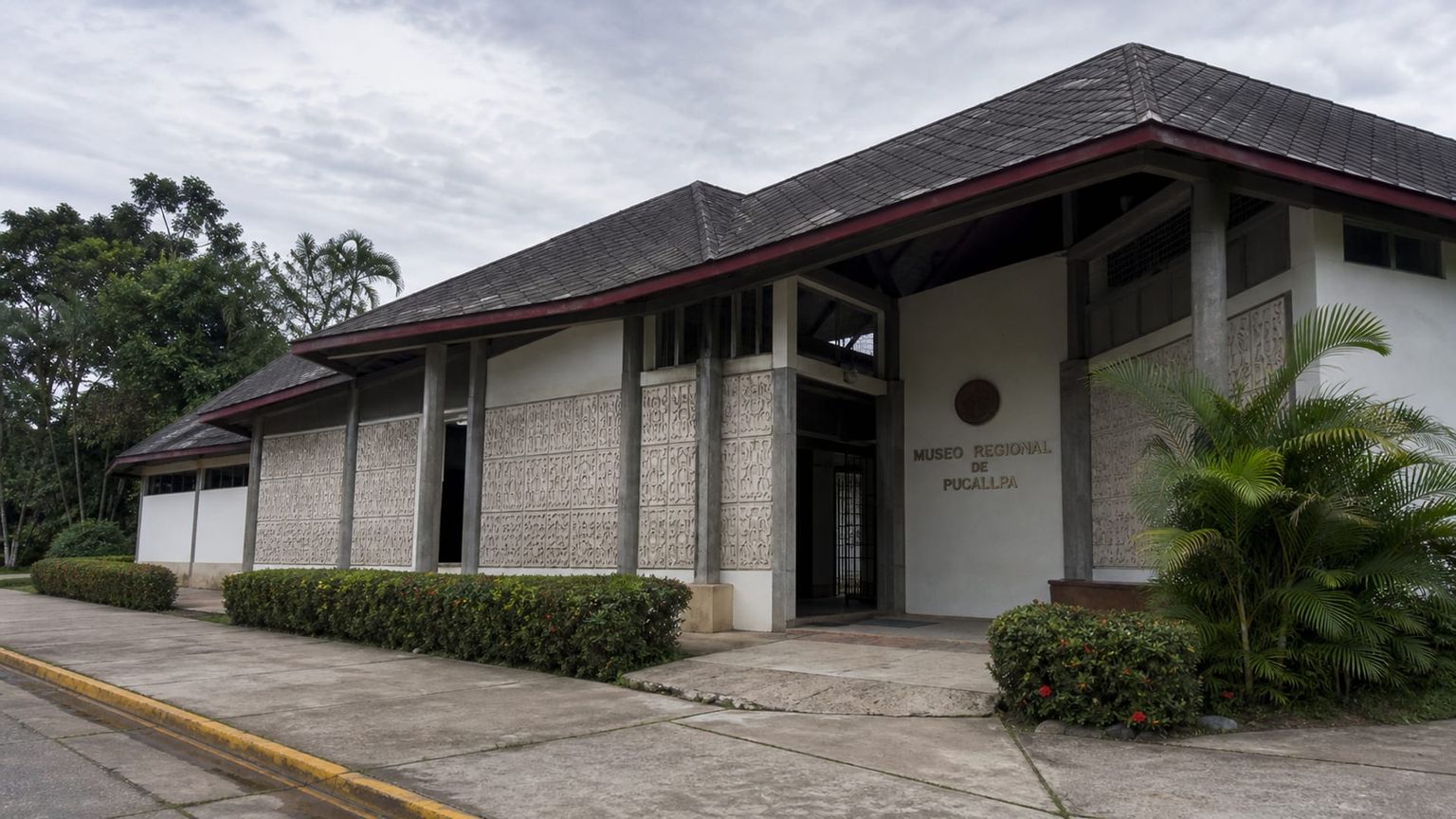
This compact museum covers Ucayali history, Shipibo-Konibo art, and regional archaeology in a small downtown stop. The rooms are easy to cover in one visit, with displays that reward close viewing.
Time needed: About 1 hour
Entry: Admission is usually about $2 to $3 ($8 to S/11) for adults, with lower rates for students and children at times. Hours can change on holidays, so check the posted schedule before you go.
Tip: Go early in the day for quieter galleries.
Traditional food
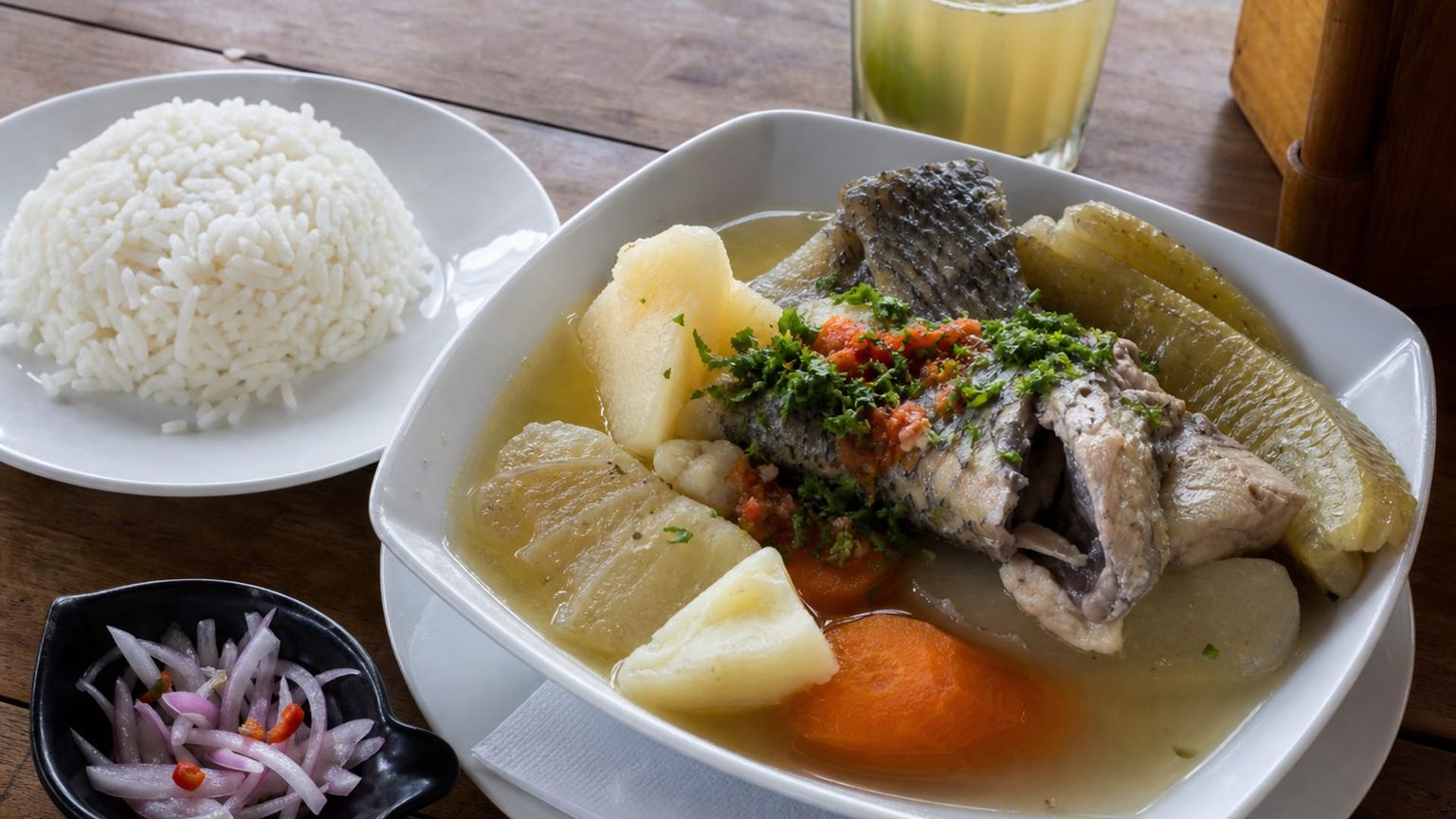
Pucallpa’s cooking leans on river fish, cassava, plantains, and smoked meats, with juane, tacacho con cecina, inchicapi, and patarashca anchoring everyday menus. Lunch tends to be the main meal, and many rooms fill with local families rather than formal dining crowds.
Juane
Rice, chicken, olives, and hard-boiled egg are wrapped in bijao leaves and steamed into a compact meal that travels well. For a dependable plate in Pucallpa, Restaurante El Brasa serves a version that fits the city’s lunch routine.
Tacacho con cecina
Mashed plantains are shaped with seasoning and served with smoked pork, giving the dish a rich, salty finish. El Brujo in Pucallpa is a common stop for this regional staple.
Inchicapi
This chicken-and-peanut soup brings a thicker texture than many visitors expect, with cassava and herbs rounding it out. In Pucallpa, Cevichería Mi Barrunto is a known place to look for it on the menu.
Patarashca
Fish wrapped in bijao leaves picks up smoke, herbs, and a clean river flavor. El Encanto de la Selva in the Pucallpa area is a fitting place to order it beside other Amazonian dishes.
Best time to visit Pucallpa
Pucallpa stays warm all year, but the wetter months bring heavier showers and less predictable afternoons, while the drier stretch makes lagoon visits and longer walks easier to plan.
Best for: Best for greener scenery and quieter midday hotel time
What you get: About 77 to 88°F (25 to 31°C), with frequent rain and lighter visitor levels outside holidays
Trade-offs: Showers can interrupt lagoon plans and slow taxi rides
Best for: Best balance for city walks and Yarinacocha time
What you get: About 76 to 87°F (24 to 31°C), with warm days and crowds that usually stay moderate
Trade-offs: Short rain bursts still appear, especially later in the afternoon
Best for: Best for the driest sightseeing days and outdoor time
What you get: About 74 to 86°F (23 to 30°C), with the clearest skies and the strongest visitor flow on weekends
Trade-offs: Popular waterfront areas can feel busier at sunset
Best for: Best for flexible plans before the rains build again
What you get: About 76 to 88°F (24 to 31°C), with warm weather and a moderate number of visitors
Trade-offs: Humidity rises, and late-day showers become more common
A realistic 5-day plan in Pucallpa
This five-day plan starts in the center, moves out to Yarinacocha, and then returns to the city core for the final stretch. It keeps taxi rides short, places the biggest outdoor stop on the most flexible day, and leaves departure day light enough for one last meal and museum visit.
Flying into Pucallpa (PCL), take a taxi from Pucallpa Airport to the Plaza de Armas area or Malecón Grau, roughly 15 to 20 minutes and about $6 to $10, depending on traffic and the exact block. Check in near the center if you want the shortest first-night ride back, then keep the evening simple with water, a walk to the main square, and dinner on the plaza or a nearby side street before an early night.
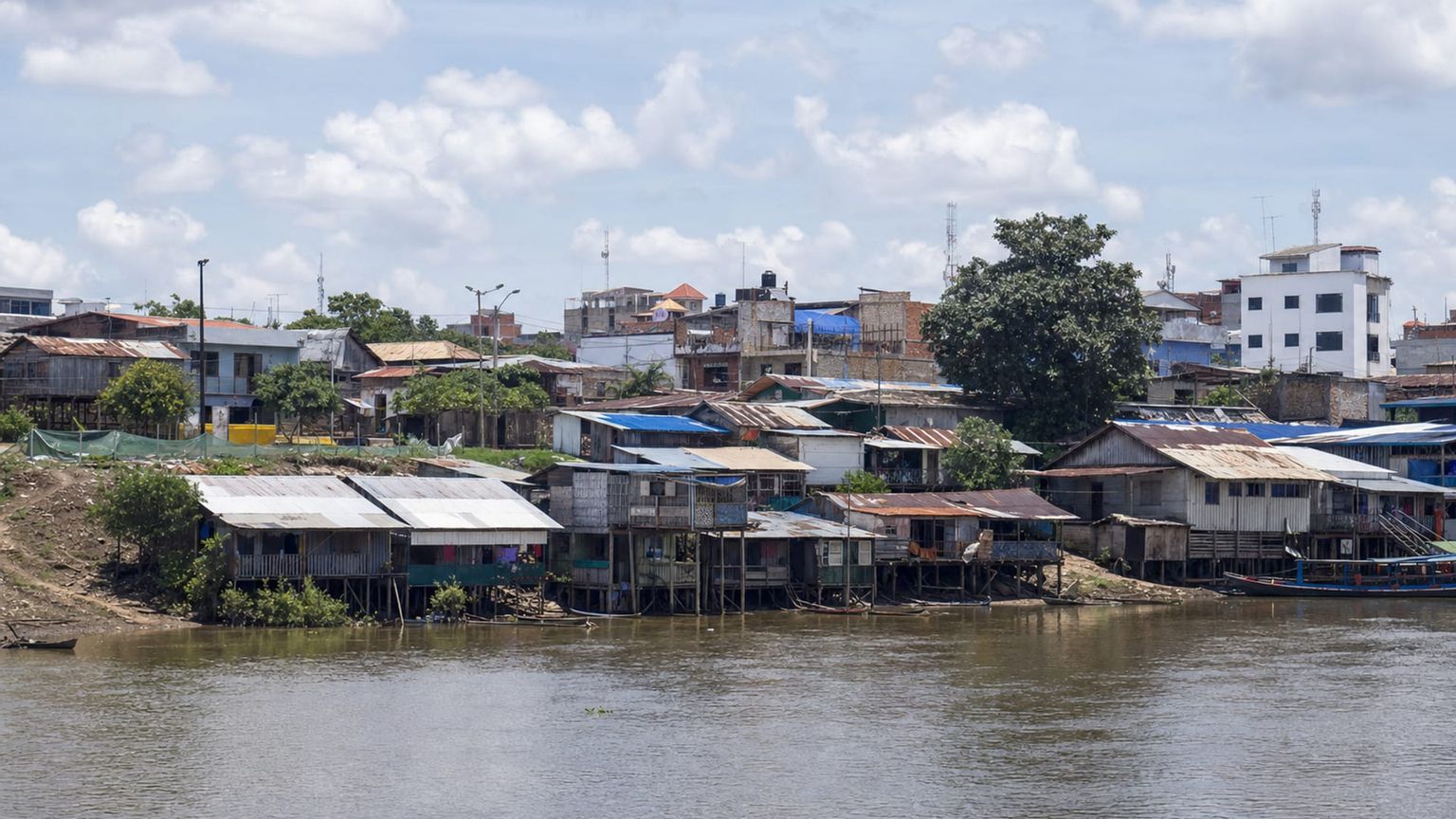
Start at Plaza de Armas de Pucallpa, then walk about 2 to 5 minutes to the Catedral de la Inmaculada Concepción for a close look at the facade and interior. From there, continue about 10 minutes by taxi to the Pucallpa Regional Museum, where you can spend about an hour on Ucayali history and Shipibo-Konibo art, then return to the Plaza de Armas area for a late lunch and a slower late afternoon in the civic center.
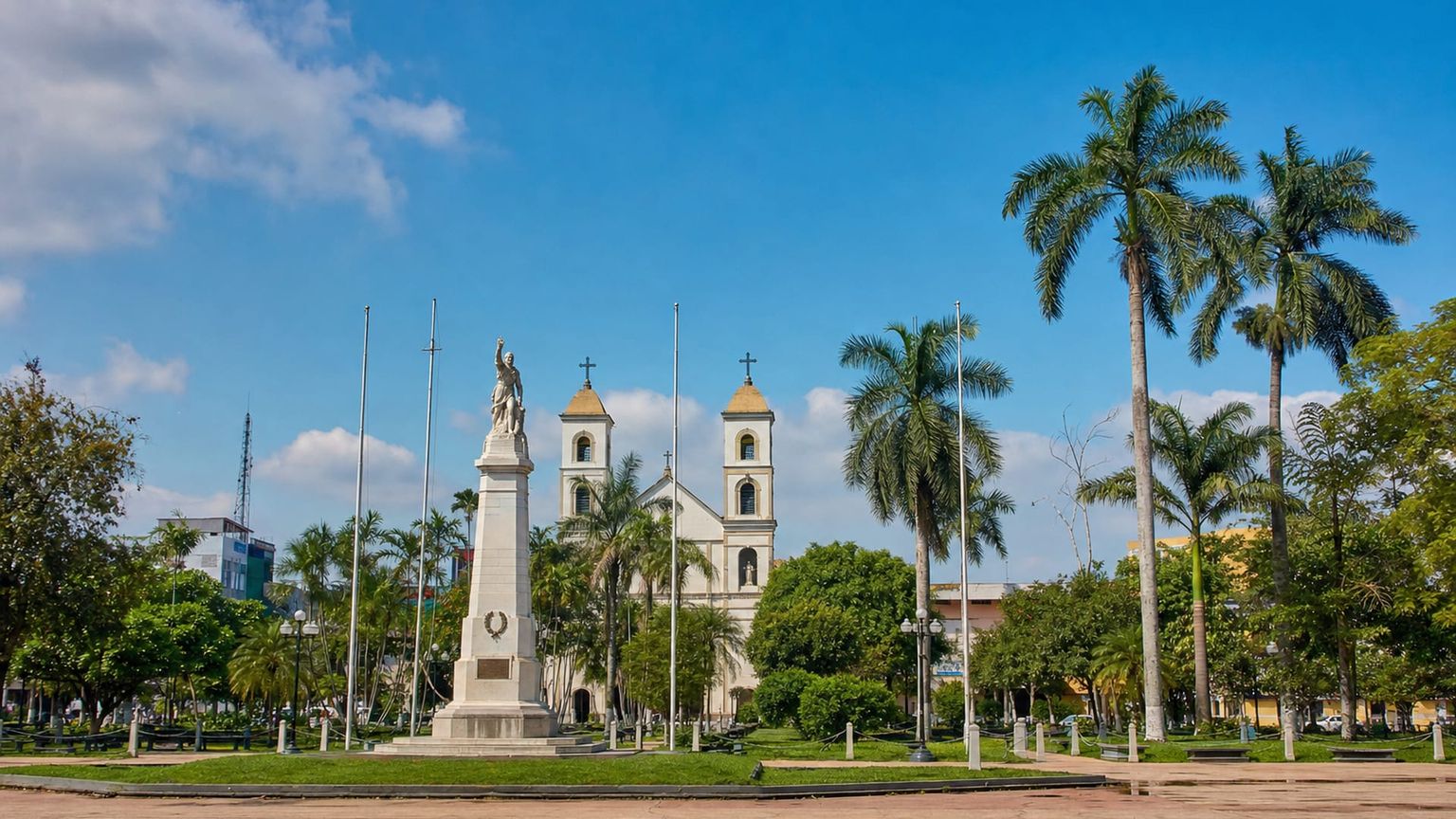
Begin with a taxi ride of about 25 to 35 minutes from central Pucallpa to Yarinacocha Lagoon, then spend the morning on the lakeshore and boardwalk. After lunch near the water, walk the Yarinacocha Lake boardwalk for about 1 to 2 hours, and finish with a short boat ride at the dock if the light is good and the water is calm.
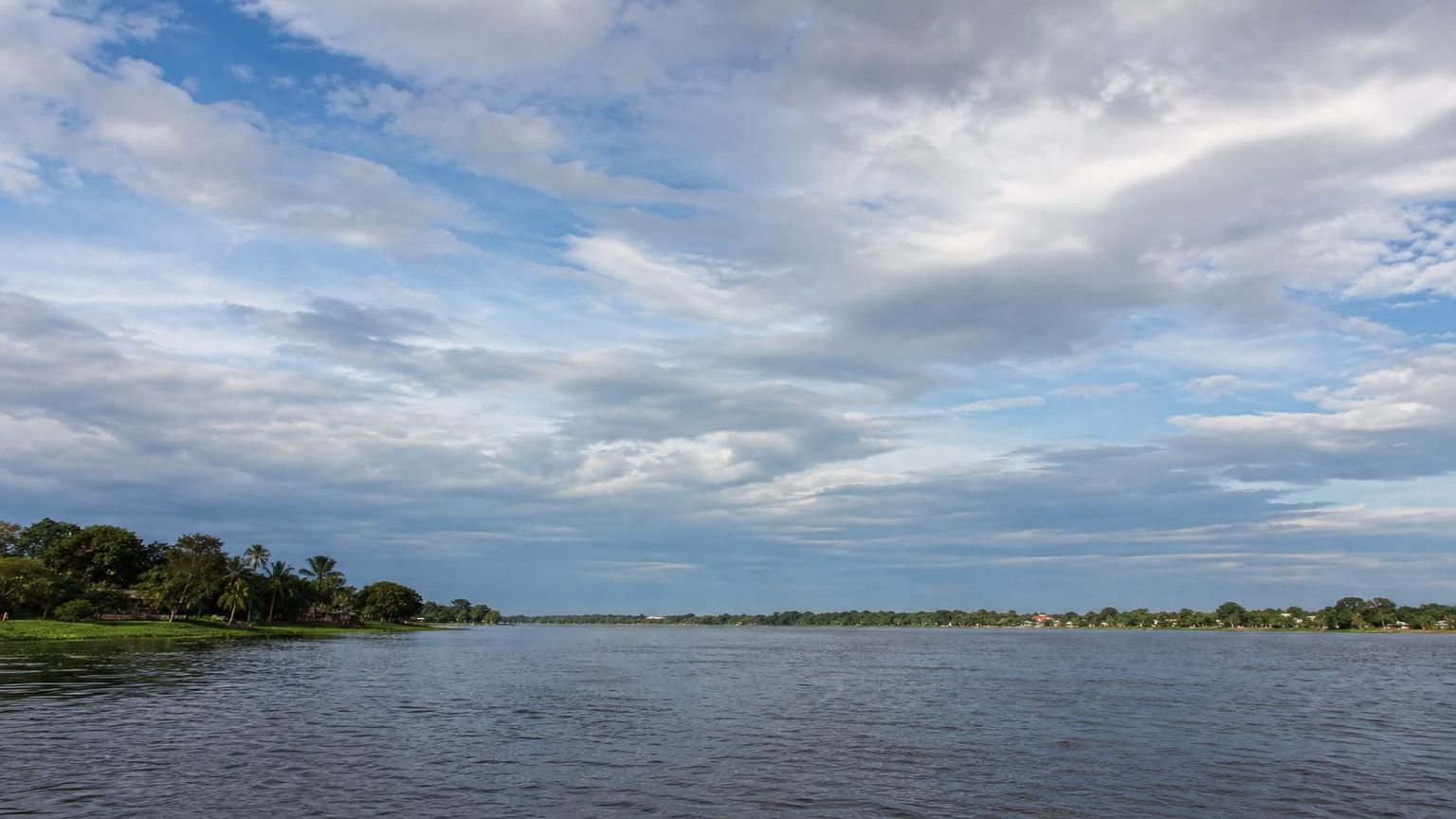
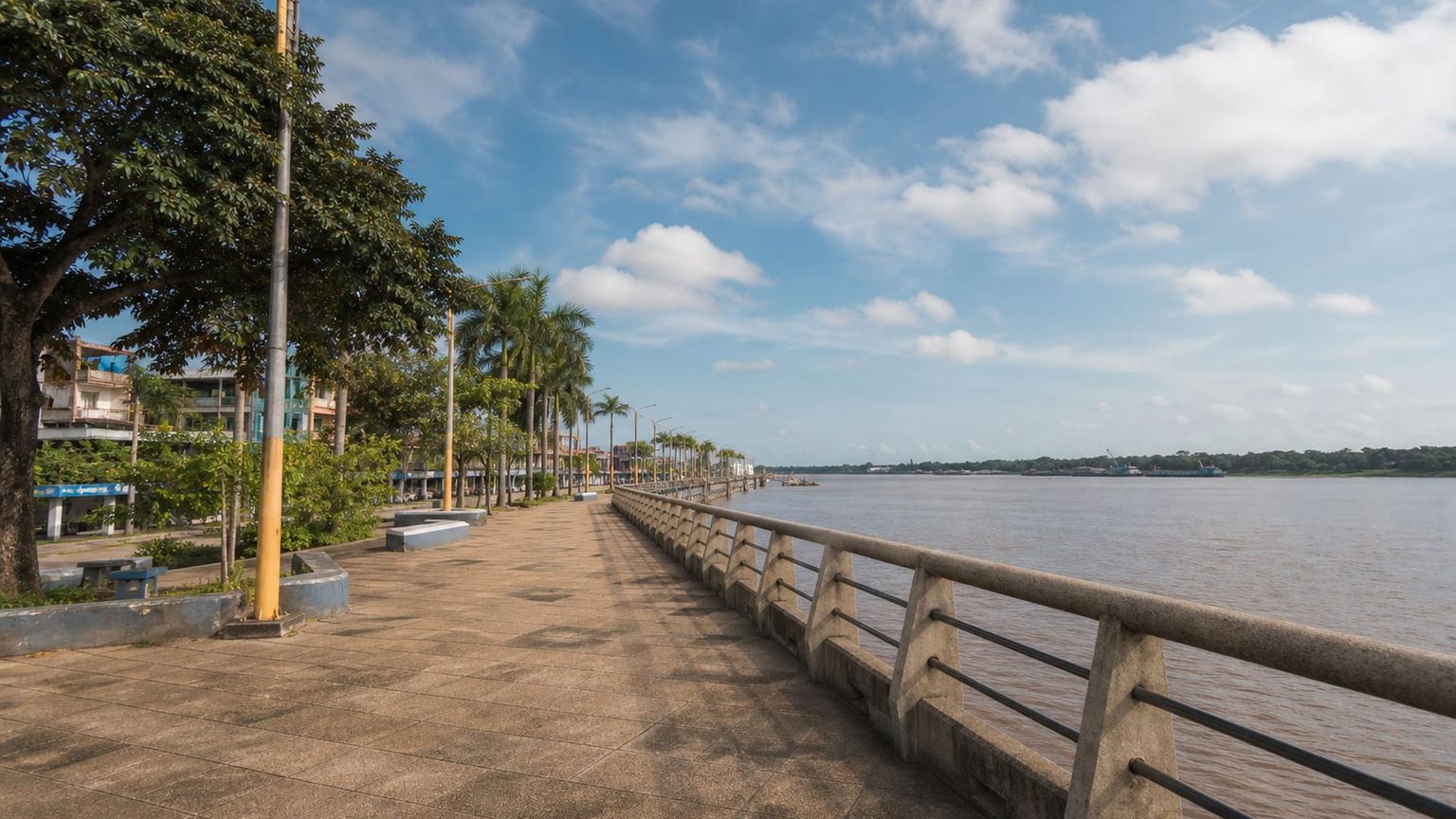
An easy riverfront day works best from Malecón Grau: start with a morning walk along the promenade, then head about 15 minutes by taxi to Yarinacocha for a second look at the lagoon from a different angle. If you prefer a quieter afternoon, return to Callería in about 10 to 20 minutes by taxi and fit in errands, then end with dinner back near the malecón where the Ucayali waterfront stays active into early evening.
For the last day, pair the Pucallpa Regional Museum with a low-key stop in Callería, then finish with a café break in the Plaza de Armas area before your transfer. The museum takes about an hour, and moving between Callería and the center usually takes about 10 to 15 minutes by taxi, which leaves time for one last lunch and a final walk past the square before heading to Pucallpa Airport (PCL).
Business-class flights from the US to Pucallpa
Pucallpa usually connects through a hub rather than on nonstop long-haul service, so the useful comparison is how the East Coast and West Coast itineraries differ in timing and price. The route options below show what that looks like from New York and Los Angeles.
From New York, Avianca, LATAM Airlines, Copa Airlines, and American Airlines all appear on itineraries to Pucallpa, with typical total travel times of about 12 to 18 hours. Common layovers run through Bogotá, Lima, Panama City, or Miami, and fares usually start at $1,500 and can reach $3,200.
Los Angeles itineraries usually price between $1,300 and $2,800 round-trip, and the trip time often lands in the 11 to 16 hour range. That usually means a connection through Lima, Bogotá, or Panama City, with LATAM Airlines, Copa Airlines, Avianca, and American Airlines among the carriers that appear most often.
Pucallpa feels different when you slow down
A deliberate Pucallpa trip works best when you keep the Plaza de Armas, Malecón Grau, Callería, and Yarinacocha in separate parts of the day instead of stacking them together. That gives you time for a taxi from Pucallpa Airport (PCL), a walk by the cathedral, a lagoon stop when the light improves, and a last museum visit before departure. If you want a trip shaped with the right timing and neighborhood order, talk with AranGrant experts