

Chapters:

Need help with your trip?
Our support team is available 24/7. Request a callback or call us directly at (833) 619-0908
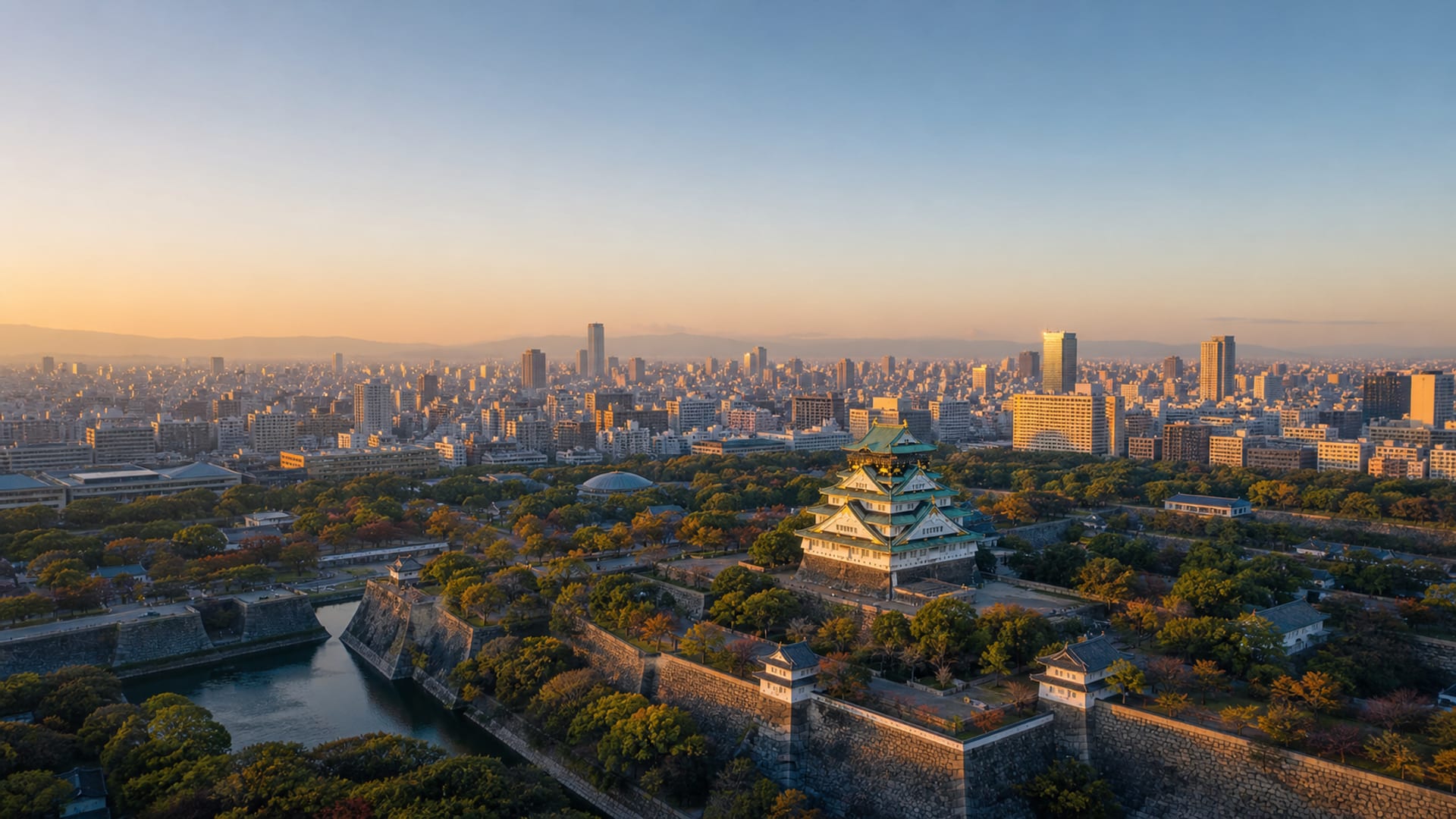
Osaka trips often start with Namba, Dotonbori, and a quick castle stop, then fill the rest of the stay with shopping streets and late dinners. Travelers usually see a lot, but they can still miss how spread out the city feels once you leave the core.
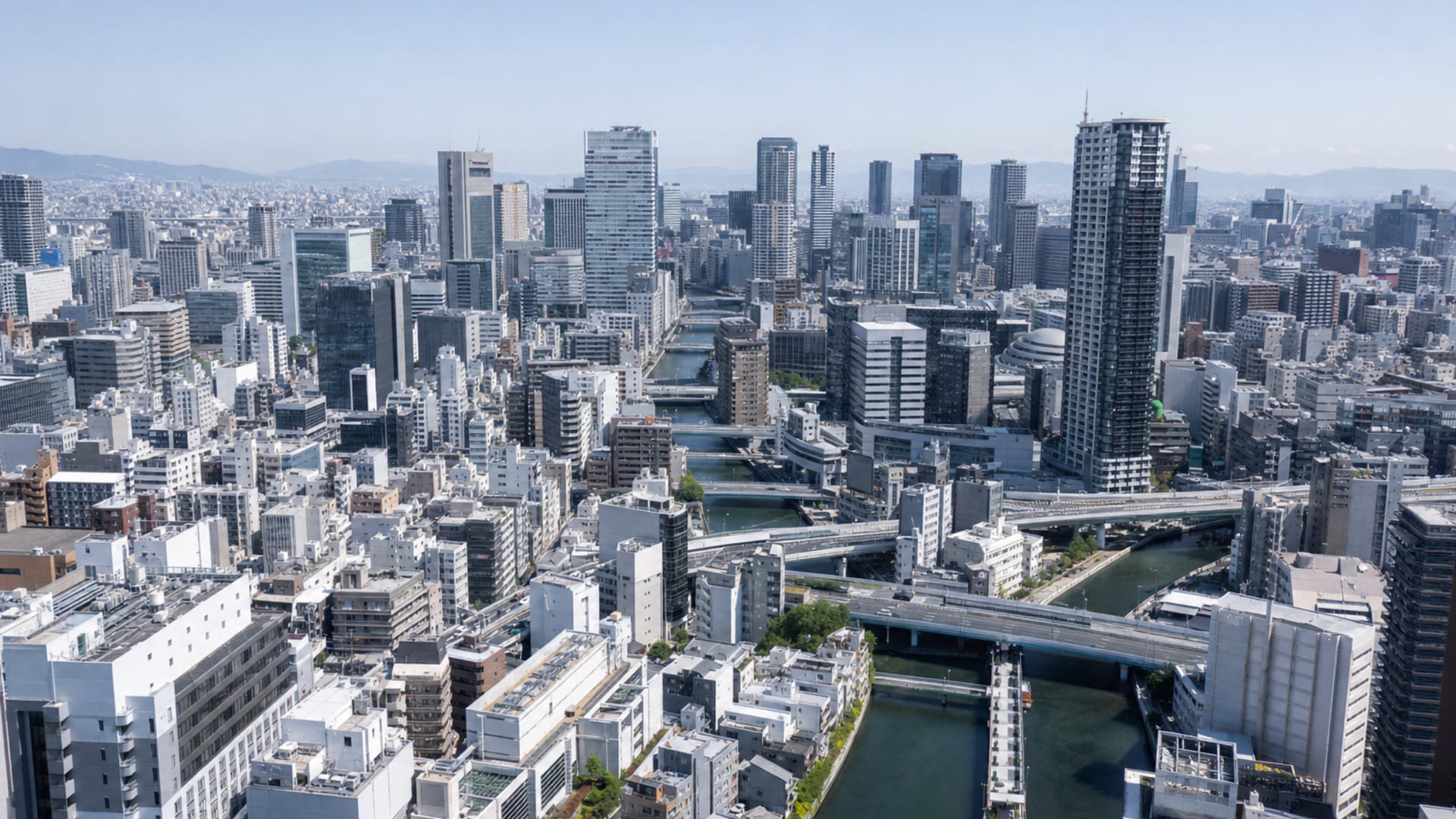
That matters because the busiest districts demand extra time for station transfers, crowded sidewalks, and short rail rides that add up fast. A loose plan can turn simple sightseeing into repeated backtracking between Minami, Umeda, and the southern temple areas.
This guide keeps the days in a clear order, with neighborhood logic, transit timing, and food stops that fit Osaka’s actual layout, so each stop leads cleanly into the next.
Useful things to know

Main language(s): Japanese
Konnichiwa (kon-nee-chee-wah) – Hello / good afternoon
Onegaishimasu (oh-neh-guy-shee-mahs) – Please
Arigatou gozaimasu (ah-ree-gah-toh go-zai-mahs) – Thank you
Eigo o hanasemasu ka? (ay-go-oh hah-nah-seh-mahs kah) – Do you speak English?
Ikura desu ka? (ee-koo-rah dehss kah) – How much does it cost?

Currency: The local currency is the Japanese yen (JPY, ¥).

Cash and cards: Cards and contactless are widely accepted; carry about ¥5,000 to ¥10,000 ($34 to $68) for small shops and cash-only spots.

Tipping: No tipping is expected; rounding up is fine in casual settings.

Traditional food: Takoyaki, okonomiyaki, kushikatsu, kitsune udon

Water and coffee costs: Water about ¥150 to ¥250 ($1 to $2), bar espresso about ¥400 to ¥500 ($3 to $4).

Taxis and ride apps: Uber and DiDi operate here, and local taxis are easy to hail.

Plug and voltage: Type A/B socket, 100V

Dining and shop opening hours: Breakfast is about 7:00-9:00 am, lunch 11:30 am-2:00 pm, and dinner 6:00-9:00 pm. Many restaurants close by about 10:00 pm, while some ramen shops and bars stay open later.

Emergency number: Dial 110 for police, 119 for fire and ambulance.
Where to stay in Osaka
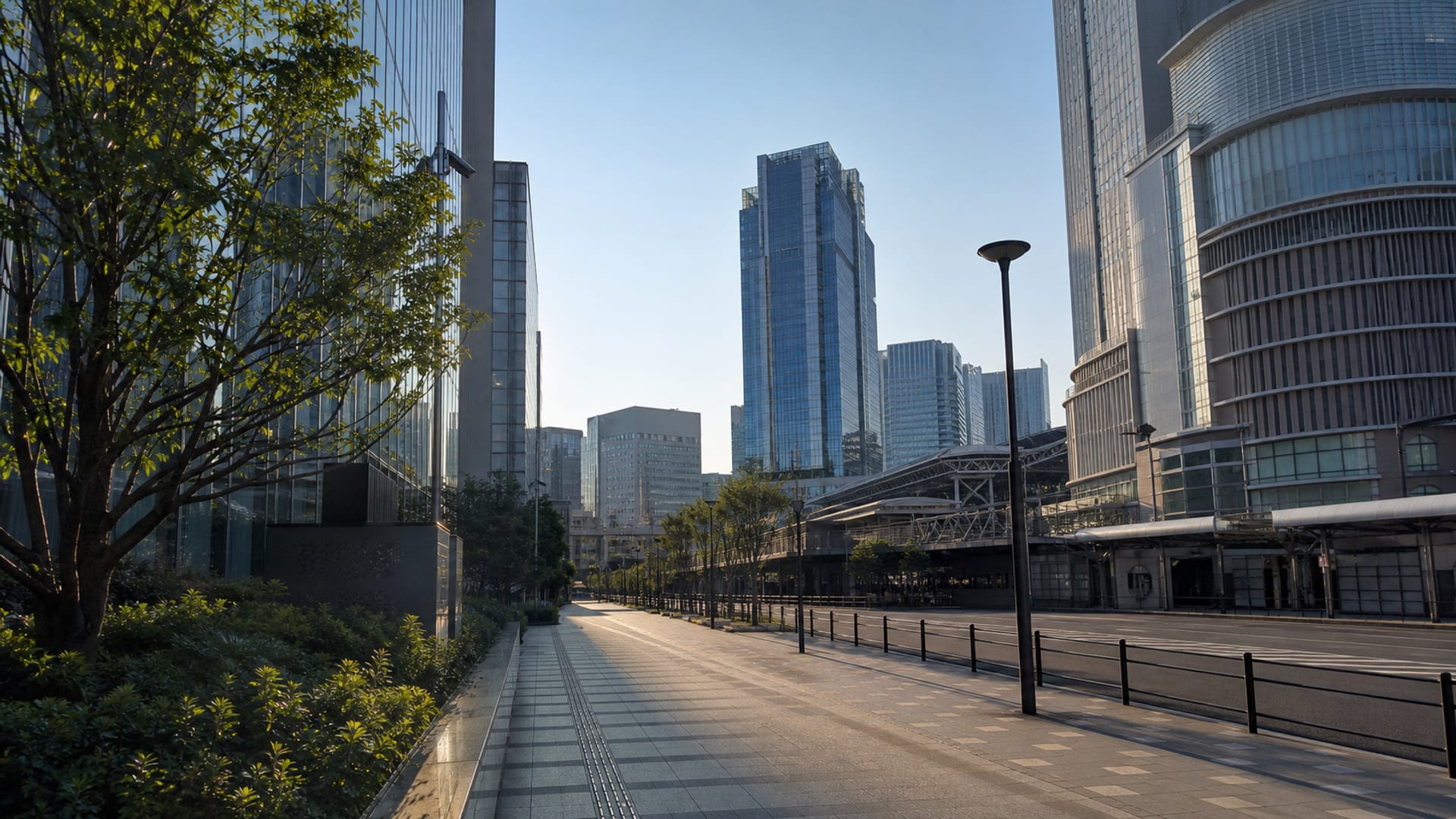
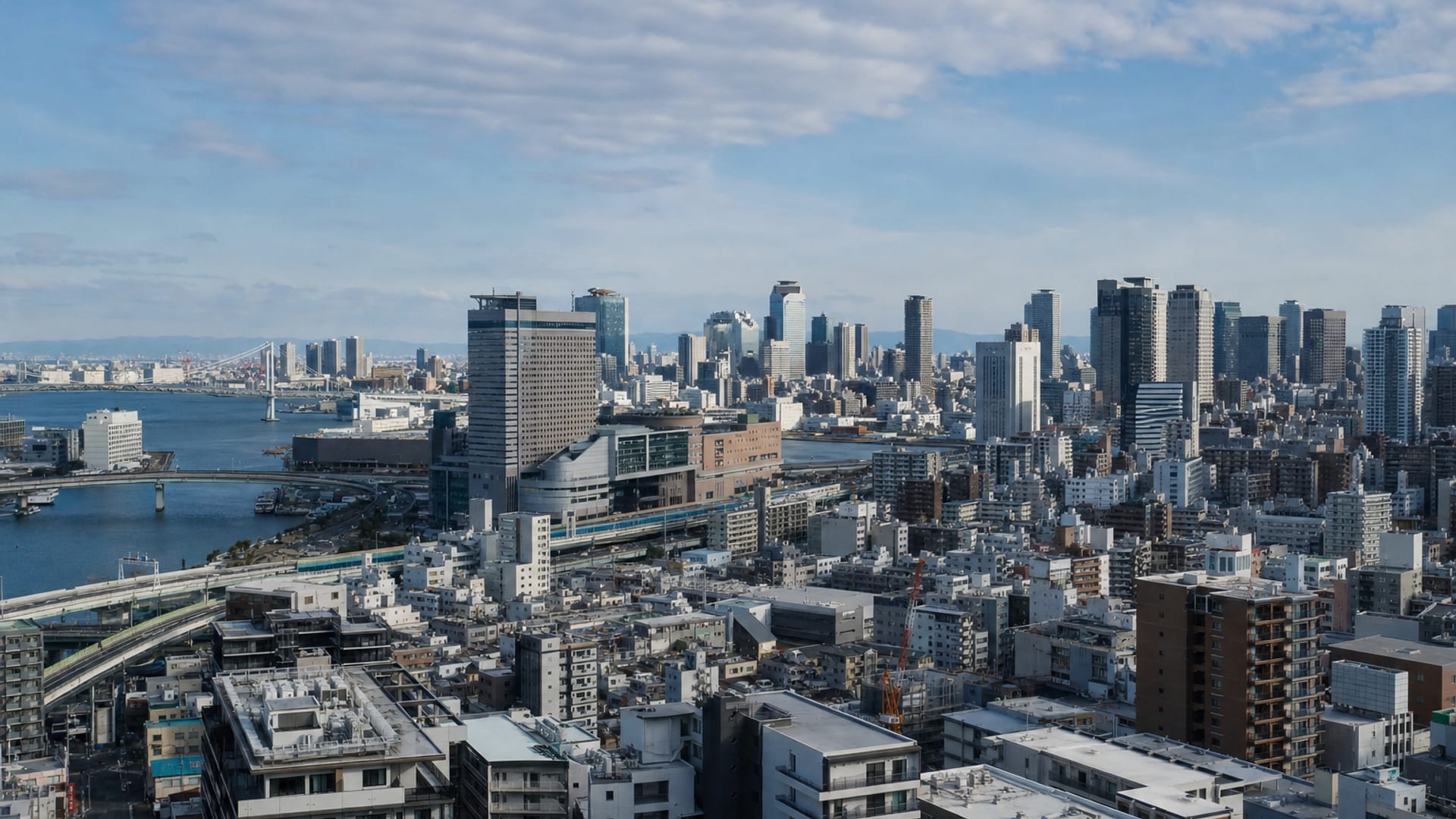
Osaka’s main north-side business and shopping district, with major rail links, department stores, and dense hotel options. It works well for visitors who want fast transit across the city and easy access to dining, shopping, and evening plans.
Best for: First-time stays, rail access, shopping, and easy citywide transit
What to expect: Busy sidewalks, heavy commuter flow, and late-night activity near the station; side streets thin out quickly after store hours.
Hotel prices: Usually about ¥12,000 to ¥28,000 (~$80 to ~$185) per night for well-rated stays
Distance to major sights: About 10 minutes by train to Osaka Castle and about 20 minutes by train to Dotonbori
Quietness: Very busy by day; evenings stay active near the station but get calmer a few blocks away
Main trade-off: Top convenience often comes with higher room rates and more station-area noise than in residential districts.
Good to know: Choose a hotel a short walk from the station if you want easier baggage handling, since the busiest exits can add a long transfer inside the terminal area.
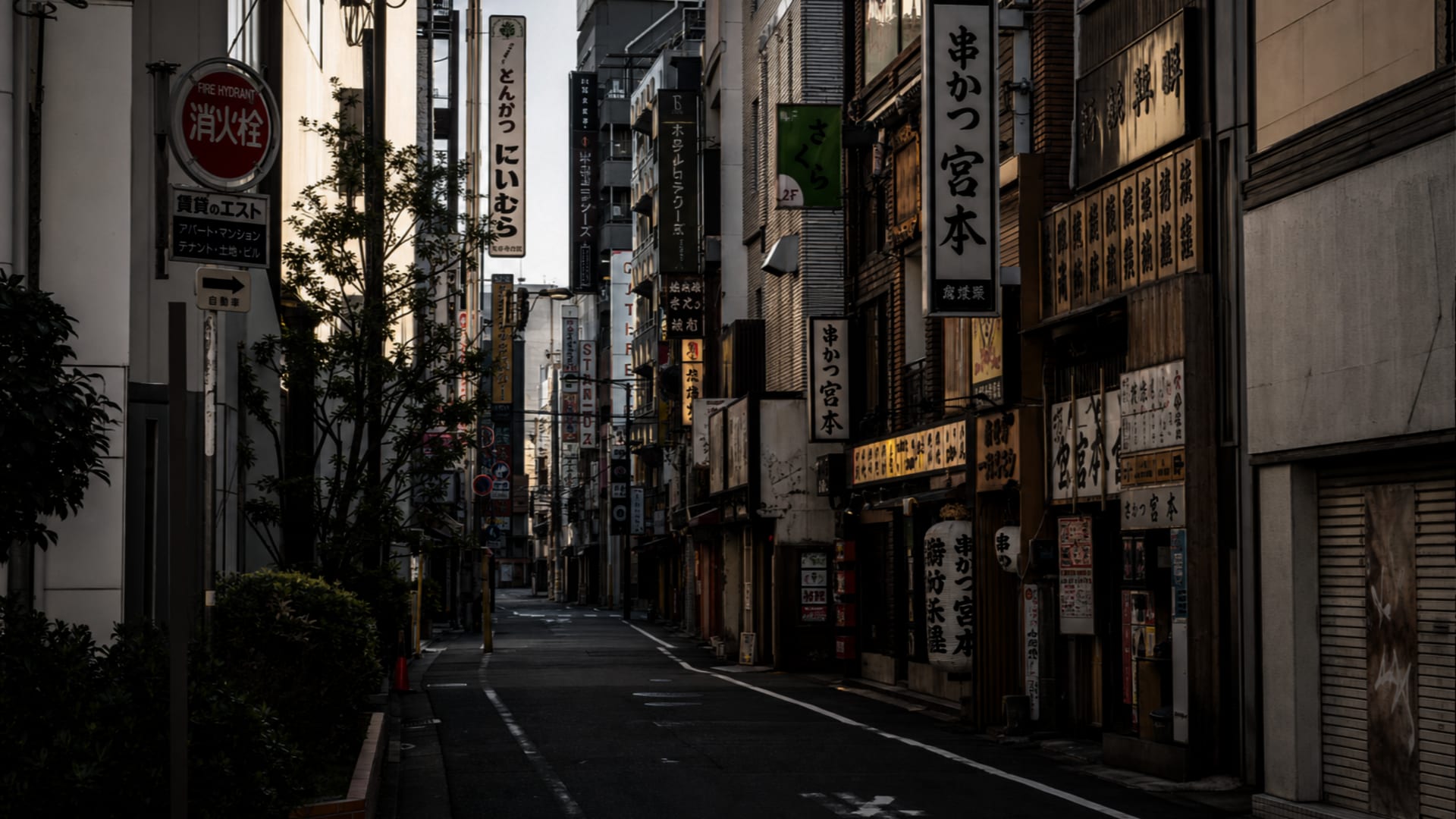
Osaka’s southern entertainment core, packed with restaurants, arcades, theaters, and direct rail links to Kansai Airport. It suits travelers who want nightlife, food, and a walkable base close to the city’s most photographed streets.
Best for: Nightlife, dining, airport access, and travelers who want to stay near Dotonbori
What to expect: Neon, heavy foot traffic, and late openings; the main streets stay crowded well into the night, especially on weekends.
Hotel prices: Usually about ¥11,000 to ¥30,000 (~$73 to ~$198) per night for well-rated stays
Distance to major sights: About 5 to 10 minutes on foot to Dotonbori and about 15 minutes by train to Osaka Castle
Quietness: Very lively day and night, with the loudest pockets near the main arcade streets
Main trade-off: Central rooms can pick up street noise, and the most atmospheric blocks are also the most crowded.
Good to know: If you plan early morning departures, confirm whether your hotel exit reaches the main station concourse without extra stairs, because some blocks involve longer indoor walks.
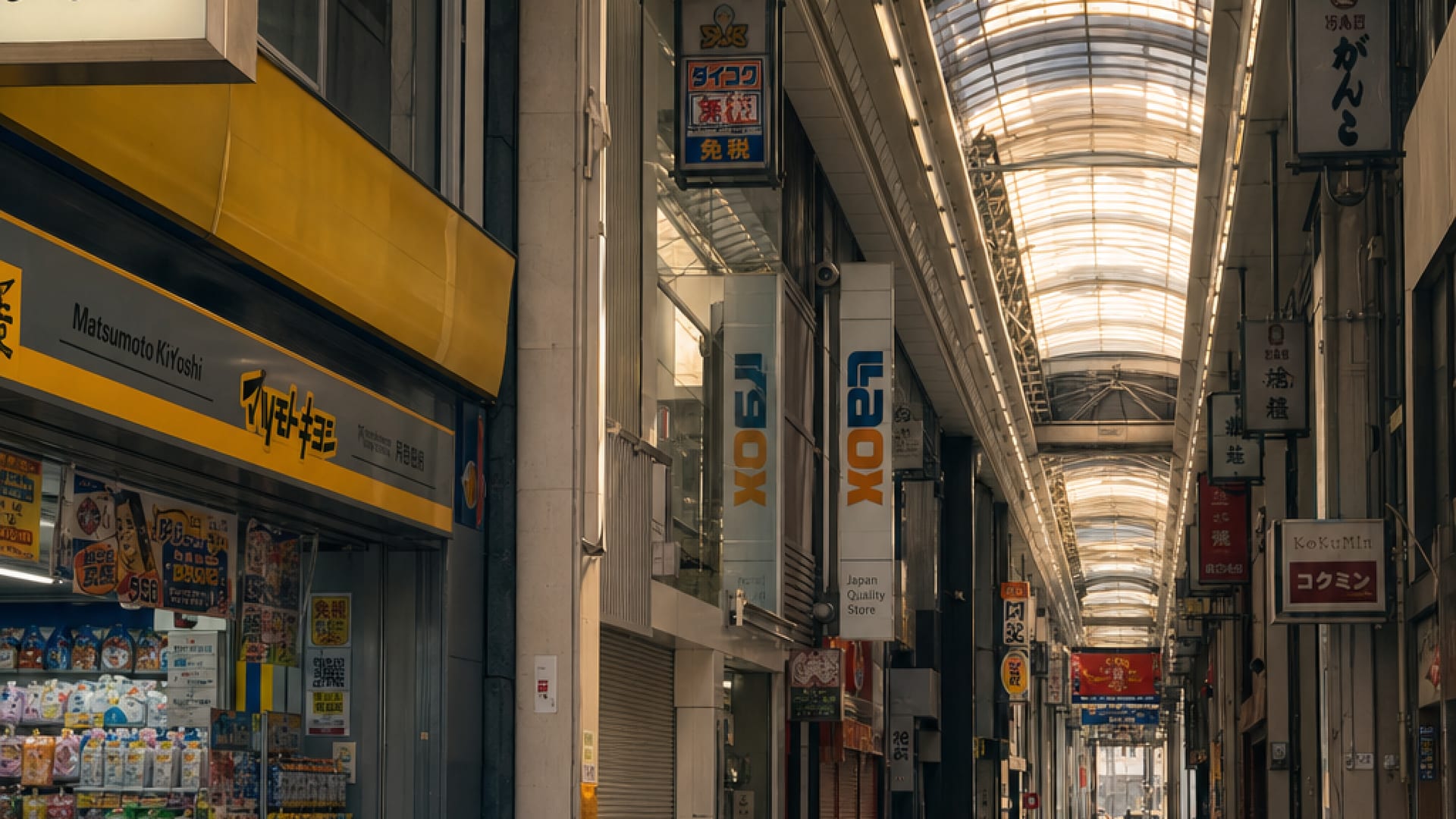
A shopping district just north of Namba, centered on its covered arcade, fashion streets, and an easy walk to restaurants across the Minami area. It matters for travelers who want retail, dining, and a central position without relying on taxis.
Best for: Shopping, dining, couples, and visitors who want a central walkable base
What to expect: Continuous foot traffic, bright storefronts, and a busy retail crowd from morning until late evening.
Hotel prices: Usually about ¥12,000 to ¥32,000 (~$80 to ~$212) per night for well-rated stays
Distance to major sights: About 5 minutes on foot to Dotonbori and about 15 minutes by train or 20 minutes on foot to Osaka Castle-bound transit
Quietness: Busy throughout the day and still active after dinner, though interior side streets are quieter than the arcade
Main trade-off: The most convenient blocks can be expensive, and rooms facing the arcade may pick up late-night street sound.
Good to know: Expect shorter walks to food and shopping than to major sightseeing spots, so this area works best if you plan to move around by train or on foot rather than stay close to one landmark.
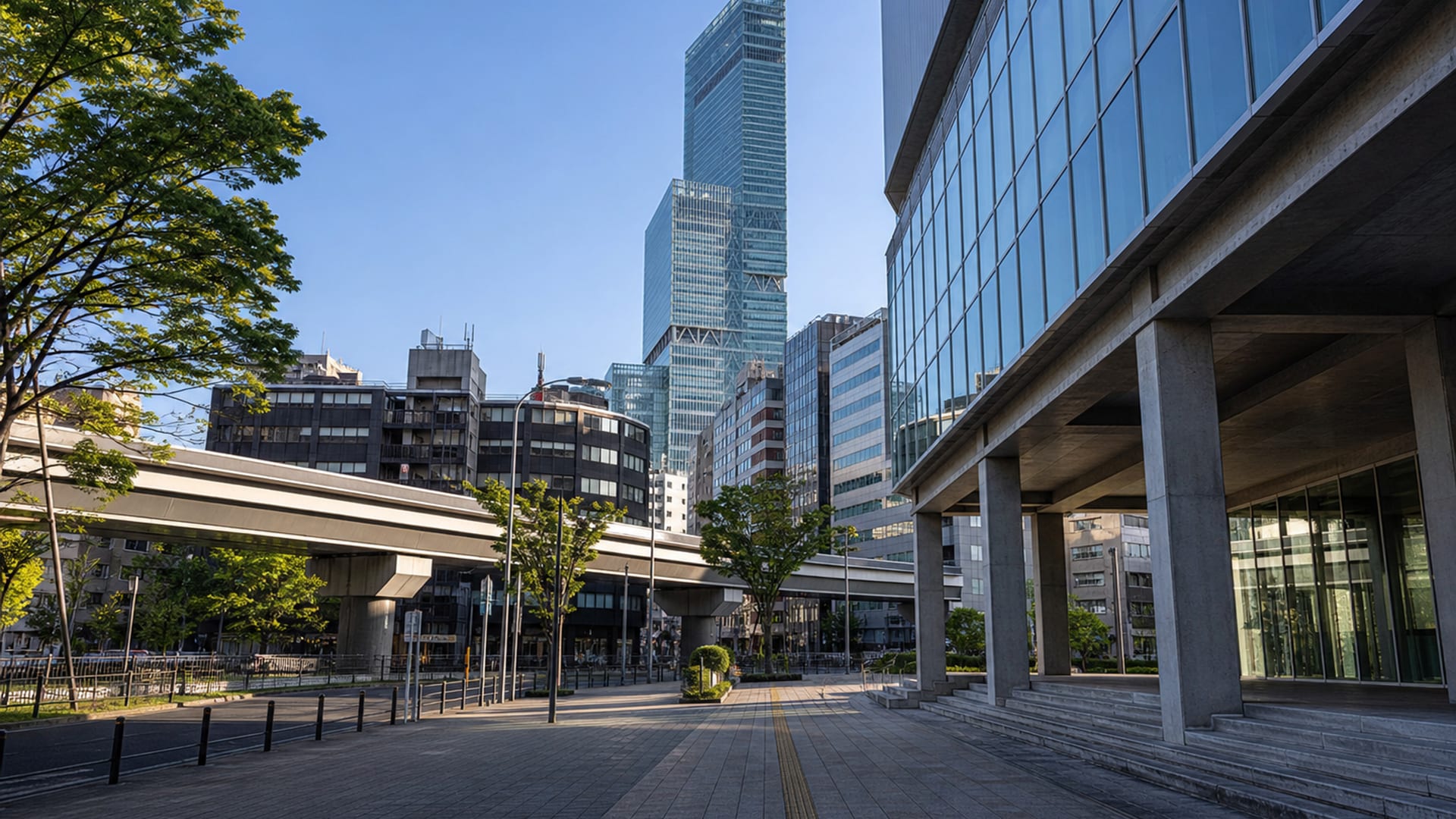
A south-central district anchored by Tennoji Station, Abeno, and the city’s zoo and park. It gives visitors a useful balance of transit links, lower hotel prices than the core, and direct access to both local life and major rail lines.
Best for: Value-conscious stays, rail connections, and travelers who want an easier south-side base
What to expect: A mix of commuters, shoppers, and families near the station, with steadier pedestrian flow than the entertainment districts.
Hotel prices: Usually about ¥8,000 to ¥20,000 (~$53 to ~$132) per night for well-rated stays
Distance to major sights: About 10 minutes by train to Namba and about 15 minutes by train to Osaka Castle
Quietness: Moderately busy by day, calmer at night except near the station and shopping complexes
Main trade-off: You may need a few extra minutes to reach the main nightlife and shopping spine in Minami, especially after dark.
Good to know: If you plan several day trips, this area can save time because the station connects cleanly to multiple rail lines without forcing you through the densest entertainment blocks.
Travelers usually avoid staying in Senri-Chuo, it sits far north of central Osaka and adds time to trips to Dotonbori, Umeda, and Osaka Castle. Nanko and the Osaka Bay area are less convenient for a first visit because they are far from most major sights and quiet after office hours, while parts of South Osaka such as Nishinari can be a poor fit if you want easy evening access to the main sightseeing and dining districts.
Hotel deals
How to get around Osaka efficiently
Osaka’s Midosuji Line ties together Umeda, Shinsaibashi, Namba, and Tennoji, so the city rewards short rail hops as much as walking between nearby blocks.

Metro
for longer distances
Osaka’s Osaka Metro covers the core districts, with frequent trains on the Midosuji Line linking Shin-Osaka, Umeda, Shinsaibashi, Namba, and Tennoji; single rides usually cost about $1.25 to $2.50 (¥190 to ¥390), and day passes are sold for about $6 to $9 (¥820 to ¥1,100), depending on the pass. Trains usually run from about 5:00 am to midnight, and most cross-city rides take 5 to 25 minutes.

Bus and tram
for convenience
City buses fill gaps where the subway does not reach, while the Hankyu, Hanshin, and JR networks cover suburban links and many rail transfers; fares on local buses are usually about $1.25 to $1.75 (¥210 to ¥230), paid on boarding or by tap card, and many trips across central Osaka take 20 to 40 minutes. Routes are posted in English at major stops, but buses run less often than the metro, so check headways before you rely on them.

Taxi
for convenience or late hours
Licensed taxis use meters in Osaka, with a typical starting fare of about $3.25 to $4.25 (¥500 to ¥660), then roughly $0.35 to $0.50 (¥80 to ¥100) per additional 0.25 mile or 45 to 60 seconds at low speed; short downtown rides often cost about $6 to $14 (¥900 to ¥2,200), while Osaka (KIX) to central Osaka can be about $85 to $120 (¥13,000 to ¥18,000), depending on traffic and tolls. You can hail taxis on the street, use taxi ranks at stations and hotels, or book by app, and most accept cash, major credit cards, IC cards, and mobile payment.
*Prices are based on rates updated as of June 2026 and may change at the time of travel.
Use the metro for most cross-town trips, buses when rail gaps appear, and taxis for late nights, luggage, or direct airport rides.
Iconic landmarks
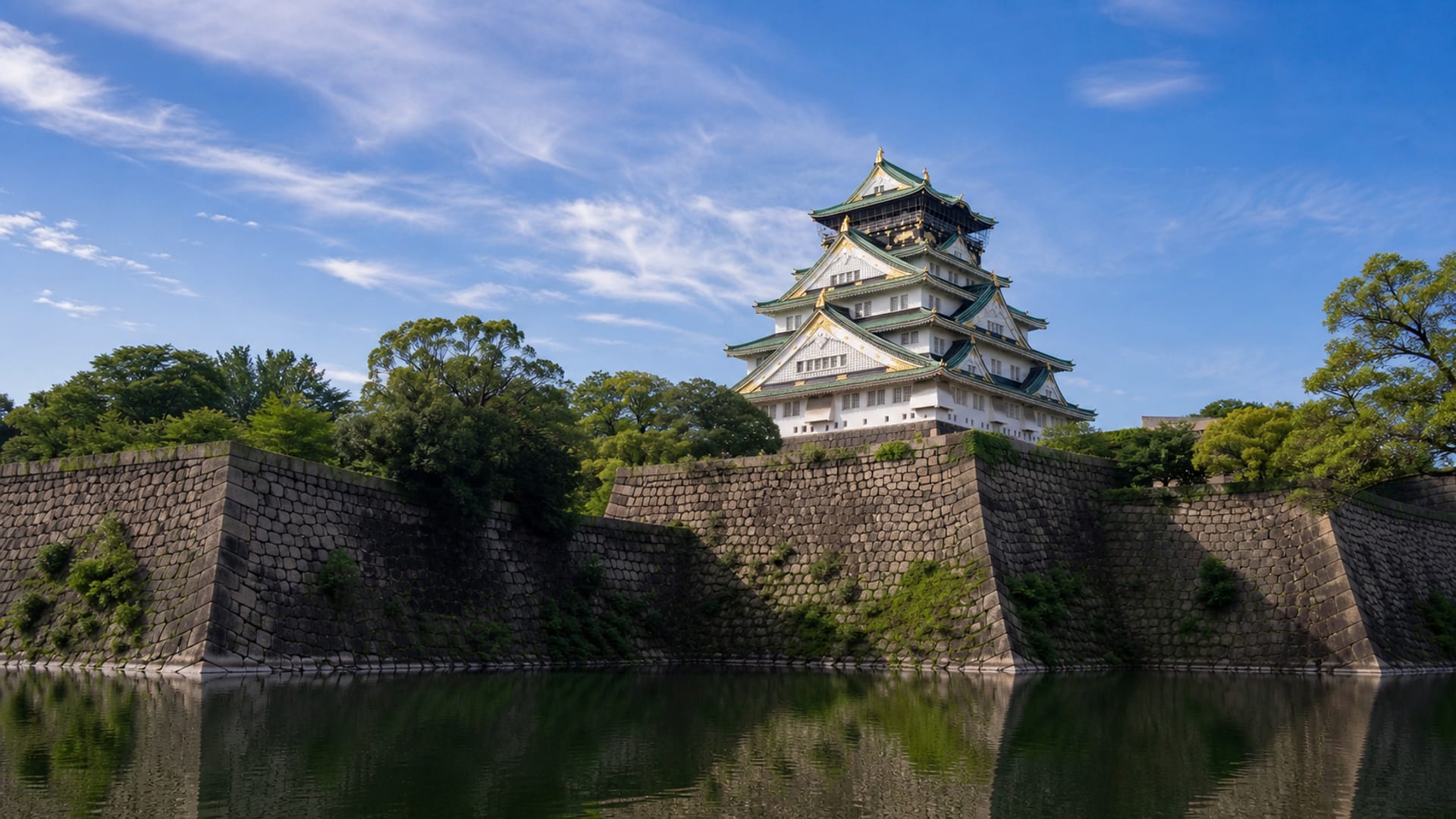
Osaka Castle
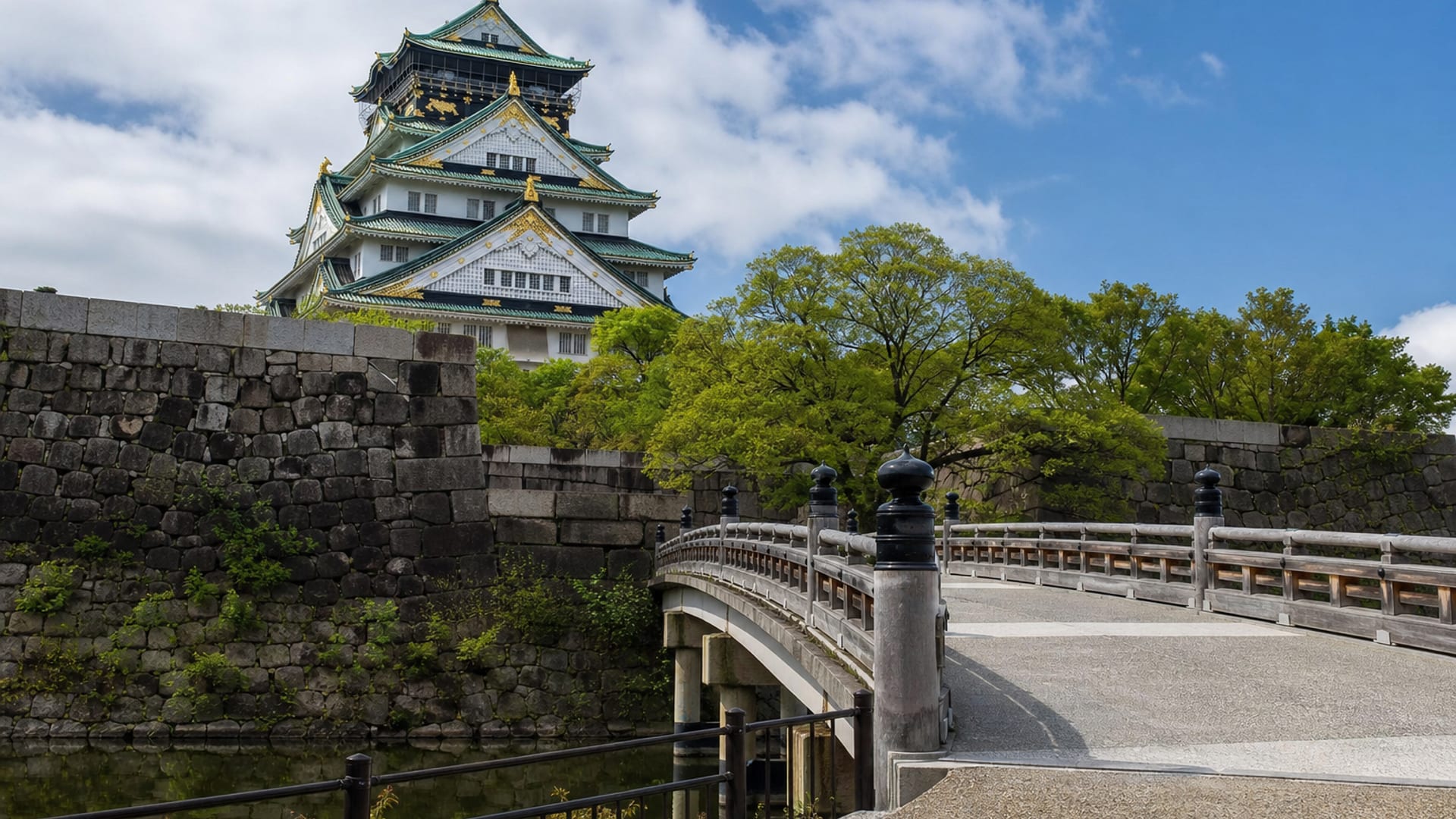
Osaka Castle anchors a broad park, with stone walls, moats, and a reconstructed tenshu that now houses a museum on Hideyoshi, Osaka’s feudal history, and city views from the top floor.
Time needed: About 2 to 3 hours
Entry: Castle museum tickets cost $6 ($900) for adults; park grounds are free to enter, and seasonal hours may change on holidays Visit the official site for details.
Tip: Arrive near opening, then walk the outer grounds before crowds build at the main keep.
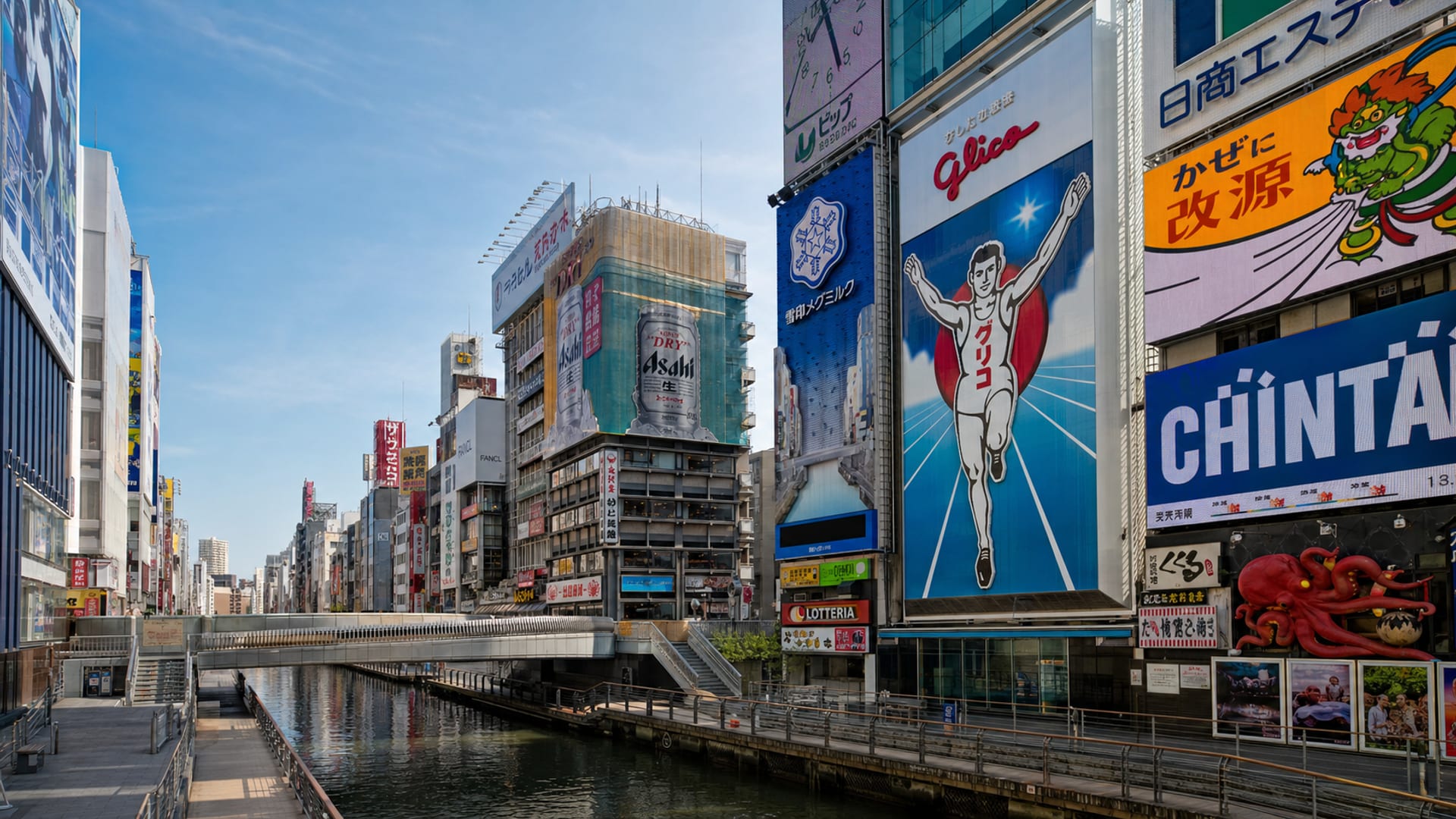
Dotonbori
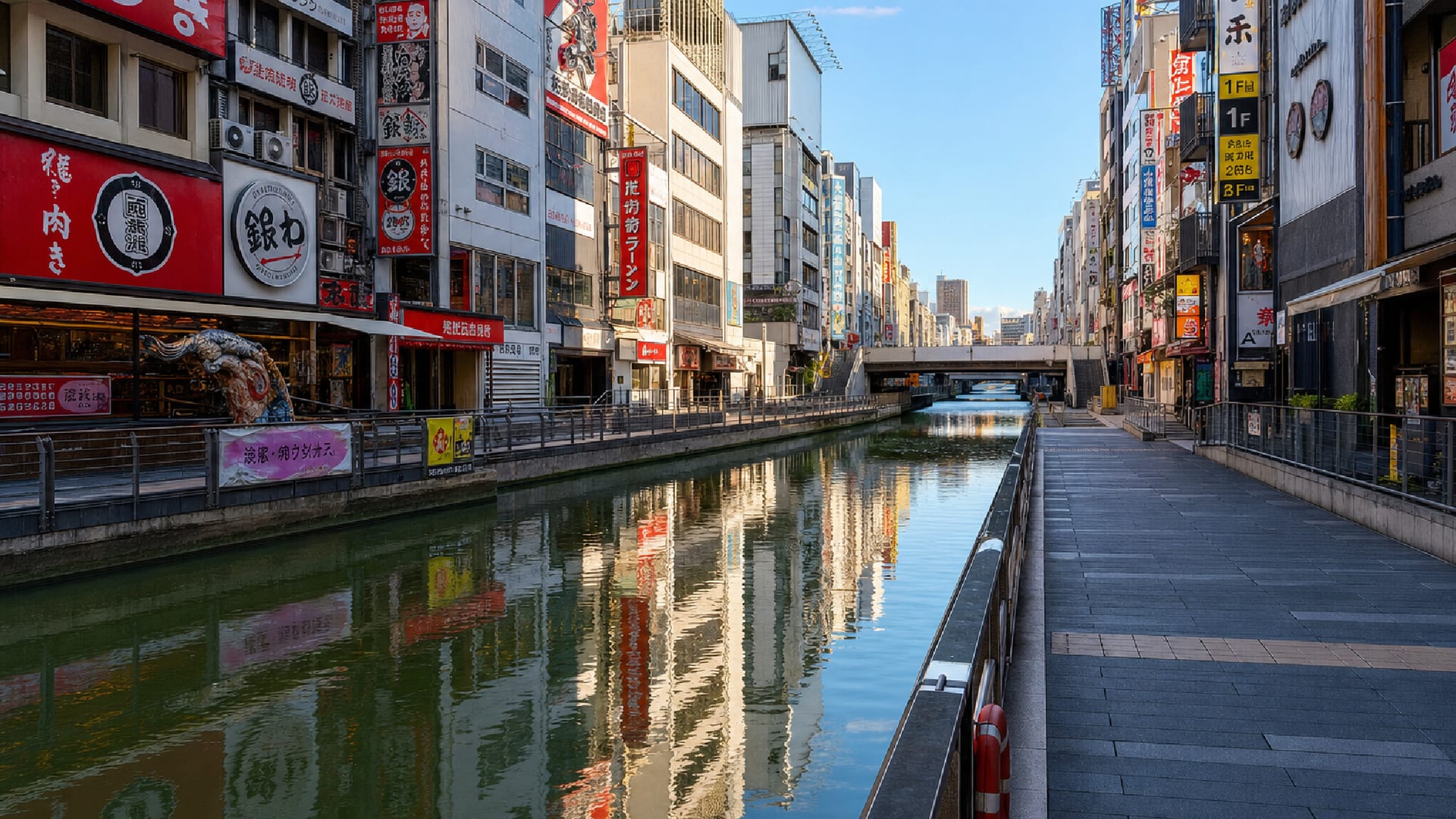
Dotonbori packs Osaka’s neon, riverfront bridges, and giant signboards into one compact strip. Come after sunset for canal reflections, street food, and the Glico running man above the crowd.
Time needed: About 1 to 2 hours
Entry: Free to explore; food, drinks, and boat rides cost extra, with most snacks starting about $3 ($450) and meals from about $8 ($1,200).
Tip: Go after dark, then cross the Ebisu Bridge for the clearest view of the canal signs.
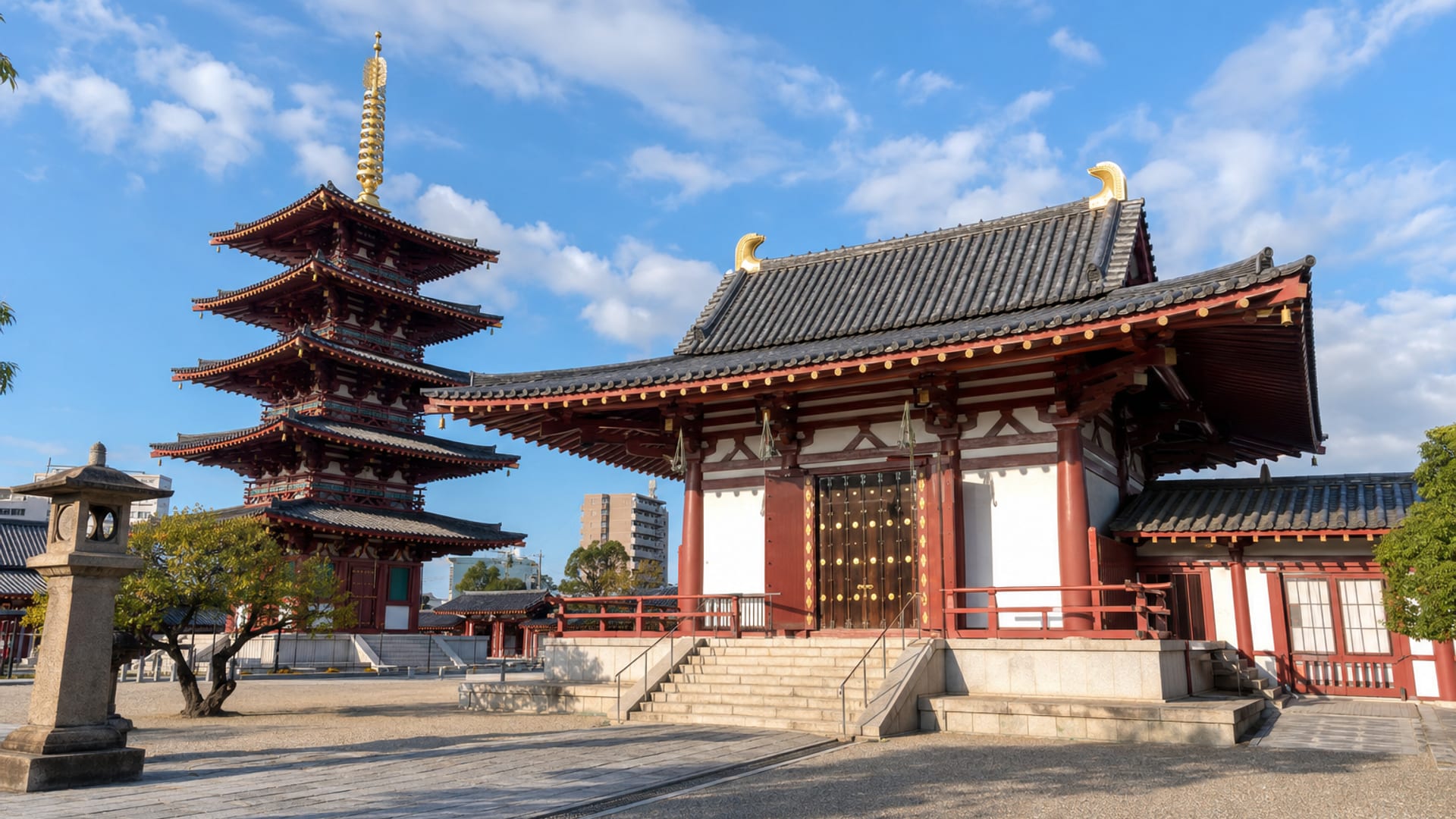
Shitennoji Temple
Shitennoji, founded in 593, is one of Japan’s oldest Buddhist temples and a rare glimpse of early temple layout. The complex includes a five-story pagoda, garden, and quiet precincts just south of central Osaka.
Time needed: About 1 to 2 hours
Entry: Temple grounds are free; the Gokuraku-jodo Garden and inner precincts cost $3 ($500) to $5 ($800), with extra fees for special halls Visit the official site for details.
Tip: Visit in the morning, when the grounds are quieter and the garden light is softer.
Overlooked sites worth visiting

Minoh Park
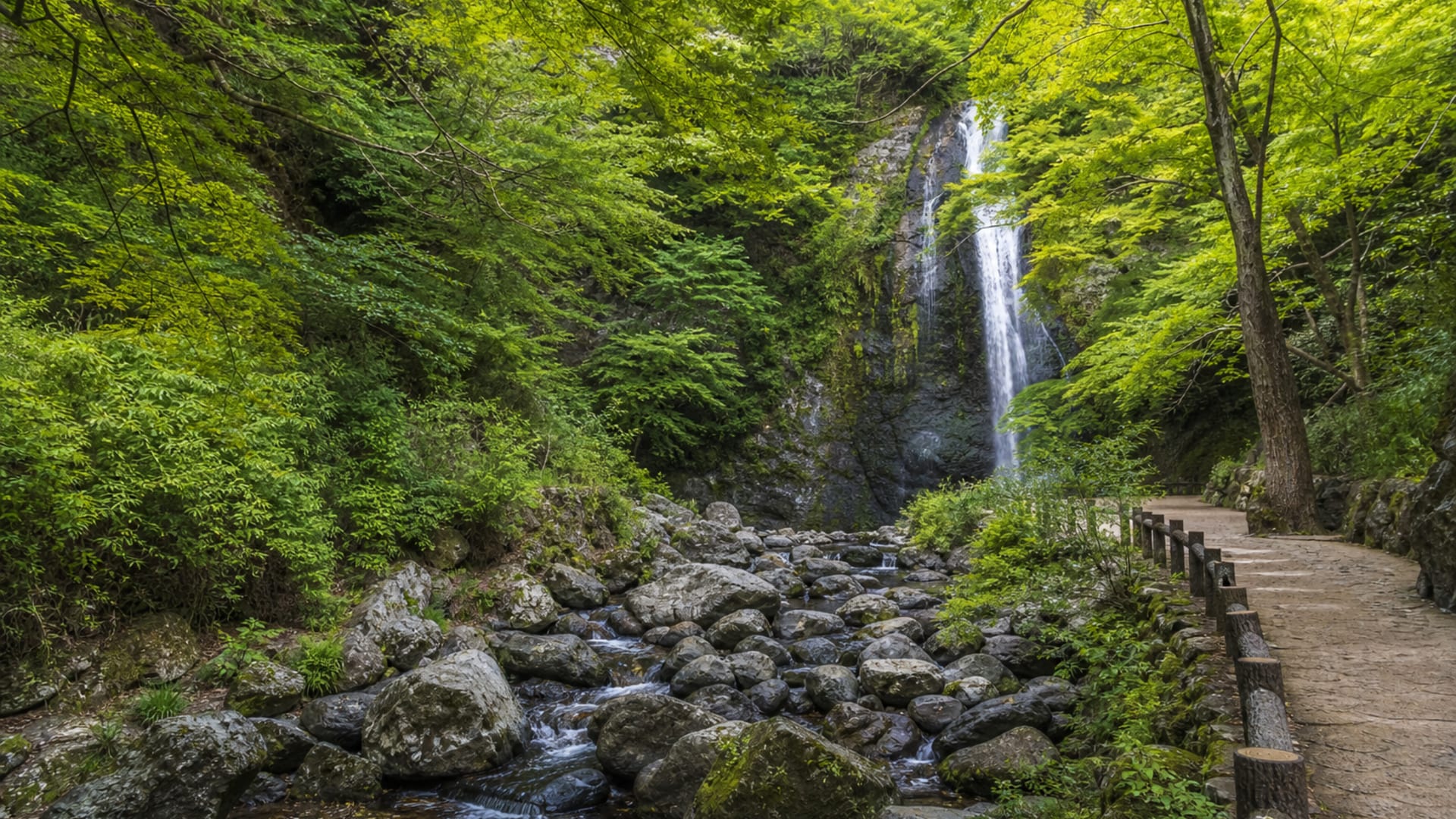
A forested valley north of central Osaka, best for a quieter half-day walk to Minoh Waterfall. The paved path passes temples, maple trees, and snack stalls selling momiji tempura.
Time needed: About 2 to 3 hours
Entry: Free to access; the park has no admission fee, and most visitors only pay for snacks or temple entries along the route. Some seasonal events or nearby facilities may charge separately.
Tip: Go early on weekends to avoid crowded trail sections.

Osaka Culturarium at Tempozan
This compact art complex in a former school building pairs a striking brick exterior with rotating exhibitions and design shows. Its small scale makes it easy to fit into a harbor-area visit.
Time needed: About 1 to 1.5 hours
Entry: Admission usually costs about $5 to $10 (¥800 to ¥1,500), depending on the exhibition. Special programs, workshops, or collaboration shows can be priced separately, and some displays may be ticketed only during limited runs Visit the official site for details.
Tip: Check the current exhibit page before you go.
Traditional food
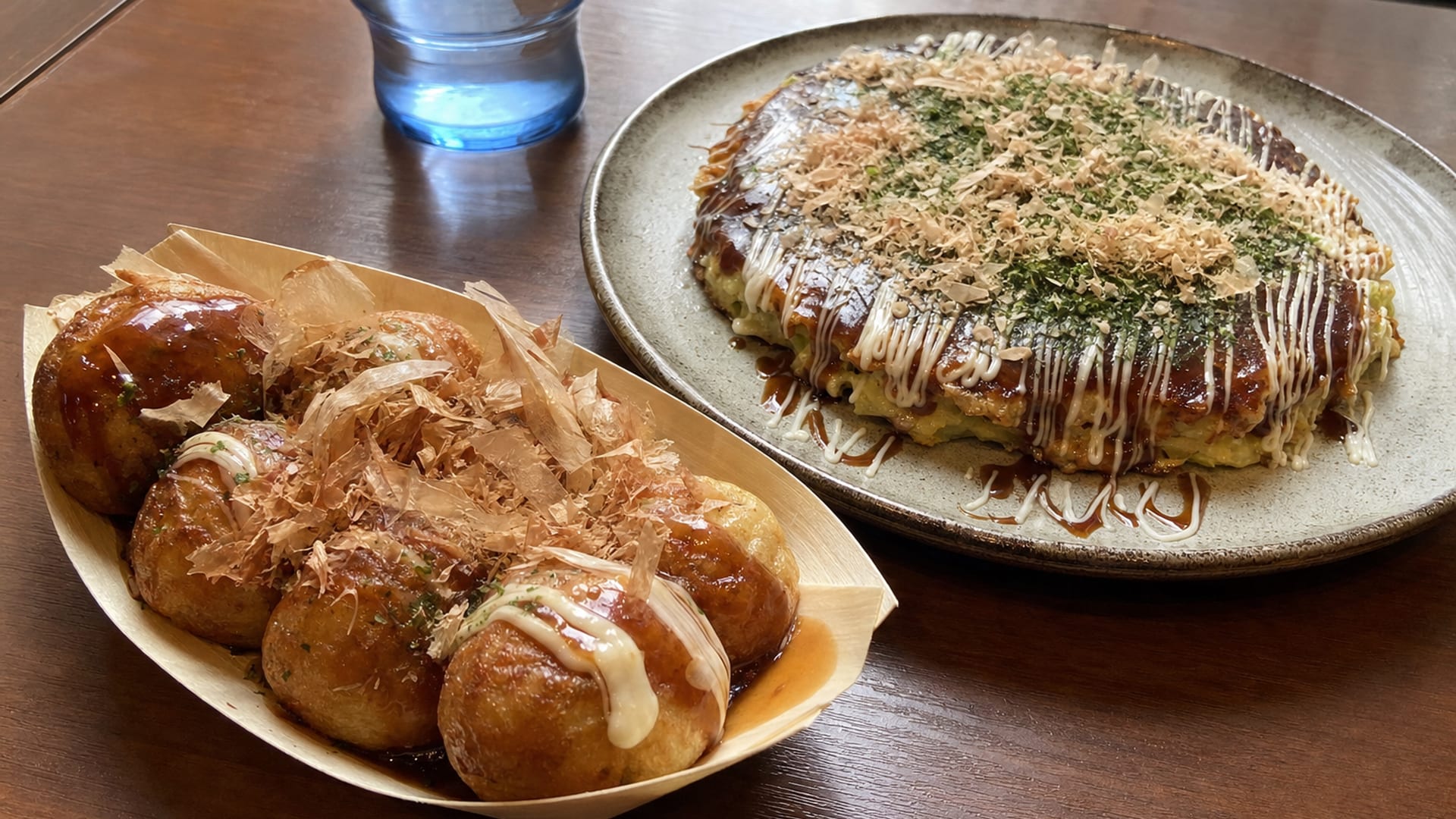
Osaka’s kitchen leans on wheat noodles, batter, pork, and bold savory-sweet sauces, then pairs them with the city’s street-food habit. Takoyaki, okonomiyaki, kushikatsu, and kitsune udon all fit that appetite for quick, hot, and satisfying meals.
Takoyaki
These octopus-filled batter balls are the city’s signature snack, crisp at the edges and soft in the middle. A classic place to try them is Creo-Ru in Dotonbori, where the line moves for a reason.
Okonomiyaki
Osaka-style okonomiyaki layers cabbage, batter, pork, and sauce into a savory pancake that cooks to order on a hot griddle. Mizuno, near Dotonbori, is one of the city’s best-known names for it.
Kushikatsu
Kushikatsu means skewered meat, seafood, and vegetables fried until golden, then eaten with a quick dip in the house sauce. Daruma, in Namba, is a canonical stop for a first taste.
Kitsune udon
Kitsune udon combines thick wheat noodles with a light broth and sweet fried tofu, a quieter Osaka staple than the city’s street snacks. Usami-Tei Matsubaya, near Shinsaibashi, serves a well-regarded version.
Best time to visit Osaka
Osaka shifts enough through the year that your best days depend on whether you want flower season, clear autumn air, or quieter winter streets.
Best for: Cherry blossoms in parks and comfortable walking days
What you get: About 50°F to 72°F (10°C to 22°C), with heavier crowds in late March and April near major parks and riverside walks
Trade-offs: Popular sights and trains can feel busier during peak blossom week
Best for: Nightlife, indoor attractions, and festival energy
What you get: About 75°F to 93°F (24°C to 34°C), with humid weather and lighter daytime crowds at some museums
Trade-offs: Heat and humidity make long outdoor walks harder
Best for: Temple visits, city walks, and Minoh foliage
What you get: About 54°F to 79°F (12°C to 26°C), with comfortable weather and steady visitor numbers outside holiday periods
Trade-offs: Typhoon season can still affect early autumn plans
Best for: Clear skies, lower hotel rates, and easier sightseeing
What you get: About 36°F to 50°F (2°C to 10°C), with thinner crowds at major sights except during New Year week
Trade-offs: Cold mornings make long outdoor stops less appealing
A realistic 5-day plan in Osaka
Five days in Osaka works best when the city moves from arrival and core landmarks to neon evenings, a quieter half-day outside the center, and a final morning of light shopping or one last temple stop before departure.
Land at Osaka (KIX), then take the Nankai or JR train into Namba or Tennoji in about 35 to 55 minutes for roughly $8 to $15, depending on the service and your rail pass. If you arrive late, check into Namba or Shinsaibashi so you can reach dinner on foot without another transfer; if you land earlier, Tennoji gives you a quieter first night and easy rail access. Hydrate, walk a few blocks for a light meal near Dotonbori or around the station, and stop there before the neon crowds pull you into a longer evening.
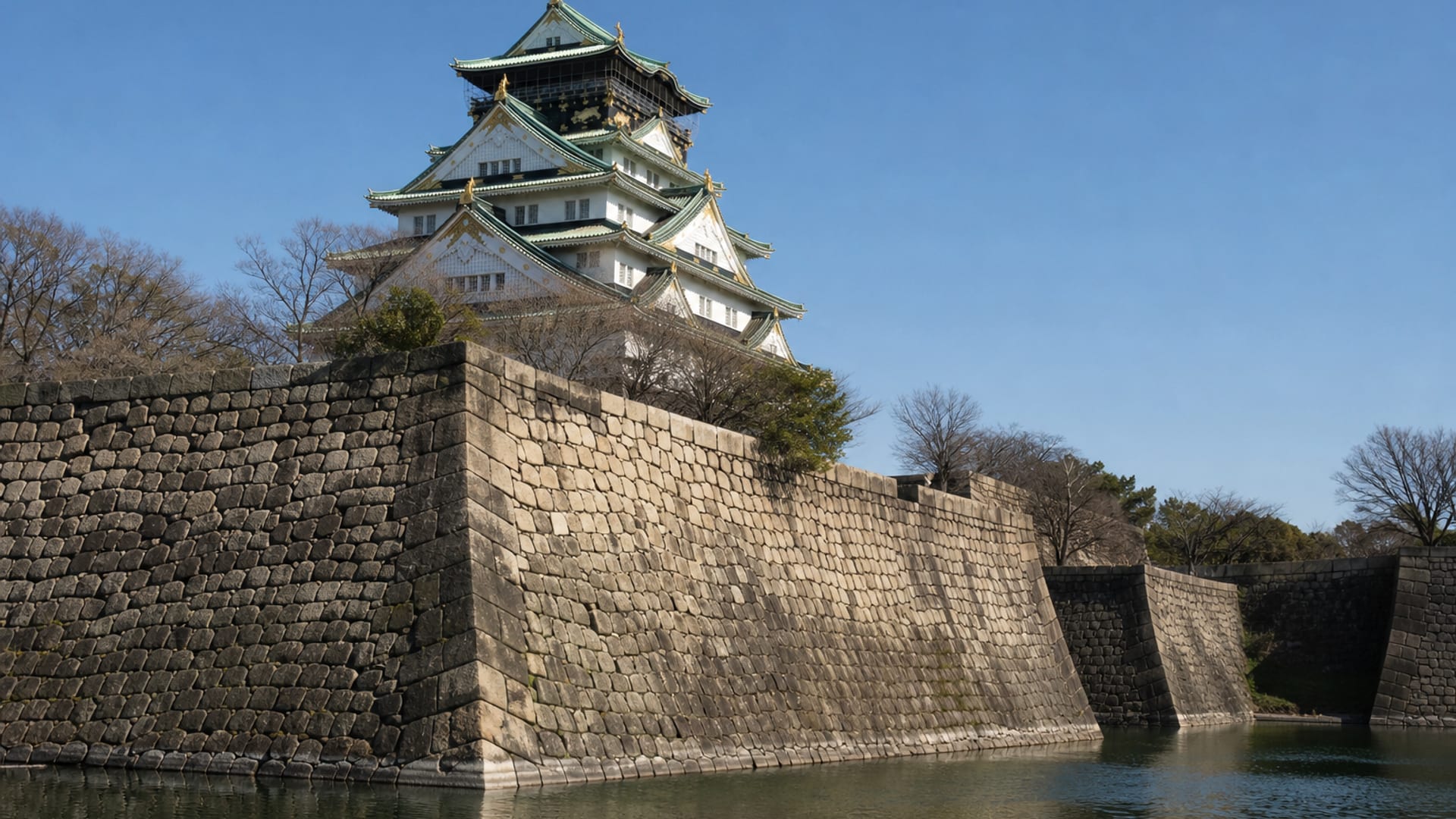
Start at Osaka Castle in the morning, where the park opens up the day before the busiest tour groups arrive. From Namba or Umeda, plan on about 15 to 20 minutes by train, then about 2 to 3 hours for the castle museum and outer grounds. Afterward, ride about 15 minutes to Shitennoji Temple for a calmer second stop, then continue to Tennoji in roughly 5 to 10 minutes for lunch or a tea break before heading back south for dinner in Namba or Shinsaibashi. The sequence keeps the day efficient without stretching the transit into separate cross-city runs.
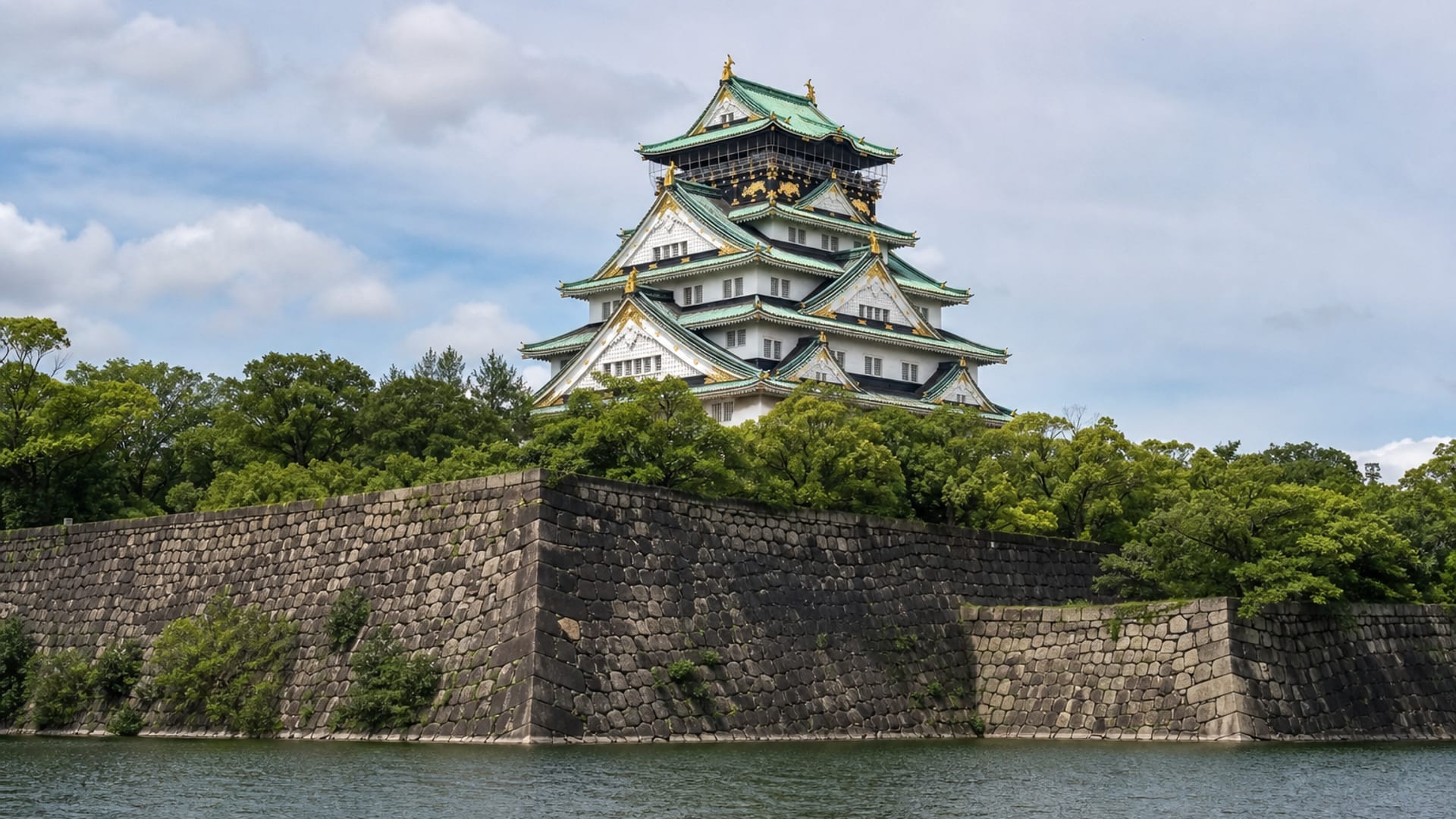
Dotonbori works best after sunset, so start this day in the late afternoon with a short walk from Shinsaibashi, or a 5 to 10 minute ride from Tennoji or Umeda. Spend an hour or two along the canal, then cross Ebisu Bridge for the clearest view of the signs and river reflections, with snacks usually starting about $3 and meals from about $8. If you want a second stop, continue on foot through Shinsaibashi’s covered arcade, which sits about 5 minutes away, and stay for dinner in the Minami area where the streets stay active into the night.
A half-day at Minoh Park changes the pace, and it pairs well with a slower morning away from the city center. From Umeda, the trip takes about 30 to 40 minutes by train and local transit, then the paved trail to Minoh Waterfall takes roughly 45 minutes each way, with enough time to pause for snacks or temple entries along the route. Return to central Osaka for a harbor-area stop at the Osaka Culturarium at Tempozan, about 20 to 30 minutes from Namba by train and subway, where a short exhibition visit fits neatly after the walk.
Before you pack, finish with one last museum stop or a shorter shopping loop rather than a long cross-city outing. If you are based in Namba or Shinsaibashi, browse the covered arcade and nearby fashion streets in the morning, then settle into a café in Tennoji or Umeda for an unhurried lunch before your transfer. Travelers with more energy can fit in a final temple visit at Shitennoji or a museum hour in the city center, then head back to the hotel with enough time for luggage, a quick rest, and a direct ride to Osaka (KIX) or Osaka (Itami) without a rushed last connection.
Business-class flights from the US to Osaka
Flights to Osaka usually route through major Asian hubs, and the itinerary you choose changes both price and total travel time. From New York and Los Angeles, the quickest options save hours, while one-stop routings can lower the fare.
From New York, All Nippon Airways, Japan Airlines, Korean Air, Cathay Pacific, and Qatar Airways sell the main one-stop options, and the trip takes about 14 to 15 hours nonstop when that schedule is available. If you do not mind a connection, common hubs include HND, NRT, ICN, HKG, and DOH, with total journey times of about 18 to 23 hours. Round-trip fares usually start at about $5,200 and can climb to $8,500.
Los Angeles travelers usually see All Nippon Airways, Japan Airlines, Korean Air, Asiana Airlines, and United Airlines on the board, with nonstop flying time of about 11 to 12 hours. If a lower fare matters more than the fastest arrival, connections through HND, NRT, ICN, or TPE can reduce the price, though the total trip often stretches to about 14 to 20 hours. Round-trip fares from Los Angeles to Osaka usually run from $4,400 to $7,200.
Osaka feels different when you slow down
A deliberate Osaka trip keeps the days tied to place, Umeda for rail access, Namba and Shinsaibashi for food and evening walks, Tennoji for an easier south-side base, then a single outing to Minoh or Tempozan when you want a change of pace. That structure cuts down on wasted cross-city rides and leaves more room for Osaka Castle, Shitennoji, and a proper Dotonbori night. If you want help matching the route to your dates, ask the AranGrant experts for a city plan built around your hotel and arrival time







