

Chapters:

Need help with your trip?
Our support team is available 24/7. Request a callback or call us directly at (833) 619-0908
Orlando trips often start with the parks, then widen only if there is time left, which means Lake Eola, Winter Park, and the museum stops can get pushed aside.
That approach works until traffic, ticket queues, and long cross-town drives take more time than expected, especially when you move between the airport, International Drive, and the theme park corridor.
This guide keeps the city in sections, with stays, transport, food, flights, and five days arranged so each day has a clear purpose rather than a rushed checklist.
Useful things to know

Main language(s): English

Currency: The local currency is the US dollar (USD, $).

Cash and cards: Cards and contactless are widely accepted; carry about $20 to $40 in cash for tips and small purchases.

Tipping: Tip 15-20% at restaurants, and a few dollars for taxis or hotel staff.

Traditional food: Gator tail, fried alligator bites, key lime pie, Cuban sandwich

Water and coffee costs: Water about $2 ($2), bar espresso about $4 ($4).

Taxis and ride apps: Uber and Lyft operate here; airport pickup zones can be busy, so follow app instructions.

Plug and voltage: Type A/B socket, 120V

Dining and shop opening hours: Breakfast is often 07:00-10:00, lunch 12:00-14:00, and dinner 17:30-21:00. Many restaurants serve later near theme parks and International Drive.

Emergency number: Dial 911 for police, fire, or medical emergencies.
Where to stay in Orlando
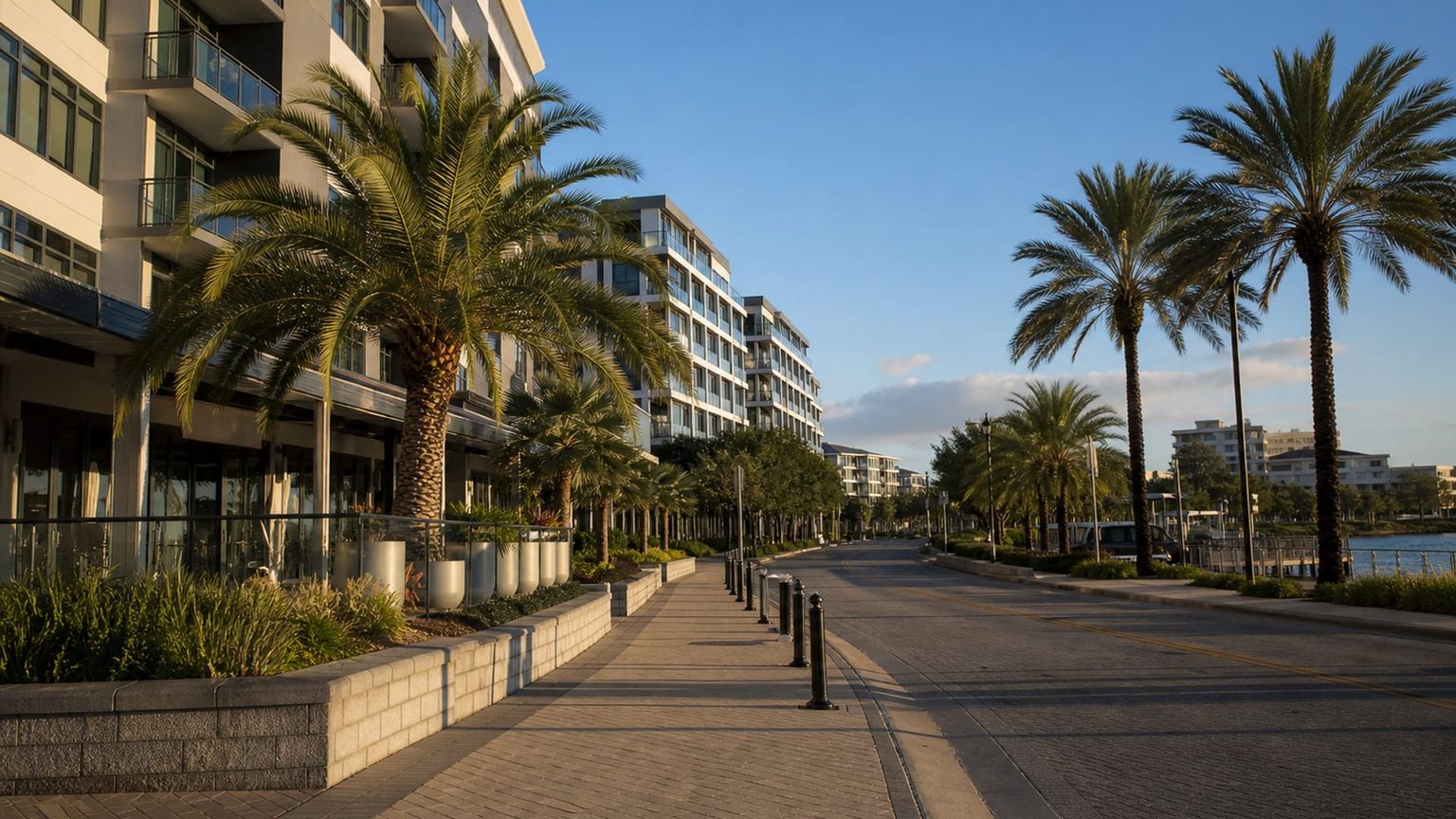
A modern southeast Orlando district built around Lake Nona Town Center, the medical city, and newer residential blocks. It matters for travelers who want newer hotels, quick airport access, and an easy base for business trips or a car-focused Orlando stay.
Best for: Airport access, medical visits, and travelers who prefer newer hotels with parking
What to expect: Wide roads, recent development, and a hotel-heavy atmosphere with dining clustered in Town Center and nearby plazas.
Hotel prices: Usually about $150 to $260 per night for well-rated stays
Distance to major sights: About 15 to 20 minutes by car to Orlando International Airport, roughly 25 to 30 minutes to downtown Orlando
Quietness: Quieter at night, with more daytime activity near offices, clinics, and hotels
Main trade-off: You will rely on a car or rideshare for most sightseeing, and the area sits far from the theme park core.
Good to know: If your trip starts or ends with a flight, this cuts transfer time, but late-night dining and walkable entertainment are limited.
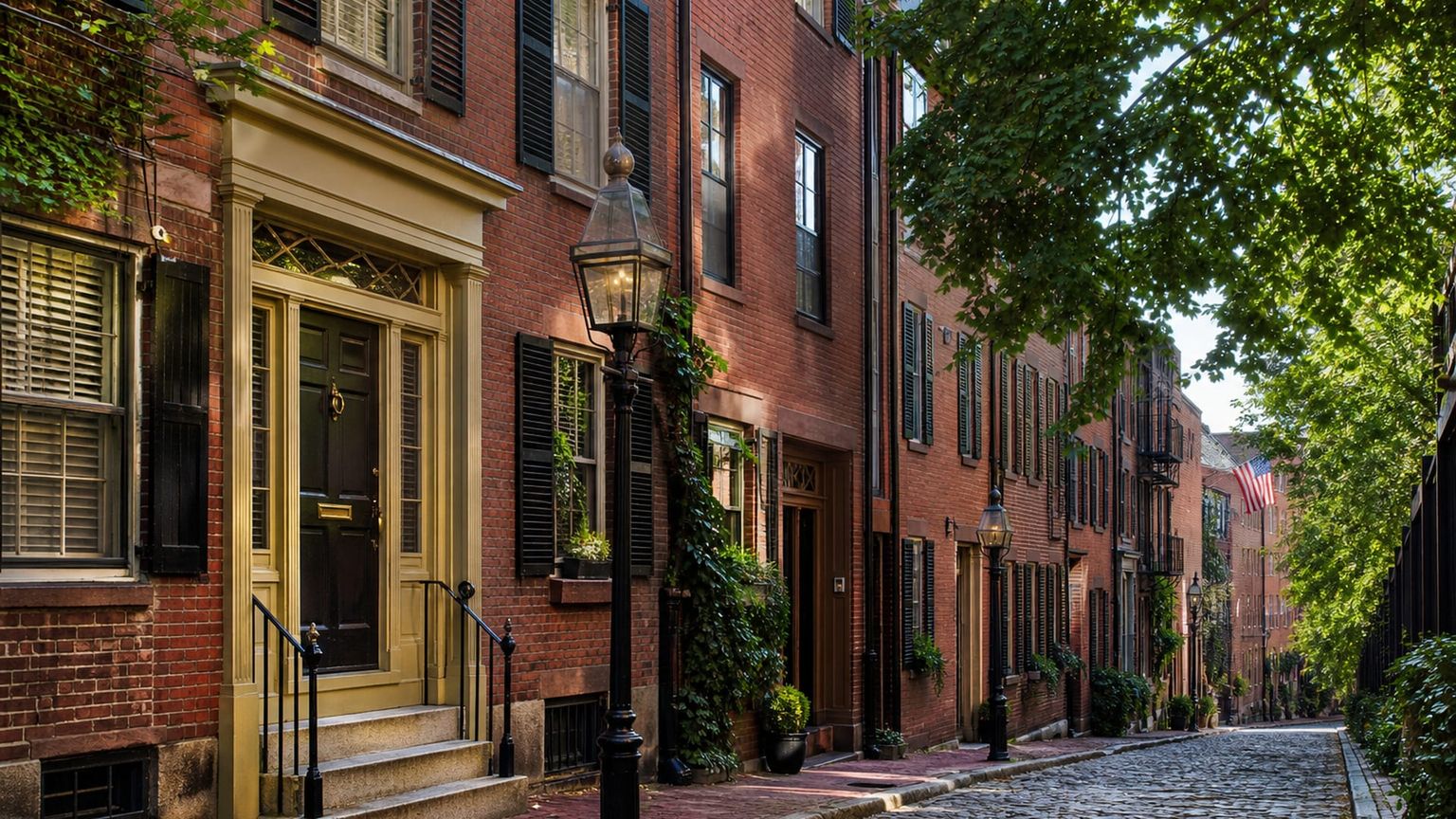
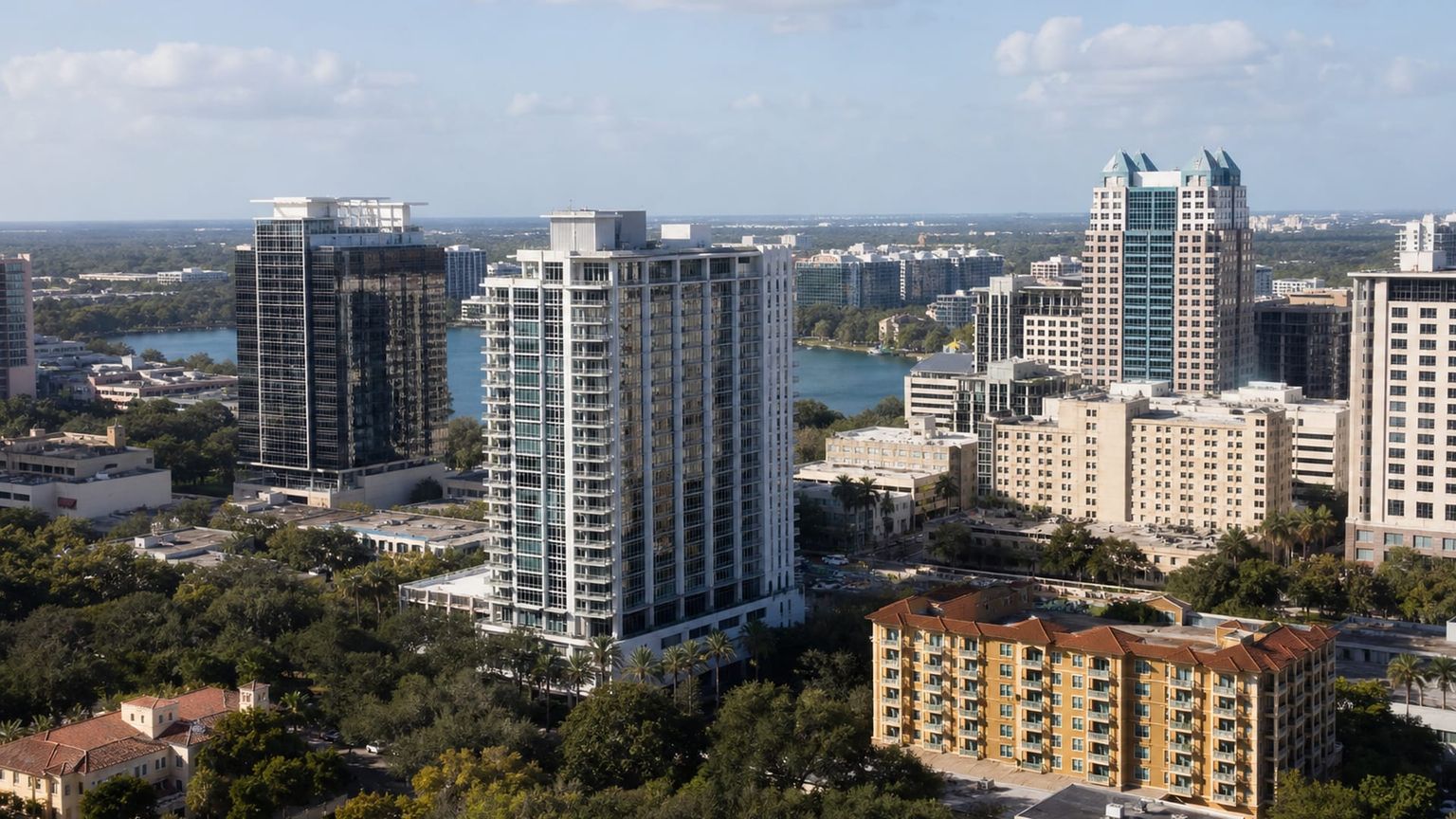
The city center, anchored by Lake Eola Park, office towers, apartments, and the main nightlife and arts corridors. It matters because it gives you the best access to restaurants, bars, events, and rail links in the heart of Orlando.
Best for: Nightlife, dining, events, and travelers who want the city center as a base
What to expect: Busy sidewalks on weekdays, more evening energy on restaurant streets, and a mix of residents, office workers, and weekend visitors.
Hotel prices: Usually about $170 to $320 per night for well-rated stays
Distance to major sights: About 5 to 15 minutes on foot to Lake Eola Park, roughly 10 to 15 minutes by car to the Dr. Phillips Center
Quietness: Active by day and livelier at night near bars and event venues, with quieter side streets after hours
Main trade-off: Parking can be expensive, and many top attractions in the wider city still require a car or rideshare.
Good to know: Choose a hotel with on-site parking if you plan to drive, since street parking fills quickly on event nights.
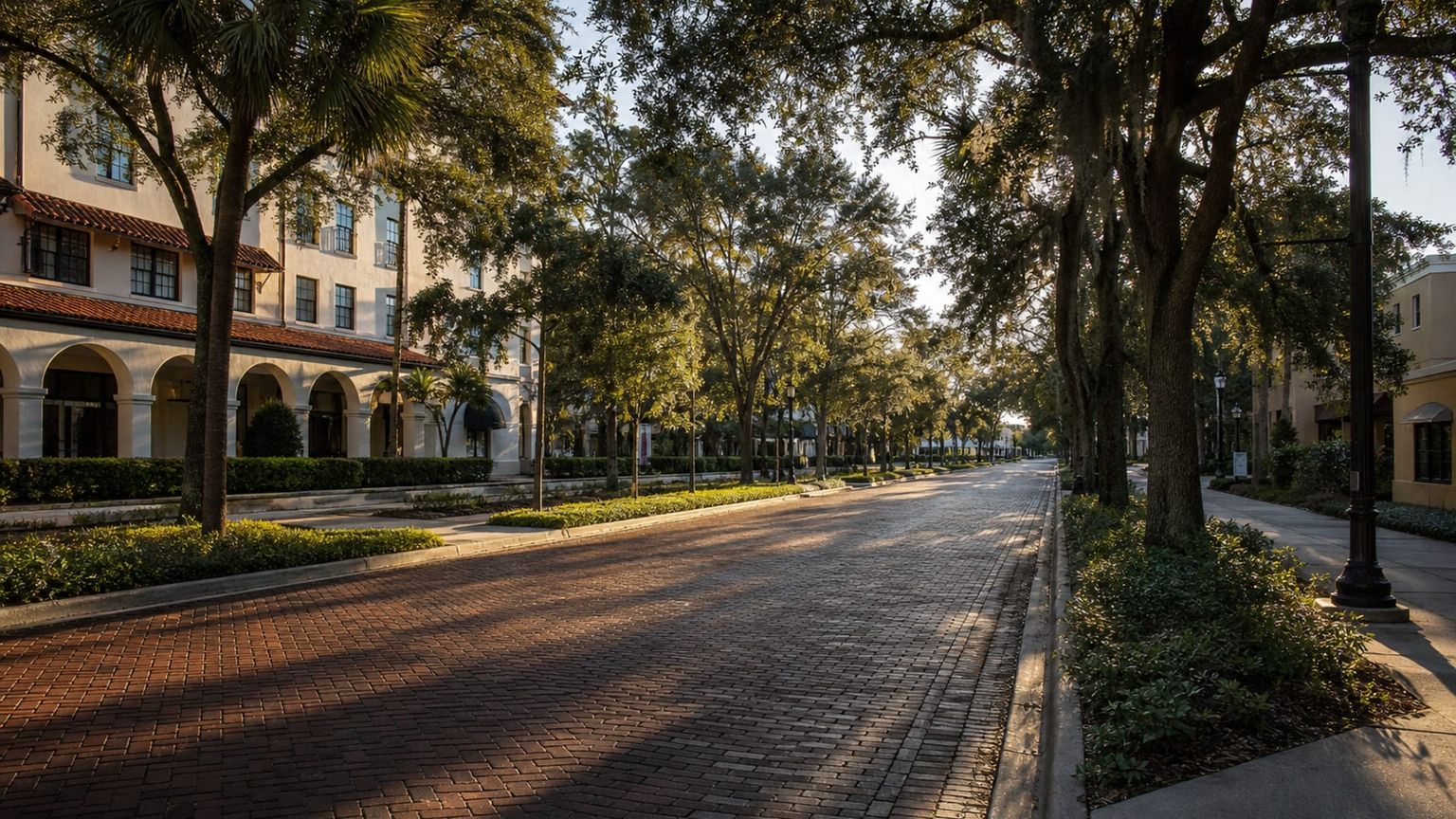
An established north Orlando district known for tree-lined streets, Rollins College, boutique shopping, and the chain of lakes. It matters for travelers who want a more walkable neighborhood with good restaurants and easy day access to museums and parks.
Best for: Walkable dining, shopping, museums, and a quieter urban stay
What to expect: Pedestrian-friendly streets, upscale storefronts, lake views, and a strong local restaurant scene with modest foot traffic.
Hotel prices: Usually about $190 to $360 per night for well-rated stays
Distance to major sights: About 15 to 25 minutes by car to downtown Orlando, roughly 20 to 30 minutes to Orlando International Airport
Quietness: Calm in the evening on residential blocks, with livelier pockets near Park Avenue and restaurant streets
Main trade-off: Rates are often higher than in central Orlando, and you may need to drive for theme parks or airport connections.
Good to know: If you want to spend evenings on foot, stay close to Park Avenue, since the best restaurant and shopping stretch is compact.
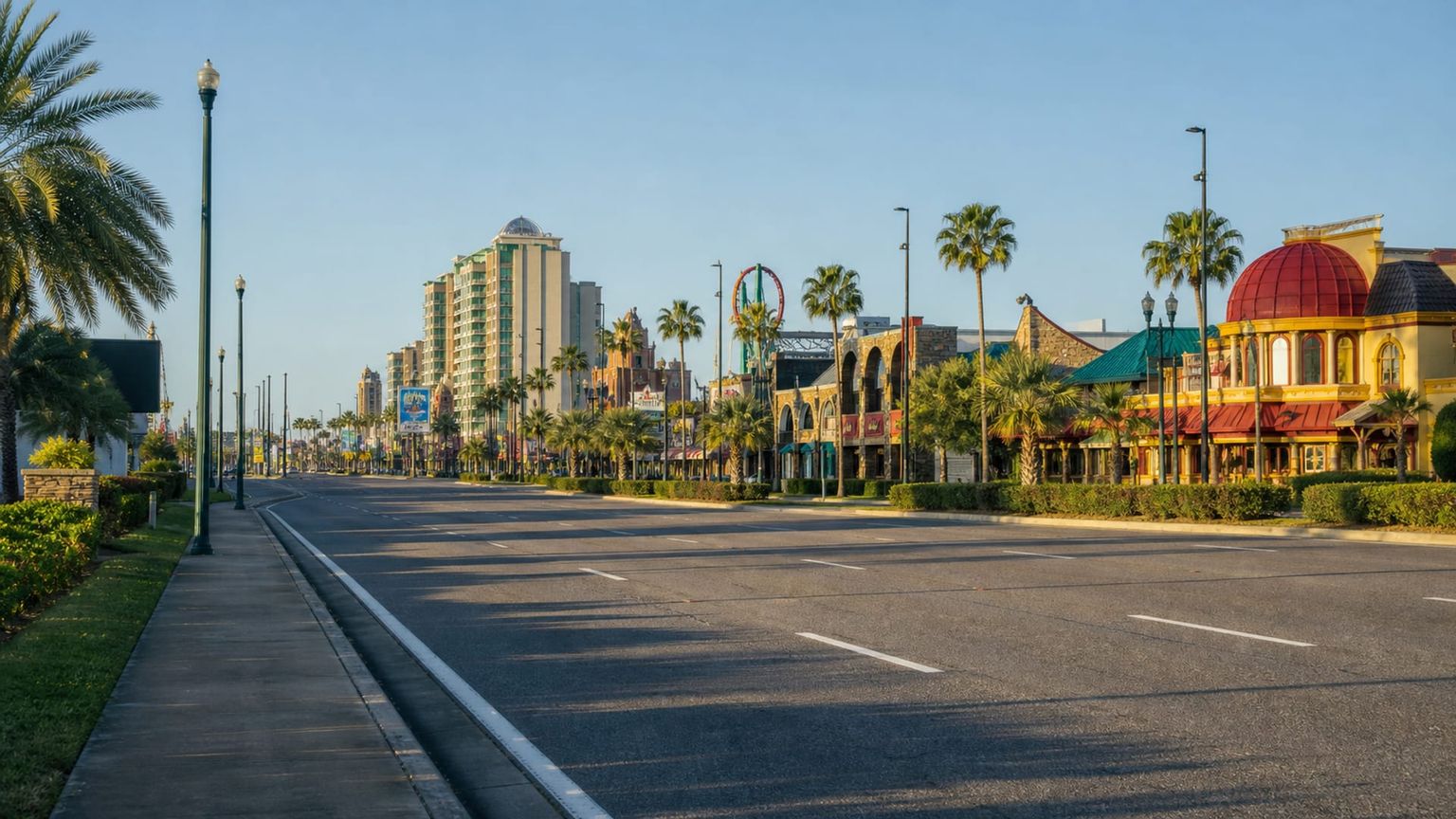
Orlando’s main visitor strip, lined with hotels, attractions, restaurants, and convention facilities between Universal and the Orange County Convention Center. It matters because it places you in the center of the tourist corridor and close to many ticketed attractions.
Best for: Theme park access, convention trips, and travelers who want a hotel-heavy base near major attractions
What to expect: Heavy traffic, frequent shuttle buses, chain restaurants, and a constant mix of families, convention guests, and tour groups.
Hotel prices: Usually about $130 to $260 per night for well-rated stays
Distance to major sights: About 10 to 20 minutes by car to Universal Orlando, roughly 15 to 25 minutes by car to Walt Disney World
Quietness: Busy from morning until late evening, with quieter hotel rooms only on side streets or upper floors
Main trade-off: The area is built for visitors, so many blocks feel car-first and some hotel zones are noisy at peak hours.
Good to know: If you want to move between attractions, plan extra time for traffic, since short map distances can still take a while at busy hours.
Travelers usually avoid staying far east of the core attractions in Avalon Park and Waterford Lakes, since these areas sit well away from Walt Disney World, Universal Orlando, and International Drive, with more reliance on car travel for evenings out. Lake Nona is also less convenient for a visitor base, because it is closer to Orlando International Airport and the medical district than to the main theme park corridor, and downtown Orlando can add long drives to nightly plans. Travelers also often skip the outer edges of Kissimmee south of US-192 and parts of Apopka, where visitor amenities thin out and evening trips back from the theme parks take longer.
Hotel deals
How to get around Orlando efficiently
Orlando has no metro, so most visitors combine rideshares, taxis, and LYNX buses, with SunRail filling only a limited commuter role outside the main visitor corridor.

Metro
for longer distances
Orlando does not have a metro or subway network, so visitors usually rely on rideshares, taxis, and buses instead. The closest rail option is SunRail, a commuter line with limited weekday coverage in the wider area, but it does not serve the main theme park and airport pattern most visitors need.

Bus and tram
for convenience
LYNX runs the main bus network, with fares at $2 ($2) per ride and a 24-hour pass for $4.50 ($4.50); one-day and longer passes are available through its ticketing options. Routes link downtown Orlando, International Drive, the airport area, and major shopping and theme park corridors, though many trips take 30 to 60 minutes or more, so check schedules closely before you commit to a connection.

Taxi
for convenience or late hours
Licensed taxis are metered in Orlando, and airport trips often use a flat-rate style queue for certain destinations while most other rides follow the meter. Expect roughly $2.50 to $3.00 per mile plus a base charge, with short local rides often costing about $15 to $25 and airport or resort trips commonly landing near $30 to $60 before tip; taxis queue at Orlando (MCO), and most accept credit cards.
*Prices are based on rates updated as of June 2026 and may change at the time of travel.
Use rideshares or taxis for park transfers and airport runs, LYNX for low-cost city travel when time is flexible, and walking for compact areas such as Winter Park and downtown around Lake Eola.
Iconic landmarks
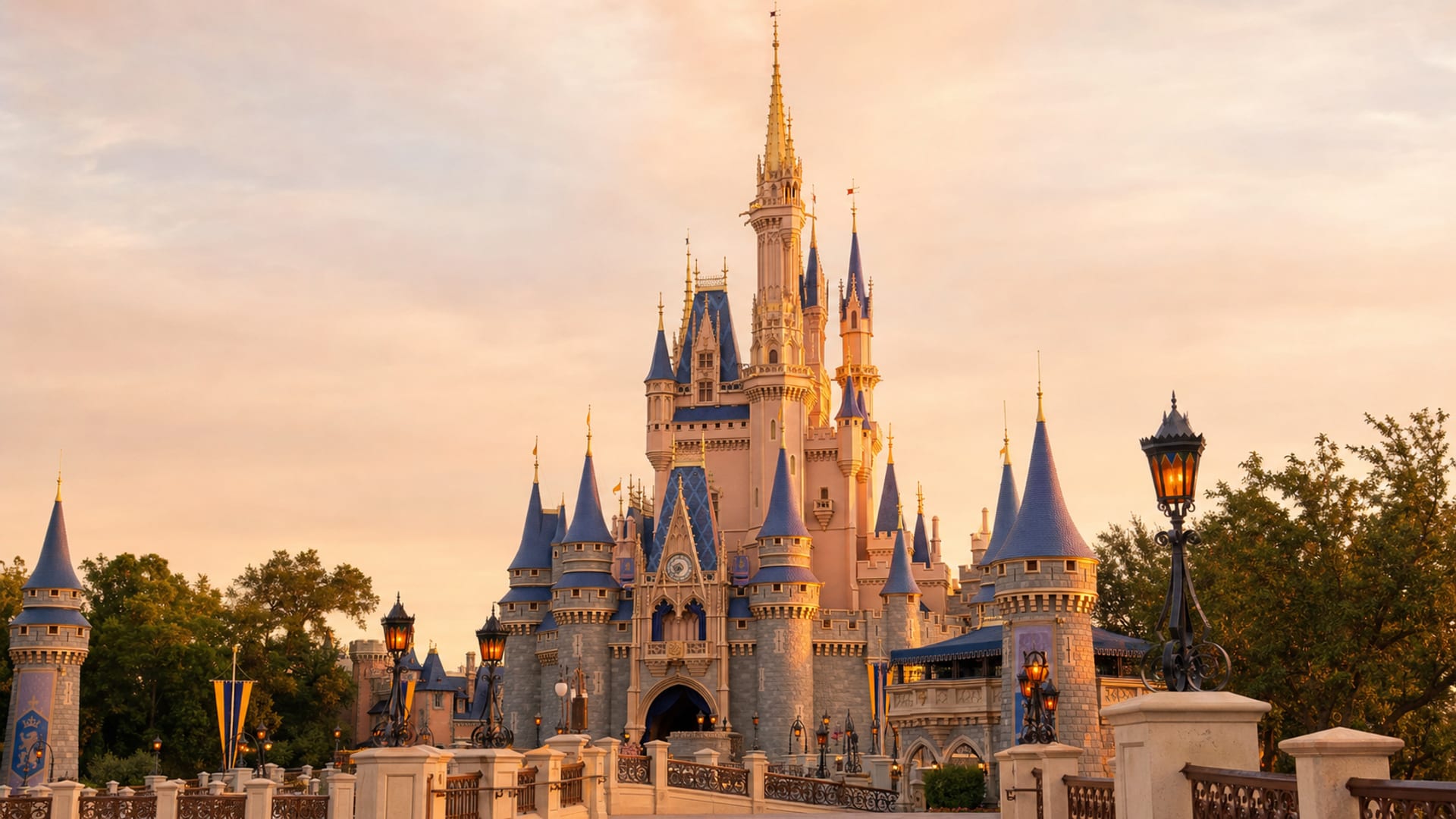
Walt Disney World Magic Kingdom
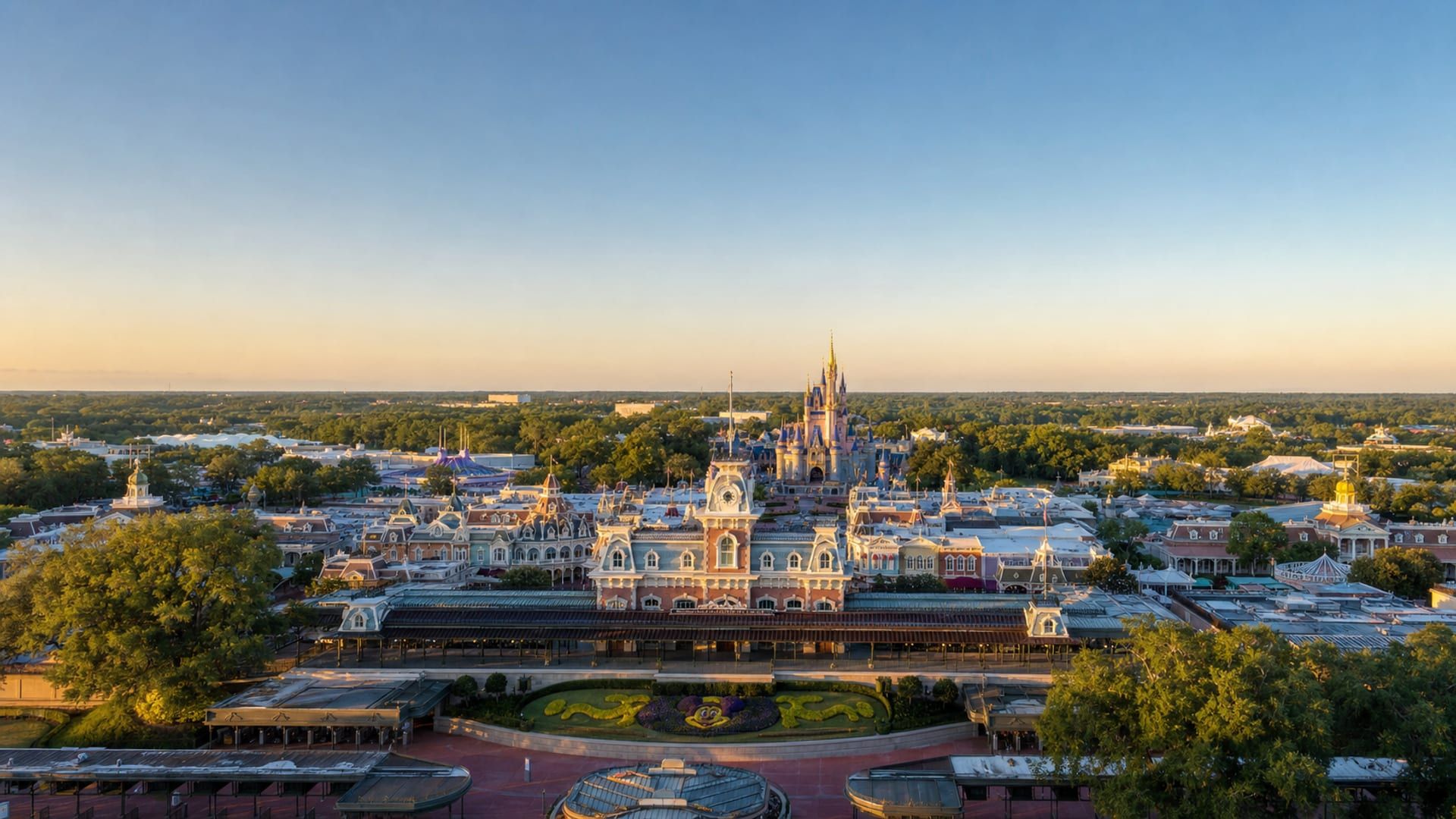
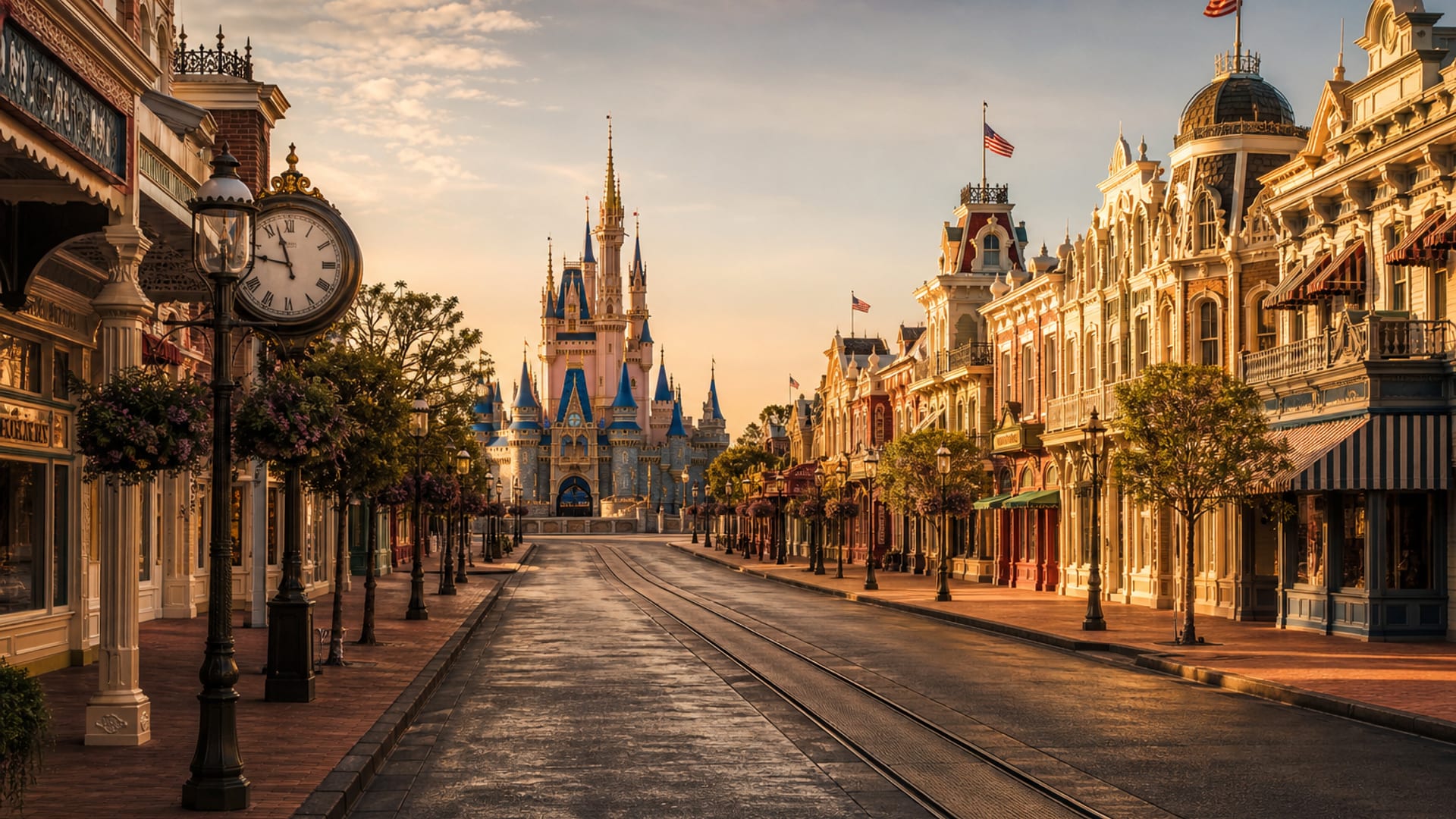
Orlando’s flagship theme park pairs Cinderella Castle with six themed lands, nightly fireworks, and ride icons such as Space Mountain and Pirates of the Caribbean. It draws the city’s biggest day-long crowds.
Time needed: About 8 to 10 hours
Entry: Standard dated admission usually costs about $164 to $189, with prices changing by day and season; parking costs extra. Visit the official site for details.
Tip: Arrive before opening if you want shorter waits for the first rides and shows.
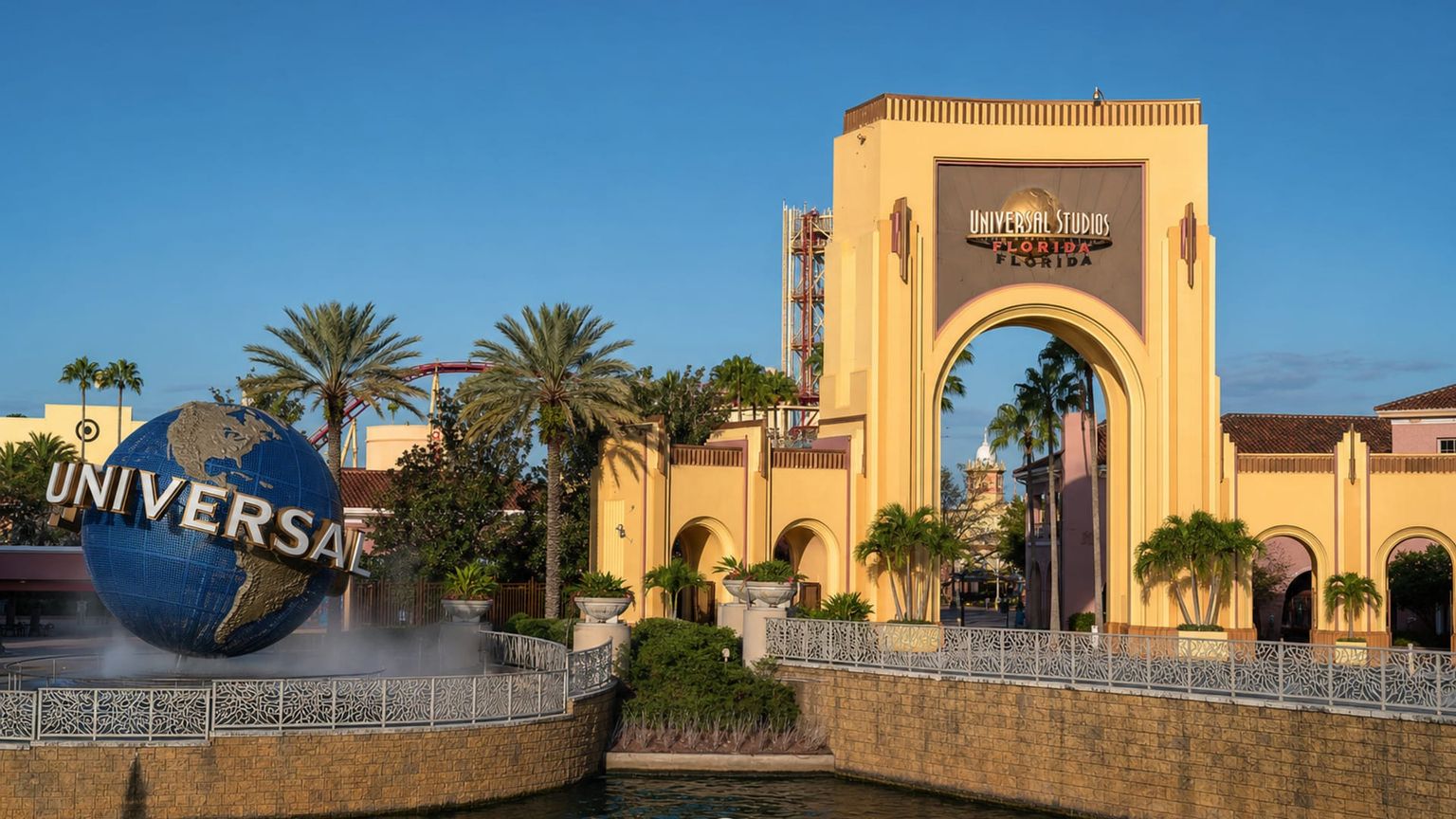
Universal Orlando Resort, Universal Studios Florida
This film-focused park puts Minion Land, Diagon Alley, and major screen-based rides into one compact resort day. It also packs in parade routes, character stops, and late-evening crowds that build near sunset.
Time needed: About 6 to 8 hours
Entry: Standard dated admission usually costs about $119 to $189, depending on date and park choice; parking costs extra. Visit the official site for details.
Tip: Start on the busiest coasters early, then save indoor shows for the hotter afternoon hours.
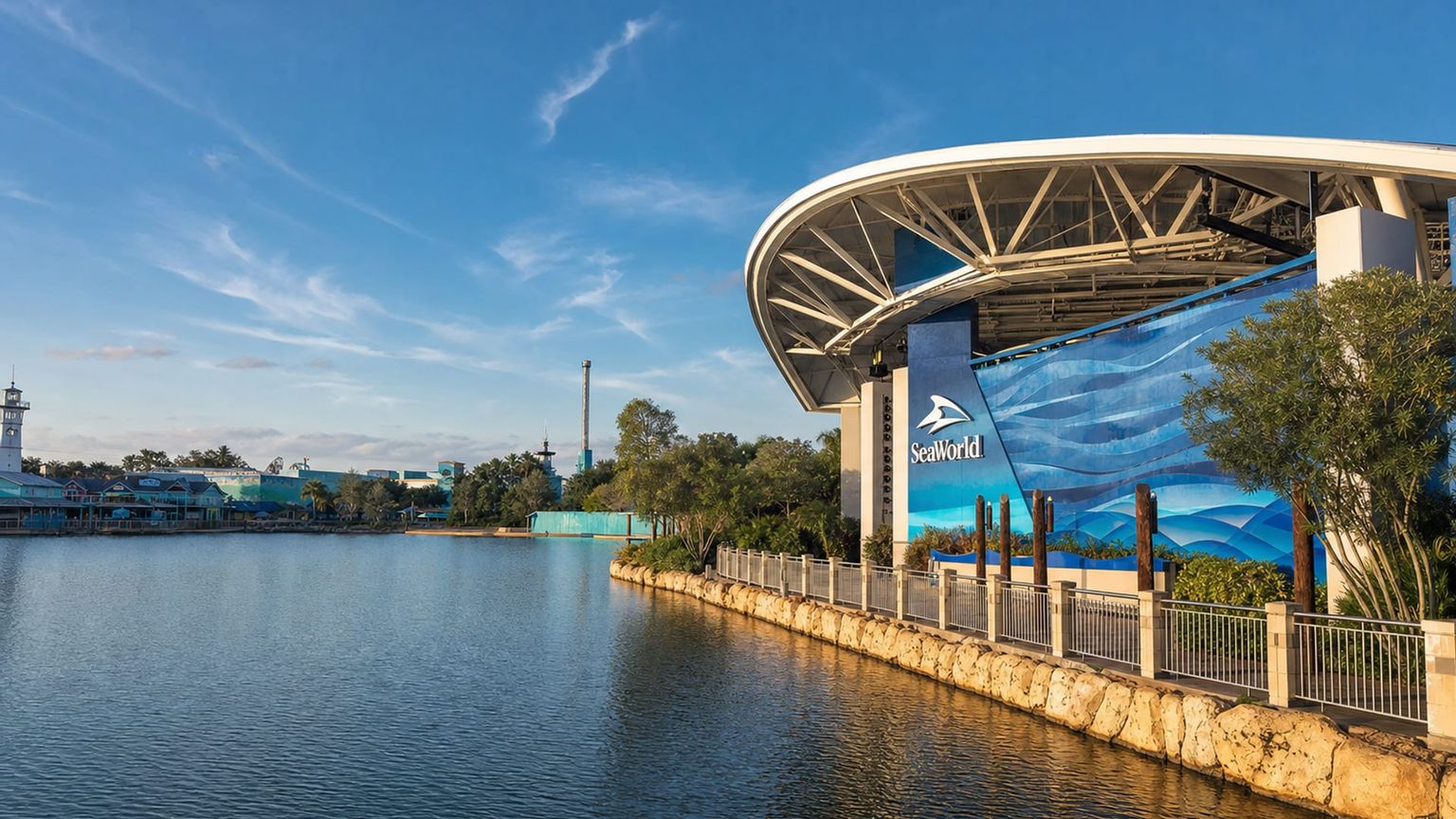
SeaWorld Orlando
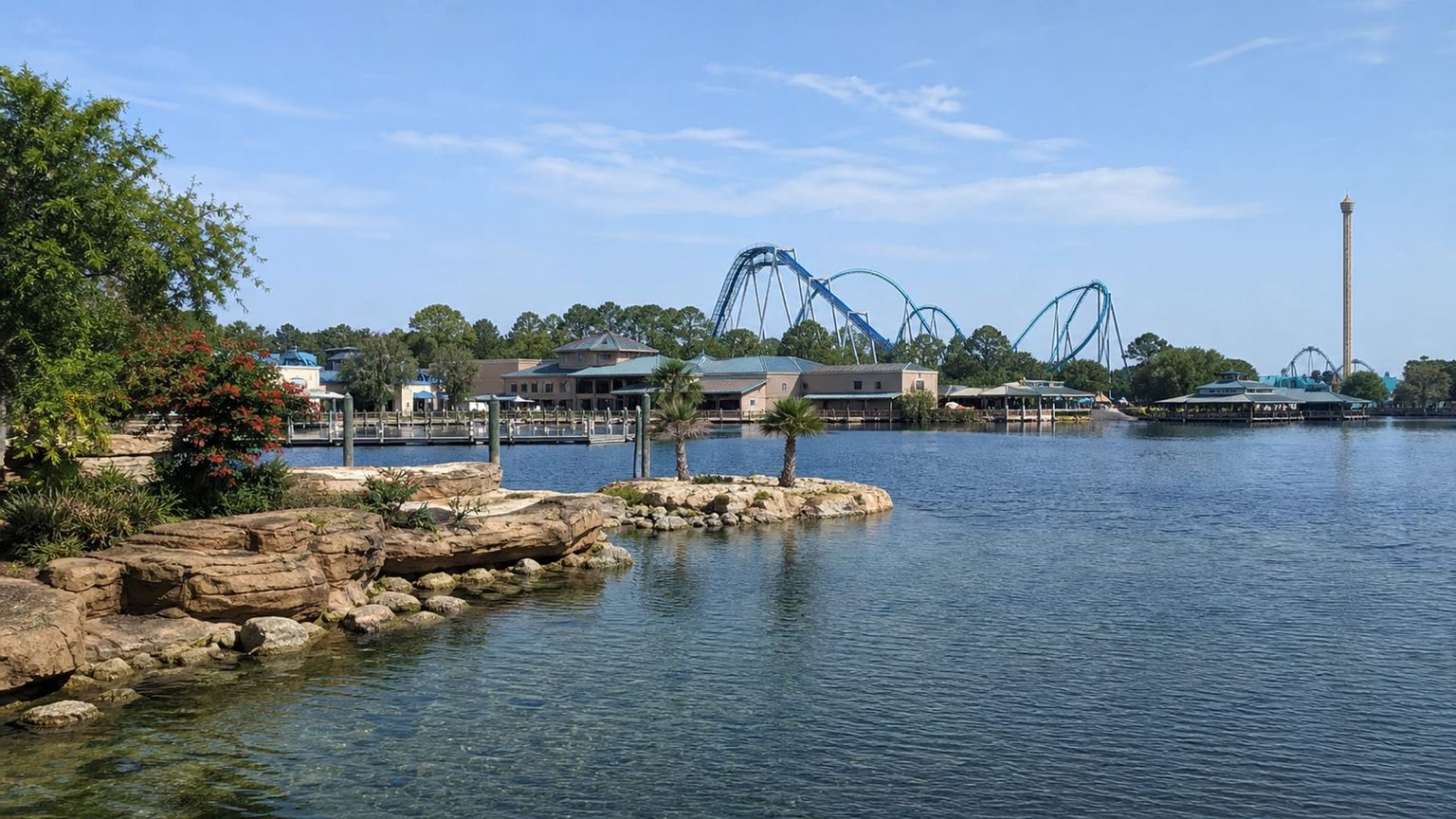
SeaWorld mixes large aquariums, orca and dolphin presentations, and coaster-heavy attractions such as Mako and Ice Breaker. The park works best if you split your time between animal habitats and thrill rides.
Time needed: About 5 to 7 hours
Entry: Standard admission usually costs about $99 to $129, with seasonal pricing and add-ons varying by date; parking costs extra. Visit the official site for details.
Tip: Plan animal shows around the afternoon heat, then use the cooler evening for rides.
Overlooked sites worth visiting

Leu Gardens
A 50-acre botanical garden north of downtown, Leu Gardens pairs rose beds, camellias, and shaded paths with a 19th-century house museum. The grounds give you a quiet half-day without leaving the city.
Time needed: About 1 to 2 hours
Entry: Adult admission is $15, seniors 60 and older pay $10, students with ID pay $10, and children 4 to 17 pay $10; children 3 and under enter free. Check the calendar for occasional free admission days and evening events. Visit the official site for details.
Tip: Visit early for cooler paths and softer light.

Cornell Fine Arts Museum
On the Rollins College campus, this compact museum shows European, American, and contemporary art in a small, easy-to-cover space. Its size and campus setting make it a good stop between meals or before a lakefront walk.
Time needed: About 45 minutes to 1 hour
Entry: General admission is free for most visits, though some special exhibitions may carry a separate fee. The museum is open to the public during posted hours, and visitors should check the calendar for holiday closures, lecture nights, or exhibition changes before arriving. Visit the official site for details.
Tip: Go on a weekday afternoon for the quietest visit.
Traditional food
Orlando’s food scene leans on Cuban sandwiches, gator tail, fried alligator bites, and key lime pie, with casual dining clusters near the parks and more neighborhood-driven rooms in Winter Park and downtown.
Cuban sandwich
Pressed roast pork, ham, Swiss, pickles, and mustard define the classic Orlando lunch. Black Bean Deli serves one of the city’s best-known versions, with a menu that keeps the focus on Cuban comfort food.
Gator tail
This Florida staple arrives fried and served as a snack or starter, with a texture that sits between chicken and seafood. The Ravenous Pig gives it a polished Central Florida setting and a menu that often pairs well with local beer.
Fried alligator bites
Crisp-coated alligator bites show up across Orlando menus, often with citrus, dipping sauce, or Cajun seasoning. Gator’s Dockside is a dependable place to order them in a lively sports-bar setting.
Key lime pie
Bright, tart filling and a graham crust make this the easiest dessert to build into a park day or hotel dinner. Yellow Dog Eats serves a memorable slice in a laid-back spot west of downtown.
Best time to visit Orlando
Orlando’s seasons shift more in humidity, rain, and crowd levels than in dramatic temperature swings, so the best time depends on how much heat and park traffic you want to manage.
Best for: Milder park days and outdoor time in the city
What you get: About 50 to 72°F (10 to 22°C), with lighter rain and some of the year’s heaviest visitor volume
Trade-offs: Holiday periods and school breaks push hotel and ticket demand higher
Best for: Balanced weather for theme parks and gardens
What you get: About 60 to 88°F (16 to 31°C), with warm days, growing humidity, and spring-break crowds in March and April
Trade-offs: Popular dates can raise prices and wait times quickly
Best for: Long park hours and indoor attractions
What you get: About 74 to 92°F (23 to 33°C), with high humidity, afternoon storms, and frequent family crowds
Trade-offs: Heat and rain can make midday touring harder
Best for: Quieter visits after the summer peak
What you get: About 65 to 86°F (18 to 30°C), with warm afternoons, lower early-autumn crowds, and some hurricane-season rain
Trade-offs: Weather can turn wet for a few days at a time
A realistic 5-day plan in Orlando
The five-day plan starts with airport arrival and then alternates between major parks, a day for gardens and museums, and a final downtown stretch. It gives Orlando’s theme-park side room, but it also leaves space for neighborhoods that reward a slower pace.
Land at Orlando International Airport (MCO), then take a rideshare or taxi to Lake Nona or International Drive, roughly 10 to 25 minutes depending on traffic and about $25 to $55 before tip. Check in, drink water, and keep dinner close to your hotel, with an easy first-night stop at a Lake Nona restaurant cluster or a nearby International Drive place if you want something simple after the flight.
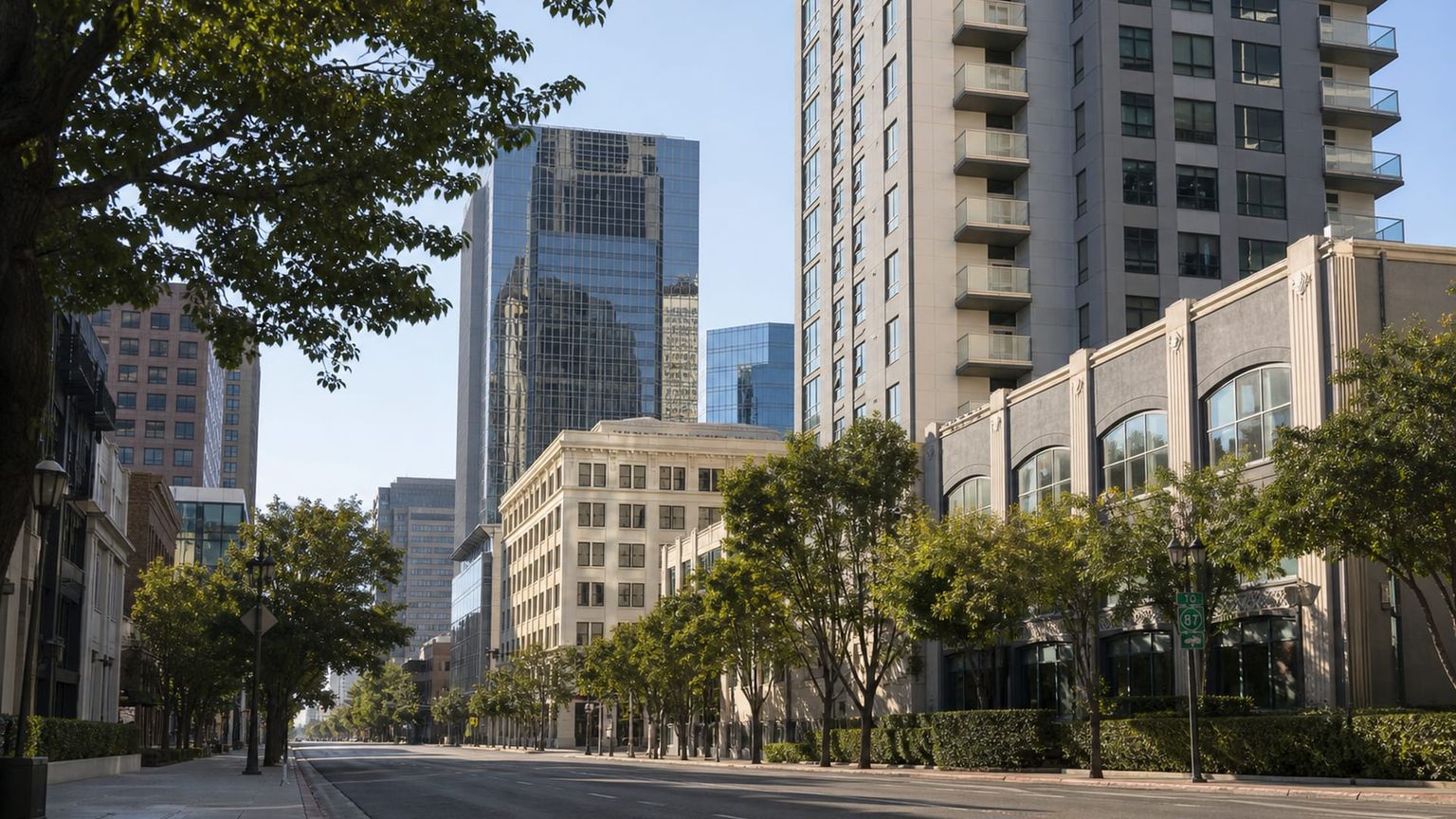
Start early at Walt Disney World Magic Kingdom, which usually takes about 8 to 10 hours and costs about $164 to $189 for dated admission, then arrive before opening to shorten the first wait lines. From Lake Nona or International Drive, plan on about 20 to 35 minutes by car, and if you stay through fireworks, expect the return trip to take longer after closing. If you want an easier dinner afterward, stay on International Drive, where hotel restaurants and casual spots sit close to the corridor.
Begin with SeaWorld Orlando, about 5 to 7 hours with admission usually about $99 to $129, and split the day between marine shows and the major coasters so the afternoon heat does not take over. The park sits about 10 to 15 minutes by car from International Drive, and you can pair it with an early evening meal back on that strip, where most hotels and restaurants line the same corridor.
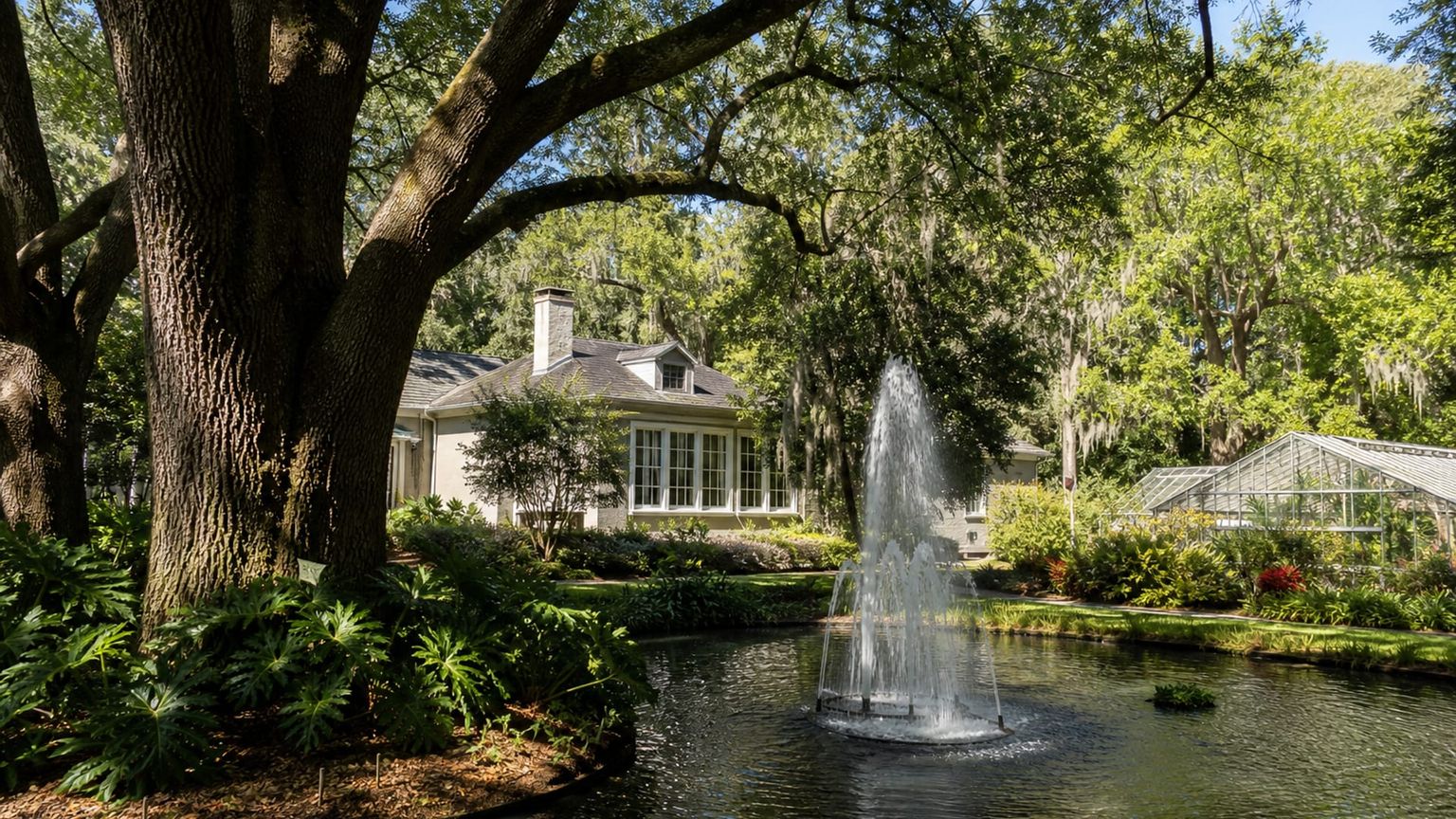
Head north to Winter Park and start at Leu Gardens, then continue to the Cornell Fine Arts Museum, which sits about 10 minutes away by car and about 25 minutes from downtown Orlando in normal traffic. Leu Gardens needs about 1 to 2 hours, and the Cornell museum takes about 45 minutes to 1 hour, so the day leaves room for lunch on Park Avenue and a relaxed walk along the shops and cafés nearby.
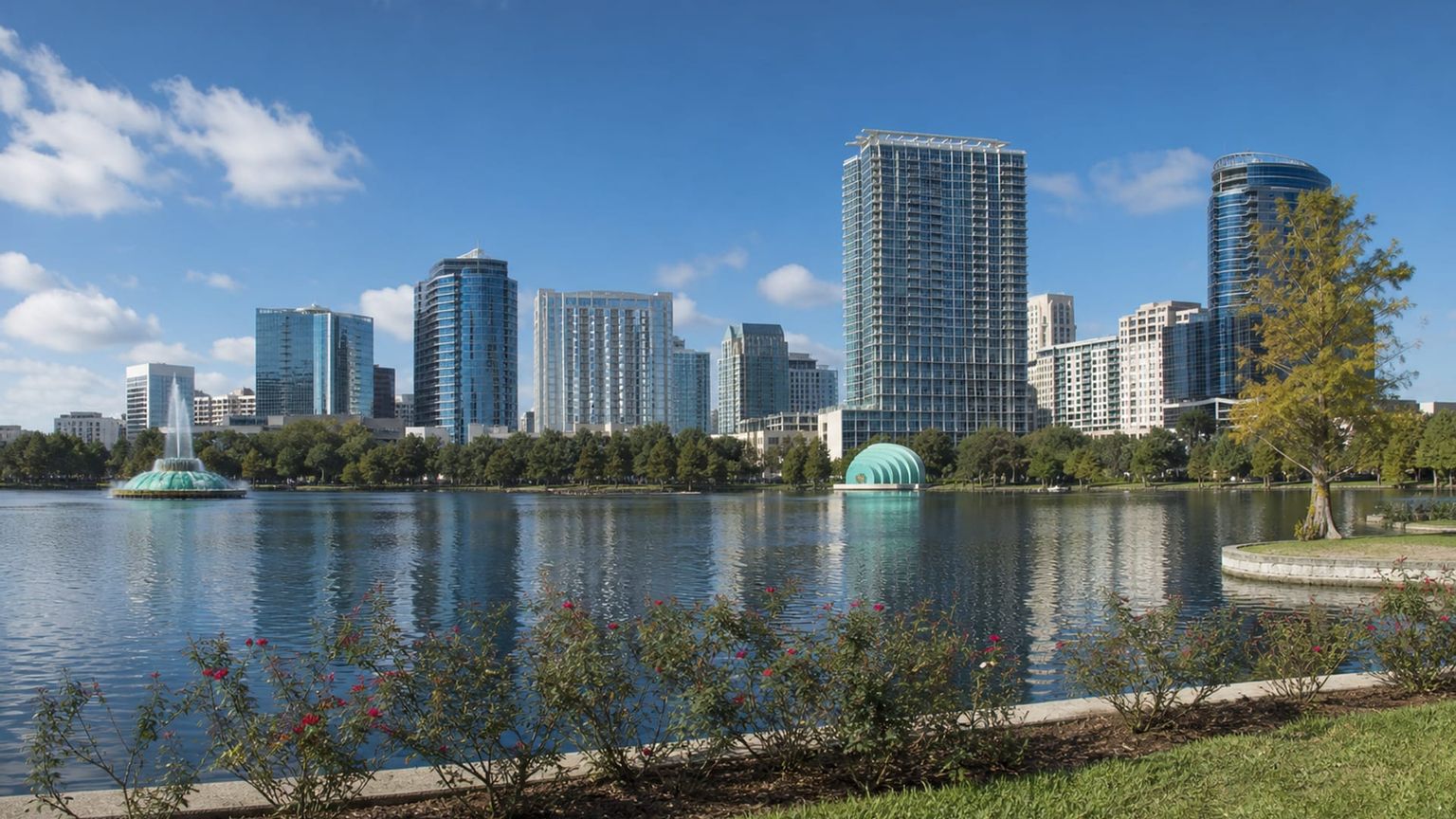
Wind down in Downtown Orlando with a final look at Lake Eola Park, then move to the Dr. Phillips Center area for a last coffee or early dinner before heading out. If your schedule allows a final stop, the Cornell Fine Arts Museum in Winter Park or Leu Gardens both work well, but keep the afternoon centered on a downtown café, light shopping near Park Avenue, or a hotel check-out near Lake Nona if you need a shorter ride to Orlando International Airport (MCO).
Business-class flights from the US to Orlando
Orlando’s long-haul fares vary by coast, so the clearest way to compare them is by route, layover pattern, and the airlines that usually operate each market. The two examples below show how the nonstop and one-stop options differ.
From New York (JFK, EWR, LGA), Delta Air Lines, JetBlue, United Airlines, American Airlines, and Spirit Airlines usually cover the route in about 2.5 to 3 hours when schedules line up. One-stop itineraries often connect through ATL, CLT, DFW, IAH, or MIA, and those layovers can cut round-trip fares from about $450 to $1,200 to roughly $250 to $550.
Los Angeles (LAX) itineraries usually take about 4.5 to 5.5 hours nonstop on American Airlines, United Airlines, Delta Air Lines, Southwest Airlines, or Alaska Airlines. When you accept a connection, common hubs include DFW, DEN, PHX, SFO, and LAS, and round-trip fares often move from about $500 to $1,400 on the nonstop market down to roughly $300 to $700.
Orlando feels different when you slow down
A deliberate Orlando trip has a clear shape, with hotel choices matched to the day, whether that means International Drive for park access, Winter Park for a walkable evening, or Lake Nona for an early airport run. It also uses the right mode for each move, rideshare for MCO and the parks, LYNX when time matters less, and walking where the streets are compact. If you want help shaping the route, the AranGrant experts can build it around your dates and neighborhood choice