

Chapters:

Need help with your trip?
Our support team is available 24/7. Request a callback or call us directly at (833) 619-0908
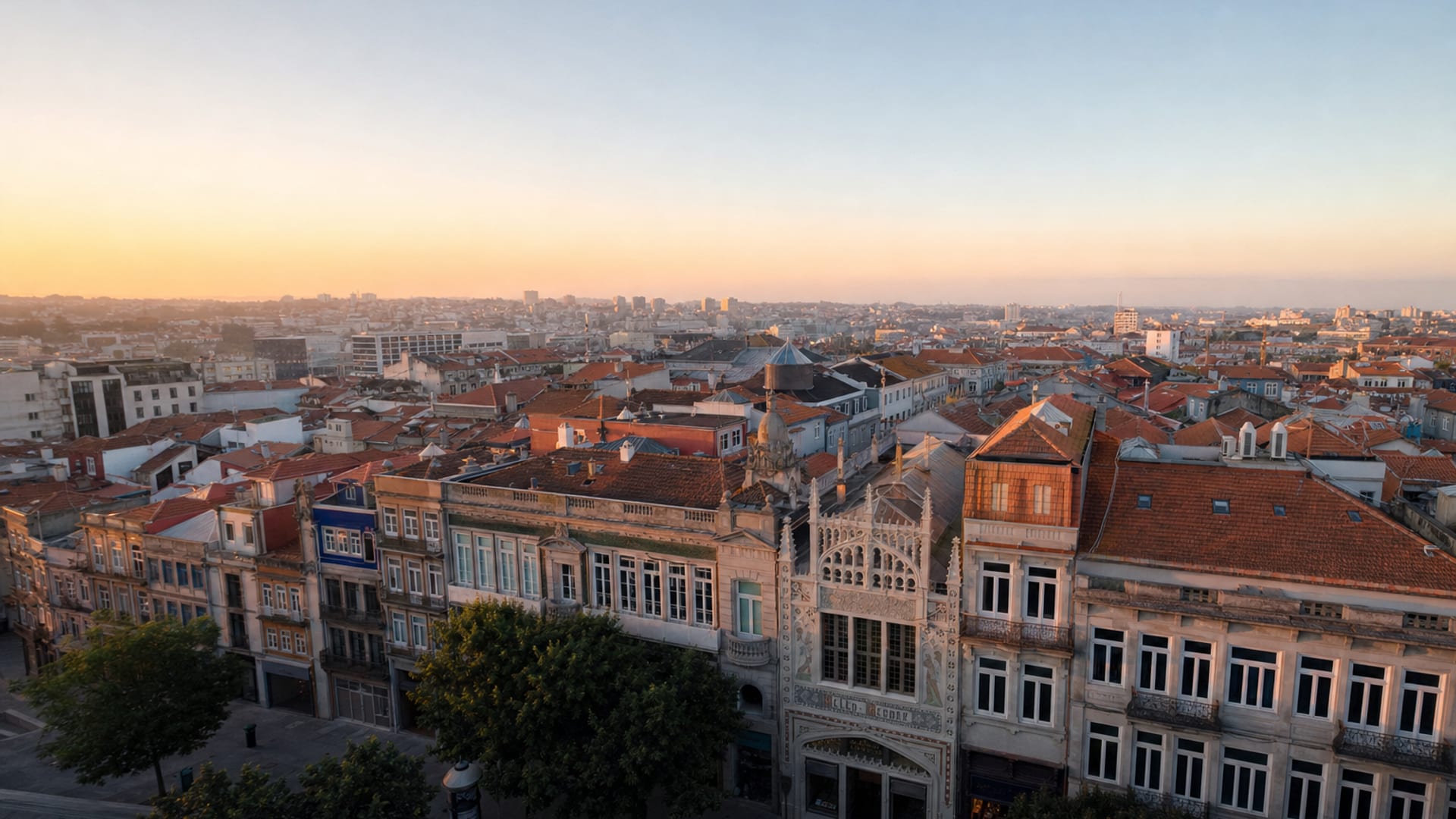
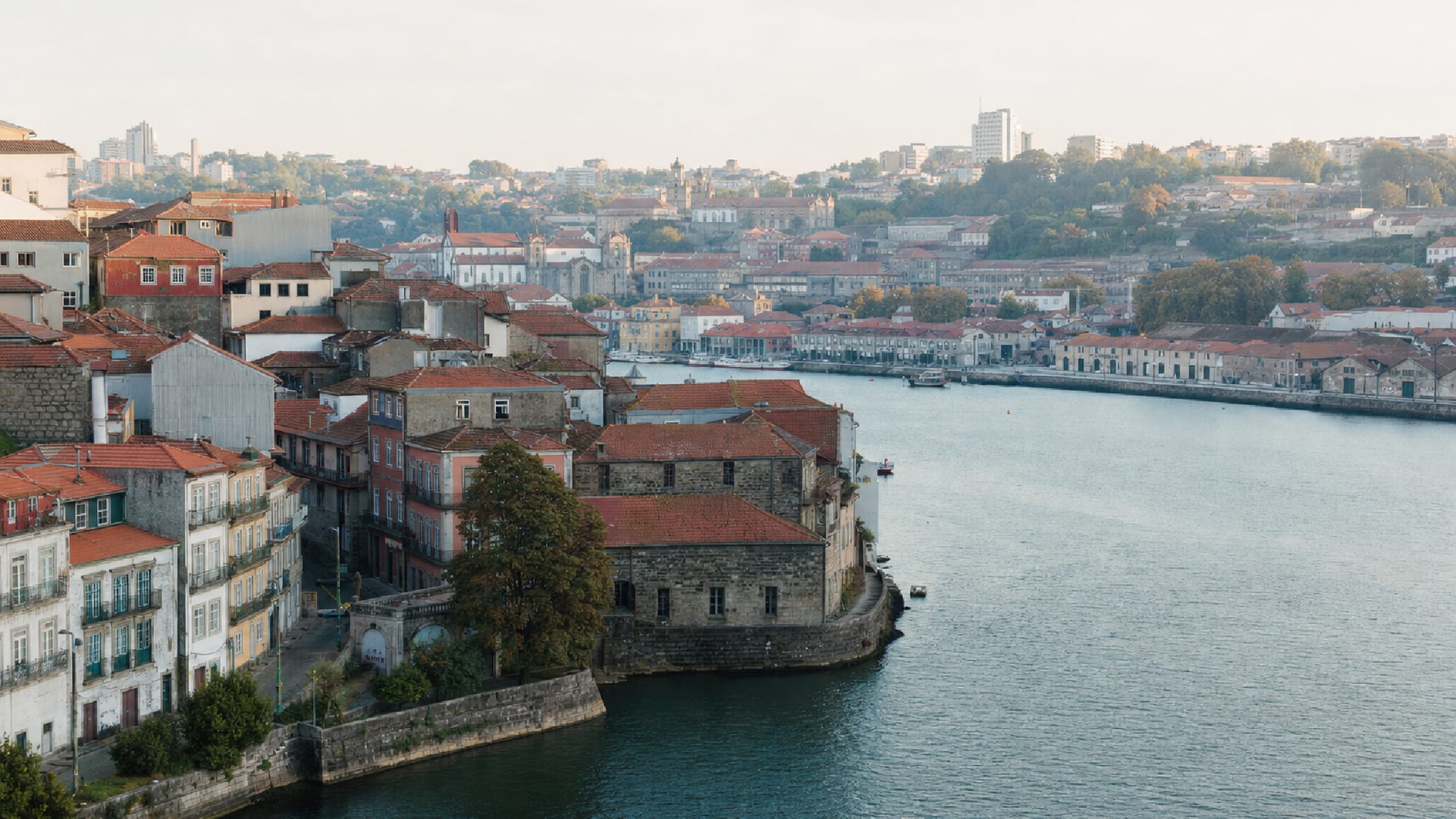
Porto trips often start with the same loop, Baixa, Ribeira, a bridge crossing, then a quick detour to a famous bookshop. What travelers usually miss is how much time that pattern loses on hills, queues, and repeat walks through the same few streets.
That matters because Porto spreads key sights across a compact but uneven center, and the waterfront can be crowded by midday. Without a plan, simple moves become backtracking, and dinner ends up dictated by where you happen to finish the afternoon.
This guide breaks the city into cleaner blocks, so you can pair landmarks with the right neighborhoods, use transit only when it saves time, and leave room for the river, the gardens, and an unhurried meal.
Useful things to know

Main language(s): Portuguese
Olá (oh-LAH) – Hello
Por favor (poor fah-VOR) – Please
Obrigado (oh-bree-GAH-doo) – Thank you
Fala inglês? (FAH-lah een-GLAYS?) – Do you speak English?
Quanto custa? (KWAN-too KOOS-tah?) – How much does it cost?

Currency: The local currency is the euro (EUR, €).

Cash and cards: Cards and contactless are widely accepted, but carry about €20 to €40 ($22 to $43) in cash for small shops and markets.

Tipping: Round up small bills; 5 to 10% is appreciated in restaurants, but not required.

Traditional food: Francesinha, Bacalhau à Gomes de Sá, Tripas à Moda do Porto, Pastel de nata

Water and coffee costs: Water ~€1.50 ($2), bar espresso ~€1.20 ($1).

Taxis and ride apps: Uber and Bolt operate here; taxis can cost less for short airport runs.

Plug and voltage: Type C/F socket, 230V

Dining and shop opening hours: Breakfast is about 7:30-10:00, lunch 12:30-2:30 pm, and dinner 7:30-10:30 pm. Many kitchens close on Sunday evening.

Emergency number: Call 112 for police, fire, or medical emergencies.
Where to stay in Porto
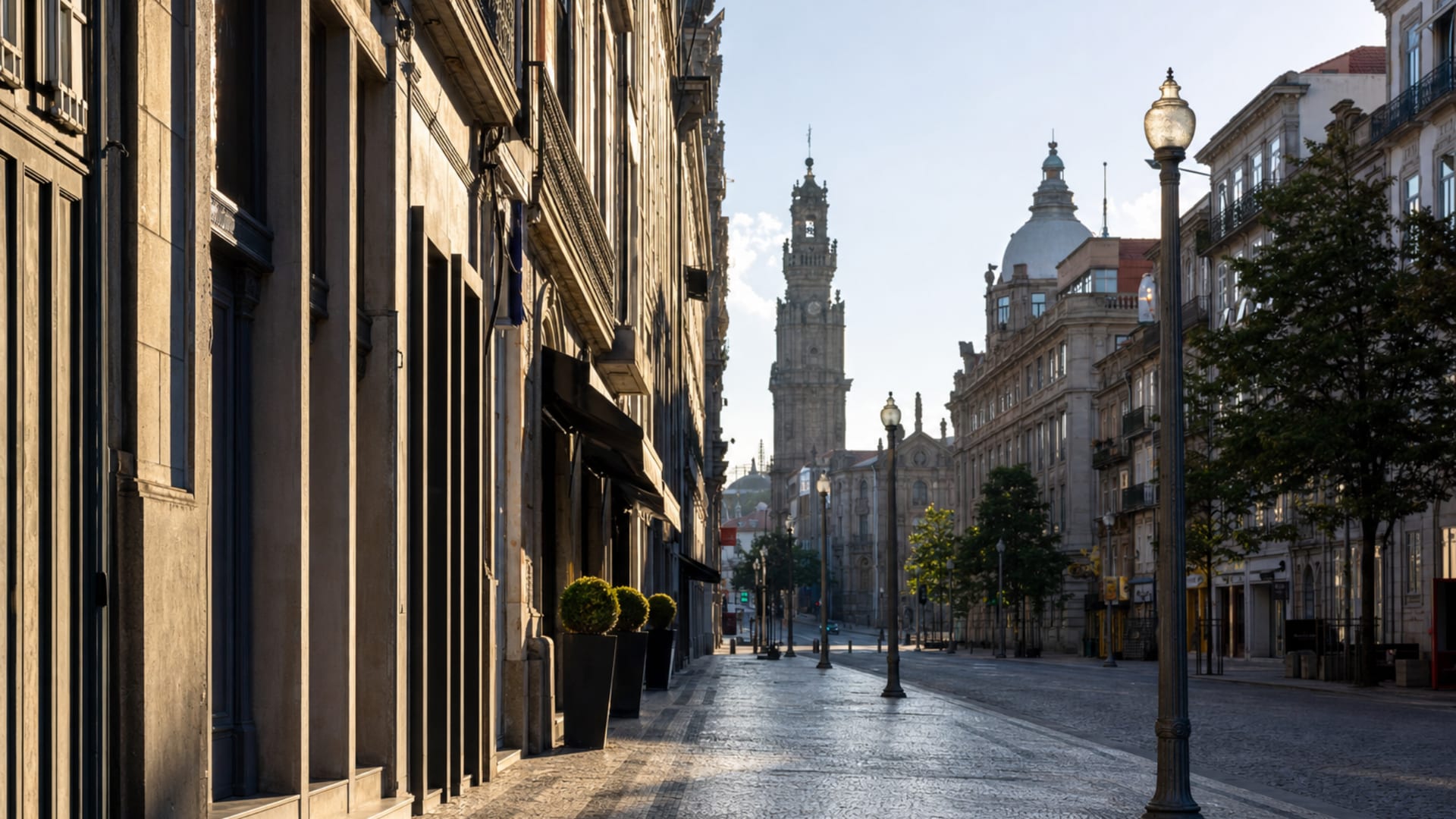
Porto’s central downtown grid, Baixa puts you near the main shopping streets, tram links, and historic squares. It suits travelers who want the city’s primary sights, restaurants, and transit options within a short walk.
Best for: First-time visits, sightseeing, and easy transit access
What to expect: Busy sidewalks by day, with steady restaurant and bar traffic at night, especially on the main streets.
Hotel prices: Usually about €120 to €220 (~$130 to ~$240) per night for well-rated stays
Distance to major sights: 10 to 15 minutes on foot to Porto Cathedral, about 15 minutes on foot to São Bento Station
Quietness: Lively all day and into the evening, then quieter on side streets after late-night crowds thin out.
Main trade-off: You pay more for centrality, and the busiest blocks can feel noisy late at night.
Good to know: Book higher floors or an interior room if you are sensitive to street noise, because the main avenues carry late pedestrian and bar traffic.
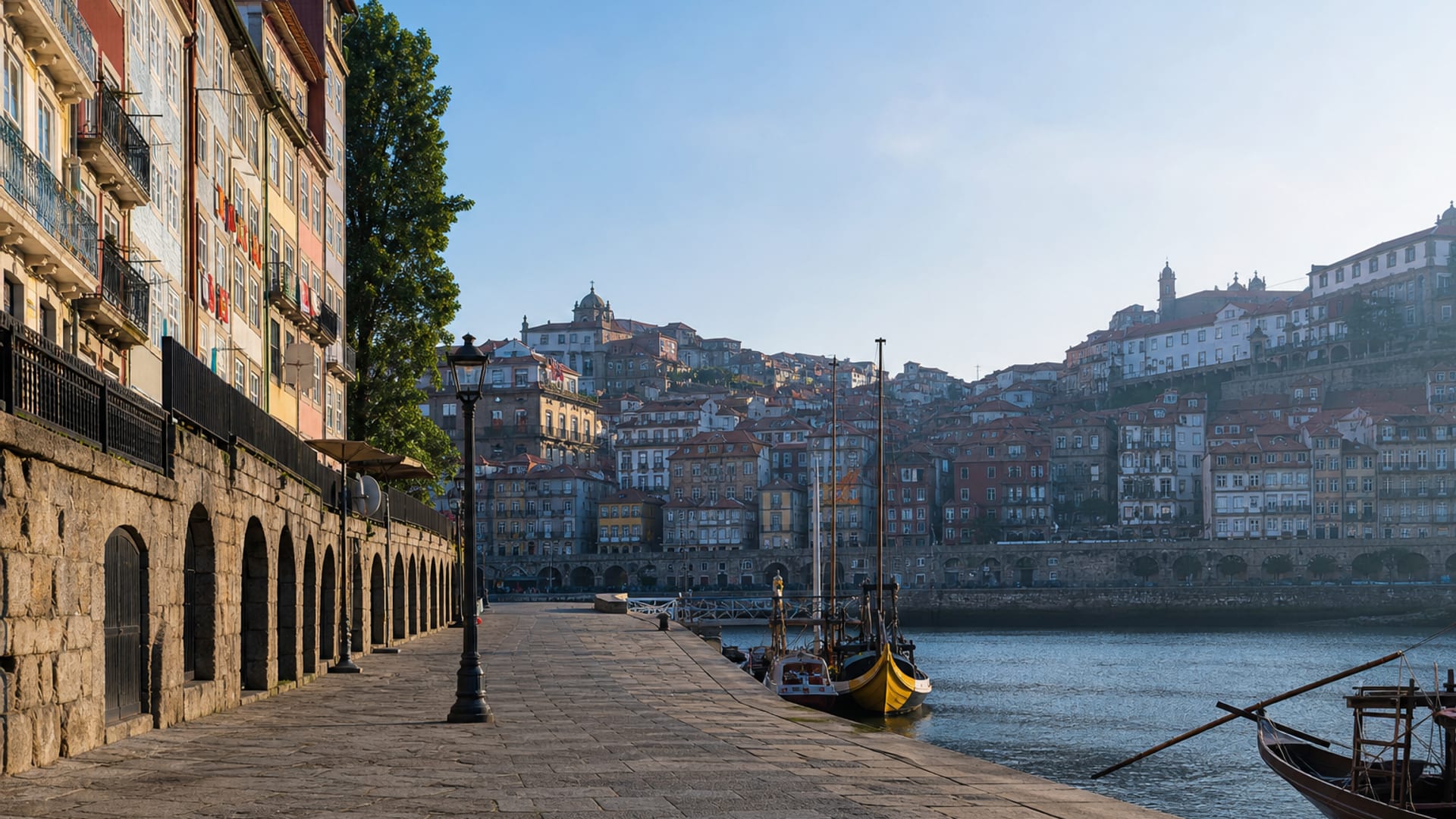
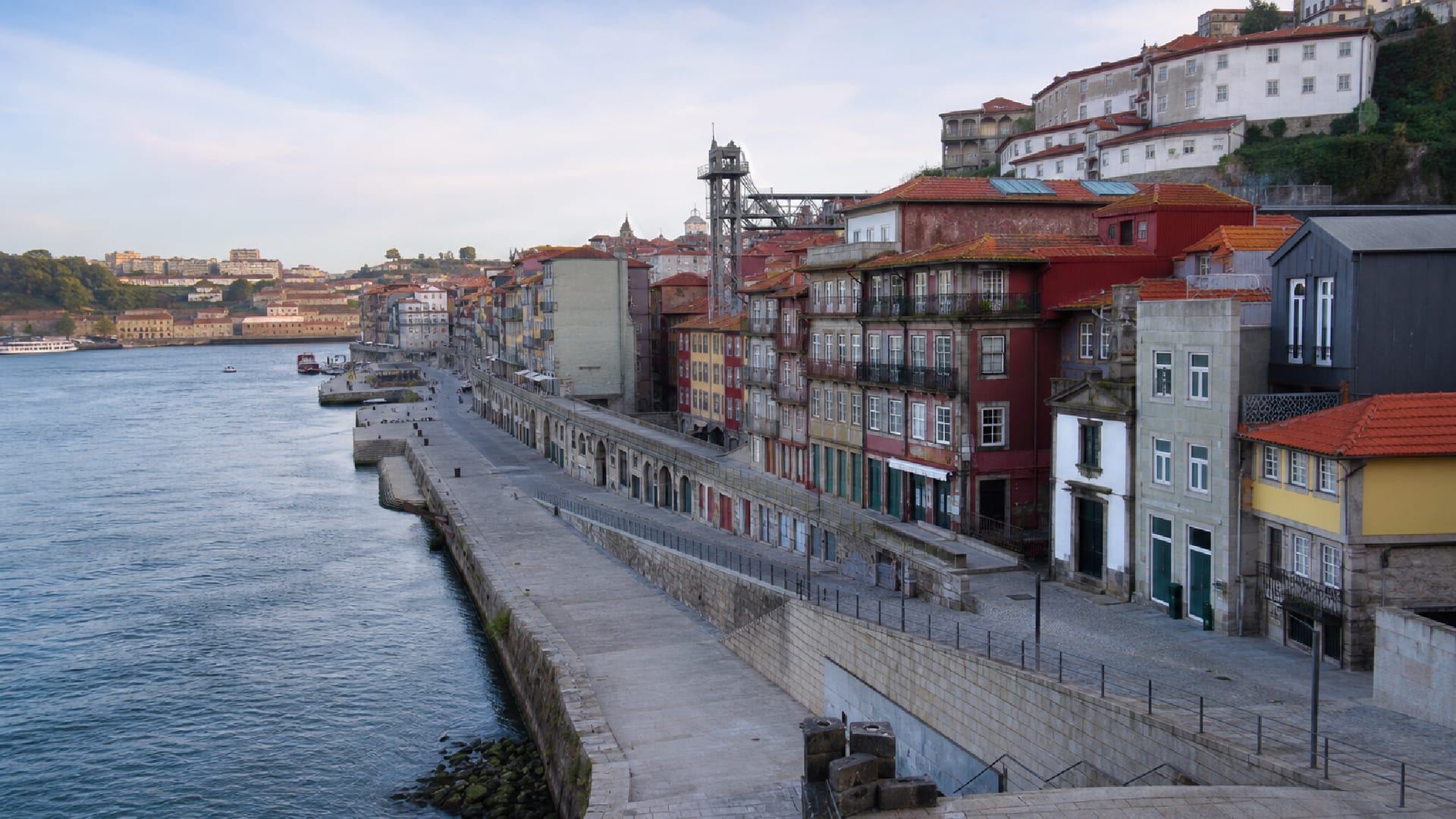
Ribeira is Porto’s riverfront quarter, packed with narrow lanes, historic buildings, and views over the Douro. It matters because this is one of the city’s most atmospheric areas, with easy access to the river promenade and bridge crossings.
Best for: River views, historic streets, and short walks to major landmarks
What to expect: Dense tourist foot traffic during the day, then a lively dining scene after sunset along the waterfront.
Hotel prices: Usually about €150 to €280 (~$165 to ~$305) per night for well-rated stays
Distance to major sights: 5 to 10 minutes on foot to Porto Cathedral, about 10 minutes on foot to the Dom Luís I Bridge upper deck
Quietness: Noisy in the daytime and early evening; late nights are calmer away from the riverfront.
Main trade-off: The setting is memorable, but rooms here often cost more and can be smaller than in other districts.
Good to know: Expect late-night noise from the riverfront and delivery traffic, so confirm double glazing before you book.
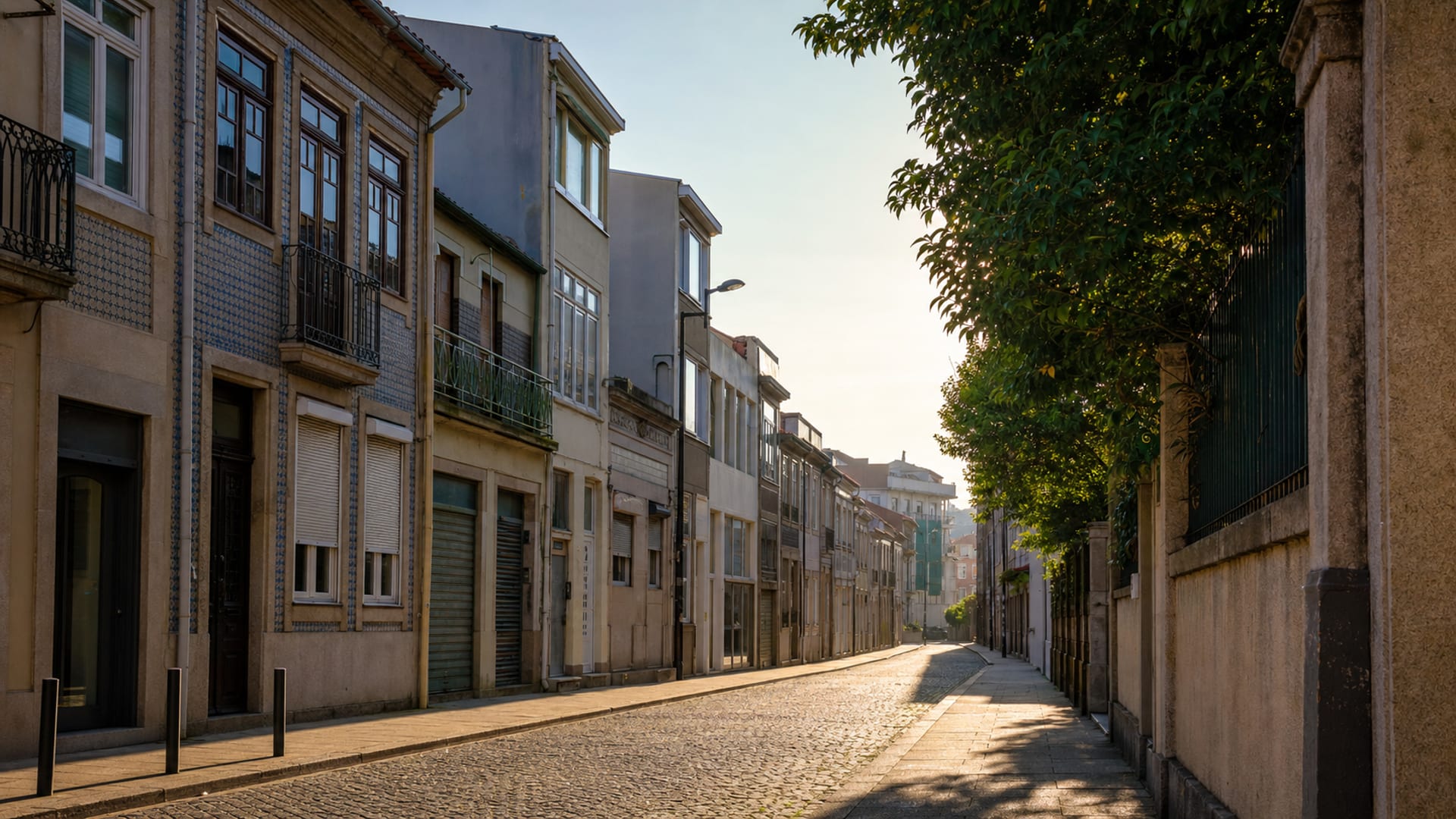
Cedofeita sits west of the old center and blends galleries, cafes, independent shops, and apartment blocks. It works well for travelers who want a neighborhood feel with an easy walk or short metro ride into downtown Porto.
Best for: Longer stays, dining, shopping, and travelers who prefer a local base
What to expect: Active streets by day with neighborhood cafes and shops, then a calmer evening scene than the riverfront or nightlife districts.
Hotel prices: Usually about €100 to €190 (~$110 to ~$210) per night for well-rated stays
Distance to major sights: 15 to 20 minutes on foot to Clérigos Tower, about 10 minutes by transit to São Bento Station
Quietness: Busy on shopping streets during the day, then noticeably quieter at night on residential blocks.
Main trade-off: You gain more space and often better rates, but you will walk a bit farther for the river and the oldest monuments.
Good to know: If you plan to mix sightseeing with dinners in the neighborhood, this area cuts down on taxi use without putting you far from the core.
Travelers usually avoid staying in Campanhã, because it sits east of the center near Porto (OPO) and requires more transit time to reach Ribeira, Baixa, and the riverfront. Areas far up in Paranhos or around Antas are less convenient for a first visit, since they have fewer visitor-oriented amenities and add extra evening travel after dinner in the historic core. Boavista can also be less convenient if you want to walk to the main sights, as it is several kilometers from Ribeira and the cathedral, so most outings depend on metro, bus, or taxi.
Hotel deals
How to get around Porto efficiently
Porto works best when you match its hills with the right mode, using the Metro do Porto from the airport, buses for cross-town trips, and taxis or rideshares when the climb would otherwise slow the day.

Metro
for longer distances
Porto does not have a full metro in the historic center, but the Metro do Porto reaches the airport, downtown, and the main rail stations. A single Andante ride costs about $1.90 (€1.80) and stays valid for 1 hour, while airport trips to central Porto usually take about 30 to 35 minutes on Line E, with a change often needed if you are heading to older riverfront districts.

Bus and tram
for convenience
STCP buses cover most of Porto, and the vintage tram lines serve limited waterfront and tourist corridors rather than the whole city. A city bus ticket costs about $2.00 (€1.95) and is valid for 1 hour, while an Andante pass also works on many buses and the metro; expect about 20 to 40 minutes for central trips, longer in rush hour or on steeper hills.

Taxi
for convenience or late hours
Licensed taxis use meters in Porto, with airport rides to central neighborhoods usually running about $20 to $30 (€18 to €28), plus small extras for luggage or late-night use when applicable. You can hail one on the street, use a rank, or book by phone, and most cars accept cards, although cash is still common.
*Prices are based on rates updated as of June 2026 and may change at the time of travel.
Use the metro for airport and trunk-line travel, buses and trams for longer hops or riverside stretches, and taxis or rideshares when you are moving between uphill neighborhoods or heading out after dinner.
Iconic landmarks
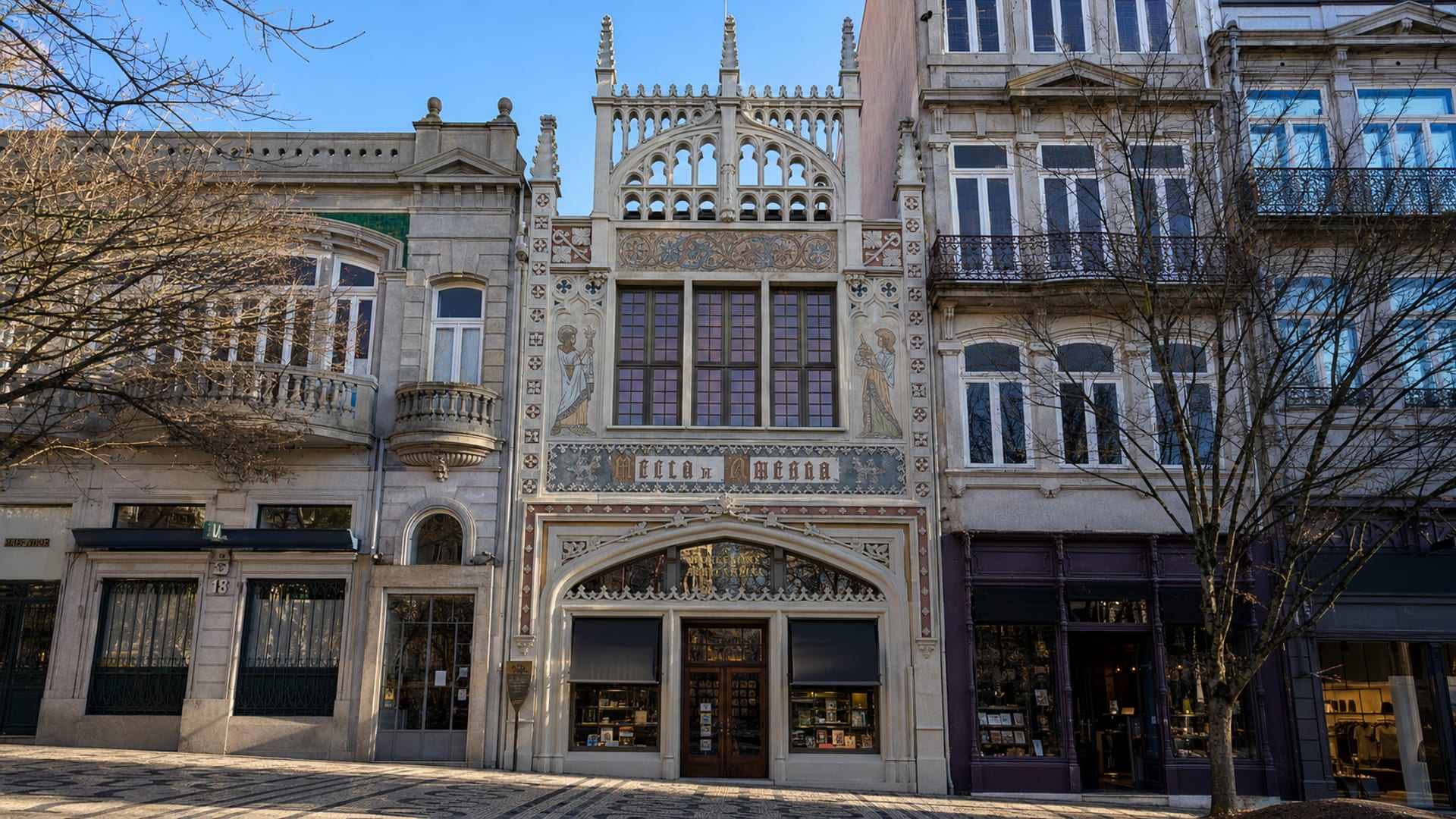
Livraria Lello
This neo-Gothic bookshop opened in 1906 and draws visitors for its carved wood staircase, stained-glass ceiling, and Art Nouveau details. It sits near Clérigos Tower, so many travelers pair the two in one short city-center walk.
Time needed: About 45 to 60 minutes
Entry: Tickets cost $12 to $15 (€11 to €14), with voucher credit toward a book purchase on selected formats; children under 3 enter free Visit the official site for details.
Tip: Go at opening or late afternoon, when the staircase is easier to photograph and queues are shorter.
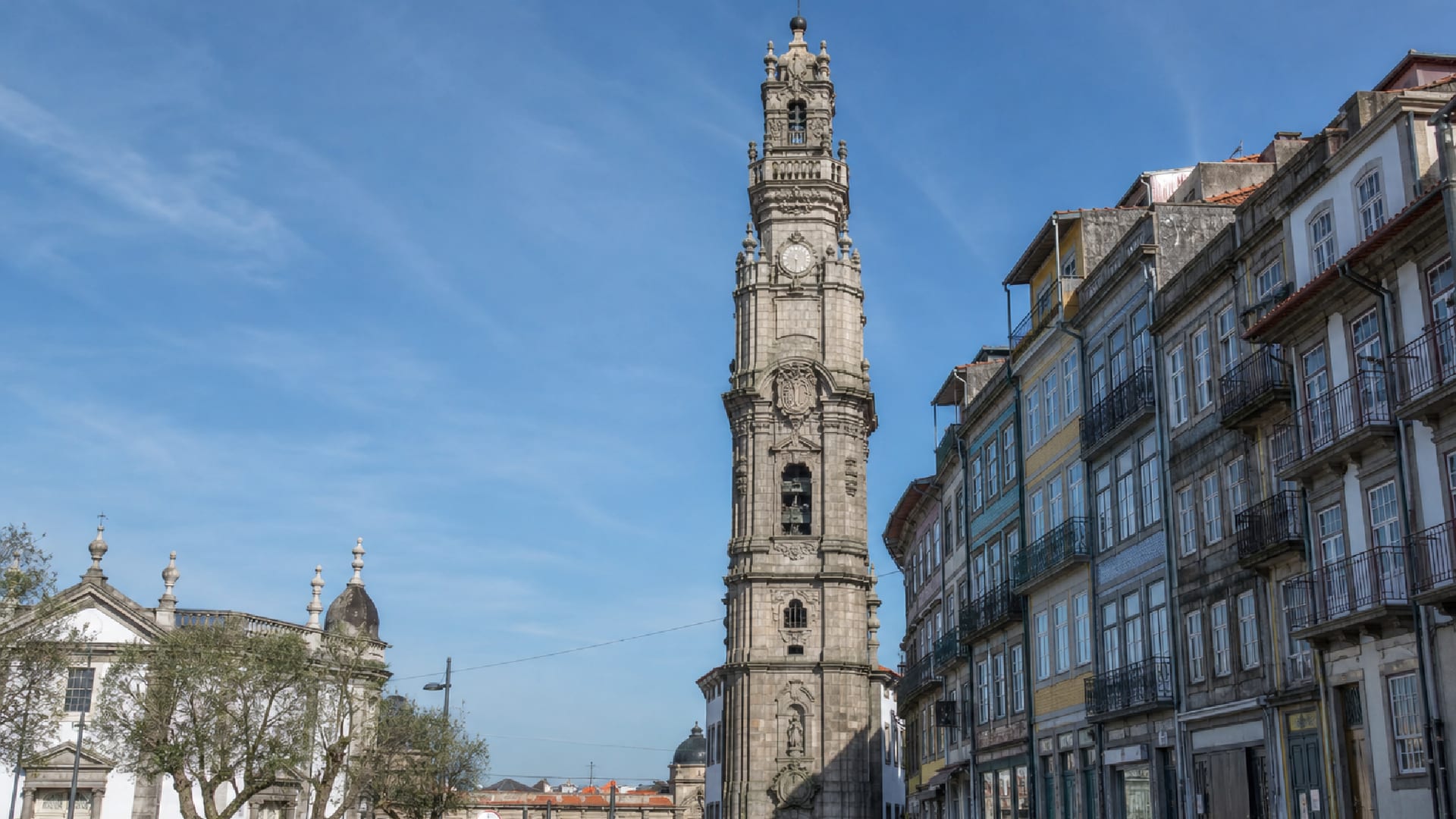
Clérigos Tower
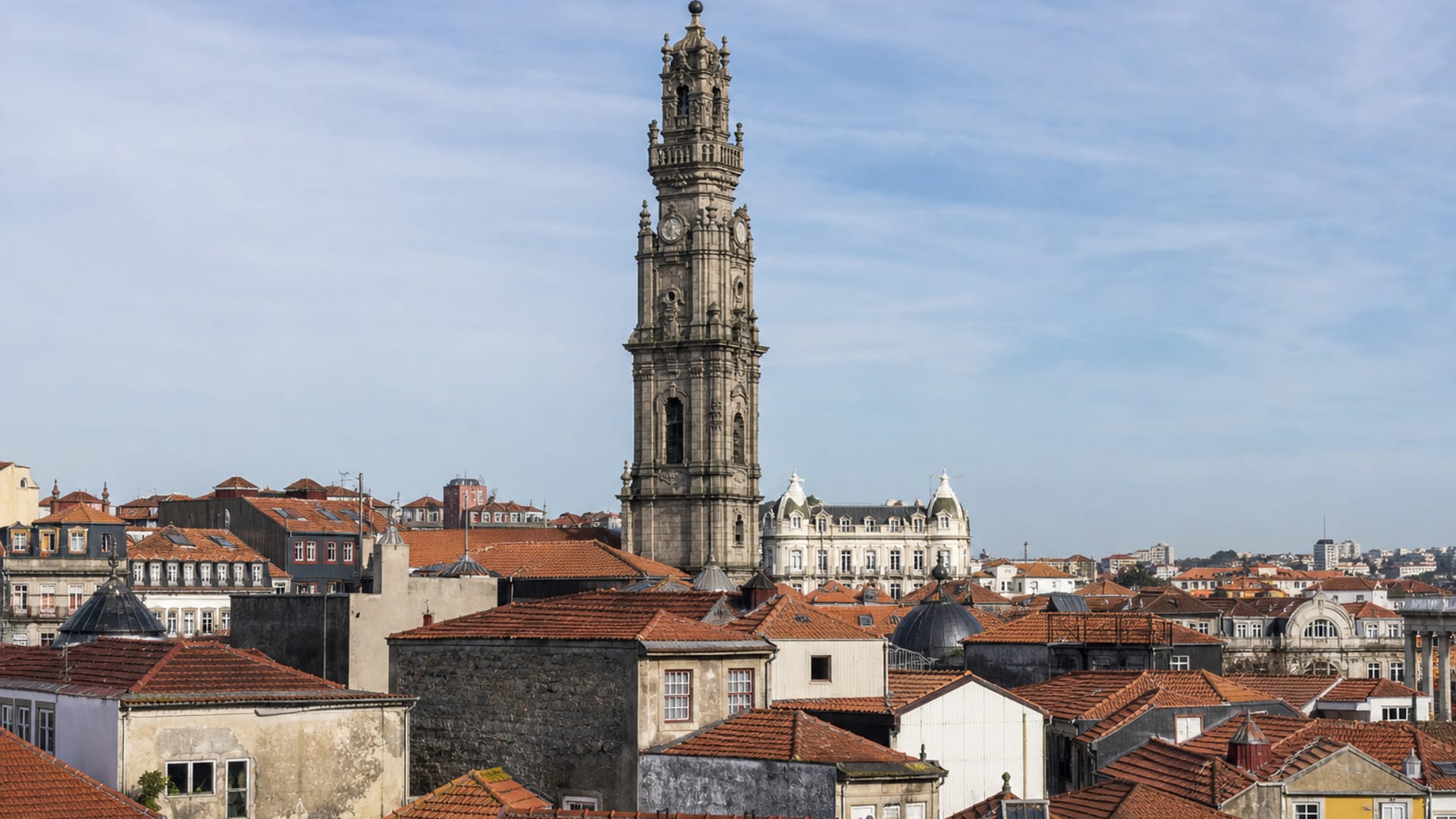
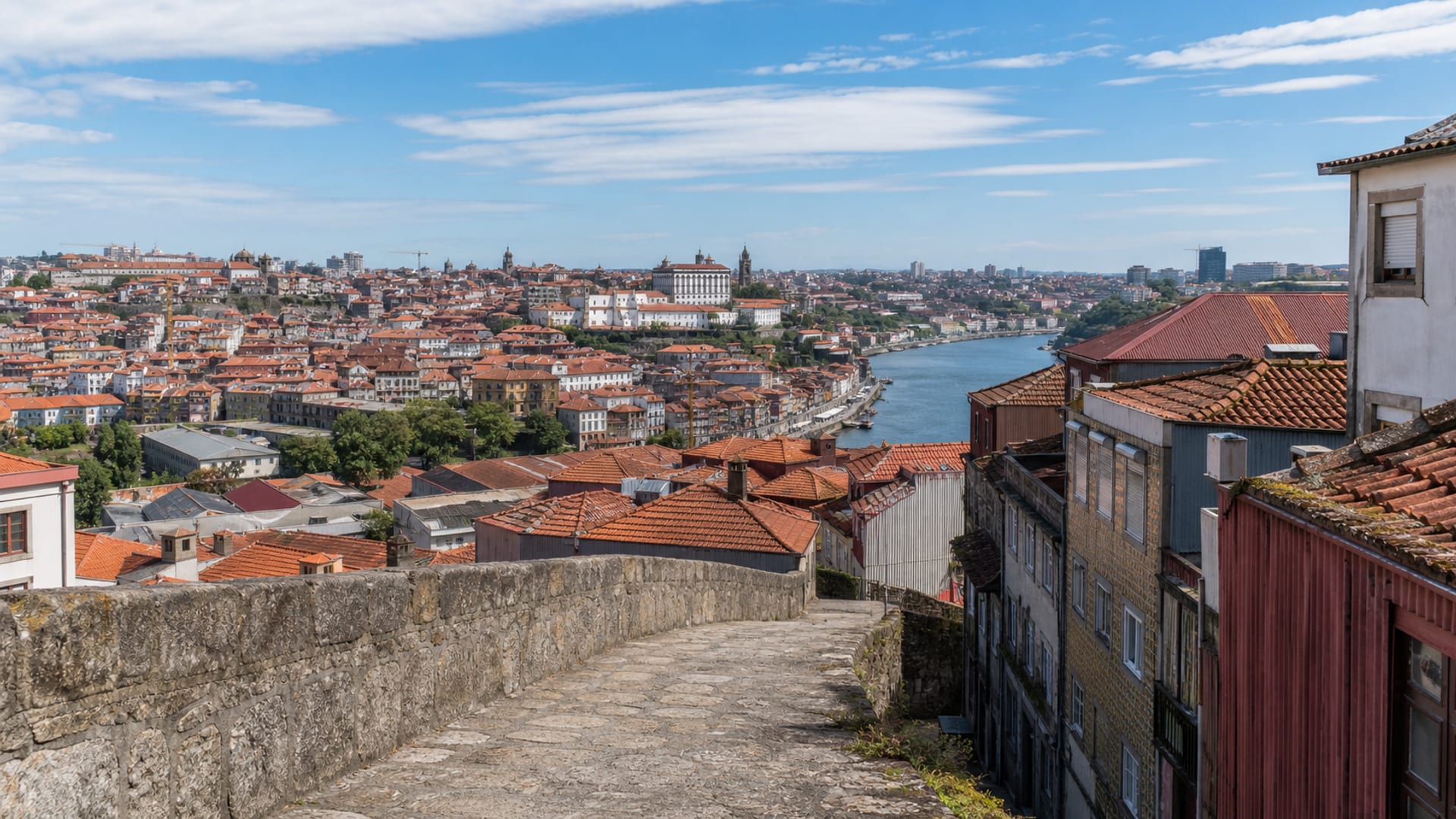
Built in the 18th century, this baroque tower rises above central Porto and rewards the climb with wide views over tiled roofs and the Douro. The adjoining church and hilltop setting make it a key landmark for first-time visitors.
Time needed: About 1 to 2 hours
Entry: Admission costs $8 to $9 (€7 to €8), with reduced prices for children, students, and seniors; tower access is ticketed year-round Visit the official site for details.
Tip: Visit on a clear day, and climb near sunset for the widest views over the river and rooftops.
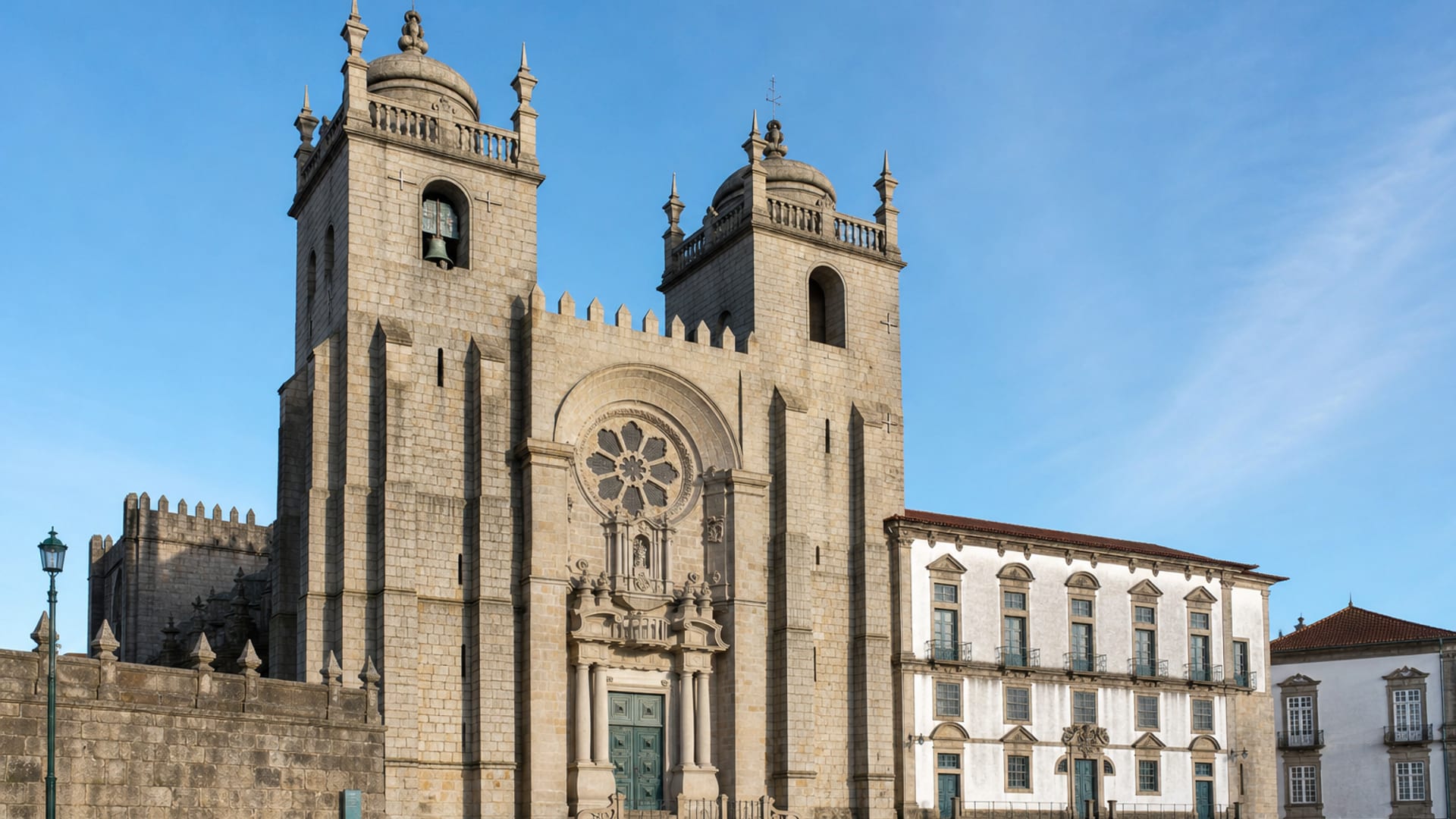
Porto Cathedral
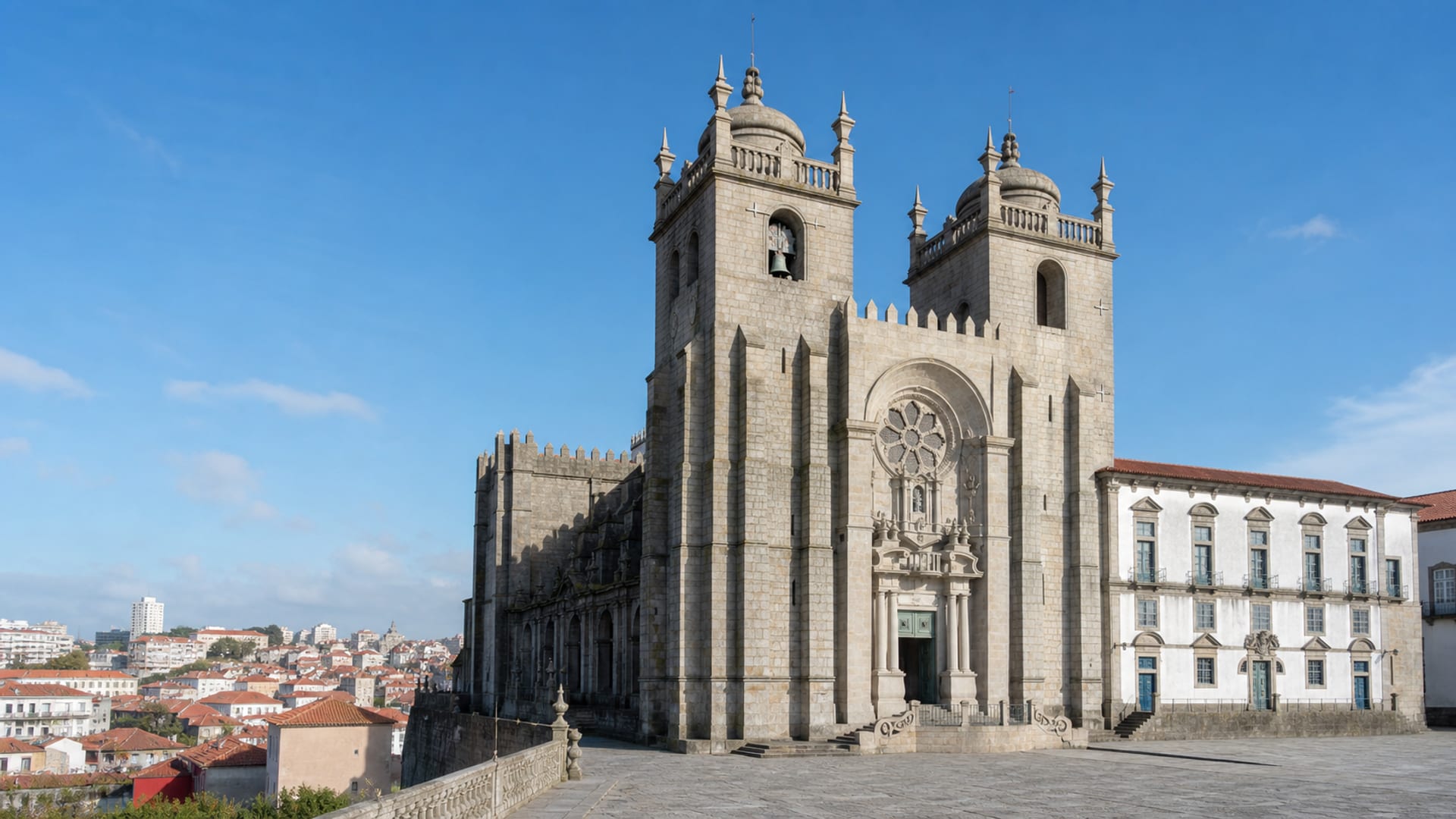
Porto Cathedral anchors the old hilltop quarter with Romanesque walls, a Gothic cloister, and a terrace overlooking the river. Its mix of later Baroque additions makes it one of the city’s most important historic churches.
Time needed: About 1 to 1.5 hours
Entry: Entry costs $4 to $6 (€3 to €5), with discounts for children and select concession holders; cloister access usually costs extra Visit the official site for details.
Tip: Allow time for the cloister and terrace, then descend toward Ribeira by foot if you want views.
Overlooked sites worth visiting

Jardins do Palácio de Cristal
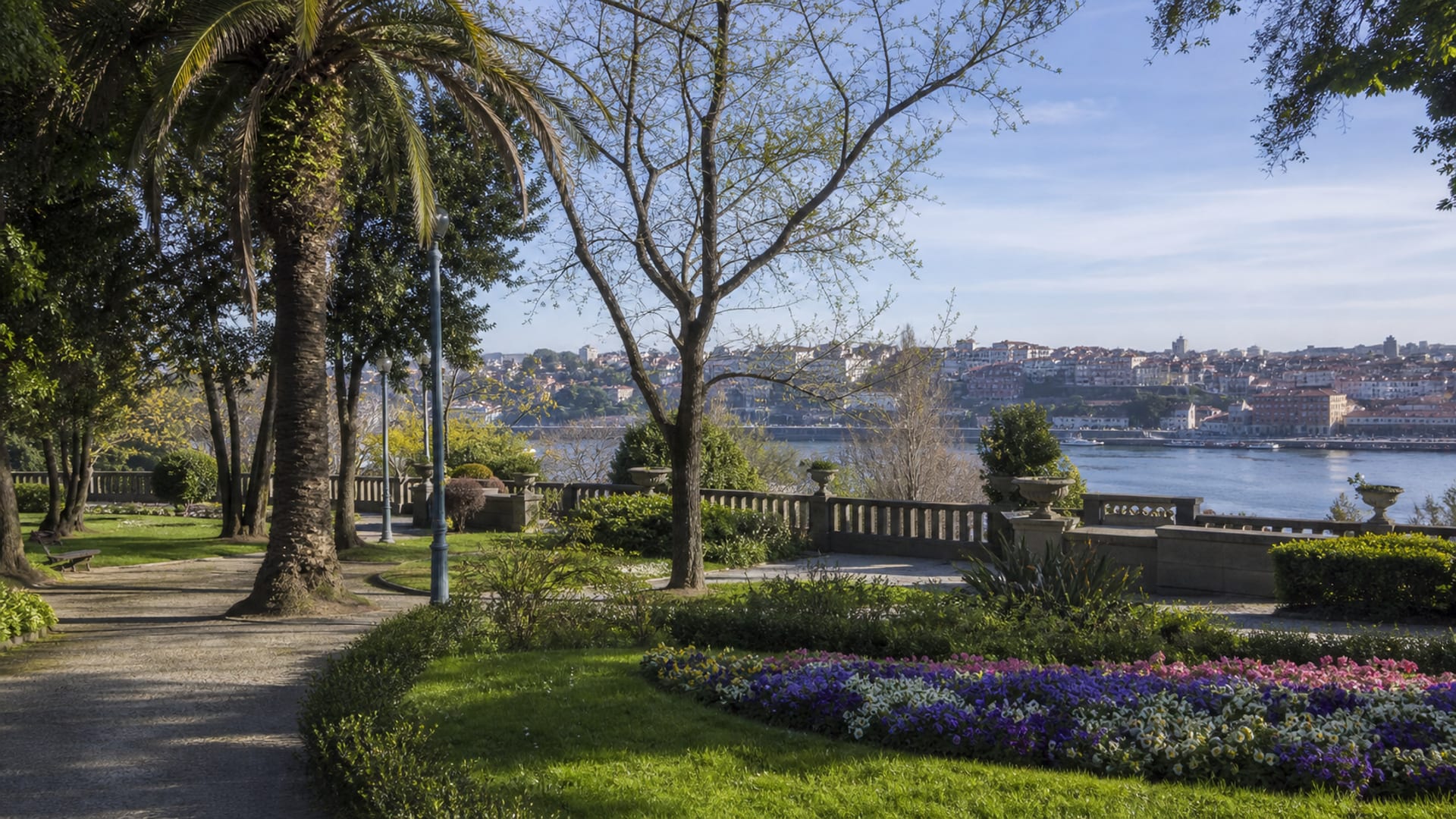
Terraced lawns, peacocks, and river-facing paths make this one of Porto’s best slow-burn city gardens. Its viewpoints look over the Douro and the far bank, with benches and shade between formal plantings.
Time needed: About 1 to 2 hours
Entry: Free to access. The gardens are open daily, usually from 8:00 am to 7:00 pm in winter and until 9:00 pm in summer; temporary exhibitions or events inside nearby pavilions may have separate admission.
Tip: Go late afternoon for softer light over the river.

Museu do Carro Elétrico
Set in a former tram depot beside the Douro, this compact museum traces Porto’s electric tram history with restored cars, route maps, and engineering details. It suits a short cultural stop, not a long museum day.
Time needed: About 1 hour
Entry: Standard admission costs about $6 to $7 (€5 to €6), with reduced rates for children, students, and seniors. The museum usually opens Tuesday through Sunday, and access to temporary displays can vary by season and event schedule Visit the official site for details.
Tip: Pair it with a riverside walk to the nearby promenade.
Traditional food
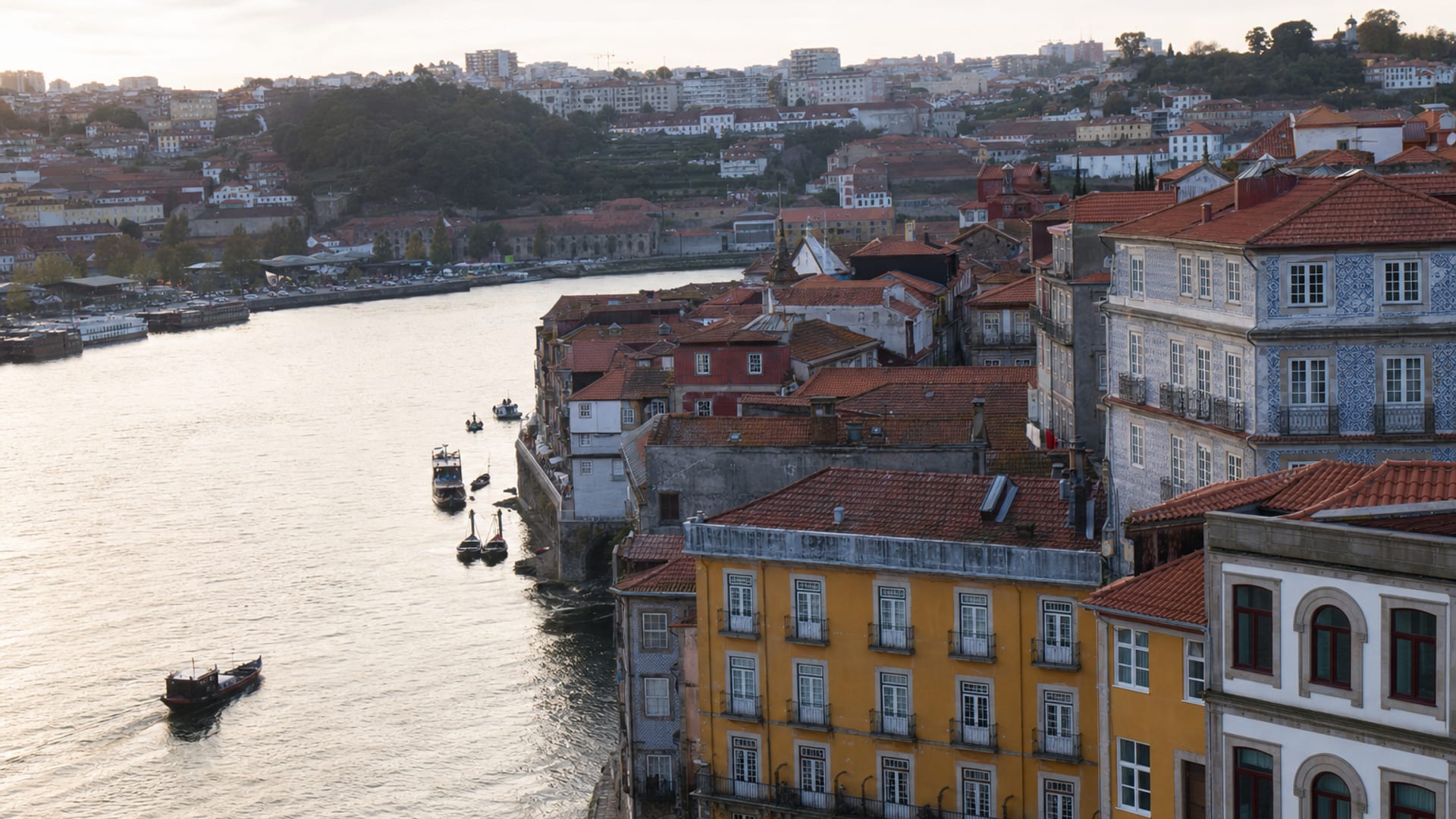
Porto leans on robust flavors, salted cod, sausage, offal, and egg-rich sweets, with meals built for long lunches and late dinners. A plate of francesinha or pastel de nata fits easily into the city’s unhurried table culture.
Francesinha
A layered sandwich with cured meats, melted cheese, and a beer-based sauce, francesinha is Porto’s signature indulgence. Café Santiago on Rua de Passos Manuel is the city classic most travelers use as a reference point.
Bacalhau à Gomes de Sá
This baked cod dish folds potatoes, onion, olives, and olive oil into one of Porto’s best-known seafood preparations. For a dependable version in the center, many diners head to Adega São Nicolau near the river.
Tripas à Moda do Porto
Porto’s historic tripe stew combines beans, sausage, and offal in a dish tied closely to local identity. Taberna Santo António is a common address for a traditional plate in the city center.
Pastel de nata
The custard tart is Portugal’s most familiar sweet, crisp at the edges and softly set in the middle. Nata Lisboa near central Porto offers a widely known stop for a fresh, warm version.
Best time to visit Porto
Porto’s season shifts are moderate, but the city still changes enough to shape walks, terrace time, and how long you want to stay outdoors near the river.
Best for: Mild weather for hill walks and garden visits
What you get: About 57 to 70°F (14 to 21°C), with growing crowds during Easter and late-May weekends
Trade-offs: Rain can still interrupt a long walking day
Best for: Long evenings on the river and terrace dining
What you get: About 66 to 82°F (19 to 28°C), with the largest crowds in Ribeira and around the bridge
Trade-offs: Midday heat and queues make the center feel busy
Best for: Clear light, easier restaurant bookings, and good walking weather
What you get: About 55 to 76°F (13 to 24°C), with lighter crowds after the summer peak
Trade-offs: Showers become more frequent by late October
Best for: Quieter streets and lower hotel rates
What you get: About 46 to 58°F (8 to 14°C), with lighter foot traffic and shorter lines at major sights
Trade-offs: Cool, damp days can limit terrace time
A realistic 5-day plan in Porto
The five-day plan starts in the center, then widens the radius without wasting energy on repeated crossings. You will move from hilltop landmarks to riverfront walks, then finish with a quieter neighborhood day before departure.
Land at Porto (OPO) and take the Metro line E into Baixa, which usually takes about 25 to 30 minutes and costs roughly €2 to €3 with a rechargeable card. If you prefer a taxi or rideshare, expect about 20 to 25 minutes to the center and roughly €25 to €35 depending on traffic. Check in near Baixa or Ribeira so your first evening stays simple, then drink water, take a short walk to São Bento Station or the riverfront, and settle into an early dinner in Ribeira or on one of Baixa’s main streets.
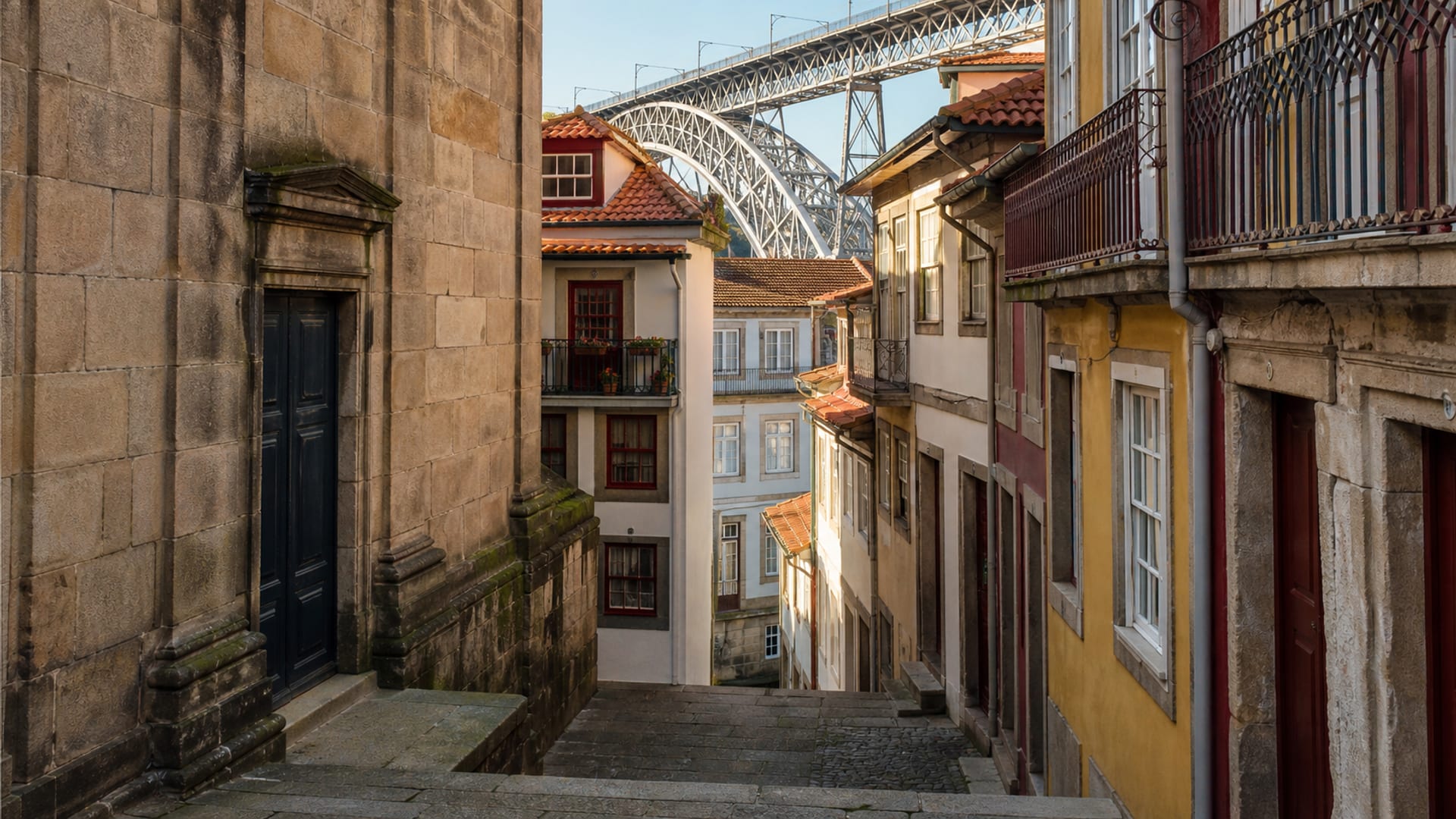
Start at Porto Cathedral, then walk about 10 minutes downhill into Ribeira for the riverfront lanes and the Dom Luís I Bridge upper deck. After lunch, continue about 15 minutes on foot or a short transit ride to Jardins do Palácio de Cristal for terrace views over the Douro, where you can spend about 1 to 2 hours before heading back toward Baixa for dinner.
Begin with Clérigos Tower in the morning, when the climb is quieter and the views are clearer, then walk about 5 minutes to Livraria Lello for a timed visit of roughly 45 to 60 minutes. From there, continue about 10 minutes on foot through the city center for lunch in Baixa, then return to the tower area or nearby streets for an easy evening meal.
Take the tram or a taxi to Museu do Carro Elétrico in the riverside zone, a compact stop that fits well into an hour, then follow the Douro promenade for views back toward the center. In the afternoon, head up to Jardins do Palácio de Cristal, about 10 to 15 minutes away by taxi or a longer uphill walk, and finish with a slow dinner in Cedofeita, which is roughly 15 to 20 minutes on foot from the gardens.
A final morning works best in Cedofeita, where you can pair a coffee stop with independent shopping and a relaxed last look at the neighborhood’s galleries and storefronts. If you want one more cultural stop, return to Clérigos Tower or browse the streets near it before heading back to collect bags, then finish with a late lunch or early dinner in Baixa before your airport transfer.
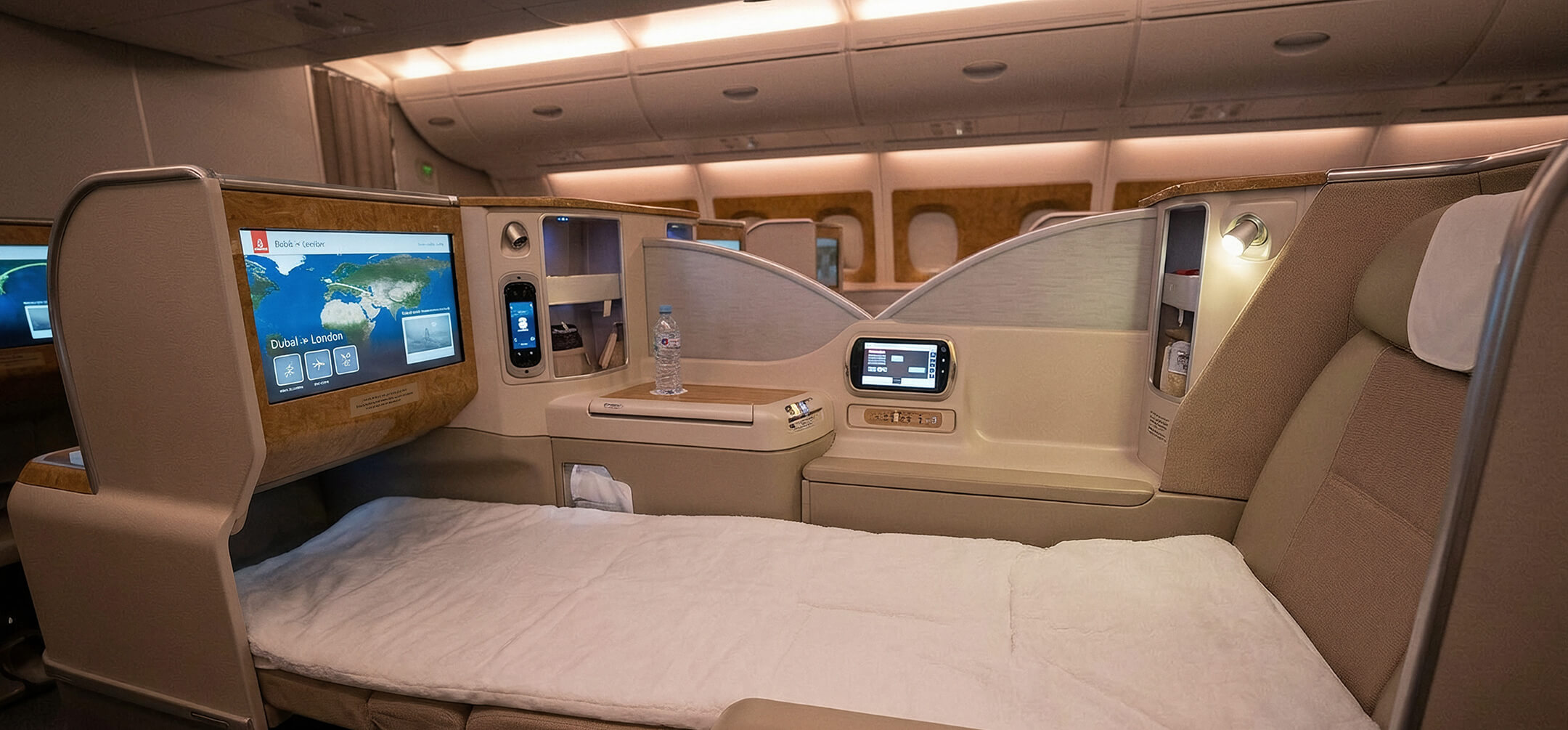
Business-class flights from the US to Porto
For long-haul arrivals, the cleanest options into Porto usually come through a single European hub. The examples below focus on fares and durations that matter most for New York and Los Angeles travelers.
From New York, TAP Air Portugal, Air France, Lufthansa, Iberia, and British Airways are the main names to compare, with nonstop flights taking about 6 to 7 hours. If you do not mind a connection, common hubs include Lisbon, Paris, Frankfurt, Madrid, and London, and one-stop trips usually take about 9 to 14 hours while often trimming the fare, which usually starts at $2,800 and can rise to about $5,500 on peak dates.
Los Angeles travelers usually see TAP Air Portugal, Lufthansa, Air France, Iberia, and British Airways, and one-stop itineraries via Lisbon, Frankfurt, Paris, Madrid, or London can bring fares down from the usual $3,400 to $6,800 range. Those connections commonly take about 13 to 18 hours, while nonstop seats sit near the top of the price band at about 10 to 11 hours.
Porto feels different when you slow down
A deliberate Porto trip keeps the center compact in your mind, Baixa for arrivals and dinner, Ribeira for the riverfront, Clérigos and Livraria Lello for the core sights, then Cedofeita for a calmer last day. Use the metro when it saves time, then switch to walking where the hills reward a slower pace. If you want help shaping those moves into a booking plan, AranGrant experts can tailor Porto dates around the neighborhoods and season that fit you best