

Chapters:

Need help with your trip?
Our support team is available 24/7. Request a callback or call us directly at (833) 619-0908
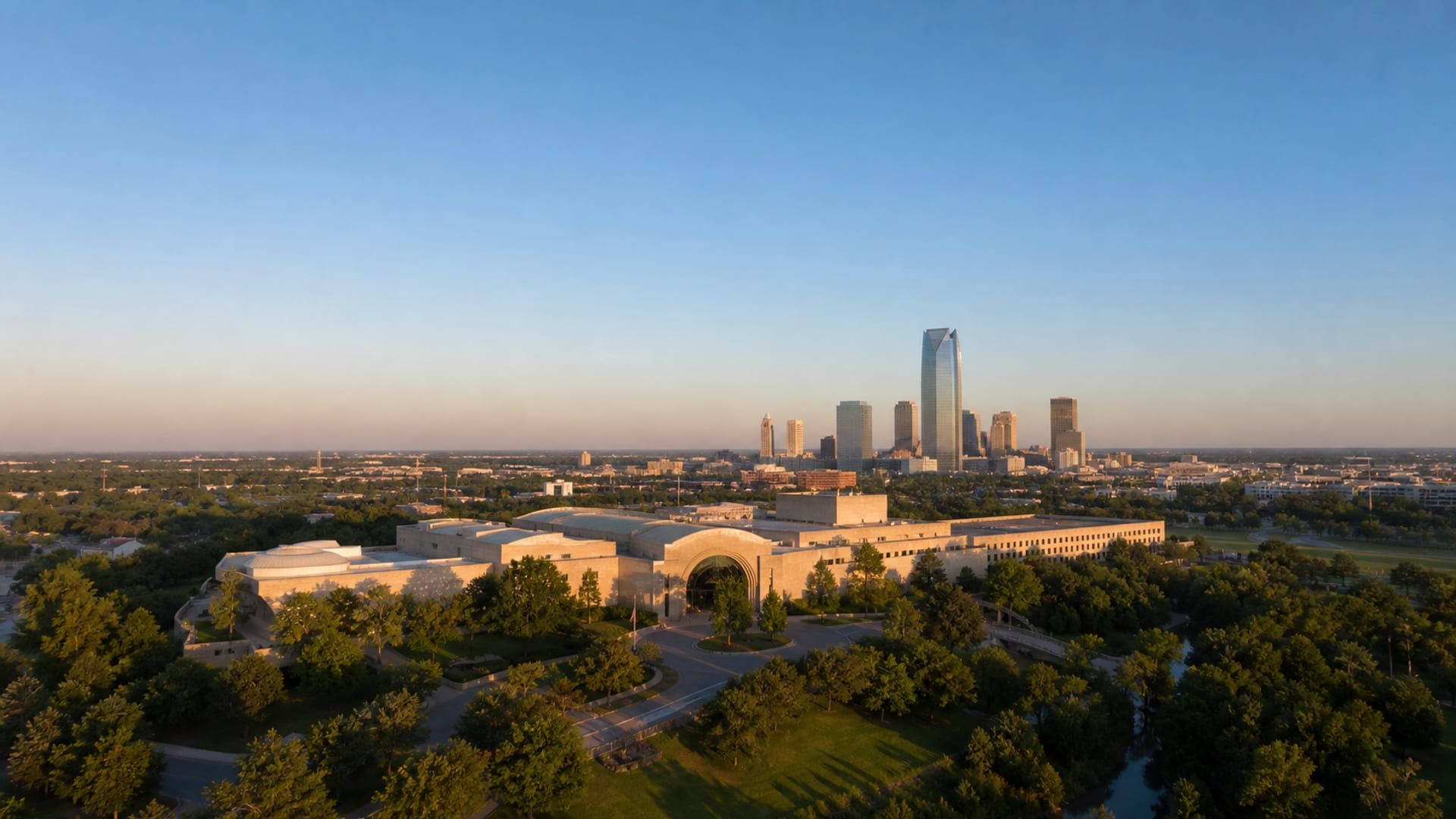
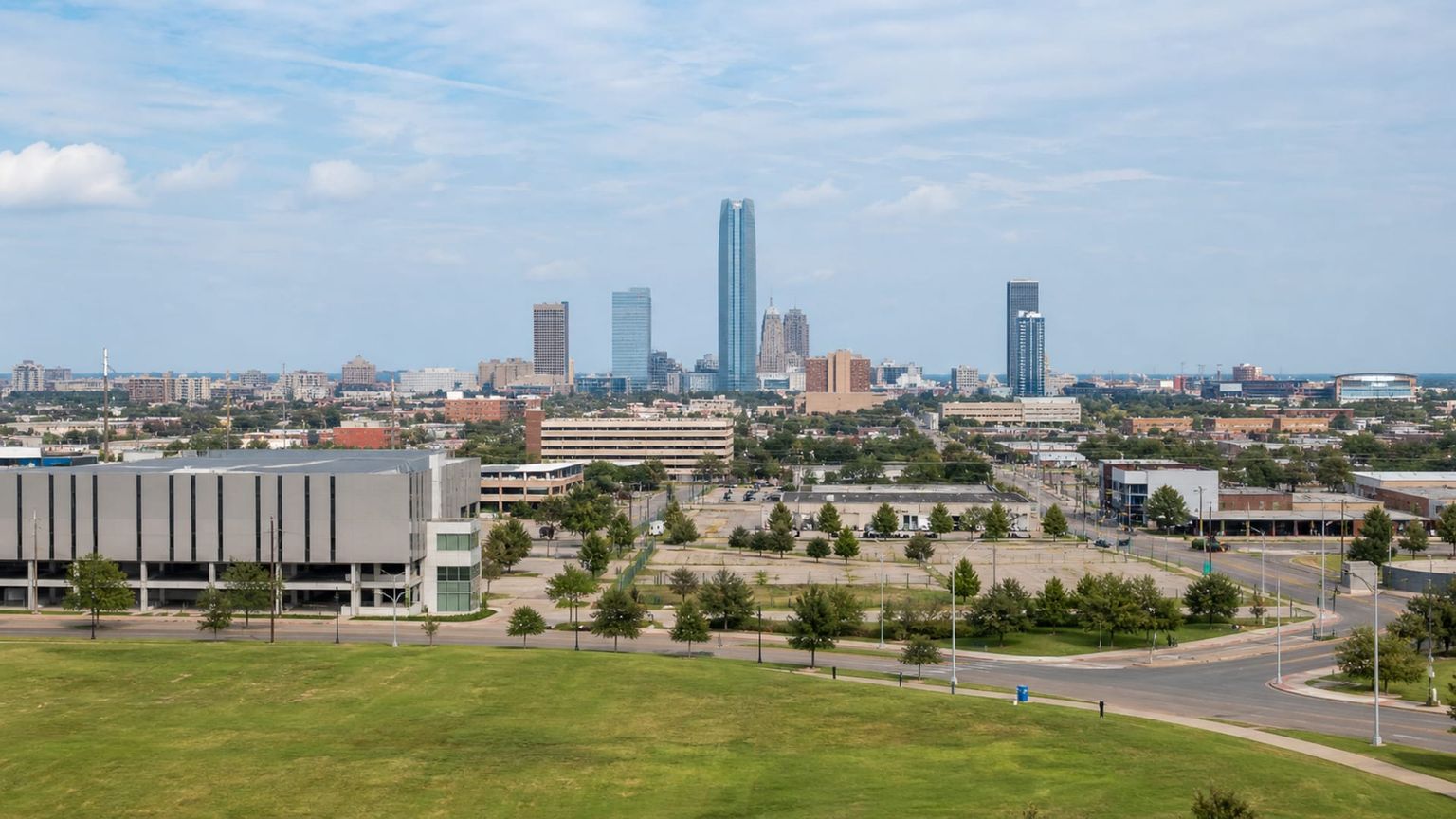
Oklahoma City trips often start with downtown, a museum, and one dinner in Bricktown, yet visitors can miss how much ground the city covers between those stops.
That can turn simple plans into extra driving, repeated parking, and rushed meals, especially when attractions sit a short ride apart rather than in one compact district.
This guide maps the city by neighborhood, timing, and route, so each day stays tied to a clear area and the pace matches how Oklahoma City actually works.
Useful things to know

Main language(s): English

Currency: The local currency is the US dollar (USD, $).

Cash and cards: Cards and contactless are widely accepted; carry about $20 to $40 in cash for tips and small purchases.

Tipping: Tip 15-20% at sit-down restaurants; round up taxis and small bills.

Traditional food: fried onion burger, chicken-fried steak, barbecue brisket, chili

Water and coffee costs: Water about $2 ($2), bar espresso about $4 ($4).

Taxis and ride apps: Uber and Lyft operate here; check pickup points at the airport.

Plug and voltage: Type A/B socket, 120V

Dining and shop opening hours: Breakfast 07:00-09:00, lunch 11:30-13:30, dinner 17:30-20:30. Many kitchens close by 22:00.

Emergency number: 911 for police, fire, and medical emergencies.
Where to stay in Oklahoma City
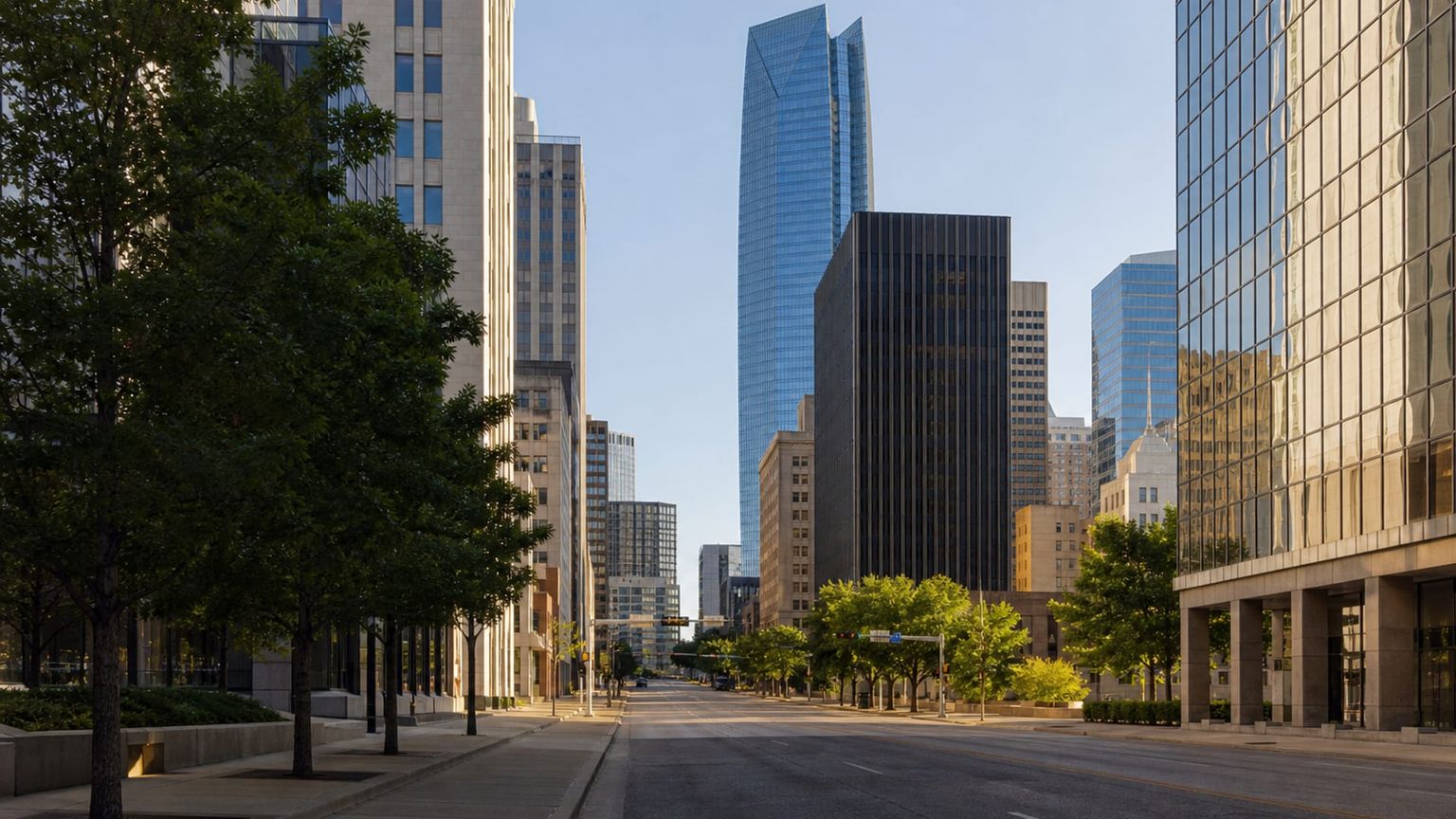
Downtown puts you closest to the city’s main museums, arena, Bricktown, and business addresses. It works well if you want to move between dinner, nightlife, and sightseeing without relying on long rides.
Best for: First-time visits, business trips, and travelers who want the shortest hops to major sights
What to expect: Tall office towers, hotel lobbies, arena traffic, and busy sidewalks near restaurants and bars.
Hotel prices: Usually about $140 to $260 per night for well-rated stays
Distance to major sights: About 10 to 15 minutes on foot to Bricktown and about 8 to 12 minutes by car to the Oklahoma City National Memorial
Quietness: Busy through the day, then livelier at night near dining and event venues.
Main trade-off: You pay more for centrality, and event nights can bring traffic, parking limits, and louder streets.
Good to know: If you plan late dinners or an event at Paycom Center, stay near the eastern edge to cut your nighttime walk.
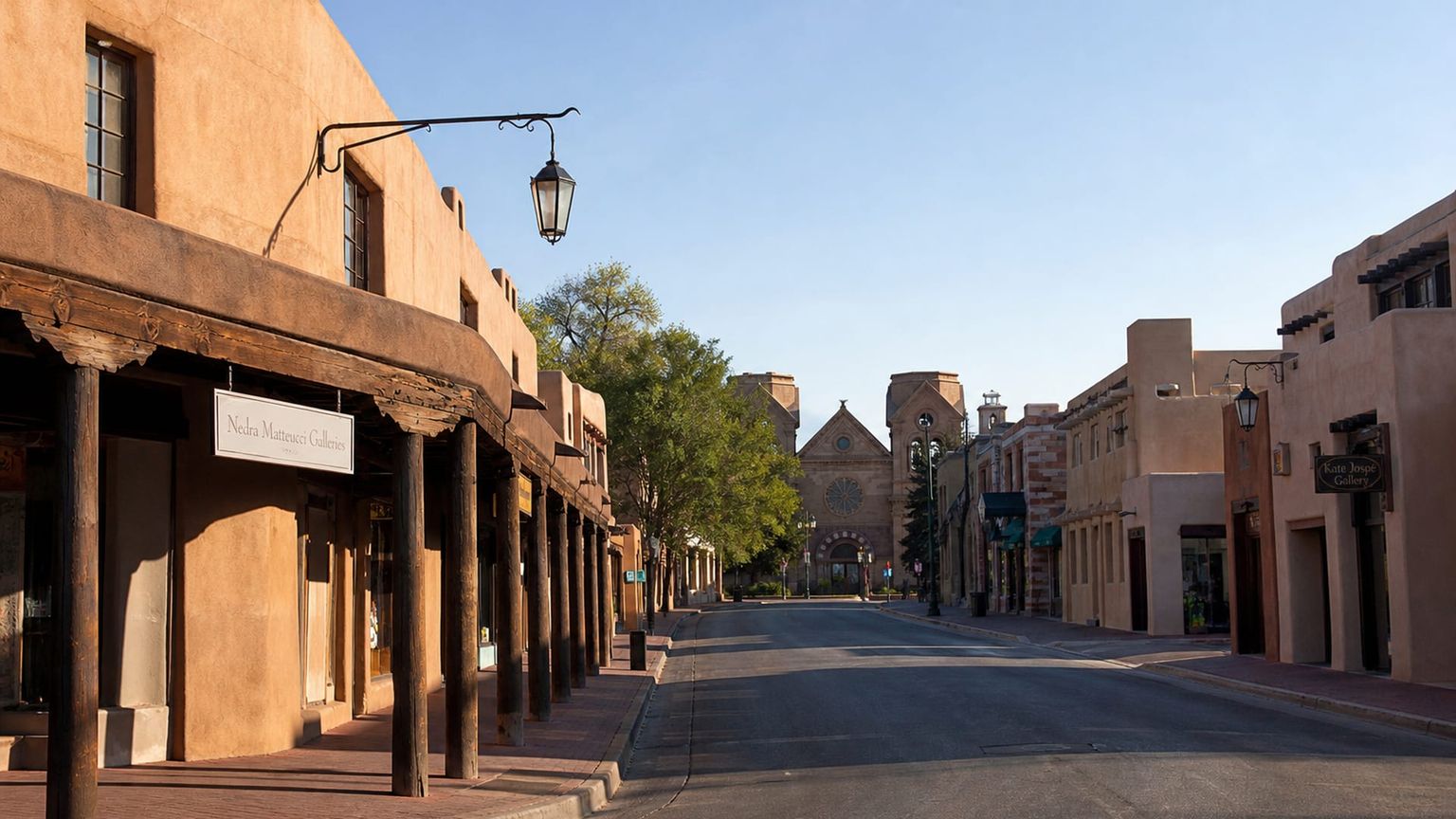
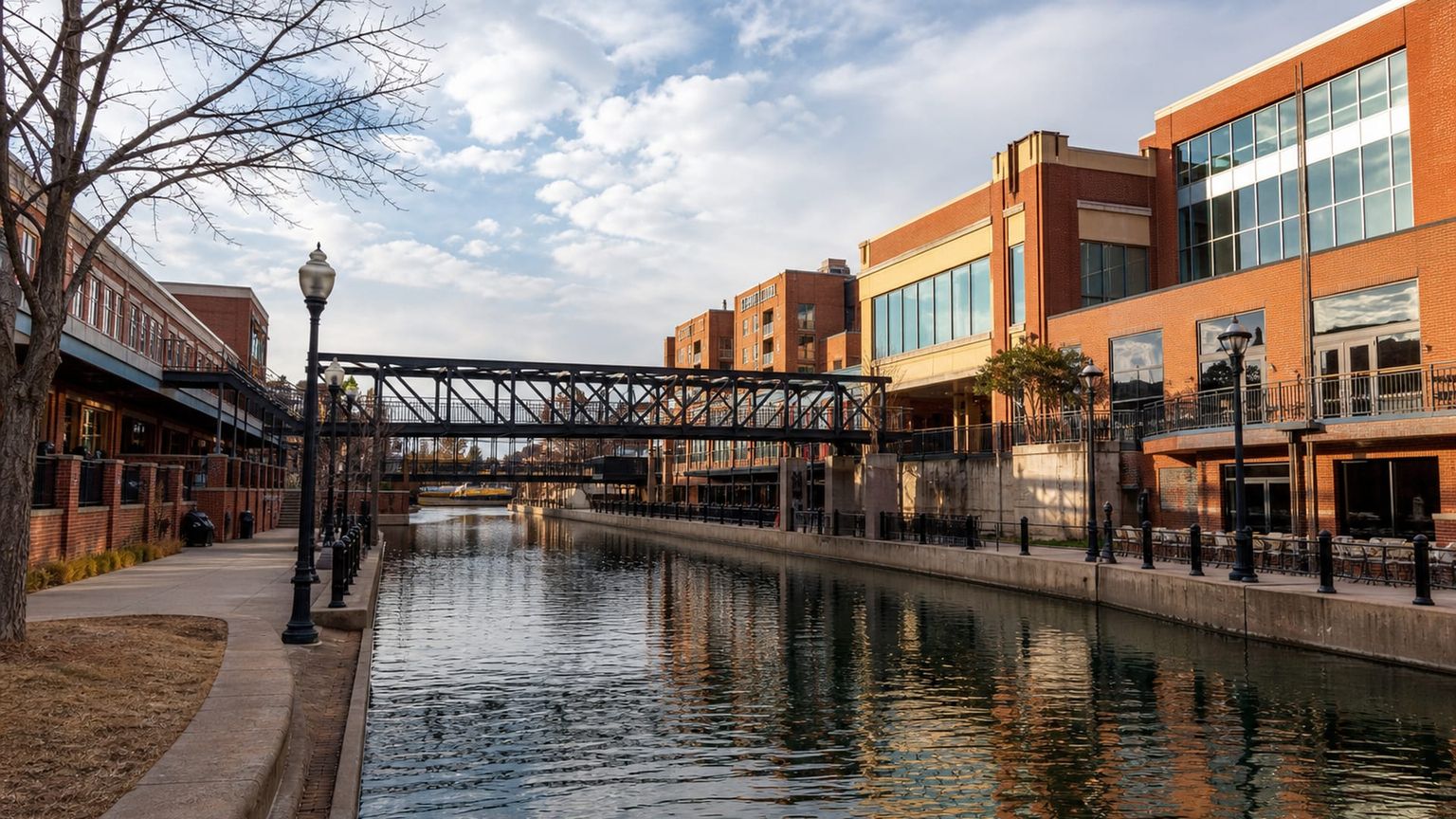
Bricktown is Oklahoma City’s main entertainment district, built around the canal, restaurants, and converted warehouse buildings. It suits travelers who want evening plans close to the hotel and do not mind a busy, tourist-heavy setting.
Best for: Nightlife, dining, short leisure stays, and visitors who want to stay near the canal
What to expect: Tourist traffic, patio dining, sports fans, and a lot of foot traffic after sunset.
Hotel prices: Usually about $150 to $300 per night for well-rated stays
Distance to major sights: About 5 to 10 minutes on foot to the Chickasaw Bricktown Ballpark and about 10 to 15 minutes on foot to downtown museums
Quietness: Moderately active in the day, then noticeably louder in the evening and late at night.
Main trade-off: The area is compact and convenient, but prices rise on weekends and noise can carry from bars and event crowds.
Good to know: Parking can be tight, so choose a hotel with its own garage if you plan to drive in and out after dinner.
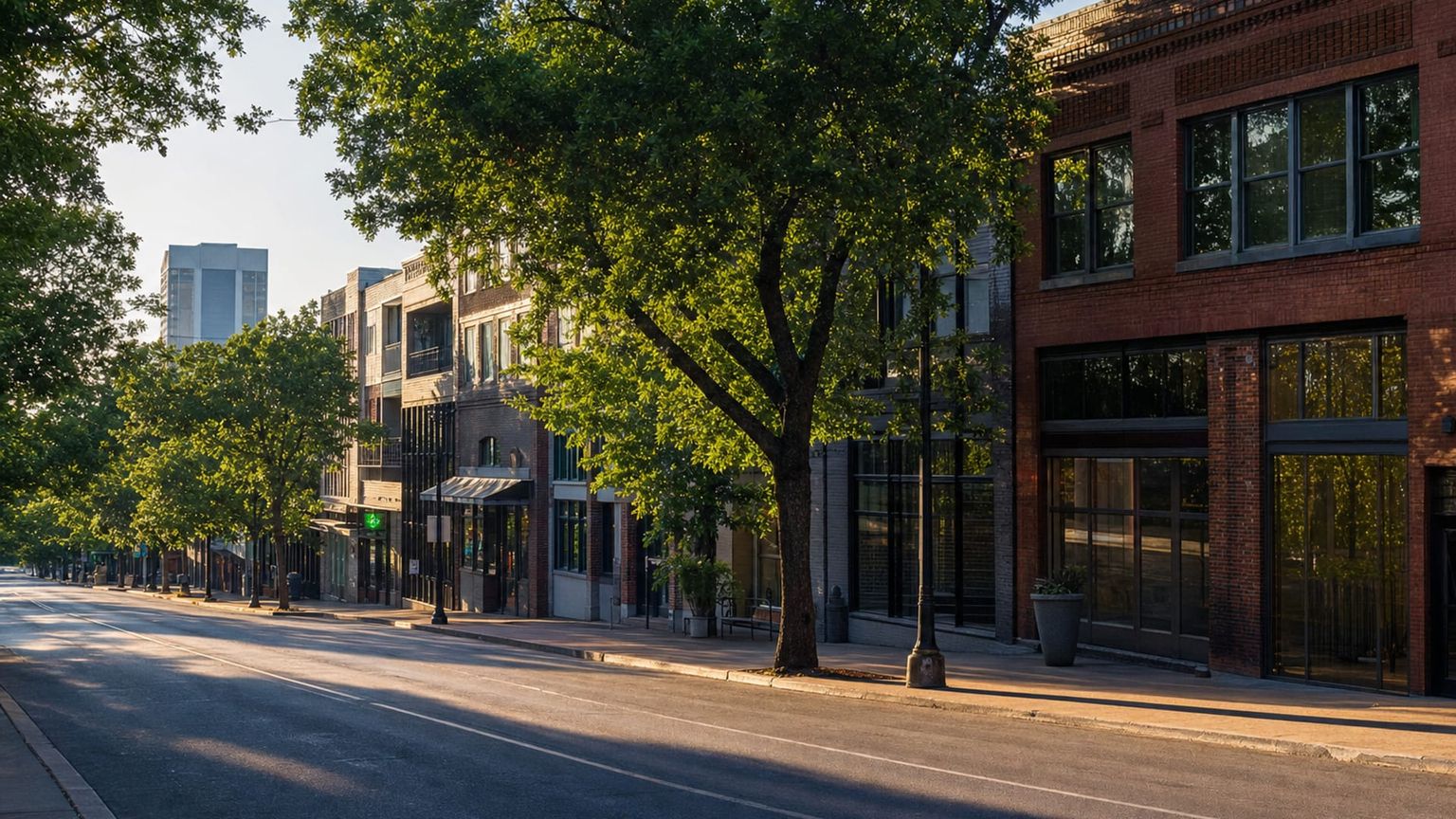
Midtown sits just north of downtown and mixes older apartments, indie restaurants, and bars with quick access to the urban core. It appeals if you want a walkable base with a little less traffic than the main downtown blocks.
Best for: Dining, walkable evenings, and travelers who want a neighborhood feel near downtown
What to expect: Sidewalk cafes, apartment blocks, brewery patios, and a steady local crowd rather than heavy tourism.
Hotel prices: Usually about $130 to $240 per night for well-rated stays
Distance to major sights: About 10 to 20 minutes on foot to the Oklahoma City National Memorial and about 5 to 10 minutes by car to the Civic Center Music Hall
Quietness: Active in the evening, but calmer on residential side streets away from the main restaurant strips.
Main trade-off: You get more neighborhood character, but some blocks sit farther from the arena and Bricktown than downtown hotels do.
Good to know: If you like to eat out often, this area gives you more restaurant choice within a short walk than many central hotel blocks.
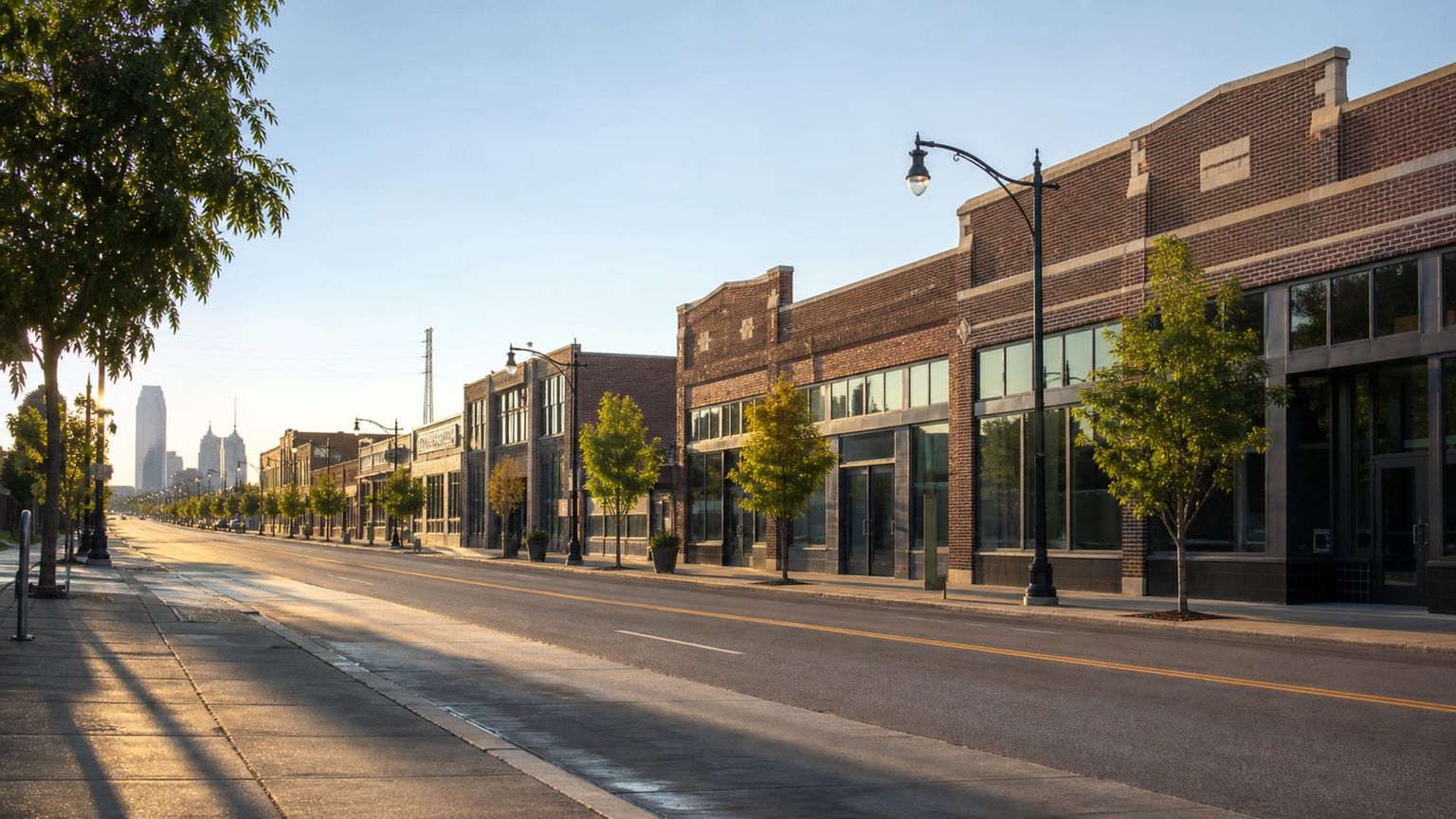
Automobile Alley lines North Broadway with restored historic buildings, design showrooms, and some of the city’s most interesting restaurants. It is a good fit if you want a compact, character-rich base between downtown and Midtown.
Best for: Design-minded travelers, restaurant hopping, and visitors who like historic streetscapes
What to expect: Low- to mid-rise blocks, restaurant patios, and a mix of local workers, hotel guests, and diners.
Hotel prices: Usually about $140 to $260 per night for well-rated stays
Distance to major sights: About 10 to 15 minutes on foot to the Oklahoma City National Memorial and about 15 to 20 minutes on foot to Bricktown
Quietness: Moderate daytime activity, then a livelier dinner scene that settles earlier than Bricktown.
Main trade-off: There are fewer hotels here than downtown, so availability can be limited and rates can spike during events.
Good to know: A few blocks can feel quiet after dinner, so check the exact street address if you want to stay close to the busiest restaurant stretch.
Travelers usually avoid staying in far southeast Oklahoma City near the airport industrial corridor, because it sits well away from downtown sights, Bricktown, and the Oklahoma City National Memorial, with limited visitor amenities nearby. Far northwest edges near the Kilpatrick Turnpike and outer suburb fringe are also less convenient, since they put you far from the main museums and dining areas and can mean longer evening drives for dinner and entertainment.
Hotel deals
How to get around Oklahoma City efficiently
With no subway or light-rail system, Oklahoma City depends on buses, taxis, rideshares, and walking for the final stretch between downtown neighborhoods.

Metro
for longer distances
Oklahoma City has no subway or light-rail metro, so visitors rely on buses, rideshares, and short taxi trips instead. The EMBARK bus network links downtown, Bricktown, Midtown, the airport area, and major shopping corridors, but service is limited after dark and on Sundays, so check schedules before you plan a transfer.

Bus and tram
for convenience
EMBARK buses cover the city, with the RAPID NW line giving the best core corridor link between downtown and northwest Oklahoma City, usually every 15 to 30 minutes during the day. Single rides cost $1.75, a day pass costs $4.00, and passes are valid for the full service day; fares are paid on board or through the agency app, and most visitors use buses for downtown, the airport, and nearby neighborhoods.

Taxi
for convenience or late hours
Licensed taxis wait at Will Rogers World Airport (OKC) and at major hotels, and street hailing is uncommon, so most riders call ahead or use a dispatcher. Fares are metered, not set by zone, with an airport pickup plus mileage and waiting charges, so a trip from the airport to downtown usually runs about $25 to $35 before tip, while shorter cross-town rides often fall in the $10 to $20 range; cash and cards are both widely accepted.
*Prices are based on rates updated as of June 2026 and may change at the time of travel.
Use EMBARK for downtown and nearby corridors, a taxi or rideshare for airport transfers and late dinners, and walking when your plan stays inside Bricktown, Midtown, or Automobile Alley.
Iconic landmarks
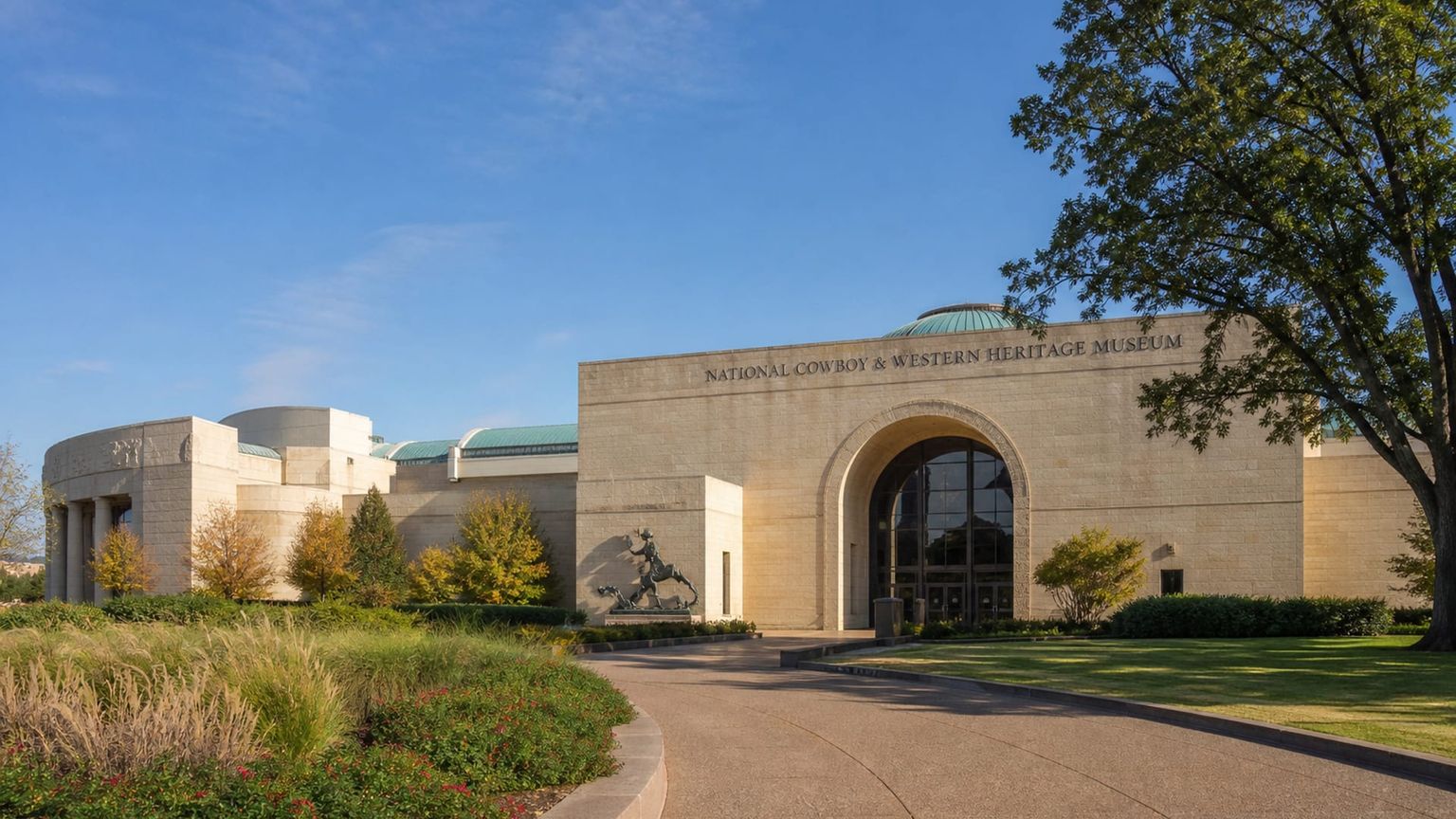
National Cowboy and Western Heritage Museum
This museum pairs saddle-room galleries with paintings, rodeo artifacts, Native American art, and the long-running Hall of Great Westerners. It gives a clear read on how the American West has been collected and portrayed in Oklahoma City.
Time needed: About 2 to 3 hours
Entry: Adult admission costs $15, seniors and military $12, youth ages 6 to 12 $8, and children under 6 enter free. Visit the official site for details.
Tip: Go early on weekdays for quieter galleries and better time with the major exhibits.
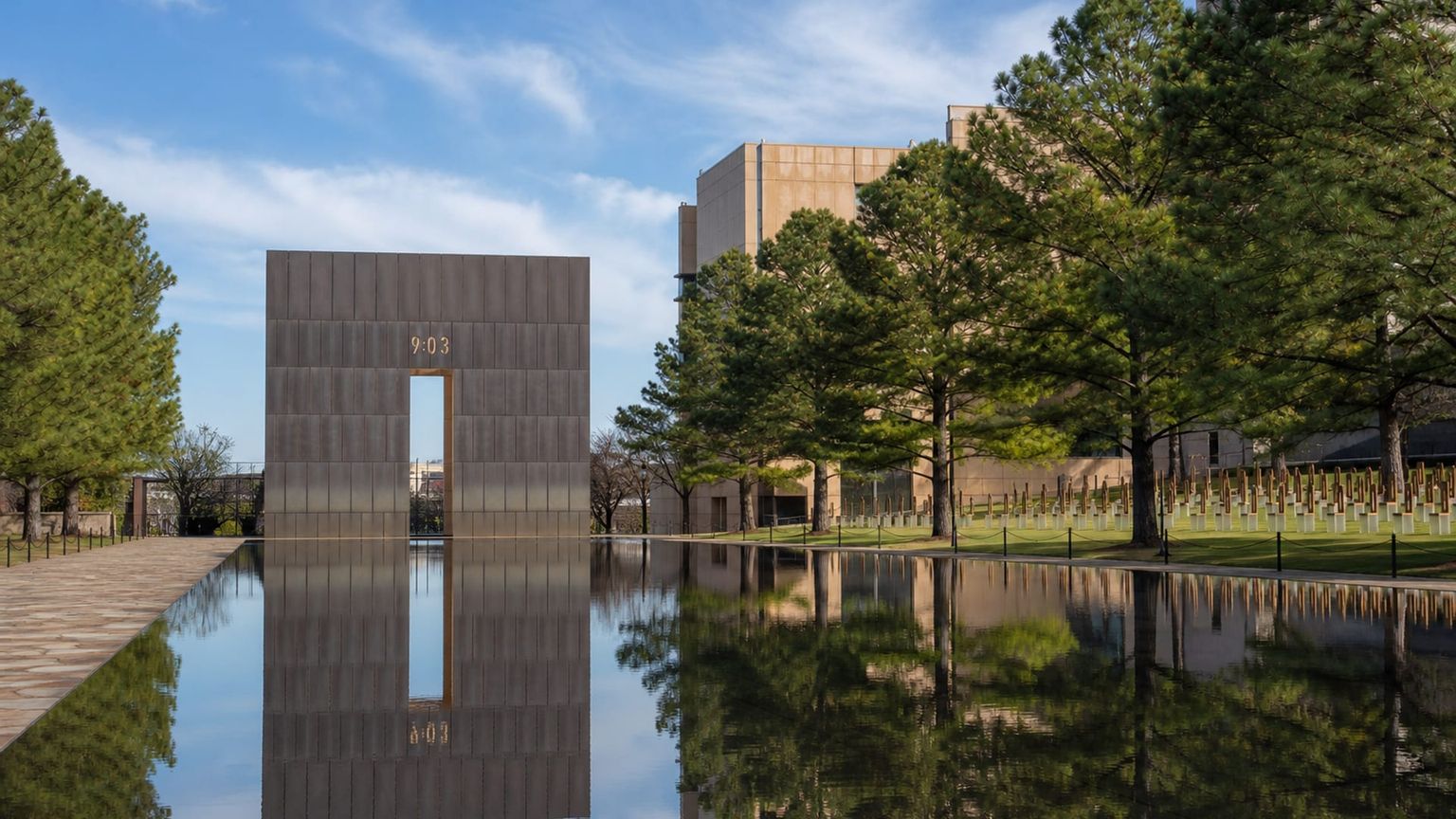
Oklahoma City National Memorial & Museum
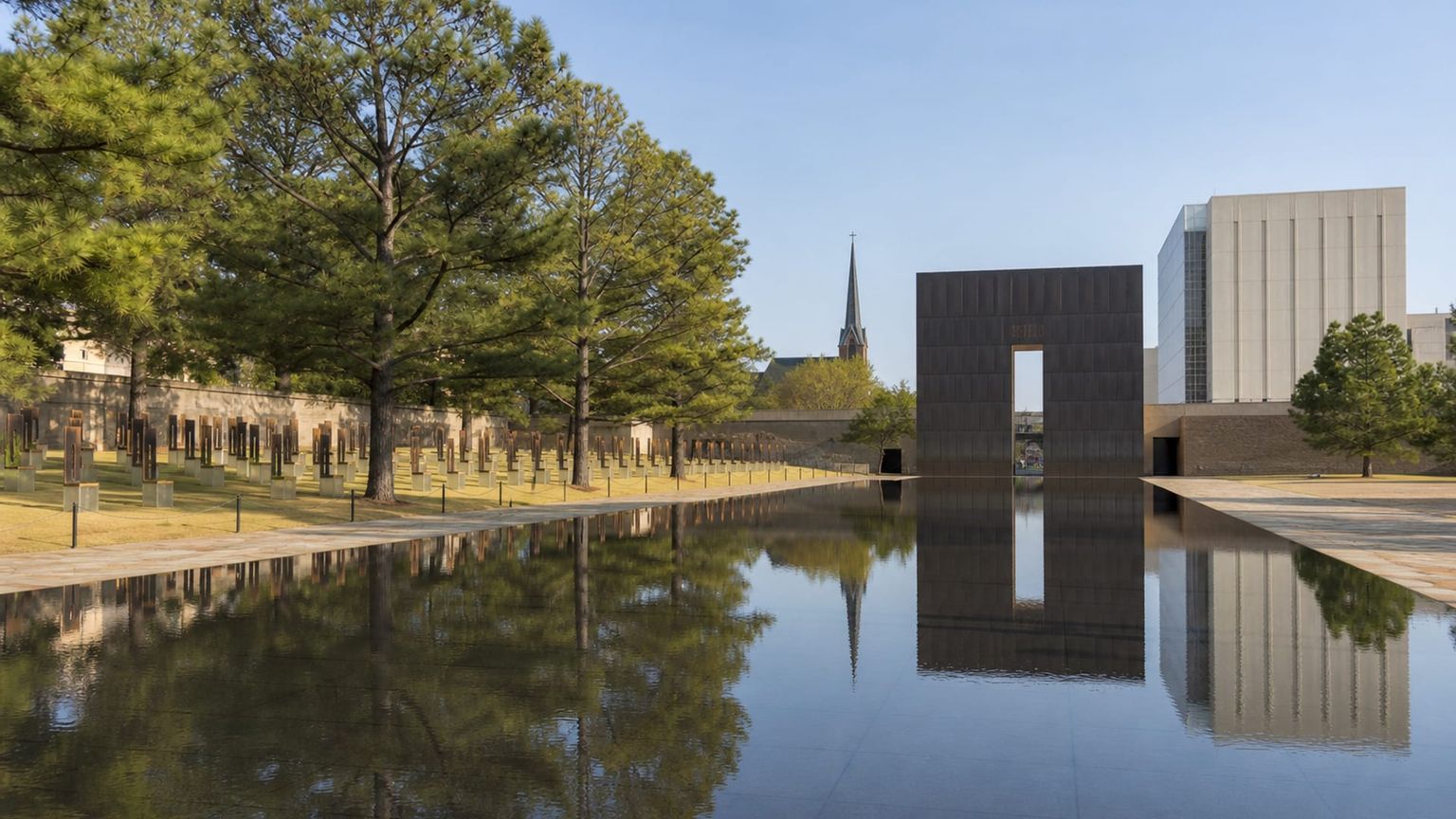
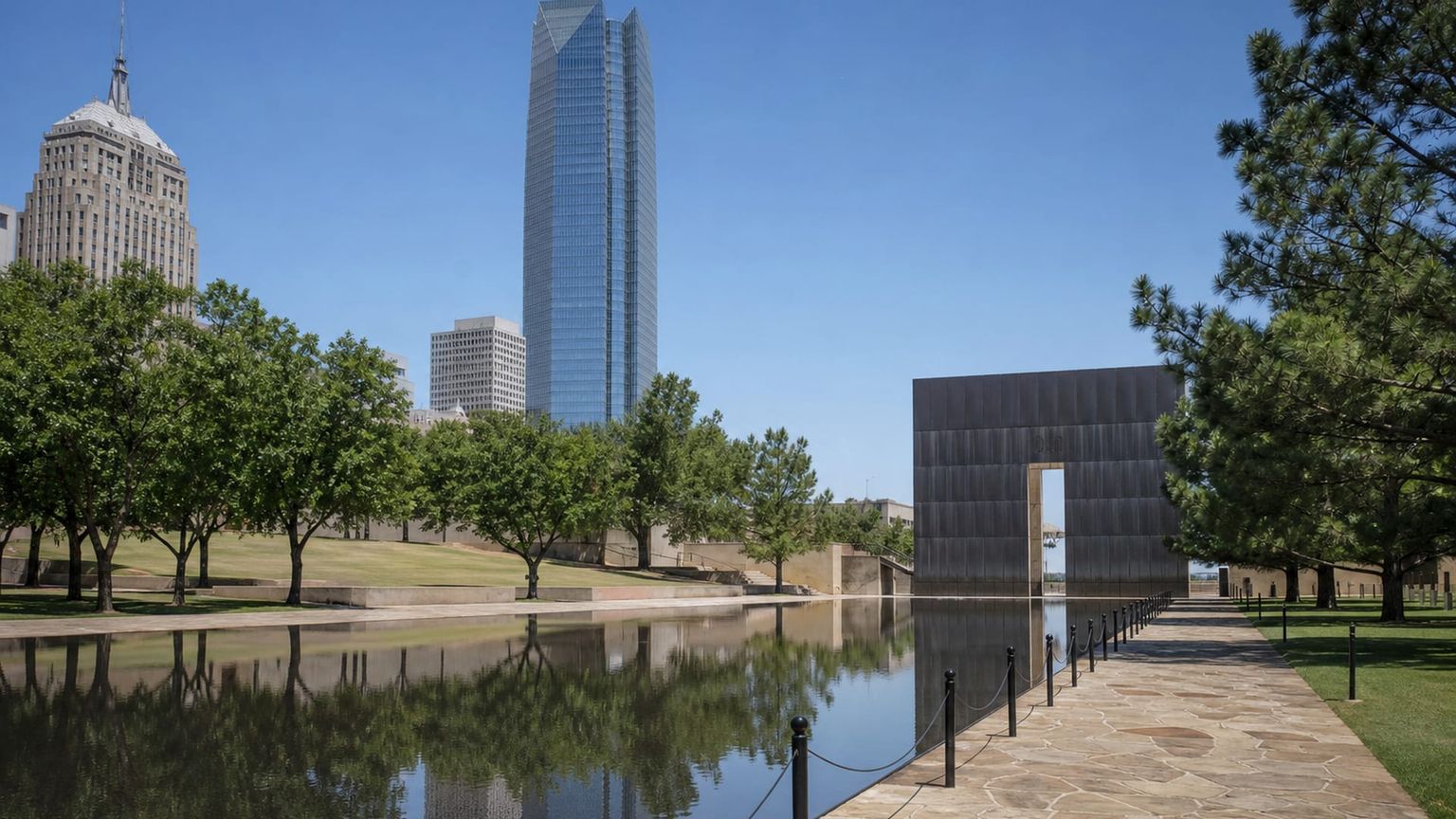
The outdoor memorial marks the 1995 bombing site with 168 empty chairs, the Field of Empty Chairs, and the Reflecting Pool. The museum below adds survivor accounts, documents, and artifacts that explain the attack and its aftermath.
Time needed: About 1.5 to 2.5 hours
Entry: Museum admission costs $18 for adults, $12 for youth ages 7 to 17, and free for children 6 and under; the outdoor memorial is free. Visit the official site for details.
Tip: Visit late afternoon for softer light at the memorial, then go inside before closing.
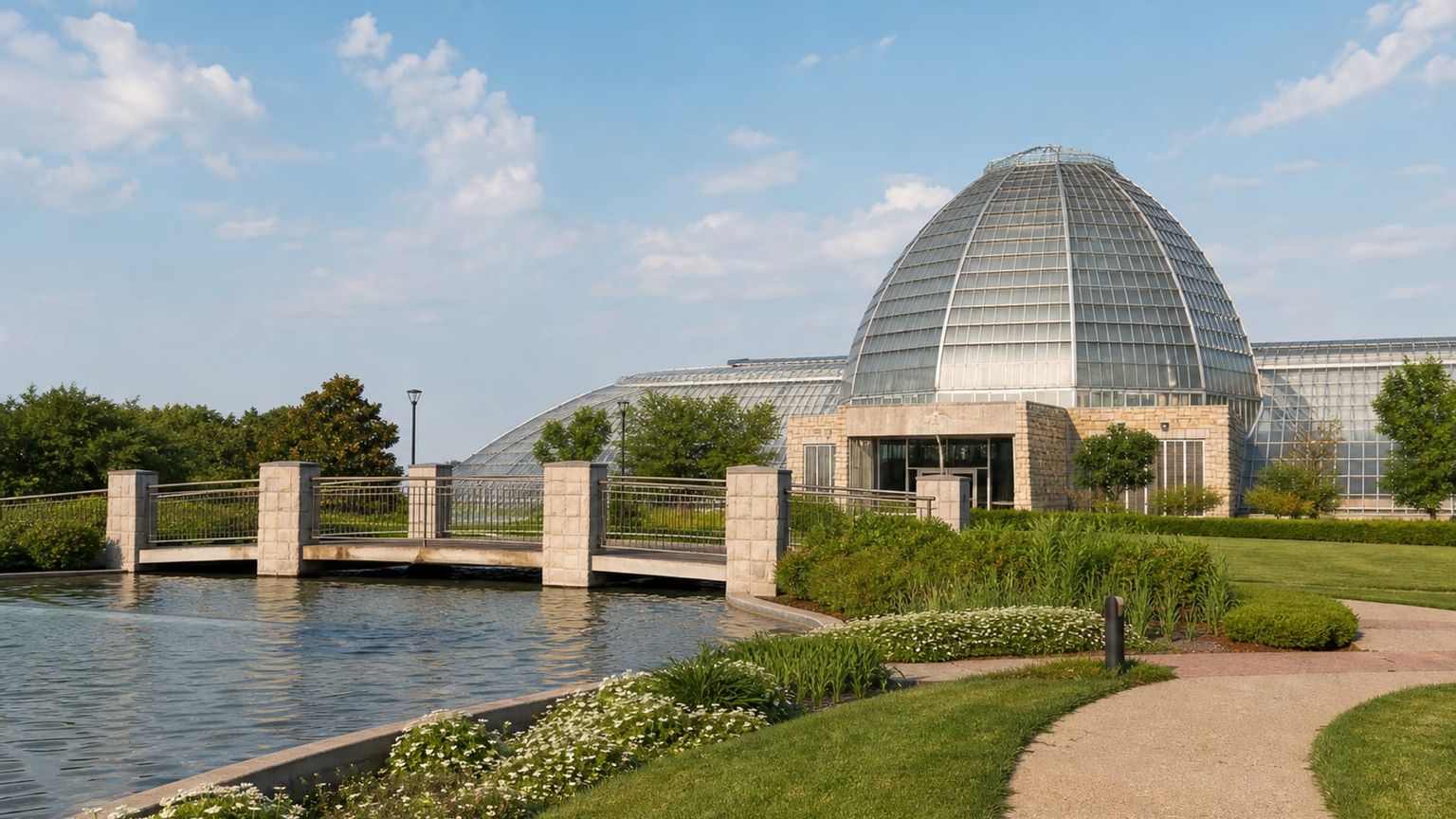
Myriad Botanical Gardens
This 17-acre downtown garden centers on the Crystal Bridge Conservatory, with seasonal plantings, a children’s garden, lawns, and water features. It offers an easy urban reset close to the city’s main hotel and dining districts.
Time needed: About 1 to 2 hours
Entry: Garden grounds are free to enter; Crystal Bridge Conservatory tickets cost $10 for adults, $8 for seniors, and $6 for children. Visit the official site for details.
Tip: Visit in the morning for cooler paths and better light in the conservatory.
Overlooked sites worth visiting

Myriad Botanical Gardens
A 17-acre downtown garden with the Crystal Bridge conservatory, seasonal flower beds, a lake, and a children’s play zone. Visit for a slower walk, then sit under the shade trees.
Time needed: About 1 to 2 hours
Entry: Entry to the outdoor grounds is free. Crystal Bridge conservatory admission is $10 for adults, $7 for seniors, and $5 for children 4 to 12; children 3 and under enter free. Parking is metered nearby. Visit the official site for details.
Tip: Go early for cooler paths and fewer midday photos.

Oklahoma Contemporary Arts Center
This contemporary arts center presents rotating exhibitions in a compact campus near the city center. The galleries stay manageable in size, so you can see the full program without rushing.
Time needed: About 1 hour
Entry: General admission to the galleries is free for most exhibitions. Ticketed events and special programs vary by show; check the schedule before you go, since some performances and workshops require paid tickets or reservations. Visit the official site for details.
Tip: Check the exhibit calendar, since opening days can include free talks.
Traditional food
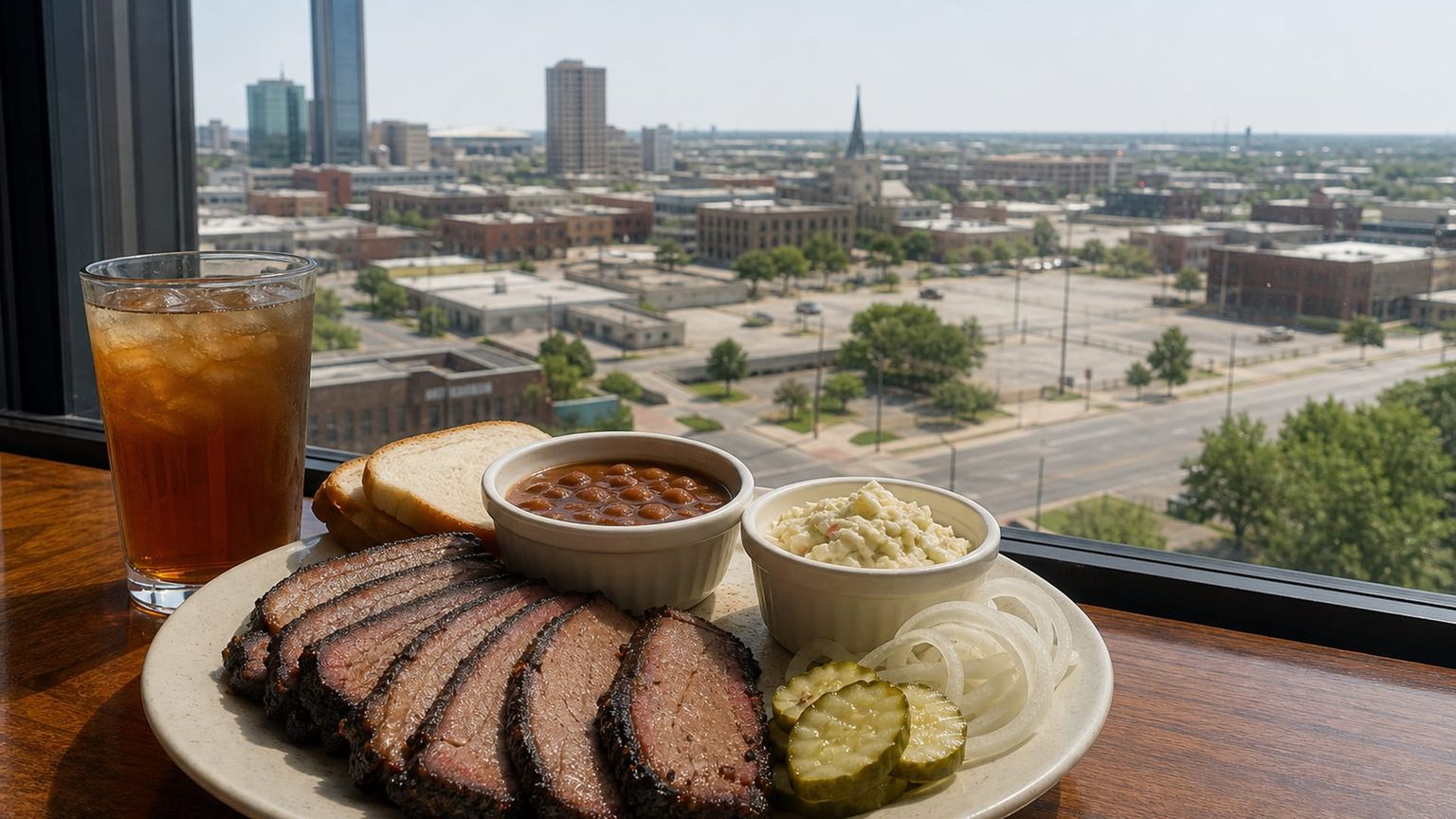
Oklahoma City cooking leans into beef, smoke, fry bread, and diner comfort, with fried onion burgers, chicken-fried steak, brisket, and chili anchoring the table. Portions tend to be generous, and many of the best meals come from classic counters and local smokehouses.
Fried onion burger
A Oklahoma staple, this burger presses thin-sliced onions into the patty as it cooks, building a crisp edge and sweet, savory flavor. Tucker’s Onion Burgers in Oklahoma City is a dependable place to try it.
Chicken-fried steak
Breaded beef cutlet with cream gravy, usually served with mashed potatoes and sides. Cheever’s Cafe in Oklahoma City is a strong canonical stop for a classic version.
Barbecue brisket
Slow-smoked brisket brings the city’s barbecue side into focus, with bark, smoke, and tender slices. George’s Happy Hog Bar-B-Q in Oklahoma City is a long-running place for it.
Chili
Thick, hearty chili shows up in bowls and as a topping, especially in cooler weather. Cattlemen’s Steakhouse in Oklahoma City is a well-known place to order it.
Best time to visit Oklahoma City
Spring and fall usually bring the most comfortable walking weather, while summer pushes more time indoors and winter can still work well if you plan around cold mornings and wind.
Best for: Garden visits, downtown walks, and patio dinners
What you get: About 55 to 78°F (13 to 26°C), with moderate crowds and a strong mix of outdoor and indoor time
Trade-offs: April storms can disrupt a carefully packed day
Best for: Museum-heavy days and evening dining after sunset
What you get: About 72 to 96°F (22 to 36°C), with lighter daytime foot traffic but more people indoors during peak heat
Trade-offs: Afternoon heat makes long walks harder
Best for: Neighborhood walks, memorial visits, and open-air dining
What you get: About 54 to 79°F (12 to 26°C), with comfortable crowds and clear conditions for moving between districts
Trade-offs: Weekend events can raise hotel rates
Best for: Gallery time, short city hops, and slower sightseeing
What you get: About 31 to 53°F (-1 to 12°C), with lighter crowds and easy access to museums and restaurants
Trade-offs: Cold wind can make the open memorial and garden visits briefer than planned
A realistic 5-day plan in Oklahoma City
The five-day plan keeps Oklahoma City in manageable pieces: central memorial and museum stops, a garden-and-canal day, then Midtown and Automobile Alley for food and walking. That layout cuts down on backtracking and leaves room for slower meals.
Land at Oklahoma City (OKC) and take a taxi or rideshare into downtown, Bricktown, Midtown, or Automobile Alley, which usually takes about 15 to 20 minutes and costs about $25 to $35 before tip. If you want the easiest first night, stay near downtown or Bricktown, then walk a few blocks for water, an early dinner, and an unhurried evening near the canal or the hotel.
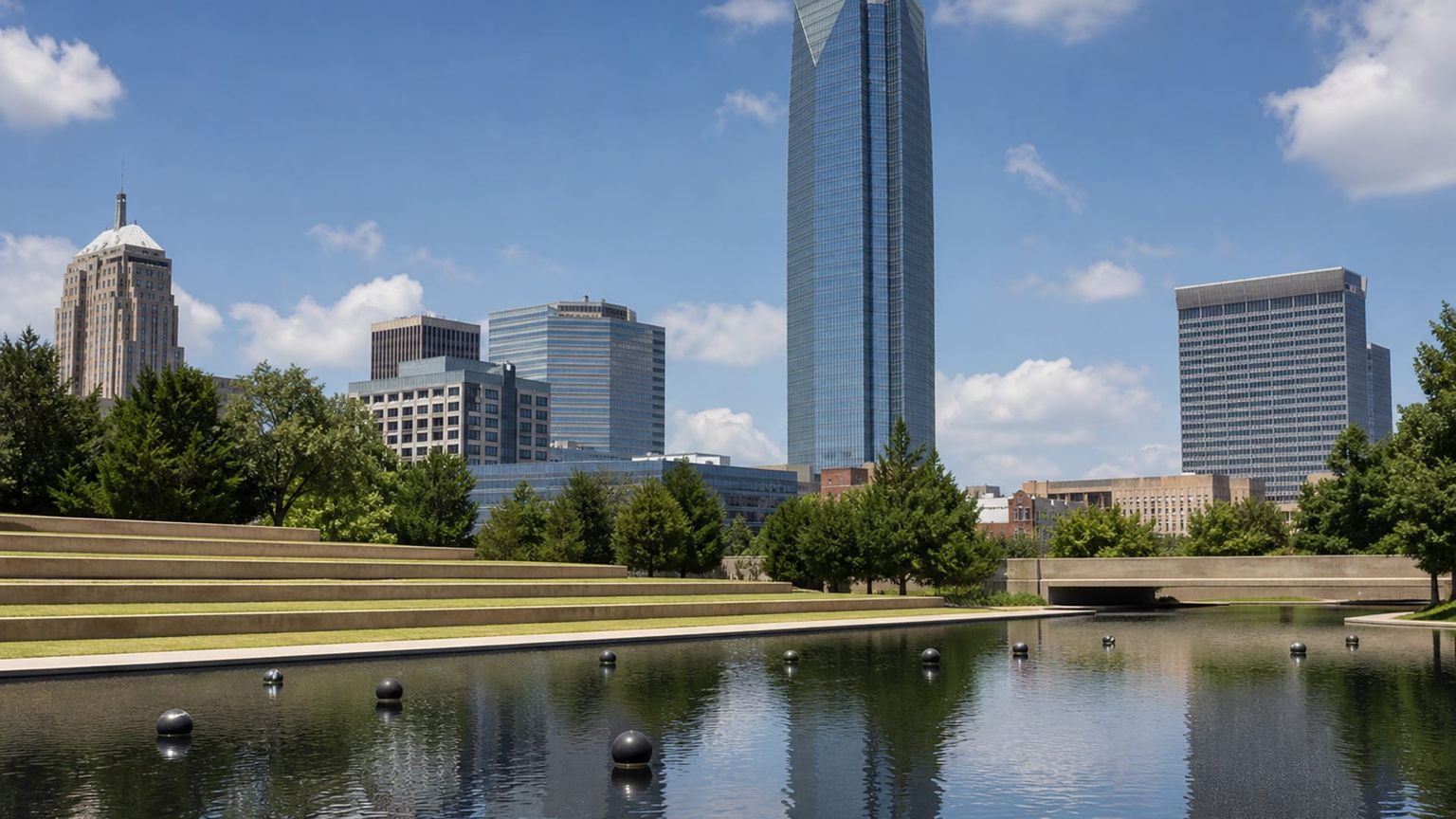
Start at the Oklahoma City National Memorial & Museum, then walk about 10 to 15 minutes to Oklahoma Contemporary Arts Center for a second stop that keeps the day close to the city center. After lunch, ride or drive about 10 minutes to the National Cowboy and Western Heritage Museum, where you can spend 2 to 3 hours before heading back downtown for dinner in Midtown or Automobile Alley.
Begin with Myriad Botanical Gardens in the morning, when the paths are cooler and the Crystal Bridge Conservatory has better light, then continue by foot into downtown for a relaxed lunch. From there, walk about 10 to 15 minutes to Bricktown for the canal, warehouse conversions, and an easy late-afternoon stroll before dinner near the eastern edge of downtown.
Head north to Midtown first, where you can linger over coffee and walk between older apartment blocks, restaurants, and bars without a long cross-town move. From Midtown, it is about 5 to 10 minutes by car to the Civic Center Music Hall area, and about 10 to 15 minutes on foot from there to Automobile Alley, so you can finish the day with dinner along North Broadway and a look at the restored historic storefronts.
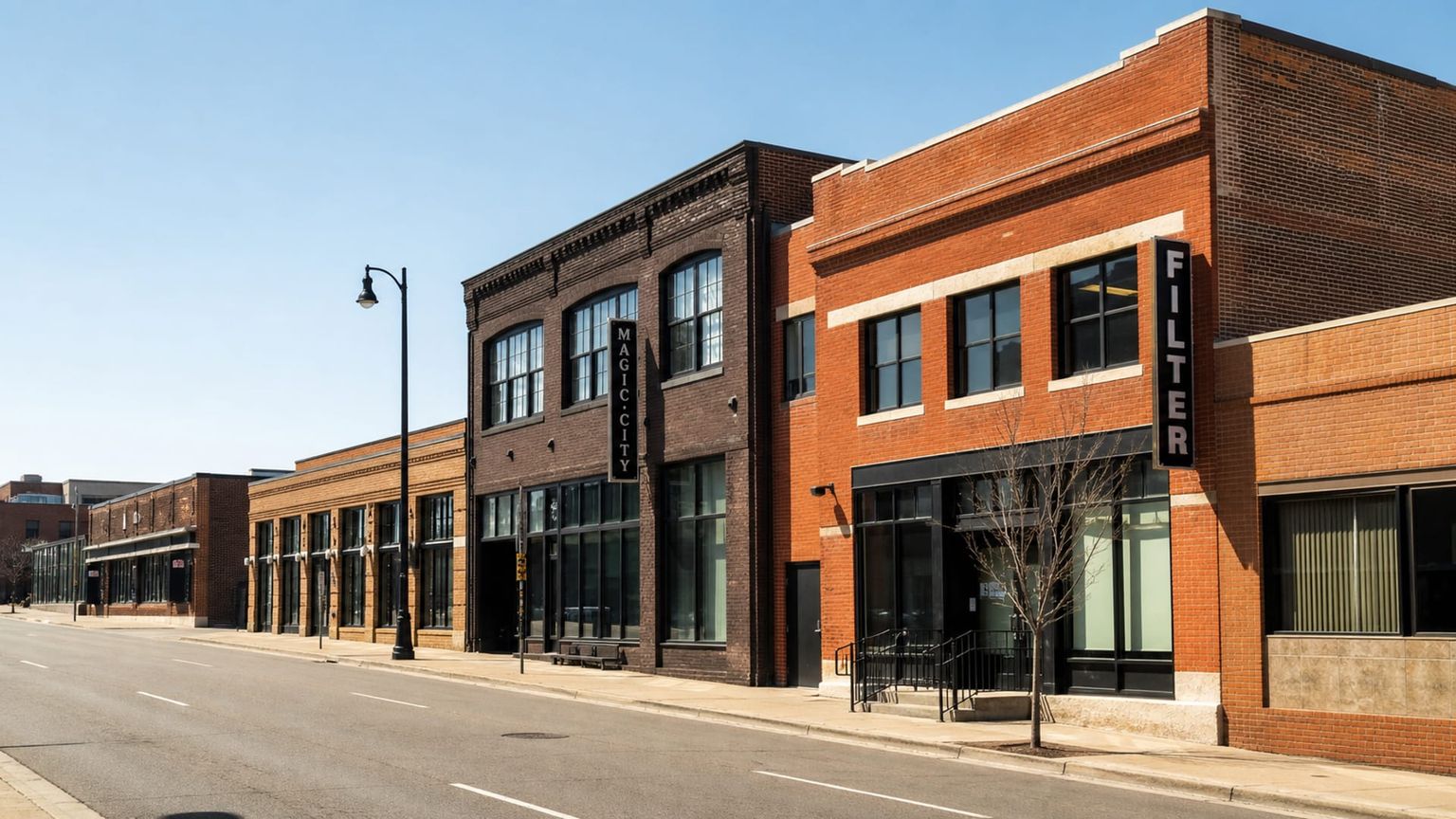
Spend the last day on a slower circuit, starting with one final museum stop if something caught your eye earlier, then moving into shopping or browsing in Automobile Alley’s North Broadway corridor. Finish with coffee or a late breakfast in Midtown, where the café scene gives you an easy place to sit before heading back to Oklahoma City (OKC).
Business-class flights from the US to Oklahoma City
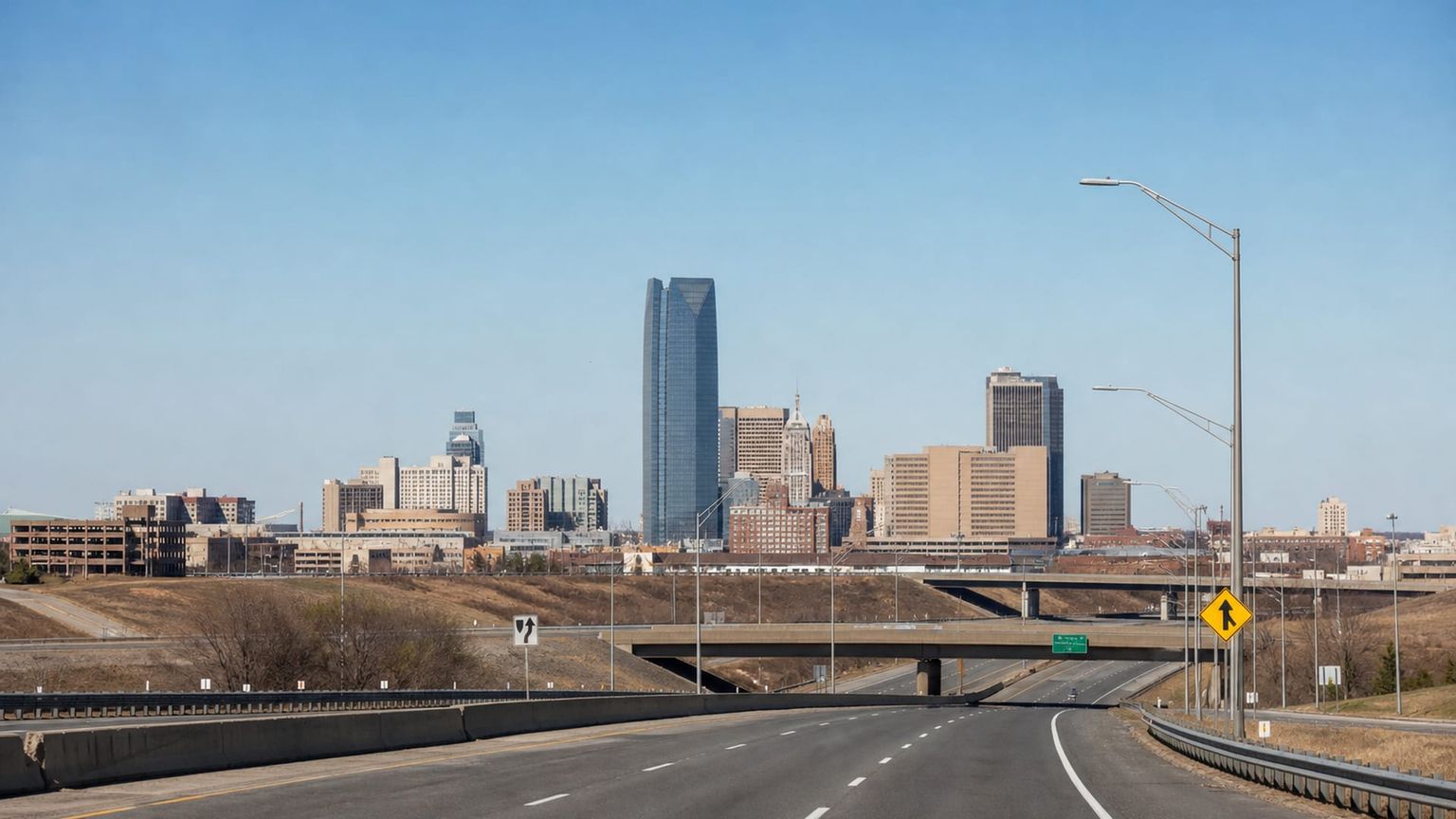
Flights into Oklahoma City usually connect through one or two major hubs, so the best fare often depends on which coastal city you start from and how much time you want to spend in transit.
From New York, American Airlines, Delta Air Lines, United Airlines, and Southwest Airlines all sell one-stop options, with total travel time usually about 3 to 4 hours nonstop and about 5 to 8 hours when you connect through ORD, DFW, DEN, ATL, or CLT. Round-trip fares usually start at about $800 and can reach $2,000, and some connecting itineraries price lower when you trade time for a simpler fare.
Los Angeles travelers can usually choose among American Airlines, Delta Air Lines, United Airlines, and Southwest Airlines. Nonstop flights take about 2 to 3 hours, while connections through DFW, DEN, PHX, LAS, or SLC usually stretch the trip to about 4 to 7 hours; round-trip fares from $650 to $1,600 often stay lower on nonstop dates, especially when you avoid peak business travel days.
Oklahoma City feels different when you slow down
A thoughtful Oklahoma City stay usually moves in short, named pieces, breakfast in Midtown, a museum morning downtown, a walk through Myriad Botanical Gardens, and dinner in Bricktown or Automobile Alley. That pattern gives the city enough space to make sense without wasting time in cross-town loops. If you want help shaping those days into a trip that fits your dates, AranGrant experts can help you plan it around the neighborhoods that matter most