

Chapters:

Need help with your trip?
Our support team is available 24/7. Request a callback or call us directly at (833) 619-0908
Kahului trips often begin and end at OGG, with travelers using the airport side of Maui as a launch point and then missing how quickly the day can slip toward errands, traffic, and early closing hours.
That habit works for a night or two, but it can waste time if you misjudge driving gaps between the town center, Wailuku, the beach park, and inland sights, or arrive too late for dinner.
This guide maps the stay in a clearer order, so arrival, food, transport, and day trips fit Maui’s distances without forcing long backtracking.
Useful things to know

Main language(s): English

Currency: The local currency is the US dollar (USD, $).

Cash and cards: Cards and contactless are widely accepted; carry about $20 to $40 cash for tips and small purchases.

Tipping: Tip 15 to 20% at sit-down restaurants; round up for taxis and small services.

Traditional food: poke, kalua pig, lomi salmon, loco moco

Water and coffee costs: Water about $2 ($2), bar espresso about $4 ($4).

Taxis and ride apps: Uber and Lyft operate here; waits can be limited late at night.

Plug and voltage: Type A/B socket, 120V

Dining and shop opening hours: Breakfast is about 07:00-10:00, lunch 11:00-14:00, and dinner 17:30-21:00. Many places close early, and some kitchens stop taking orders by 20:30.

Emergency number: Dial 911 for police, fire, or medical emergencies.
Where to stay in Kahului
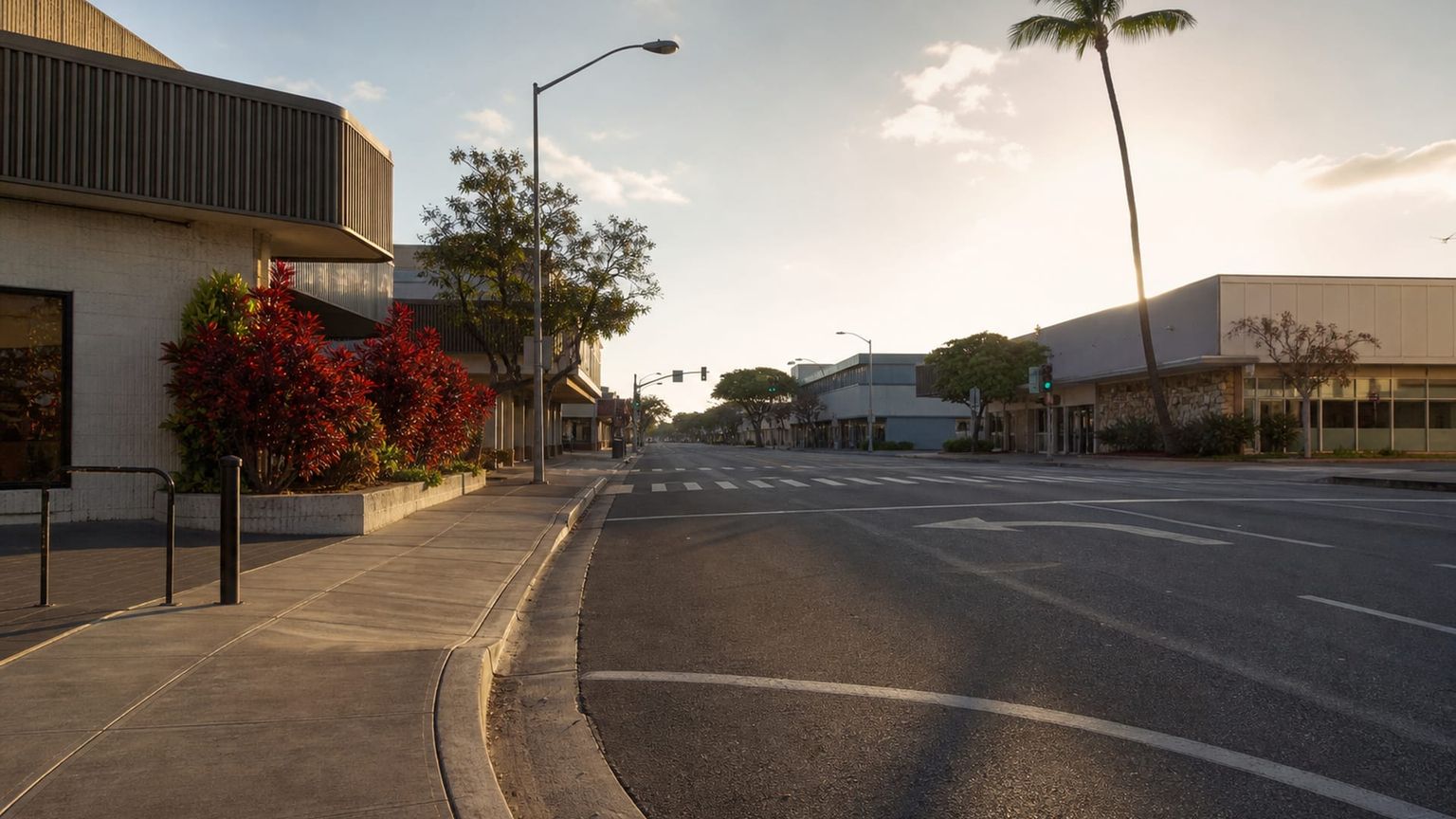
Kahului’s central grid puts you closest to the airport, Queen Ka’ahumanu Center, and the island’s main bus connections. It works for travelers who want an easy arrival, basic errands nearby, and a central place to start day trips across Maui.
Best for: Airport proximity, short stays, and travelers using public transit
What to expect: Expect practical roads, strip malls, and light evening activity rather than a tourist strip. It is busiest near shopping and transit stops during the day.
Hotel prices: Usually about $180 to $320 per night for well-rated stays
Distance to major sights: 5 to 10 minutes by car to OGG, about 5 minutes by transit or 15 minutes on foot to Queen Ka’ahumanu Center
Quietness: Daytime is active with errands and traffic, while evenings are noticeably calmer on residential streets.
Main trade-off: You give up beach access and resort ambience, and some blocks sit close to busier arterial roads.
Good to know: A car is useful here, since most dining, beach time, and scenic stops still require a drive.
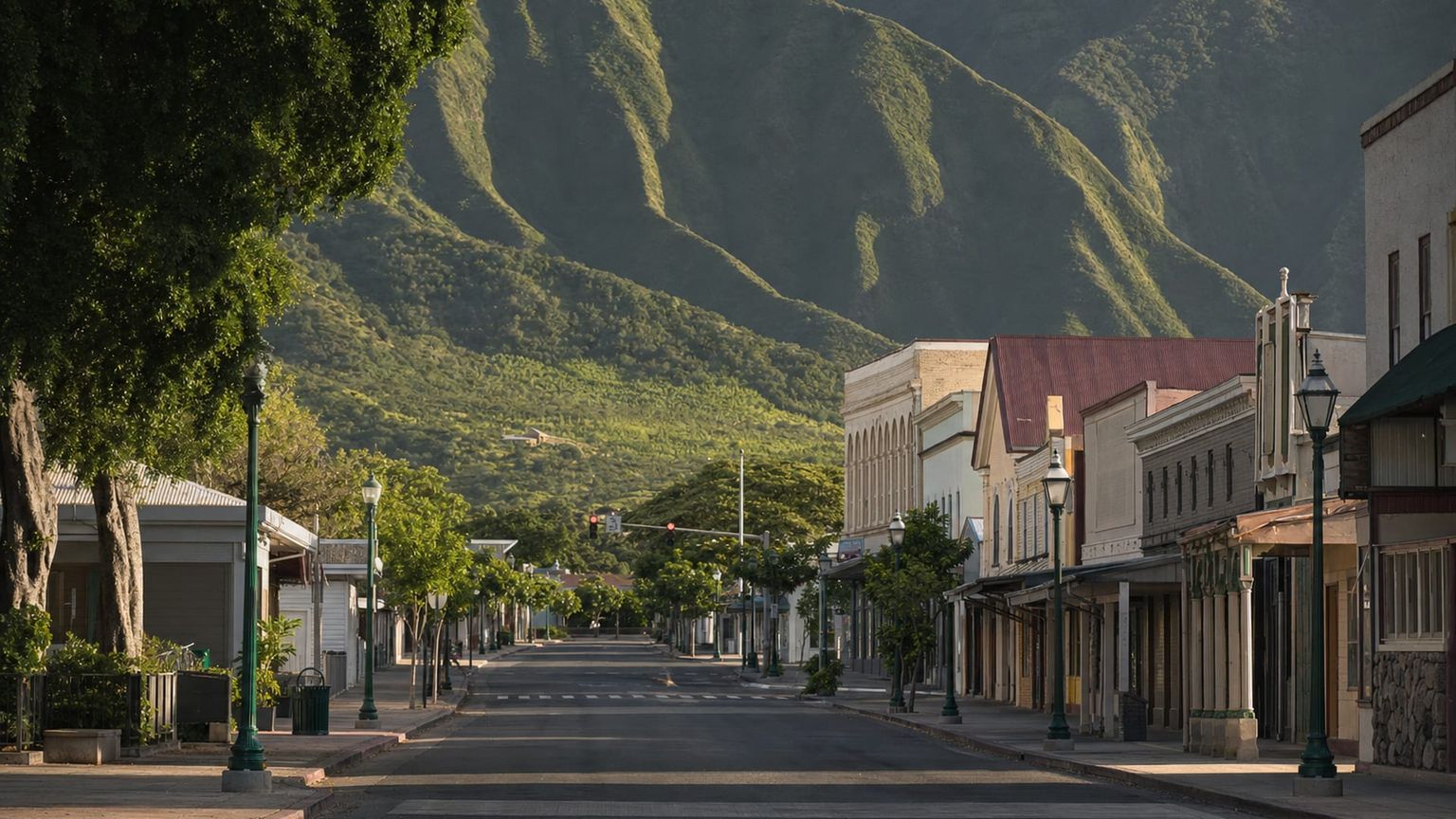
Wailuku sits just mauka of Kahului and gives you a smaller-town base with government offices, older storefronts, and quick access to the airport side of the island. It matters for travelers who want a central launch point without staying in a retail-heavy zone.
Best for: Central island access, local dining, and travelers who prefer a town center over resort zones
What to expect: Expect a compact downtown, daytime foot traffic, and quieter side streets after business hours. The area is more local than touristy, with cafés, bakeries, and municipal buildings.
Hotel prices: Usually about $190 to $340 per night for well-rated stays
Distance to major sights: 10 to 15 minutes by car to OGG, about 10 minutes by car to Maui Arts and Cultural Center in Kahului
Quietness: Quieter at night, with more activity during weekday business hours and lunch.
Main trade-off: You are farther from the airport terminals and from Kahului’s main shopping cluster, so quick errands may take a short drive.
Good to know: Parking is often easier than in resort districts, but walkable nightlife is limited.
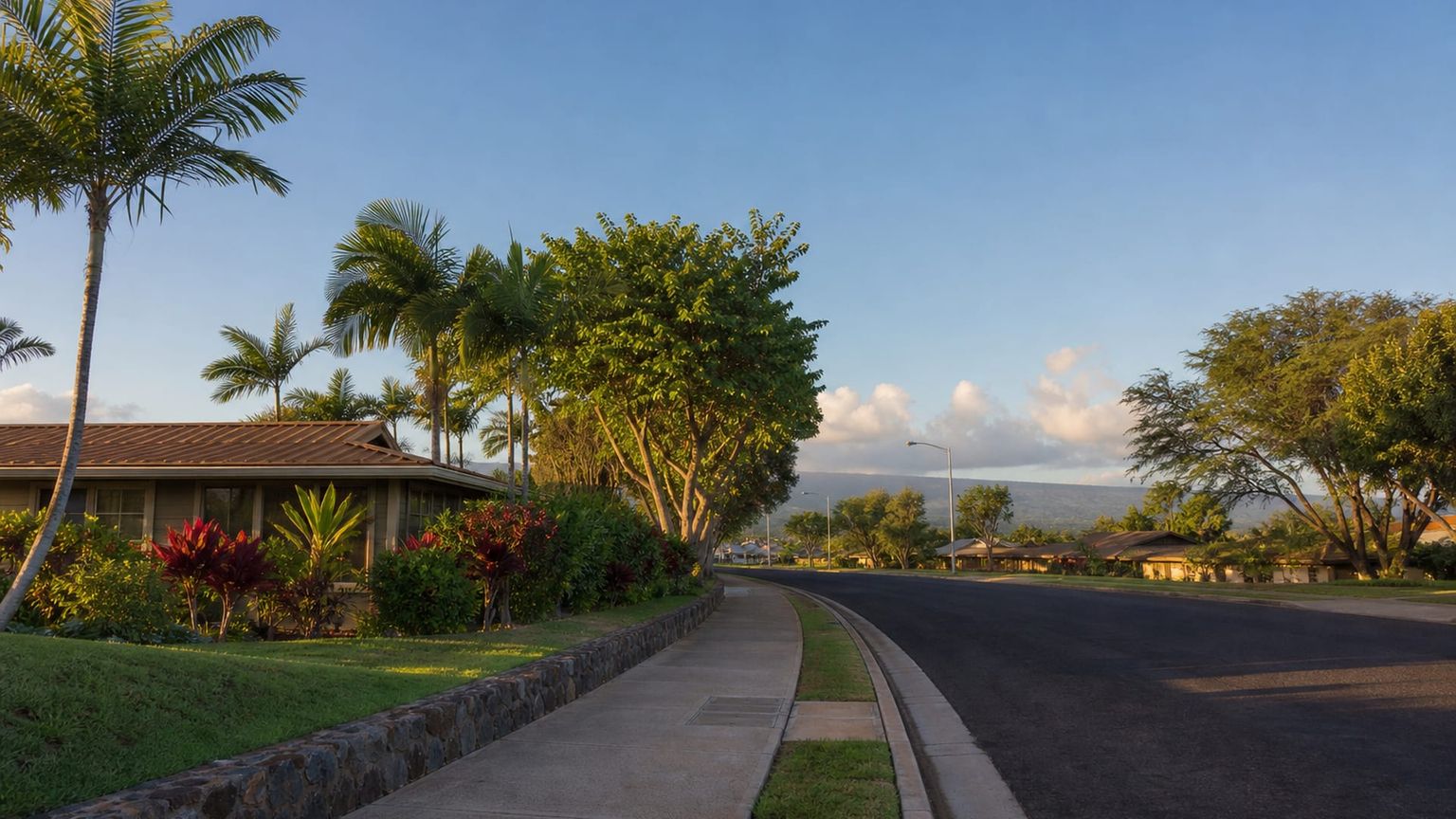
Maui Lani is a newer residential and golf-centered area on Kahului’s inland side, with planned streets and quick highway access. It suits visitors who want a calmer base near town while staying connected to the airport, shopping, and the central valley.
Best for: Families, rental-car travelers, and visitors who want a residential base with fast road access
What to expect: Expect low-rise housing, golf-course edges, and very little street life after dark. Most activity is in cars, not on sidewalks.
Hotel prices: Usually about $220 to $380 per night for well-rated stays
Distance to major sights: 10 minutes by car to OGG, about 10 to 15 minutes by car to Queen Ka’ahumanu Center
Quietness: Quiet through the day and especially still in the evening, with only local traffic and the occasional lawn crew.
Main trade-off: You will depend on a car for nearly everything, since restaurants and beaches are not concentrated within the neighborhood.
Good to know: Check the exact address before booking, because some rentals sit deeper in residential pockets with limited walkability.
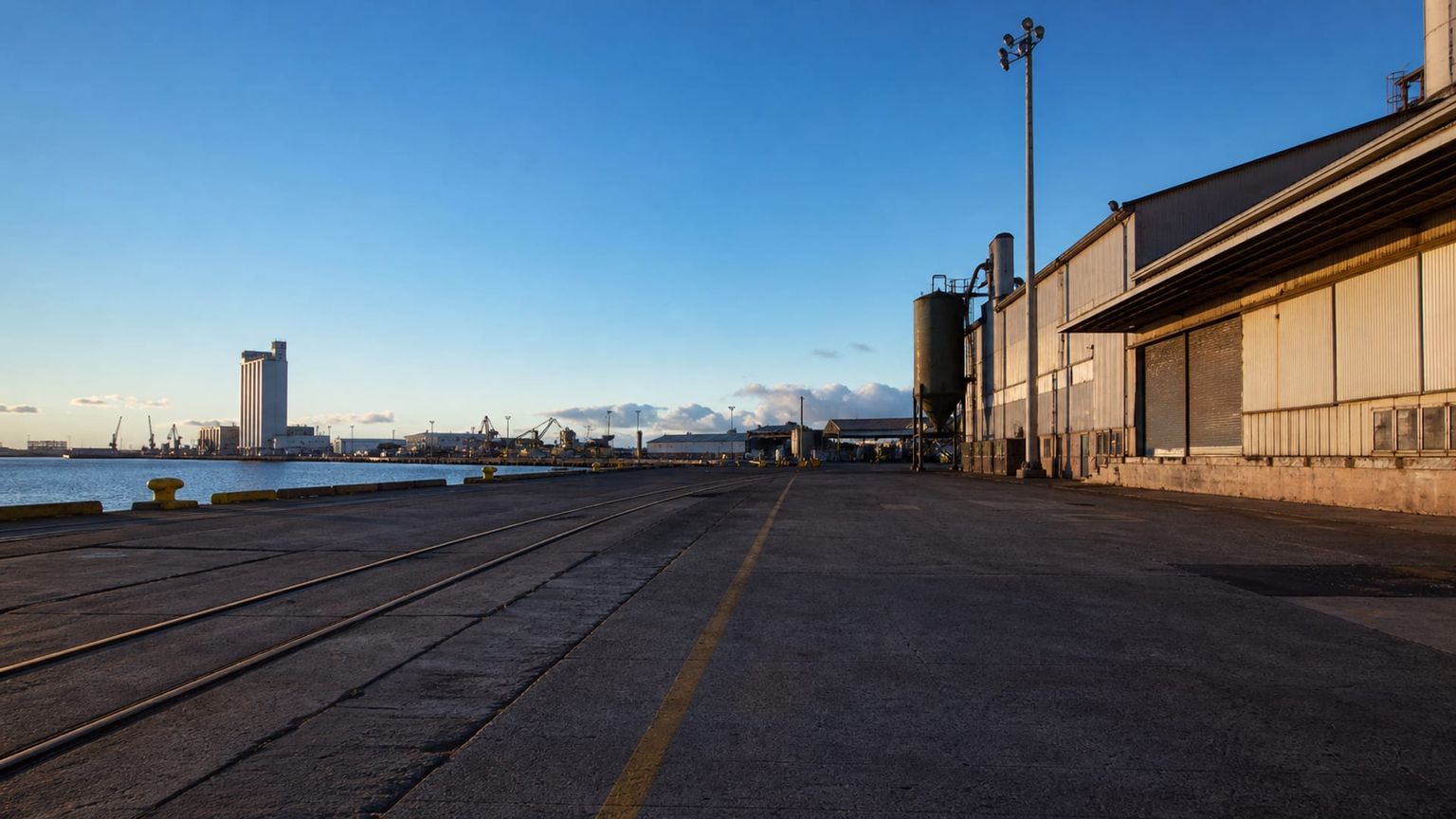
The harbor side of Kahului puts you close to the working port, warehouse streets, and the departure point for ferries and cargo activity. It is useful for travelers with early departures, maritime schedules, or a need to stay near the industrial edge of town.
Best for: Early departures, harbor access, and travelers who prioritize proximity to the industrial waterfront
What to expect: Expect utilitarian streets, truck traffic, and very little pedestrian life outside business hours. This is not a leisure district, but it can be convenient for tightly timed plans.
Hotel prices: Usually about $170 to $300 per night for well-rated stays
Distance to major sights: 10 to 15 minutes by car to OGG, about 10 minutes by car to Maui Arts and Cultural Center
Quietness: Busy and noisy in the day near port routes, then markedly quieter after work hours.
Main trade-off: The setting is less scenic, and some blocks feel exposed to traffic and industrial activity.
Good to know: Choose this only if timing matters more than atmosphere, because evening dining and beach access are not close on foot.
Travelers usually avoid staying in Upper Kahului, since it sits farther from Kaanapali, Wailea, and most beachfront visitor stays, with fewer hotel options and limited evening dining. Wailuku can be less convenient for a short visitor stay because it is inland, draws more local traffic, and places you farther from resort areas and the airport-side strip.
Hotel deals
How to get around Kahului efficiently
Kahului has no rail network, so most visitors mix taxis, rideshare, TheBus, and a rental car depending on whether they are moving between OGG, town, and the coast.

Metro
for longer distances
Kahului has no subway or metro network, so visitors rely on buses, taxis, and rental cars rather than rail. On Maui, the closest public-transit option is TheBus, which links Kahului with nearby towns, but it is not a rail substitute. If you need to reach other parts of the island quickly, plan on bus transfers or a car.

Bus and tram
for convenience
Route 35 links Kahului with Lahaina, and Route 39 serves the airport area and nearby shopping and hotel districts; most local fares cost $2.00 ($2.00) per ride, with day passes about $4.00 ($4.00). TheBus covers central Maui well enough for airport, town, and beach-area trips, but schedules are limited, so check times before you depend on a connection. Most rides between Kahului and nearby communities take roughly 15 to 60 minutes, depending on the stop pattern and traffic.

Taxi
for convenience or late hours
Licensed taxis in Kahului use metered fares rather than set airport flat rates, and an airport-to-downtown Kahului trip usually costs about $12 to $20, while longer runs to Wailea or Lahaina can land near $70 to $110 or more. Drivers queue at Kahului Airport, and you can also book by phone or through hotel desks, which matters because street hailing is uncommon. Most cabs accept cash and cards, but confirm card acceptance before you depart.
*Prices are based on rates updated as of June 2026 and may change at the time of travel.
Use TheBus for short daytime hops, taxis or rideshare for airport and evening transfers, and a car when you want to connect Kahului with Wailuku, Maalaea, or the beach parks on your own schedule.
Iconic landmarks
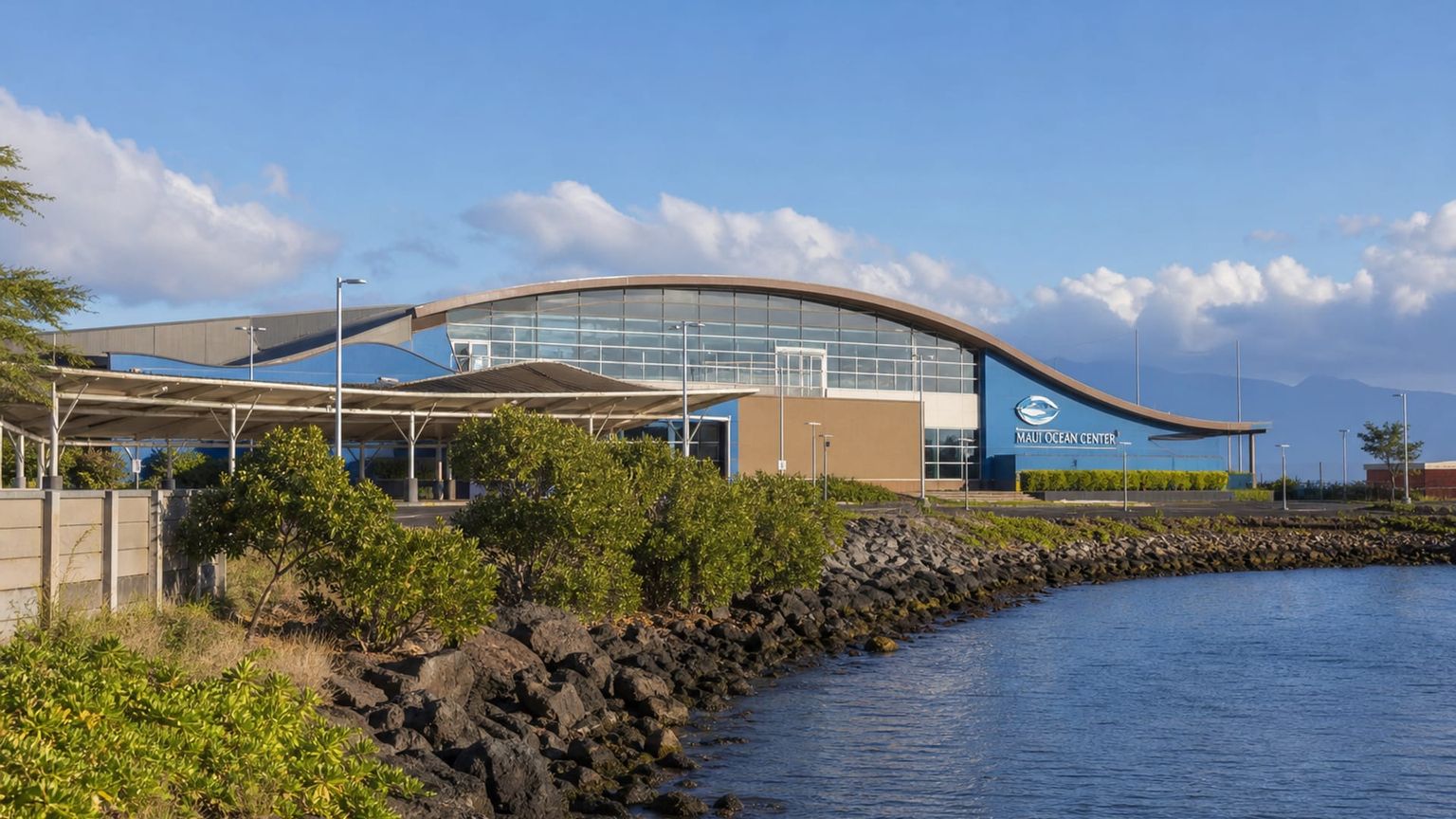
Maui Ocean Center
This aquarium and marine center on Maalaea Bay shows Hawaii’s reef life, native species, and a 750,000-gallon Open Ocean exhibit with sharks and rays. The marine turtle rehabilitation area adds a clear conservation angle.
Time needed: About 2 to 3 hours
Entry: Adult admission costs $39.95 to $41.95 ($39.95 to $41.95); children ages 4 to 12 pay $29.95 to $31.95 ($29.95 to $31.95). Visit the official site for details.
Tip: Arrive in the morning for lower crowds and better light in the main tank galleries.
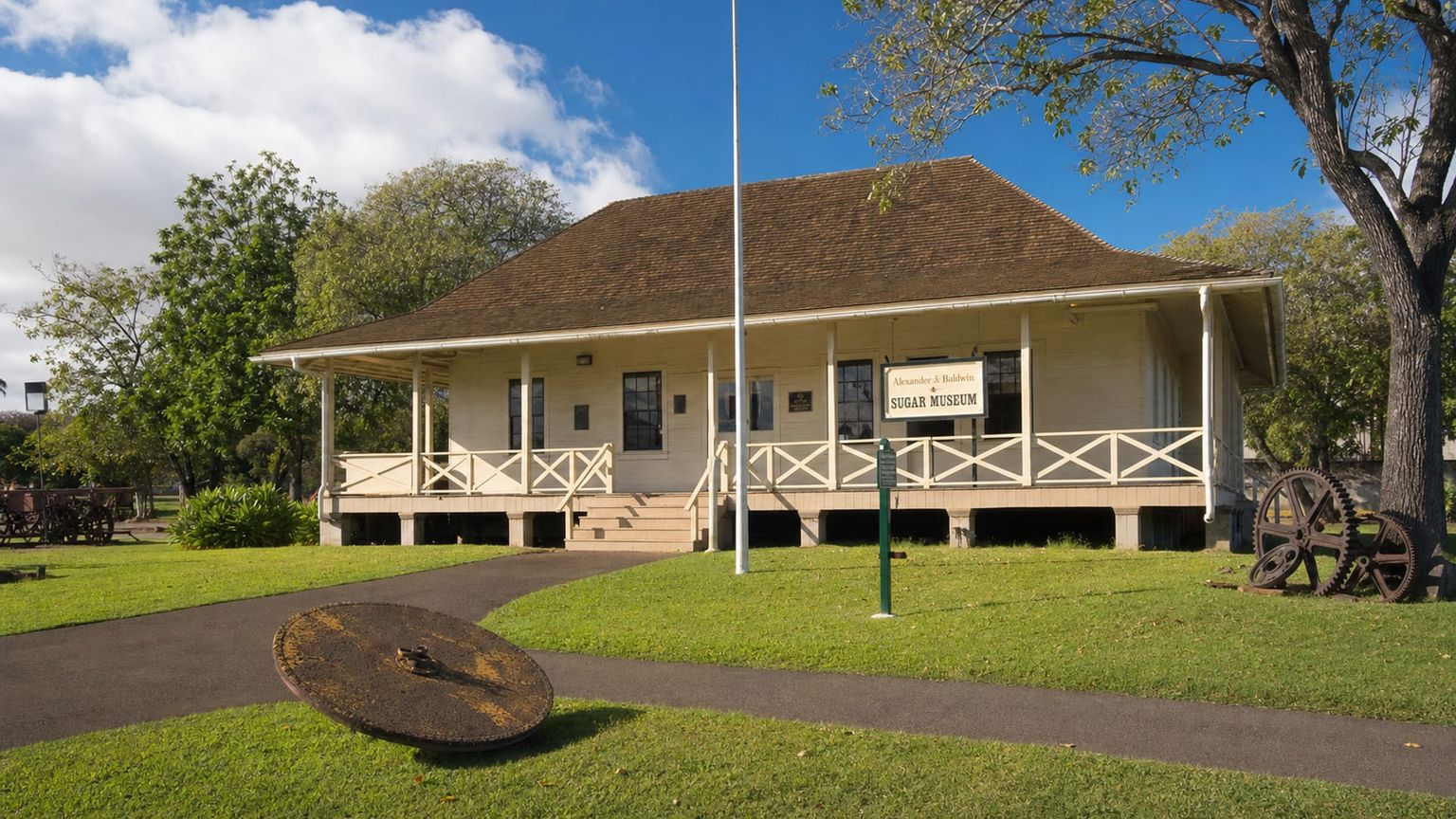
Alexander and Baldwin Sugar Museum
Set in the former Puunene sugar mill area, this museum traces Maui’s plantation era through exhibits on cane cultivation, mill work, and camp life. Historic equipment and photographs make the island’s labor history concrete.
Time needed: About 1 to 2 hours
Entry: Adult admission costs $7 ($7); children ages 6 to 12 pay $3 ($3), and children under 6 enter free. Visit the official site for details.
Tip: Pair the museum with a nearby drive through old plantation lands to add context.
Iao Valley State Monument
West of Kahului, this lush valley centers on the steep, green ridges of the West Maui Mountains and the Iao Needle viewpoint. Short trails, stream crossings, and Hawaiian history panels make it a strong stop near town.
Time needed: About 1 to 2 hours
Entry: Admission costs $5 per person plus $10 per vehicle for nonresidents of Hawaii ($5 plus $10). Visit the official site for details.
Tip: Go early, before clouds settle over the ridge and the parking area fills.
Overlooked sites worth visiting

Maui Nui Botanical Gardens
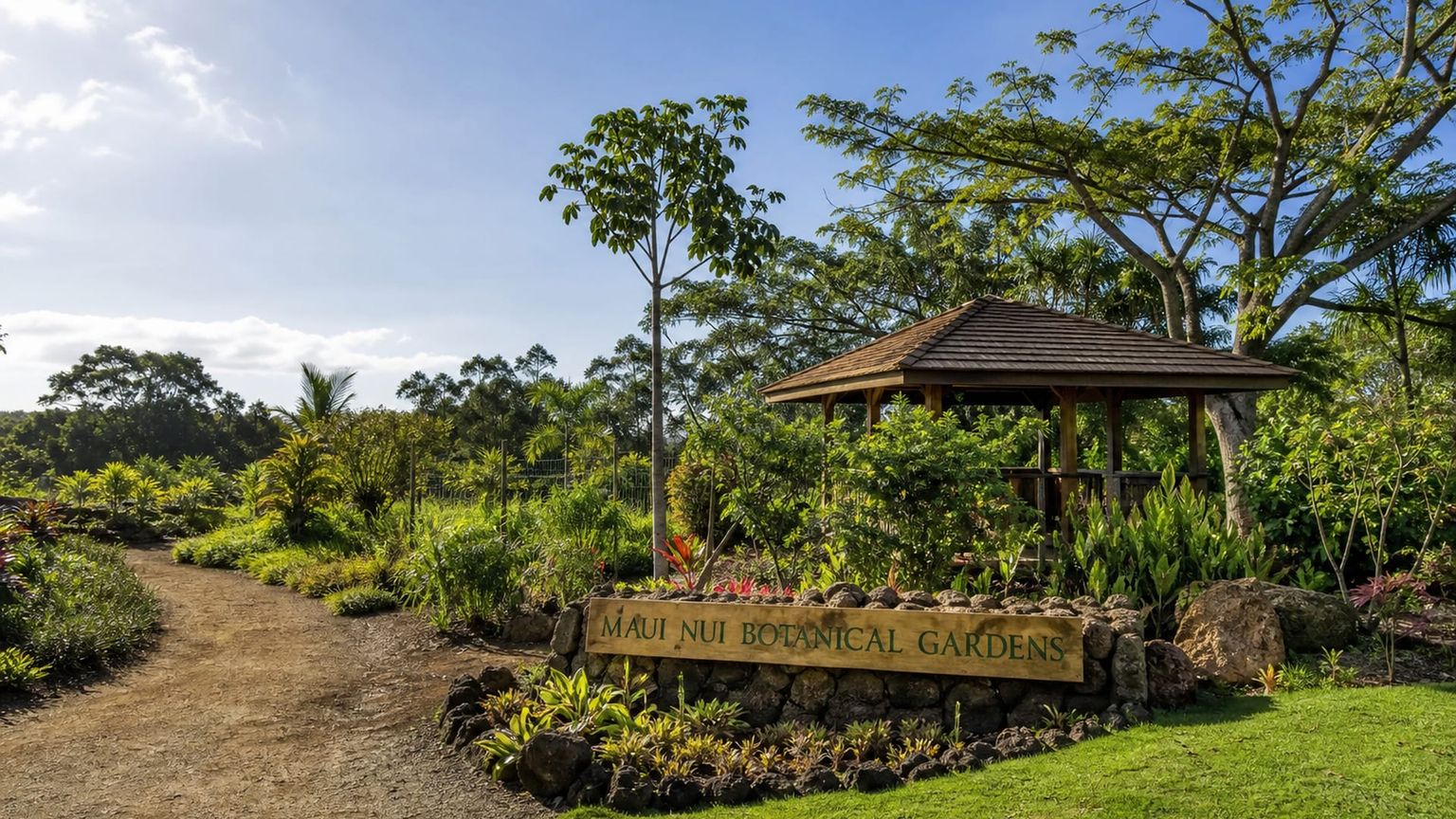
This compact garden near Kahului Airport focuses on native and Polynesian-introduced plants, with labeled beds, dryland species, and a small cultural plant collection. It suits a short, quiet stop.
Time needed: About 1 hour
Entry: Admission is typically about $5 ($5) for adults and about $2 ($2) for children, with discounts for local residents and members; hours and rates can change, so check the garden’s current visitor page before you go. Visit the official site for details.
Tip: Go in the morning for cooler paths and better light.

Kanaha Beach Park
Just east of downtown Kahului, this long public beach park has lagoons, shade trees, and views of frequent windsurfers and kiteboarders without the crowds of resort beaches. It works well for a slow shoreline walk.
Time needed: About 1 to 2 hours
Entry: Free to access, with no entrance fee for the beach park itself. Parking is also free in the public lots, though county rules can change, and some picnic or event facilities may have separate permits or reservations.
Tip: Visit before noon, when winds are lighter and parking is easier.
Traditional food
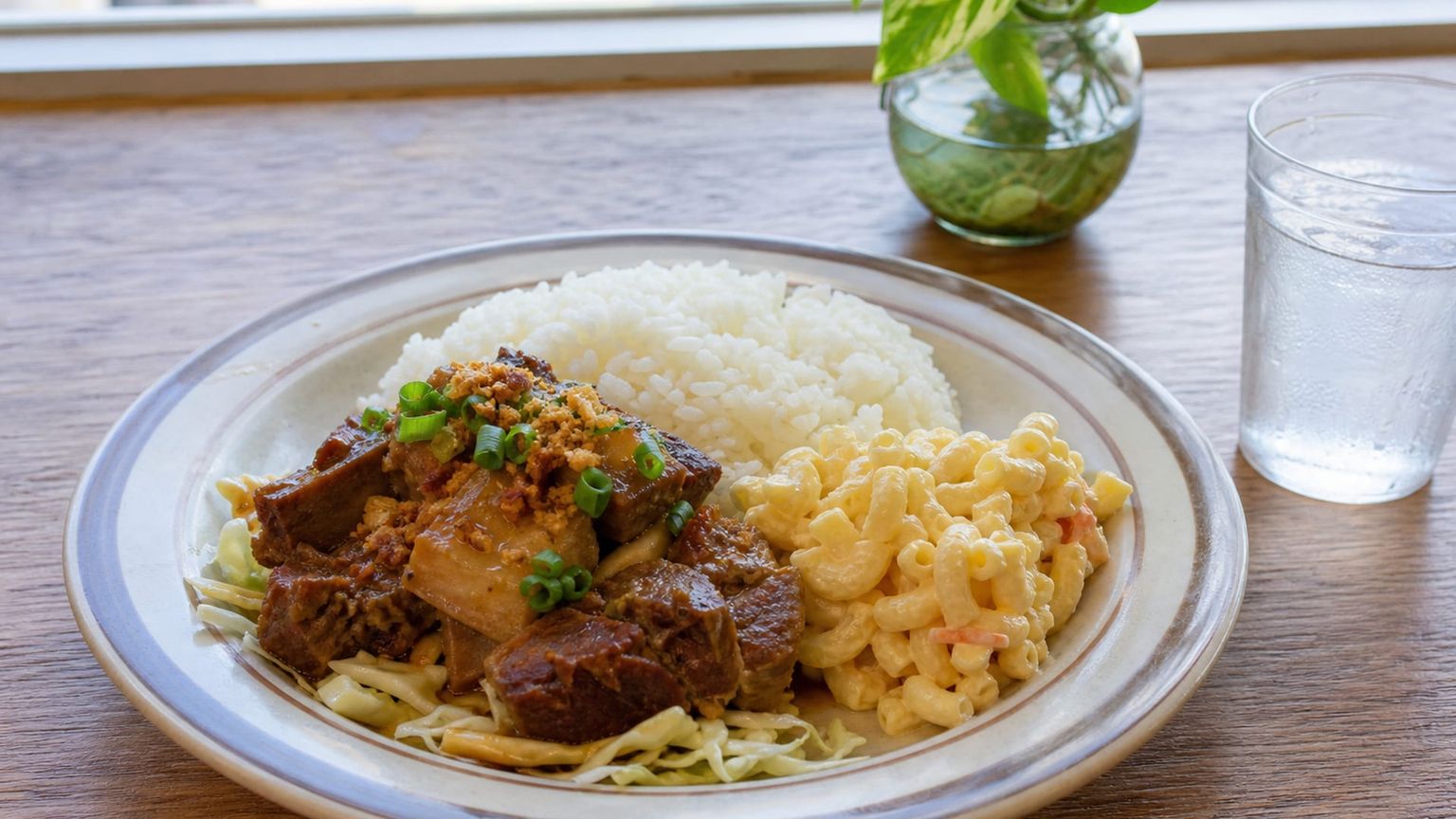
Kahului’s dining leans on plate lunches, poke, kalua pig, lomi salmon, and loco moco, with local counters serving early and closing before late-night hours. Fresh fish, rice, and rich, savory sauces anchor many meals.
Poke
Fresh ahi or mixed fish is cut, seasoned, and served cold, often with rice and simple sides. Tin Roof in Kahului is a strong canonical stop for it, with a takeout-focused menu that keeps the fish front and center.
Kalua pig
This smoky shredded pork brings a deeper, saltier note to a plate lunch or combo meal. Da Kitchen in Kahului has long been a go-to local reference for kalua pig plates and other Hawaiian comfort food.
Lomi salmon
Lomi salmon mixes salted salmon, tomato, and onion into a cool side that balances heavier mains. Baked in Kahului often appears in the same local plate lunch mix, making it a practical canonical stop for the dish.
Loco moco
Rice, hamburger patty, gravy, and a fried egg make this one of the island’s most recognizable comfort plates. Aloha Mixed Plate in nearby Lahaina is the nearest widely known reference, but for Kahului itself, Lokelani’s on Maui serves a clear local version.
Best time to visit Kahului
Maui’s shoulder seasons bring lighter crowds and more comfortable driving, while summer and winter mainly change how busy beaches, parking lots, and tour times feel.
Best for: Clear beach days and easier museum visits
What you get: Temperatures usually sit about 70°F to 84°F (21°C to 29°C), with moderate crowds and manageable road traffic outside holiday weeks.
Trade-offs: Wind and rain can still interrupt a beach morning.
Best for: Long daylight for valley, coast, and harbor drives
What you get: Expect roughly 73°F to 87°F (23°C to 31°C), with busier beaches, fuller parking lots, and more demand for lunch tables.
Trade-offs: Heat and midday glare can make exposed walks less appealing.
Best for: Balanced weather for a five-day loop
What you get: Highs often range from about 72°F to 86°F (22°C to 30°C), and crowds usually ease after the summer peak.
Trade-offs: Late-season storms can raise humidity and cloud cover.
Best for: Whale season and cooler sightseeing hours
What you get: Temperatures usually run about 68°F to 81°F (20°C to 27°C), with more visitor traffic during holiday periods and school breaks.
Trade-offs: Rain is more common, and popular parking areas fill earlier on sunny days.
A realistic 5-day plan in Kahului
A five-day Kahului stay works best when you pair the airport side with nearby towns instead of treating the area as a resort base. The plan below keeps the first day light, then layers in the bay, valley, museum, and beach stops in an order that reduces unnecessary driving.
Land at Kahului (OGG), then take a taxi or rideshare into Central Kahului or Wailuku, roughly 10 to 15 minutes and about $20 to $35 before tip. If you are settling in near Queen Ka’ahumanu Center, you can walk for basic provisions and dinner without a second drive, while Wailuku gives you a quieter street grid and easier parking. Keep the first evening short: drink water, pick an early plate lunch or casual local meal in town, and get to bed early so you are ready for the valley and coast drives ahead.
Begin at Maui Ocean Center in Maalaea Bay, about a 15 to 20 minute drive from Central Kahului, and spend about 2 to 3 hours with the reef tanks and the Open Ocean exhibit. From there, continue to Kanaha Beach Park in about 15 minutes by car for a shoreline walk, windsurfer watching, and a low-key lunch break under the trees. If you want one more stop, Maui Nui Botanical Gardens is about 10 minutes back inland from the beach park, so you can finish the afternoon among native plants before heading to dinner in Central Kahului.
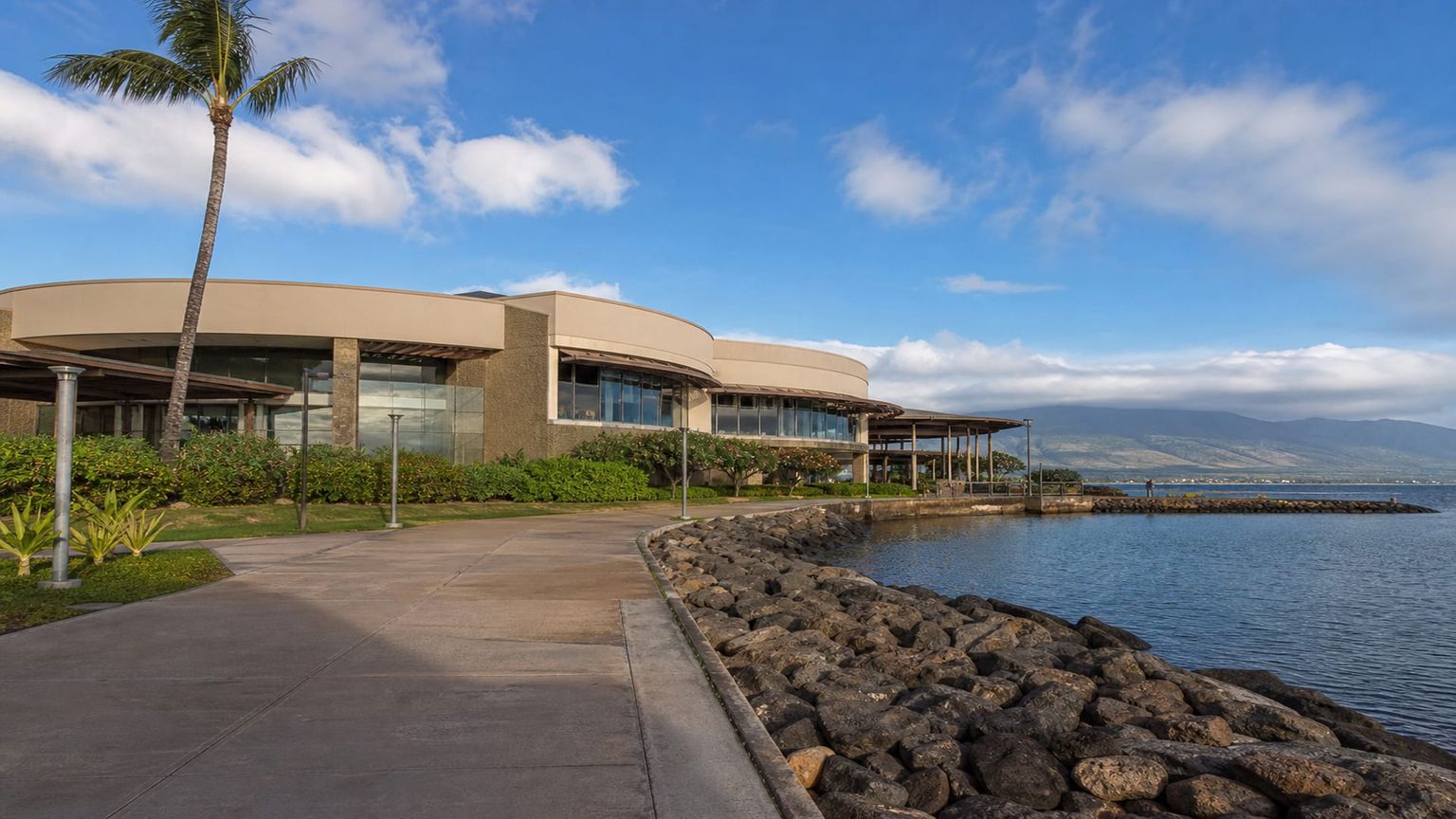
Start early for Iao Valley State Monument, about 10 to 15 minutes from Wailuku, and allow 1 to 2 hours for the short trails, the Iao Needle viewpoint, and the history panels. After that, drive about 15 minutes east to the Alexander and Baldwin Sugar Museum, where the plantation exhibits give context to Maui’s working past, and plan on 1 to 2 hours there. For a late lunch or coffee, return to Wailuku in about 10 minutes and stay nearby, since the town center has the densest cluster of cafés and bakeries on this side of Kahului.
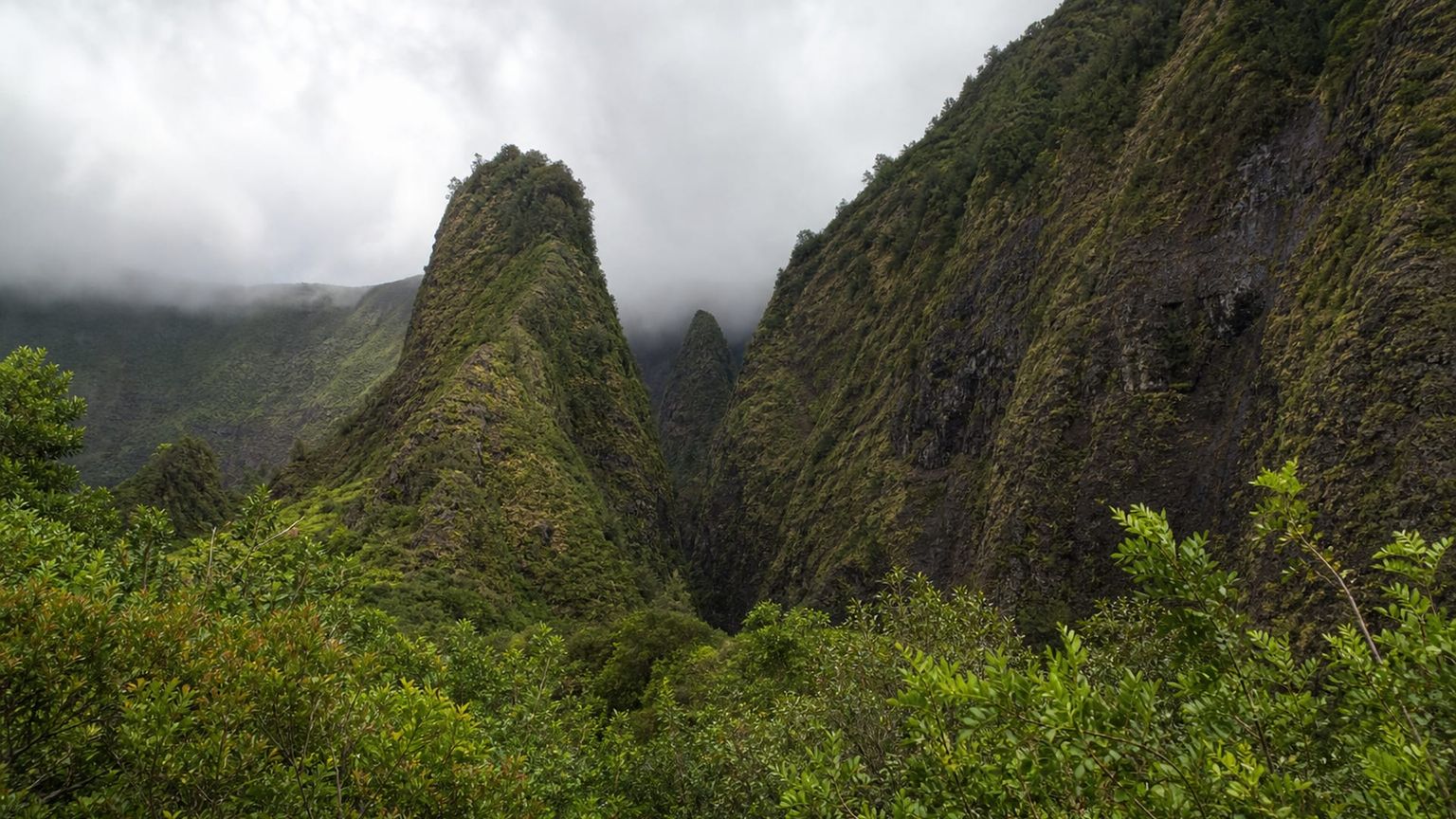
A morning at Kanaha Beach Park pairs well with a second pass through Kahului’s inland side, so start with about 1 to 2 hours on the sand or beside the lagoons, then drive 10 minutes to Maui Nui Botanical Gardens for a quieter hour among labeled native species. In the afternoon, head to the Maui Arts and Cultural Center area in about 10 minutes from Central Kahului or about 15 minutes from Wailuku, then finish with shopping at Queen Ka’ahumanu Center, which is about 5 minutes away by car from most central stays. Dinner works best back in Kahului or Wailuku, where you can keep the evening close to your lodging.
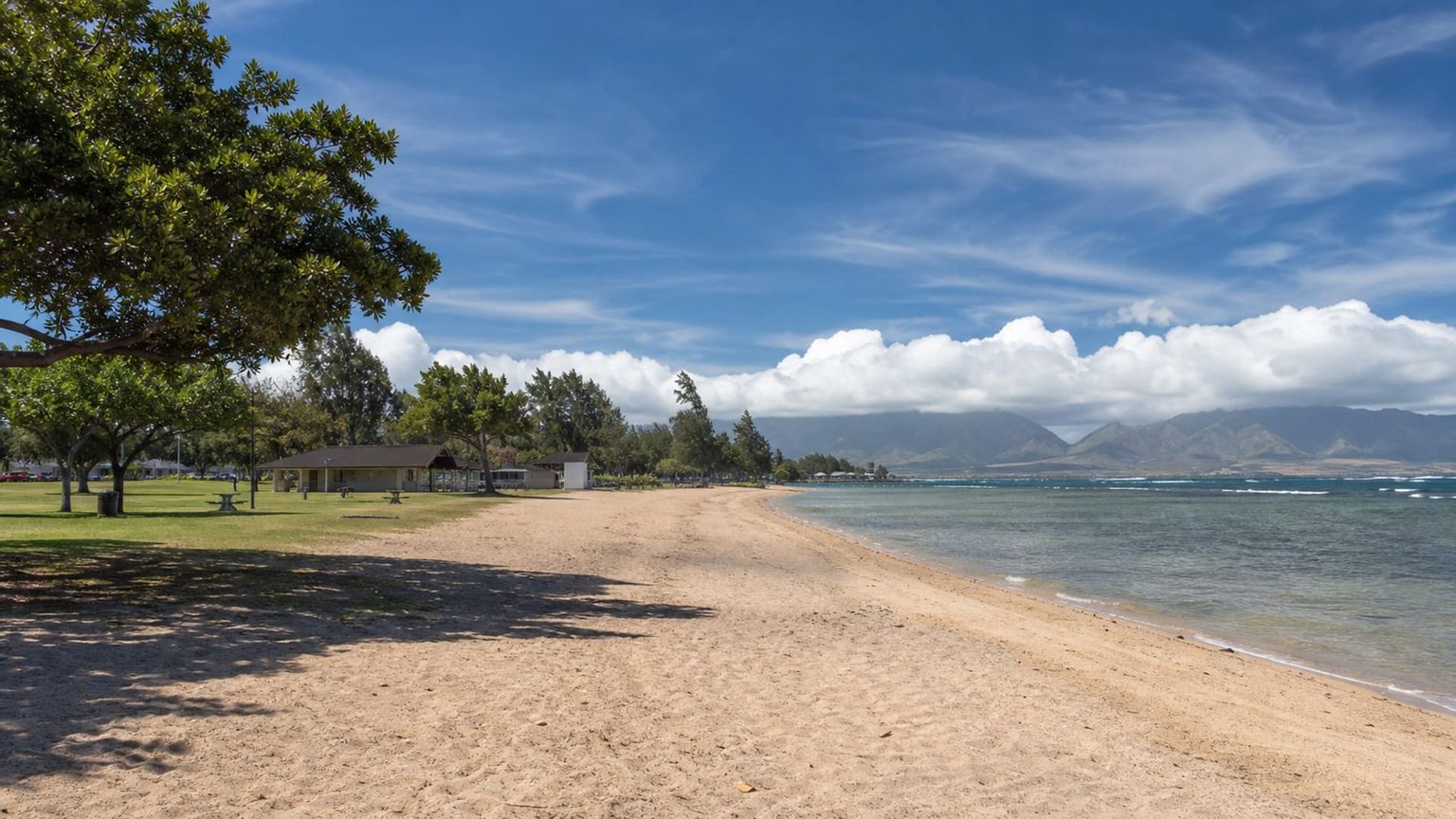
One last museum stop fits neatly before departure: return to the Alexander and Baldwin Sugar Museum if you missed it earlier, or go back to Maui Ocean Center for a final look at the marine galleries, both about 20 to 30 minutes from most Kahului-area stays depending on traffic. After that, keep your luggage close and spend the rest of the day at Queen Ka’ahumanu Center in Central Kahului for any last shopping, then settle into a café in Wailuku for coffee or a late breakfast before heading to OGG. This route keeps you near the airport without forcing a long detour before your flight.
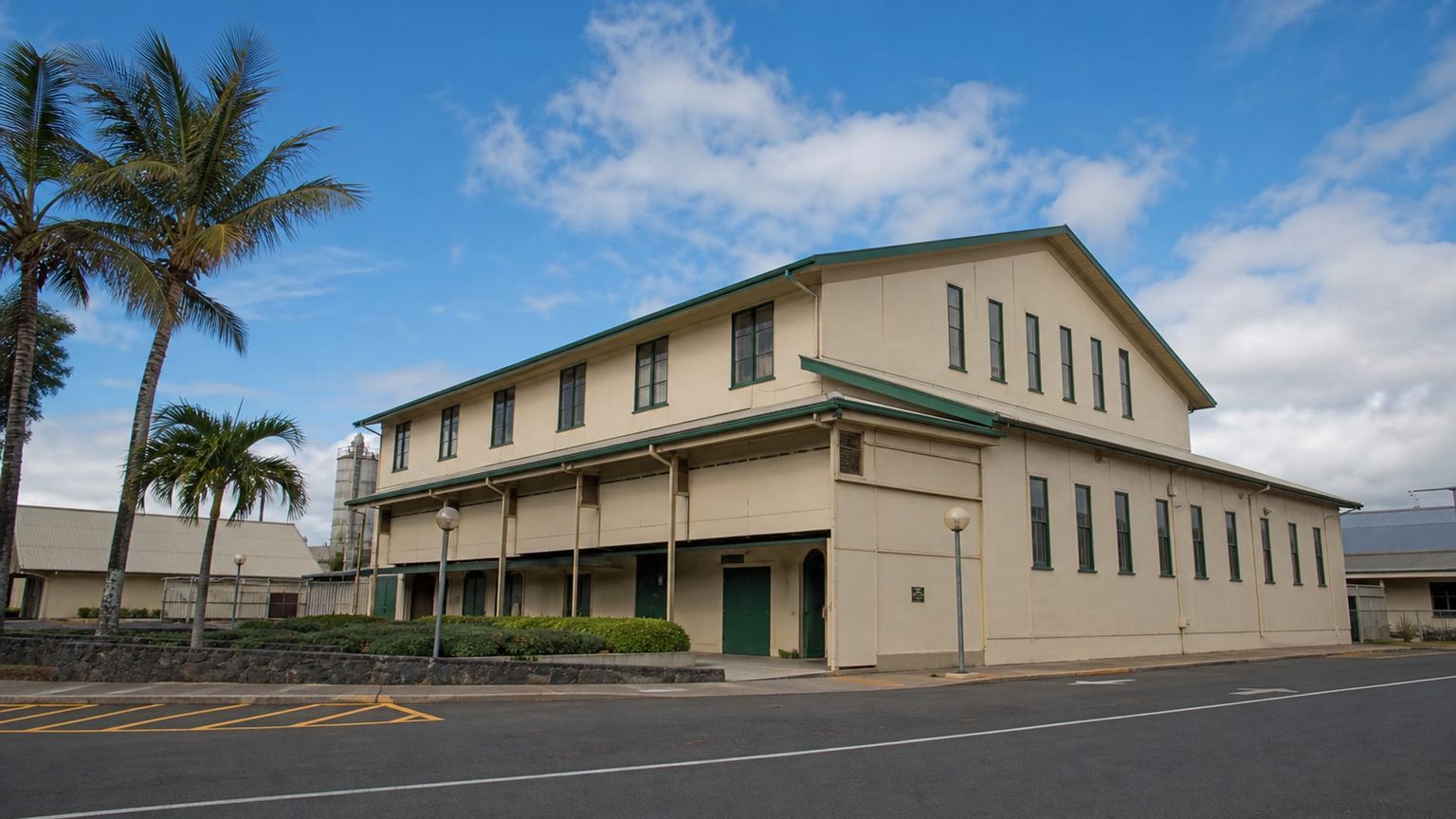
Business-class flights from the US to Kahului
Long-haul flights to Kahului usually route through West Coast hubs, but the exact pattern changes with your origin and schedule. The examples below show how the East Coast and Los Angeles market differ in duration and layover structure.
From New York, United Airlines, Alaska Airlines, American Airlines, Delta Air Lines, Air Canada, and WestJet sell the main one-stop options, and the trip usually takes about 10 to 11 hours nonstop when that schedule appears. If you connect, common hubs include SFO, LAX, SEA, ORD, and DEN, with layovers of about 12 to 17 hours. Round-trip fares usually start from $1,900 and can reach $4,500.
Los Angeles offers the shorter West Coast hop, with Hawaiian Airlines, Alaska Airlines, American Airlines, Delta Air Lines, and United Airlines on the route. The flight usually runs about 5 to 6 hours nonstop, while one-stop options may route through SFO, SEA, DEN, or PHX and stretch the journey to about 7 to 12 hours. From $1,200 round-trip on the lowest fares, with higher prices during holiday peaks.
Kahului feels different when you slow down
A well-paced Kahului trip usually starts near Central Kahului or Wailuku, then branches out to Maui Ocean Center, Iao Valley, Kanaha Beach Park, and the garden and museum stops that fit between meals. Taxis, TheBus, and short drives do the work here, so the schedule stays grounded in real distances instead of wishful geography. If you want help shaping that plan, the AranGrant experts can build it around your flight times and the parts of Kahului you want to see first