

Chapters:

Need help with your trip?
Our support team is available 24/7. Request a callback or call us directly at (833) 619-0908
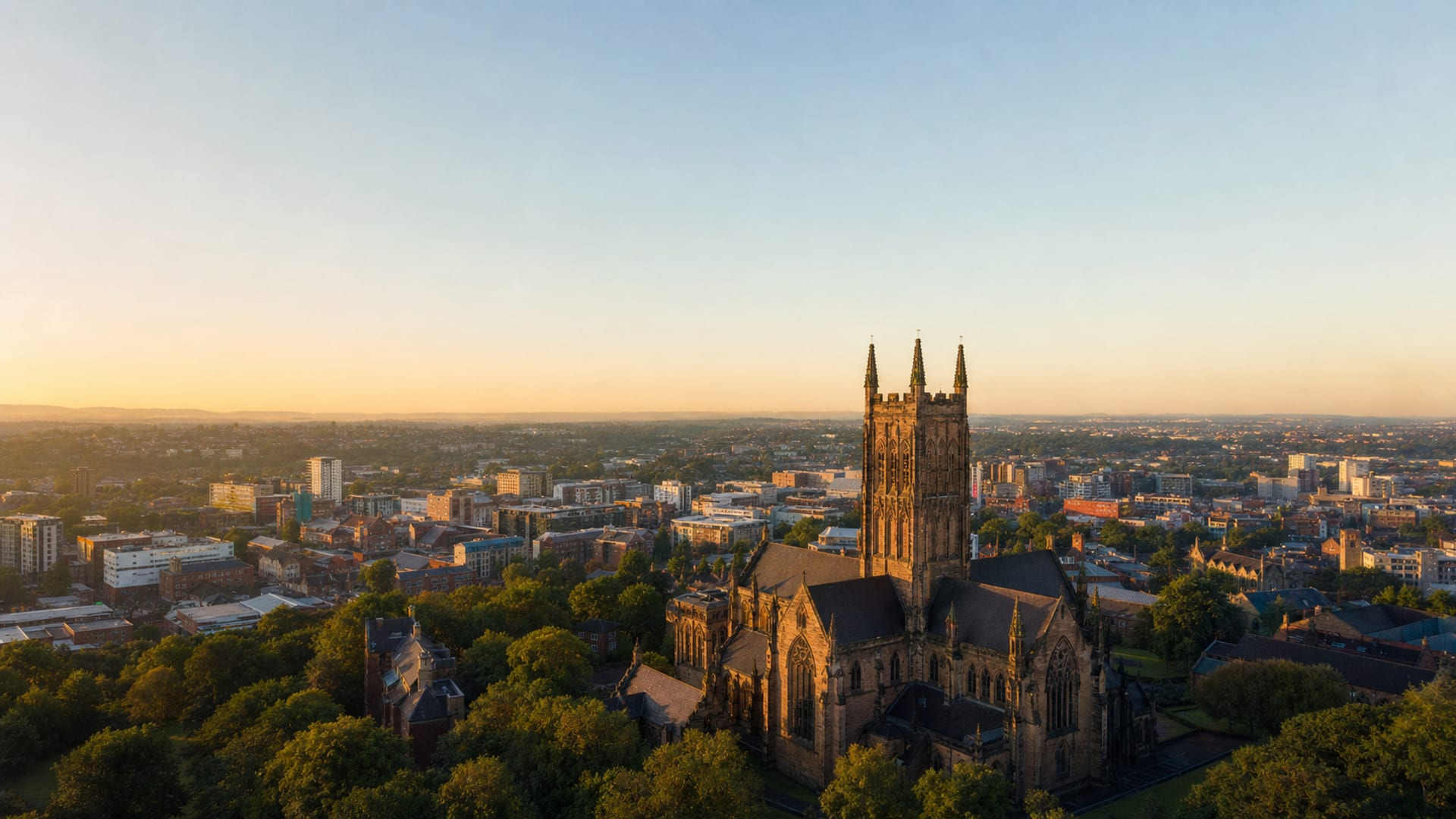
Newcastle pairs a working harbor with some of New South Wales’s most accessible city beaches. You can walk from the historic streets of Newcastle East to Nobbys Beach, swim in ocean baths cut into the coastline, and follow clifftop paths overlooking the Pacific. The city’s coal and steel history is still visible at Fort Scratchley and Newcastle Museum, while Cooks Hill and the redeveloped Honeysuckle waterfront add restaurants and cafes to the itinerary.
This guide covers where to stay, what to see and eat, how to get around, and how to plan five days in Newcastle without spending unnecessary time crossing the city.
Useful things to know

Main language(s): English

Currency: Australian dollar (AUD, A$)

Cash and cards: Cards and contactless payments are widely accepted; carry about A$20 to A$50 (US$14 to US$35) in cash for small purchases or market stalls.

Tipping: Tipping is optional; round up small bills or leave 10% for very good table service.

Traditional food: Fish and chips, meat pie, Sydney rock oysters, and lamingtons are worth trying in Newcastle.

Water and coffee costs: Bottled water costs A$3 (US$2), and an espresso is A$4 to A$5 (US$2.80 to US$3.50).

Taxis and ride apps: Uber, DiDi, and Ola operate in Newcastle; check late-night wait times.

Plug and voltage: Type I socket, 230V

Dining and shop opening hours: Breakfast is from 7:00 am to 10:00 am, lunch is from 12:00 pm to 2:00 pm, and dinner is between 6:00 pm and 9:00 pm. Many cafes close by mid-afternoon, and some restaurants open only for dinner.

Emergency number: Dial 000 for police, fire, or ambulance.
Where to stay in Newcastle
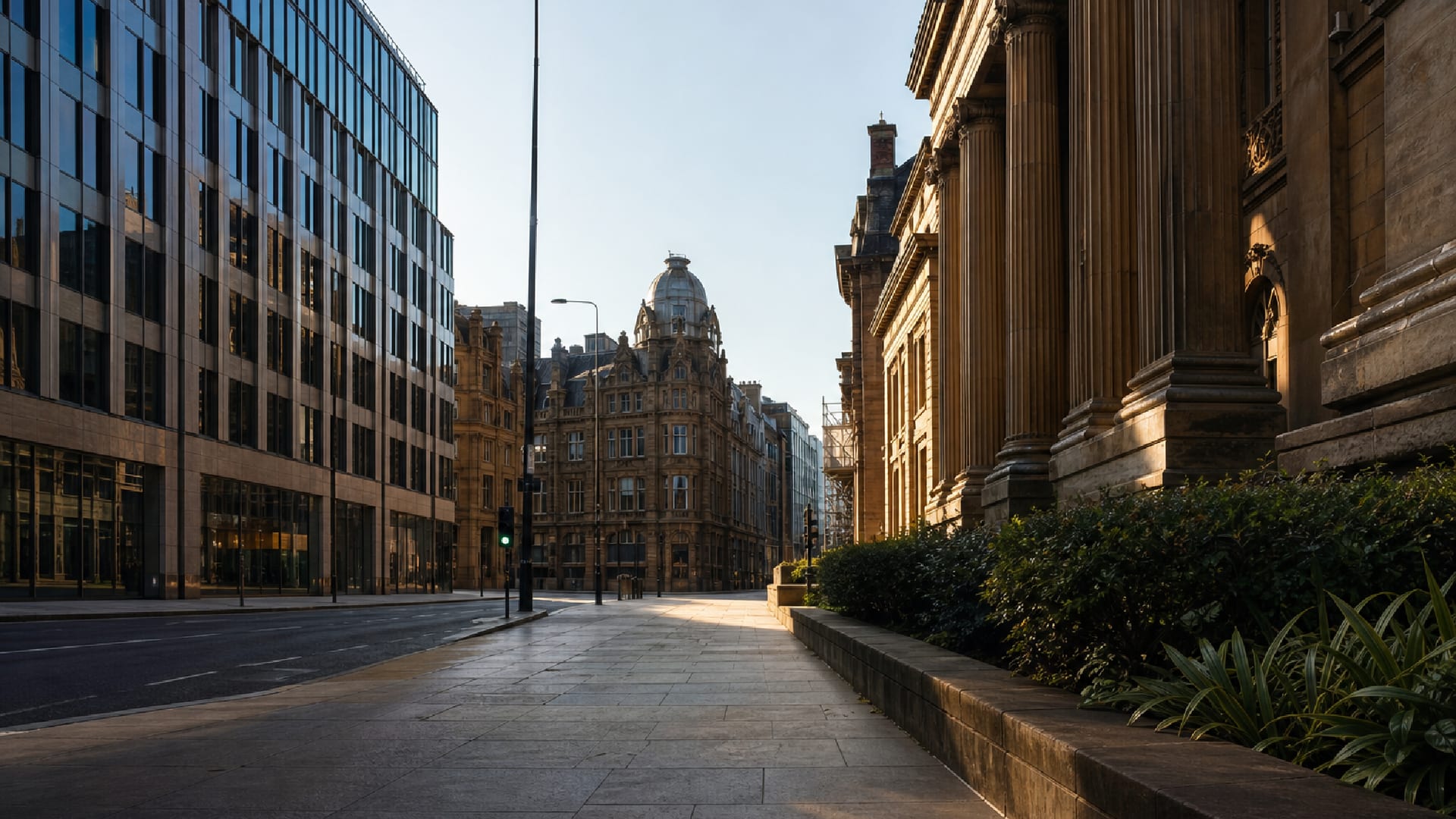
Newcastle East is close to Nobbys Beach, the foreshore, and the eastern edge of the city center. The area suits visitors who want to walk to the baths and harbor while keeping easy light rail access to the Central Business District (CBD).
Best for: Beach time, harbor walks, and easy access to the CBD
What to expect: Expect foot traffic near the beach and promenade during the day, then a quieter pace after dark once the day visitors leave.
Hotel prices: About A$150 to A$300 (US$105 to US$210) per night for well-rated stays
Distance to major sights: 10 minutes on foot to Nobbys Beach, 15 minutes on foot to Fort Scratchley, 10 minutes by light rail to Newcastle Interchange
Quietness: Quieter at night, with the busiest periods on sunny afternoons and weekends
Main trade-off: Hotels near the beach and harbor often charge higher rates, and summer availability can fill quickly.
Good to know: If you want to rely on walking and the light rail, this is one of the most suitable parts of the city for a short visit.
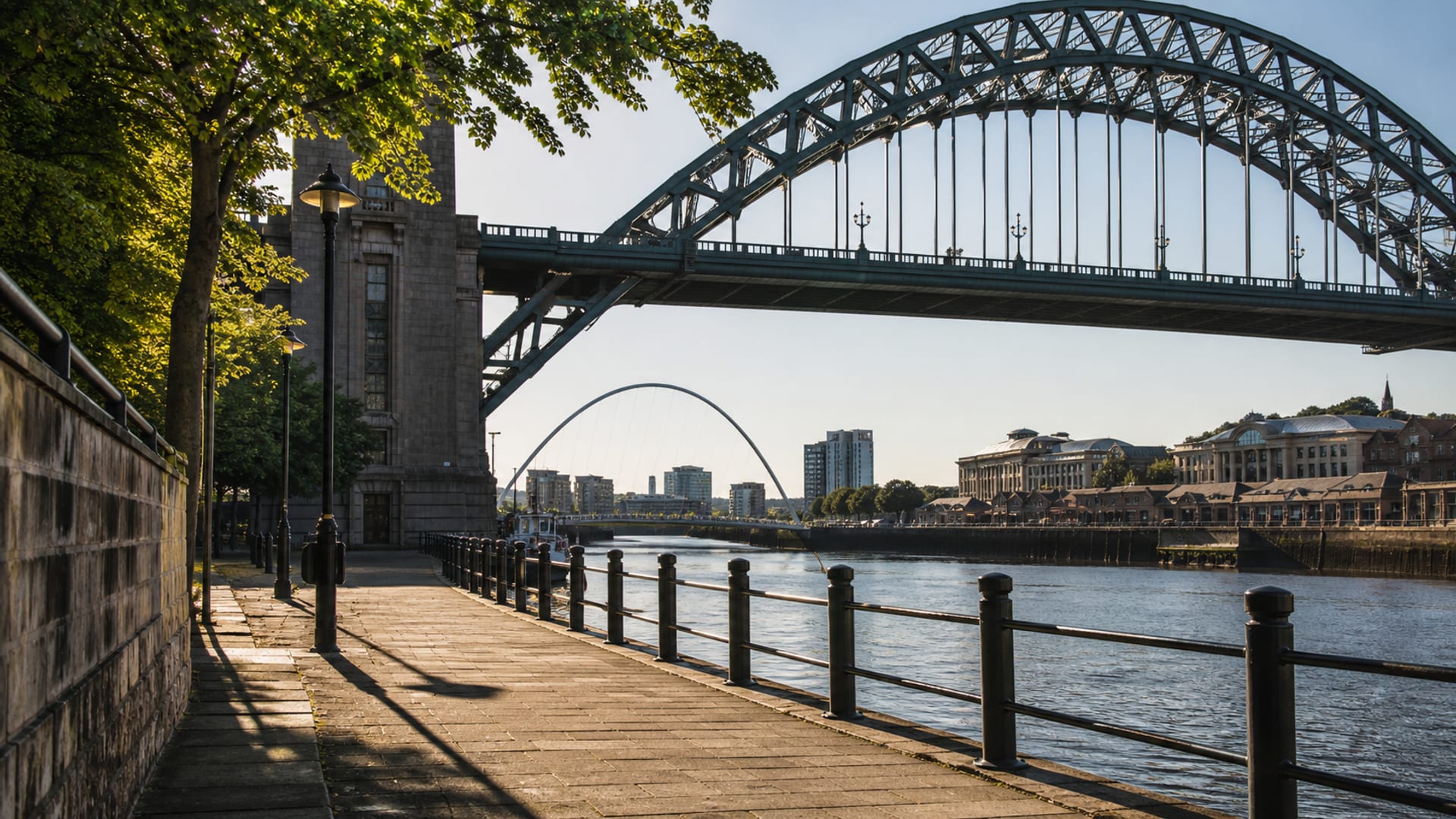
Newcastle West is next to Newcastle Interchange and the western edge of the Central Business District (CBD), with convenient rail access and a growing selection of cafes, hotels, and apartments. It suits travelers who want easy access to public transportation without being in the busiest part of the city center.
Best for: Train arrivals, transit access, and stays near the CBD without the heaviest waterfront traffic
What to expect: Expect a working-city feel, with weekday commuters, evening diners, and more movement near the station than on nearby residential streets.
Hotel prices: Well-rated hotels cost from A$140 to A$280 (US$100 to US$195) per night.
Distance to major sights: 5 minutes on foot to Newcastle Interchange, 10 minutes on foot to the Honeysuckle waterfront, 10 minutes by light rail to Newcastle Beach
Quietness: Lively on weekday mornings and evenings, but much calmer late at night
Main trade-off: You will be farther from the sand and harbor, so most beach visits need a walk or a short ride.
Good to know: Choose this area if you are arriving or departing by train. Newcastle Interchange also provides access to airport buses and regional rail services.
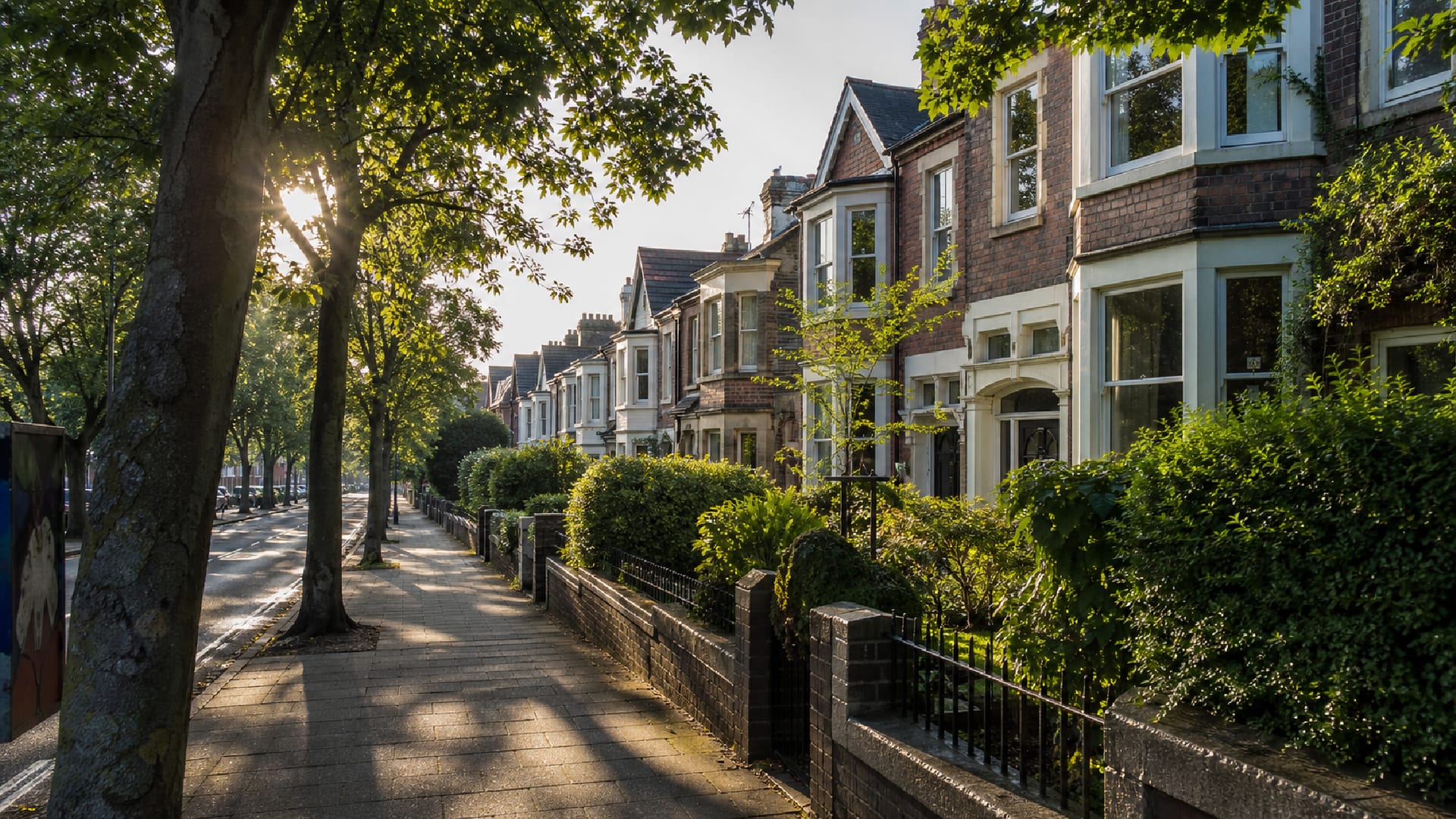
Cooks Hill is a central neighborhood south of the Central Business District (CBD), known for Darby Street, local galleries, and a wide choice of restaurants. The area is close to the beaches, the city center, and the Hunter Street corridor.
Best for: Dining, galleries, and a central neighborhood stay
What to expect: Expect steady street activity around Darby Street, with restaurant crowds in the evening and a more residential feel on side streets.
Hotel prices: Well-rated hotels in this area cost A$140–A$240 (US$100–US$170) per night.
Distance to major sights: 15 minutes on foot to Newcastle Beach, 10 minutes on foot to Civic Theatre, and 35 minutes on foot to Nobbys Beach
Quietness: Darby Street has a lively atmosphere in the evening, while the surrounding residential streets are quieter.
Main trade-off: The area has more restaurants than beachfront neighborhoods, but fewer hotels with direct beach access. Parking is also limited on some streets.
Good to know: Plan to walk or take buses for some outings, because the best dining strip sits a little inland from the waterfront.
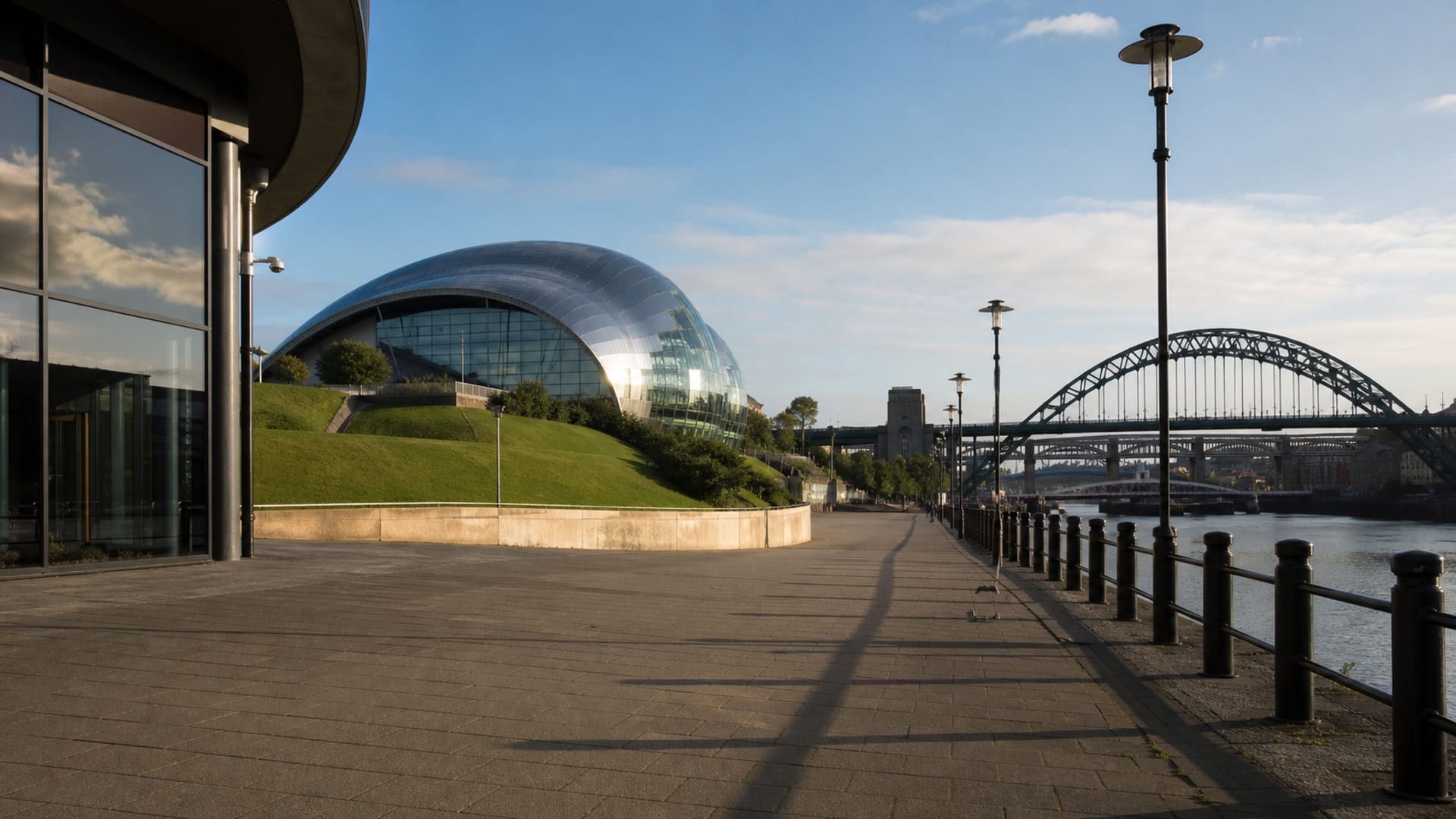
Merewether is a coastal suburb south of the city center, known for Merewether Beach and the ocean baths. It suits longer visits and travelers who want easy access to surfing and coastal walks in a residential neighborhood outside the Central Business District (CBD).
Best for: Surf access, coastal walks, and a quieter stay by the beach
What to expect: Expect a local neighborhood with beachgoers, morning walkers, and a slower evening scene than the inner city.
Hotel prices: Well-rated hotels cost A$150 to A$300 (US$105 to US$210) per night.
Distance to major sights: 20 to 25 minutes by bus to Newcastle Beach, 15 minutes by bus to the CBD, 15 minutes on foot to Merewether Ocean Baths
Quietness: Busy near the beach in the daytime, then notably calmer after sunset
Main trade-off: You will spend more time getting to the CBD and nightlife venues, especially without a car.
Good to know: Daily beach swims and ocean baths are a short walk away, but for more dinner options, take a taxi or bus to Darby Street in Cooks Hill.
Mayfield and Waratah are inland from Newcastle’s main beaches and harbor attractions, which makes them less convenient for sightseeing. Fletcher, Hexham, and Sandgate also have fewer hotels, restaurants, and evening transportation options for visitors.
Hotel deals
How to get around Newcastle efficiently
Newcastle’s buses, light rail, and taxis serve different parts of the city, so the most convenient option depends on whether you are traveling along the waterfront, through the Central Business District, or to the beach suburbs.

Bus
for beaches and suburbs
Newcastle Transport buses link the city center with the beaches and suburbs, including Merewether. Port Stephens Coaches runs a bus between Newcastle Interchange and the airport up to 11 times a day. Tap on with an Opal card or contactless card; most trips cost A$2.30 to A$5.80 (US$1.60 to US$4.05).

Light rail
for the city center
The light rail operates from Newcastle Interchange to Newcastle Beach from 5:00 am to 1:00 am, with six stops. The full ride takes about 12 minutes, and a trip costs A$2.30 to A$3.30 (US$1.60 to US$2.30) with a A$2 (US$1.40) transfer discount between transport modes.

Taxi
for convenience or late hours
You can book a taxi by phone or app or find one at marked ranks. Uber, DiDi, and Ola also operate in the city. A short city ride costs A$10 to A$25 (US$7 to US$18); a ride from Newcastle Airport to downtown is A$55 to A$80 (US$39 to US$56), roughly 25 minutes.
*Prices are based on rates updated as of June 2026 and may change at the time of travel.
Use the light rail to explore the city center and foreshore, buses for beach or suburb trips, and taxis or rideshare cars late at night or to reach Newcastle Airport.
Iconic landmarks
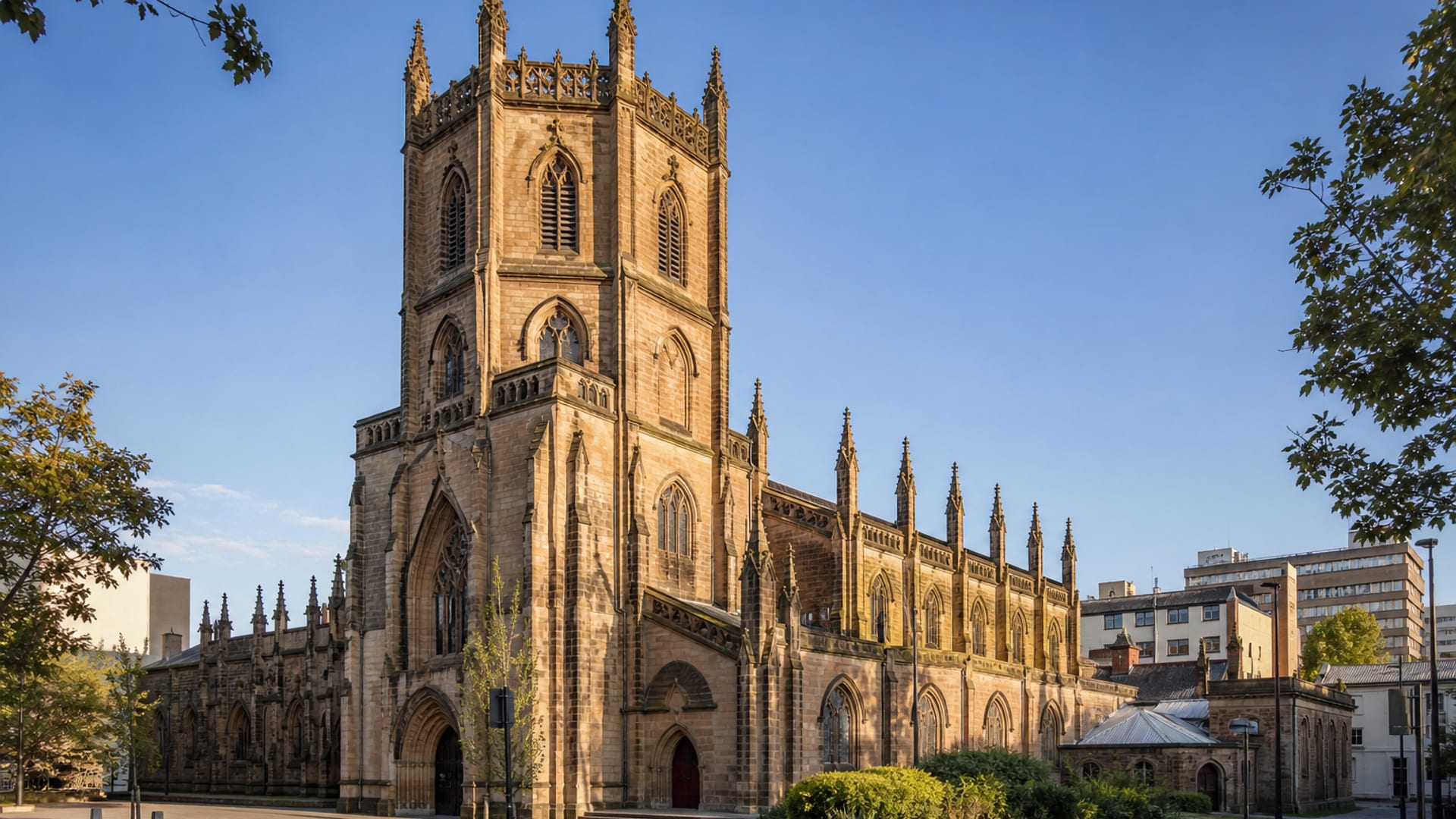
Newcastle Ocean Baths
Built on the rock shelf beside Newcastle Beach in 1910, the saltwater baths feature an Art Deco pavilion that dates to 1922. The cream-and-turquoise facade is one of the city’s most photographed landmarks, and a 2023 upgrade added ramp access to the pool.
Time needed: About 1 to 2 hours
Entry: Free year-round, except on Wednesdays, when the baths close for cleaning. Visit the official site for details.
Tip: Come early on a calm morning for glassy water and soft light on the pavilion, then walk the coastal path north toward Fort Scratchley.
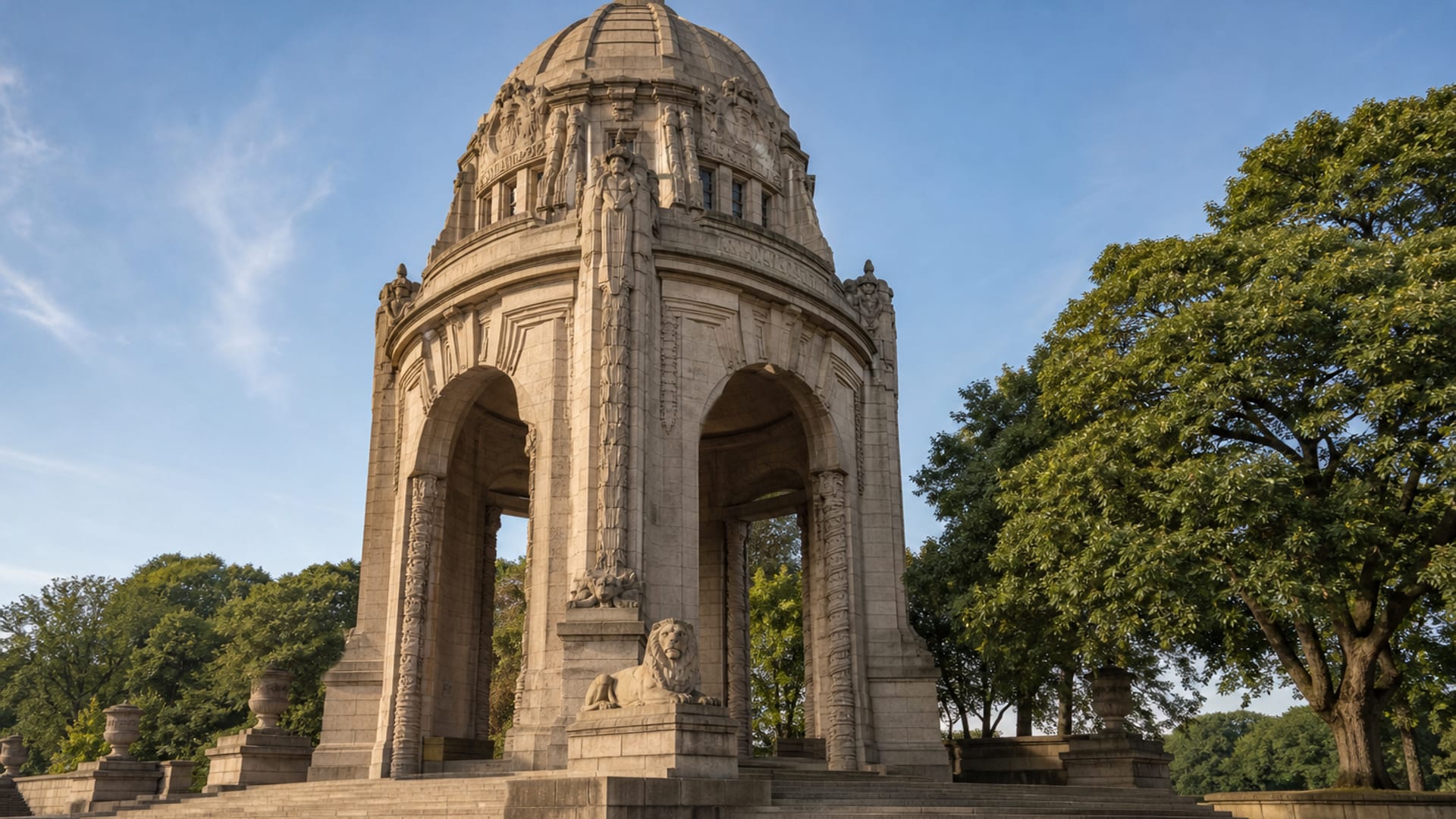
Newcastle Memorial Walk
Opened in 2015 for the centenary of the Anzac landing at Gallipoli, this clifftop walkway above Bar Beach features a 525-foot (160-meter) bridge lined with steel soldier silhouettes bearing the family names of nearly 11,000 Hunter men and women who enlisted in World War I.
Time needed: About 30 to 45 minutes
Entry: Free. The bridge section is wheelchair accessible from the Strzelecki Lookout entrance, while the southern end drops to Bar Beach by stairs.
Tip: Start at Strzelecki Lookout and walk downhill to Bar Beach in the late afternoon, and look out for whales offshore between June and November.
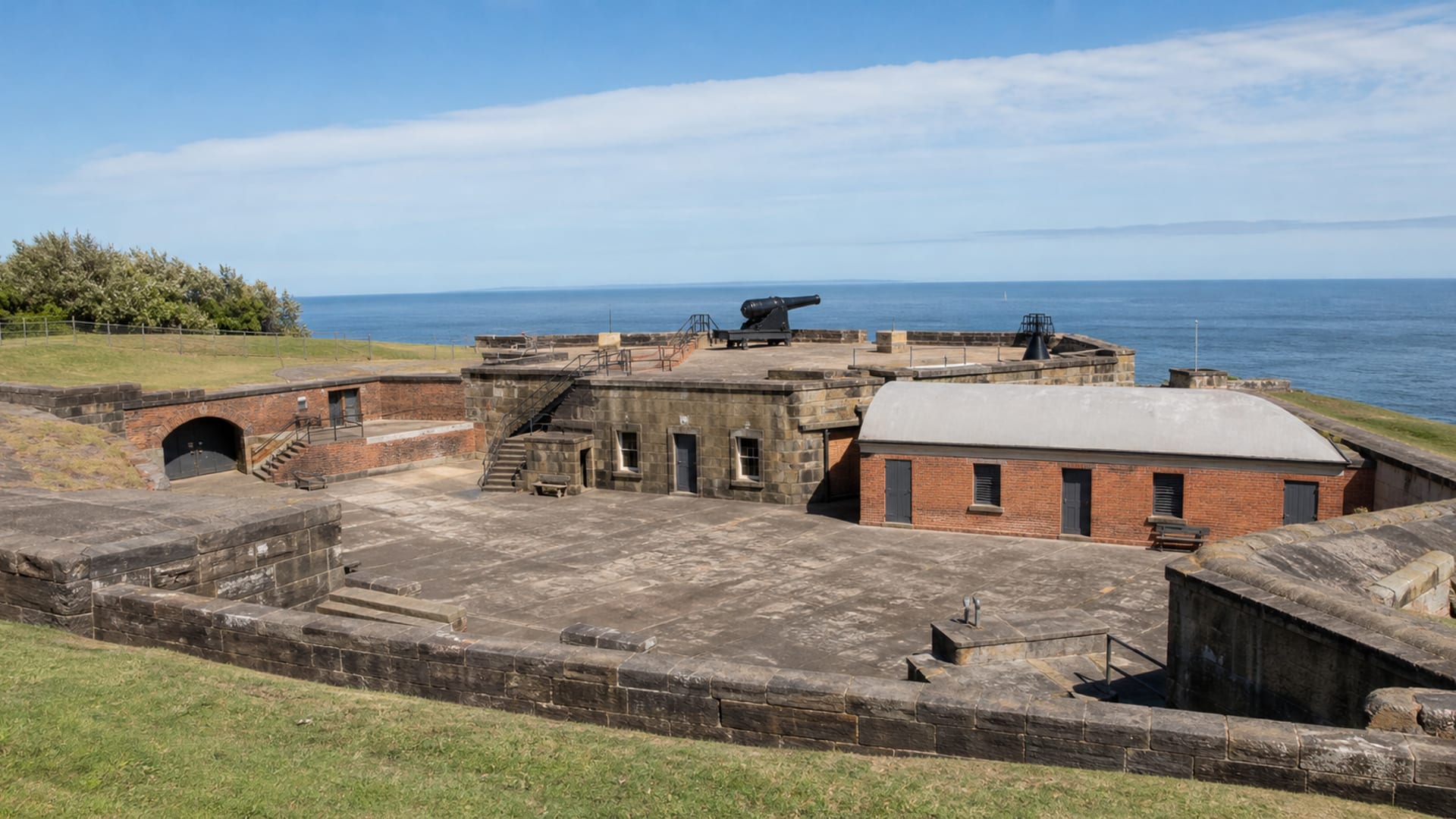
Fort Scratchley
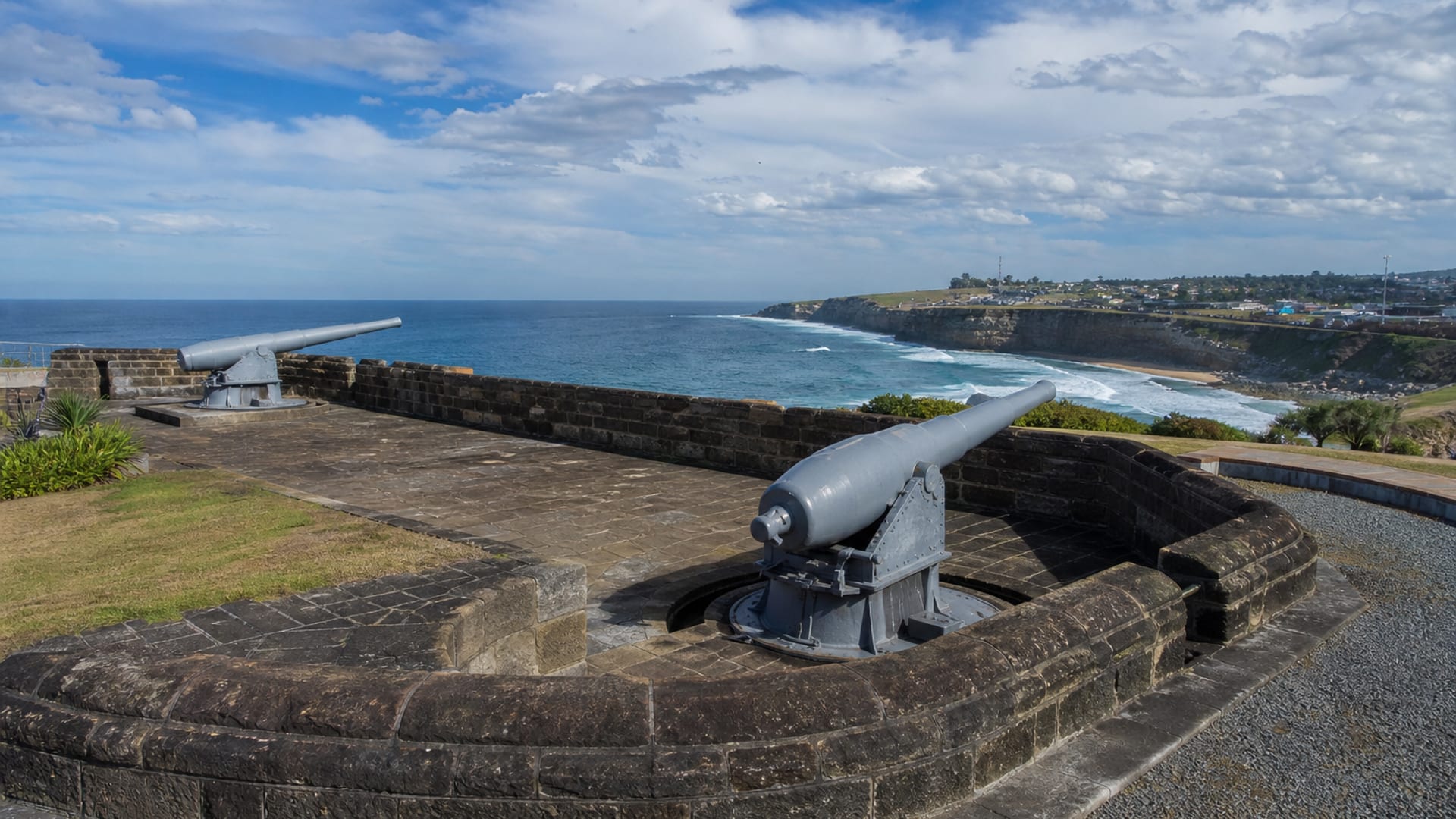
Built in 1882 on Flagstaff Hill, this former coastal defense site overlooks the harbor entrance and is the only Australian fort to have fired on an enemy ship during the 1942 shelling of Newcastle. Tunnels, gun emplacements, and lookouts complete the site.
Time needed: About 1.5 to 2 hours
Entry: Free. Guided tunnel tours cost A$16.50 ($11.50) for adults. The fort is open Wednesday to Monday, from 10:00 am to 4:00 pm. Visit the official site for details.
Tip: Time your visit for the 1:00 pm gun firing.
Overlooked sites worth visiting

Nobbys Lighthouse and Breakwall
Built in 1854, Nobbys Lighthouse stands on Nobbys Head at the entrance to Newcastle Harbor. You can reach it on foot via Macquarie Pier, with views of arriving ships, Nobbys Beach, and the city skyline along the way.
Time needed: About 1 to 2 hours
Entry: Free. The headland and lighthouse precinct open on Saturdays, Sundays, and public holidays from 8:00 am to 4:00 pm. There is no car access along the pier. Visit the official site for details.
Tip: Bring a light jacket, since the headland is often windy.

Newcastle Museum
Located in the restored Honeysuckle Railway Workshops, the museum explores Newcastle’s coal and steel industries, local life, and the 1989 earthquake. Its compact size makes it easy to visit without losing the detail needed to understand the city’s industrial history.
Time needed: About 1 to 2 hours
Entry: General admission is free, Tuesday to Sunday from 10:00 am to 5:00 pm, and daily during school holidays. Some temporary exhibitions charge a separate fee. Visit the official site for details.
Tip: Pair it with a short walk through Honeysuckle afterward.
Traditional food
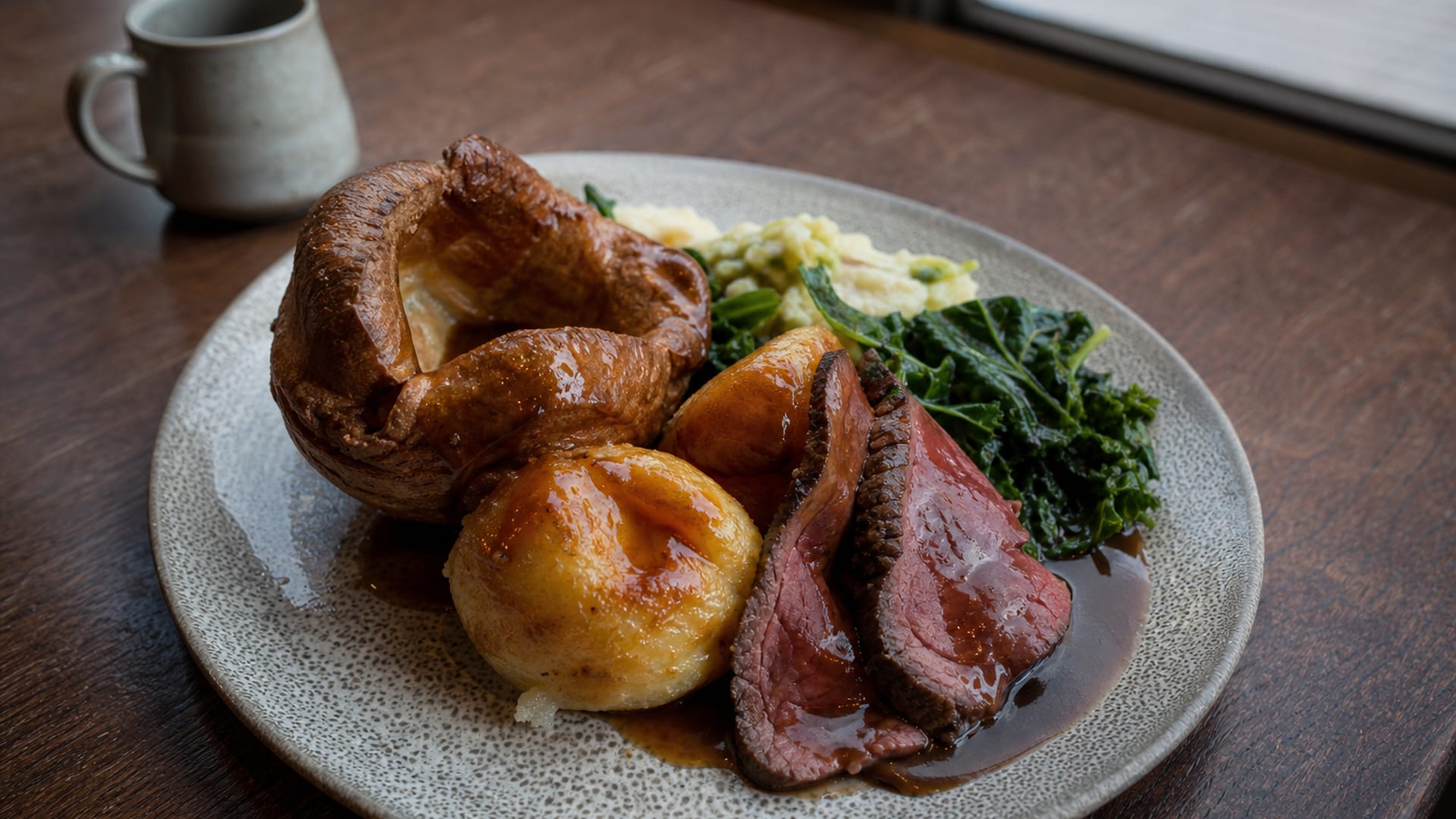
Newcastle’s restaurants and cafes feature coastal seafood, pub classics, and familiar Australian dishes such as meat pies, fish and chips, and lamingtons.
Sydney rock oysters
Sydney rock oysters, Australia’s only native rock oyster, are farmed north of Newcastle in Port Stephens, one of New South Wales’s major oyster-growing regions. Scottie’s in Newcastle East serves them freshly shucked to order.
Fish and chips
Fish and chips are a classic coastal choice. Scottie’s in Newcastle East serves king dory with chips from its takeaway window, a short walk from Newcastle Beach.
Meat pie
The meat pie is a classic Australian bakery staple, usually served hot with tomato sauce. Harry’s Café de Wheels on the Newcastle foreshore serves several versions, including the Tiger Pie topped with mashed potatoes, peas, and gravy.
Lamington
Lamingtons are sponge cakes coated in chocolate and coconut and are common in Australian cafes and bakeries. Uprising Bakery in Maryville is known for its sourdough and handmade cakes and is a short drive from the central business district.
Best time to visit Newcastle
Newcastle’s warmer months are ideal for the beaches and harbor, while cooler weather is comfortable for visiting Fort Scratchley, Newcastle Museum, and the clifftop Memorial Walk.
Best for: Harbor walks, outdoor dining, and long daylight hours
What you get: Expect about 65°F to 82°F (18°C to 28°C), with the busiest waterfront periods and the fullest dining rooms.
Trade-offs: Afternoon heat and strong sun can make exposed paths uncomfortable.
Best for: Balanced sightseeing and easy walking through the center
What you get: About 54°F to 74°F (12°C to 23°C), with moderate crowds and pleasant evenings
Trade-offs: Rain can interrupt long foreshore walks.
Best for: Museum time, quiet streets, and lower hotel demand
What you get: Plan for 46°F to 63°F (8°C to 17°C), with lighter crowds and colder mornings near the water.
Trade-offs: Shorter days limit late outdoor time.
Best for: Reserve visits, café stops, and clear city views before summer
What you get: Expect about 54°F to 75°F (12°C to 24°C), with moderate visitor numbers and comfortable walking conditions.
Trade-offs: Strong winds and sudden rain can disrupt outdoor plans.
A realistic 5-day plan in Newcastle
The five-day itinerary covers Newcastle in a logical order, from arrival, harbor visits, Newcastle East, and Honeysuckle to Merewether. This route minimizes unnecessary cross-city travel.
Land at Newcastle Airport (NTL), then take a taxi or rideshare to Newcastle East or Cooks Hill. The trip usually takes 25 to 35 minutes and costs A$55 to A$80 (US$39 to US$56), depending on traffic and time of day. Public buses also run to Newcastle Interchange, where you can continue by light rail or taxi. After check-in, keep your first evening simple with dinner near your hotel.
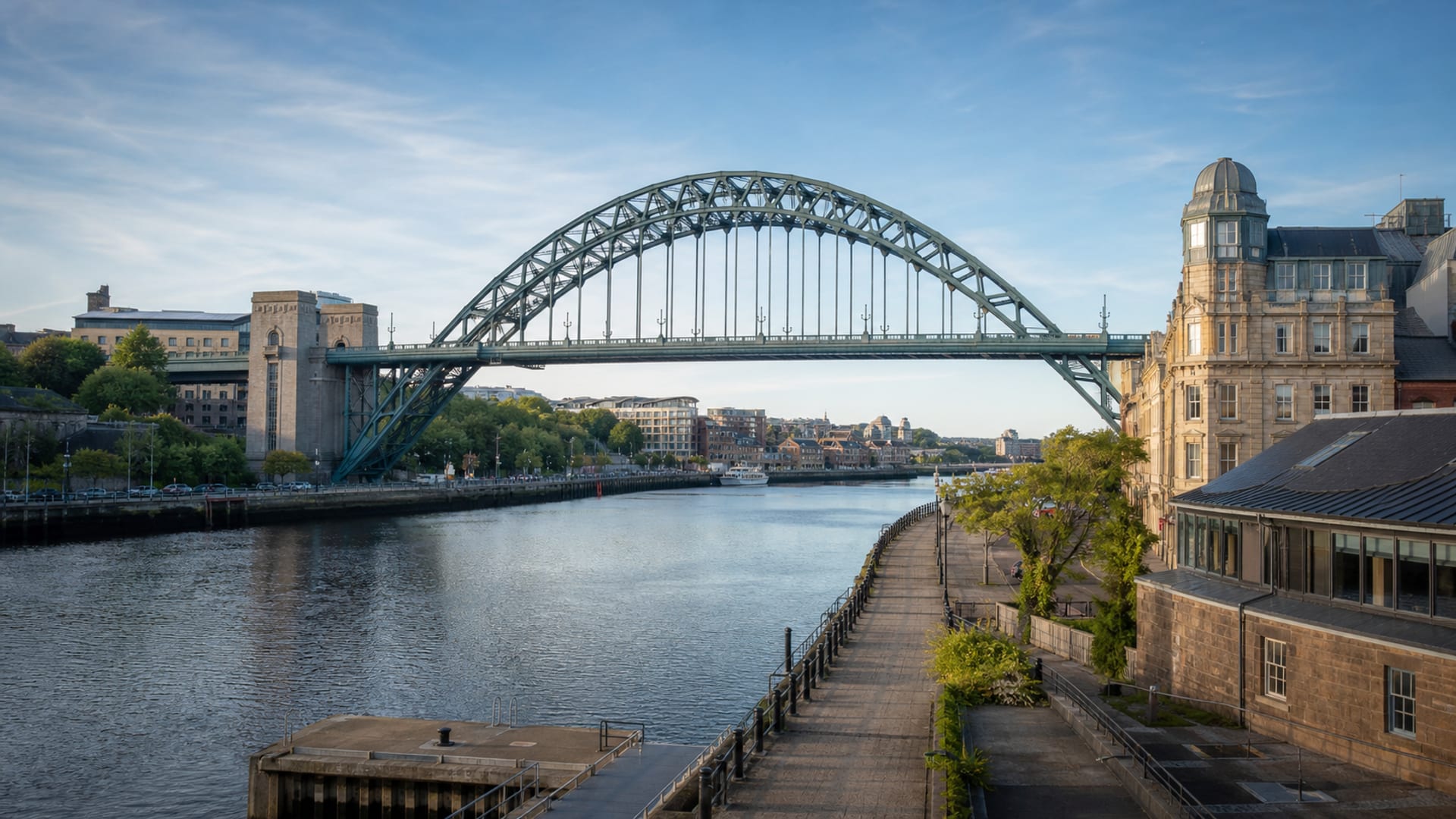
Start at Fort Scratchley in the late morning and allow 1.5 to 2 hours, including the 1:00 pm time gun. Walk about 10 minutes to Newcastle Ocean Baths, then continue along Bathers Way past the Bogey Hole to Newcastle Memorial Walk, or take a short taxi ride. Return to the city center by bus 21 or taxi for dinner. The fort is closed on Tuesdays and the baths on Wednesdays, so avoid those days
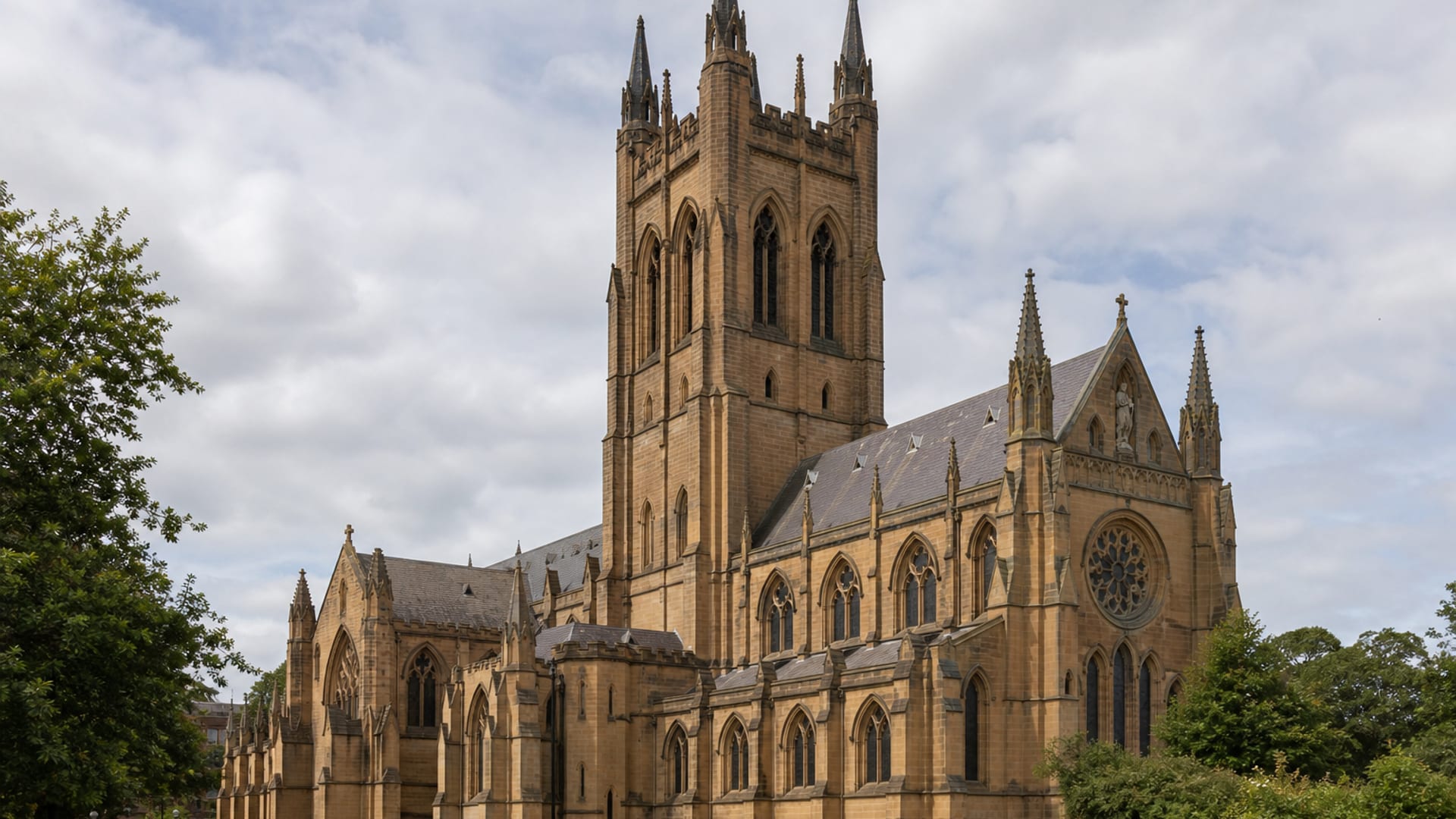
Plan this day for a weekend, when Nobbys Headland is open. Start in Honeysuckle with the Newcastle Museum at 10:00 am and allow 1 to 2 hours for the exhibits. Walk toward the waterfront for coffee or lunch, then take the light rail from Civic to Newcastle Beach. Continue on foot to Nobbys Beach and along Macquarie Pier to Nobbys Lighthouse before the headland closes at 4:00 pm. For a slower finish, return along the foreshore at dusk, when the harbor path is at its most photogenic.
Merewether shapes a beach-centered fourth day: start at Merewether Beach for a swim or surf session, then walk to Merewether Ocean Baths at the beach’s southern end for a swim in a more sheltered setting; the baths are free to access but close on Thursdays for cleaning. Spend the middle of the day on the coastal paths and neighborhood cafés, then head north to Cooks Hill in the late afternoon for dinner on or near Darby Street, about 15 minutes away by taxi or bus.
Before you head to Newcastle Airport (NTL), spend the morning close to your hotel. If you are staying in Newcastle West, stop for coffee near Newcastle Interchange; or if you are in Cooks Hill, choose one more café along Darby Street before checking out. Leave enough time for the trip to the airport, since a taxi or rideshare from the CBD area usually takes about 25 to 35 minutes.
Business-class flights from the US to Newcastle
To reach Newcastle (NTL) from the US, you’ll connect through one of several major hubs, as there are no nonstop flights. Flights cross the Pacific first and connect in Brisbane (BNE) or Melbourne (MEL).
New York (JFK) to Newcastle (NTL)
There are no nonstop or one-stop flights from New York (JFK) to Newcastle (NTL), so plan on at least two layovers. Qantas Airways, often in partnership with American Airlines, routes through Dallas/Fort Worth (DFW) or Los Angeles (LAX) and then Brisbane (BNE), while Air New Zealand and Qantas connect via Auckland (AKL) and Brisbane (BNE). Journeys usually take 26 to 38 hours, and business-class round trips typically cost US$5,000 to US$9,000.
Los Angeles (LAX) to Newcastle (NTL)
From Los Angeles (LAX), flights to Newcastle (NTL) are shorter. Although there aren’t nonstop flights on this route, travelers can find one-stop options. With Qantas or Delta Air Lines, they can travel to Brisbane (BNE) or Melbourne (MEL), then take a short domestic flight to Newcastle. Expect 18 to 22 hours total, with business-class round trips usually ranging from US$5,000 to US$8,500.
Newcastle is best explored at a slower pace
Newcastle is best explored at an unhurried pace. Newcastle East and Cooks Hill keep the foreshore, Fort Scratchley, and many central sights close, while light rail and buses cover trips to Newcastle Memorial Walk and Merewether. For US travelers, the longest part of the journey is reaching Newcastle, and AranGrant can help arrange business-class flights from New York (JFK) or Los Angeles (LAX) to Newcastle (NTL). Five days allow enough time for the harbor, headlands, beaches, and ocean baths without rushing between them.







