

Chapters:

Need help with your trip?
Our support team is available 24/7. Request a callback or call us directly at (833) 619-0908
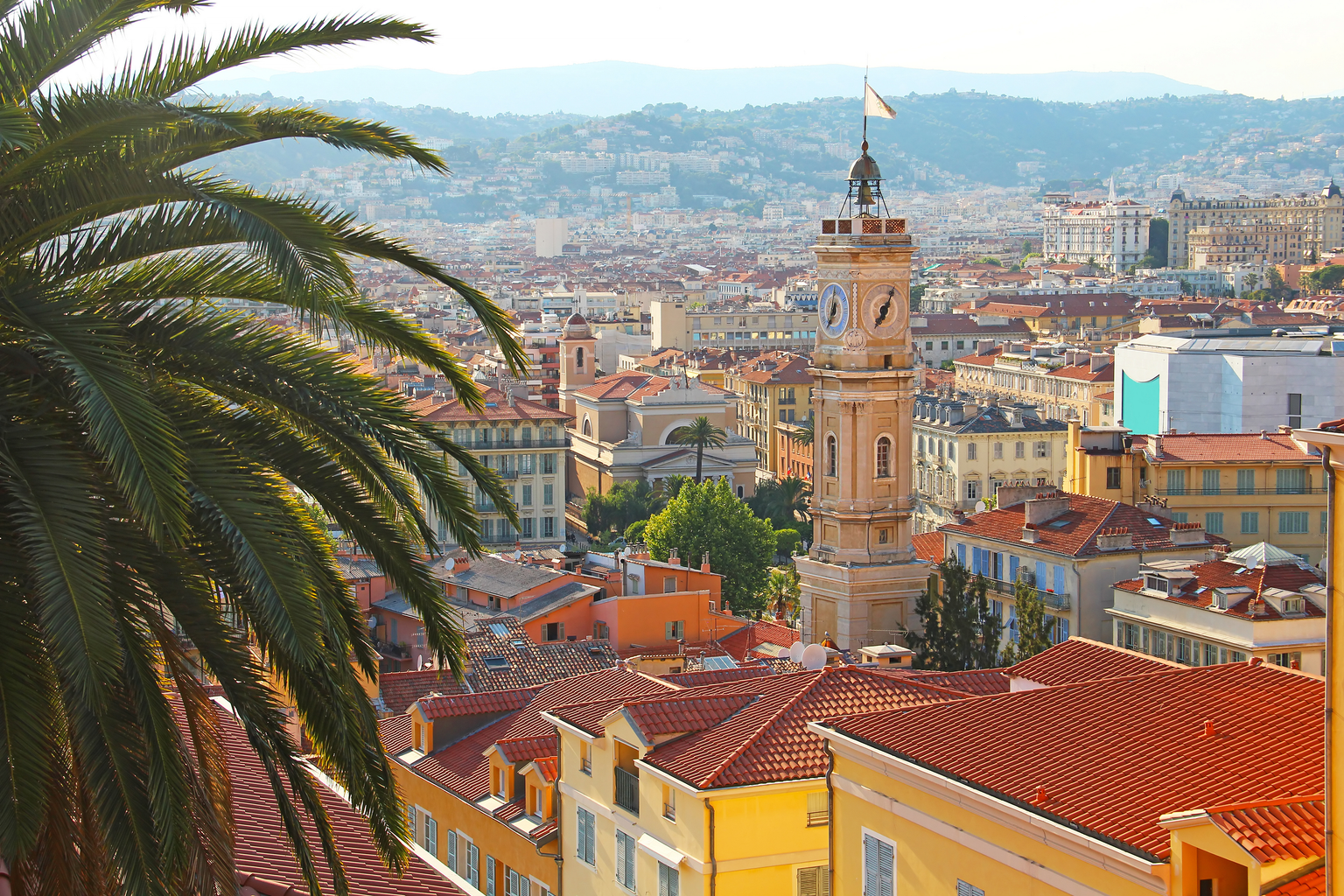
Nice works best when travelers anchor themselves to the seafront, the old town, or the station area, then fill the rest of the stay with short walks and tram rides. What they often miss is how much time can slip away in the hills above the center and in the gaps between lunch and dinner.
That matters here because Nice stretches farther than the map suggests, and the busiest parts reward timing as much as planning. Crossing from the promenade to Cimiez or from one meal to the next can change the pace of a day more than the distance looks like it should.
This guide keeps the city in a tighter frame, with neighborhoods, transit, food, and five days arranged so each move has a clear purpose.
Useful things to know

Main language(s): French
Bonjour (bohn-zhoor) – Hello / good morning
S'il vous plaît (seel voo pleh) – Please
Merci (mehr-see) – Thank you
Parlez-vous anglais ? (par-lay voo ahn-gleh) – Do you speak English?
Combien ça coûte ? (kohm-byen sah koot) – How much does it cost?

Currency: The local currency is the euro (EUR, €).

Cash and cards: Cards and contactless are widely accepted; carry about €20 to €40 ($22 to $43) in cash for small buys and tips.

Tipping: Round up small bills; leave about 5% to 10% in restaurants if service is good.

Traditional food: Socca, Salade Niçoise, Pissaladière, Pan bagnat

Water and coffee costs: Water ~€2 ($2), bar espresso ~€2.50 ($3).

Taxis and ride apps: Uber and Bolt operate here; local taxis are also easy to find.

Plug and voltage: Type E socket, 230V

Dining and shop opening hours: Breakfast is about 7:00-10:00, lunch about 12:00-14:00, and dinner about 19:00-22:00. Many restaurants close between lunch and dinner.

Emergency number: Call 112 for all emergencies, police, fire, or medical help.
Where to stay in Nice
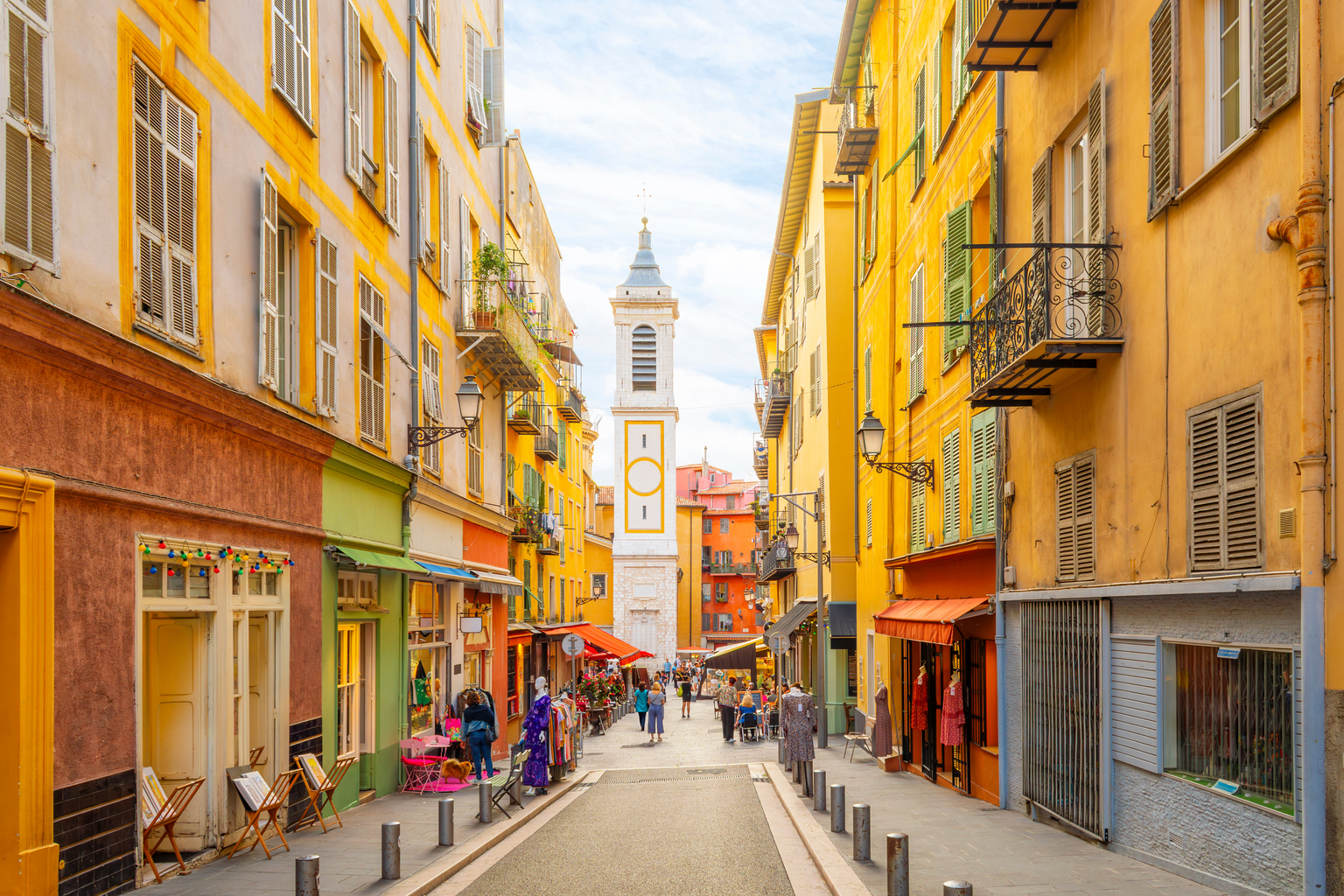
Nice’s old town clusters narrow lanes, baroque churches, markets, and dense cafes just behind the waterfront. It suits visitors who want the city’s most atmospheric base with easy access to the beach, the port, and the main sights.
Best for: First-time visits, dining, and travelers who want to walk to the main sights
What to expect: Busy streets, late dining, market activity, and plenty of foot traffic from morning to night.
Hotel prices: Usually about 160€ to 320€ (~175$ to ~350$) per night for well-rated stays
Distance to major sights: 5 minutes on foot to the Promenade des Anglais, about 10 minutes on foot to Castle Hill
Quietness: Lively all day and into the evening, with noise from bars, restaurants, and narrow streets.
Main trade-off: Rooms are often smaller, and weekend evenings can run loud near the main restaurant streets.
Good to know: If you want to sleep in the historic center, book a higher floor or a room away from the busiest lanes.
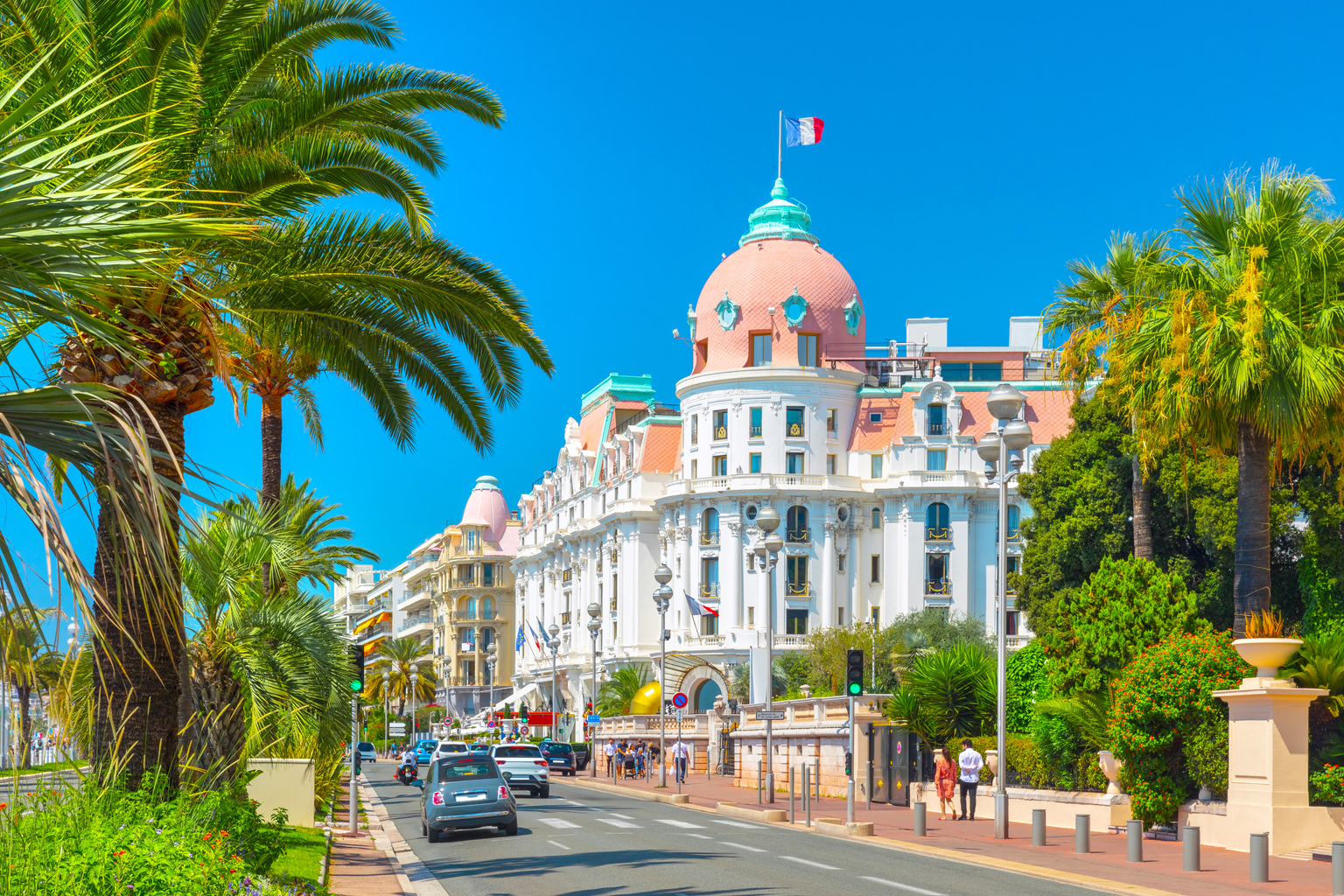
Carré d’Or sits just inland from the seafront, with belle époque buildings, boutiques, and a dense mix of hotels and restaurants. It matters because it puts you close to the beach and the tram while keeping the center easy to reach.
Best for: Beach access, shopping, and travelers who want central positioning without staying in the old town
What to expect: Busy sidewalks by day, steady restaurant traffic at night, and a more ordered street pattern than the old quarter.
Hotel prices: Usually about 180€ to 380€ (~200$ to ~415$) per night for well-rated stays
Distance to major sights: 3 minutes on foot to the Promenade des Anglais, about 15 minutes on foot to Place Masséna
Quietness: Quieter than Vieux Nice in the evening, though main streets still carry traffic and restaurant noise.
Main trade-off: The area costs more than farther inland districts, especially for hotels with sea views.
Good to know: Check whether your room faces the street or courtyard, since tram and traffic noise vary a lot by block.
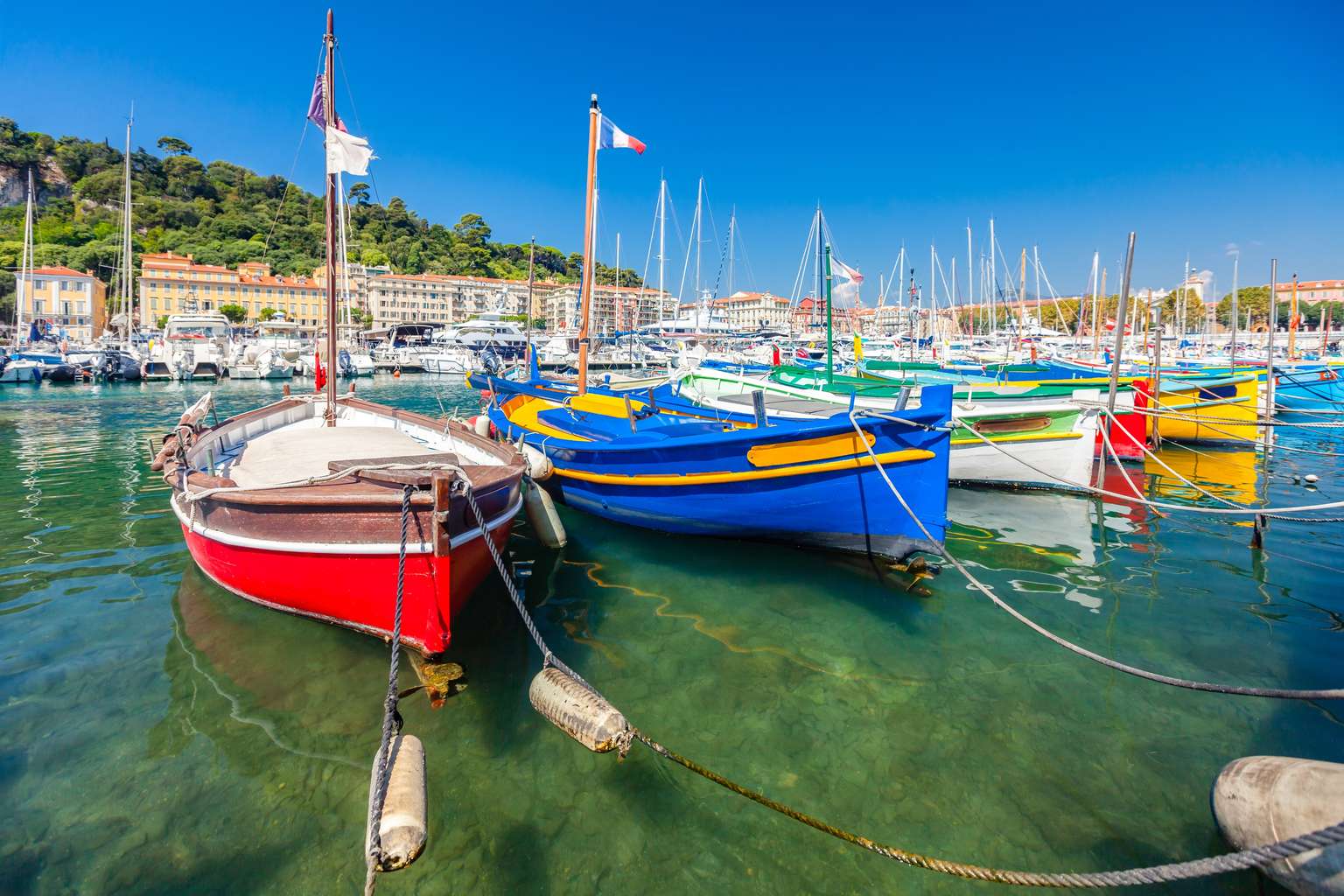
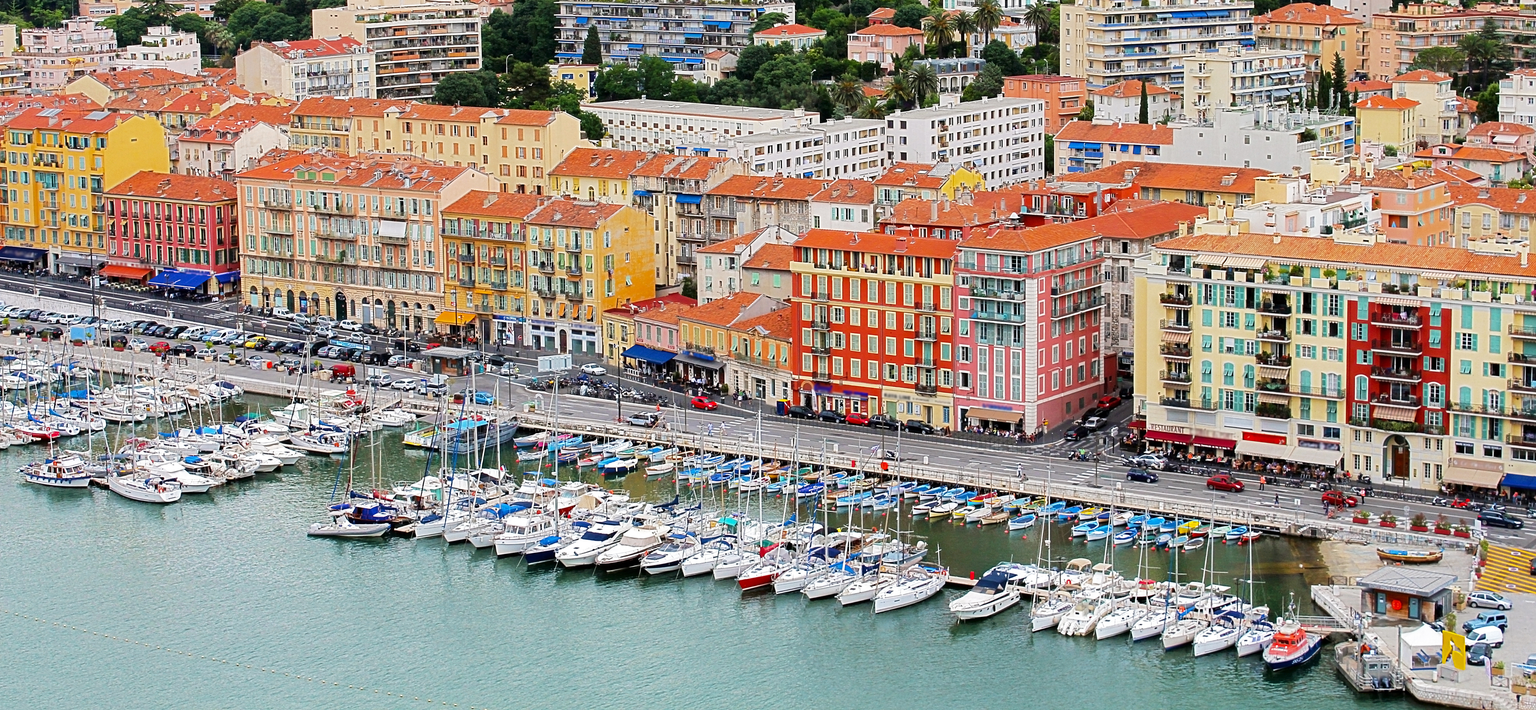
Port de Nice lines the eastern waterfront with fishing boats, ferry activity, and easy access to the harborfront bars. It suits travelers who want a more local-feeling base with quick walks to the old town and the climb up to Castle Hill.
Best for: Harbor views, slower evenings, and travelers who want easy access to the old town and east side of the center
What to expect: A mix of waterfront promenades, casual dinner spots, and steady movement near the ferry terminals and marina.
Hotel prices: Usually about 150€ to 300€ (~165$ to ~330$) per night for well-rated stays
Distance to major sights: 10 minutes on foot to Vieux Nice, about 15 minutes on foot to Castle Hill
Quietness: Calmer than the old town at night, but waterfront streets stay active near restaurants and bars.
Main trade-off: You may walk a bit farther for the main shopping streets and central tram stops.
Good to know: If you plan early ferry departures, staying here cuts down on morning transfers to the port.
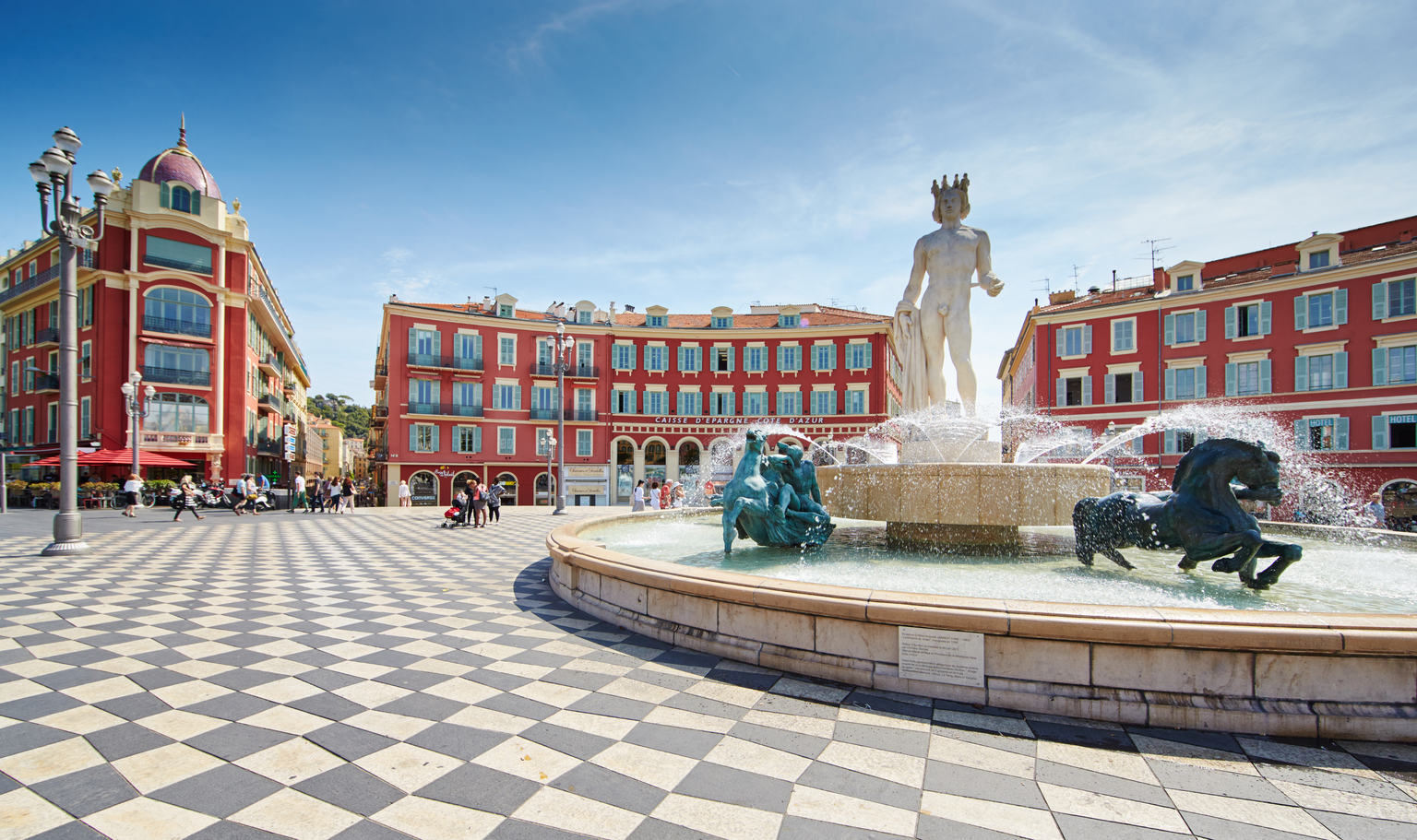
The Musiciens area sits inland from the sea, close to Nice-Ville station, residential blocks, and several midrange hotels. It matters for visitors who want a quieter base with easy transit links and a shorter walk to both the beach and the shopping core.
Best for: Train travelers, midrange hotel hunters, and visitors who want central access with fewer late-night crowds
What to expect: Residential streets, cafe traffic on main avenues, and less nighttime activity than the waterfront districts.
Hotel prices: Usually about 130€ to 260€ (~145$ to ~285$) per night for well-rated stays
Distance to major sights: 10 minutes on foot to Place Masséna, about 15 minutes on foot to the Promenade des Anglais
Quietness: Generally calm at night, with more movement during the day near the station and main boulevards.
Main trade-off: You trade sea views and immediate old-town ambiance for easier train access and slightly lower rates.
Good to know: If you are arriving by rail, this area can save time because Nice-Ville station sits close by.
Travelers usually avoid Lingostière and Saint-Isidore, since they sit far from the seafront, Old Town, and the main museum area, with limited visitor amenities compared with central Nice. The western industrial stretches near the port zone and the airport corridor are also less convenient for short stays, because they are geared to traffic, logistics, or late-night transit rather than easy walking access to sights and dining.
Hotel deals
How to get around Nice efficiently
Nice has no metro, so tram lines 1 and 2, local buses, taxis, and ride apps do the work across the center, the airport, and the waterfront.

Metro
for longer distances
Nice has no metro, so visitors rely on the city’s tram lines and local buses for short hops. Tram line 2 links Nice (NCE) with the city center and the port, while line 1 serves the main rail station and northern districts. A single ticket costs about $1.80 (€1.70) and stays valid for 74 minutes on trams and buses; day passes are also available if you plan several rides.

Bus and tram
for convenience
Tram and bus service covers the airport, beach strip, old town, train station, and most nearby neighborhoods, with line 2 useful for direct airport trips and line 1 for north-south movement through the center. Buy tickets before boarding or tap if the vehicle allows contactless payment, then validate once. A 10-ride carnet costs about $18 (€17), and many daytime journeys across central Nice take roughly 10 to 25 minutes.

Taxi
for convenience or late hours
Licensed taxis queue outside Nice (NCE), the train station, and major hotels, and you can also book one by phone or app; metered fares apply, with airport trips from the center usually about $35 to $45 (€33 to €42) in daytime traffic, plus supplements for luggage or late-night riding. Expect roughly $25 to $35 (€23 to €33) between the airport and central Nice when traffic is light, and pay by card or cash, though it is sensible to confirm card acceptance first.
*Prices are based on rates updated as of June 2026 and may change at the time of travel.
Use the tram for the airport and central corridor, buses for hill districts and cross-town hops, and taxis or ride apps when you want the quickest point-to-point ride.
Iconic landmarks
Promenade des Anglais
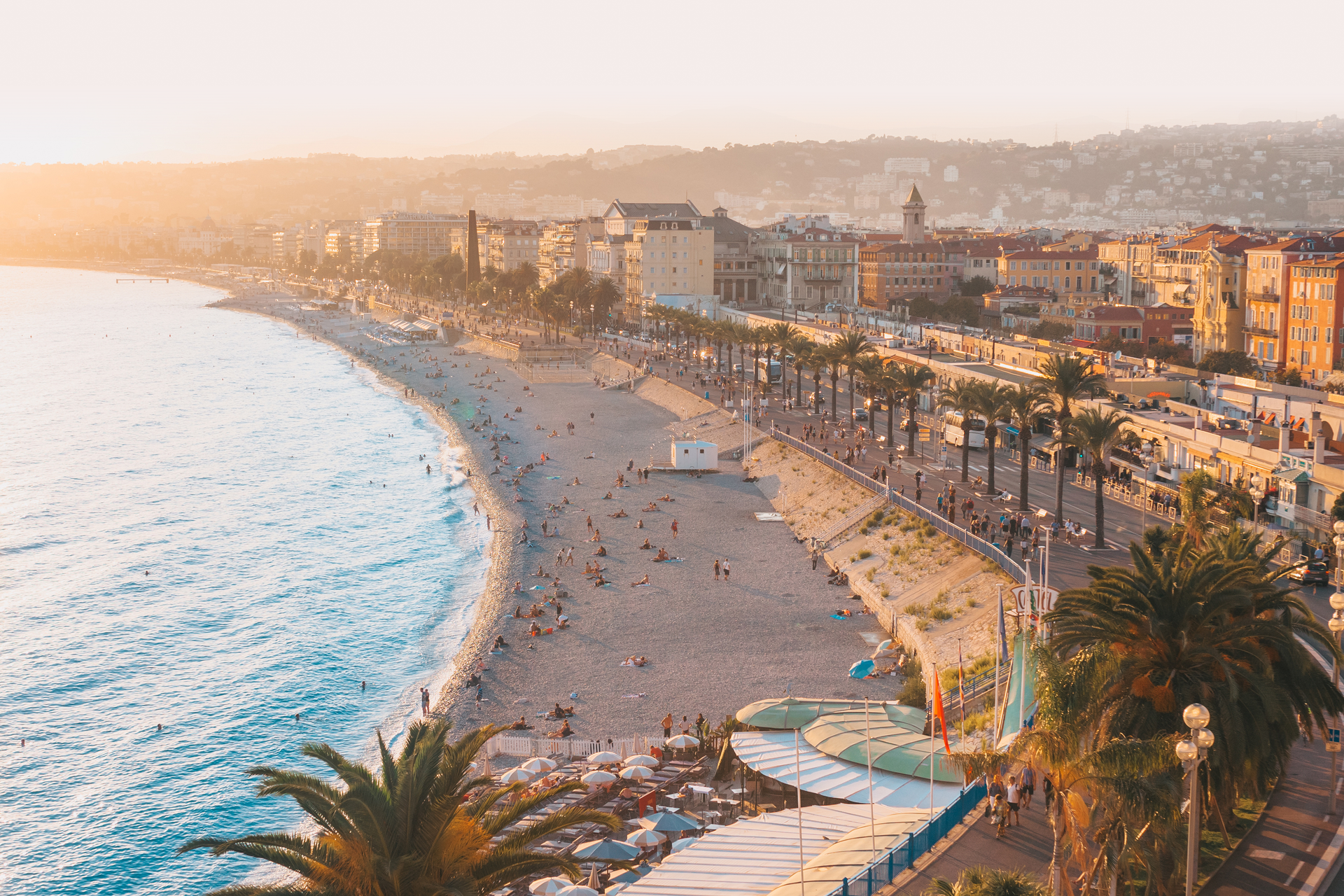
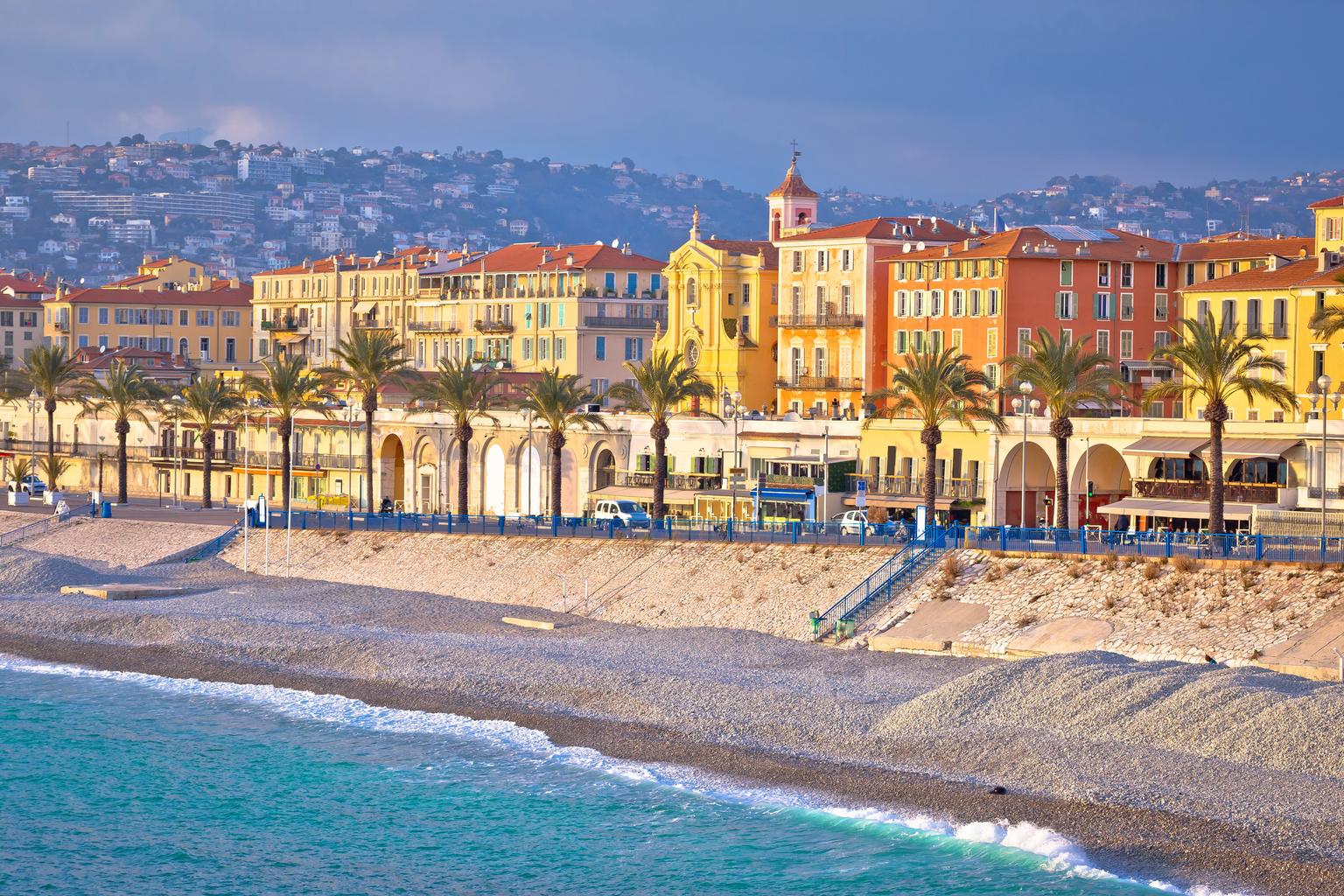
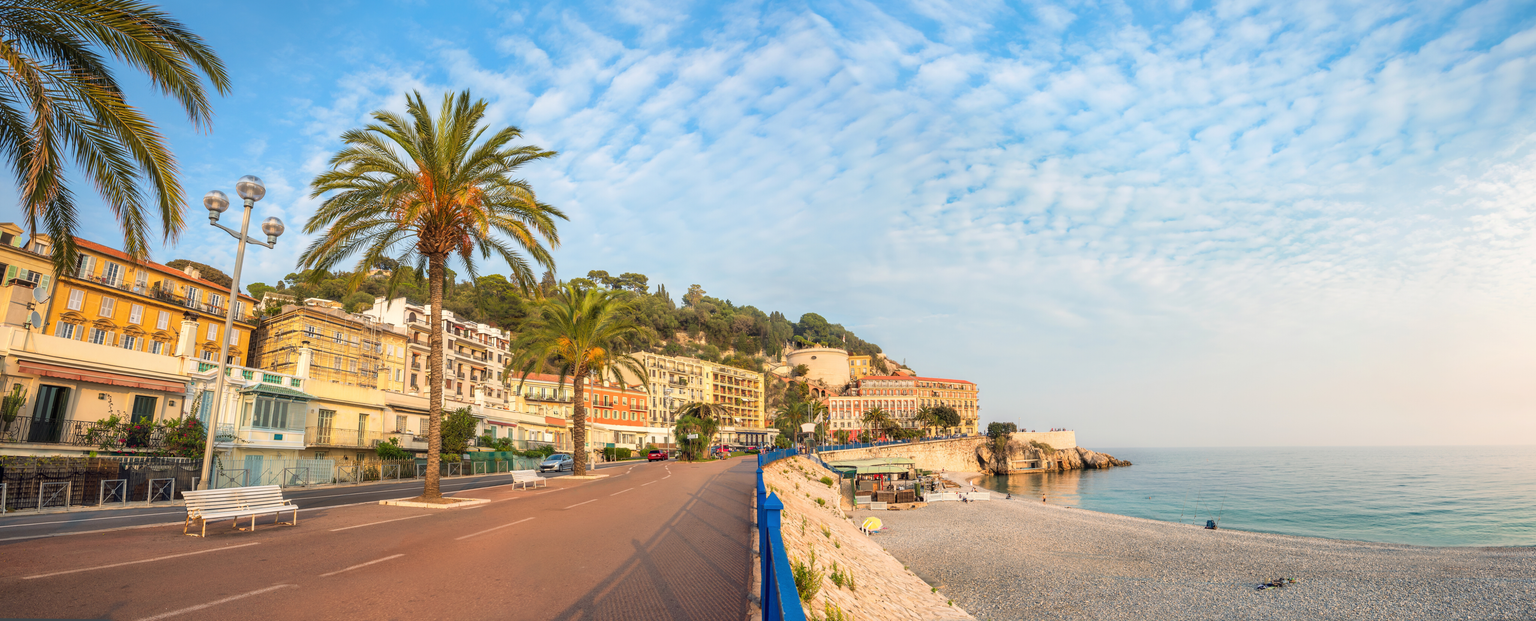
Nice’s waterfront promenade curves along the Baie des Anges, with palms, blue chairs, and wide sea views. Walk it for the city’s clearest look at the pebble shore, Belle Époque hotels, and daily local life by the water.
Time needed: About 1 to 2 hours
Entry: Free to access; cafes, chair rentals, and nearby museums add separate charges
Tip: Go at sunrise or late afternoon, when the light is best and the heat is lower.
Colline du Château
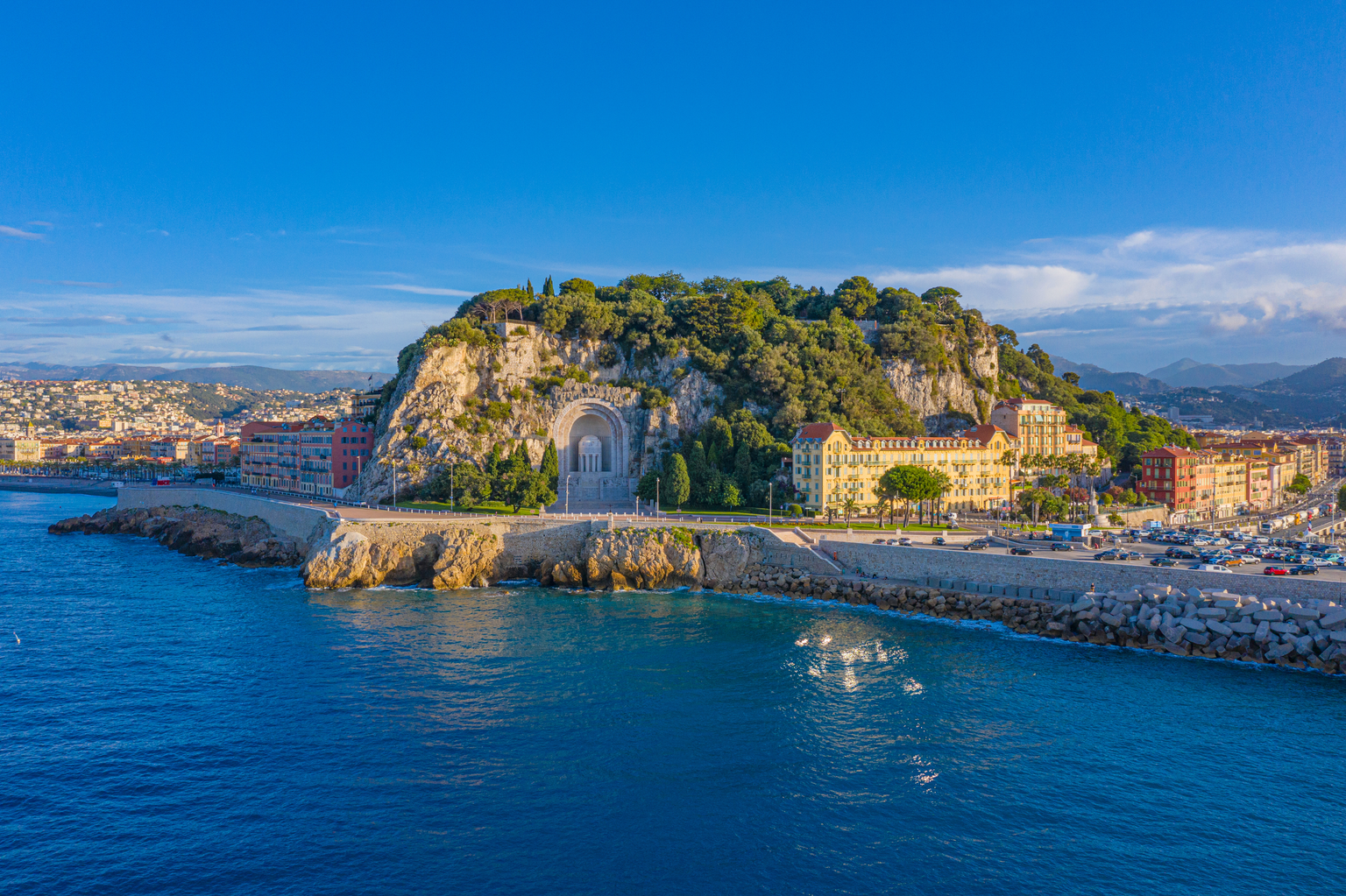
This hilltop park above Old Town gives wide views over the port, rooftops, and Baie des Anges. The castle is gone, but the cascade, ruins, and shaded paths make the climb worth the effort for a full city panorama.
Time needed: About 1 to 2 hours
Entry: Free to access; the elevator costs $2 to $4 (€2 to €3) when operating, and cafe purchases are extra Visit the official site for details.
Tip: Use the elevator up if it is running, then return on foot through Old Town.
Musée Matisse
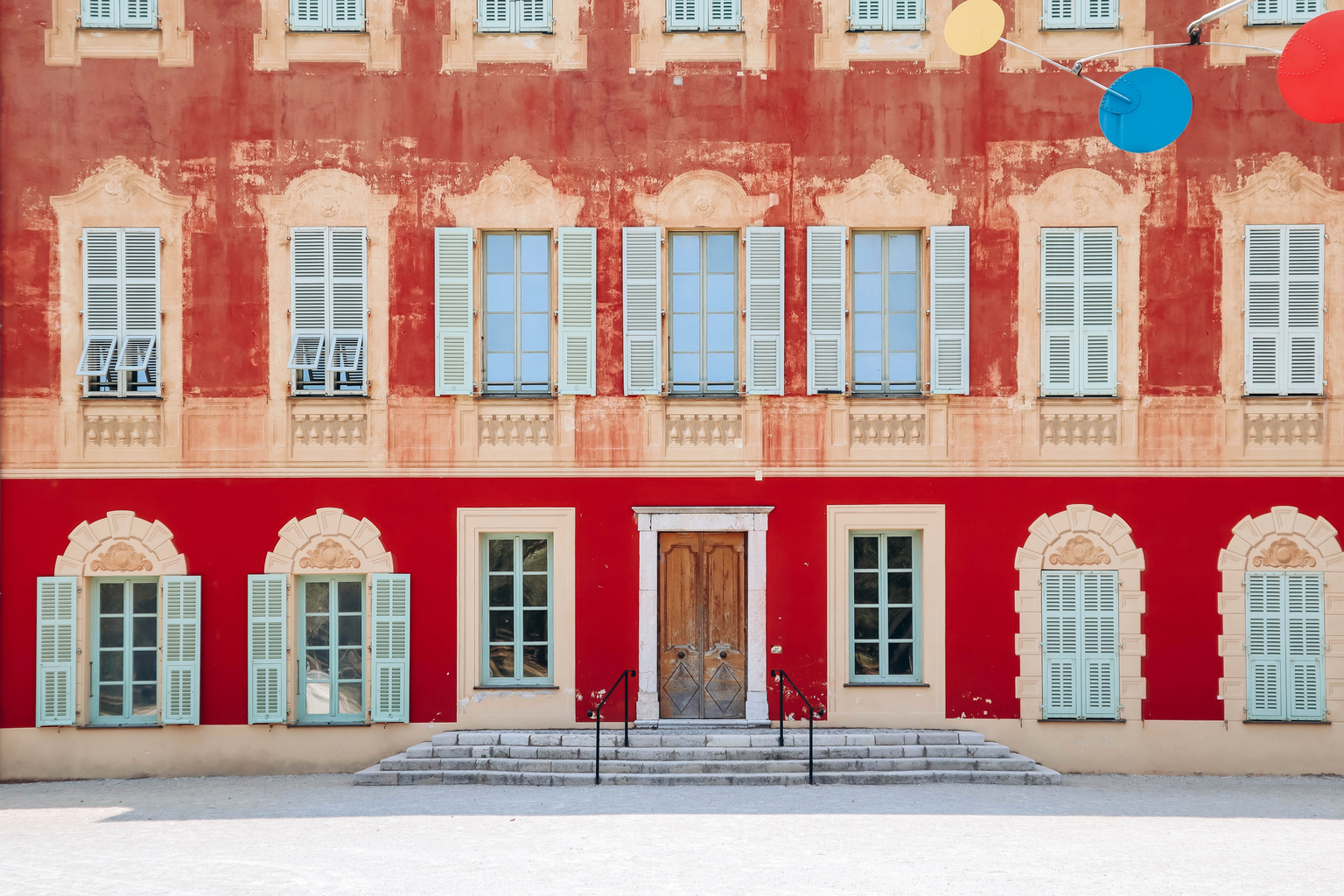
Set in the Cimiez quarter, this museum traces Matisse’s work through paintings, drawings, prints, and cutouts. It also links his art to Nice, where he lived for years and drew constant light from the coast.
Time needed: About 1 to 2 hours
Entry: Standard tickets cost $13 to $16 (€12 to €15), with reduced rates for some visitors and under-18s admitted free Visit the official site for details.
Tip: Pair it with the nearby Roman ruins and monastery for a compact Cimiez visit.
Overlooked sites worth visiting

Cimiez Monastery Gardens
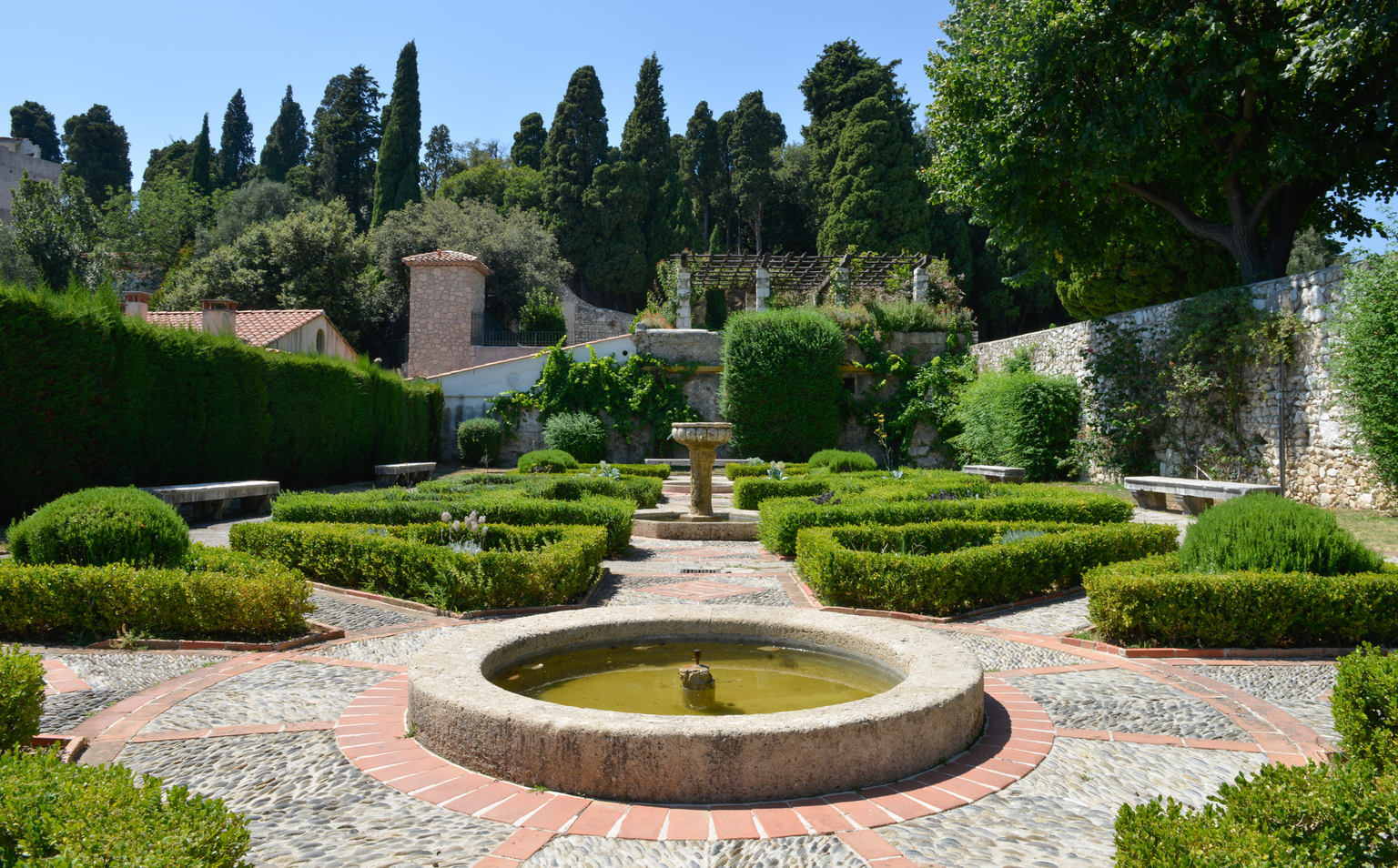
Terraced olive and citrus gardens above the city, with long views over Nice and the Baie des Anges. The quiet paths, small fountain, and monastery walls reward an unhurried visit.
Time needed: About 1 hour
Entry: Free to access. The gardens and monastery grounds are open without an admission fee; hours can vary by season, and the church or museum areas may have separate access rules or occasional closures for services.
Tip: Go late afternoon for softer light over the bay.
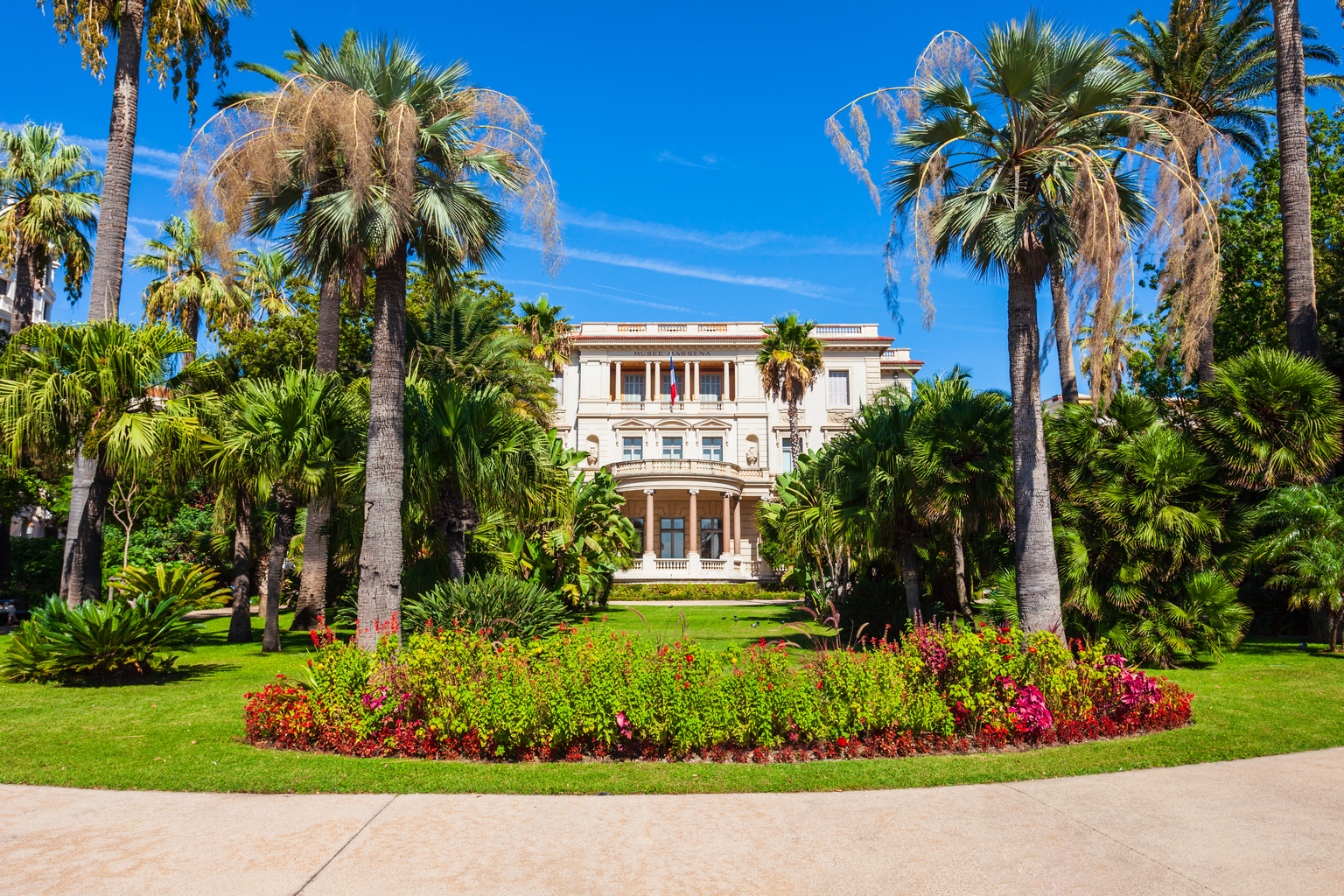
Masséna Museum
This villa museum in the Carré d’Or traces Nice’s Belle Époque through period rooms, costumes, and art objects. Its compact scale makes it an easy stop between the coast and the old town.
Time needed: About 1 hour
Entry: Standard admission is about $8 to $10 (€7 to €9) for adults, with reduced rates for some visitors. Check the city’s museum schedule for temporary closures, since the villa opens on limited days and timed access can change Visit the official site for details.
Tip: Pair it with a short walk on nearby Rue de France.
Traditional food

Nice cooking leans on olive oil, tomatoes, herbs, and seafood, with market dishes that suit a light lunch or an evening apéritif. Socca, salade niçoise, pissaladière, and pan bagnat capture the city’s salt, grain, and garden flavors.
Socca
This chickpea pancake comes crisp at the edges and soft in the middle, with a peppery finish that works as a snack or a first course. Chez Pipo serves one of the city’s best-known versions and has long been a reference point for it in Nice.
Salade Niçoise
The salad brings tomatoes, tuna, hard-boiled egg, olives, and crisp vegetables into a dish that belongs to the coast as much as the market. Le Safari on Place Rossetti is a classic place to order it in Vieux Nice.
Pissaladière
This onion tart is layered with slow-cooked onions, anchovies, and olives, so it lands somewhere between bread and a savory pastry. Boulangerie Jeannot is a strong stop for a traditional take in Nice.
Pan bagnat
The sandwich version of salade niçoise packs tuna, egg, vegetables, and olive oil into a round loaf that travels well and eats cleanly on the go. Lou Pilha Leva is widely known for a dependable local version.
Best time to visit Nice
Nice shifts with the seasons, from beach-heavy summer days to quieter winter walks, while spring and autumn usually give the easiest balance of light, temperature, and crowd levels.
Best for: Promenade walks, museum visits, and market lunches
What you get: About 55°F to 70°F (13°C to 21°C), with moderate crowds and easier movement than summer
Trade-offs: Sea temperatures stay cool early in the season
Best for: Beach time, long evenings, and harbor dinners
What you get: About 70°F to 84°F (21°C to 29°C), with the heaviest crowds and the busiest waterfront
Trade-offs: Heat and demand can make midday sightseeing tiring
Best for: Hill visits, food stops, and relaxed coastal walks
What you get: About 59°F to 77°F (15°C to 25°C), with lighter crowds after peak season
Trade-offs: Some beach facilities scale back later in the season
Best for: Museum days, short walks, and lower hotel rates
What you get: About 46°F to 59°F (8°C to 15°C), with the quietest streets and fewer day-trip crowds
Trade-offs: Swimming weather is limited and some days feel breezy
A realistic 5-day plan in Nice
A five-day stay in Nice works best when the days build from the waterfront to the hills, then back to the center for easy evenings. The sequence below keeps walking distances sensible and groups nearby sights so you spend more time in each district.
Land at Nice (NCE) and take the tram or taxi into town, then head for Vieux Nice if you want the easiest walk to the old streets, or Carré d’Or if you prefer a slightly quieter center. A taxi from Nice Côte d’Azur Airport usually costs about $35 to $45 (€32 to €41) and takes roughly 20 to 30 minutes, while the tram is cheaper and usually takes about 25 to 35 minutes door to door. After checking in, drink water, then stay close to your hotel for a light dinner, perhaps a simple plate of fish or salade niçoise near Place Masséna or in the lanes of Vieux Nice, where you can eat without adding much transit after a travel day.
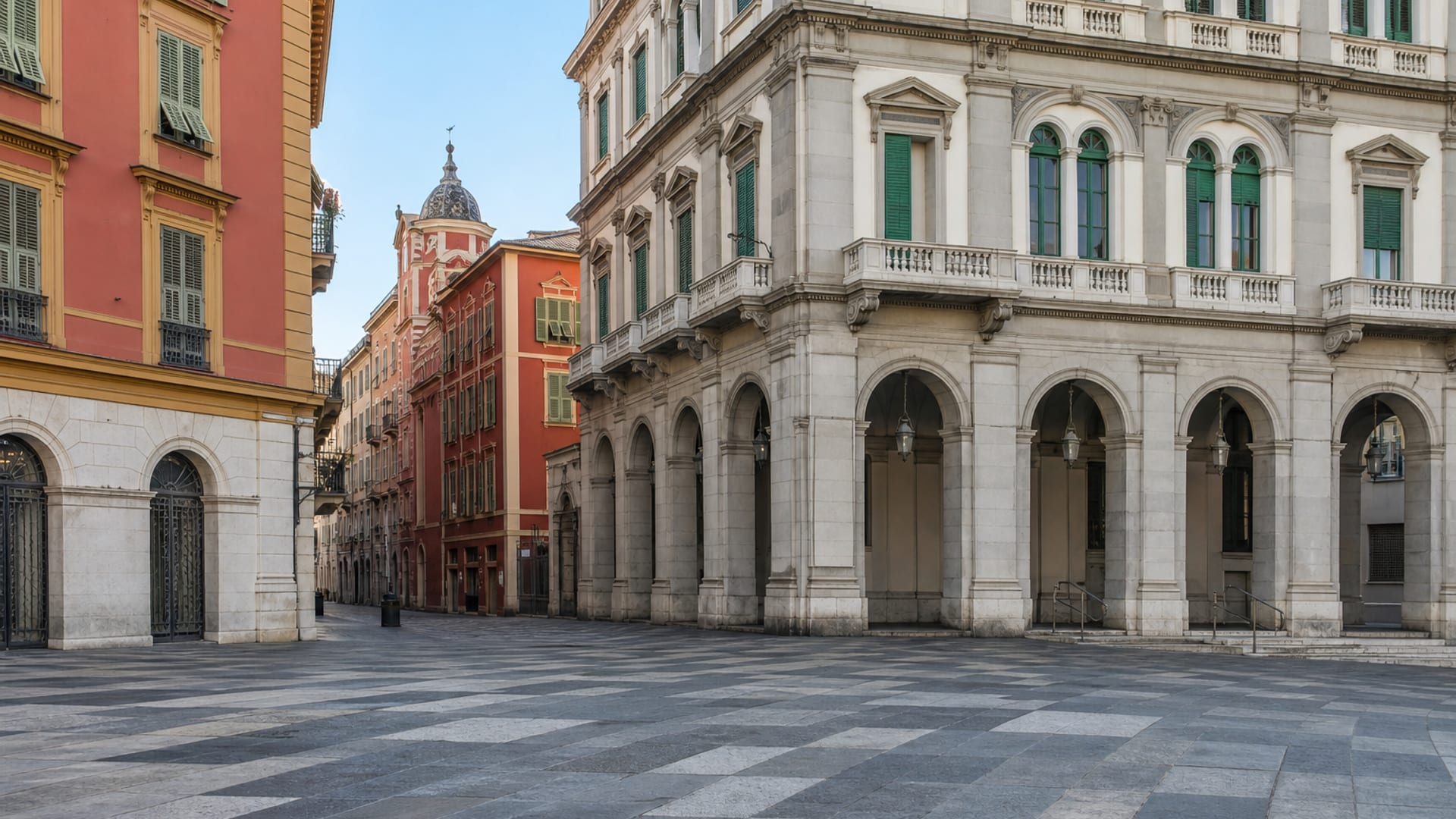
Start on the Promenade des Anglais, ideally in the morning when the light is softer and the seafront is less busy, then walk about 15 minutes into Masséna Museum for a compact look at Nice’s Belle Époque past. From there, continue roughly 10 minutes on foot into Vieux Nice for lunch, browsing the market streets and baroque lanes before you climb Colline du Château, about 10 minutes away on foot, for the bay, port, and rooftop views. Plan about 1 to 2 hours at the hill, then descend back through Old Town for an easy dinner near the port or in the old quarter.
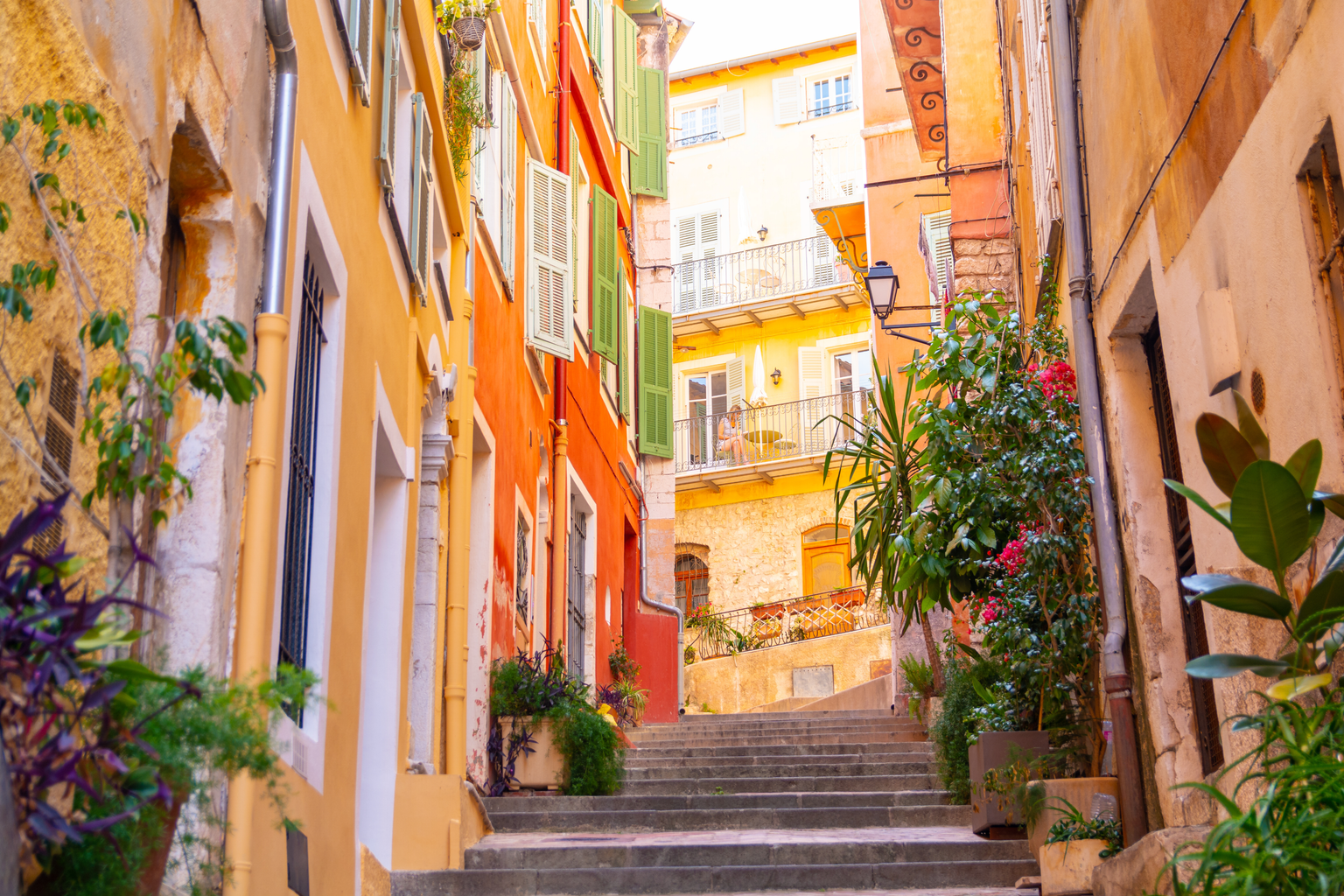
Cimiez gives this day a different angle on Nice, beginning with Musée Matisse and then continuing to the Cimiez Monastery Gardens. The walk between them takes about 10 to 15 minutes, and the two stops pair well because one focuses on the artist’s work while the other opens onto terraced gardens and long views over the city. After the gardens, linger in the neighborhood for lunch, then return toward the center by bus or taxi, which usually takes about 15 to 20 minutes depending on traffic.
Take a harbor-side morning in Port de Nice, where the fishing boats, marina, and ferry activity set up an easy start before you wander west toward Vieux Nice, about 10 minutes on foot. Spend time in the old town’s lanes, then follow the waterfront back toward the beach, stopping for a longer look at the Promenade des Anglais in the late afternoon. If you want one more inland stop, the walk from the promenade to Carré d’Or takes about 10 to 15 minutes, which makes it simple to finish with dinner in a central restaurant district.
Begin the last day with a short visit to Masséna Museum if you want one final indoor stop, then shift to shopping time in Carré d’Or, where the streets between the boutiques and the seafront are easy to cover on foot. From there, settle into a café in Vieux Nice for a slow coffee or apéritif, with enough time left for a last stroll toward the Promenade des Anglais before your transfer to Nice (NCE). If your flight leaves later, a final lunch near Place Masséna keeps the day close to the center without stretching the schedule.
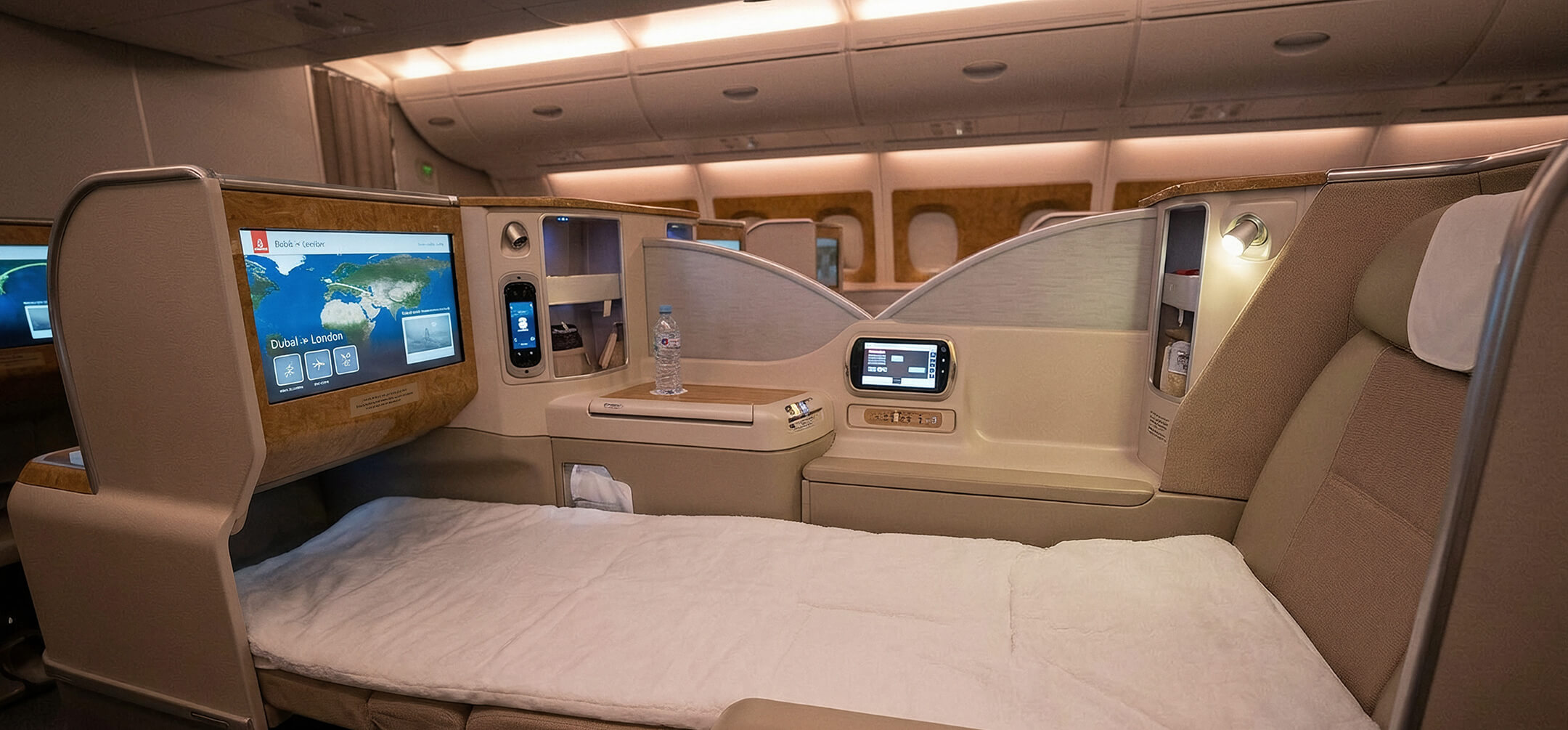
Business-class flights from the US to Nice
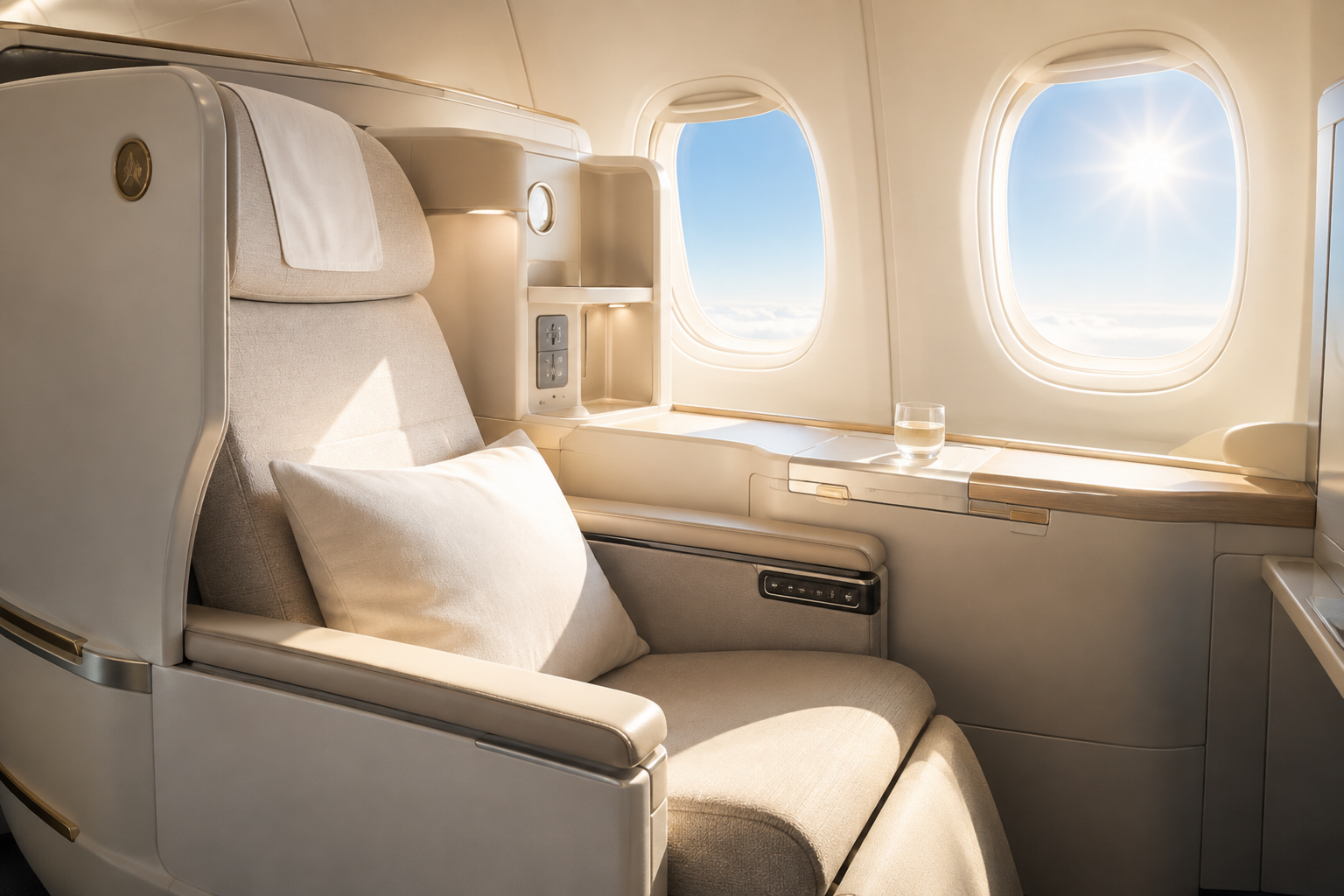
Nice draws one-stop long-haul itineraries from both coasts of the United States, with European hubs doing most of the connecting. The main difference is whether you value a shorter total journey or a wider set of airline options.
From New York, Air France, Delta Air Lines, French Bee, United Airlines, and Virgin Atlantic sell the main options, and nonstop flying usually takes about 7 to 8 hours when available. When you need a connection, the most common layover hubs are CDG, LHR, AMS, MAD, and LIS, with about 10 to 15 hours in the air plus the connection. Business fares from New York generally start at $2,800 and can reach $6,500 round-trip.
Los Angeles travelers usually connect through CDG, FRA, MUC, ZRH, or LHR, and the total trip often runs about 14 to 20 hours. Air France, Delta Air Lines, Lufthansa, SWISS, British Airways, and United Airlines cover the main options from Los Angeles, and round-trip fares usually run $3,200 to $7,500, with one-stop options often priced lower than nonstop itineraries.
Nice feels different when you slow down
A well-paced Nice trip usually starts on the Promenade des Anglais, moves into Vieux Nice for lunch, then climbs toward Colline du Château or rides out to Cimiez when the city asks for a slower afternoon. Tram 2, short bus rides, and a few intentional walks make the center easier to read, while the market streets and harbor dinners give each day a clear finish. If you want help matching those pieces to your dates, ask the AranGrant experts for a Nice plan built around your neighborhood and season