

Chapters:

Need help with your trip?
Our support team is available 24/7. Request a callback or call us directly at (833) 619-0908
Nairobi itineraries often start with a hotel in Westlands, a quick museum stop, and a drive south to Karen, while the city’s green spaces and craft workshops get less attention than they deserve.
That pattern leaves travelers spending more time in traffic than in neighborhoods, and it can turn short transfers into the main event. Distances matter here, as do opening hours and the timing of lunch and dinner.
This guide trims the day into workable zones, pairs sights by area, and gives food, transport, and season notes that match how Nairobi actually moves.
Useful things to know


Main language(s): Swahili, English
Habari (hah-BAH-ree) – Hello
Tafadhali (tah-fah-THAH-lee) – Please
Asante (ah-SAHN-teh) – Thank you
Unazungumza Kiingereza? (oo-nah-zoo-ngoom-zah kee-in-geh-REH-zah) – Do you speak English?
Bei gani? (bay GAH-nee) – How much does it cost?

Currency: The local currency is the Kenyan shilling (KES, KSh).

Cash and cards: Cards and contactless are widely accepted, but carry about KSh 2,000 to KSh 5,000 ($15 to $40) for taxis, small shops, and tips.

Tipping: Round up small bills; 5-10% is appreciated in better restaurants.

Traditional food: nyama choma, ugali, sukuma wiki, pilau

Water and coffee costs: Water about KSh 100 to KSh 200 ($1 to $2), bar espresso about KSh 250 to KSh 450 ($2 to $4).

Taxis and ride apps: Uber and Bolt operate here; confirm the pickup point, since airport collections can be tightly controlled.

Plug and voltage: Type G socket, 240V

Dining and shop opening hours: Breakfast is about 07:00-09:00, lunch 12:30-14:30, and dinner 19:00-21:30. Many kitchens close by 22:00.

Emergency number: 999 or 112 for police, fire, and ambulance.
Where to stay in Nairobi

Westlands is a busy mixed-use district northwest of the center, with hotels, malls, offices, and a dense restaurant scene. It suits travelers who want easy access to dining and nightlife without staying far from central Nairobi.
Best for: Dining, nightlife, and travelers who want a central hotel cluster
What to expect: Busy roads, active malls, and a steady flow of office workers, shoppers, and diners, especially on weekday evenings.
Hotel prices: Usually about $80 to $220 per night for well-rated stays
Distance to major sights: About 15 to 25 minutes by car to Nairobi National Museum; about 20 to 35 minutes to the city center
Quietness: Noisy by day and active at night, with quieter side streets near larger hotels.
Main trade-off: Traffic can slow short trips, and the most walkable blocks are also the loudest.
Good to know: Choose a hotel with on-site parking or a sheltered drop-off, since curbside pickup can be slow at peak hours.
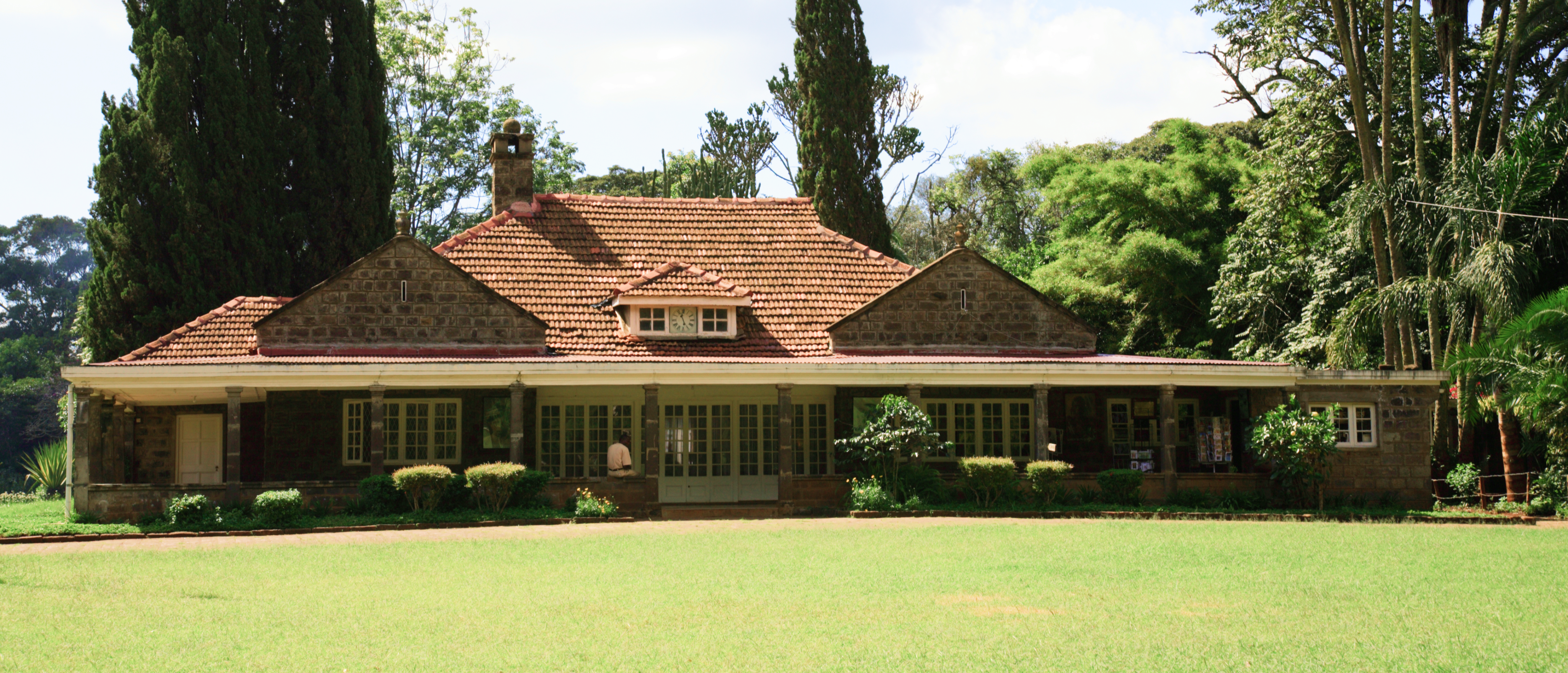
Karen is a spacious residential area southwest of central Nairobi, known for larger hotels, gardens, and a lower-density street plan. It works well for visitors who want more room, greener surroundings, and easy access to Giraffe Centre and Karen Blixen Museum.
Best for: Garden-focused stays, families, and visitors planning museums or western Nairobi stops
What to expect: Tree-lined roads, gated compounds, and lighter foot traffic, with most activity centered on shopping centers and hotels.
Hotel prices: Usually about $90 to $250 per night for well-rated stays
Distance to major sights: About 15 to 25 minutes by car to Giraffe Centre; about 25 to 40 minutes to Nairobi National Park gates
Quietness: Quieter through the day than central districts, with calm evenings once restaurants close.
Main trade-off: You will spend more time in a car for central museums, business districts, and late dinners.
Good to know: Even short errands usually need a taxi, so this area works best if you are comfortable planning point-to-point rides.

Kilimani sits just southwest of the city center and combines apartment blocks, offices, cafes, and midrange hotels. It gives visitors a useful middle ground between central Nairobi and the more residential suburbs, with many dining options nearby.
Best for: Midrange stays, longer visits, and travelers who want cafes and restaurants nearby
What to expect: Dense apartment streets, frequent traffic, and a younger local crowd in cafes, bars, and gyms.
Hotel prices: Usually about $60 to $180 per night for well-rated stays
Distance to major sights: About 10 to 20 minutes by car to Nairobi National Museum; about 15 to 25 minutes to the city center
Quietness: Active during the day and early evening, with less noise on residential side streets after dinner.
Main trade-off: Parking and peak-hour traffic can be annoying, and the busiest blocks feel less residential than nearby suburbs.
Good to know: If you plan to move around the city often, pick a property close to a main road, since interior streets can add time to every taxi ride.
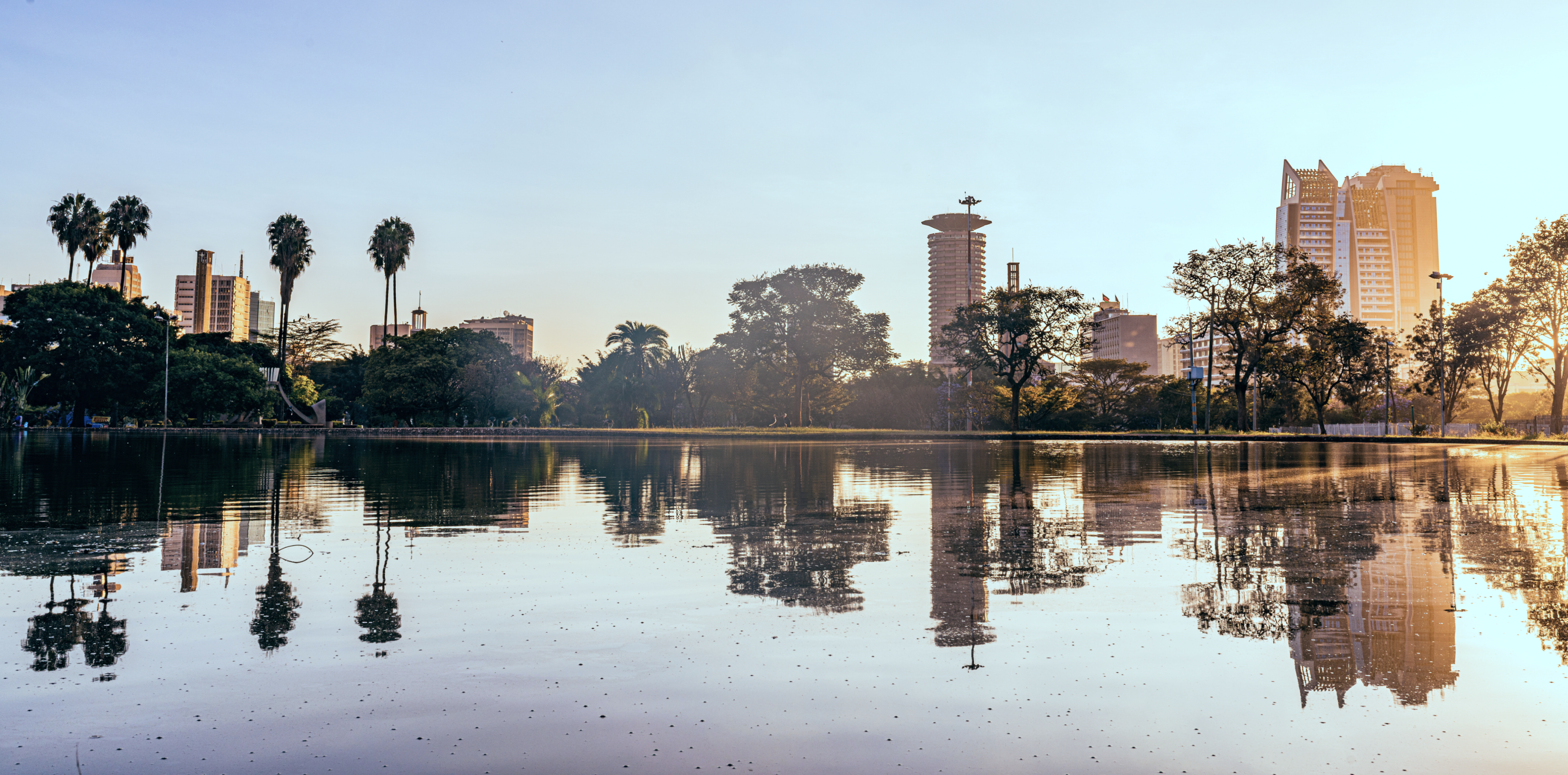
Gigiri is an upscale district in northern Nairobi, home to embassies, UN offices, and high-end hotels. It matters for business travelers and visitors with meetings in the diplomatic quarter, while still giving access to Karura Forest and nearby shopping centers.
Best for: Diplomatic visits, business trips, and travelers who value security and proximity to UN offices
What to expect: Controlled, low-key streets with embassy traffic, hotel guests, and limited casual foot traffic.
Hotel prices: Usually about $120 to $300 per night for well-rated stays
Distance to major sights: About 10 to 20 minutes on foot to the Village Market; about 20 to 35 minutes by car to the city center
Quietness: Quiet in the evening and very subdued late at night, with daytime activity concentrated around offices and hotels.
Main trade-off: Dining and nightlife are limited compared with Westlands, and central sights sit farther away.
Good to know: If your schedule is mostly meetings, check airport transfer times carefully, because morning traffic can still stretch the ride to NBO.
Travelers usually avoid staying in Nairobi West, South C, and parts of Eastleigh, since they sit farther from most major sights and many hotel areas serve daily commuter traffic rather than visitors. Kileleshwa can also be less convenient if you want to move around on foot, because dining and visitor amenities are more spread out and evening travel usually requires a taxi.
Hotel deals
How to get around Nairobi efficiently
Nairobi has no metro, so most visitor trips depend on taxis, ride-hailing apps, and matatus that connect the airport corridor, Westlands, Kilimani, Karen, Gigiri, and the CBD.

Commuter rail
for limited suburban routes
Nairobi has no metro system; the nearest rail option for visitors is the commuter rail on a few suburban lines, but it serves local traffic more than airport transfers. For most trips from Nairobi (NBO), plan on road transport instead, since rail stations do not cover the airport area and service is limited by timetable and station access.

Bus
for convenience
Matatus carry most city trips in Nairobi, and fares are usually about $0.30 to $1.50 depending on distance, paid in cash when boarding or to a conductor. Routes cover the airport corridor, the CBD, Westlands, Karen, and major shopping areas, but headways vary and the vehicles fill quickly, so allow extra time if you are connecting to a flight.

Taxi
for convenience or late hours
Licensed taxis and app-based cars use metered or app-priced fares rather than fixed citywide taxi fares, with short rides often about $4 to $10 and airport trips to central Nairobi usually about $15 to $30 depending on traffic and pickup point. At Nairobi (NBO), prebooked hotel cars and ride-hailing apps are the easiest way to avoid negotiation, and most drivers accept cash or mobile money, while cards are less common outside app bookings.
*Prices are based on rates updated as of June 2026 and may change at the time of travel.
Use taxis or Uber and Bolt for point-to-point rides, matatus for low-cost city hops when you do not mind waiting, and walking mainly within compact areas such as Gigiri or around hotel clusters.
Iconic landmarks
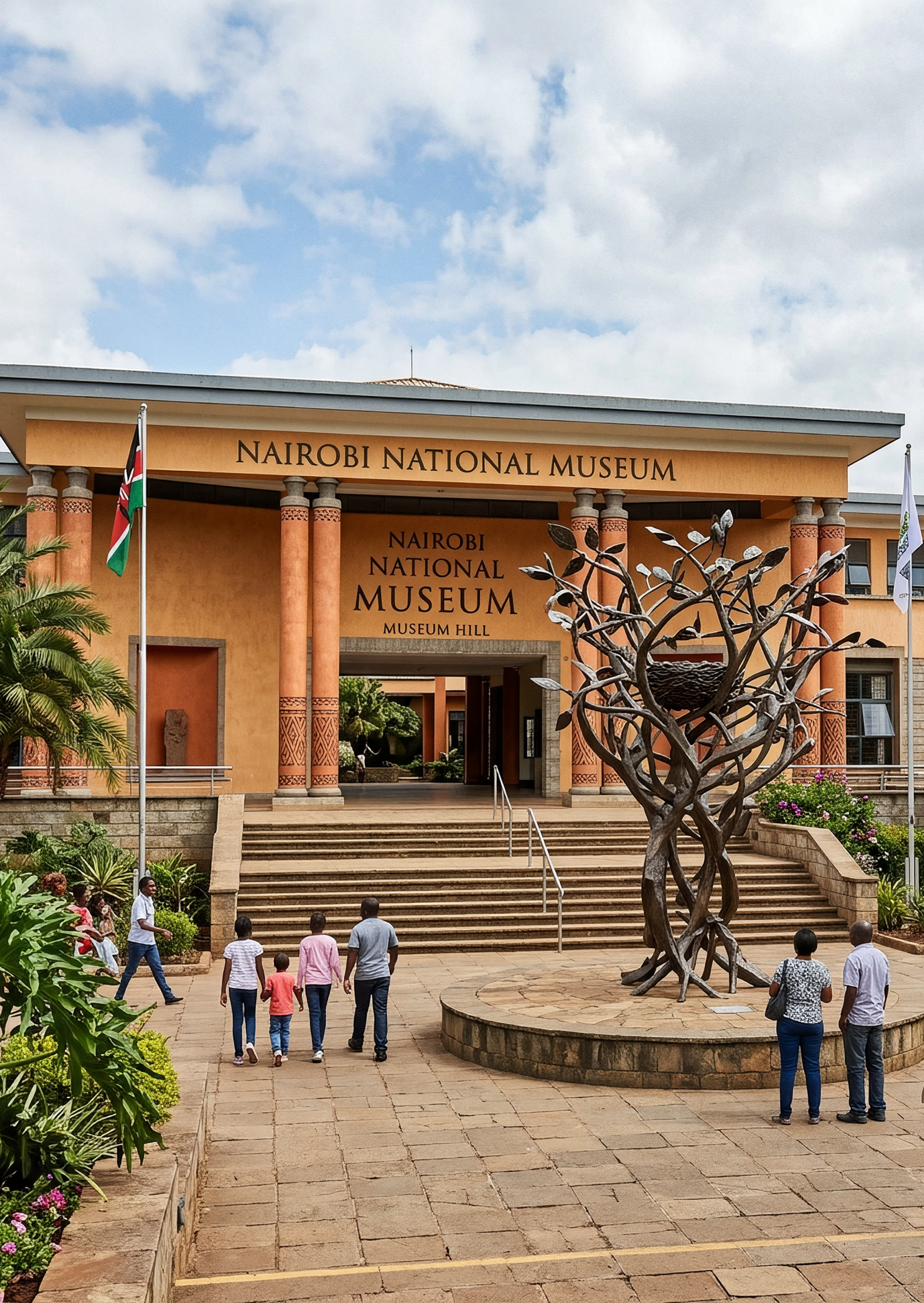
Nairobi National Museum
Kenya’s main museum pairs archaeology, natural history, and art under one roof. Highlights include the Turkana Boy cast, bird galleries, and rotating exhibitions that place the city’s history in a wider national frame.
Time needed: About 2 to 3 hours
Entry: Standard admission costs about $10 to $15 (KSh 1,200 to KSh 1,800), with lower rates for Kenyan residents and children Visit the official site for details.
Tip: Go earlier in the day, when galleries are quieter and the light is softer outside.
Karen Blixen Museum
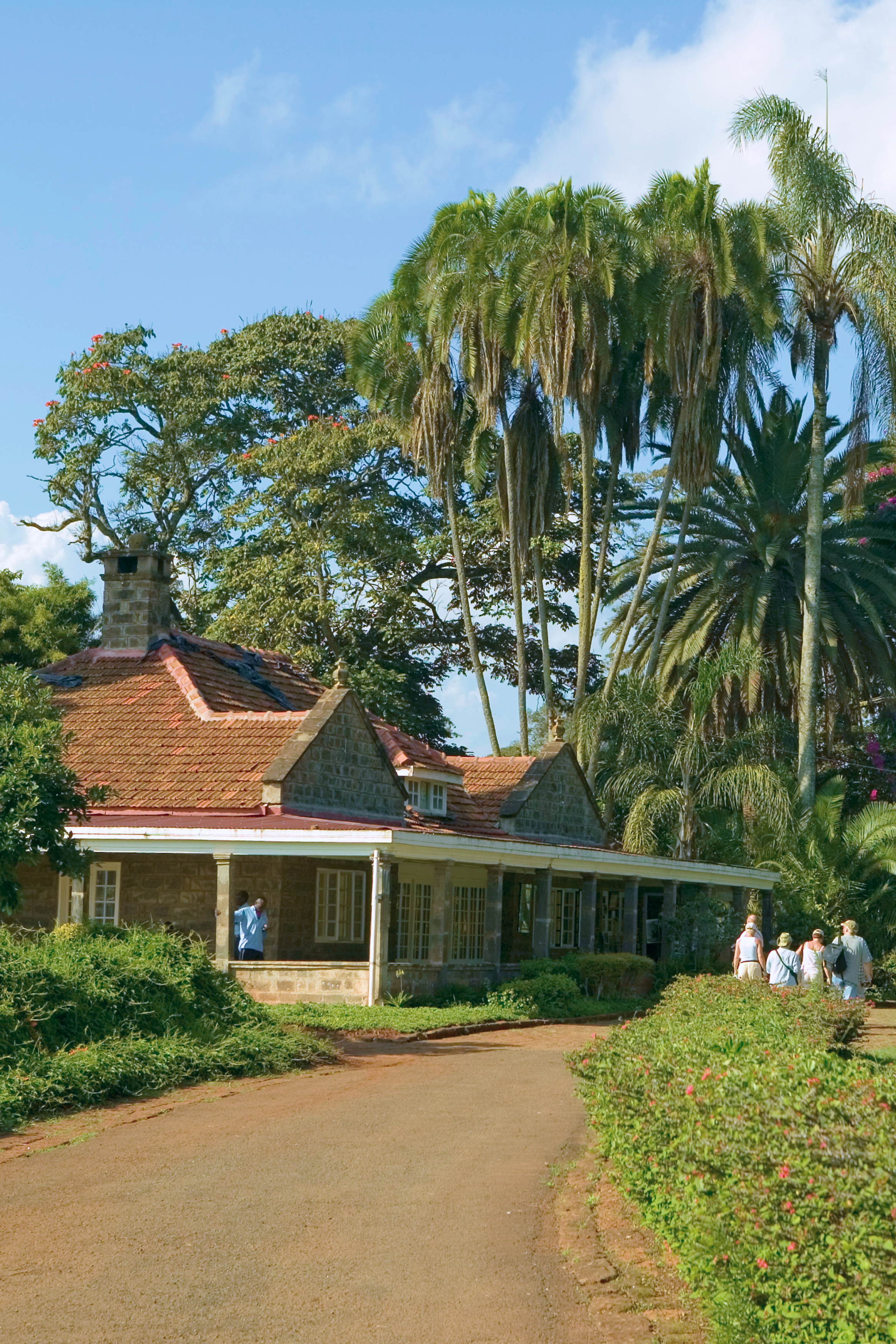
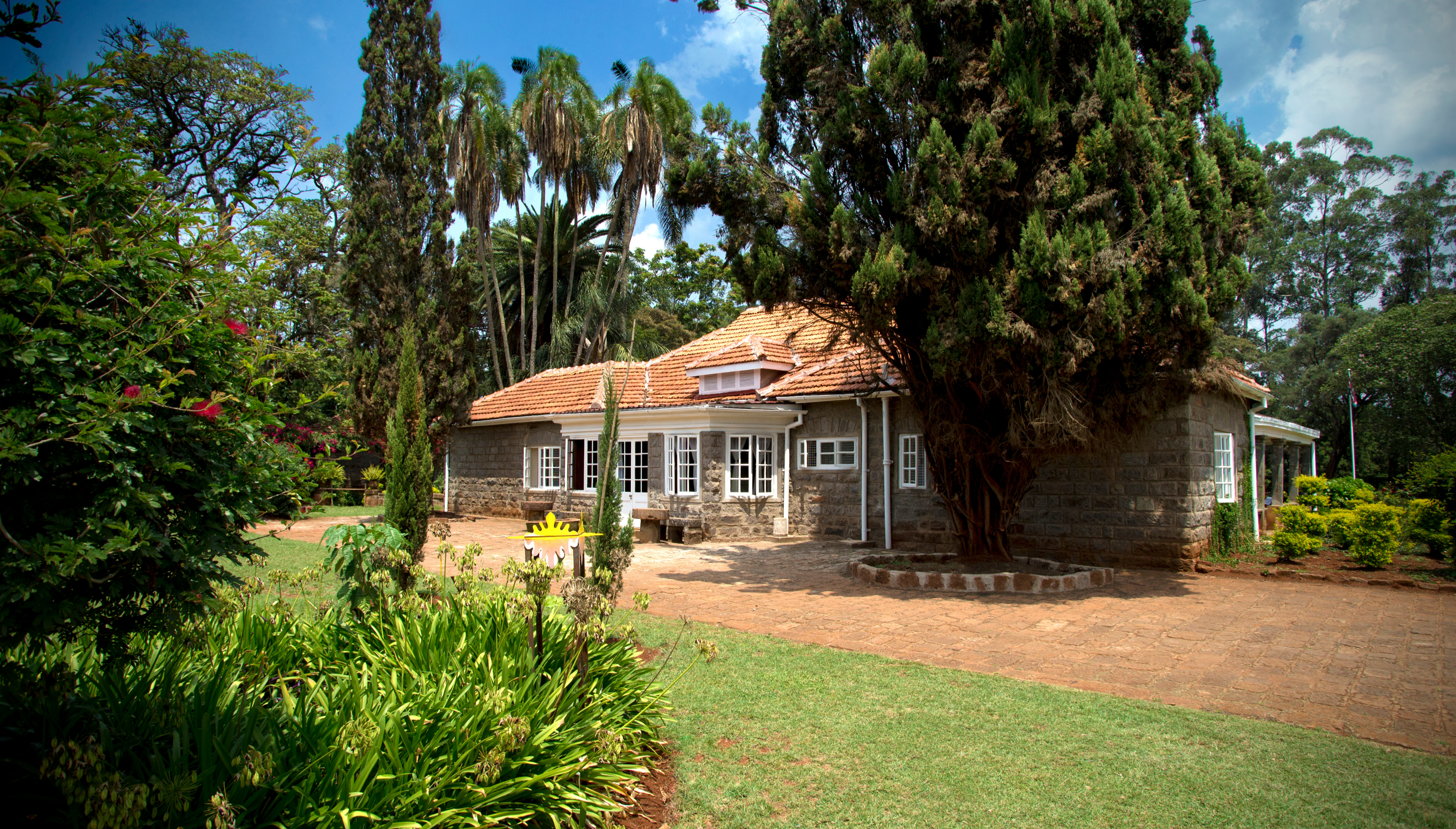
Set in the former farmhouse of the Danish author, the museum preserves her home, gardens, and period furnishings. It sits in Karen, with views toward the Ngong Hills that anchor the visit in the city’s colonial past.
Time needed: About 1 to 2 hours
Entry: Admission costs about $8 to $12 (KSh 1,000 to KSh 1,400), with reduced rates for residents and students Visit the official site for details.
Tip: Visit in the morning, when the gardens are cooler and the house is less crowded.

Sheldrick Wildlife Trust
This rescue center near Nairobi National Park cares for orphaned elephants and rhinos before release. Public visiting hours are brief and guided, so the experience centers on feeding time and close views of the animals.
Time needed: About 1 hour
Entry: General admission costs about $5 to $10 (KSh 500 to KSh 1,200), with higher rates for nonresident donors and special access visits Visit the official site for details.
Tip: Arrive early for the viewing line, since the public session begins at a fixed time.
Overlooked sites worth visiting

Karura Forest
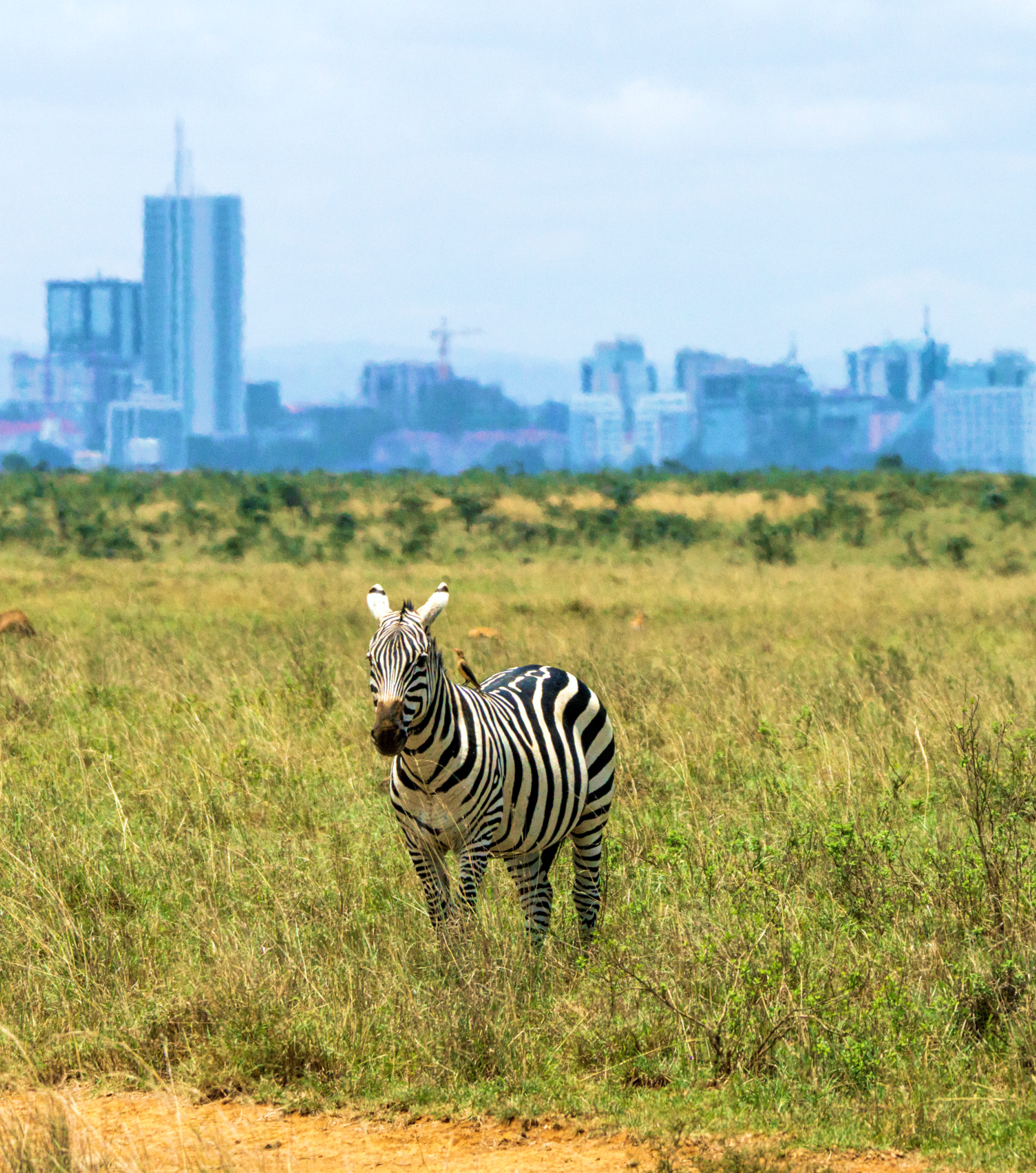
This urban forest west of the city center has marked trails, bamboo stands, and waterfalls, with cyclists, joggers, and birders using the paths on weekdays. It offers a quieter look at Nairobi’s native woodland.
Time needed: About 2 to 4 hours
Entry: Entry costs about $3 to $6 (about KSh 400 to KSh 800) for adults, depending on the gate and activity; some trail sections and guided walks carry separate fees, and bicycle hire is extra. Check current gate rates before you go Visit the official site for details.
Tip: Go early for cooler trails and less vehicle traffic at the gates.
Kazuri Beads Women's Cooperative
On the edge of Karen, this small workshop shows bead making and pottery in progress, with hand-painted pieces drying on racks and finished work in a compact showroom. It gives a close look at a long-running women-led craft enterprise.
Time needed: About 1 hour
Entry: Guided visits and showroom access are typically free to enter, though prices vary if you buy jewelry or pottery on site. If you join a paid workshop or private tour, expect fees to vary by group size and activity; confirm current terms directly with the cooperative Visit the official site for details.
Tip: Visit midmorning to watch the workshop before lunch break.
Traditional food
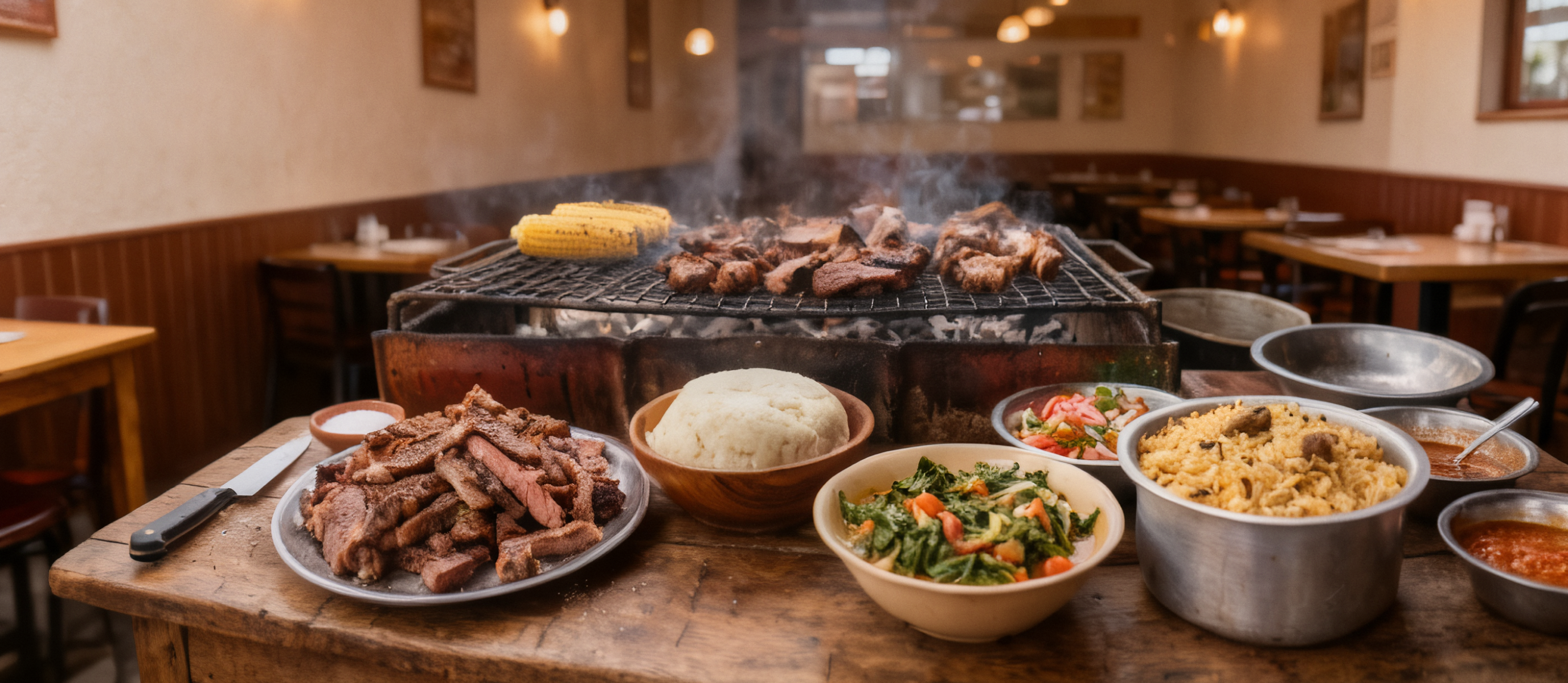
Nairobi’s cooking leans on grilled meat, maize, greens, and rice dishes with peppery spices, with nyama choma, ugali, sukuma wiki, and pilau anchoring many menus in casual lunch spots and late dinners.
Nyama choma
This grilled meat, often goat or beef, belongs on a Nairobi table when the day ends with friends and a cold drink. Carnivore Restaurant is the classic city choice, with a menu built around charcoal grilling.
Ugali
Kenya’s maize staple arrives as a firm, plain mound meant to be eaten with meat or vegetables. For a polished take in the city, Talisman Restaurant serves it alongside well-finished Kenyan plates.
Sukuma wiki
These sautéed collard greens are a Nairobi everyday side, usually served with ugali or rice. Mama Oliech’s Restaurant is a dependable place to order a classic plate with a local crowd.
Pilau
This spiced rice dish shows up at lunches, family meals, and festive tables across the city. At 1824 Restaurant, the spice profile is bold enough to stand on its own or pair with grilled meat.
Best time to visit Nairobi
Nairobi works well year-round, but the drier months make road trips, forest walks, and outdoor viewing easier, while the wetter periods bring greener scenery and heavier showers.
Best for: Clearer mornings, wildlife visits, and outdoor lunches
What you get: About 78°F to 84°F (26°C to 29°C), with warm days and lighter crowds outside holiday peaks
Trade-offs: Afternoon heat and brief showers can interrupt plans
Best for: Museum time, lower-rate hotel stays, and greener city views
What you get: About 73°F to 81°F (23°C to 27°C), with fewer visitors and frequent rain periods
Trade-offs: Mud and showers can slow cross-city drives
Best for: Forest walks, park visits, and long sightseeing days
What you get: About 68°F to 77°F (20°C to 25°C), with dry air and moderate visitor numbers
Trade-offs: Cooler mornings call for an extra layer
Best for: Mixed sightseeing, craft visits, and flexible neighborhood dining
What you get: About 74°F to 83°F (23°C to 28°C), with warming days and patchy rain
Trade-offs: Short storms can affect late-afternoon movement
A realistic 5-day plan in Nairobi
Five days in Nairobi work best when you stay within one side of the city at a time. The plan below links central museums, Karen’s southern sights, and a final day close to your hotel or airport transfer.
Land at Nairobi (NBO) and take a taxi or prebooked hotel car into Westlands, which usually takes about 25 to 45 minutes and costs roughly $15 to $30, depending on traffic and pickup point. If you are staying in Kilimani, the ride often runs about 20 to 35 minutes and costs about $12 to $25; Karen takes longer, about 35 to 60 minutes and usually about $18 to $35. After check-in, rest at the hotel, drink plenty of water, then keep dinner close by, with a simple meal at a Westlands restaurant or cafe before an early night.
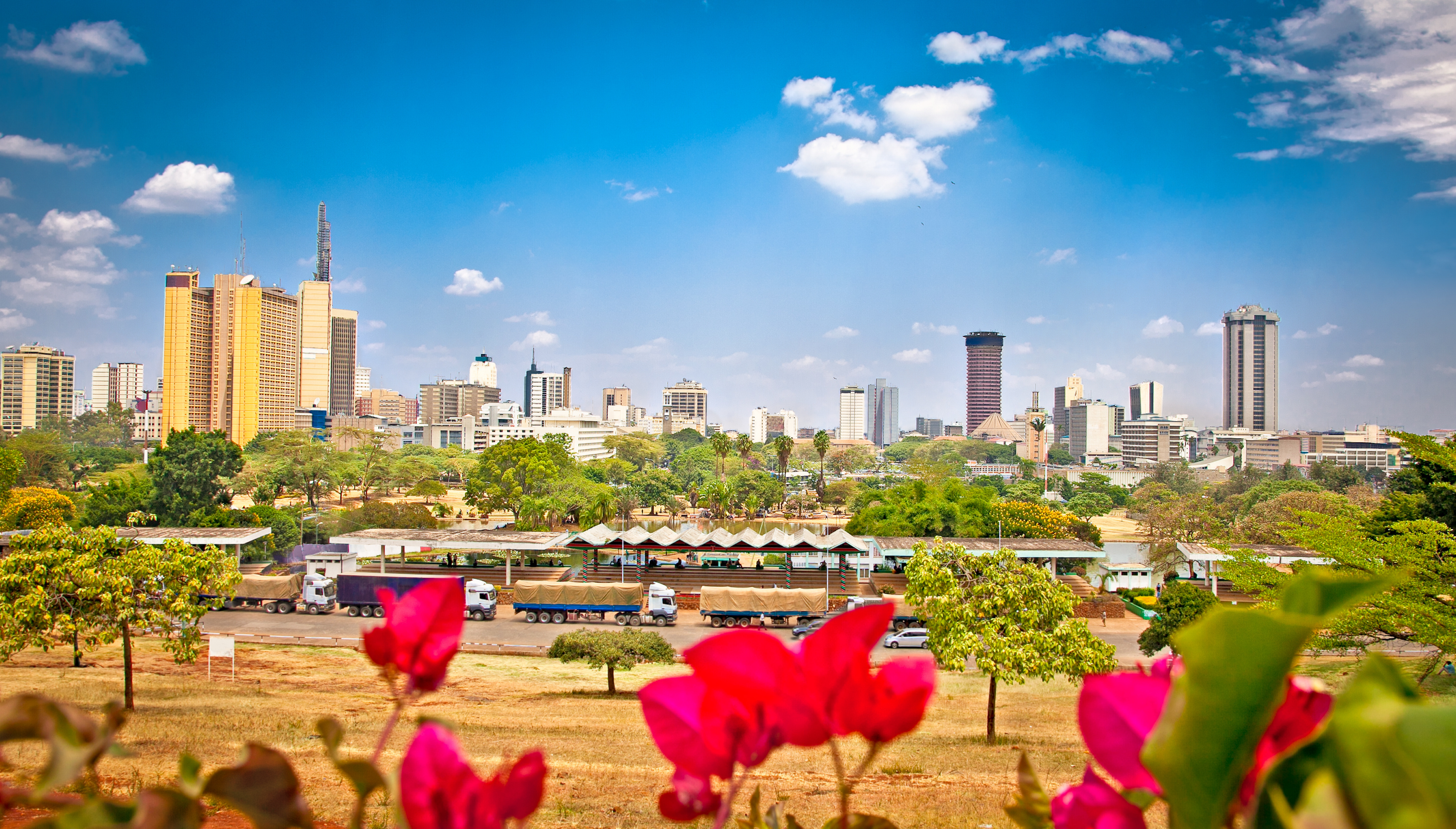
Start at the Nairobi National Museum, best visited in the morning, and plan on about 2 to 3 hours there. From Westlands, expect a taxi ride of about 15 to 25 minutes; from Kilimani, about 10 to 20 minutes. After the museum, continue to Karura Forest, which sits about 20 to 30 minutes away by car from the museum, and spend the afternoon on a short trail or waterfall walk for a quieter look at the city’s green edge. End with an easy dinner back in Westlands or Kilimani, both about 15 to 25 minutes away by car from Karura depending on the gate you use.

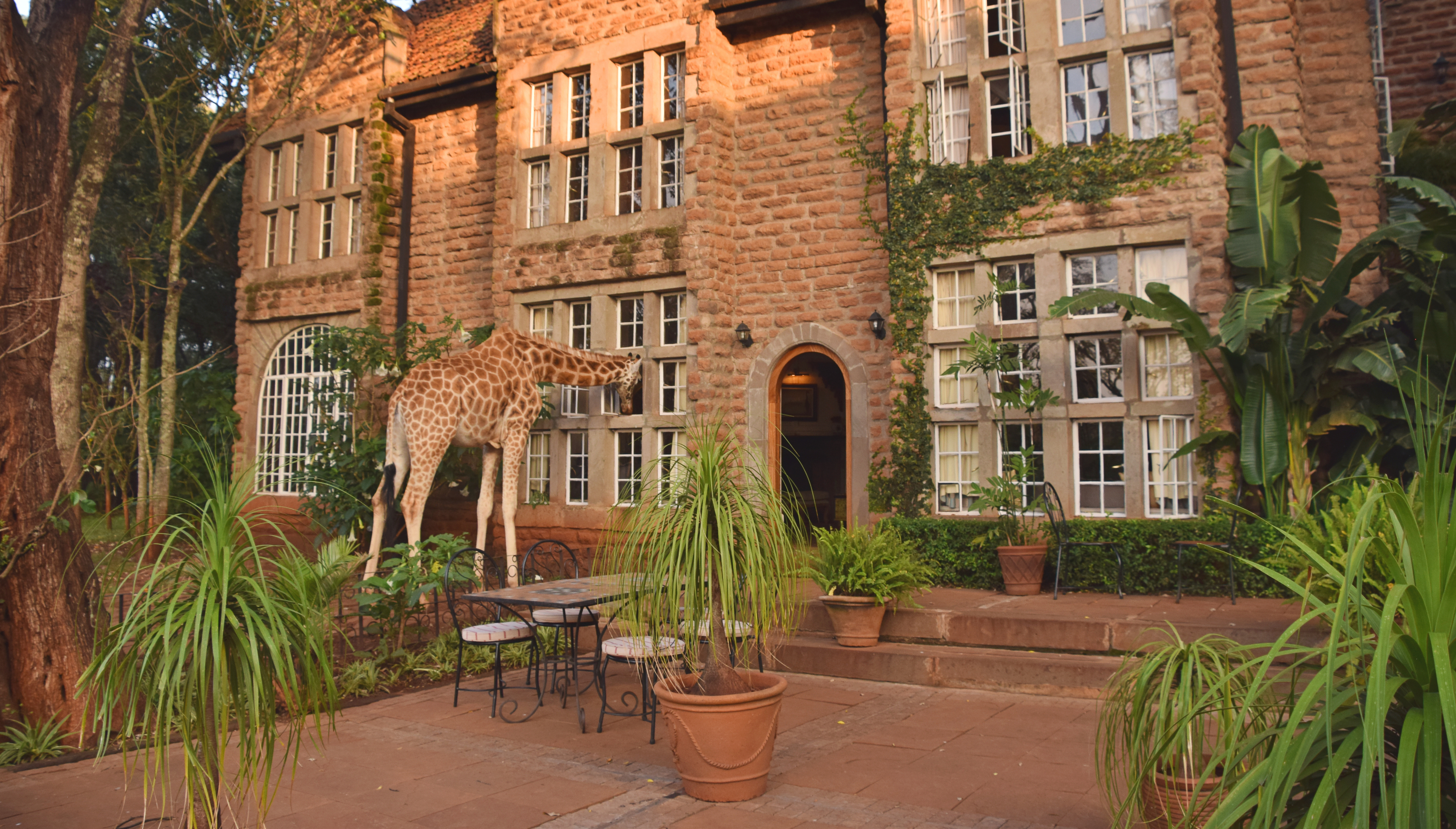
Begin in Karen with the Karen Blixen Museum, where a morning visit works well and the stop takes about 1 to 2 hours. From most central hotels, the drive is about 25 to 40 minutes, and from nearby Karen stays it is often about 10 to 15 minutes. Next, head about 10 to 15 minutes by car to Kazuri Beads Women’s Cooperative on the edge of Karen for a workshop visit and showroom browse, then continue about 15 to 20 minutes to the Giraffe Centre if you want one more wildlife stop in the same part of the city. Wrap up with a late lunch or early dinner in Karen, where the roads stay calmer than in the center and taxi rides are easier to plan point to point.
Make this an early start for Sheldrick Wildlife Trust, because the public viewing session runs on a fixed schedule and the visit itself lasts about 1 hour. If you are staying in Karen, the drive is usually about 25 to 35 minutes; from Westlands or Kilimani, allow roughly 30 to 50 minutes depending on traffic. Afterward, head about 15 to 25 minutes to Nairobi National Park gates for a short wildlife outing or a scenic drive, then finish in Gigiri for a quieter dinner near the Village Market, which is about 10 to 20 minutes on foot from many Gigiri hotels.
Begin with a final museum stop if time before checkout allows, then keep the rest of the day close to your hotel rather than crossing town again. In Westlands, browse one last mall or café terrace before an airport transfer; in Kilimani, stop for coffee on the neighborhood’s cafe streets; in Karen, pair a relaxed brunch with a final walk among the gardens; and in Gigiri, the Village Market gives you an easy shopping stop within walking distance of many hotels. Reserve your taxi to Nairobi (NBO) with extra time, since even a direct ride from central neighborhoods can stretch to 30 to 60 minutes in daytime traffic.

Business-class flights from the US to Nairobi

Business-class tickets to Nairobi vary by origin, but the best routes usually route through major Gulf, Turkish, or East African hubs. The examples below show how that plays out from New York and Los Angeles.
From New York, airlines such as Emirates, Qatar Airways, Turkish Airlines, Ethiopian Airlines, and British Airways typically route via Doha, Dubai, Istanbul, Addis Ababa, or London. One-stop itineraries through those hubs often shave several hundred dollars off the fare, and round-trip prices usually start at $4,500 and can reach $7,500.
Los Angeles travelers usually see Qatar Airways, Emirates, Turkish Airlines, Ethiopian Airlines, and British Airways on one-stop itineraries via Doha, Dubai, Istanbul, Addis Ababa, or London. Expect roughly $4,800 to $8,000 for a round trip, with peak dates and shorter connection windows pushing prices higher.
Nairobi feels different when you slow down
A good Nairobi stay follows the city’s actual geography: Westlands for dining, the museum corridor for a central morning, Karen for Blixen, Giraffe Centre, and calmer roads, then Gigiri or your hotel area for an easier final evening. Taxis, ride-hailing apps, and selected matatu hops each have a place if you match them to distance and time of day. If you want help shaping the route, the AranGrant experts can build a Nairobi plan around the neighborhoods and sights that fit your schedule