

Chapters:

Need help with your trip?
Our support team is available 24/7. Request a callback or call us directly at (833) 619-0908
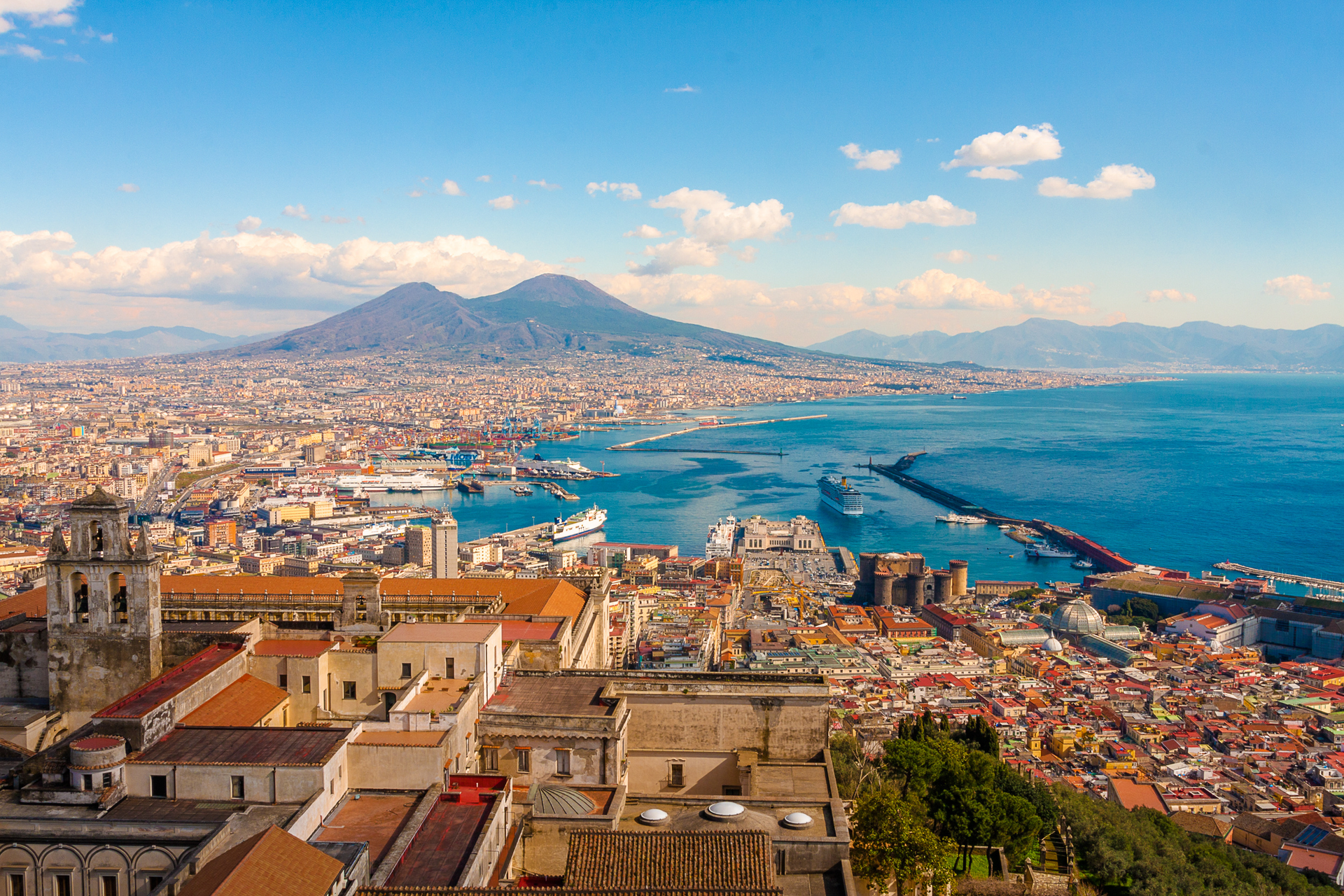
Naples often gets treated as a quick stop for Pompeii, a pizza meal, and one night in the center, which leaves the city’s layered streets and hillside neighborhoods underused.
That shortcut misses how much time the old town, the waterfront, and the museums need once you factor in traffic, long walks, and stairs between districts.
This guide maps the city in a calmer order, so you can pair the center with the hills, the coast, and a day out to Pompeii without losing half the trip to backtracking.
Useful things to know
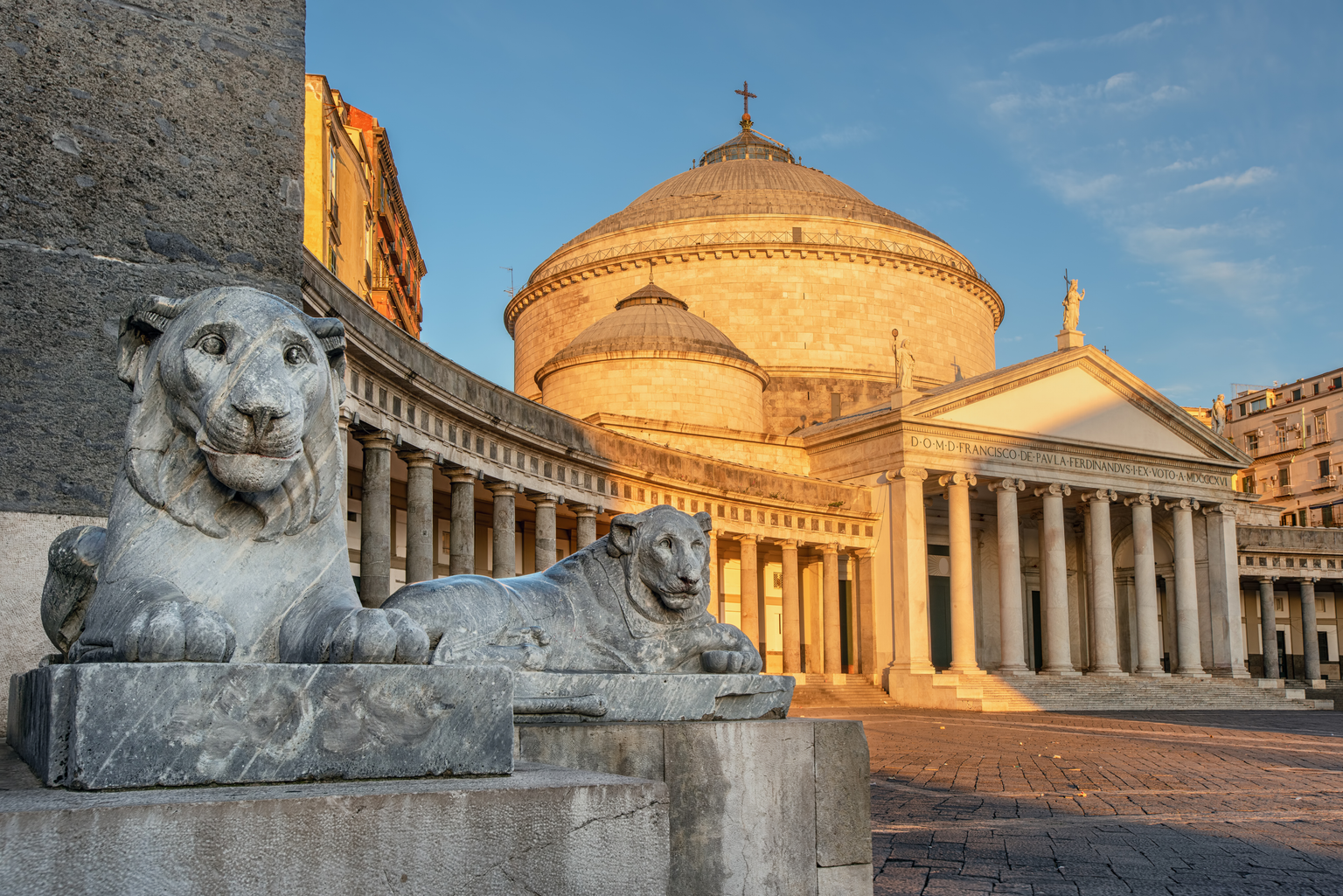

Main language(s): Italian
Ciao (chow) – Hello / hi
Per favore (pehr fah-VOH-reh) – Please
Grazie (GRAHT-tsyeh) – Thank you
Parla inglese? (PAHR-lah een-GLEH-seh) – Do you speak English?
Quanto costa? (KWAN-toh KOH-stah) – How much does it cost?

Currency: The local currency is the euro (EUR, €).

Cash and cards: Cards and contactless are widely accepted; keep about €20 to €40 ($22 to $43) in cash for small buys and taxis.

Tipping: Round up small bills and leave 5-10% for good table service; taxis do not expect a tip.

Traditional food: Pizza Margherita, Spaghetti alle Vongole, Parmigiana di Melanzane, Sfogliatella

Water and coffee costs: Water ~€2 ($2), bar espresso ~€1.50 to €2.50 ($2 to $3).

Taxis and ride apps: Uber and Free Now operate here; street taxis are common too.

Plug and voltage: Type C/F socket, 230V

Dining and shop opening hours: Breakfast is about 7:00-10:00 am, lunch 1:00-3:00 pm, and dinner 8:00-10:30 pm. Many restaurants close midafternoon and reopen for dinner.

Emergency number: 112 for police, fire, and medical emergencies.
Where to stay in Naples
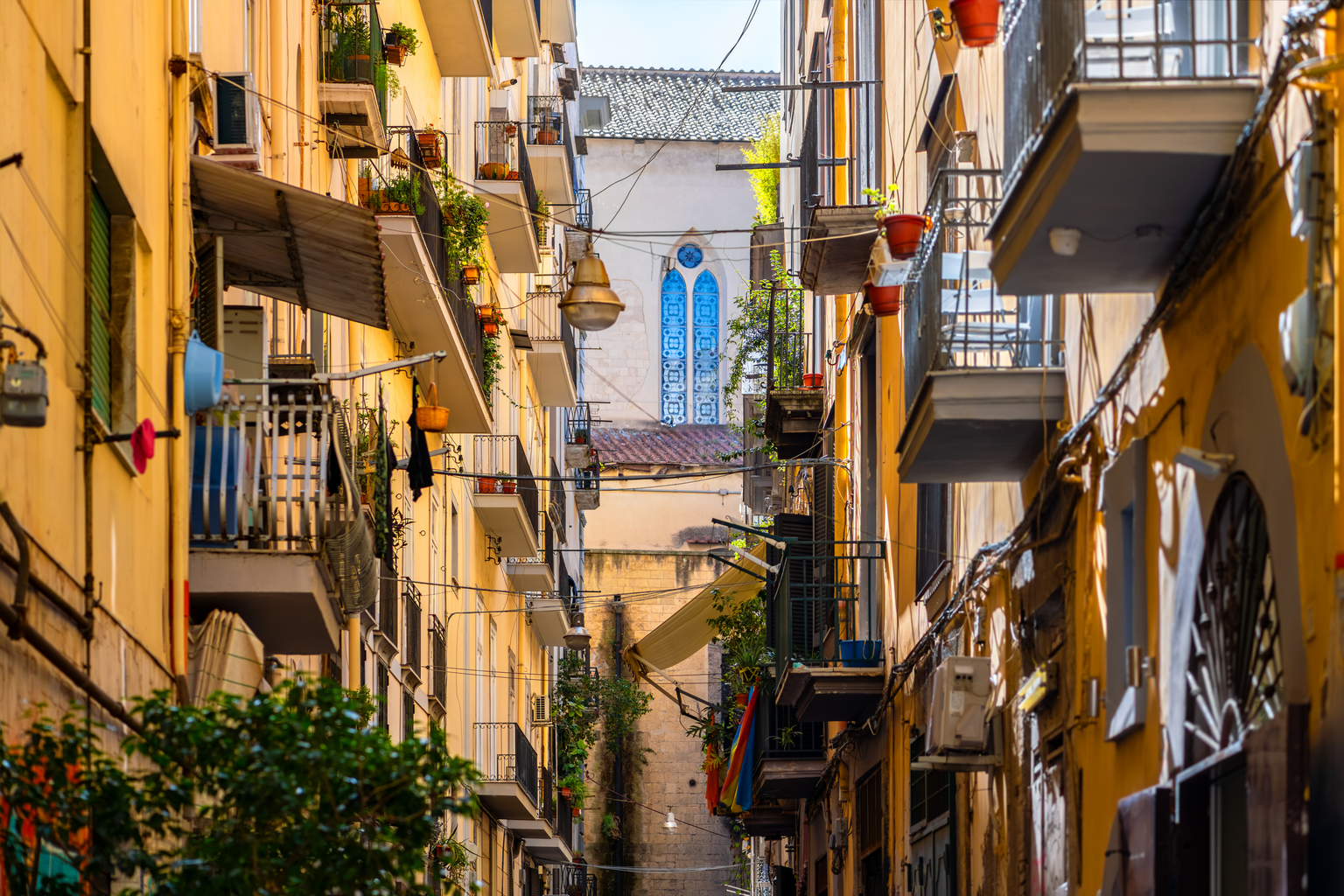
Naples’s historic core packs churches, piazzas, workshops, and narrow lanes around Spaccanapoli and Via dei Tribunali. It suits travelers who want the city’s main sights, street food, and easiest access to some of Naples’s most important monuments.
Best for: First-time visits, sightseeing, and eating your way through the old town
What to expect: Dense pedestrian streets, constant movement, scooters at the edges, and a long day-to-night flow of locals and visitors.
Hotel prices: Usually about $120 to $240 per night for well-rated stays
Distance to major sights: About 5 to 15 minutes on foot to Naples Cathedral and the Sansevero Chapel; roughly 20 minutes by transit to the port
Quietness: Busy through the day and lively well into the evening, with late noise on the main lanes and plazas.
Main trade-off: The central location brings more foot traffic and occasional street noise, and many buildings have smaller rooms or older lifts.
Good to know: Choose a room on a side street if you are light sleeper, because the main lanes can stay active after dinner.
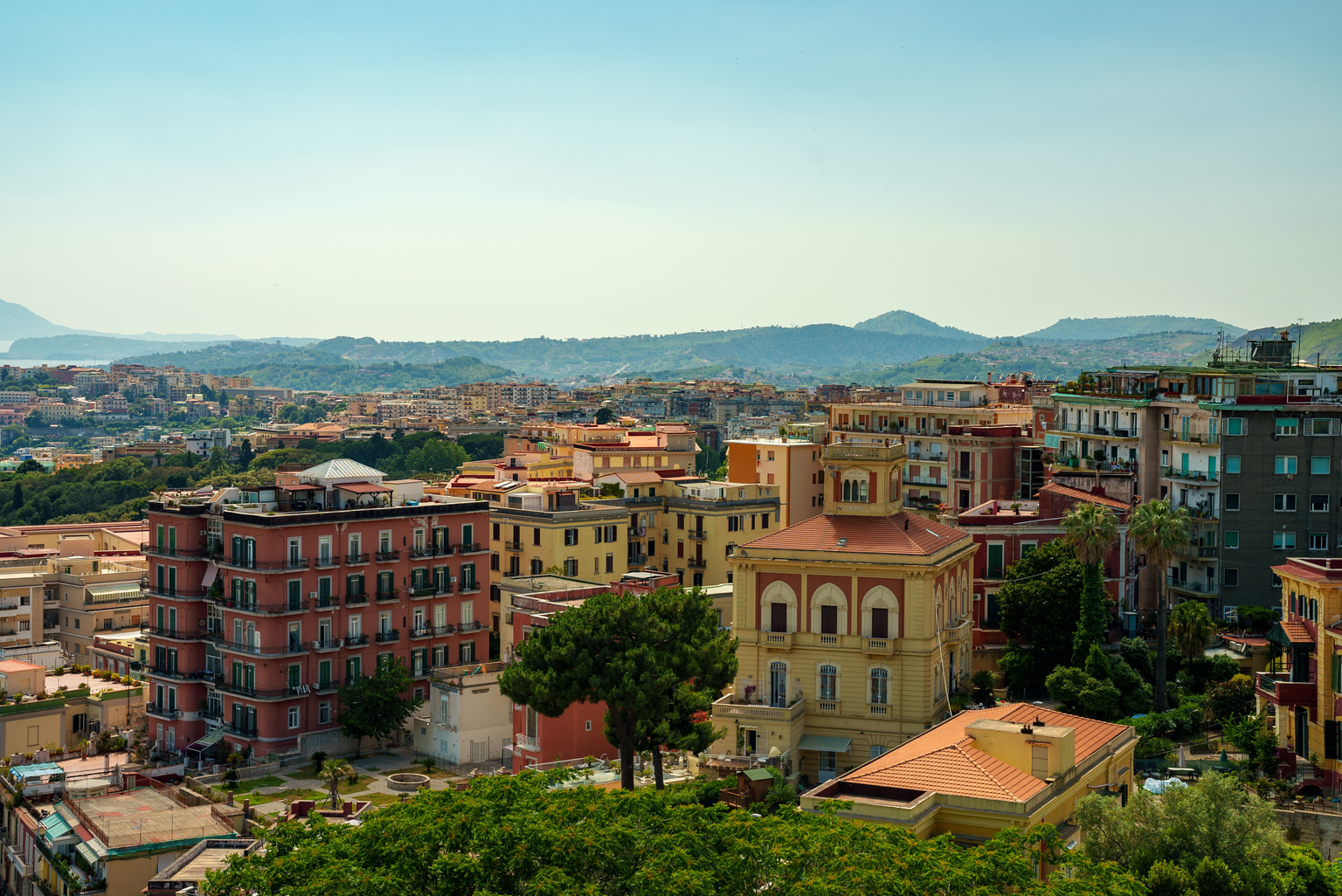
Chiaia is Naples’s upscale waterfront district, with boutiques, cafés, and a cleaner residential feel than the old center. It works well for travelers who want sea views, elegant streets, and easy access to the promenade and western museum district.
Best for: Couples, shopping, seafront walks, and a calmer upscale base
What to expect: Wide sidewalks, evening dining, polished storefronts, and steady but less chaotic street life than central Naples.
Hotel prices: Usually about $160 to $320 per night for well-rated stays
Distance to major sights: About 15 to 25 minutes on foot to Piazza del Plebiscito; roughly 20 to 30 minutes by transit to the National Archaeological Museum
Quietness: Quieter during the day than the historic core, with livelier restaurant streets at night and calmer side roads.
Main trade-off: You will spend more, and reaching the oldest streets and churches takes extra time on foot or by transit.
Good to know: If your plans center on evenings near the waterfront, book close to Via Chiaia or the promenade, not deep inside the hillier side streets.

Vomero sits on the hill above central Naples and combines apartment blocks, cafés, and local shopping streets with broad city views. It matters for visitors who want an easier residential base and quick metro access while staying away from the busiest lanes below.
Best for: Families, longer stays, and travelers who prefer a residential base with transit access
What to expect: Local neighborhood streets, busy shopping avenues, and more residents than tourists, especially outside the main squares.
Hotel prices: Usually about $110 to $220 per night for well-rated stays
Distance to major sights: About 10 to 15 minutes by metro to Naples National Archaeological Museum; roughly 20 minutes by funicular to the historic center edge
Quietness: Brisk on shopping streets by day, then notably calmer in the evenings once cafés close.
Main trade-off: You gain space and a calmer setting, but you will depend on the funicular or metro for most sightseeing.
Good to know: Check the nearest funicular or metro stop before booking, since steep streets can make the walk back feel longer than the map suggests.
Travelers usually avoid staying in Scampia, Secondigliano, and parts of Ponticelli, because they sit far from Naples’s main sights and have fewer visitor-oriented amenities. Bagnoli and the outer stretches of Fuorigrotta are also less convenient for short stays, since they are farther from the historic center and can mean longer evening travel after dinner.
Hotel deals
How to get around Naples efficiently
Naples rewards a mix of walking, metro, funicular, bus, and taxi use, because Line 1, Line 2, and the hill links each cover different parts of the city.

Metro
for longer distances
Naples has two metro lines that matter for visitors, Line 1 links the airport area indirectly through Garibaldi station and reaches the historic center, Chiaia, and Vomero, while Line 2 connects Garibaldi with Mergellina and western Naples; a single ride costs about $1.55 (€1.40) and tickets are valid for 90 minutes, with frequent service on Line 1 from about 6:00 am to 11:00 pm and shorter hours on some other lines.

Bus and tram
for convenience
ANM buses and a small tram network cover the city more widely than the metro, including links toward Capodichino, the seafront, and outlying neighborhoods; tickets cost about $1.55 (€1.40) for 90 minutes, and day passes are sold for about $4.40 (€4.00), but buses can be slower in traffic and you need to validate once on board or at the machine before the trip.

Taxi
for convenience or late hours
Licensed taxis use metered fares for most trips, but Naples also has fixed city fares on several common routes, including the airport, port, and station area; from Naples Airport to the center, expect about $25 to $35 (€25 to €35) by set fare, while a metered city ride often lands at about $9 to $20 (€8 to €18) depending on distance and traffic, and taxis can be taken from official ranks, booked by phone, or caught if the roof light is on.
*Prices are based on rates updated as of June 2026 and may change at the time of travel.
Walk in Centro Storico and along the waterfront, use the metro and funicular for hill-to-center moves, and rely on taxis when you need a fixed fare from the airport or a late return across town.
Iconic landmarks

Naples National Archaeological Museum
One of Italy’s great classical museums, it holds sculptures, mosaics, and frescoes from Pompeii and Herculaneum, plus the Farnese Collection. Plan extra time for the Secret Cabinet and the Roman floor mosaics.
Time needed: About 2 to 3 hours
Entry: Standard admission costs $24 (€20) for adults, with reduced tickets for eligible visitors; free entry applies on select national museum days Visit the official site for details.
Tip: Go early, then head to the mosaics before the midday galleries fill.

Centro Storico and Spaccanapoli
Naples’ historic center compresses churches, palaces, workshops, and street life into a dense grid of lanes. Spaccanapoli cuts through it, linking Santa Chiara, San Domenico Maggiore, and countless chapels.
Time needed: About 2 to 4 hours
Entry: Free to access, with separate fees for paid sights such as chapels, museums, and cloisters along the walk.
Tip: Walk it in the morning for lighter crowds and easier photos in narrow lanes.

Pompeii Archaeological Park
Inside the walls of Pompeii, streets, houses, baths, and theaters preserve an entire Roman city buried by Vesuvius in 79 AD. Highlights include the Forum, Villa of the Mysteries, and the plaster casts.
Time needed: About 4 to 6 hours
Entry: Standard admission costs $22 (€18) for adults, with combined options for special sites and reduced rates for eligible visitors Visit the official site for details.
Tip: Start at the earliest gate, then save the Forum for the clearest midday light.
Overlooked sites worth visiting

Cimitero delle Fontanelle
A vast hillside ossuary in a former tuff quarry, lined with skulls and bones adopted by local devotees. The site gives a rare look at Naples’ popular religious customs and burial history.
Time needed: About 1 hour
Entry: Admission is free, and the site typically opens for timed visits during daytime hours. Donations are welcome, but there is no standard ticket price; check the current schedule before you go, because hours can vary with staffing and maintenance.
Tip: Go early for quieter conditions and softer light.
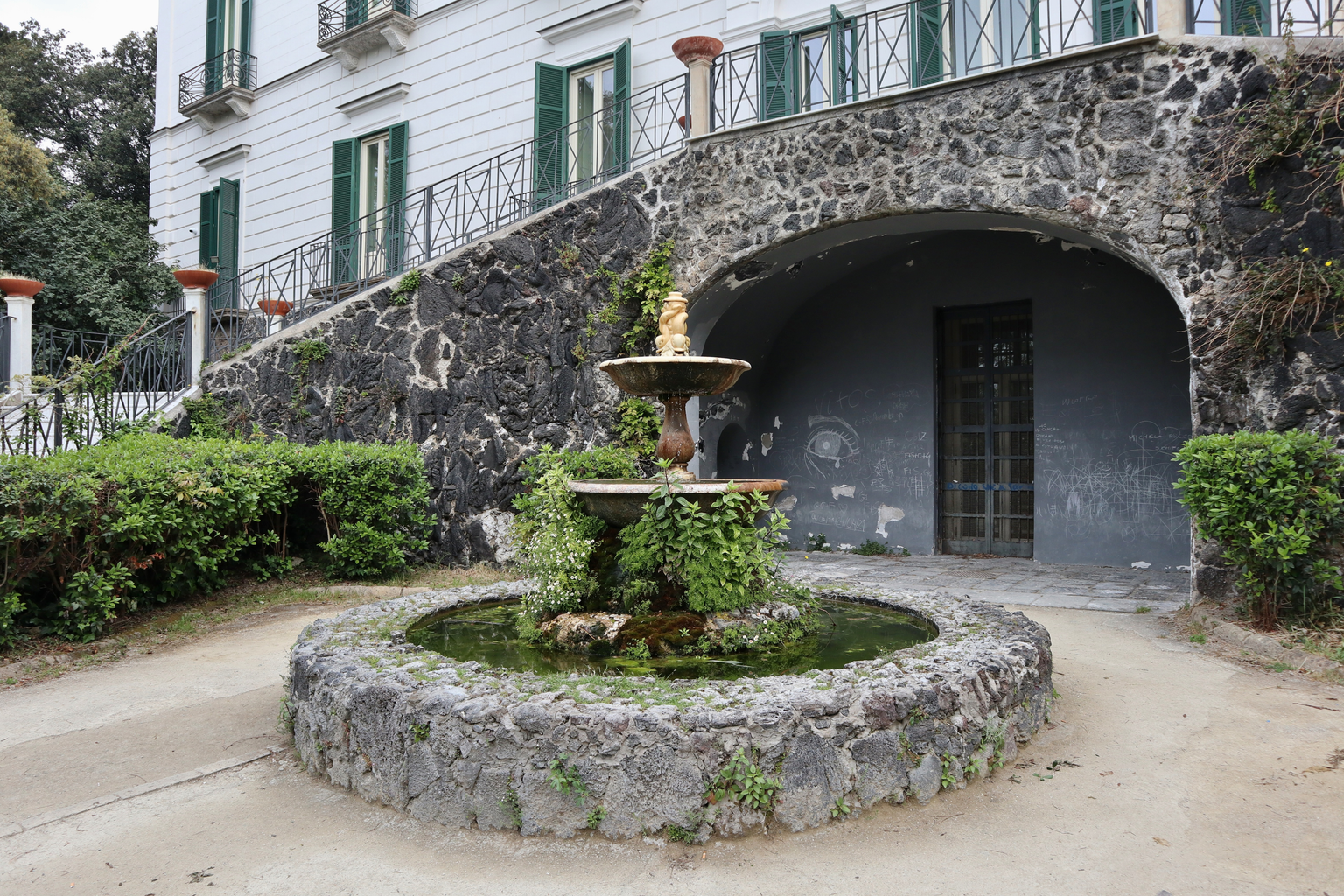
Villa Floridiana and Museo Duca di Martina
This hilltop park offers shady paths, city views, and plenty of benches, while the ceramics museum adds 18th- and 19th-century porcelain, Maiolica, and decorative arts in a compact setting.
Time needed: About 2 hours
Entry: Park entry is free. Museum admission usually costs about $6 to $8 ($5 to €7), with reduced rates for eligible visitors and occasional concessions; opening days and ticket prices can change, so confirm current hours before visiting Visit the official site for details.
Tip: Pair the park first, then enter the museum before closing.
Traditional food

Naples cooks with tomatoes, olive oil, seafood, eggplant, and sharp dairy, then turns them into dishes built for lunch counters, pizzerias, and long evening tables. Expect bright sauces, fried edges, and pastry that leans rich.
Pizza Margherita
The city’s benchmark pizza balances tomato, mozzarella, basil, and a leopard-spotted crust. Da Michele is the classic Naples stop for a stripped-back Margherita.
Spaghetti alle Vongole
Linguine or spaghetti with clams, garlic, parsley, and olive oil makes the harbor’s seafood feel immediate and light. Trattoria da Nennella serves a well-known version in the historic center.
Parmigiana di Melanzane
Baked eggplant layered with tomato sauce, cheese, and basil gives Naples one of its most comforting vegetable dishes. Gino e Toto Sorbillo is a dependable central choice for it.
Sfogliatella
This shell-shaped pastry comes crisp, flaky, and filled with sweet ricotta and citrus. Pintauro is the historic name to know for a sfogliatella in central Naples.
Best time to visit Naples
Naples stays workable year-round, but spring and fall give you the easiest balance of walking weather, museum time, and day trips, while summer adds heat and fuller streets.
Best for: Best for walking the historic center and visiting Pompeii before peak heat
What you get: Expect about 55 to 75°F (13 to 24°C), with manageable crowds and long daylight for sightseeing
Trade-offs: Easter periods and school holidays can push hotel demand higher
Best for: Best for long evenings on the waterfront and late dinners outdoors
What you get: Expect about 72 to 89°F (22 to 32°C), with the busiest visitor flows in the center and at major sights
Trade-offs: Heat, glare, and fuller trains make midday sightseeing slower
Best for: Best for museum time, food-focused trips, and comfortable city walks
What you get: Expect about 60 to 78°F (16 to 26°C), with good shoulder-season availability and less pressure on attractions
Trade-offs: Rain becomes more likely later in the season
Best for: Best for lower hotel rates and easier access to indoor sights
What you get: Expect about 45 to 60°F (7 to 16°C), with lighter crowds at museums and in the old center
Trade-offs: Shorter days and cooler evenings make outdoor plans less flexible
A realistic 5-day plan in Naples
The five-day plan uses Naples the way the city works best, with the historic center first, Pompeii on a separate day, then the waterfront hills and a final slow morning before departure.
Land at Naples (NAP), then take a taxi or rideshare into the Centro Storico, which usually takes about 20 to 30 minutes and costs roughly $28 to $42 (€25 to €38) depending on traffic and luggage. If you prefer public transit, the Alibus to the central station area costs about $6 (€5), then a short taxi or metro ride carries you into the old town. Stay near Spaccanapoli or Via dei Tribunali so you can settle in without a long cross-city transfer, drink water after the journey, and keep dinner simple with pizza or fried street food on a nearby side street.
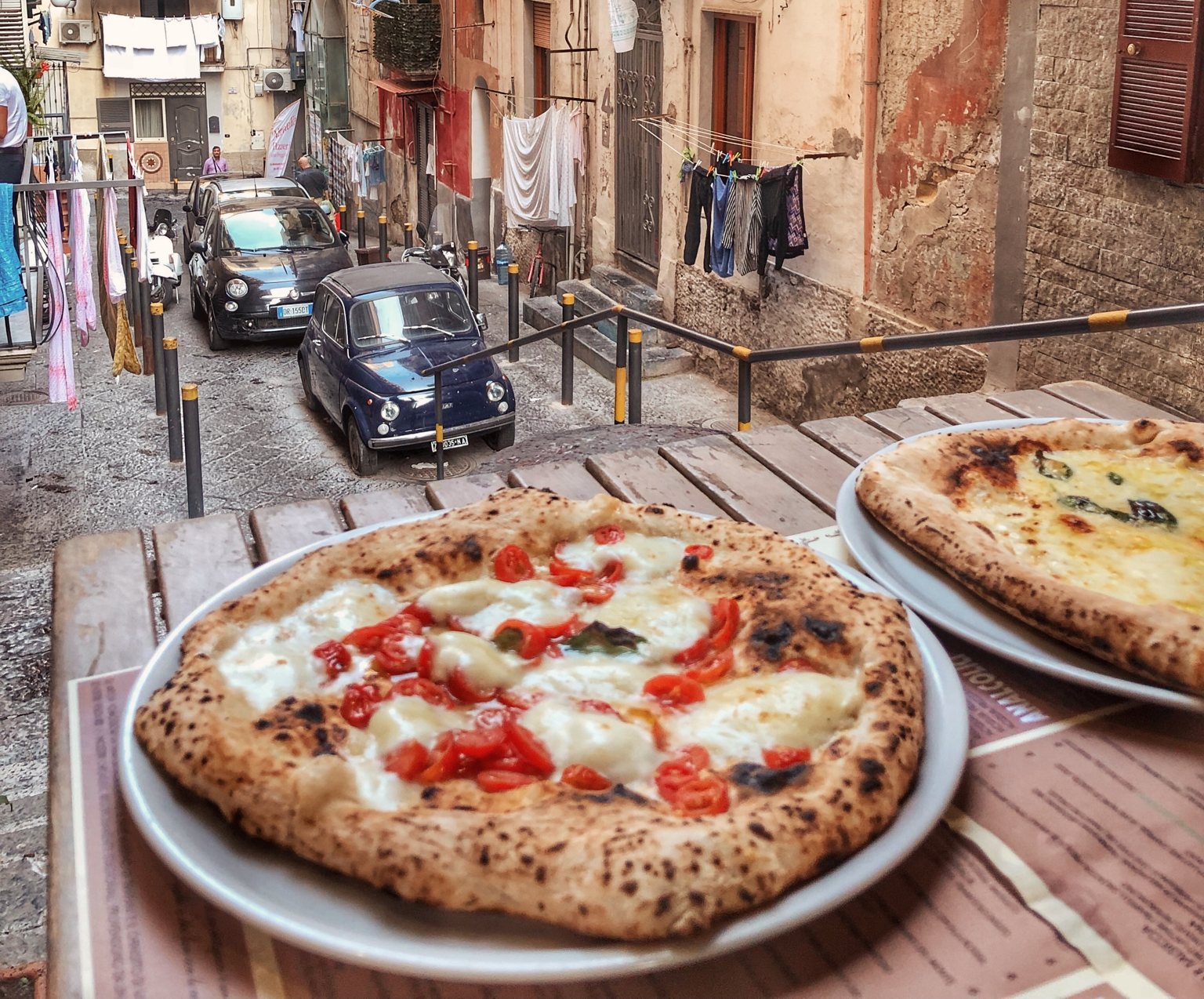
Start in Centro Storico and Spaccanapoli, where churches, workshops, and lanes close together make walking the best way to see the area; plan about 2 to 4 hours here, then add paid stops if you want more time inside Santa Chiara or smaller chapels. After lunch, walk about 15 minutes to the Naples National Archaeological Museum and give it 2 to 3 hours for the Farnese Collection, Pompeii mosaics, and the Secret Cabinet. End with an easy dinner back in the old town, since you can reach most Centro Storico restaurants in about 10 minutes on foot from the museum area.

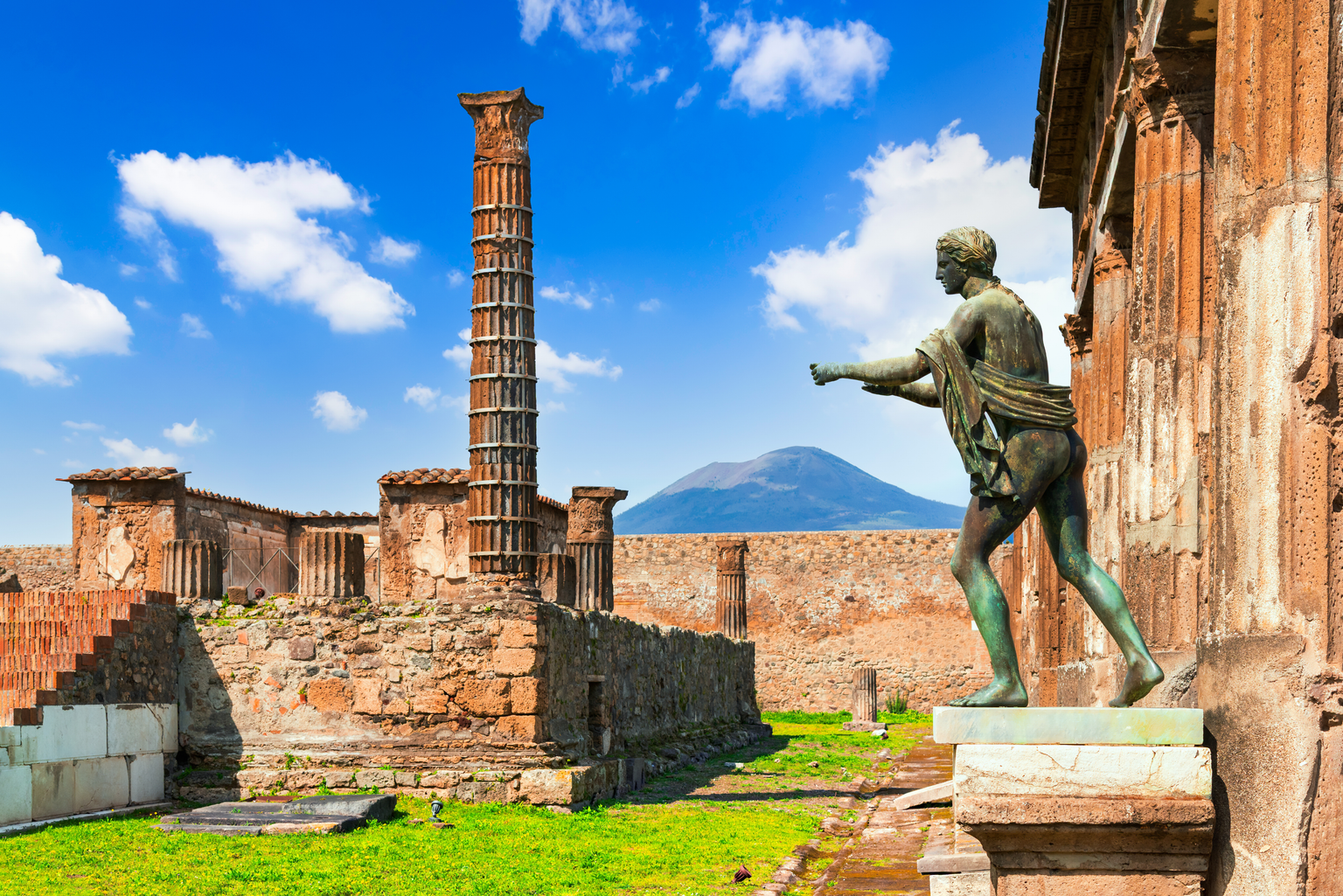
Pompeii deserves the early start, so take the Circumvesuviana or a regional train from Naples, then allow about 35 to 45 minutes each way from the city center to the site. Spend 4 to 6 hours inside the Pompeii Archaeological Park, focusing on the Forum, the plaster casts, and one or two well-preserved houses before the heat builds. Return to Naples for a late lunch or early dinner in Chiaia, where the waterfront streets give you an easier evening after a long walking day.
From Chiaia, reach Villa Floridiana and Museo Duca di Martina in about 15 to 25 minutes by taxi or a mix of funicular and a short uphill walk, then spend about 2 hours between the park paths and ceramics collection. Next, continue to Cimitero delle Fontanelle, which takes roughly 20 to 30 minutes by transit from Vomero or the museum area, and allow about 1 hour for the ossuary and its local religious history. Finish in Vomero for dinner, where the hilltop setting keeps the evening calmer than the center and the metro or funicular makes the ride back easy.
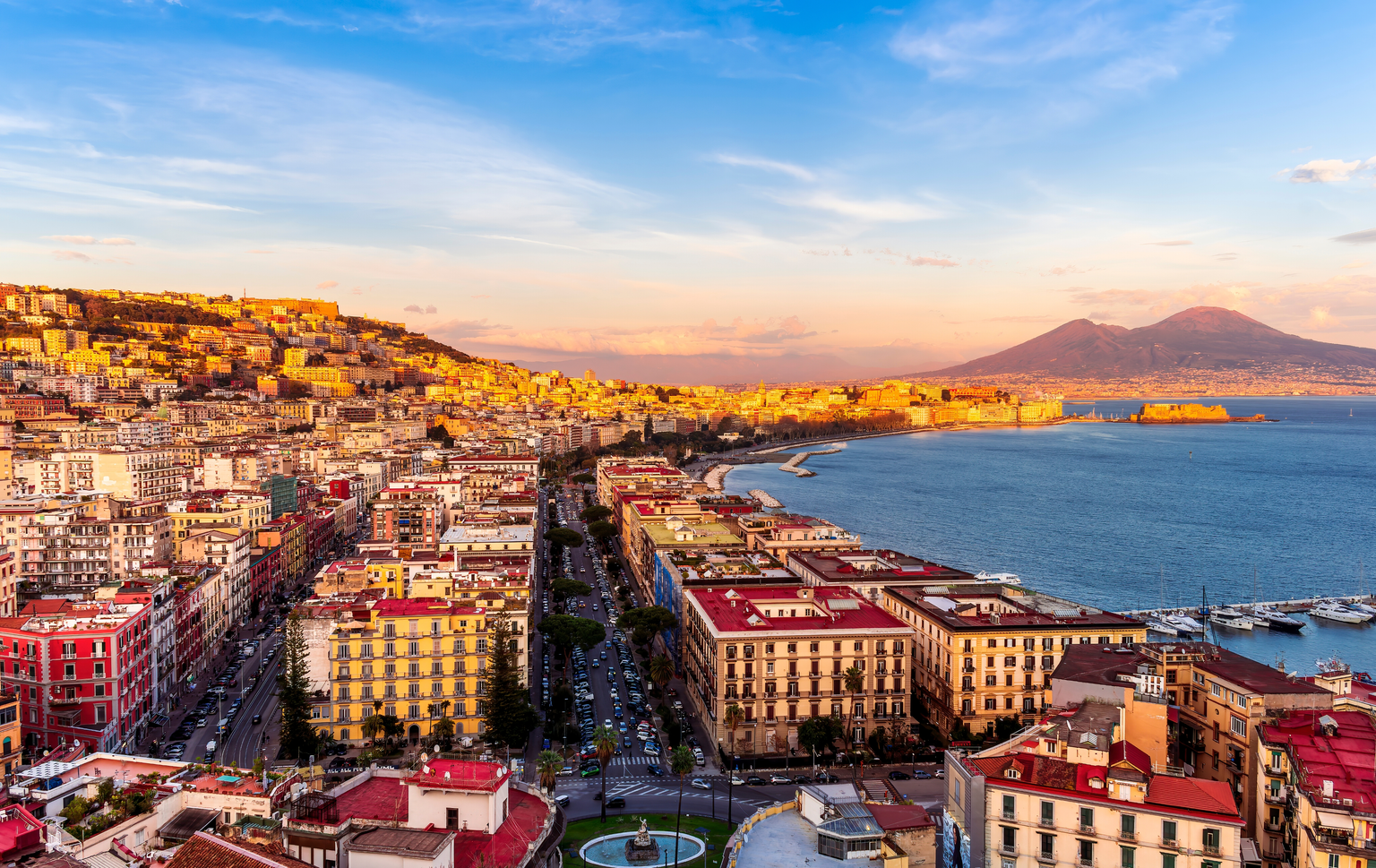
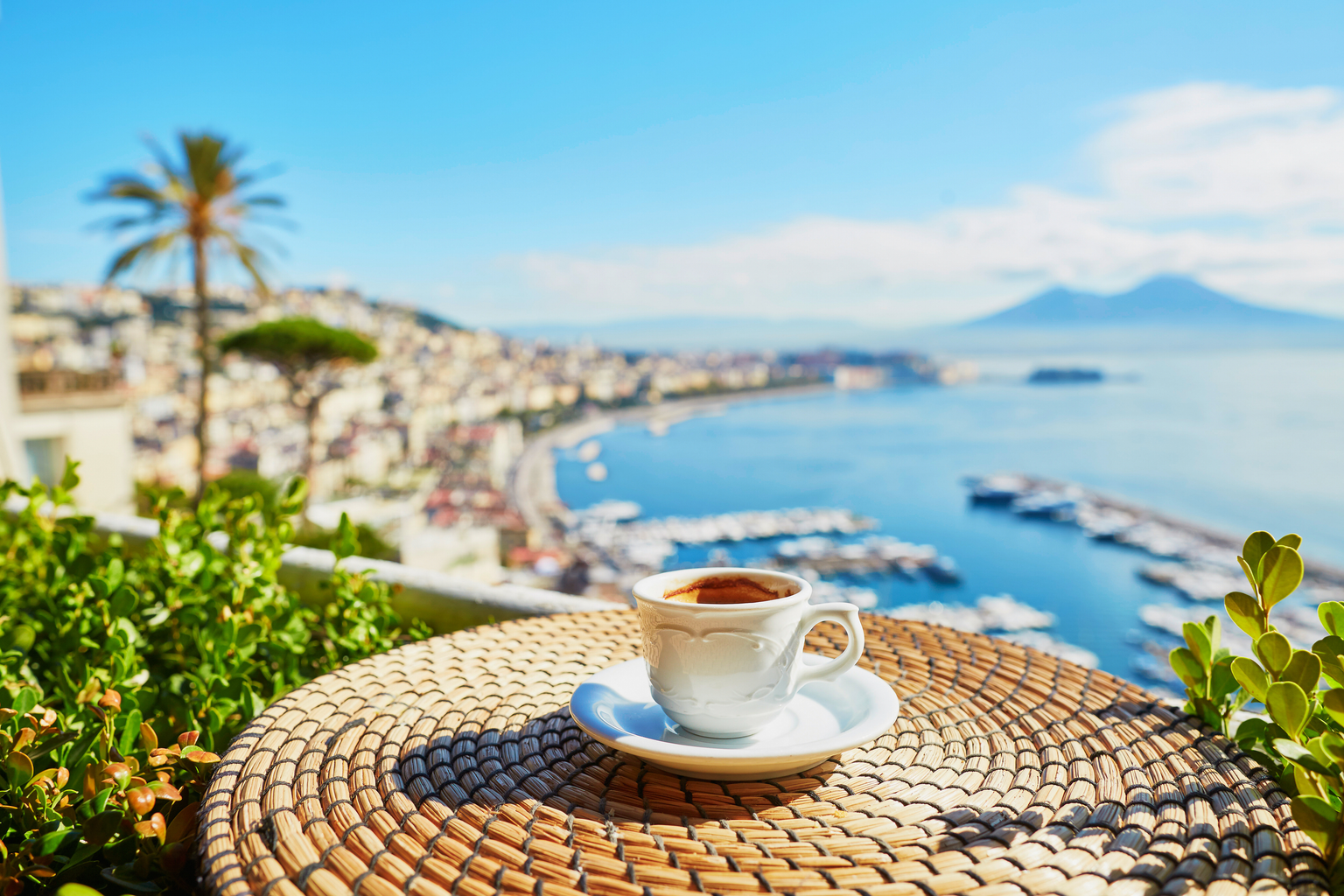
Begin with one final museum stop if you have the energy, then return to Chiaia for a slow coffee on Via Chiaia or along the promenade before packing. If you want a last stretch of browsing, give the boutique streets in Chiaia one more pass, since the area suits a final hour of shopping without committing to a full day out. Build in enough time to collect bags and reach Naples (NAP) with about 2 hours to spare before departure, especially if you need a taxi from the waterfront or a ride back from the hill districts.
Business-class flights from the US to Naples

From New York and Los Angeles, Naples usually means one-stop long-haul planning rather than a simple nonstop. The options below show the typical airlines, layover hubs, and fare bands for premium tickets.
Delta Air Lines, ITA Airways, Lufthansa, SWISS, Turkish Airlines, and Air France all appear on the New York side, and typical round-trip fares usually start from $2,800 and can reach about $6,500. Nonstop flying runs about 9 to 10 hours when available, while one-stop itineraries usually connect through Frankfurt, Munich, Zurich, Istanbul, or Paris and take about 11 to 15 hours overall.
From Los Angeles, British Airways, Lufthansa, Swiss International Air Lines, Turkish Airlines, Air France, and ITA Airways are common choices, with round-trip pricing from $3,200 to $7,200. The trip usually involves one stop through London, Frankfurt, Munich, Zurich, Istanbul, or Paris, and total travel time lands about 14 to 20 hours.
Naples feels different when you slow down
A deliberate Naples trip follows the city’s geography, starting in Centro Storico, then moving by metro or funicular toward Chiaia and Vomero, with Pompeii set apart as its own day. That order cuts down on repeated crossings and leaves room for the food stops and museum time that define the city. If you want help matching flights, neighborhoods, and timing, the AranGrant experts can shape the trip around Spaccanapoli, the waterfront, or a Pompeii-first plan







