

Chapters:

Need help with your trip?
Our support team is available 24/7. Request a callback or call us directly at (833) 619-0908
Many first-time trips to Manzanillo follow a simple pattern: beach hotel, airport transfer, one sunset meal, then a rush to check off the bay in a day. What often goes unnoticed is how much the city changes between the resort strip, Centro, and the hill viewpoints.
That quick approach leaves gaps. Distances are short on a map, but taxi hops, midday closures, and crowded waterfront hours can shape the day more than travelers expect.
This guide slows the pace just enough to place each sight, meal, and transfer where it works best, so the city reads in a cleaner order.
Useful things to know

Main language(s): Spanish
Hola (OH-lah) – Hello
Por favor (por fah-VOR) – Please
Gracias (GRAH-syahs) – Thank you
¿Habla inglés? (AH-blah een-GLAYS) – Do you speak English?
¿Cuánto cuesta? (KWAHN-toh KWES-tah) – How much does it cost?

Currency: The local currency is the Mexican peso (MXN, $).

Cash and cards: Cards are accepted at many hotels and larger restaurants, but carry about MXN 600 to 1,200 ($35 to $70) in cash.

Tipping: Round up small bills; leave about 10% in restaurants when service is good.

Traditional food: Ceviche, pescado a la talla, pozole, cocadas

Water and coffee costs: Water about MXN 20 to 30 ($1 to $2), bar espresso about MXN 35 to 60 ($2 to $4).

Taxis and ride apps: Uber and DiDi operate here; coverage can be patchy outside the main town.

Plug and voltage: Type A/B socket, 127V

Dining and shop opening hours: Breakfast is about 07:00-10:00, lunch 14:00-16:00, and dinner 20:00-23:00. Many restaurants close in the afternoon between lunch and dinner.

Emergency number: 911 for police, fire, and medical emergencies.
Where to stay in Manzanillo
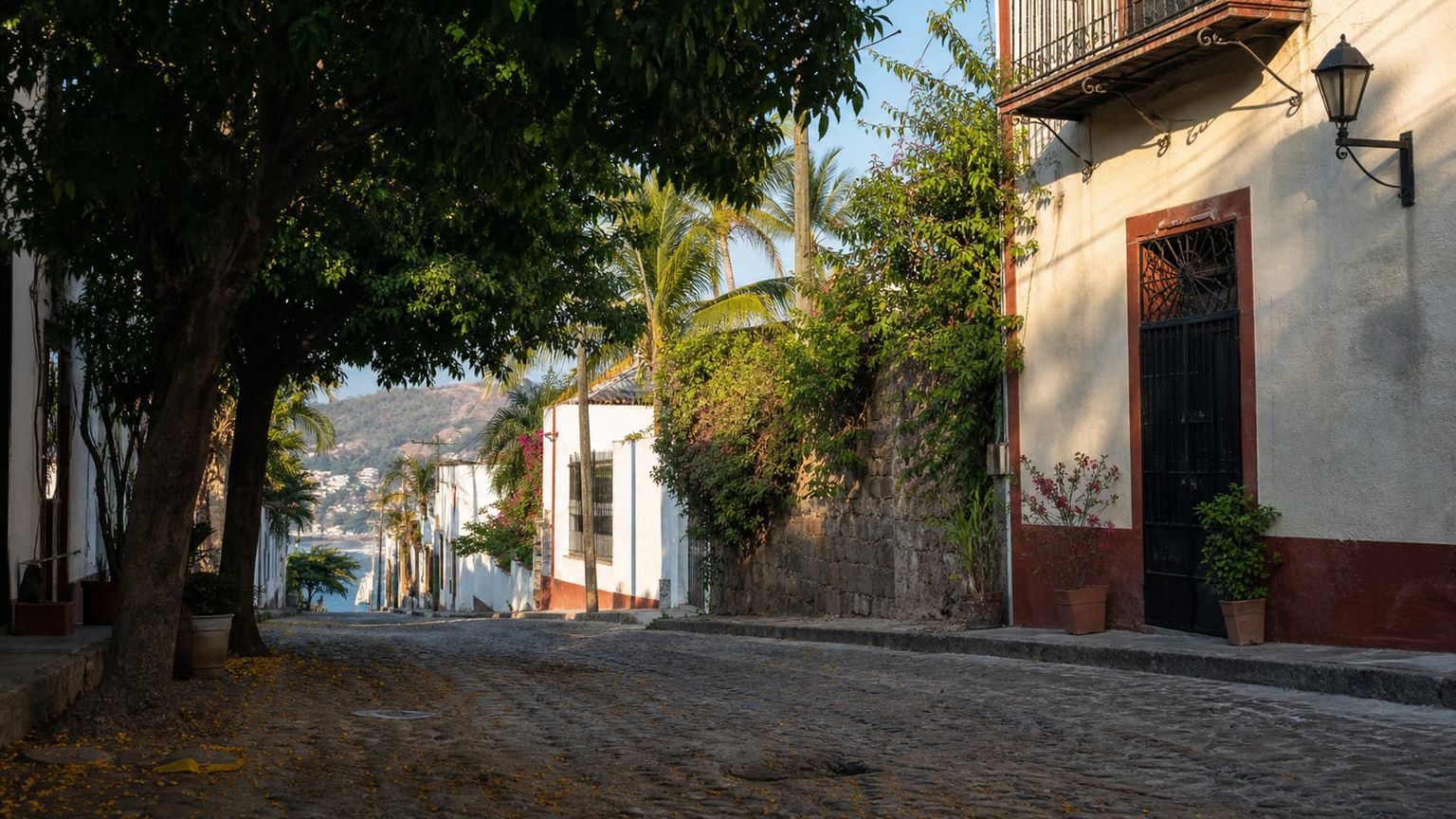
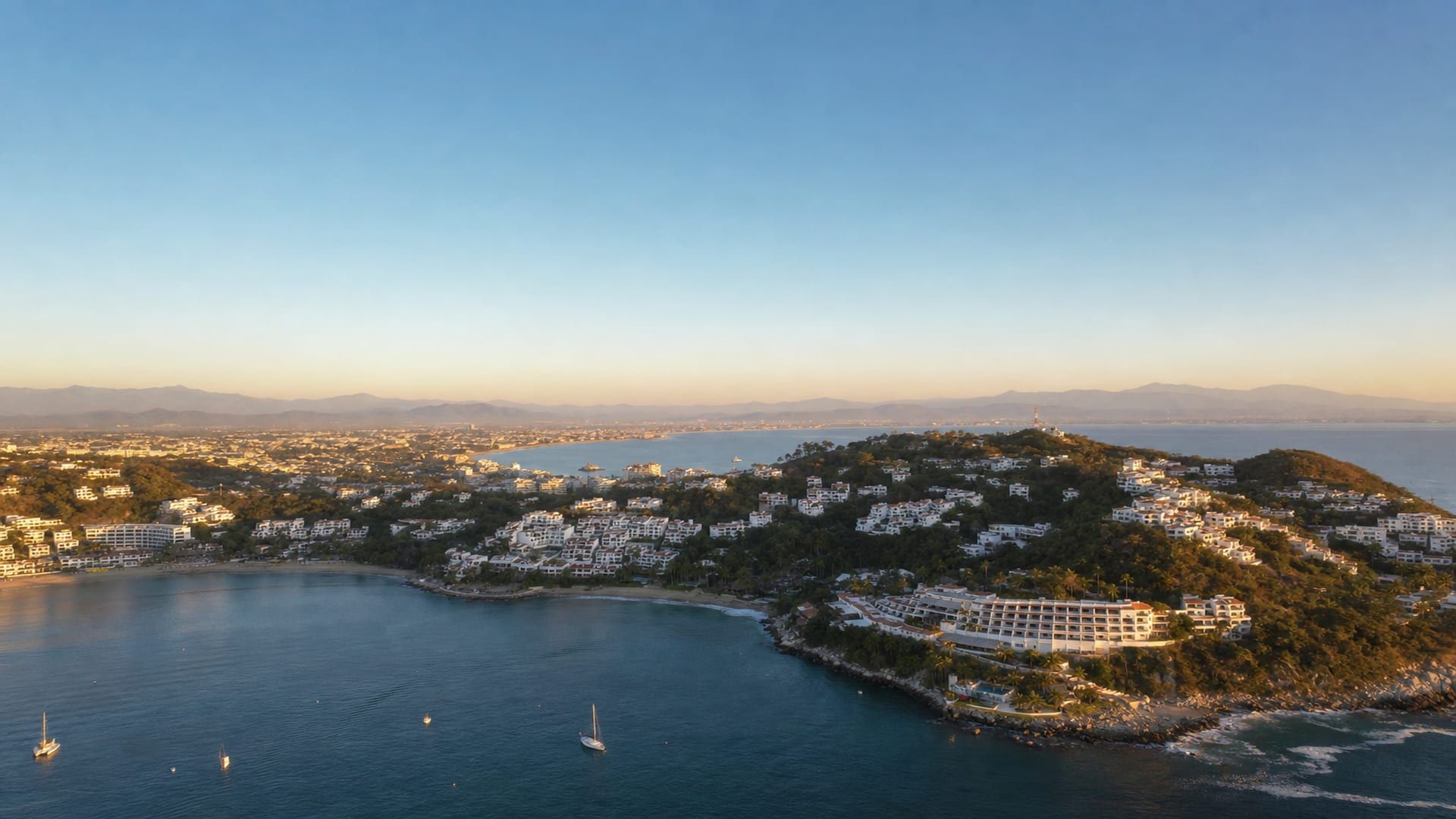
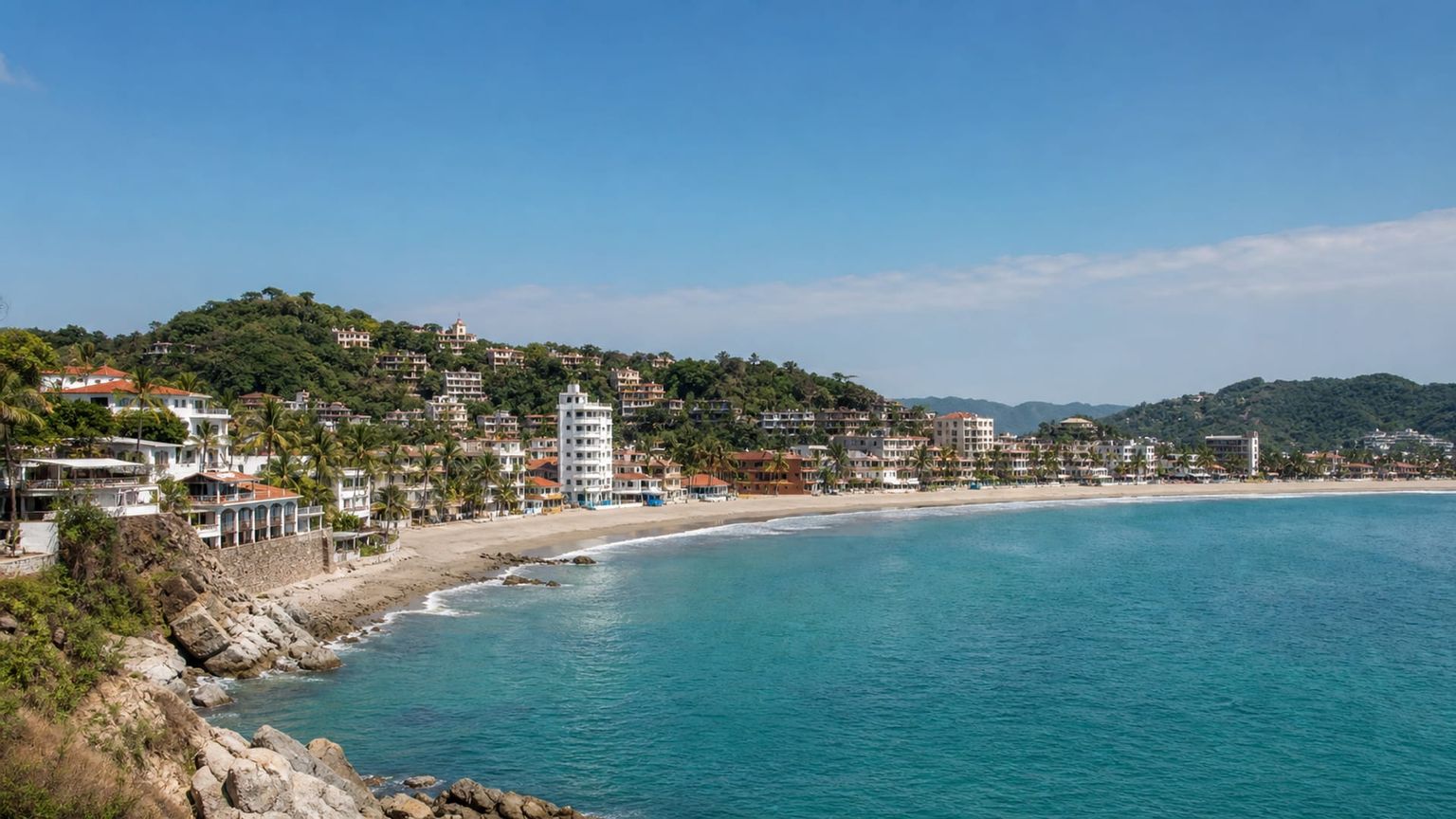
The Santiago Peninsula holds many of Manzanillo’s main resort strips, with long beaches, large hotels, and easy access to restaurants along the bay. It suits visitors who want to split time between the beach, dining, and boat tours without staying far from the center.
Best for: Beach time, resort stays, and travelers planning boat tours or relaxed waterfront days
What to expect: Expect resort traffic, beachgoers, and busy waterfront stretches near the main hotel zones.
Hotel prices: Usually about $90 to $220 per night for well-rated stays
Distance to major sights: About 15 to 25 minutes by taxi to Playa La Audiencia and about 25 to 35 minutes to downtown Manzanillo
Quietness: Quieter in the morning and late evening, busier on the beach side during the day
Main trade-off: You get the best concentration of hotels and beach access, but the area can feel tourist-heavy and you will rely on taxis for downtown dinners.
Good to know: If you plan several beach days, staying here cuts down on cross-town trips, but central market streets are not walkable from most hotels.
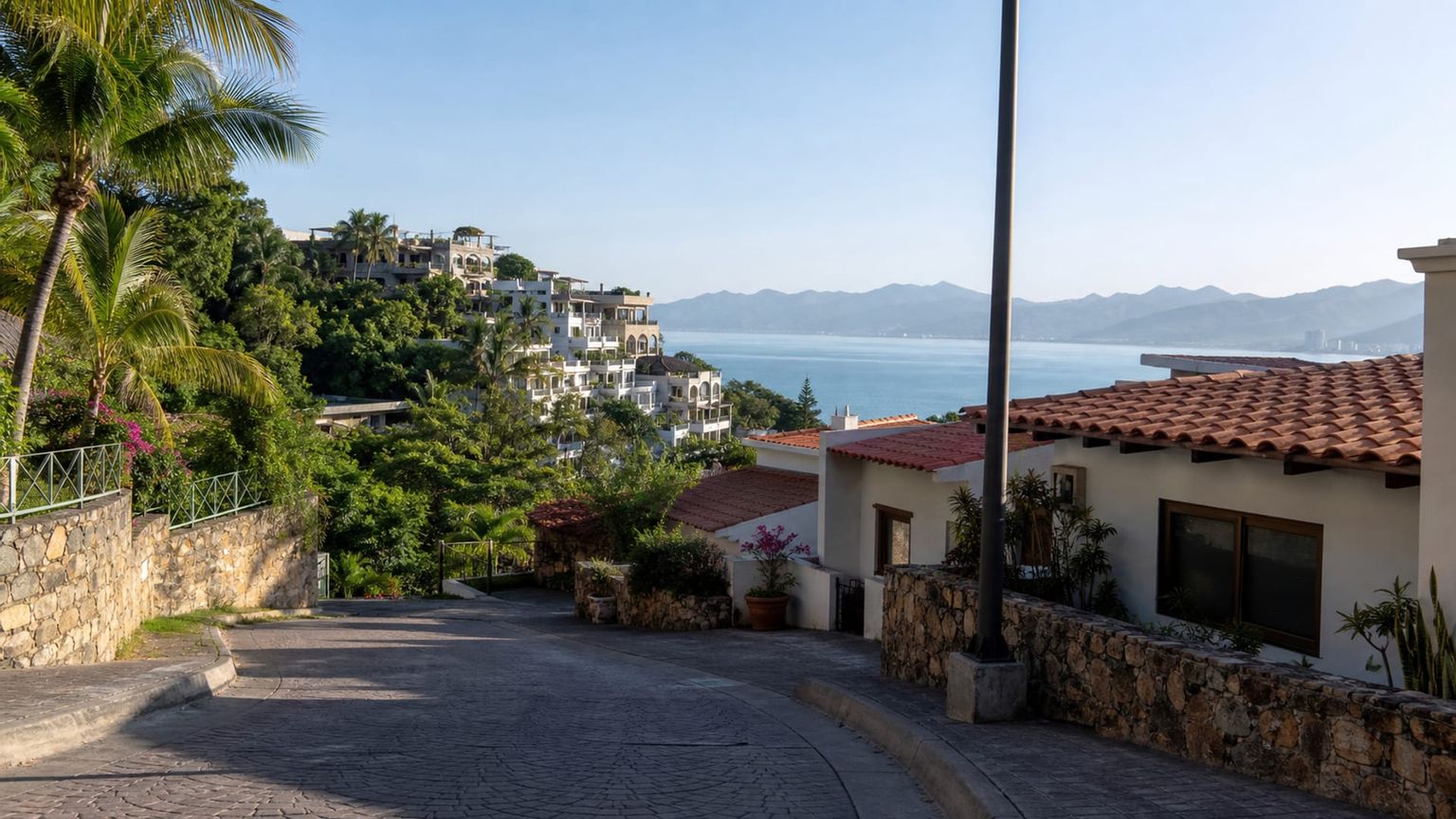
Las Brisas sits on the bay-facing side of Manzanillo, with hillside homes, condo buildings, and quick access to Playa La Audiencia and nearby coves. It works well for visitors who want sea views and a base close to the city’s resort zone.
Best for: Sea views, midrange condo stays, and access to Playa La Audiencia
What to expect: Expect a residential hillside setting with intermittent traffic and hotel activity closer to the waterfront.
Hotel prices: Usually about $70 to $180 per night for well-rated stays
Distance to major sights: About 5 to 10 minutes by taxi to Playa La Audiencia and about 20 to 30 minutes to downtown Manzanillo
Quietness: Generally quiet at night, with more movement on roads and beach access points during the day
Main trade-off: The setting is calmer than the main beach strip, but you will have fewer restaurants within an easy walk and steeper streets in parts of the area.
Good to know: Choose a room with confirmed parking or easy pickup access, since some hillside streets are less convenient for walking with luggage.
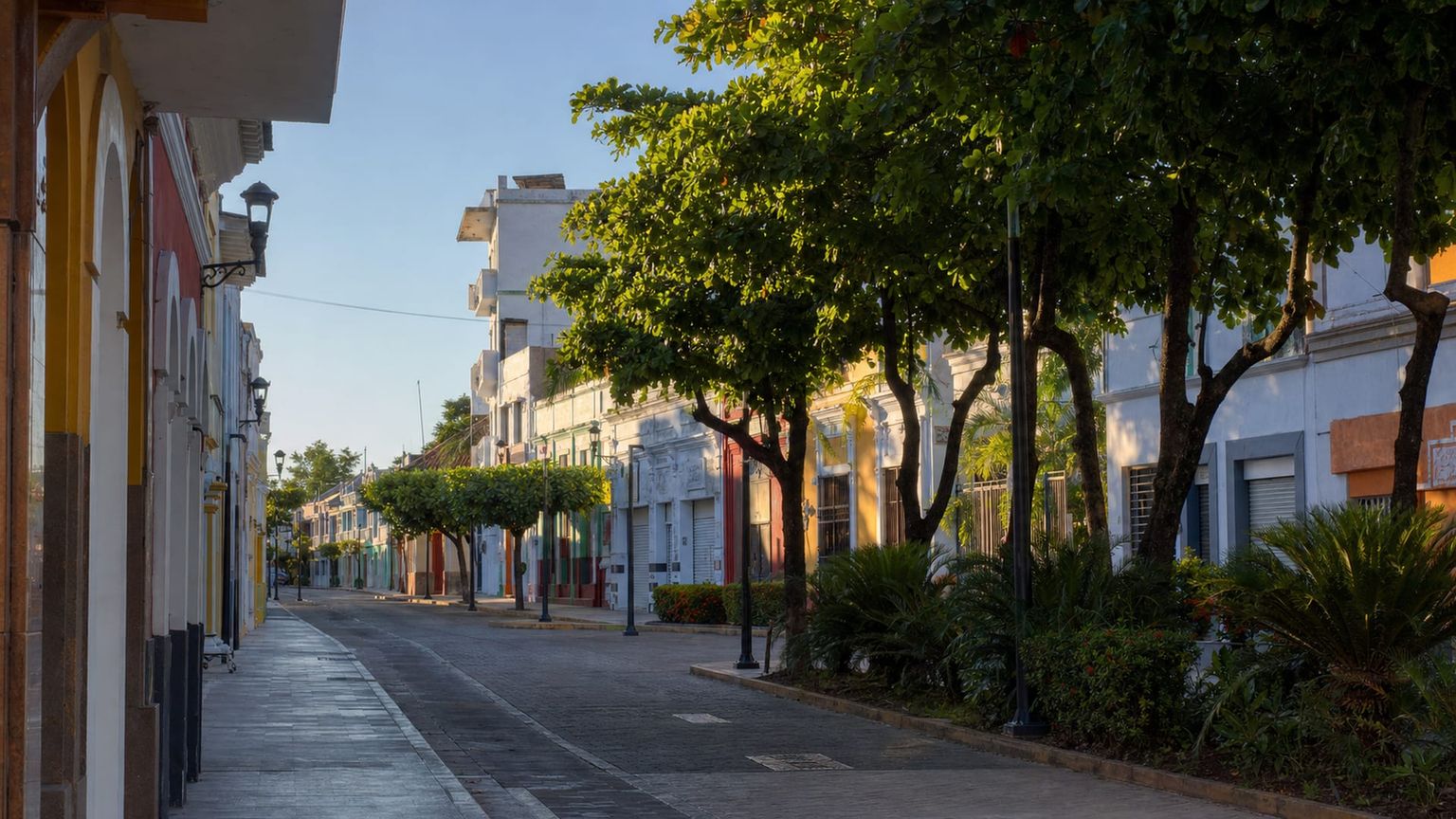
Centro is the historic core of Manzanillo, with local shops, markets, transit links, and a working-city atmosphere rather than a resort setting. It suits travelers who want daily life, budget hotels, and the shortest hop to civic and commercial stops.
Best for: Budget stays, local dining, and travelers who want the shortest trip to downtown errands
What to expect: Expect bus stops, neighborhood traffic, and a busy street grid with more daily life than resort polish.
Hotel prices: Usually about $35 to $110 per night for well-rated stays
Distance to major sights: On foot to central plazas and about 20 to 30 minutes by taxi to Playa La Audiencia
Quietness: Active through the day, then noticeably quieter after shops close in the evening
Main trade-off: You save money and stay close to local services, but beach access takes longer and many streets have limited appeal after dark.
Good to know: If you need early departures or local transport, this area makes those logistics easier, but it is not the best choice for a beach-first itinerary.
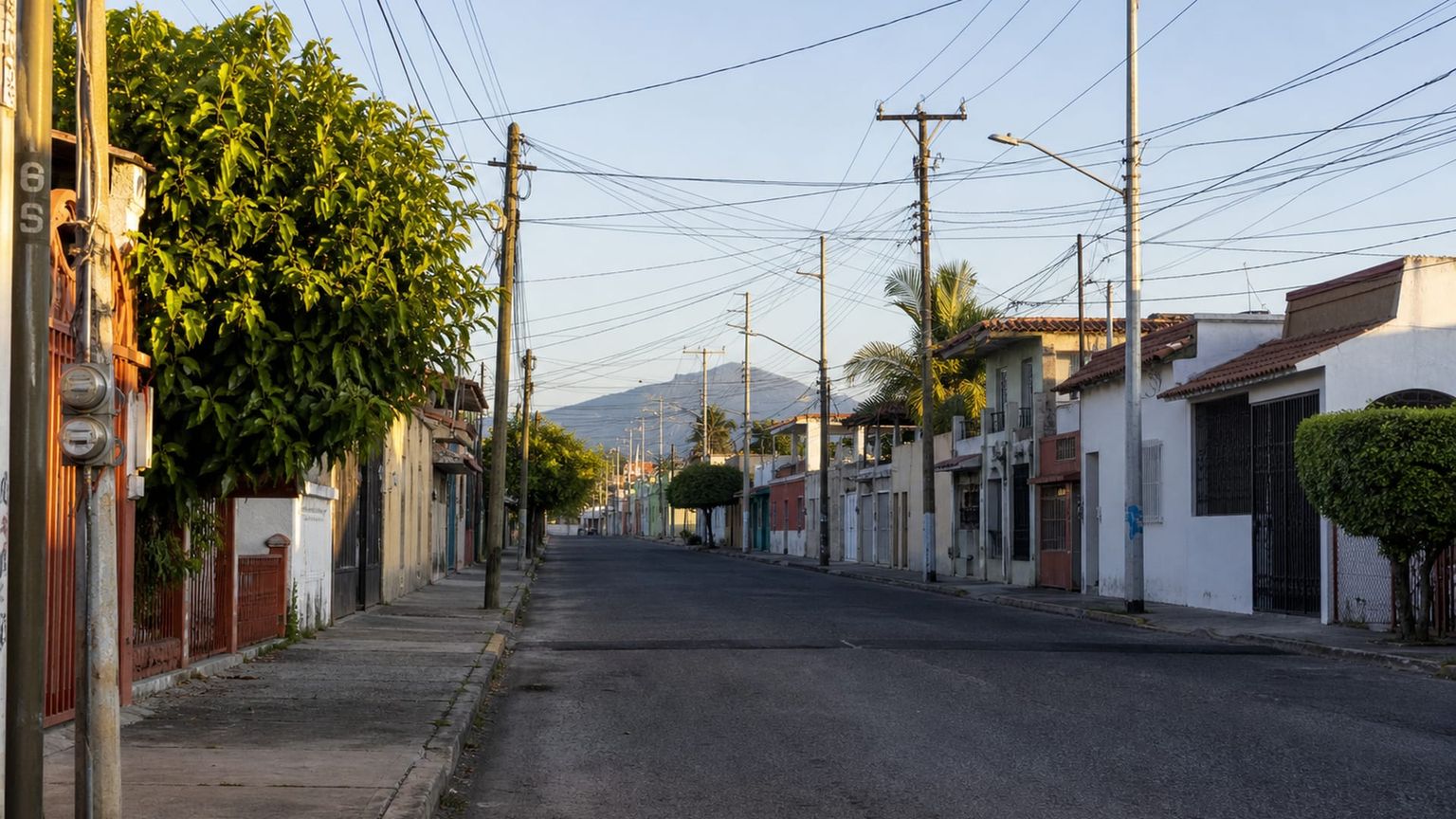
Salagua sits between downtown Manzanillo and the resort areas, with malls, apartment blocks, and plenty of everyday conveniences. It gives you a central position for moving between beaches, shopping, and the city center without staying in the busiest hotel strip.
Best for: Longer stays, shopping access, and travelers who want a central base for mixed plans
What to expect: Expect moderate traffic, shopping centers, and a mostly residential feel with commercial corridors nearby.
Hotel prices: Usually about $45 to $130 per night for well-rated stays
Distance to major sights: About 10 to 15 minutes by taxi to Centro and about 15 to 25 minutes to Playa La Audiencia
Quietness: Mixed, with busy roads by day and calmer residential streets at night
Main trade-off: You get good positioning for both downtown and the beach zone, but the area lacks the immediate water views that define the resort districts.
Good to know: This is a sensible pick if you will rent a car or use taxis often, since the area works better as a hub than as a stroll-friendly neighborhood.
Travelers usually avoid staying in Santiago, Las Brisas, and Salagua if they want to be close to Manzanillo’s main beach areas and marina, since these neighborhoods sit farther from the most visited coastal strips and require longer taxi rides at night. They are also less convenient for visitors who want many restaurants and tourist-oriented services within walking distance.
Hotel deals
How to get around Manzanillo efficiently
Manzanillo does not have a metro, so most visitors move between beach zones, Centro, and lookout points by taxi, bus, or rideshare.

Metro
for longer distances
No metro serves Manzanillo, so the closest option is the local road network and any intercity bus connections; most trips inside the MZO airport area take about 10 to 25 minutes by car, depending on traffic and the beach or hotel zone.

Bus and tram
for convenience
Buses cover the main coastal and downtown corridors rather than every resort block, and they usually run on simple fixed fares of about $0.50 to $1 ($9 to $18 MXN), paid in cash on board. Check the destination on the windshield, since different routes can serve Manzanillo center, Santiago, Salagua, and the airport approach, with ride times often about 20 to 40 minutes across town.

Taxi
for convenience or late hours
Licensed taxis use set fares more often than meters, and an airport or hotel-to-town ride typically costs about $12 to $30 ($220 to $550 MXN), with longer cross-city trips closer to $35 ($640 MXN) or more. Use official ranks, agree on the price before departure, and expect cash to work best, although some drivers also take cards or mobile payment.
*Prices are based on rates updated as of June 2026 and may change at the time of travel.
Taxis suit airport transfers and late returns, buses fit short daytime hops along the coast, and walking works best in Centro or on a waterfront stretch once you are already nearby.
Iconic landmarks
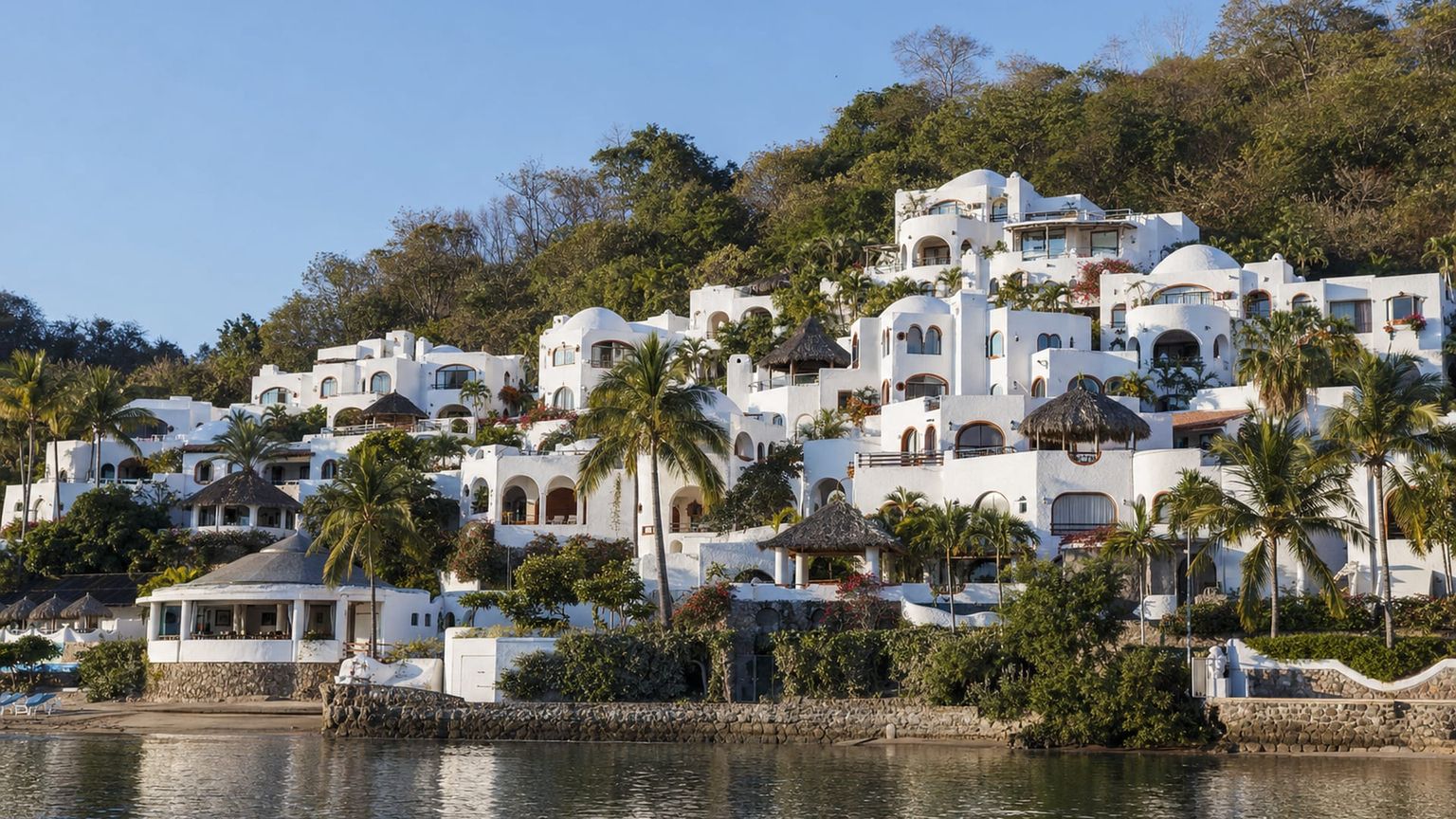
Las Hadas Bay
This sheltered bay on Manzanillo’s coast is best known for its white-sand beach, marina views, and the tiled Andalusian-style Las Hadas resort that frames the headland. It draws swimmers, sunset walkers, and photographers.
Time needed: About 2 to 3 hours
Entry: Free to access; beach clubs, loungers, and water activities charge separately at seasonal rates.
Tip: Go early for calmer water and softer light, then stay for late-afternoon harbor views.
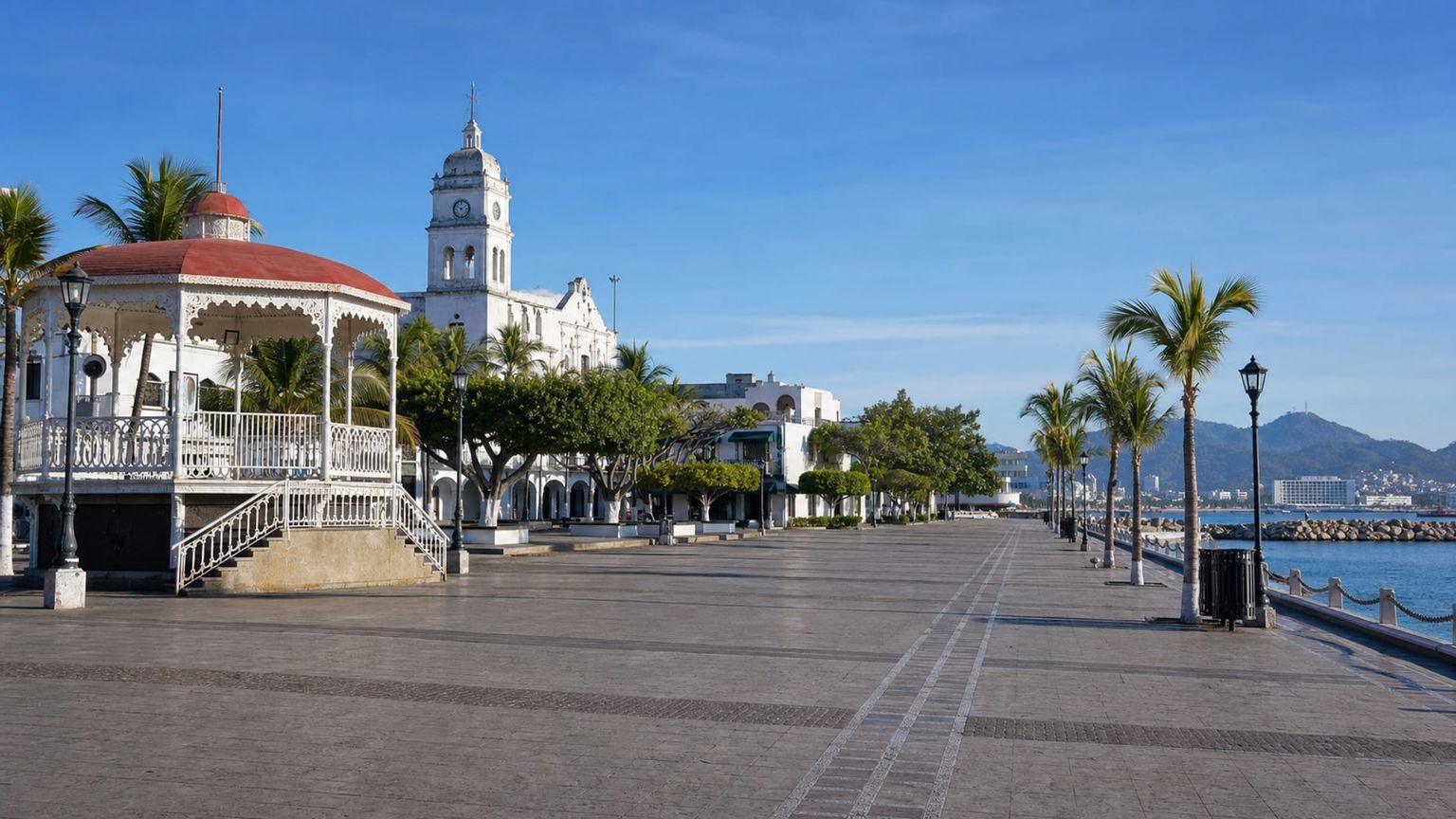
Zocalo and Malecón of Manzanillo
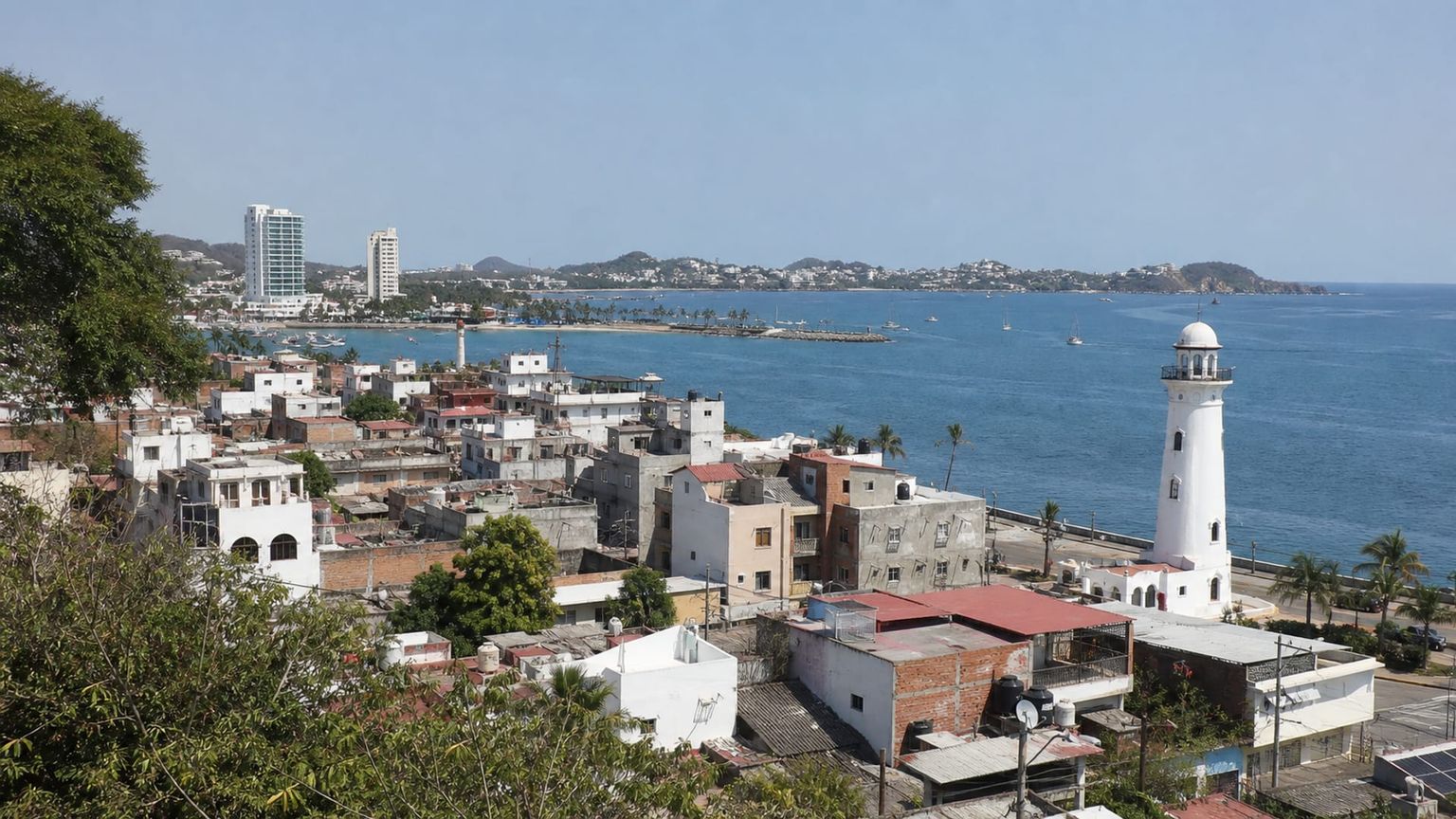
Manzanillo’s seaside zócalo and malecón bring together the bayfront promenade, civic square, and daily local traffic. The area gives a direct look at the port city, with fishing boats, palm shade, and evening strolls.
Time needed: About 1 to 2 hours
Entry: Free to access; nearby cafés, snacks, and parking cost extra depending on where you stop.
Tip: Visit at sunset, when the promenade is liveliest and the bay turns gold.
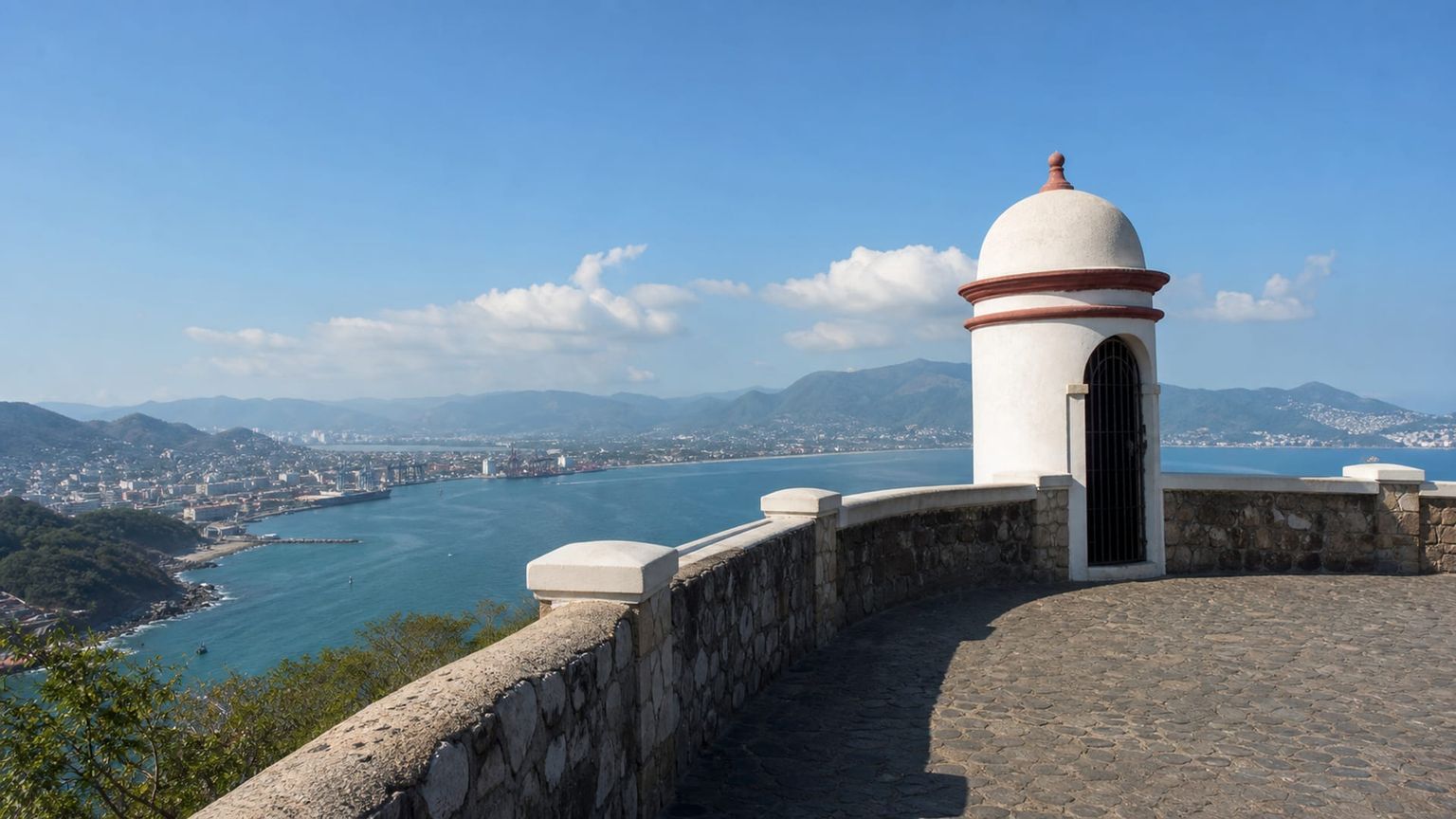
Mirador de La Audiencia
This hilltop lookout above Santiago Bay gives one of the clearest views in Manzanillo, with the curve of the coast, the marina, and ships offshore. It is a compact stop for photos and a quick sense of the city’s layout.
Time needed: About 30 to 45 minutes
Entry: Free to access; no timed entry is required, and any parking or refreshments are paid on site.
Tip: Stop near dusk for wide bay colors, but arrive before dark because lighting is limited.
Overlooked sites worth visiting

Juluapan Hill viewpoint
This hilltop lookout west of downtown gives a clear sweep of Bahía de Santiago, the port, and the shoreline below. Go late in the afternoon for softer light and fewer vehicles on the road up.
Time needed: About 45 minutes
Entry: Free to access; no ticket is required for the viewpoint itself. Costs may apply only if you stop at private food stalls or hire transport to the hill, so bring cash for any incidental expenses.
Tip: Visit at sunset for the widest view and cooler air.

Orchid House at the University of Colima, Manzanillo campus
This small campus collection focuses on orchids and other tropical plants suited to the coast. It is compact, quiet, and easy to pair with a short visit to the surrounding university grounds.
Time needed: About 1 hour
Entry: Admission is usually free or donation-based, depending on the day and campus programming. If a special exhibit is open, staff may charge a small fee for entry or guided access, so check at reception when you arrive.
Tip: Go on a weekday morning for the best chance of an open collection.
Traditional food
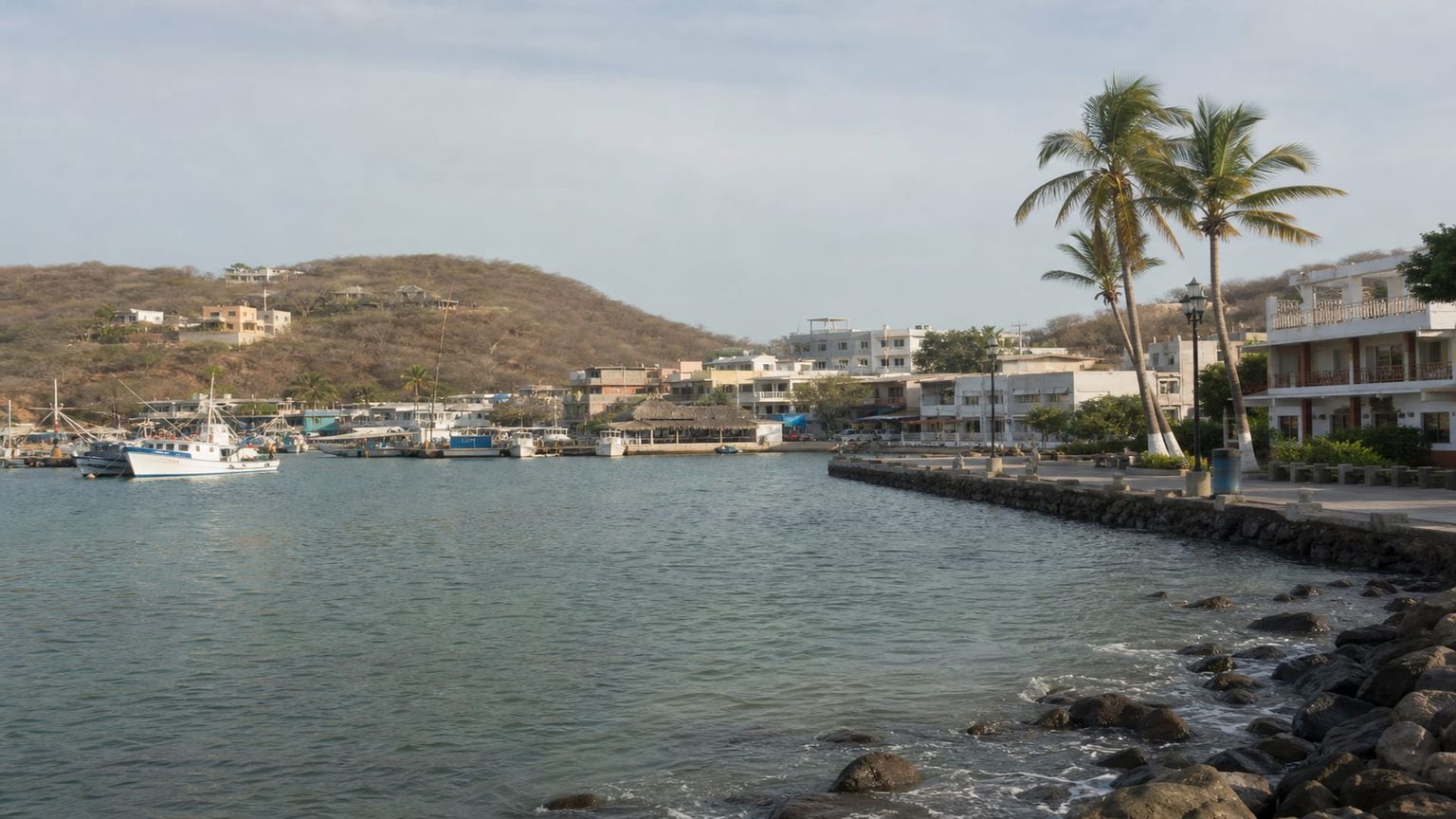
Manzanillo’s table leans on seafood, citrus, corn, and coconut, with ceviche, pescado a la talla, pozole, and cocadas appearing across casual dining rooms and bayfront kitchens.
Ceviche
Fresh ceviche is a coastal staple in Manzanillo, usually bright with lime, chile, and onion. La Marina serves a well-known version near the waterfront, where seafood-driven lunches fit the city’s pace.
Pescado a la talla
Pescado a la talla brings grilled fish with a smoky chile marinade and a direct bay-side feel. El Vaquero is a strong local choice for it, especially if you want a full seafood meal in a relaxed setting.
Pozole
Pozole adds a heartier side to the local menu, with hominy broth, garnish, and chile depth. El Fogón is a fitting stop for a bowl, especially when you want something beyond the beach strip.
Cocadas
Cocadas use coconut as a sweet finish, often sold as a simple takeaway treat or after-dinner bite. Panadería San Carlos is a useful place to look for them alongside other local sweets.
Best time to visit Manzanillo
Manzanillo’s dry and wet periods both work for a trip, but the best choice depends on whether you want clearer seas, calmer streets, or lower humidity.
Best for: Best for dry weather and beach time
What you get: About 74 to 88°F (23 to 31°C), with lighter rain and solid visitor numbers
Trade-offs: Hotel rates can rise during holiday weeks
Best for: Best for warm water and steady sightseeing
What you get: About 77 to 91°F (25 to 33°C), with moderate crowds before summer heat builds
Trade-offs: Afternoons can run hot, especially away from the coast
Best for: Best for quieter beach days and flexible planning
What you get: About 79 to 90°F (26 to 32°C), with heavier humidity and fewer visitors outside holiday periods
Trade-offs: Rain can interrupt outdoor plans later in the day
Best for: Best for lower hotel pressure and shoulder-season trips
What you get: About 76 to 88°F (24 to 31°C), with warm water and gradually improving conditions
Trade-offs: Early fall can still bring tropical rain
A realistic 5-day plan in Manzanillo
The five-day plan follows the city’s natural order: first settle into the bay, then move between beach, viewpoint, and downtown before ending with a lighter departure day. It gives each zone a clear role instead of compressing Manzanillo into one long coastal loop.
Fly into Manzanillo (MZO), then take a taxi to Las Brisas or the Santiago Peninsula, roughly 20 to 35 minutes depending on traffic and hotel location. Expect to pay about $18 to $28 for the ride, so settle in, drink water, and make a simple first evening of a seaside walk near Playa La Audiencia, then dinner in the bay-front restaurant strip close to your hotel.
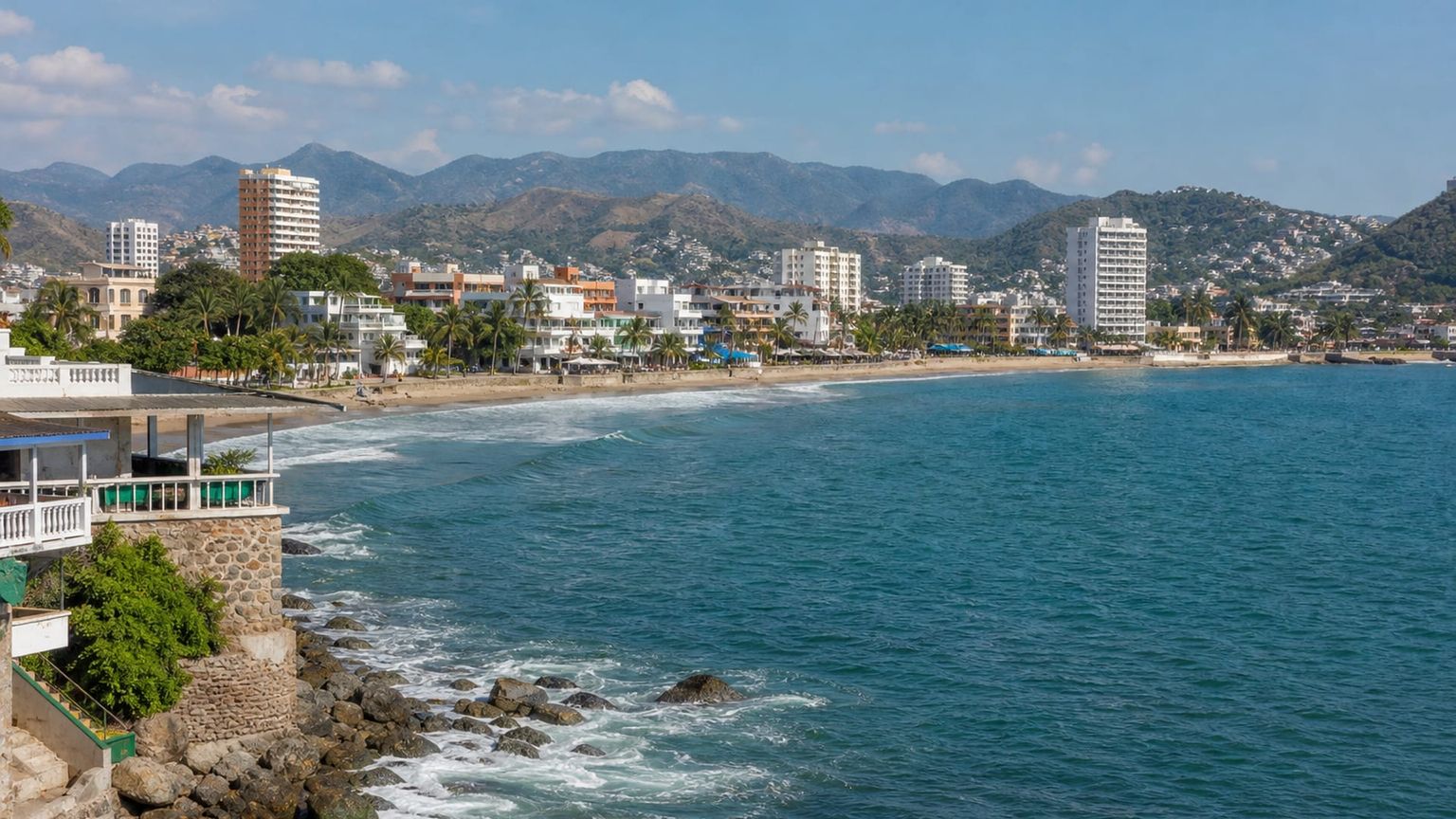
Begin at Las Hadas Bay, which works best in the early morning, then spend about 2 to 3 hours on the beach and marina side before moving on to the Mirador de La Audiencia, about 10 to 15 minutes away by taxi. From there, continue to the Zocalo and Malecón of Manzanillo in roughly 15 to 20 minutes, where you can walk the promenade at sunset, watch the fishing boats, and stop for a late seafood meal near the square.
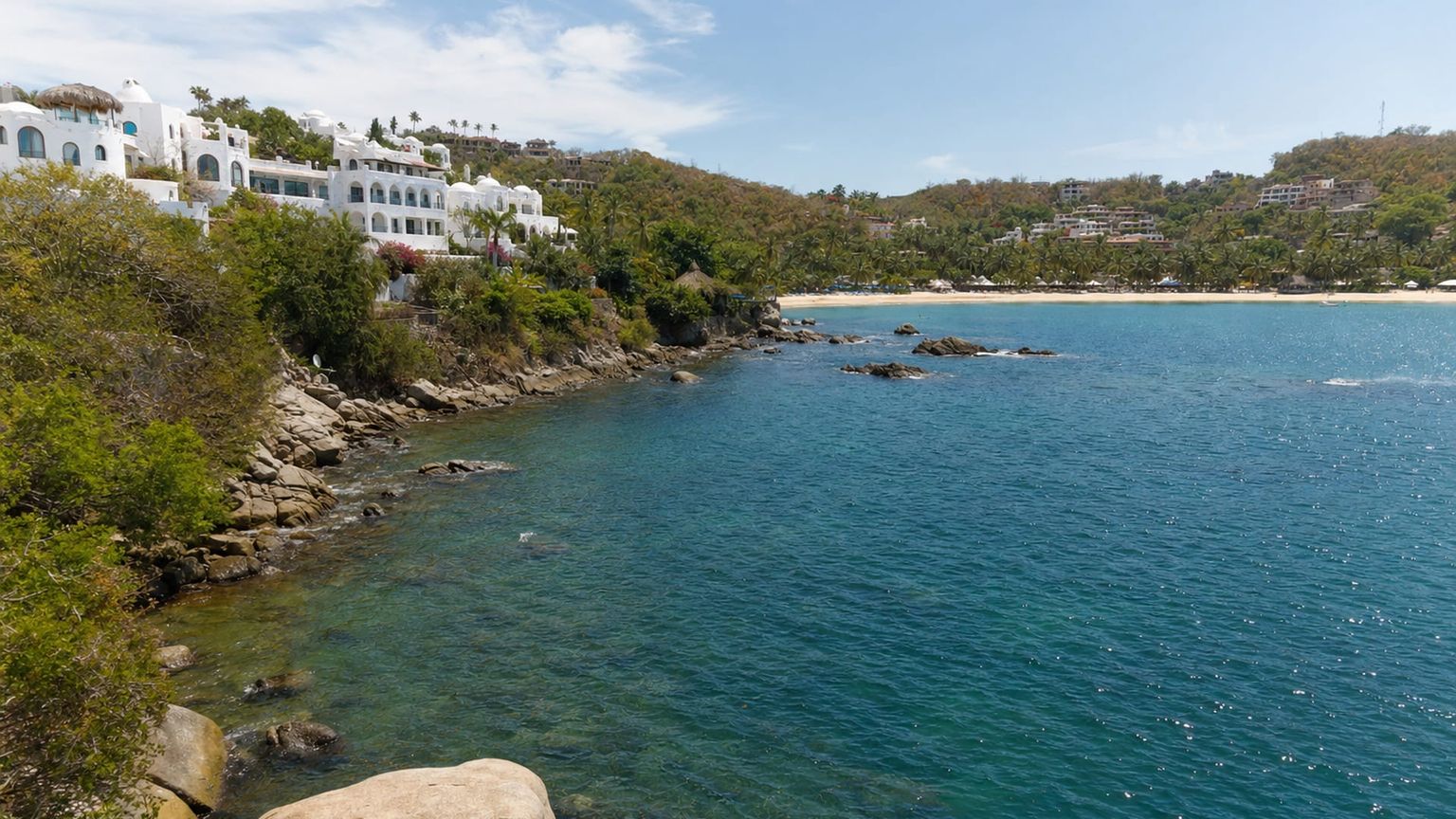
Start with the Orchid House at the University of Colima, Manzanillo campus, a compact stop that takes about 1 hour and sits about 20 to 30 minutes by taxi from the Santiago Peninsula. After that, head to Juluapan Hill viewpoint in roughly 20 to 25 minutes for a broader look over Bahía de Santiago and the port, then return to the waterfront for an unhurried dinner near Playa La Audiencia, about 15 to 20 minutes away.
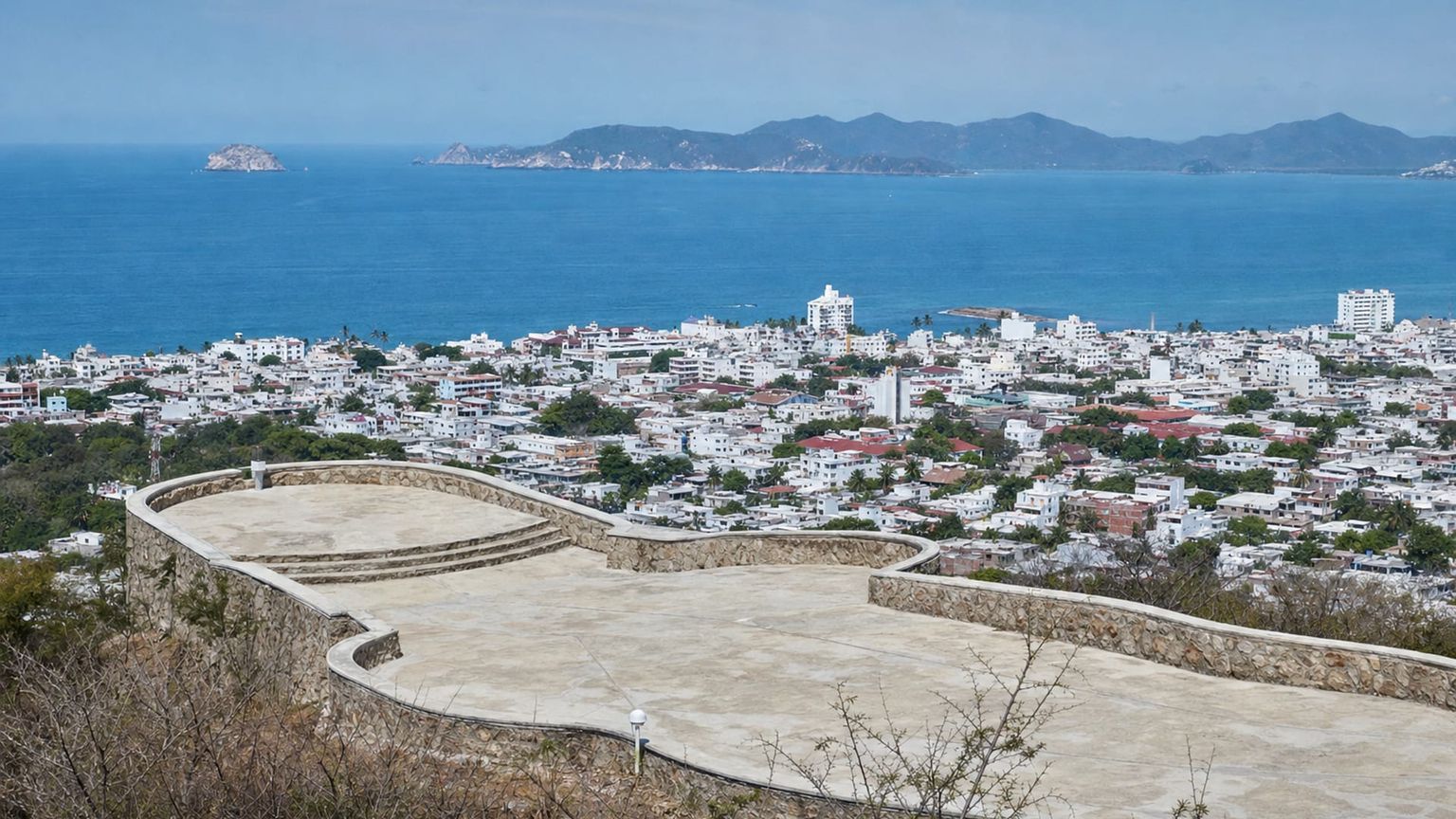
From Centro, reach the Zocalo and Malecón of Manzanillo on foot if you are staying nearby, or by taxi in about 10 to 15 minutes from Salagua. Spend the morning on the promenade and civic square, then break for lunch in Centro before heading west to the Mirador de La Audiencia, about 20 to 25 minutes away, for a final high-angle view of the bay before sunset.
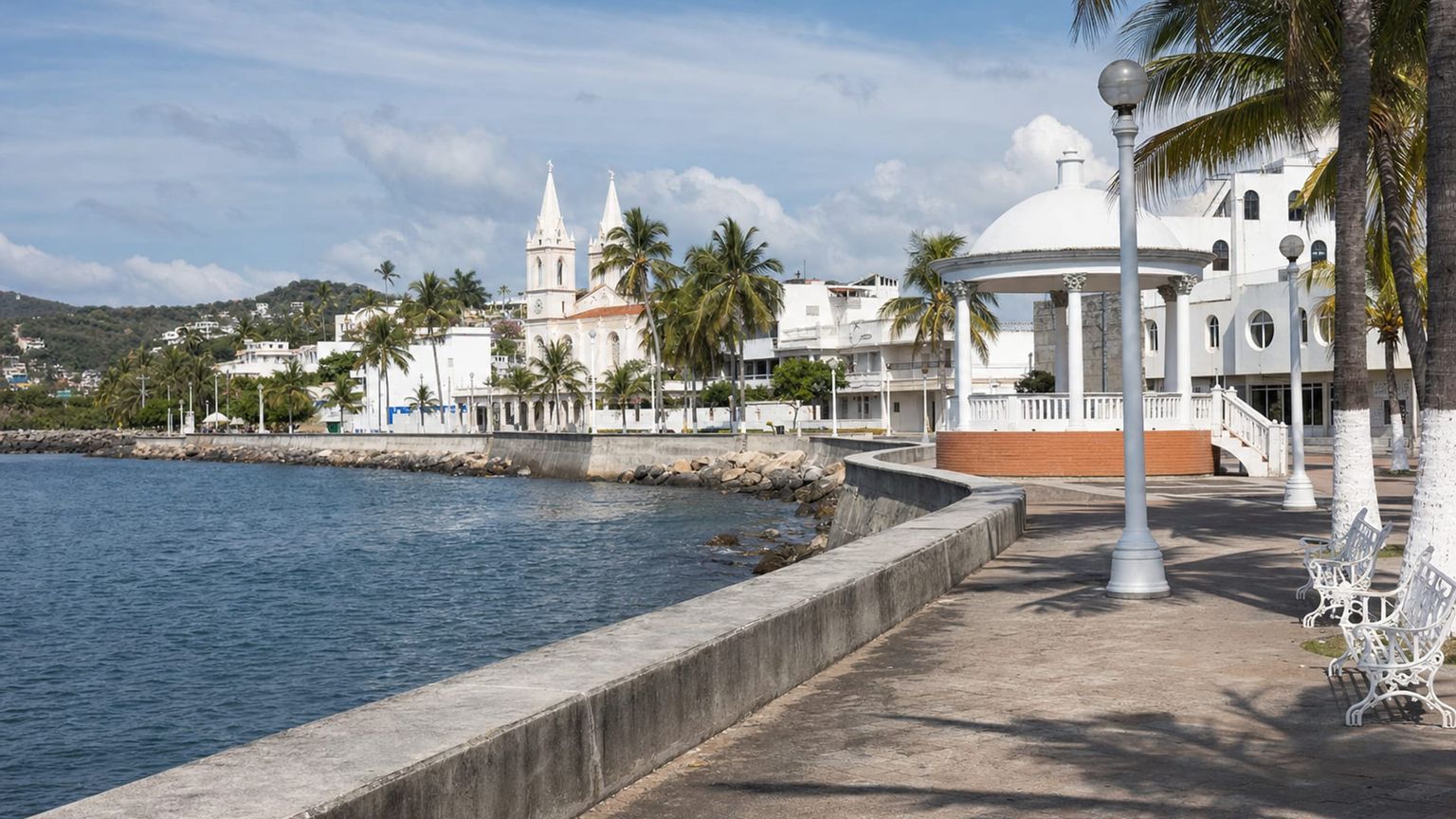
Start with a slow breakfast in Salagua or Centro, then pair a last café stop in Centro with a short shopping run in the same district, where local stores and markets keep the focus on daily Manzanillo life. If you have a late flight, add one final hour at the beach-side promenade near the Santiago Peninsula before a taxi back to Manzanillo (MZO), allowing about 20 to 35 minutes for the transfer.
Business-class flights from the US to Manzanillo
Flights to Manzanillo usually come in through one-stop connections, with routing choices shaped more by hub selection than by airline brand. The price spread is wide enough that it pays to compare timing and total travel time together.
From New York, American Airlines, Delta Air Lines, JetBlue, Aeromexico, and Volaris appear on common itineraries, and the trip typically runs about 4 to 5 hours nonstop when that option is available. If you do not mind a layover, common routings via Mexico City (MEX) take about 7 to 11 hours and often reduce the cost, with fares from $700 to $1,500 round-trip.
Los Angeles has the clearer runway into Manzanillo, since American Airlines, Delta Air Lines, Aeromexico, Volaris, and United Airlines serve itineraries that can keep total travel time near 4 to 5 hours nonstop. Round-trip fares usually start at $600 and can reach $1,300 for the nonstop option, while one-stop tickets can price lower.
Manzanillo feels different when you slow down
A deliberate Manzanillo stay gives each area a job: Santiago Peninsula for the beach, Las Brisas for bay views, Centro for markets and short errands, and the malecón for sunset movement. Taxis, buses, and a few longer walks tie the trip together without forcing every stop into one day. If you want help matching your dates to the right base, the AranGrant experts can build that plan around Playa La Audiencia, Centro, or a quieter hillside stay