

Chapters:

Need help with your trip?
Our support team is available 24/7. Request a callback or call us directly at (833) 619-0908
Maputo trips often begin with a hotel in Polana, a quick run to Baixa, and a dinner that stays close to the room. Travelers who follow that pattern usually miss how much the city spreads across traffic, heat, and neighborhood edges.
That matters because a short map glance can hide real time on the road, and popular sights sit in clusters that still ask for planning. If you move without a sequence, afternoons can shrink fast.
This guide sets out the city in a calmer order, with neighborhoods, meals, transit, and day plans arranged so each stop leads to the next.
Useful things to know
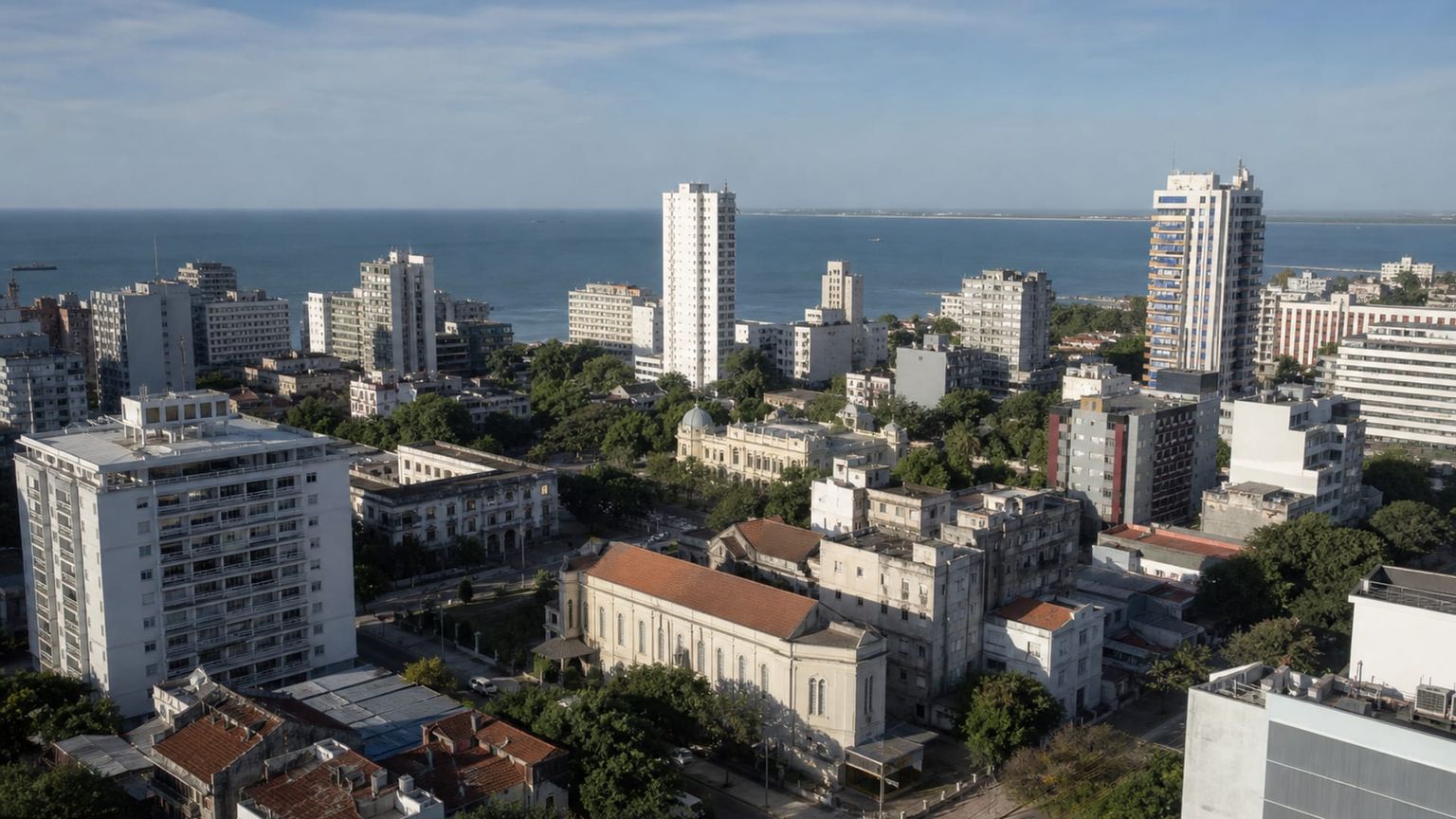

Main language(s): Portuguese
Olá (oh-LAH) – Hello
Por favor (pohr fah-VOR) – Please
Obrigado (oh-bree-GAH-doo) – Thank you
Fala inglês? (FAH-lah een-GLAYS) – Do you speak English?
Quanto custa? (KWAHN-too KOOS-tah) – How much does it cost?

Currency: The local currency is the Mozambican metical (MZN, MT).

Cash and cards: Cards and contactless work in many hotels and larger restaurants, but carry about MZN 1,500 to 3,000 ($24 to $47) in cash.

Tipping: Round up small bills; add about 5-10% for good restaurant service.

Traditional food: Peri-peri prawns, matapa, xima, frango grelhado

Water and coffee costs: Water about MZN 40 ($1), bar espresso about MZN 100 ($2).

Taxis and ride apps: Uber and Bolt operate in Maputo; confirm the fare and pickup point before you ride.

Plug and voltage: Type C/F socket, 220V

Dining and shop opening hours: Breakfast is about 07:00-09:00, lunch 12:00-14:00, and dinner 19:00-22:00. Many places close or slow down after 22:00.

Emergency number: 112 for police, fire, and ambulance.
Where to stay in Maputo
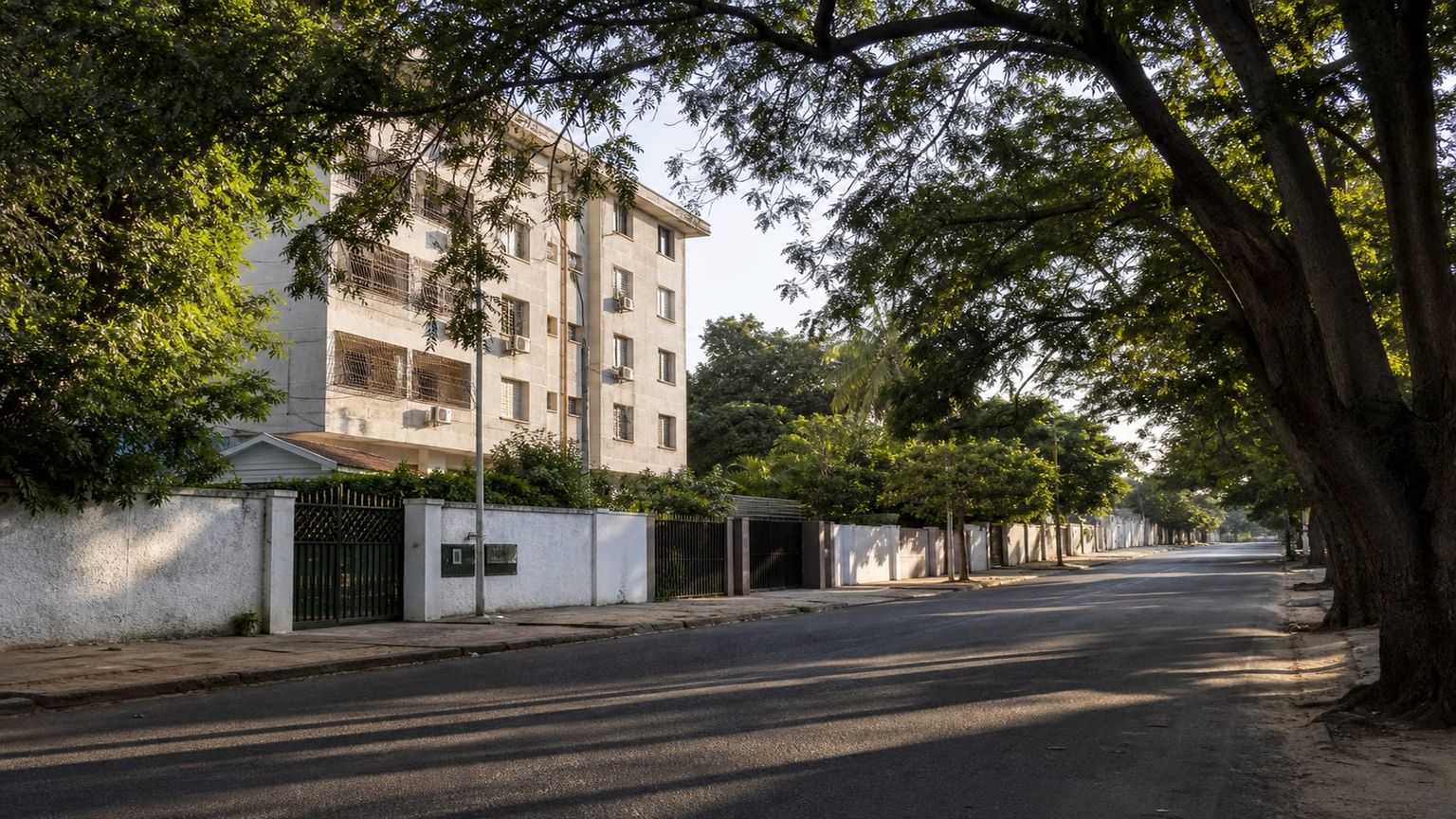
Maputo’s most established hotel district, Polana combines embassy blocks, apartment towers, and a broad choice of cafés, restaurants, and midrange to upscale stays. It places you close to the city center while keeping the beachfront and central avenues within easy reach.
Best for: Central sightseeing, business trips, and travelers who want the widest hotel choice
What to expect: Wide avenues, steady traffic, and a mix of residents, office workers, and hotel guests, with more activity along the main roads than on side streets.
Hotel prices: Usually about $120 to $250 per night for well-rated stays
Distance to major sights: About 10 minutes by car to Maputo Central Train Station, about 15 minutes to the Maputo Railway Station waterfront area
Quietness: Quieter in the evening on residential streets, busier near hotels, restaurants, and main roads during the day.
Main trade-off: Rates are higher than in outer neighborhoods, and taxi use becomes part of the stay if you want to move between sights and the beach.
Good to know: Book here if you want the easiest choice of dining and hotels, but expect to plan rides for late dinners and beach visits.
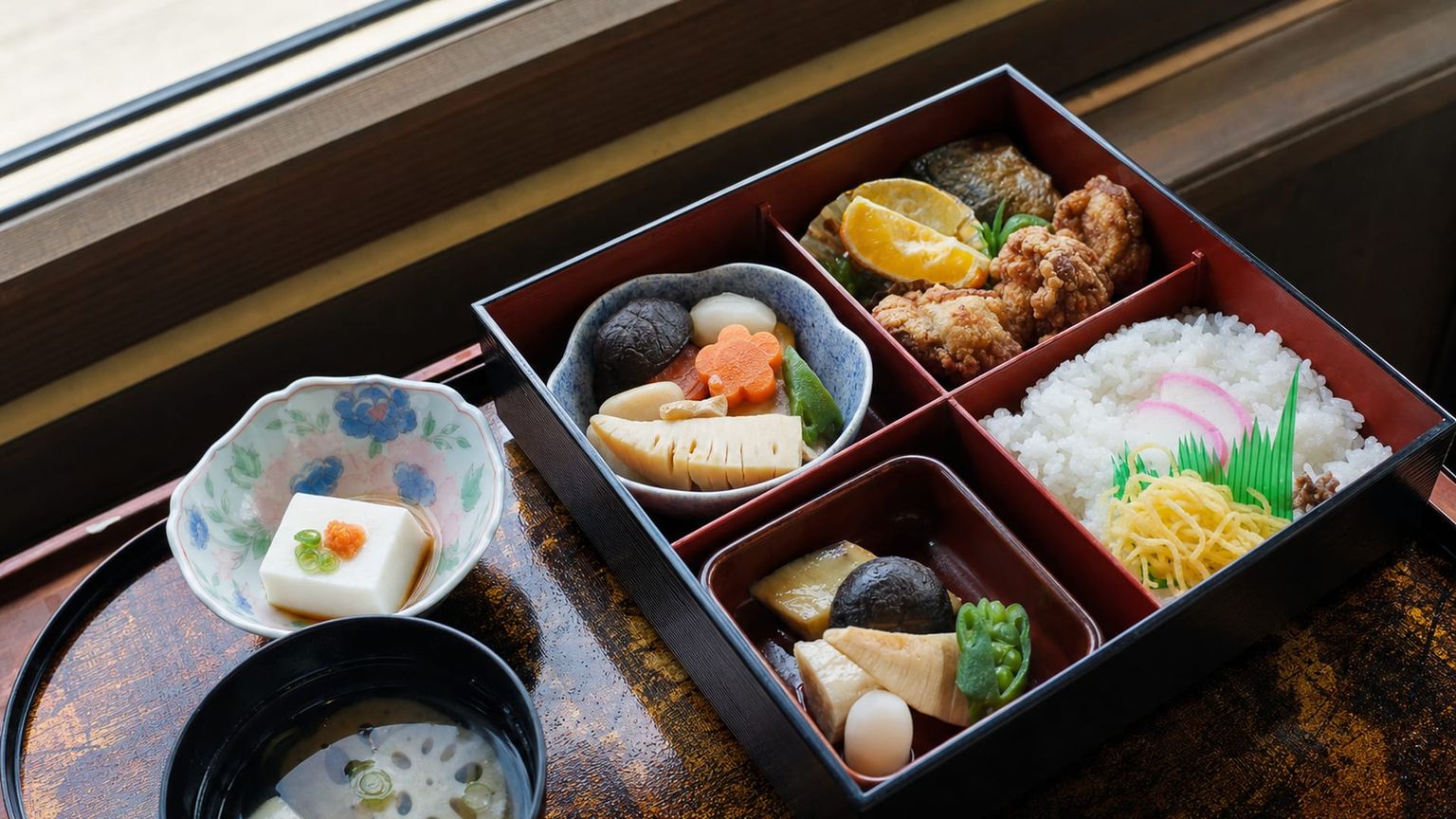
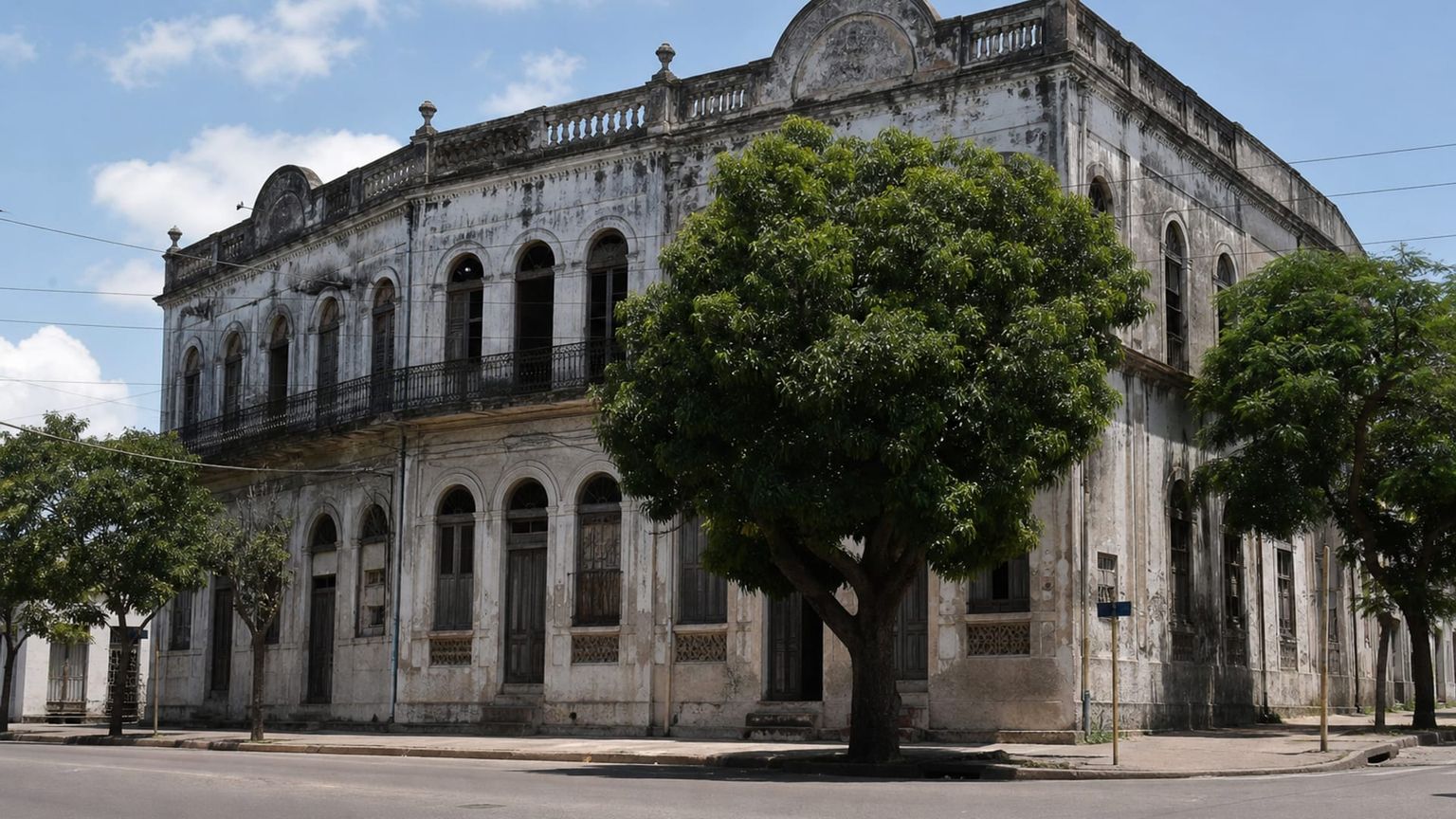
Baixa is Maputo’s downtown core, where administrative buildings, markets, older commercial blocks, and key civic sights sit close together. It works well for travelers who want to step out into the city’s historic center and do most errands on foot.
Best for: Short stays, city walks, and travelers who want to be near central sights
What to expect: Busy sidewalks, street vendors, taxis, and constant daytime movement, with a clear drop in energy after offices close.
Hotel prices: Usually about $80 to $180 per night for well-rated stays
Distance to major sights: On foot to the Central Market in about 5 minutes, about 10 minutes to the Maputo Railway Station
Quietness: Noisy and crowded by day, then notably calmer at night once offices and shops close.
Main trade-off: Older buildings and parking limits can make some stays less convenient than in Polana, and the area is less restful after dark.
Good to know: Choose this area if you want to walk to museums, markets, and the station, but check building age and street-facing room noise before booking.
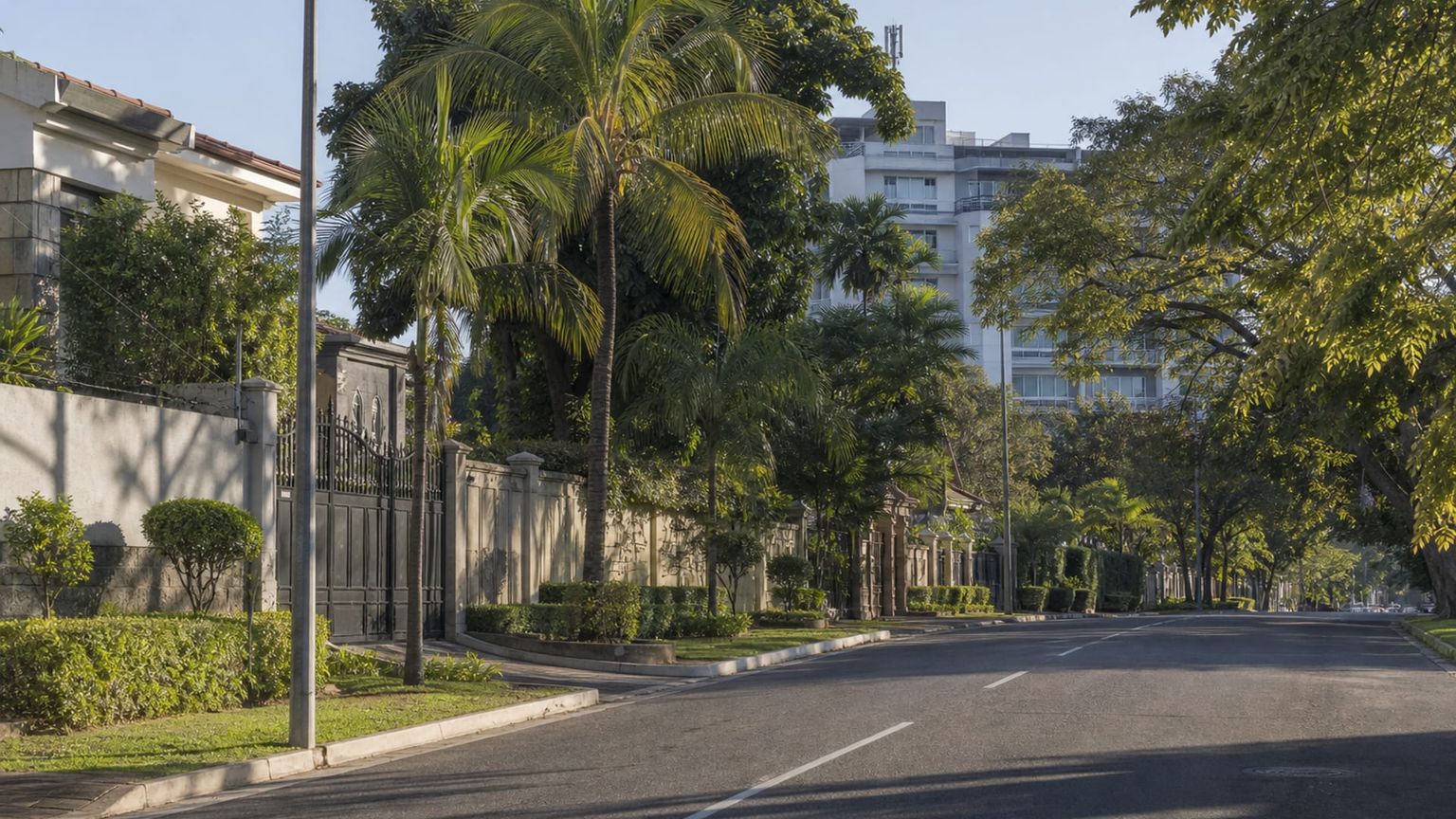
Sommershield sits just north of the central districts and combines residential streets with embassies, offices, and a few good restaurants. It offers a calmer base than the downtown core while still keeping Polana and Baixa close by.
Best for: Calmer stays, longer visits, and travelers who prefer a residential setting
What to expect: Tree-lined streets, local traffic, and a quieter evening scene, with most activity centered on a handful of main roads and dining spots.
Hotel prices: Usually about $90 to $190 per night for well-rated stays
Distance to major sights: About 10 to 15 minutes by car to Baixa and about 20 minutes to the Maputo Railway Station waterfront area
Quietness: Generally quiet at night, with more daytime movement from offices, schools, and through traffic.
Main trade-off: You will rely more on taxis than in Baixa, and restaurant choice is narrower once you leave the main corridors.
Good to know: Stay here if you want a residential base with less evening noise, but plan meals ahead since the dining scene is thinner than in Polana.
Travelers usually avoid KaTembe, because it sits across Maputo Bay and adds a long ferry or road trip to reach central sights, restaurants, and most hotels. In the city center, some visitors skip the outer edges of Polana Cimento and Alto Maé when they want easier evening walking and more visitor amenities, since the best-known attractions, dining, and hotel cluster are farther south along the waterfront and downtown grid.
Hotel deals
How to get around Maputo efficiently
Maputo has no metro, so daily movement depends on roads, with minibuses, city buses, taxis, and ride-hailing covering the gaps between Baixa, Polana, and Sommershield.

Metro
for longer distances
Maputo has no metro system, so there is no subway to use here; for rail-based travel, the closest option is the suburban train network, which is limited and not a primary city transport choice. Most visitors rely on roads for cross-city trips.

Bus and tram
for convenience
Chapless minibuses and city buses cover much of Maputo and nearby neighborhoods, with common rides costing about $0.30 to $0.80 (20 to 50 meticais) and tickets usually valid for a single trip only. Routes are informal and stops can be unclear, so ask the driver or conductor before boarding, and expect slower travel at peak times.

Taxi
for convenience or late hours
Licensed taxis in Maputo usually use set fares rather than meters, with short city trips often about $5 to $10 and airport runs from Maputo (MPM) commonly about $10 to $20, depending on distance and time of day. Hail them from hotels, taxi ranks, or via phone dispatch, confirm the fare before departure, and carry cash, since card payment is uncommon.
*Prices are based on rates updated as of June 2026 and may change at the time of travel.
Use walking for central blocks in Baixa, taxis for quicker cross-town hops, and minibuses or city buses when price matters more than speed.
Iconic landmarks
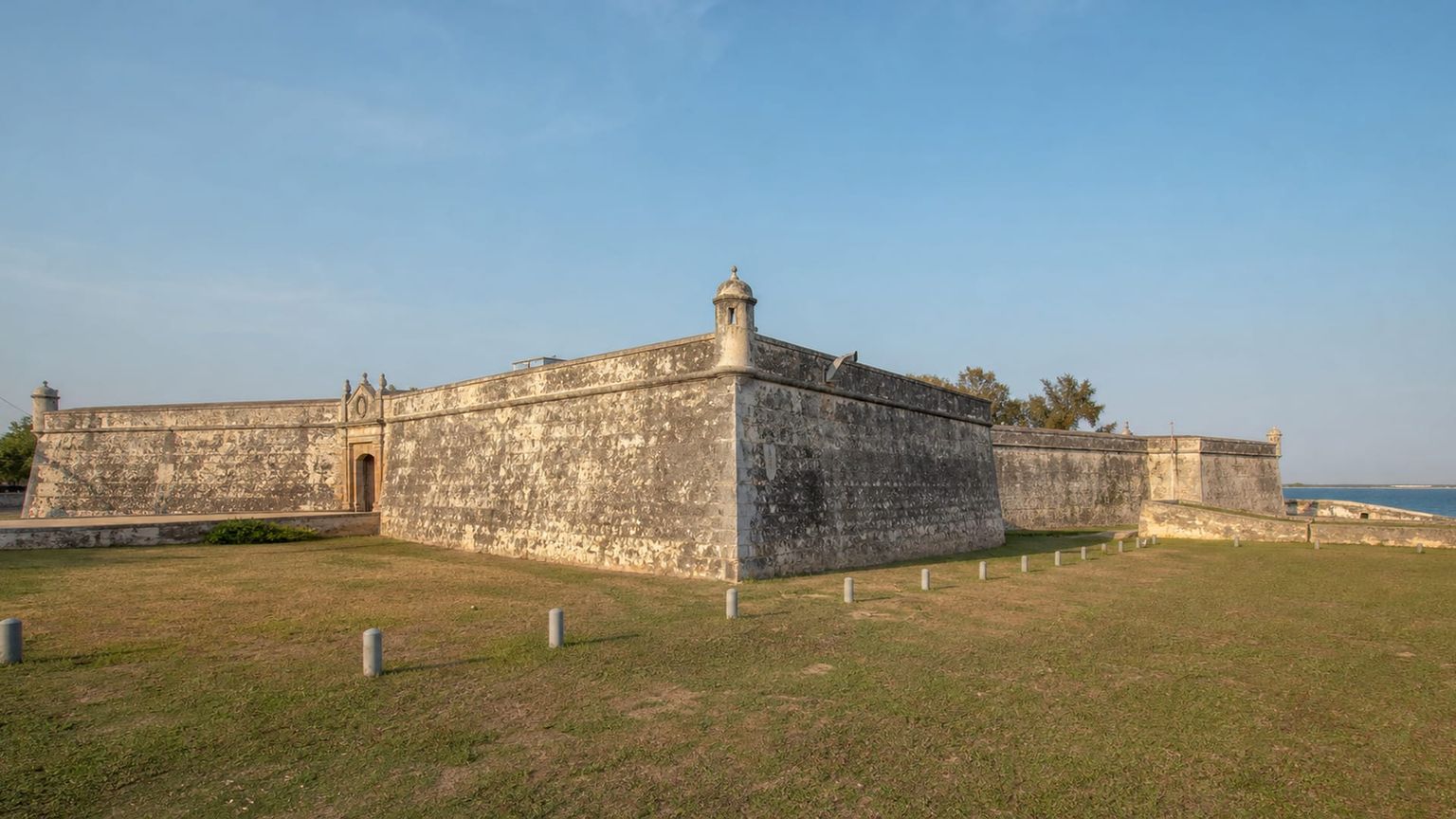
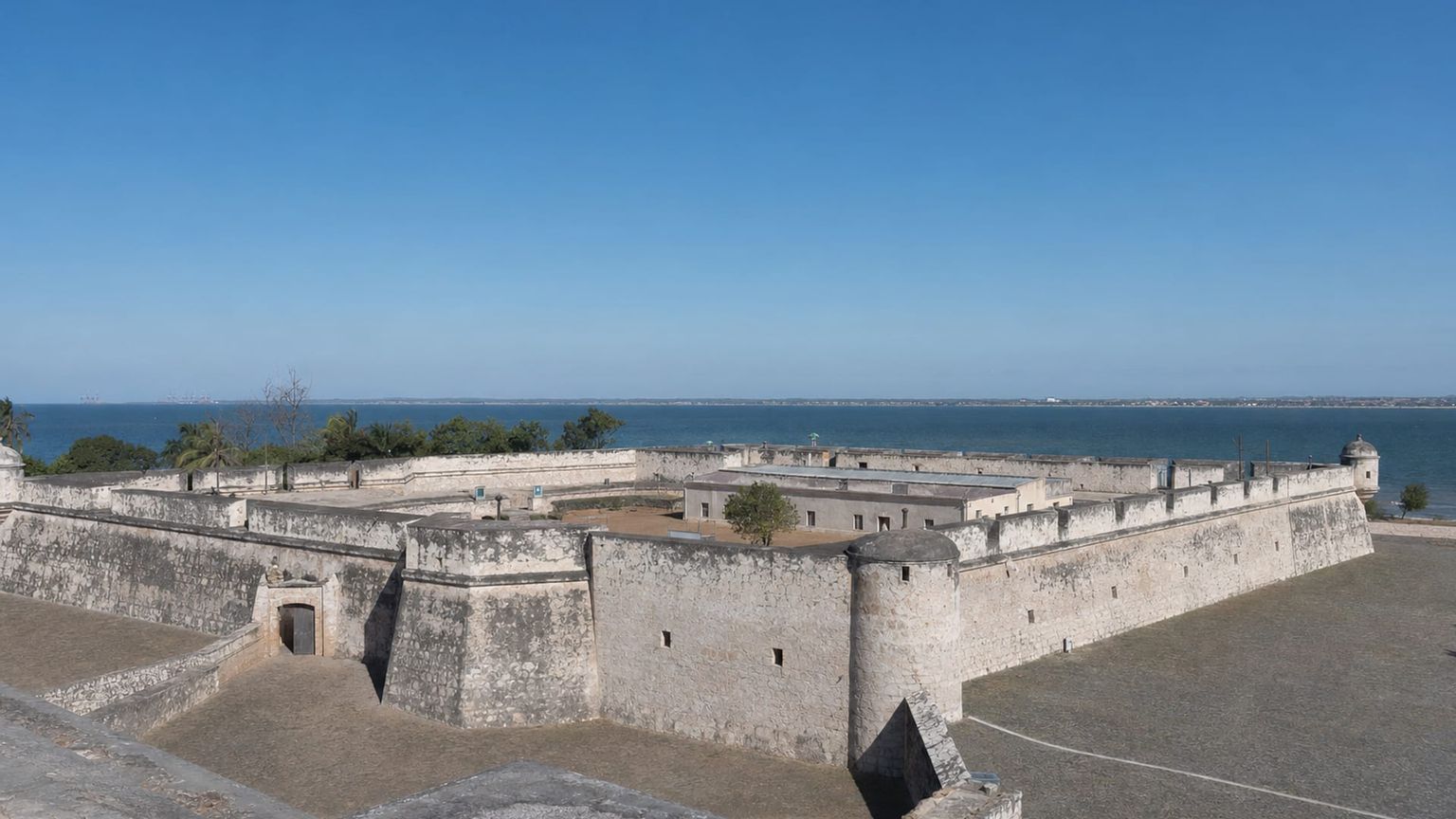
Fortaleza de Maputo
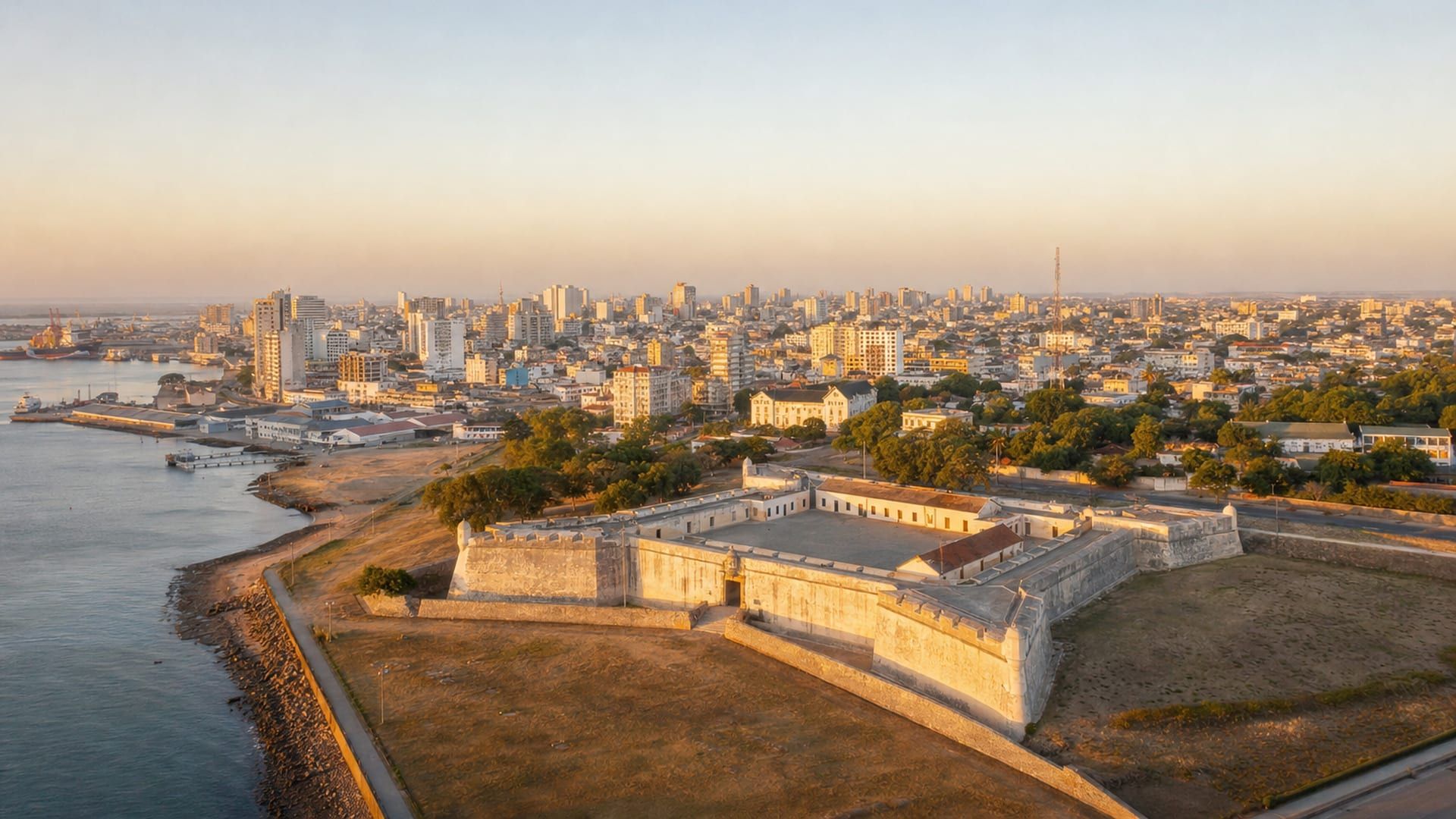
This 18th-century Portuguese fort anchors the old city with thick stone walls, cannons, and a compact military museum. Its terraces also give clear views across the central waterfront and port area, all within a short walk of downtown.
Time needed: About 1 to 2 hours
Entry: Tickets are about $1 to $2 (60 to 120 MZN) for adults, with lower rates for children and some local visitors on selected days.
Tip: Go early for cooler light, then pair it with a walk along Avenida 25 de Setembro nearby.
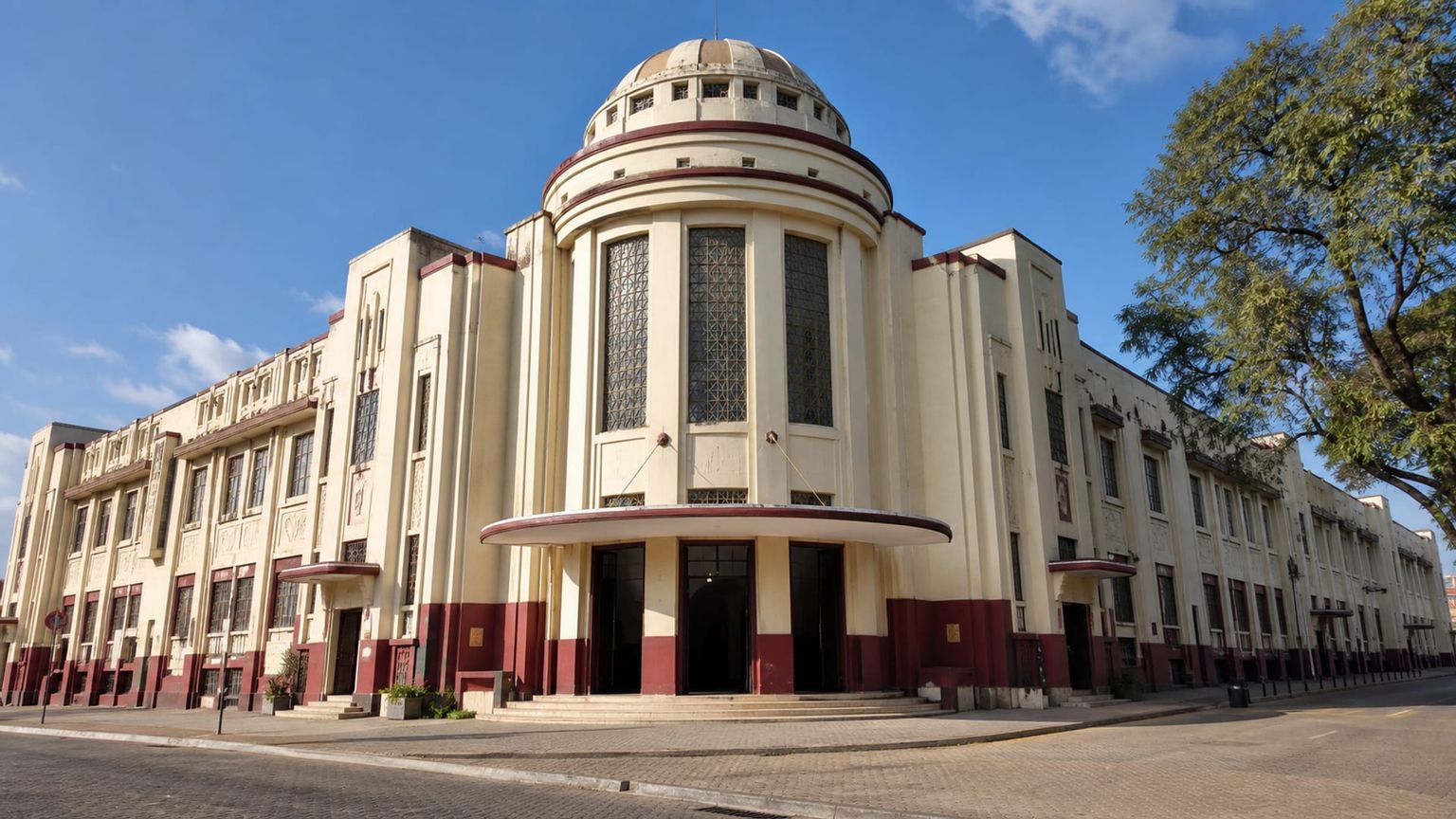
Central Market
Maputo’s Central Market fills a landmark market hall with produce, spices, seafood, and stalls selling wood carvings and woven goods. It gives a direct look at daily commerce in the center, and the building itself is a city landmark.
Time needed: About 1 to 2 hours
Entry: Free to enter; pay only if you buy food, drinks, or crafts from individual vendors inside the market.
Tip: Visit before midday, when the stalls are fullest and the aisles are easier to move through.
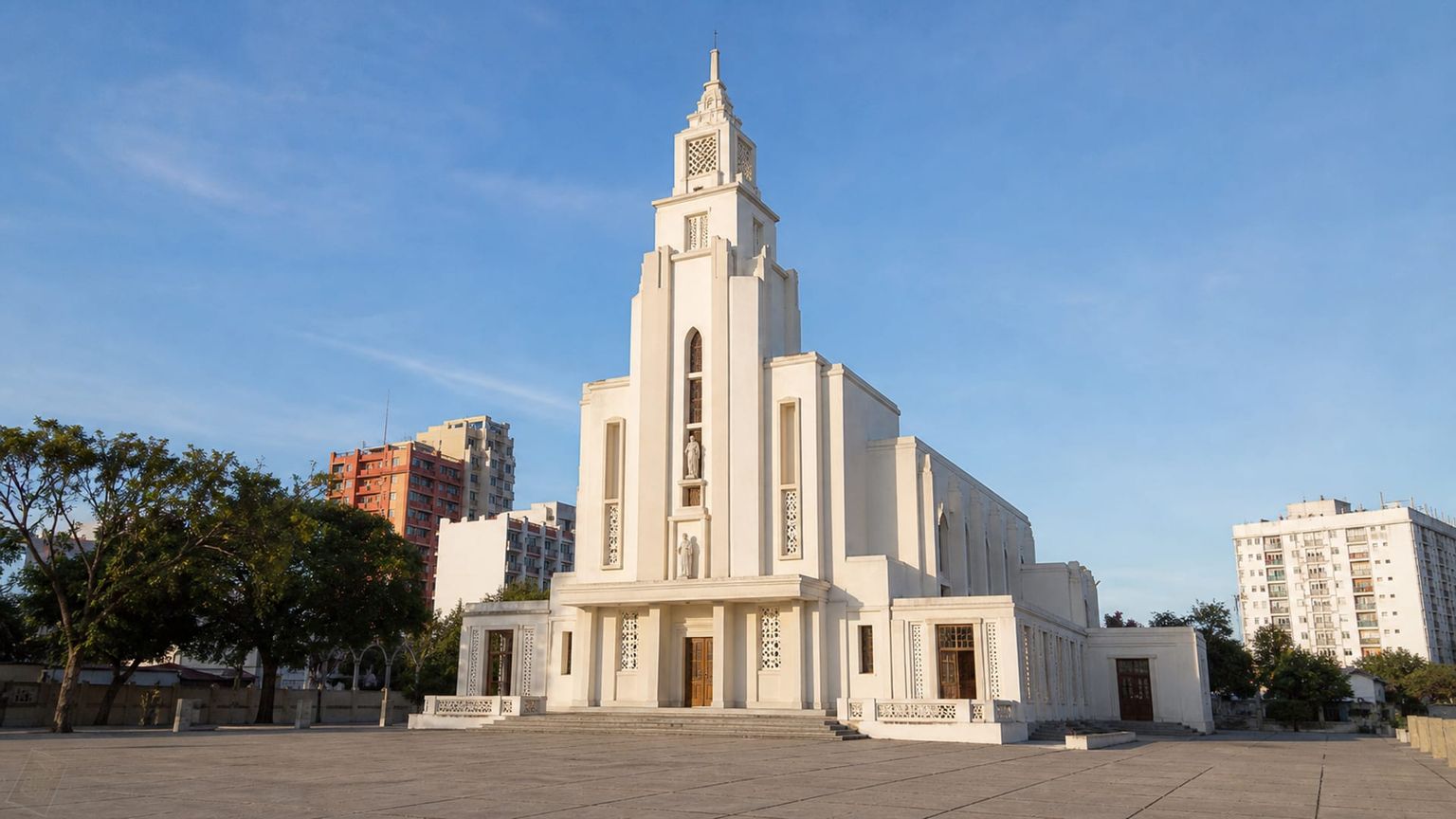
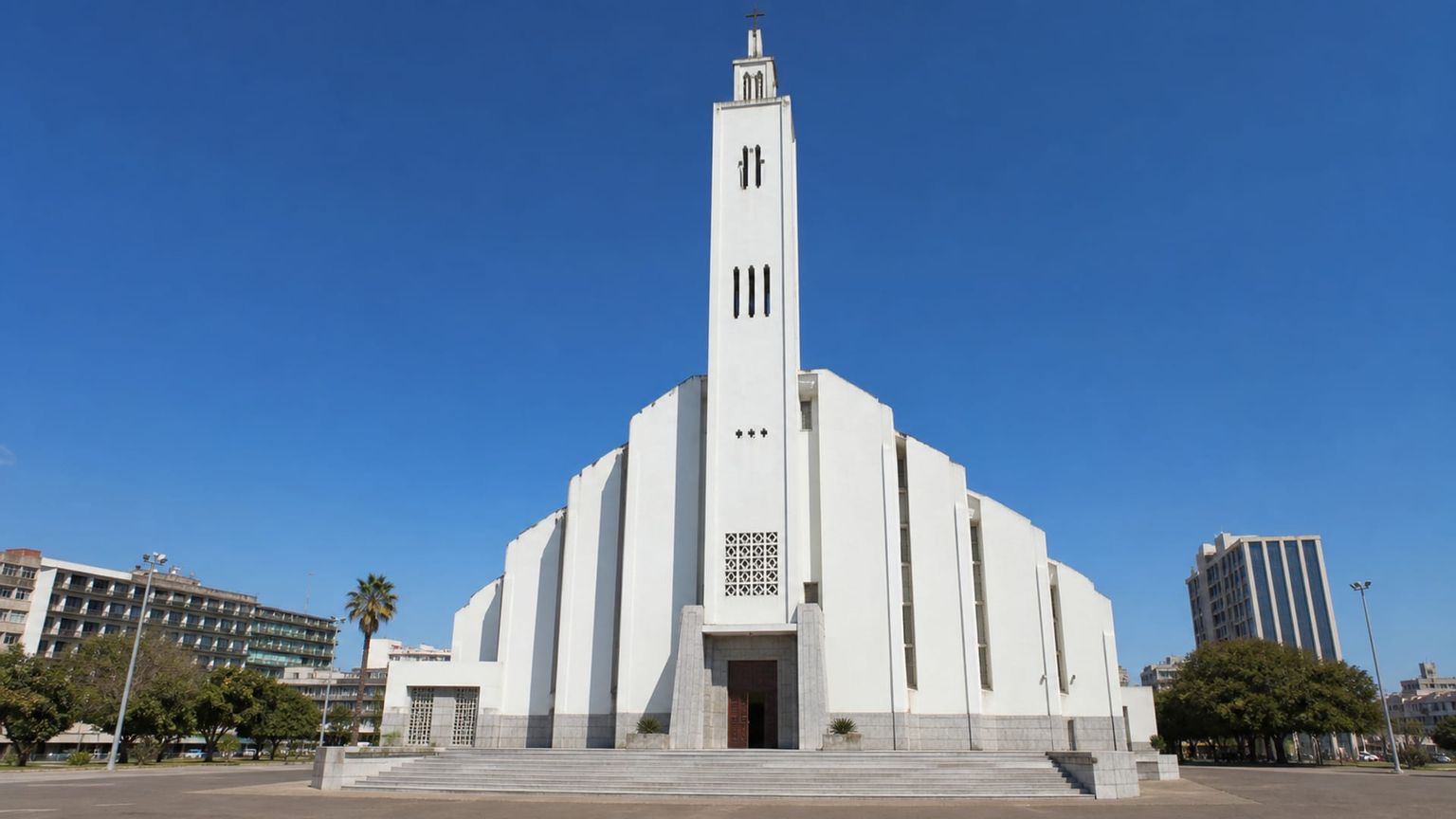
Cathedral of Our Lady of the Immaculate Conception
This white concrete cathedral dominates the civic core with a steep facade, a tall bell tower, and a spacious interior lit by side windows. It sits close to Independence Square, so you can combine it with other central sights on foot.
Time needed: About 30 to 45 minutes
Entry: Free to enter during open hours; donations are welcome, and special services or events may limit visitor access.
Tip: Stop by in late afternoon, when the exterior is easier to photograph and the square is less harsh.
Overlooked sites worth visiting

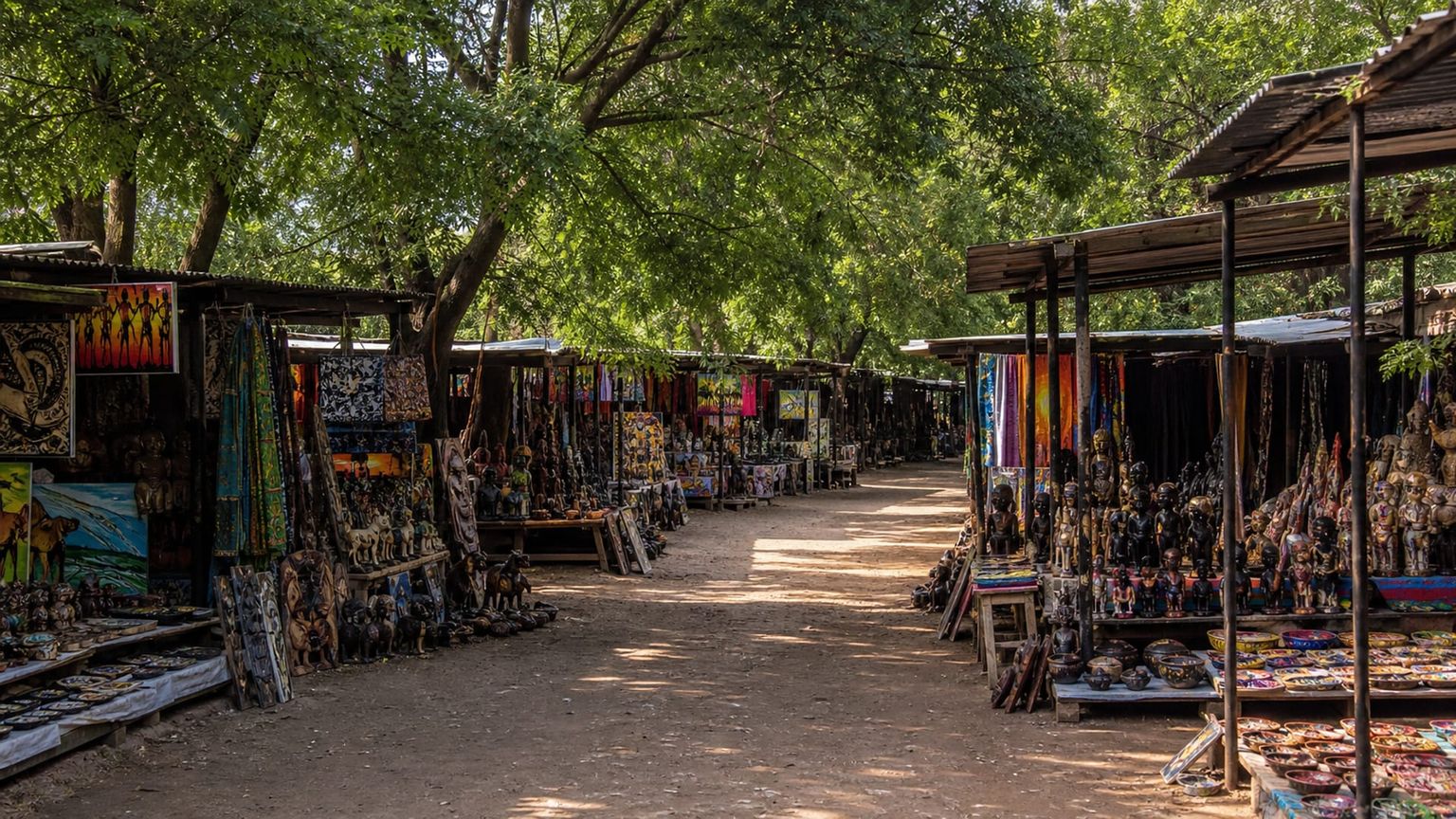
FEIMA, Maputo Arts and Crafts Market
Open-air stalls line the avenue with wood carving, basketry, painting, and textile work from Mozambican makers. Go in the morning, when more vendors are set up and it is easier to browse before the heat builds.
Time needed: About 1 to 2 hours
Entry: Free to enter, with prices set by each stallholder. Small souvenirs such as beadwork and carvings often start at about $2 to $5 (about 120 to 320 meticais), while larger handmade pieces can cost $20 to $60 (about 1,270 to 3,830 meticais).
Tip: Visit early for the fullest stall selection and softer light.

Natural History Museum of Maputo
This compact museum inside a colonial-era building shows one of the city’s most unusual collections, including preserved marine mammals, reptiles, and shell displays. The carved wood interior is as notable as the specimens.
Time needed: About 1 hour
Entry: Admission is usually about $3 to $5 (about 190 to 320 meticais) for adults, with lower rates for children and students. Special exhibitions or guided visits can cost more, so check the desk on arrival for the current tariff and any separate camera rules.
Tip: Pair it with a walk on Avenida Samora Machel.
Traditional food
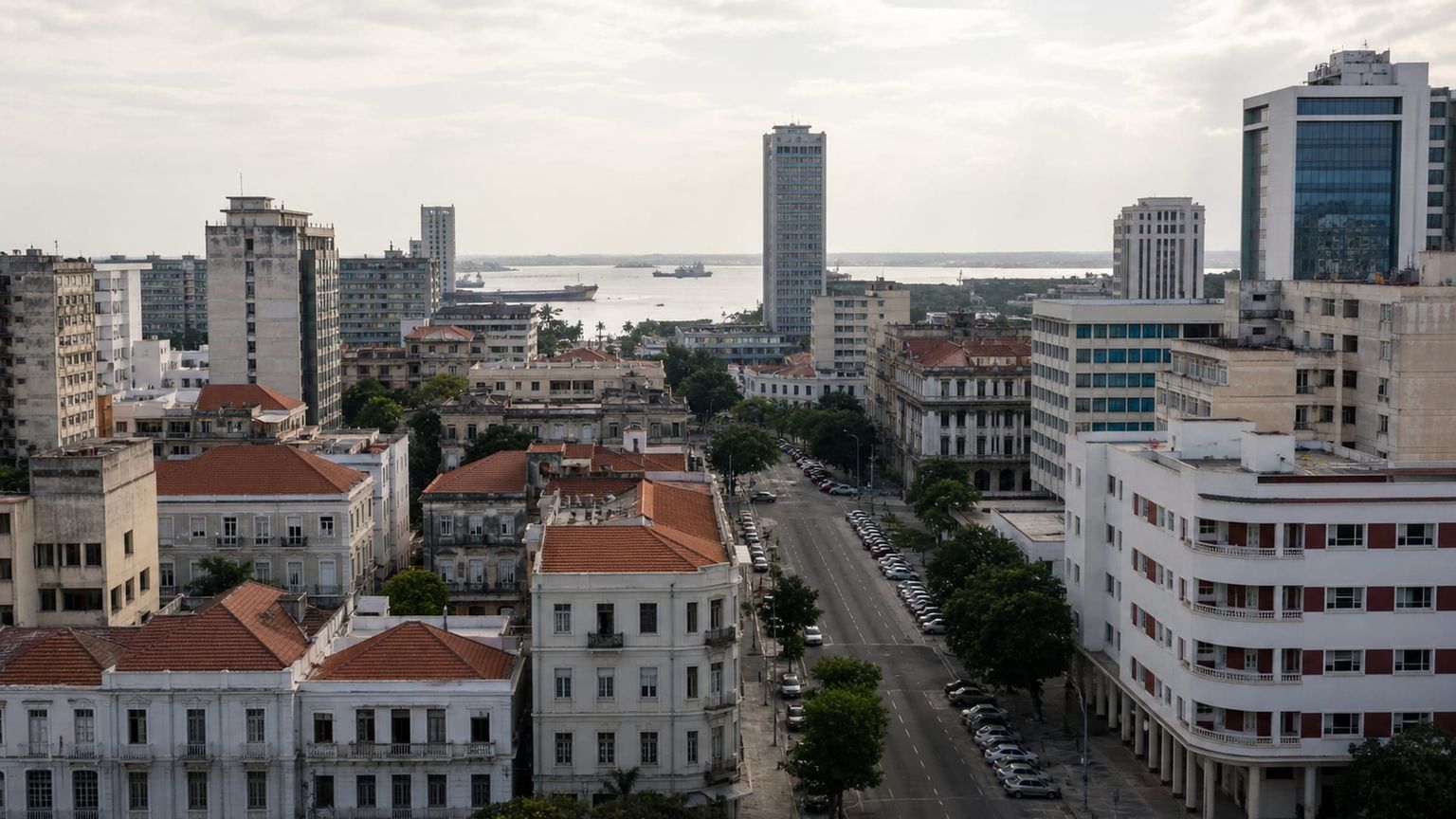
Maputo’s table turns on peri-peri prawns, matapa, xima, and grilled chicken, with cassava, coconut, and chili shaping much of the flavor. Lunch and dinner usually stretch into relaxed meals rather than rushed stops.
Peri-peri prawns
Chargrilled prawns come coated in chili, garlic, and lemon, a Maputo staple that suits the city’s coastal setting. For a reliable version, book a table at Zambi Restaurante, one of the city’s best-known seafood addresses.
Matapa
This cassava-leaf stew often arrives with coconut, peanuts, and seafood, making it one of the clearest expressions of Mozambican home cooking. Restaurante Costa do Sol serves a well-regarded version in a setting many visitors already use for a long seafood meal.
Xima
Xima, a firm maize porridge, usually acts as the base for stews and grilled meats and appears across everyday meals in Maputo. Kanu may not center on it alone, but it handles traditional plates well and keeps the city’s comfort food in view.
Frango grelhado
Grilled chicken shows up with peri-peri heat, crisp skin, and plenty of lemon, making it one of the simplest orders in the city. Sagres Restaurante is a dependable stop for the dish when you want a classic meal in central Maputo.
Best time to visit Maputo
Maputo stays warm for much of the year, but humidity, rainfall, and sea air change how far you will want to walk and how long you will linger outdoors.
Best for: Beach time, long lunches, and energetic waterfront days
What you get: About 82 to 88°F (28 to 31°C), humid and busy with local holiday movement
Trade-offs: Afternoon rain and heavy heat can make midday sightseeing tiring
Best for: City walks, market visits, and easier full-day sightseeing
What you get: About 75 to 84°F (24 to 29°C), with fewer weather disruptions and moderate crowds
Trade-offs: Humidity can linger, especially in March
Best for: Museum time, comfortable walking, and clear outdoor photos
What you get: About 67 to 79°F (19 to 26°C), drier air, and lighter visitor flow
Trade-offs: Evenings can feel cool near the water
Best for: Dining outdoors and moving between central neighborhoods
What you get: About 74 to 86°F (23 to 30°C), warming steadily with manageable crowds
Trade-offs: Heat and humidity rise again toward November
A realistic 5-day plan in Maputo
Five days in Maputo work best when you keep the center in view, then move outward only when the map makes sense. The plan below uses Baixa, Polana, Sommershield, and the airport run as separate pieces of the same trip.
Land at Maputo (MPM), then take a taxi or prebooked car into Polana, which usually takes about 20 to 30 minutes and costs roughly $12 to $20. Check into a hotel there, drink some water, and keep dinner close, perhaps along Avenida 24 de Julho or one of Polana’s main restaurant corridors, so the first night stays simple while you settle in.
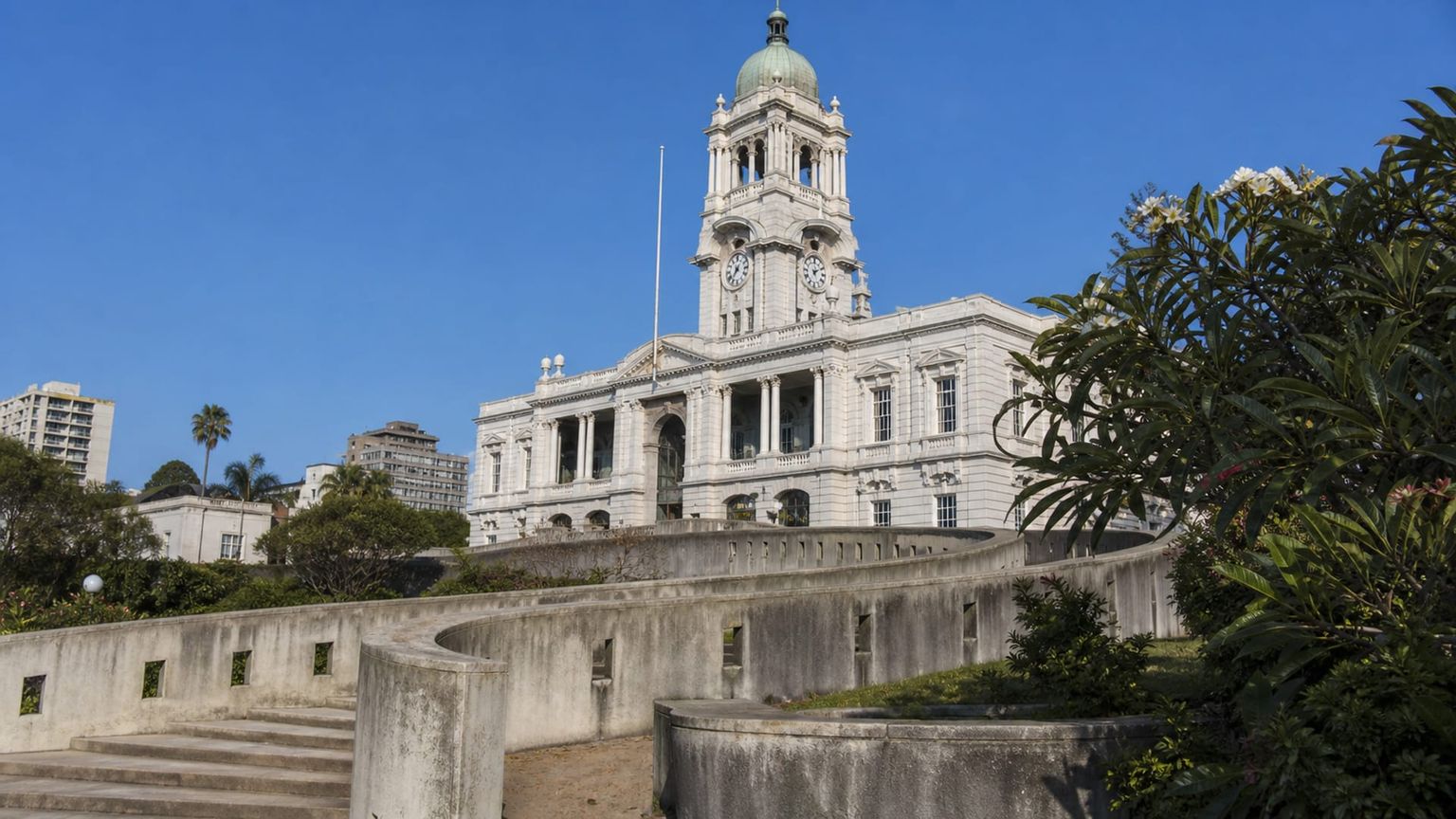
Start in Baixa at the Central Market, where you can spend about 1 to 2 hours among produce stalls, crafts, and the market hall itself. From there, walk about 10 minutes to the Cathedral of Our Lady of the Immaculate Conception, then continue about 5 minutes to Fortaleza de Maputo for the fort walls, museum rooms, and harbor views. Finish with a late lunch or coffee back in Baixa, then return to Polana by taxi in about 10 to 15 minutes if you want an easier evening.
Begin in Sommershield, then head about 10 minutes by car to the Natural History Museum of Maputo for about an hour with the carved interior and unusual collection. After that, continue about 10 minutes to FEIMA, Maputo Arts and Crafts Market, where morning browsing works best for beadwork, wood carving, and textiles. End the day with a relaxed dinner in Polana, reached in roughly 10 to 15 minutes by taxi, so you are not tied to a late cross-town drive.
Set aside this day for a slower central circuit: start at Fortaleza de Maputo if you want a second look at the waterfront approach, then walk or ride about 10 minutes into the civic core for the Cathedral of Our Lady of the Immaculate Conception. From there, give yourself time to return through Baixa, where the streets, offices, and older commercial blocks offer a stronger sense of the downtown grid than the museum stops alone. A coffee break in Baixa works well before an early evening back in Polana, about 10 minutes away by car.
Before you head to Maputo (MPM), pair one last museum stop with easy shopping and a café break: return to the Natural History Museum of Maputo if you want a final indoor visit, then spend an hour at FEIMA, Maputo Arts and Crafts Market for souvenirs and gifts. After that, settle into a café in Polana for an unhurried lunch or coffee, then leave enough time for the ride to the airport, which usually takes about 20 to 30 minutes from central neighborhoods.
Business-class flights from the US to Maputo
Flights to Maputo usually route through one major hub, so the real question is which connection fits your departure city and your patience for layovers. These examples show how the trip usually prices from the East Coast and the West Coast.
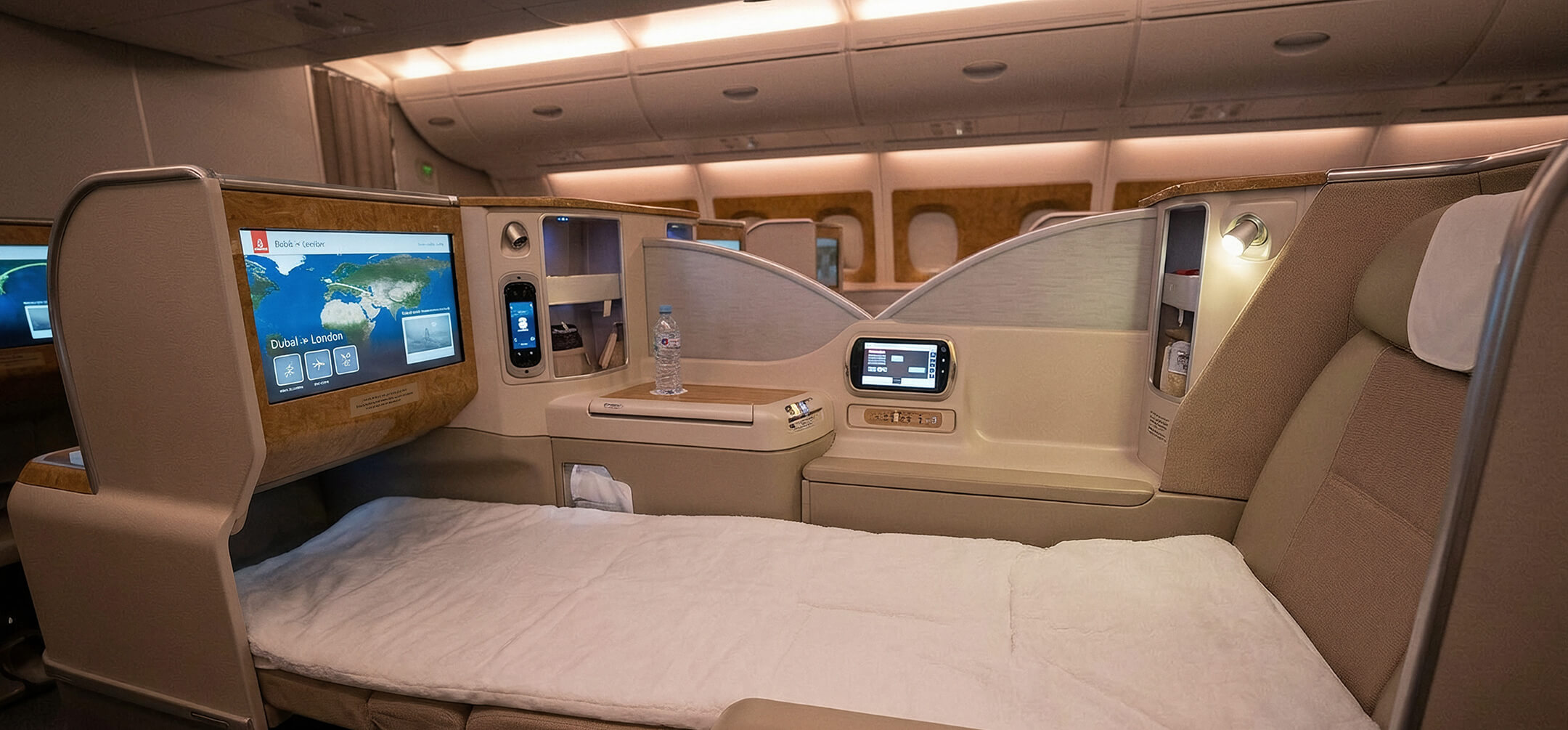
From New York, Emirates, Turkish Airlines, Qatar Airways, Ethiopian Airlines, and Lufthansa all sell one-stop itineraries into Maputo (MPM), with common connections through DXB, DOH, IST, ADD, FRA, and CDG. Round-trip fares start at $4,200, and one-stop itineraries can lower the fare to roughly $3,100.
Los Angeles itineraries usually move on Qatar Airways, Turkish Airlines, Emirates, Ethiopian Airlines, or Lufthansa, with connections through DOH, IST, DXB, ADD, FRA, or MUC. Expect about 20 to 30 hours in transit, and roughly $4,500 to $6,800 round-trip, with the cheapest one-stop tickets sometimes dipping to roughly $3,400 when space opens up.
Maputo feels different when you slow down
A well-paced Maputo trip ties together Baixa’s market streets, Polana’s hotel corridors, Sommershield’s quieter residential blocks, and a taxi back from FEIMA or the Natural History Museum before evening. That structure keeps the city legible without forcing every day into the center. If you want help matching hotel area, route, and dining plans, speak with the AranGrant experts and build your Maputo dates around the neighborhoods you will actually use