

Chapters:

Need help with your trip?
Our support team is available 24/7. Request a callback or call us directly at (833) 619-0908
Marsh Harbour trips often center on the airport, a ferry crossing, and one or two harbor meals, while the quiet corners and short detours that shape the stay get left out.
That narrow plan can waste time, because the useful places sit on opposite sides of a small but car-dependent district, and dock schedules, taxi timing, and evening closing hours all matter.
This guide maps the stay by pace, not just by distance, so arrivals, day trips, meals, and departure all fit together without guesswork.
Useful things to know

Main language(s): English

Currency: The local currency is the Bahamian dollar (BSD, $).

Cash and cards: Cards and contactless are accepted at larger hotels and resorts, but carry about $40 to $80 in cash for taxis, tips, and small shops.

Tipping: Tip 10-15% in restaurants if a service charge is not already included; round up for taxis and small purchases.

Traditional food: conch salad, cracked conch, boiled fish, guava duff

Water and coffee costs: Water about $2 ($2), bar espresso about $3 ($3.50).

Taxis and ride apps: Uber and Lyft are not established here, so rely on hotel taxis or prebooked transfers.

Plug and voltage: Type A/B socket, 120V

Dining and shop opening hours: Breakfast is about 07:00-10:00, lunch 12:00-14:00, and dinner 18:00-21:00. Many places close earlier on Sundays and in low season.

Emergency number: Dial 911 for police, fire, and ambulance.
Where to stay in Marsh Harbour
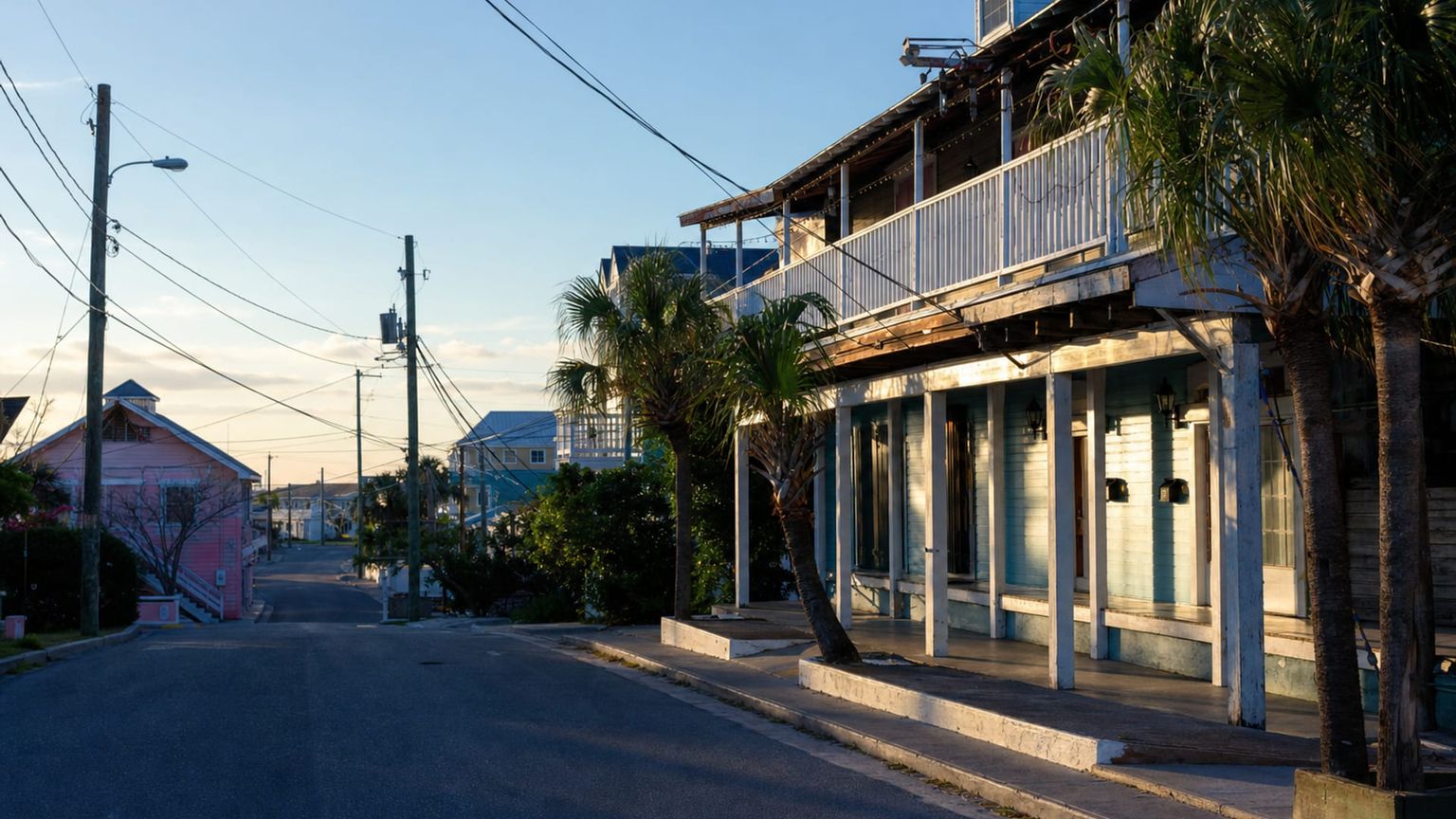
The town center puts you close to Marsh Harbour’s shops, marina area, and ferry links, with the airport only a short drive away. It suits travelers who want to handle arrivals, errands, and dining without crossing much of the island.
Best for: Airport arrivals, short stays, ferry connections, and easy access to shops and restaurants
What to expect: A compact grid of streets, small businesses, and steady daytime movement, with evenings that quiet down after dinner.
Hotel prices: Usually about $170 to $320 per night for well-rated stays
Distance to major sights: 5 to 10 minutes by car to Marsh Harbour Airport (MHH), about 5 minutes to the ferry dock
Quietness: Busier during the day, quieter at night once businesses close
Main trade-off: You will pay for central access, and some rooms sit near traffic, boats, or late-opening bars.
Good to know: If you plan to move by taxi or shuttle, confirm pickup times in advance, since late-night options are limited.
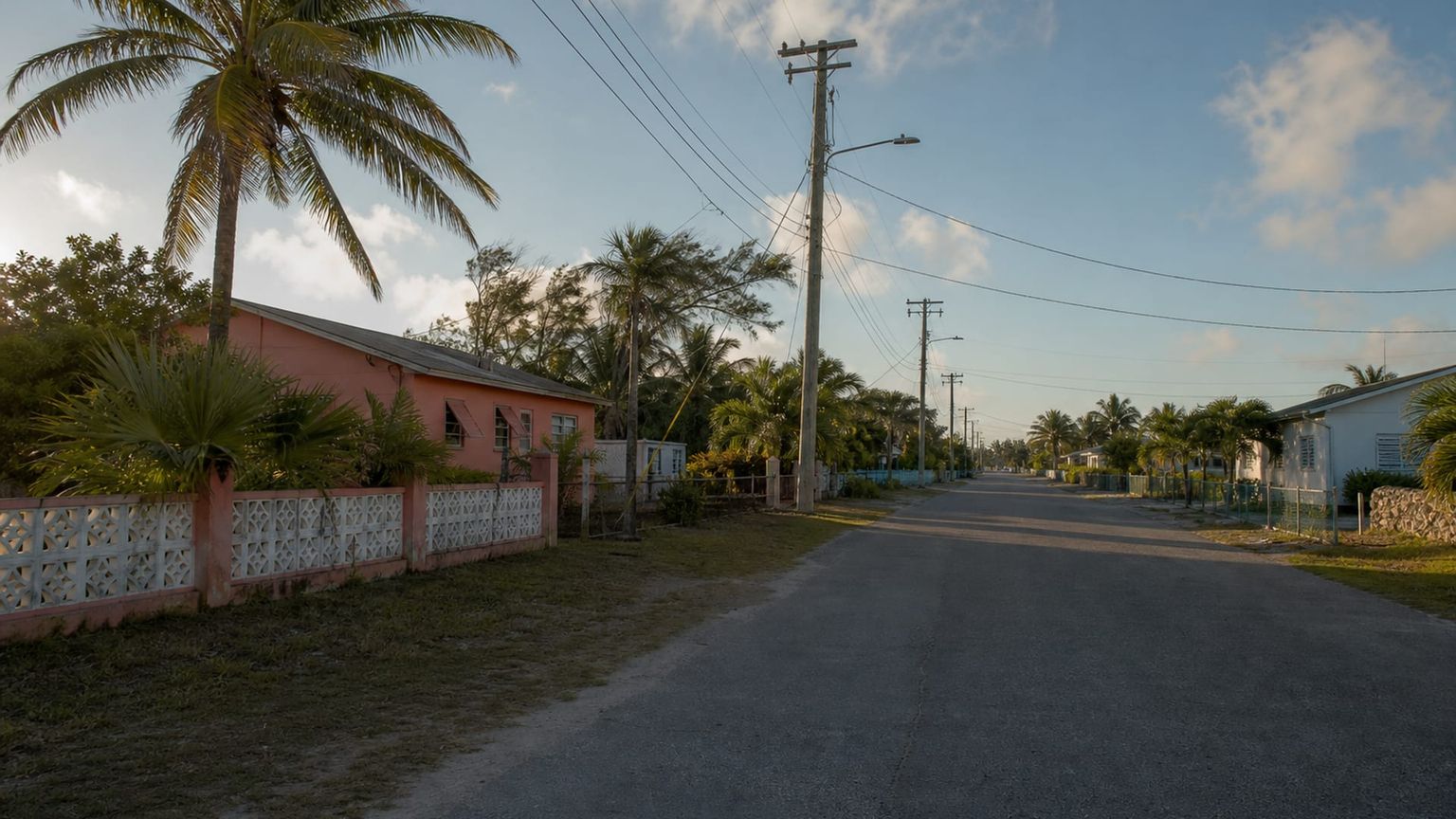
Great Cistern sits just north of Marsh Harbour and gives you a more residential base while staying close to town. It works well for visitors who want quick access to the airport and central services without being right in the busiest block.
Best for: Longer stays, airport access, and travelers who prefer a residential setting near town
What to expect: Mostly local homes and small roads, with little street activity and a calmer pace after dark.
Hotel prices: Usually about $140 to $260 per night for well-rated stays
Distance to major sights: About 5 to 10 minutes by car to Marsh Harbour Airport (MHH), roughly 10 minutes to central Marsh Harbour
Quietness: Quiet through the day, very quiet in the evening
Main trade-off: You trade walkability for calm, so most meals, shopping, and nightlife require a car or taxi.
Good to know: Check whether your lodging has reliable road access after rain, since side streets can become less convenient to navigate.
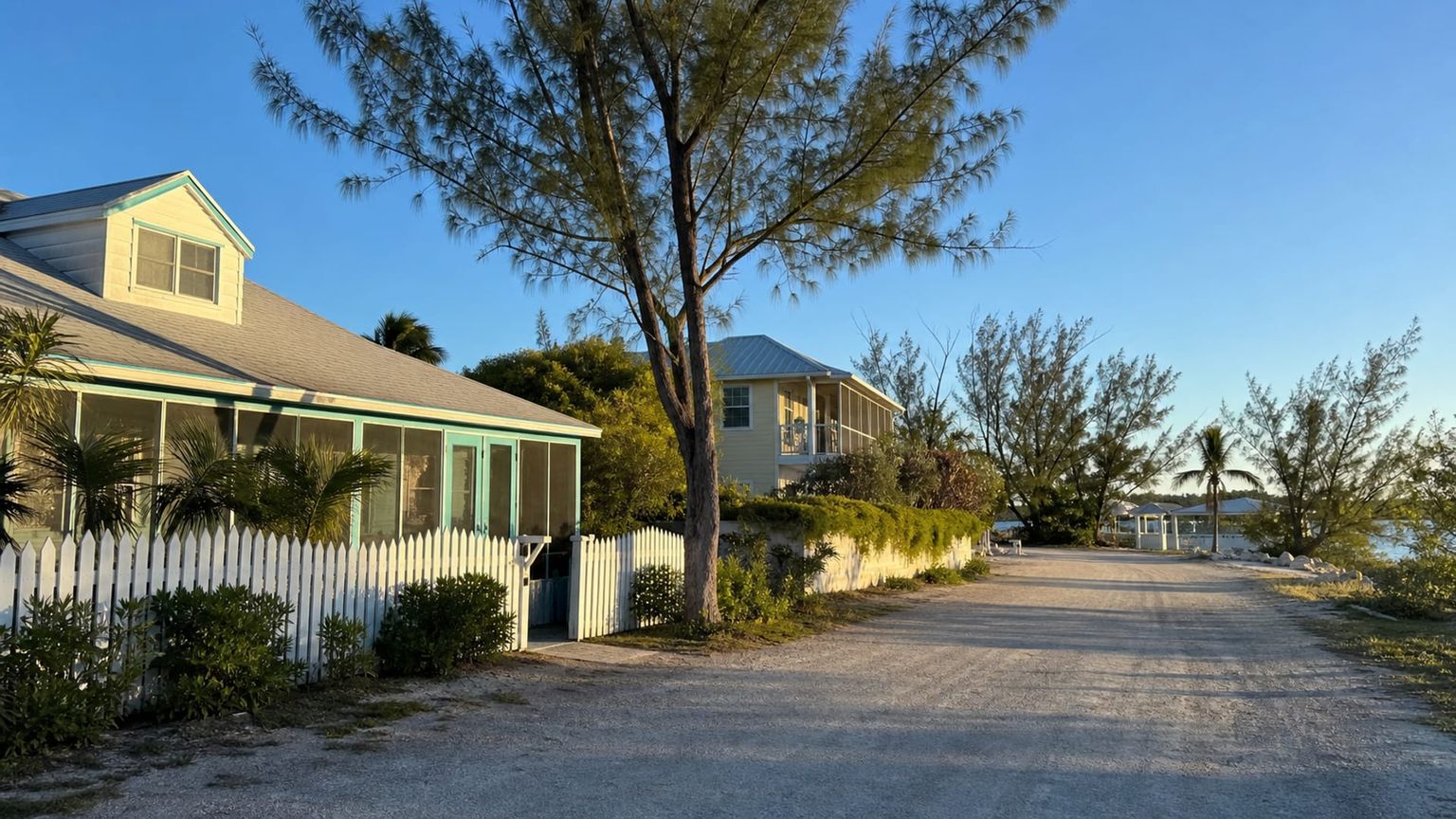
Casuarina Point lies south of Marsh Harbour and is known for beach access, low-density lodging, and a slower coastal setting. It matters for travelers who want to split time between town errands and quiet shoreline time.
Best for: Beach time, fishing trips, and travelers who want a quieter coastal base
What to expect: Sparse development, ocean breezes, and very little evening activity beyond lodging and private homes.
Hotel prices: Usually about $180 to $350 per night for well-rated stays
Distance to major sights: About 20 to 25 minutes by car to Marsh Harbour Airport (MHH), roughly 25 minutes to central Marsh Harbour
Quietness: Quiet during the day, very quiet after sunset
Main trade-off: The setting is appealing, but you will spend more time on the road for restaurants, groceries, and airport transfers.
Good to know: Bring a rental car or confirm transfer costs, since taxi trips can add up quickly from this side of the harbor.
Travelers usually avoid staying in Great Cistern and Marsh Harbour Central if they want easier access to the ferry dock, shops, and restaurants, since these areas sit farther from the main visitor strip and can be less convenient for evening outings. Many also skip Dundas Town, Murphy Town, and the airport corridor near Marsh Harbour (MHH) because they are more residential or transit-oriented, with fewer visitor amenities and more time needed to reach beaches and the harbor.
Hotel deals
How to get around Marsh Harbour efficiently
Marsh Harbour has no metro or tram network, so taxis, ferries, rental cars, and short walks do most of the work between the airport, the harbor, and nearby sights.

Metro
for longer distances
Marsh Harbour has no metro or suburban rail, so visitors rely on roads, ferries, and private vehicles rather than any rapid-transit network.

Bus and tram
for convenience
There is no formal bus or tram network in Marsh Harbour, and local travel usually happens by taxi, rental car, or on foot for short distances near the harbor and main roads.

Taxi
for convenience or late hours
Licensed taxis in Marsh Harbour usually do not use meters, fares are quoted in advance, and short hops often cost about $8 to $15, with airport trips and longer cross-town rides roughly $20 to $35 depending on luggage and time of day. Drivers commonly accept cash in USD, and you should confirm the fare before setting off.
*Prices are based on rates updated as of June 2026 and may change at the time of travel.
Walk for the waterfront, use taxis for airport and town transfers, and book boats or rental cars when you are heading to the cays or staying outside the center.
Iconic landmarks
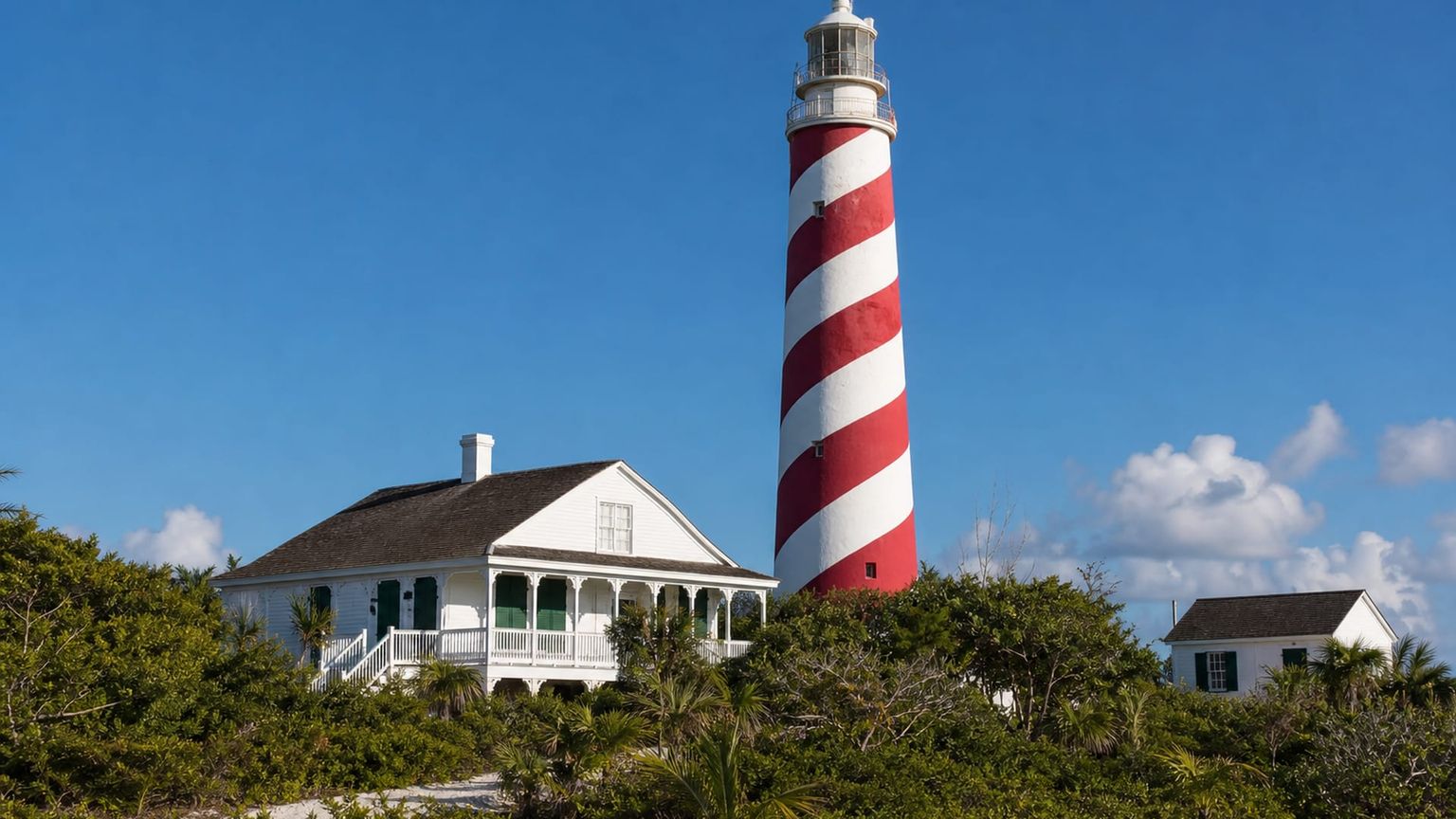
Hope Town Lighthouse
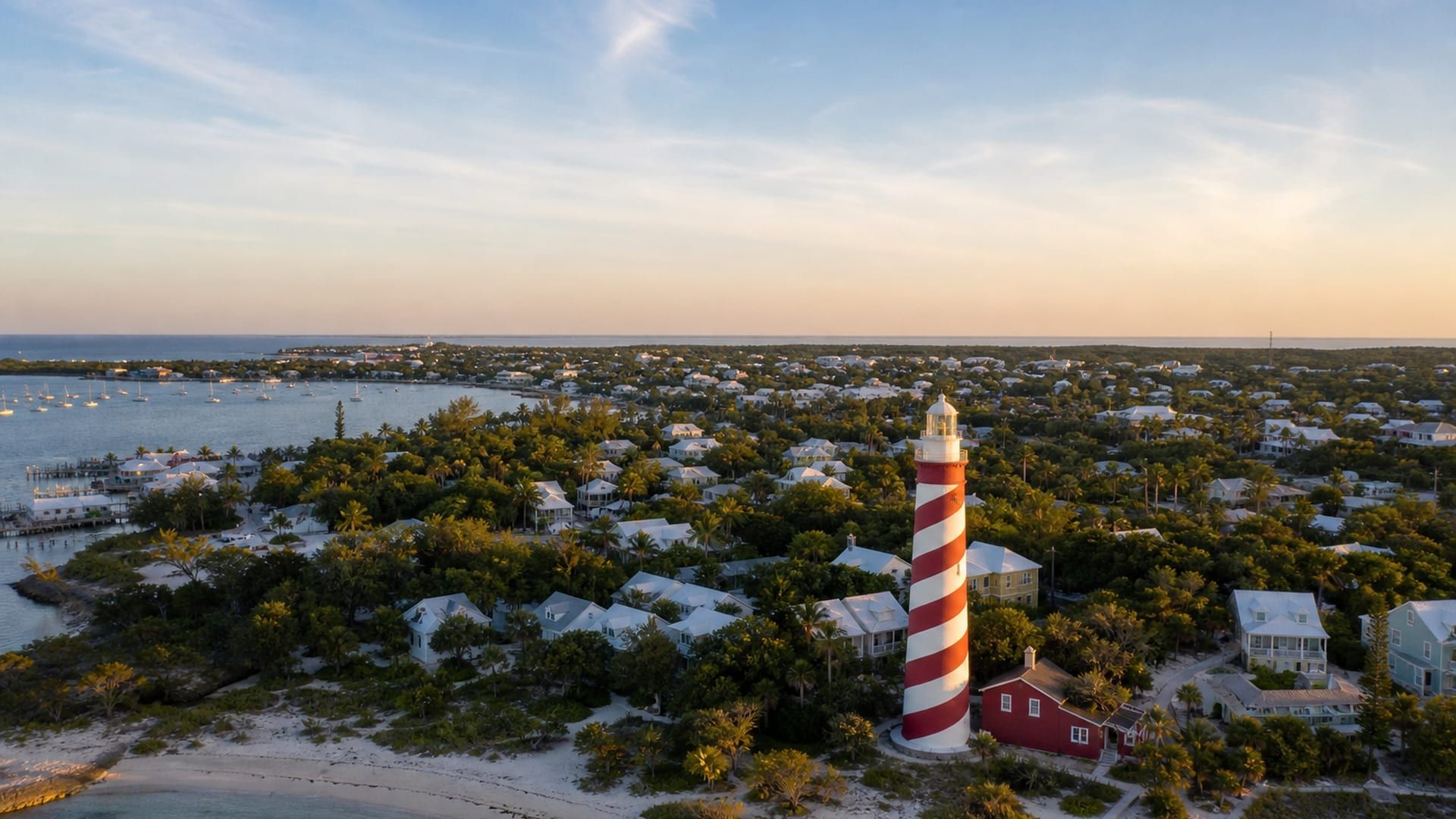
This 1863 candy-striped lighthouse on Elbow Cay still marks the south entrance to the harbor, and visitors can climb its 101-step cast-iron staircase for wide views over the Sea of Abaco and nearby cays.
Time needed: About 1 hour
Entry: Admission costs about $5 ($5) for adults, with a smaller fee for children; ferry fares to Elbow Cay are separate and vary by operator.
Tip: Go early for cooler stairs and clearer views before afternoon glare builds.
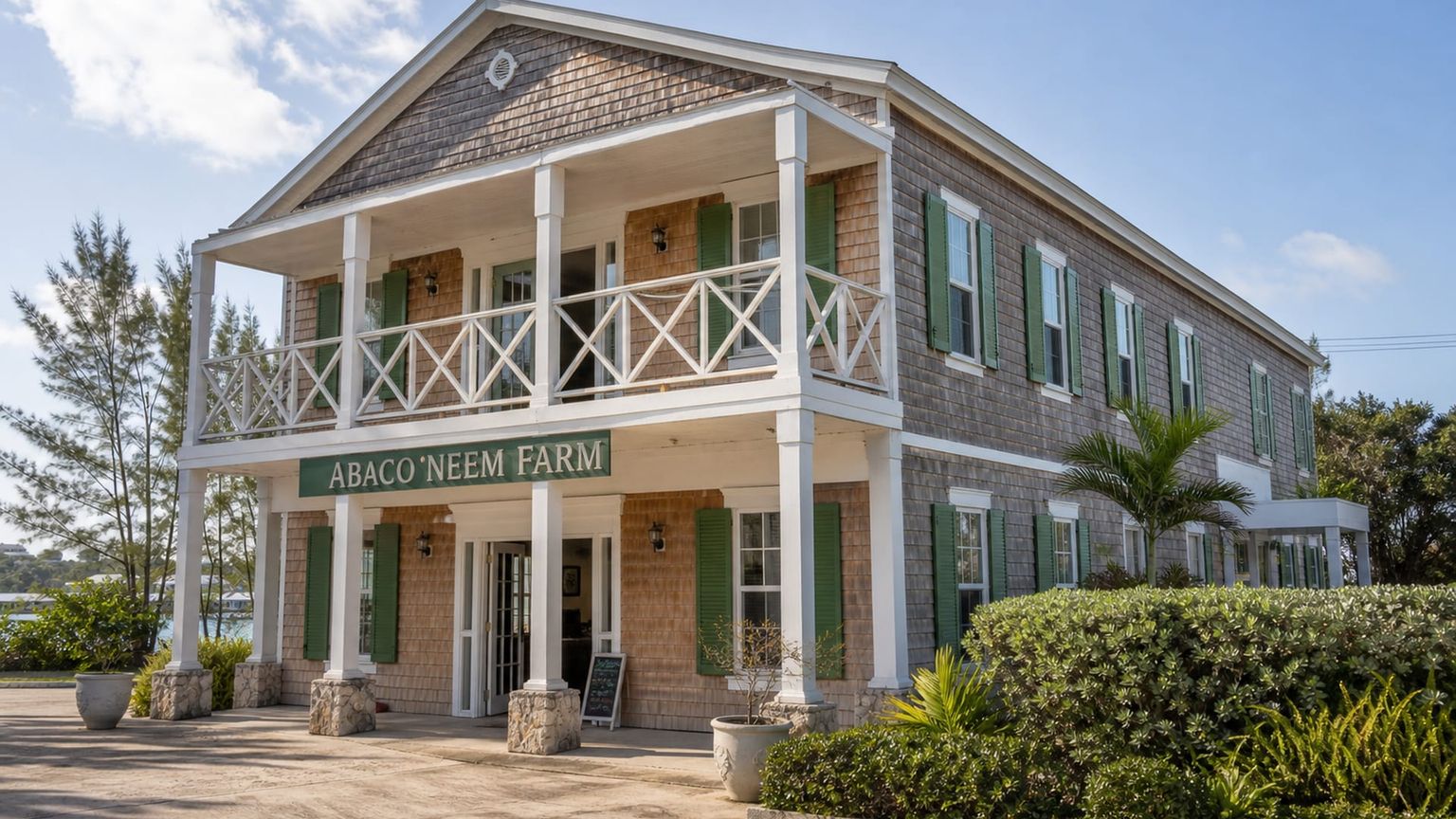
Abaco Neem Farm
A few miles south of town, this working farm grows neem and other crops, with guided visits that explain local uses of the tree, herbal products, and the island’s agricultural side beyond the docks.
Time needed: About 1 hour
Entry: Guided visits cost about $10 ($10) per person, with small-group pricing sometimes offered; call ahead for current hours and tour times. Visit the official site for details.
Tip: Visit in the morning, when the grounds are cooler and tours are easier to hear.
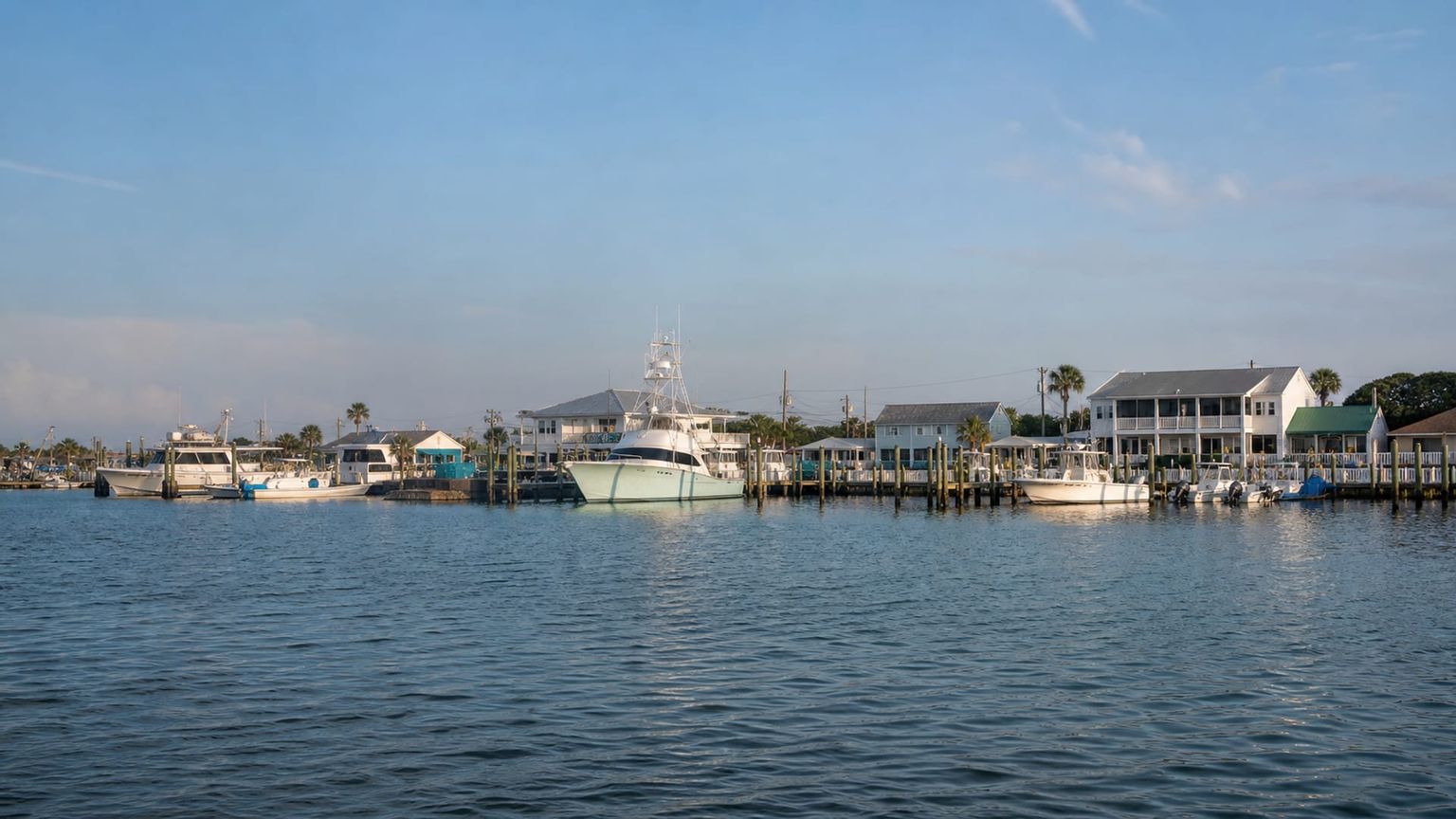
Marsh Harbour waterfront
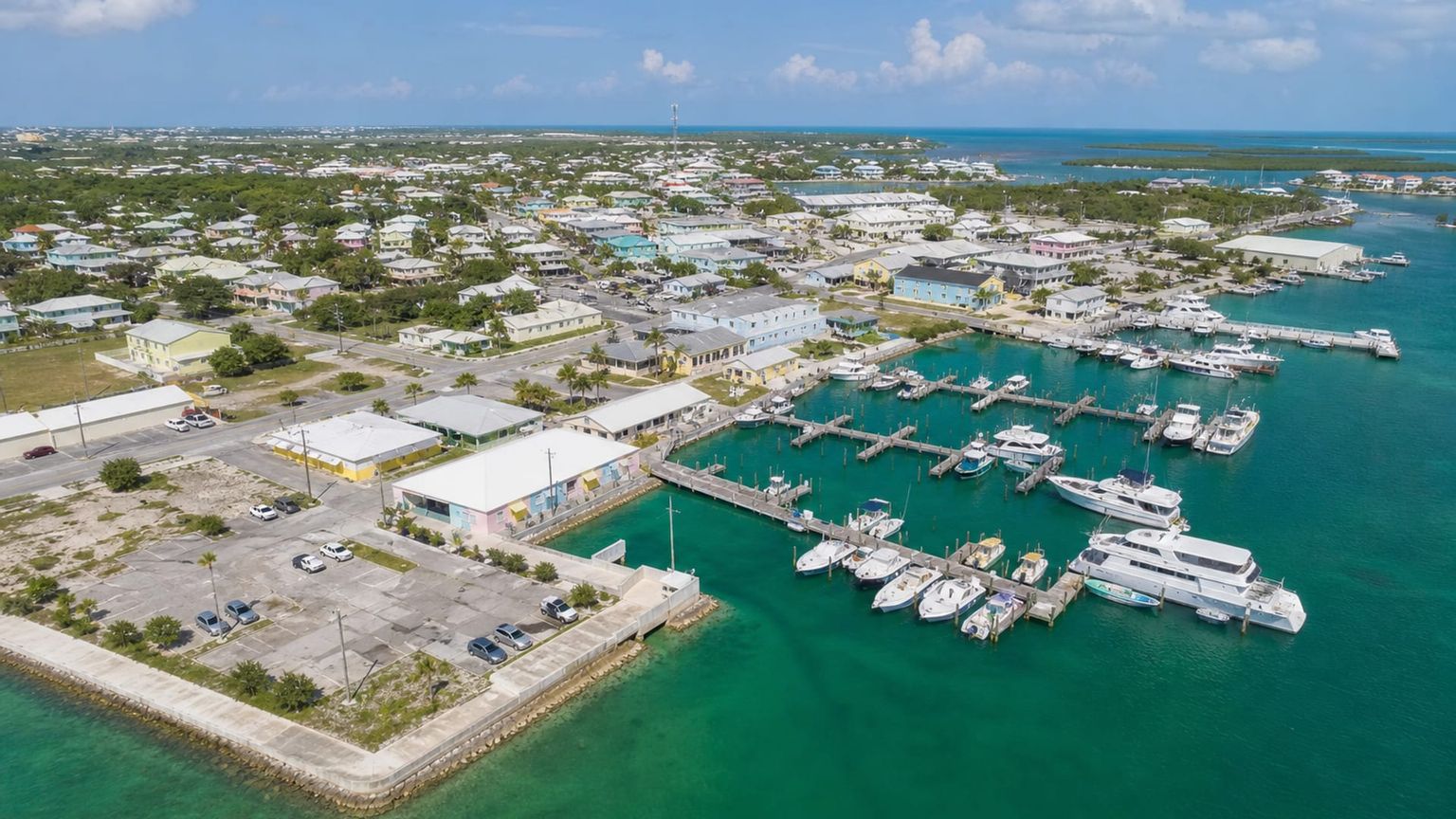
The town’s working waterfront lines up fishing boats, ferry docks, and small marinas along the harbor edge. It is the best place in Marsh Harbour for a short walk, photos of the fleet, and a view of daily island traffic.
Time needed: About 45 minutes
Entry: Free to access at all times, with no admission charge; food, drink, and ferry tickets, if needed, are sold separately nearby.
Tip: Come near sunset, when boats are back at dock and the harbor light turns soft.
Overlooked sites worth visiting

Matt Lowe's Cay
A small cay just off Marsh Harbour with shallow water, sandbars, and quiet shoreline. At low tide, you can wade and explore the flats, then linger for sunset over the harbor.
Time needed: About 1 to 2 hours
Entry: Free to access; bring your own boat, kayak, or paddlecraft to reach the cay. There is no admission fee, but you may need to pay for a local water taxi or charter if you do not have transport, and costs vary by operator and season.
Tip: Go at low tide for the widest sandbar and easiest footing.

Wyannie Malone Museum
This compact museum in nearby Hope Town traces the district’s Loyalist history, with period furniture, documents, and photos. Its small size makes it an easy stop before the ferry back to Marsh Harbour.
Time needed: About 45 minutes to 1 hour
Entry: Admission is typically about $5 to $10 ($5 to $10) per adult, with reduced rates or donations sometimes accepted for children and local students. Hours can vary by season and volunteer staffing, so check before you go if you want to align your visit with opening time. Visit the official site for details.
Tip: Pair it with an early ferry, then return before midday heat.
Traditional food
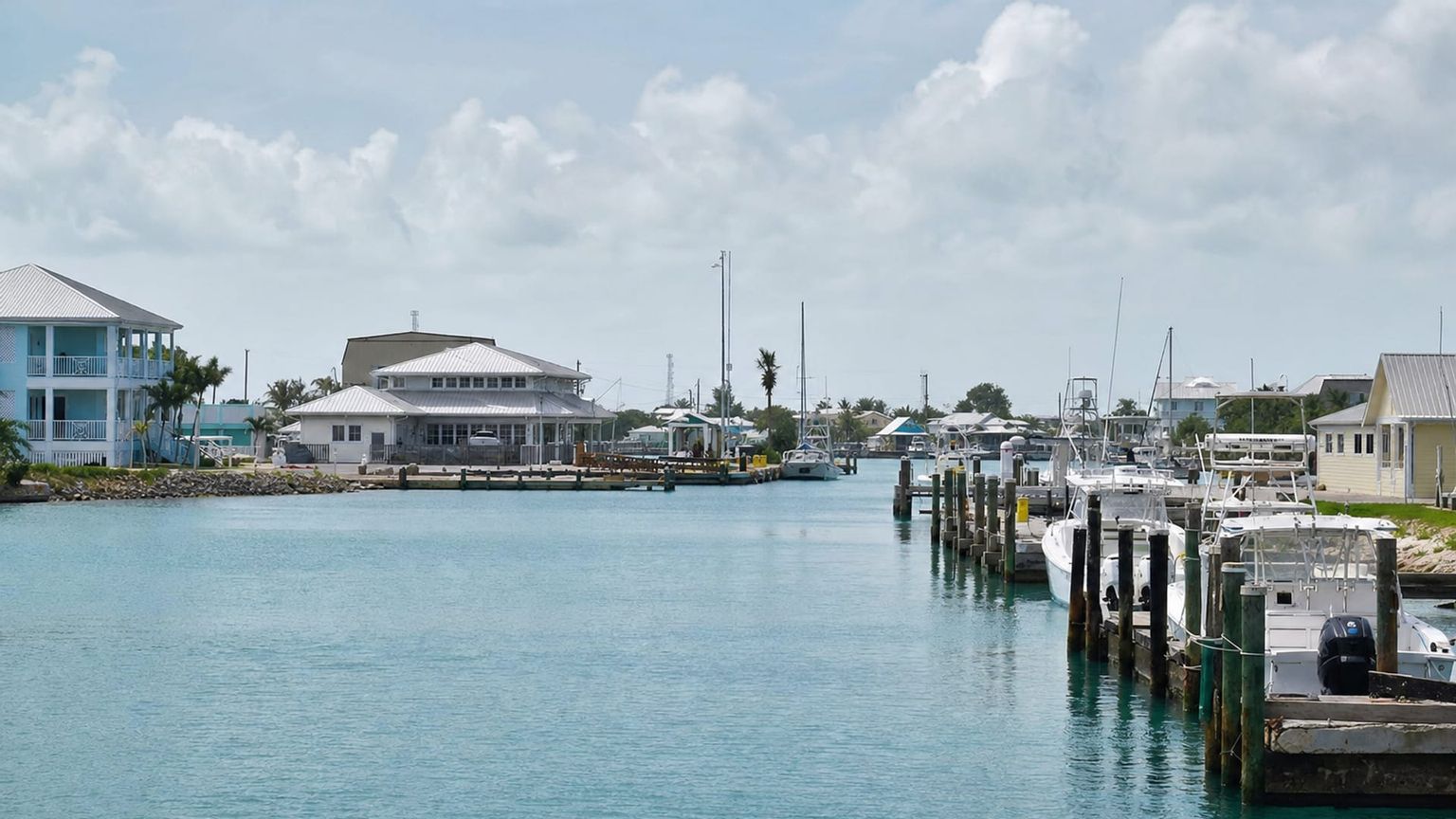
Marsh Harbour cooking leans on conch, fish, and rich sweets, with cracked conch, boiled fish, and guava duff anchoring many menus. Meals are casual, often tied to the harbor, and best enjoyed while you keep an eye on the day boats.
Conch salad
Fresh conch gets diced with citrus, onion, and pepper for a bright, briny starter that suits a warm harbor lunch. Snappas serves one of the most consistent versions in Marsh Harbour.
Cracked conch
Tenderized conch is seasoned, battered, and fried until crisp at the edges, usually served with fries, slaw, or peas and rice. Daddy Joes stands out for a hearty plate after a day on the water.
Boiled fish
This Bahamian staple pairs seasoned fish with a light broth, potatoes, and onions, making it a common breakfast or lunch choice when you want something simple and filling. Curly Tails is a strong pick for it near the marina.
Guava duff
Steamed or baked dough wraps sweet guava filling, then finishes under a warm rum sauce. Pete’s Pub and Gallery is a classic stop for dessert after an island meal.
Best time to visit Marsh Harbour
Marsh Harbour stays warm year-round, but winter brings the most comfortable days, while late summer and early fall carry hotter temperatures and a higher chance of weather interruptions.
Best for: Beach time, ferry days, and outdoor meals
What you get: About 68-82°F (20-28°C), with lighter humidity and the busiest travel calendar
Trade-offs: Hotel rates rise and the waterfront sees more visitors
Best for: Waterfront walks and day trips to Hope Town
What you get: About 72-86°F (22-30°C), with moderate crowds and long daylight
Trade-offs: Heat and humidity build by late spring
Best for: Longer water activities and quieter restaurant tables
What you get: About 77-90°F (25-32°C), with fewer visitors and a hotter midday feel
Trade-offs: Afternoon showers become more common
Best for: Lower-key stays and flexible sightseeing
What you get: About 75-88°F (24-31°C), with lighter crowds after the peak hurricane period
Trade-offs: Storm risk and service reductions can affect schedules
A realistic 5-day plan in Marsh Harbour
Five days give Marsh Harbour enough time to settle in, cross to Hope Town, and still leave room for a quiet cay outing. The plan below keeps arrival, ferry timing, harbor walks, and departure in the same frame so you can move through the trip without backtracking.
Land at Marsh Harbour Airport (MHH) and take a taxi or prearranged shuttle into Marsh Harbour town center, a ride of about 5 to 10 minutes that usually costs roughly $15 to $25. If you are staying in Great Cistern, expect a similar transfer time, though the quieter residential setting sits a little farther from dinner spots, so a town-center hotel makes the first evening easier. Settle in, drink water, and keep dinner simple at a harborfront restaurant near the waterfront, where you can eat without a long drive after a travel day.
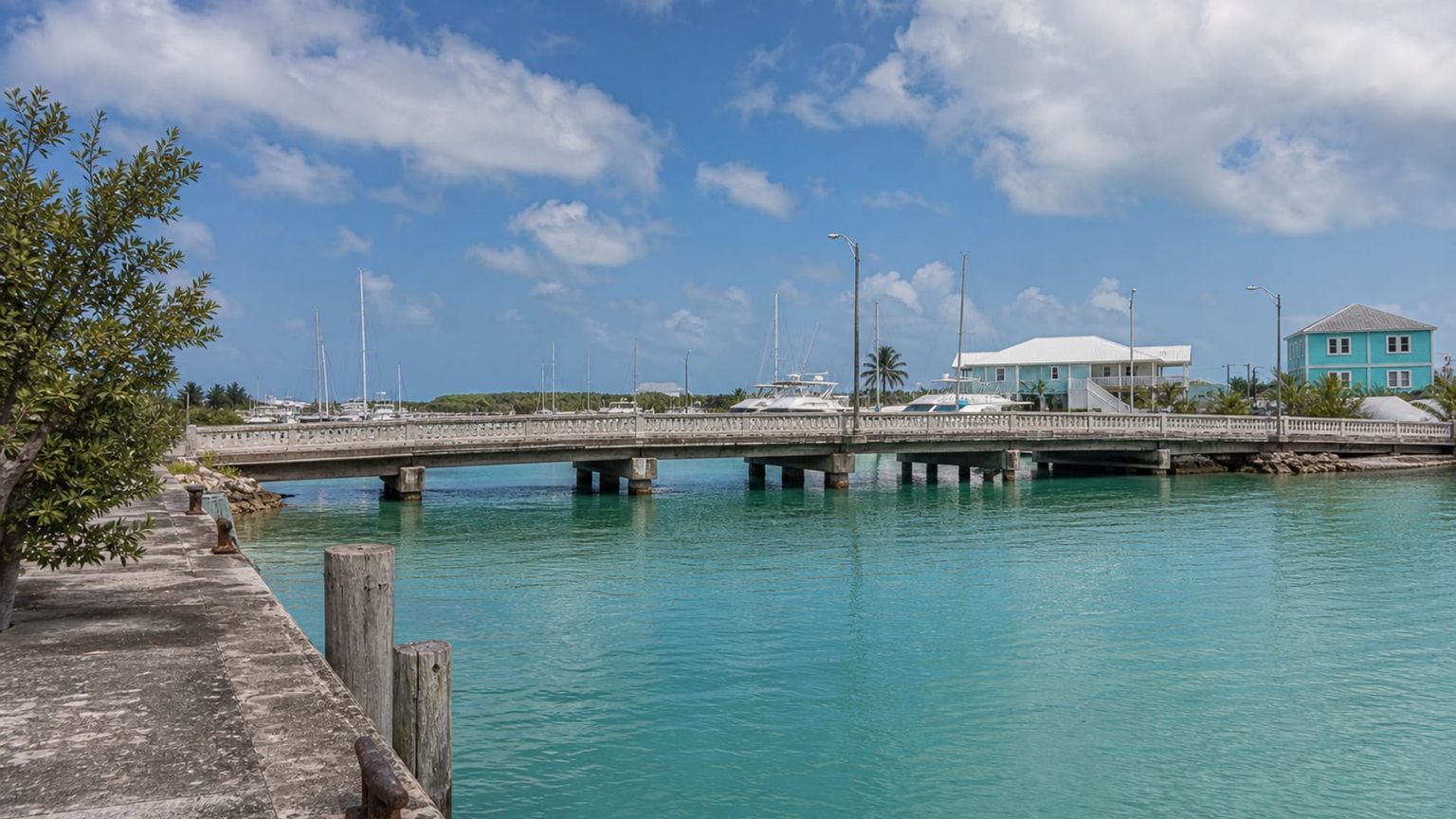
Start with the Marsh Harbour waterfront at sunrise or early morning, then walk 10 to 15 minutes through the town center for coffee and a quick look at the shops before heading south by car to Abaco Neem Farm, about 10 to 15 minutes away. The farm visit takes about an hour, with guided tours that explain neem products and local growing practices, and the return to town gives you time for an easy lunch back near the marina. In the late afternoon, circle back to the waterfront for a second walk, when fishing boats and ferries are active and the harbor edge photographs well.
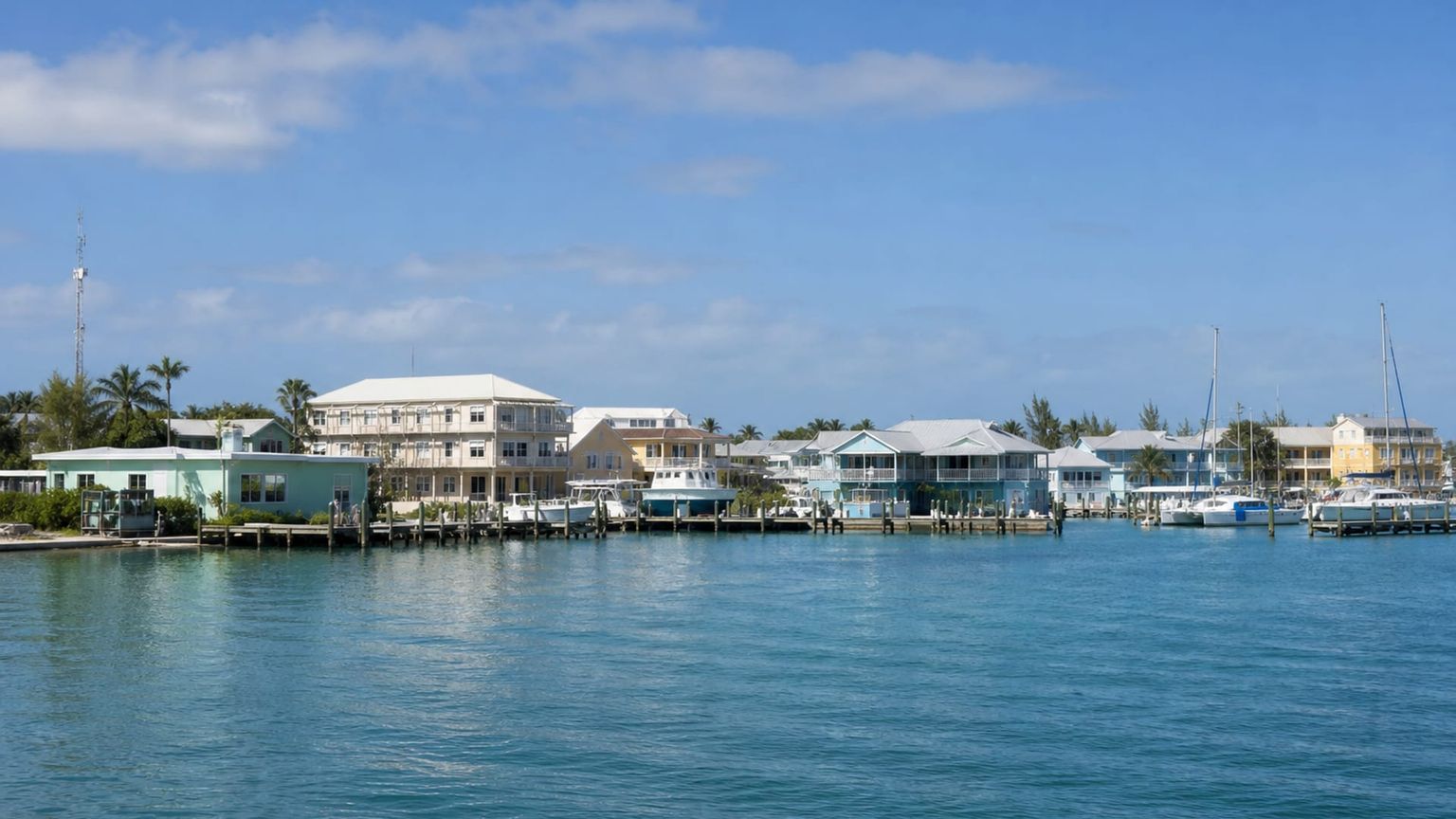
A ferry morning changes the pace, so go from Marsh Harbour town center to the dock in about 5 minutes, then cross to Elbow Cay for Hope Town Lighthouse, which takes about 1 hour to visit once you land. Arrive early if you want the cooler climb and clearer views from the 101-step staircase, then spend another 45 minutes to 1 hour at the Wyannie Malone Museum in Hope Town before returning by ferry to Marsh Harbour. Plan on a dock-to-dock round trip that fills most of the day, and keep your last meal back in town near the waterfront so you are not rushed by the crossing schedule.
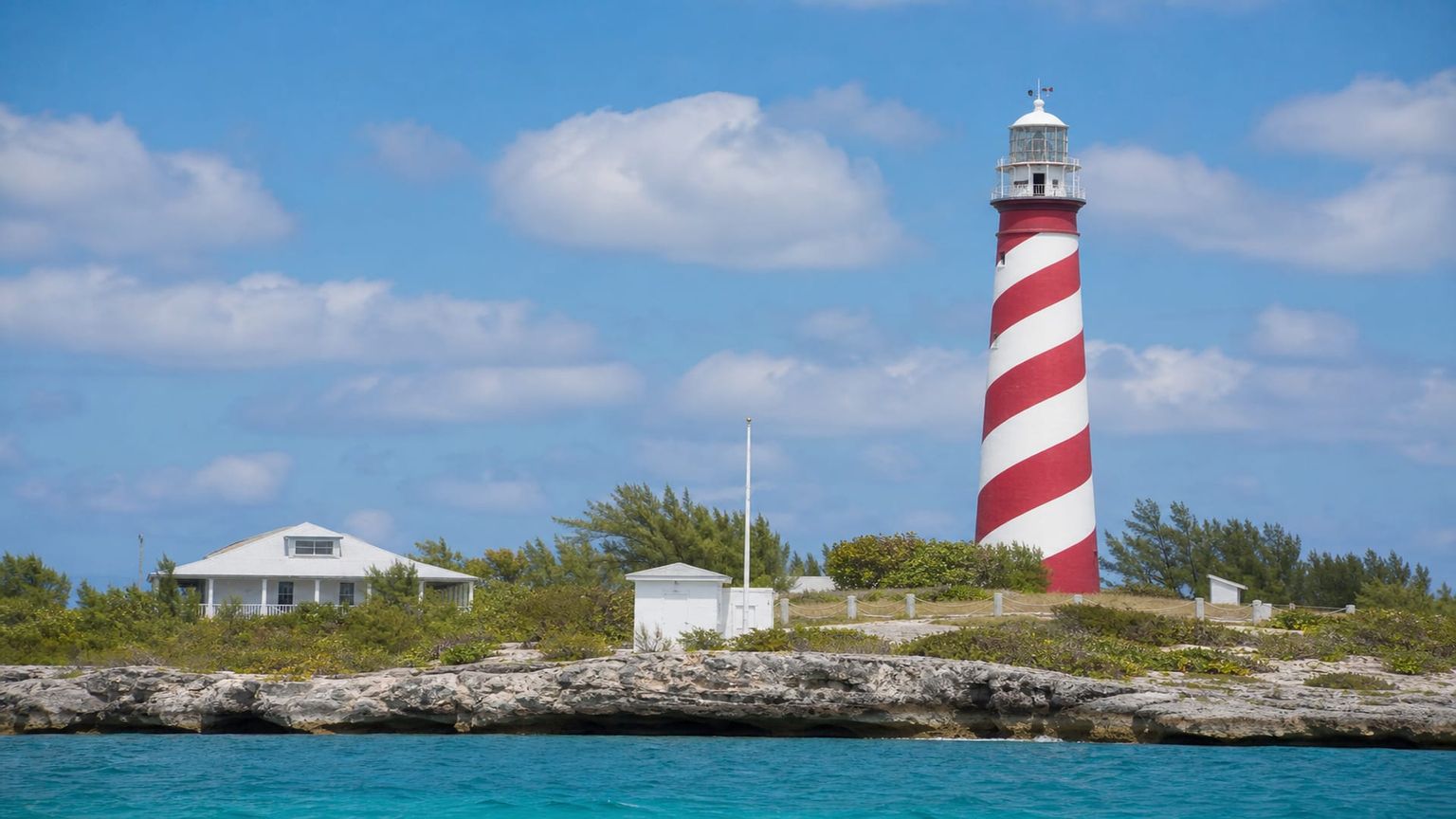
Set out at low tide for Matt Lowe’s Cay, where shallow water and sandbars make the trip best for a half-day paddle or water taxi outing of about 1 to 2 hours on the water. Go from the Marsh Harbour waterfront or a nearby marina, then return to town for a late lunch and a short rest before one more harbor walk as the light fades. If you prefer a slower pace, switch the cay outing with extra time in Great Cistern for a quieter base, but keep the evening centered on the waterfront so you can watch the boats come back in.
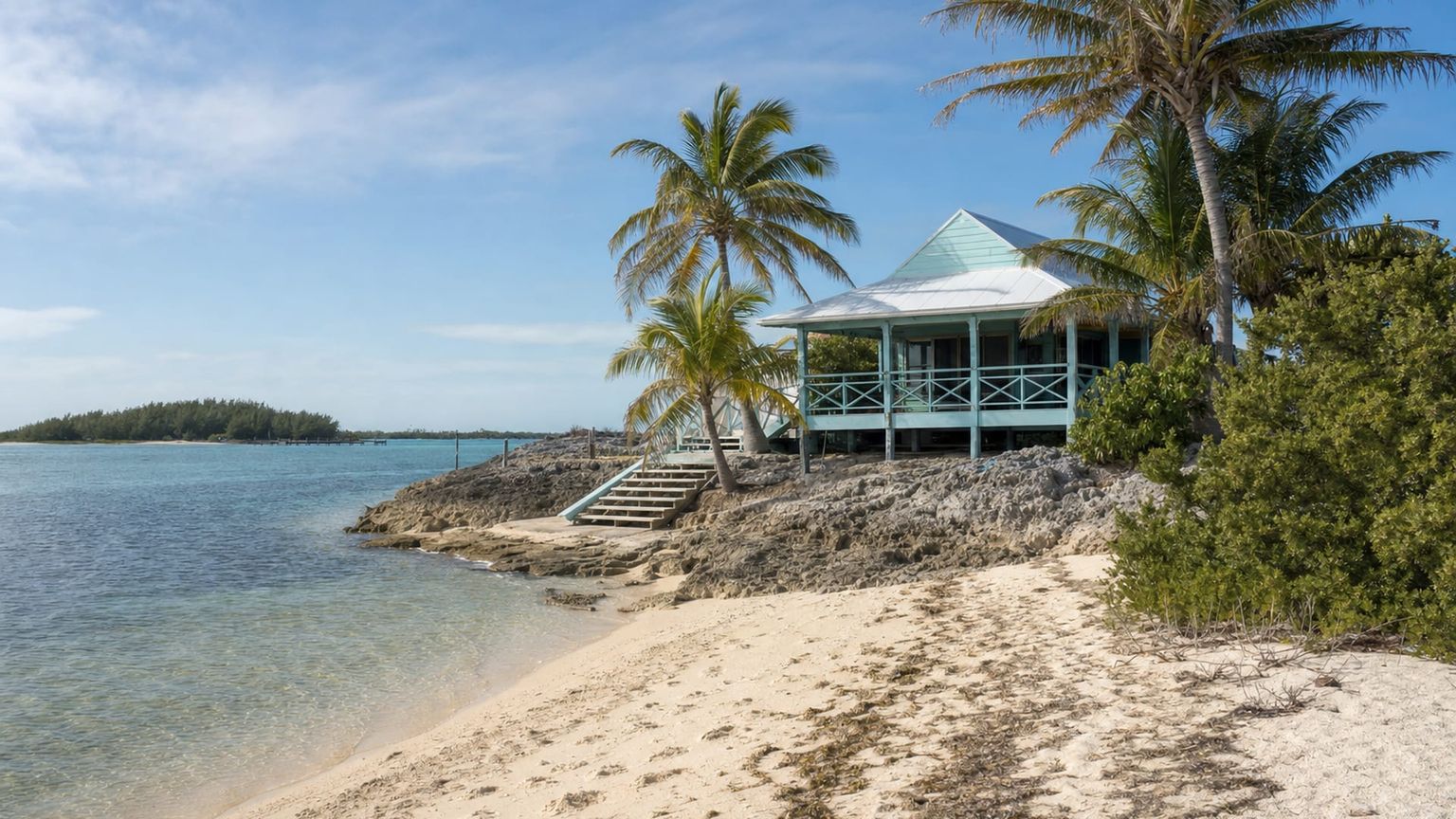
Begin with a final stop at the Wyannie Malone Museum if your departure time allows, since the compact visit fits neatly into roughly 45 minutes to 1 hour and sits well with an early ferry or a midmorning transfer. After that, browse the Marsh Harbour town center for last-minute purchases, then settle into a café near the marina in the same district for coffee or a light breakfast before heading back to Marsh Harbour Airport (MHH). If you are based in Casuarina Point, leave extra time for the drive, since the south-side location adds about 20 to 25 minutes each way.
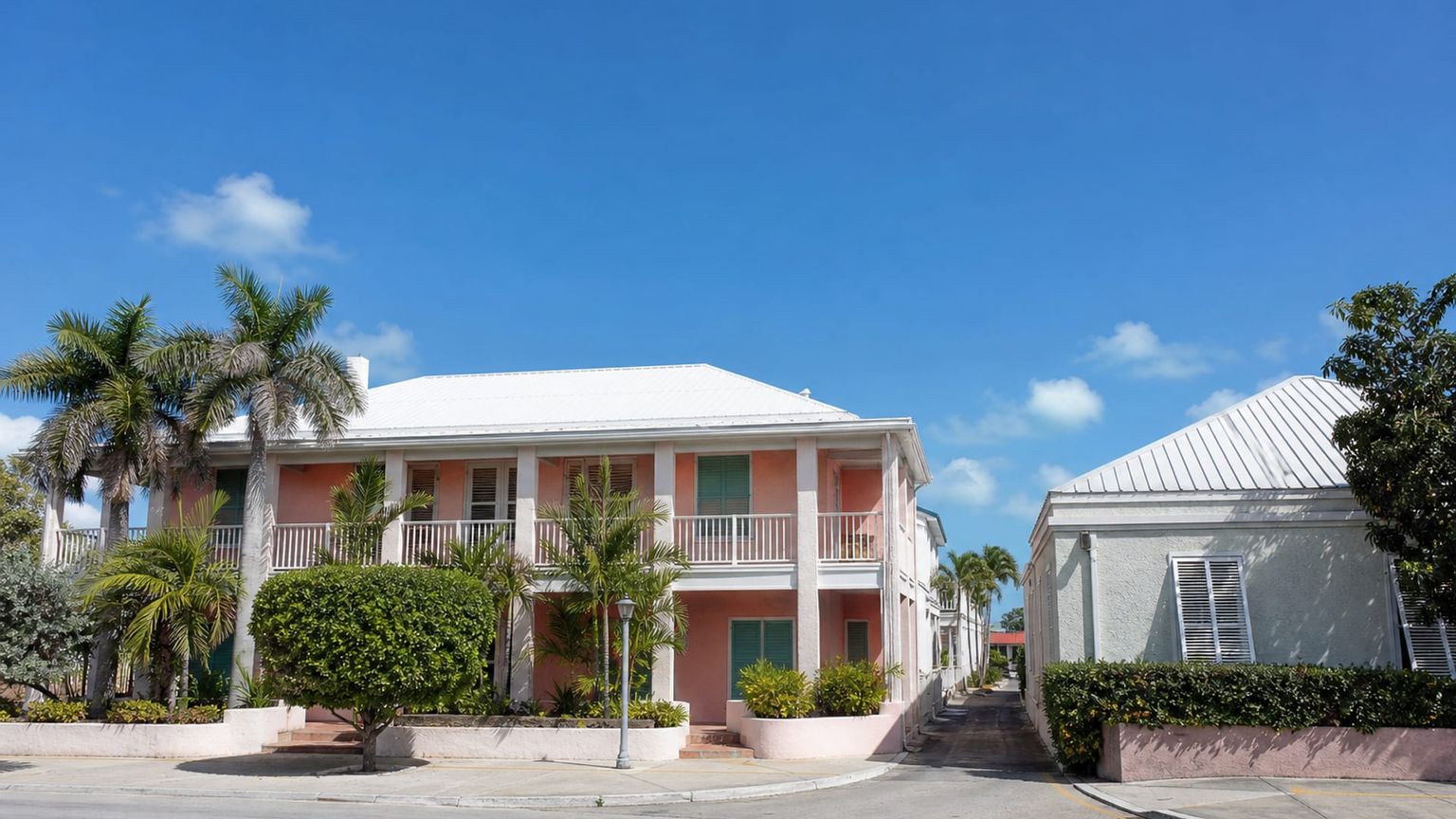
Business-class flights from the US to Marsh Harbour
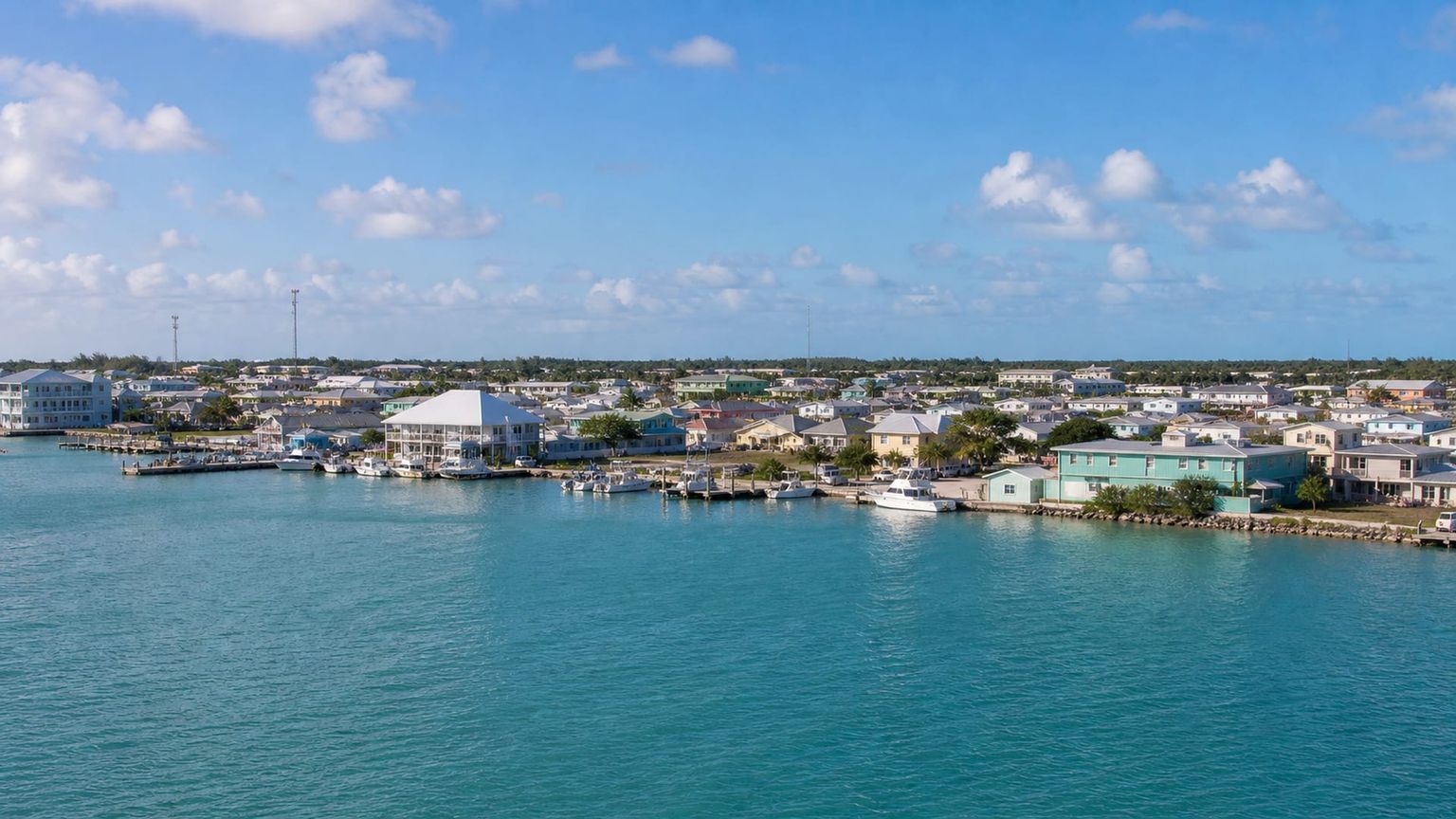
Business fares into Marsh Harbour usually route through a Florida or Carolinas hub, and the East Coast trip is noticeably shorter than the West Coast one. The examples below show how the connection pattern changes with the city you start from.
From New York, American Airlines, Delta Air Lines, JetBlue, and Bahamasair are the main options, and the trip usually takes about 3 to 3.5 hours when you can secure a nonstop. If you connect, common hubs include Miami (MIA), Charlotte (CLT), Atlanta (ATL), and Nassau (NAS), with total travel time often about 5 to 8 hours. Business fares from New York to Marsh Harbour often run from $850 to $1,700 round-trip.
Los Angeles itineraries usually take a full travel day, even though American Airlines, Delta Air Lines, United Airlines, and Bahamasair all appear on the route list. Typical total trip time runs about 8 to 10 hours nonstop, or roughly 10 to 15 hours when you connect through Miami (MIA), Atlanta (ATL), Charlotte (CLT), Dallas (DFW), or Phoenix (PHX). From Los Angeles, business fares usually start at $1,300 and can reach $2,600 round-trip.
Marsh Harbour feels different when you slow down
A deliberate Marsh Harbour stay has a clear shape, one night near the town center, an early walk on the waterfront, a ferry day to Hope Town, and a quieter half-day on Matt Lowe’s Cay when the tide is right. Taxis do the short transfers, the marina area handles meals and errands, and the right base keeps the airport run simple. If you want help matching Marsh Harbour town center, Great Cistern, or Casuarina Point to your dates, ask the AranGrant experts to build the right plan







