

Chapters:

Need help with your trip?
Our support team is available 24/7. Request a callback or call us directly at (833) 619-0908
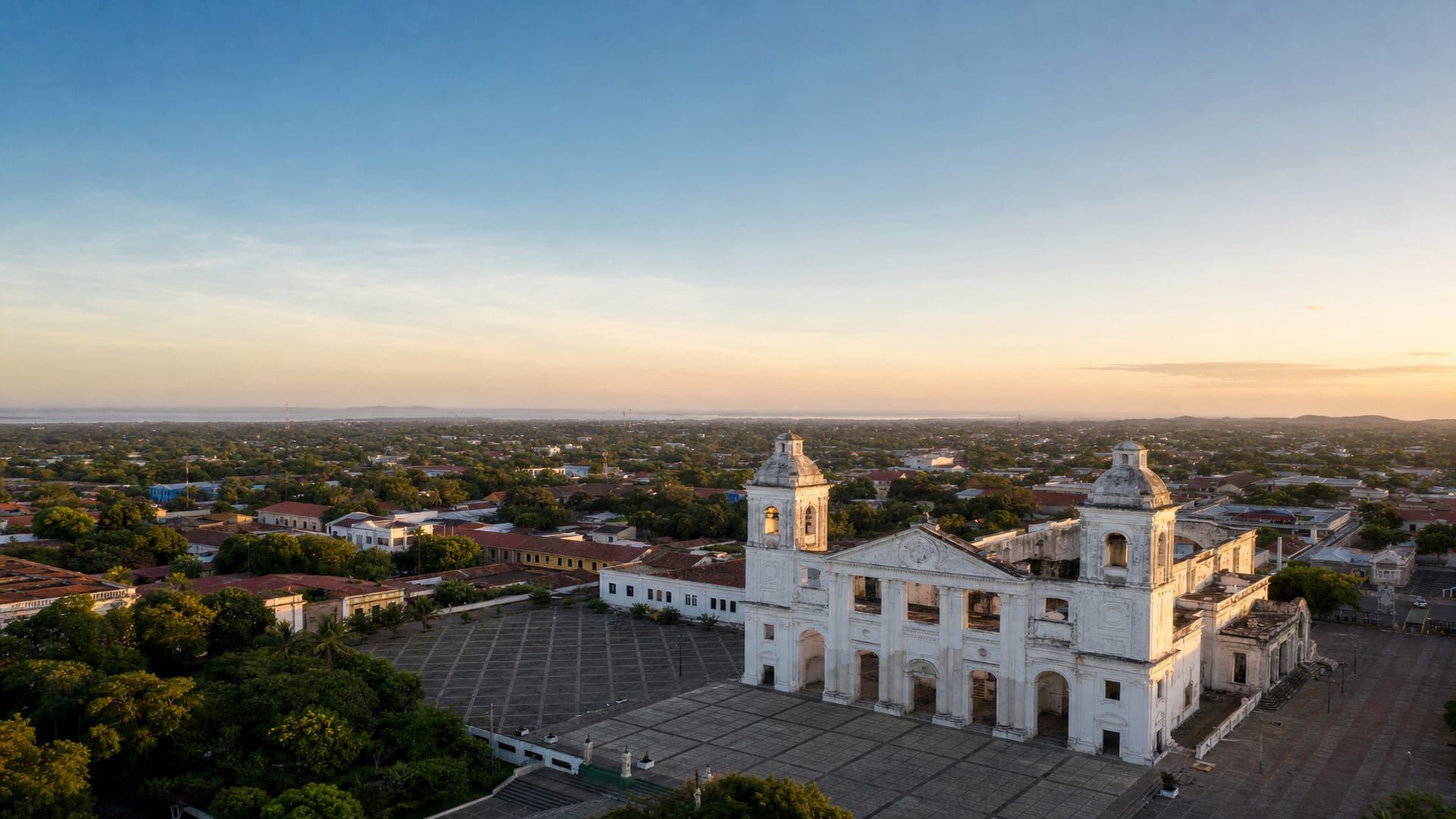
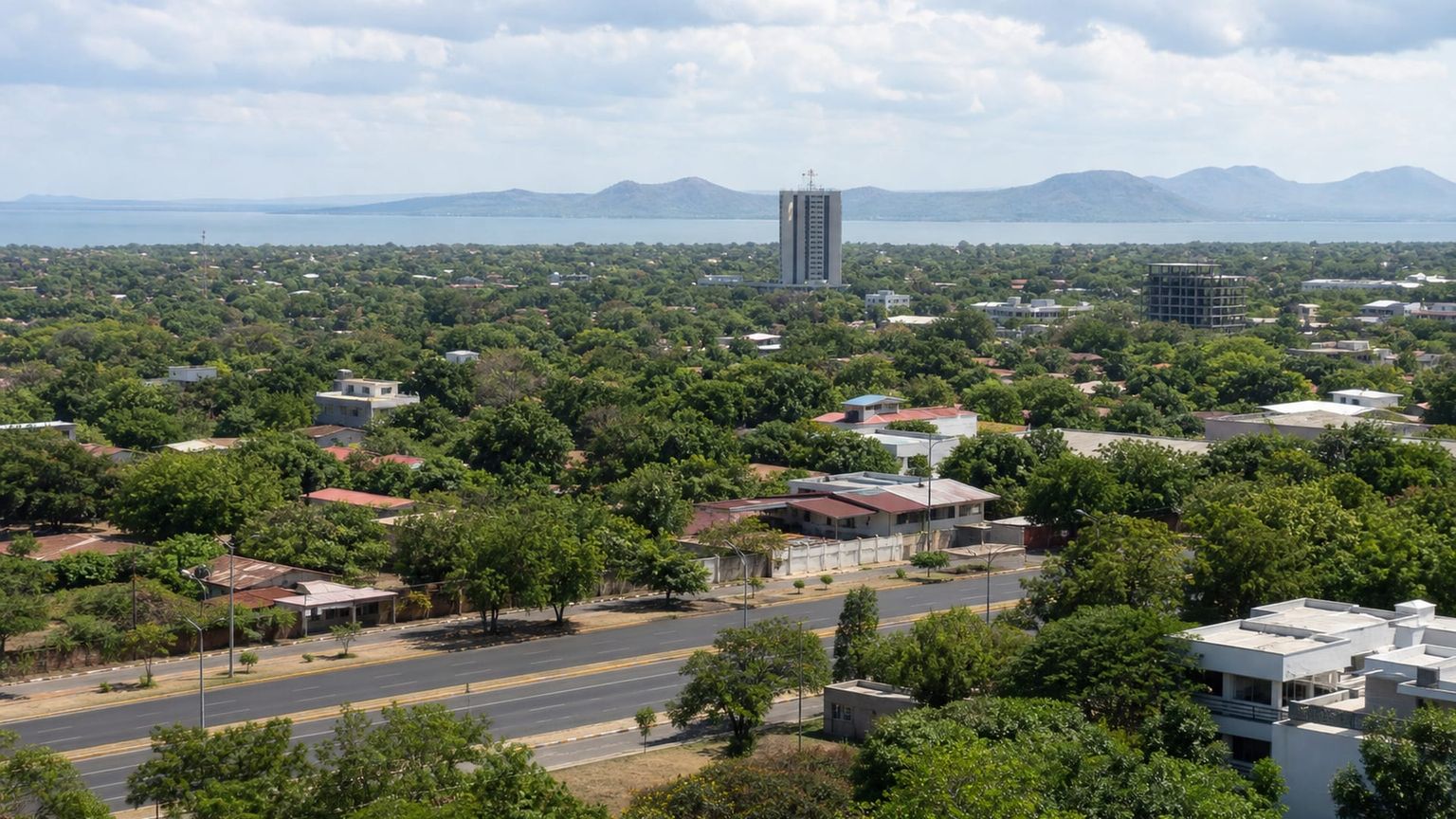
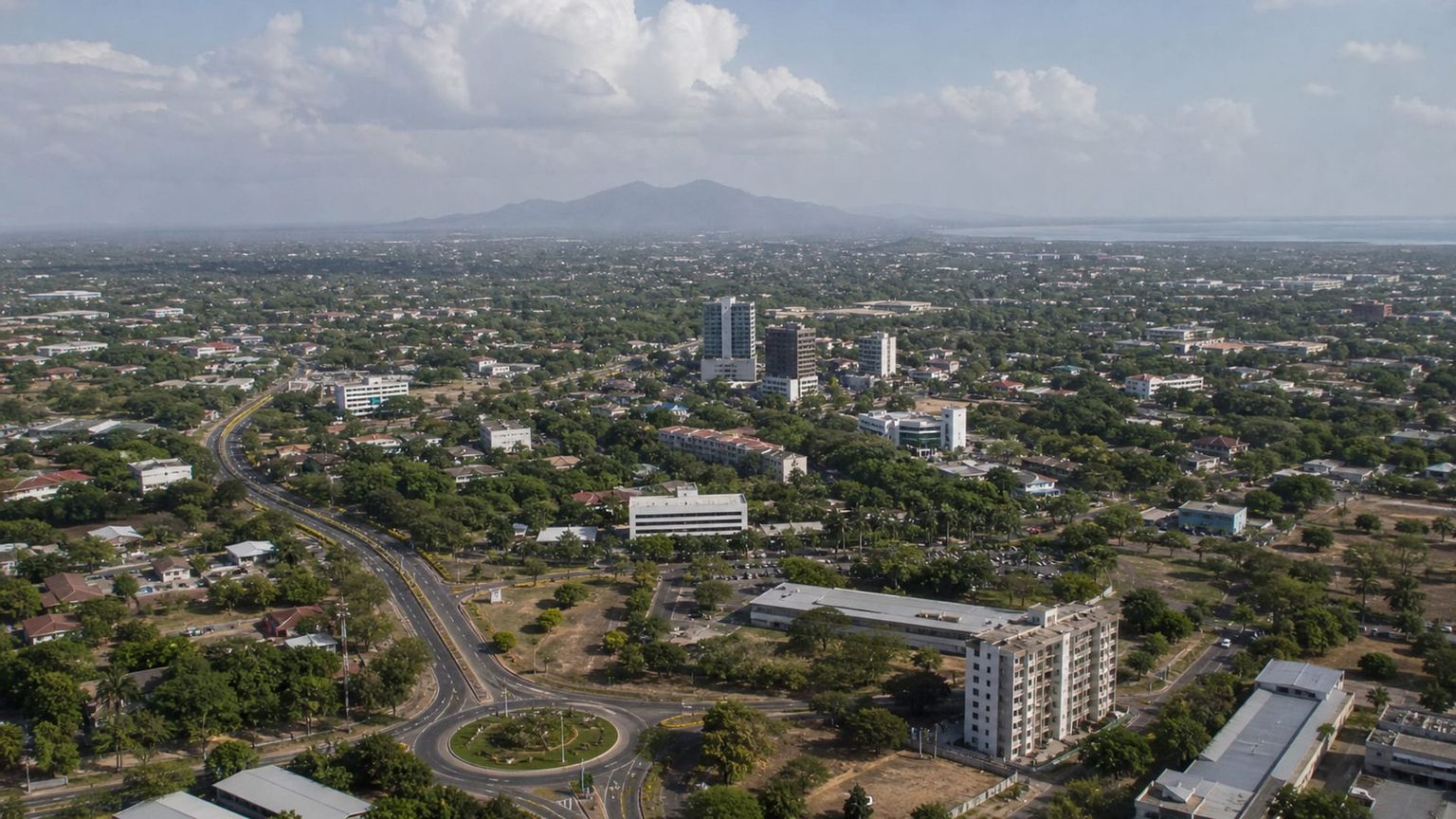
Managua does not have a traditional historic center. The 1972 earthquake destroyed much of downtown, and the city spread outward across low hills and broad avenues instead of rebuilding around one center. The roofless Old Cathedral still stands beside Plaza de la Revolución, and Tiscapa crater’s rim shows how far the city has grown since.
The newer side of the capital lines roads such as Carretera a Masaya, where restaurants, hotels, and malls shape everyday city life. Distances between areas are greater than they look on a map, so getting around takes planning, with taxis the easiest way to cover them.
A five-day stay covers Managua’s main sights, neighborhoods, and dining scene without rushing between them. This guide covers where to stay, how to get around, and how to plan the days.
Useful things to know

Main language(s): Spanish
Hola (OH-lah) – Hello / good morning
Por favor (por fah-VOR) – Please
Gracias (GRAH-see-ahs) – Thank you
¿Habla inglés? (AH-blah een-GLAYS) – Do you speak English?
¿Cuánto cuesta? (KWAN-toh KWEHS-tah) – How much does it cost?

Currency: Nicaraguan córdoba (NIO, C$)

Cash and cards: Most hotels and restaurants take cards and contactless payments, although it helps to carry C$1,500 to C$3,000 (US$41 to US$82) in cash for smaller vendors and markets.

Tipping: Round up small bills and leave 5%–10% in nicer restaurants when service is good.

Traditional food: Gallo pinto, nacatamal, vigorón, and quesillo are among the classic dishes most closely associated with Nicaraguan cooking.

Water and coffee costs: A bottle of water costs C$40 to C$80 (US$1.10 to US$2.20), while a bar espresso costs C$20 to C$70 (US$0.55 to US$1.90).

Taxis and ride apps: The ride-hailing app inDrive operates in Managua alongside local taxis, and drivers negotiate the fare before the trip starts.

Plug and voltage: Type A/C socket, 120V

Dining and shop opening hours: Restaurants serve breakfast from 7:00 am to 9:00 am, lunch from 12:00 pm to 2:00 pm, and dinner from 7:00 pm to 9:00 pm. Most kitchens close by 10:00 pm on weeknights, and later on weekends.

Emergency number: 118 for police, 115 for fire, 128 for ambulance
Where to stay in Managua
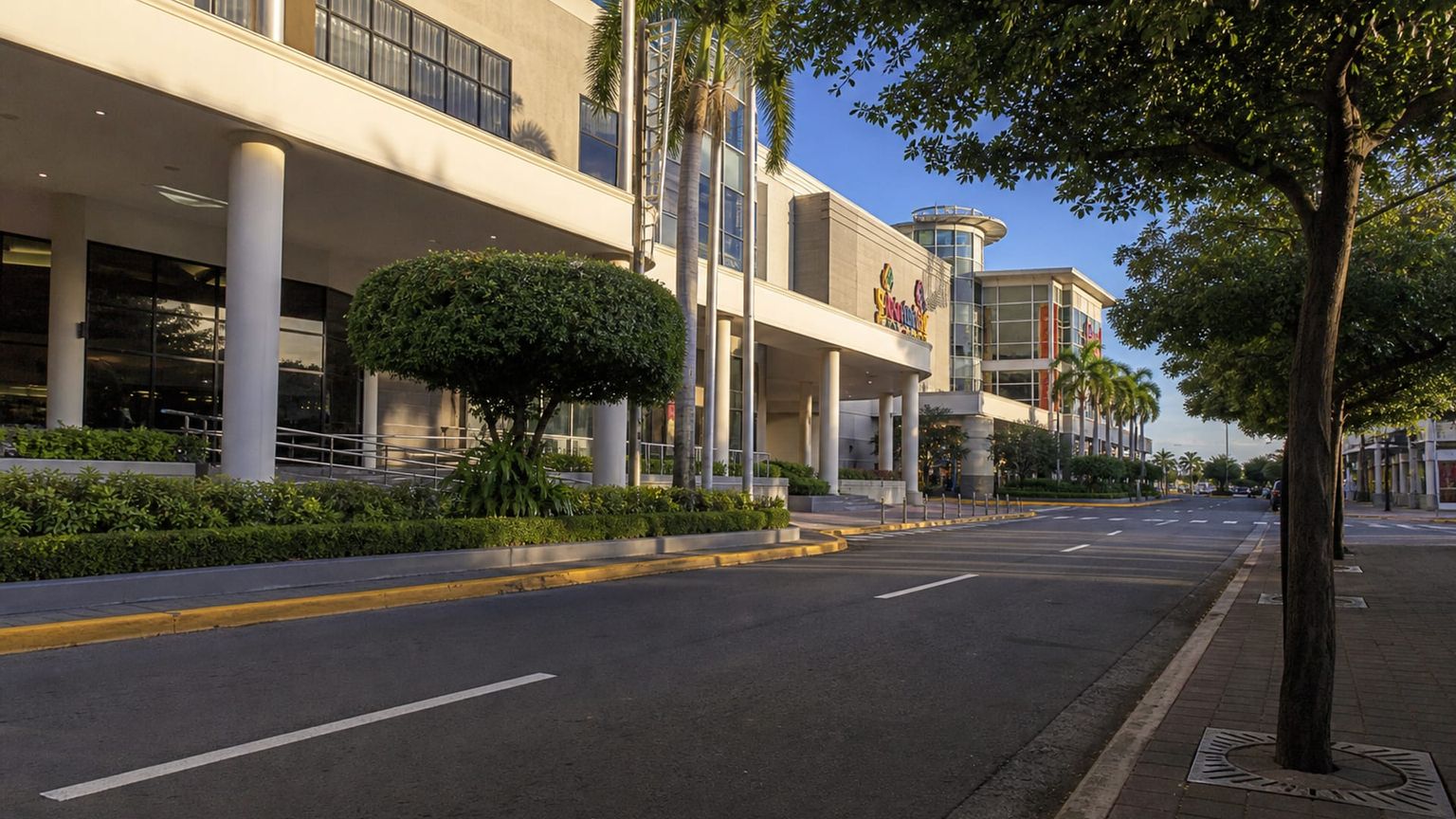
Central Managua’s main hotel and shopping district lies along Carretera a Masaya, with larger business hotels, malls, and easy access to banks and restaurants. It suits visitors who want a central spot for meetings, errands, and easy movement across the city without long taxi rides.
Best for: Business trips, shopping, and first-time visitors who want easy access to central services
What to expect: Heavy daytime traffic and mall crowds from office workers and shoppers, then a calmer pace once stores close for the evening
Hotel prices: Well-rated hotels in this area run C$3,100 to C$9,500 (US$85 to US$260) per night.
Distance to major sights: 10 to 15 minutes by taxi to the Old Cathedral and Plaza de la Revolución
Quietness: The area is active during the day and quieter after dinner except near major roads and malls.
Main trade-off: You will pay more here than in outlying districts, and the area favors convenience over neighborhood character.
Good to know: Few restaurants stay open late, so plan evenings around your hotel bar or a taxi to livelier areas.
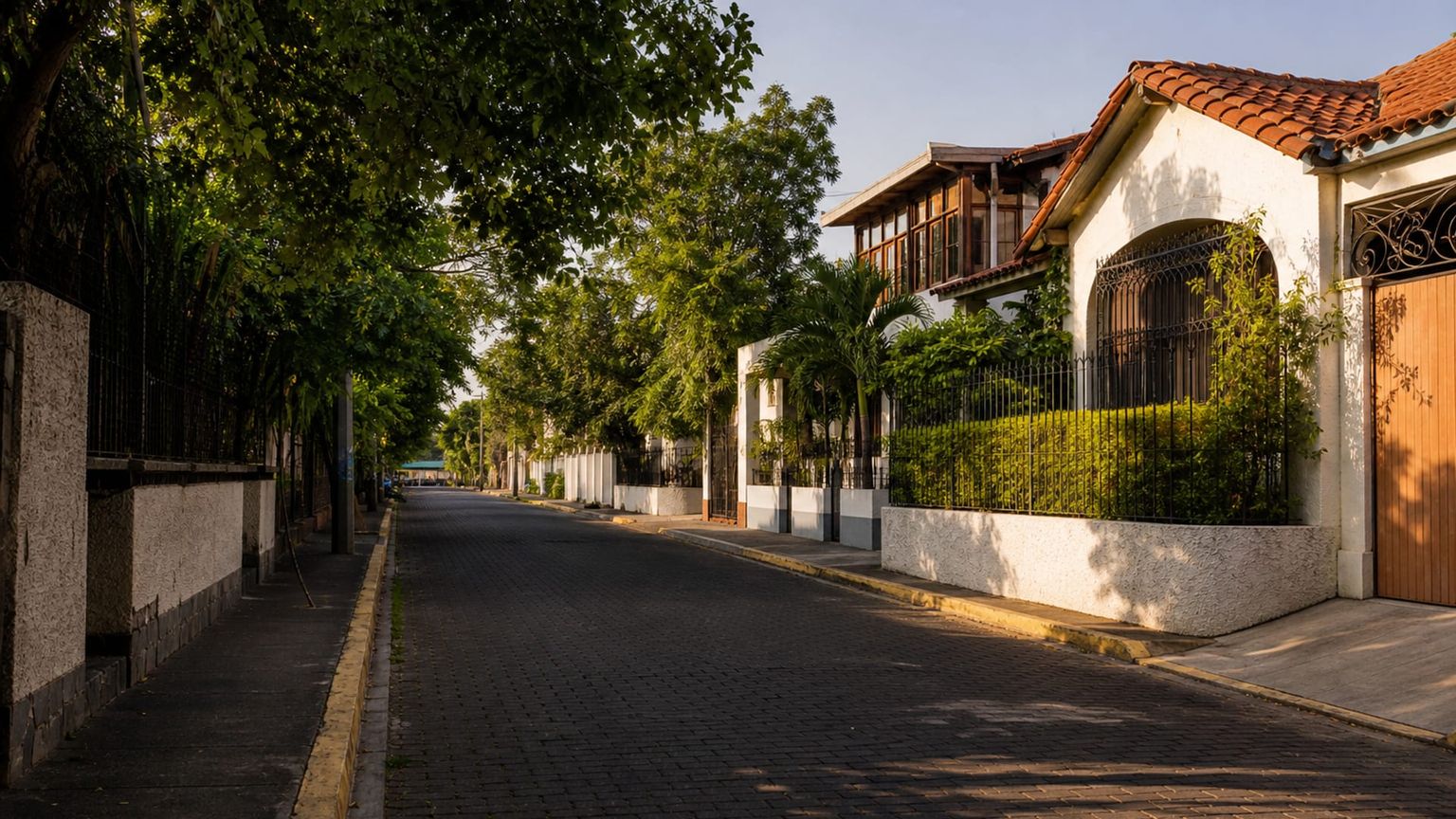
Las Colinas is an upscale stretch along the Carretera a Masaya ridge, home to embassies, gated residential compounds, corporate offices, and some of the city’s more refined restaurants. It suits travelers who want a quieter, residential setting close to the city’s main business corridor.
Best for: Embassy visits, upscale dining, and travelers who prefer a quieter residential setting
What to expect: Wide avenues and gated properties keep the pace quiet by day, while restaurant traffic brings more movement to the main strip in the evening.
Hotel prices: Well-rated hotels in this area cost C$2,200 to C$5,100 (US$60 to US$140) per night.
Distance to major sights: 15 to 25 minutes by taxi to the Old Cathedral and about 20 minutes to the National Palace of Culture
Quietness: Side streets stay calm, while the restaurant strip gets livelier at night.
Main trade-off: You will need taxis for most sightseeing, since the area’s spread-out layout limits walking.
Good to know: Book your taxi or ride-hail before dinner, since return trips slow down during restaurant peak hours.
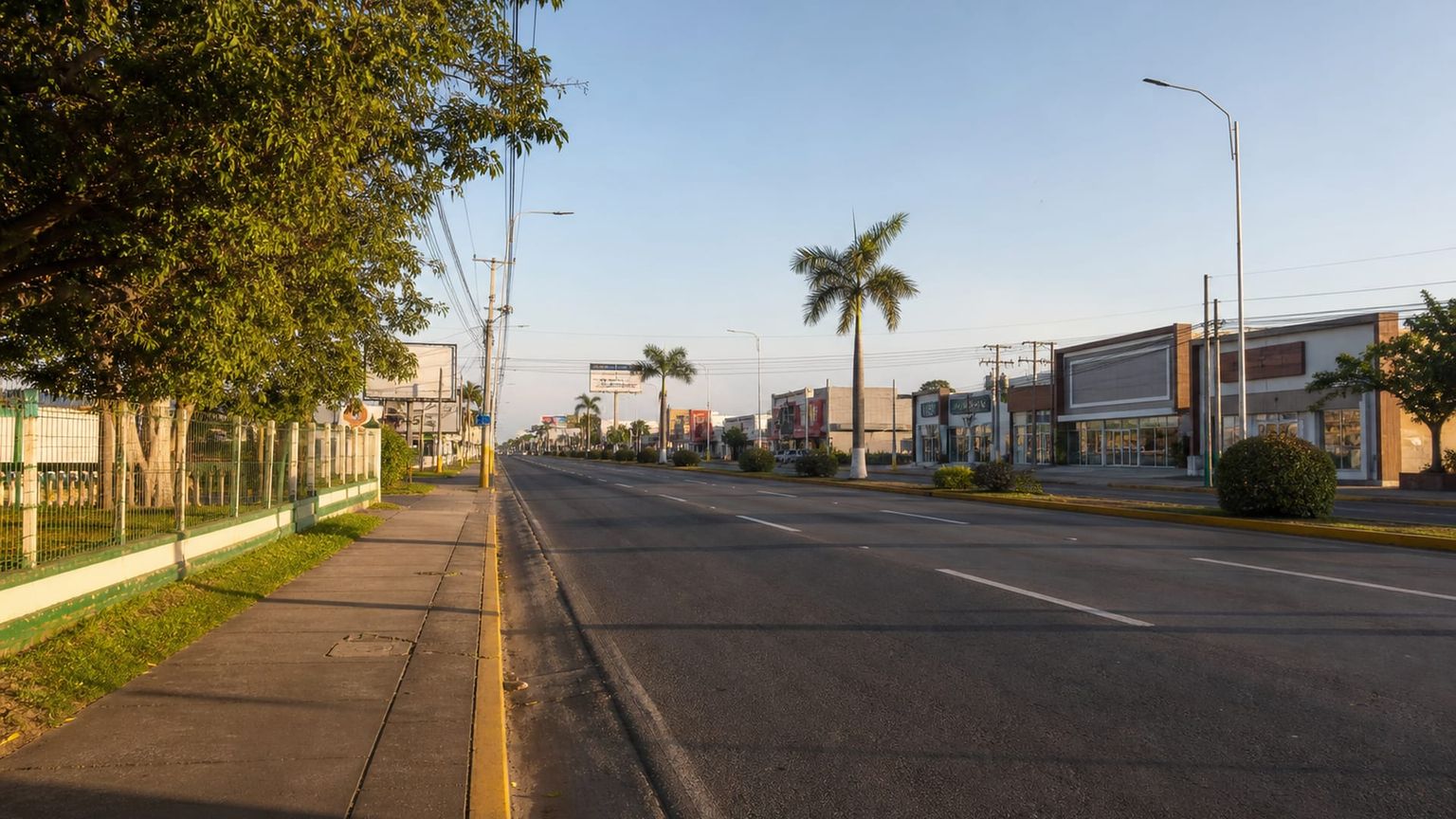
Bolonia is a quiet, upper-middle-class district west of downtown, home to embassies, NGO offices, and old mansions converted into boutique hotels, all within walking distance of Loma de Tiscapa park. It suits travelers who want a residential stay close to the city’s historic core.
Best for: History-minded travelers, embassy visits, and those who want a walkable residential stay near downtown
What to expect: Quiet residential streets, walking-distance restaurants, and easy access to Tiscapa Park and the National Stadium
Hotel prices: Well-rated hotels in this area run C$1,800 to C$3,300 (US$50 to US$90) per night.
Distance to major sights: About 15 minutes by taxi to the Old Cathedral and Plaza de la Revolución, and a short walk to Loma de Tiscapa
Quietness: Streets stay calm through the day and evening, with little late-night noise.
Main trade-off: You will need a taxi for most dinners, since Bolonia has fewer nearby restaurants than Metrocentro or Las Colinas.
Good to know: The area lies near Tiscapa Park, so a morning walk before the heat builds is worth planning.
Most visitors avoid Ciudad Sandino, Tipitapa, and Mateare, since they lie far from Managua’s main sights, dining areas, and Metrocentro, and evening taxi rides take longer. They also lie outside the historic downtown and lakefront areas.
Hotel deals
Getting around Managua
Managua has no metro or tram network; taxis and buses cover the city, and a rental car suits day trips beyond it.

Local buses
for low-cost travel around the city
Local buses cost C$4 to C$10 (US$0.10 to US$0.30) per ride and rarely post timetables, so ask the driver or a fellow passenger before boarding. Pay in cash once aboard, and expect 20 to 45 minutes for cross-town trips depending on traffic.

Rental car
for day trips outside the city
Rental cars cost C$590 to C$2,800 (US$16 to US$76) per day, depending on the model, and are useful for side trips to Granada or Masaya. Roads are paved but often congested, and a 4×4 is worth considering if you plan to leave the city.

Taxi
for convenience or late hours
Licensed taxis use set fares, so agree on the price before you get in, or use the inDrive app to see and negotiate the fare in advance. A ride downtown from the airport costs C$730 to C$1,100 (US$20 to US$30), and shorter trips cost C$70 to C$260 (US$2 to US$7).
*Prices are based on rates updated as of September 2026 and may change at the time of travel.
Taxis suit point-to-point trips, buses keep costs low, and a rental car helps for day trips beyond Managua.
Iconic places in Managua
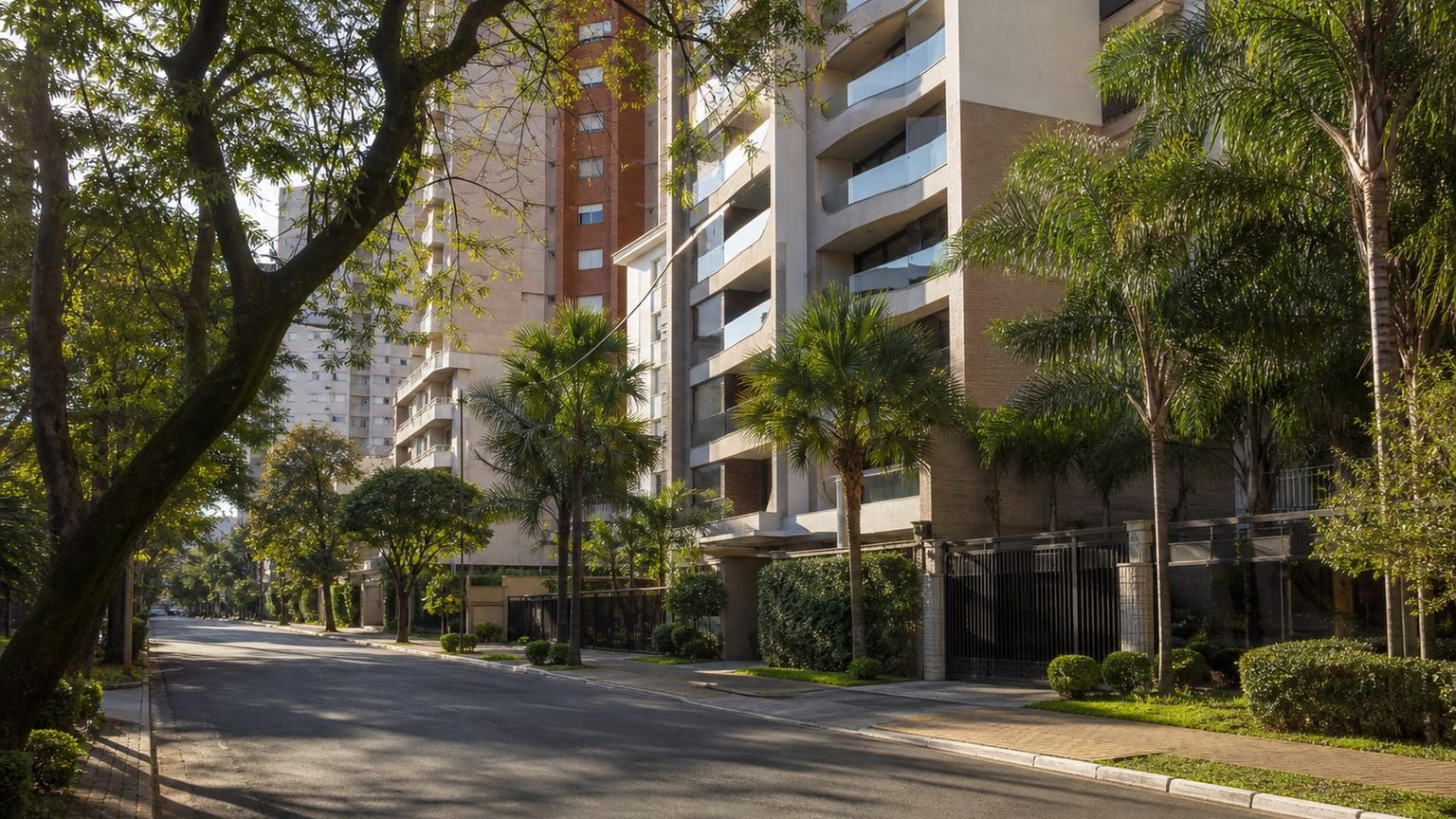
Antigua Catedral de Managua
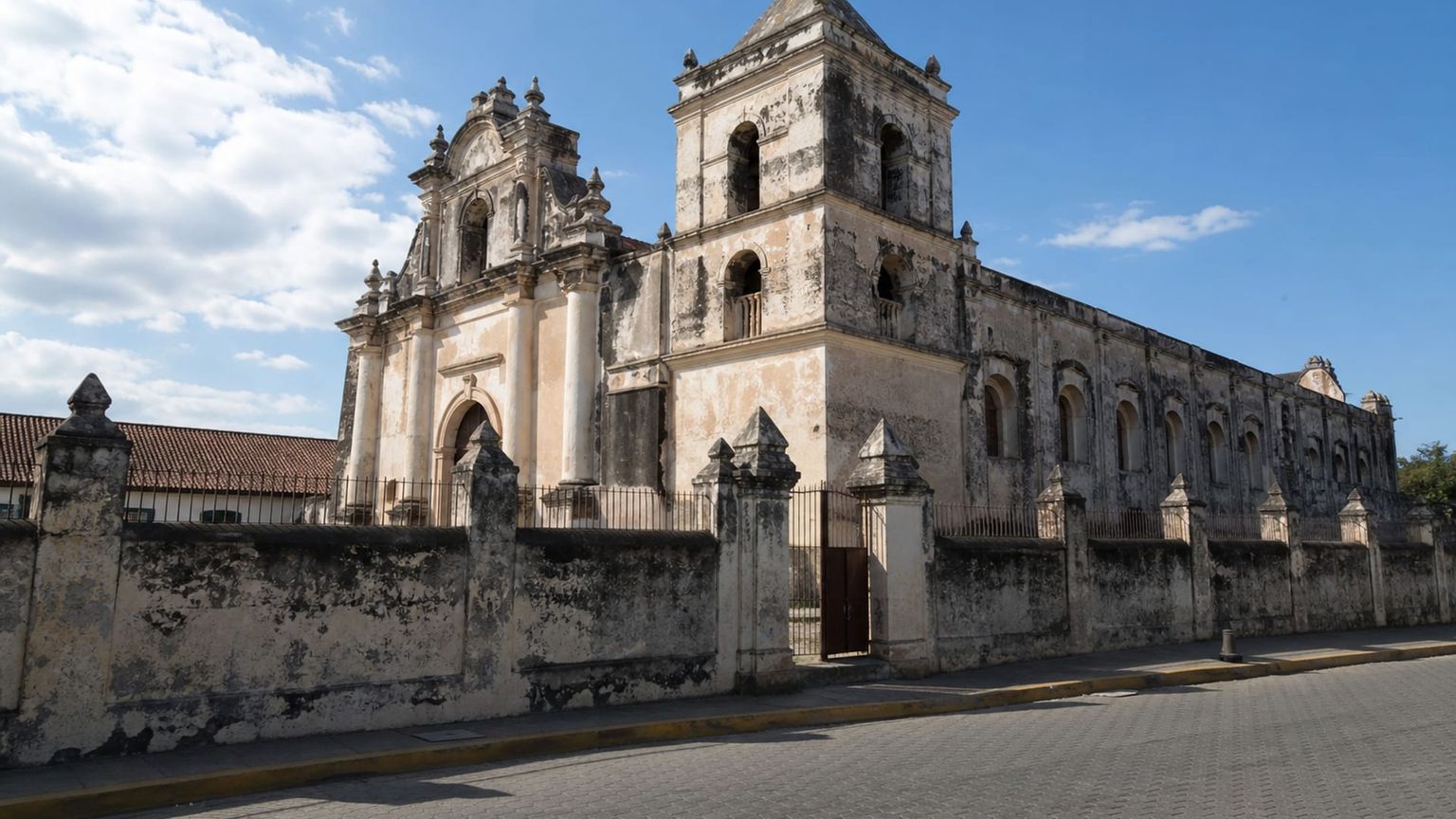
The shell of Managua’s old cathedral still stands beside Plaza de la Revolución, damaged since the 1972 earthquake and never repaired or torn down. It anchors a compact civic square with national monuments, the National Palace, and the city’s main historical markers.
Time needed: About 30 to 45 minutes
Entry: Free to view from outside. The interior is closed to the public.
Tip: Visit in the morning for softer light and fewer tour groups on the square.
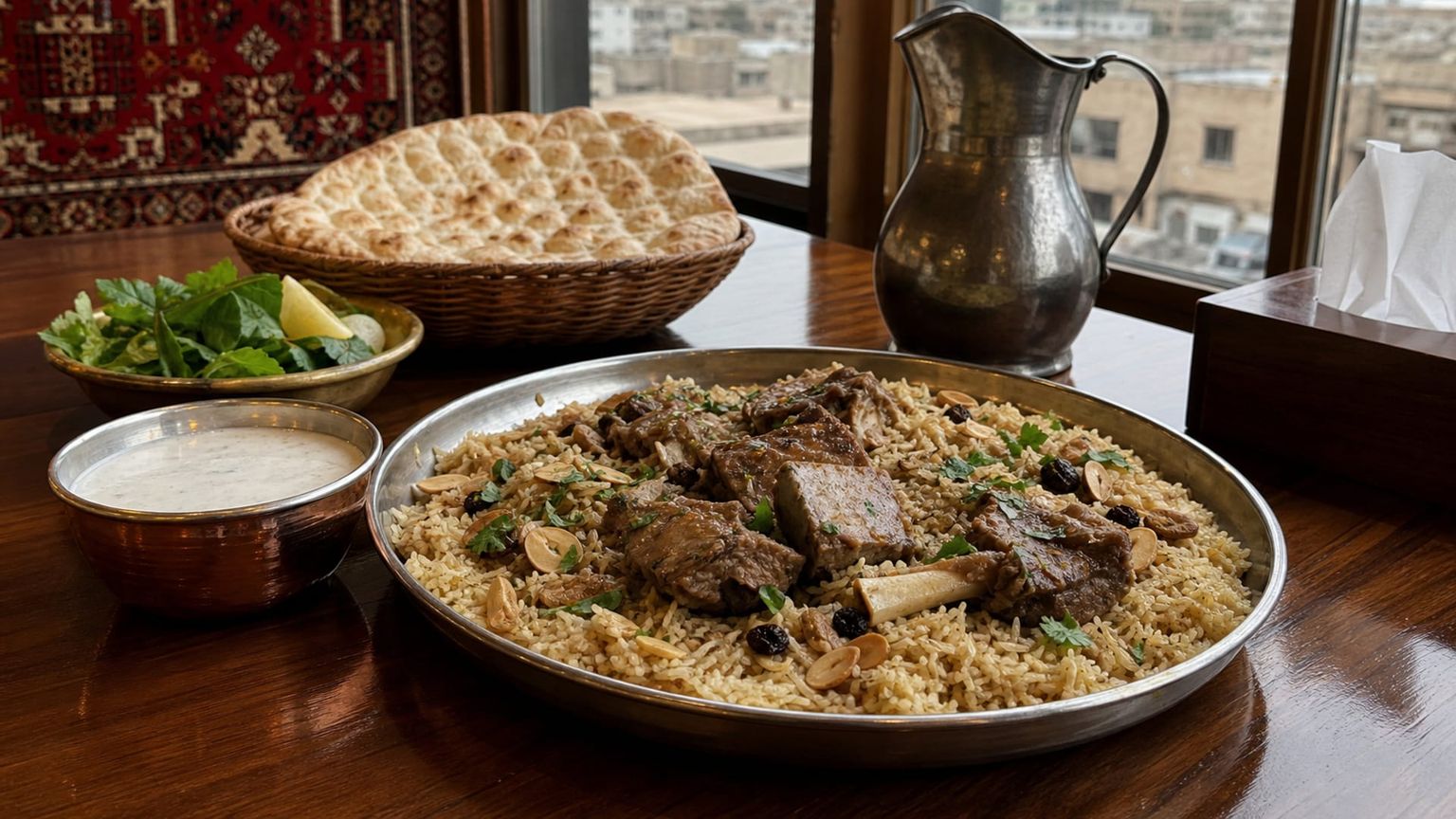
Loma de Tiscapa Historical Park
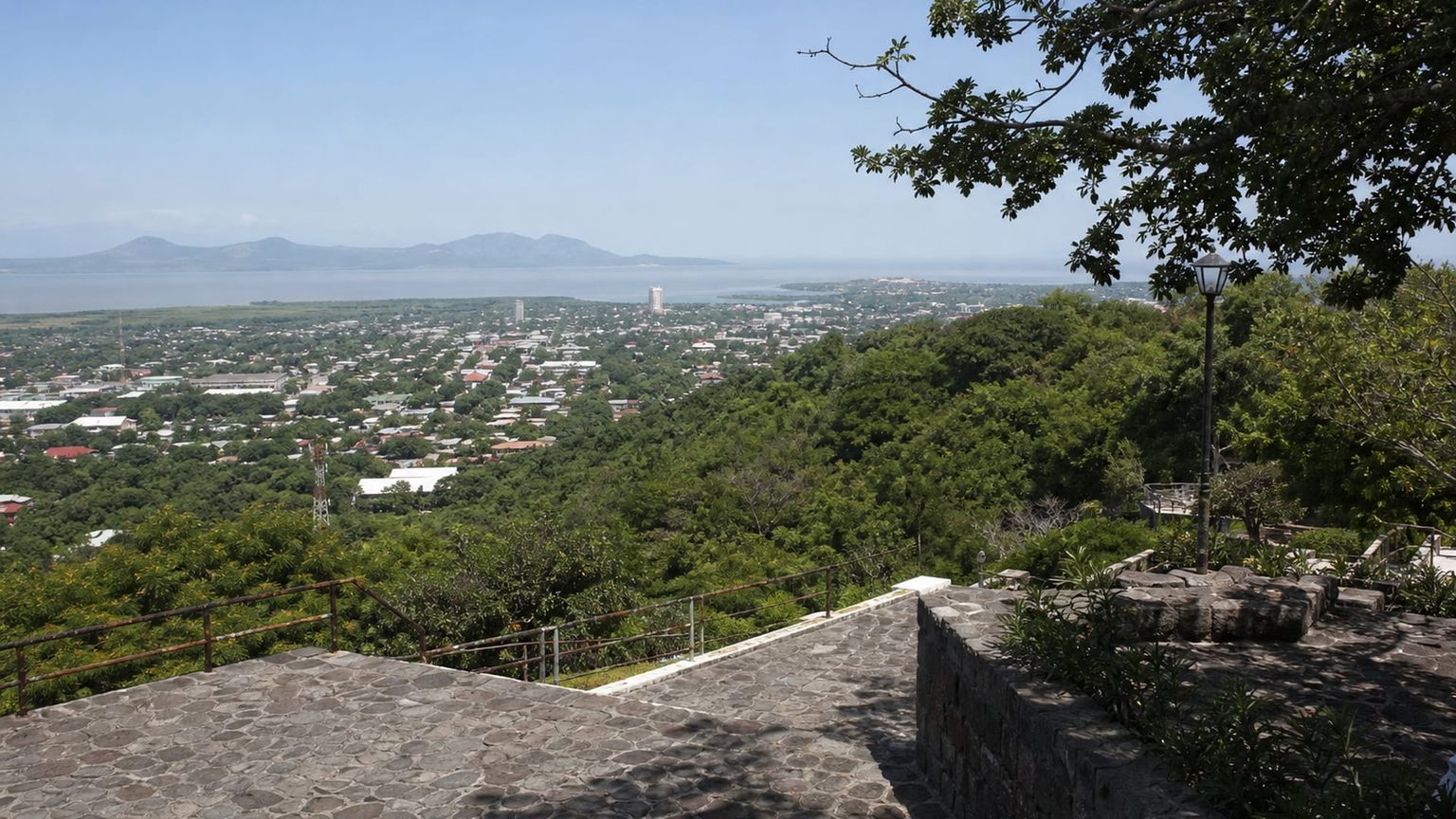
Loma de Tiscapa rises above central Managua and pairs wide city views with the former site of the presidential palace and a large Sandino silhouette. Paths, lookout points, and exhibit areas make it a great stop for history and panoramic views in one place.
Time needed: About 1 to 2 hours
Entry: Entry costs C$37 (US$1) per person. Museum access costs C$70 to C$110 (US$2 to US$3). You can pay in córdobas or USD.
Tip: Go near sunset for the clearest views, but arrive early if you want quiet paths.
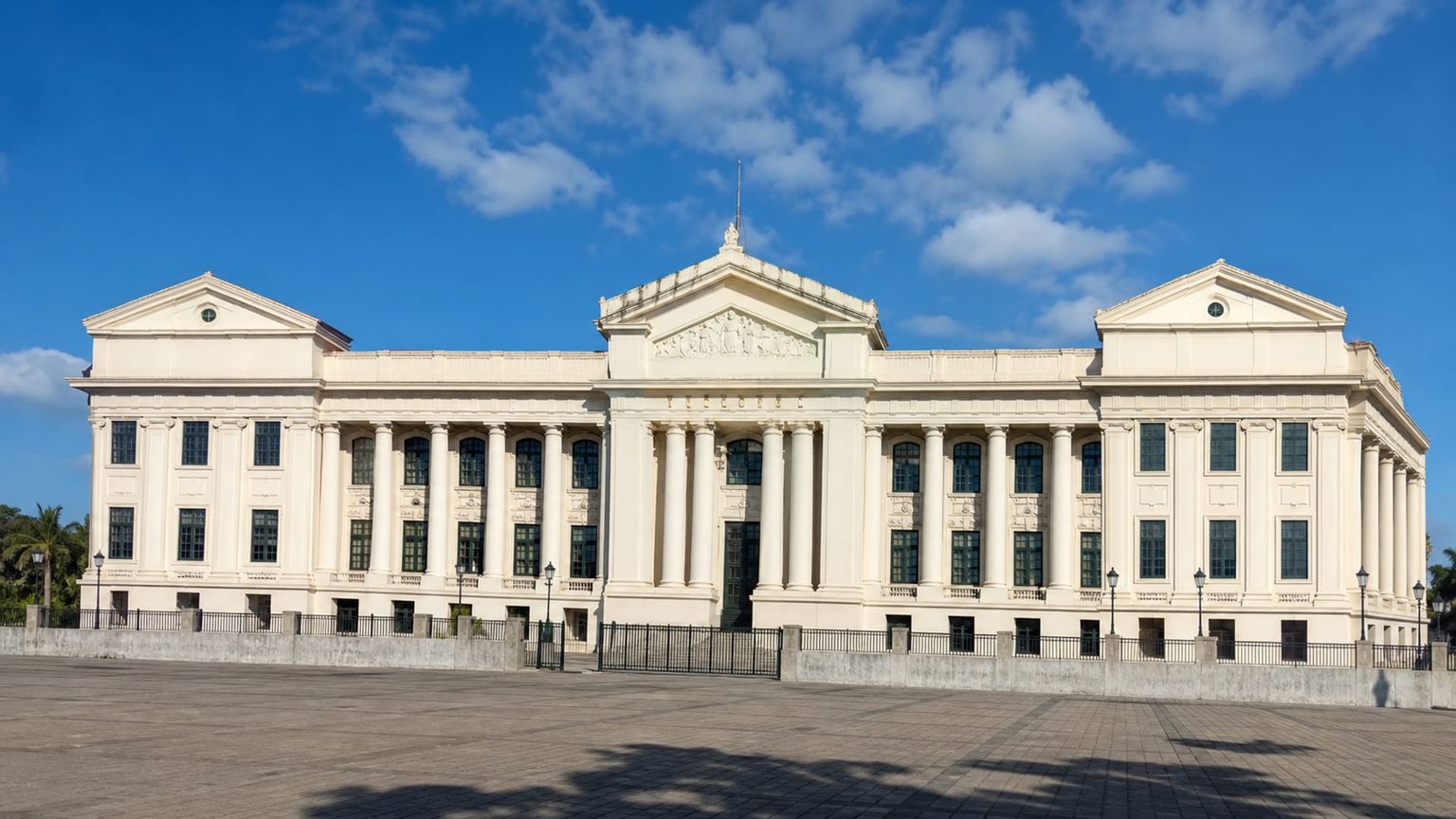
Metropolitan Cathedral of the Immaculate Conception
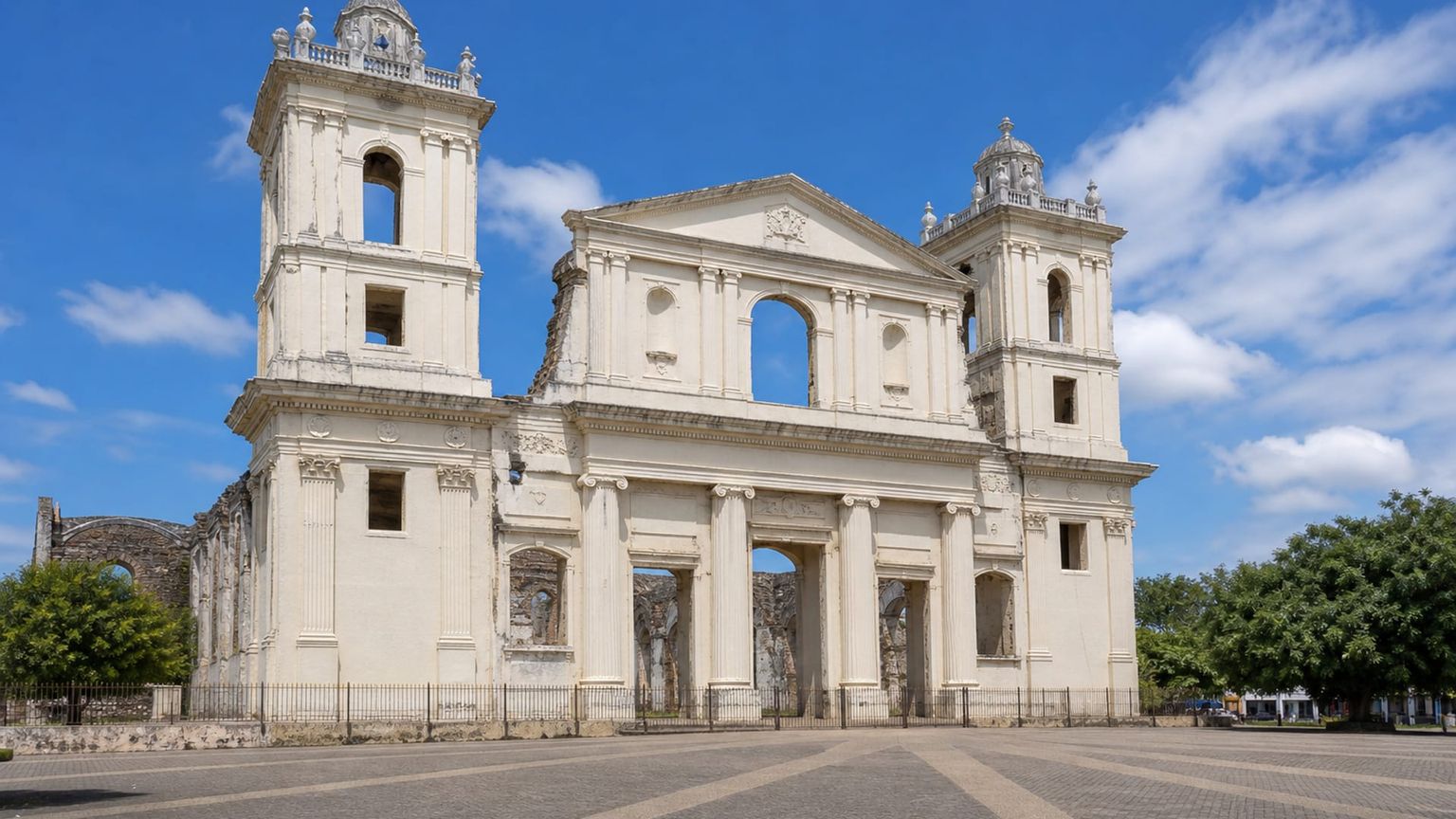
Managua’s Metropolitan Cathedral replaced the earthquake-damaged Old Cathedral in 1993. Its 63 domes and stark, angular design by architect Ricardo Legorreta make it one of Central America’s most distinctive religious buildings, and it still serves as the city’s main cathedral today.
Time needed: About 30 to 45 minutes
Entry: Admission is free outside Mass. Check the schedule before you visit. Visit the official site for details.
Tip: Walk the exterior first, since the dome pattern and design show best from outside.
Overlooked places in Managua

Rubén Darío National Theater
Nicaragua’s premier performing arts venue stands on the Malecón lakefront, hosting opera, ballet, and concerts inside a modernist 1969 building with a chandelier-lit Crystal Room upstairs.
Time needed: About 30 to 45 minutes
Entry: Free to view the lobby and exterior. Performance tickets vary by show.
Tip: Check the schedule in advance, since evening performances often sell out.

Puerto Salvador Allende
A lakefront promenade on Lake Xolotlán (Lake Managua) with restaurants, food stalls, and evening entertainment, built as part of a 2009 waterfront revival and popular with local families on weekends.
Time needed: About 1 to 2 hours
Entry: Free to enter. Boat rides and trips to Isla del Amor cost extra.
Tip: Visit near sunset, when the lakefront lights up and the heat eases.
What to eat in Managua
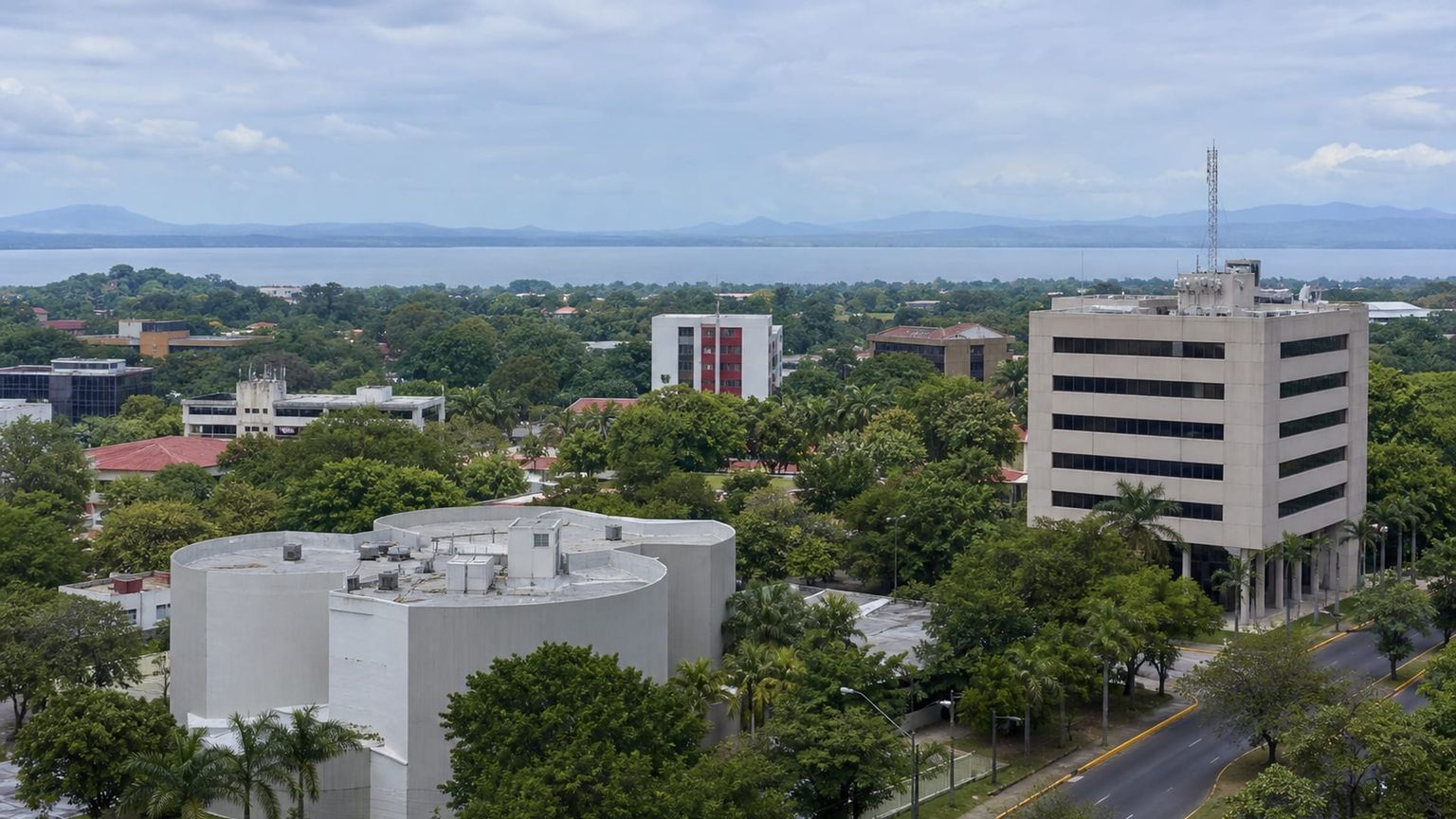
Nicaraguan cooking centers on corn, beans, cheese, and slow-cooked meats. In Managua, gallo pinto opens the day and nacatamales anchor Sunday lunches across the city.
Gallo pinto
Gallo pinto combines rice and beans cooked with onions, peppers, and cilantro, usually served at breakfast with eggs, cheese, and plantains. Cocina de Doña Haydée is a longstanding stop for a classic plate.
Nacatamal
Nacatamal is a banana-leaf tamal filled with corn masa, pork, rice, and potato, traditionally eaten on Sunday mornings. La Ventecita, serving Managua since 1973, is known nationwide for its potato-masa nacatamales.
Vigorón
Vigorón layers boiled yuca with chicharrón and a tangy cabbage slaw, a fritanga classic eaten as a casual meal any time of day. Asados de Doña Tania is a well-reviewed spot for a proper sit-down fritanga.
Quesillo
Quesillo wraps soft cheese, pickled onion, and cream inside a corn tortilla, often eaten as a quick snack between stops. El Güegüense serves a version that fits the city’s everyday food style.
Best time to visit
Managua stays warm year-round, with a dry season from December to April and a rainy season bringing afternoon rains and greener hills.
Best for: Easy sightseeing, outdoor walks, and comfortable morning starts
What you get: Temperatures range from 82°F to 91°F (28°C to 33°C), with lighter crowds and comfortable mornings for walking around the city.
Trade-offs: Afternoons can still run hot, so plan around midday shade.
Best for: Sightseeing, warm evenings, and sunny days before the rains begin
What you get: Temperatures range from 84°F to 99°F (29°C to 37°C), with moderate crowds and heavier taxi demand during the hottest midday hours.
Trade-offs: Heat peaks toward May, so outdoor stops need early starts.
Best for: Slower museum visits and taking in the city’s greener scenery
What you get: Temperatures range from 81°F to 89°F (27°C to 32°C), with lighter tourist crowds and frequent short afternoon rain showers across the city.
Trade-offs: Rain can interrupt hilltop visits and cross-town plans.
Best for: Quiet sightseeing with fewer crowds, despite heavier rain
What you get: Temperatures range from 80°F to 88°F (27°C to 31°C), with low crowds but the wettest, most unsettled weather of the entire year.
Trade-offs: September and October bring the year’s heaviest, most frequent rain.
A 5-day plan in Managua
This five-day plan covers Managua’s cathedrals, the Tiscapa crater, the lakefront, and the neighborhoods, with time for transfers and one lighter day before departure.
Land at Augusto C. Sandino International Airport (MGA) and take a taxi or hotel transfer into Metrocentro, Las Colinas, or Bolonia. The ride costs C$730 to C$1,100 (US$20 to US$30) and takes 25 to 40 minutes depending on traffic. Settle in, drink plenty of water, and keep dinner close to your hotel for an easy first night.
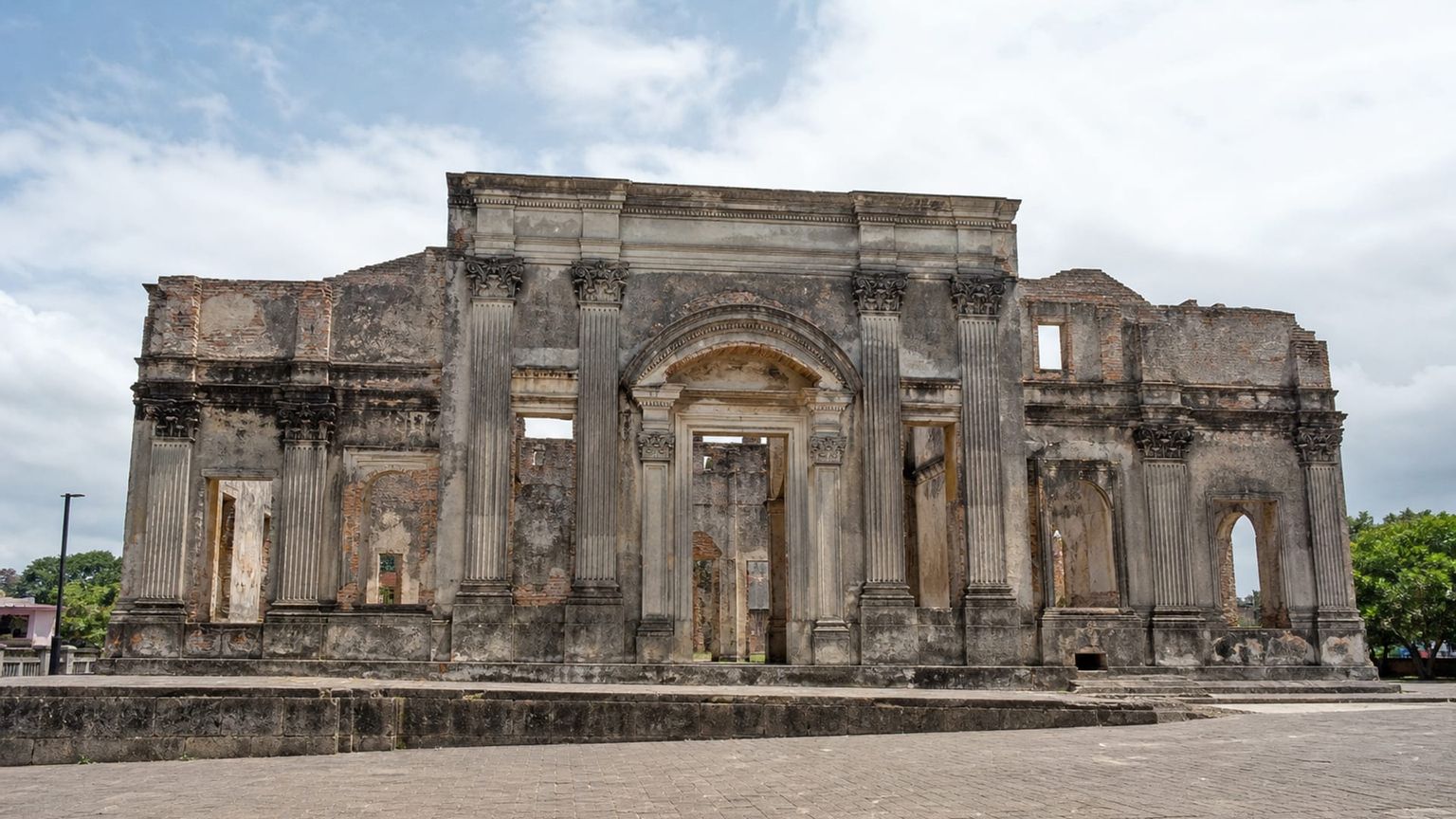
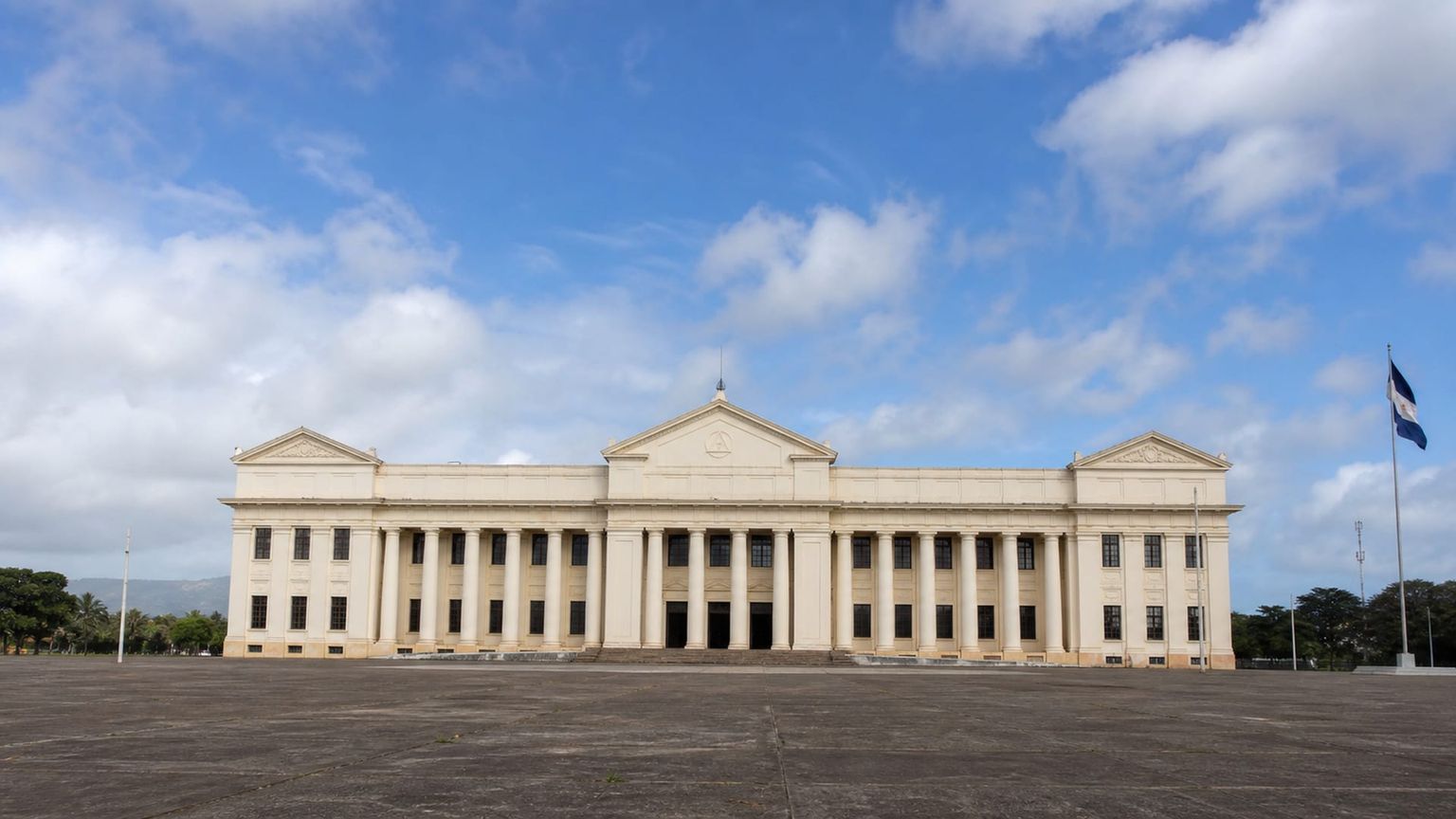
Begin at the Old Cathedral of Managua, then walk 10 minutes to the Metropolitan Cathedral of the Immaculate Conception. Continue into the National Palace of Culture for its art, archaeology, and history galleries around Plaza de la Revolución. Plan 30 to 45 minutes at each cathedral and 1 to 2 hours at the palace, then head back for dinner.
Spend the day at Loma de Tiscapa Historical Park, a short taxi ride from central Managua. The crater rim holds the former presidential palace site, a large Sandino silhouette, and views over the lagoon and the city below. Set aside 2 to 3 hours for the paths, viewpoints, and small museum, and consider returning near sunset for the clearest views.
Head to the lakefront for the Rubén Darío National Theater, free to view even without a performance, then continue to Puerto Salvador Allende for lunch and a walk along Lake Managua. In the afternoon, take a taxi to Bolonia to see its embassy district and converted mansions on foot before dinner in Las Colinas or Metrocentro.
For a lighter final day, take a slow morning before browsing Metrocentro for souvenirs, a last coffee, or pharmacy items, or exploring Mercado Roberto Huembes for local crafts and leather goods. If you prefer to unwind, spend a quiet hour in a Las Colinas café before packing. Build in 25 to 40 minutes for the taxi ride to the airport, longer during commuter traffic, and confirm your check-in window in advance.
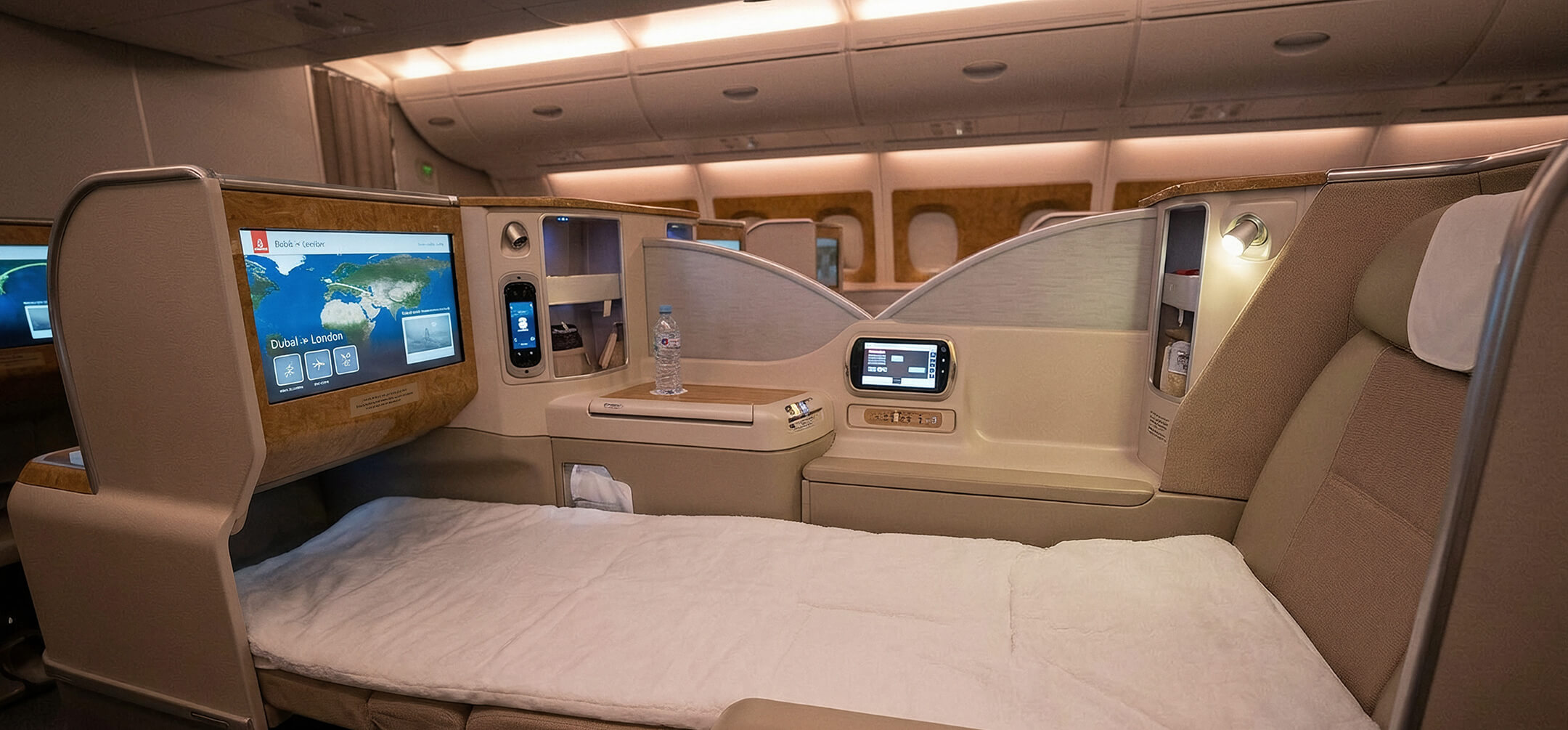
Business-class flights from the US to Managua
From the US, nonstop flights to Managua (MGA) depart from hubs like Miami (MIA), Houston (IAH), and Fort Lauderdale (FLL). All other itineraries from the East and West Coasts require a layover.
New York (JFK) to Managua (MGA)
Avianca, American Airlines, Copa Airlines, Delta Air Lines, and United Airlines all serve the route from New York (JFK) with one stop, commonly via San Salvador (SAL), Miami (MIA), or Panama City (PTY). The shortest flights take 8 to 9 hours total, while others stretch to 10 or 11 hours. Round-trip business-class fares usually start near $1,050 and can reach about $2,800.
Los Angeles (LAX) to Managua (MGA)
Avianca, American Airlines, Copa Airlines, Aeromexico, and United Airlines offer flights from Los Angeles (LAX) to Managua (MGA) with at least one stop. The shortest flights on this route, via San Salvador (SAL) or Houston (IAH), take 7.5 to 9 hours; flights with long layovers reach 12 to 13 hours. Round-trip business-class fares range from about $1,500 to $3,500.
Managua is a city shaped by change
A well-paced Managua trip links the city center, the Tiscapa hilltop, and the dining districts in a natural sequence, without retracing your steps or piling up taxi rides. Planning ahead turns a spread-out capital into an easy five-day trip. AranGrant can help with the business-class flights and hotels that make it happen.