

Chapters:

Need help with your trip?
Our support team is available 24/7. Request a callback or call us directly at (833) 619-0908
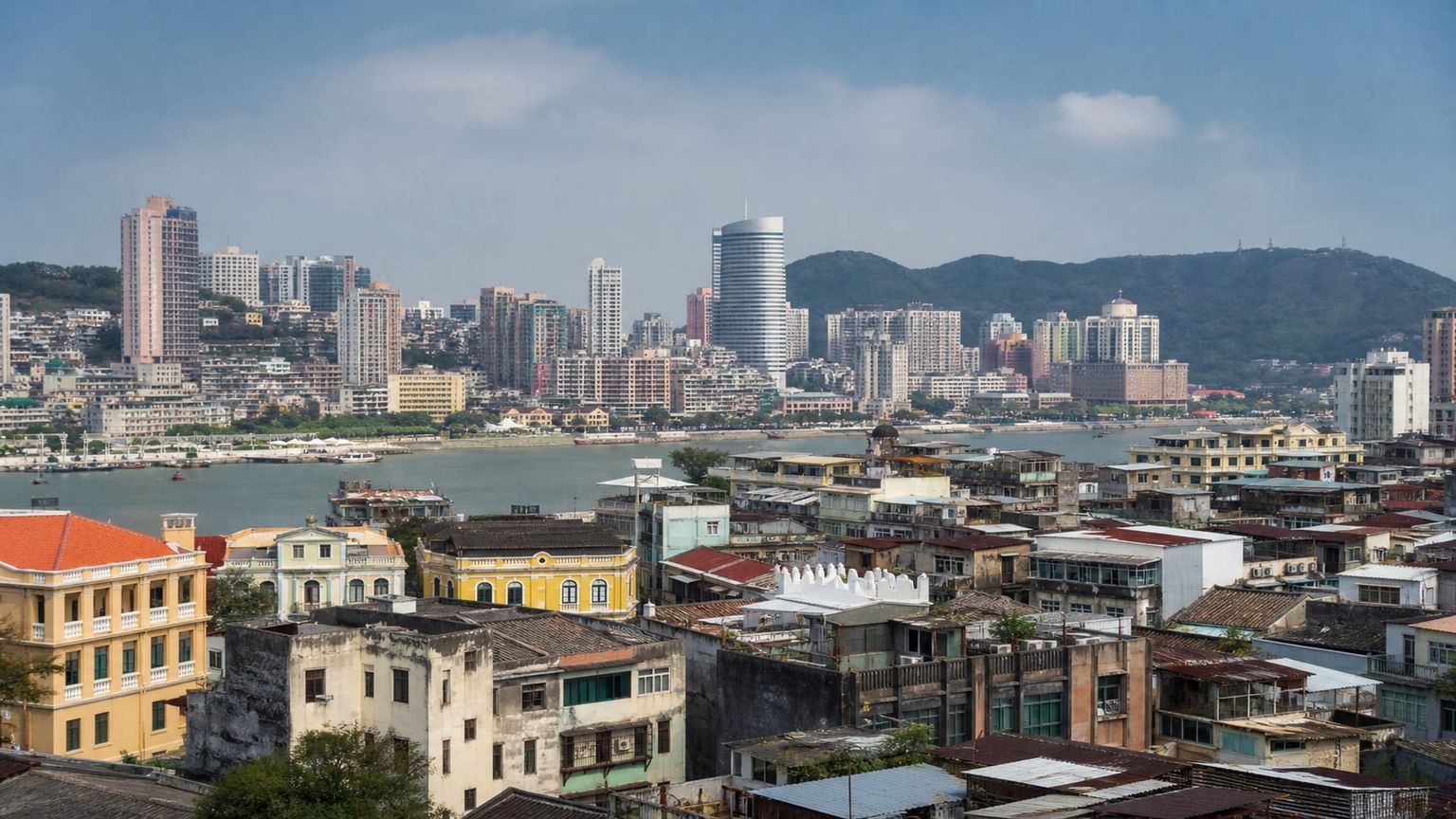
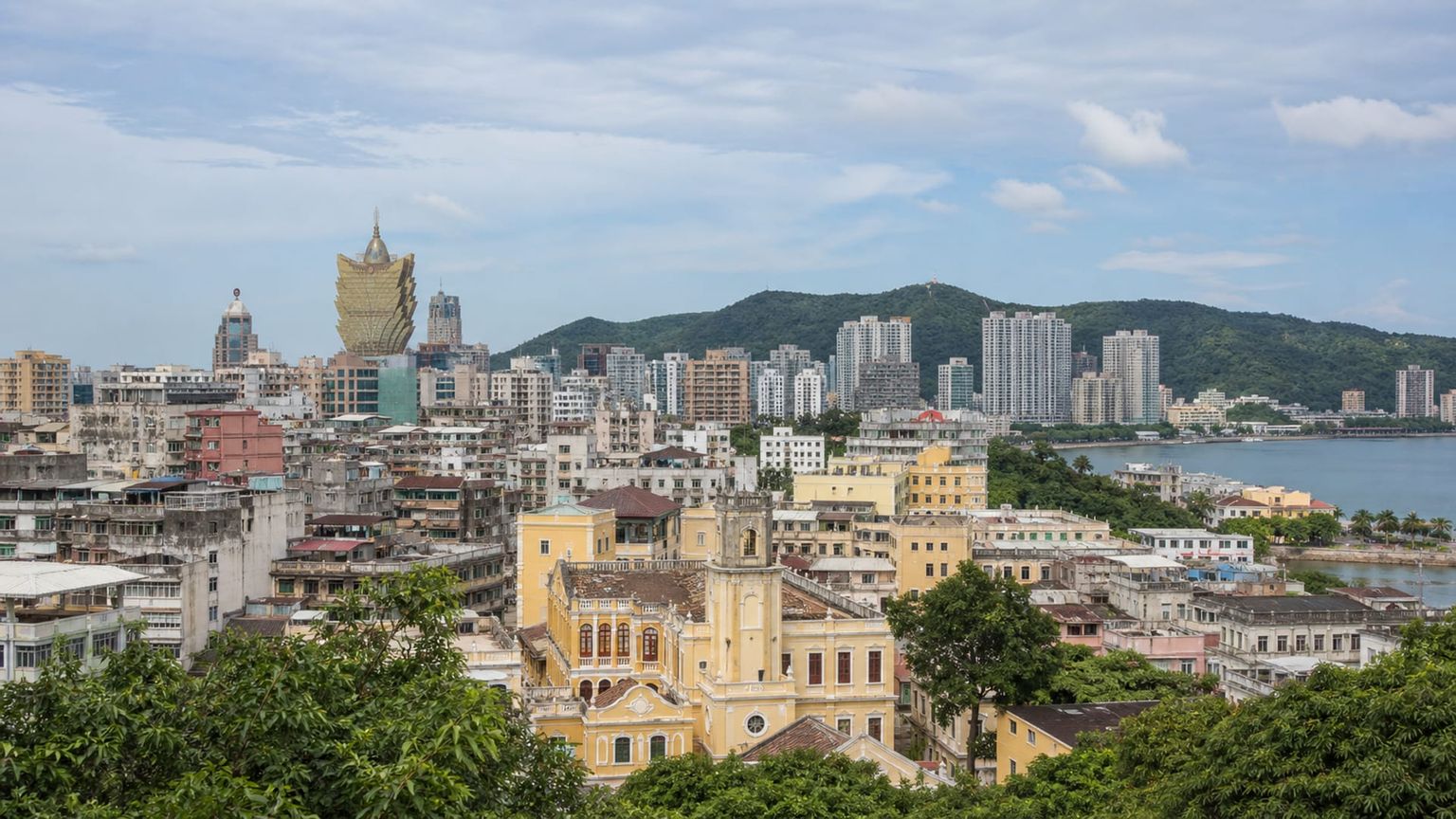
Macau is compact, but each part of the city has its own rhythm. The historic peninsula is filled with tiled squares, temples, churches, and old streets, while Taipa and Cotai add a very different mix of food, architecture, and modern city life just a short ride away.
Five days give you enough room to enjoy those contrasts without packing too much into each day. Spend time on foot in the old city, climb Guia Hill for the views, stop for Macanese food, and leave space for Taipa and Cotai without constant backtracking.
This guide covers where to stay, how to get around, what to eat, when to visit, and how to plan five days in Macau, plus the main business-class flight options from the US.
Useful things to know

Main language(s): Chinese (mainly Cantonese), Portuguese
你好 (néih hóu) – Hello
唔該 (m̀h’gōi) – Please
多謝 (dō jeh) – Thank you
你識唔識講英文? (néih sīk m̀h sīk góng yīng mán?) – Do you speak English?
幾多錢? (géi dō chín?) – How much does it cost?

Currency: Macanese pataca (MOP)

Cash and cards: Cards and contactless payments are widely accepted. Carry some patacas for taxis, small shops, and places that do not take cards.

Tipping: A 10% service charge is common at hotels and full-service restaurants. Extra tipping is optional; rounding up taxi fares is also optional.

Traditional food: Macau’s best-known local foods include Portuguese egg tarts, African chicken, pork chop buns, minchi, and almond cookies.

Water and coffee costs: A small bottle of water costs MOP 5 to MOP 10 ($0.60 to $1.25). Espresso commonly costs MOP 30 to MOP 55 ($4 to $7).

Taxis and ride apps: Licensed taxis are widely available. Uber connects users with licensed metered taxis in Macau; the Macau Taxi app is another option.

Plug and voltage: Macau uses 230V, 50Hz electricity. Type G plugs are common, while some outlets use three round pins.

Dining and shop opening hours: Breakfast is commonly served from 7:00 am to 10:00 am, lunch from 12:00 pm to 2:30 pm, and dinner from 6:00 pm to 10:00 pm.

Emergency number: Call 999 for police, fire, or an ambulance. Emergency numbers 110 and 112 are also available.
Where to stay in Macau
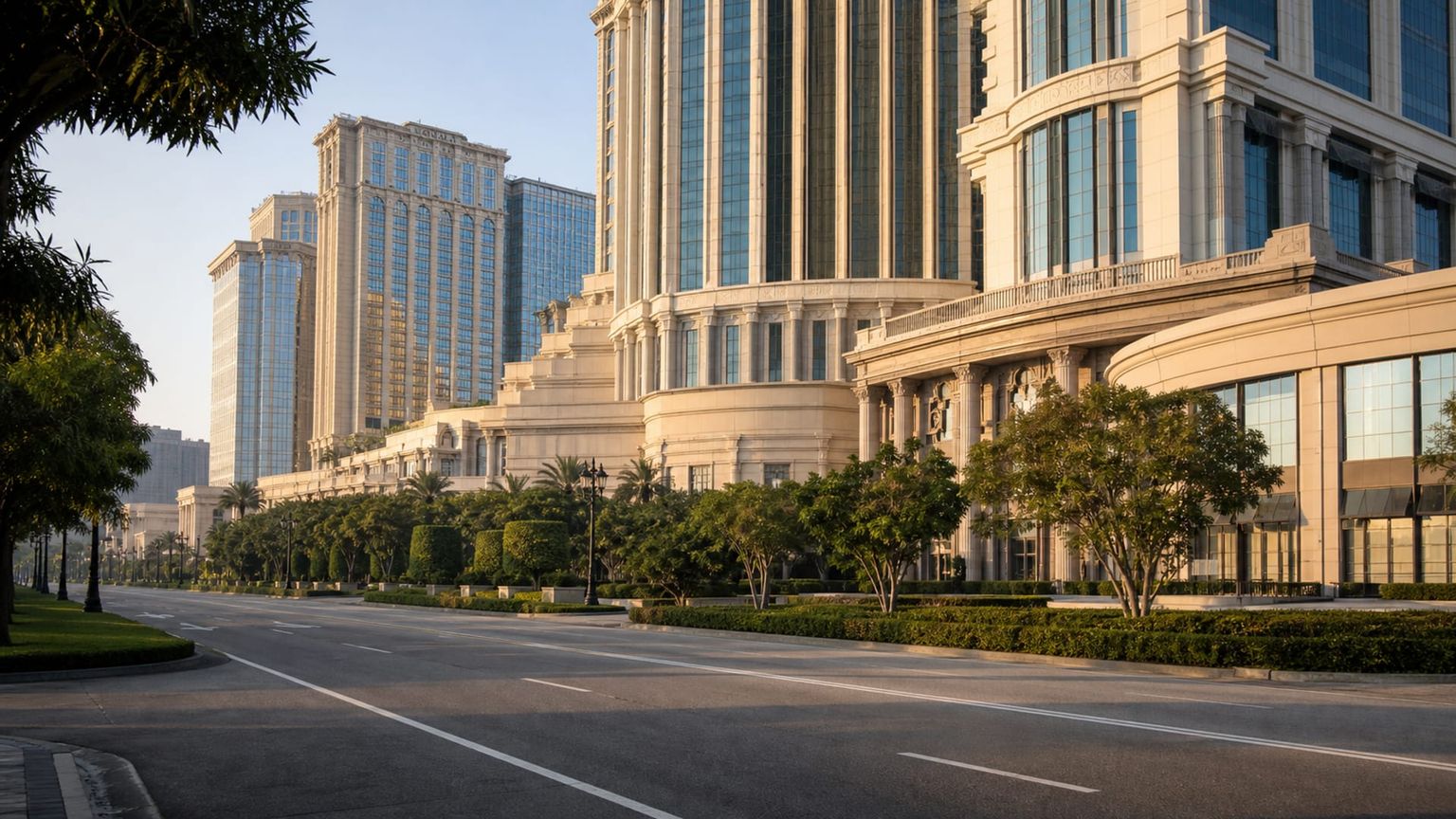
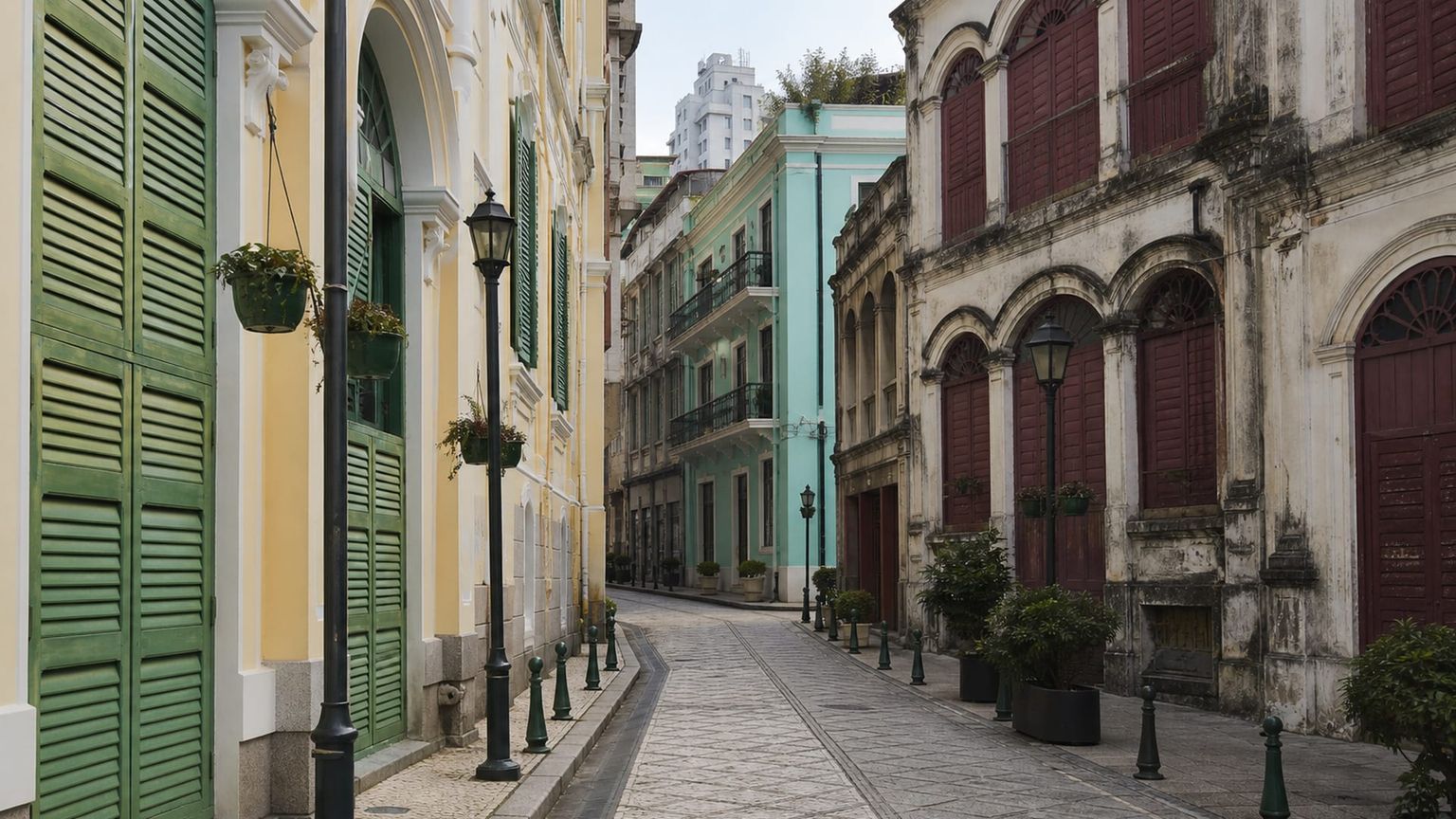
Macau Peninsula contains the UNESCO-listed Historic Center, including Senado Square and the Ruins of St. Paul’s. Hotels near the central heritage area put many churches, temples, shops, and local restaurants within walking distance, while other parts of the peninsula require buses or taxis.
Best for: Heritage sightseeing, first-time visits, and travelers who want the main historic sights nearby
What to expect: Busy streets, heavy foot traffic near landmarks, and the most active daytime atmosphere in Macau.
Hotel prices: Usually about $90 to $220 per night for well-rated stays
Distance to major sights: 10 to 15 minutes on foot to Senado Square and roughly 15 to 20 minutes on foot to the Ruins of St. Paul’s
Quietness: Daytime is busy and noisy near the main sights, while evenings are calmer on side streets after tour groups thin out.
Main trade-off: You get the shortest walk to the heritage core, but room sizes can be smaller and the busiest blocks see more noise and tour traffic.
Good to know: For easier walking to the heritage sights, choose a hotel near Senado Square and check its exact street rather than relying on “Macau Peninsula.”
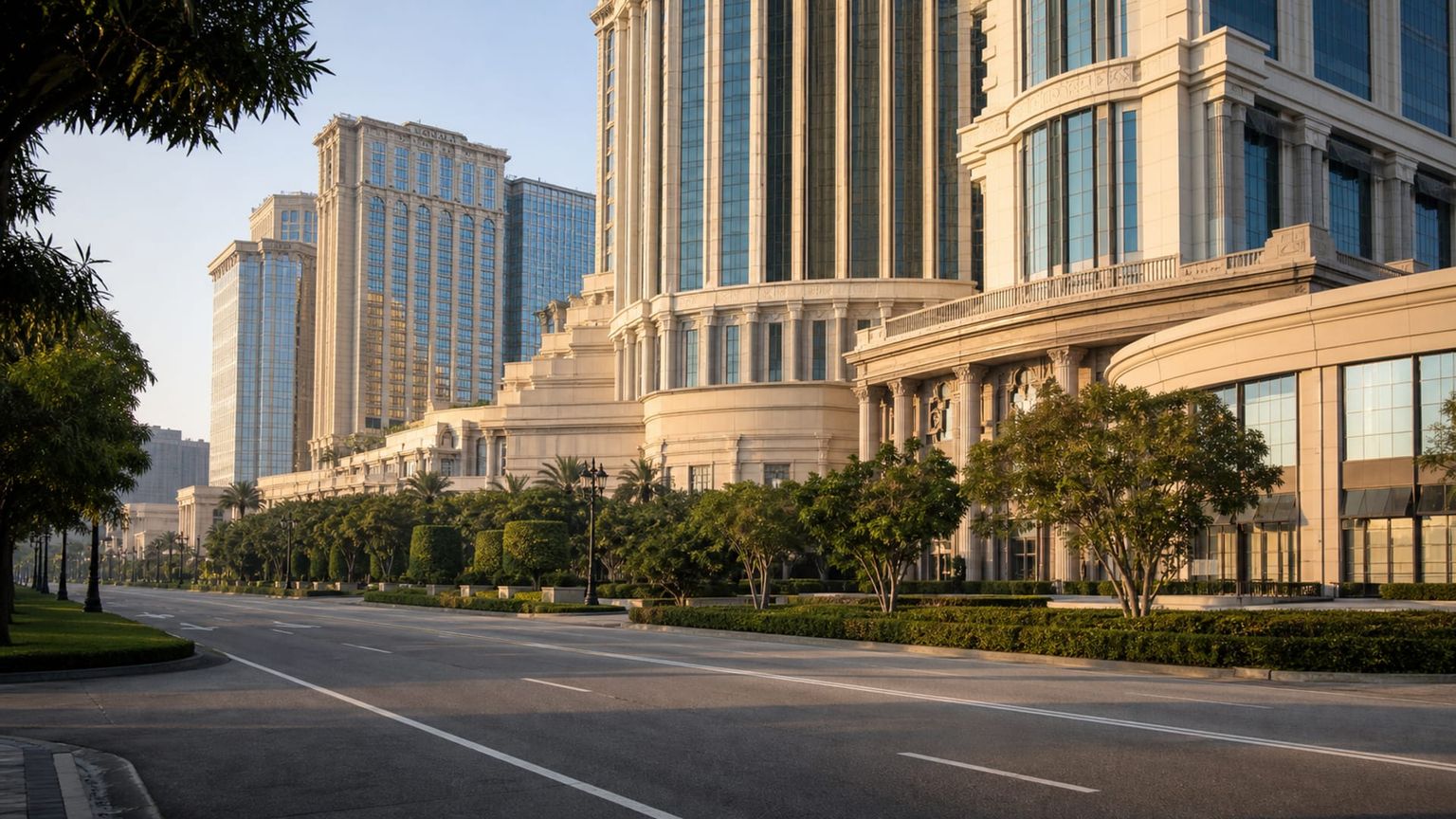
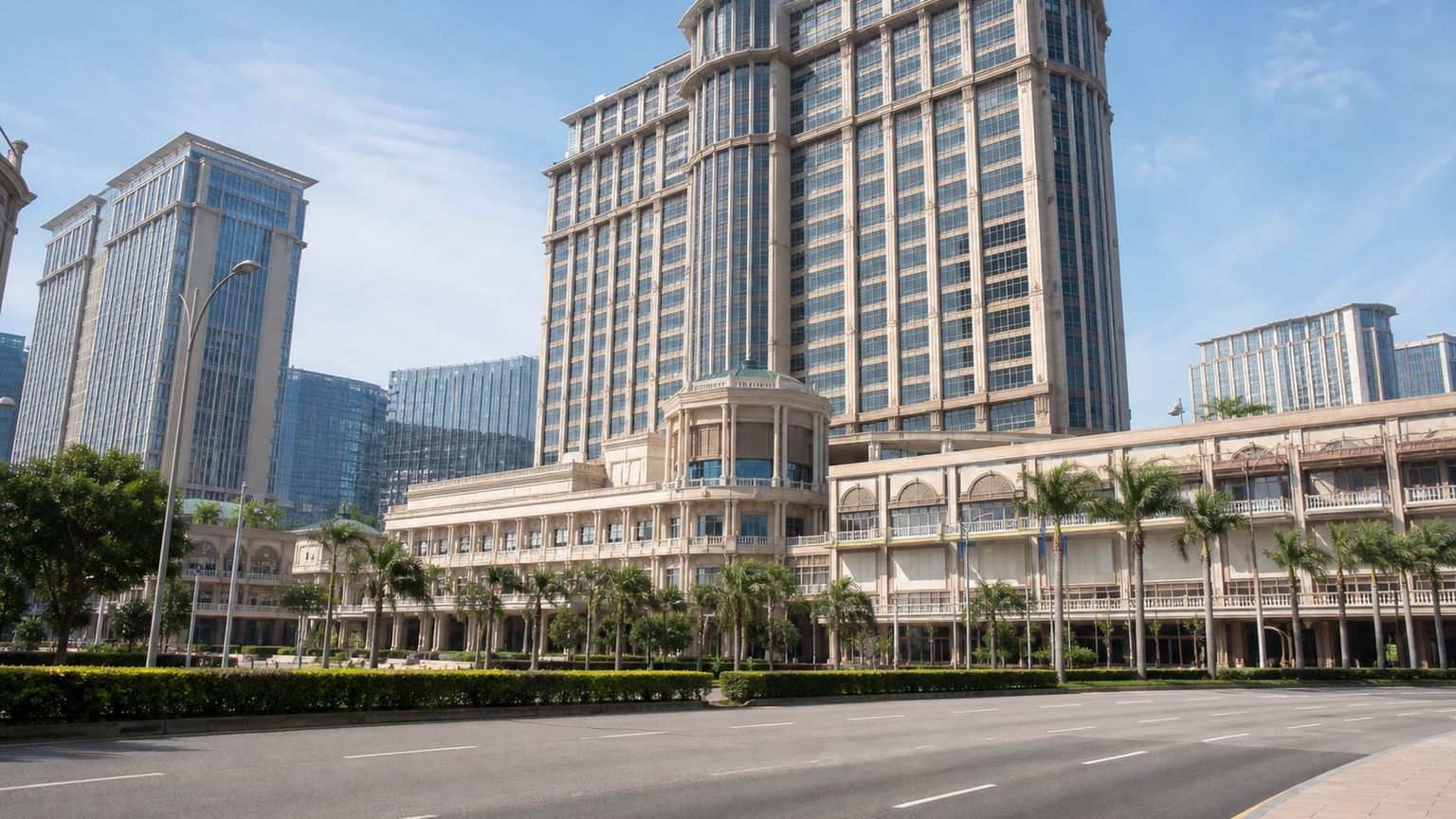
Cotai is Macau’s main resort district, with large hotels, casinos, shopping centers, restaurants, and entertainment venues concentrated along broad avenues. It suits travelers planning much of their time within the resort area, while the historic center on Macau Peninsula requires a separate trip.
Best for: Casino stays, shopping, large resort amenities, and visitors planning evenings out in Cotai
What to expect: Wide boulevards, resort crowds, and heavy activity around hotel entrances, malls, and casino floors.
Hotel prices: Usually about $130 to $450 per night for well-rated stays
Distance to major sights: 15 to 25 minutes by taxi to Senado Square and roughly 10 to 20 minutes on foot between major Cotai resorts
Quietness: Days stay lively around the malls and hotel lobbies, and evenings are very active near casinos, while guest-room towers can be quieter upstairs.
Main trade-off: You gain easy access to resorts and nightlife, but you will spend more time getting to Macau’s historic center.
Good to know: Check your hotel’s current shuttle routes before relying on them. Many serve transport hubs or other resorts, not Senado Square directly.
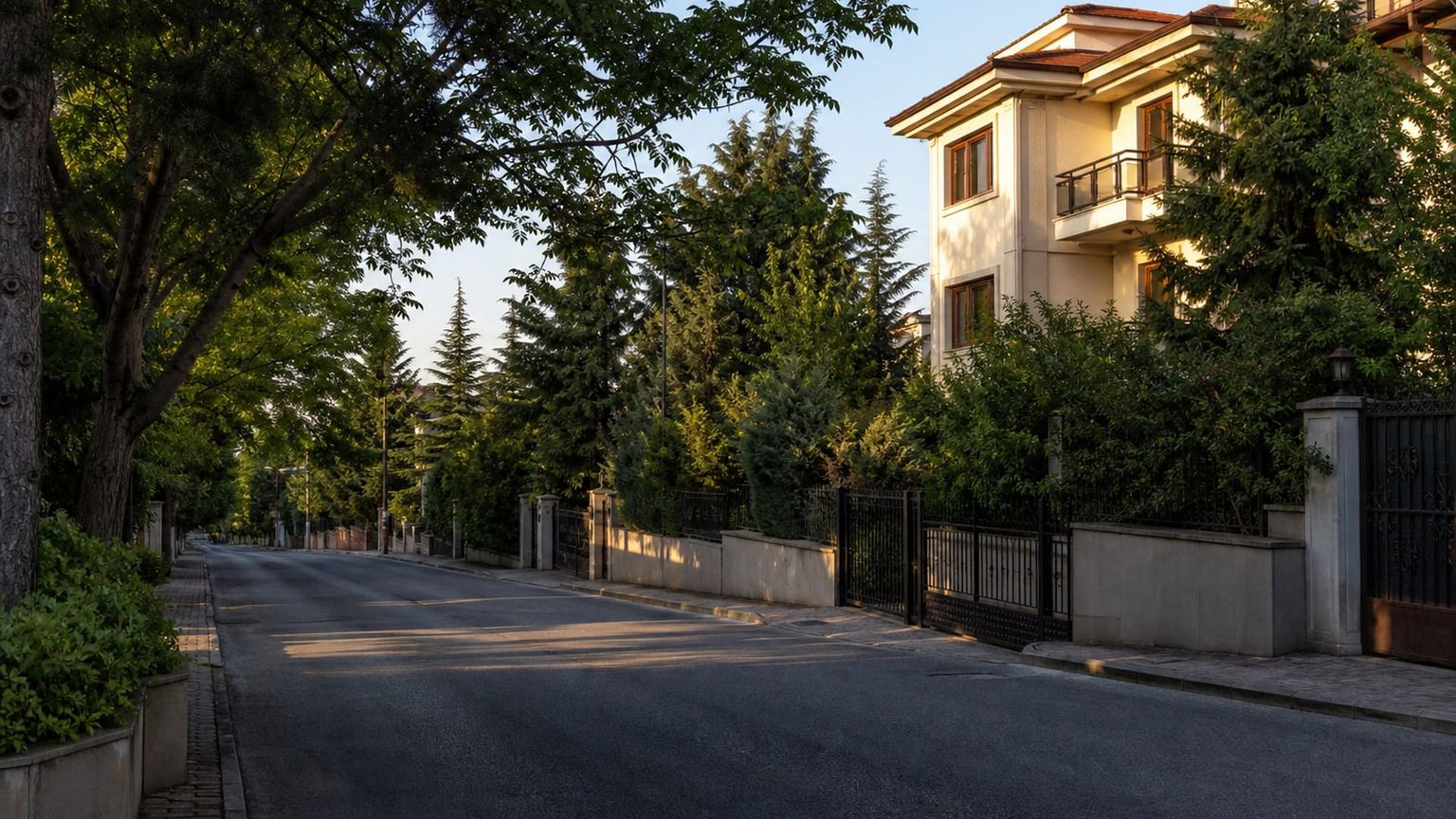
Taipa Village has narrow lanes, temples, churches, low-rise buildings, and one of Macau’s best-known food streets, Rua do Cunha. The area feels more compact than Cotai, with small restaurants and older streets close together and the resort district just beyond the village.
Best for: Food-focused trips, quieter evenings, and travelers who want a local neighborhood near Cotai
What to expect: Lively dining streets, neighborhood foot traffic, and a mix of residents, diners, and day visitors.
Hotel prices: Usually about $80 to $180 per night for well-rated stays
Distance to major sights: 10 to 15 minutes by taxi to Cotai Strip casinos and about 20 to 30 minutes by taxi to Senado Square
Quietness: Days can be active on restaurant streets, while evenings are generally calmer than Cotai and less crowded than the peninsula’s main tourist blocks.
Main trade-off: You get better neighborhood character and food options, but you will rely on taxis or buses for the main heritage sights.
Good to know: Check whether a hotel listed as “Taipa” is actually within Taipa Village, since properties across the wider Taipa area can be quite far apart.
Coloane covers Macau’s southern end, including Coloane Village, Hac Sá Beach, Cheoc Van Beach, parks, and walking trails. Hotels here suit travelers who want more outdoor space and less resort traffic, but trips to Senado Square and the main peninsula sights take longer from this part of Macau.
Best for: Beach time, outdoor walks, and travelers who prefer a quieter base away from casino density
What to expect: Low-key streets, fewer crowds, and more local movement than tourist foot traffic.
Hotel prices: Usually about $70 to $180 per night for well-rated stays
Distance to major sights: 25 to 35 minutes by taxi to Senado Square and about 10 to 20 minutes by taxi to Coloane Village beaches and trails
Quietness: Days are calm except near weekend picnic spots, and evenings are noticeably quieter than Macau’s central districts.
Main trade-off: You gain space and a quieter setting, but you will spend more time and money reaching the peninsula and Cotai.
Good to know: Coloane has fewer restaurants than Cotai, though several places in Coloane Village serve dinner late and some remain open until midnight.
For a first visit, avoid Seac Pai Van and Coloane Village if most of your plans are on Macau Peninsula; both mean longer trips to the heritage core. Cotai is also less convenient if you want historic streets within easy walking distance.
Hotel deals
How to get around Macau efficiently
Macau’s LRT, buses, and taxis cover different parts of the city, linking the peninsula, Taipa, Cotai, Coloane, and the international airport.

Light Rapid Transit
LRT) rail (for Cotai, airport, and longer trips
The LRT links Barra on the Macau Peninsula with Taipa, Cotai, the airport, Seac Pai Van, and Hengqin. Single tickets cost MOP 6–MOP 12 ($0.75–$1.50) or MOP 3–MOP 6 ($0.40–$0.75) with a general LRT card or Macau Pass. It does not reach Senado Square.

Bus
for areas beyond the rail network
Public buses reach Macau Peninsula, Taipa, Cotai, Coloane, border checkpoints, and the airport. The cash fare is MOP 6 ($0.75); Macau Pass users pay MOP 3 ($0.40) on regular routes or MOP 4 ($0.50) on express routes. Eligible transfers apply within 45 or 60 minutes.

Taxi and Uber
for direct trips, luggage, and late hours
Taxis are useful for direct hotel transfers, luggage, and late returns. The meter starts at MOP 21 ($2.60) for the first mile (1.6 km), with extra charges for distance, waiting, luggage, and some pickup points. You can also use Uber to book licensed metered taxis in Macau.
*Prices are based on rates updated as of September 2026 and may change at the time of travel.
Use the LRT for Cotai and airport trips, buses for districts beyond the rail network, and taxis for direct rides, luggage, or journeys later in the evening.
Iconic landmarks
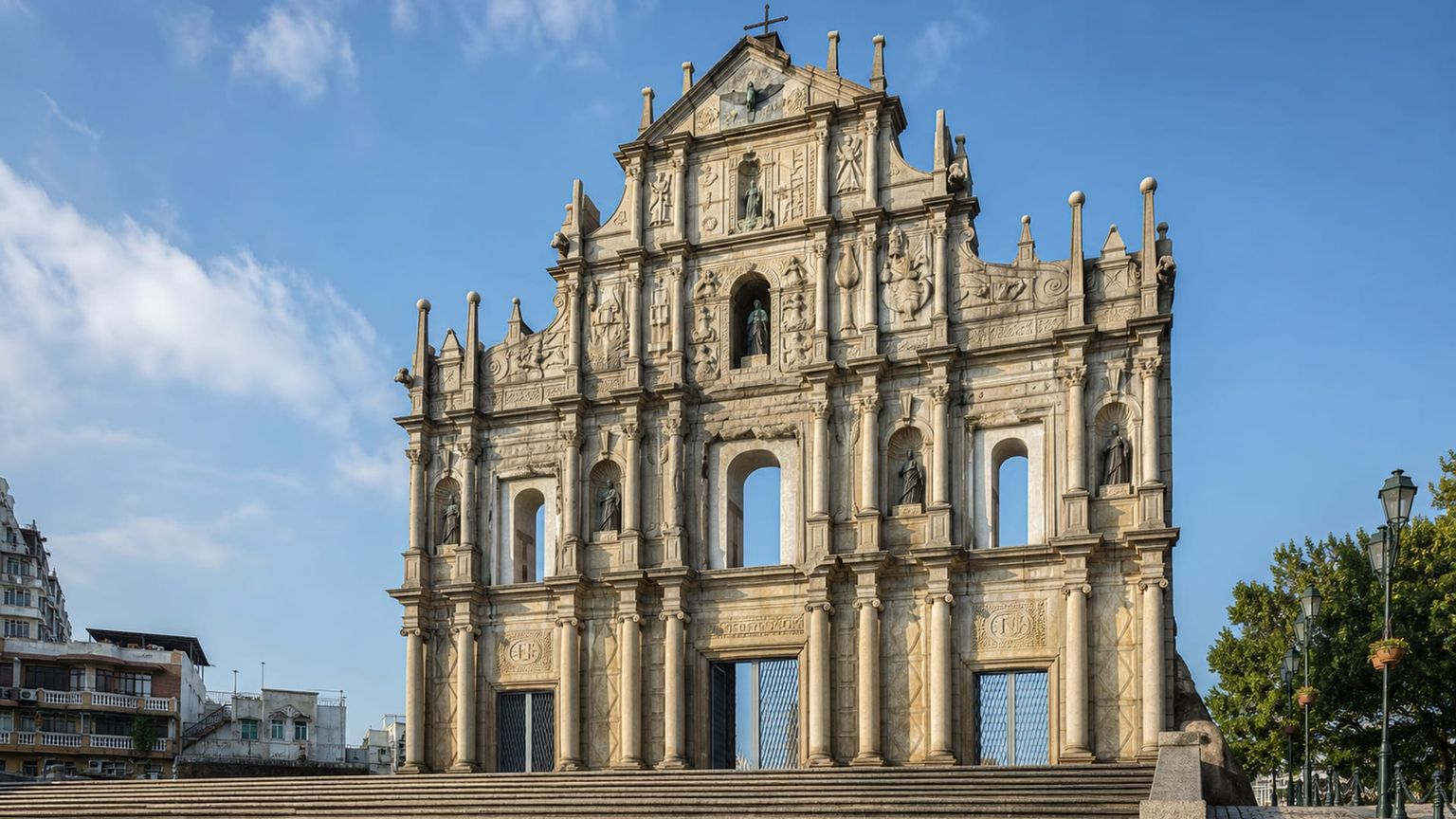
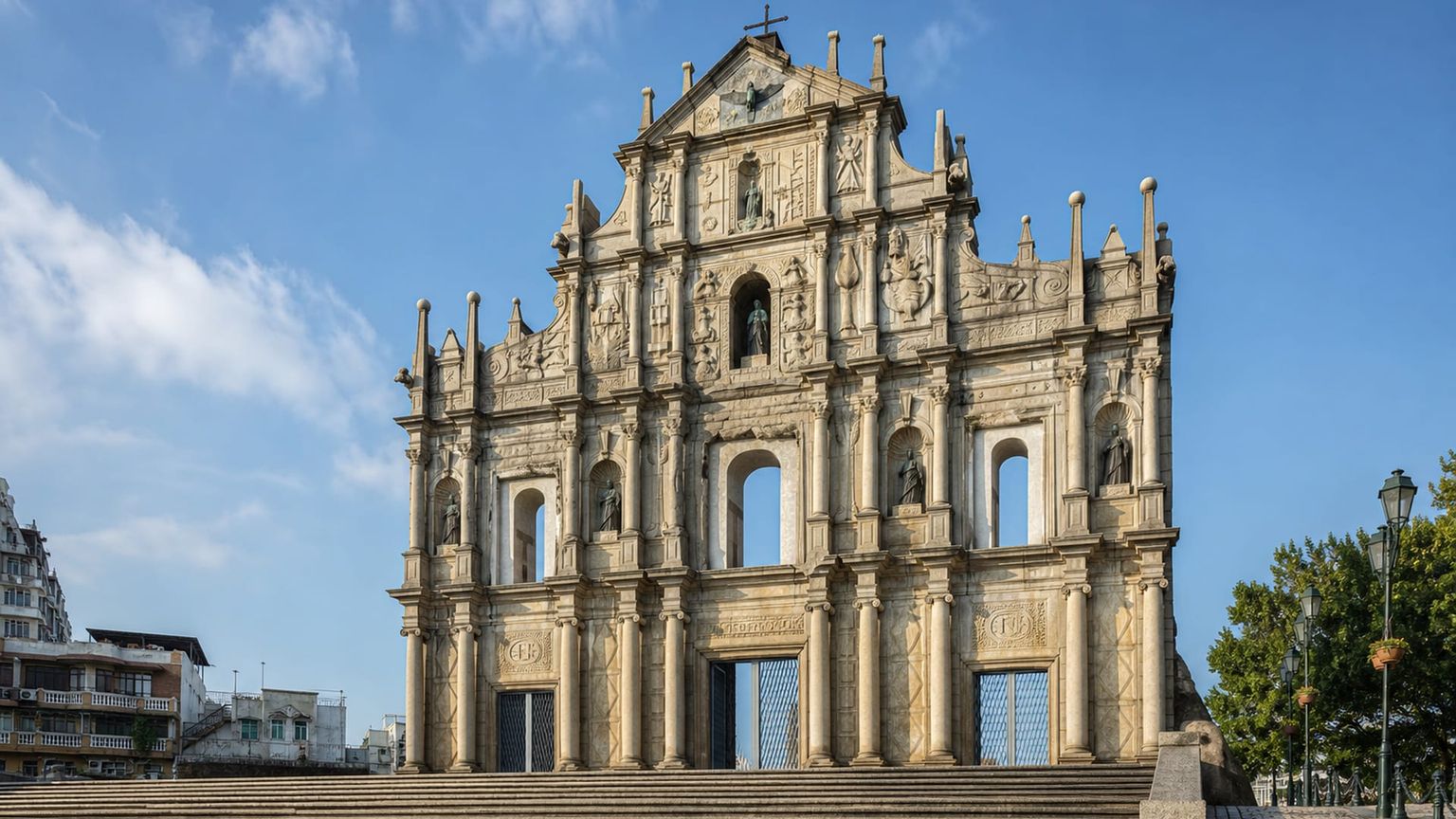
Ruins of St. Paul's
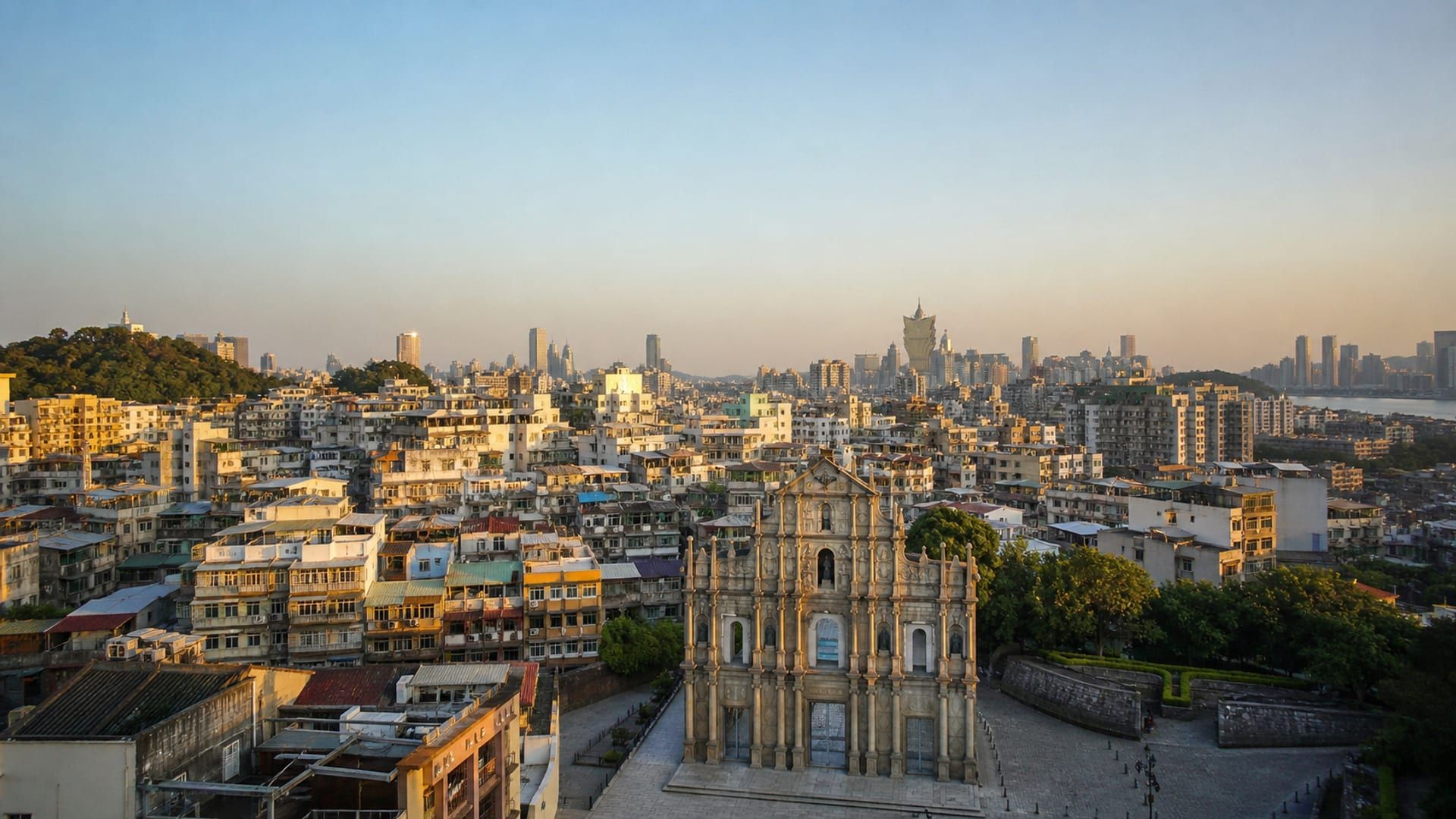
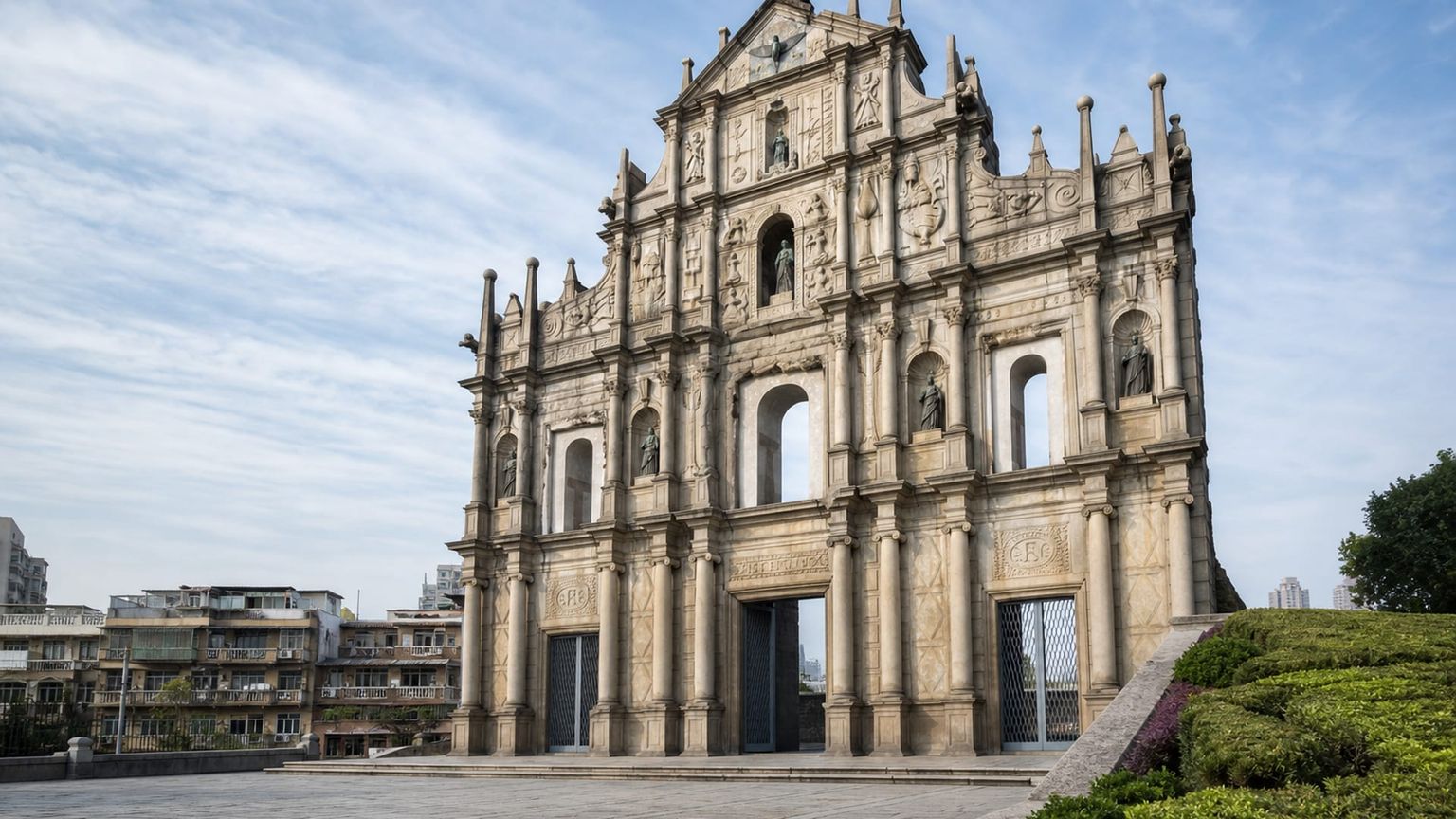
The Ruins of St. Paul’s preserve the granite façade of the Church of Mater Dei, built from 1602 to 1640 and destroyed by fire in 1835. The broad staircase leads to the archaeological remains and Museum of Sacred Art and Crypt, all within Macau’s UNESCO-listed historic center.
Time needed: About 45 minutes
Entry: Free to access, with no timed entry or ticket required for the façade, steps, and forecourt; the nearby museum may charge a separate fee.
Tip: Continue uphill to Mount Fortress before returning toward Senado Square.
A-Ma Temple
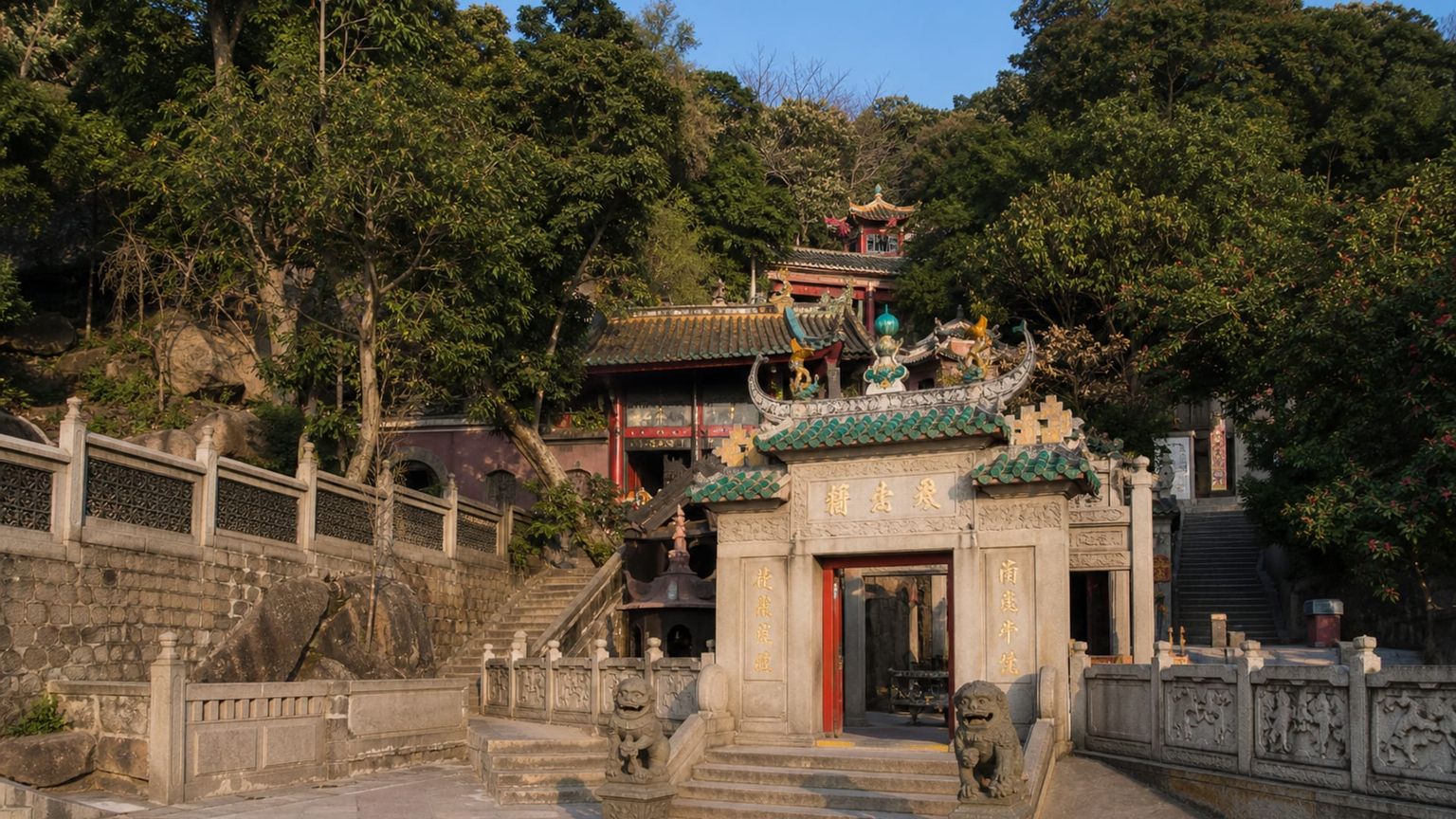
A-Ma Temple predates the Portuguese settlement of Macau and remains one of the city’s oldest religious sites. Built into the hillside, its halls, pavilions, stone steps, and incense-filled spaces reflect several Chinese religious traditions and the temple’s long connection with seafarers.
Time needed: About 1 hour
Entry: Free to enter the temple grounds; donations are optional, and there is no timed entry for general visits during opening hours.
Tip: After the temple, walk to Barra LRT Station if you are continuing to Taipa or Cotai.
Macau Tower
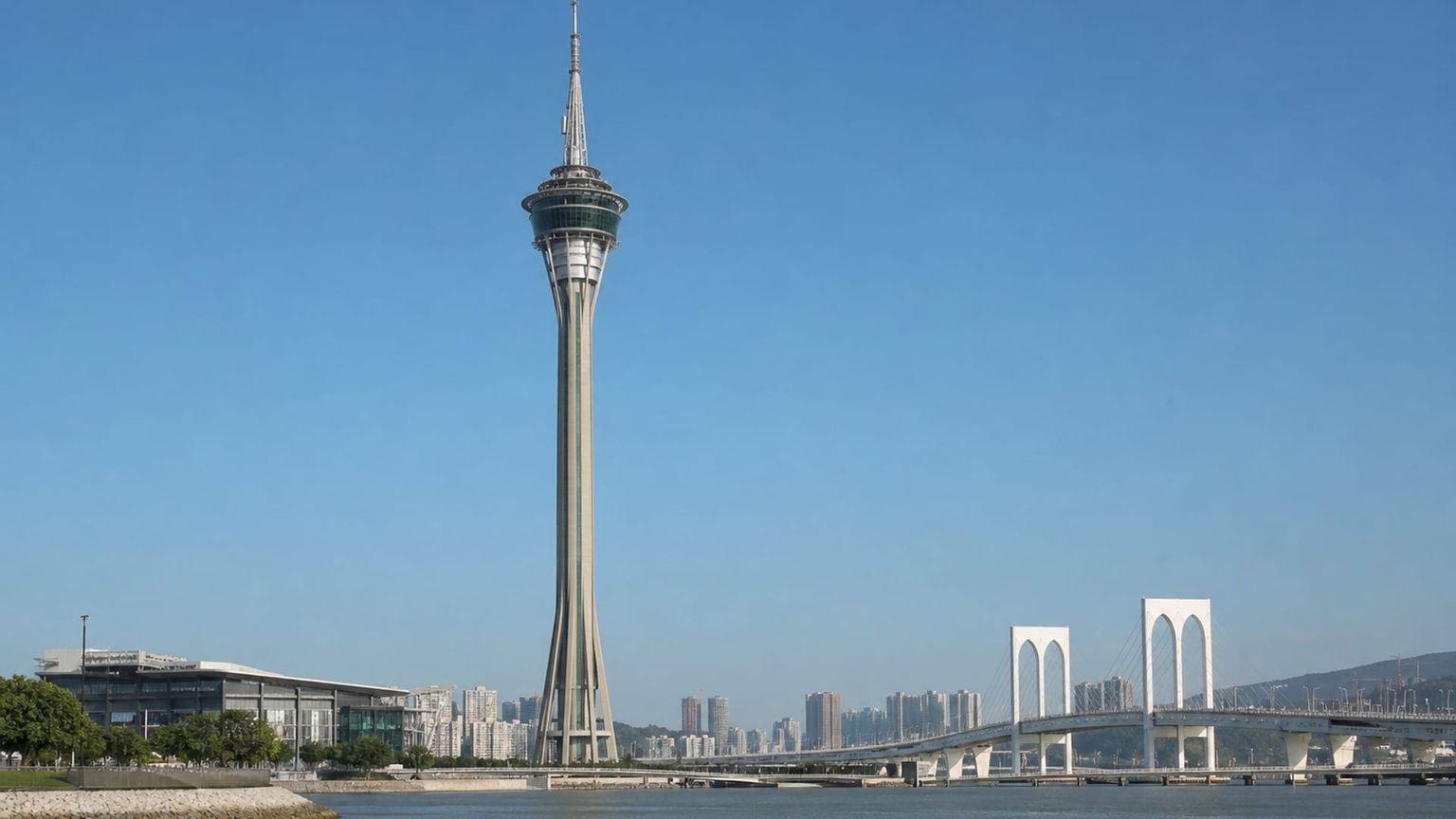
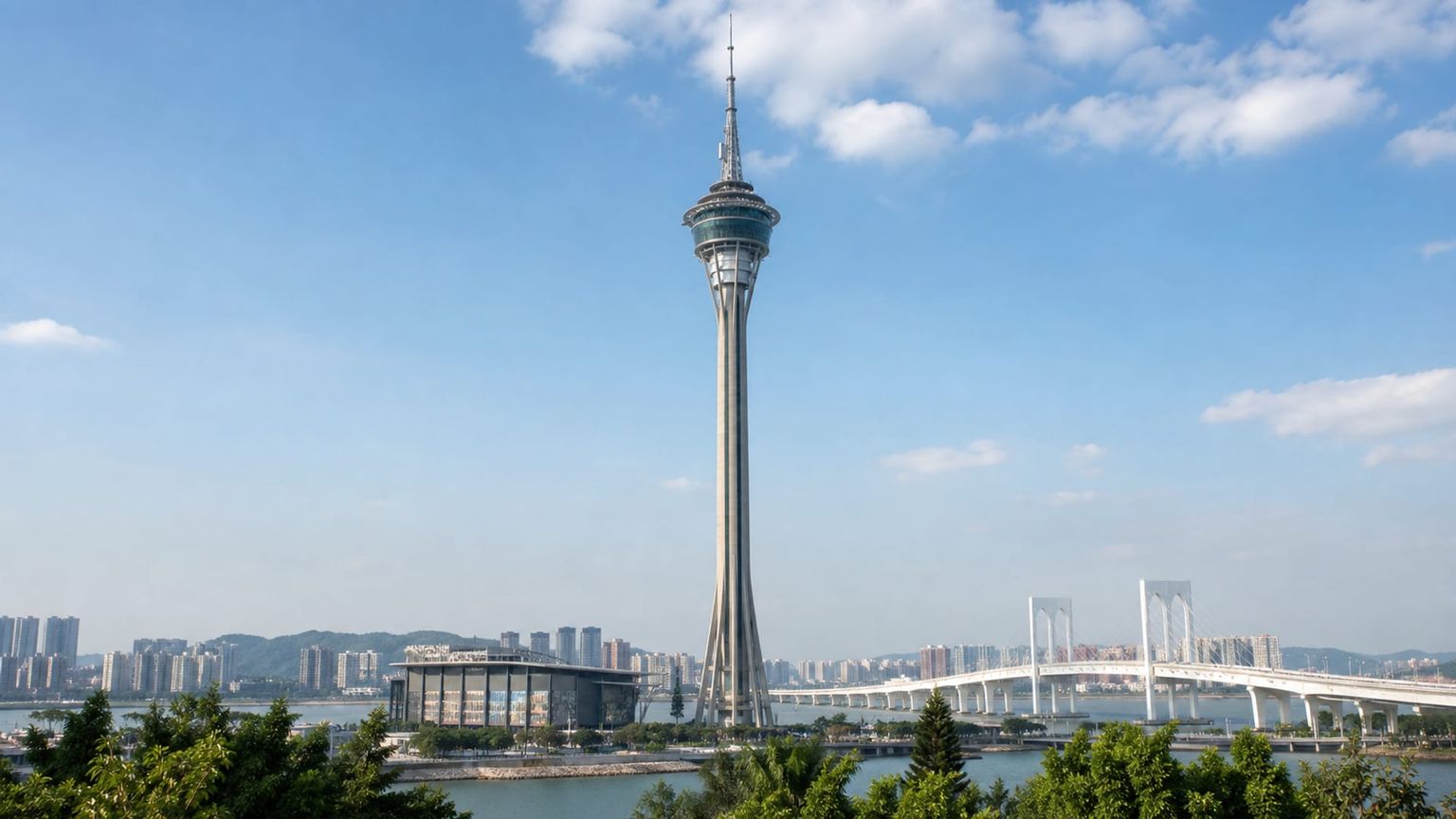
Macau Tower rises 338 meters above the city, with an Observation Deck 1,108 feet (223 meters) above ground and 360-degree views across Macau and the Pearl River Delta. The tower also houses the revolving 360° Café and Skypark activities, including the bungy jump from its outdoor platform.
Time needed: About 2 hours
Entry: Observation deck tickets cost $20 to $31 (MOP 160 to MOP 250), with higher prices for bundled experiences and seasonal promotions. Visit the official site for details.
Tip: Check visibility before going, since haze can reduce the long-distance views.
Overlooked sites worth visiting

Colina da Guia and Guia Fortress
Guia Fortress crowns Guia Hill with a 17th-century fort, chapel, and lighthouse. The site overlooks Macau Peninsula and forms part of the UNESCO-listed Historic Center of Macao nearby.
Time needed: About 1 to 2 hours
Entry: Free to access the hill, fortress grounds, and exterior viewpoints; the Guia Lighthouse interior is usually closed except on limited opening days, so most visitors come for the walk, the chapel, and the panorama rather than a ticketed visit.
Tip: Take the cable car from Flora Garden if you want to avoid most of the uphill walk.

Lou Lim Ieoc Garden
Lou Lim Ieoc Garden is a compact Suzhou-style garden with lotus ponds, rockeries, pavilions, bamboo, and a nine-turn bridge. The grounds date to the late 19th century and became public in 1974.
Time needed: About 45 minutes to 1 hour
Entry: Free to access during park opening hours, with no standard admission charge for the garden itself. The site is publicly managed, so visitors can enter on foot and focus on the bridges, rockery, and pond areas without a paid ticket.
Tip: Add the free Macao Tea Culture House, which sits inside the garden and closes on Mondays.
Traditional food
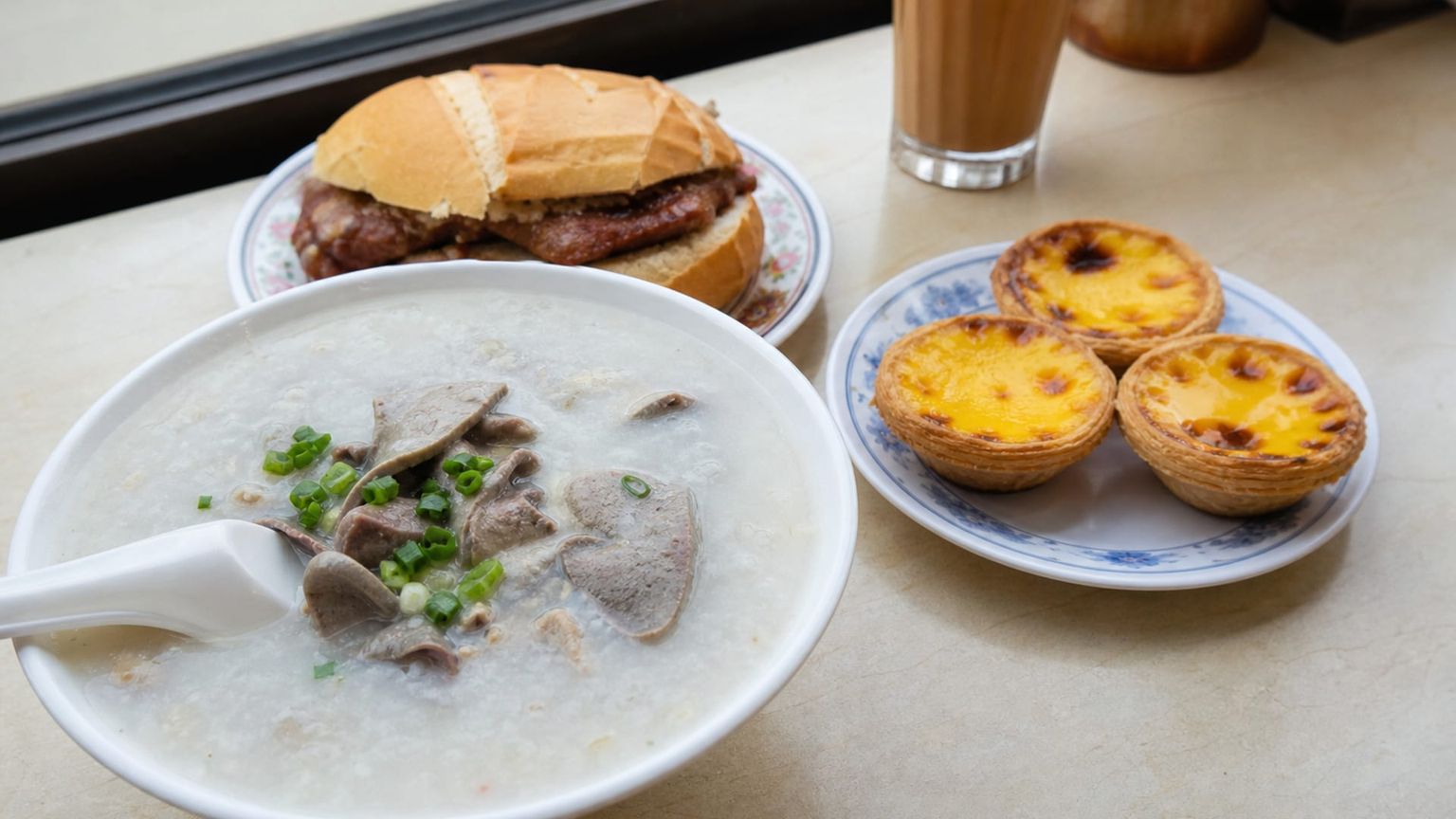
Macanese cooking reflects Portuguese and Chinese traditions alongside flavors brought through old trade routes. Try these four dishes to see how that history appears in everyday food.
Portuguese egg tart
Portuguese egg tarts pair flaky pastry with a caramelized custard filling. Lord Stow’s Bakery in Coloane is where Andrew Stow developed the Macau-style version in 1990, helping turn the tart into one of the city’s best-known foods.
African chicken
African chicken is roasted or grilled chicken served with a rich sauce that may include coconut milk, peanuts, chili, garlic, and spices. A Lorcha near A-Ma Temple serves it alongside other long-established Portuguese and Macanese dishes.
Pork chop bun
A pork chop bun fills a Portuguese-style roll with a marinated pork chop, usually fried or grilled. Tai Lei Loi Kei in Taipa has prepared the snack for more than 50 years and remains one of the names most closely tied to it in Macau today.
Minchi
Minchi combines minced pork or beef with diced potatoes, onion, and soy sauce, often finished with a fried egg. Restaurante Litoral serves traditional Macanese cooking and remains a long-established place to try the dish in Macau today.
Best time to visit Macau
Macau’s seasons vary sharply in heat, humidity, rain, and typhoon risk, so travel dates can change how much time you spend outdoors.
Best for: Temple visits, hillside walks, and outdoor sightseeing before summer heat
What you get: March is mild, while April and May turn warmer and wetter, with average temperatures rising from about 61°F (16°C) to 83°F (28°C).
Trade-offs: Rain increases sharply by May, and Labor Day holidays can bring very heavy visitor traffic.
Best for: Indoor resorts, museums, long meals, and evening plans after the daytime heat
What you get: June to August is hot, humid, and very wet, with typical averages from about 78°F (26°C) to 89°F (32°C) and frequent heavy downpours.
Trade-offs: July to September is peak typhoon season, and severe weather can suspend buses and the light rail.
Best for: Walking the historic center, Taipa Village, and outdoor sights in drier weather
What you get: September stays hot, but October and November are drier and milder, with average temperatures from about 65°F (18°C) to 87°F (31°C).
Trade-offs: National Day Golden Week in early October can bring some of the year’s heaviest visitor traffic.
Best for: Long city walks, heritage sights, museums, and outdoor meals in cooler weather
What you get: December to February is generally dry and cool, with typical temperatures near 54°F (12°C) to 68°F (20°C) and many clear, sunny days.
Trade-offs: Lunar New Year can bring very heavy crowds, and evenings may feel chilly when temperatures drop.
A realistic 5-day plan in Macau
Five days give you time to see Macau at an easy pace, from the historic streets of the peninsula to Guia Hill, Cotai, and Taipa. The plan keeps nearby sights together, so most days feel relaxed instead of being spent going back and forth across the city.
Arrive at Macau International Airport and take a taxi to the historic center (about 20 minutes in normal traffic), which costs MOP 95 to MOP 130 ($12 to $16). After checking in, spend the evening near Senado Square, walking along the tiled streets and having dinner in the old city. It is enough for arrival day: you see Macau’s Portuguese-era architecture, get your bearings, and avoid turning the first evening into a full sightseeing schedule.
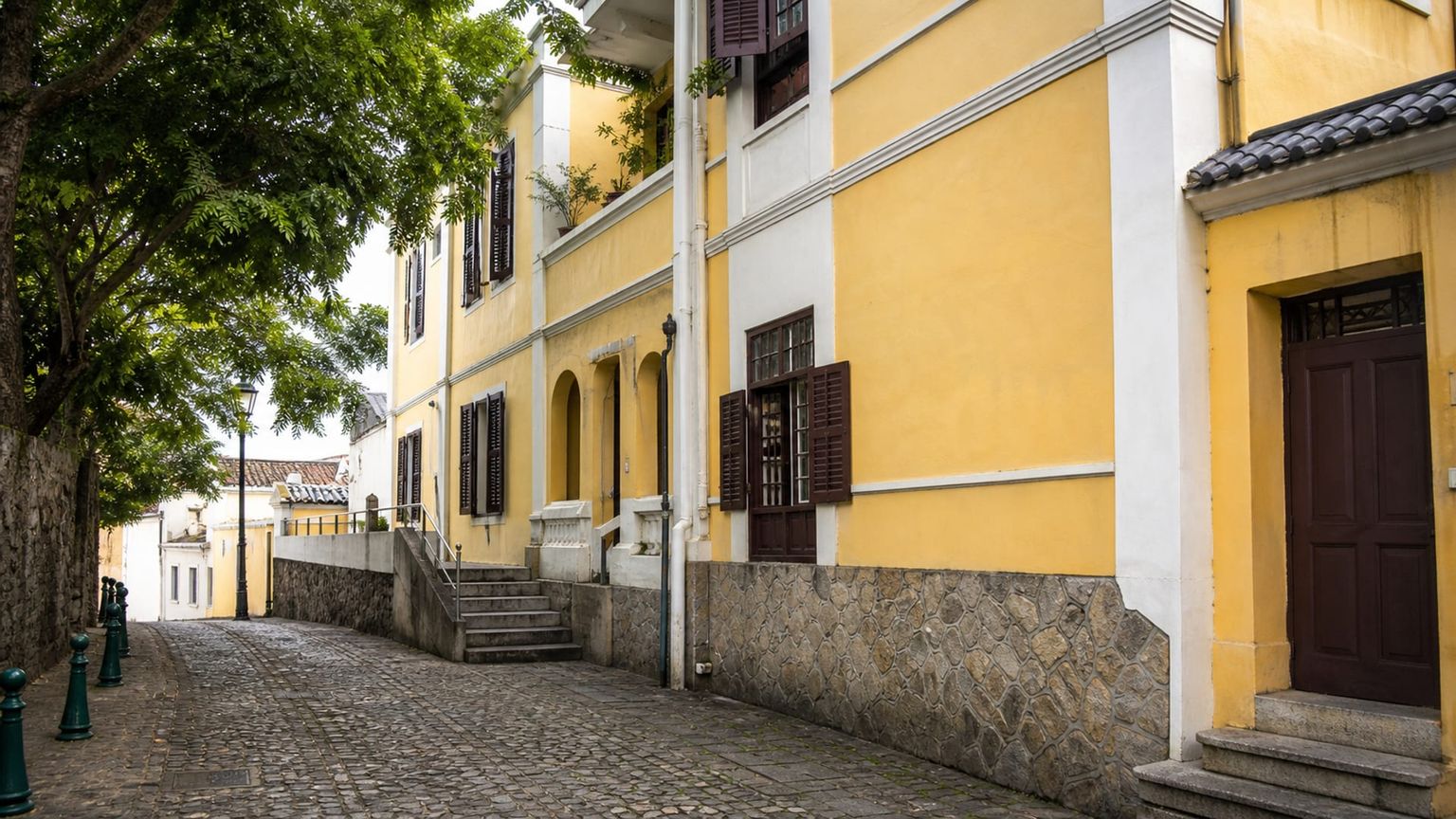
Start at A-Ma Temple while the morning is still cool and take time with its hillside halls, pavilions, stone steps, and incense-filled spaces. From there, walk or take a short taxi ride to Macau Tower for the Observation Deck, where the peninsula, bridges, Cotai, and Pearl River Delta spread out below. Have lunch nearby or at the tower, then return to the historic center for dinner and an evening walk through streets you first saw on arrival day.
Spend the morning at Lou Lim Ieoc Garden, where ponds, rockeries, pavilions, and the nine-turn bridge set a relaxed pace for the morning. Continue to Flora Garden, then take the cable car or walk up Guia Hill to the fortress, chapel, and lighthouse, with open views across much of the peninsula. Later, head to the Ruins of St. Paul’s and follow the streets below the façade toward the old center, stopping for dinner after a day that covers gardens, hilltop heritage, and Macau’s best-known historic landmark.
Start the morning in Cotai with breakfast, then spend a few hours inside one or two of the large resorts, shopping centers, or indoor attractions before lunch. In the afternoon, walk or take a short taxi ride to Taipa Village, where Rua do Cunha, Our Lady of Carmel Church, local bakeries, and older residential lanes show a very different side of Macau. Have dinner in the village, then return to Cotai only if you want a show, casino visit, or late drink.
Keep the final day light. Visit a museum or gallery on the Macau Peninsula, then spend the late morning shopping near Senado Square before checking out. Continue to Taipa Village for coffee or an early lunch and one last walk along its compact streets, then go straight to Macau International Airport, about 10 minutes away by car. Finishing in Taipa puts you close to the airport and avoids crossing back to the peninsula before your flight.
Business-class flights from the US to Macau
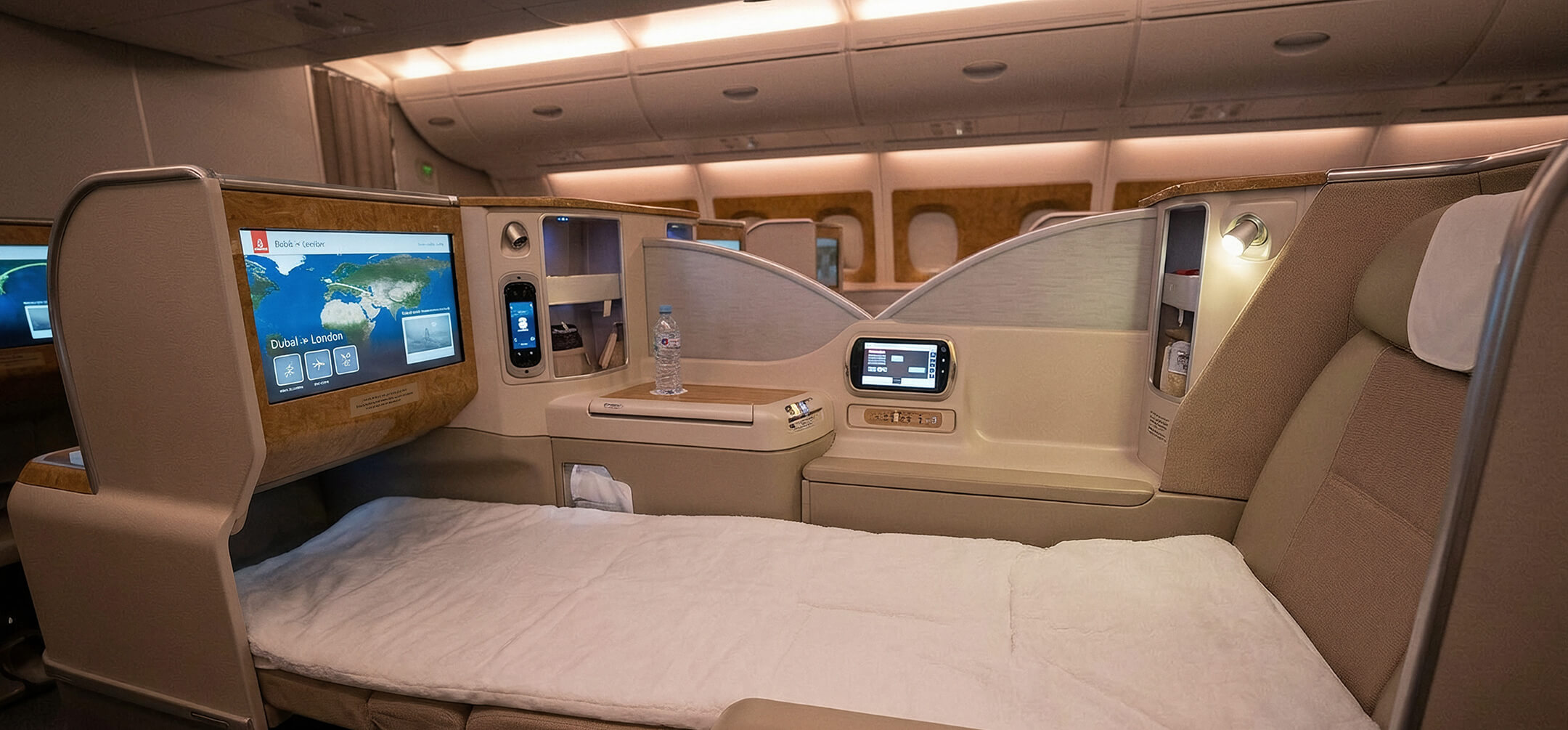
There are no nonstop business-class flights from the US to Macau Airport (MFM), so journeys from New York and Los Angeles have at least one layover.
New York (JFK) to Macau (MFM)
From New York (JFK), EVA Air and China Airlines connect through Taipei (TPE), Korean Air through Seoul (ICN), and Air China through Beijing (PEK). Total journey times vary sharply with the layover, from about 21 hours on the shorter itineraries to roughly 38 hours on longer ones. Round-trip business-class fares usually range from $6,000 to $12,000, with peak-demand dates sometimes pushing well above that level.
Los Angeles (LAX) to Macau (MFM)
From Los Angeles (LAX), XiamenAir connects through Xiamen (XMN), while EVA Air and STARLUX Airlines route through Taipei (TPE). United Airlines also sells itineraries to Macau with Air Macau and ANA through Tokyo Narita (NRT). The shortest flights take about 18 hours, while longer ones can reach 36 hours, depending on the connection. Round-trip business-class fares usually fall between $5,800 and $8,500.
A slower way to see Macau
A well-planned Macau trip leaves space for the historic peninsula, Guia Hill, Cotai, and Taipa without turning each day into a race across the city. Grouping nearby sights keeps transfers short and leaves time for meals, walks, and relaxed evenings instead of constant backtracking. Once your dates are set, AranGrant can help with business-class flights to Macau and hotels in the area that suit your plans.